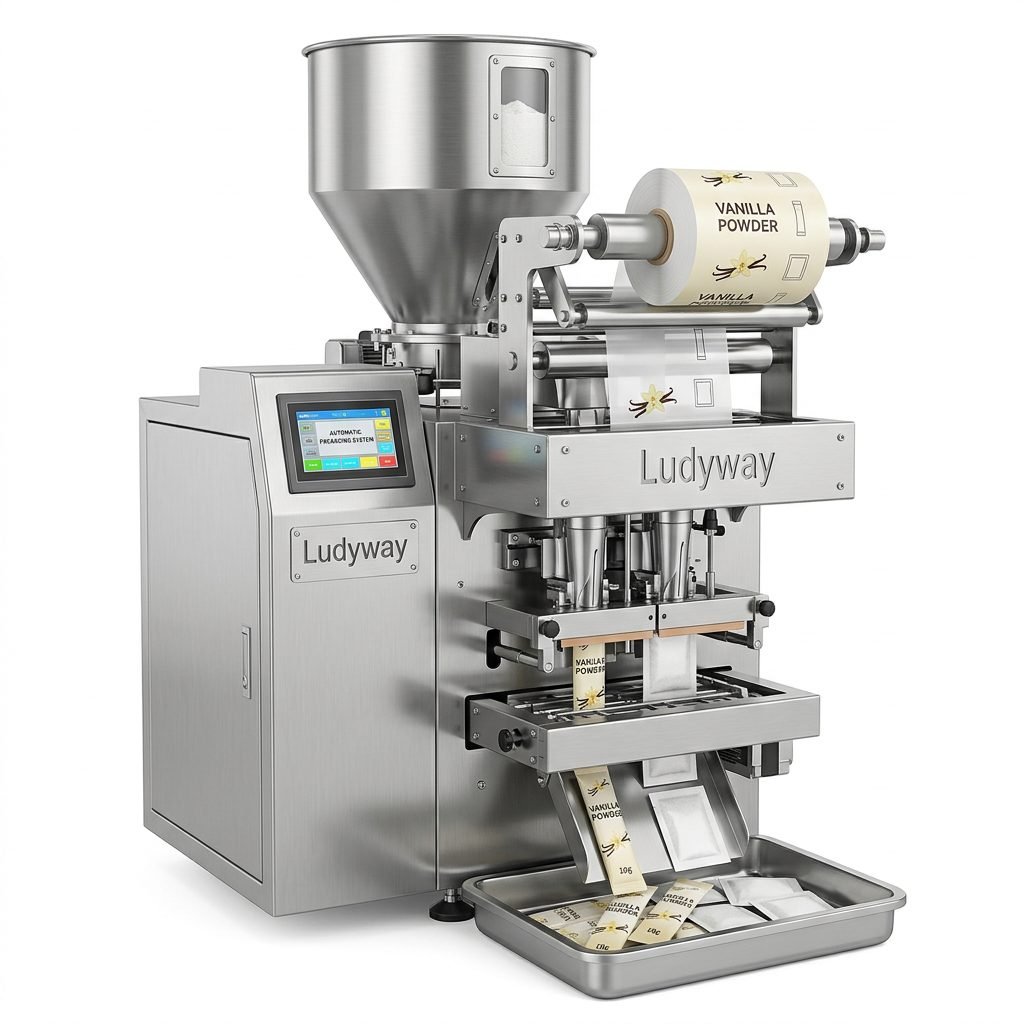
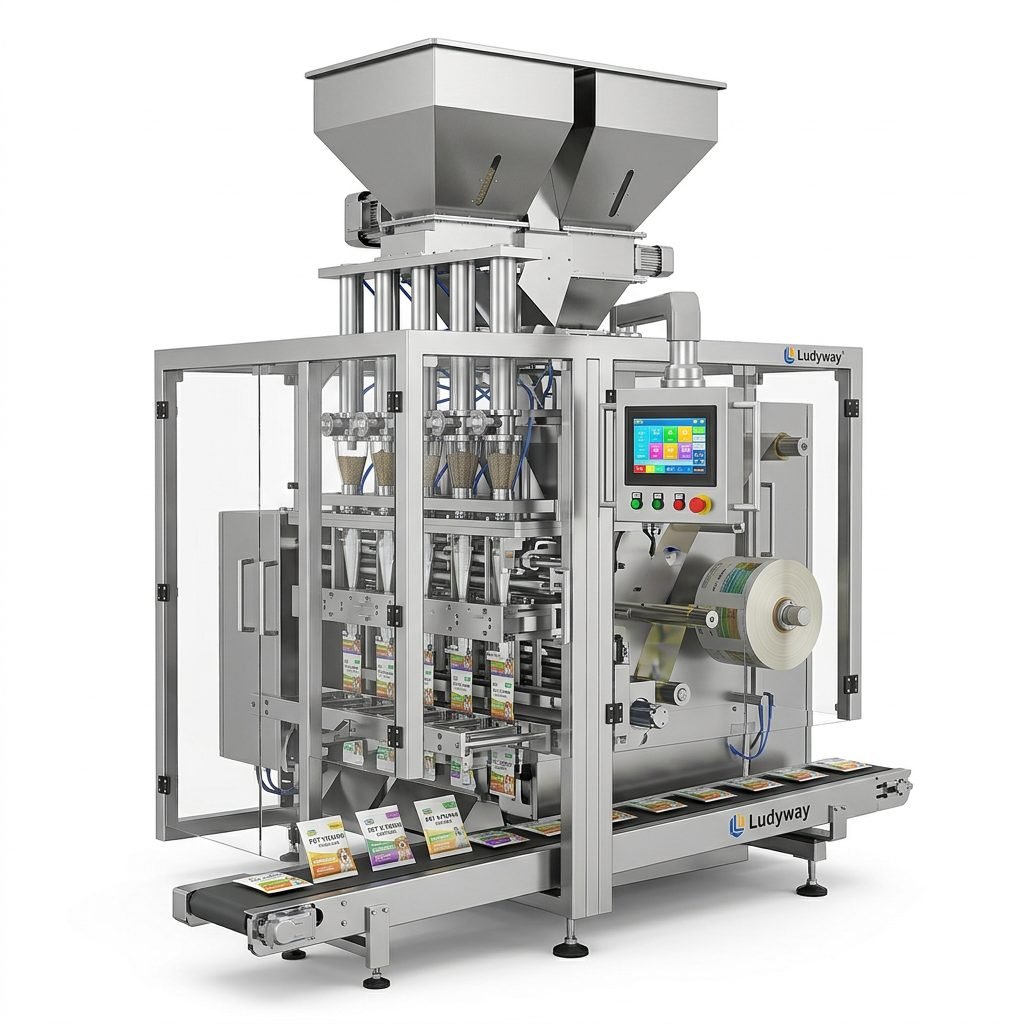
Investing in a coffee bag packing machine is a critical decision for roasters, producers, and co-packers aiming to scale operations while maintaining product freshness and brand quality. With a wide range of technologies, bag formats, and automation levels available, selecting the right equipment requires a clear understanding of your product characteristics, production goals, and long-term business strategy. This buyer’s guide walks you through the essential factors to evaluate before making a purchase.

1. Understand Your Coffee Product and Packaging Requirements
Before comparing machine specifications, define your product profile. Coffee comes in various forms — whole beans, ground coffee, instant powder, and liquid concentrates — each requiring different handling, dosing, and sealing approaches. Key considerations include:
- Product form: Whole beans demand gentle handling to prevent breakage; ground coffee requires dust control; instant powder needs precise dosing and moisture protection.
- Degassing requirements: Freshly roasted coffee releases CO₂. Your packaging solution must accommodate one-way degassing valves or nitrogen flushing to preserve freshness and prevent bag bursting.
- Shelf-life targets: Oxygen, moisture, and light are the enemies of coffee quality. The machine’s sealing integrity and compatibility with barrier films directly impact product longevity.
- Filling weight range: Whether you pack 250g retail bags or 1kg bulk formats, the dosing system must deliver consistent accuracy across your target weights.
According to the Flexible Packaging Association, material selection and seal integrity are among the top factors influencing packaged food quality and shelf life. Aligning your machine capabilities with your coffee’s specific needs from the start prevents costly retrofits later.
2. Bag Formats and Packaging Styles
Modern coffee packaging spans multiple formats, and your machine must support the styles your brand requires — both now and in the future. Common formats include:
| Bag Format | Best Suited For | Key Features |
|---|---|---|
| Stand-up pouch (SUP) | Retail whole bean and ground coffee | Shelf presence, resealable zipper, degassing valve compatible |
| Flat bottom / quad-seal bag | Premium and specialty brands | Excellent stability, high-graphic print area, gusseted sides |
| Gusseted side-seal pouch | Bulk and foodservice packaging | Large capacity, durable construction, efficient cube utilization |
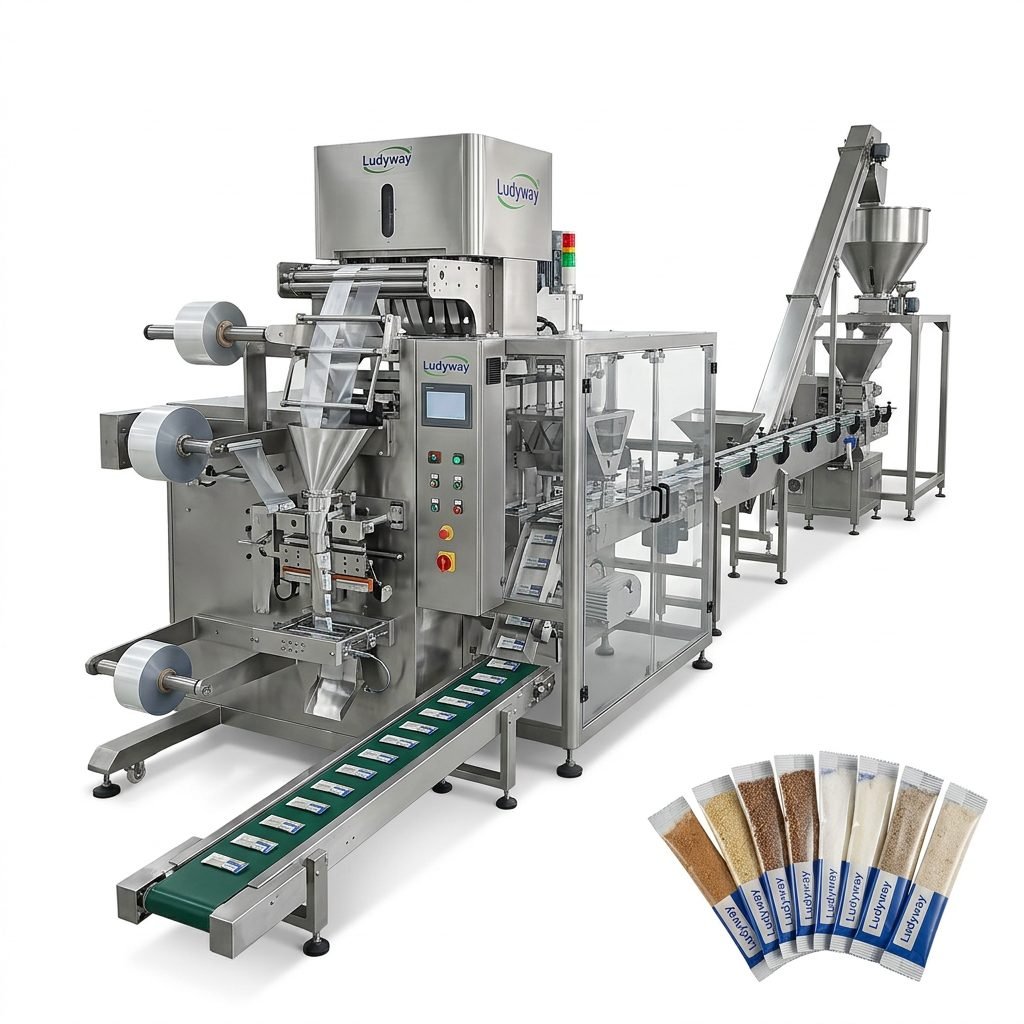
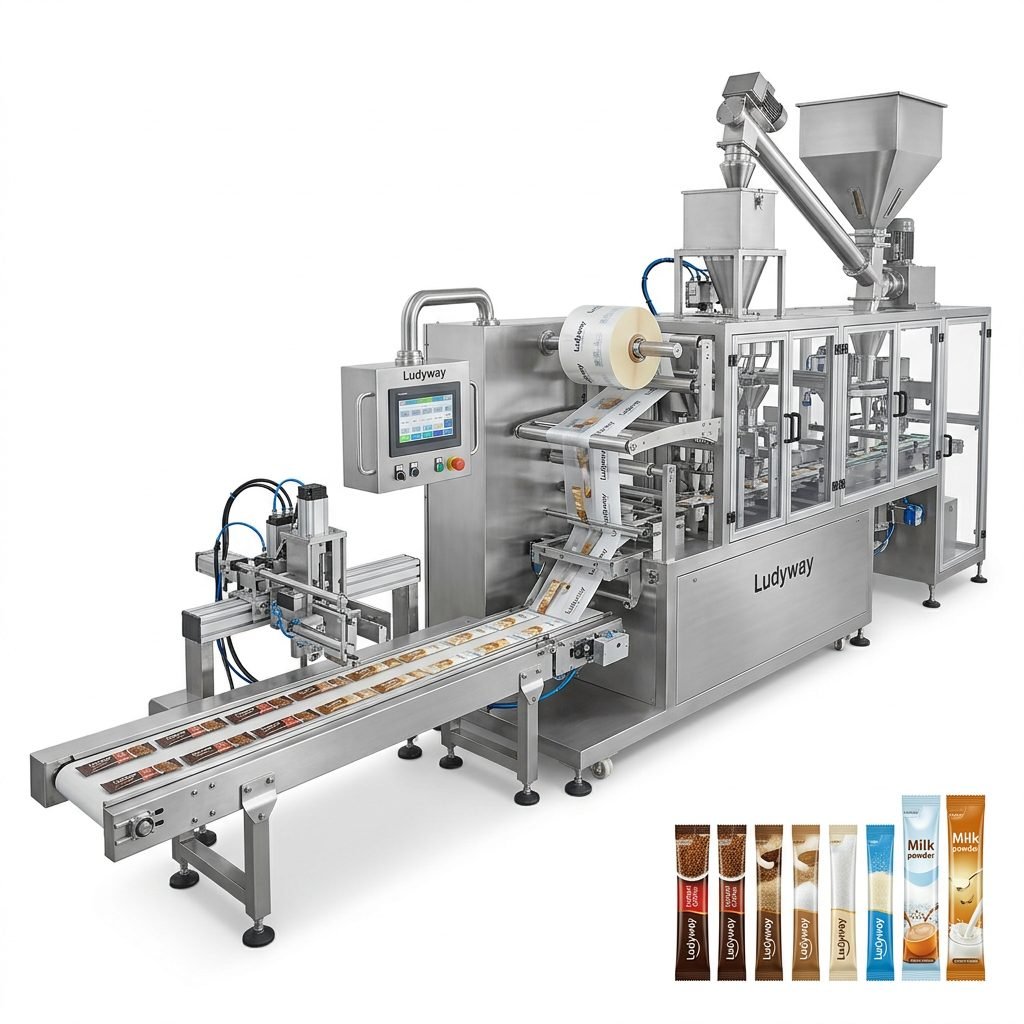
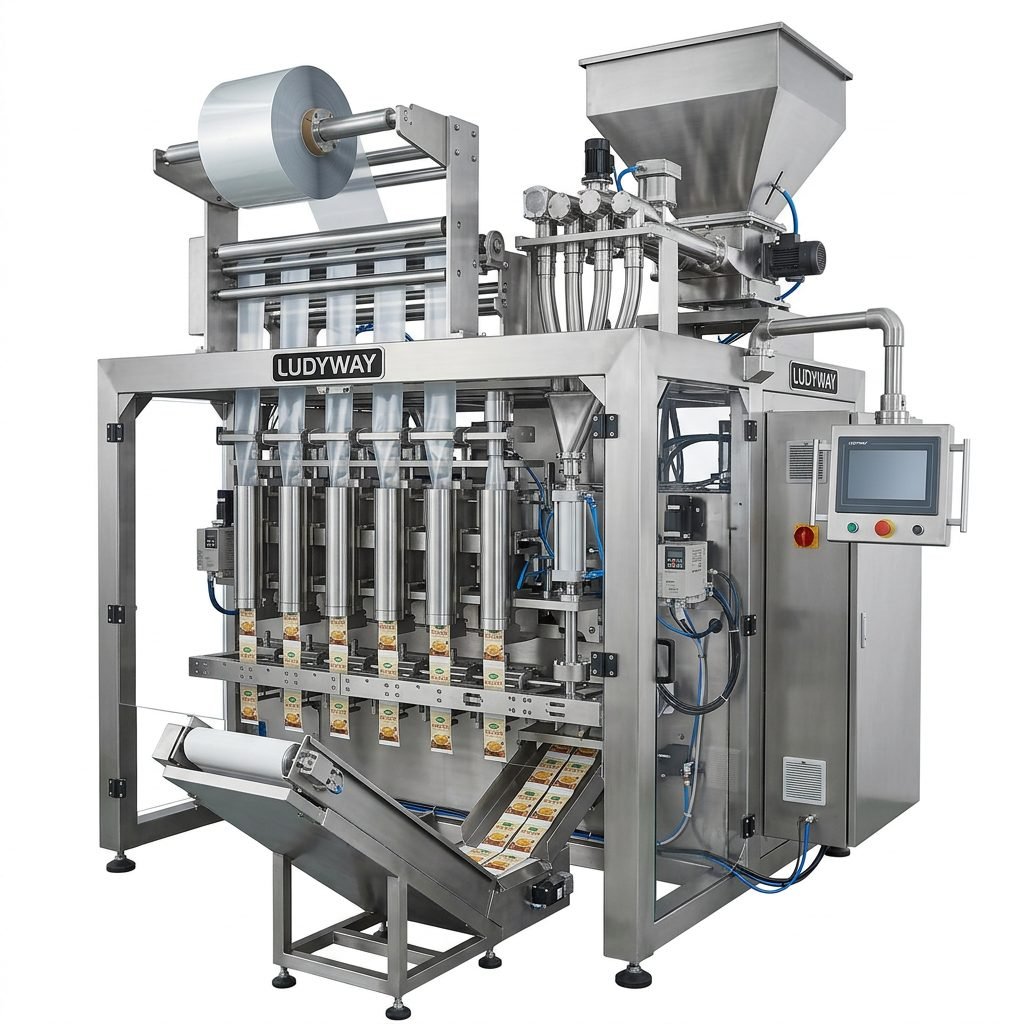
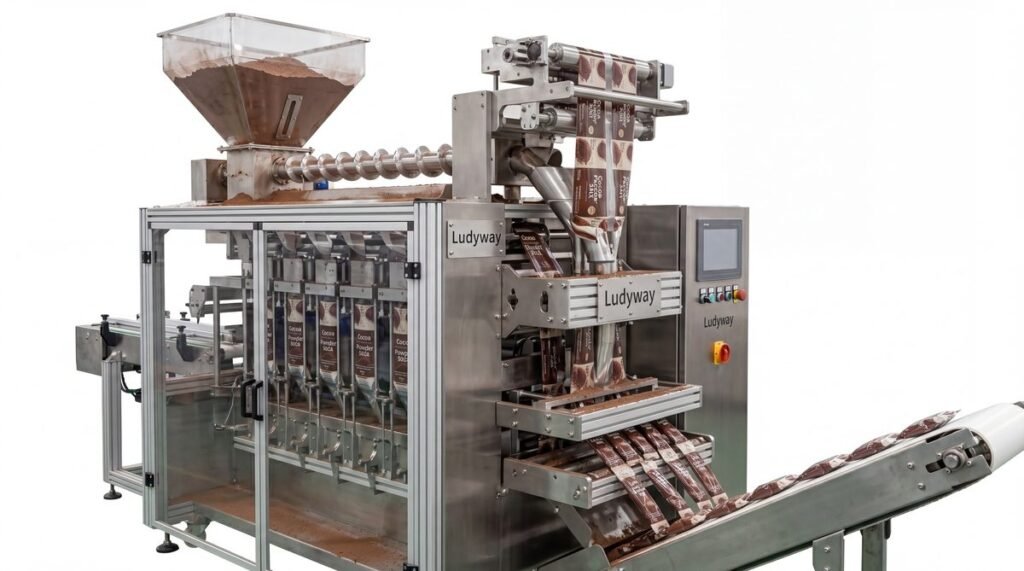
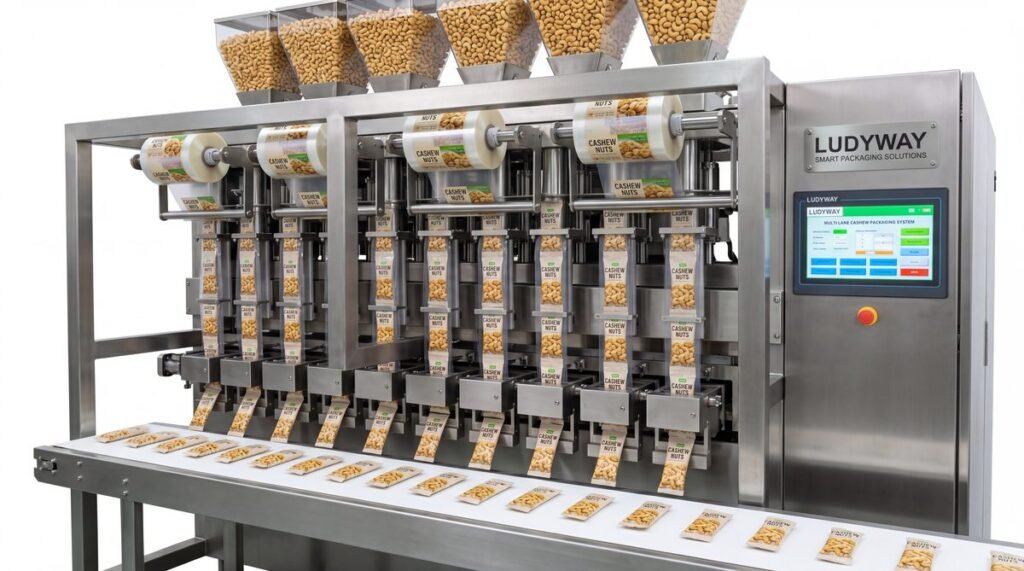
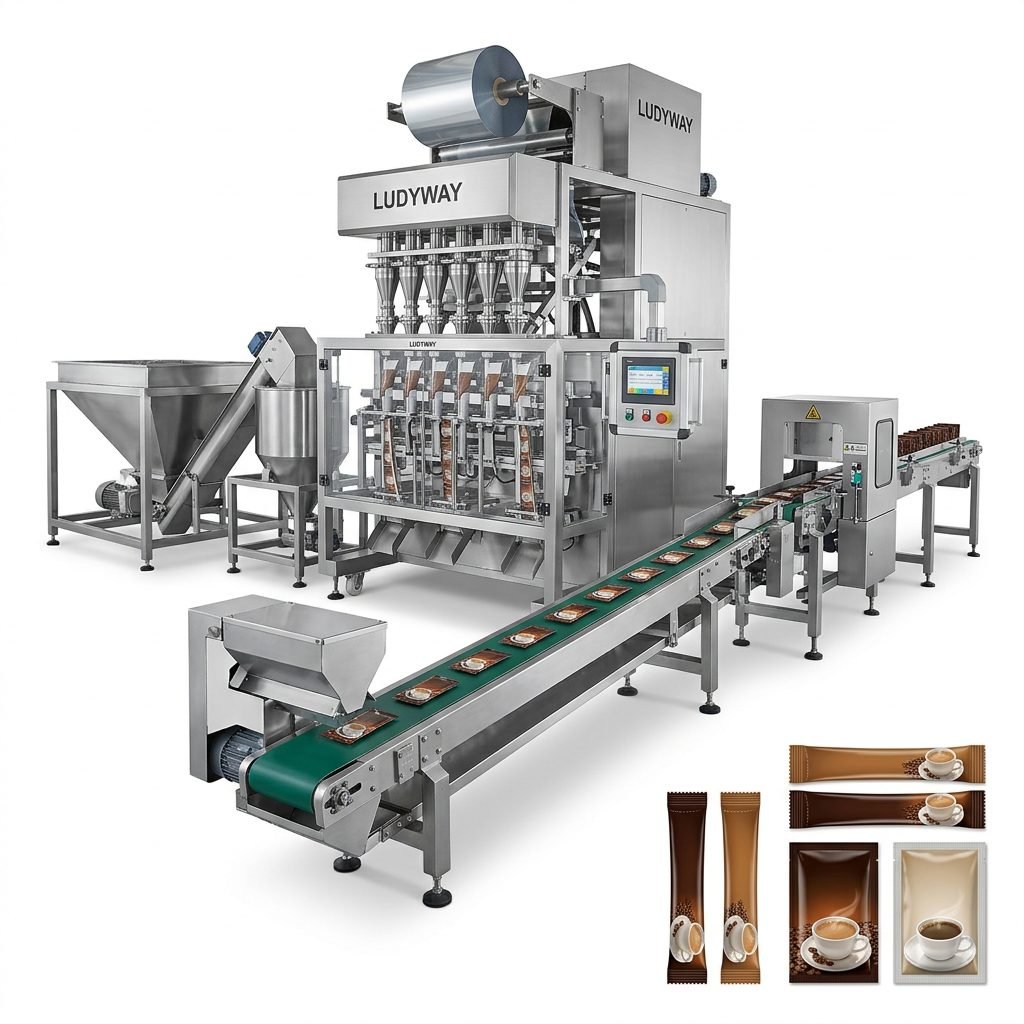
| Stick pack / sachet | Single-serve instant coffee | Portion control, high-speed multi-lane production |
| Vacuum brick pack | Mass-market ground coffee | Compact, long shelf life, high-density stacking |
Evaluating changeover flexibility is equally important. If you plan to offer multiple bag sizes or formats, look for machines with tool-free adjustment features and recipe-based control systems that minimize downtime between runs.
3. Production Speed and Capacity Planning
Matching machine throughput to your current and projected demand prevents bottlenecks and overinvestment. Consider these factors:
- Current daily output and peak season requirements
- Projected growth over the next 3–5 years
- Shift patterns — single, double, or continuous operation
- Overall Equipment Effectiveness (OEE) targets
It is generally advisable to select a machine capable of running at 70–80% of its rated maximum speed during normal production. This headroom accommodates peak demands without pushing equipment beyond its reliable operating range. The PMMI Business Intelligence resources provide industry benchmarks for packaging line performance that can help you set realistic targets.
4. Machine Type: Vertical Form Fill Seal (VFFS) vs. Pre-Made Pouch Systems
Two primary machine architectures dominate coffee packaging, each with distinct advantages:
Vertical Form Fill Seal (VFFS) Machines
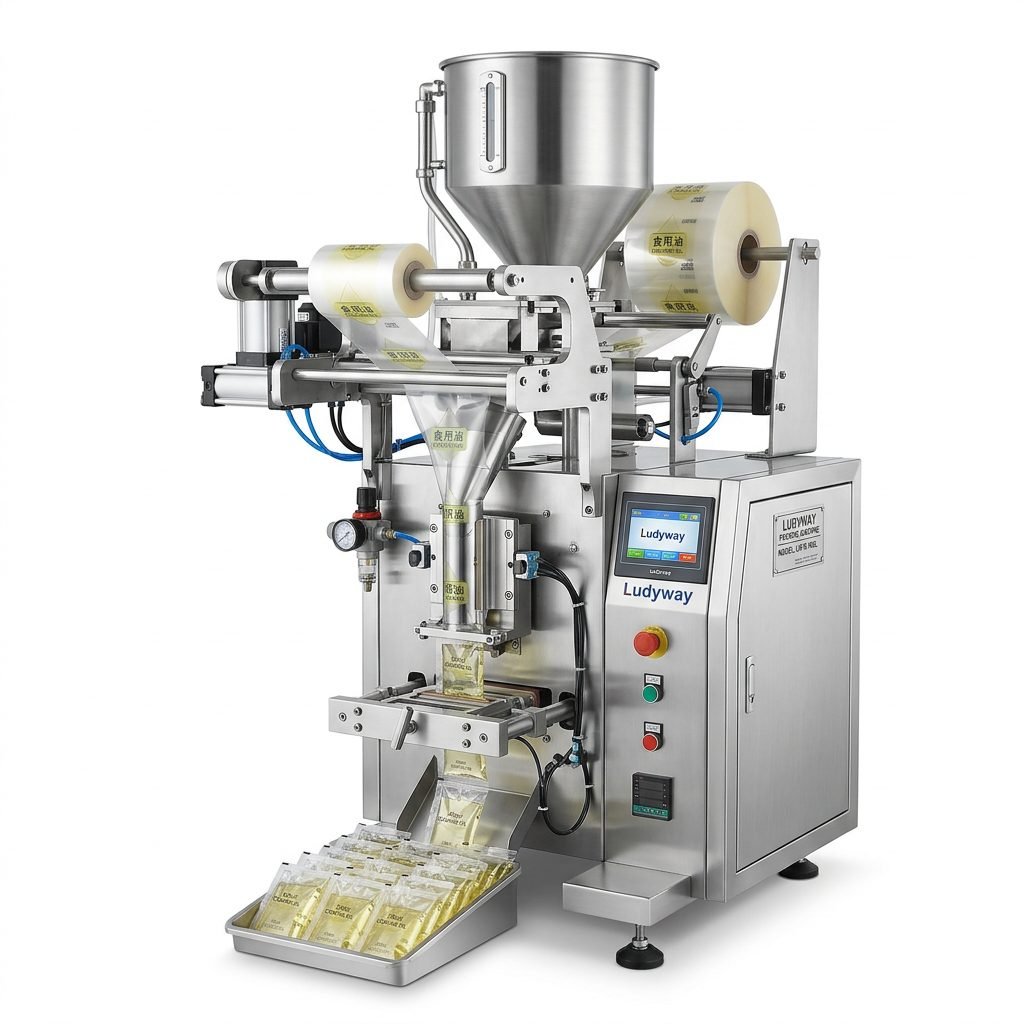
VFFS machines form bags from rollstock film, fill product, and seal — all in a continuous vertical motion. They are cost-effective for high-volume production and offer lower per-package material costs. Modern VFFS systems can handle degassing valves, zipper closures, and nitrogen flushing. They are ideal for producers running consistent bag formats at scale.
Rotary Pre-Made Pouch Fill and Seal Machines
These systems use pre-formed pouches loaded manually or automatically into rotary stations. They excel at handling complex bag formats such as stand-up pouches with multiple fitments, shaped bags, and heavy-gauge materials. While per-pouch costs are higher, they provide superior print registration and are often preferred for premium specialty coffee brands. Changeover times are typically faster than VFFS for varied bag styles.
5. Critical Machine Features to Evaluate
Beyond basic functionality, several features differentiate average equipment from high-performance coffee bag packing machines:
Dosing and Weighing Accuracy
Precision filling protects your margins. Multi-head weighers deliver superior accuracy for whole beans and ground coffee, while auger fillers are better suited for fine powders like instant coffee. Volumetric cup fillers offer speed but less precision. Verify the guaranteed accuracy range at your target speeds and product type.
Sealing System Integrity
Consistent, hermetic seals are non-negotiable for coffee packaging. Evaluate:
- Seal jaw design and temperature control precision
- Dwell time adjustability for different film structures
- Cooling zone effectiveness to prevent seal creep
- Ability to integrate degassing valves and tear notches
Gas Flushing and Modified Atmosphere Packaging (MAP)
Oxygen levels below 2–3% are typically required for extended coffee shelf life. Nitrogen flushing systems should achieve consistent residual oxygen levels. Look for machines with integrated gas flow monitoring and automatic adjustment capabilities. The FDA’s packaging and food contact substances regulations should be reviewed to ensure material compliance in your target markets.
Automation and Control Systems
Modern machines feature PLC-based controls with touchscreen HMI interfaces. Recipe management, production data logging, and remote diagnostic capabilities reduce operator dependency and support continuous improvement initiatives. Servo-driven motions provide greater precision and repeatability than pneumatic or mechanical cam systems.
6. Compliance, Safety, and Industry Standards
Coffee packaging equipment must meet applicable regulatory and safety requirements. Key standards and considerations include:
- Food safety regulations: Machines should be constructed with food-grade materials, accessible for cleaning, and designed to prevent contamination. Refer to ISO packaging standards for internationally recognized guidelines.
- CE marking and electrical safety: Required for equipment sold in European markets.
- OSHA and workplace safety: Guarding, emergency stops, and interlocks must meet applicable occupational safety standards.
- Dust management: Coffee grinding and handling generates combustible dust. Proper dust collection and explosion prevention measures should be integrated.
7. Evaluating Equipment Suppliers and Support Infrastructure
The long-term value of your investment depends significantly on the manufacturer’s engineering depth, quality commitment, and after-sales support. When evaluating suppliers, consider:
- Industry experience and specialization: Does the supplier have proven expertise in coffee and food packaging applications specifically?
- Manufacturing and quality systems: In-house manufacturing with documented quality processes generally translates to better build consistency and faster lead times for critical spare parts.
- Technical support availability: Remote diagnostic capabilities, responsive field service, and accessible spare parts inventory minimize downtime.
- Customization capability: Standard machines rarely fit all requirements perfectly. A supplier with application engineering expertise can tailor configurations to your product and operational needs.
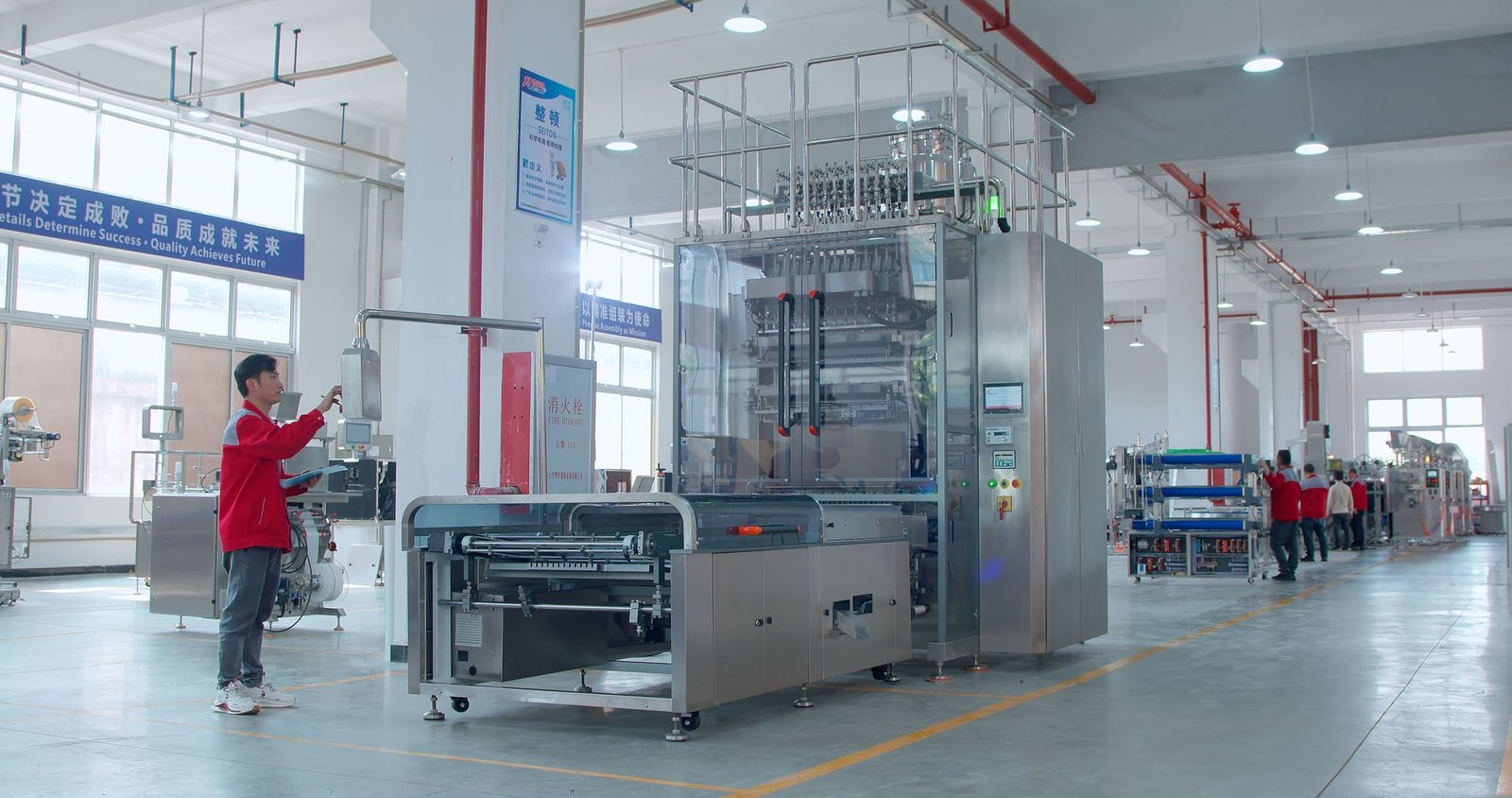
For manufacturers seeking a partner with deep packaging machinery expertise, Ludyway Machinery brings over 30 years of experience in designing and manufacturing automated packaging equipment. With a 20,000-square-meter facility, more than 130 professionals, and over 50 machine models, the company provides comprehensive packaging solutions spanning powder, granule, liquid, sachet, stick pack, and pouch applications across diverse industries including food and beverage, pharmaceuticals, and cosmetics.
8. Total Cost of Ownership and ROI Analysis
Purchase price alone is an incomplete metric. Calculate total cost of ownership (TCO) over a 5–10 year horizon by factoring in:
| Cost Category | Considerations |
|---|---|
| Initial capital expenditure | Machine cost, installation, commissioning, and operator training |
| Packaging materials | Film cost per unit, waste rates, and inventory carrying costs |
| Labor and operation | Staffing requirements per shift, skill level needed, supervision overhead |
| Maintenance and spares | Preventive maintenance schedules, wear part replacement intervals, spare parts pricing and availability |
| Downtime and production losses | Mean time between failures (MTBF), mean time to repair (MTTR), impact on order fulfillment |
| Energy and utilities | Electricity, compressed air, nitrogen consumption, and facility modifications |
ROI calculations should weigh increased throughput, reduced giveaway, lower labor costs, and faster changeovers against the TCO. For many operations, a well-specified machine pays for itself within 18–36 months through efficiency gains alone. The PMMI State of the Industry report offers valuable context on packaging machinery investment trends and benchmarks.
9. Installation, Commissioning, and Training
A smooth installation process accelerates time-to-productivity. Clarify with potential suppliers:
- Site preparation requirements: Floor loading, utility connections, and environmental conditions
- Commissioning timeline: From delivery to first commercial production
- Operator and maintenance training: On-site vs. remote, curriculum depth, and documentation quality
- Factory Acceptance Testing (FAT) and Site Acceptance Testing (SAT) protocols
Thorough training reduces the learning curve and helps your team achieve consistent output quality faster. Documentation quality — including operation manuals, maintenance schedules, and troubleshooting guides — is a strong indicator of a supplier’s professionalism.
10. Future-Proofing Your Investment
Packaging trends and consumer preferences evolve. Your coffee bag packing machine should accommodate foreseeable changes without requiring complete replacement. Consider:
- Material flexibility: Can the machine run recyclable mono-material films, compostable structures, and paper-based laminates as sustainability demands grow?
- Format adaptability: If market trends shift toward different bag styles or sizes, how easily can the machine be reconfigured?
- Automation upgrade paths: Can auxiliary systems — automatic feeding, checkweighing, metal detection, case packing, and palletizing — be integrated later?
- Industry 4.0 readiness: Does the control system support data exchange, OEE tracking, and integration with plant-wide manufacturing execution systems (MES)?
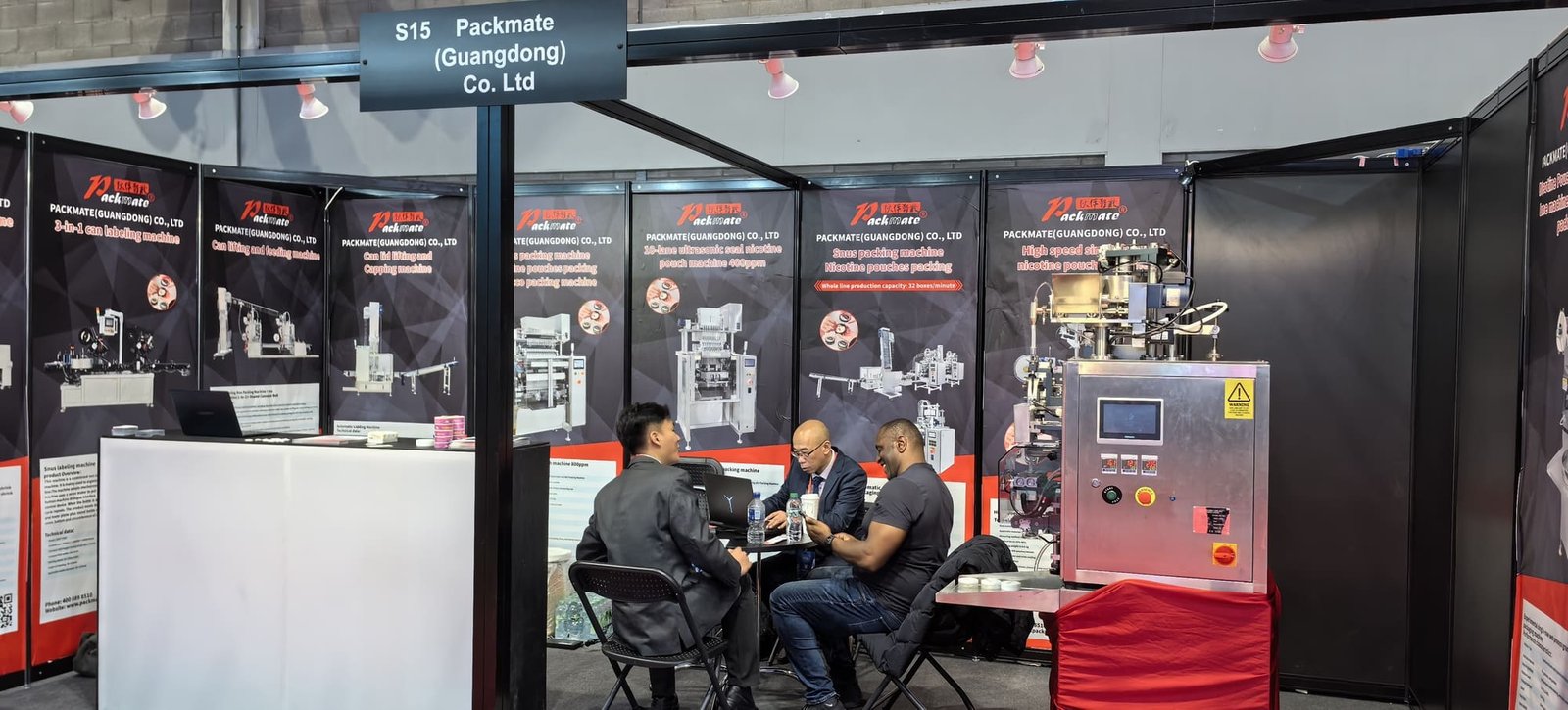
The PACK EXPO International is a valuable venue to see the latest coffee packaging technologies in action, compare multiple suppliers side by side, and discuss your specific requirements with application engineers.
Making the Final Decision
Selecting the right coffee packaging machine requires balancing technical capability, operational fit, supplier reliability, and financial sense. A methodical evaluation process that includes product testing, reference checks, and detailed specification reviews reduces risk and positions your operation for sustainable growth.
Prioritize suppliers who demonstrate deep application knowledge, transparent communication, and a commitment to long-term partnership rather than transactional equipment sales. The right machine — supported by the right engineering team — becomes a competitive asset that enhances product quality, operational efficiency, and brand reputation for years to come.