Switching from plastic to paper straws is no longer just a sustainability trend — it is becoming a regulatory requirement in many regions. For manufacturers entering or scaling up in this market, selecting the right paper straw packing machine directly impacts production efficiency, product quality, and long-term profitability. This guide walks you through every critical factor to evaluate before making a purchasing decision.
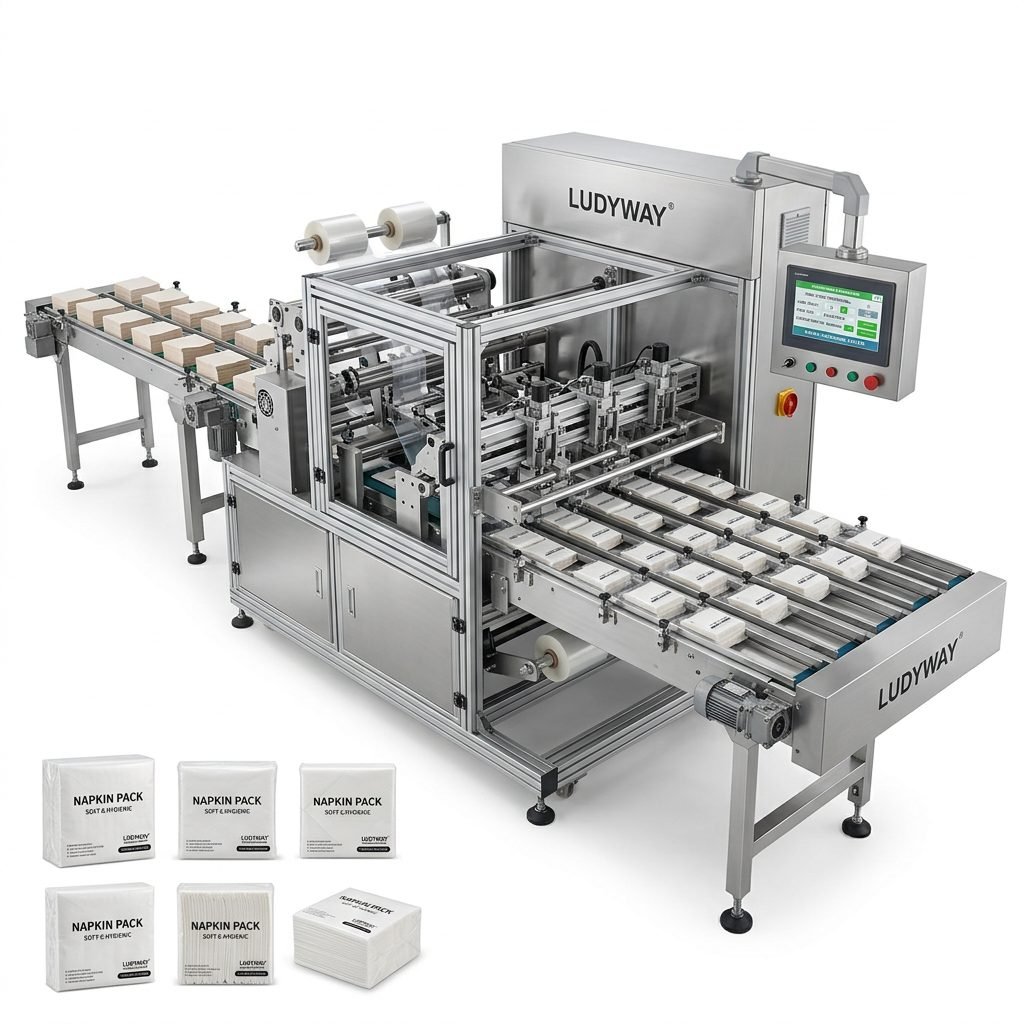
1. Understand Your Production Requirements First
Before comparing machine specifications, clearly define your operational needs. The paper straw packing machine market offers a wide range of configurations, and the best choice depends on several key parameters:
- Target output per minute or hour — Are you a startup producing 30–50 straws per minute, or a large-scale manufacturer needing 200+?
- Straw dimensions — Diameter, length, and wall thickness vary by application (bubble tea, cocktail, standard drinking).
- Packaging format — Individual wrap, multi-pack, or bulk packaging?
- Material type — Single-ply, multi-ply, or coated paper straws each behave differently in automated systems.
- Facility constraints — Available floor space, power supply, and compressed air requirements.
According to PMMI packaging industry intelligence, understanding production volume and packaging format early in the selection process helps avoid costly mismatches between machine capability and actual operational demand.
2. Key Technical Specifications to Evaluate
2.1 Speed and Throughput
Paper straw packing machines vary significantly in speed. Entry-level models may handle 30–60 straws per minute, while high-speed multi-lane systems can exceed 200–300 straws per minute. Always confirm whether the stated speed is based on single-lane or multi-lane operation. For growing businesses, investing in a machine with modular expandability allows adding lanes as demand increases without replacing the entire system.
2.2 Material Compatibility
Not all paper straws are identical. Coated vs. uncoated paper, single-ply vs. multi-ply construction, and varying moisture resistance levels all affect how straws feed through automated equipment. A quality paper straw packing machine should handle the specific grade of paper straw you manufacture without jamming, crushing, or misaligning the product. Request material trials from the supplier before finalizing your purchase.
2.3 Automation Level
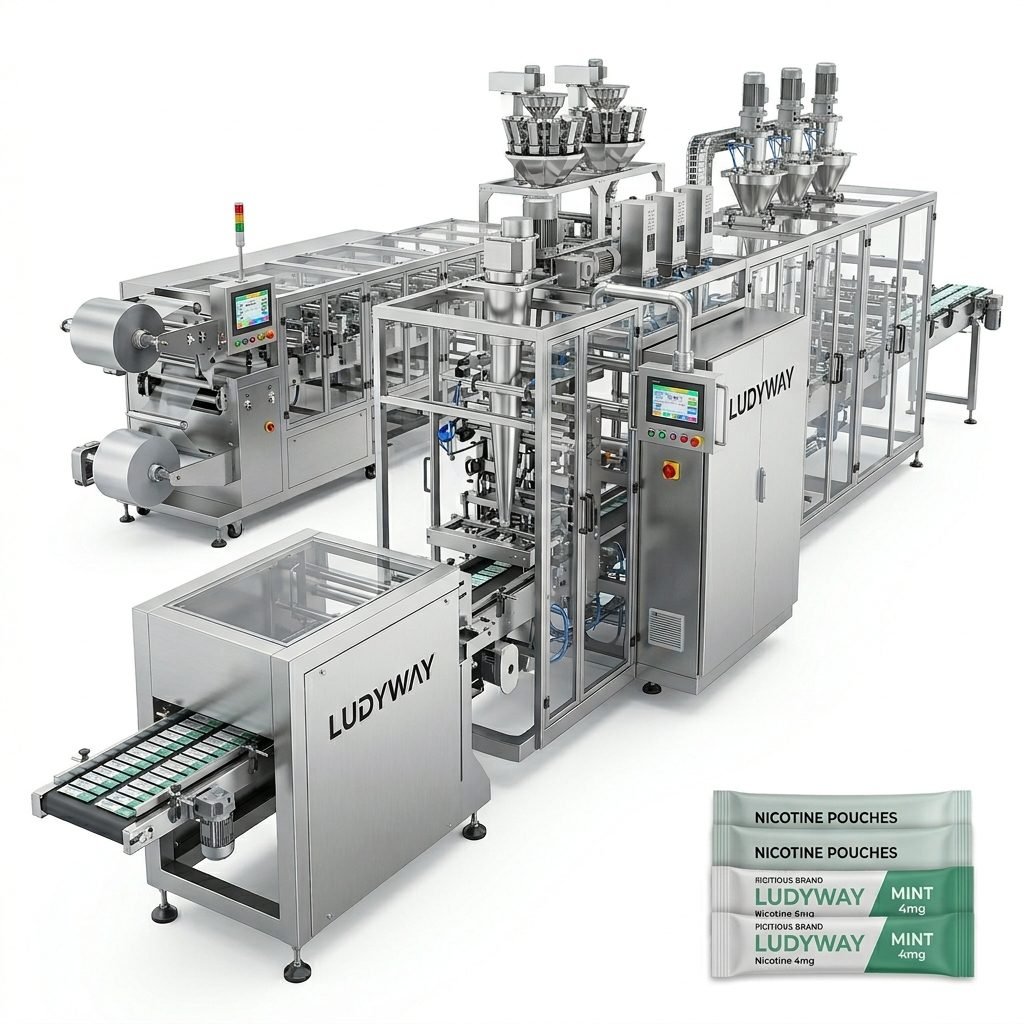
Modern paper straw packing machines range from semi-automatic to fully automatic systems. Consider which features align with your labor strategy:
- Automatic feeding systems — Eliminate manual loading and reduce labor costs.
- Auto-counting and stacking — Ensures consistent pack quantities without manual verification.
- Integrated quality inspection — Vision systems or sensors that detect bent, crushed, or missing straws.
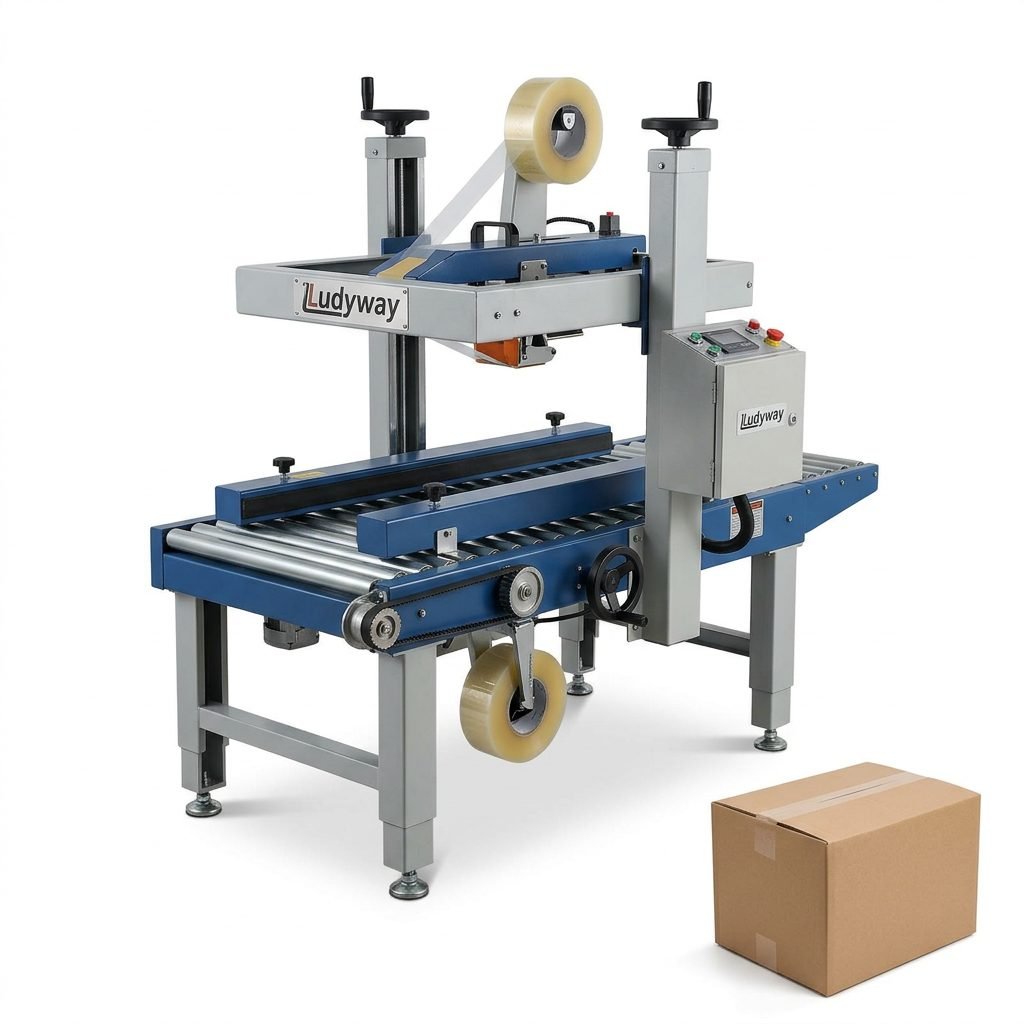
- Automated cartoning — End-of-line packaging that transfers wrapped straws directly into boxes.
The 2025 State of the Industry report from PMMI highlights that manufacturers increasingly prioritize automation to address labor shortages and improve consistency in packaging operations.
3. Machine Types: Comparing Your Options
Understanding the different categories of paper straw packing machines helps narrow your search. The table below compares the most common configurations:
| Machine Type | Best For | Typical Speed Range | Key Consideration |
|---|---|---|---|
| Single-Lane Semi-Automatic | Small producers, startups | 30–60 straws/min | Lower upfront cost but higher labor dependency |
| Single-Lane Fully Automatic | Mid-size manufacturers | 60–120 straws/min | Good balance of automation and cost |
| Multi-Lane Automatic System | High-volume production | 200–400+ straws/min | Higher investment, rapid ROI through volume |
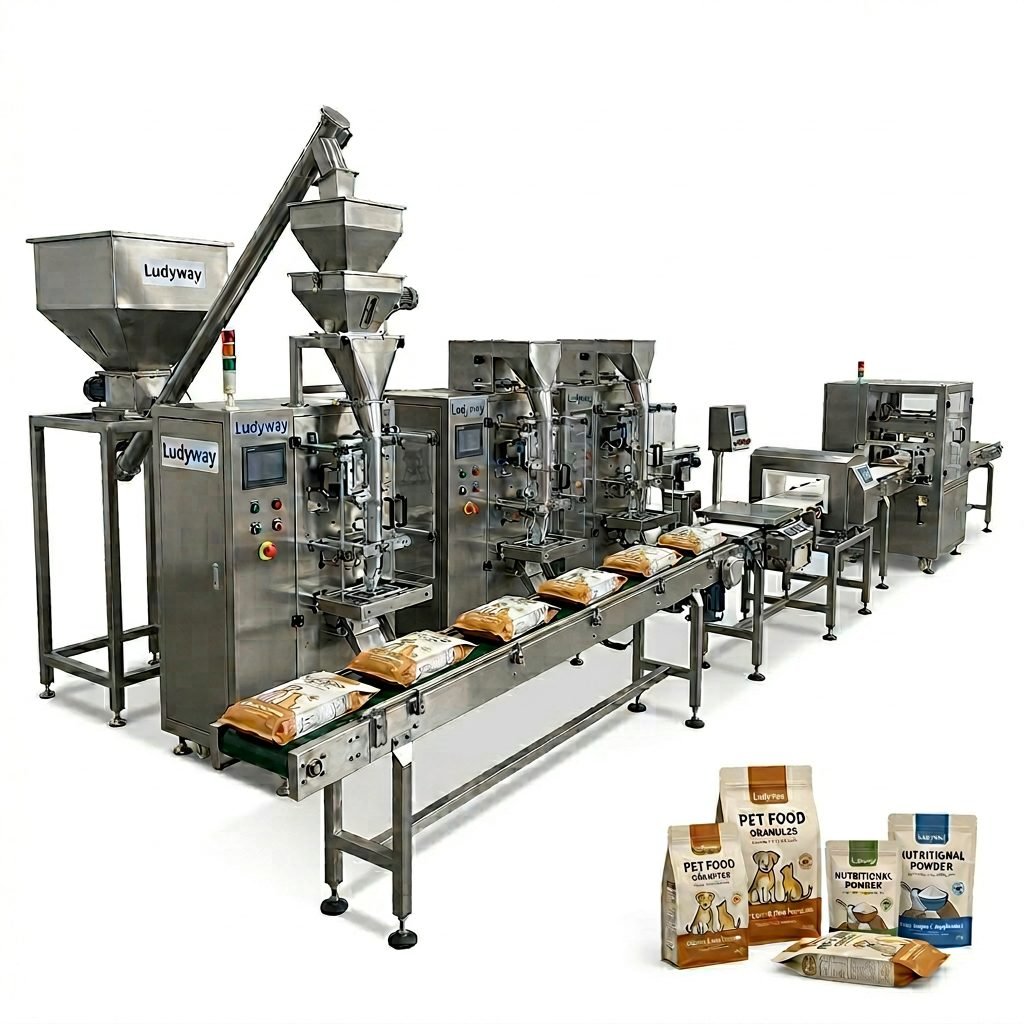
| Turnkey Packaging Line | Full-scale manufacturers | Custom configurations | Integrates feeding, wrapping, cartoning, palletizing |
4. Essential Features That Impact Performance
4.1 Wrapping and Sealing Technology
The sealing mechanism is one of the most critical components of any paper straw packing machine. Options include heat sealing, cold sealing, and ultrasonic sealing. Heat sealing is the most common for paper straw overwrap, but the temperature control precision matters — excessive heat can discolor or deform paper straws. Cold sealing eliminates heat-related risks but may have slower cycle times. Ultrasonic sealing offers energy efficiency and strong seals but typically comes at a higher equipment cost.
4.2 Changeover Flexibility
If you produce straws in multiple diameters or lengths, quick-changeover capability is essential. Look for machines with tool-less adjustment features, recipe storage for different SKUs, and accessible design that allows operators to switch formats in minutes rather than hours. Downtime during changeovers directly erodes overall equipment effectiveness.
4.3 Durability and Build Quality
Paper straw production environments can be dusty, and the machine must withstand continuous operation. Prioritize machines built with stainless steel frames, food-grade contact surfaces, and components from established industrial automation suppliers. Machines designed with sanitary principles also simplify cleaning and maintenance. The FDA food packaging and food contact substances guidelines provide relevant standards for food-contact packaging equipment.
5. Cost Considerations Beyond the Purchase Price
The initial machine price is only one part of the total cost of ownership. Evaluate these ongoing expenses:
- Energy consumption — High-speed systems may have higher power requirements.
- Spare parts availability — Confirm lead times for critical wear components.
- Packaging material waste — Efficient machines minimize film and material waste during startups and stops.
- Maintenance labor — Complex machines may require specialized technicians.
- Training requirements — Operator training costs and learning curve duration.
A machine priced lower upfront but with poor material efficiency or frequent downtime can cost significantly more over a five-year period. The Flexible Packaging Association industry resources provide useful benchmarks for evaluating packaging material performance and waste reduction strategies.
6. Supplier Evaluation Checklist
Choosing the right supplier is as important as choosing the right machine. Use this checklist when evaluating potential paper straw packing machine manufacturers:
- Industry experience — How many years has the supplier been manufacturing packaging machinery?
- Installation base — Can the supplier provide references from similar applications?
- After-sales support — What is the response time for technical assistance and spare parts?
- Customization capability — Can the supplier adapt the machine to your specific product and packaging requirements?
- Compliance documentation — Does the supplier provide CE, ISO, or other relevant certifications?
- Material testing — Will the supplier conduct trials with your actual straw samples before delivery?
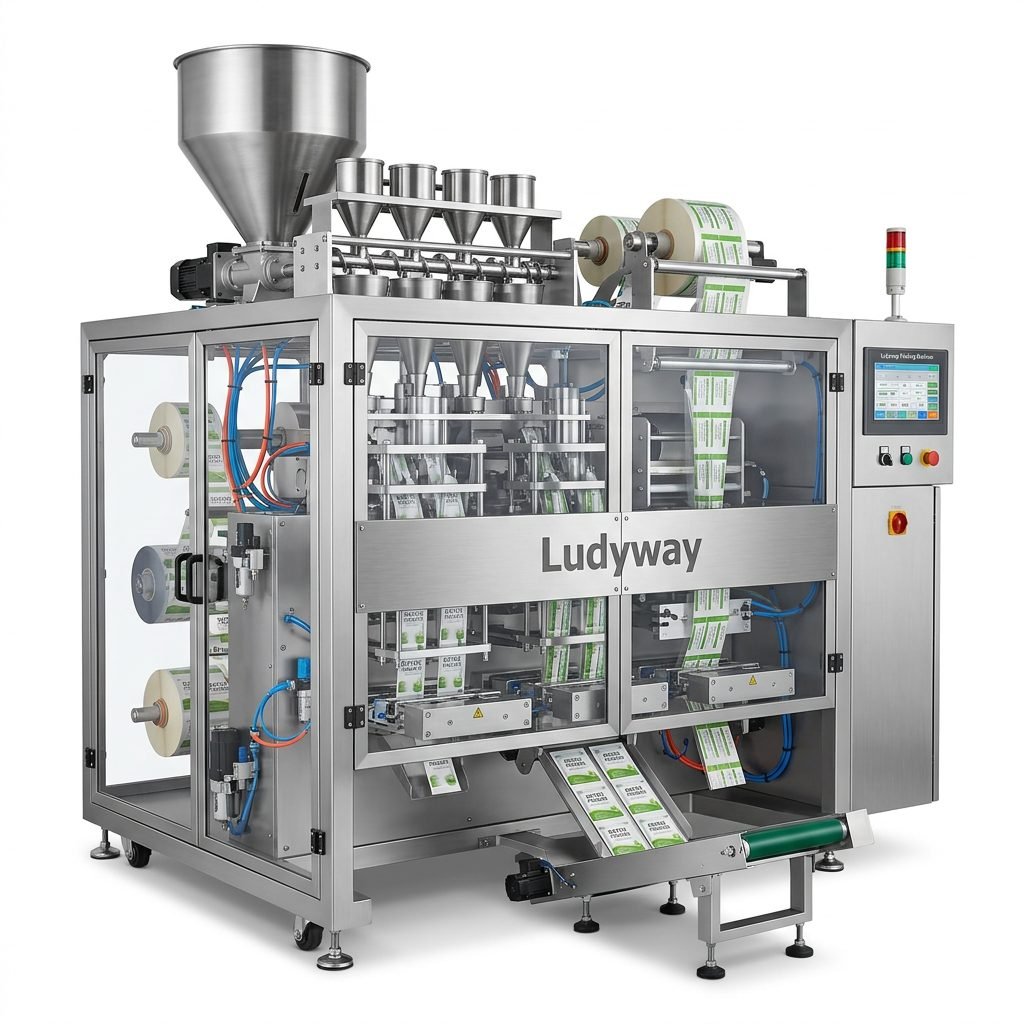
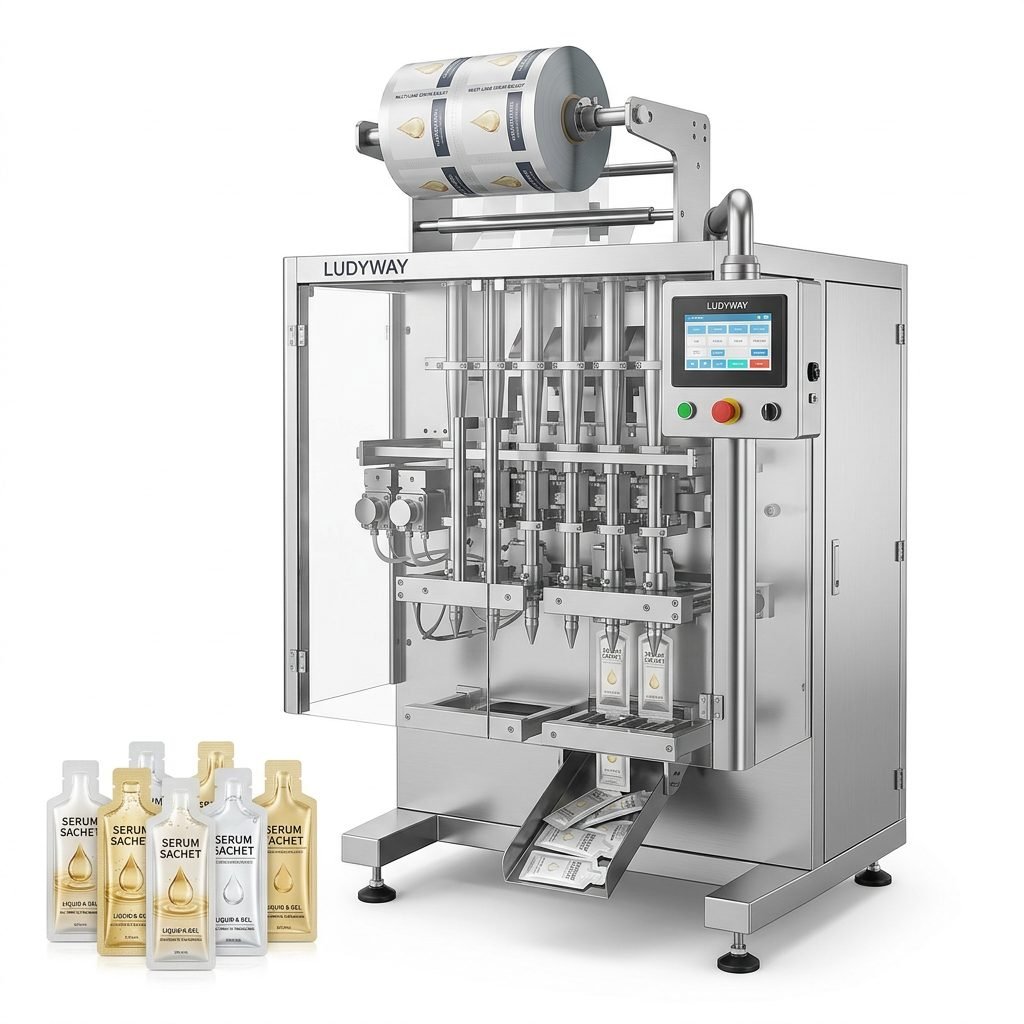
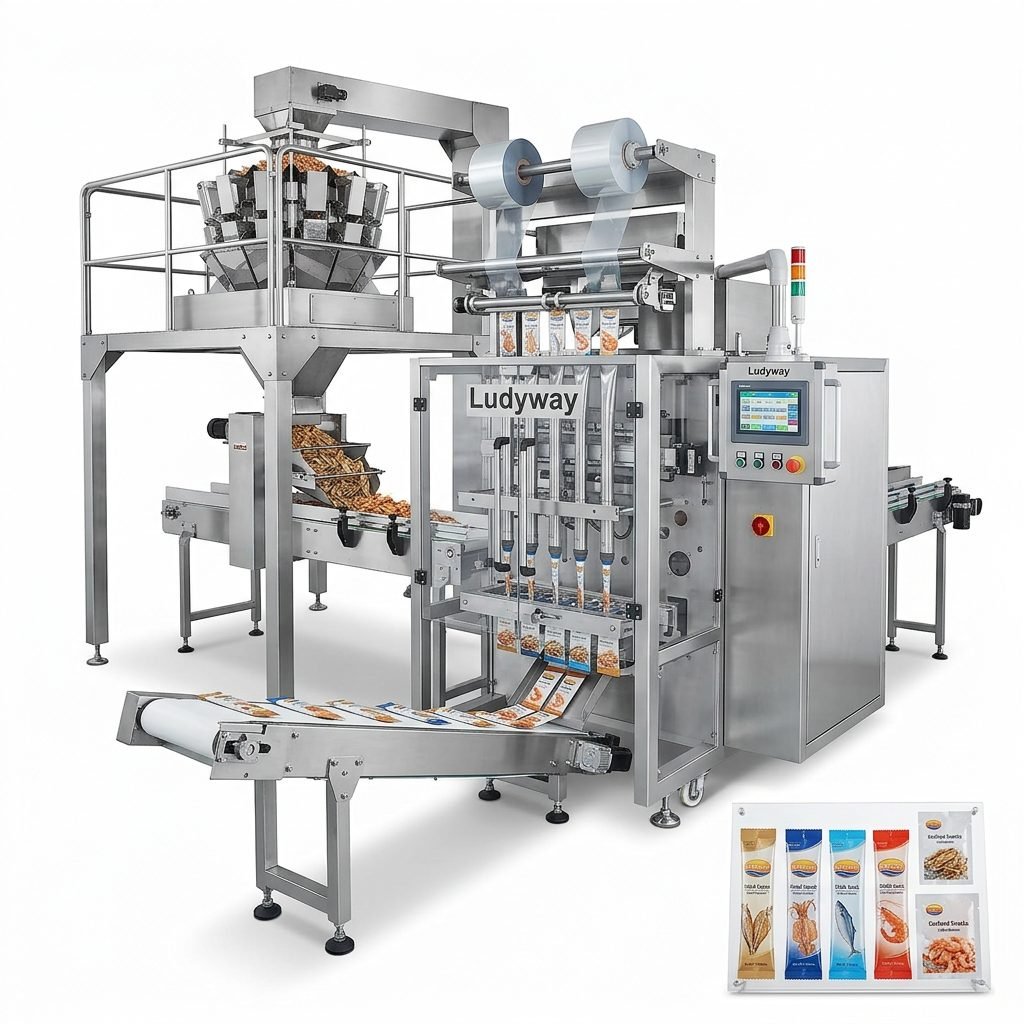
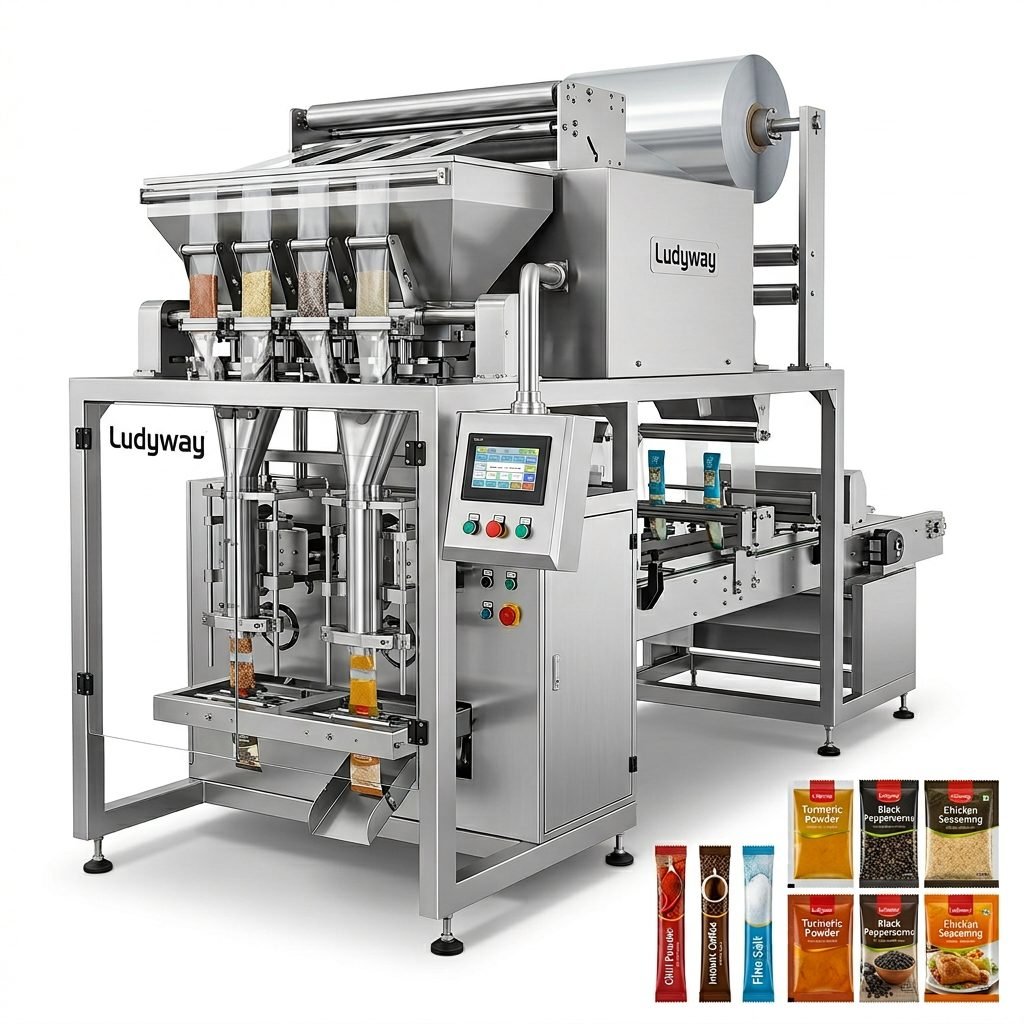
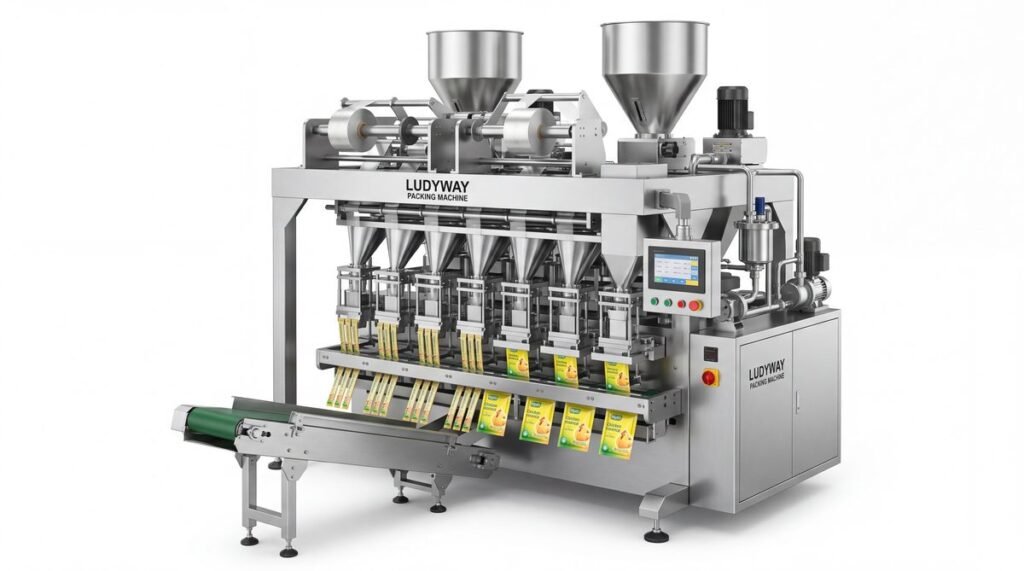
Ludyway Machinery is a China-based packaging machinery manufacturer with more than 30 years of experience in the packaging industry. With a 20,000-square-meter manufacturing facility, over 130 professionals, and more than 50 packaging machine models, Ludyway provides customized paper straw packing machine solutions and turnkey packaging lines for manufacturers worldwide. The company is expected to achieve export revenue of more than RMB 500 million (approximately US$69 million) in 2025, and plans to surpass RMB 1 billion (approximately US$138 million) in 2026. For more details, read about Ludyway packaging machinery global growth trends.
7. Common Mistakes to Avoid
- Focusing only on speed — The fastest machine is not always the best fit. Balance speed with reliability, changeover time, and material compatibility.
- Ignoring future scalability — A machine that meets today’s needs but cannot accommodate growth may need replacement within two years.
- Overlooking local service support — Even the best machine requires maintenance. Ensure the supplier has service coverage in your region.
- Skipping material trials — Never purchase without testing the machine with your actual production materials and packaging film.
- Underestimating installation and commissioning time — Plan for adequate time to install, test, and train staff before relying on the machine for production.
8. Standards, Certifications, and Compliance
Depending on your target market, your paper straw packing machine may need to comply with various international standards. Food-grade packaging equipment often requires compliance with FDA regulations for the U.S. market, EU packaging and packaging waste directives for Europe, and ISO standards for international trade. Refer to the ISO packaging standards and European Commission packaging and packaging waste regulations for detailed requirements. Confirm that your supplier can provide the necessary documentation and that the machine design supports compliance with your target market regulations.

9. Making the Final Decision
After evaluating technical specifications, supplier qualifications, and total cost of ownership, compile your findings into a comparison matrix. Weight each factor according to your business priorities — for some manufacturers, speed and output are paramount; for others, flexibility and quick changeover capability matter more. Visit existing installations if possible, or request video demonstrations of the machine running with paper straws similar to yours. A well-chosen paper straw packing machine can serve as a reliable production asset for a decade or more, making thorough due diligence a worthwhile investment of time.
The paper straw market continues to grow as environmental regulations tighten globally. Selecting the right packaging machinery partner — one with demonstrated engineering capability, customization experience, and responsive after-sales support — positions your manufacturing operation to capture this growing demand efficiently and profitably.