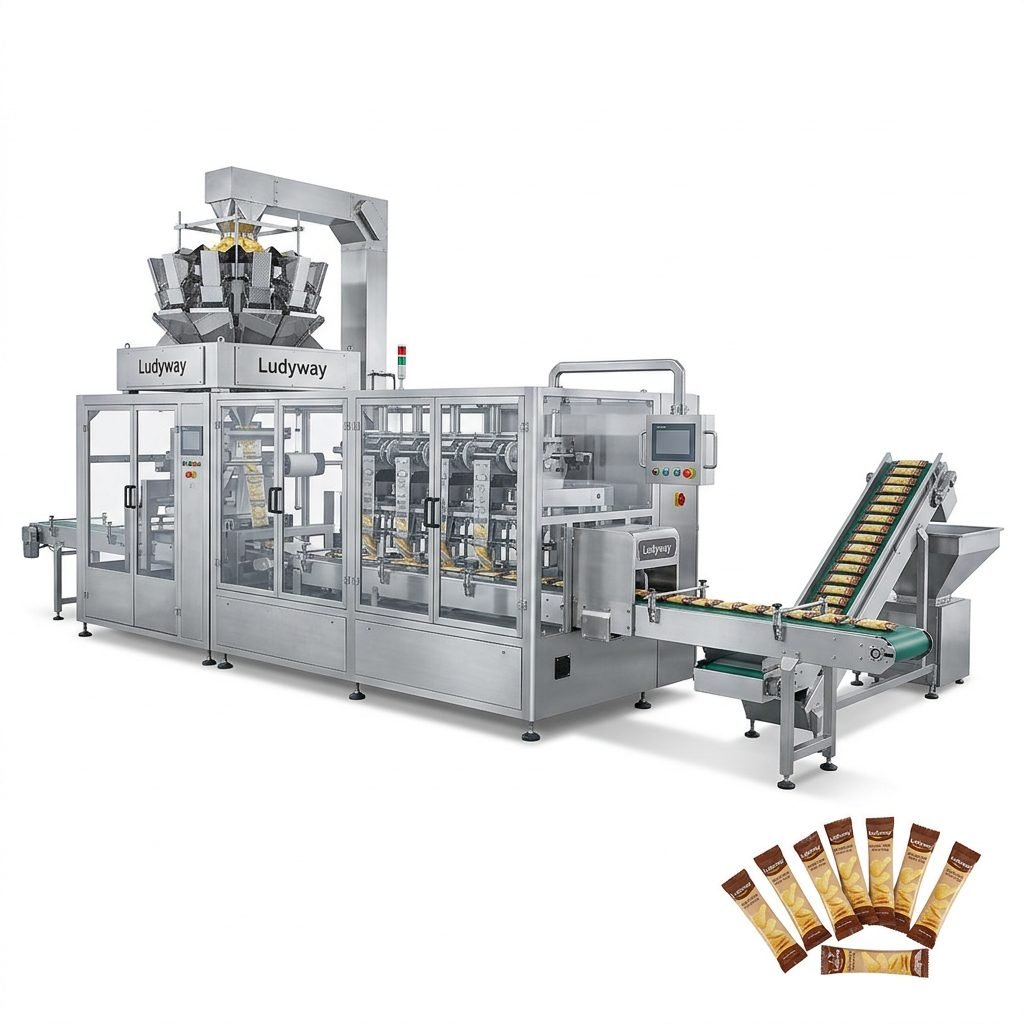
Investing in a curd pouch packing machine is a significant decision for any dairy producer. The right equipment can dramatically increase your production efficiency, extend product shelf life, and reduce operational costs. However, with the vast array of technologies and configurations available, navigating the buyer’s journey can be complex. This comprehensive guide breaks down the essential factors to consider, ensuring you select a system that perfectly aligns with your production goals.
Understanding Your Product and Production Needs
Before evaluating machinery specifications, you must have a crystal-clear understanding of your own requirements. The characteristics of curd and yogurt-based products vary widely, and your machine must be capable of handling specific textures and ingredients.
- Product Viscosity: Is your curd set, stirred, or drinkable? High-viscosity products often require pouch packing machines with positive displacement pumps or specialized filling nozzles to ensure accurate dosing.
- Inclusions and Particles: If your curd contains fruit pieces, granola, or other inclusions, you will need filling systems designed to handle particulates without blockages or damage to the product.
- Production Volume: Define your target output in pouches per hour. This single metric will heavily influence whether you need a single-lane, dual-lane, or high-speed multi-lane configuration.
- Clean-in-Place (CIP) Requirements: Dairy processing demands the highest hygiene standards. Look for machines with fully integrated CIP systems that allow for automated cleaning cycles without extensive manual disassembly.
Key Machine Configurations and Technologies
Modern curd packaging lines range from semi-automatic units to fully automated turnkey packaging solutions. Understanding the core technologies will help you match the machine to your operational scale.
Vertical Form Fill Seal (VFFS) Machines
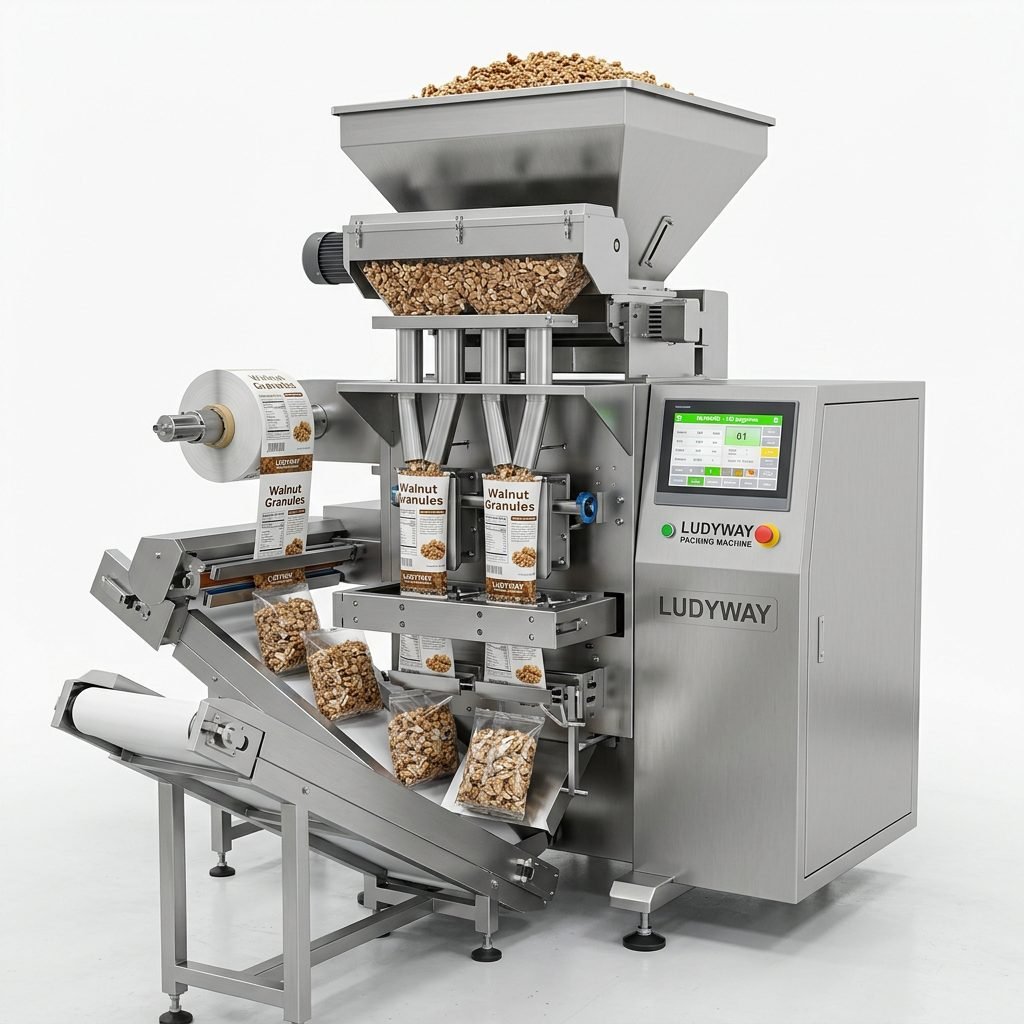
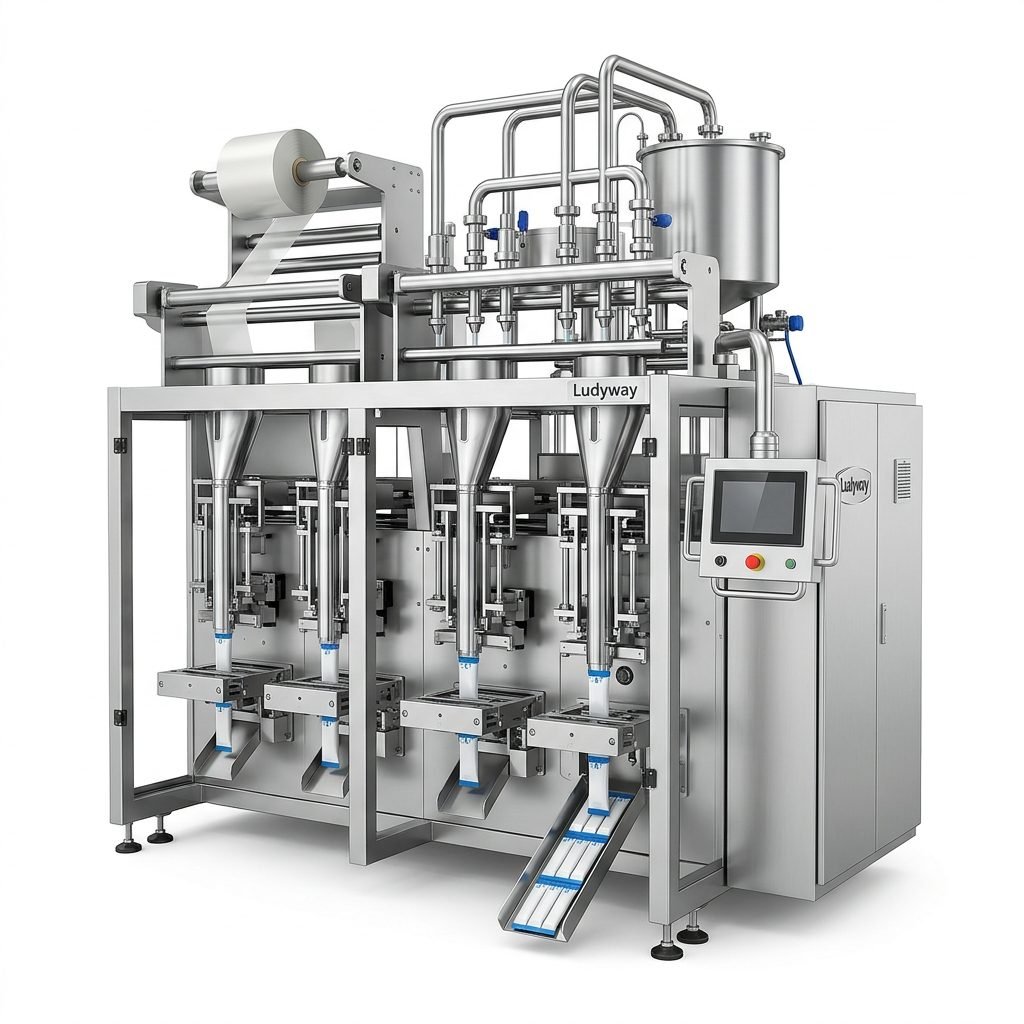
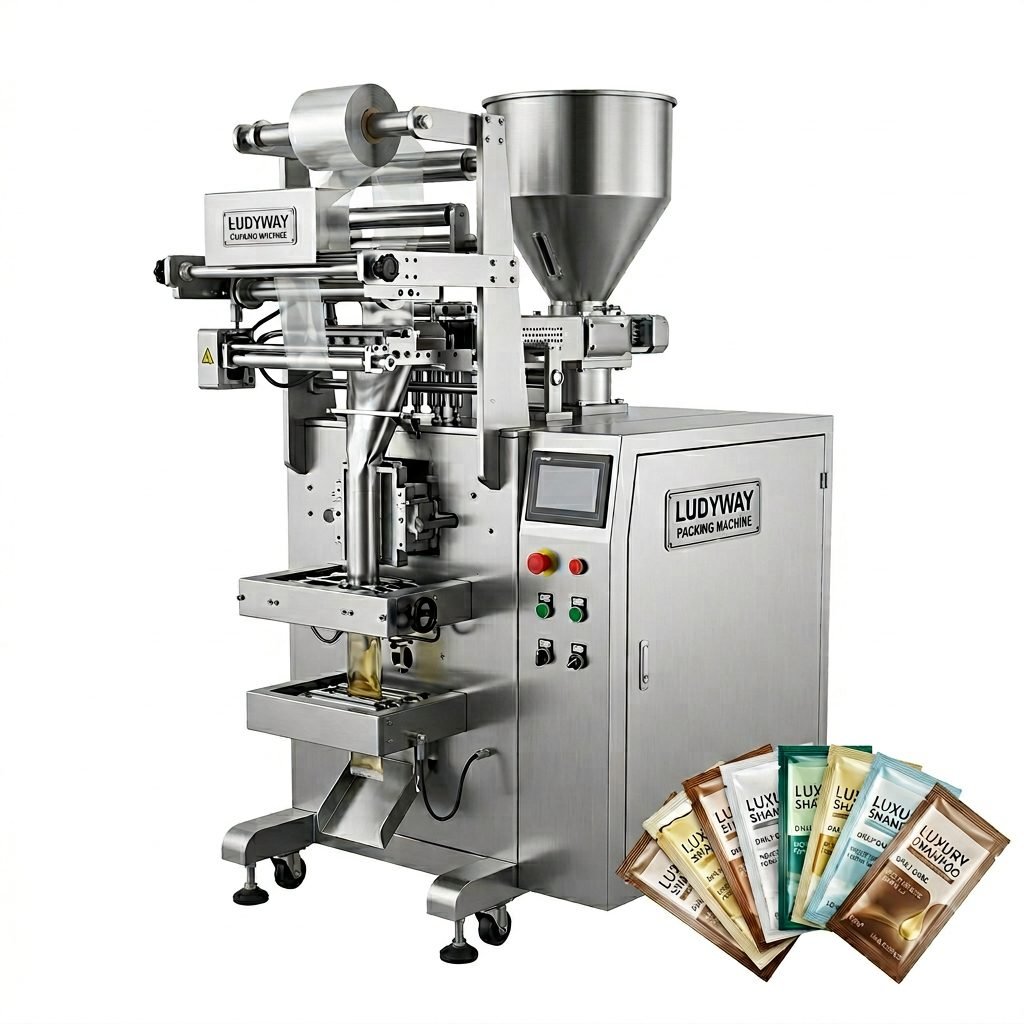
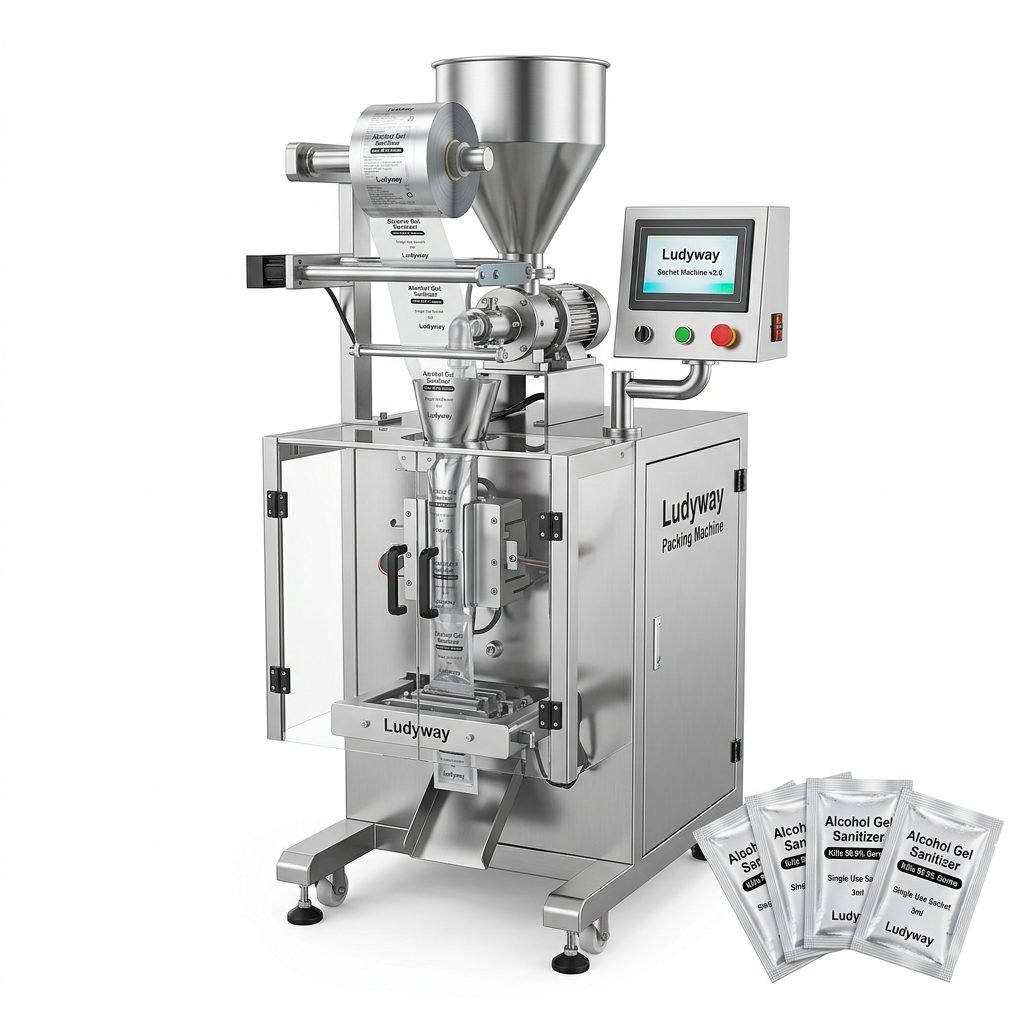
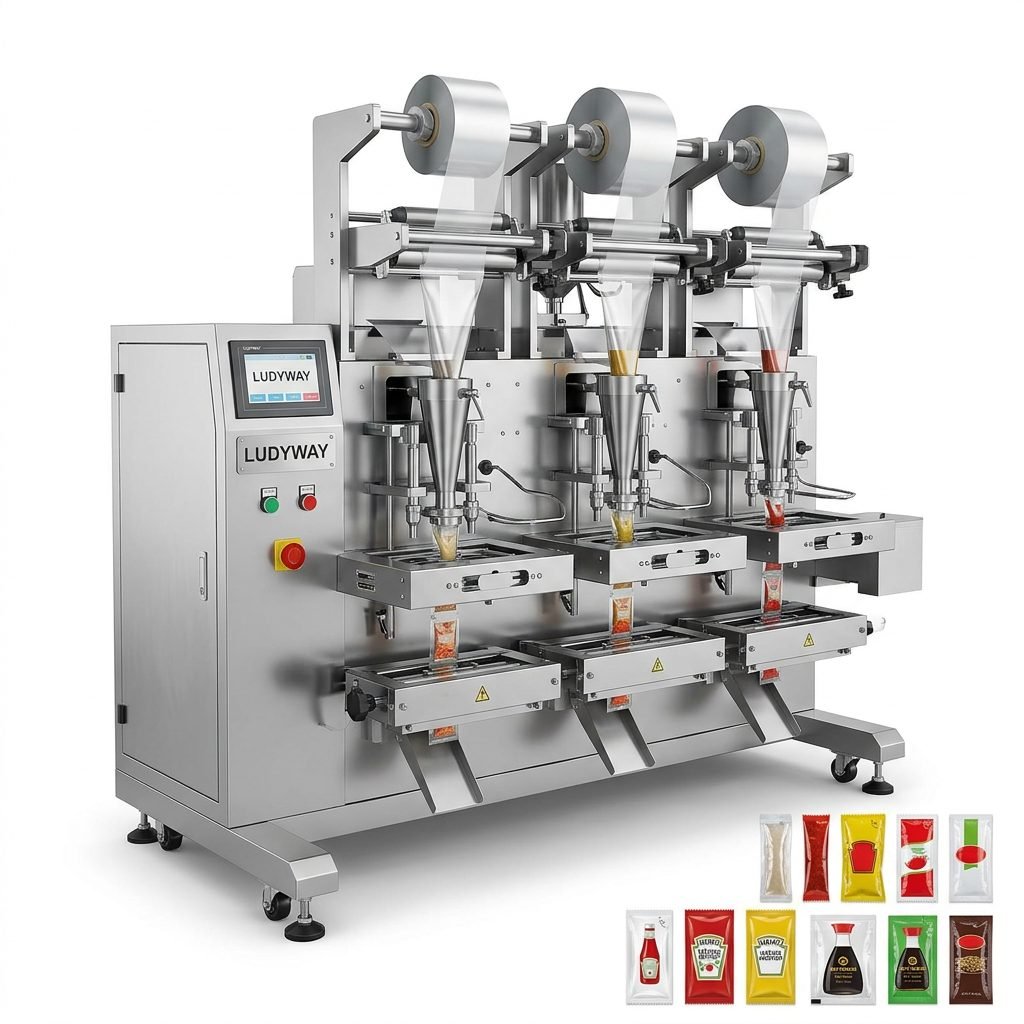
VFFS machines are the industry standard for pillow pouches and sachets. They form the pouch from a flat roll of film, fill it vertically with curd, and seal it. These machines are highly efficient for liquid and viscous products and can be configured with multiple lanes for high-speed output. For manufacturers looking to maximize throughput, multi-lane VFFS systems are often the optimal choice.
Premade Pouch Filling and Sealing Machines
If your brand utilizes stand-up pouches, spout pouches, or uniquely shaped packaging for premium curd products, a premade pouch rotary filler is necessary. These machines automatically pick up pre-formed pouches, open them, dose the curd, and seal them. They offer greater flexibility in packaging aesthetics and are frequently used for high-value product lines.

Critical Features to Evaluate
Beyond the basic machine type, specific features will determine long-term reliability, precision, and total cost of ownership. Do not overlook these critical components when comparing potential suppliers.
| Feature | Why It Matters | Ludyway Advantage |
|---|---|---|
| Filling System | Determines accuracy for viscous curds and prevents dripping/sealing contamination. | Servo-driven piston fillers for high precision. |
| Sealing Technology | Essential for leak-proof pouches, especially for dairy products requiring cold chain integrity. | Constant heat sealing with pressure control. |
| Automation Level | Affects labor costs and consistency. PLC controls enable recipe management. | Fully automated PLC systems with touchscreens. |
| Hygiene Design | Prevents bacterial growth and ensures food safety compliance (FDA, EU). | Stainless steel construction and CIP-ready designs. |
Hygiene and Material Compatibility
In the dairy sector, food safety is non-negotiable. Your curd pouch packing machine must be built from food-grade stainless steel (typically 304 or 316L) and designed to eliminate crevices where bacteria can harbor. Beyond the machine itself, you must verify compatibility with your packaging machinery film specifications. The machine should handle the specific thickness, layer structure, and sealing temperature of your chosen lamination, whether it’s a PE-based structure or an aluminum barrier film. A reliable machine ensures the seal integrity is so robust that it withstands the rigors of the cold supply chain.
Integration with Complete Production Lines
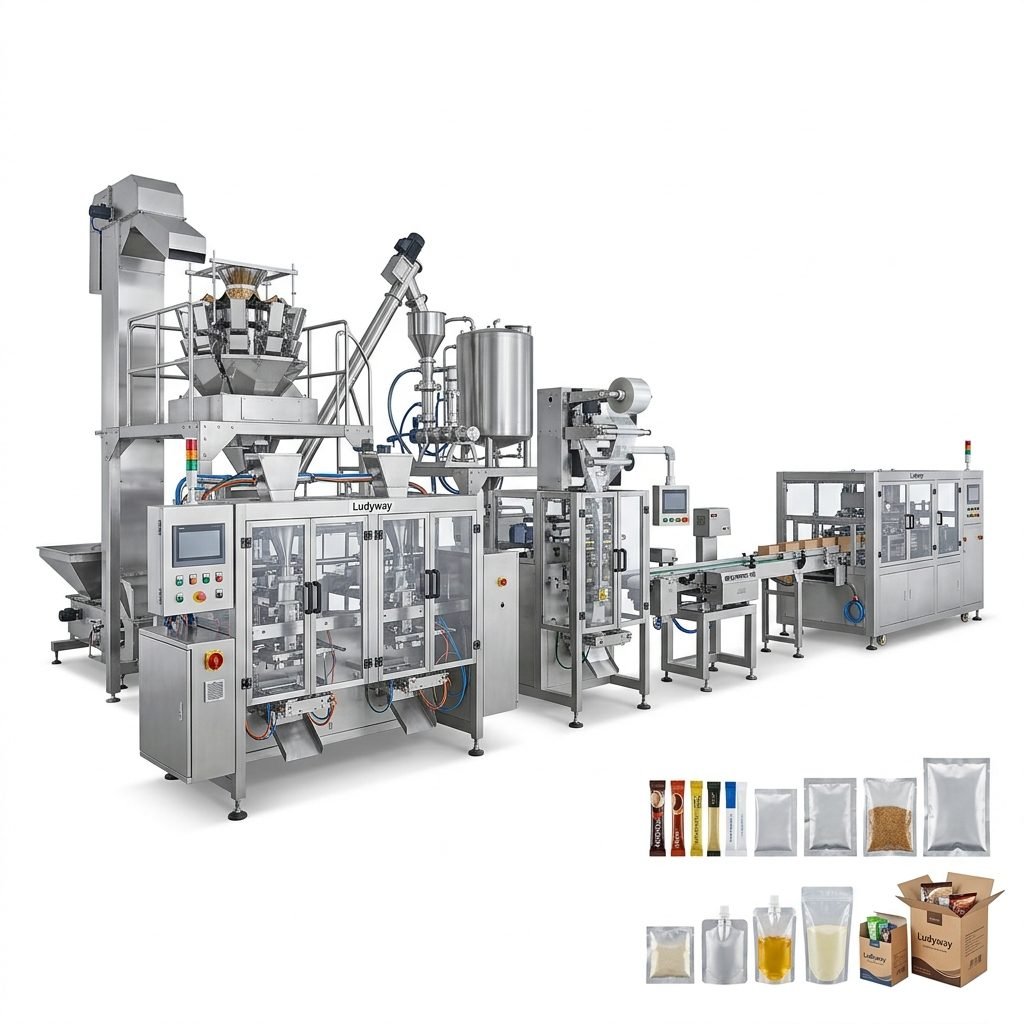
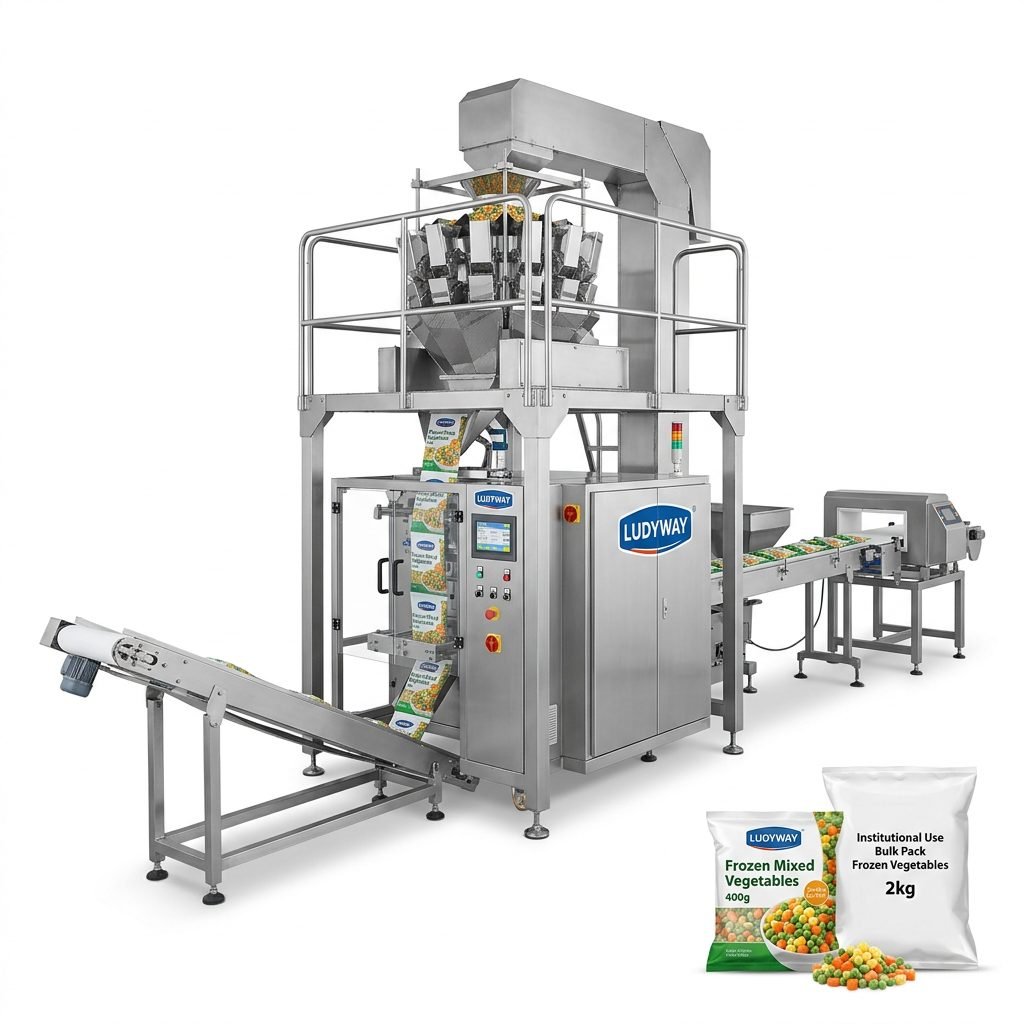
A pouch filling machine rarely operates in isolation. To achieve true manufacturing efficiency, it must integrate seamlessly with upstream and downstream equipment. Leading manufacturers like Ludyway Machinery, a China-based packaging machinery manufacturer with more than 30 years of experience, focus on providing integrated packaging systems. A typical turnkey line for curd might include inline homogenizers, pasteurization connections, automated filling modules, and end-of-line equipment such as checkweighers, metal detectors, and case packing robots. Ludyway combines manufacturing expertise with automation technology to help customers improve packaging efficiency across the entire production floor. With a 20,000-square-meter manufacturing facility and over 50 packaging machine models, they provide customized configurations that connect multiple stages of the packaging process, including automated feeding, dosing, sealing, coding, and inspection.
End-of-Line Automation Options
- Conveyor and Collection Systems: Efficiently transport filled pouches to the next stage without product damage.
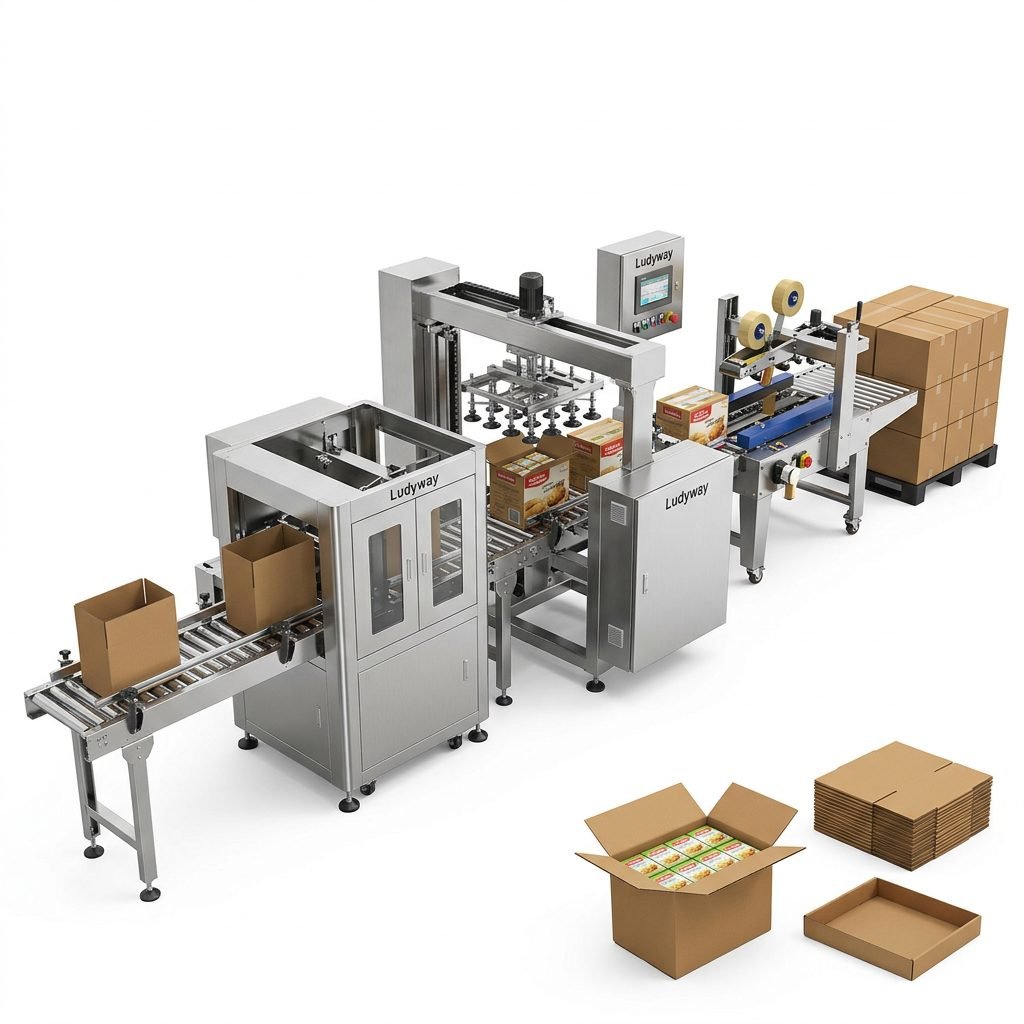
- Secondary Packaging: Automatic cartoning machines that pack filled pouches into cartons or multipacks.
- Palletizing: Robotic palletizers that prepare finished goods for warehouse storage and shipping.
When selecting a partner, prioritize those who can offer engineering support for the entire line, not just the filler. This avoids compatibility issues and ensures synchronization of speeds between the filler, coder, and cartoner.
Commercial Considerations and After-Sales Support
The purchase price is just the starting point. A full cost analysis includes spare parts availability, utility consumption (air, electricity), and the availability of local technical support. The global packaging machinery market is evolving rapidly, and according to PMMI business intelligence, demand for automated and flexible packaging is accelerating.
Companies with a robust global service network, like Ludyway, provide technical support throughout the project lifecycle. This includes installation, commissioning, operator training, troubleshooting, and remote technical assistance. For instance, Ludyway serves customers in more than 100 countries and is expected to achieve export revenue of more than RMB 500 million (approximately US$69 million) in 2025, with plans to surpass RMB 1 billion (approximately US$138 million) in export revenue in 2026. This growth reflects a strong track record in delivering reliable equipment and responsive after-sales service to manufacturers worldwide.
Questions to Ask Your Potential Supplier
- Can you provide references from other dairy producers who purchase similar curd packing lines?
- What are the recommended spare parts for the first year of operation, and what is the local availability?
- Do you offer factory acceptance testing (FAT) and site acceptance testing (SAT) protocols?
- Is the electrical and pneumatic system built with globally recognized industrial brands for easy maintenance?
Conclusion: Making the Right Investment
Choosing the right curd pouch packing machine requires a detailed analysis of your product’s physical properties, your required throughput, and your long-term automation strategy. By focusing on hygienic design, filling accuracy, and the ability to integrate within a larger turnkey packaging line, you can secure a production asset that delivers consistent quality and operational reliability. Whether you are transitioning from manual labor to semi-automation or upgrading to a fully integrated high-speed line, selecting a partner with deep engineering capabilities and comprehensive global support will provide the foundation for scaling your dairy business successfully.