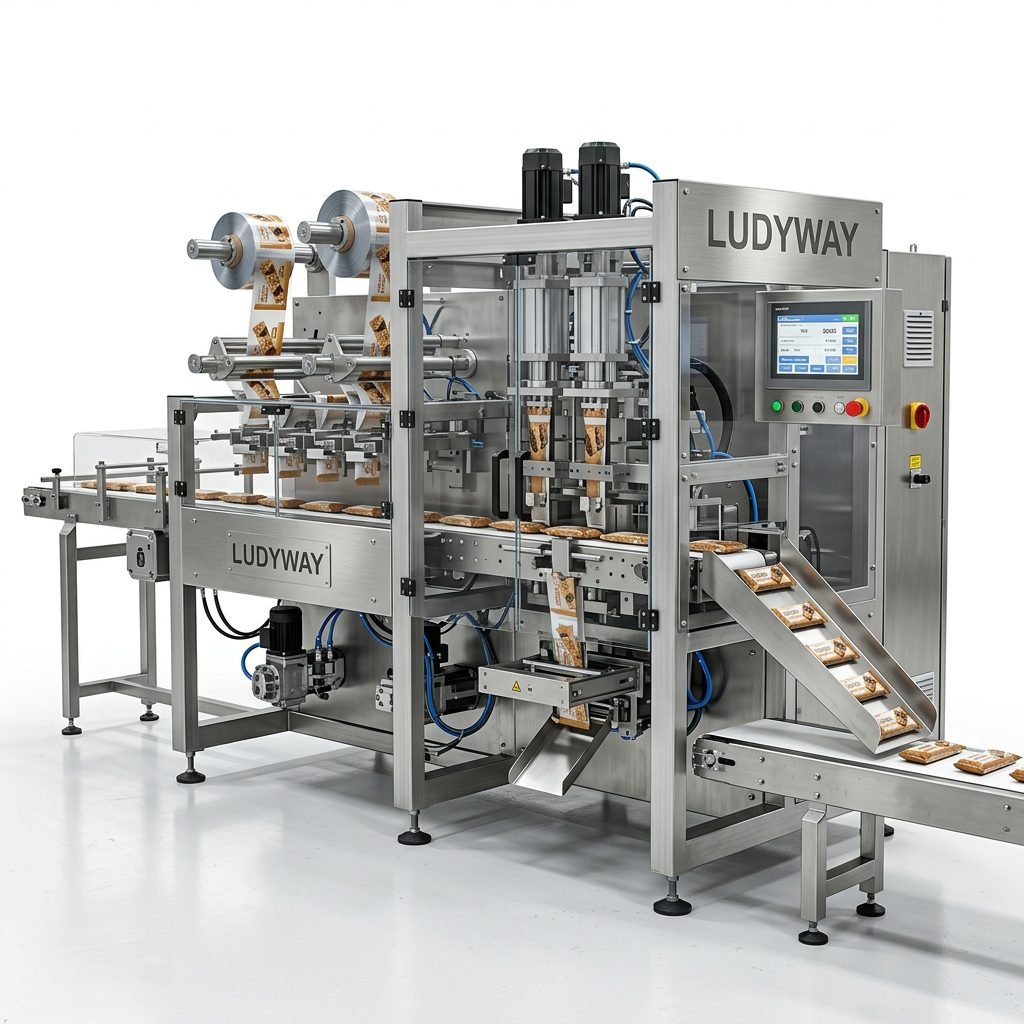
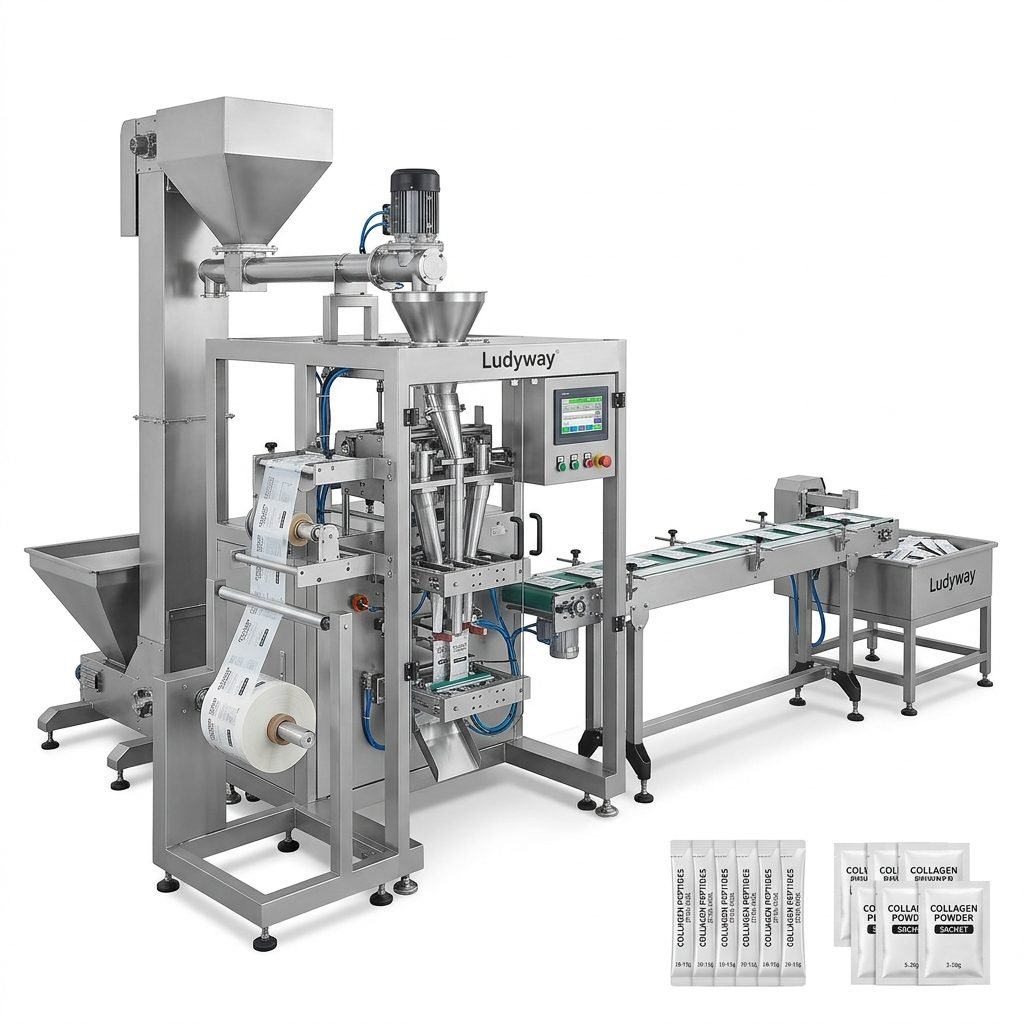
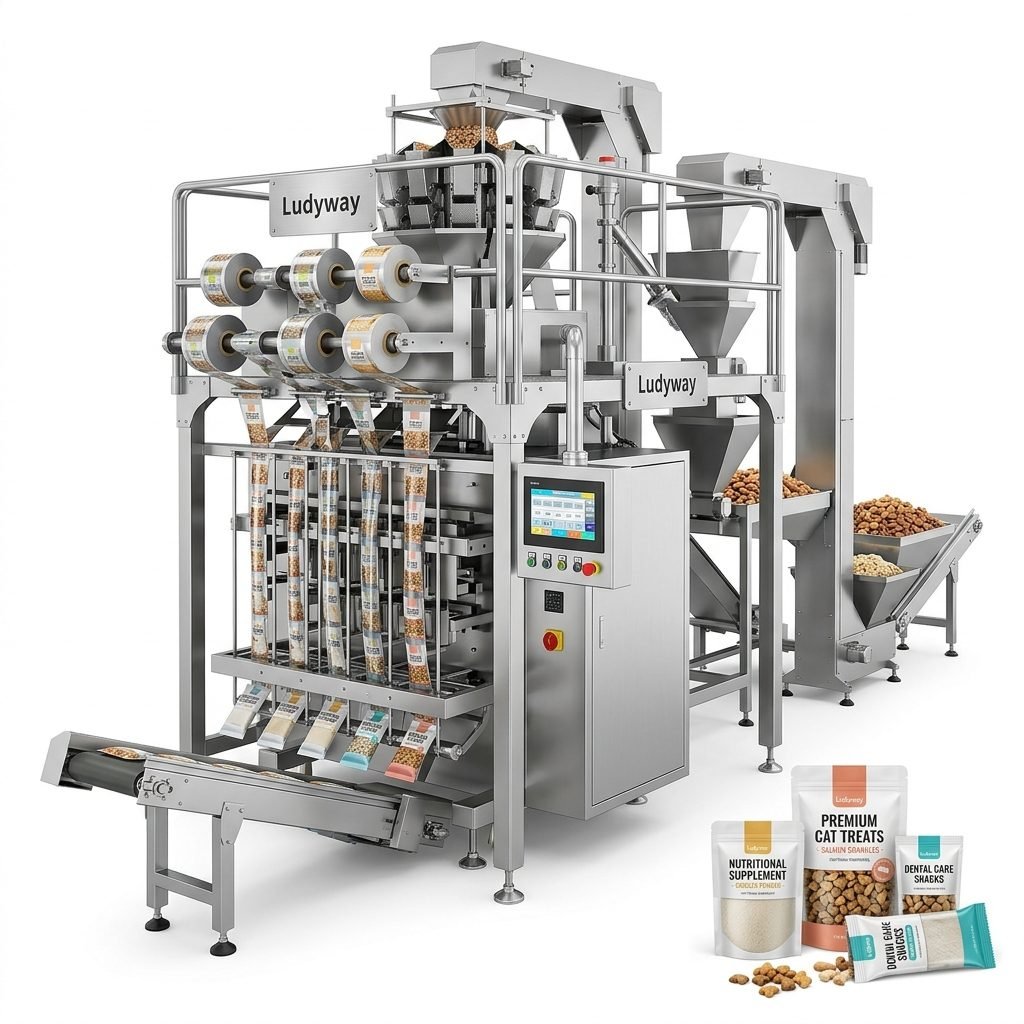
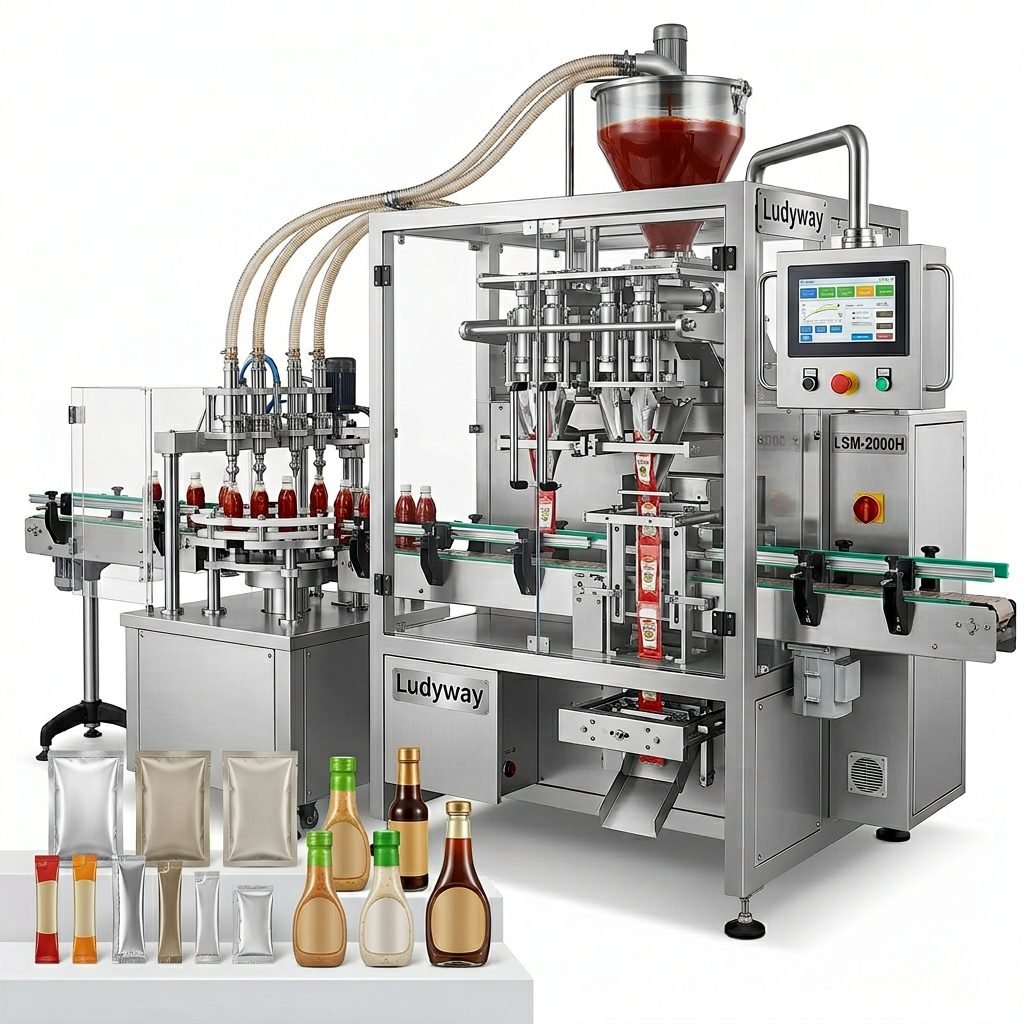
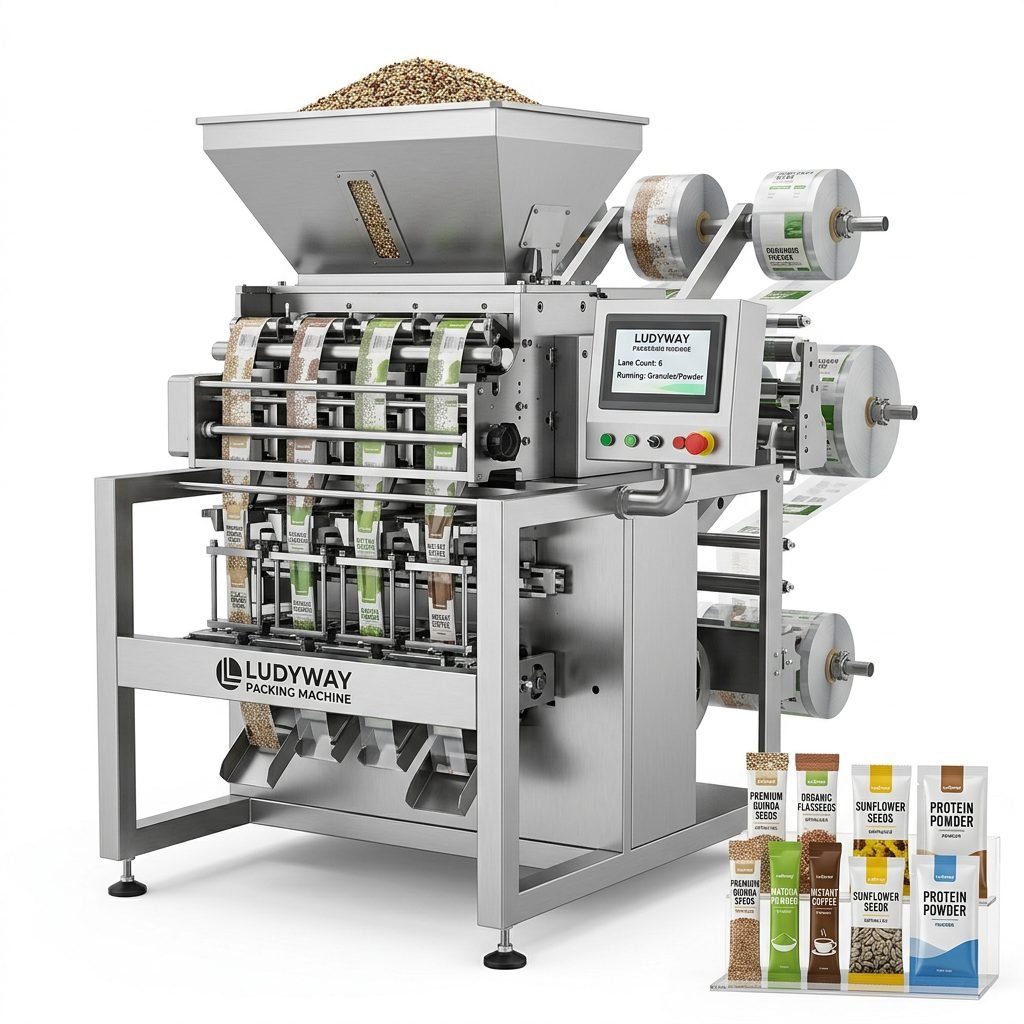
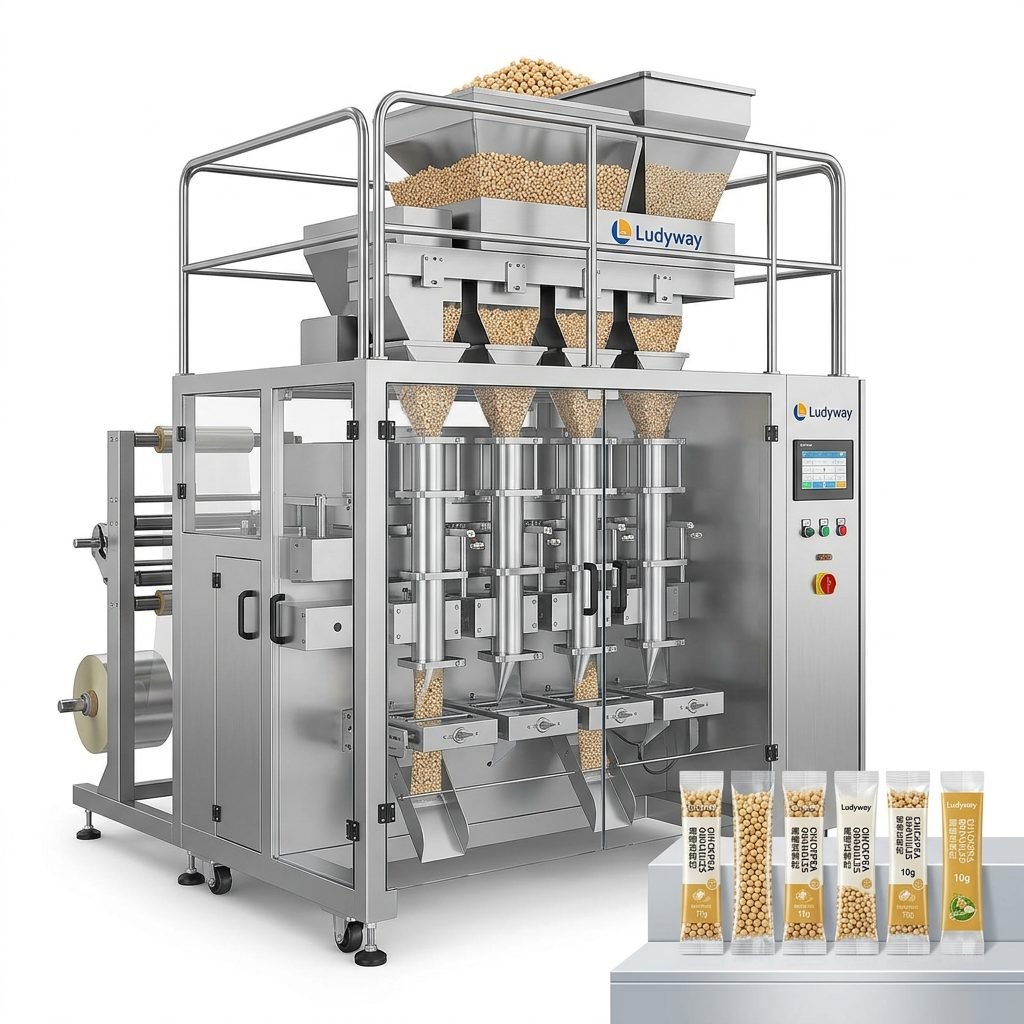
In the fast-paced world of manufacturing and product distribution, efficiency and presentation are paramount. Tray packaging equipment stands as a critical component in the packaging line for a vast array of industries, from food and pharmaceuticals to electronics and cosmetics. This specialized machinery automates the process of placing products into trays, often before sealing them with lidding film or placing them into secondary cartons. The right system can dramatically increase output, ensure product safety and hygiene, and enhance the unboxing experience for the end consumer. Understanding the different types of tray packaging systems, their applications, and the key factors in selecting the appropriate equipment is essential for any operation looking to optimize its packaging process.
Understanding Tray Packaging Equipment
Tray packaging, also known as tray sealing or tray forming and sealing, is a versatile packaging method. The process typically involves three main stages: forming a tray from a flat sheet of material (like plastic, paperboard, or aluminum), loading the product into the formed tray, and finally sealing a lidding film over the top to create a secure, often tamper-evident, package. Tray packaging equipment automates these steps with precision and speed. The primary benefits of automating this process include:
→ Increased Productivity & Consistency: Machines operate at high speeds with unwavering accuracy, far surpassing manual capabilities.
→ Enhanced Product Protection: Creates a robust barrier against moisture, oxygen, and contaminants, extending shelf life.
→ Improved Hygiene & Safety: Minimizes human contact with the product, which is crucial for food and pharmaceutical items.
→ Superior Presentation: Produces clean, professional-looking packages that boost brand image on retail shelves.
→ Material Efficiency: Advanced systems can optimize material usage, reducing waste and overall packaging costs.
Primary Types of Tray Packaging Systems
The market offers a range of tray packaging machines designed to meet different production scales, product types, and material requirements. Choosing the right type is the first step toward an efficient packaging line.
1. Thermoforming Tray Sealers
This is one of the most common and versatile types. Thermoforming machines use heat and pressure to form trays from a continuous roll of thermoplastic film (like PP, PS, or APET) directly on the machine. Immediately after forming, the product is automatically or manually loaded, and a top lidding film (often a multi-layer laminate) is heat-sealed onto the flange of the tray. These systems are ideal for high-volume production of items like fresh produce, meats, ready meals, and medical devices.
2. Pre-formed Tray Sealers
As the name suggests, these machines work with trays that are already formed and supplied to the machine, either manually or via an automatic tray denester. The machine’s function is to accurately place the product, apply the lidding film, and seal it. This type offers great flexibility for lower to medium volumes, custom tray shapes, and the use of diverse materials like paperboard, CPET (for ovenable trays), or aluminum. They are perfect for bakery items, confectionery, electronic components, and pharmaceutical blisters.
3. Skin Packaging Machines
A specialized subset where a heated film is draped over a product placed on a pre-cut board or tray. The film “skins” down and adheres to the board, conforming tightly to the product’s contours. This method provides excellent product visibility and security, commonly used for hardware, tools, and consumer goods where display and theft deterrence are important.
4. Flow Wrap Systems with Trays
Some integrated lines combine tray placement with horizontal flow wrapping. A pre-formed tray is placed onto a conveyor, filled with product, and then enters a flow wrapper which encases the entire tray-and-product unit in a sealed film. This adds an extra layer of protection and is often used for multi-packs or hygroscopic products.
Key Applications Across Industries
The adaptability of tray packaging makes it a go-to solution for numerous sectors. Each industry leverages the technology for its specific protective and marketing needs.
Food & Beverage Industry
This is the largest application area. Trays provide a rigid structure that protects delicate foods.
- Fresh & Processed Meats, Poultry, Fish: Modified Atmosphere Packaging (MAP) in sealed trays drastically extends shelf life.
- Ready-to-Eat Meals & Prepared Foods: Dual-ovenable CPET trays allow consumers to heat the product in the same package.
- Fruits, Vegetables, Salads: Perforated or breathable film lids maintain freshness.
- Bakery & Confectionery: Pre-formed paperboard trays offer an attractive, grease-resistant presentation for cookies, cakes, and chocolates.
Pharmaceutical & Medical
Sterility and tamper evidence are non-negotiable. Tray packaging is used for:
- Blister Packs: Tablets or capsules are sealed in formed plastic blisters on a card, often housed inside a paperboard tray for secondary packaging.
- Surgical Kits & Medical Devices: Thermoformed trays provide custom cavities to hold instruments securely during sterilization and transport.
- Diagnostic Kits & Specimen Containers: Sealed trays ensure integrity and prevent contamination.
Other significant applications include the electronics industry for packaging sensitive components in anti-static trays, the cosmetics industry for high-end presentation of palettes or sets, and the industrial goods sector for skin packaging of tools and parts.
How to Choose the Right Tray Packaging System
Selecting the optimal equipment is a strategic decision. A careful evaluation of your specific needs will guide you to the best investment.
1. Analyze Your Product and Materials
This is the foundation. Consider your product’s size, shape, weight, and fragility. What tray material is required (plastic, paperboard, aluminum)? Does the product require Modified Atmosphere Packaging (MAP) or vacuum sealing? What type of lidding film (peelable, hermetic, breathable) is needed? The answers will determine whether you need a thermoformer (for in-line forming) or a pre-formed tray sealer.
2. Define Your Production Requirements
Be clear about your current and future output goals.
Speed (Packages/Minute): Match the machine’s output to your line’s capacity. Don’t over-invest in excessive speed you won’t use.
Tray Size & Changeover Frequency: How often will you change tray dimensions? Look for machines with quick, tool-less changeover features to minimize downtime.
Automation Level: Will you manually load product and trays, or do you need fully automatic integration with upstream fillers and downstream cartoners?
3. Evaluate Machine Features and Technology
Look for features that enhance reliability, quality, and ease of use.
- Sealing Technology: Consistent, reliable heat sealing is critical. Look for precise temperature control and even pressure distribution.
- Controls & Interface: A user-friendly Human-Machine Interface (HMI) with recipe storage simplifies operation and changeovers.
- Hygiene & Cleanability: For food and pharma, stainless steel construction and designs with minimal crevices are essential.
- Safety Features: Proper guarding, emergency stops, and safety interlocks protect operators.
4. Consider Supplier Support and Total Cost of Ownership (TCO)
The initial purchase price is just one part of the cost. Partner with a reputable supplier known for quality and support. A company like Ludyway Packing Machine, with decades of industry experience, can provide not just reliable equipment but also vital technical support, spare parts availability, and training. Factor in costs for maintenance, energy consumption, and potential future upgrades. Investing in a robust, service-backed machine from a trusted partner like Ludyway Machinery often leads to a lower TCO and less production headaches in the long run.
Conclusion
Implementing the right tray packaging equipment is a transformative step for any production facility. It bridges the gap between product creation and market delivery, ensuring items arrive safely, look appealing, and maintain their intended quality. By thoroughly understanding the different system types—from versatile thermoformers to flexible pre-formed tray sealers—and meticulously evaluating your product needs, production goals, and supplier capabilities, you can select a system that becomes a cornerstone of your operational efficiency and brand success. In a competitive landscape, optimized packaging is not just a cost center; it’s a strategic tool for growth and customer satisfaction. For businesses seeking tailored solutions, exploring the expertise of established providers such as professional packaging experts can be an invaluable part of the selection journey.
Frequently Asked Questions (FAQs)
What is the main difference between thermoforming and pre-formed tray sealing?
Thermoforming creates the tray from a roll of plastic film directly on the machine, ideal for high-volume, single-material applications. Pre-formed tray sealing uses ready-made trays (which can be plastic, paperboard, etc.), offering greater material and shape flexibility, better for medium volumes or complex tray designs.
Can tray packaging machines handle Modified Atmosphere Packaging (MAP)?
Yes, many advanced tray sealers, particularly thermoformers, are equipped with MAP technology. They evacuate air from the tray and flush it with a protective gas mixture (like nitrogen and carbon dioxide) before sealing, significantly extending the shelf life of fresh foods.
How difficult is it to change over a tray packer for a different product size?
Changeover complexity varies by machine. Modern equipment often features quick-change tooling and digital recipe recall on the HMI, allowing for size changes in 15-30 minutes. Simpler machines may require more manual adjustment. Always discuss your changeover frequency with the supplier.
What maintenance does a tray packaging system require?
Regular maintenance is crucial. Daily cleaning, weekly checks of seals and filters, and periodic lubrication and calibration as per the manufacturer’s schedule are standard. Choosing a supplier with strong technical support ensures you have access to guidance and genuine spare parts.
Is tray packaging suitable for liquid products?
While less common than for solids, tray packaging can be used for semi-solid or high-viscosity liquids (like sauces, yogurts, or gels) in specially designed, leak-proof trays. The sealing process and film must be meticulously engineered to prevent any leakage during handling and transport.