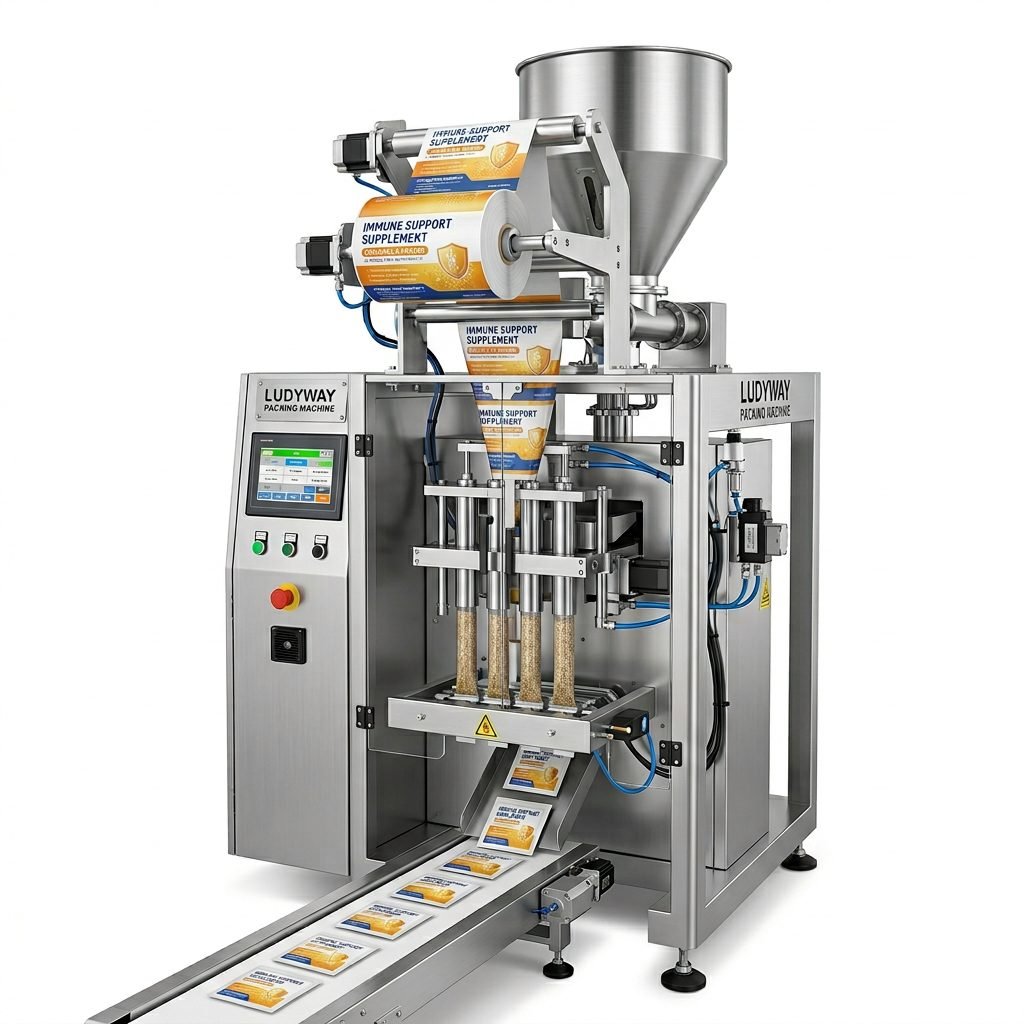
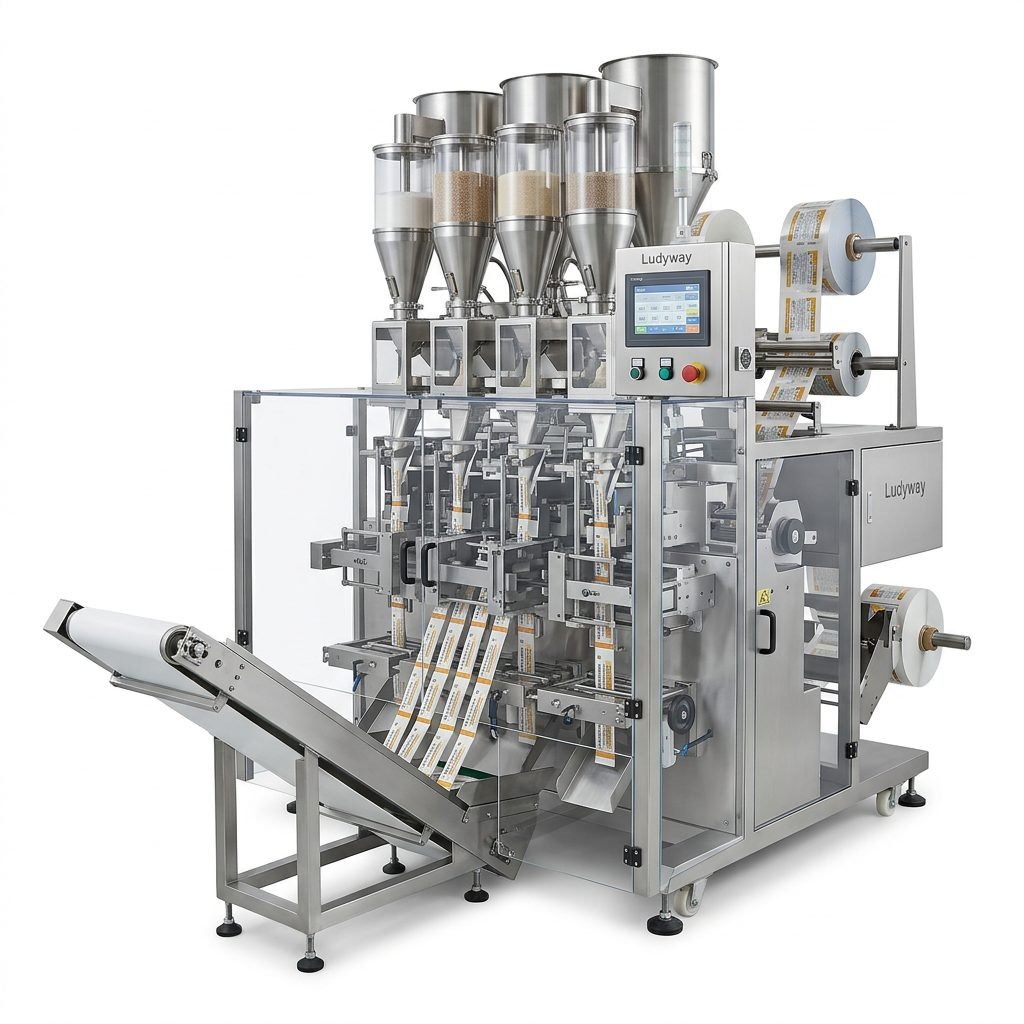
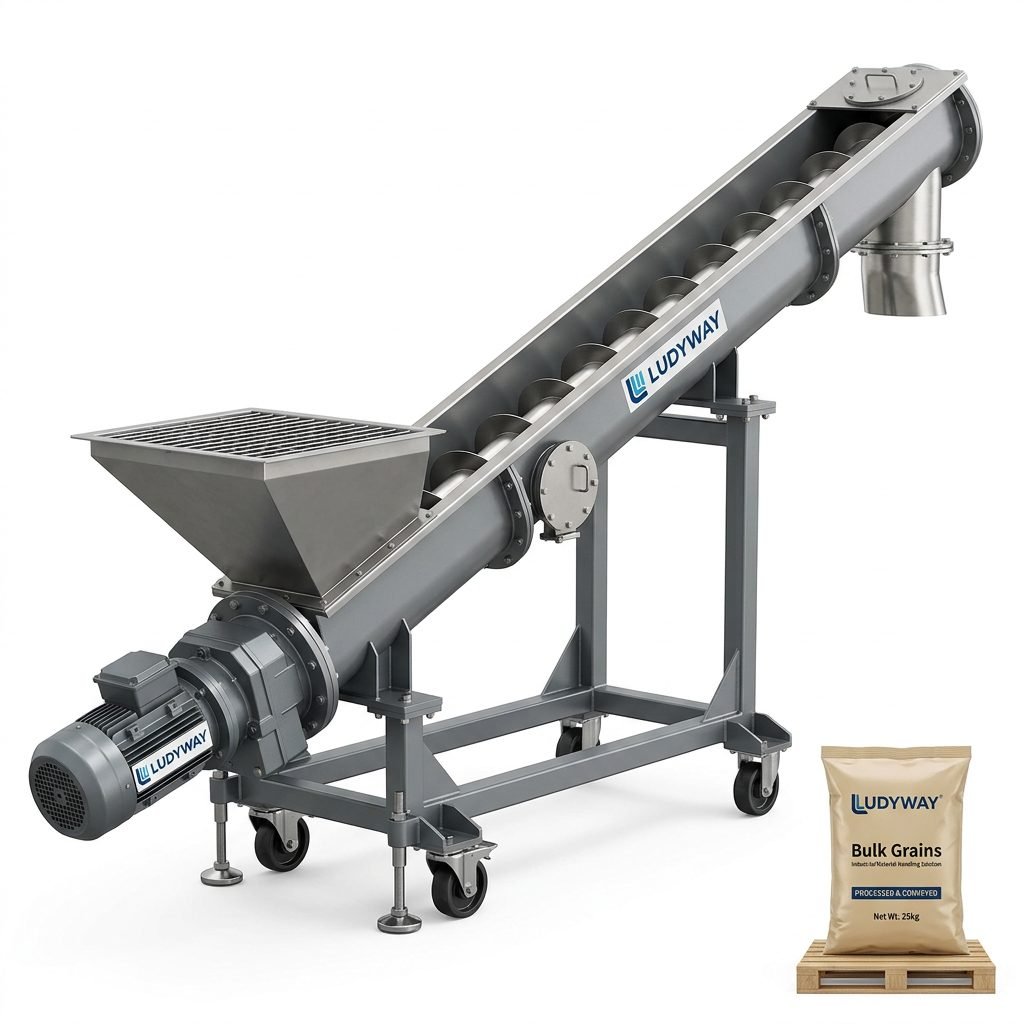
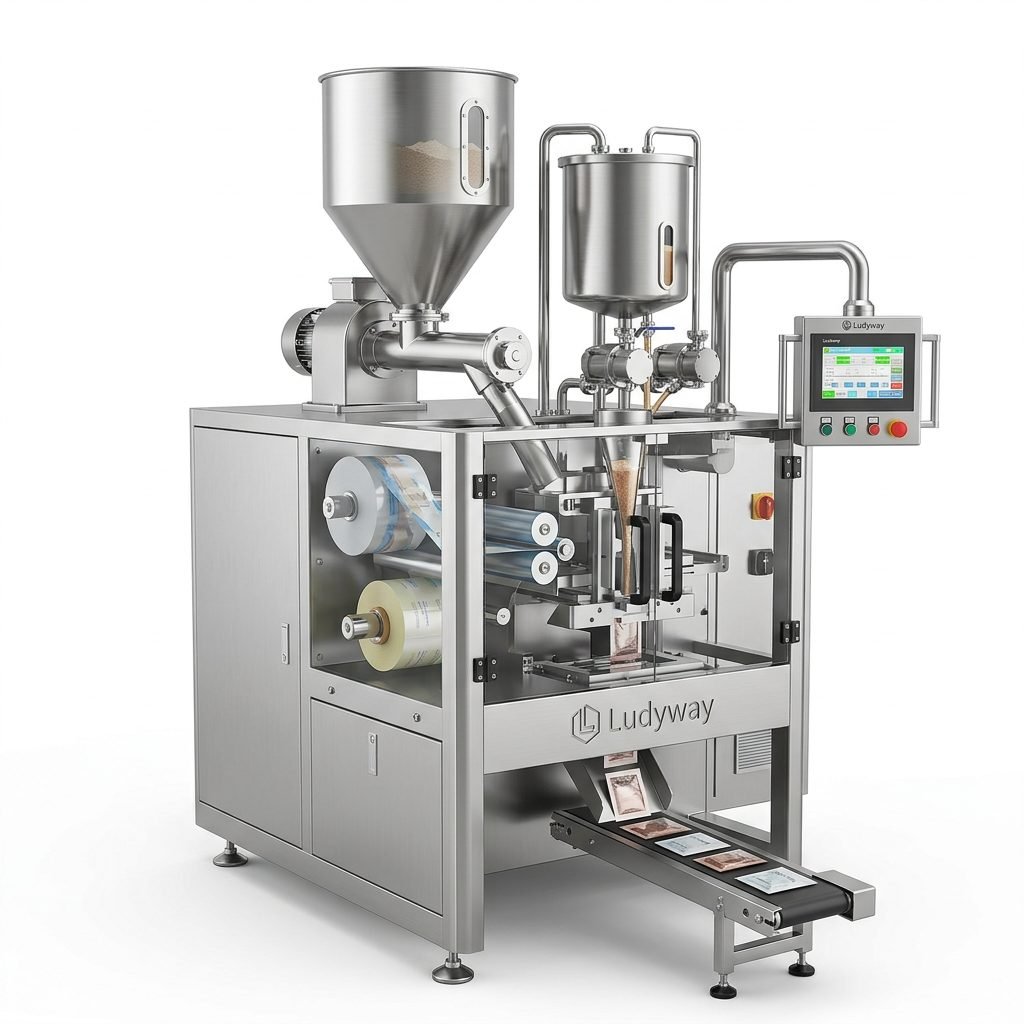
Investing in a dates packing machine is a significant decision for any date processing facility, co-packer, or agribusiness. The right equipment directly impacts product quality, shelf life, production throughput, and ultimately, your profitability. Dates are a high-value product with specific handling requirements, and selecting machinery that can accommodate their unique physical characteristics is essential. This comprehensive buyer’s guide walks you through the critical considerations to help you make an informed purchasing decision.

Understanding the Unique Challenges of Dates Packaging
Dates are not a uniform commodity. Their high sugar content, sticky surface, irregular shapes, and varying moisture levels create distinct packaging challenges. Unlike free-flowing granules or rigid solid products, dates can clump together, adhere to machine surfaces, and deform under pressure. This means a standard packaging machine designed for snacks or confectionery may not perform adequately without specific modifications.
Key product characteristics that influence machine selection include:
- Surface stickiness – Requires non-stick contact surfaces and specialized feeding mechanisms
- Variable size and shape – Demands flexible dosing and alignment systems
- Moisture content – Affects sealing parameters and packaging material compatibility
- Pitted vs. unpitted – Impacts handling, orientation, and consumer packaging format
- Product density – Determines weighing accuracy and filling speed
According to industry resources from the Flexible Packaging Association, packaging material selection must account for product interaction to maintain barrier properties and seal integrity. For dates, this often means using materials with excellent grease and moisture resistance, as the natural oils and sugars in dates can compromise certain film laminates over time.
Key Factors to Consider When Selecting a Dates Packing Machine
Before approaching equipment suppliers, you need to define your operational requirements clearly. The following factors form the foundation of your equipment specification and will guide discussions with manufacturers.
Production Capacity and Speed Requirements
Your target output—measured in packs per minute (ppm) or kilograms per hour—must align with current and projected demand. A dates packing machine that operates at 30 ppm may be sufficient for a medium-sized facility, while large-scale exporters may require 60–120 ppm or higher. The PMMI packaging industry association emphasizes that throughput requirements should be evaluated against upstream processing capacity and downstream logistics to avoid production bottlenecks.
Packaging Format and Bag Style
Dates are packaged in various formats depending on the target market. Common packaging styles include:
- Pillow pouches – Cost-effective, ideal for bulk and retail packs
- Gusseted bags – Provide stand-up presentation for premium retail shelves
- Quad-seal bags – Offer superior shelf presence and product protection
- Vacuum packaging – Extends shelf life by removing oxygen
- Modified atmosphere packaging (MAP) – Preserves freshness for extended periods
- Stick packs and sachets – Suitable for single-serving or snack-sized portions
Automation Level and Labor Considerations
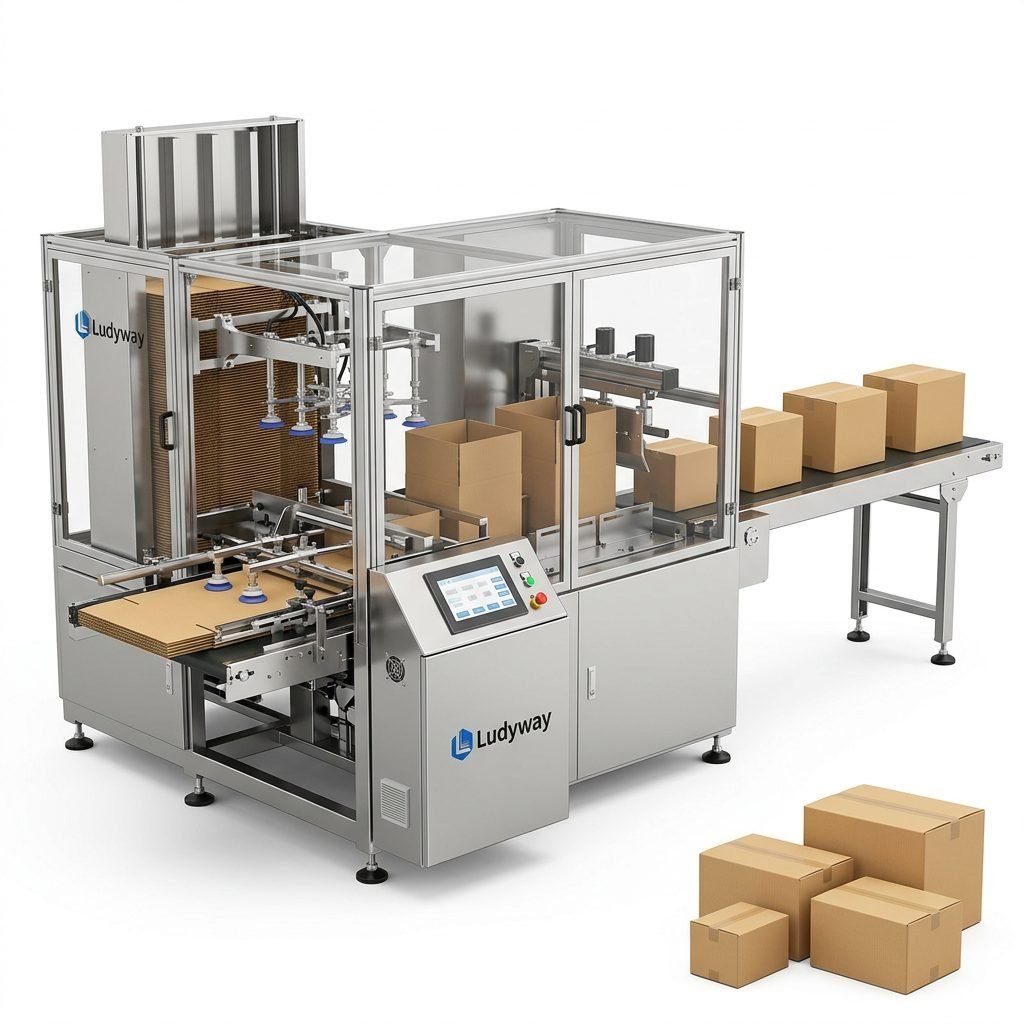
Modern date packaging lines range from semi-automatic systems requiring manual product loading to fully automated turnkey solutions with robotic pick-and-place, automatic weighing, and case packing. The PMMI Business Intelligence reports that manufacturers increasingly favor higher automation levels to address labor shortages and ensure consistent output quality. Evaluate your workforce availability, skill level, and long-term labor strategy when deciding on the degree of automation.
Types of Dates Packing Machines
Understanding the different machine architectures available will help you narrow down suitable options. The table below summarizes the main types relevant to dates packaging applications.
| Machine Type | Best Suited For | Typical Speed Range | Key Advantage |
|---|---|---|---|
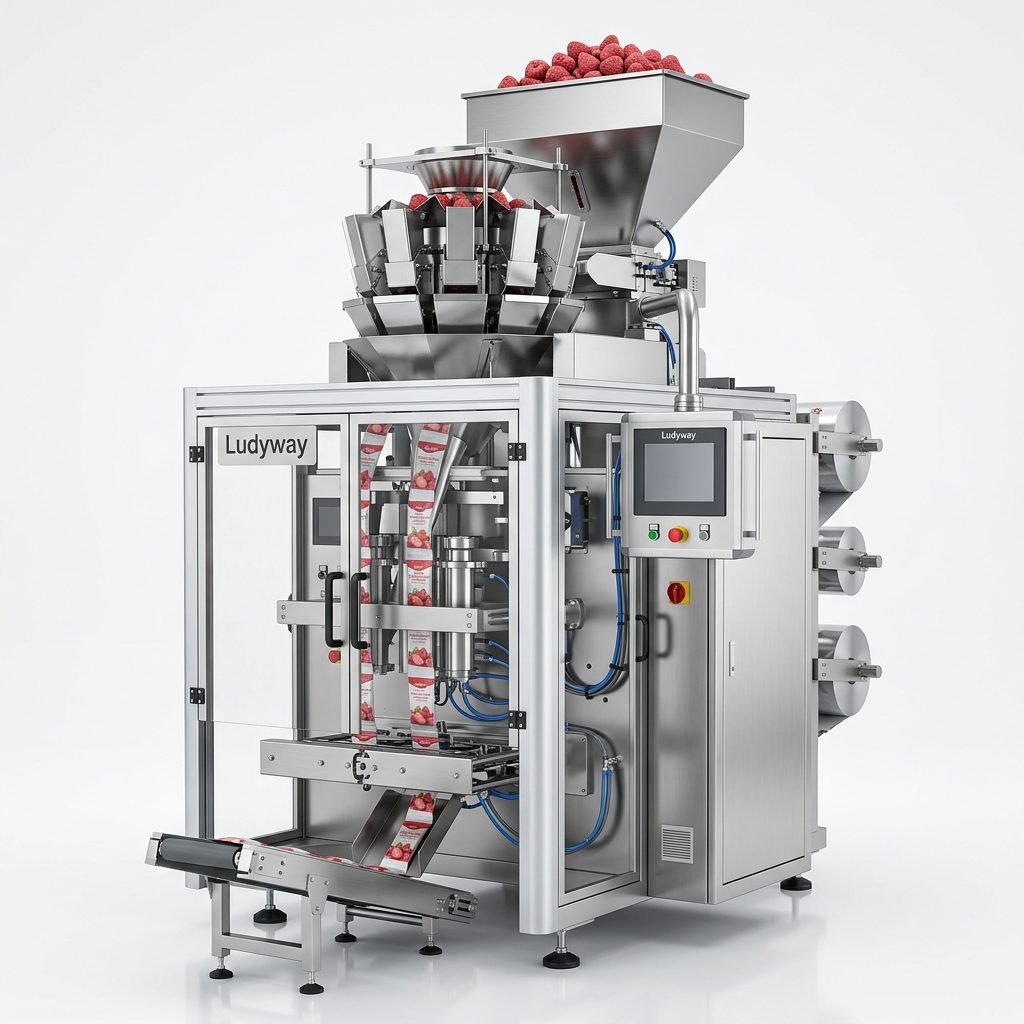
| Vertical Form Fill Seal (VFFS) | Loose dates, bulk packs, pillow bags | 40–120 ppm | High speed, versatile formats |
| Horizontal Form Fill Seal (HFFS) | Arranged dates, premium retail packs | 30–80 ppm | Gentle product handling |
| Pre-made Pouch Filling & Sealing | Gusseted pouches, stand-up bags | 20–50 ppm | Premium presentation |
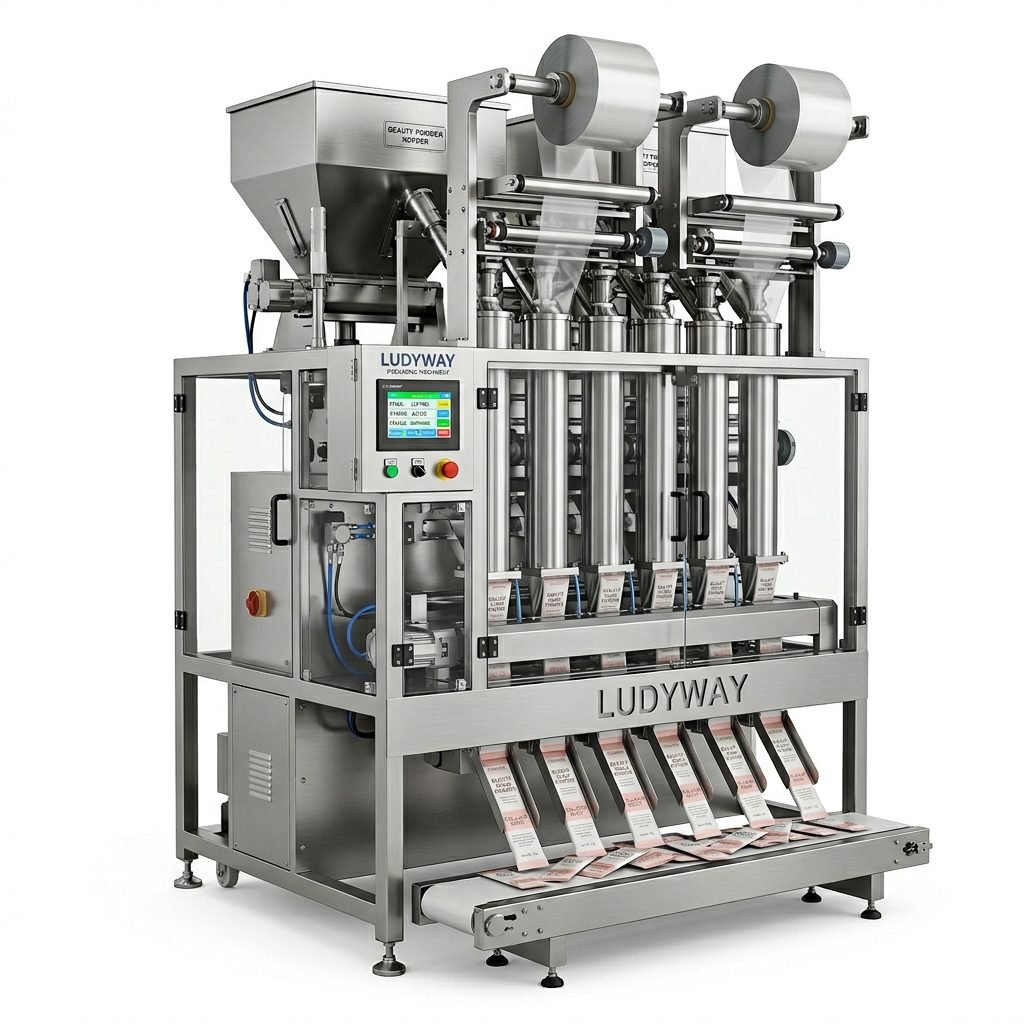
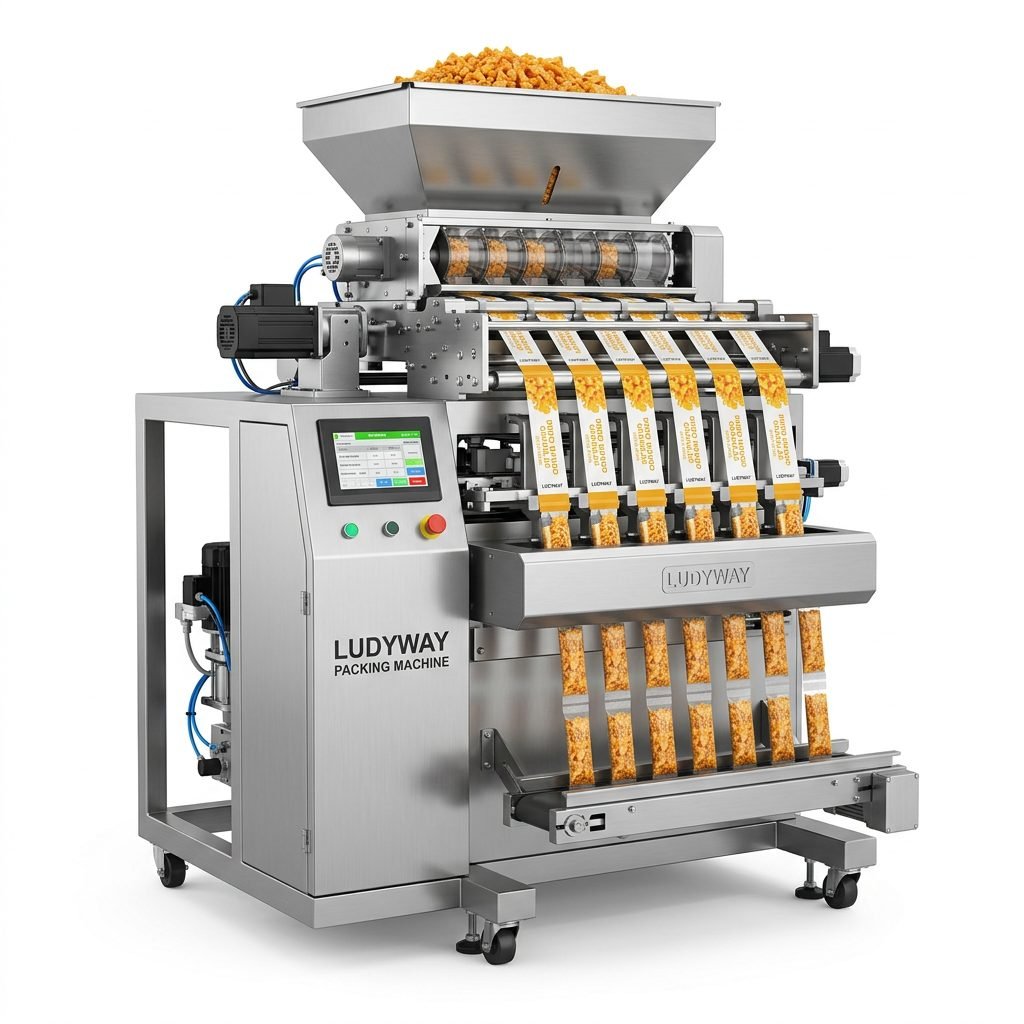
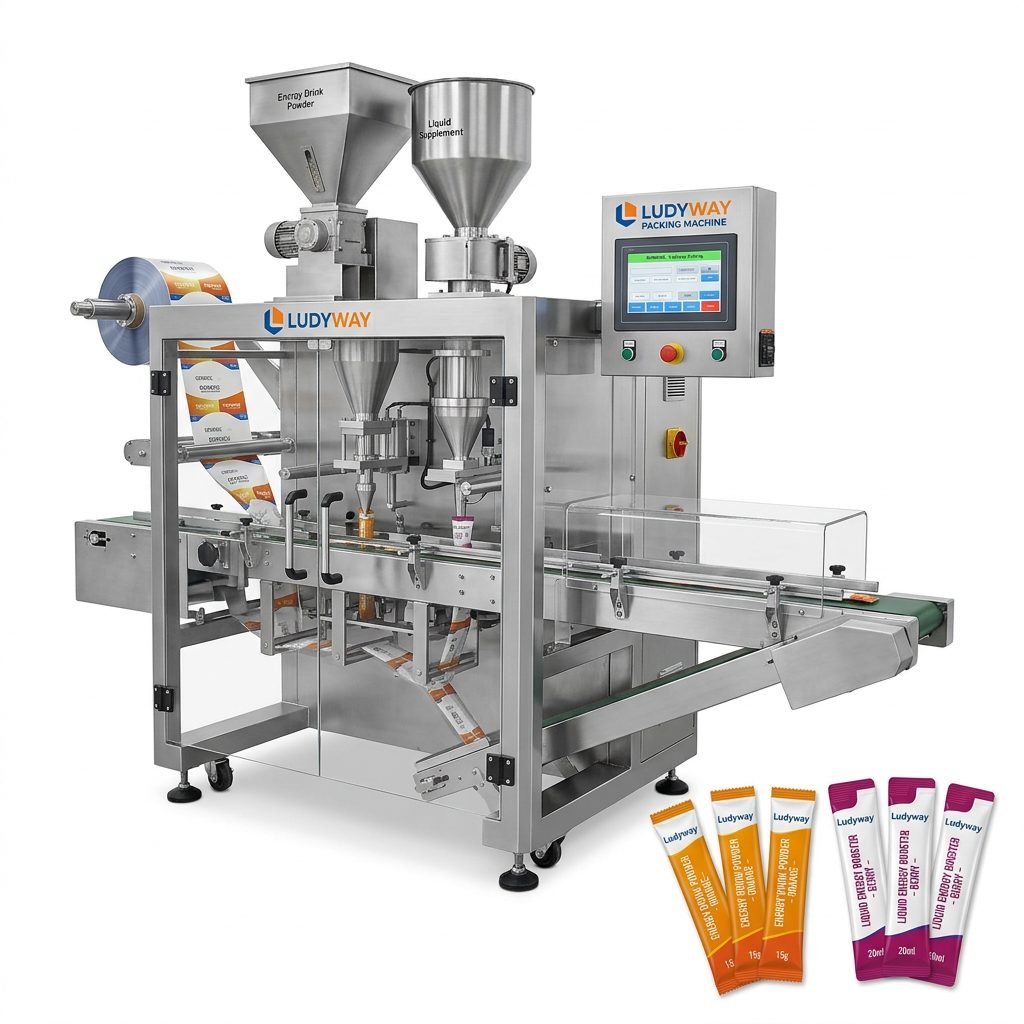
| Multi-Lane Stick Pack / Sachet | Single-serve snack portions | 200–600 ppm (across lanes) | Very high total output |
| Vacuum Chamber Machine | Extended shelf-life applications | 5–15 cycles/min | Maximum product protection |
Technical Specifications to Evaluate
Once you have identified the appropriate machine category, a detailed evaluation of technical specifications is necessary. These specifications directly affect machine performance, product quality, and long-term operational reliability.
Weighing and Dosing Accuracy
For dates, weighing precision is critical due to the high product value. Multi-head weighers are commonly used for loose dates, achieving accuracy within ±1–2 grams per pack. Combination weighers with memory hoppers can handle sticky products more effectively. Consistent dosing accuracy minimizes product giveaway—a factor that directly impacts your bottom line. Standards from ISO packaging standards provide guidance on acceptable tolerances for packaged goods.
Sealing Technology and Integrity
Date packaging requires robust sealing systems capable of creating hermetic seals even when minor product contamination occurs in the seal area. Features to look for include:
- Temperature-controlled sealing jaws with precise PID controllers
- Serrated or knurled seal patterns for improved seal strength
- Gas flushing capability for MAP applications
- Automatic seal integrity monitoring systems
- Easy-clean sealing surfaces to address sugar residue buildup
Construction Materials and Hygiene Compliance
Food-grade construction is non-negotiable for dates packaging. All product contact surfaces should be manufactured from AISI 304 or 316L stainless steel. The machine frame should facilitate thorough cleaning, with sloped surfaces that prevent product accumulation. The FDA food packaging regulations and equivalent international standards specify requirements for food contact materials. Verify that the equipment can meet the hygiene standards applicable in your target markets, including any relevant certifications.
How to Assess Machine Quality and Supplier Reliability
Selecting the right supplier is as important as selecting the right machine. A thorough evaluation process includes both technical assessment of the equipment and due diligence on the manufacturer’s capabilities and track record.
Supplier Evaluation Checklist
- Industry experience – How many years has the supplier been manufacturing packaging machinery?
- Date-specific references – Can the supplier provide case studies or references from other date processors?
- Manufacturing facility – What is the scale of their production operations and quality control processes?
- In-house engineering capabilities – Does the supplier have dedicated mechanical, electrical, and automation engineering teams?
- After-sales infrastructure – Do they offer installation, commissioning, training, and ongoing technical support?
- Spare parts availability – How quickly can critical spare parts be sourced and delivered?
- Certifications and compliance – Can they provide documentation for relevant international standards?
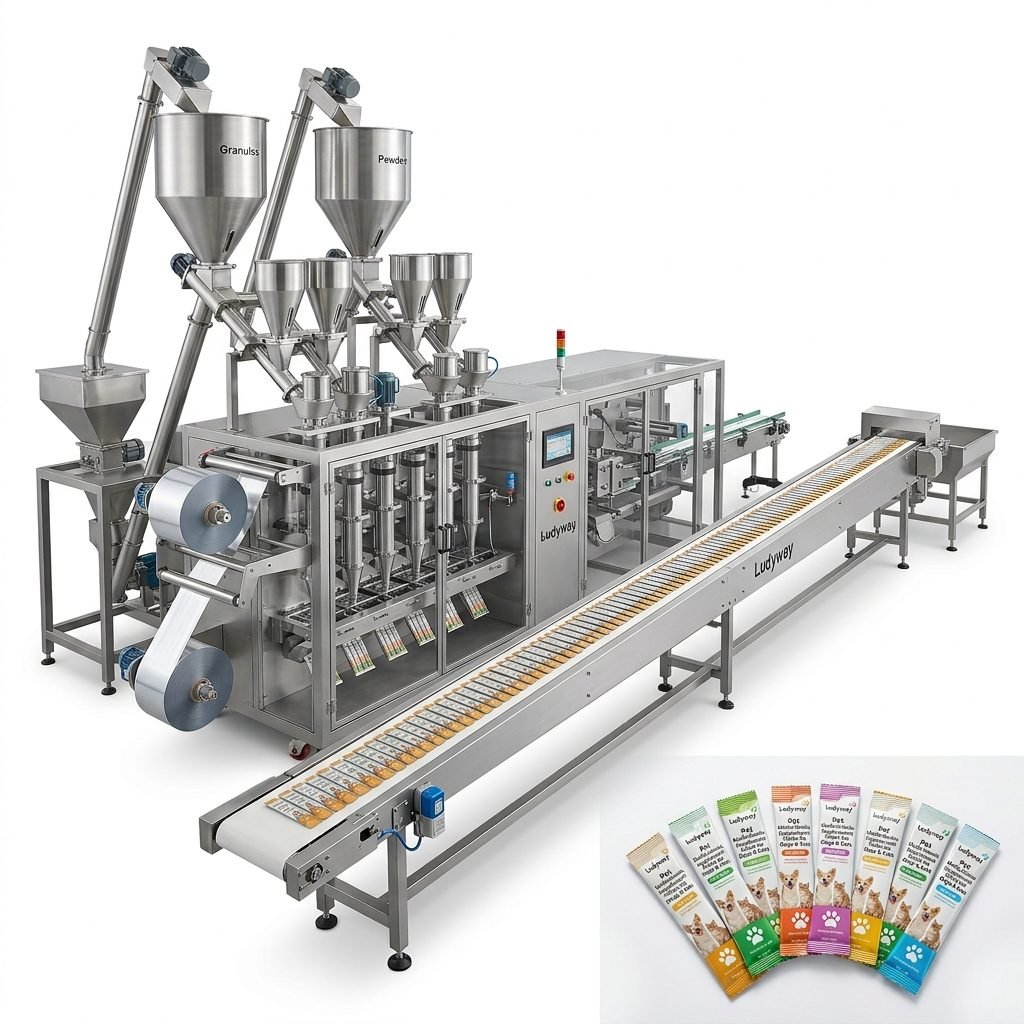
One example of a manufacturer with extensive packaging machinery expertise is Ludyway Machinery, a China-based packaging equipment provider with over 30 years of experience and a 20,000-square-meter manufacturing facility. The company offers customized packaging solutions across powder, granule, liquid, stick pack, sachet, and pouch applications, and its engineering team works with customers to configure equipment according to specific product and production requirements. This type of consultative approach—where the supplier evaluates your product characteristics before recommending a machine configuration—is a strong indicator of a quality-focused manufacturer. According to a recent industry report, the global demand for specialized packaging machinery continues to grow as food manufacturers seek higher automation levels and more flexible production capabilities.
Cost Considerations and ROI Analysis
The purchase price of a dates packing machine represents only one component of the total cost of ownership. A comprehensive financial analysis should account for the following elements:
| Cost Category | Description | Typical Impact |
|---|---|---|
| Capital expenditure | Machine purchase price, shipping, import duties | One-time upfront cost |
| Installation and commissioning | Setup, calibration, operator training | 5–15% of machine cost |
| Packaging materials | Film, pouches, labels | Ongoing, per-unit cost |
| Maintenance and spare parts | Routine servicing, wear components | 2–5% of machine cost annually |
| Energy consumption | Electricity, compressed air | Operating overhead |
| Labor costs | Operators, technicians | Varies by automation level |
ROI calculations should factor in increased throughput, reduced product giveaway through accurate weighing, lower labor requirements, and decreased packaging material waste. Many date processors find that a well-specified packing machine achieves payback within 18–36 months, particularly when replacing manual or semi-automatic processes.
After-Sales Support and Long-Term Partnership
A packaging machine is a long-term investment, and the quality of after-sales support can significantly impact your operational uptime. Before finalizing a purchase, clarify the following with potential suppliers:
- Warranty terms – What is covered, and for how long?
- Technical support availability – Is remote assistance available? What are the response time commitments?
- Operator training programs – Is comprehensive training included, and can it be conducted on-site?
- Spare parts supply chain – Are critical components stocked locally or shipped from the manufacturing facility?
- Software and control system updates – Are updates available as technology evolves?
- Service contracts – Are preventive maintenance programs offered?
The PMMI packaging industry resources highlight that suppliers with global service networks and remote diagnostic capabilities offer significant advantages for international buyers, reducing the need for on-site technician visits and minimizing production disruptions.
Making the Final Decision
Selecting the right dates packing machine requires balancing technical specifications, supplier capabilities, and commercial considerations. A structured evaluation process that includes product testing, supplier site visits, reference checks, and a detailed total cost of ownership analysis will lead to the best outcome. The Flexible Packaging Association’s industry resources also emphasize that packaging material compatibility testing should be part of the machine evaluation process, particularly for products with challenging characteristics like dates.
By thoroughly assessing your production requirements, understanding the technical capabilities of different machine types, and carefully vetting potential suppliers, you can invest in equipment that delivers consistent performance, product quality, and profitability for years to come. Remember that the cheapest option is rarely the most cost-effective over the machine’s operational lifetime—prioritize build quality, engineering support, and the supplier’s commitment to your long-term success.