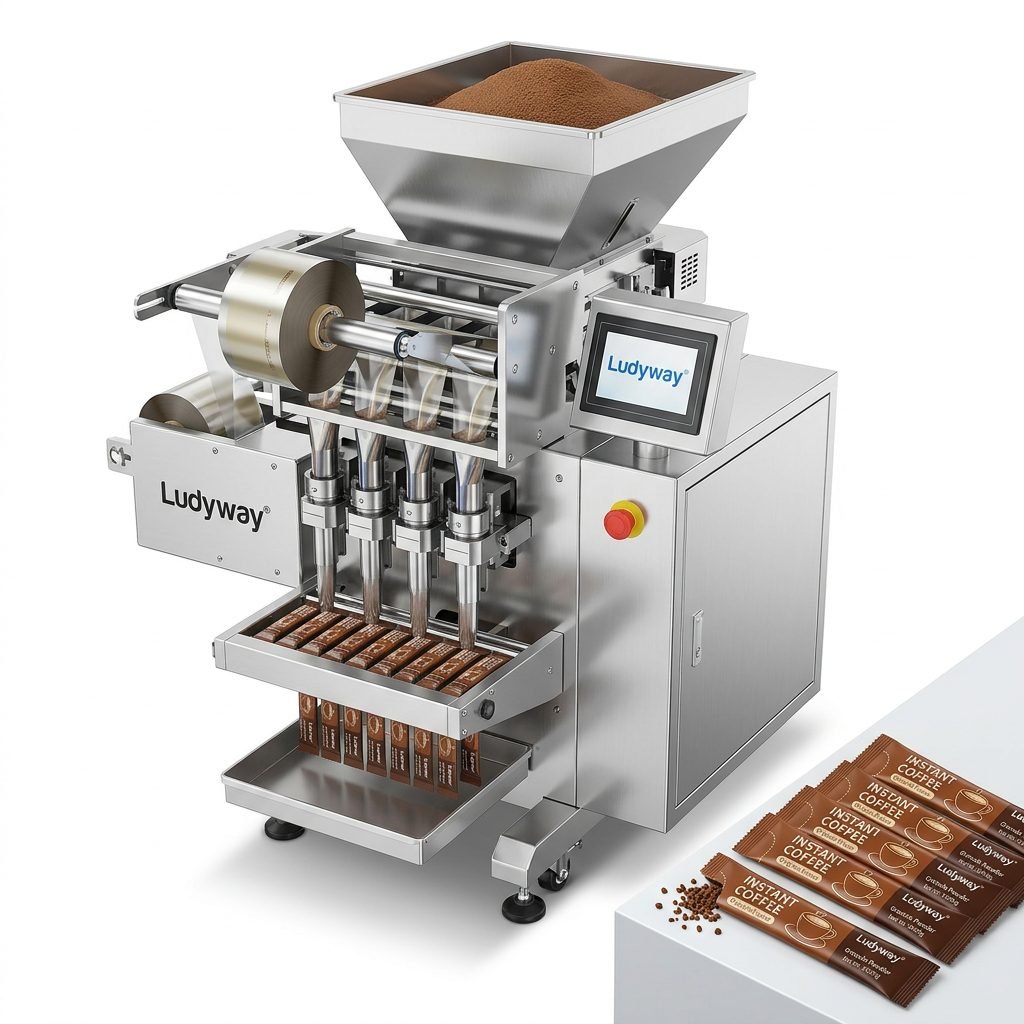
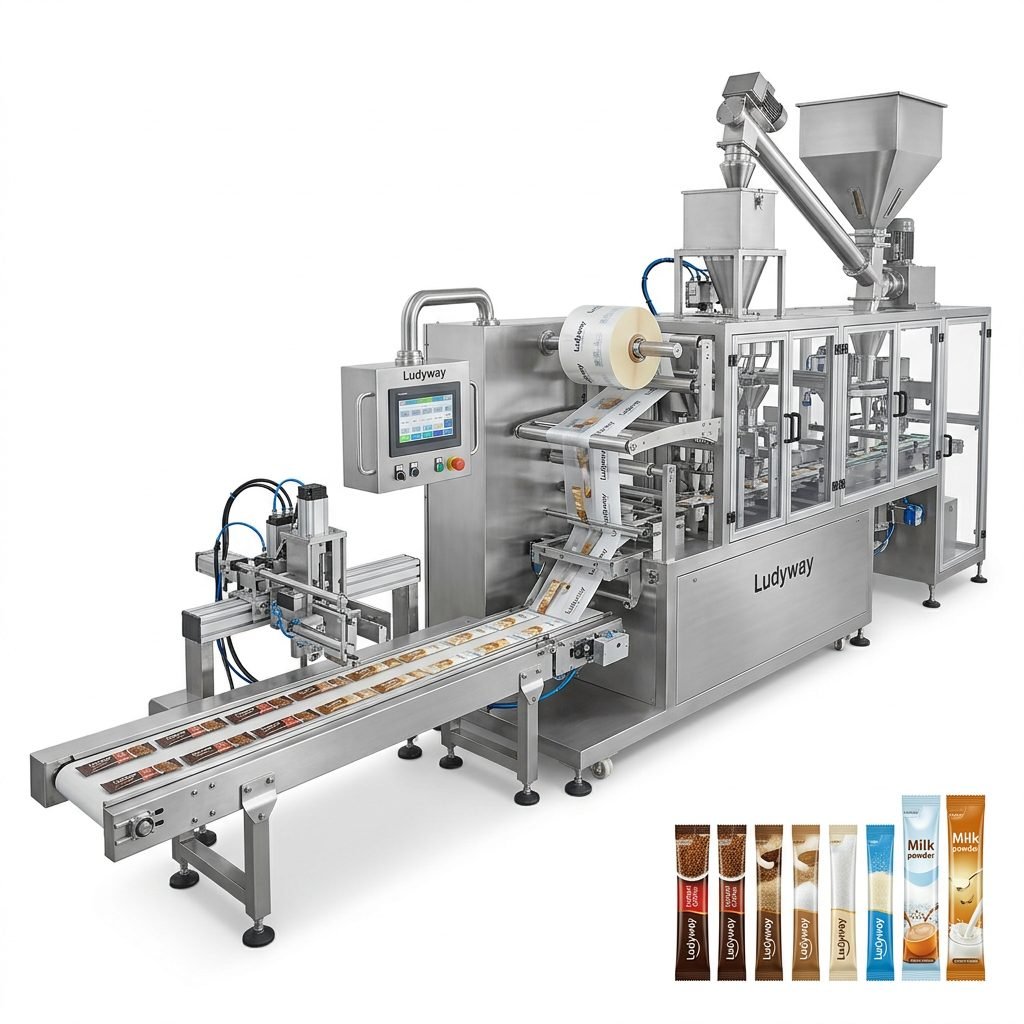
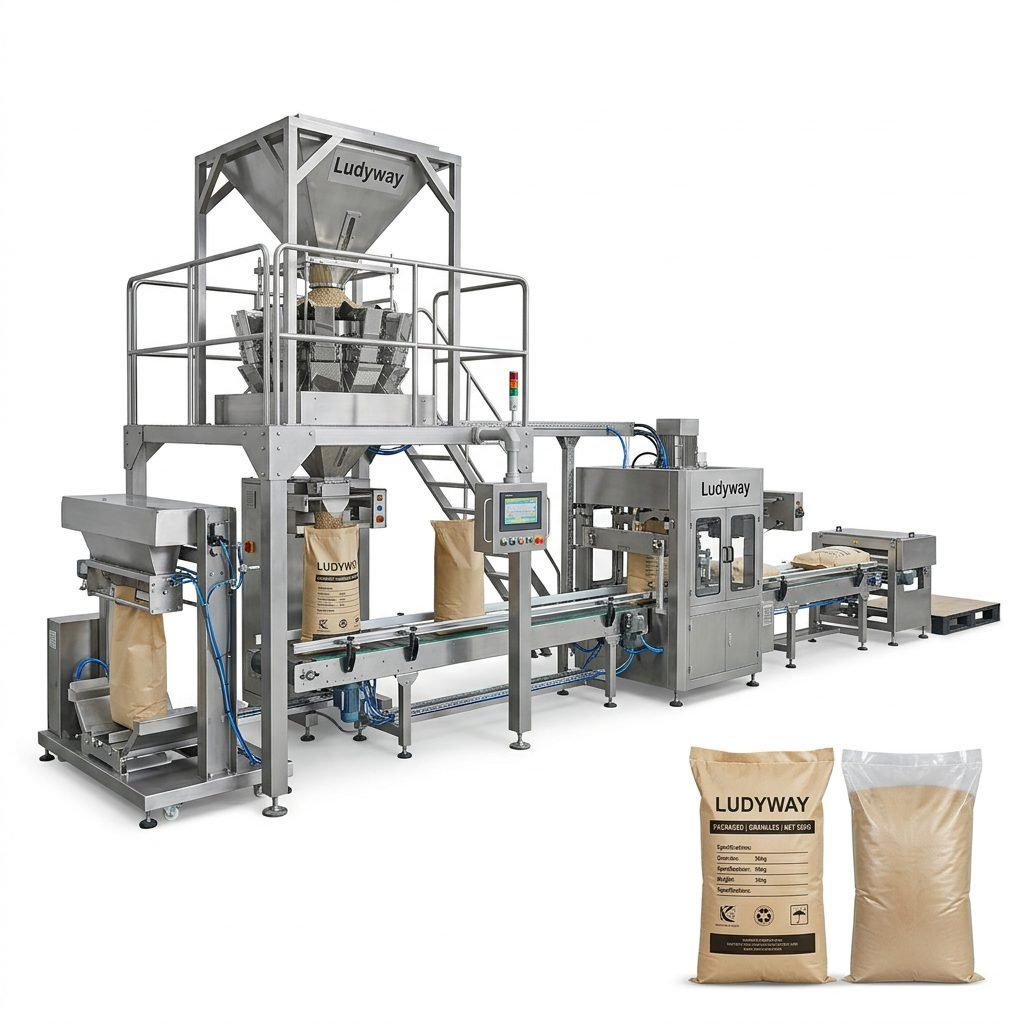
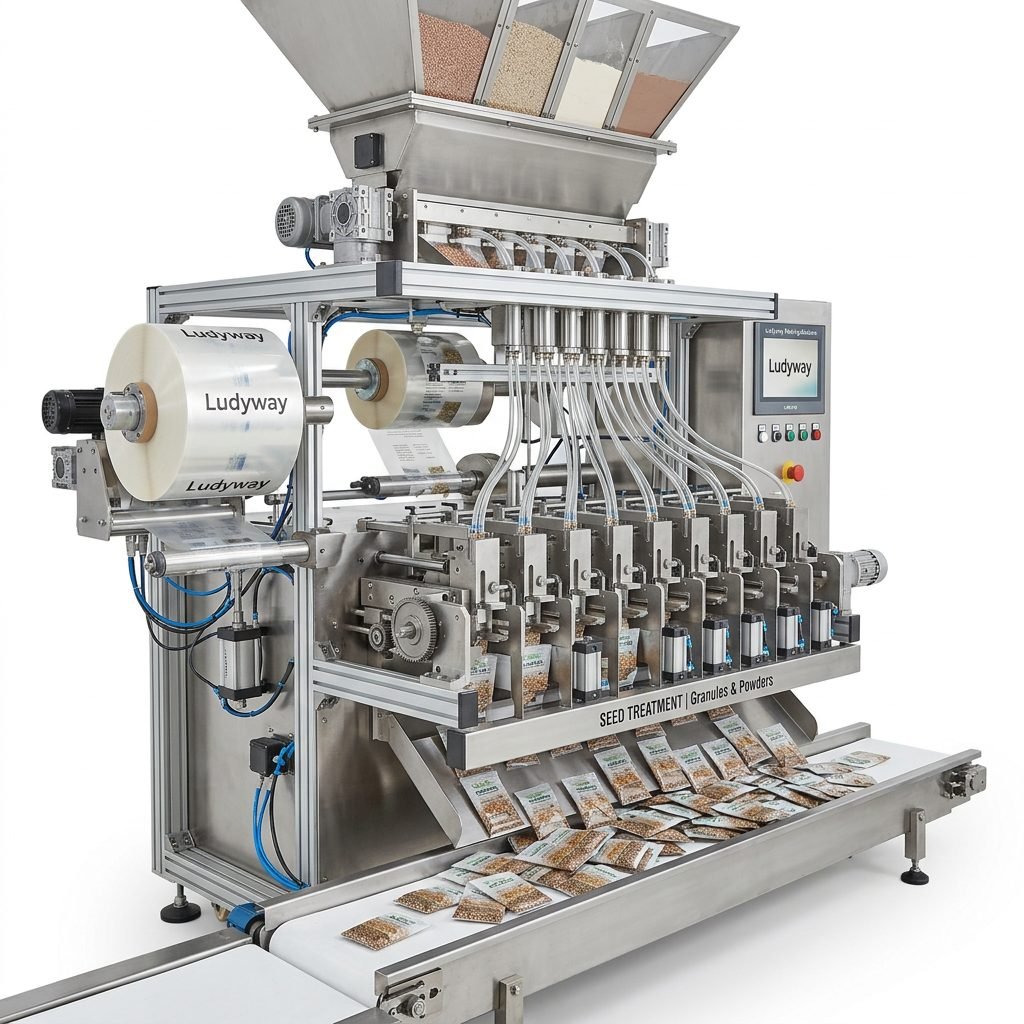
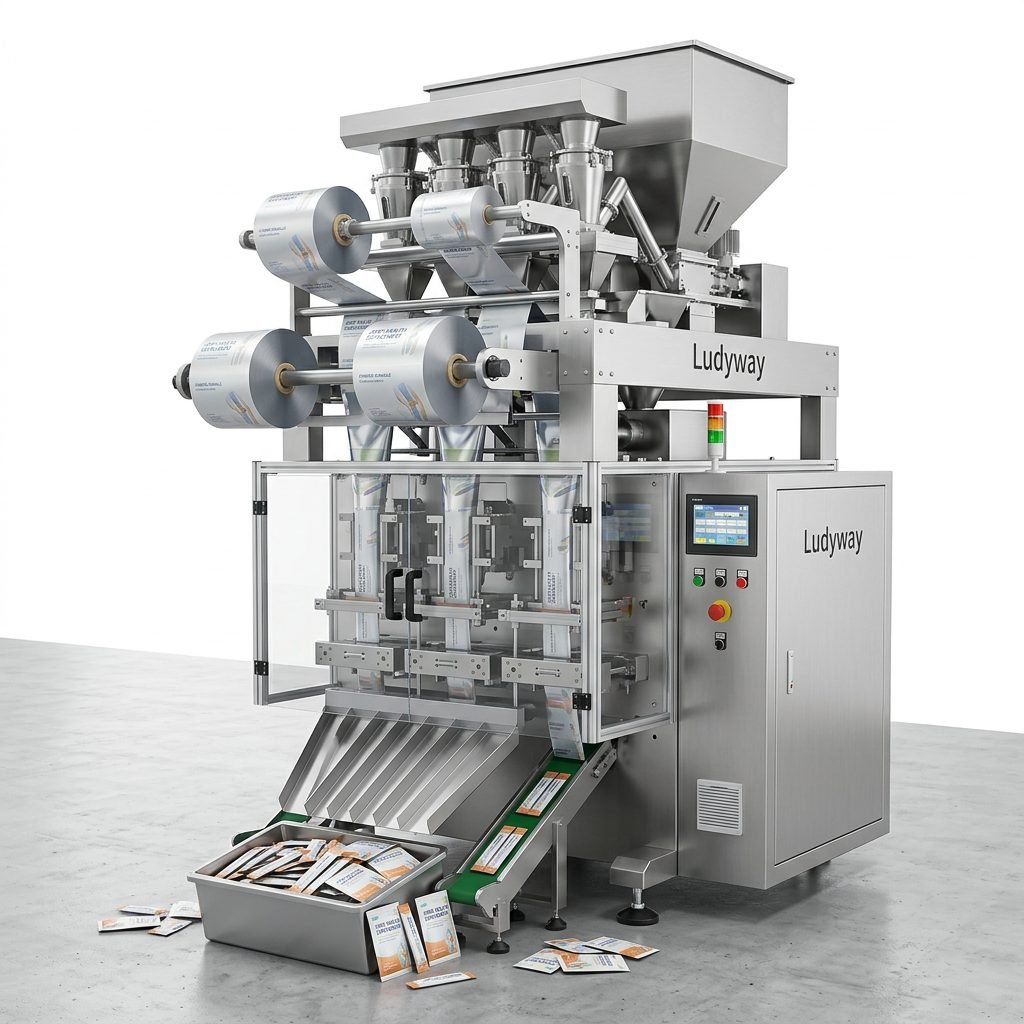
Improving output on a pouch packaging line is not only about turning up the machine speed. In real production, stable high-speed performance comes from the right balance of machine settings, material quality, operator skill, maintenance, and line integration. When one small issue is ignored—such as inconsistent film tension or poor pouch feeding—even the best machine will slow down.
If you want to increase pouch packaging machine speed without sacrificing seal quality, accuracy, or uptime, the most effective approach is to optimize the full process step by step. The good news is that many speed losses come from preventable causes.
Start with the Real Bottleneck, Not the Rated Speed
Many manufacturers focus on the machine’s theoretical speed, but real output depends on actual running conditions. A pouch packaging machine may be rated for a high number of pouches per minute, yet production stays lower because of micro-stops, changeovers, sealing defects, product feeding delays, or downstream congestion.
Before making adjustments, measure these key indicators:
- Actual pouches per minute
- Downtime frequency and duration
- Reject rate
- Changeover time
- OEE or line utilization
Once you know where output is being lost, improvements become much more precise and cost-effective.
Optimize Film Feeding and Pouch Material Quality
Packaging material is one of the biggest factors affecting speed. If the film thickness varies, the roll is poorly wound, or friction is too high, the machine cannot run consistently at faster speeds.
What to check on packaging film or premade pouches
- Uniform thickness and roll tension
- Correct friction coefficient for smooth feeding
- Stable heat-sealing layer performance
- Accurate pouch dimensions and registration marks
- No edge curling, deformation, or dust contamination
When materials are inconsistent, machines must be slowed down to avoid tracking errors, seal wrinkles, or pouch jams. Working with reliable pouch or film suppliers often brings faster gains than adjusting the machine alone.
Improve Filling Accuracy to Support Higher Speeds
A pouch packaging machine can only run as fast as the filling system allows. If powder bridging, granule sticking, liquid foaming, or inaccurate dosing occurs, speed must be reduced to maintain consistency.
| Product Type | Common Speed Limitation | Recommended Improvement |
|---|---|---|
| Powder | Dust, bridging, unstable auger feeding | Use agitators, anti-dust design, precise auger calibration |
| Granules | Inconsistent flow, bounce, weighing delays | Optimize feeder vibration and bucket timing |
| Liquid | Foaming, dripping, nozzle contamination | Use anti-drip nozzles and adjust filling profile |
| Paste | Viscosity changes, tailing, uneven filling | Control temperature and apply servo dosing |
In short, if the product does not flow smoothly and consistently, the machine will never reach stable high-speed performance.
Reduce Micro-Stops Through Better Sensor and Servo Tuning
Many output losses come from short interruptions that operators may barely notice. A few seconds lost dozens of times per shift can significantly reduce total production.
Typical causes of micro-stops
- Photoelectric tracking instability
- Poor pouch opening detection
- Servo response mismatch
- Improper jaw timing
- Material supply interruptions
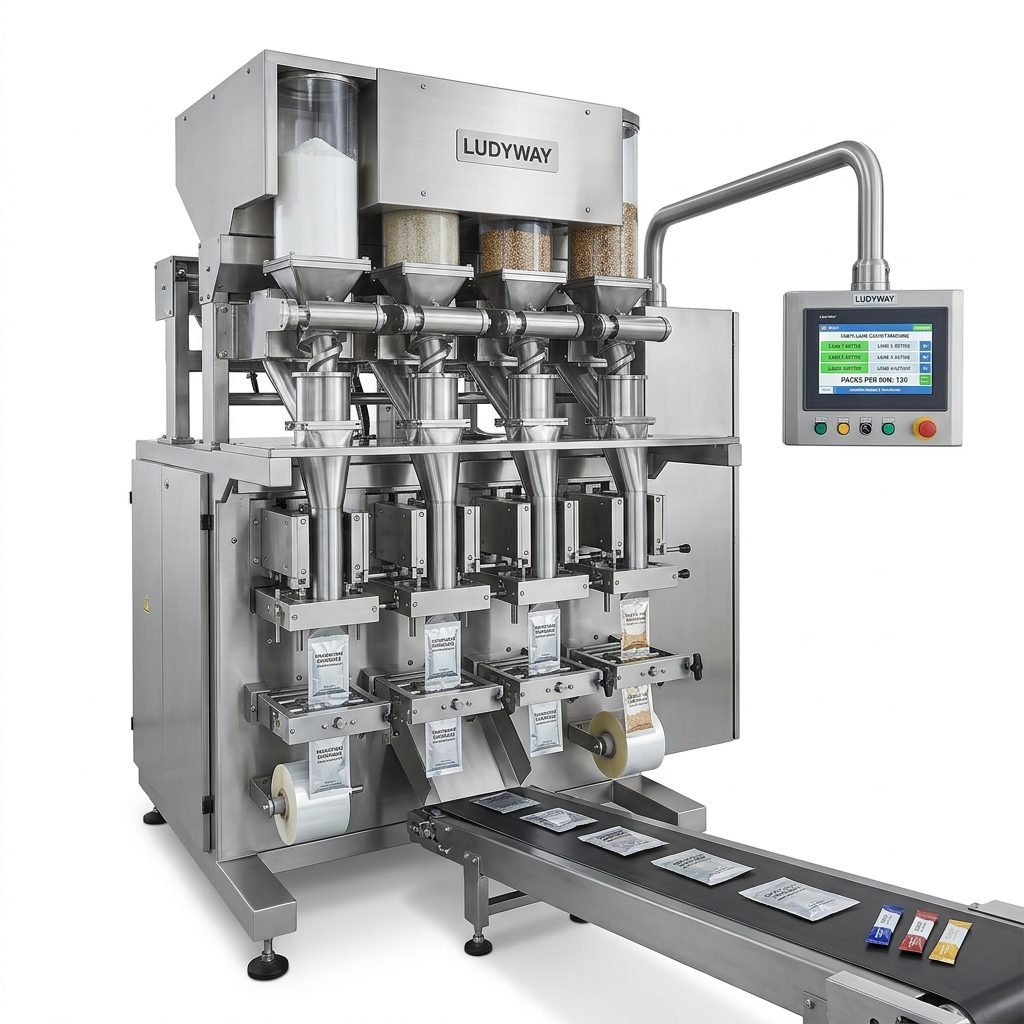
Careful tuning of sensors, servo motors, registration systems, and sealing timing can unlock speed without creating more rejects. Even a small adjustment in feed synchronization can produce a noticeable improvement in output.
Upgrade the Sealing System for Faster Stable Running
Sealing quality often becomes the speed ceiling on pouch packaging machines. If the sealing temperature is too low, seals fail. If too high, film burns, deforms, or sticks. At higher speeds, the sealing dwell time becomes shorter, so jaw design and thermal control become more important.
To increase speed safely, sealing must be both fast and consistent. Consider the following:
- Use stable temperature controllers
- Check sealing jaw flatness and wear
- Match jaw pressure to pouch material
- Use suitable seal patterns for product type
- Keep jaws clean from powder or liquid residue
For some applications, servo-driven sealing systems and improved jaw materials help maintain strong seals even when cycle time is reduced.
Minimize Changeover Time Between Pouch Formats
If your factory handles multiple pouch sizes or products, changeover efficiency directly affects daily throughput. A machine may run fast during production, but if every changeover takes too long, total capacity remains low.
Practical ways to shorten changeovers
- Standardize pouch sizes where possible
- Use recipe memory on HMI controls
- Label tooling and spare parts clearly
- Create a step-by-step changeover checklist
- Train operators to perform parallel tasks
Quick-change forming parts, tool-free adjustments, and stored parameter settings can reduce downtime dramatically in mixed-product production environments.
Train Operators for High-Speed Process Stability
Machine speed is not only a mechanical issue; it is also an operating discipline issue. Skilled operators notice abnormal vibration, product flow changes, film drift, or seal defects earlier, which prevents long stoppages.
Operator training should include:
- Correct startup and shutdown sequence
- Daily cleaning and inspection points
- Parameter adjustment logic
- Common alarm troubleshooting
- Quality checks at high speed
A well-trained operator can often improve real productivity more than a simple speed increase on the control panel.
Use Preventive Maintenance Instead of Reactive Repairs
Worn components quietly reduce speed long before major failure occurs. Loose belts, worn bearings, damaged sealing jaws, weak vacuum systems, and aging sensors all make a machine unstable at higher output levels.
| Maintenance Area | Why It Affects Speed | Recommended Action |
|---|---|---|
| Sealing jaws | Poor sealing consistency at high cycles | Inspect wear and clean regularly |
| Sensors | False signals cause stops | Clean, align, and test routinely |
| Conveyors and belts | Slip or poor tracking slows transfer | Adjust tension and replace worn parts |
| Lubrication points | Increased friction reduces smooth motion | Follow lubrication schedule |
Preventive maintenance keeps the machine capable of running fast without constant interruption.
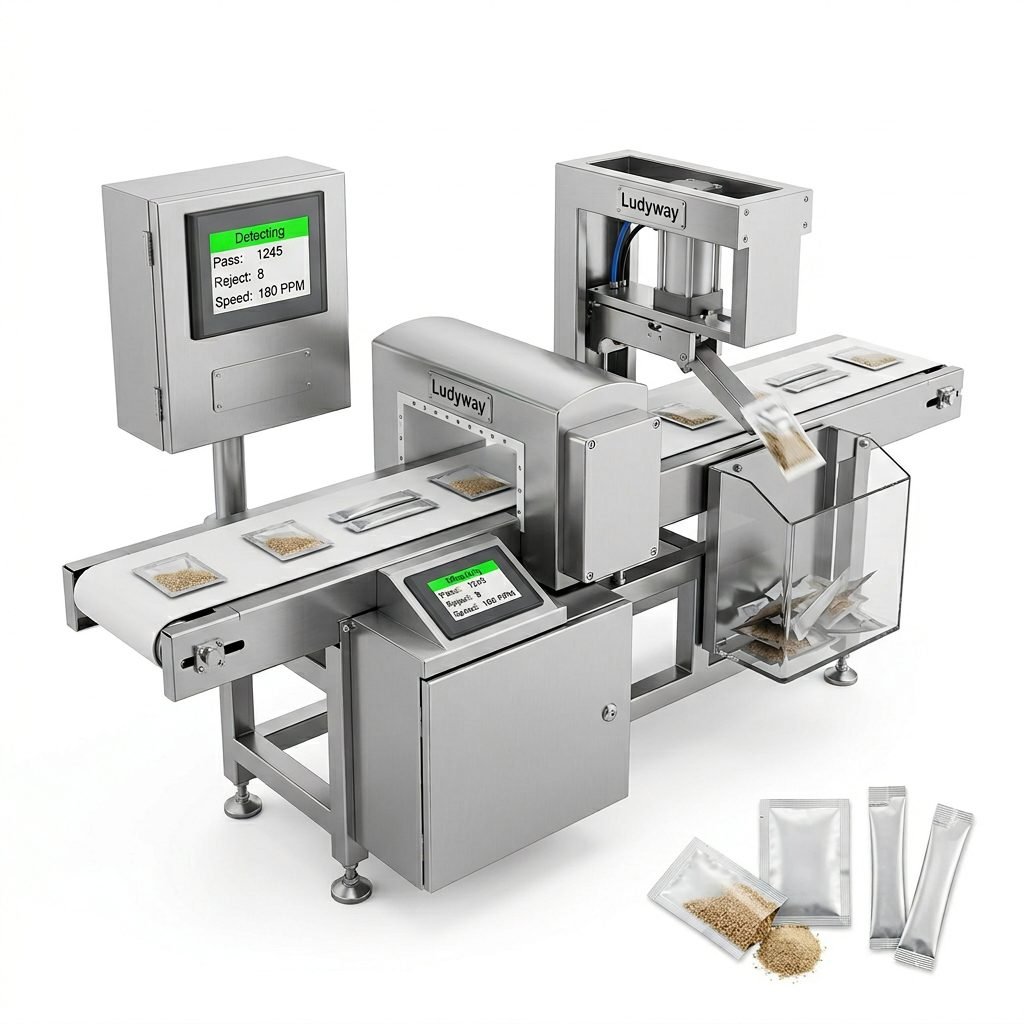
Improve Line Integration, Not Just the Packaging Machine
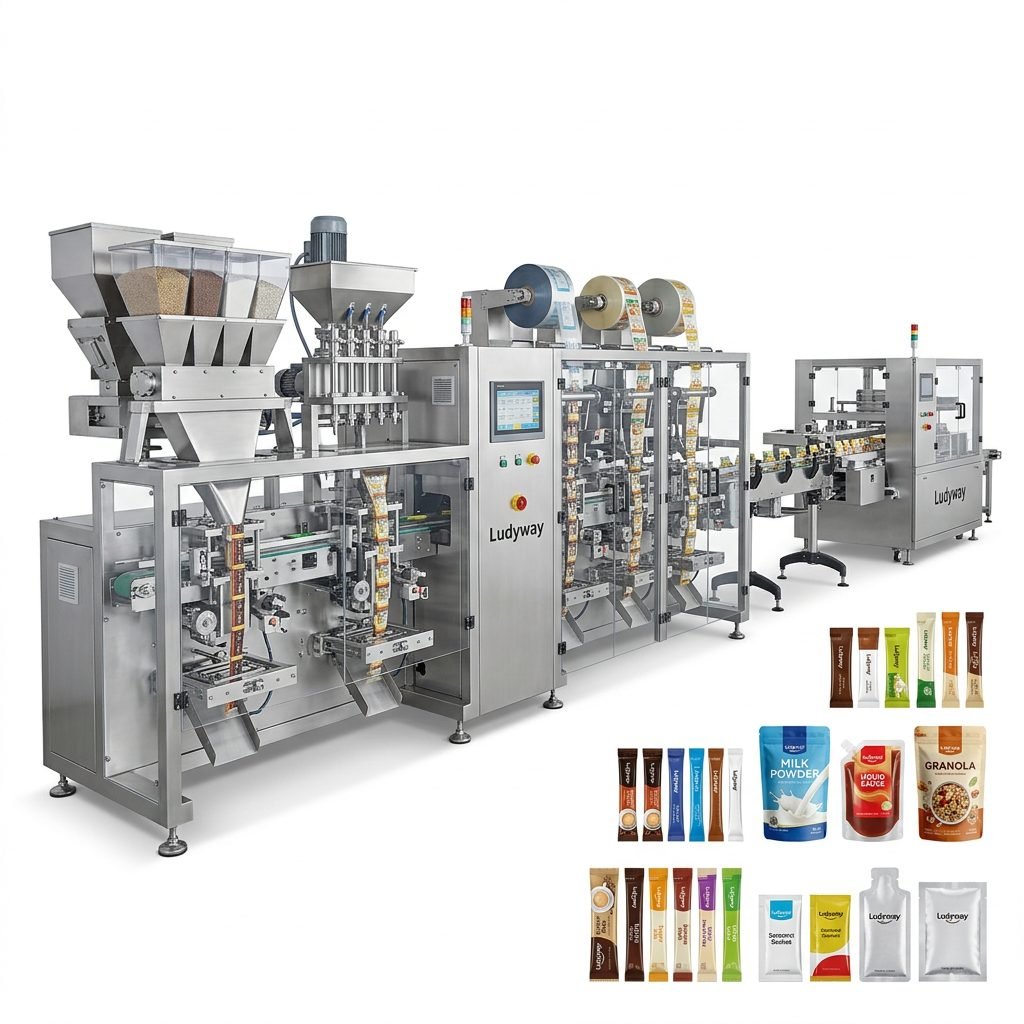
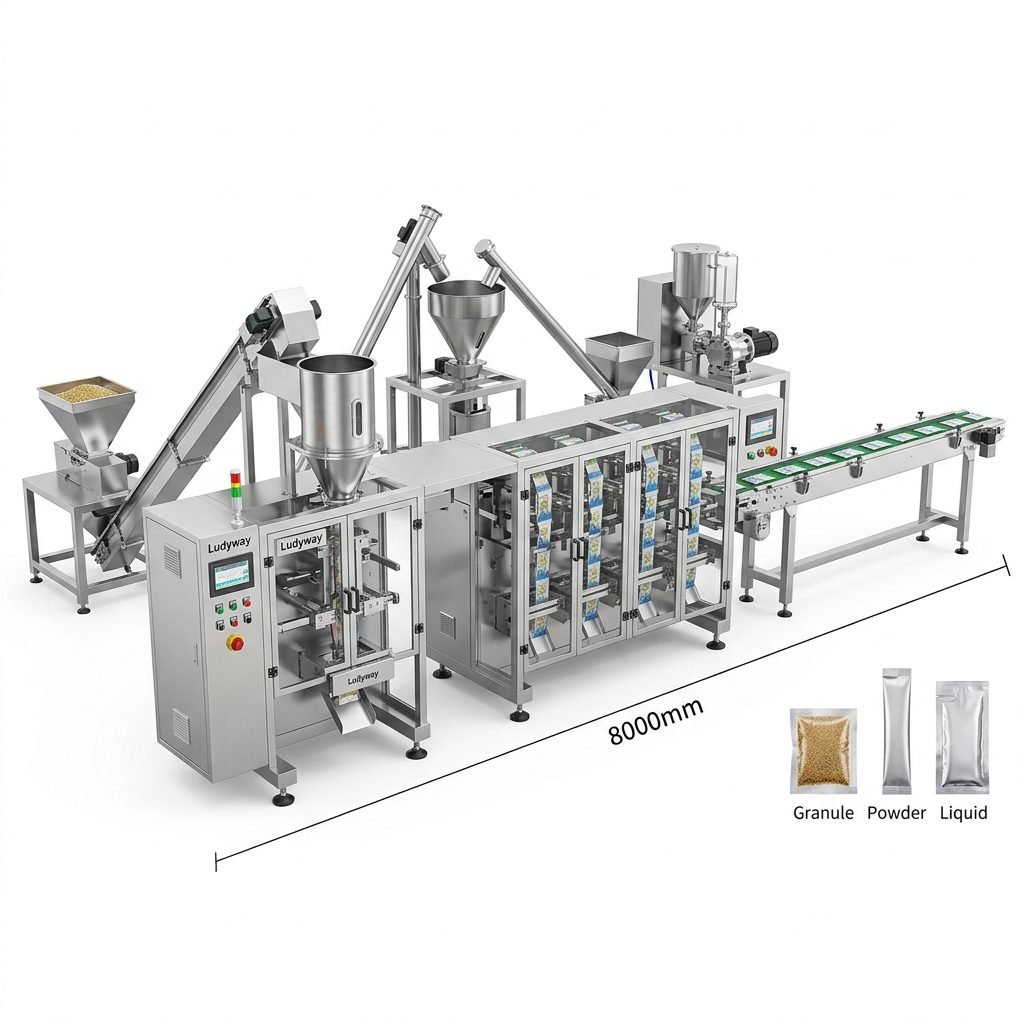
A pouch machine may be capable of higher speed, but upstream and downstream equipment can hold it back. Feeding systems, elevators, checkweighers, coding units, cartoners, and conveyors must all match the desired throughput.
Look for these line-level bottlenecks:
- Slow product feeding or refill delays
- Insufficient buffer between stations
- Coding or labeling equipment slower than the packer
- Frequent downstream accumulation jams
- Manual collection slowing discharge flow
In many cases, adding automatic feeding, reject handling, counting, or cartoning can increase effective packaging speed more than changing the main machine itself.
Choose Automation Features That Directly Increase Throughput
Not every upgrade delivers the same return. Focus first on features that reduce manual intervention and increase process consistency.
High-value speed improvement upgrades
- Servo-driven motion control for more precise timing
- Automatic film alignment to reduce tracking errors
- Smart HMI recipe management for faster product switching
- Integrated inspection systems to catch defects without slowing the line
- Automatic feeding and discharge systems to support continuous running
For growing manufacturers, working with an experienced supplier like Ludyway pouch packaging machine solutions can help identify whether the best result will come from parameter optimization, modular upgrades, or a more integrated turnkey line approach.
Monitor Data Daily to Keep Speed Gains Sustainable
Once you improve machine speed, the next challenge is maintaining it. The most efficient factories track performance every shift and respond quickly when output starts to drift.
Useful daily data points include:
- Target vs. actual pouches per minute
- Top three downtime reasons
- Reject percentage by defect type
- Average changeover time
- Material consumption and waste level
What gets measured gets improved. Even simple production records can reveal patterns that explain why speed varies from shift to shift.
Common Mistakes That Actually Reduce Pouch Packaging Speed
Trying to run faster without fixing the basics often creates the opposite result. Avoid these common mistakes:
- Increasing speed before stabilizing sealing quality
- Ignoring pouch material inconsistencies
- Running with worn parts to save short-term cost
- Using uncalibrated filling systems
- Overlooking downstream congestion
- Letting inexperienced operators adjust critical parameters freely
Sustainable efficiency comes from process control, not from pushing the machine beyond what the full line can support.
Final Practical Checklist for Faster Pouch Packaging
| Priority Action | Impact on Speed |
|---|---|
| Stabilize film or pouch feeding | Reduces jams and tracking errors |
| Improve product dosing consistency | Supports faster cycle times |
| Tune sensors and servo timing | Cuts micro-stops |
| Upgrade sealing consistency | Maintains quality at higher speed |
| Reduce changeover time | Improves daily line capacity |
| Train operators and track daily data | Keeps improvements sustainable |
The fastest pouch packaging machine is not the one with the highest advertised speed—it is the one that runs consistently, accurately, and with minimal downtime. By improving materials, filling, sealing, maintenance, and line coordination together, you can raise output in a practical and reliable way.