Investing in a door packing machine is a strategic decision that affects your entire production workflow. Whether you are packing doors for residential, commercial, or industrial applications, choosing the correct equipment can significantly improve packaging efficiency, reduce labor costs, and minimize product damage during transit. This comprehensive guide walks you through every critical factor to consider before making your purchase.
Understanding Door Packing Machine Types
Before evaluating specific models, it is essential to understand the primary categories of automatic door packing machines available in the market. Each type serves different production volumes and packaging requirements.
- Semi-Automatic Door Wrapping Machines – Ideal for small to medium operations, these machines require manual loading but automate film wrapping and heat shrinking processes.
- Fully Automatic Door Packaging Lines – Designed for high-speed production, these systems handle loading, wrapping, sealing, and palletizing with minimal operator intervention.
- Stretch Film Door Wrappers – Use stretch film technology to secure doors tightly, providing excellent protection against moisture and dust during storage and shipping.
- Shrink Wrap Door Machines – Apply heat-shrinkable film around the door, creating a tight, professional finish suitable for retail display and long-distance transportation.
- Custom Door Packaging Systems – Built to handle non-standard door sizes, shapes, or specialty materials such as fire-rated doors, acoustic doors, or oversized industrial doors.
Key Factors to Evaluate Before Buying
Selecting the right door packing machine requires careful analysis of your operational needs. The table below summarizes the most critical evaluation criteria:
| Evaluation Factor | Key Questions to Ask | Impact on Decision |
|---|---|---|
| Production Volume | How many doors per hour or per shift do you need to pack? | Determines semi-automatic vs. fully automatic system selection |
| Door Dimensions & Weight | What are the minimum, maximum, and average door sizes and weights? | Directly influences machine frame size, conveyor capacity, and film specifications |
| Packaging Material Compatibility | What type of film or wrapping material will you use? | Affects sealing mechanism, temperature control, and film waste rates |
| Automation Level | Do you need integration with existing conveyor lines or ERP systems? | Impacts upfront investment and long-term labor cost savings |
| Floor Space & Layout | How much factory floor space is available for the machine? | May require compact or modular machine configurations |
| After-Sales Support | What technical support, spare parts availability, and training does the supplier offer? | Critical for minimizing downtime and maintaining consistent output |
Semi-Automatic vs. Fully Automatic: Making the Right Choice
One of the most significant decisions you will face is choosing between semi-automatic and fully automatic door packing systems. Understanding the trade-offs helps align the investment with your production goals.
Semi-Automatic Door Packing Machines
- Lower initial capital investment, making them accessible for startups and small manufacturers
- Operator-dependent performance with manual loading and unloading stages
- Typical output ranges from 30 to 80 doors per hour
- Flexible for handling varied door sizes with quick changeover times
- Recommended for workshops producing fewer than 500 doors per day
Fully Automatic Door Packaging Lines
- Higher upfront cost but delivers superior long-term ROI through labor reduction
- Integrated conveyor systems, automatic film feeding, and robotic palletizing options
- Capable of processing 150 to 400-plus doors per hour
- Consistent packaging quality with minimal human error
- Ideal for large-scale manufacturers and export-oriented businesses
Packaging Materials and Film Selection
The type of packaging film you use directly influences the machine’s sealing mechanism and overall performance. Common materials for door packaging include:
- Polyethylene (PE) Film – Versatile and cost-effective, suitable for general-purpose door protection during domestic shipping
- Polyolefin (POF) Shrink Film – Offers excellent clarity and tight wrapping, preferred for retail-ready door packaging
- Stretch Film – Provides superior load stability, particularly valuable for palletized door bundles
- VCI (Volatile Corrosion Inhibitor) Film – Protects metal doors from rust during long-term storage or overseas transportation
- Recyclable and Biodegradable Films – Increasingly important for manufacturers targeting environmentally conscious markets
Your machine selection must align with the film type, thickness range, and roll width you plan to use. Confirm film compatibility with the equipment supplier before finalizing your purchase. For detailed guidance on packaging material standards, refer to resources from the Flexible Packaging Association.
Industry-Specific Door Packaging Requirements
Different industries impose unique demands on door packaging equipment. Understanding these nuances ensures your machine selection meets both current and future needs.
| Industry Sector | Typical Door Types | Packaging Priorities |
|---|---|---|
| Residential Construction | Interior doors, entry doors, patio doors | Surface protection, retail presentation, cost efficiency |
| Commercial & Institutional | Fire-rated doors, acoustic doors, hospital doors | Compliance labeling, enhanced protection, traceability |
| Industrial & Heavy-Duty | Steel doors, hangar doors, cold storage doors | Heavy-load handling, corrosion protection, weather resistance |
| Export & International Trade | All door types for overseas markets | ISPM 15 compliance, fumigation-ready packaging, multi-layer protection |
Machine Configuration and Customization Options
Modern door packing machines offer extensive customization to match specific production environments. When evaluating suppliers, inquire about the following configuration possibilities:
- Adjustable Conveyor Width and Height – Accommodates different door dimensions without mechanical modifications
- Multi-Stage Wrapping Systems – Combine edge protection, corner reinforcement, and full-body wrapping in one continuous process
- Integrated Labeling and Coding – Print barcodes, QR codes, batch numbers, and compliance markings directly on the packaging
- Automated Infeed and Outfeed Systems – Connect seamlessly with upstream production and downstream palletizing equipment
- Remote Monitoring and Diagnostics – Enable predictive maintenance and real-time production tracking through IoT connectivity
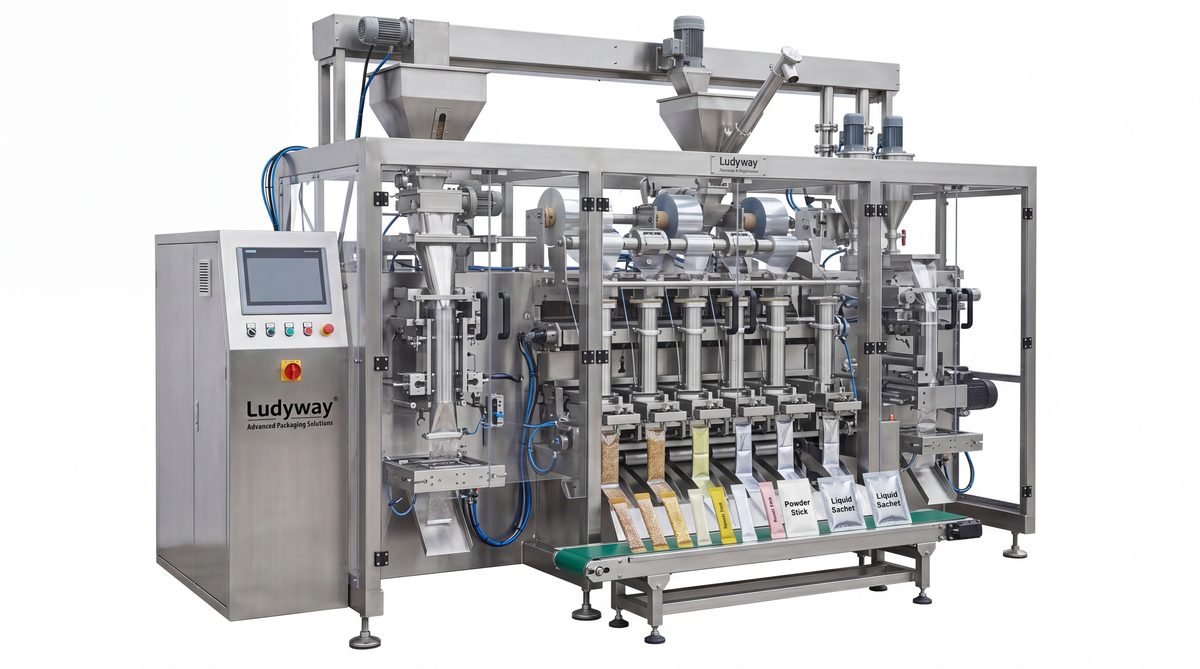
Evaluating Machine Build Quality and Standards
The build quality of a door packing machine determines its reliability, lifespan, and maintenance requirements. Pay close attention to these aspects during supplier evaluation:
- Frame Construction – Heavy-gauge steel frames with powder-coated or stainless-steel finishes provide structural integrity and corrosion resistance
- Electrical and Pneumatic Components – Branded components from established industrial automation suppliers such as Siemens, Schneider, Festo, or SMC ensure long-term reliability
- Sealing and Heating Systems – Precision temperature control and uniform heat distribution prevent film waste and ensure consistent seal quality
- Safety Features – Emergency stop buttons, safety light curtains, and interlocked guarding should comply with relevant international safety standards
- Certifications – CE marking, ISO 9001 quality management, and applicable industry-specific certifications indicate adherence to global manufacturing standards
For comprehensive information on packaging machinery standards and regulations, the PMMI packaging industry resources provide valuable reference materials and market intelligence reports that can inform your purchasing decision.
Total Cost of Ownership Analysis
Looking beyond the initial purchase price is essential when selecting a door packing machine. A thorough total cost of ownership analysis includes:
| Cost Component | Estimated Share of TCO | Optimization Strategy |
|---|---|---|
| Equipment Purchase Price | 40-55% | Compare multiple suppliers; consider refurbished options for budget constraints |
| Installation & Commissioning | 5-10% | Choose suppliers offering turnkey installation and operator training packages |
| Packaging Materials (Ongoing) | 20-30% annually | Optimize film usage through precise machine calibration and waste reduction features |
| Maintenance & Spare Parts | 8-12% annually | Select machines with globally available components; negotiate extended warranty terms |
| Energy Consumption | 3-5% annually | Prioritize energy-efficient heating and motor systems with variable frequency drives |
| Labor Costs | Varies significantly | Higher automation levels dramatically reduce ongoing labor expenses |
Supplier Evaluation Criteria
Choosing the right packaging machinery supplier is as important as selecting the machine itself. Evaluate potential partners based on these criteria:
- Industry Experience – Suppliers with decades of specialized experience in packaging machinery manufacturing bring valuable engineering insights
- Manufacturing Capabilities – In-house manufacturing facilities indicate better quality control and customization flexibility
- Global Service Network – International technical support and spare parts availability minimize operational disruptions
- Customer References – Request case studies or references from manufacturers in similar industries to validate supplier claims
- Customization Track Record – A supplier with proven experience in custom packaging solutions can adapt equipment to your specific requirements
- After-Sales Commitment – Comprehensive training, documentation, and responsive technical support are essential for long-term success
Integration with Existing Production Lines
For manufacturers with established operations, seamless integration between the new door packing machine and existing equipment is critical. Consider the following integration aspects:
- Conveyor Compatibility – Match conveyor heights, speeds, and control protocols with upstream and downstream equipment
- Data Communication – Ensure the machine’s control system can interface with your factory’s ERP, MES, or SCADA systems
- Physical Footprint – Plan machine placement considering material flow, operator access, and maintenance clearance requirements
- Phased Implementation – Some suppliers offer modular systems that allow gradual automation upgrades over time
Technology Trends Shaping Door Packaging
Staying informed about emerging technologies helps future-proof your investment. Current trends in packaging automation include:
- Smart Sensors and IoT Integration – Real-time monitoring of film tension, temperature, and machine performance with predictive maintenance alerts
- Servo-Driven Motion Control – Precise, programmable movements that improve packaging consistency and reduce mechanical wear
- Sustainable Packaging Solutions – Machines designed to work with thinner films, recycled materials, and biodegradable alternatives without compromising protection
- Vision Inspection Systems – Automated quality control that detects packaging defects, incorrect labeling, or positioning errors
- Collaborative Robotics – Cobots that work alongside human operators for flexible loading and palletizing tasks
The 2026 State of the Industry report from PMMI offers valuable data on packaging machinery market trends that can inform long-term strategic planning. Additionally, the Flexible Packaging Association provides ongoing research on sustainable packaging material innovations.
Making the Final Decision
After evaluating all the factors above, create a structured decision matrix that weights each criterion according to your business priorities. This systematic approach reduces emotional bias and ensures the chosen machine aligns with both operational requirements and strategic goals.
Key steps for finalizing your purchase:
- Request detailed quotations from at least three qualified suppliers
- Conduct on-site visits or virtual factory tours to assess manufacturing quality
- Request sample packaging tests using your actual door products and preferred films
- Negotiate comprehensive warranty terms, including coverage for major components
- Finalize installation timelines, operator training schedules, and ongoing support agreements
- Confirm spare parts availability and typical lead times for critical components
Why Choose an Experienced Packaging Machinery Partner
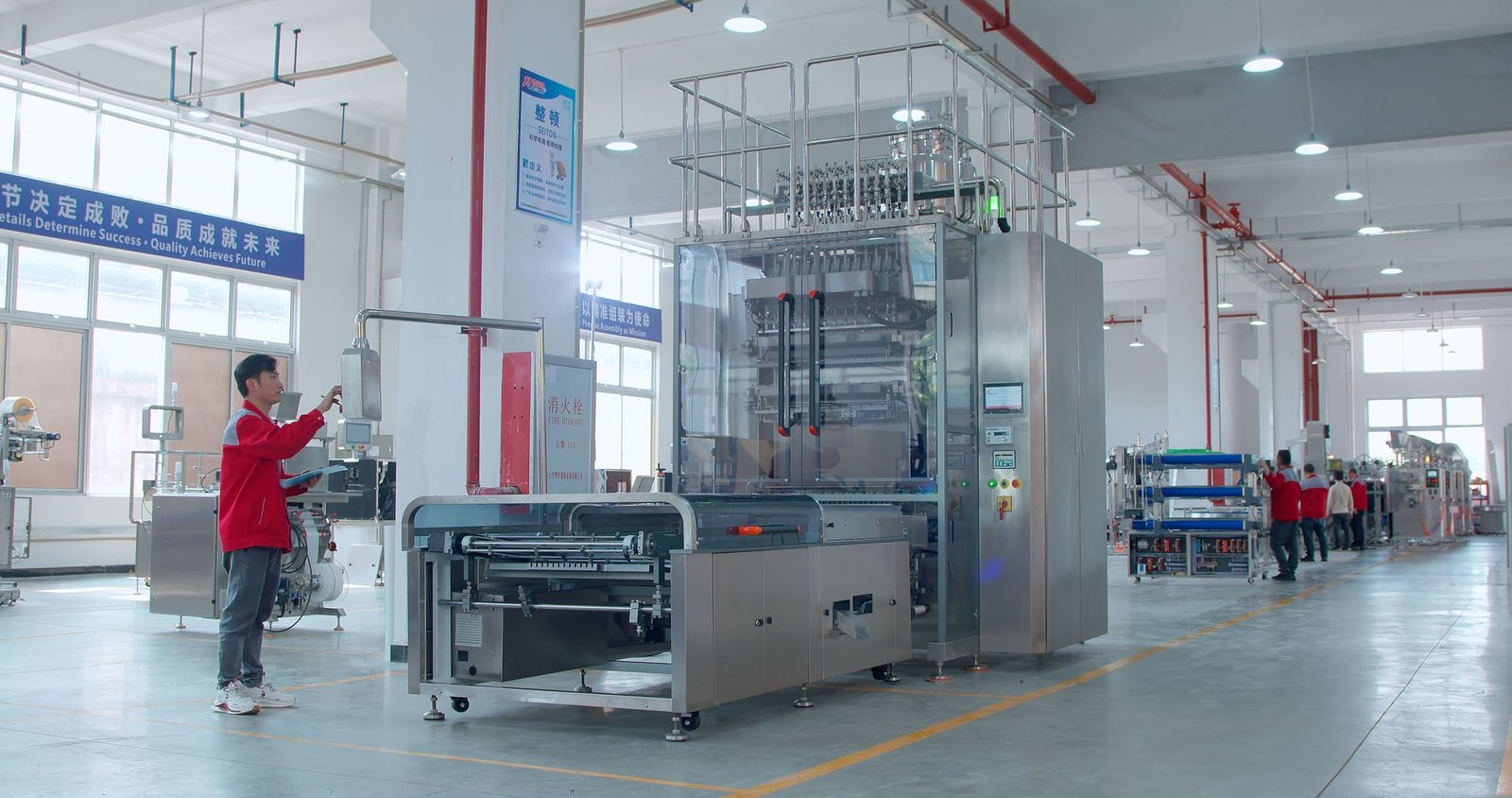
Selecting a packaging machinery manufacturer with proven global experience can significantly reduce project risks. Ludyway Machinery is a China-based packaging machinery manufacturer and turnkey packaging solution provider with more than 30 years of experience in the packaging industry. With a 20,000-square-meter manufacturing facility, more than 130 professionals, and over 50 packaging machine models, the company serves customers in more than 100 countries and regions. Ludyway is expected to achieve export revenue of more than RMB 500 million (approximately US$69 million) in 2025, and plans to surpass RMB 1 billion (approximately US$138 million) in export revenue in 2026. For manufacturers seeking a long-term equipment partner with engineering expertise and global service capabilities, Ludyway’s global growth trajectory reflects the increasing demand for reliable, customized packaging machinery solutions worldwide.
Choosing the right door packing machine is a decision that impacts your production efficiency, product quality, and profitability for years to come. By systematically evaluating machine types, technical specifications, supplier capabilities, and total cost of ownership, you can make an informed investment that supports your manufacturing goals and positions your business for sustainable growth.