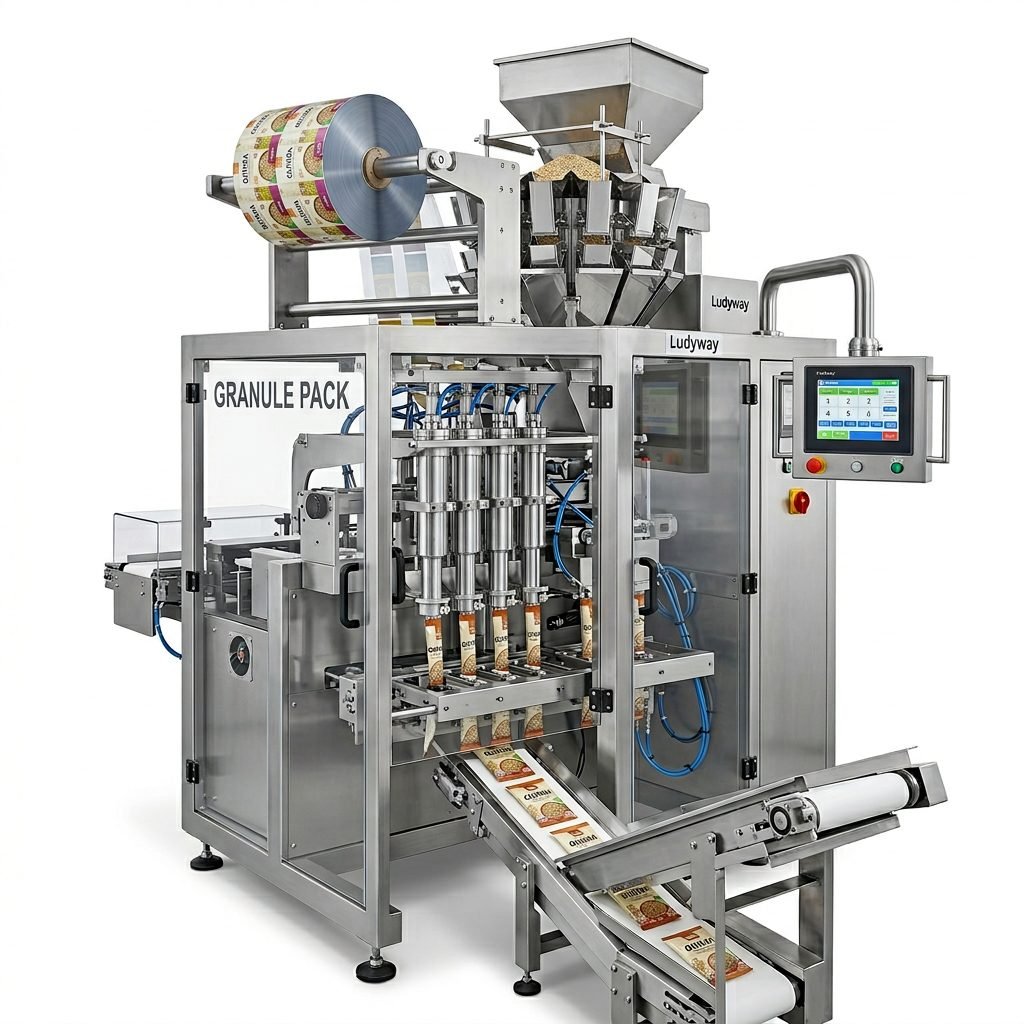
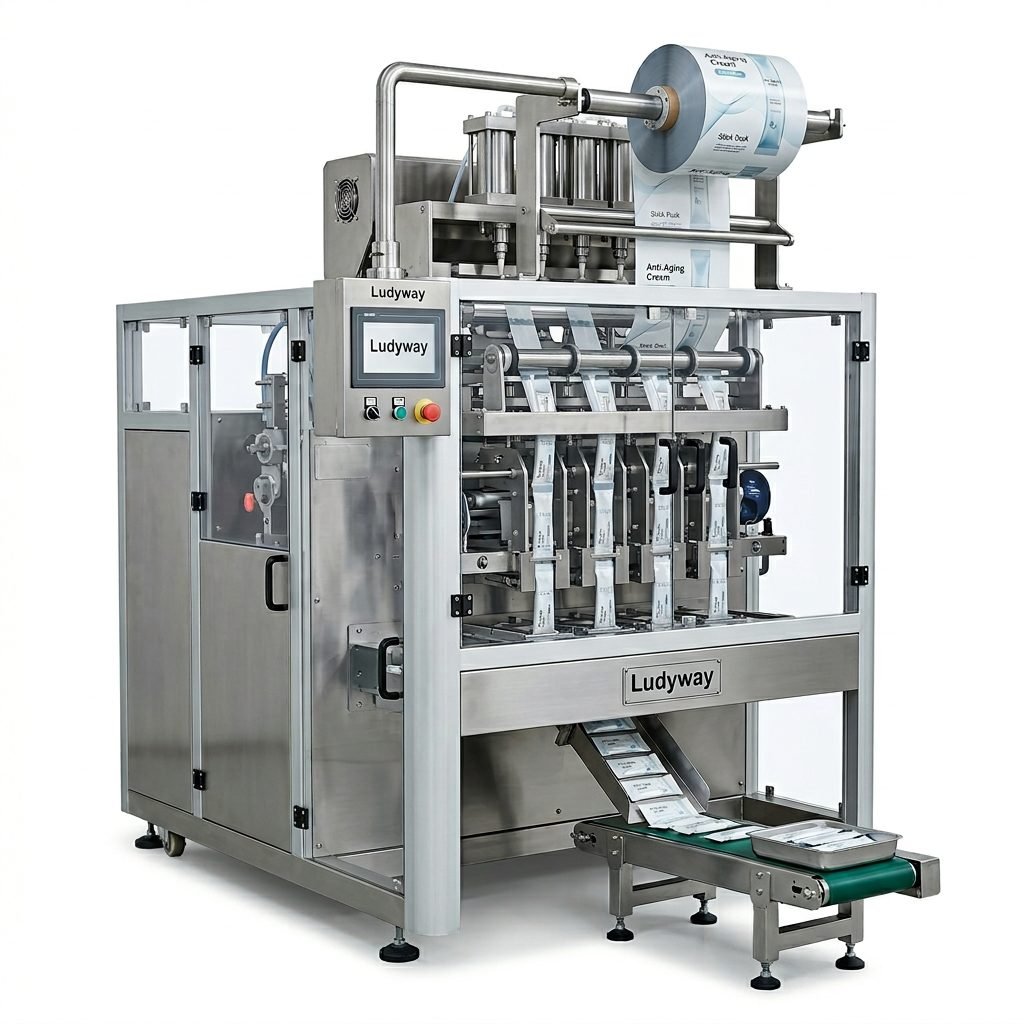
Choosing the right packaging tape printing machine can directly affect print clarity, production speed, operating cost, and customer brand perception. Whether you produce branded carton sealing tape, warning tape, BOPP adhesive tape, or custom promotional tape, the machine you select should match your business goals, order volume, and material specifications.
For manufacturers, converters, and packaging suppliers, the best machine is not simply the fastest or the cheapest. It is the one that delivers stable print quality, reliable drying performance, easy changeovers, and room for future growth.
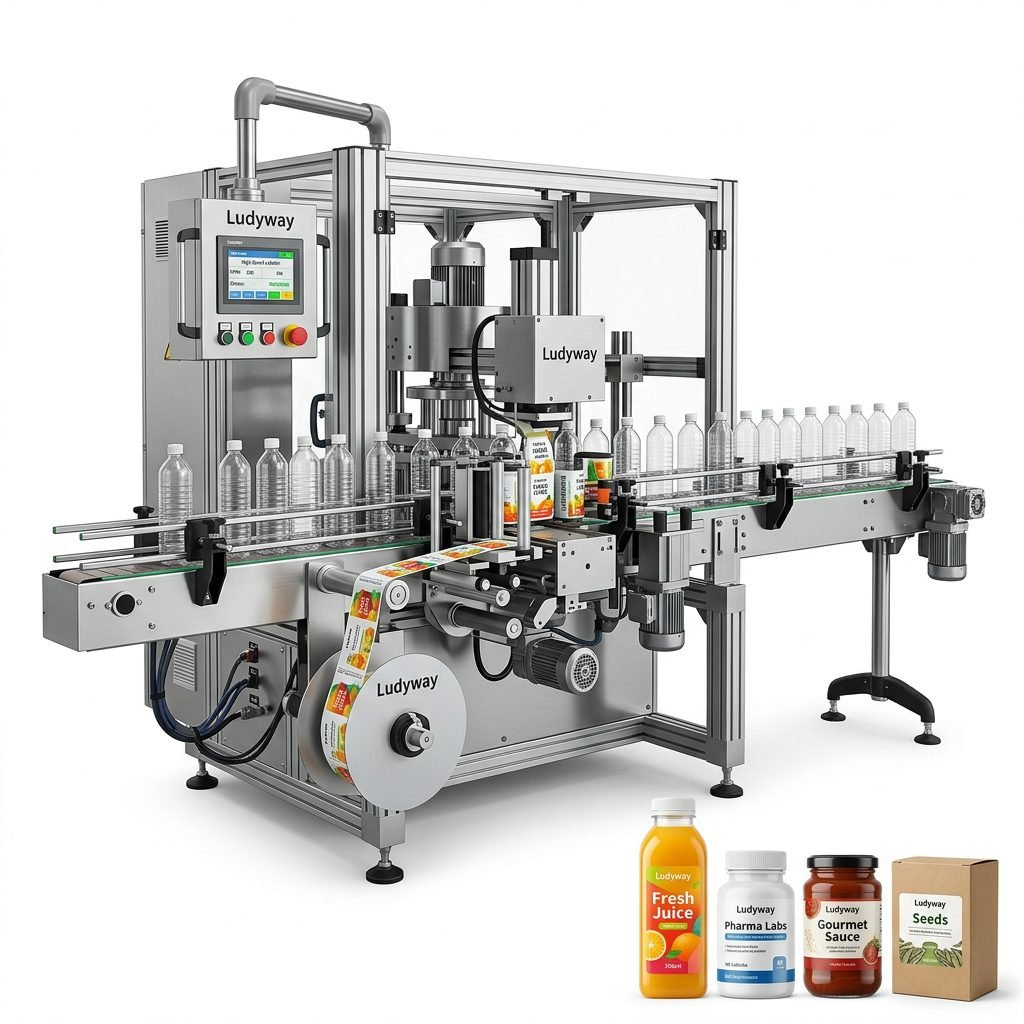
Why Your Machine Choice Matters
Packaging tape is more than a sealing material. It is also a branding tool. Poorly printed tape can create problems such as blurred logos, ink transfer, uneven registration, waste, adhesive contamination, and customer complaints. A well-matched tape printing machine helps your business:
- Maintain consistent logo and text quality
- Reduce material waste and rework
- Improve output efficiency for large orders
- Handle different tape widths and print designs
- Strengthen brand visibility in shipping and retail environments
- Support long-term production scalability
Understand Your Tape Printing Requirements First
Before comparing machines, define your real production needs. This step prevents overbuying or choosing a machine that becomes a bottleneck after a few months.
Ask These Key Questions
- What type of tape do you print: BOPP, PVC, kraft paper, masking, or specialty tape?
- How many rolls or meters do you need to print per day?
- Do you print one color, two colors, or multiple colors?
- How important is print registration accuracy?
- Will you need frequent artwork changes?
- Do you require inline slitting, rewinding, drying, or inspection?
- What is your target budget for equipment, maintenance, and consumables?
If your tape business serves e-commerce, logistics, food packaging, export shipping, or industrial distribution, your machine should support stable batch printing with minimal downtime.
Main Types of Packaging Tape Printing Machines
Different technologies suit different production models. Understanding the advantages and limitations of each type will make selection much easier.
| Machine Type | Best For | Advantages | Considerations |
|---|---|---|---|
| Flexographic tape printing machine | Medium to high-volume branded tape | Fast, cost-effective, suitable for repeat jobs | Plate making required |
| Gravure printing machine | High-volume, premium print consistency | Excellent detail and long-run efficiency | Higher initial setup cost |
| Digital printing machine | Short runs, frequent design changes | No plates, flexible customization | May be less economical for very large runs |
| Combined printing and rewinding line | Integrated production | Higher automation, lower labor input | Requires more planning and line matching |
Key Features to Evaluate
1. Printing Quality and Registration
The first thing your customers notice is print quality. Check whether the machine can maintain sharp logos, clean text, and stable color placement at full running speed. For branded packaging tape, accurate registration is especially important when repeating logos or warning text across long rolls.
- Look for stable tension control
- Check print repeat accuracy
- Confirm compatibility with your ink system
- Review sample prints on your actual tape substrate
2. Production Speed
A machine may print beautifully at low speed but fail under commercial output conditions. Compare the real operating speed, not just the theoretical maximum speed in the brochure. Ask the supplier for performance data under normal production settings.
3. Material Compatibility
Not all tape films behave the same. BOPP, PVC, kraft, and specialty tapes vary in surface energy, thickness, and ink adhesion performance. Make sure the machine can handle your required tape widths, roll diameters, core sizes, and material structures without slipping or wrinkling.
4. Drying and Ink Performance
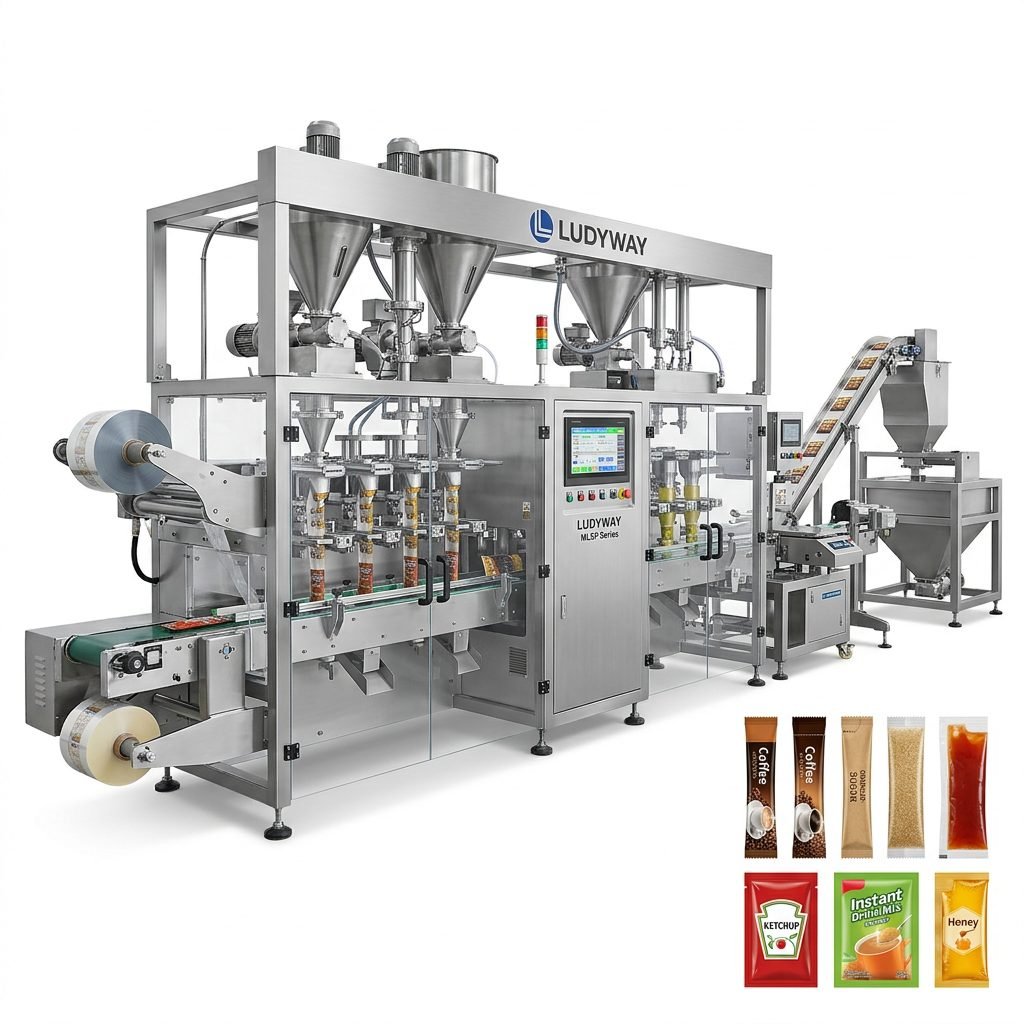
Inadequate drying can ruin productivity. Wet or partially cured ink may smear during rewinding, blocking, or storage. Evaluate the drying system carefully, especially if your production environment is humid or your output speed is high.
A reliable drying system is essential for productivity, print durability, and finished roll quality.
5. Automation Level
Modern businesses benefit from machines with automatic tension control, EPC/web guiding, auto counting, servo registration, fast job memory, and simple HMI interfaces. Higher automation reduces operator dependence and improves production repeatability.
6. Ease of Operation and Maintenance
An advanced machine is only valuable if your team can run it efficiently. Machines with complex setup procedures may create downtime and training problems. Ask about:
- Setup time for new print jobs
- Cleaning difficulty
- Availability of spare parts
- Operator training support
- Remote troubleshooting options
7. Scalability
Choose a machine that fits your current workload but also supports future expansion. If your tape printing demand grows, you may need higher speed, more colors, better drying, or integration with slitting and packaging units.
How to Match the Machine to Your Business Size
| Business Type | Recommended Machine Direction | Priority Focus |
|---|---|---|
| Startup or small converter | Entry-level or compact flexographic machine | Affordable investment, easy setup, low waste |
| Mid-sized packaging supplier | Servo-assisted flexo line with rewinding | Speed, stability, flexible order handling |
| Large-scale tape manufacturer | High-speed automated integrated line | High output, precision, long-run efficiency |
| Custom print service provider | Digital or hybrid machine | Short-run flexibility, fast design switching |
Hidden Cost Factors Buyers Often Miss
The purchase price is only part of the total investment. To make a smarter SEO-relevant and buyer-relevant decision, consider total cost of ownership.
- Printing plates or cylinders
- Ink consumption and drying energy cost
- Material waste during setup
- Operator skill requirements
- Maintenance intervals
- Spare parts lead time
- Downtime risk
- Future upgrade limitations
A lower-priced machine may become more expensive over time if it creates excessive waste, inconsistent printing, or frequent service interruptions.
Questions to Ask the Supplier Before Buying
- Can the machine print on my tape material samples?
- What is the stable running speed for my print design?
- How many colors can it handle now and later?
- What drying system is included?
- What is the expected setup and changeover time?
- Do you provide installation, training, and after-sales service?
- What spare parts are usually needed in the first year?
- Can the machine integrate with slitting, rewinding, inspection, or packaging units?
Signs of a Good Packaging Tape Printing Machine
- Stable print quality across long production runs
- Consistent web tension and roll winding
- User-friendly operation interface
- Reasonable energy and ink consumption
- Reliable support from an experienced manufacturer
- Strong adaptability to different tape specifications
When a Turnkey Solution Makes More Sense
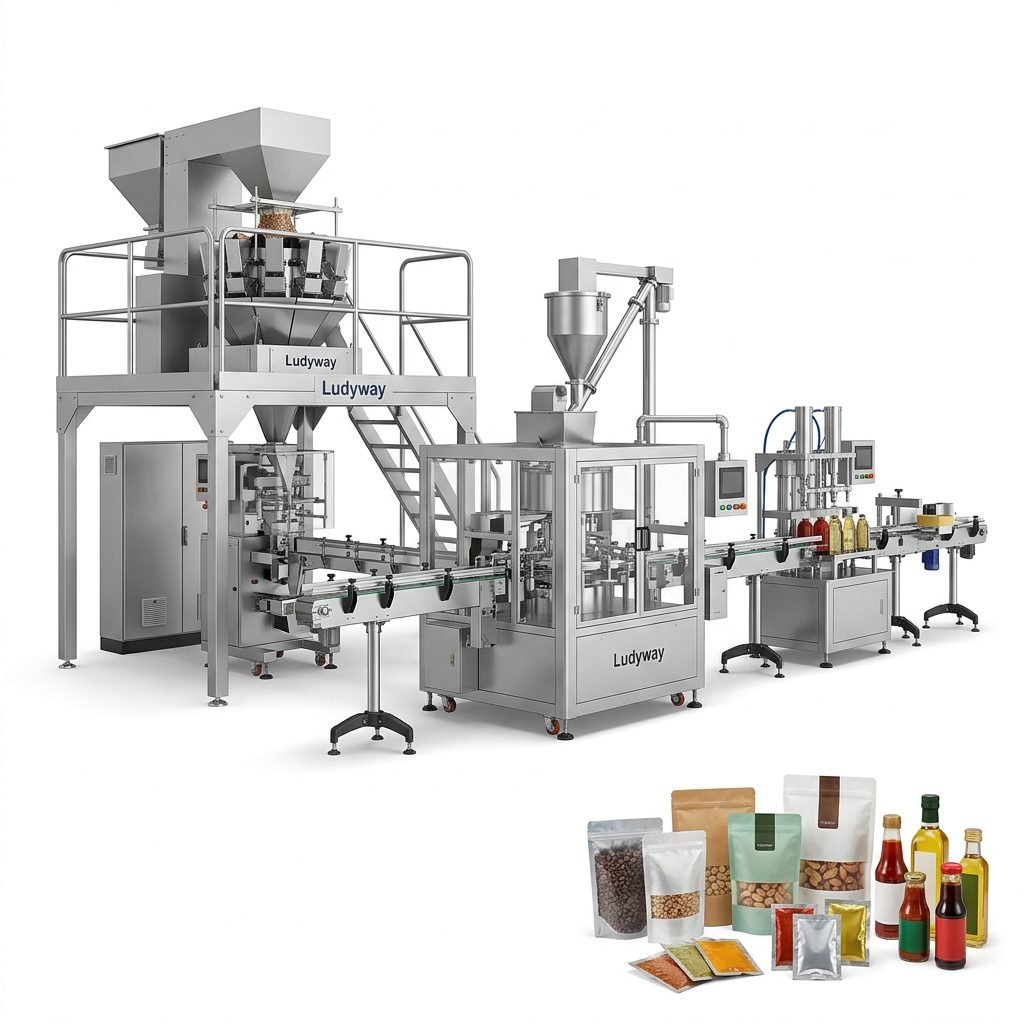
If your goal is to improve productivity across the full process, not just printing, a standalone machine may not be enough. Some businesses need a more integrated system that includes feeding, printing, drying, rewinding, slitting, counting, labeling, or final packing.
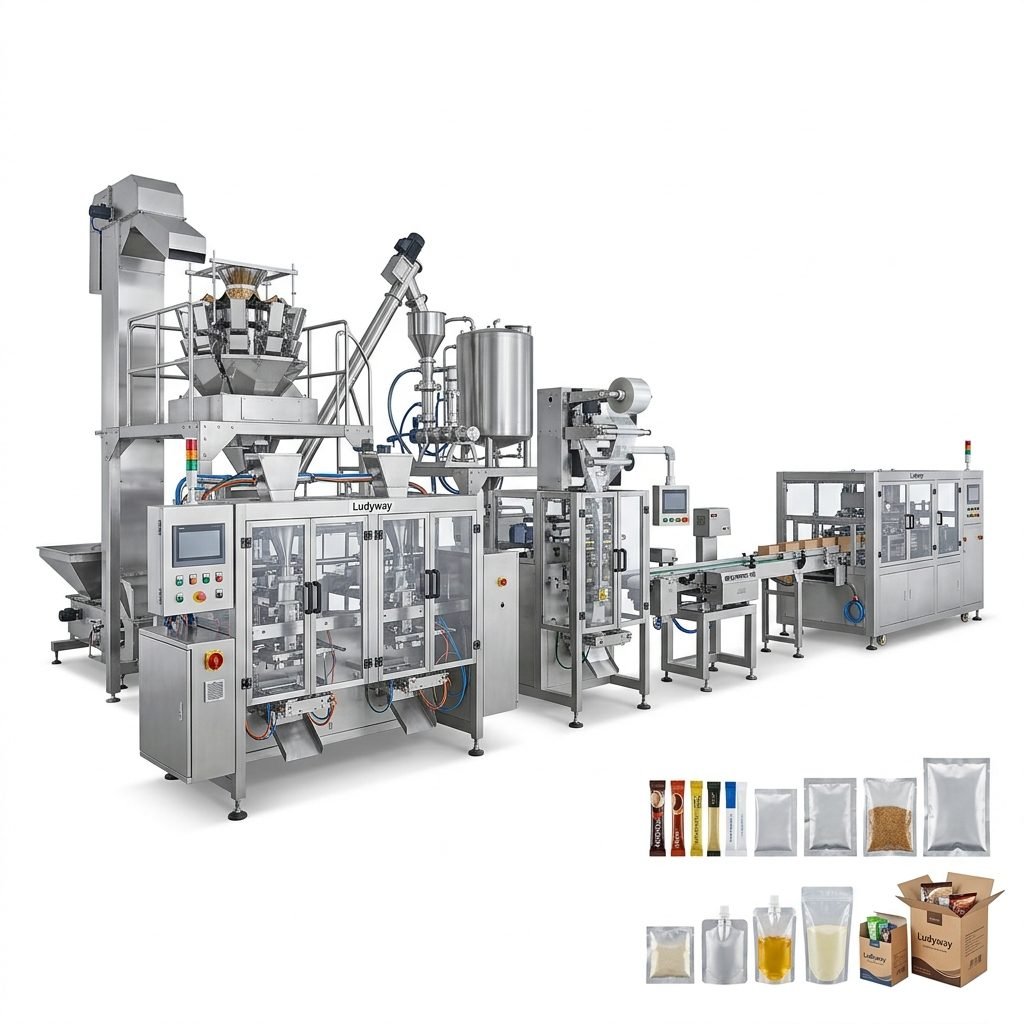
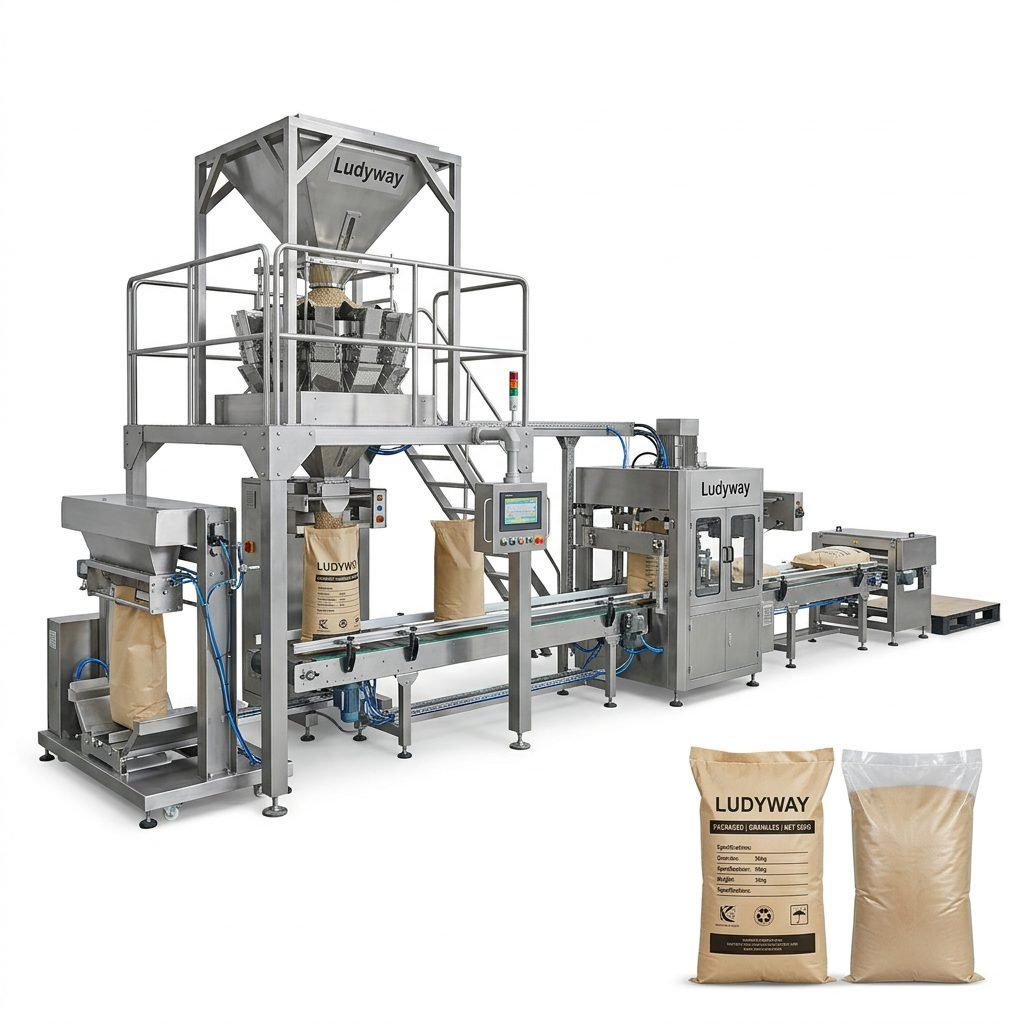
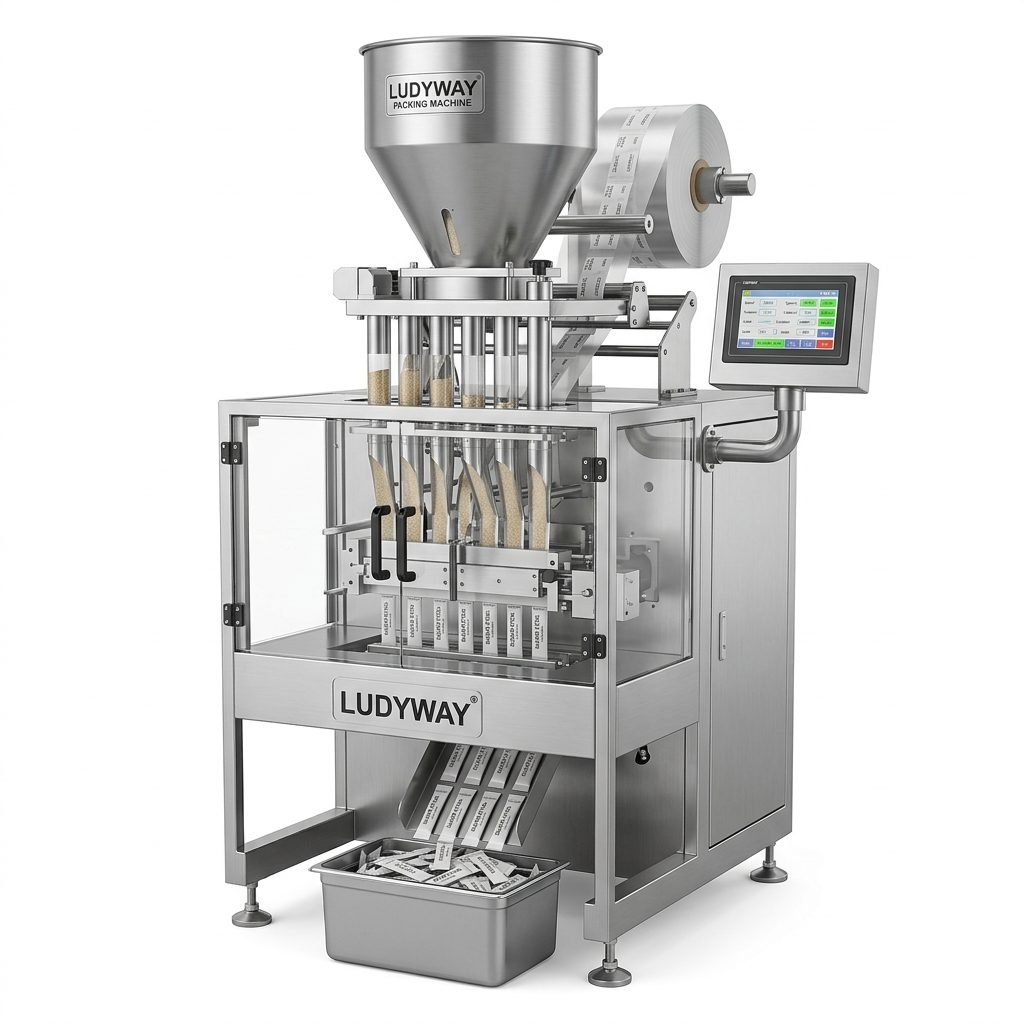
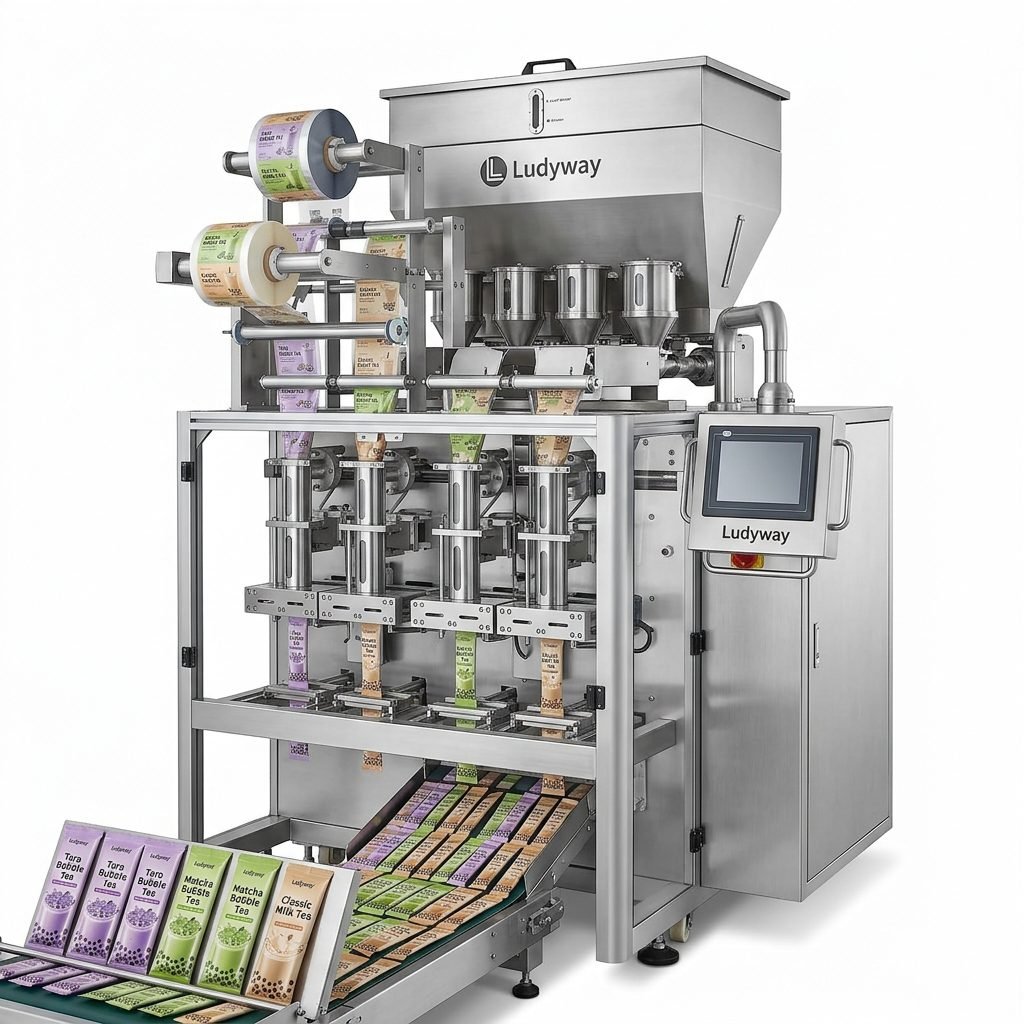
For buyers planning long-term automation upgrades, working with an experienced equipment manufacturer can simplify project design and reduce line compatibility issues. Companies such as Ludyway packaging machine manufacturer are often considered by international buyers looking for scalable packaging equipment and turnkey production line support across multiple industries.
Best Buying Strategy for Long-Term ROI
The best purchase strategy is to combine technical evaluation with business forecasting. Instead of choosing only by price, compare each machine based on output, print quality, uptime, consumable cost, training needs, and future compatibility.
A Practical Selection Checklist
- Define your monthly tape printing volume
- Confirm tape substrate and width range
- Match machine type to order pattern
- Test real print samples
- Review drying and rewinding performance
- Compare automation features
- Check after-sales response capability
- Calculate total cost of ownership, not just machine price
Final Decision Criteria
The best packaging tape printing machine for your business is the one that aligns with your production scale, branding requirements, material type, and growth strategy. If you run repeat high-volume jobs, a robust flexographic or integrated printing line is often the most cost-effective option. If you handle frequent short-run custom orders, digital flexibility may provide better value.
Focus on print stability, machine reliability, supplier support, and long-term operating efficiency. Those factors will have a much bigger impact on profitability than the initial quotation alone.