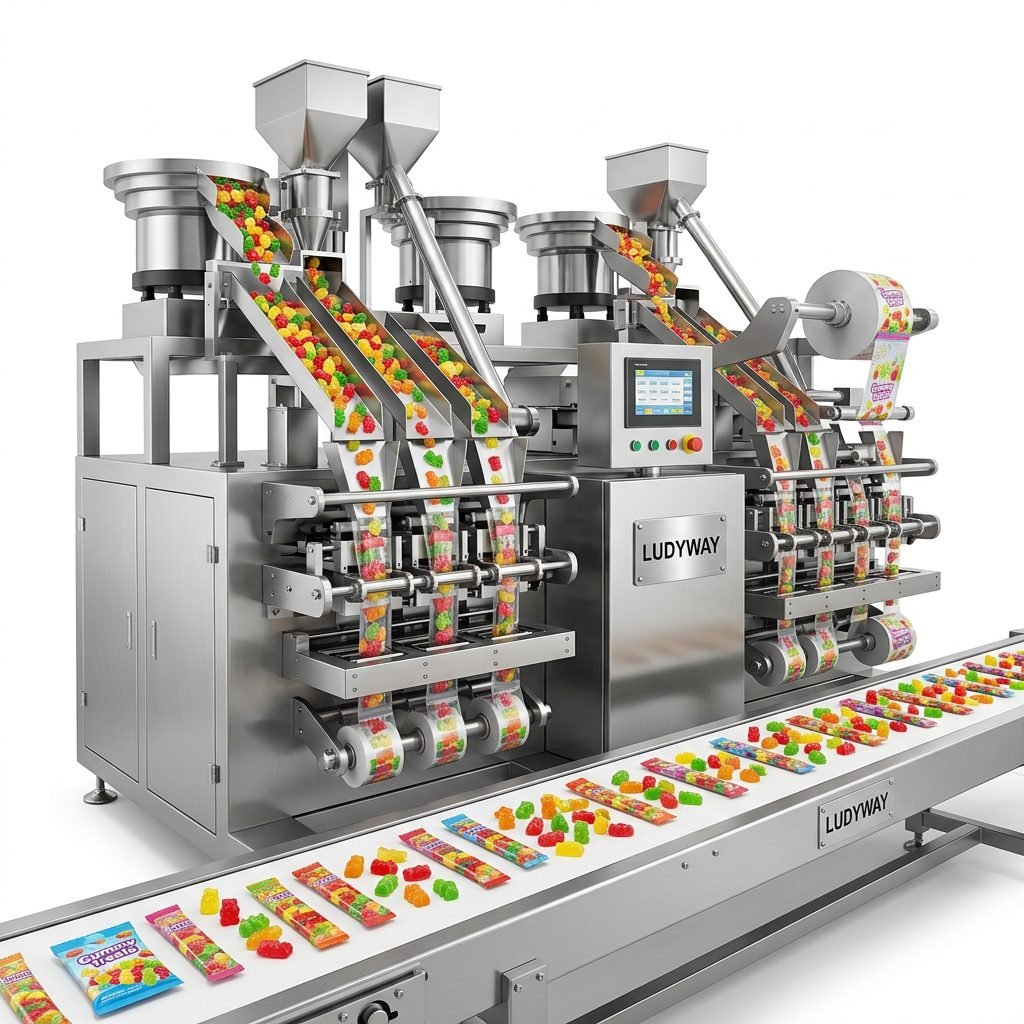
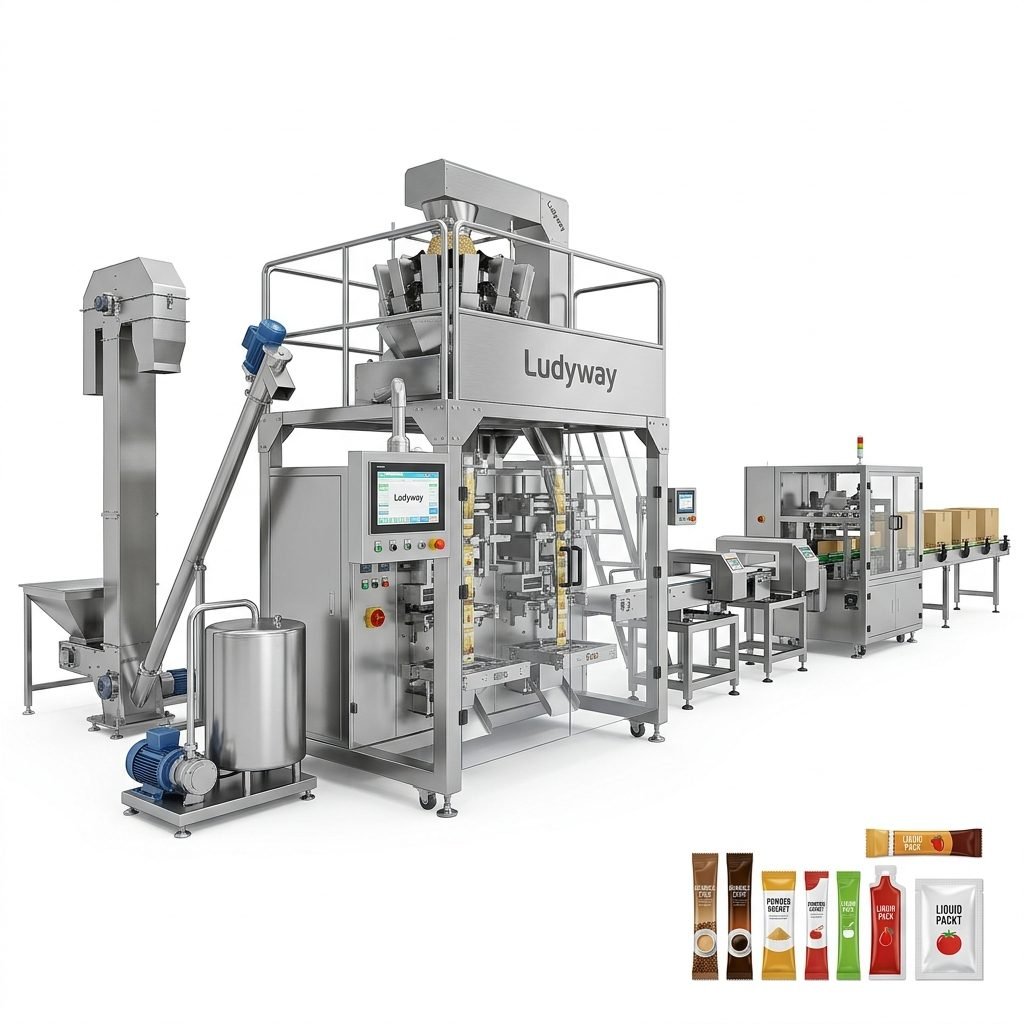
Investing in a food packaging machine is a critical decision for any food manufacturer looking to scale operations, improve efficiency, and maintain product freshness. China has become a global hub for manufacturing advanced packaging machinery, offering a wide array of solutions ranging from simple semi-automatic systems to fully integrated, high-speed multi-lane lines. However, navigating the vast market to find the right equipment for your specific products requires careful evaluation of your production needs, budget, and the technical capabilities of the machine.
1. Analyze Your Product Characteristics
Before exploring machine models, you must clearly define the physical properties of your food product. The handling mechanism for free-flowing granules like coffee beans or rice differs vastly from that of non-free-flowing powders like flour or cocoa, or viscous liquids like honey or sauces. Key factors include product density, flowability, dust generation, and moisture sensitivity. Choosing a machine that specifically handles your product state ensures dosing accuracy and minimizes waste.
2. Determine the Optimal Packaging Format
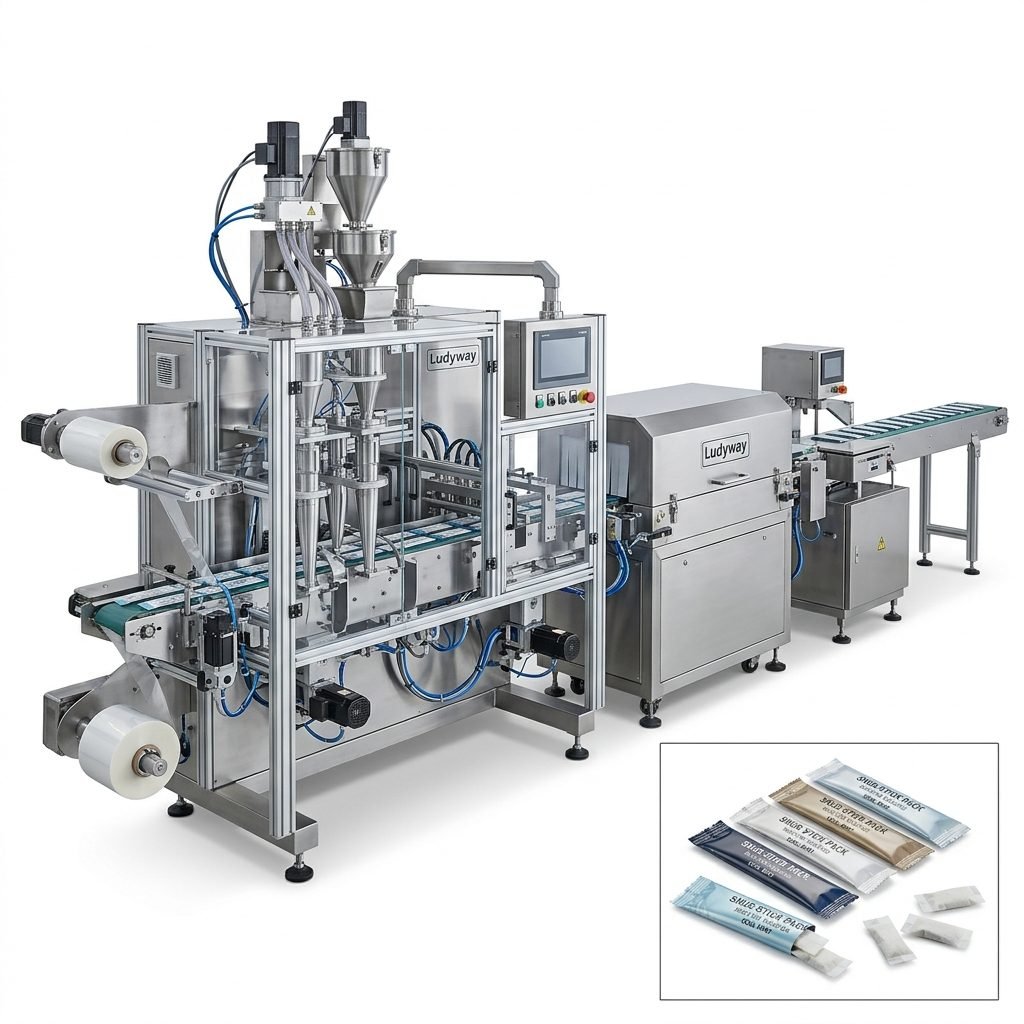
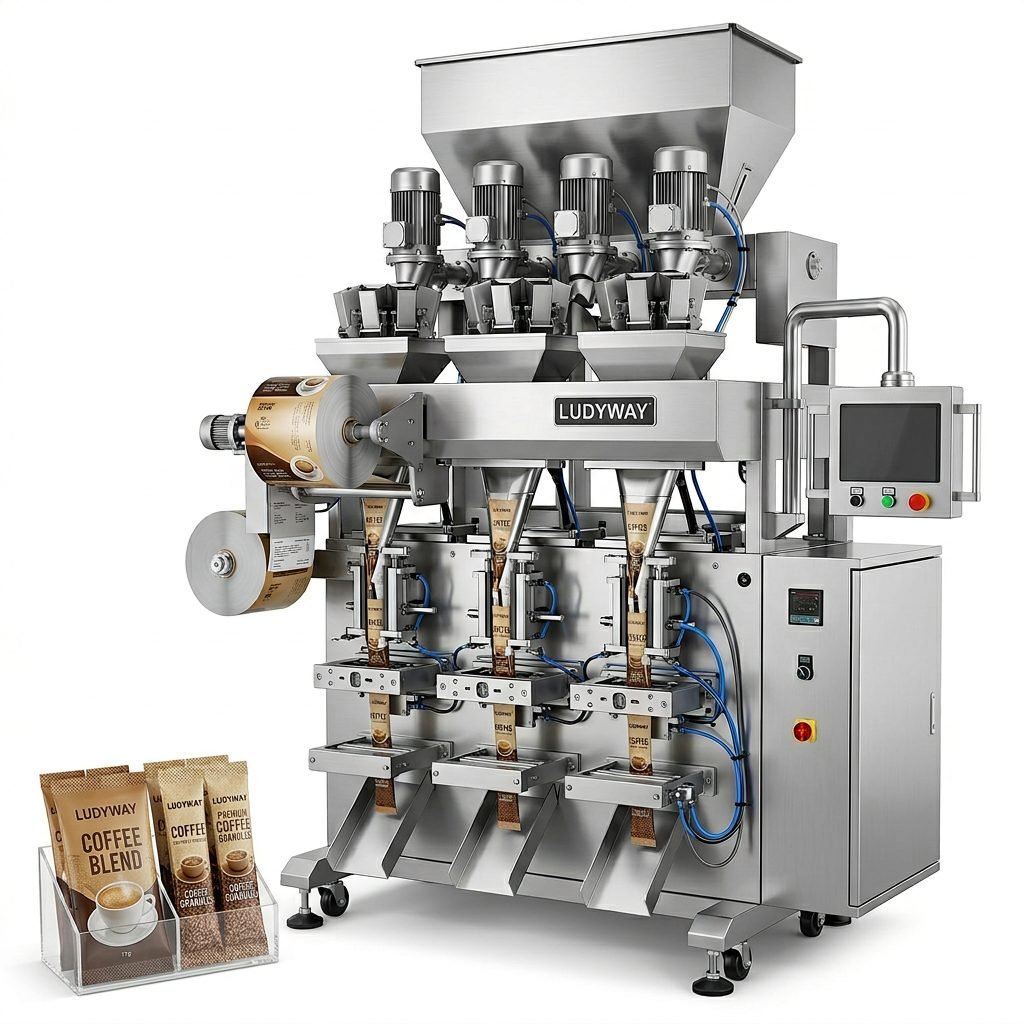
The type of pouch or bag you want directly influences the machine design. Are you targeting single-serve stick packs for instant drinks, or larger stand-up pouches for gusseted retail display? Below is a quick reference for common formats and their typical applications:
| Packaging Format | Best Suited For | Common Machine Type |
|---|---|---|
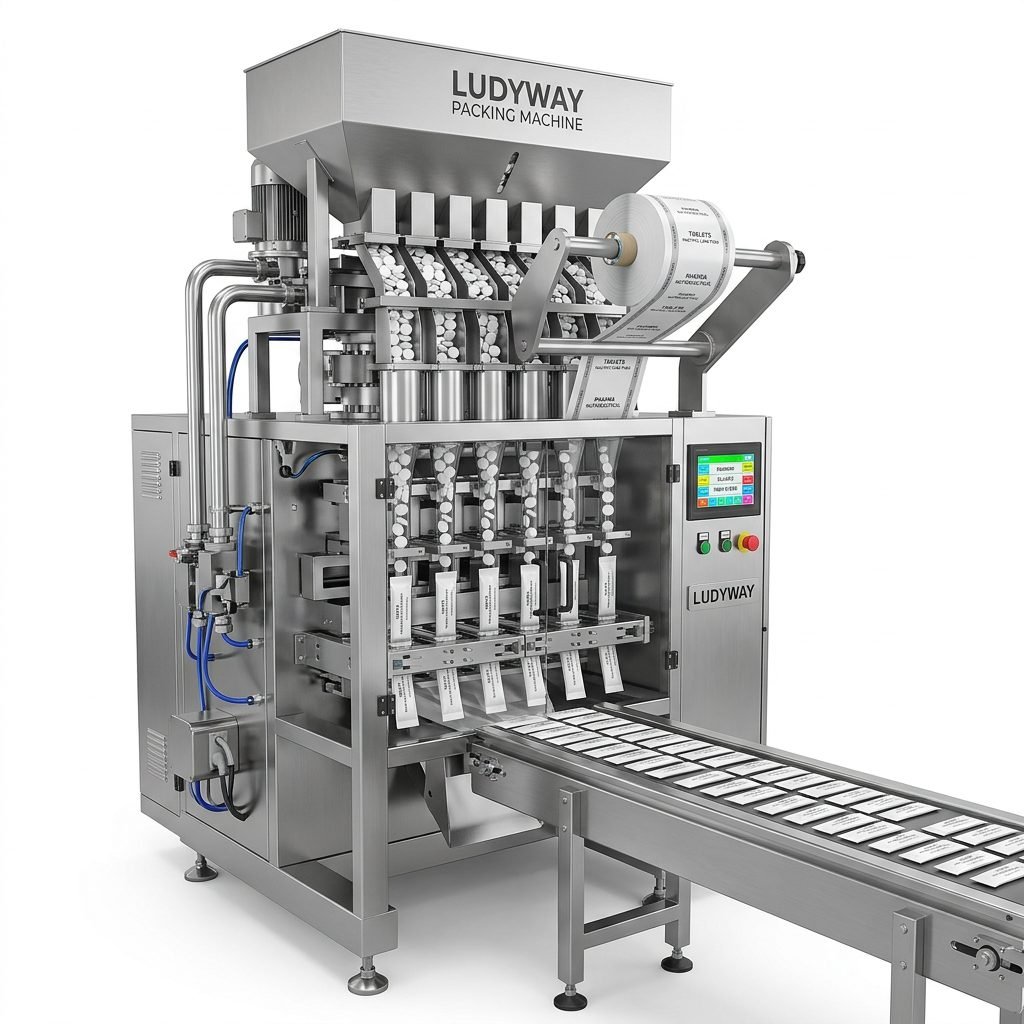
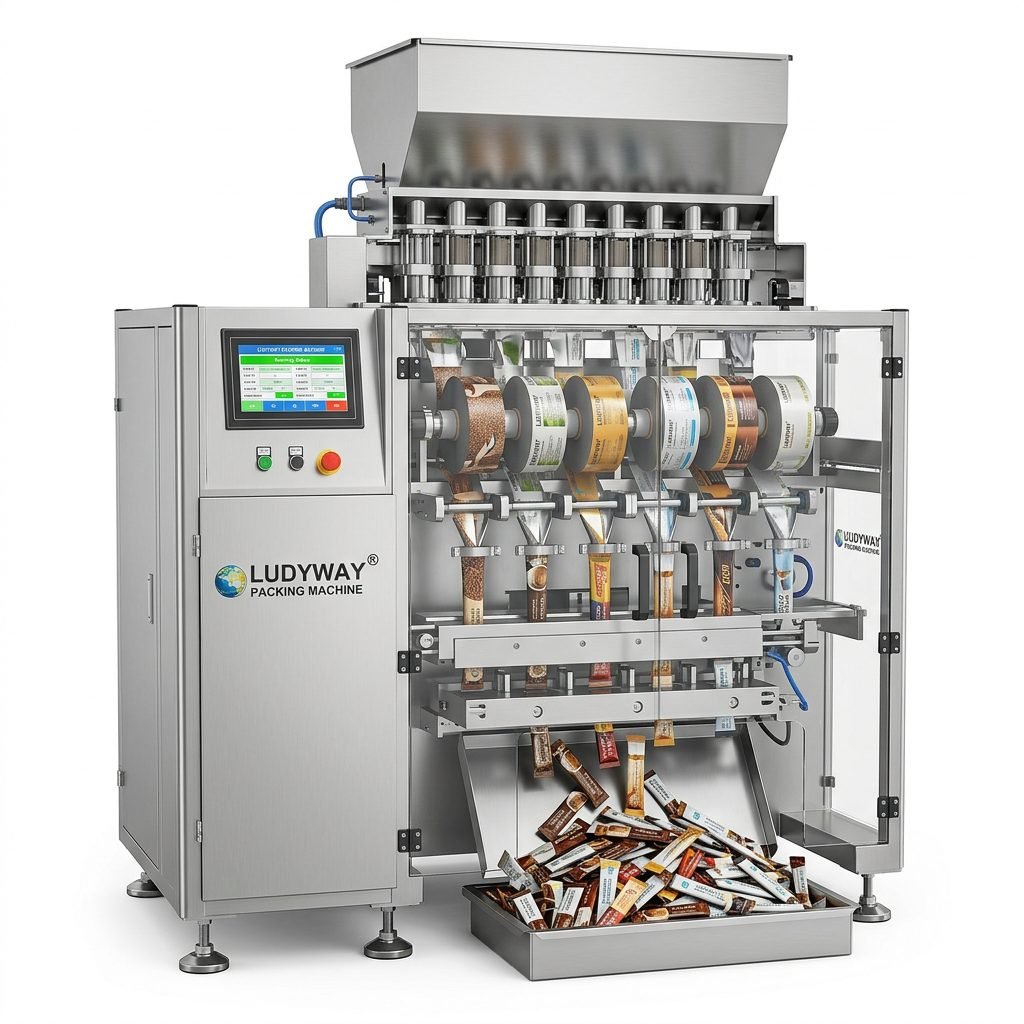
| Stick Packs (Multi-Lane) | Sugar, salt, instant coffee, protein powder | Multi-Lane Stick Pack Machine |
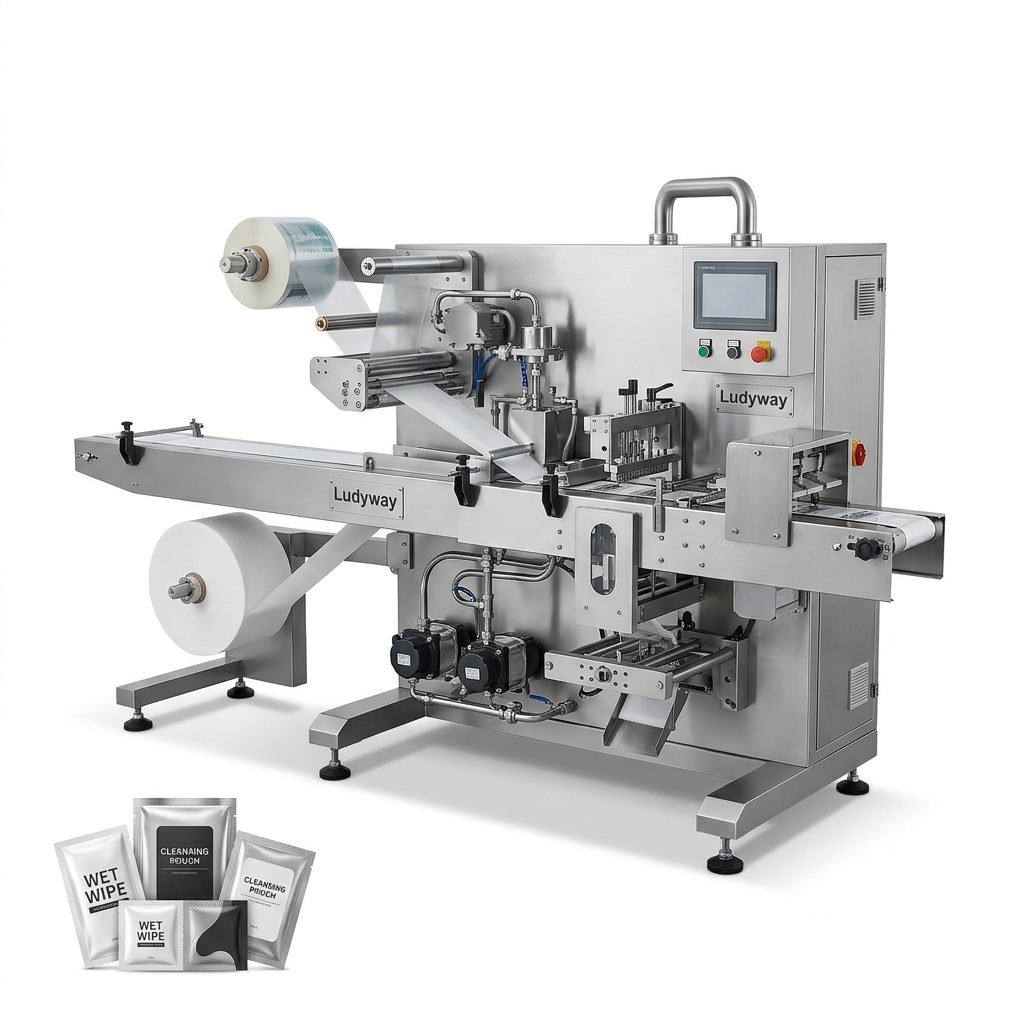
| Flat Sachets (3-Side/4-Side Seal) | Ketchup, shampoo samples, spice blends | Multi-Lane Sachet Machine |
| Stand-Up Pouches (Doypack) | Dried fruits, nuts, snacks, liquid detergents | Rotary Premade Pouch Machine |
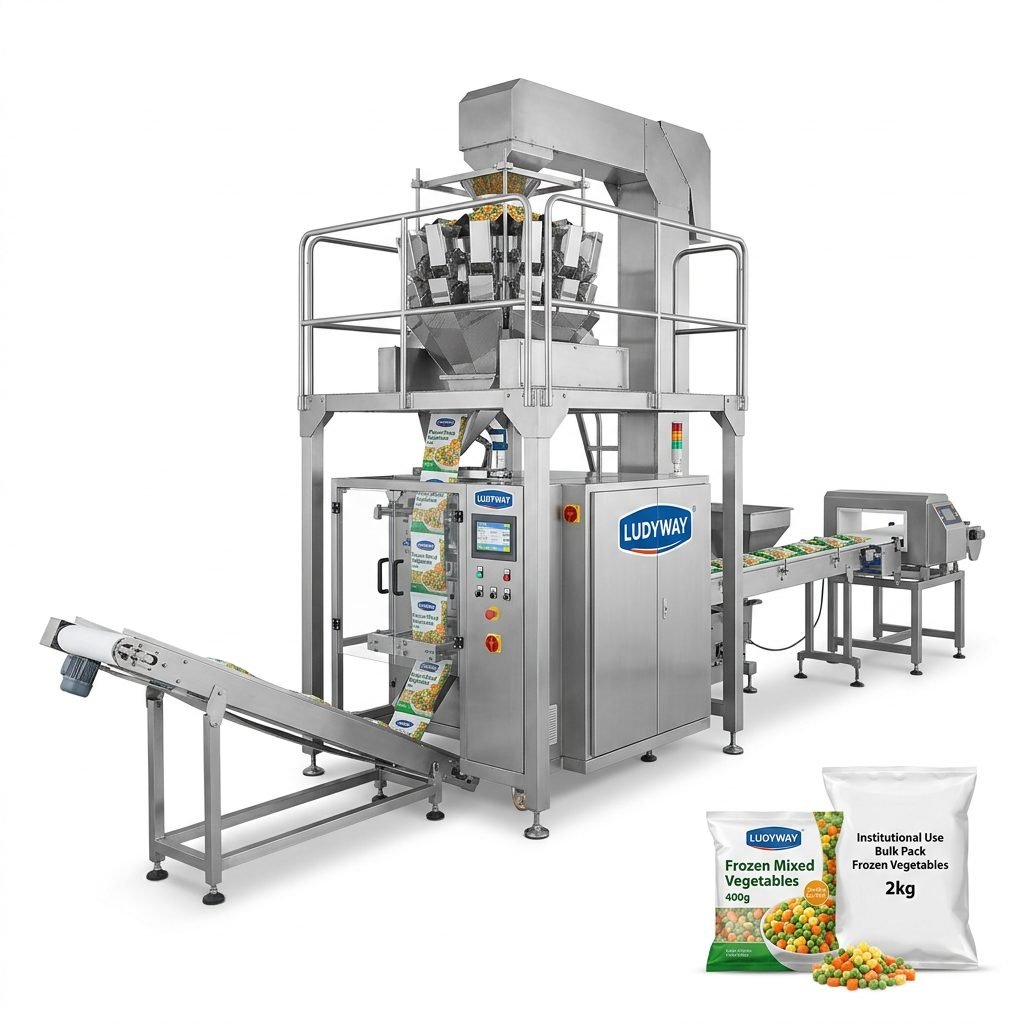
| Jumbo/Bulk Bags | Flour, starch, industrial chemicals | Automatic Weighing & Bagging Line |
3. Evaluate Core Technology and Speed Requirements
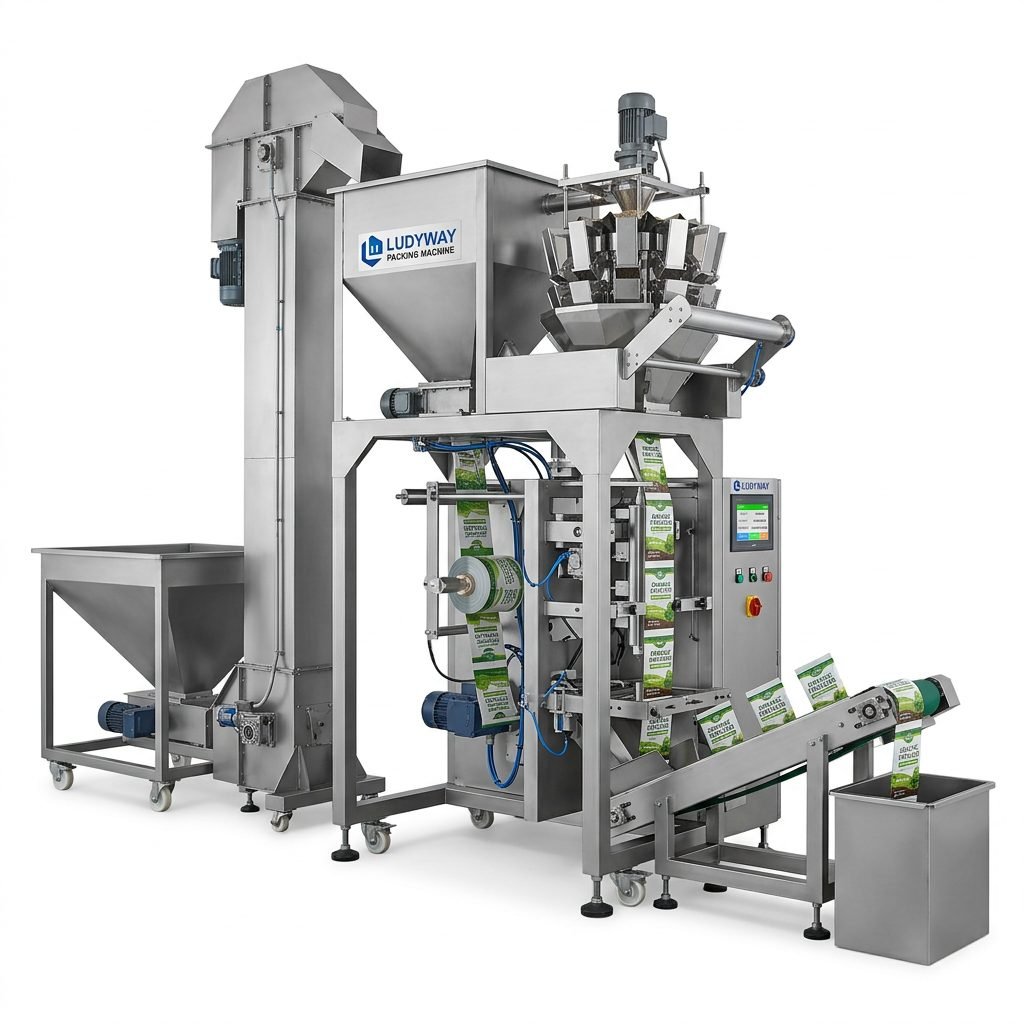
The filling mechanism is the heart of the machine. Volumetric cup fillers are economical for uniform granules, while auger fillers provide high precision for fine powders. For maximum accuracy and speed, multi-head weighers are the industry standard, often integrated into high-speed packaging lines. You must also match the machine’s speed (pouches per minute) to your production targets to avoid bottlenecks.
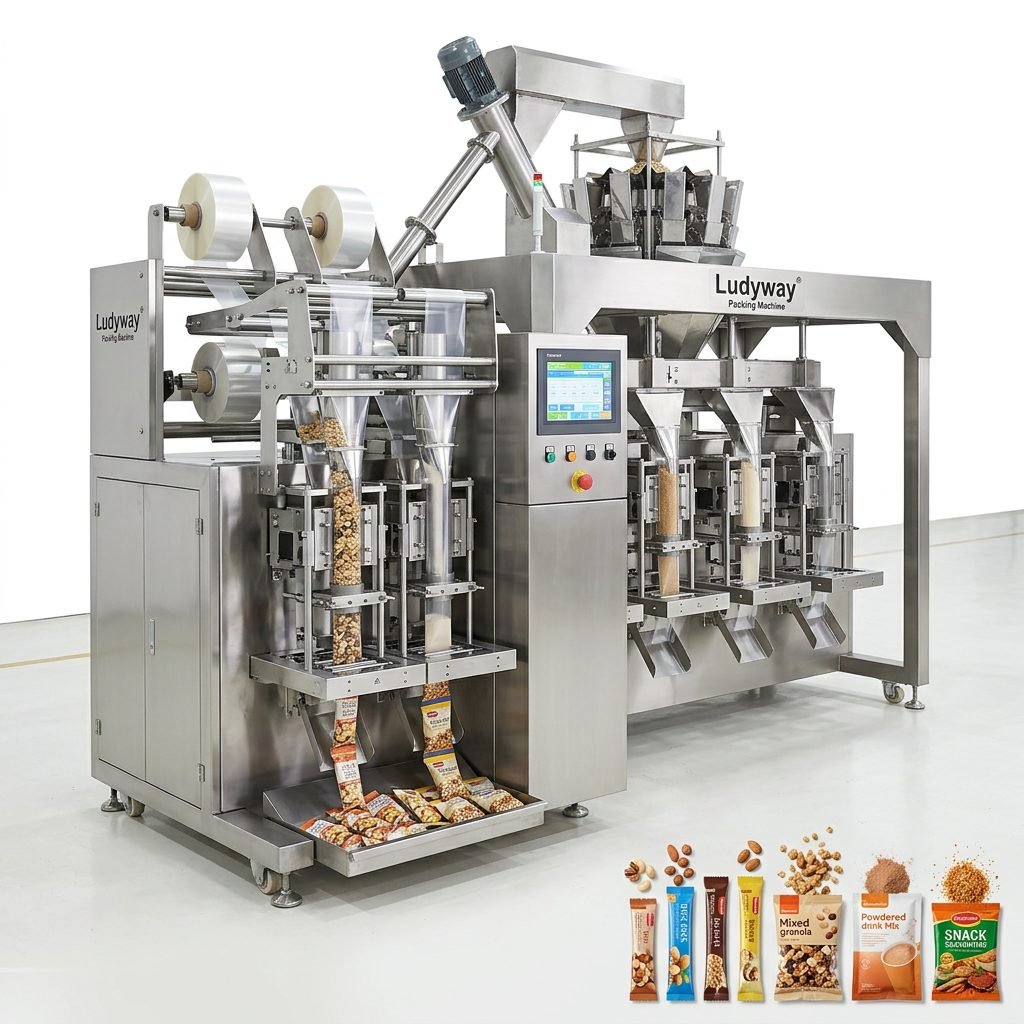
Modern machines come equipped with advanced automation features. Look for systems that include servo-driven motors for precise film pulling, automatic registration for printed film, and easy-to-use touchscreen interfaces. Ensuring compliance with global hygiene standards is also crucial; machines designed with FDA guidelines on Food Contact Substances in mind provide an added layer of safety for exported goods.
4. Assess Material Compatibility and Construction
Not all packaging machinery can handle every type of film. Verify that the machine supports your preferred material, whether it is heat-sealable laminates, aluminum foil, or PE-based structures. The quality of the construction directly impacts longevity and food safety. Full stainless steel (SUS304) construction is the gold standard for food applications, preventing corrosion and facilitating easy wash-downs. Furthermore, verifying adherence to ISO Packaging Standards ensures the machine meets international quality benchmarks.
5. Sourcing from a Reliable Chinese Manufacturer
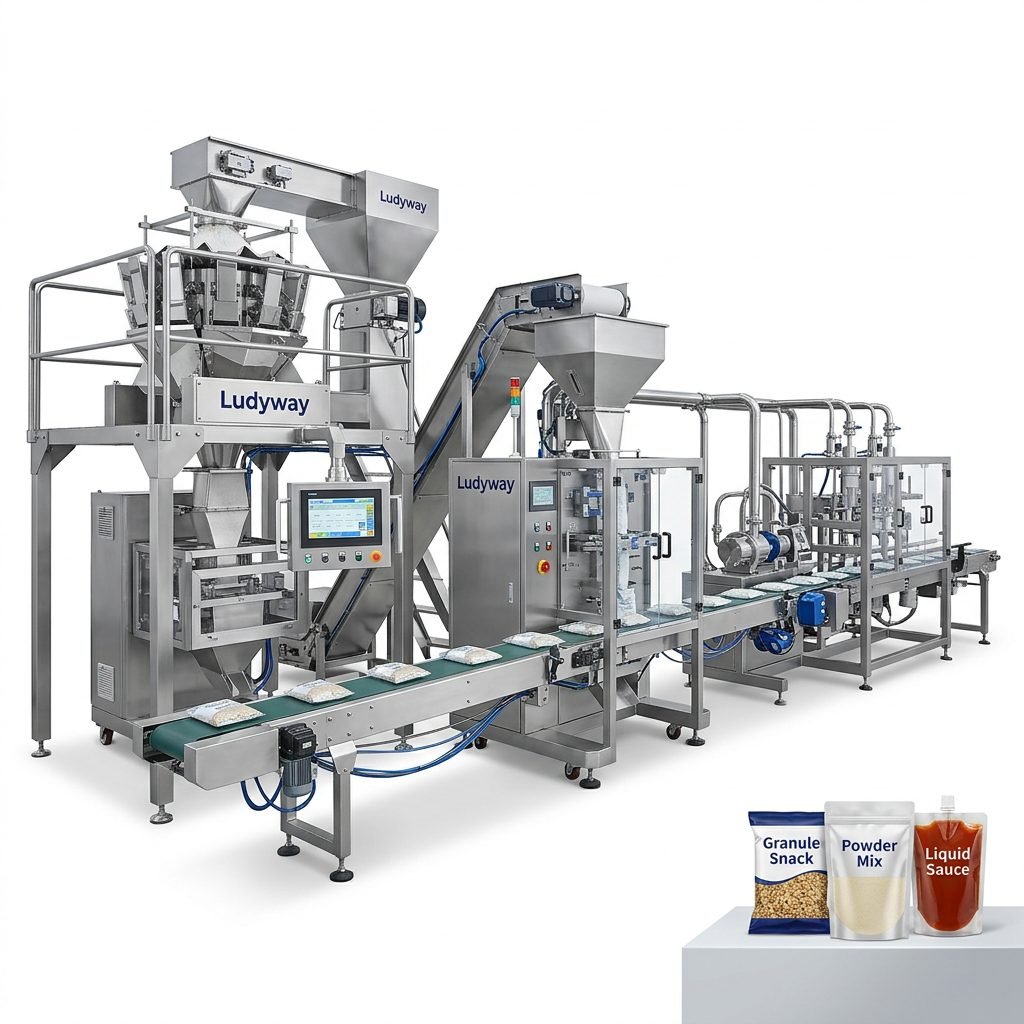
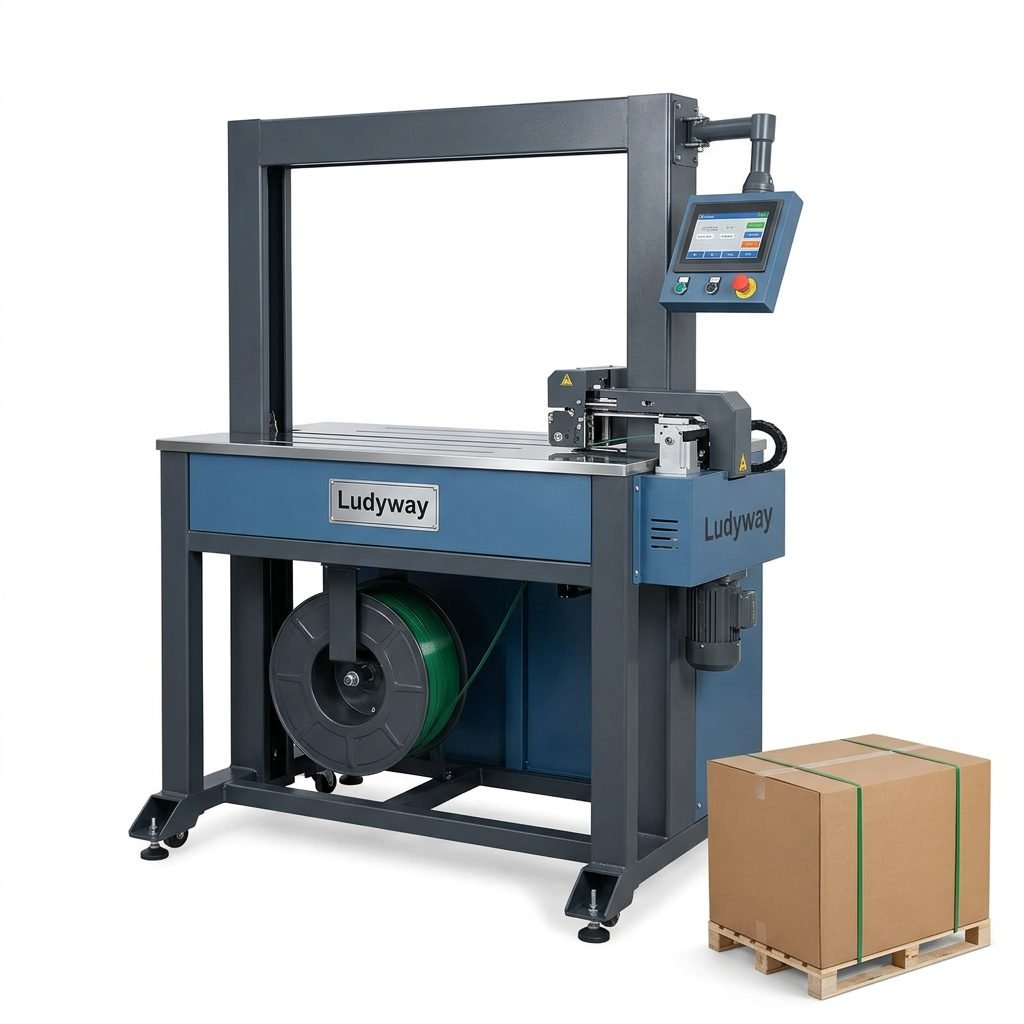
Partnering with an experienced supplier is just as important as the machine specifications. When evaluating manufacturers, assess their years of experience, the scale of their production facility, and their export history. A true factory-direct partnership ensures better pricing, quality control, and technical support. For instance, top-tier Chinese companies like Ludyway, backed by over 30 years of industry expertise and a modern 20,000㎡ manufacturing facility, offer comprehensive turnkey solutions. They provide everything from granule and powder filling to liquid pouch packaging and automated case packing systems.
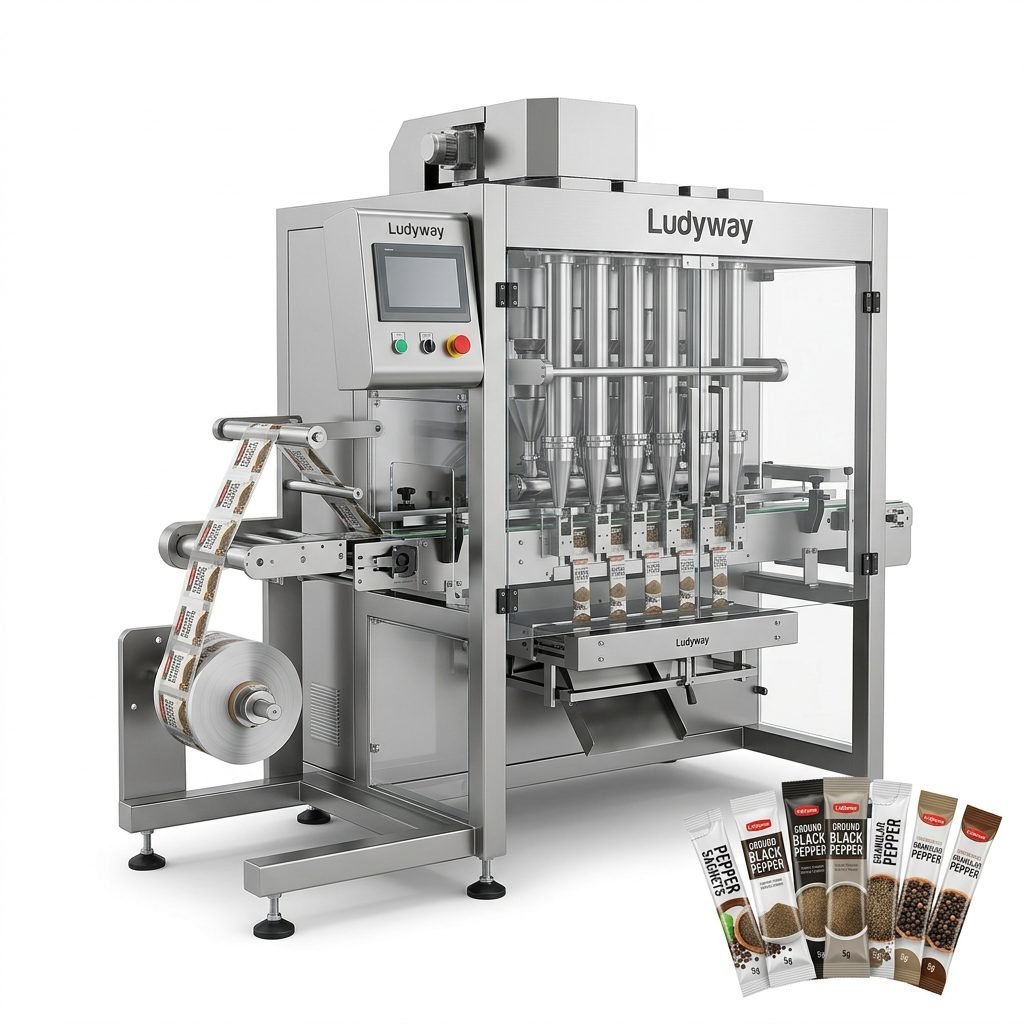
Key services to look for include factory acceptance testing (FAT), on-site installation support, remote video assistance, and a guaranteed supply of spare parts. According to industry reports like the PMMI State of the Industry 2026, the demand for automated and flexible packaging solutions continues to rise, making a responsive supplier network critical for maintaining uptime.
6. Calculating Total Cost and ROI
While the initial price is a major factor, the total cost of ownership (TCO) matters more in the long run. Calculate the return on investment by considering:
- Energy Efficiency: Servo-driven machines consume significantly less power than pneumatic models.
- Film Waste: Precise tension control and sealing reduce scrap material.
- Labor Reduction: A single multi-lane machine can replace several manual production lines.
- Maintenance Downtime: Modular designs allow for quicker repairs and lower maintenance costs.
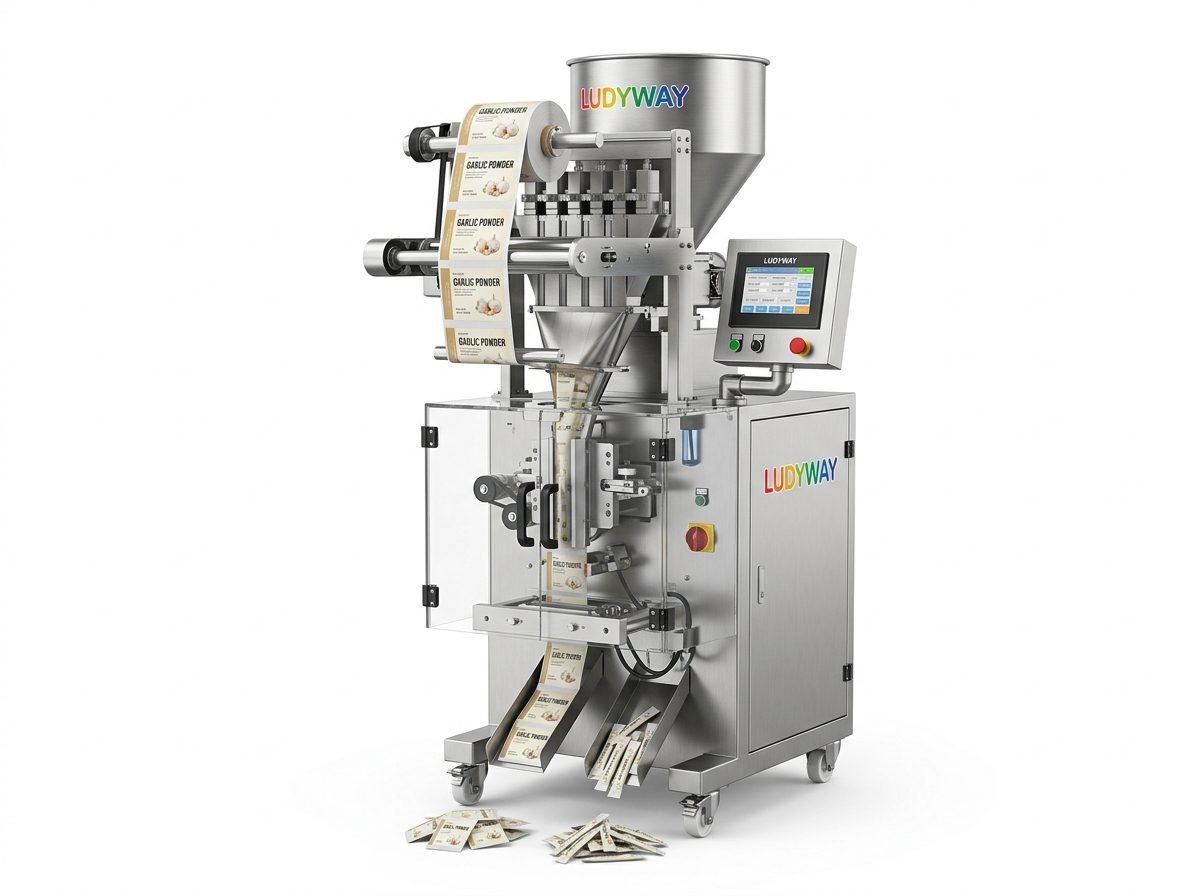
A well-chosen packaging line not only boosts productivity but also enhances product quality. By carefully analyzing your product requirements and vetting manufacturers based on their technical expertise and service commitment, you can secure a high-performance food packaging machine that serves your business for decades.