The demand for frozen desserts is rising rapidly across Africa. From street vendors to large supermarket chains, ice cream consumption is no longer a luxury but a fast-moving consumer good. Setting up a local ice cream packaging machine production line is a strategic move to capture this growth, reduce import dependency, and ensure product freshness.
Building a line on the continent, however, presents unique challenges—from power stability and climate control to spare parts logistics. This guide walks you through the entire process.
1. Understanding the African Ice Cream Market Landscape
Before importing machinery, analyze your target segment. Are you producing premium tubs for hotels, sachets and sticks for mass markets, or bulk catering packs? The product format dictates the entire line configuration. In many regions, single-serve impulse items dominate sales due to lower price points and limited home freezer penetration, making high-speed stick and sachet machines particularly relevant.
Key Packaging Formats in Africa
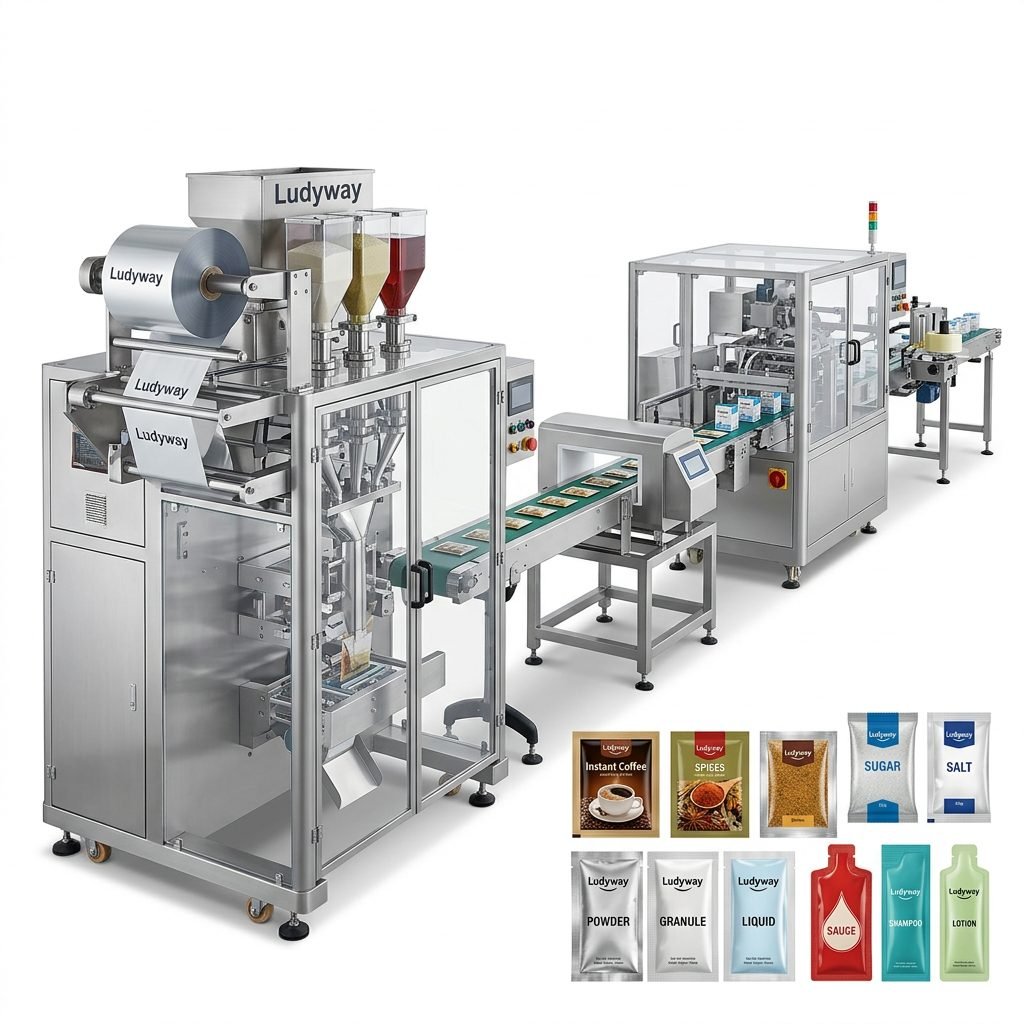
- Sachets & Mini Cups: High volume, low cost, popular in West and East Africa.
- Stick Packs & Tubs: Growing middle-class demand in urban centers.
- Cones & Sandwiches: Requires specialized flow-wrapping or shrink-wrapping modules.
2. Site Preparation and Cold Chain Infrastructure
The production environment is critical. Unlike ambient snack packaging, ice cream requires a temperature-controlled packing hall (typically 10-12°C) to prevent melting during filling. Ensure your factory floor can handle the thermal load, especially given Africa’s ambient temperatures.
Essential Utilities Checklist
- Power: Stable 3-phase supply with backup generators and voltage stabilizers.
- Compressed Air: Clean, dry air for pneumatic filling and sealing systems.
- Water: Chilled water for cooling tunnels and cleaning-in-place (CIP) systems.
- Drainage: Adequate floor drainage for washdown and defrost cycles.
3. Core Machinery Configuration
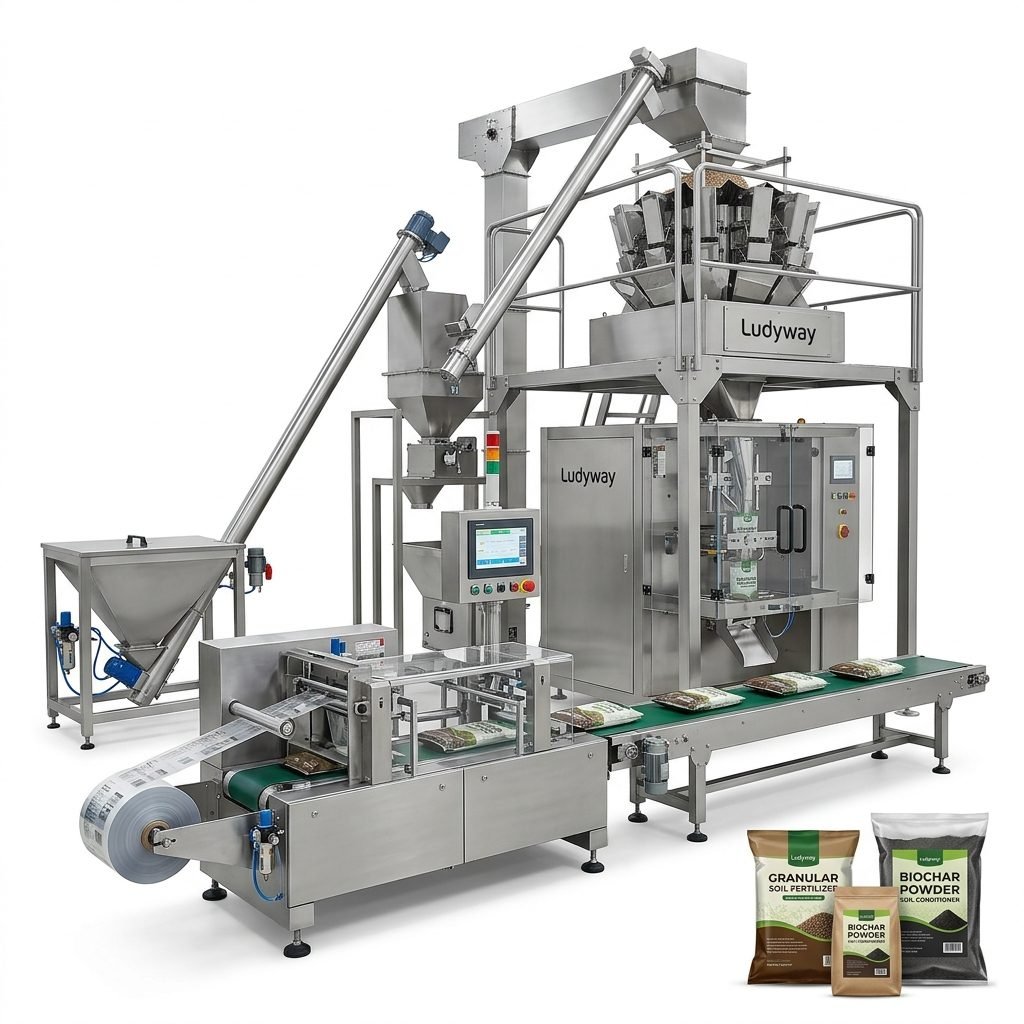
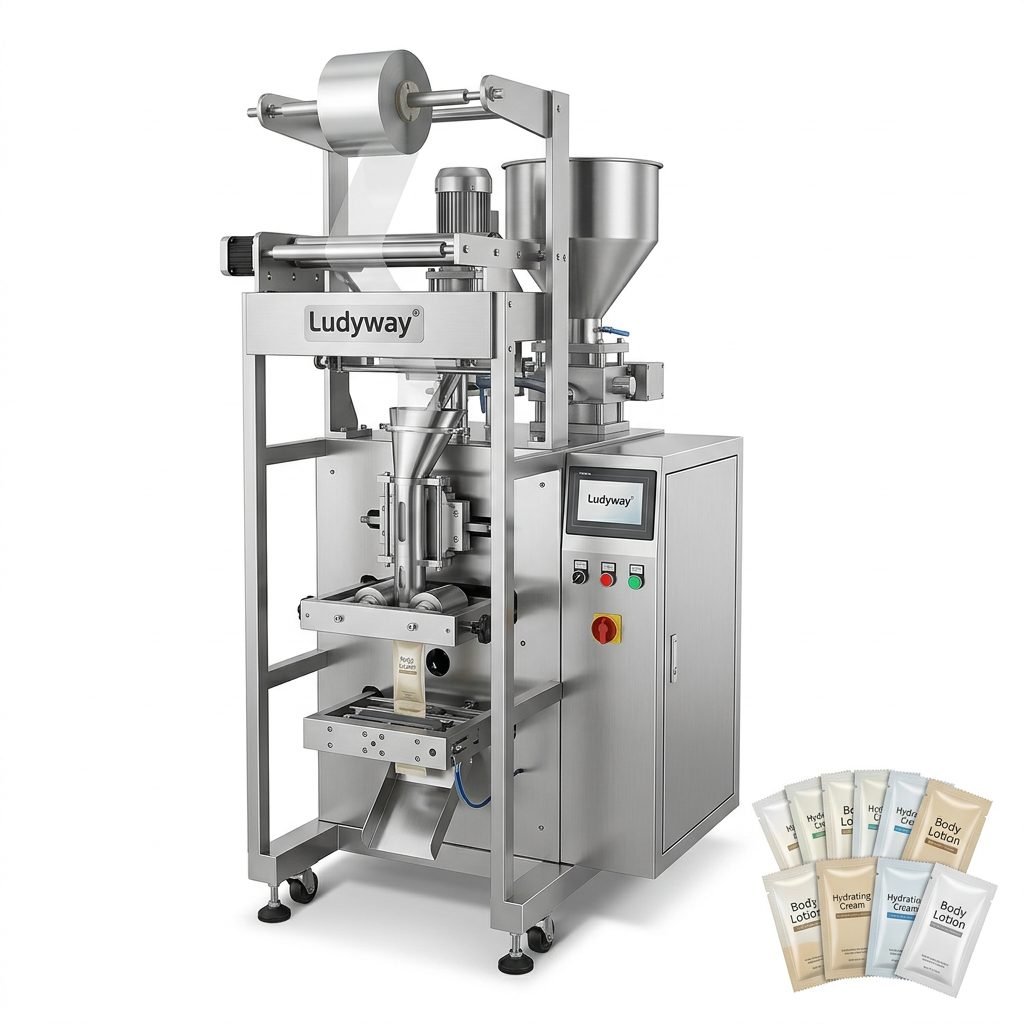
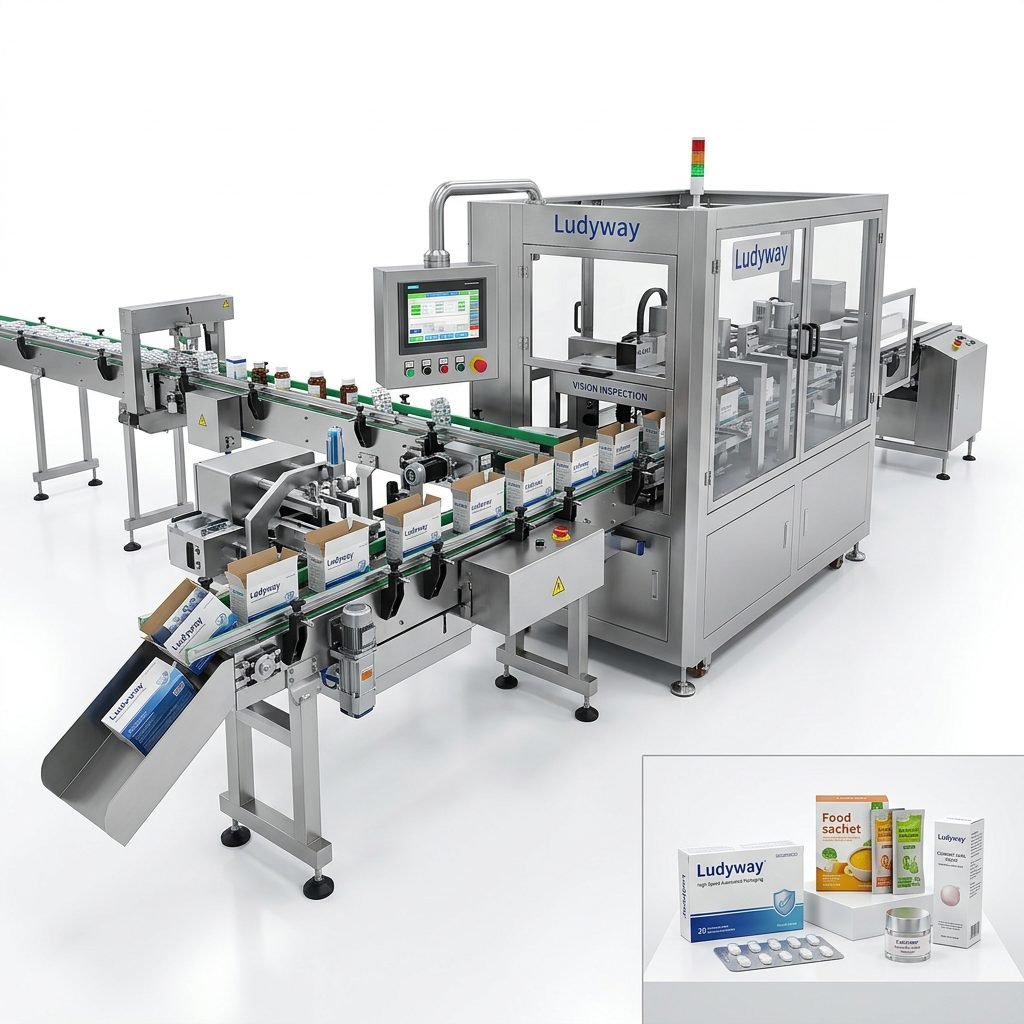
A complete ice cream packaging line typically includes filling, sealing, and secondary packaging machines. Selecting equipment that can handle different product viscosities and formats offers flexibility as your brand expands. Modular designs allow adding lanes or stations later without replacing entire systems.
| Machine Type | Function | Key Consideration for Africa |
|---|---|---|
| Rotary Filler | Fills cups, cones, tubs with precise volumes | Look for servo-driven models with recipe memory |
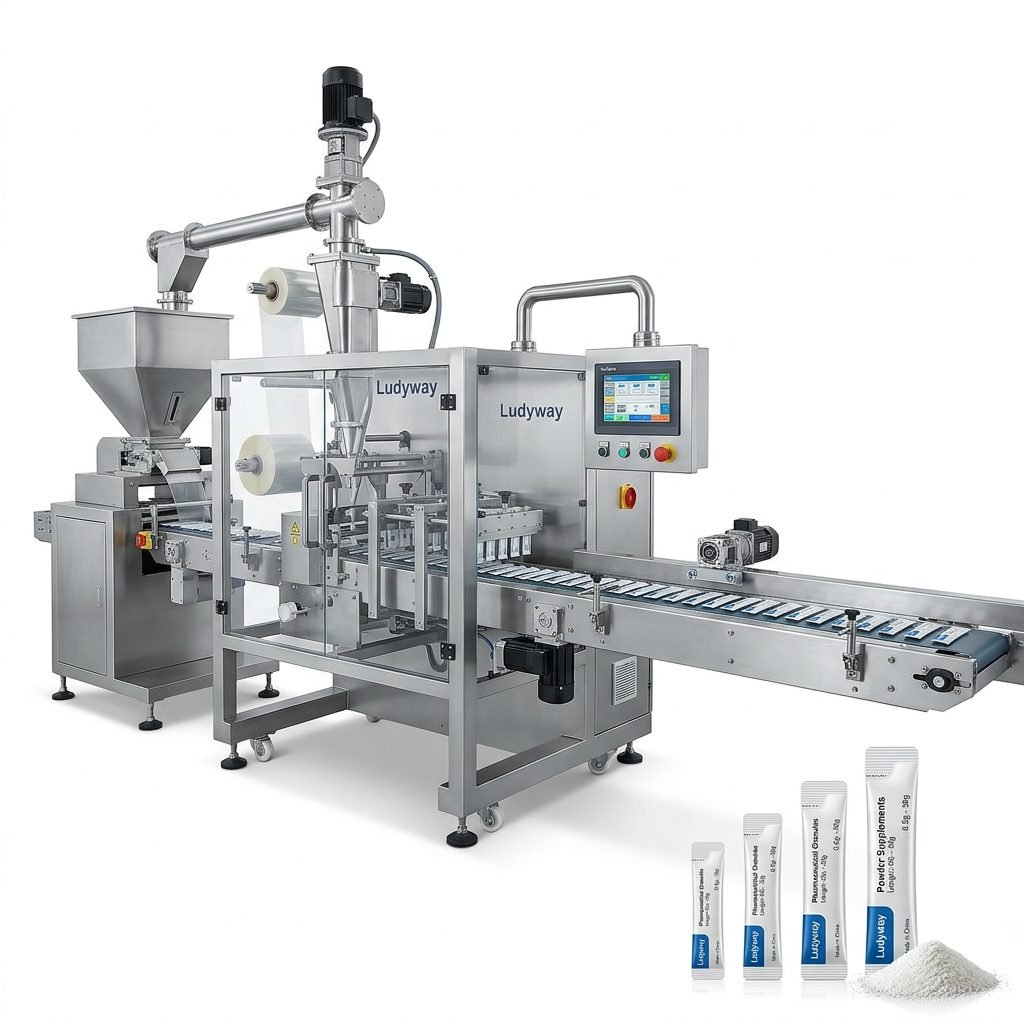
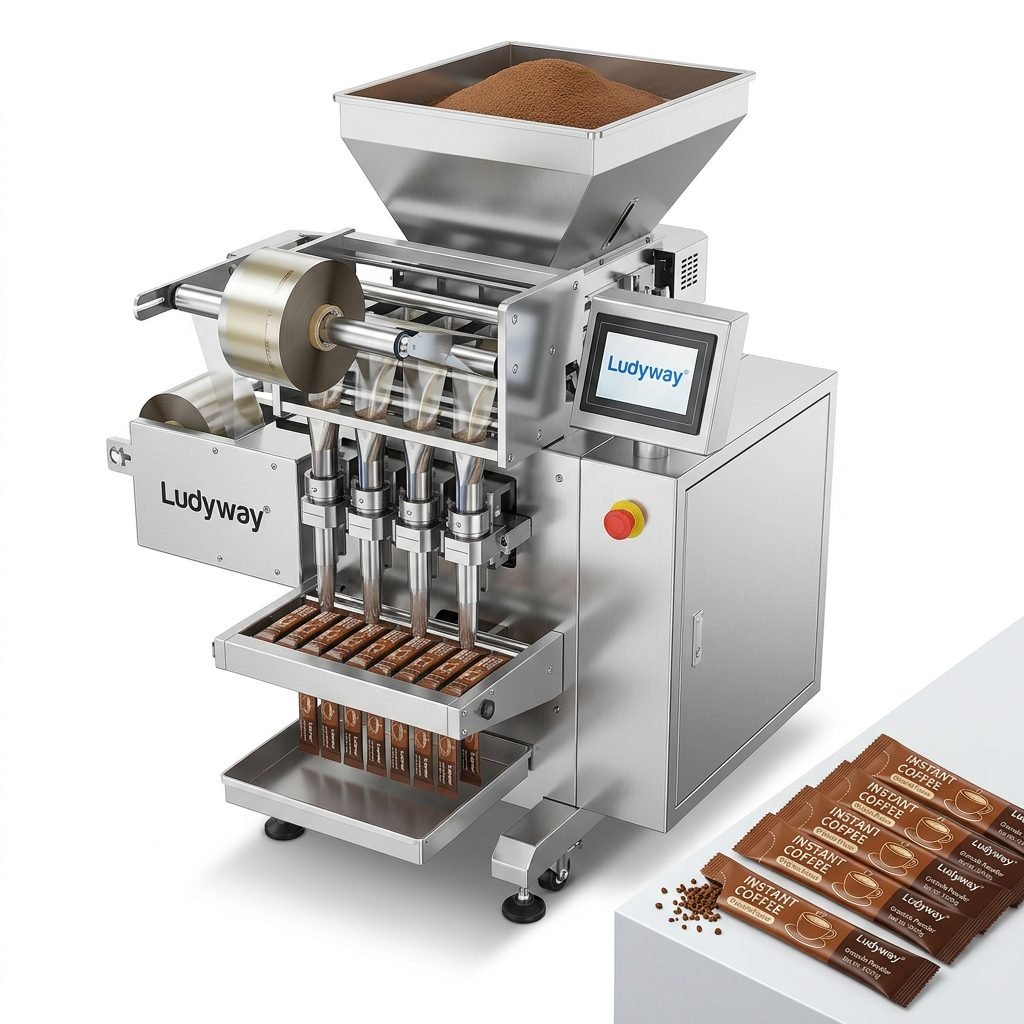
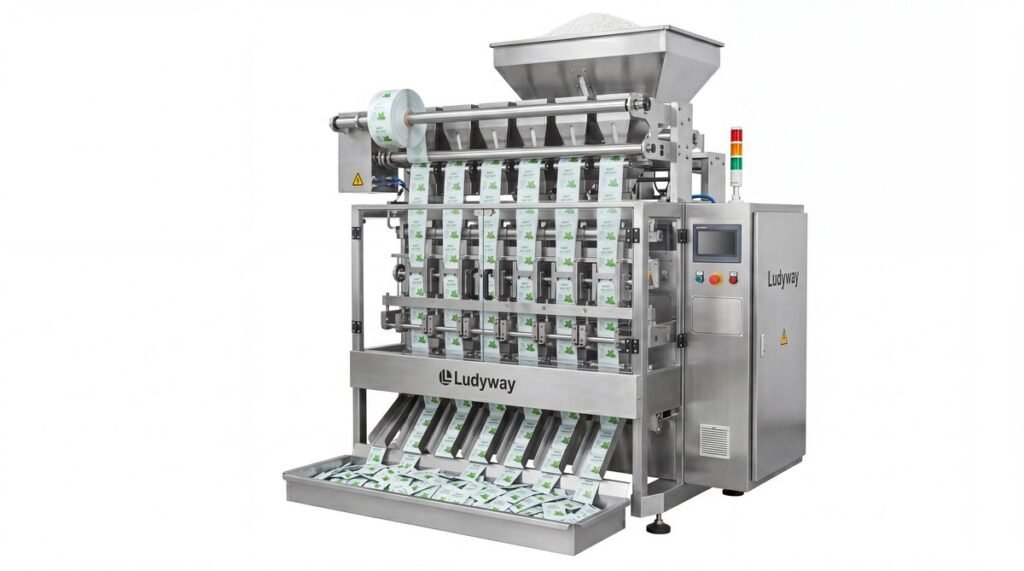
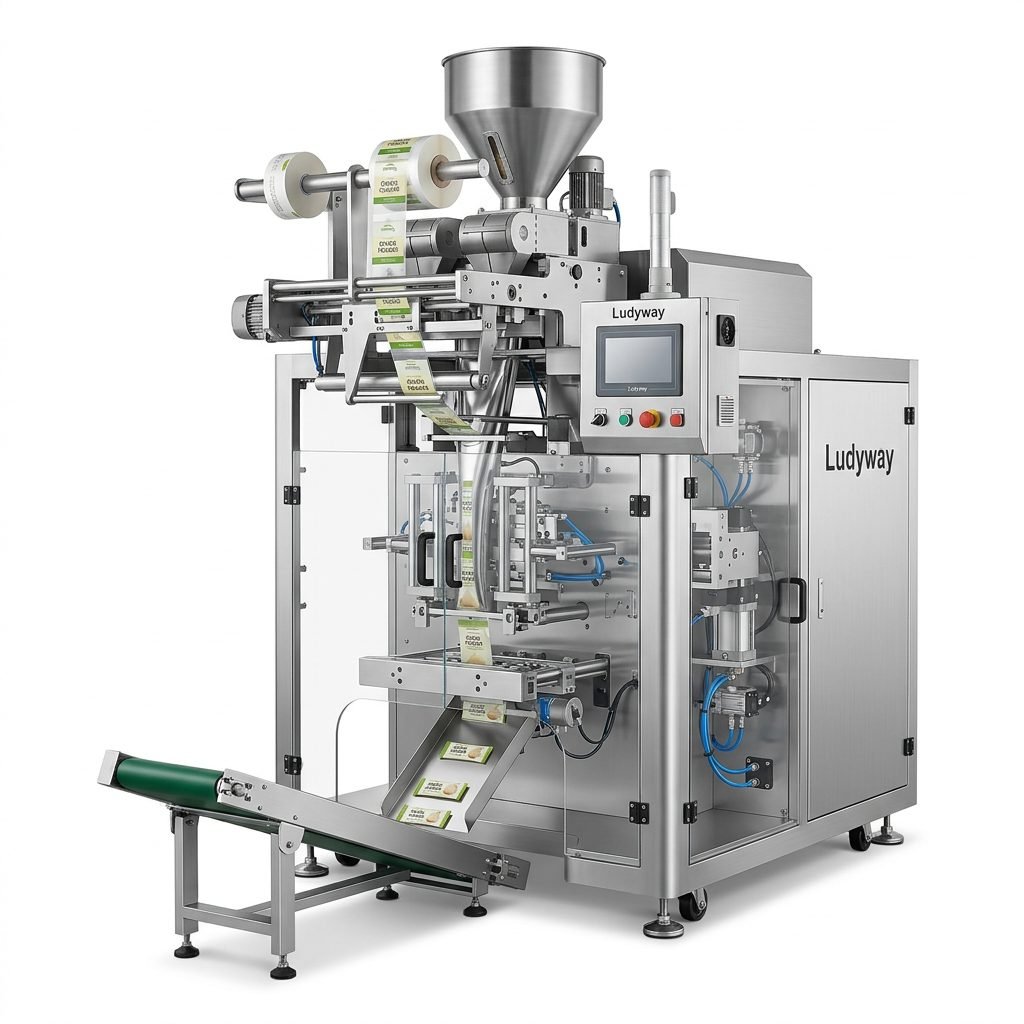
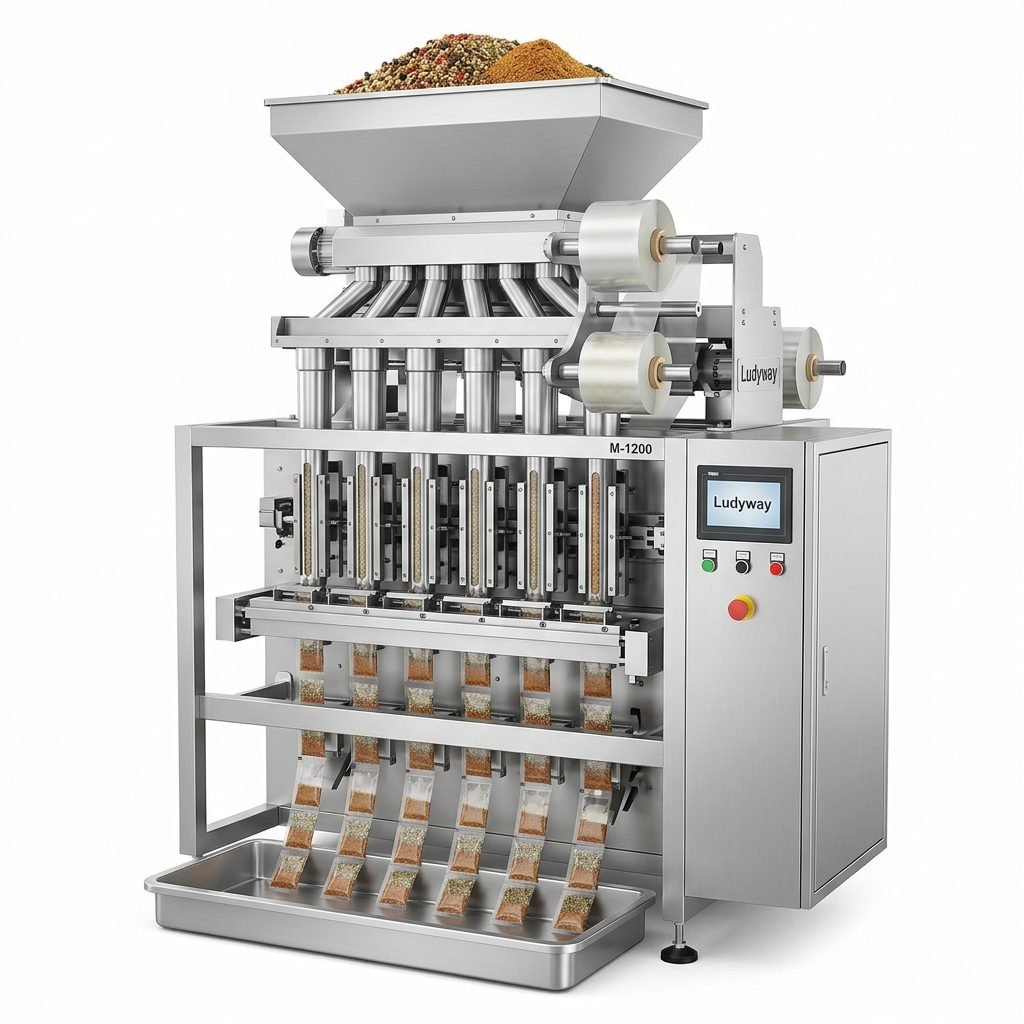
| Stick / Sachet Machine | Multi-lane filling and sealing for impulse items | Multi-lane systems boost output for mass market |
| Flow Wrapper | Wraps bars, sandwiches, cones | Ensure compatibility with local film suppliers |
| Cartoning & Case Packing | Secondary packaging for distribution | Manual or semi-auto options reduce initial cost |

4. The Importance of Multi-Lane Technology for Scale
For African producers aiming to serve national or regional markets, multi-lane packaging systems offer a dramatic leap in productivity. A 10-lane stick pack machine, for instance, can produce several hundred units per minute, dramatically reducing per-unit labor and packaging costs. This technology is increasingly common in the pharmaceutical and food sectors and is now adapted for viscous frozen products.
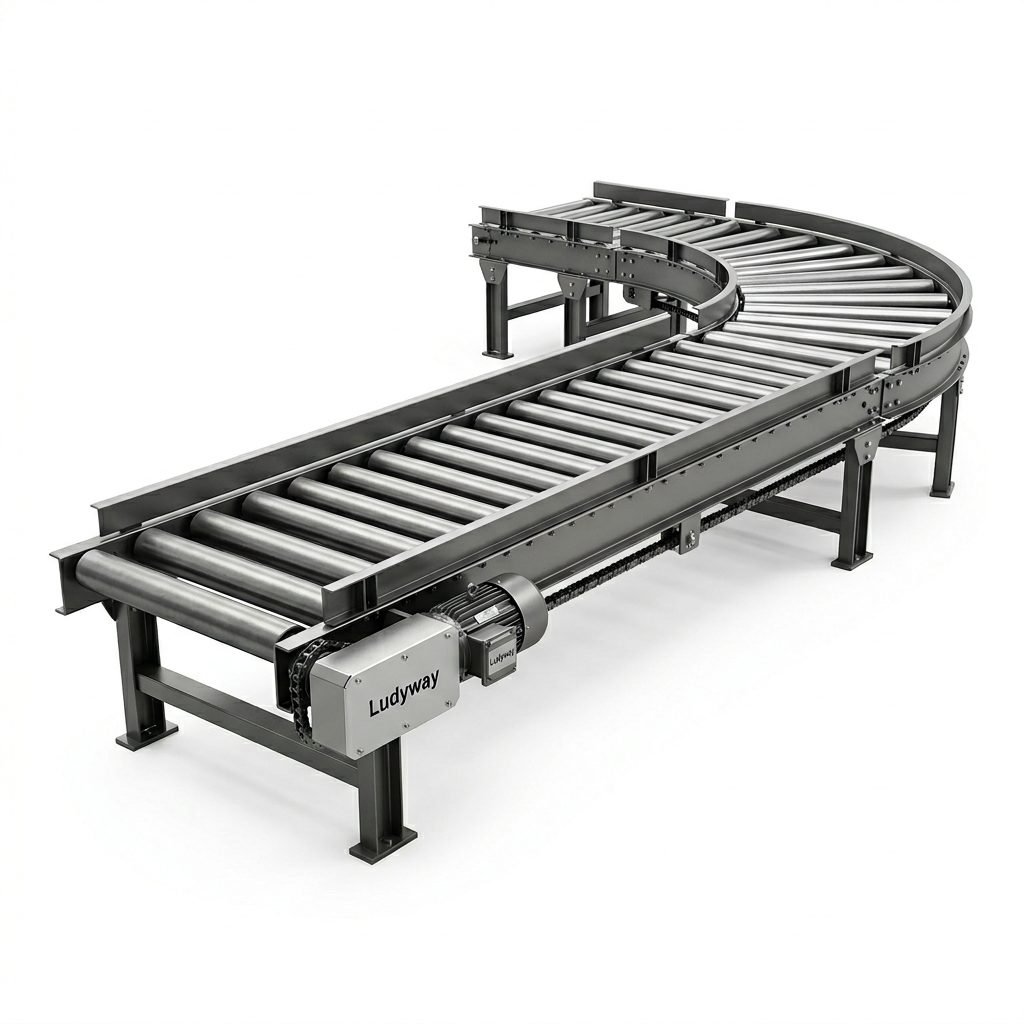
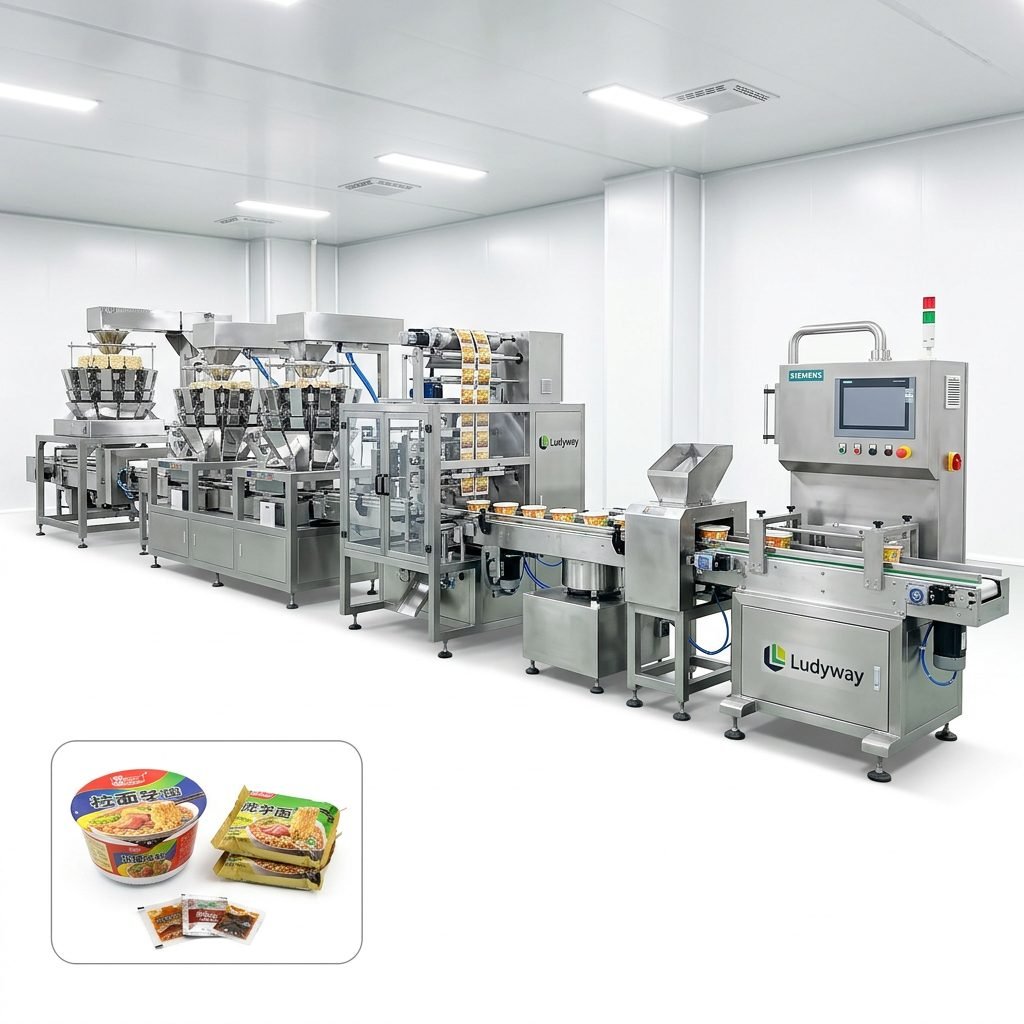
When sourcing this equipment, look for manufacturers with proven expertise in turnkey packaging solutions. The ability to integrate filling, sealing, and cartoning into one synchronized line reduces complexity and improves overall line efficiency.
5. Packaging Materials and Supply Chain
Your machine is only as good as the materials it runs. Secure reliable sources for food-grade laminates, poly-coated paper, and plastic lids. In many African markets, lead times for imported packaging films can be 8-12 weeks. Plan inventory carefully and consider partnering with regional suppliers of flexible packaging materials to shorten supply chains.
Material Specifications to Verify
- Barrier properties: Moisture and oxygen transmission rates suitable for frozen storage.
- Seal integrity: Reliable seals at low temperatures to prevent leakage.
- Printability: Compatibility with your coding and marking systems.
6. Installation, Training, and Maintenance
Installing an ice cream packaging line in Africa requires detailed planning. Ideally, your packaging machine manufacturer should provide remote support, detailed manuals, and on-site commissioning. Train operators thoroughly on both operation and basic troubleshooting, as immediate remote support may be limited.
Maintenance Checklist
- Daily cleaning of product contact parts and sealing jaws.
- Weekly inspection of air filters, lubrication, and electrical connections.
- Monthly calibration of temperature controls and filling volumes.
- Quarterly review of wear parts and replacement cycles.
7. Regulatory and Quality Standards
Compliance with local food safety regulations is mandatory. While standards vary by country, aligning with international benchmarks like ISO packaging standards and FDA food packaging guidelines ensures your products meet export requirements and consumer expectations. Proper documentation of cleaning, maintenance, and quality checks is essential for audits and retailer approvals.
8. Choosing a Reliable Equipment Partner
Selecting the right machinery provider is the most critical decision in this process. Look for a company with a strong track record in emerging markets, robust after-sales support, and a comprehensive product range. Ludyway, for example, is one of the largest packaging machine manufacturers in China, offering advanced equipment and turnkey production solutions across food, pharmaceutical, and health industries. With over 30 years of experience and a 20,000㎡ manufacturing facility, they provide more than 50 intelligent packaging machine models, including multi-lane stick pack, sachet, and fully automated systems suitable for various frozen dessert formats.
Before finalizing your decision, evaluate their cost-effective packaging solutions and request references from similar installations. A partner that understands both the technical and logistical challenges of operating in Africa will significantly reduce your project risk.
9. Financial Planning and ROI
Calculate your total cost of ownership, including shipping, duties, installation, training, and spare parts. While initial investment might seem high, a well-configured line can achieve payback within 18-36 months through reduced labor, minimized waste, and increased throughput. Explore financing options, supplier credit terms, or equipment leasing if upfront capital is constrained.
Estimated Cost Components
| Cost Category | Typical Share of Budget | Notes |
|---|---|---|
| Primary Packaging Machines | 50-60% | Filling, sealing, wrapping units |
| Secondary & End-of-Line | 15-20% | Cartoning, case packing, palletizing |
| Installation & Training | 5-10% | On-site support, documentation |
| Shipping & Logistics | 10-15% | Sea freight, inland transport, insurance |
10. Future-Proofing Your Production Line
Design your line with future expansion in mind. Leave space for additional modules, ensure your control system supports remote diagnostics, and select machines that can handle multiple product formats. As African markets mature, the ability to quickly switch between product types and packaging styles will be a significant competitive advantage.
By carefully planning your ice cream packaging machine production line, selecting robust equipment, and partnering with experienced suppliers, you can build a successful and scalable manufacturing operation in Africa. The opportunity is substantial, and with the right approach, local production can thrive in this dynamic market.
For further technical guidance on packaging standards and industry best practices, refer to resources from PMMI packaging industry associations and ISO packaging and distribution standards.