Investing in a filling and packing machine is one of the most significant decisions a manufacturer can make. The right equipment can dramatically improve production efficiency, reduce labor costs, and ensure consistent product quality. The wrong choice, however, can lead to costly downtime, wasted materials, and frustrated operators. This comprehensive buyer’s guide walks you through the essential factors to consider before making your purchase.
Step 1: Understand Your Product Characteristics
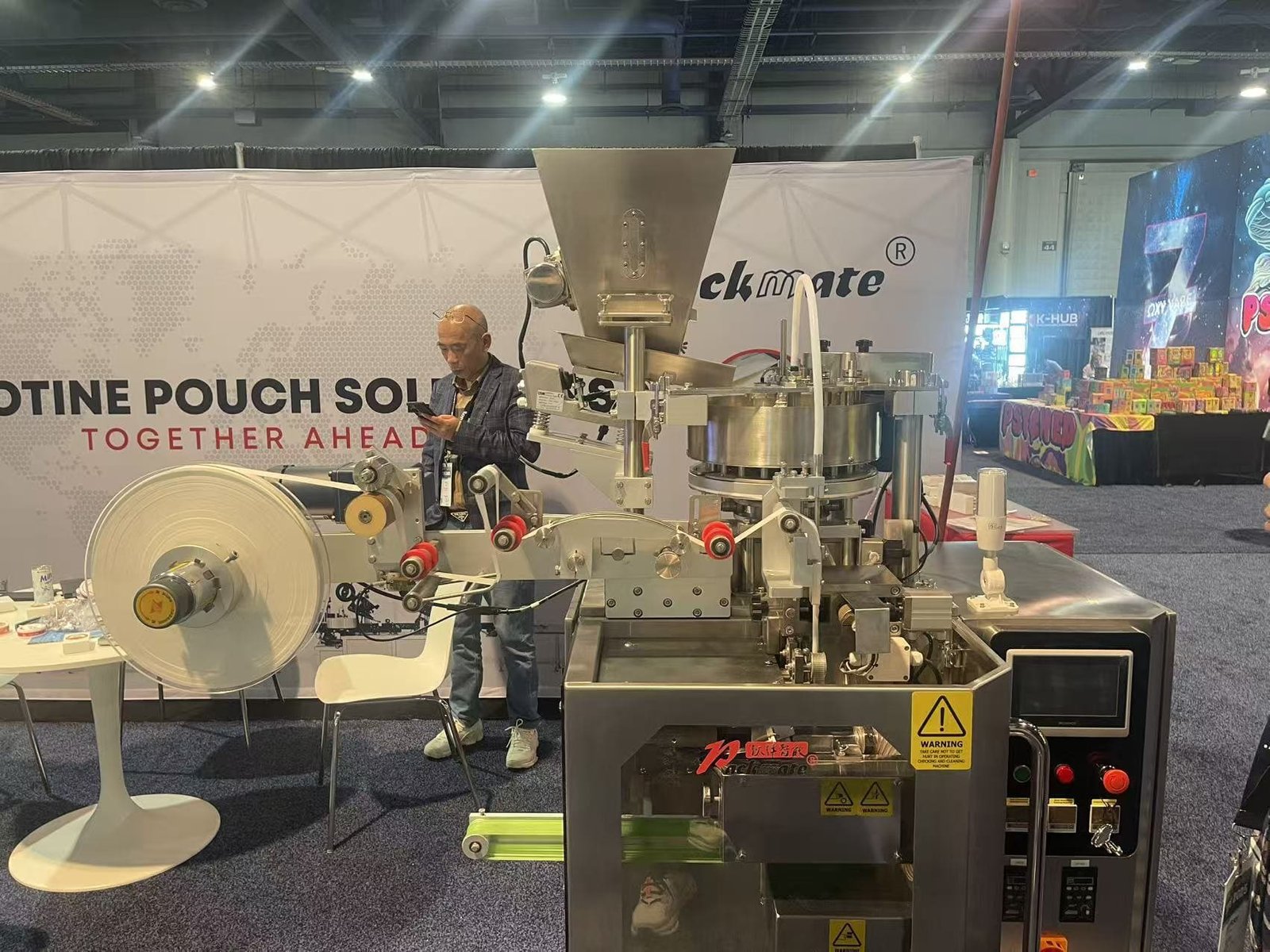
Before evaluating any machinery, you need a thorough understanding of the product you are packaging. Every product has unique physical properties that directly influence the type of filling system required. Product characteristics determine nearly every aspect of machine selection.
Key questions to answer include:
- What is the physical state of your product? Is it a free-flowing powder, a sticky granule, a viscous liquid, or a fragile solid? Each state requires a different dosing mechanism.
- What is the particle size distribution? Fine powders behave differently from coarse granules. Dust generation can affect sealing integrity and may require dust collection systems that comply with industrial packaging standards.
- How does the product react to moisture, heat, or air exposure? Hygroscopic products may need nitrogen flushing or desiccant integration during the packaging process.
- Is the product abrasive or corrosive? This impacts material selection for contact parts such as stainless steel grades, hopper coatings, and seal designs.
Step 2: Choose the Right Packaging Format
The packaging format you select has a major impact on consumer convenience, shelf appeal, and production complexity. Modern flexible packaging formats offer a wide range of options, each suited to different markets and product types.
| Packaging Format | Best Suited For | Typical Applications | Key Considerations |
|---|---|---|---|
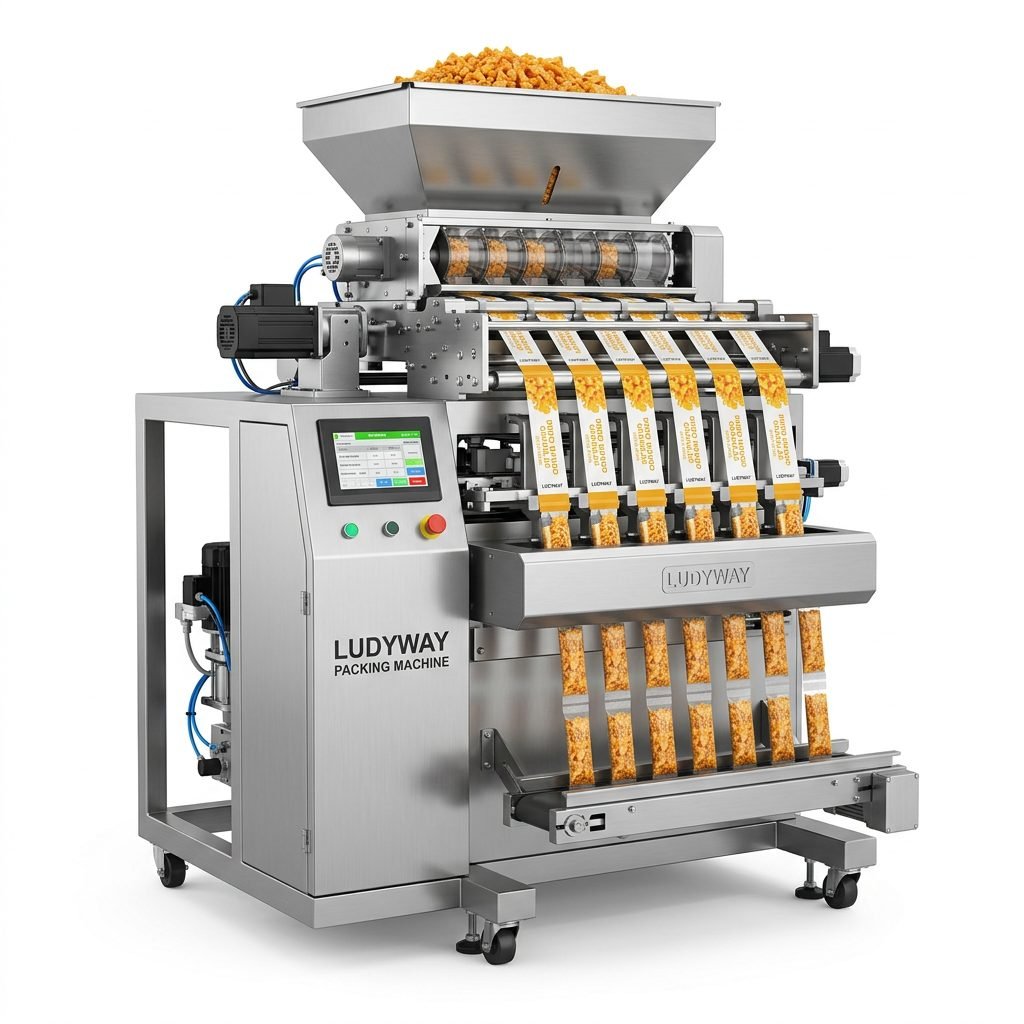
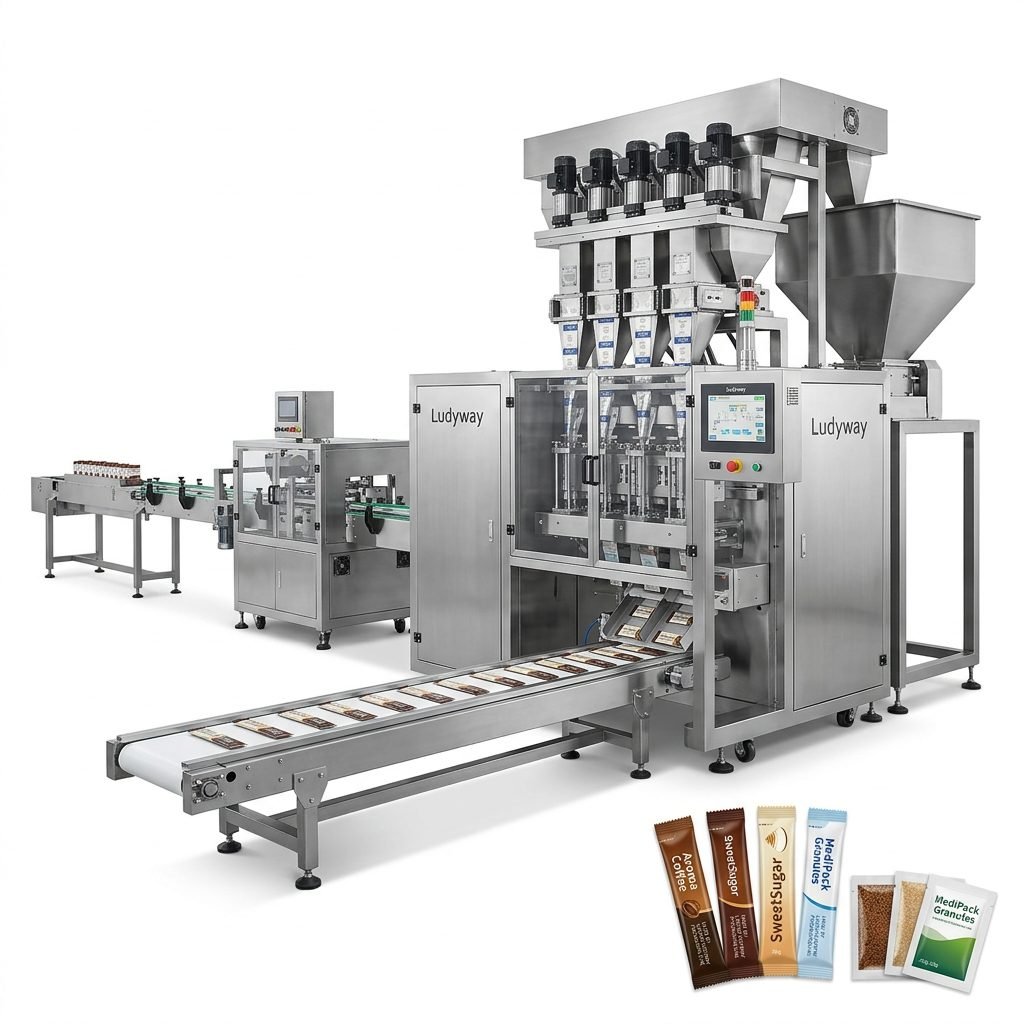
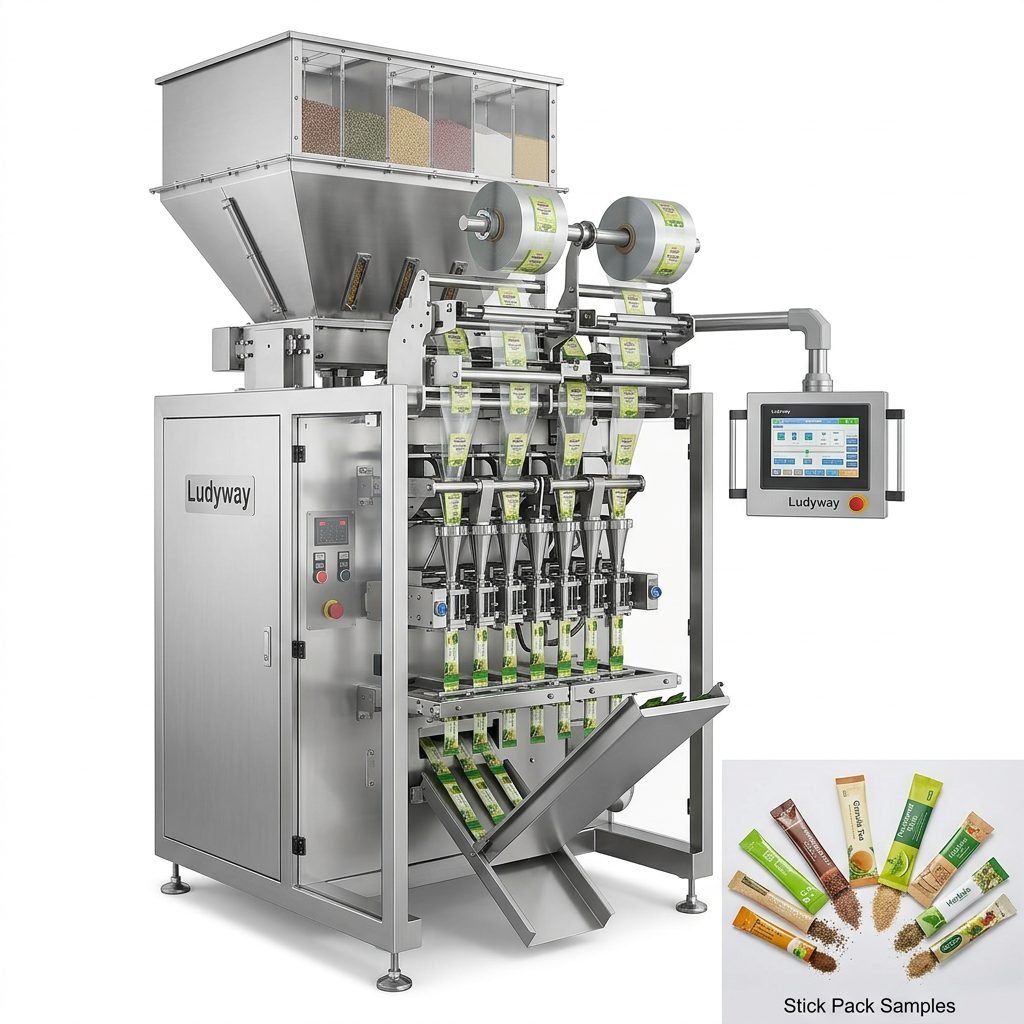
| Stick Pack | Single-serve powders, liquids | Instant coffee, sugar, honey, supplement powders | High-speed multi-lane capability; narrow seal area |
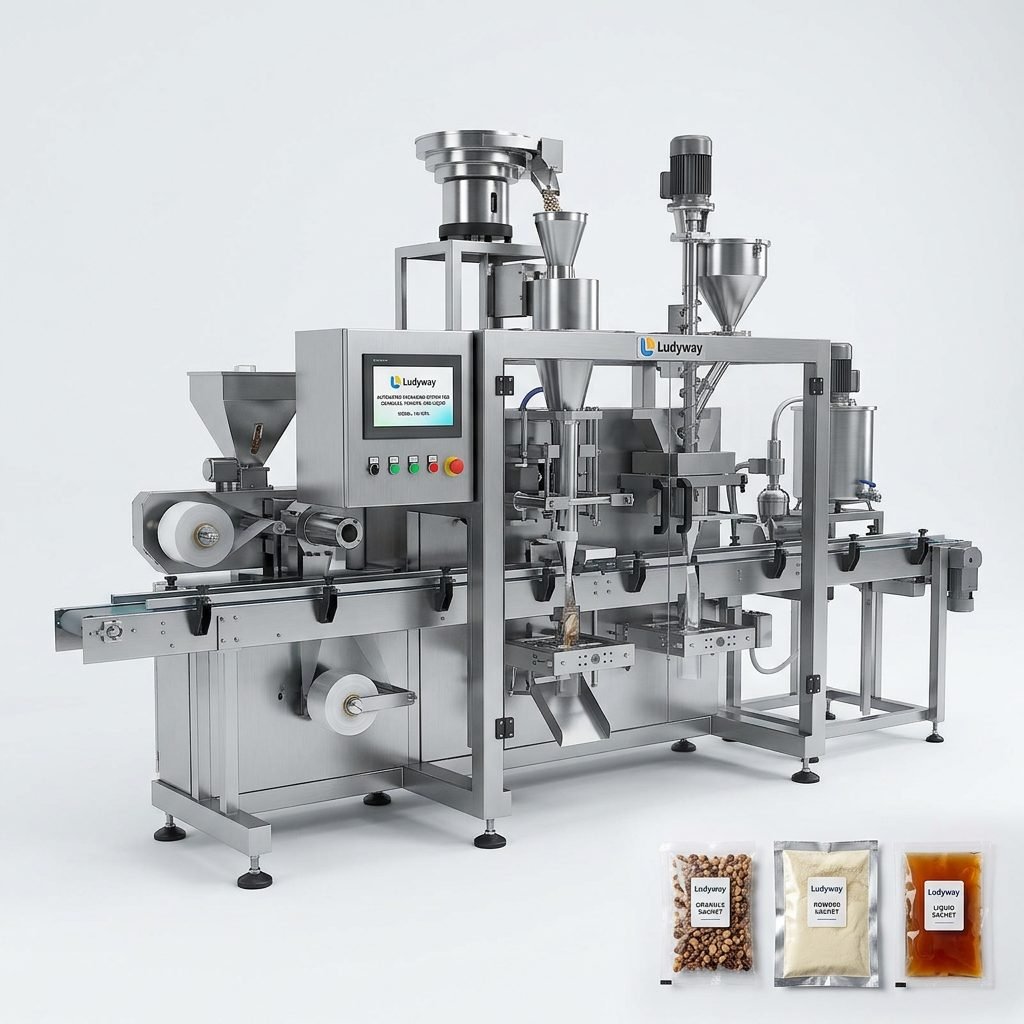
| Sachet / 3-Side Seal | Sample-size, travel-size products | Shampoo, cosmetics, condiments, pharmaceutical samples | Versatile; suitable for powder, liquid, and granule |
| 4-Side Seal Pouch | Products requiring extra barrier protection | Medical devices, diagnostic kits, sterilized products | Excellent seal integrity; higher material cost |
| Stand-Up Pouch | Retail-ready consumer products | Pet food, snacks, dried fruits, protein powders | Requires zipper or resealable closure options |
| Gusseted Bag | Bulk packaging, larger volumes | Animal feed, fertilizer, industrial powders, grains | Heavy-duty construction; higher fill weights |
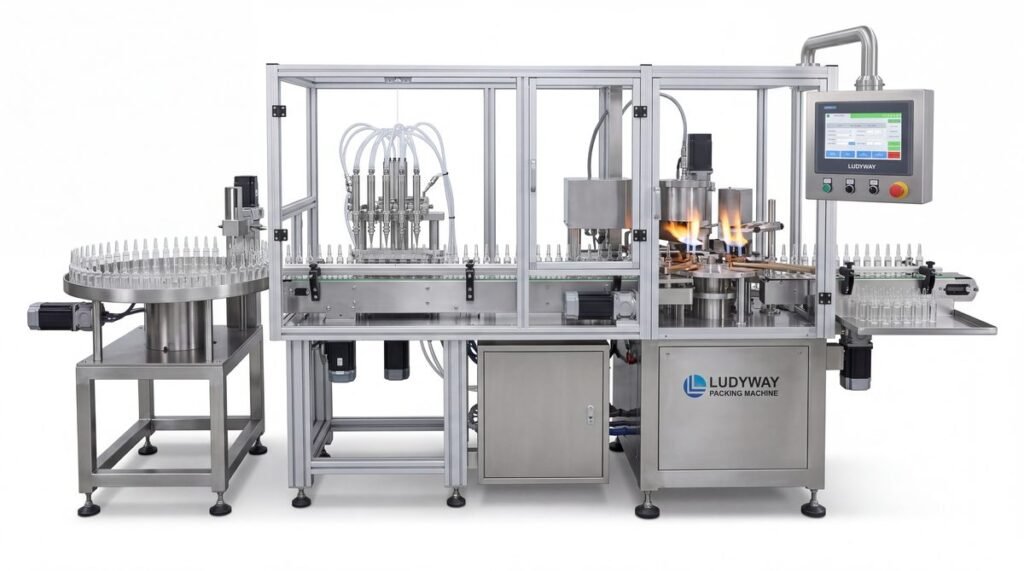
| Bottle / Vial Filling | Liquids, creams, tablets, capsules | Beverages, pharmaceuticals, nutraceuticals, cosmetics | Often requires capping and labeling integration |
Step 3: Match Production Speed to Your Capacity Goals
Production speed requirements should be based on your current output needs with room for future growth. A machine that barely meets today’s demand will become a bottleneck within two years. Over-specifying speed significantly increases cost without proportional benefit.
Consider these factors when evaluating speed:
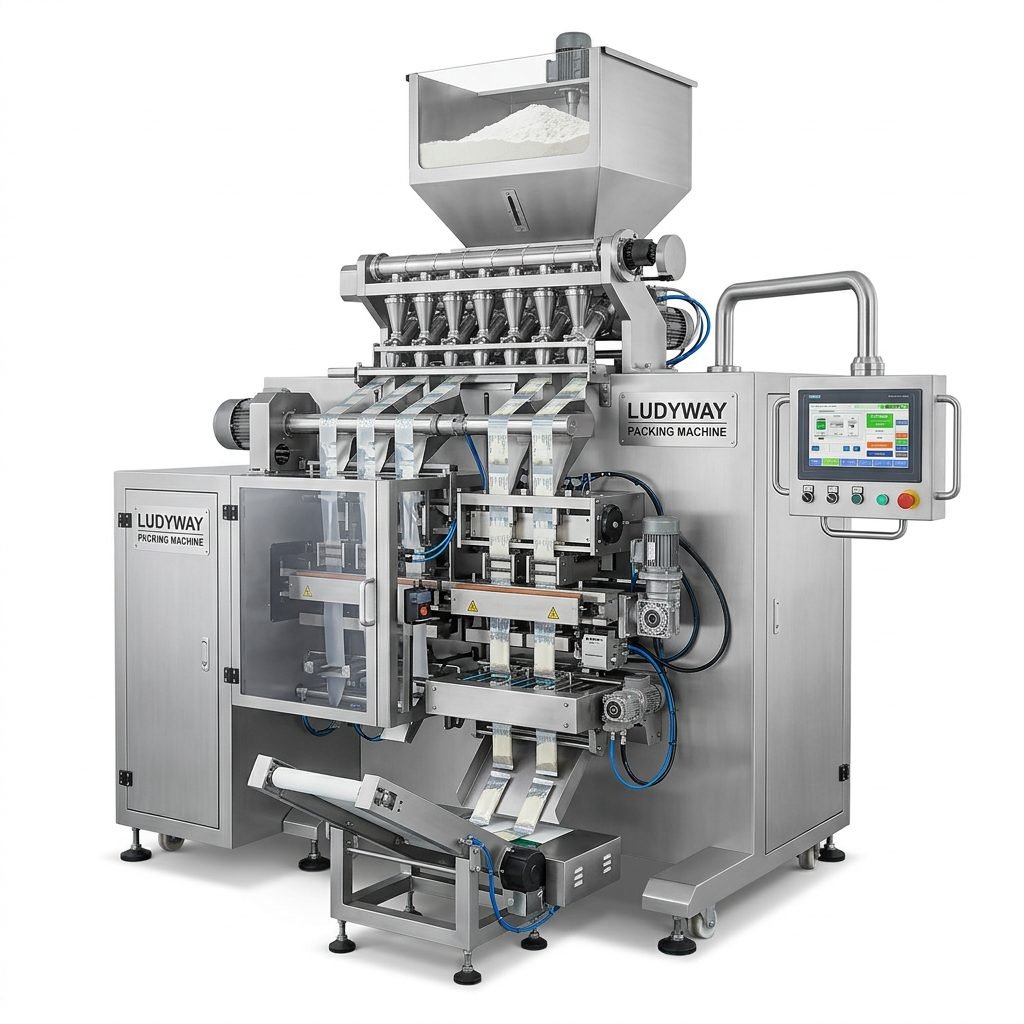
- Multi-lane technology can multiply output without increasing line speed. A 4-lane stick pack machine running at 60 cycles per minute produces 240 packs per minute.
- Changeover time between products or formats directly impacts overall equipment effectiveness (OEE). Look for machines with tool-free changeover and recipe memory functions.
- Upstream and downstream equipment must match the filler’s speed. A high-speed filler paired with a slow cartoner creates an expensive bottleneck.
Step 4: Determine the Appropriate Automation Level
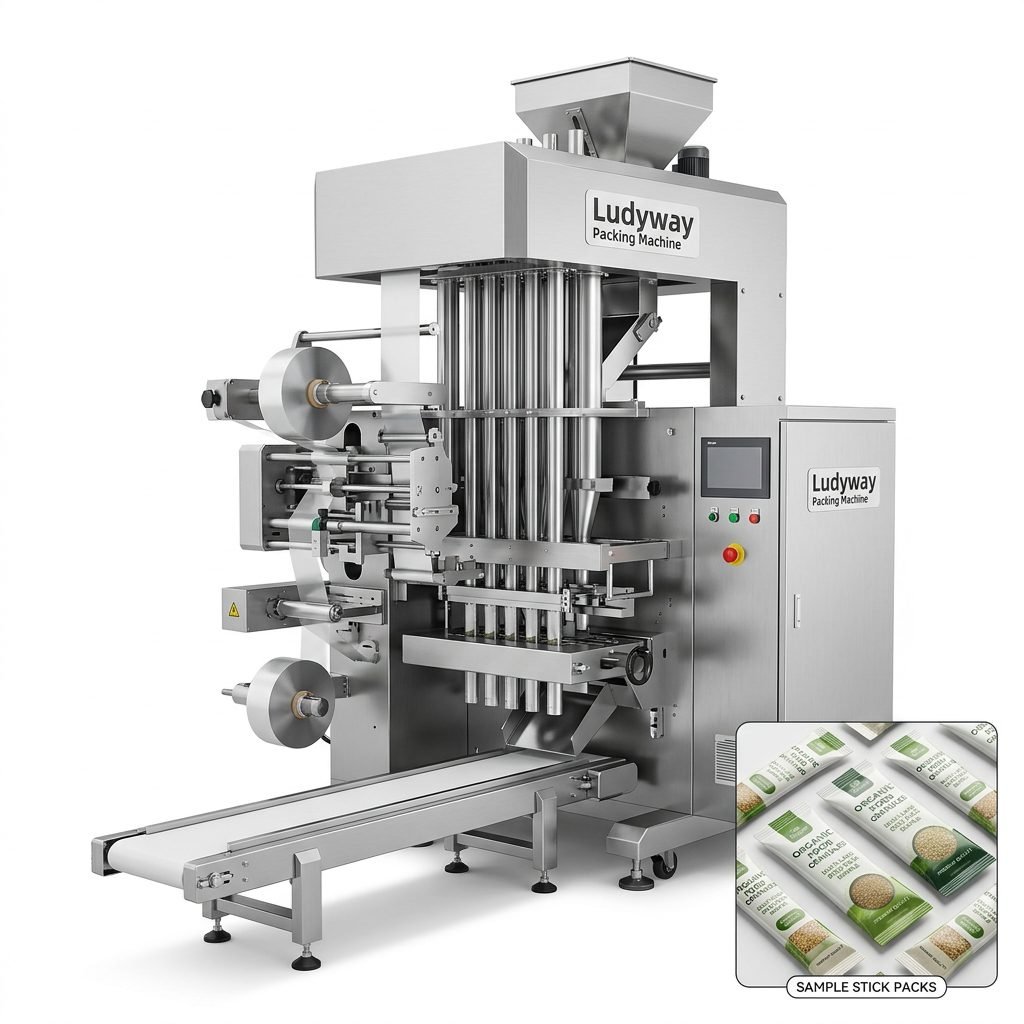
Automation exists on a spectrum, and the right level depends on your labor costs, production volume, and quality requirements. Semi-automatic machines require an operator to initiate each cycle or manually feed materials. Fully automatic systems handle feeding, filling, sealing, coding, and ejection without operator intervention.
Beyond the filler itself, consider these automation add-ons:
- Automatic feeding systems — vibratory bowl feeders, auger feeders, or pumping systems that eliminate manual product loading
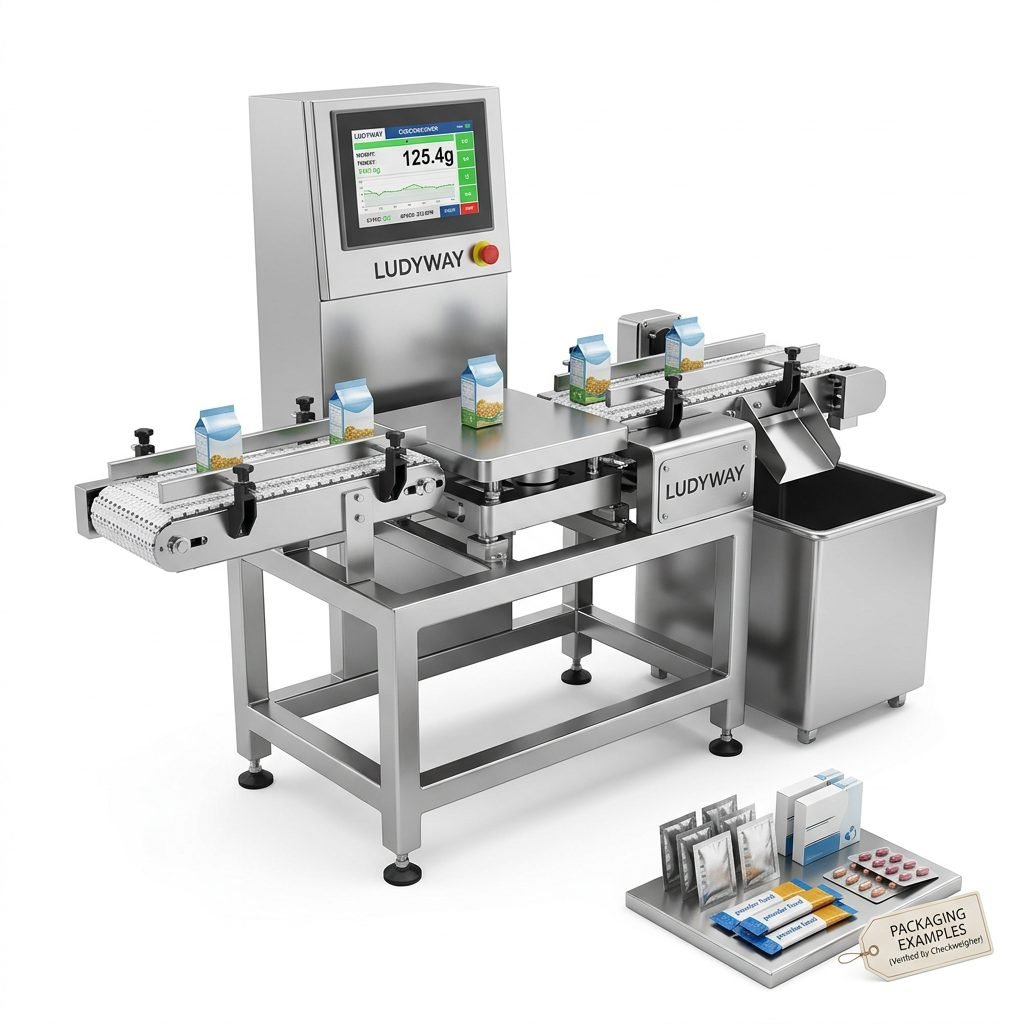
- In-line checkweighers — ensure fill weight accuracy and automatically reject non-conforming packs per packaging machinery industry standards
- Vision inspection systems — detect seal defects, print errors, and foreign objects
- Metal detection and X-ray inspection — critical for food and pharmaceutical packaging
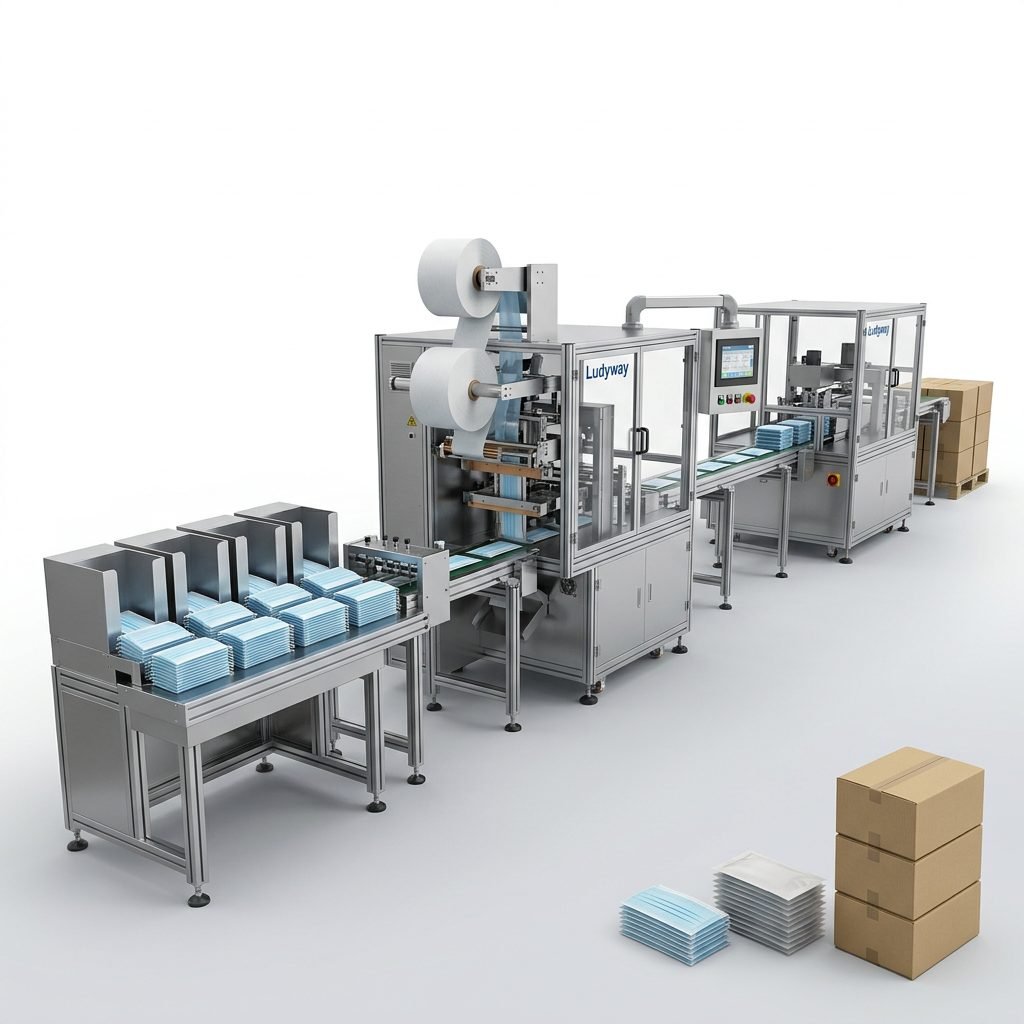
- Automatic cartoning and case packing — extend automation from primary to secondary packaging
- Robotic palletizing — reduce manual handling at the end of the line
Step 5: Evaluate Material Compatibility and Sustainability
Packaging material selection affects machine configuration, seal quality, and regulatory compliance. Not all machines can run all film types equally well. Verify that your chosen machine can handle the specific materials you intend to use, including:
- Multi-layer laminates with aluminum foil barriers for moisture-sensitive products
- Recyclable mono-materials such as PE or PP-based structures, which are increasingly required under European packaging waste regulations
- Biodegradable and compostable films that may require lower sealing temperatures and gentler handling
- Paper-based materials for brands seeking plastic-free packaging options
Additionally, the sealing system — whether constant heat, impulse heat, or ultrasonic — must be compatible with your material’s sealant layer. Ultrasonic sealing, for instance, works well with difficult-to-seal materials and can reduce energy consumption.
Step 6: Calculate Total Cost of Ownership and ROI
The purchase price is only one component of the total cost of ownership (TCO). A comprehensive TCO analysis should include:
| Cost Category | Description | Estimated % of TCO |
|---|---|---|
| Initial Equipment Cost | Purchase price, shipping, import duties, installation | 35–50% |
| Spare Parts | Wear components, seals, cutting blades, belts | 5–10% per year |
| Packaging Material Waste | Film waste during setup, splices, and rejects | 3–8% of material cost |
| Energy Consumption | Electricity, compressed air, cooling water | 2–5% |
| Labor | Operators per shift, maintenance personnel | 15–30% |
| Downtime & Lost Production | Unscheduled stoppages, changeover time, repairs | Highly variable |
ROI typically comes from three sources: labor reduction, increased throughput, and reduced material waste. Many manufacturers achieve full payback within 12 to 24 months when replacing manual or semi-automatic processes with fully automated systems.
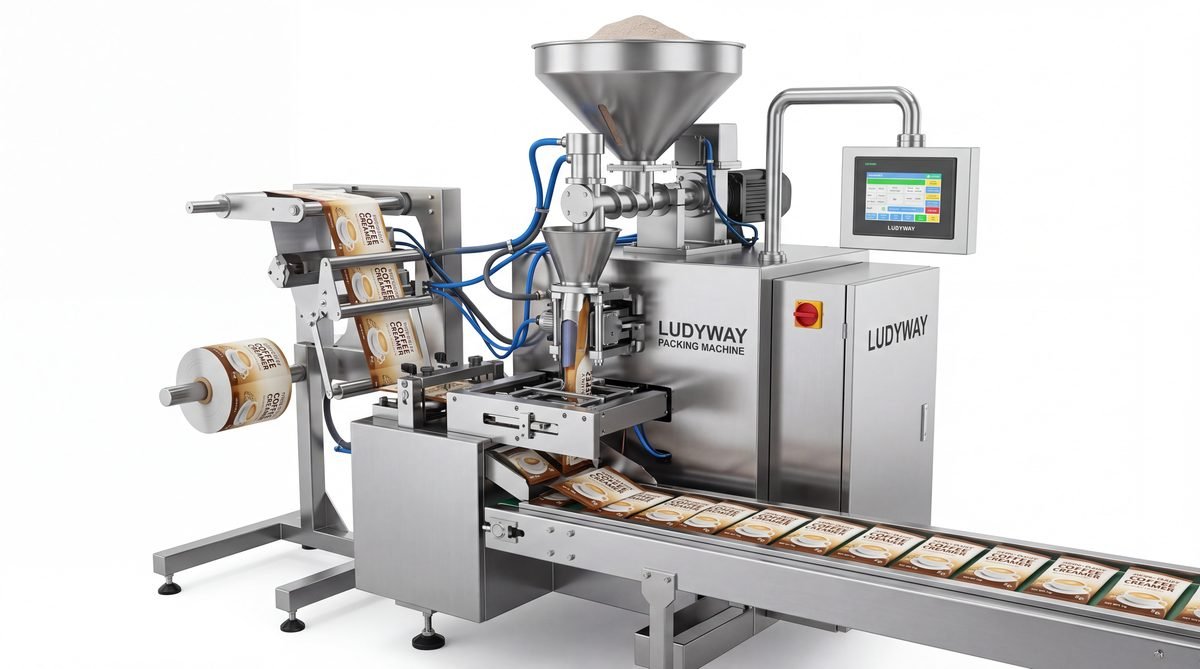
Step 7: Assess the Supplier’s Engineering and Support Capabilities
Your relationship with the equipment supplier extends far beyond the initial purchase. A machine is only as good as the support behind it. Evaluate potential suppliers on these criteria:
- Industry experience and specialization — Does the supplier have proven success with products similar to yours?
- Manufacturing and engineering depth — In-house manufacturing of critical components often means better quality control and faster lead times for spare parts
- Customization capabilities — Can the supplier adapt the machine to your specific product, packaging format, and factory layout?
- Certifications and compliance — Verify that equipment can meet applicable standards including ISO 11607 for medical device packaging or FDA requirements for food contact materials
- After-sales support — Installation, commissioning, operator training, remote troubleshooting, and spare parts availability in your region
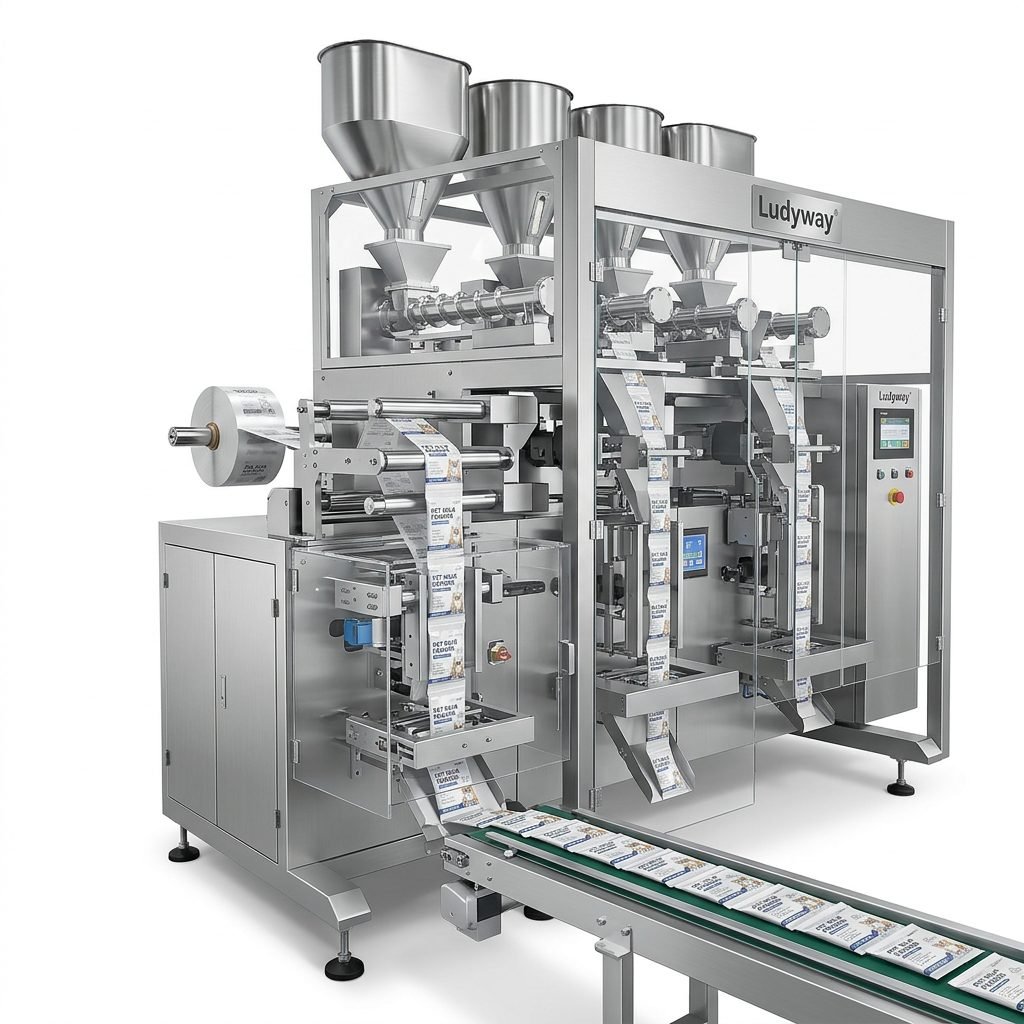
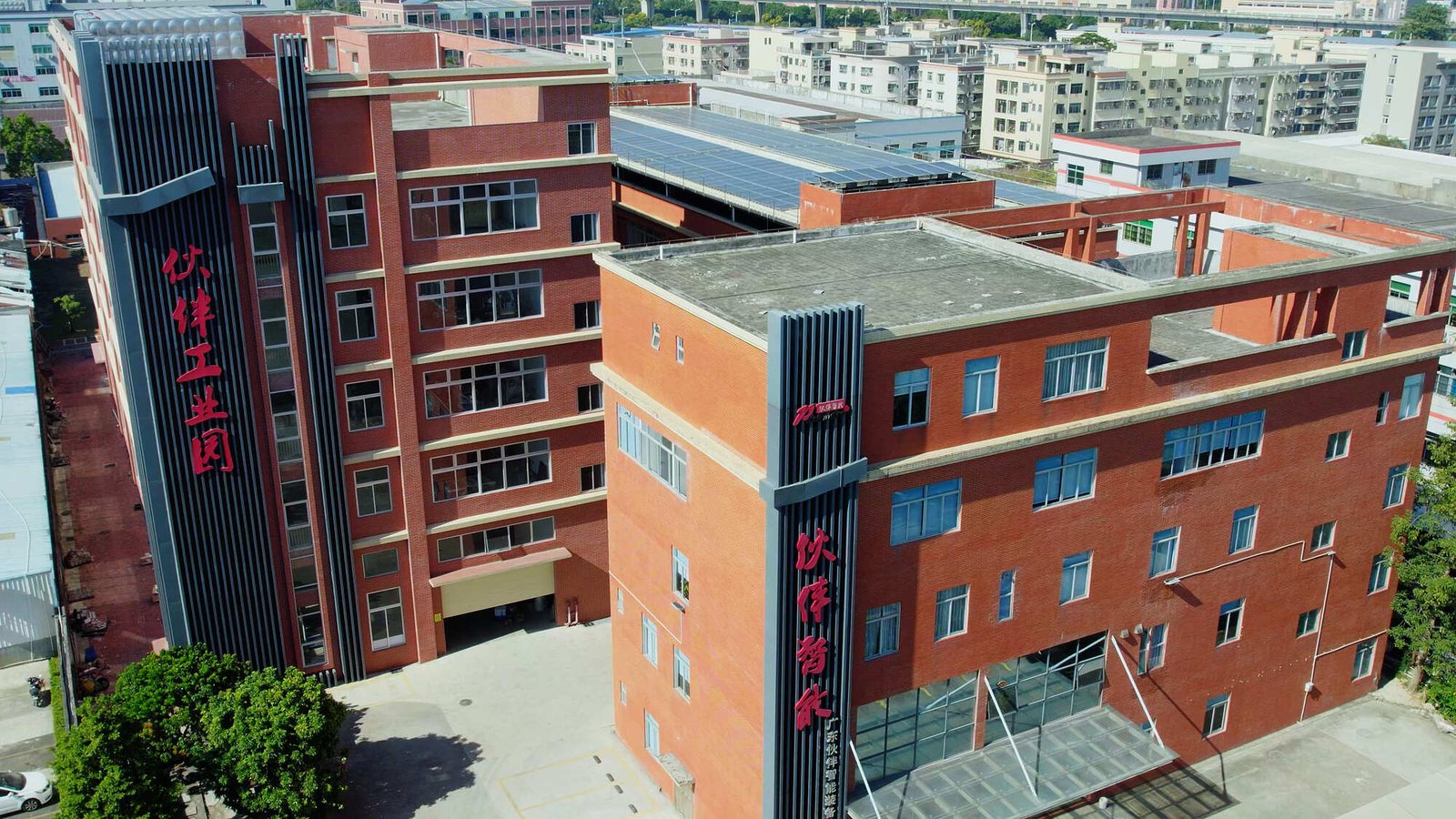
When evaluating suppliers, consider those with a track record of providing integrated solutions across multiple machine types. For instance, Ludyway Machinery combines over 30 years of packaging industry experience with a 20,000-square-meter manufacturing facility, offering more than 50 packaging machine models and turnkey solutions for manufacturers across food, pharmaceutical, cosmetic, chemical, and pet food industries. Their approach spans equipment selection through commissioning and after-sales support, serving customers in over 100 countries.
Step 8: Plan for Integration and Future Expansion
A filling machine does not operate in isolation. Think in terms of complete packaging lines rather than individual equipment purchases. Key integration considerations include:
- Layout and factory floor space — Measure not just machine footprint but also access for maintenance, material loading, and finished product removal
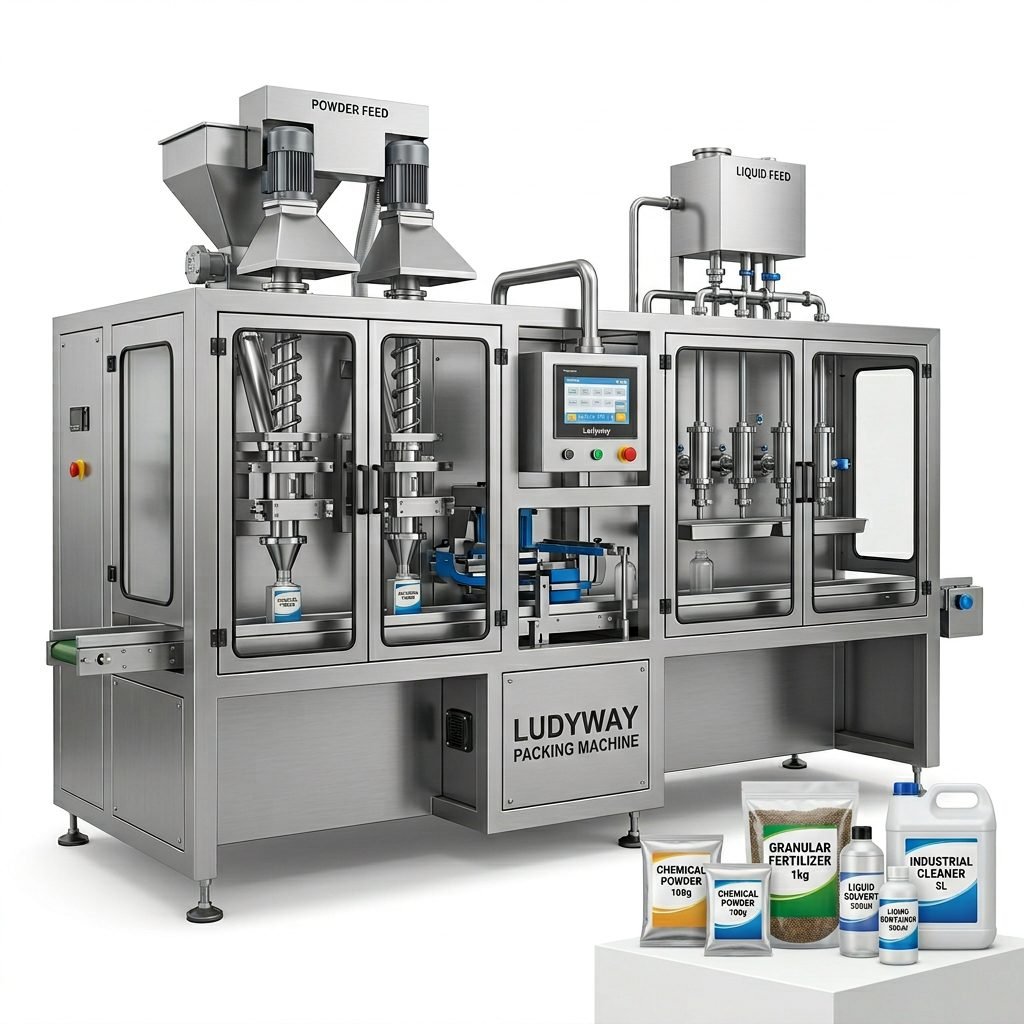
- Upstream connectivity — How will product be fed into the filler? Consider automated hopper loading, in-line mixing, or direct connection to upstream processing equipment
- Downstream connectivity — How will filled packs move to checkweighing, coding, cartoning, case packing, and palletizing stations?
- Data integration — Modern machines can provide OEE data, production counts, and fault diagnostics via Ethernet/IP, Profinet, or IoT platforms
- Scalability — If you anticipate volume growth, consider modular systems that allow adding lanes, additional filling stations, or downstream automation later
Common Mistakes to Avoid
Drawing on industry experience, here are the most frequent pitfalls buyers encounter when selecting filling and packing equipment:
- Focusing solely on purchase price — A cheaper machine that wastes material, requires frequent maintenance, or lacks local support can cost far more over its lifetime
- Underestimating changeover requirements — If you run multiple products or formats, changeover time between runs can silently erode capacity
- Ignoring environmental conditions — Humidity, temperature, and dust levels in your facility can affect machine performance, especially for powder filling
- Skipping factory acceptance testing (FAT) — Always test the machine with your actual product and packaging material before shipment
- Neglecting operator training — Even the best machine will underperform if operators do not understand its functions, settings, and maintenance requirements
- Overlooking regulatory requirements — Food and pharmaceutical packaging must comply with specific FDA food packaging regulations and GMP guidelines
Making the Final Decision
Selecting the right filling and packing machine requires balancing technical requirements, commercial considerations, and long-term partnership potential. A systematic evaluation process leads to better outcomes than rushing toward the lowest quote.
Start by thoroughly documenting your product specifications, target output, packaging format preferences, and budget constraints. Use this information to create a detailed request for quotation (RFQ) that allows suppliers to propose appropriately configured solutions. Request references from manufacturers producing similar products at comparable volumes, and whenever possible, visit existing installations to see equipment performance in real production environments.
The packaging machinery market continues to evolve with advances in automation, digital connectivity, and sustainable packaging capabilities. By selecting a machine and a supplier that can grow with your business, you position your operation for long-term efficiency and competitiveness in an increasingly demanding marketplace.