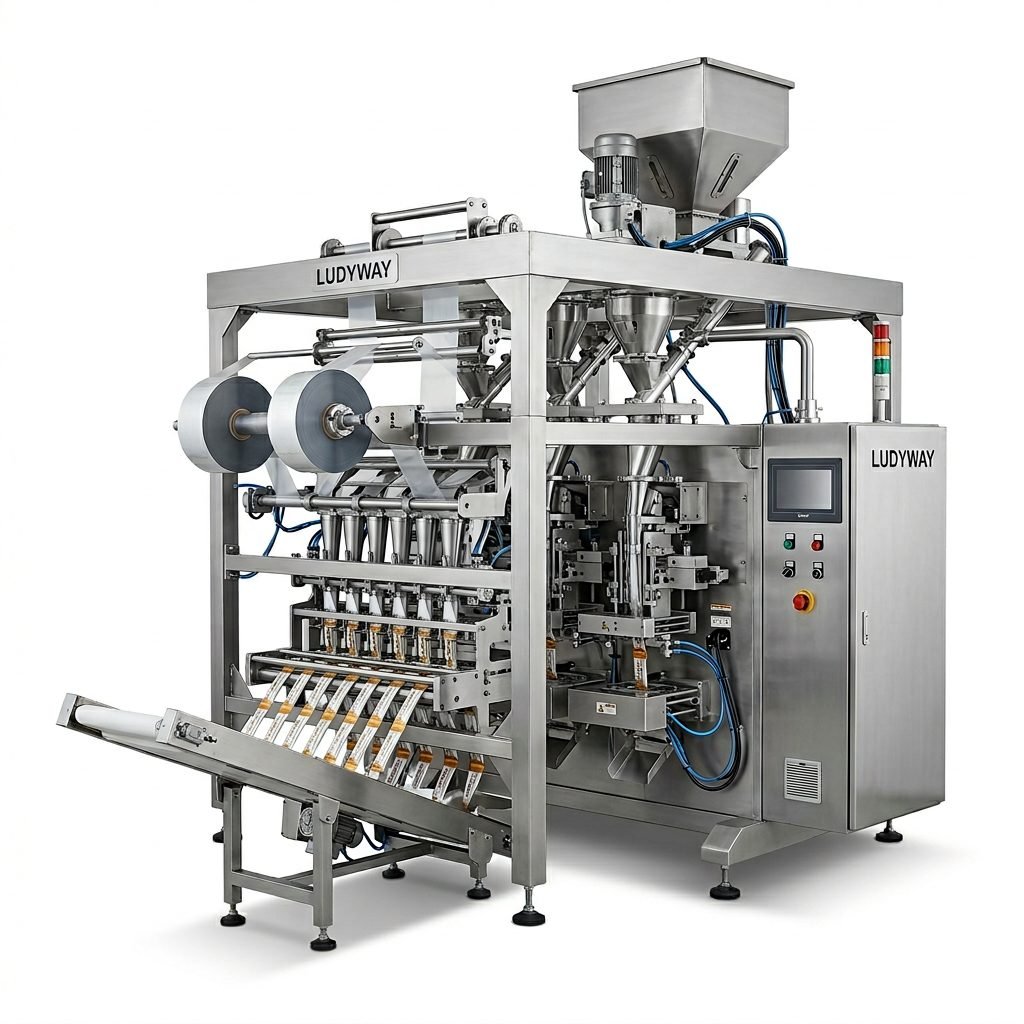
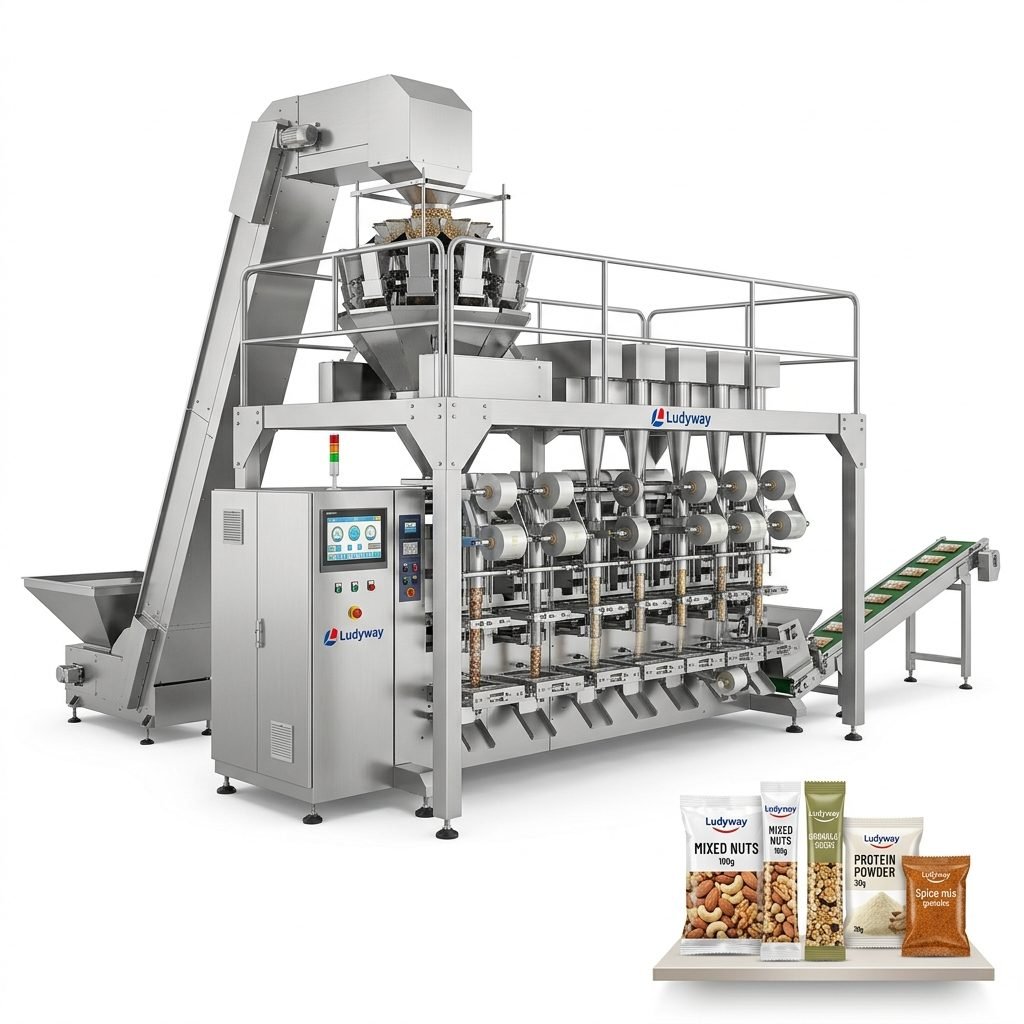
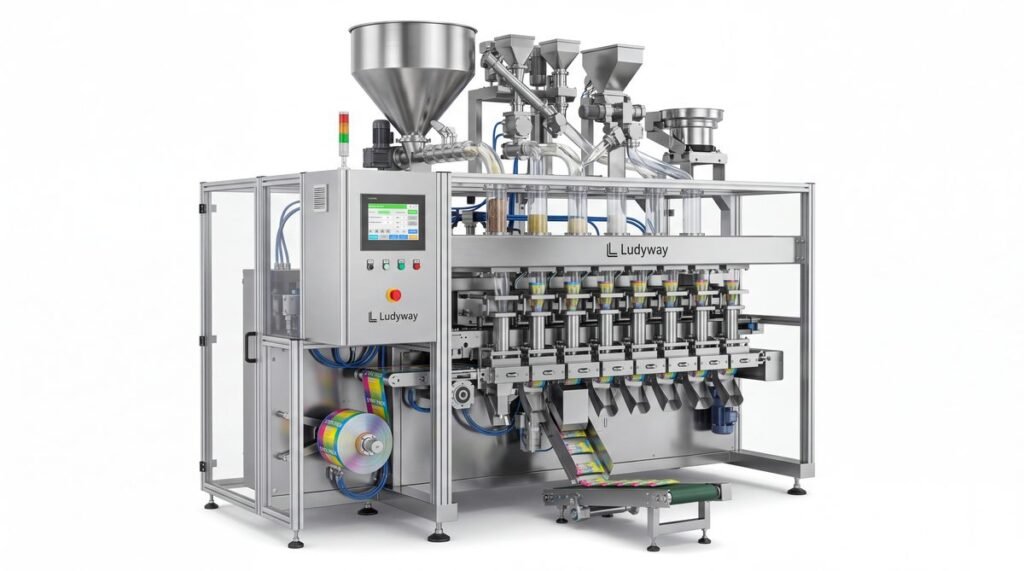
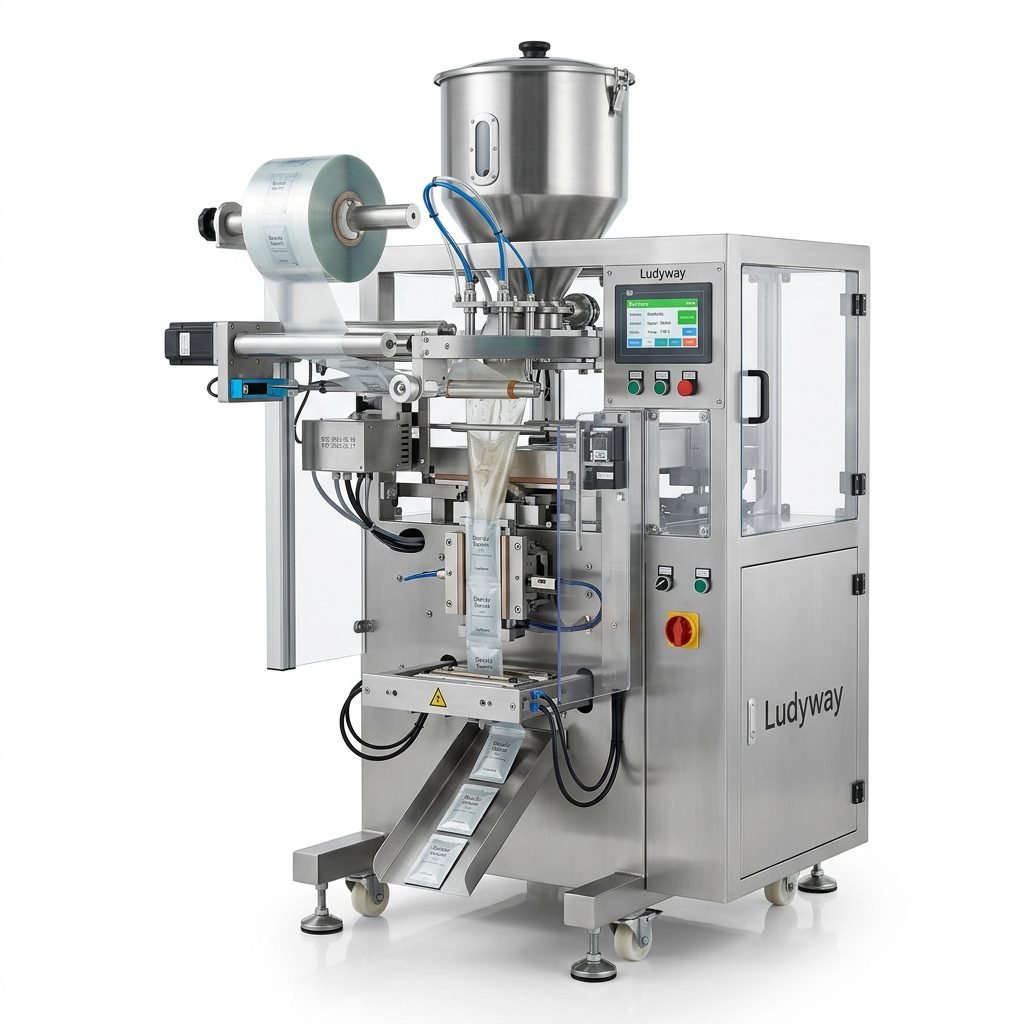
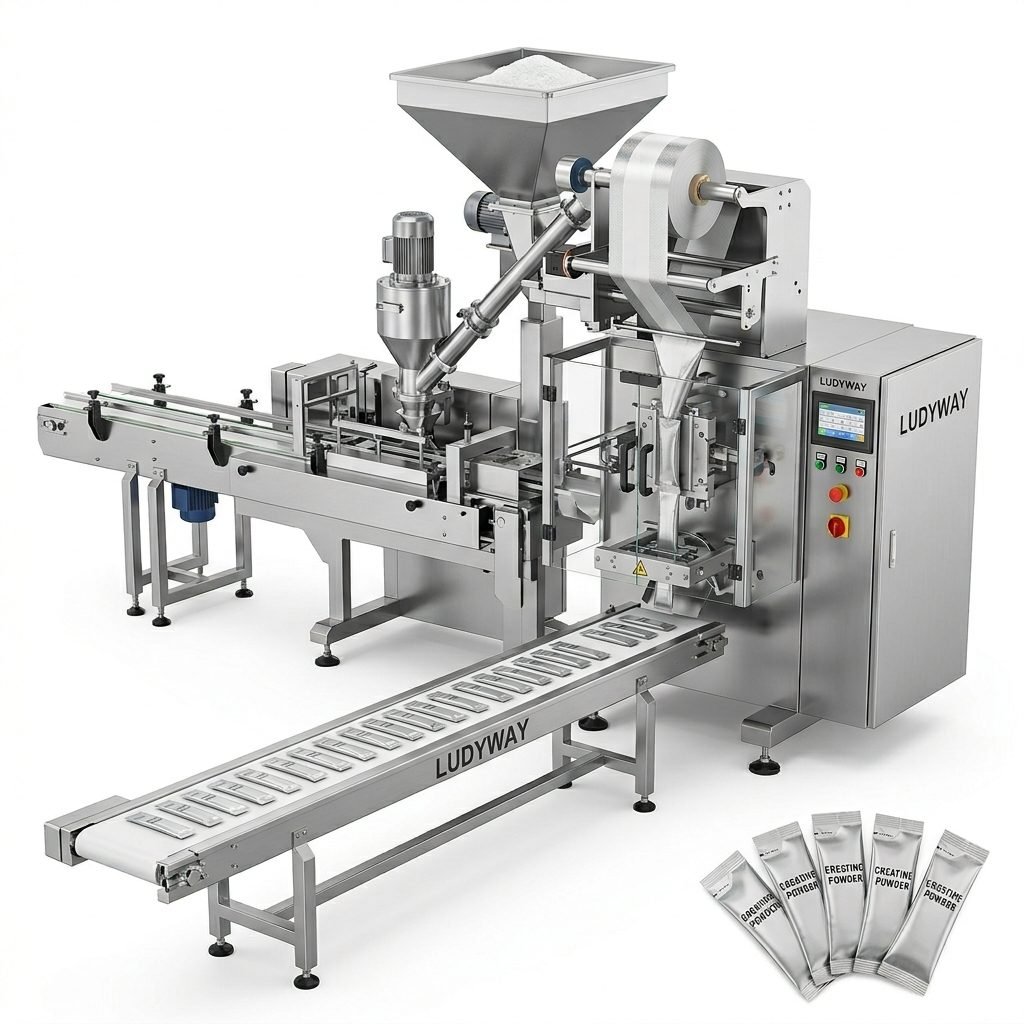
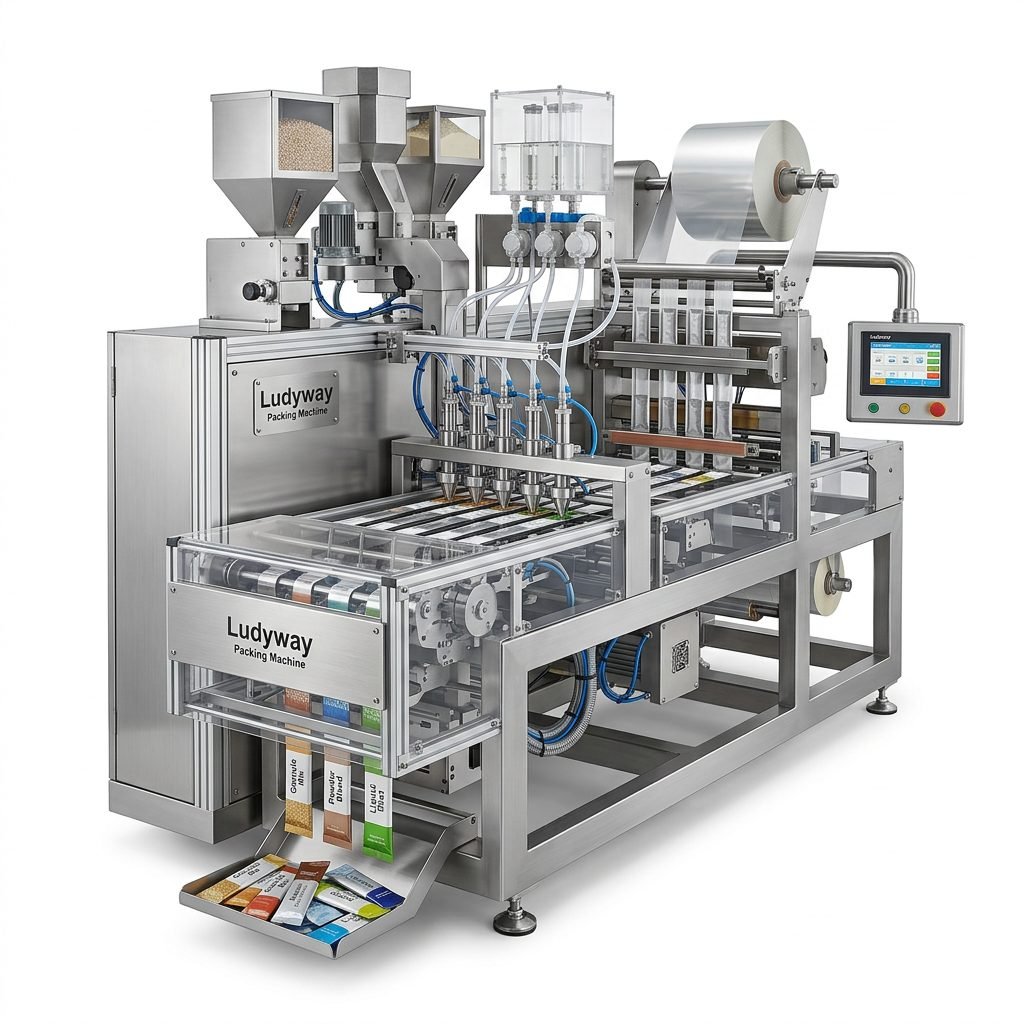
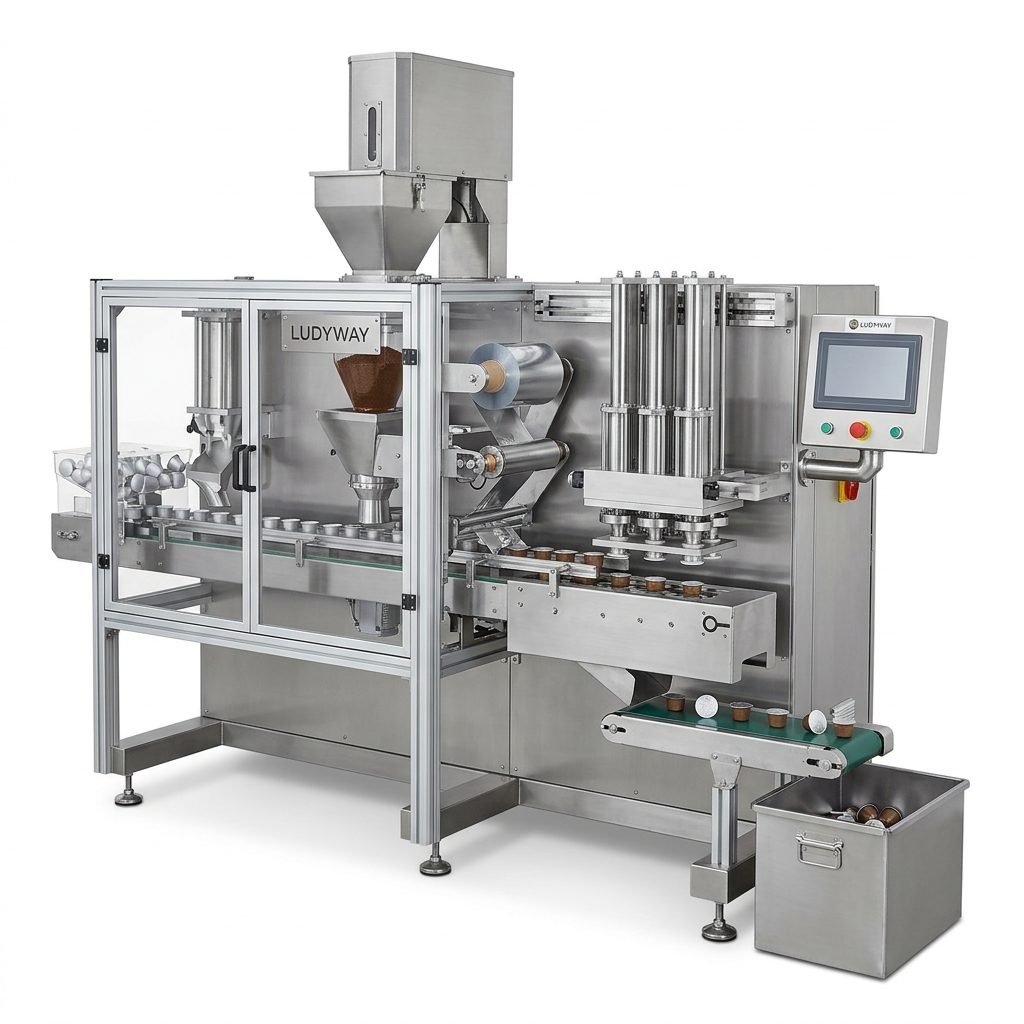
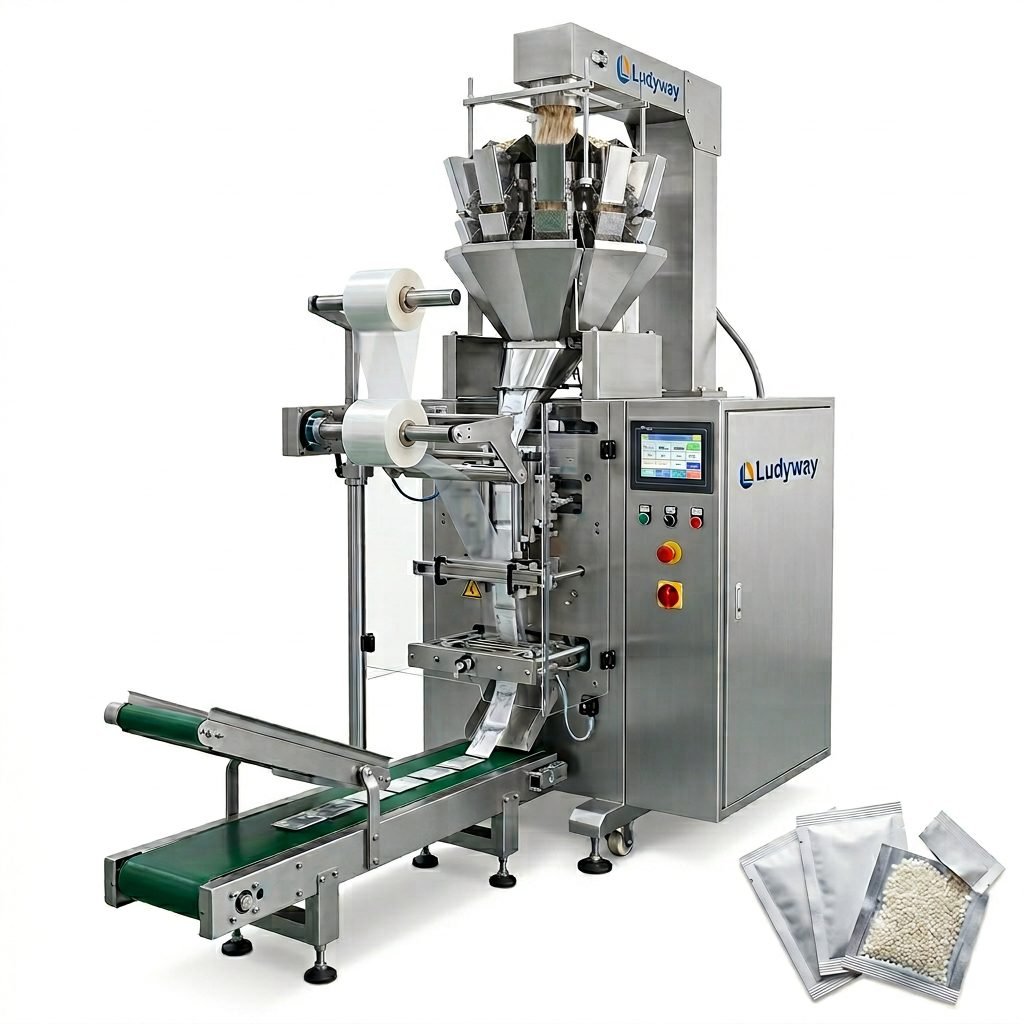
Choosing the right glass bottle packaging machine is one of the most critical decisions a manufacturer can make. Your packaging line directly influences production efficiency, product quality, and long-term operational costs. Whether you are filling beverages, sauces, pharmaceuticals, or cosmetics, selecting the appropriate equipment requires a clear understanding of your product characteristics, production goals, and facility requirements. An informed choice helps avoid costly downtime, material waste, and compliance issues down the road.
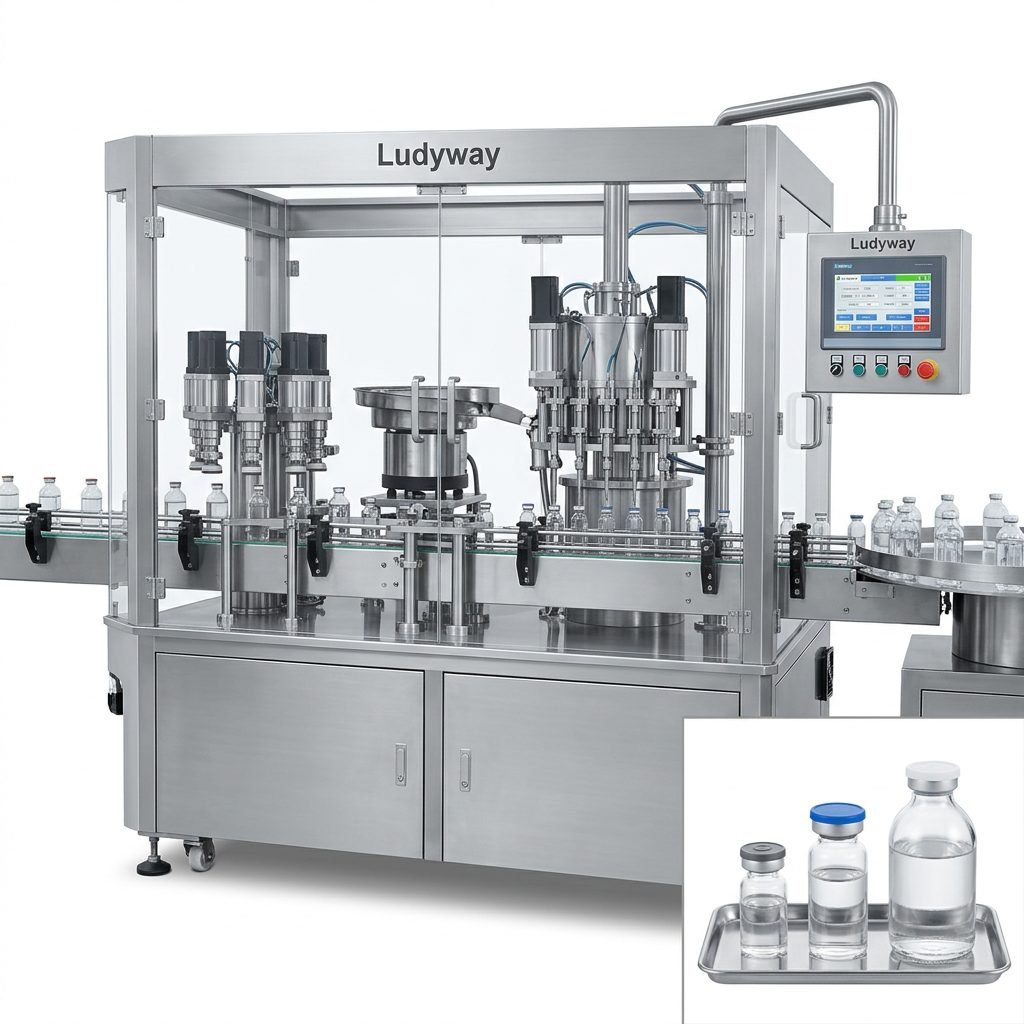
1. Start by Defining Your Production Requirements
Before comparing machine models or suppliers, you need to define what your packaging line must achieve. Key questions to answer include:
- Product viscosity and characteristics: Is your product a free-flowing liquid, a thick paste, a carbonated beverage, or a heat-sensitive pharmaceutical? Different packaging machine manufacturer solutions handle these properties differently.
- Target production speed: How many bottles per minute or per hour do you need to produce? This determines whether a manual, semi-automatic, or fully automatic machine is appropriate.
- Bottle size and shape range: Will you run a single bottle format or multiple sizes? Frequent changeovers require quick-adjust systems.
- Filling accuracy requirements: For high-value products, precise volumetric or gravimetric filling minimizes costly product give-away.
- Cleanliness and hygiene standards: Food, beverage, and pharmaceutical applications demand sanitary machine designs with CIP capabilities and stainless steel construction.
2. Understand the Main Types of Glass Bottle Packaging Machines
Different machine configurations suit different production environments and outputs. The table below summarizes the most common categories:
| Machine Type | Best For | Key Advantage | Limitation |
|---|---|---|---|
| Manual Filling Machines | Small batches, startups | Low initial investment | Labor-intensive, inconsistent speed |
| Semi-Automatic Filling Machines | Medium output, limited budget | Good balance of cost and automation | Requires operator loading/unloading |
| Automatic Inline Filling Systems | High-volume production | Consistent output, minimal labor | Higher capital investment |
| Rotary Filling Monoblocks | Very high speed, integrated lines | Compact footprint, high throughput | Complex setup, higher cost |
3. Match the Filling Technology to Your Product
Not all filling principles work equally well for every liquid. Selecting the wrong technology can lead to dripping, foaming, inaccurate fills, or product degradation. Common filling mechanisms include:
Gravity Filling
Ideal for thin, free-flowing liquids such as water, wine, and certain chemicals. Product flows by gravity from an overhead tank into bottles. Simple and cost-effective, but not suitable for viscous products.
Pressure Filling
Used for carbonated beverages and products requiring counter-pressure to prevent foam. The bottle is pressurized before filling to maintain carbonation levels. Essential for beer, sparkling water, and soft drinks.
Piston Filling
Handles a wide viscosity range, from thin oils to thick pastes, creams, and gels. A piston draws product from a hopper and pushes it into the container. Provides excellent volumetric accuracy, particularly for high-value products.
Peristaltic Pump Filling
Product only contacts the tubing, making this method ideal for pharmaceutical and sterile applications. Easy to clean and validate, with good accuracy for small fill volumes.
Net Weight Filling
Bottles are weighed during filling, providing the highest accuracy regardless of product density variations. Common in high-value and regulated industries where precise weight control is mandatory.
4. Evaluate Capping and Closure Systems
A complete glass bottle packaging machine includes more than just filling. The capping station seals your product and protects it during distribution. Consider which closure types you will use:
- Screw caps (standard and child-resistant)
- Corks (natural and synthetic)
- Roll-on pilfer-proof closures
- Press-on caps and snap lids
- Trigger sprayers and pump dispensers
Torque control is particularly important for glass bottles. Over-tightening can crack the bottle neck, while under-tightening leads to leaks and contamination. Look for capping systems with adjustable torque settings and consistent application.
5. Consider Labeling and Coding Integration
A complete packaging line requires clear product identification. Many manufacturers integrate labeling machines directly into the filling line. Options include wrap-around labels, front-and-back labels, and shrink-sleeve applicators. Additionally, date coding and batch numbering systems are essential for traceability and regulatory compliance. Thermal inkjet, laser, and hot stamp coders are common choices depending on the surface material and production speed.
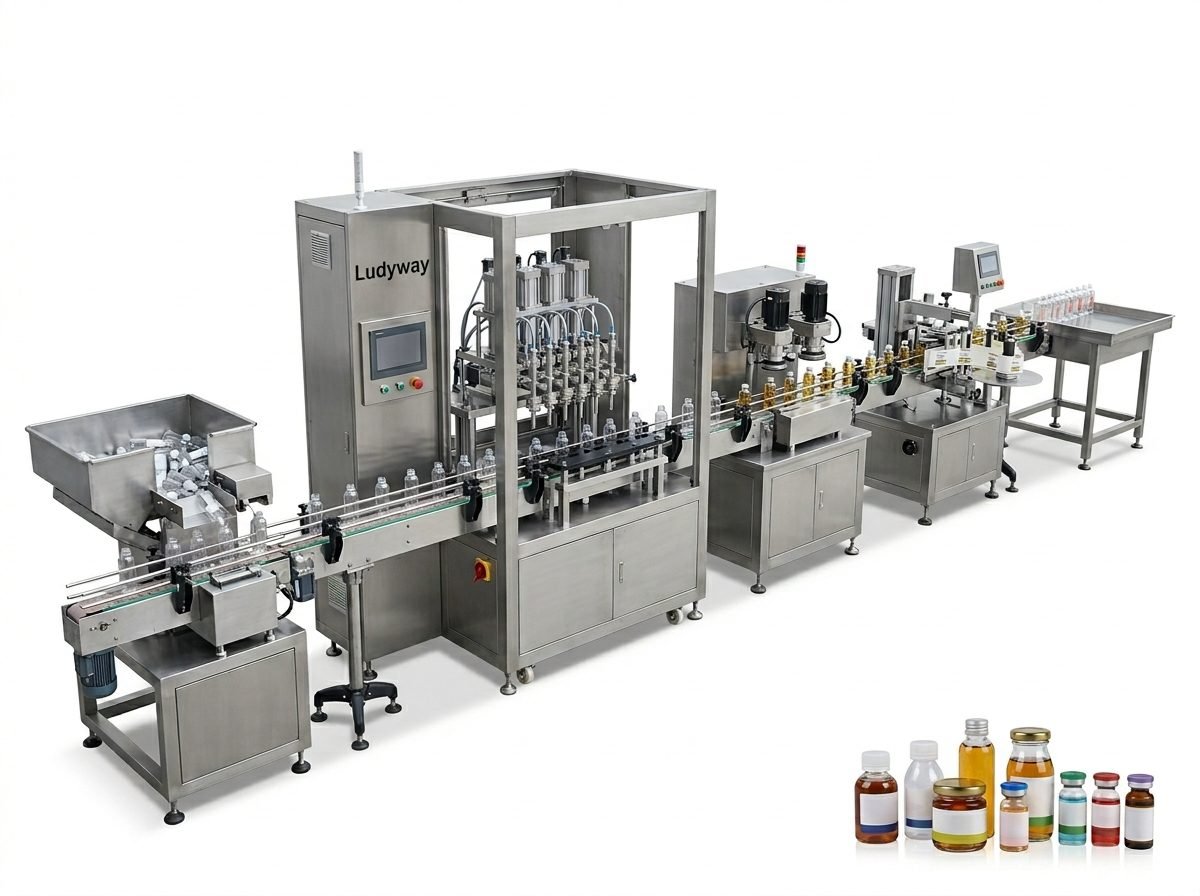
6. Material Construction and Machine Durability
The materials used in your packaging machine directly affect product safety and equipment longevity. Stainless steel construction is standard for food, beverage, and pharmaceutical applications because it resists corrosion and facilitates cleaning. Machines with painted carbon steel frames may be acceptable for non-food industrial chemicals but generally do not meet sanitary standards. Key construction considerations include:
- Product contact parts: Should be 304 or 316 stainless steel, FDA-approved plastics, or food-grade elastomers.
- Frame and structure: Heavy-duty frames reduce vibration and maintain alignment at high speeds.
- Seals and gaskets: Viton, PTFE, and EPDM materials withstand aggressive cleaning chemicals and product formulations.
- Protection ratings: IP65 or higher ratings for washdown environments protect electrical components.
7. Automation Level and Control Systems
Modern glass bottle packaging machines use PLC control systems with HMI touchscreens for intuitive operation. Advanced features to look for include:
- Recipe management: Store and recall settings for different products and bottle sizes.
- No-bottle-no-fill sensors: Prevent product waste and mess when bottles are missing.
- Automatic fault detection: Alarms and system stops when errors occur, reducing damaged product.
- Data logging and reporting: Track production metrics, downtime, and quality parameters.
- Remote diagnostics capability: Allows technicians to troubleshoot issues without an on-site visit.
8. Space, Layout, and Facility Integration
Measure your available floor space carefully before selecting a machine. A linear inline system requires a longer, narrower footprint, while a rotary monoblock is more compact but taller. Consider how the machine connects to upstream bottle unscramblers and downstream labeling, cartoning, or palletizing equipment. Adequate clearance for maintenance access, bottle infeed, and operator movement should be factored into your layout planning.
Additionally, assess your utility requirements. Most machines require compressed air, electrical power, and sometimes water or steam for cleaning systems. Confirm that your facility can supply these utilities at the required specifications.
9. Cost Considerations Beyond the Purchase Price
The initial machine price is only one component of total cost of ownership. Make sure to evaluate:
- Installation and commissioning: Freight, rigging, and technician time for setup.
- Training costs: Operator and maintenance staff training to ensure safe, efficient operation.
- Change parts: Additional bottle sizes, cap types, and fill volume ranges require dedicated changeover components.
- Scheduled maintenance and spare parts: Budget for wear items such as seals, gaskets, belts, and nozzles.
- Downtime risk: A slightly more expensive but more reliable machine can pay for itself by reducing production interruptions.
10. Supplier Support, Service, and Spare Parts
Choosing the right equipment is only half the equation. The supplier you work with should provide reliable technical support long after the installation is complete. Verify the supplier’s service capabilities by asking the following questions:
- Do they offer remote technical support and on-site service if needed?
- Is there a local distributor or service partner in your country or region?
- How quickly can they supply spare parts and what is their parts inventory policy?
- What training documentation, videos, or manuals do they provide?
- What is the standard warranty period and what does it cover?
Working with an experienced supplier helps reduce risk throughout the project. Ludyway Machinery provides packaging equipment and engineering support to manufacturers in more than 100 countries, with technical assistance available from machine selection through installation, commissioning, and after-sales service.

11. Regulatory Compliance and Industry Standards
Depending on your industry and target markets, your packaging equipment may need to comply with specific standards. Pharmaceutical applications often require adherence to FDA food packaging regulations, cGMP guidelines, and ISO packaging standards. Food and beverage manufacturers should consider PMMI industry standards and any local food safety regulations. Discuss your compliance requirements with potential suppliers early in the selection process to confirm that the equipment can meet the necessary specifications.
12. Testing and Validation Before Final Decision
Whenever possible, arrange to test your product on the machine before making a final purchase. Factory acceptance testing (FAT) allows you to verify filling accuracy, speed, cap torque, and overall handling using your actual product and bottles. If an in-person visit is not feasible, ask for video demonstrations or remote testing options. A reputable supplier will be willing to demonstrate their machine’s performance with your specific application.
Summary: 7-Step Selection Framework
To simplify the decision process, use the following step-by-step framework:
| Step | Action | Key Consideration |
|---|---|---|
| 1 | Define product type and viscosity | Determines filling technology |
| 2 | Calculate required production speed | Sets automation level |
| 3 | List bottle sizes and closure types | Determines changeover requirements |
| 4 | Identify regulatory standards | Ensures material and design compliance |
| 5 | Evaluate supplier experience and support | Reduces long-term risk |
| 6 | Calculate total cost of ownership | Includes maintenance, parts, downtime |
| 7 | Test your product on the machine | Validates performance before purchase |
Selecting the right glass bottle packaging machine is a strategic investment that affects your entire production operation. By systematically evaluating your product needs, understanding available technologies, and partnering with a capable supplier, you can build a packaging line that delivers efficiency, product quality, and reliable performance for years to come.
Related Resources: PMMI Business Intelligence · FDA Food Contact Substances · Ludyway Packaging Machinery Global Growth Report