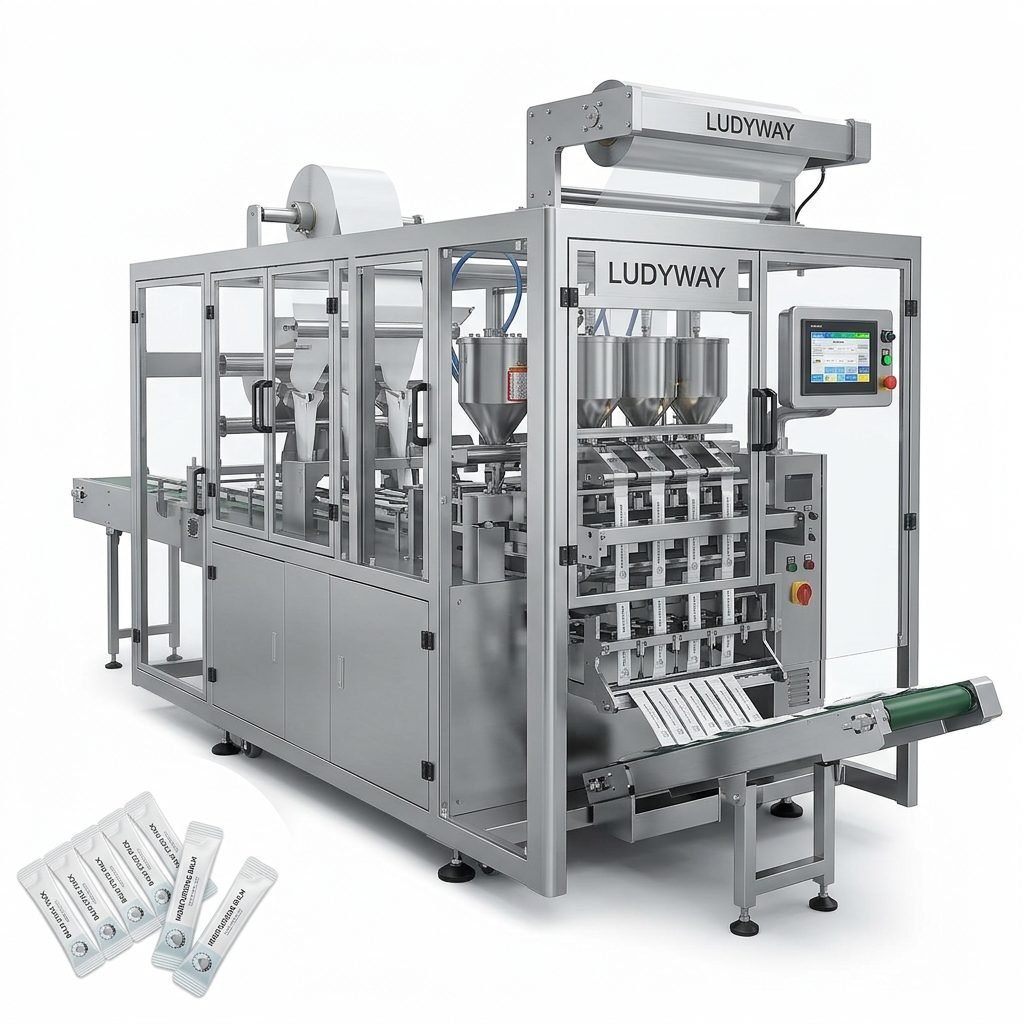
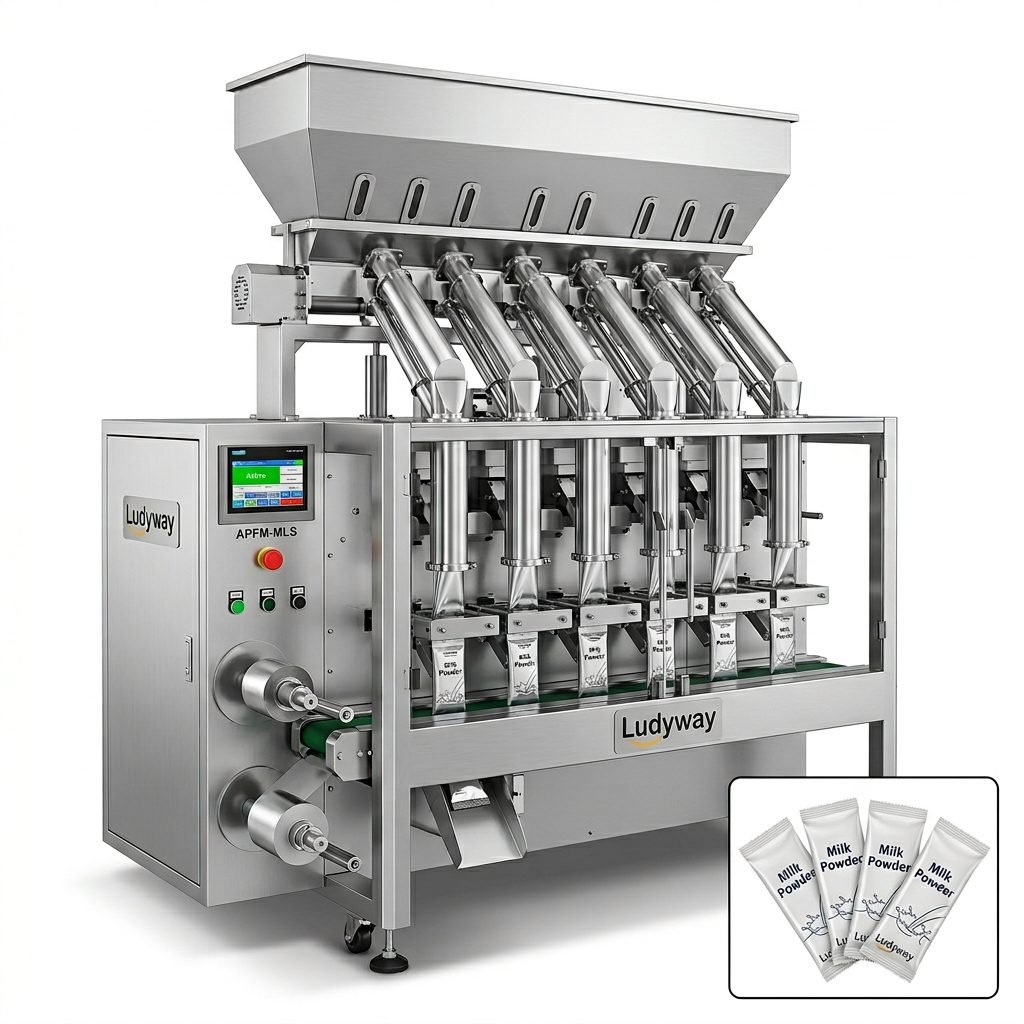
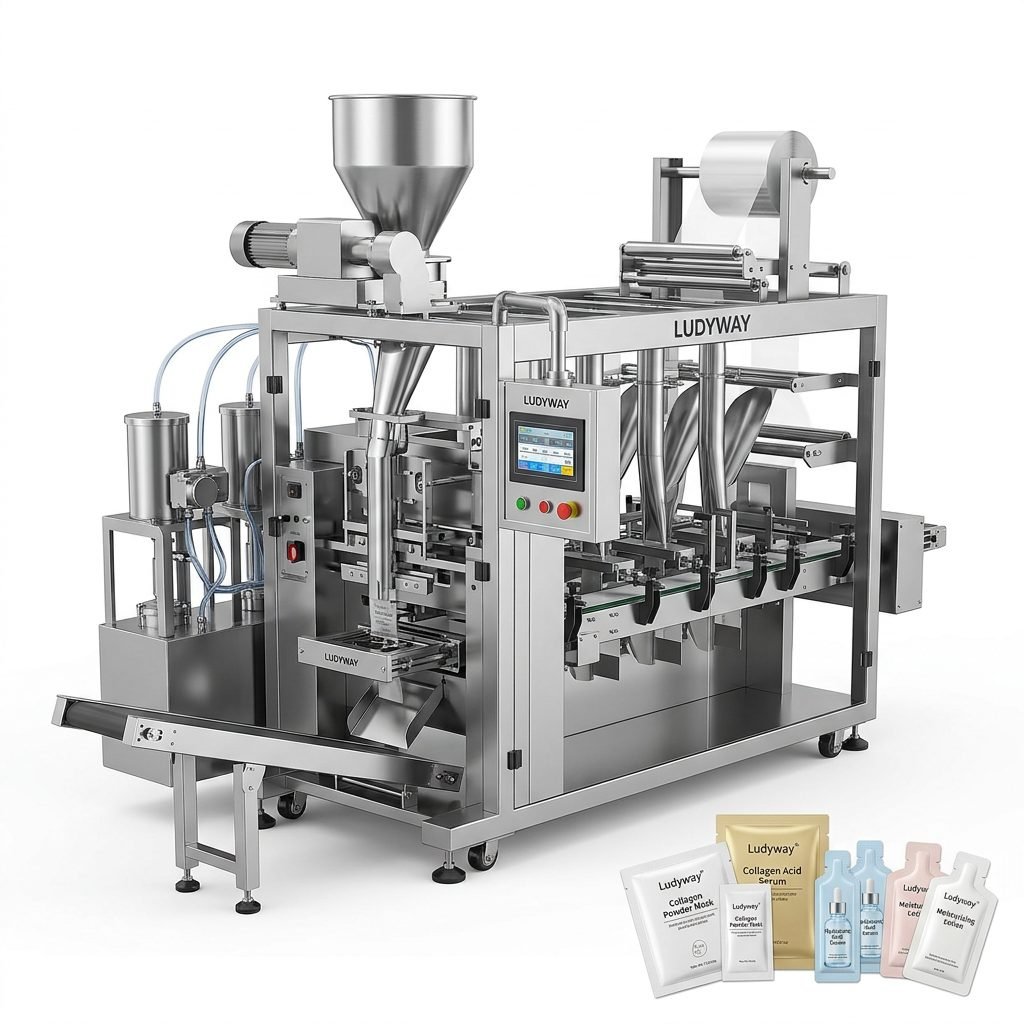
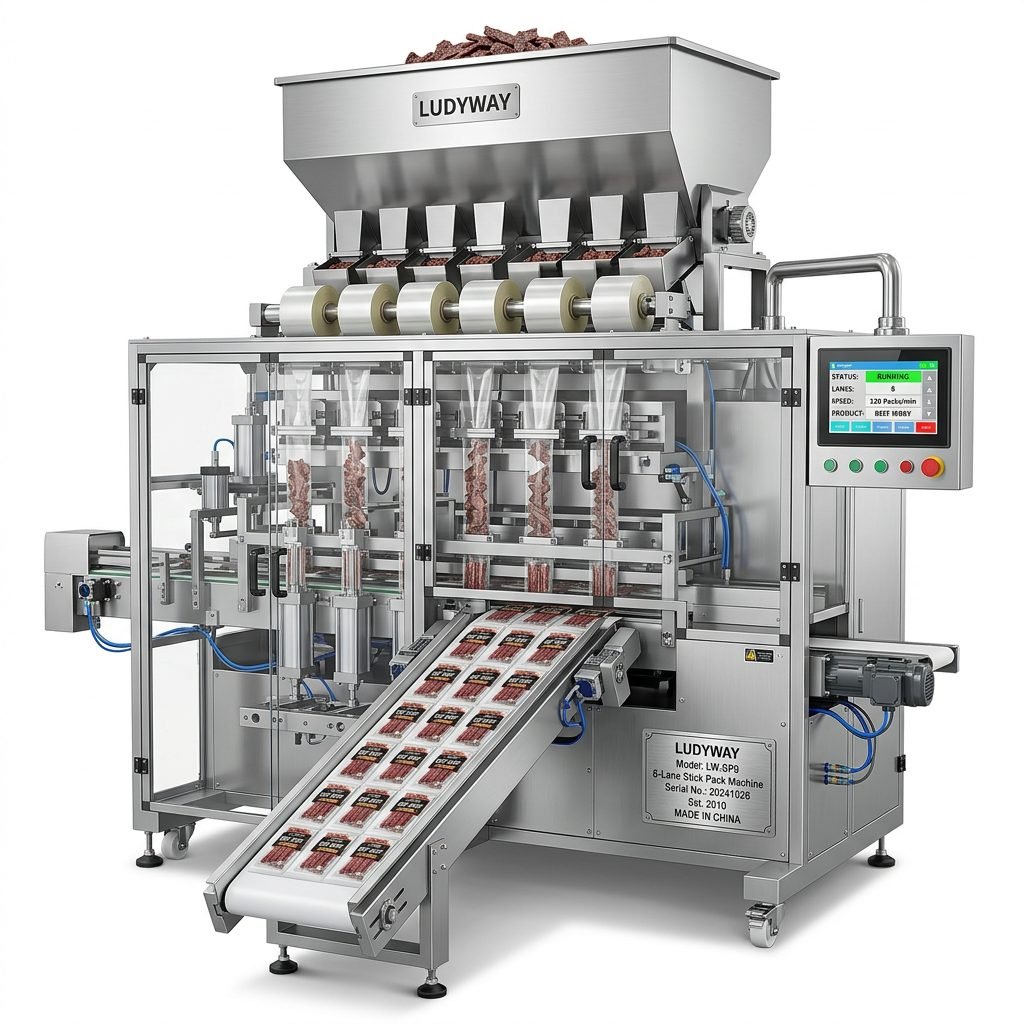
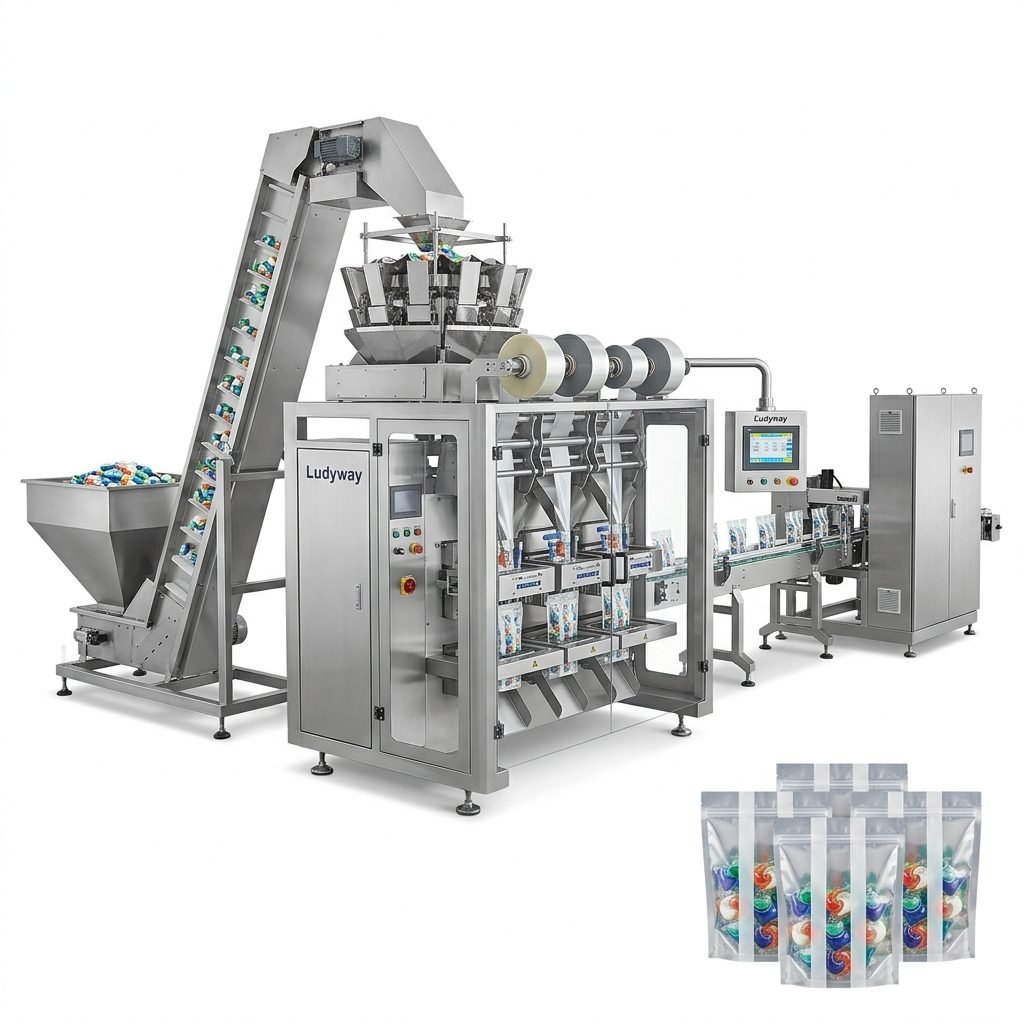
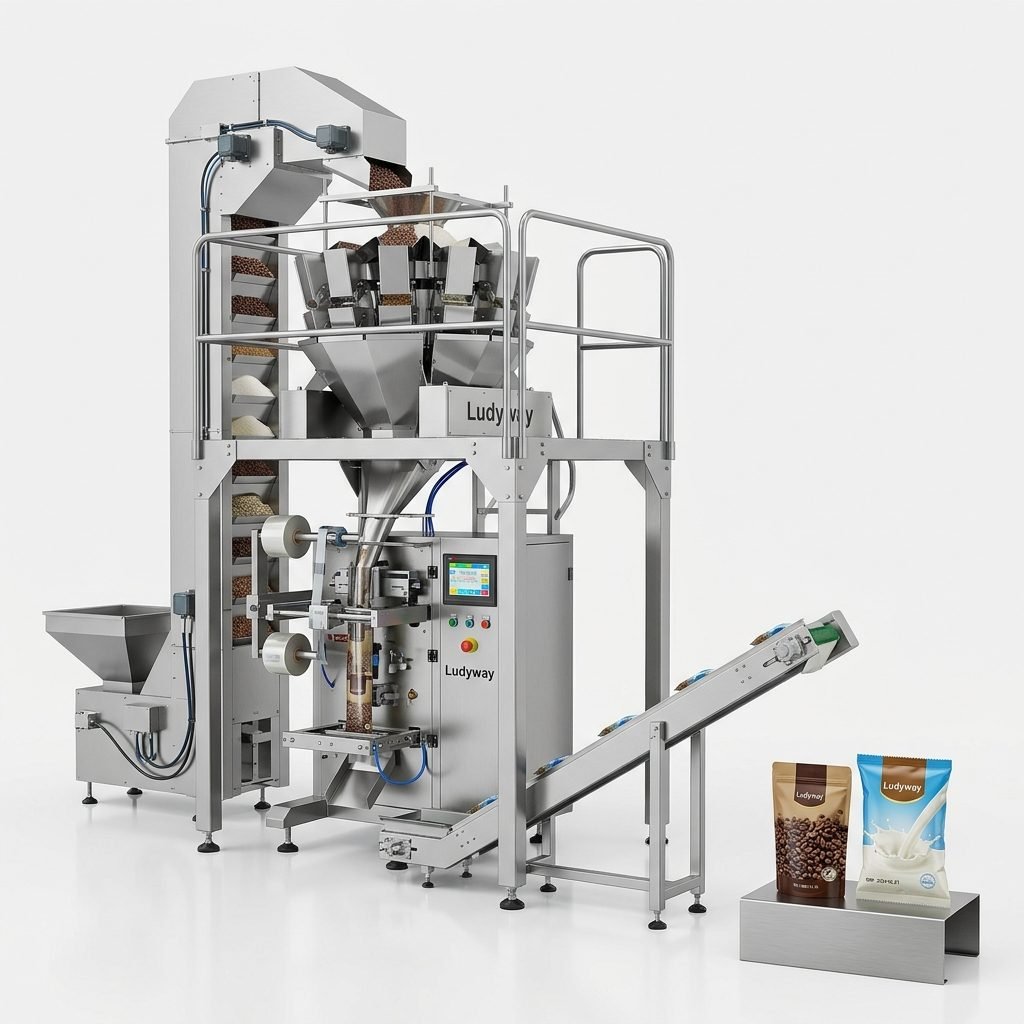
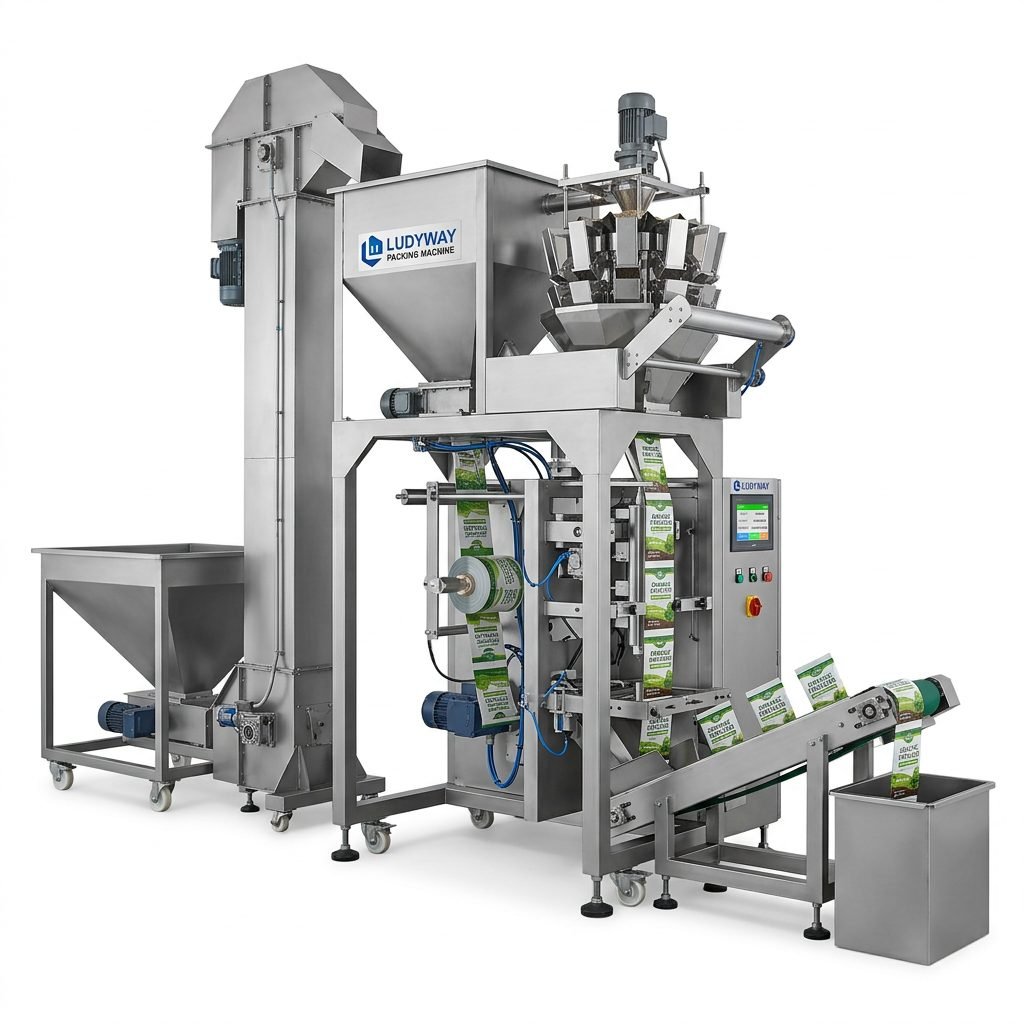
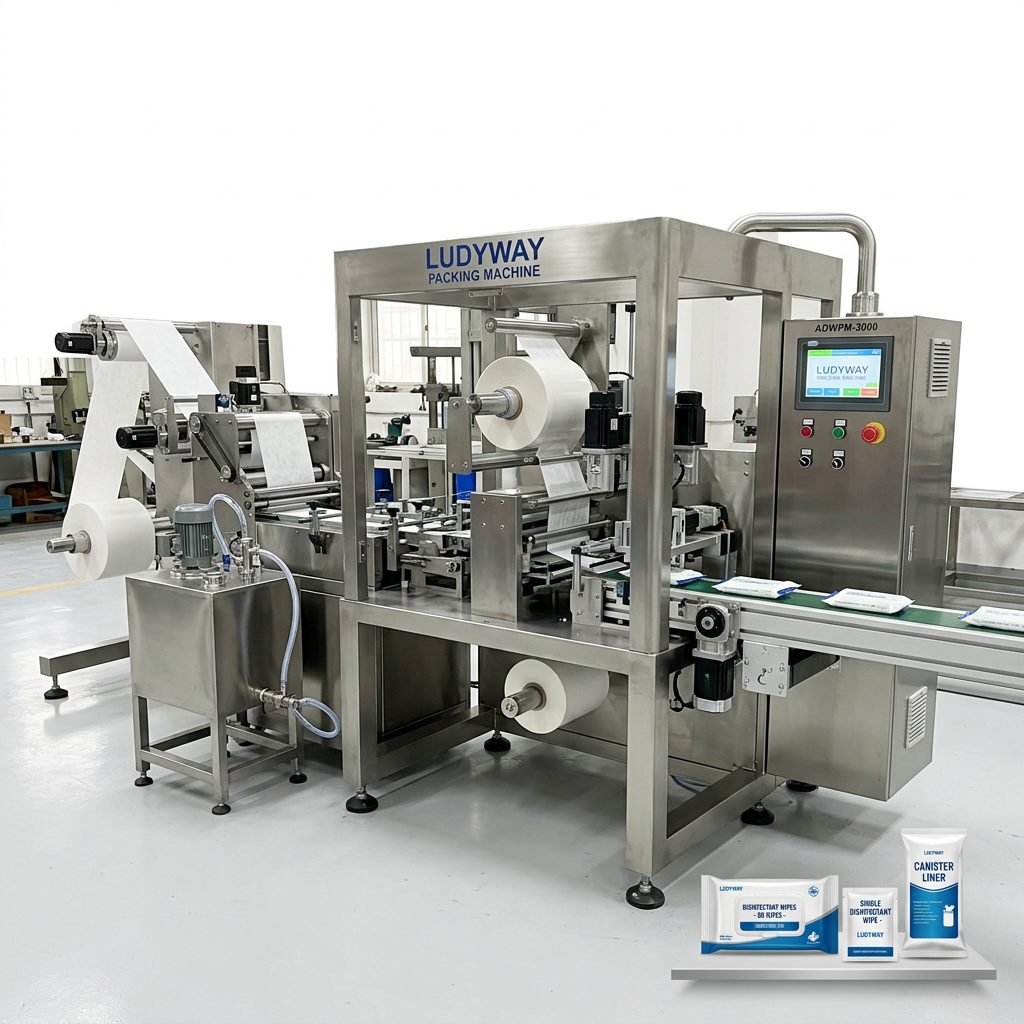
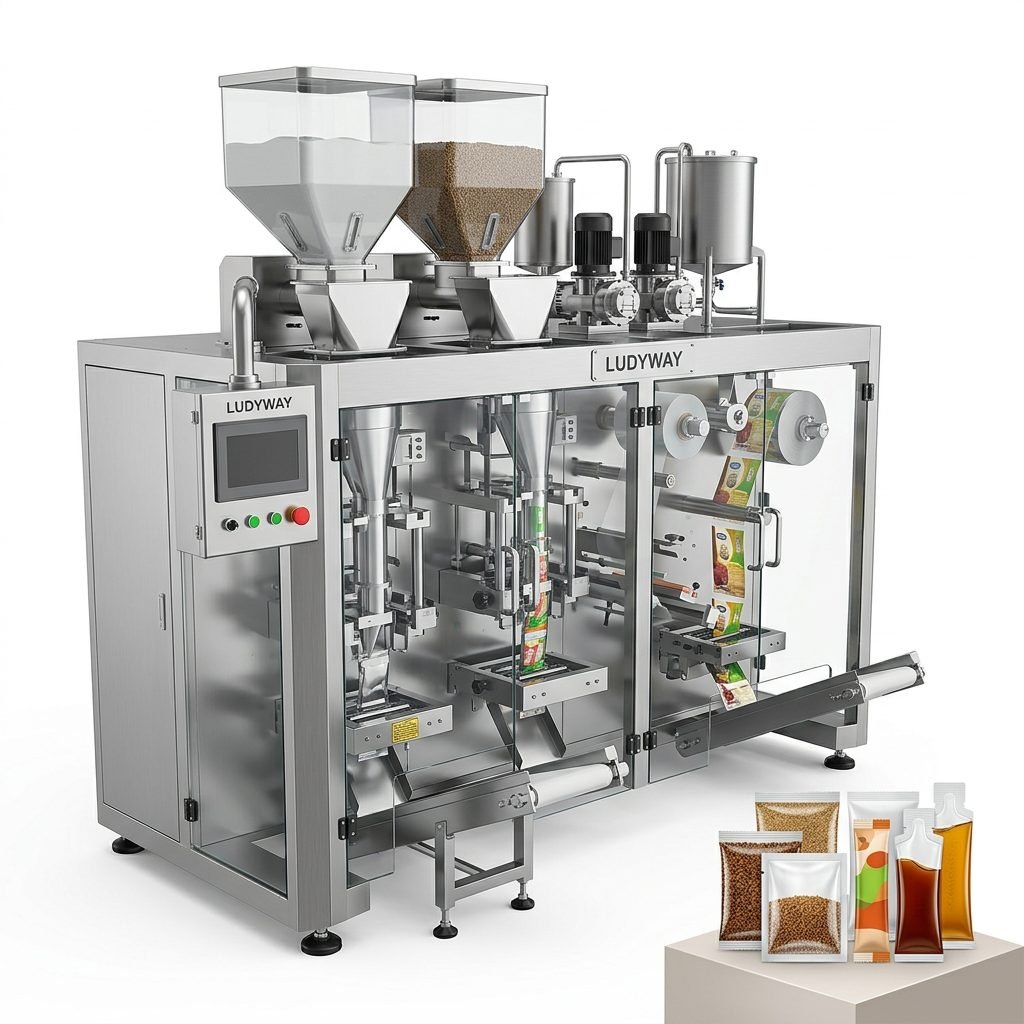
Stick pack machines can range from about $8,000 to over $250,000, depending on machine type, speed, lane count, product characteristics, automation level, and whether you need a standalone unit or a complete packaging line. For most buyers, the real question is not just “What is the machine price?” but “What configuration fits my production target, product type, and budget?”
In this guide, you’ll find realistic price ranges, key cost drivers, hidden expenses, and practical buying advice to help you compare options with more confidence.
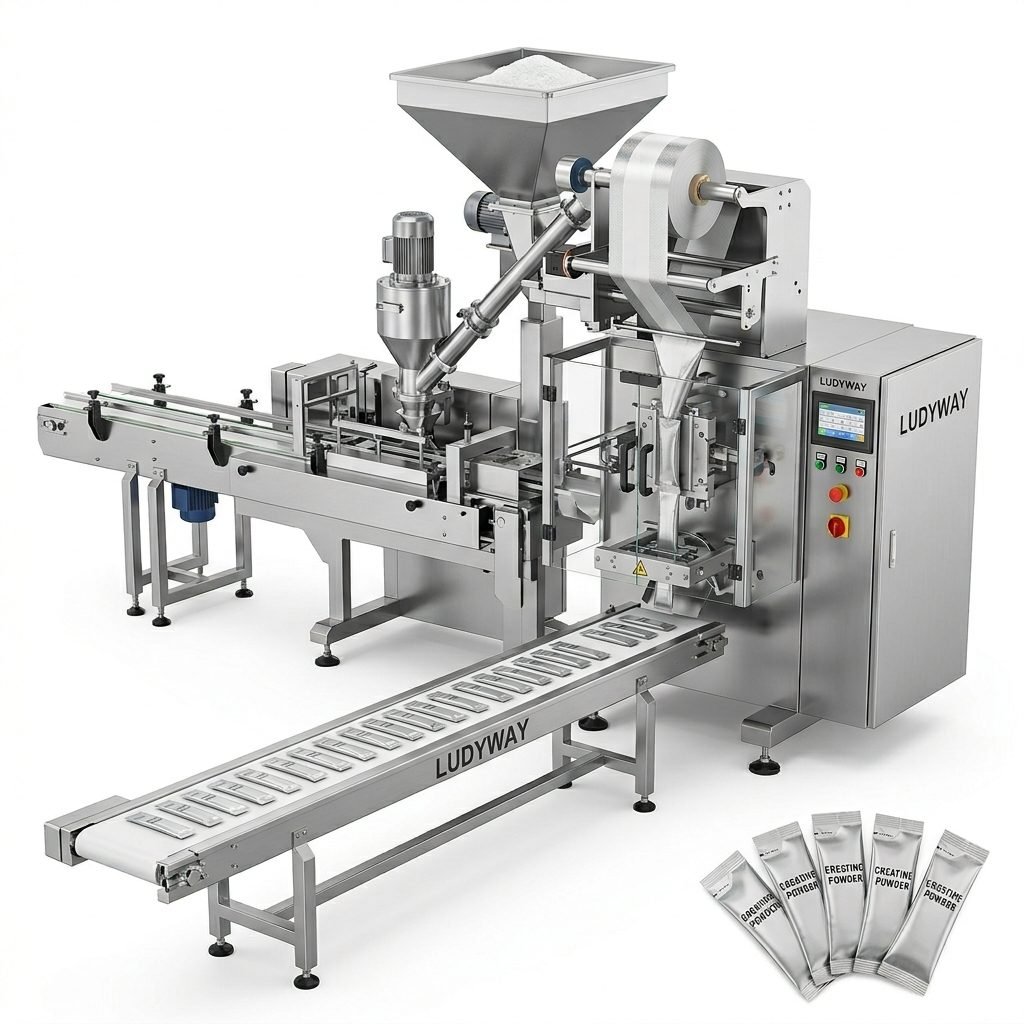
Typical Stick Pack Machine Price Range
The table below shows a practical market overview for different equipment levels. Actual quotations may vary based on material, electrical brand, dosing system, package size, and customization.
| Machine Type | Estimated Price | Best For |
|---|---|---|
| Entry-level single-lane stick pack machine | $8,000–$25,000 | Startups, pilot production, low-output packaging |
| Standard single-lane automatic machine | $20,000–$45,000 | Food powders, granules, small-batch consumer products |
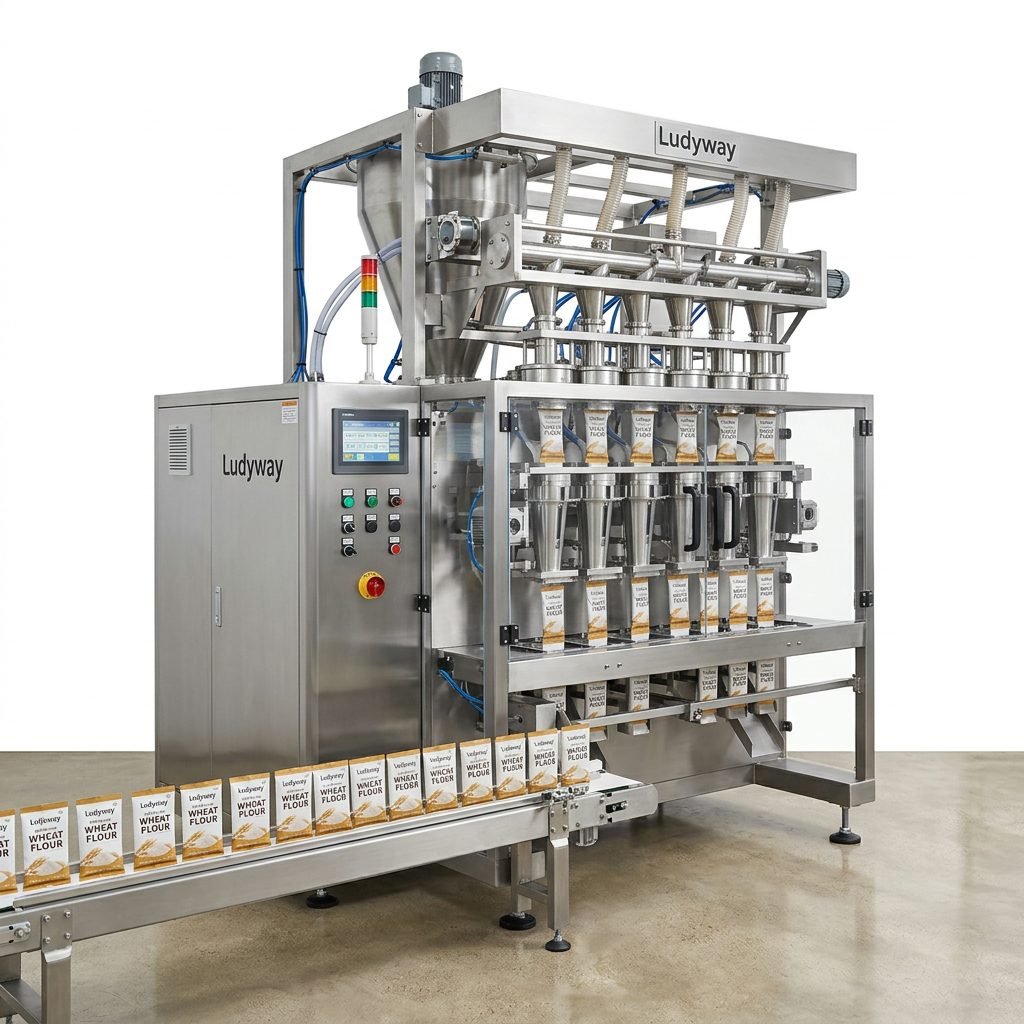
| 2–4 lane stick pack machine | $35,000–$80,000 | Growing brands needing higher throughput |
| 5–8 lane high-speed machine | $70,000–$150,000 | Medium to large factories, supplement and beverage powder lines |
| 10+ lane fully automatic machine | $120,000–$250,000+ | High-volume industrial production |
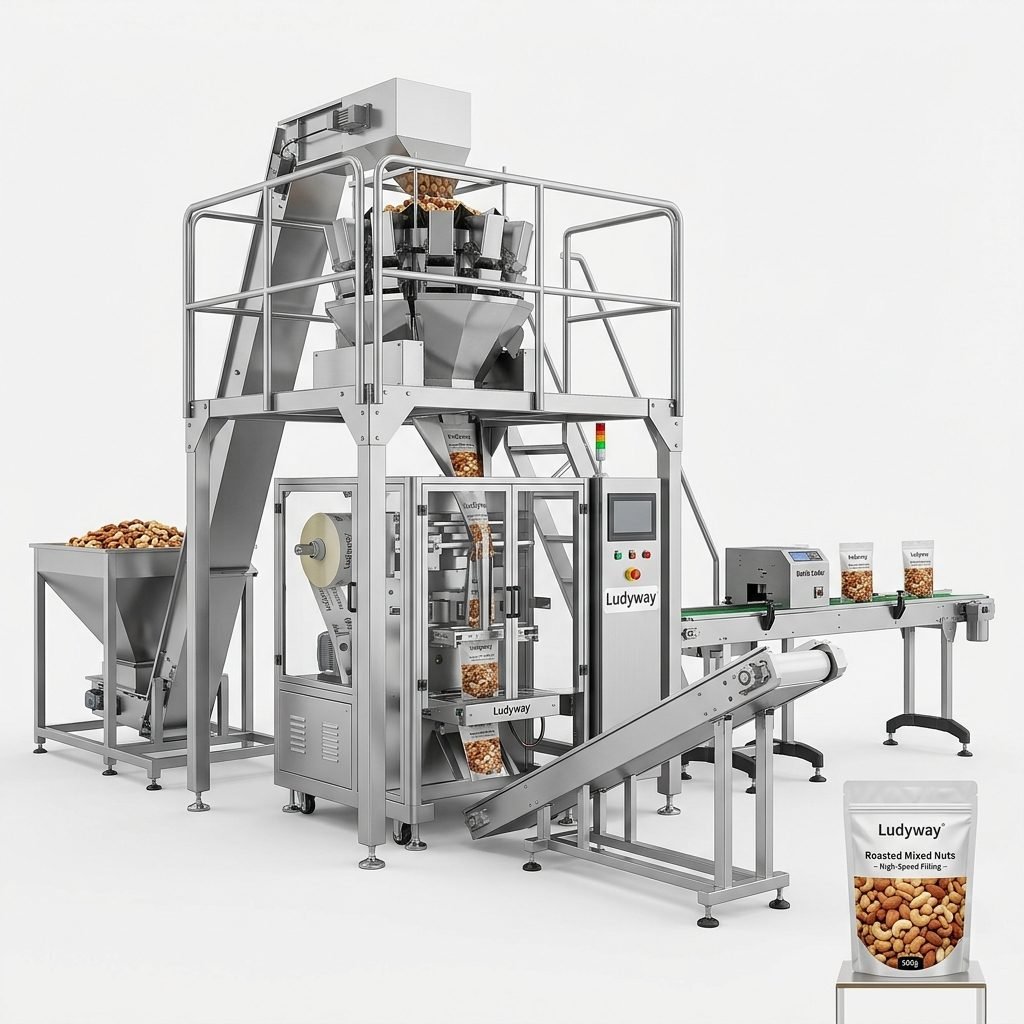
| Turnkey stick pack production line | $180,000–$500,000+ | Factories needing feeding, packing, coding, cartoning, checkweighing and end-of-line integration |
Quick takeaway: if you are buying only the main machine, many projects fall in the $30,000–$120,000 range. If you are building a high-speed automated line, total investment rises much further.
What Affects the Cost of a Stick Pack Machine?
The biggest price difference comes from configuration. Two machines may look similar in photos but differ greatly in speed, accuracy, durability, and long-term operating cost.
1. Number of Lanes
A single-lane model is simpler and cheaper. A multi-lane machine can produce several stick packs at the same time, which significantly increases output but also raises mechanical complexity, control requirements, and tooling cost.
- 1 lane: lower investment, lower speed
- 2–4 lanes: balanced choice for growing production
- 5–12 lanes: high output, higher upfront cost
2. Product Type
Different products require different dosing technologies:
- Powders: auger filler
- Granules: volumetric cup or weighing system
- Liquids: piston pump or liquid pump system
- Pastes/gels: servo pump or high-viscosity filler
Sticky, dusty, corrosive, or difficult-flow materials usually increase machine cost because they need more specialized design.
3. Packaging Material and Film Handling
Machines running standard laminated films often cost less than those designed for recyclable materials, specialty barrier films, or strict seal consistency requirements. Film tracking precision and sealing quality are especially important for pharmaceutical and nutraceutical applications.
4. Output Speed
Higher speed usually means stronger frame design, better servo systems, improved sealing stations, more stable tension control, and more advanced PLC programming. Faster output almost always increases price.
5. Accuracy Requirements
If your product is high value, such as collagen, probiotics, medical powders, or specialty supplements, tight fill accuracy can reduce giveaway and improve margin. Precision costs more upfront, but it may save money long term.
6. Compliance and Quality Standards
Machines for food and pharmaceutical sectors may require:
- 304 or 316L stainless steel contact parts
- GMP-oriented design
- CE certification
- FDA-compliant contact materials
- Validation documents and testing support
These add value but can also increase initial cost.
Stick Pack Machine Prices by Product Application
| Application | Common Configuration | Estimated Price Range |
|---|---|---|
| Sugar, salt, coffee, seasoning | Granule/powder stick pack machine | $20,000–$90,000 |
| Protein powder, collagen, electrolytes | Multi-lane auger filler machine | $35,000–$150,000 |
| Liquid drinks, syrups, oils | Liquid stick pack filling and sealing machine | $30,000–$140,000 |
| Creams, gels, cosmetics | Servo pump or paste filler system | $35,000–$160,000 |
| Pharmaceutical powders and granules | High-precision, hygienic multi-lane machine | $60,000–$200,000+ |
Hidden Costs Buyers Often Miss
The quoted machine price is only one part of your budget. Many buyers underestimate the full installed cost.
Common additional costs include:
- Shipping and freight
- Import duty and local taxes
- Installation and commissioning
- Operator training
- Air compressor and utilities
- Spare parts package
- Tooling change parts for multiple pack sizes
- Coding, cartoning, checkweighing, metal detection
- Factory layout adjustments
A good rule: add 10% to 35% beyond the base machine price for total project budgeting, depending on scope and destination.
Should You Buy Cheap, Mid-Range, or Premium?
Budget Machines
These may work for startups or simple low-volume projects. However, buyers should pay close attention to stability, sealing consistency, spare parts access, and after-sales support.
Mid-Range Machines
This is often the best value segment. Buyers get better servo control, more reliable components, improved output, and stronger manufacturer support without moving into the highest capital level.
Premium Machines
Best for regulated sectors, very high-volume production, or applications where downtime is costly. These systems often justify their price through speed, durability, lower waste, and long-term consistency.
Cost Comparison: Standalone Machine vs Turnkey Line
| Option | Lower Initial Cost? | Higher Automation? | Best Use Case |
|---|---|---|---|
| Standalone stick pack machine | Yes | Moderate | Simple production or line upgrades |
| Integrated turnkey line | No | High | Factories planning scale, labor savings, and full automation |
If you expect production growth, a turnkey solution can be more economical over time because it reduces mismatched equipment, manual handling, and future retrofit costs.
How to Get an Accurate Quotation
To avoid vague pricing, prepare the following before contacting a supplier:
- Product type: powder, granule, liquid, paste, gel
- Target stick pack size and fill weight
- Required output per minute
- Film type and thickness
- Need for date coding, cartoning, checkweighing, or conveyors
- Voltage and electrical standard
- Industry requirements such as food-grade or pharma compliance
- Whether you need standard equipment or custom design
The more complete your project details are, the more precise your quote will be.
How to Judge Value Beyond Price
When comparing suppliers, do not focus only on the initial quote. A lower price can become expensive if the machine causes product waste, downtime, poor seal quality, or limited service support.
Ask these questions before buying:
- What is the real tested speed for my product?
- What filling accuracy can be achieved?
- Which brands are used for PLC, servo, and electrical parts?
- How long is lead time?
- Are FAT videos or sample tests available?
- What spare parts are included?
- How is technical support handled after delivery?
- Can the machine run future pack sizes or new products?
Who Usually Buys Which Price Level?
| Buyer Type | Typical Budget | Recommended Direction |
|---|---|---|
| Startup brand | $8,000–$35,000 | Single-lane or compact automatic model |
| Growing SME manufacturer | $30,000–$90,000 | 2–4 lane machine with upgrade potential |
| Established food or supplement factory | $70,000–$180,000 | 5–8 lane high-speed machine |
| Large industrial group | $150,000–$500,000+ | Turnkey automated line with integrated end-of-line equipment |
Choosing a Reliable Manufacturer
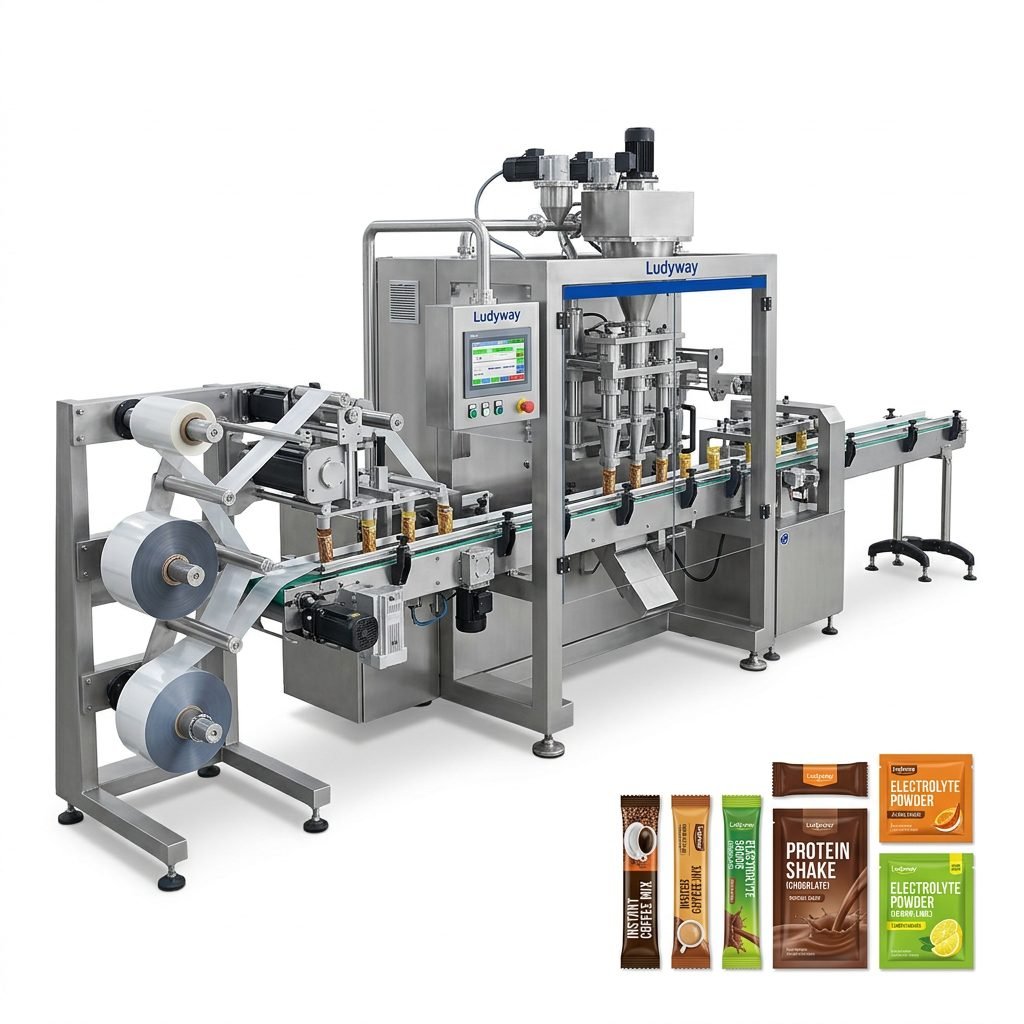
A trusted manufacturer should offer more than just machinery. You should also look for engineering capability, customization experience, export support, and long-term service. For buyers seeking stick pack machines, sachet machines, and complete automated lines, Ludyway packaging machine solutions are often considered for food, pharmaceutical, health supplement, chemical, and related applications thanks to broad machine coverage and turnkey integration ability.
Final Buying Tips
- Define your required output before asking for price
- Match the machine to your product flow characteristics
- Budget for installation, spare parts, and add-ons
- Prioritize stability and service, not just low cost
- Think about future expansion when selecting lane count and automation level
FAQ
Is a used stick pack machine worth buying?
It can be, but only if you verify condition, compatibility, spare parts availability, and control system age. Used machines may look cheaper but can create maintenance and downtime risks.
What is the best price range for most small to medium buyers?
For many SMEs, the most practical range is $30,000 to $90,000, where you can often find automatic machines with good reliability and useful output.
Why do multi-lane machines cost so much more?
They include more forming tubes, sealing stations, dosing synchronization, servo control, and precision engineering. The higher productivity usually justifies the higher capital cost.
Can one machine handle powders, granules, and liquids?
Usually not efficiently with a single dosing system. Some machines can be adapted, but most buyers get better results by choosing a machine optimized for their main product type.
How long does it take to recover the investment?
This depends on labor savings, output increase, waste reduction, and product margin. In many cases, well-matched automatic machines can achieve payback within 1 to 3 years.