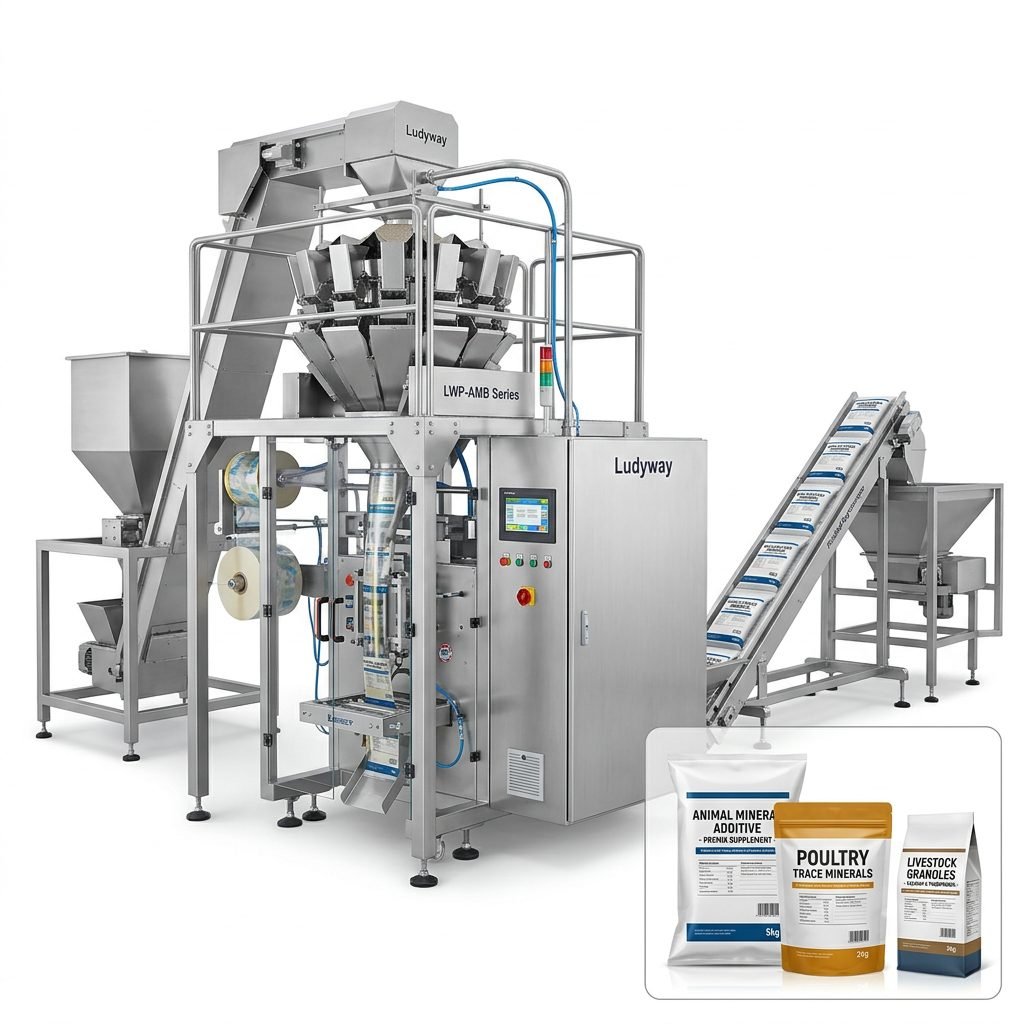
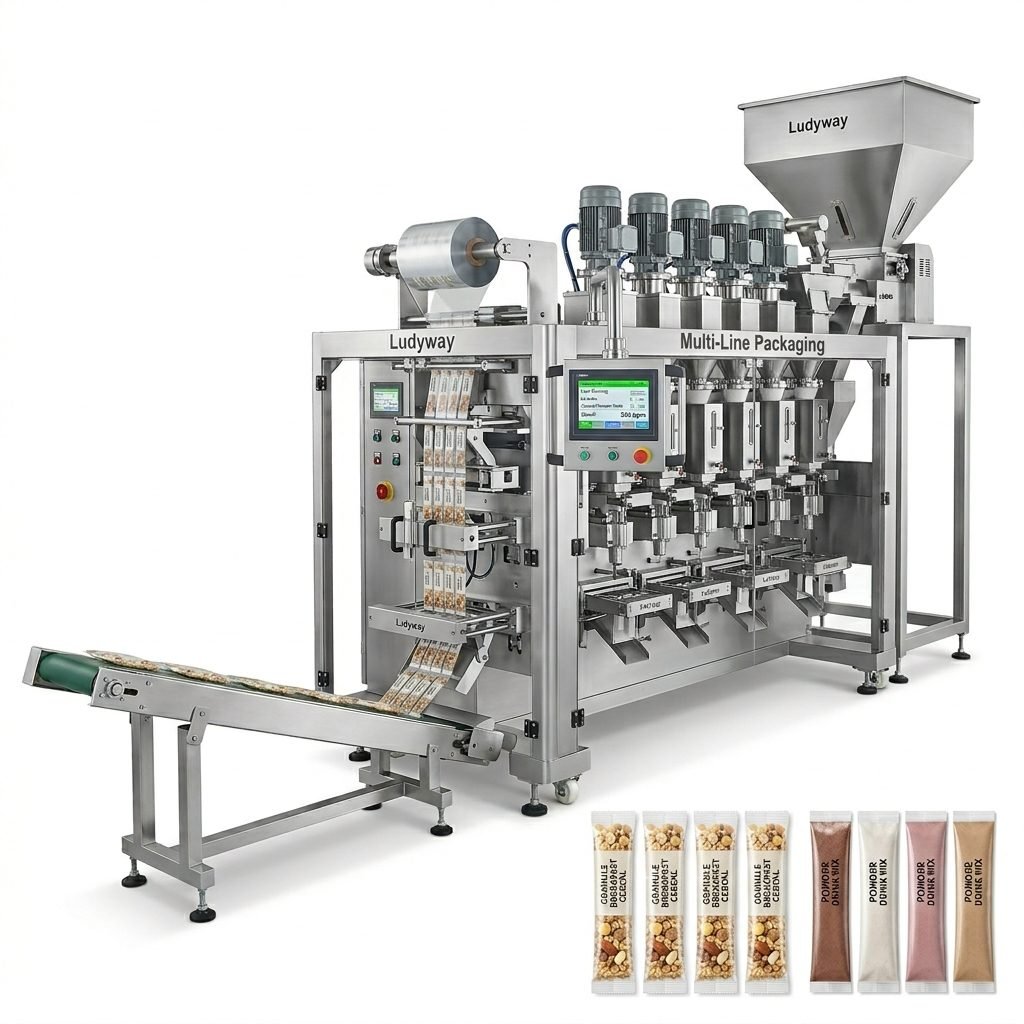
Selecting the right glass packing machine is a critical decision that directly impacts production efficiency, product safety, and long-term operational costs. Whether you are packaging beverages, pharmaceuticals, cosmetics, or food products, glass containers present unique handling challenges that demand specialized equipment. This guide walks you through the essential factors to evaluate before making your investment.
Understanding the Unique Demands of Glass Packaging
Glass is inherently fragile, heavier than plastic, and requires precise handling to prevent breakage, scratching, or contamination. Unlike flexible packaging or plastic containers, glass packaging machinery must incorporate features such as:
- Controlled conveyor systems with minimized vibration and gentle transfer points
- Precision filling nozzles designed to avoid contact with glass rims and prevent drips
- Enhanced safety mechanisms including shatter containment and emergency stop protocols
- Compatibility with sterilization processes for industries requiring aseptic or hot-fill conditions
Key Types of Glass Packing Machines
Different production scales and product types require different machine configurations. The table below outlines the most common categories:
| Machine Type | Best For | Key Advantage |
|---|---|---|
| Manual / Semi-Automatic Filling Machines | Small-batch production, startups, artisan products | Lower initial investment, flexibility for multiple formats |
| Fully Automatic Monoblock Systems | Medium to high-volume beverage, spirits, and sauce bottling | Integrated rinsing, filling, and capping in one compact unit |
| Aseptic Filling Lines | Pharmaceutical injectables, premium beverages with extended shelf life | Sterile processing environment, compliance with stringent hygiene standards |
| Rotary Filling Machines | High-speed liquid bottling exceeding 20,000 bottles per hour | Continuous motion for maximum throughput and accuracy |
Critical Factors to Evaluate Before Purchasing
Production Speed and Capacity Requirements
Your current and projected output volumes should dictate the speed class of your glass packing machine. Over-investing in speed you do not need wastes capital, while underestimating capacity requirements can bottleneck your entire production line. Consider shift patterns, seasonal peaks, and future growth plans when specifying bottles per hour (BPH) targets.
Container Compatibility and Changeover Flexibility
Modern production lines often handle multiple bottle shapes, sizes, and neck finishes. Evaluate whether the machine supports quick, tool-less changeovers between formats. Key specifications to review include:
- Minimum and maximum bottle diameter and height ranges
- Neck finish compatibility (screw thread, cork, crown cap, snap-on)
- Changeover time and the number of operators required
- Availability of format parts for future container designs
Filling Technology and Accuracy
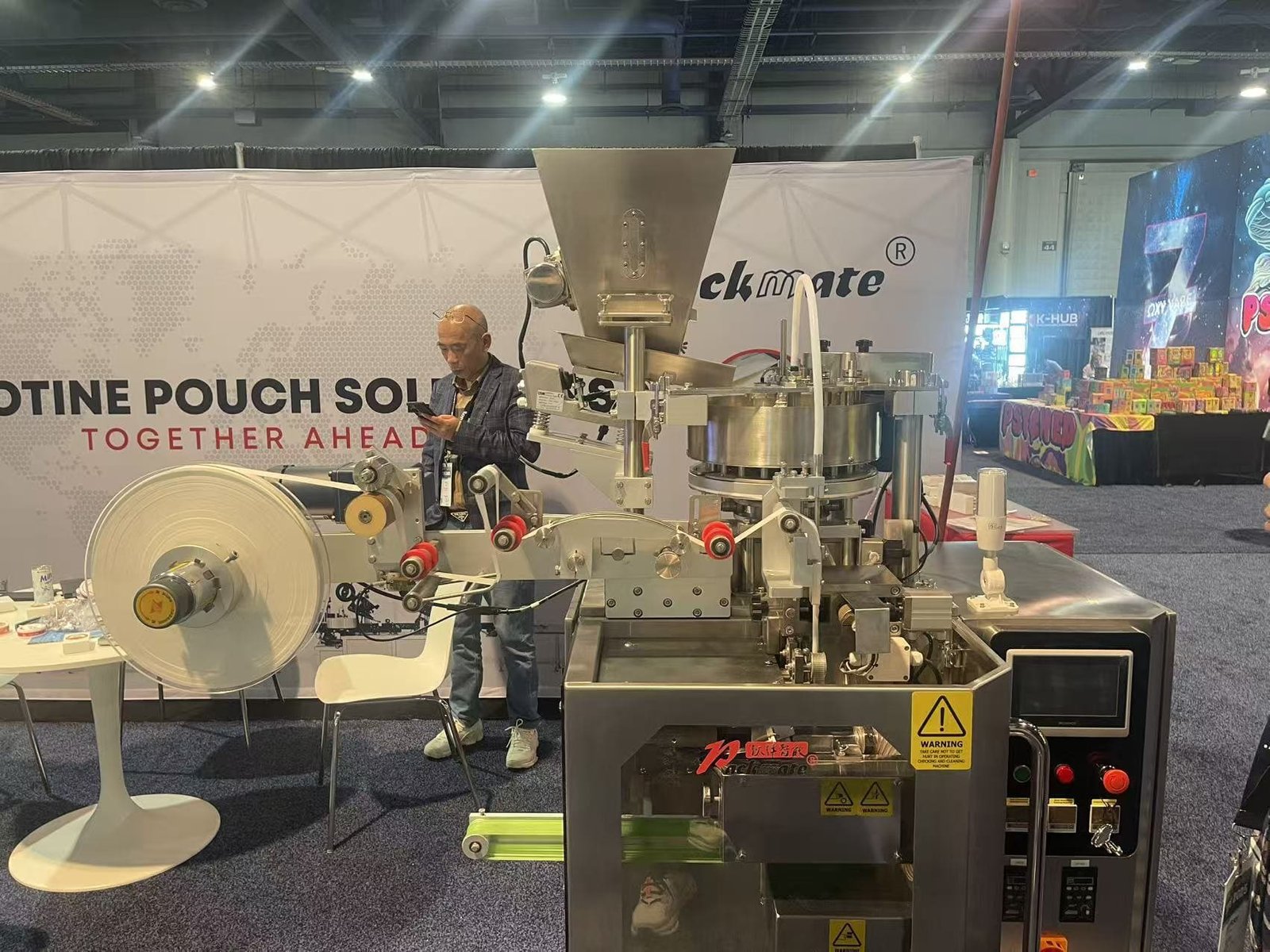
The filling mechanism must match your product’s physical characteristics. Volumetric piston fillers suit viscous liquids like syrups and creams, while gravity or pressure-gravity fillers work well for free-flowing liquids such as water, wine, and spirits. For foaming products or those requiring inert gas protection, specialized nozzles and environment control are essential. Filling accuracy tolerances should align with ISO packaging standards and local regulatory requirements.
Hygienic Design and Cleanability
For food, beverage, and pharmaceutical applications, the machine’s hygienic design is non-negotiable. Look for:
- Stainless steel construction with food-grade contact surfaces (AISI 304 or 316L)
- Sloped surfaces and minimal horizontal areas to prevent liquid pooling
- CIP (Clean-in-Place) compatible designs for automated sanitation
- Compliance with FDA food packaging regulations where applicable
Integration with Existing and Future Line Equipment
A glass packing machine rarely operates in isolation. It must seamlessly connect with upstream bottle unscramblers or depalletizers and downstream cappers, labelers, inspection systems, and packaging equipment. Evaluate the communication protocols (Ethernet/IP, Profibus, Modbus) and physical interfaces available. A modular design allows phased automation upgrades over time, protecting your initial investment. According to PMMI industry intelligence, integrated packaging lines can reduce total cost of ownership by up to 18% compared to standalone machines.
Supplier Evaluation and Support Infrastructure
Choosing the right equipment partner is as important as the machine specifications themselves. Establish a clear evaluation framework that covers:
| Evaluation Criteria | What to Look For | Why It Matters |
|---|---|---|
| Industry Experience | Decades of specialization in glass packaging, relevant certifications | Reduces technical risk and ensures understanding of your specific challenges |
| Manufacturing Capability | In-house production facilities, quality control procedures | Direct control over build quality and lead times |
| Global Service Network | Local technical support, spare parts availability, remote diagnostics | Minimizes downtime and ensures long-term operational stability |
| Customization Capability | Engineering team capable of adapting machines to unique requirements | Ensures the solution fits your exact product and facility constraints |
The Total Cost of Ownership Perspective
Purchase price alone is a misleading metric. A comprehensive Total Cost of Ownership (TCO) analysis should include:
- Energy consumption: High-efficiency motors and drives reduce operating costs over the machine’s 15-20 year lifespan
- Spare parts: Availability and pricing of wear components such as seals, gaskets, and filling valves
- Maintenance labor: Accessibility of key components and the simplicity of routine service procedures
- Glass breakage rate: A well-designed machine minimizes product loss—even a 0.5% reduction in breakage can yield significant annual savings at high volumes
- Downtime cost: Reliability track record and the speed of technical support response
Compliance and Future-Proofing
Regulatory landscapes are evolving, particularly around sustainability and packaging waste. The European Packaging and Packaging Waste Regulation and similar initiatives globally are reshaping requirements for packaging equipment. Machines that support lightweight glass bottles, incorporate energy-efficient systems, and facilitate recyclable material handling will maintain their operational and market value longer. Additionally, ensure electrical and safety systems comply with applicable international standards for the regions where you operate.
Making the Final Decision
After narrowing your options, insist on factory acceptance testing (FAT) with your actual products and containers before shipment. This validates performance claims and identifies potential issues early. Request references from manufacturers in your industry segment and, where feasible, visit existing installations to observe the equipment in continuous production.
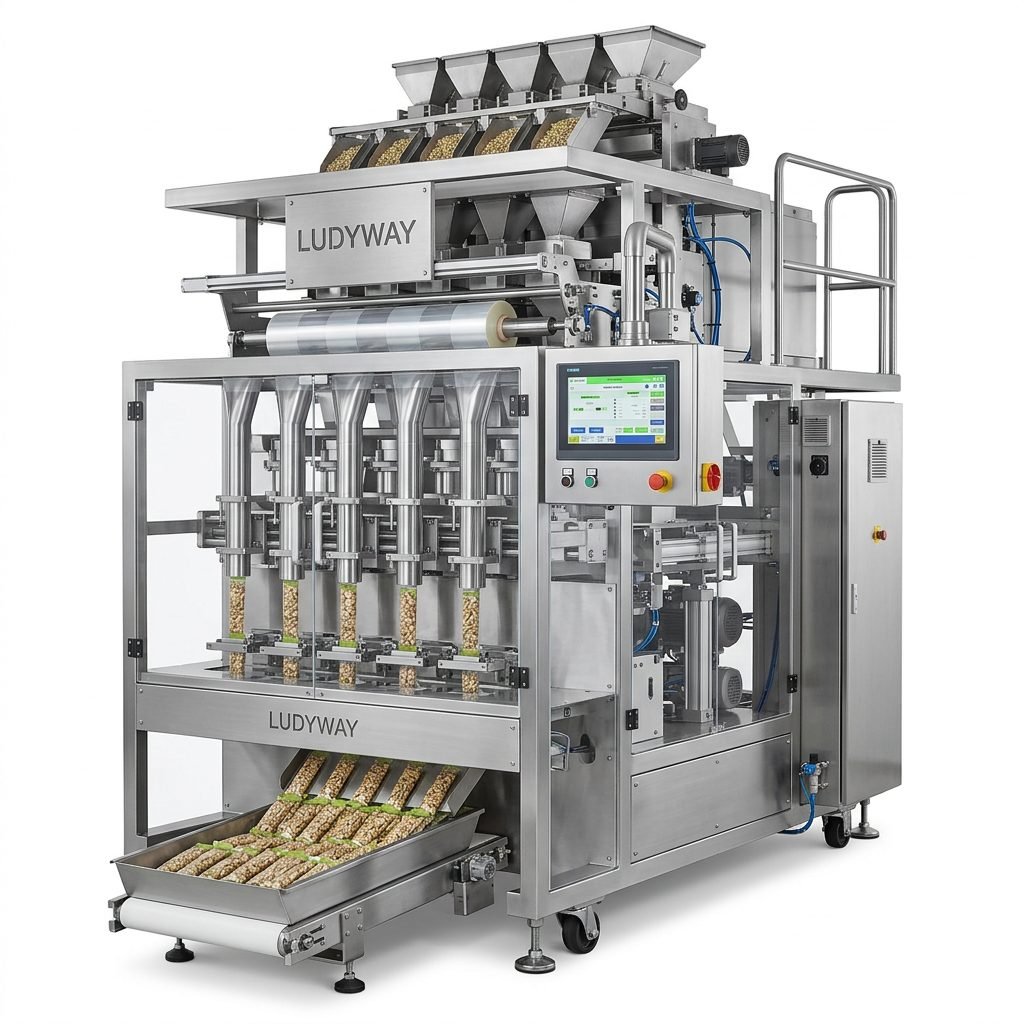
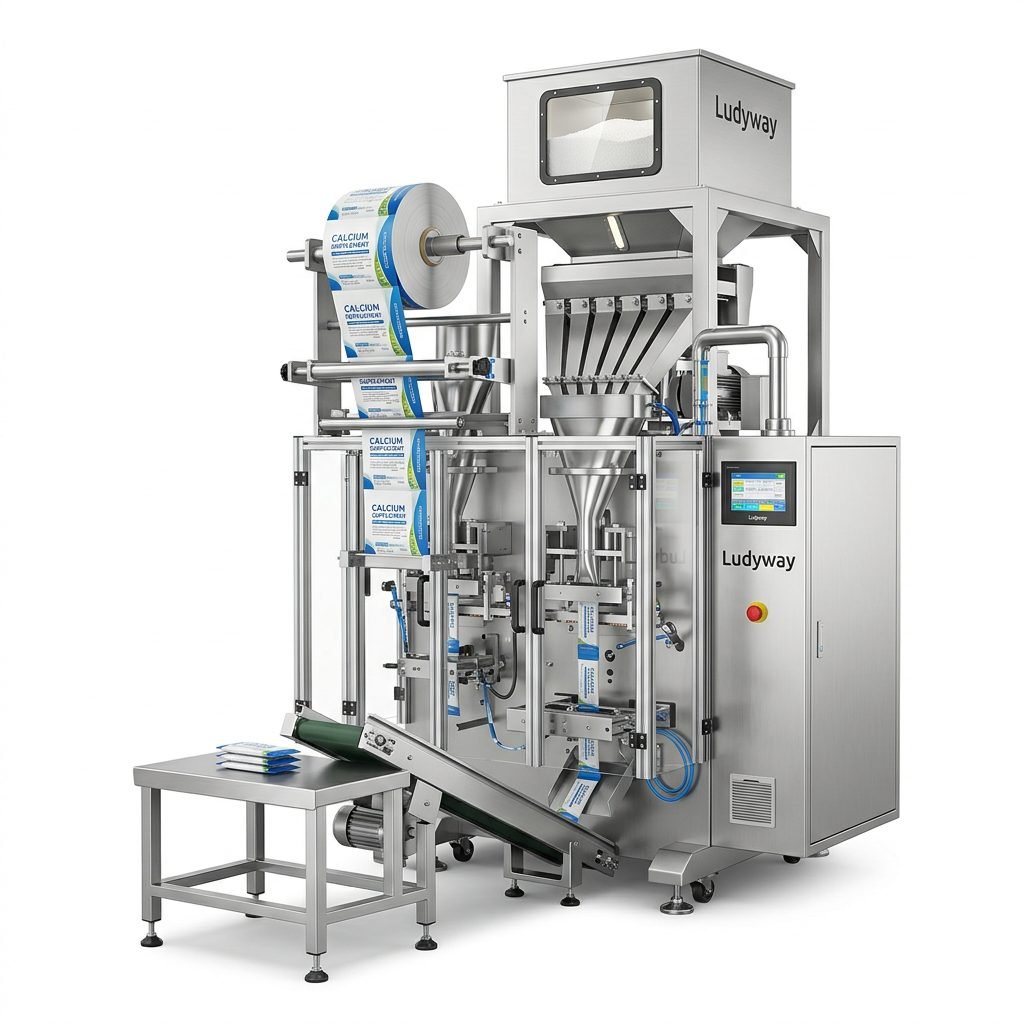
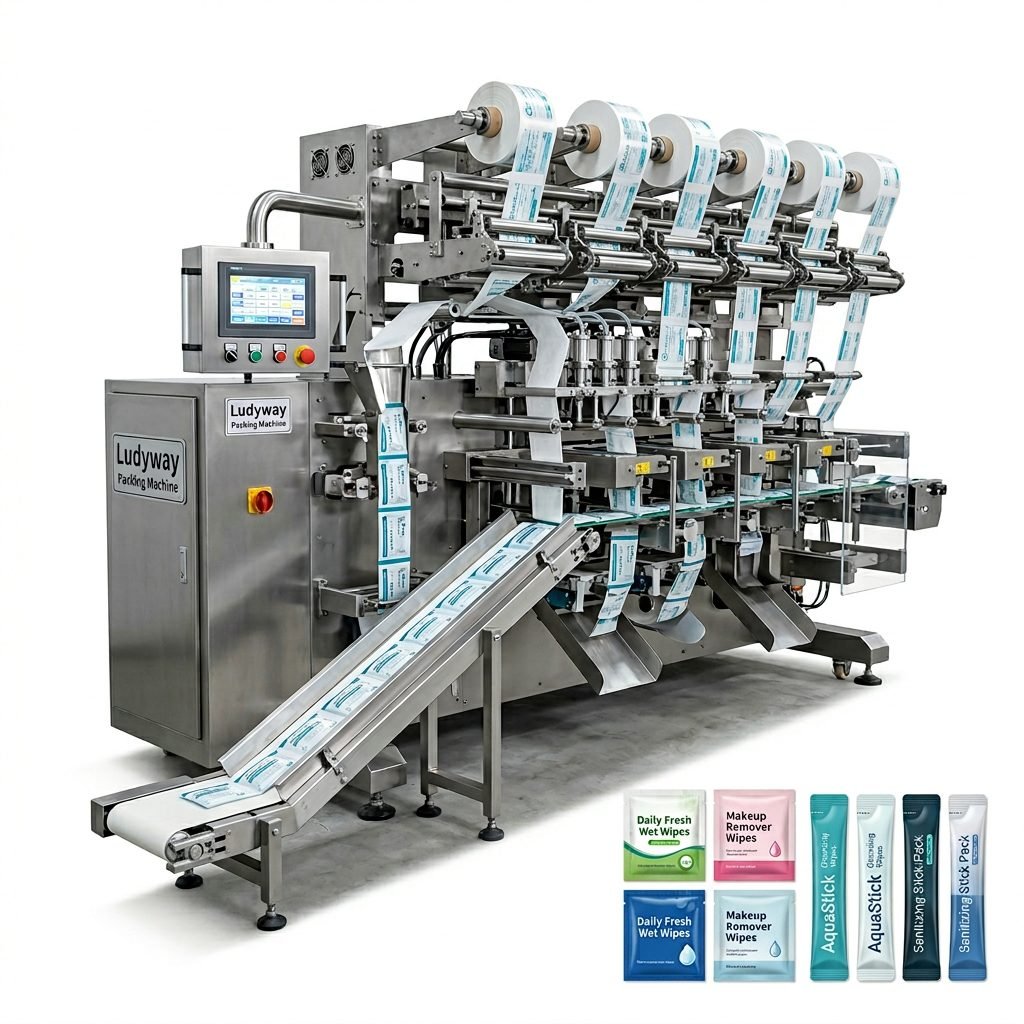
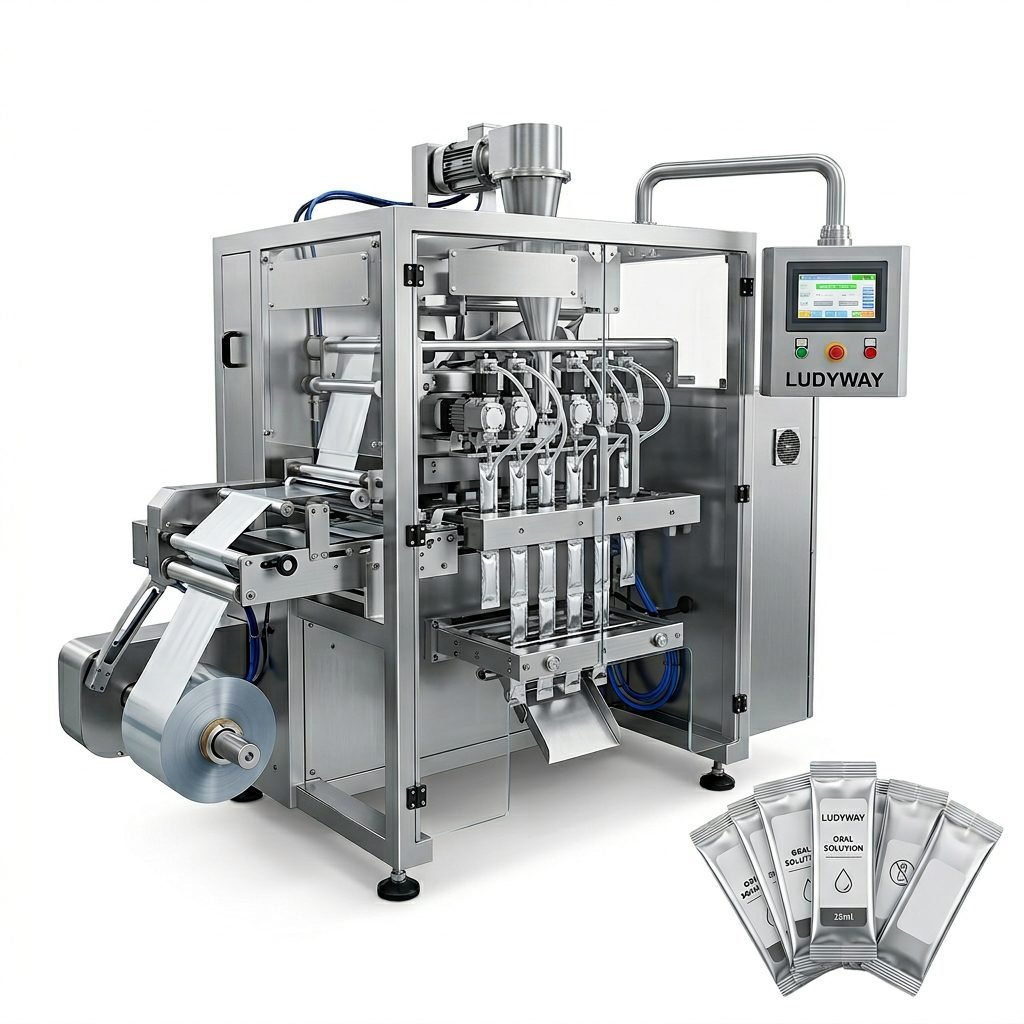
Manufacturers with a comprehensive approach—combining machine manufacturing, engineering capability, and global support infrastructure—can serve as long-term partners rather than one-time equipment suppliers. Ludyway Machinery, with over 30 years of packaging industry experience and a 20,000-square-meter manufacturing facility, exemplifies this integrated model by providing customized glass packing solutions alongside turnkey line integration, installation support, and after-sales technical service for customers in more than 100 countries.
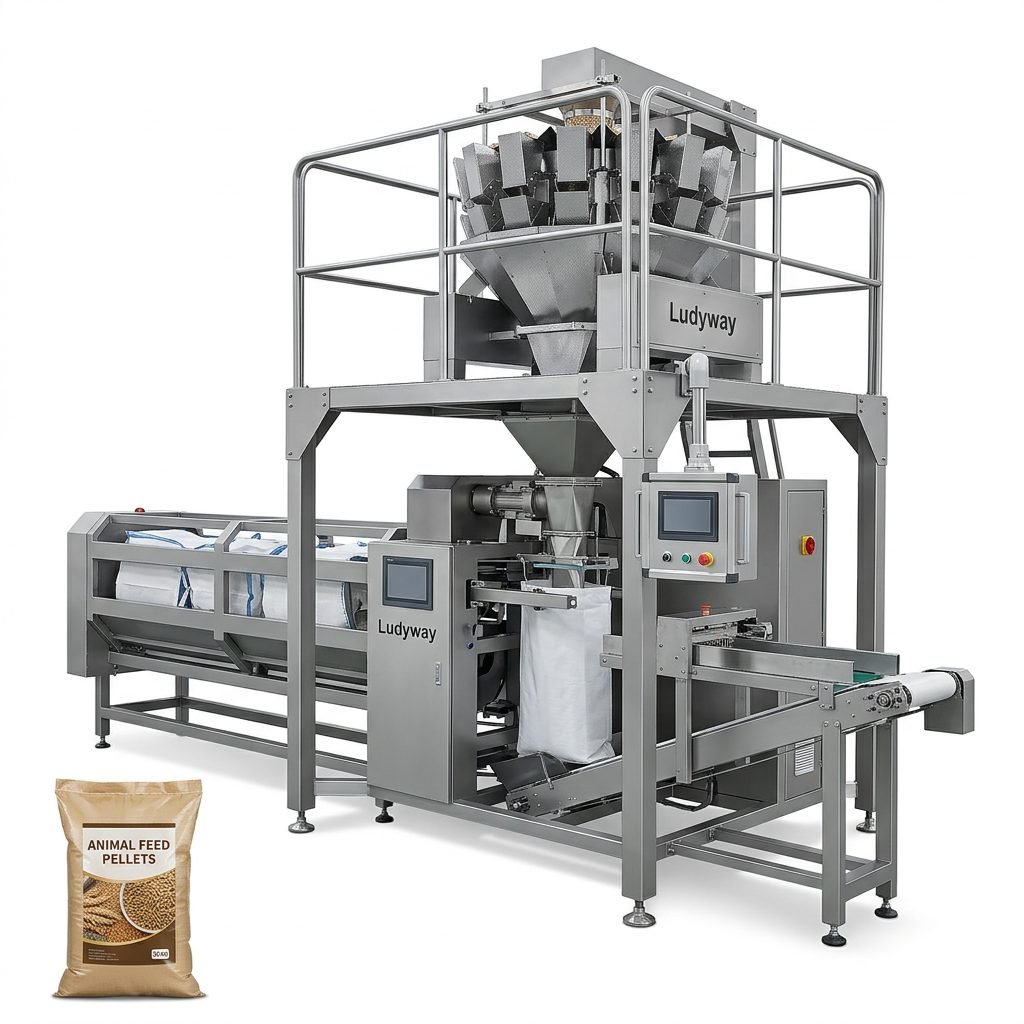
Selecting the right glass packing machine requires thorough technical evaluation, a clear understanding of your production goals, and a reliable equipment partner who can support your operations over the long term. Prioritize precision, safety, flexibility, and after-sales support to make an investment that drives productivity and protects product quality for years to come.