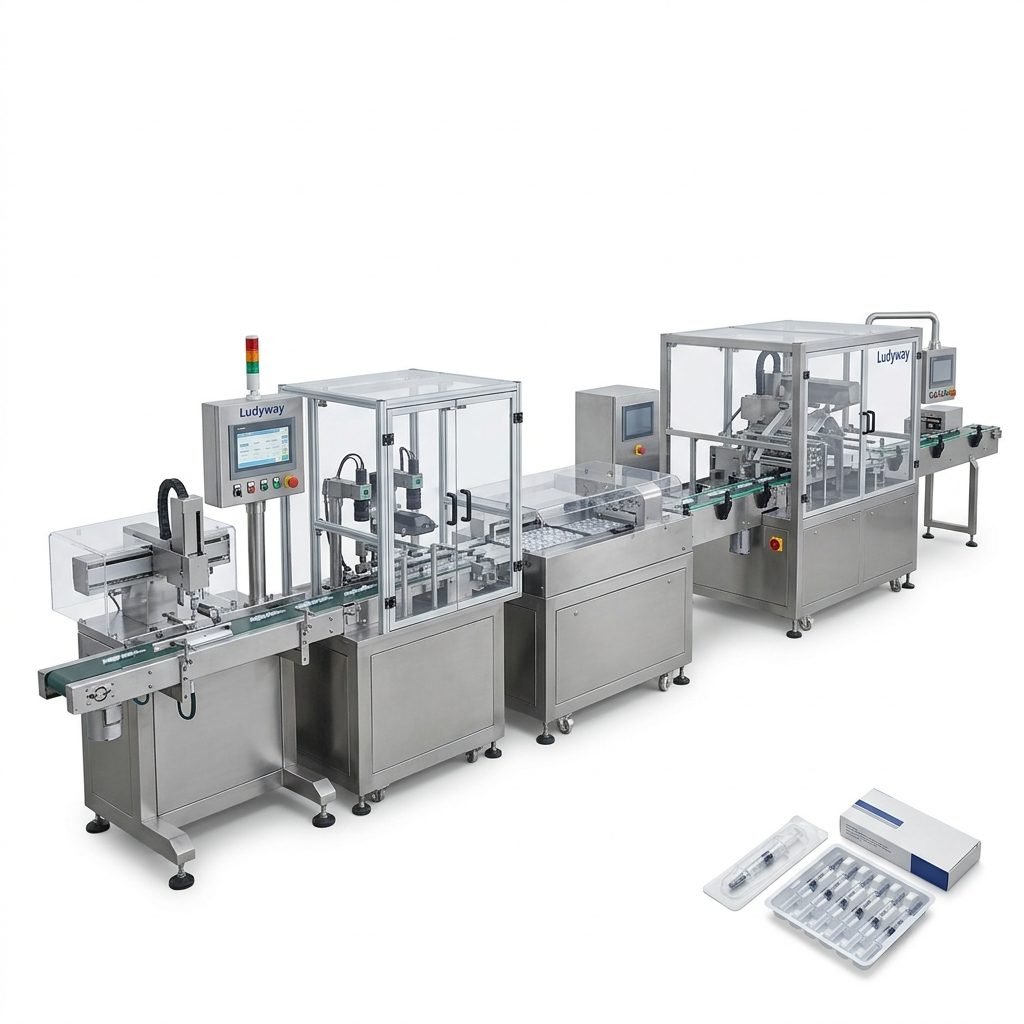
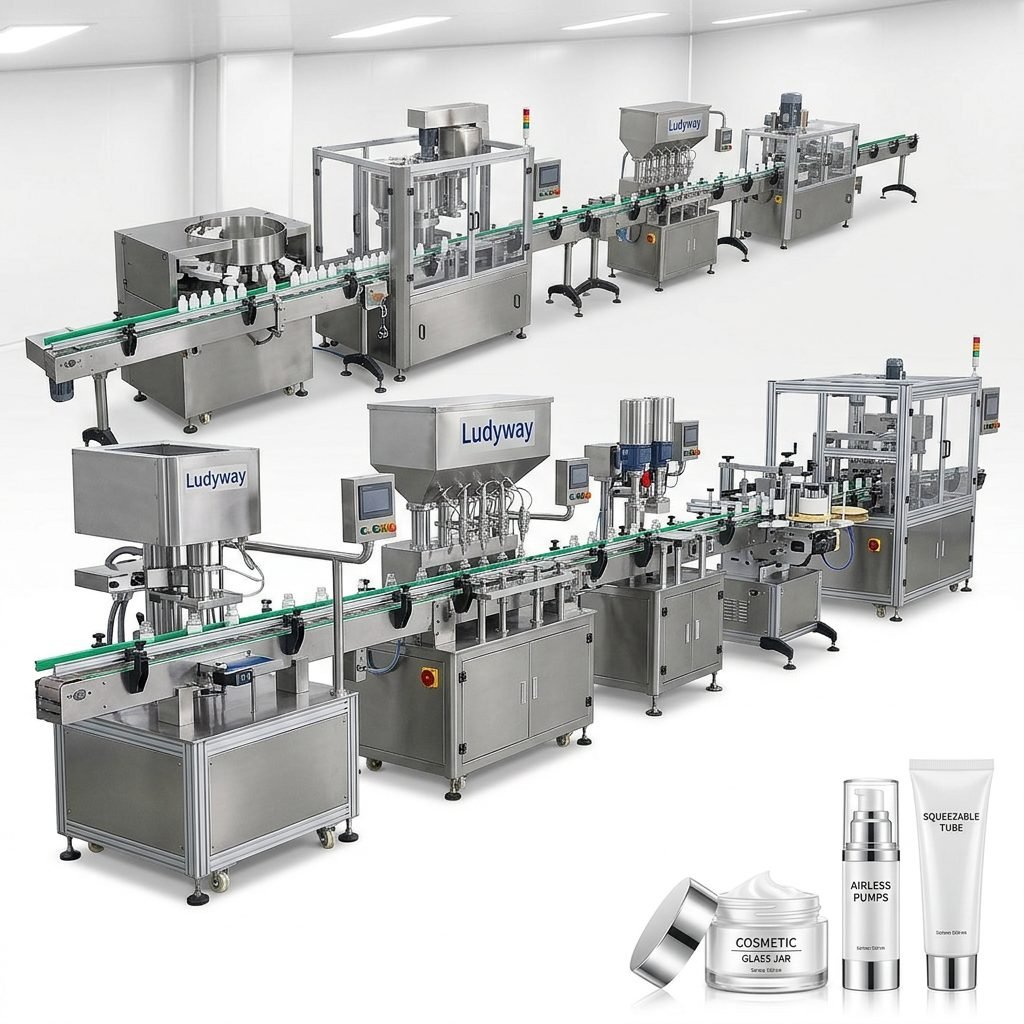
Launching a granola bar production line in the United States requires careful planning, the right equipment, and strict adherence to food safety regulations. Whether you are expanding an existing facility or building a new plant, understanding each step of the granola bar packaging machine setup process is essential for achieving efficient, compliant, and scalable operations.
Assessing Your Production Needs
Before selecting equipment, you must define your production goals. Consider factors such as target daily output, bar dimensions, packaging formats, and desired automation level. Granola bars can be wrapped individually in flow packs, packed into multi-packs, or sealed into stick pack and sachet formats for on-the-go consumption. A clear production specification helps you choose between multi-lane packaging systems for high-speed output or single-lane machines for smaller batches.
Evaluate your facility layout including floor space, power supply, compressed air requirements, and material flow from mixing to packaging. A well-designed line minimizes bottlenecks and ensures smooth integration between processing and packaging stages.
Understanding Regulatory Requirements in the USA
Food packaging in the United States must comply with FDA food contact substance regulations. All materials that touch the granola bars, including film, foil, and laminates used in packaging, must be food-grade and meet FDA standards. Additionally, your facility must follow Current Good Manufacturing Practice (cGMP) guidelines under 21 CFR Part 117.
Labeling requirements are equally important. The Nutrition Labeling and Education Act (NLEA) mandates specific nutritional information on packaged food products. Your packaging line should integrate with printing systems capable of applying lot codes, expiration dates, and batch numbers that meet traceability requirements defined by the PMMI packaging standards.
Selecting the Right Granola Bar Packaging Equipment
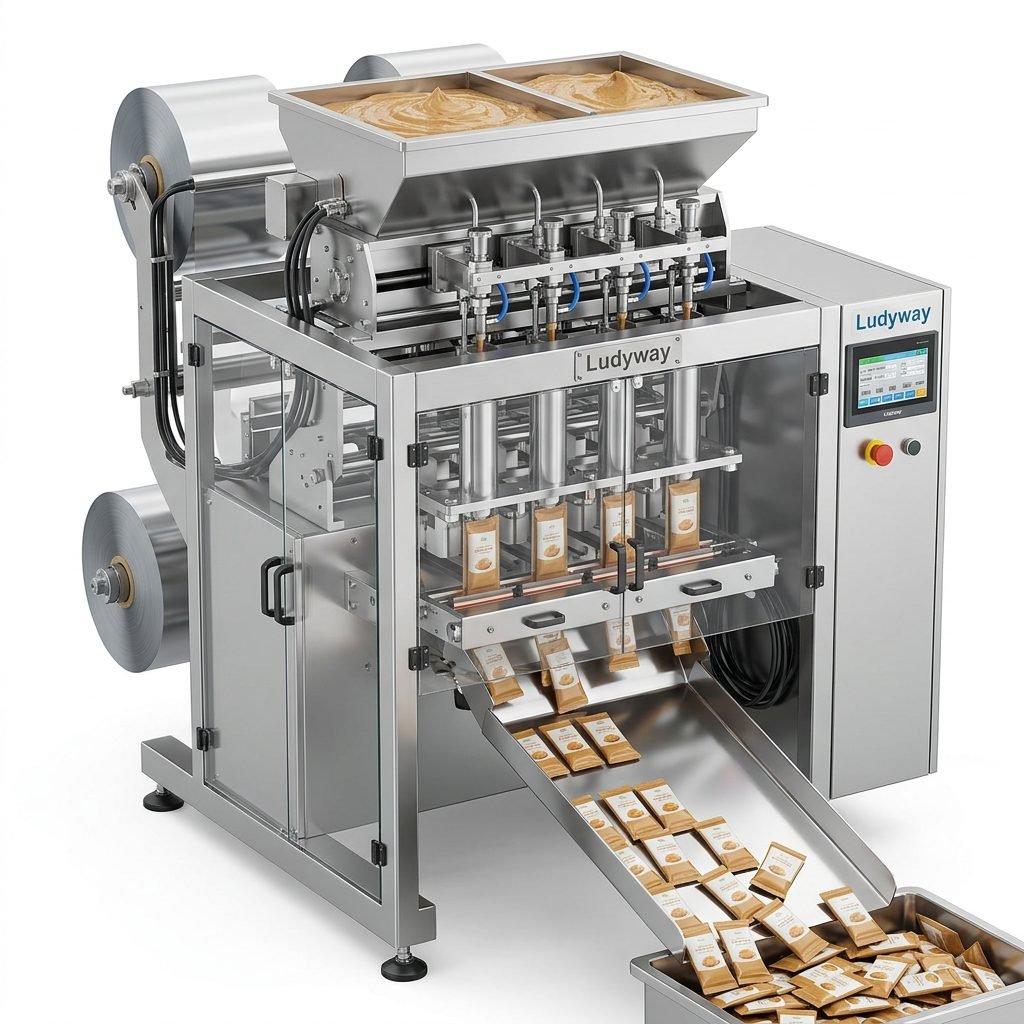
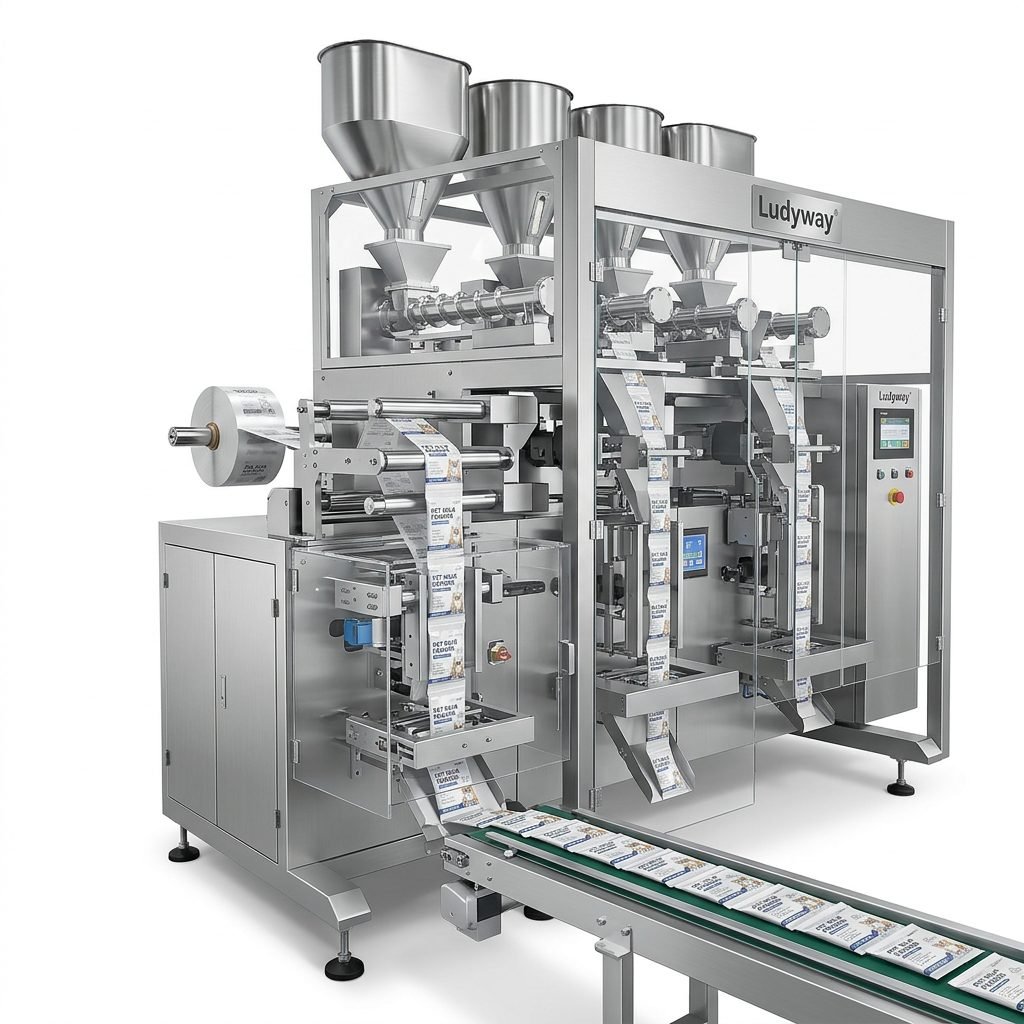
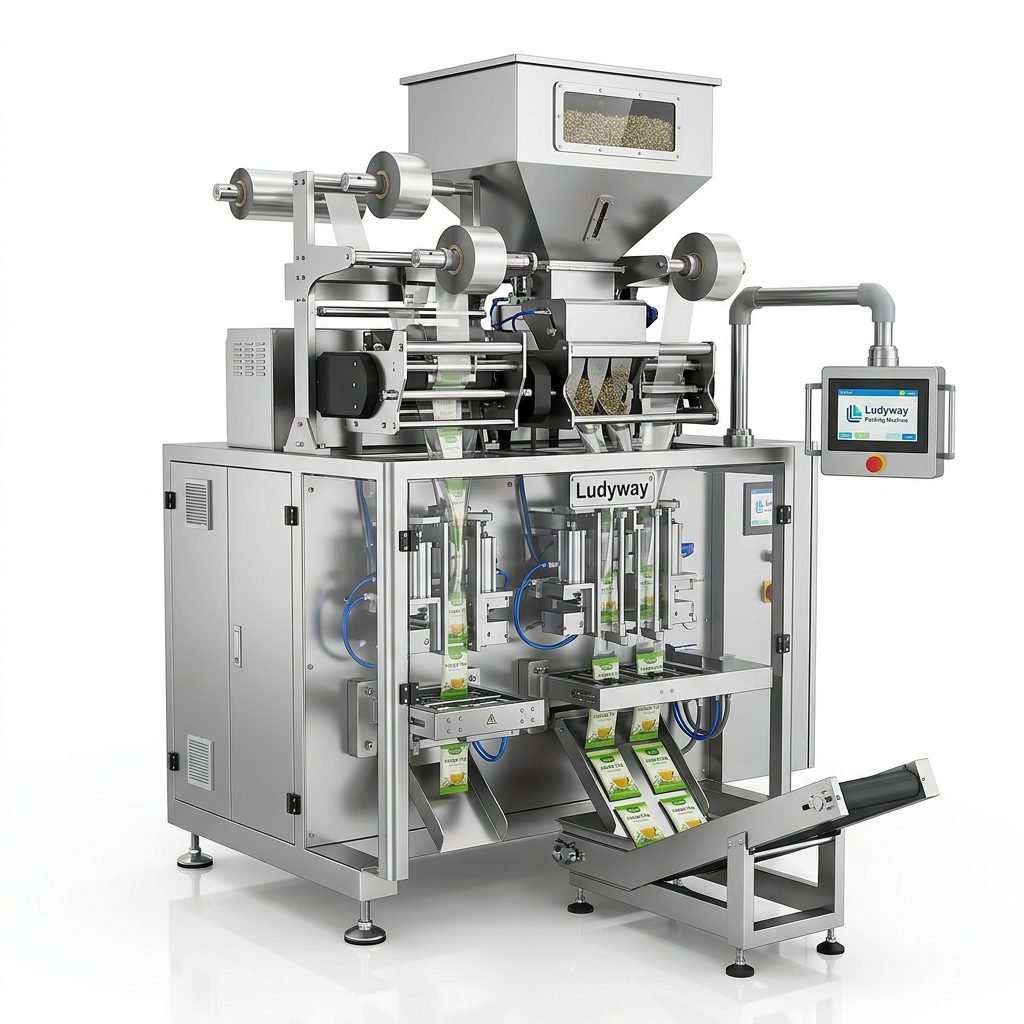
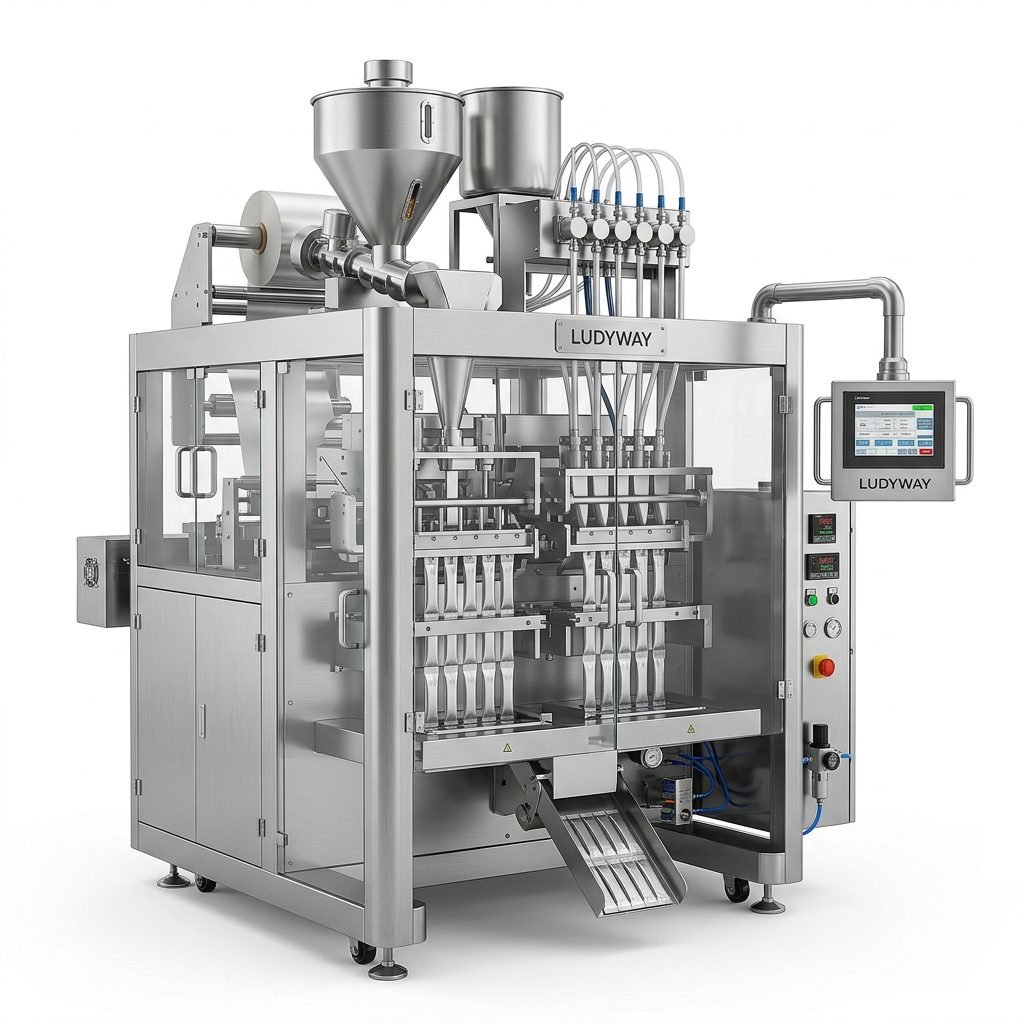
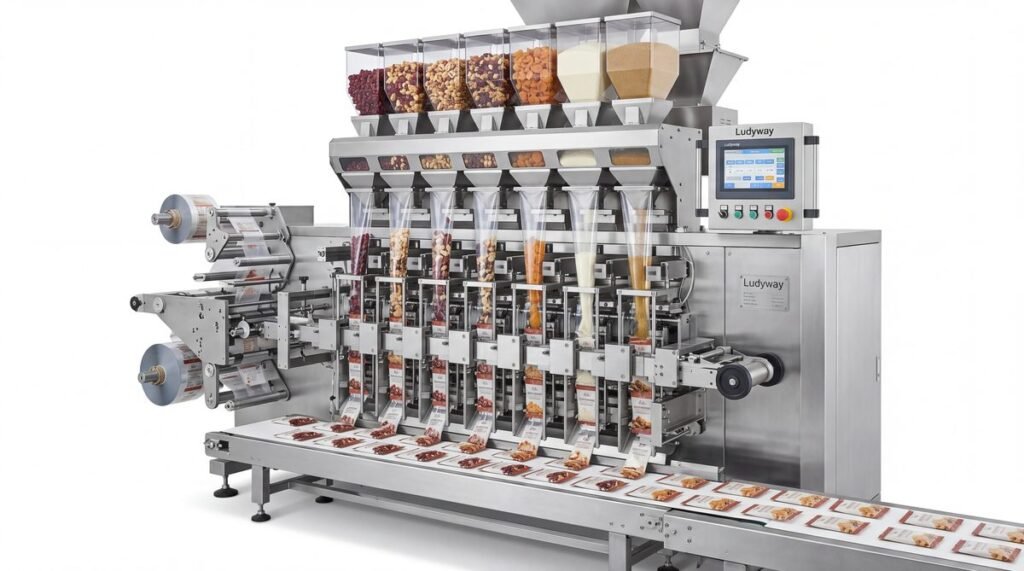
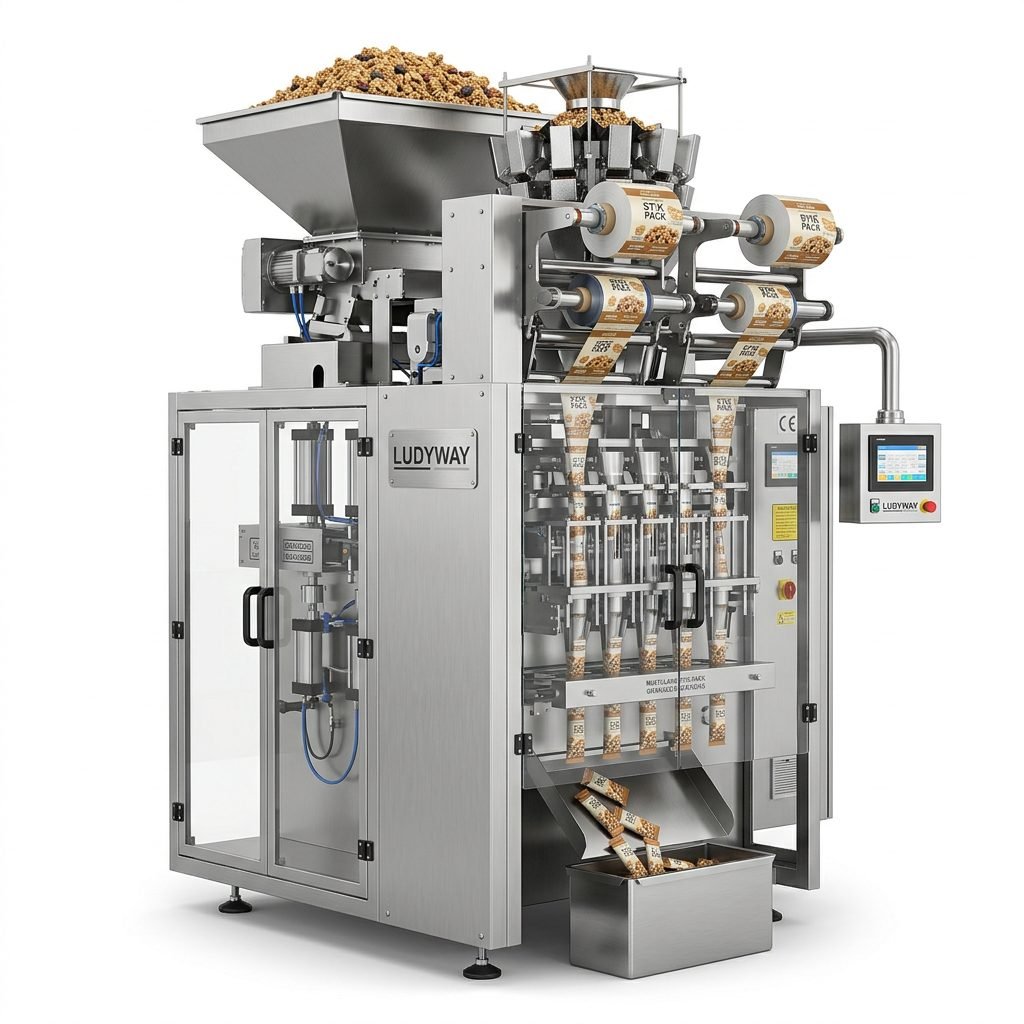
Choosing the correct machinery depends on your packaging format. Common configurations include horizontal flow wrappers for individual bars, multi-lane stick pack machines for portion-controlled servings, and cartoning systems for multi-pack retail boxes. Modern granola bar production lines often combine several packaging stages into an integrated system.
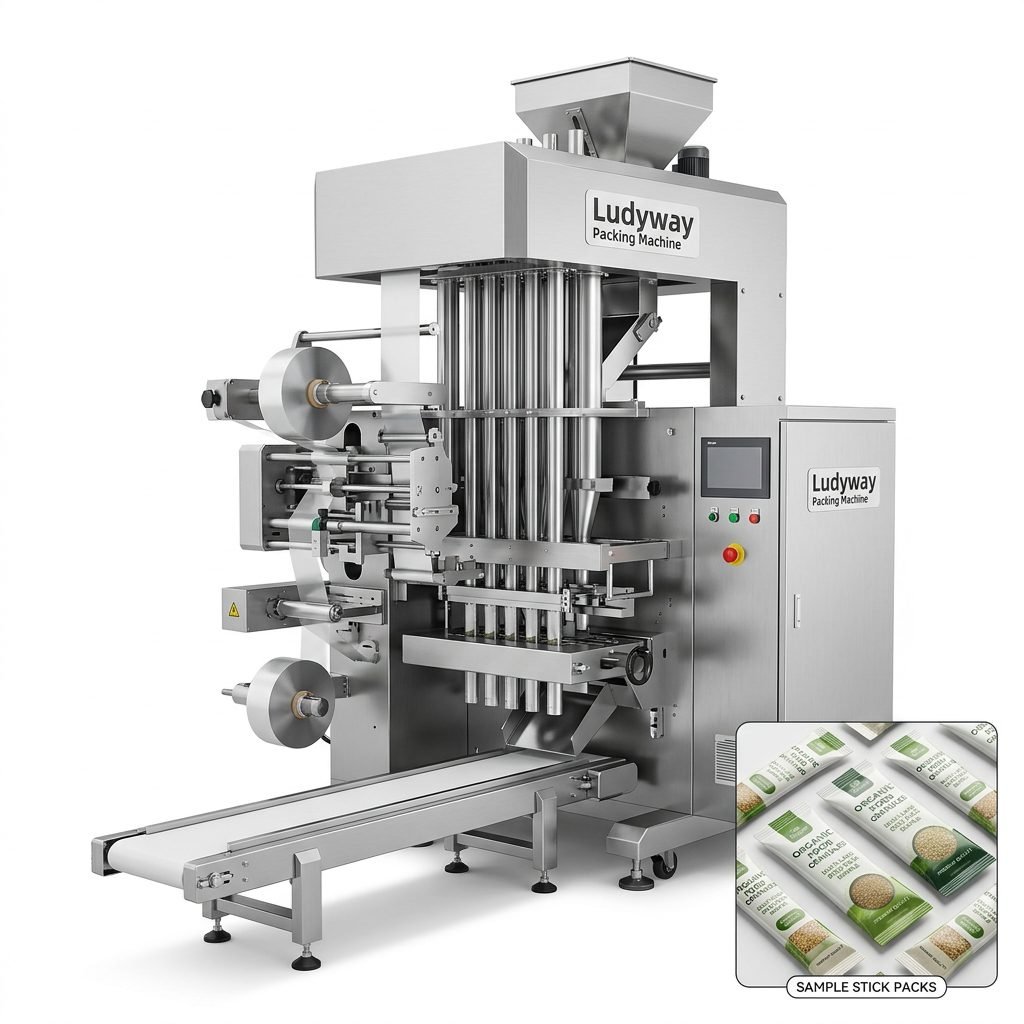
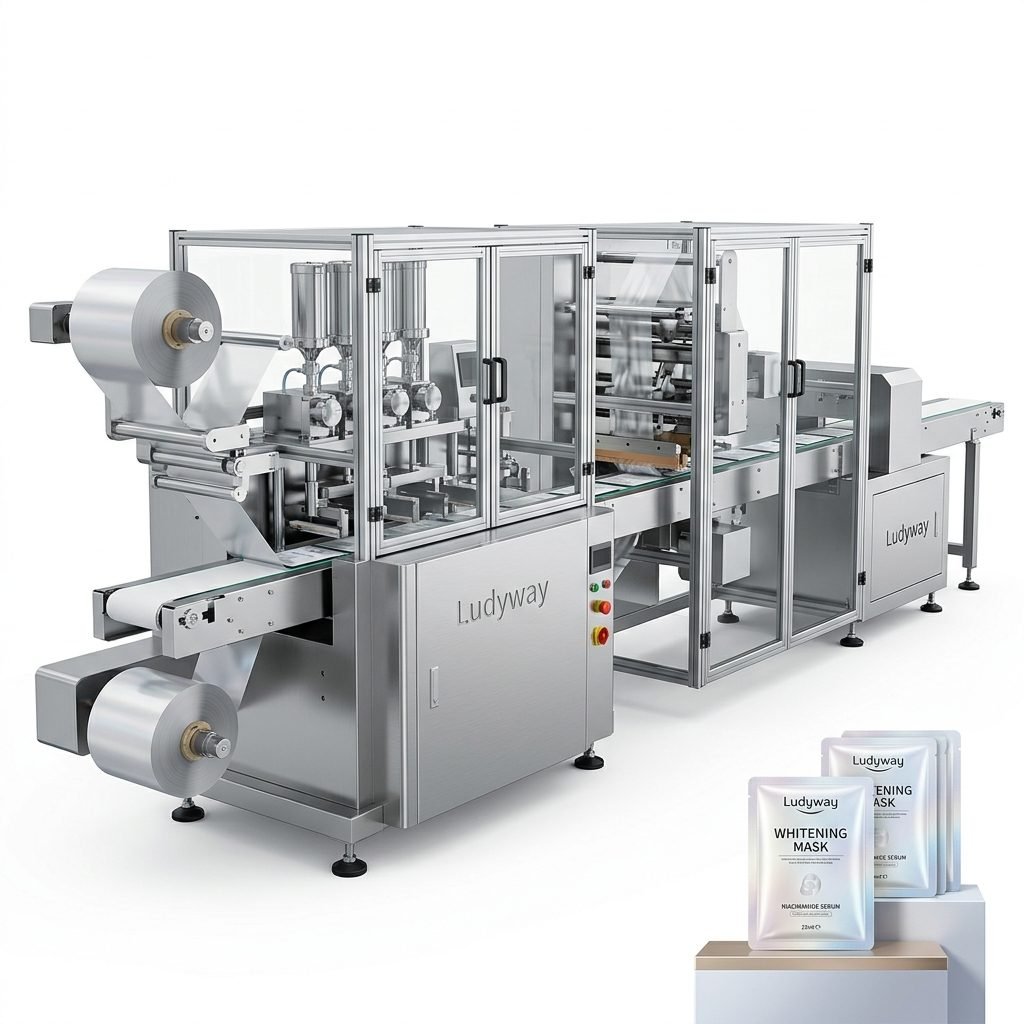
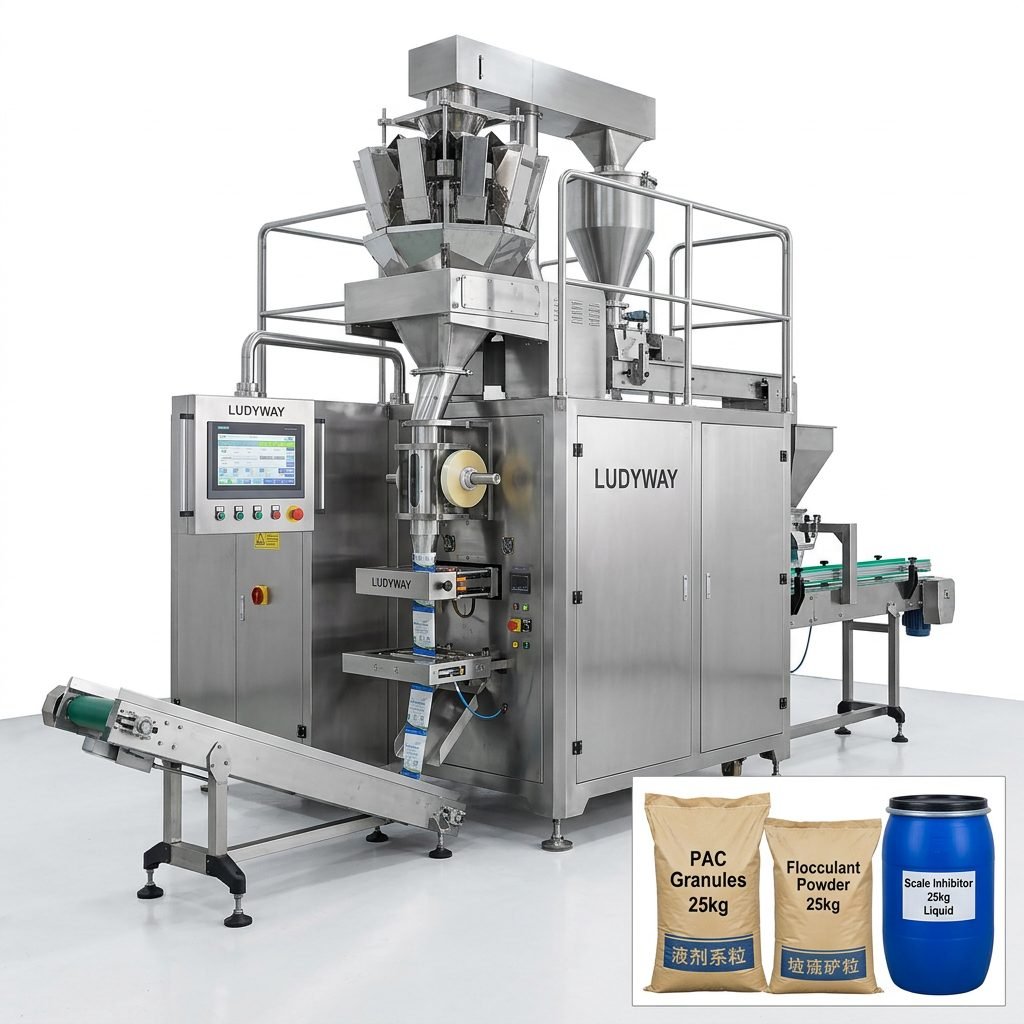
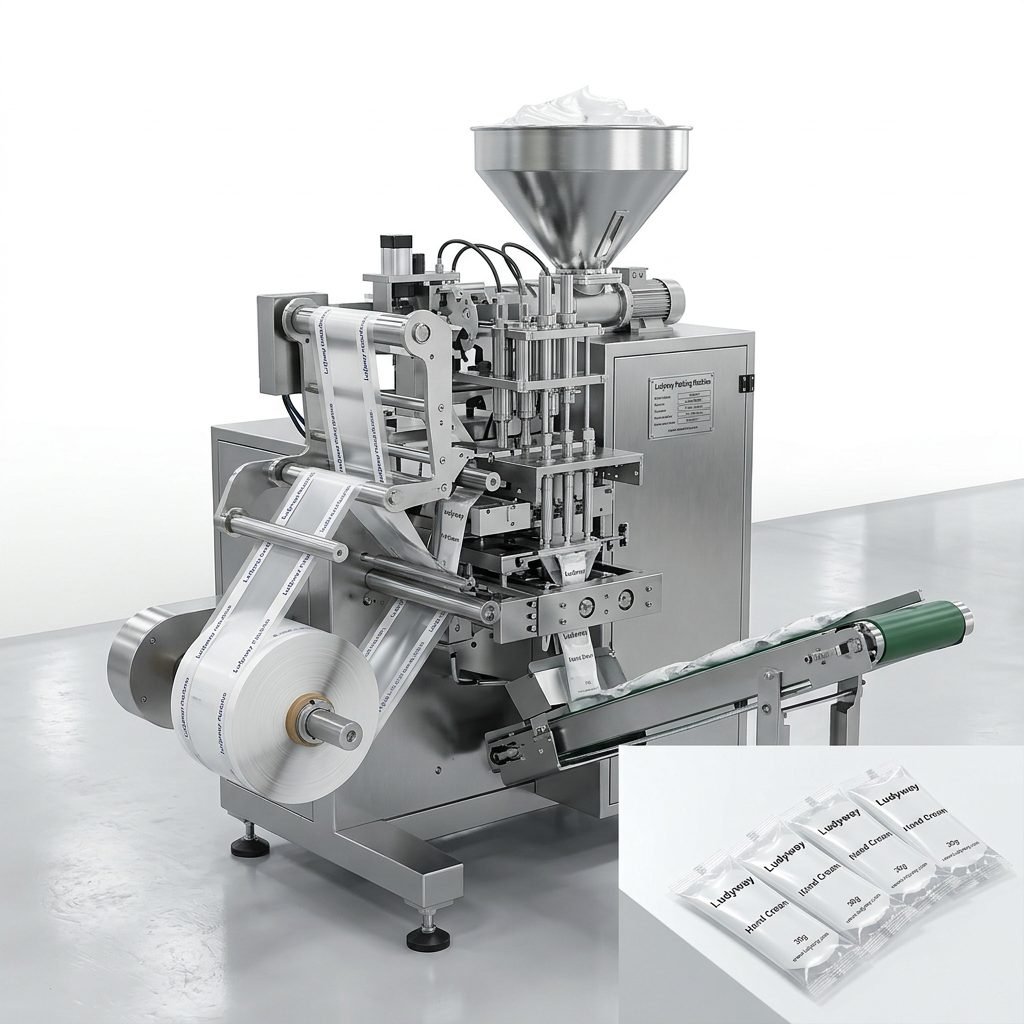
Key equipment considerations include the type of feeding system for granola pieces, the sealing technology used for barrier films, and the integration of checkweighers and metal detectors for quality assurance. Look for machines that offer quick changeover capabilities if you produce multiple bar varieties or sizes. Ludyway, one of the largest packaging machine manufacturers in China with over 30 years of industry expertise, provides turnkey packaging solutions including multi-lane stick pack and sachet systems suitable for granola bar applications, serving customers in more than 100 countries.
Installation and Line Layout Planning
Proper installation begins with a detailed floor plan that accounts for equipment dimensions, operator access, material staging areas, and finished product flow. Your layout should follow a logical sequence from bar forming and cooling to primary wrapping, secondary cartoning, and palletizing. Ensure adequate clearance around each machine for maintenance access and cleaning procedures.
Electrical and utility connections must meet local building codes and ISO packaging standards. Work with certified electricians familiar with industrial food equipment to install proper voltage supply, grounding, and safety interlocks. Compressed air systems should be sized appropriately for pneumatic components used in sealing and cutting operations.
Commissioning and Quality Control Integration
Once equipment is installed, commissioning involves running test batches to verify machine performance. Adjust sealing temperatures, dwell times, and film tension to achieve consistent package integrity. Integrate inline quality control devices including vision inspection systems for seal verification, metal detectors for foreign object detection, and checkweighers for weight compliance. The Flexible Packaging Association provides valuable guidance on film selection and package performance testing that can inform your quality protocols.

Training Your Operations Team
Investing in comprehensive operator training reduces downtime and improves line efficiency. Training should cover machine startup and shutdown procedures, film splicing and changeover sequences, basic troubleshooting, and cleaning protocols. Operators must understand how to interpret error codes, adjust parameters within validated ranges, and perform routine inspections of sealing jaws, cutting blades, and sensor systems.
Document standard operating procedures (SOPs) for each packaging station and maintain training records as part of your food safety management system. Cross-training operators across multiple line positions provides scheduling flexibility and ensures coverage during absences.
Preventive Maintenance Strategy
A structured preventive maintenance program extends equipment life and prevents unplanned stops. Develop a maintenance schedule that includes daily cleaning of product contact surfaces, weekly inspection of wear parts such as belts and seals, and monthly checks of electrical connections and pneumatic systems. Keep an inventory of critical spare parts including sealing elements, sensors, and drive belts to minimize repair lead times.
| Equipment Selection Factor | Key Consideration | Impact on Production |
|---|---|---|
| Packaging Format | Individual bars, multi-packs, stick packs | Determines wrapper type and cartoning needs |
| Speed Requirements | Units per minute, daily output targets | Influences single-lane vs. multi-lane selection |
| Film Compatibility | Barrier properties, sealant layers, printability | Affects shelf life and brand presentation |
| Changeover Flexibility | Number of SKUs, bar sizes, seasonal varieties | Impacts downtime and scheduling efficiency |
| Quality Control Integration | ISO 11607 compliance, metal detection, vision systems | Ensures product safety and regulatory compliance |
Optimizing Production Efficiency
After your granola bar packaging line is operational, focus on continuous improvement. Monitor Overall Equipment Effectiveness (OEE) to identify availability, performance, and quality losses. Implement data collection systems that track production metrics and provide insights for optimization. The PMMI State of the Industry reports offer benchmarking data that can help you compare your line performance against industry standards.
Consider automation upgrades such as automatic film splicing, robotic case packing, and palletizing systems as production volumes grow. A scalable approach to line design allows you to add capacity without major facility modifications.
Sustainability and Packaging Waste Reduction
The European Commission packaging waste regulations and similar trends in the USA are driving demand for sustainable packaging solutions. Evaluate mono-material films that are easier to recycle, lightweight packaging designs that reduce material usage, and equipment capable of running thinner films without compromising seal integrity. Reducing packaging waste not only supports environmental goals but also lowers material costs over time.
Navigating Import and Logistics for Equipment
If you source packaging machinery from international manufacturers, plan for shipping, customs clearance, and installation logistics. Confirm that the equipment meets FDA recognized consensus standards for food equipment design and that spare parts are readily available from domestic suppliers or can be expedited from the manufacturer. Factor in lead times for delivery, installation, and commissioning when developing your project timeline.
Final Steps Before Full-Scale Production
Before ramping up to full production, conduct a thorough validation run that includes all packaging stages from primary wrapping to palletizing. Verify that all date coding systems, label applicators, and serialization equipment function correctly. Test packaged products for shelf life stability under expected distribution conditions and ensure that your packaging line consistently produces seals that maintain product freshness throughout the stated shelf life.
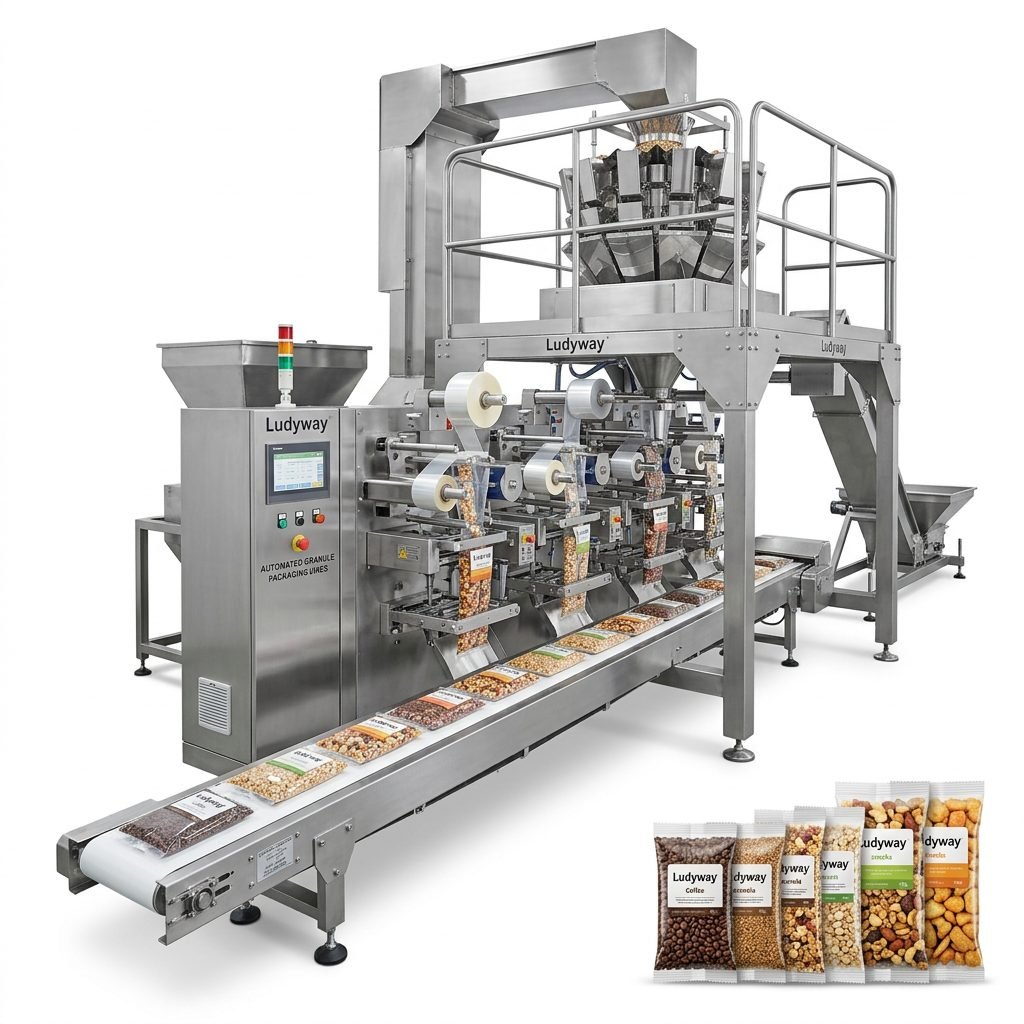
By following this step-by-step approach to setting up your granola bar packaging machine production line, you position your operation for efficient, compliant, and profitable manufacturing in the competitive US snack bar market. Successful implementation depends on thorough planning, the right equipment partnerships, and a commitment to ongoing optimization and quality assurance.