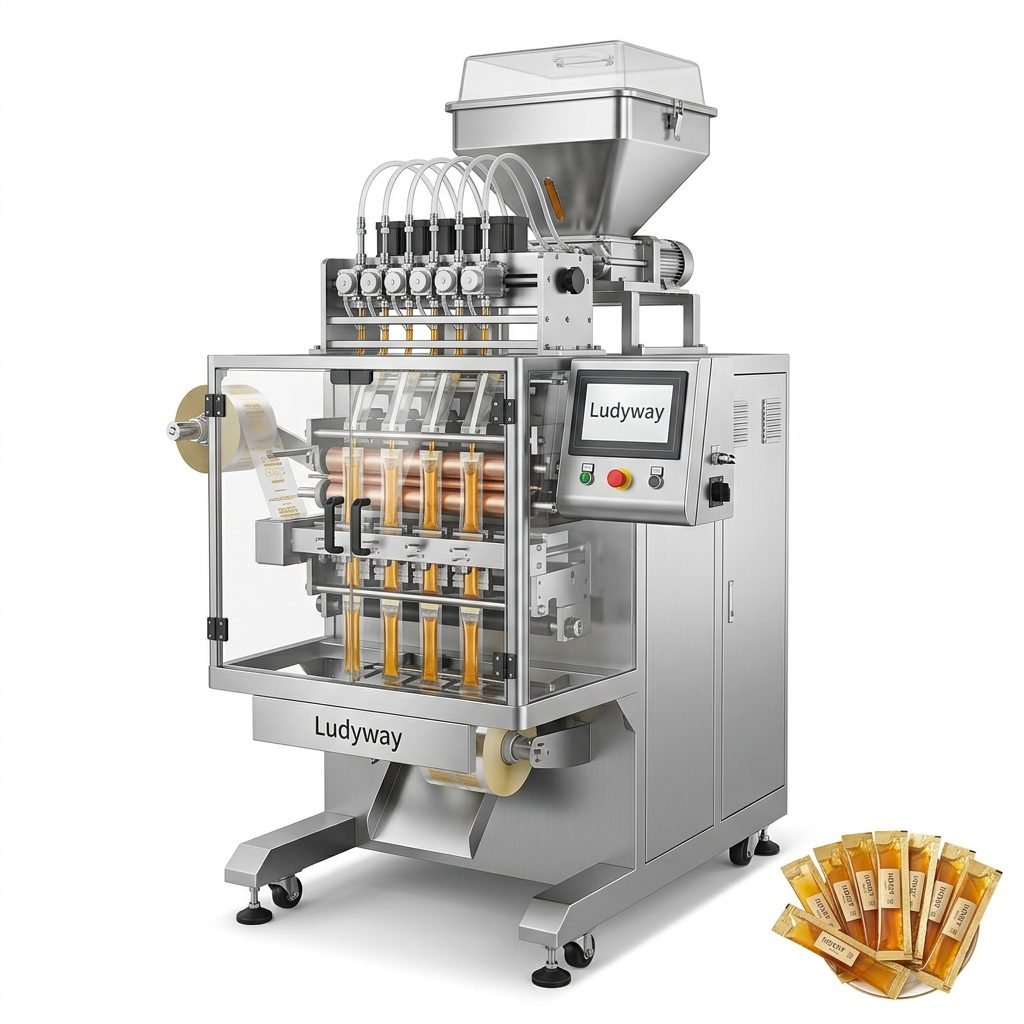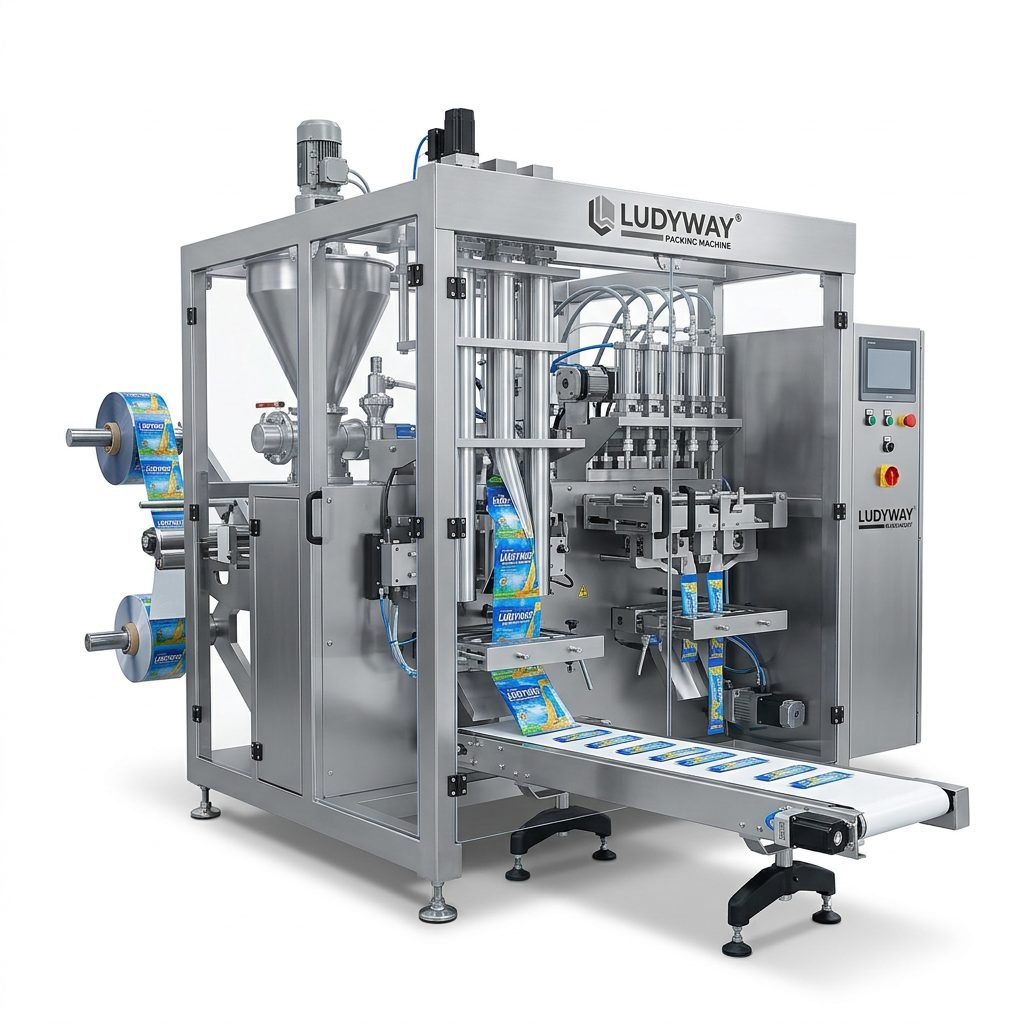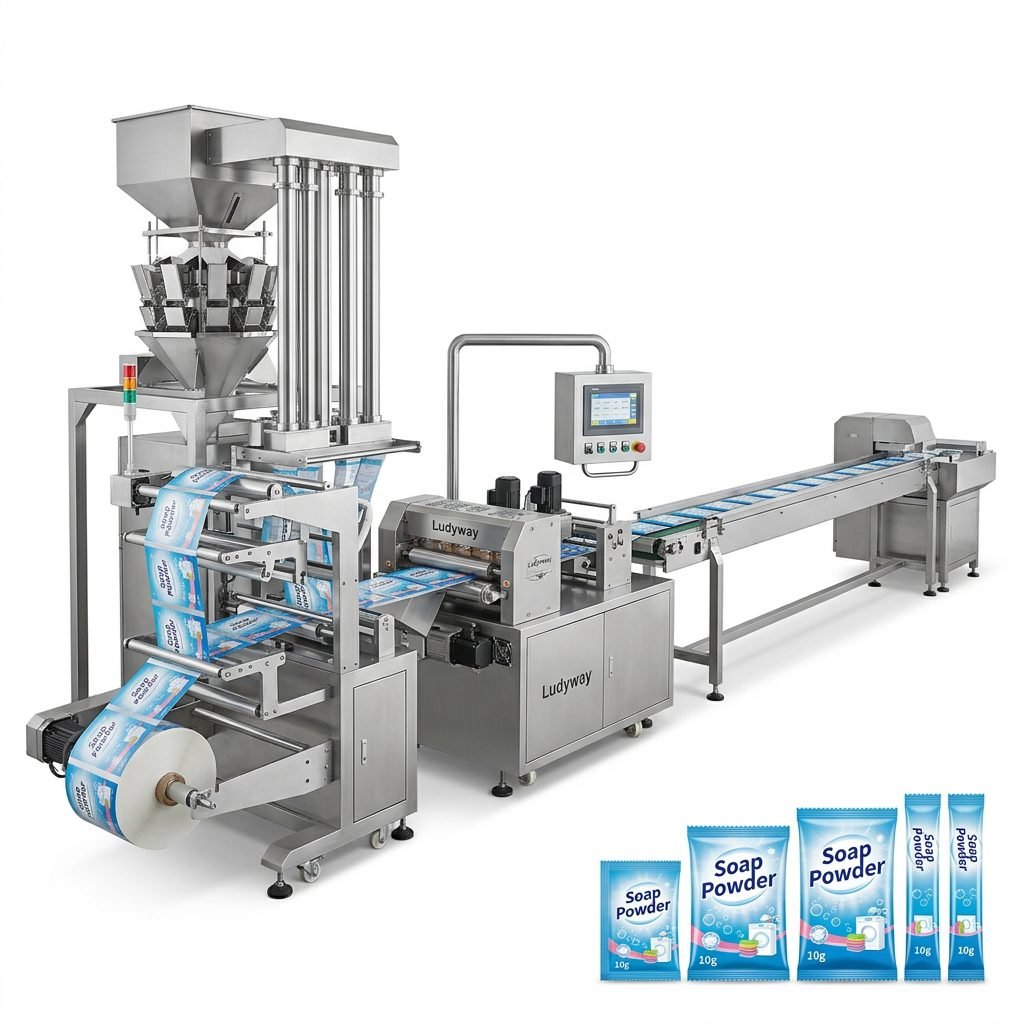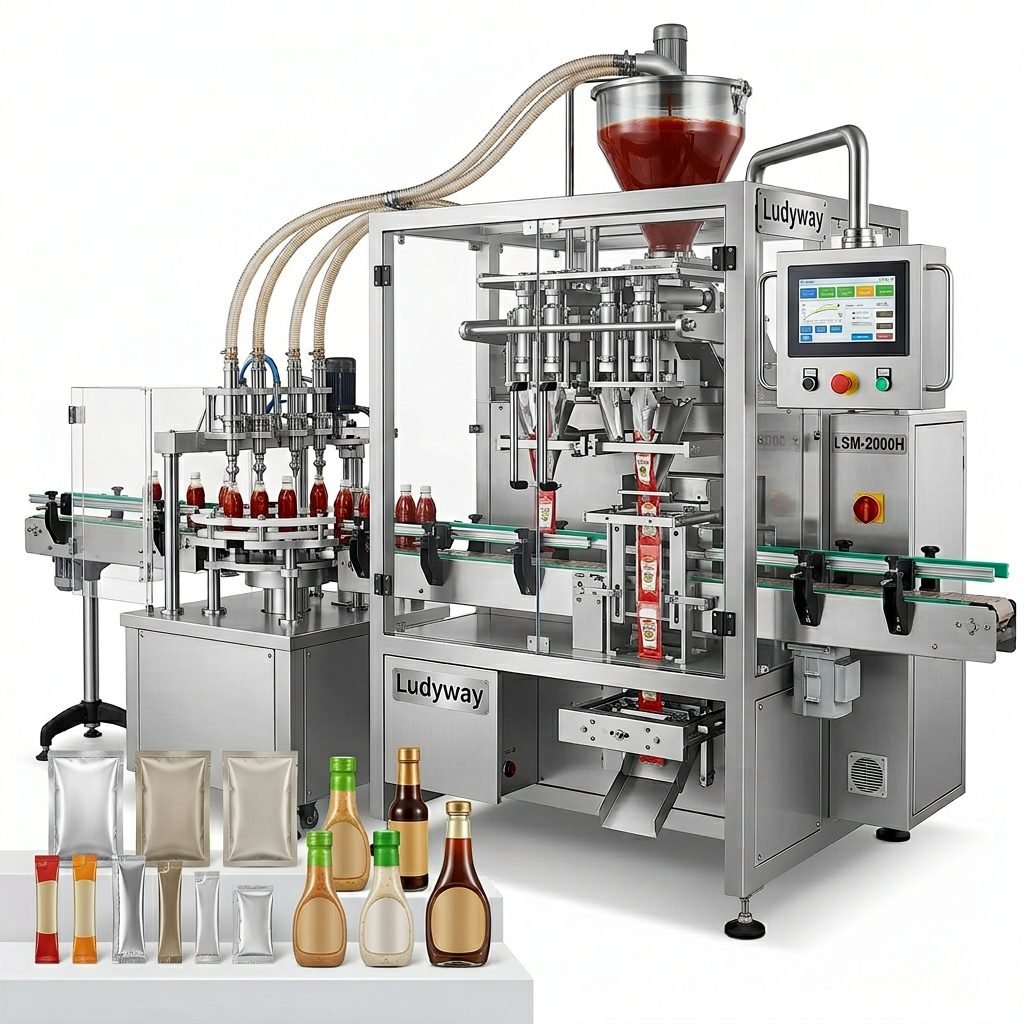
Selecting the right granola bar packaging machine is one of the most important equipment decisions a snack manufacturer can make. The wrong choice can lead to production bottlenecks, inconsistent seal quality, excessive material waste, and ultimately lost revenue. The right machine, on the other hand, can transform your packaging line into a competitive advantage. This comprehensive buyer’s guide walks you through every critical factor to evaluate before making your investment.
Understanding Your Granola Bar Packaging Requirements
Before comparing machine specifications, you need a clear picture of your own production requirements. Granola bars come in a wide variety of shapes, sizes, textures, and compositions. Some are soft and chewy, others are crunchy and brittle. Each product characteristic affects how the bar behaves during the packaging process and directly influences machine configuration.
Key product variables to assess include:
- Bar dimensions — length, width, and thickness tolerances across your product range
- Product texture — whether bars are soft-baked, crunchy, layered, or coated with chocolate or yogurt
- Surface characteristics — sticky or oily surfaces may require specialized feeding systems
- Fragility — crumbly bars need gentle handling mechanisms to minimize breakage
- Production volume — bars per minute, per shift, and peak seasonal demand
- Packaging format — flow wrap, stick pack, pillow pack, sachet, or pouch configurations
According to the PMMI State of the Industry report, the snack bar segment continues to see strong growth globally, making efficient packaging automation a strategic priority for manufacturers looking to scale operations.
Types of Packaging Machines Suitable for Granola Bars
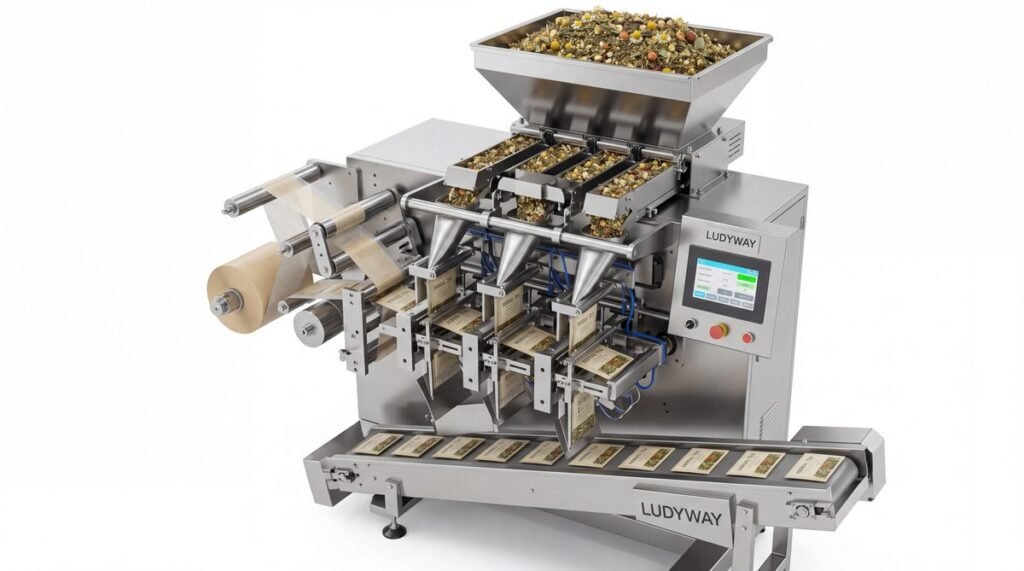
Not all packaging machines are designed to handle granola bars effectively. The three most common machine types used in granola bar packaging are outlined below. Each has distinct advantages depending on your product format and production goals.
| Machine Type | Best For | Key Advantages | Typical Speed Range |
|---|---|---|---|
| Horizontal Flow Wrapper | Single bars, pillow packs | High speed, excellent seal integrity, widely compatible with film materials | 80–300 bars/min |
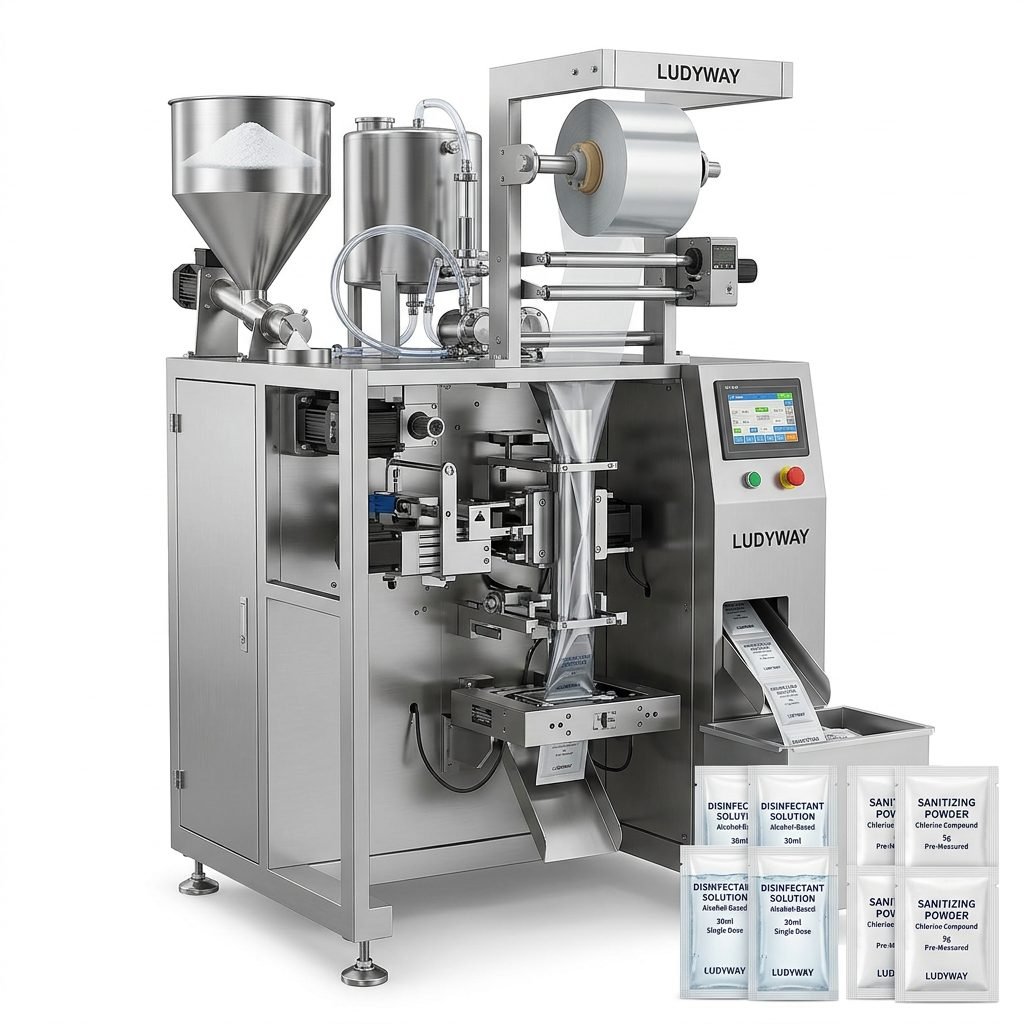
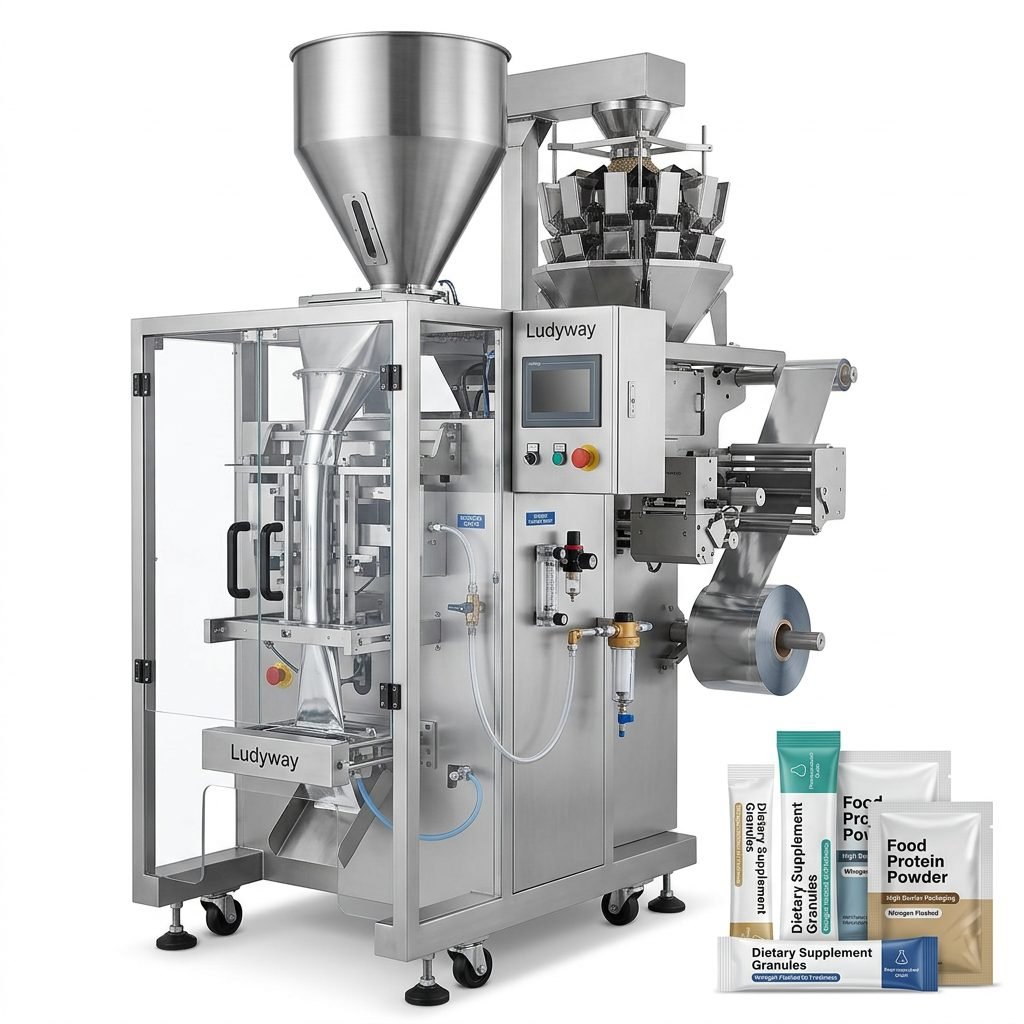
| Vertical Form Fill Seal (VFFS) | Multi-pack, stick packs, sachets | Versatile bag formats, compact footprint, cost-effective for smaller packs | 40–160 packs/min |
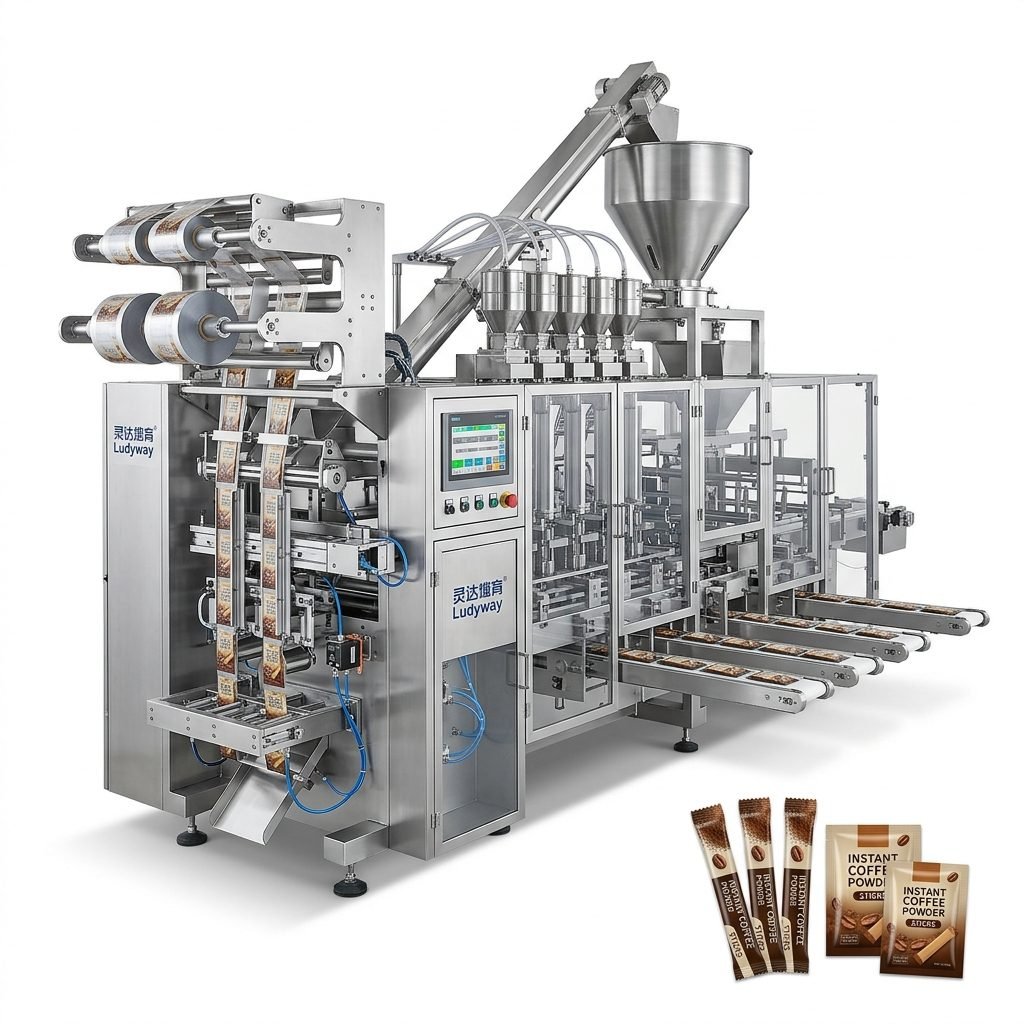
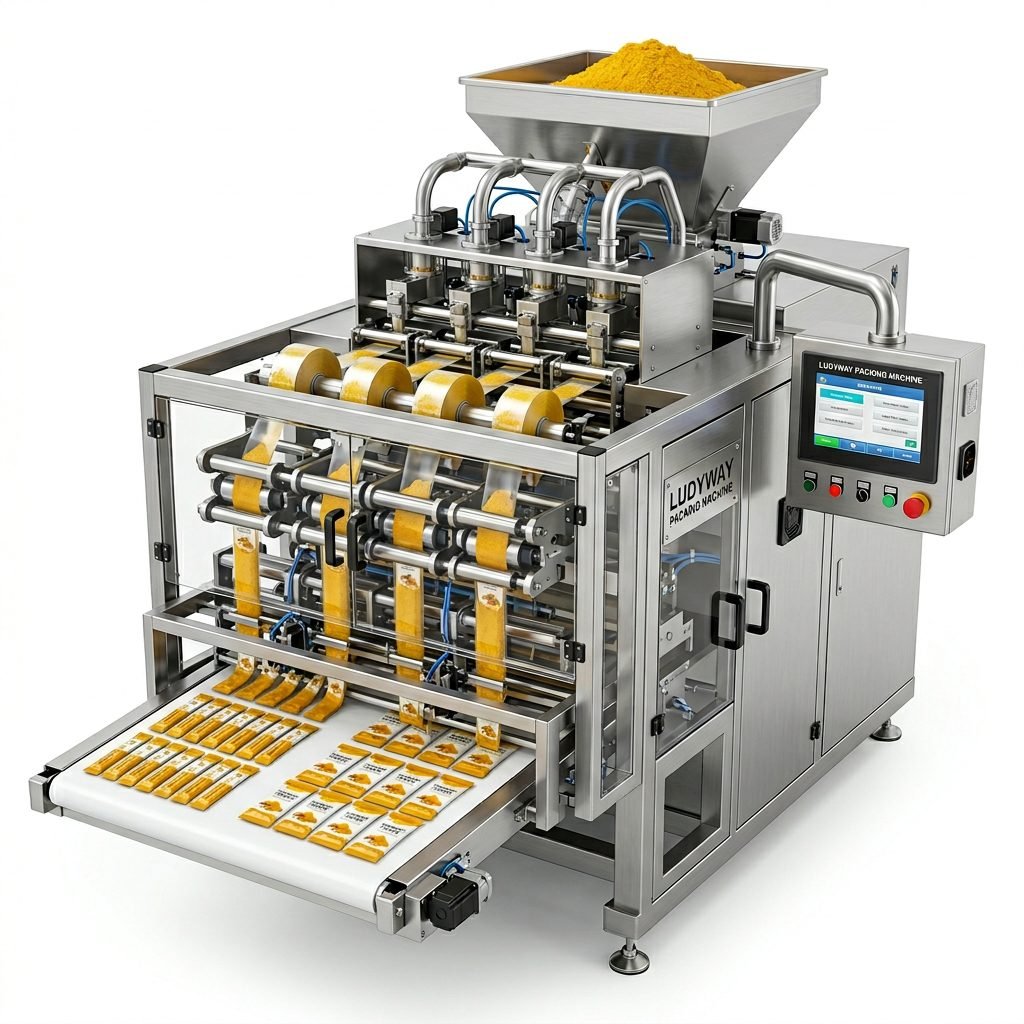
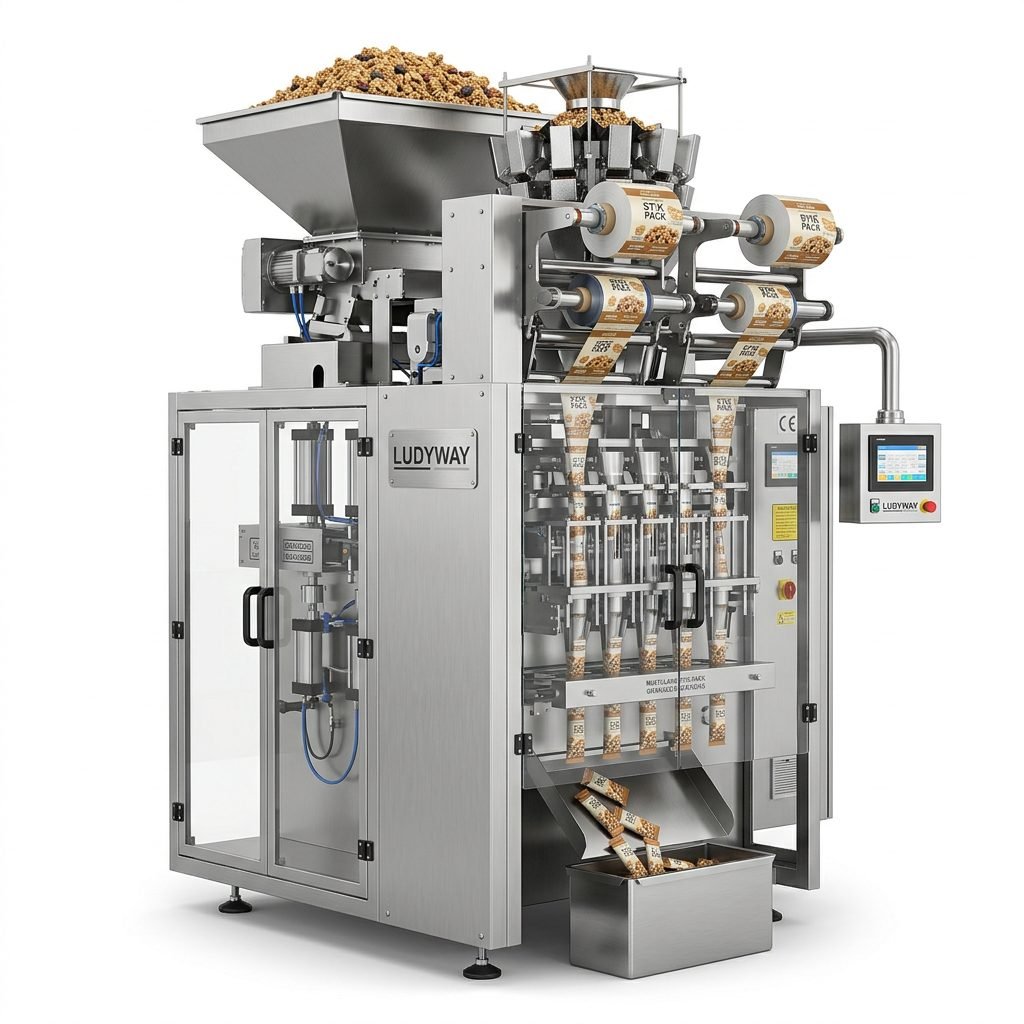
| Multi-Lane Stick Pack Machine | Single-serve stick packs, on-the-go portions | Extremely high output via parallel lanes, precise portioning, minimal material waste | 200–800 packs/min |
The Flexible Packaging Association notes that material innovation in flexible packaging films has expanded the range of formats available to snack manufacturers, making machine versatility an increasingly important purchasing criterion.
Key Factors to Evaluate When Selecting a Machine
1. Production Speed and Capacity Alignment
Your target throughput should be the starting point of any machine evaluation. Consider not only your current production volume but also your projected growth over the next three to five years. A machine that barely meets today’s demand may become a constraint sooner than expected. Look for equipment that can comfortably handle your peak throughput with at least 20–30% headroom to accommodate future growth and seasonal spikes.
2. Packaging Material Compatibility
Granola bars are typically packaged in multi-layer barrier films that protect against moisture, oxygen, and light. Your machine must be compatible with the specific film structures you intend to use, including:
- Metallized BOPP and CPP laminates
- Cold seal and heat seal films
- Bio-based and compostable barrier materials
- High-barrier EVOH and aluminum foil laminates
- Paper-based flexible packaging with functional coatings
Verify that the machine’s sealing system — whether heat seal, cold seal, or ultrasonic — is appropriate for your chosen materials. Cold seal films, for example, are often preferred for chocolate-coated bars to prevent heat damage during sealing.
3. Changeover Efficiency
If your facility packages multiple SKUs with different bar sizes or packaging formats, changeover speed becomes a critical metric. Modern machines offer tool-less changeover systems, recipe-based PLC controls, and quick-release components that can reduce changeover time from hours to minutes. Over the course of a year, faster changeovers can translate into significant gains in overall equipment effectiveness (OEE).
Packaging Formats and Bag Styles for Granola Bars
The packaging format you select impacts everything from shelf appeal to material costs. The most common formats for granola bars include:
- Pillow pack / flow wrap — the industry standard for single bars, offering a compact, cost-effective solution with excellent branding real estate
- Stick pack — ideal for mini granola bites, protein bar segments, and on-the-go formats, especially popular in multi-pack cartons
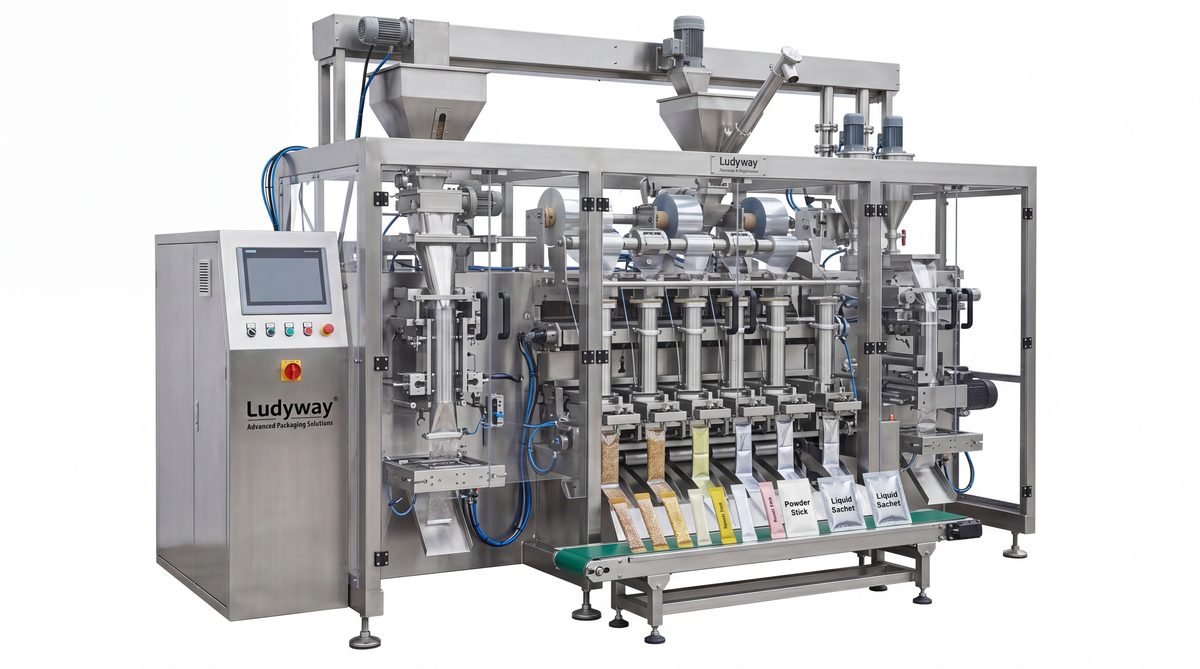
- Sachet packaging — commonly used for granola crumble toppings, oatmeal-style granola portions, and sample-sized products
- Multi-pack pouches — larger format bags containing multiple individually wrapped bars, often with resealable zippers
Your packaging machine should be configurable to produce the formats your target market demands while retaining the flexibility to adapt as consumer preferences shift. The PMMI packaging industry resources provide extensive data on format trends across snack categories.
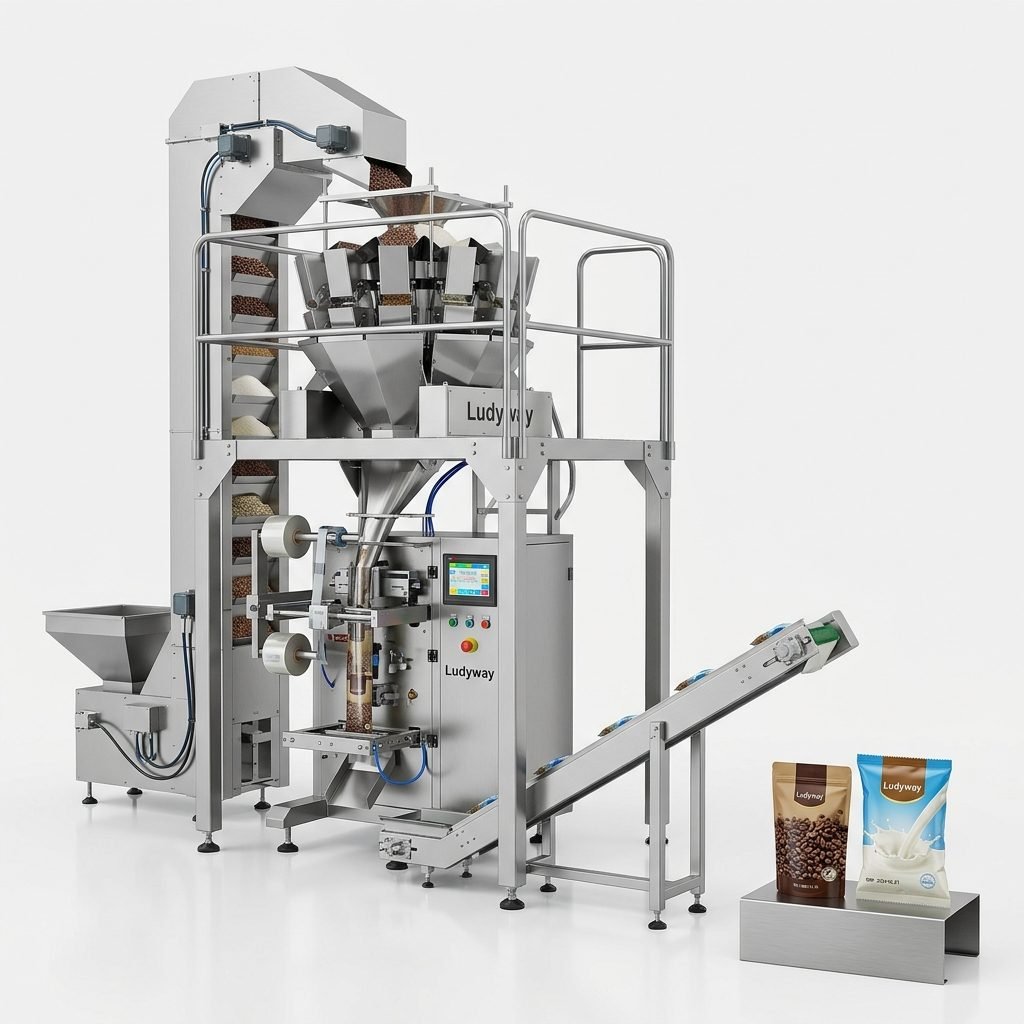
Automation Levels and Integration Capabilities
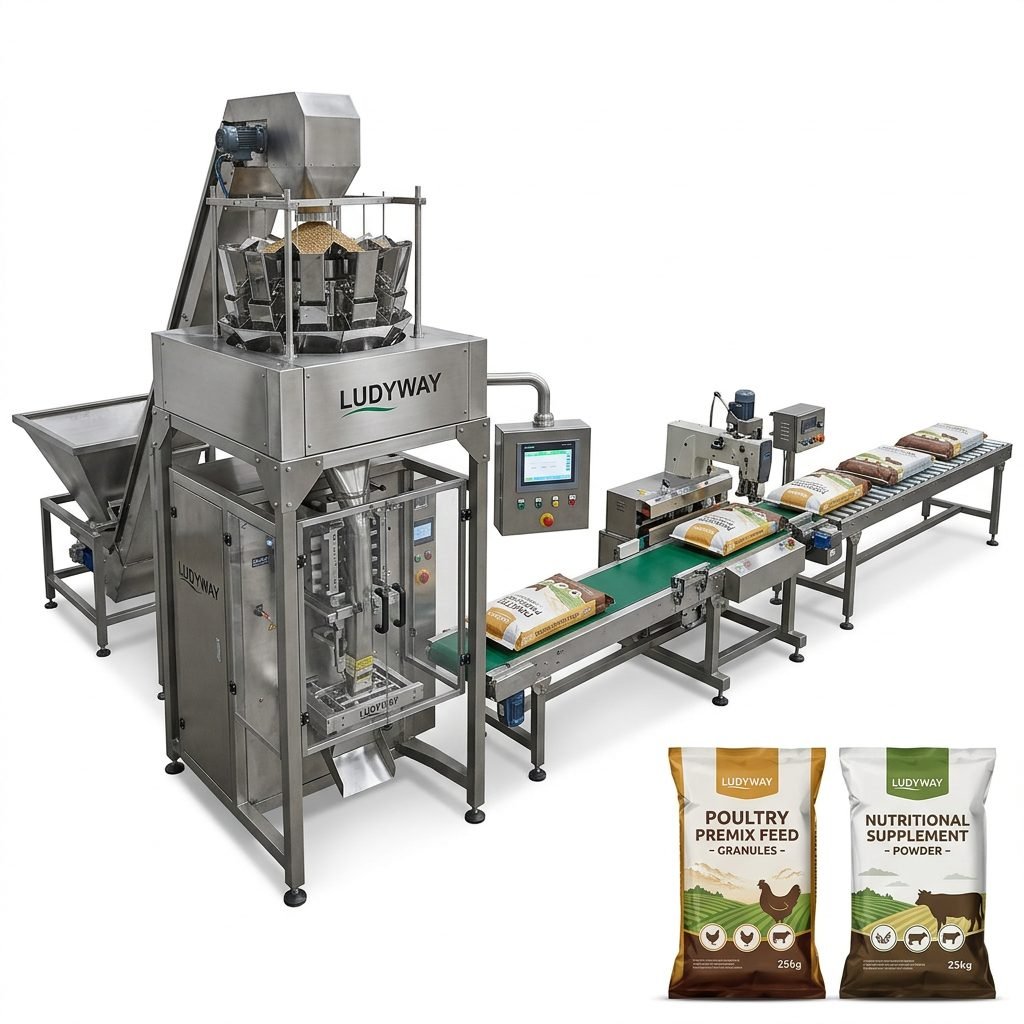
Granola bar packaging machines range from semi-automatic systems requiring manual product loading to fully automated turnkey packaging lines that integrate feeding, wrapping, coding, inspection, and cartoning into a single continuous workflow. When evaluating automation options, consider:
- Labor availability and cost in your production region
- Integration with upstream equipment such as cooling tunnels, enrobers, and conveyors
- Downstream connectivity with checkweighers, metal detectors, date coders, and case packers
- Data collection and traceability requirements for quality management systems
- Smart factory readiness — compatibility with Industry 4.0 protocols and remote monitoring platforms
A fully integrated packaging line can dramatically reduce manual handling, minimize contamination risks, and provide real-time production analytics. However, the upfront investment is higher, so the decision should be guided by a clear return on investment (ROI) analysis based on your specific operational context.
Seal Integrity and Product Protection
For granola bars, seal integrity is non-negotiable. A compromised seal leads to moisture ingress, oxidation, staling, and customer complaints. When evaluating machines, pay close attention to:
- The sealing technology employed — rotary, reciprocating, or continuous-motion sealing jaws
- Temperature control precision — PID-controlled heating elements with tight tolerances
- Pressure consistency across the entire seal width
- Dwell time adjustability for different film thicknesses and materials
- Gas flushing or vacuum capability for modified atmosphere packaging (MAP) applications
Reference standards such as ISO packaging standards and FDA food packaging regulations provide benchmarks for seal performance testing and validation protocols that should be incorporated into your quality assurance program.
Machine Construction and Hygiene Requirements
Food packaging machinery must meet stringent hygiene standards. Evaluate construction materials and design features including:
- Stainless steel construction — at minimum, all food-contact surfaces should be 304 or 316 stainless steel
- Open-frame design — facilitates cleaning access and reduces harborage points for product debris
- Washdown capability — determine whether your sanitation protocols require IP65 or IP66 rated protection
- Tool-free disassembly — speeds up sanitation changeovers and reduces downtime
- Compliance with applicable standards — CE, UL, cGMP, and HACCP requirements depending on your market
Cost Considerations and Total Cost of Ownership
The purchase price of a granola bar packaging machine is only one component of its total cost of ownership. A thorough financial evaluation should account for:
- Initial capital expenditure — machine cost, shipping, installation, and commissioning
- Packaging material costs — film utilization efficiency, scrap rates, and material waste percentages
- Energy consumption — power requirements per unit of production
- Maintenance expenses — scheduled service, wear parts replacement frequency, and labor costs
- Downtime costs — estimated production losses during unplanned stoppages
- Operator training — initial and ongoing training requirements
A machine with a higher upfront cost but lower operating expenses and better reliability often delivers superior long-term value compared to a cheaper alternative with higher running costs and frequent downtime.
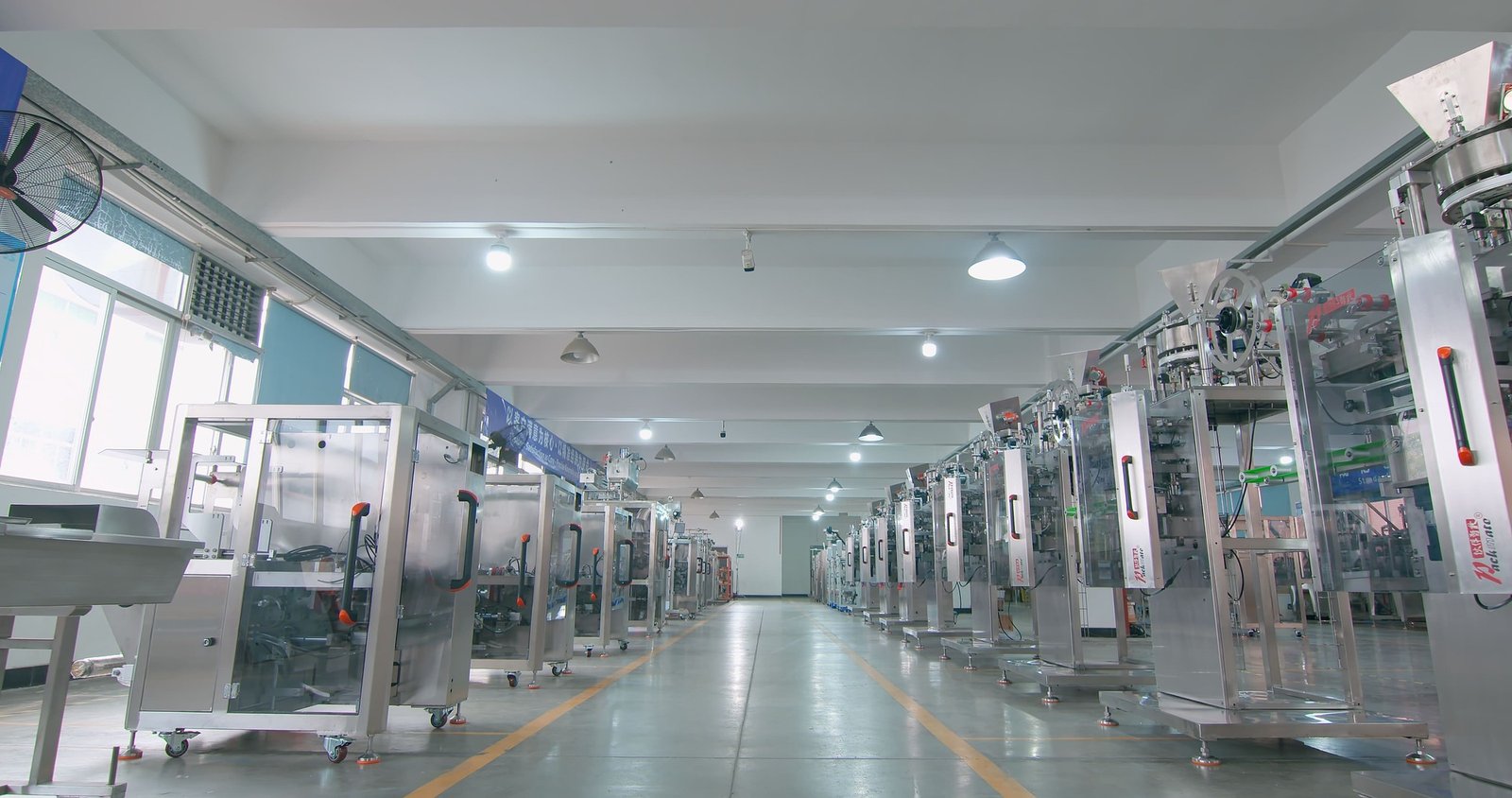
After-Sales Support and Service Infrastructure
The quality of after-sales support can make or break your experience with a packaging machine. Before committing to a supplier, investigate:
- Technical support availability — response times, remote diagnostics capabilities, and local service presence
- Spare parts inventory — availability of critical components and typical lead times for replacement parts
- Operator training programs — whether the supplier offers on-site or remote training during commissioning
- Warranty terms — coverage duration, scope, and any exclusions that may apply
- Preventive maintenance programs — scheduled service plans to maximize machine longevity
Manufacturers with proven global service networks and decades of industry experience are typically better positioned to provide consistent support throughout the machine’s lifecycle. For example, Ludyway Machinery, a China-based packaging machinery manufacturer with over 30 years of experience, serves customers in more than 100 countries and provides comprehensive technical support including machine selection, installation, commissioning, operator training, troubleshooting, and spare parts supply.
Certifications and International Standards
Depending on your target markets, your packaging machine may need to comply with specific regulatory requirements. Common certifications to verify include:
- CE Marking — required for machinery sold in the European Economic Area
- UL Certification — electrical safety compliance for North American markets
- GMP Compliance — essential for food-grade packaging equipment
- ISO 9001 — quality management system certification for the manufacturer
- FDA compliance — for food-contact materials used in the packaging process
Always request documentation confirming that the equipment meets the regulatory standards applicable to your region and industry. Reputable manufacturers will provide certification packages as part of the procurement process.
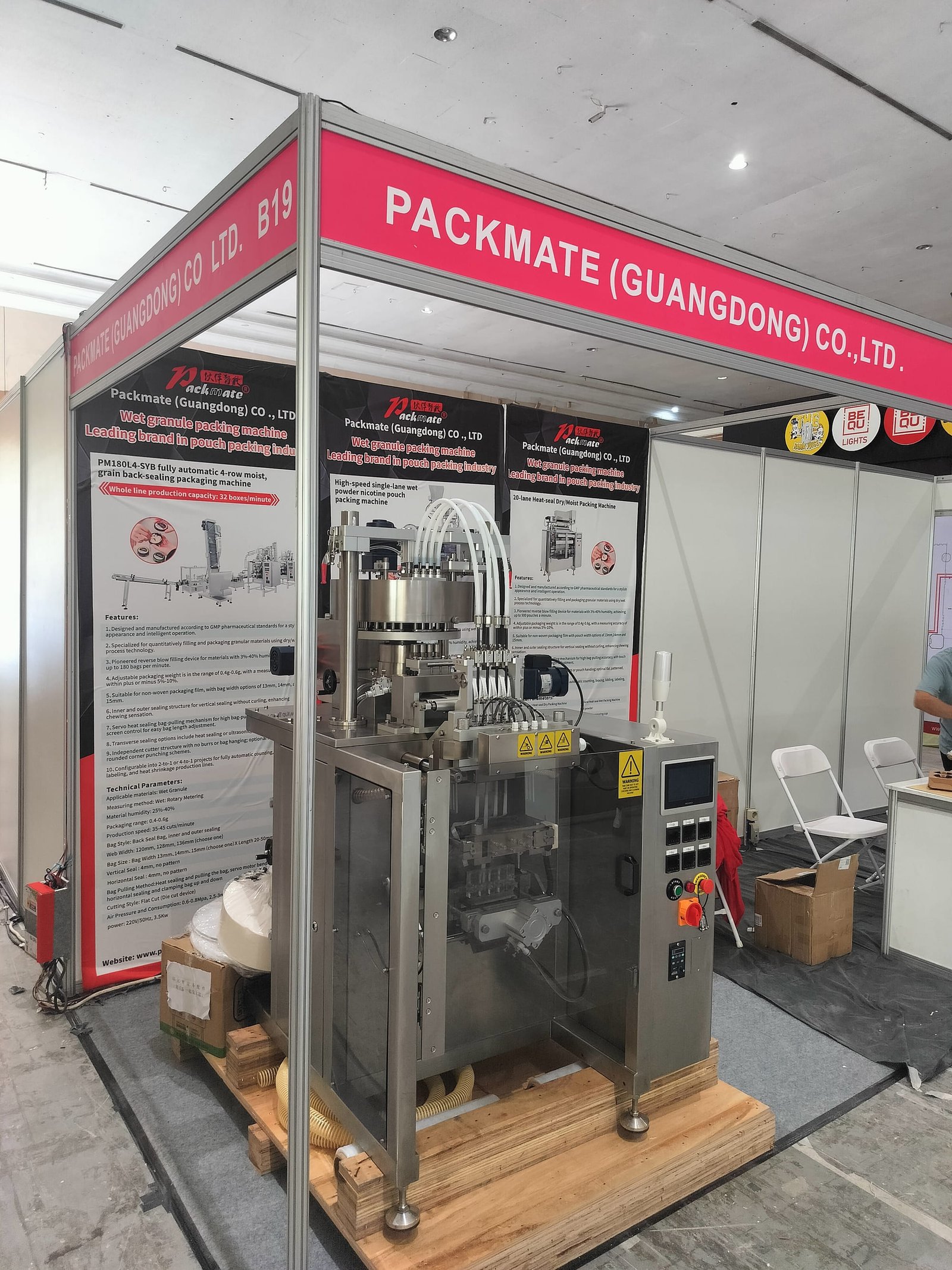
Making the Final Decision: A Step-by-Step Checklist
To summarize the evaluation process, use the following checklist to systematically compare granola bar packaging machines from different suppliers:
- Product compatibility verified — machine handles your specific bar dimensions, texture, and fragility
- Speed requirement met — throughput capacity exceeds current peak demand with growth headroom
- Film material compatibility confirmed — sealing system works with your chosen packaging materials
- Format flexibility assessed — machine can produce the bag styles your product line requires
- Automation level aligned — integration capabilities match your production line strategy
- Hygiene and construction standards verified — materials and design meet food safety requirements
- Total cost of ownership calculated — not just purchase price but operating costs over the machine’s life
- After-sales support confirmed — service infrastructure, spare parts availability, and training programs
- Certifications documented — compliance with relevant regional and industry standards
- References checked — feedback from existing customers with similar applications
Looking Ahead: Future-Proofing Your Packaging Investment
The granola and snack bar category continues to evolve rapidly. Trends such as sustainable packaging materials, single-serve portion packs, clean-label demands, and e-commerce-optimized formats are reshaping packaging requirements. When selecting a machine, consider whether the platform can accommodate future material transitions — for example, from multi-layer laminates to recyclable mono-material films — without requiring a complete equipment replacement.
Investing in a flexible, well-engineered packaging machine from an experienced manufacturer backed by reliable technical support will position your production line to adapt as market demands change, protecting your investment for years to come.
For further guidance on packaging machinery selection and industry trends, the PMMI Business Intelligence Library and Flexible Packaging Association industry data offer extensive research, market reports, and technical resources to support informed equipment purchasing decisions.