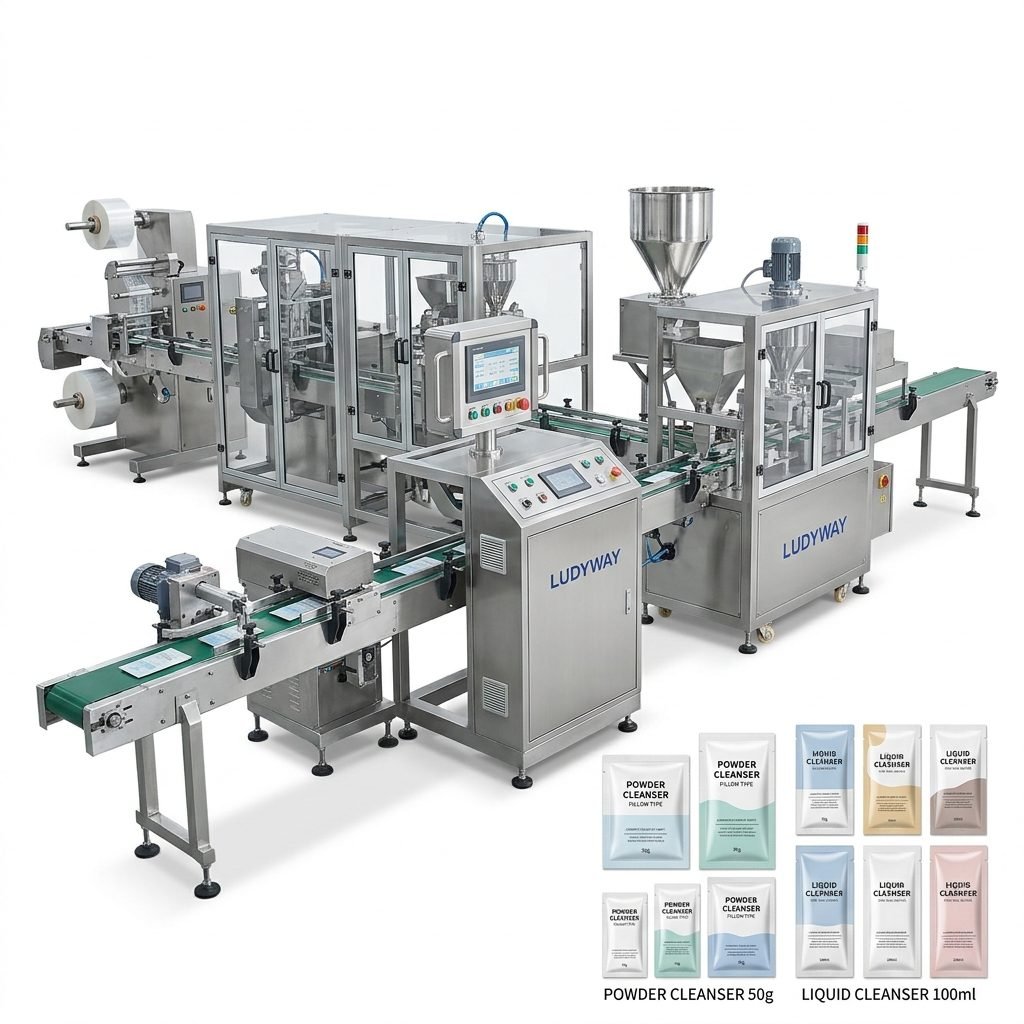
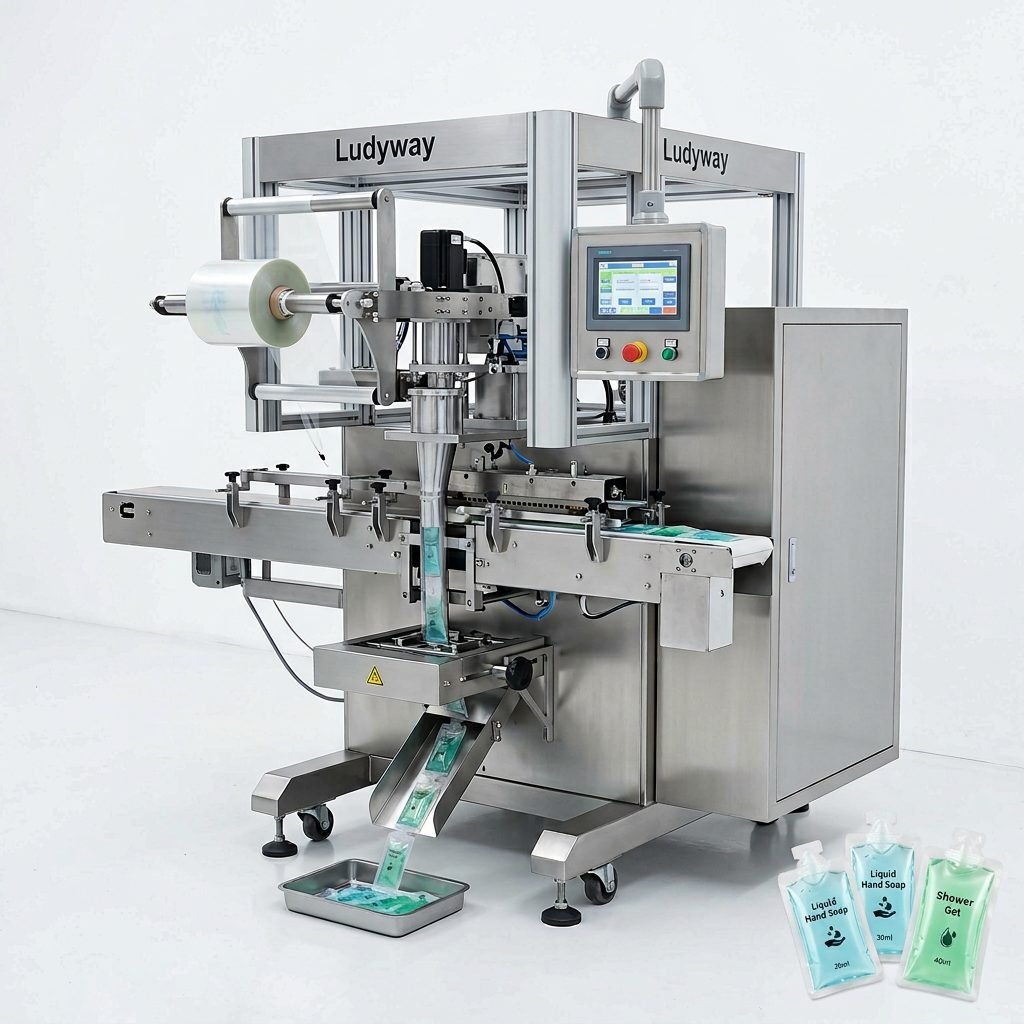
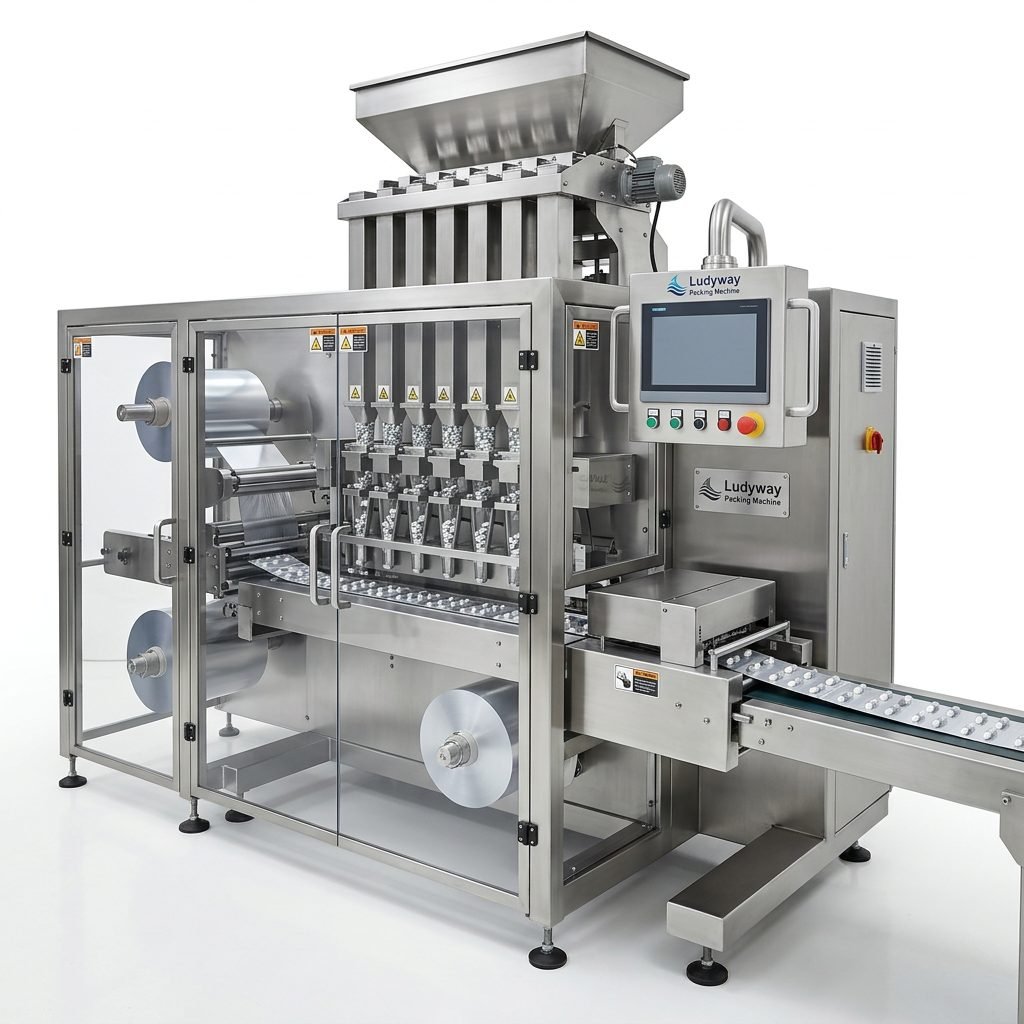
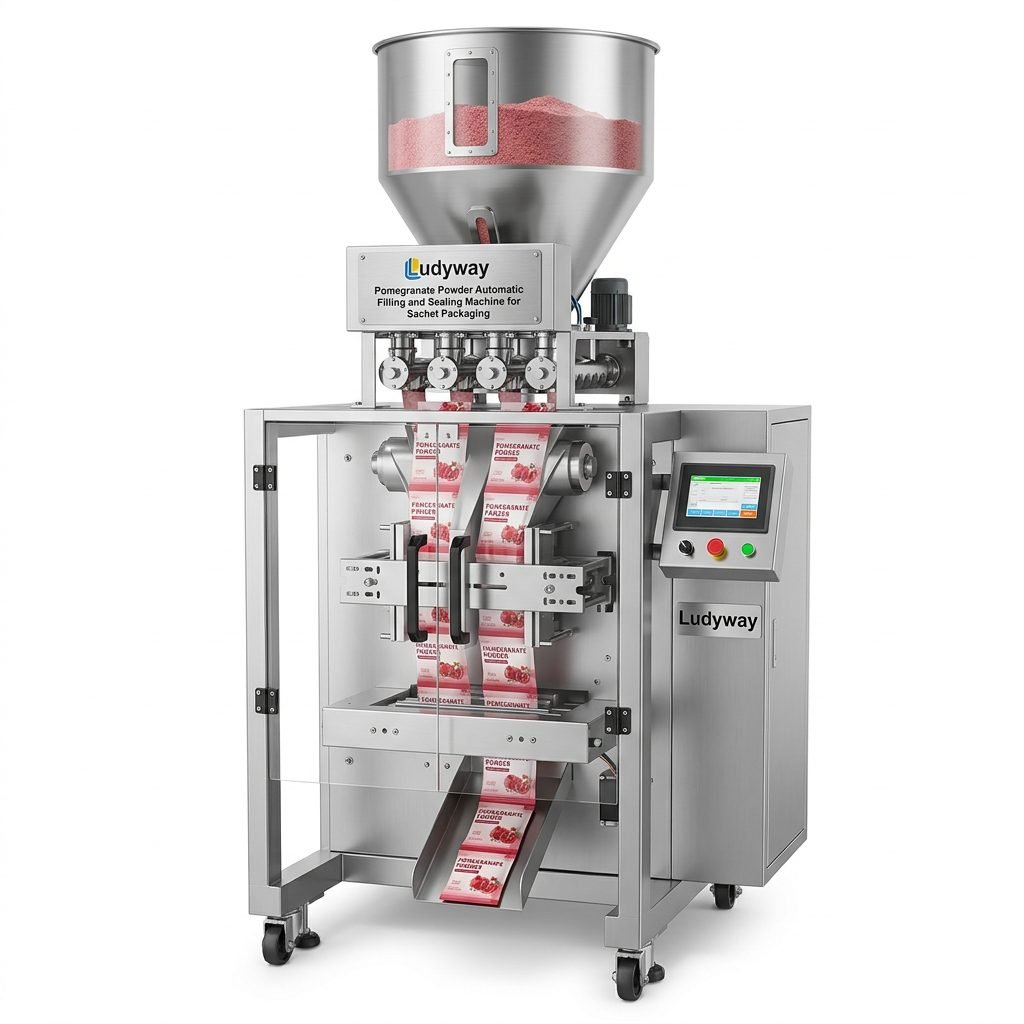
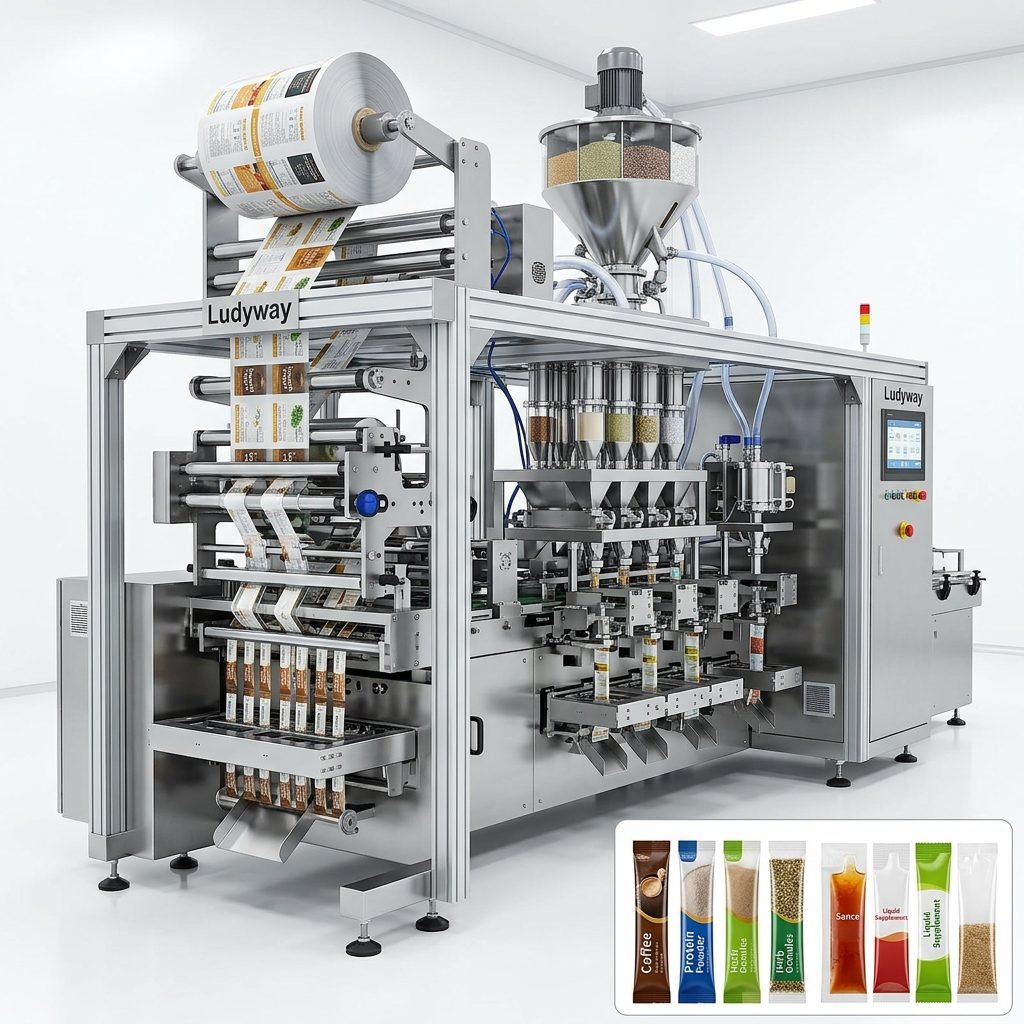
Investing in a liquid packing machine is a significant decision that directly impacts your production efficiency, product quality, and long-term operational costs. With the vast array of technologies available—from simple semi-automatic fillers to fully integrated turnkey packaging lines—understanding the key selection criteria is essential. This guide breaks down the critical factors to help you make an informed purchase.
1. Understand Your Liquid Product Characteristics
The first and most crucial step is a thorough analysis of your product’s physical and chemical properties. Not all liquids behave the same way, and your filling technology must be matched accordingly.
- Viscosity: Is your product free-flowing like water, semi-viscous like syrup or shampoo, or highly viscous like paste or gel? High-viscosity products often require piston fillers or positive displacement pumps for accurate dosing.
- Chemical Composition: Is the liquid corrosive, acidic, or flammable? This determines the materials used for machine construction—stainless steel (304 or 316L) is standard for food and pharmaceutical applications, while specialized alloys may be needed for aggressive chemicals.
- Foaming Tendency: Products like liquid detergents or shampoos tend to foam during filling, which can affect fill accuracy. In such cases, bottom-up filling nozzles or vacuum-assisted systems are recommended.
- Particle Content: Does your liquid contain particulates, pulp, or suspended solids? This impacts nozzle design and valve selection to prevent clogging and ensure consistent fills.
2. Select the Appropriate Filling Technology
Choosing the right liquid filling system is where many buyers face challenges. Each technology has distinct advantages depending on the application. The table below compares the most common types:
| Filling Technology | Best For | Accuracy | Speed |
|---|---|---|---|
| Gravity Filler | Thin, free-flowing liquids (water, wine, juice) | Moderate | High |
| Piston Filler | Viscous products (pastes, creams, gels, sauces) | Very High | Medium-High |
| Overflow Filler | Filling to a consistent visual level (bottled water, edible oils) | High (volume-level) | High |
| Peristaltic Pump | Aseptic or sterile liquids; pharmaceutical products | Very High | Low-Medium |
| Net Weigh Filler | Large containers; products sold by weight | Extremely High | Medium |
3. Define Your Packaging Format and Material Requirements
Your choice of packaging format significantly influences machine configuration. Modern liquid packaging equipment can handle a wide range of formats. Consider these common options:
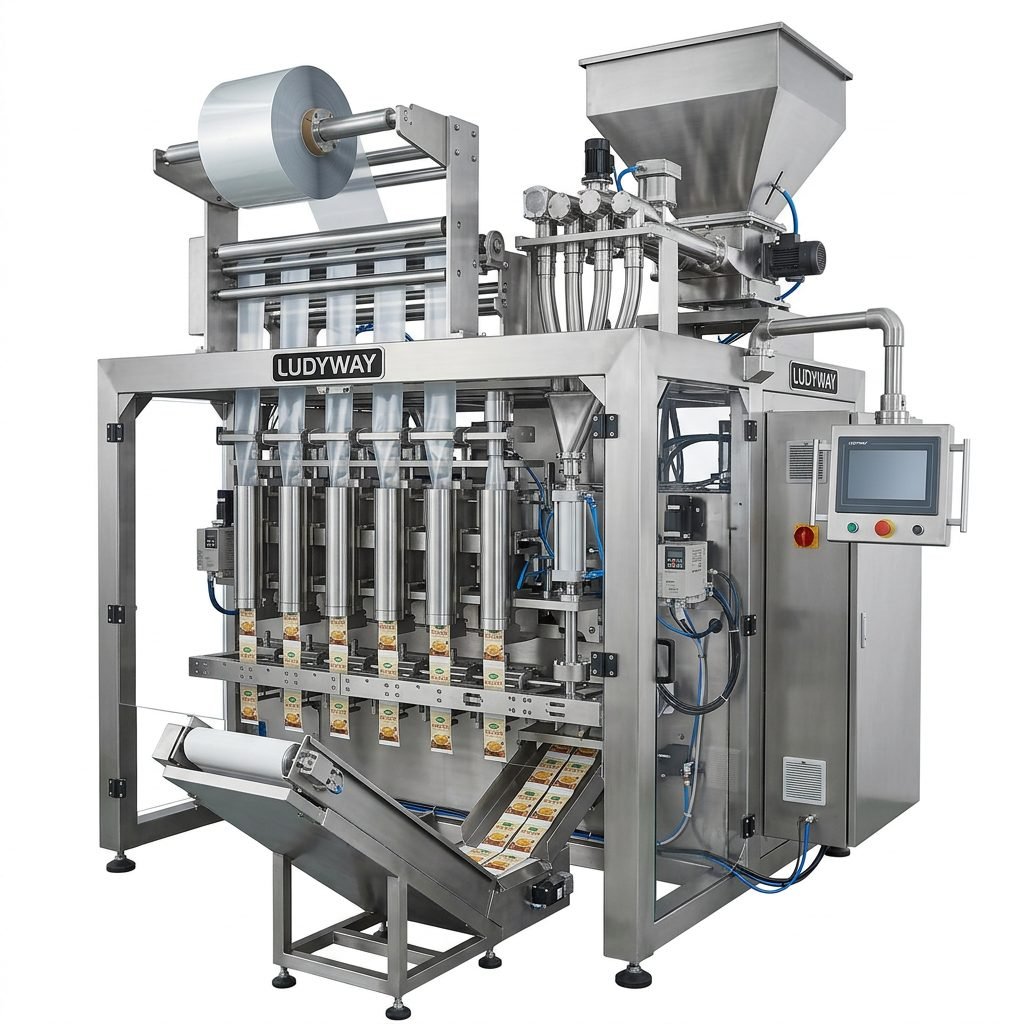
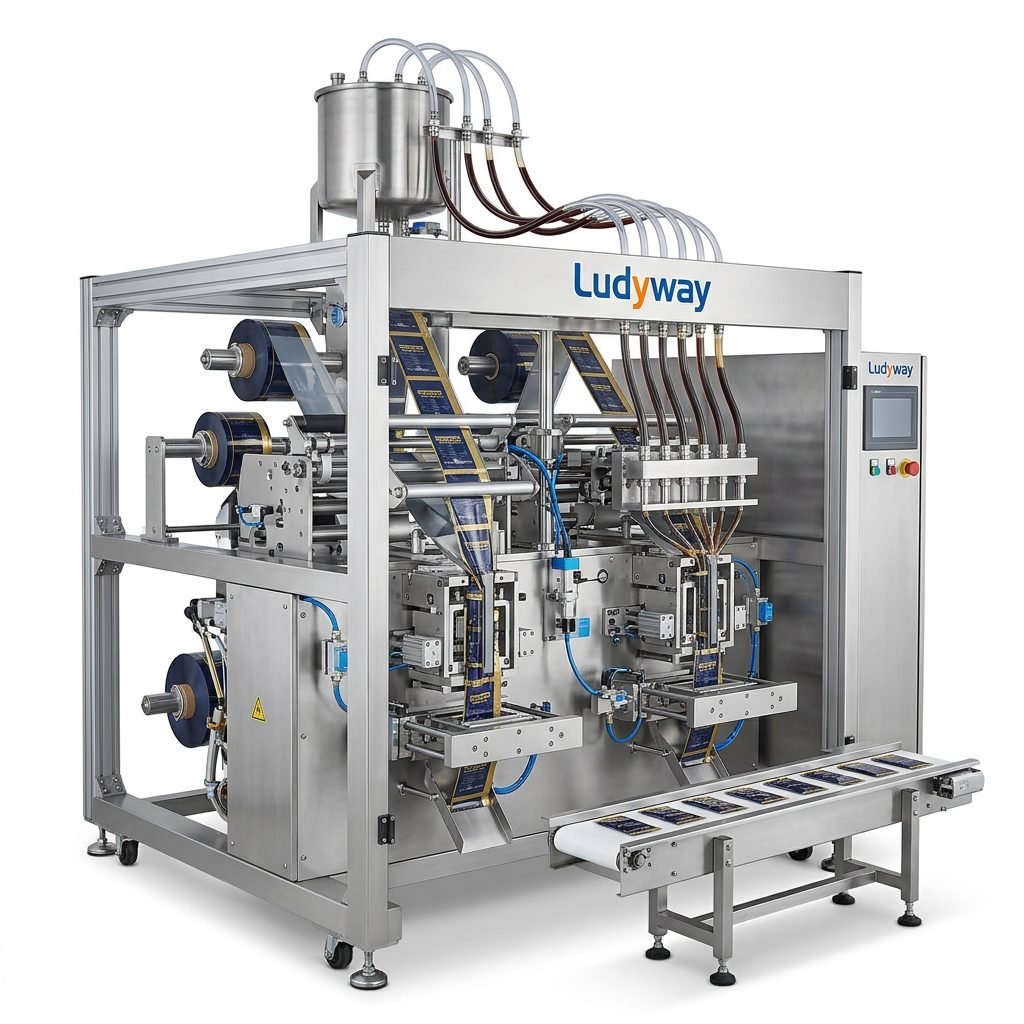
- Sachets and stick packs: Ideal for single-dose products like condiments, cosmetic samples, and pharmaceutical liquids. Multi-lane machines can produce hundreds of sachets per minute.
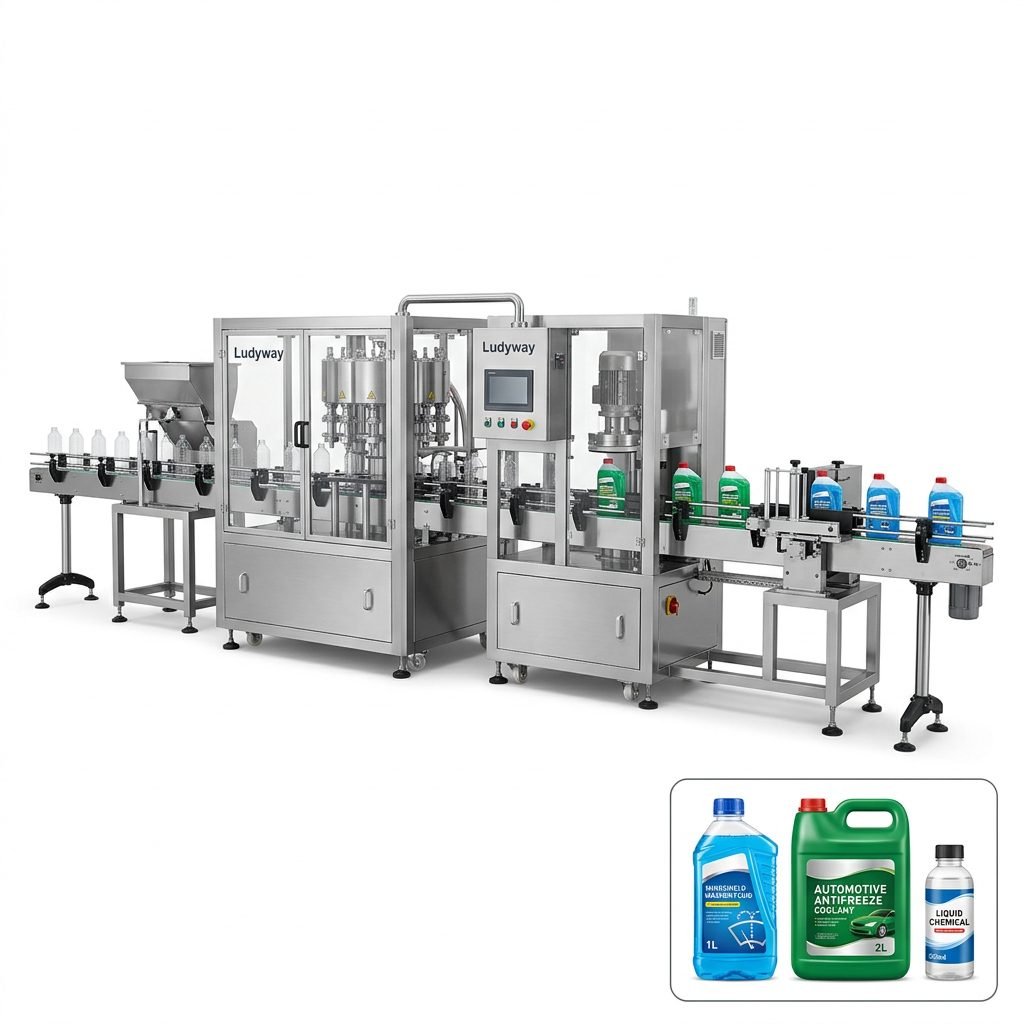
- Bottles and jars: Suitable for beverages, sauces, cleaning products, and personal care items. Requires integration with capping and labeling systems.
- Pouches and spouted pouches: Growing in popularity across food, beverage, and household chemical sectors. Offers excellent shelf appeal and flexible packaging convenience.
- Vials and ampoules: Common in pharmaceutical and cosmetic applications requiring precise small-volume fills.
The packaging material also matters. Verify that the machine’s sealing temperature, pressure, and jaw configuration are compatible with your chosen film, laminate, or foil structure.
4. Evaluate Production Speed and Automation Level
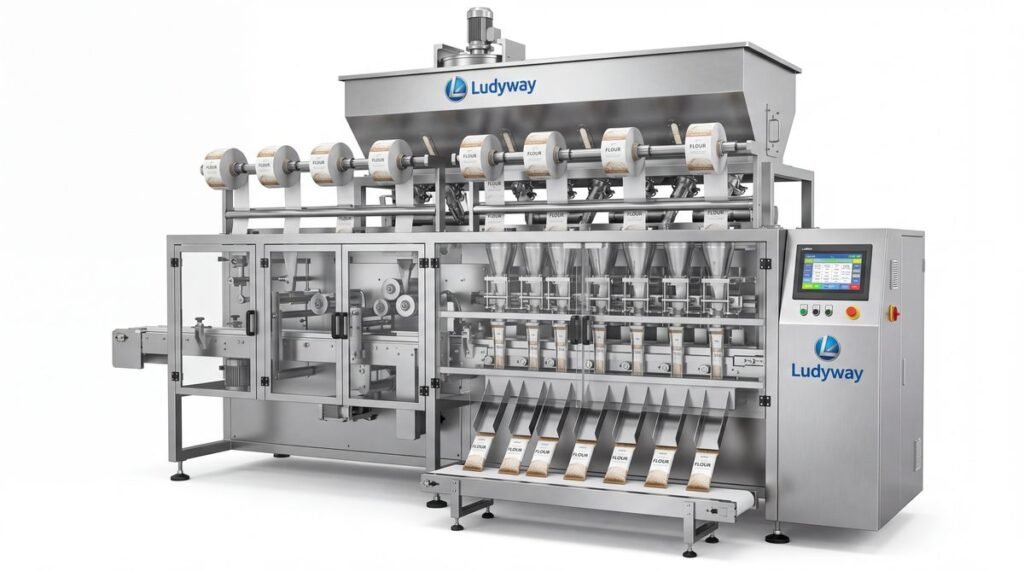
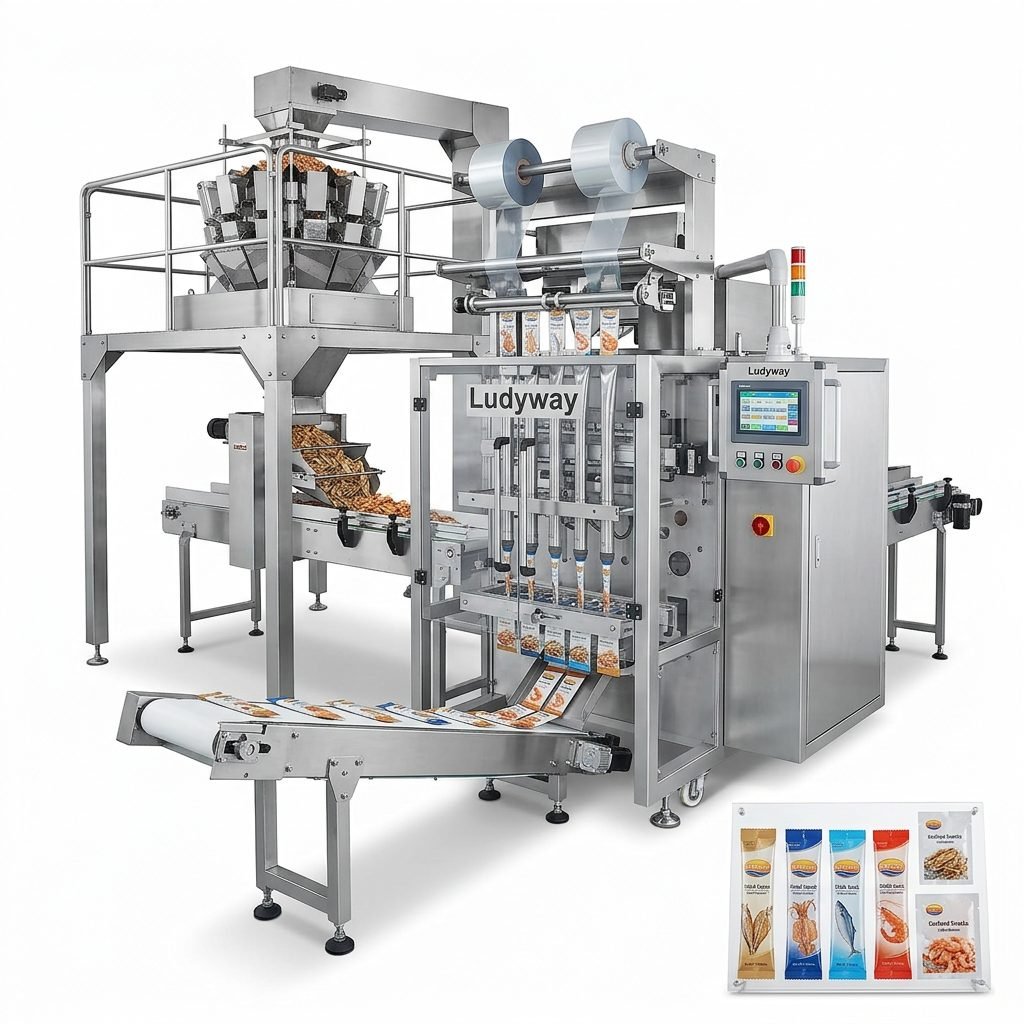
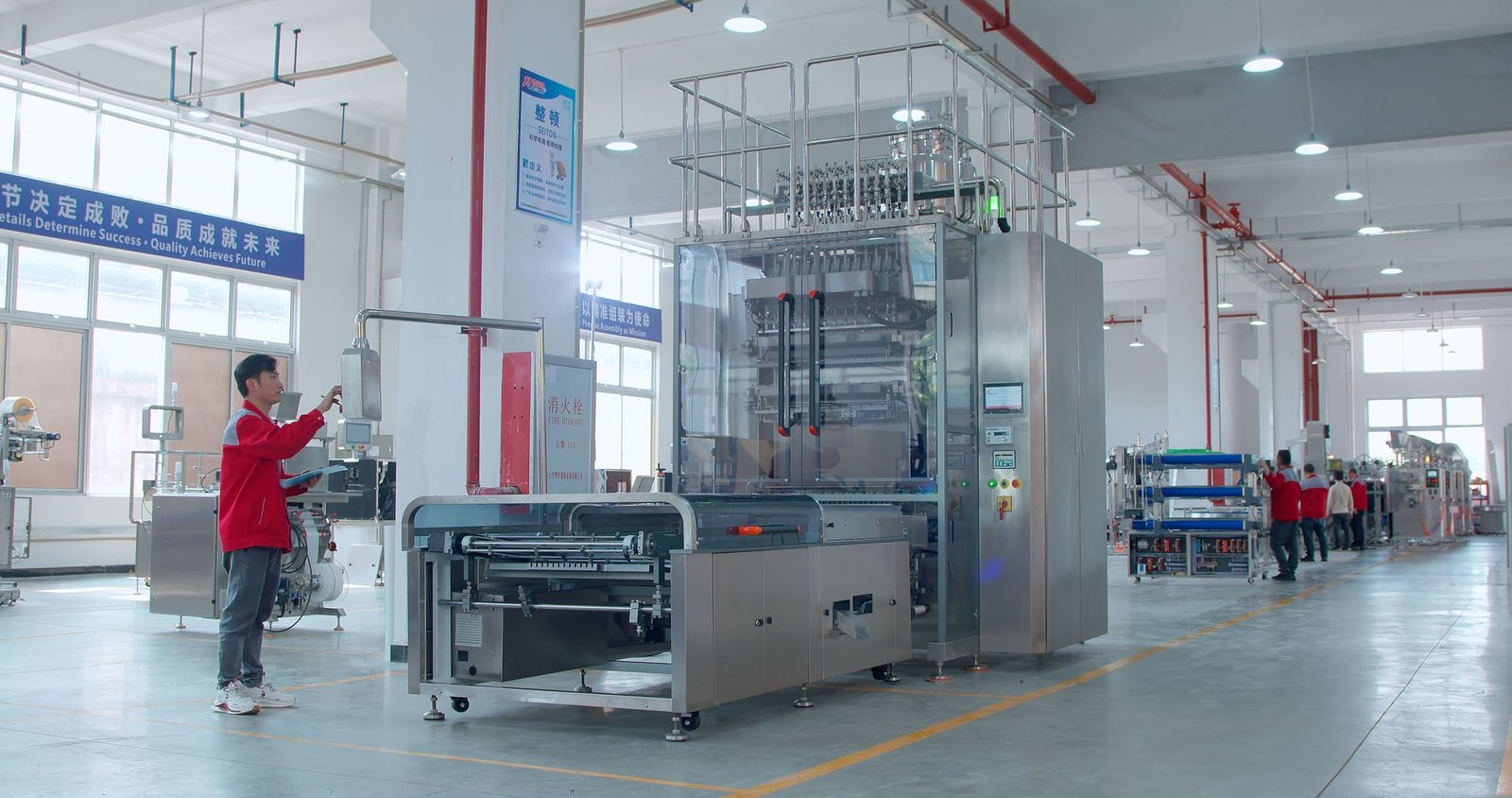
Your current and projected production volume should guide the speed and automation specifications of your liquid packing machine. A manual or semi-automatic filler may suffice for small-batch production, but high-volume operations demand fully automatic, multi-head or multi-lane filling systems.
Key automation considerations include:
- Inline vs. rotary filling: Rotary systems offer higher speeds for bottle filling, while inline systems provide flexibility for format changes.
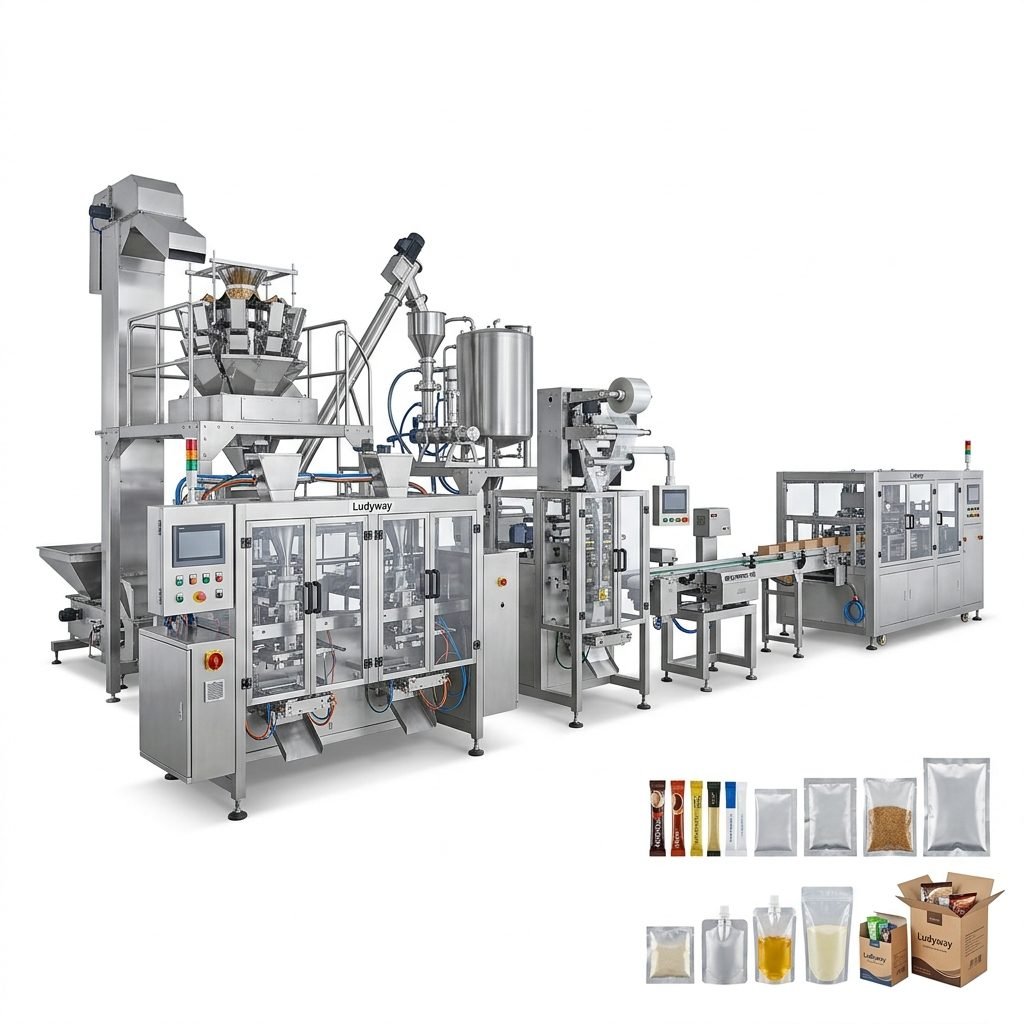
- Integration capabilities: Can the machine connect seamlessly with upstream and downstream equipment such as bottle unscramblers, cappers, labelers, cartoners, and palletizers?
- Changeover time: If you run multiple products or package sizes, look for machines with tool-free changeover and recipe-based settings to minimize downtime.
5. Ensure Regulatory Compliance and Quality Standards
If you operate in the food, beverage, pharmaceutical, or cosmetic industries, your packaging machinery must comply with relevant regulations. FDA food packaging regulations and packaging machinery standards set forth by industry bodies provide essential frameworks. Key compliance areas include:
- GMP compliance: Machines should be designed for easy cleaning (CIP/SIP compatibility) with sanitary construction that minimizes contamination risks.
- Material traceability: All product-contact parts should have documented material certifications (e.g., FDA-approved elastomers, 316L stainless steel).
- Safety features: Emergency stop systems, safety guarding, and interlocks should meet applicable machinery safety directives.
- Documentation: Installation Qualification (IQ), Operational Qualification (OQ), and Performance Qualification (PQ) documentation are often required in regulated industries.
6. Calculate Total Cost of Ownership and ROI
The purchase price is only one component of the total cost of ownership. When evaluating a liquid packing machine, factor in these long-term considerations:
- Spare parts availability: Confirm that critical wear components are readily available and reasonably priced.
- Energy consumption: Modern servo-driven machines offer significant energy savings compared to pneumatic or mechanically driven alternatives.
- Maintenance requirements: Preventative maintenance schedules, ease of access to key components, and remote diagnostic capabilities all affect ongoing operational costs.
- Operator training: A user-friendly HMI interface reduces training time and the risk of operator errors.
- Scalability: Can the machine be upgraded or expanded as your production needs grow?
7. Partner with an Experienced Packaging Machinery Supplier
Selecting the right equipment is only part of the equation. Working with a supplier that offers comprehensive support—from initial consultation and customized packaging solutions through installation, commissioning, and after-sales service—can make the difference between a smooth integration and ongoing operational headaches. Look for manufacturers with demonstrated engineering capabilities, international certifications, and a track record of serving your specific industry.
For manufacturers seeking a reliable partner with over three decades of industry experience, Ludyway Machinery provides comprehensive liquid packaging solutions backed by a 20,000-square-meter manufacturing facility, more than 130 professionals, and global service reach spanning over 100 countries. The company’s approach to customized engineering and turnkey system integration enables manufacturers to optimize their production lines efficiently.
8. Test Before You Invest
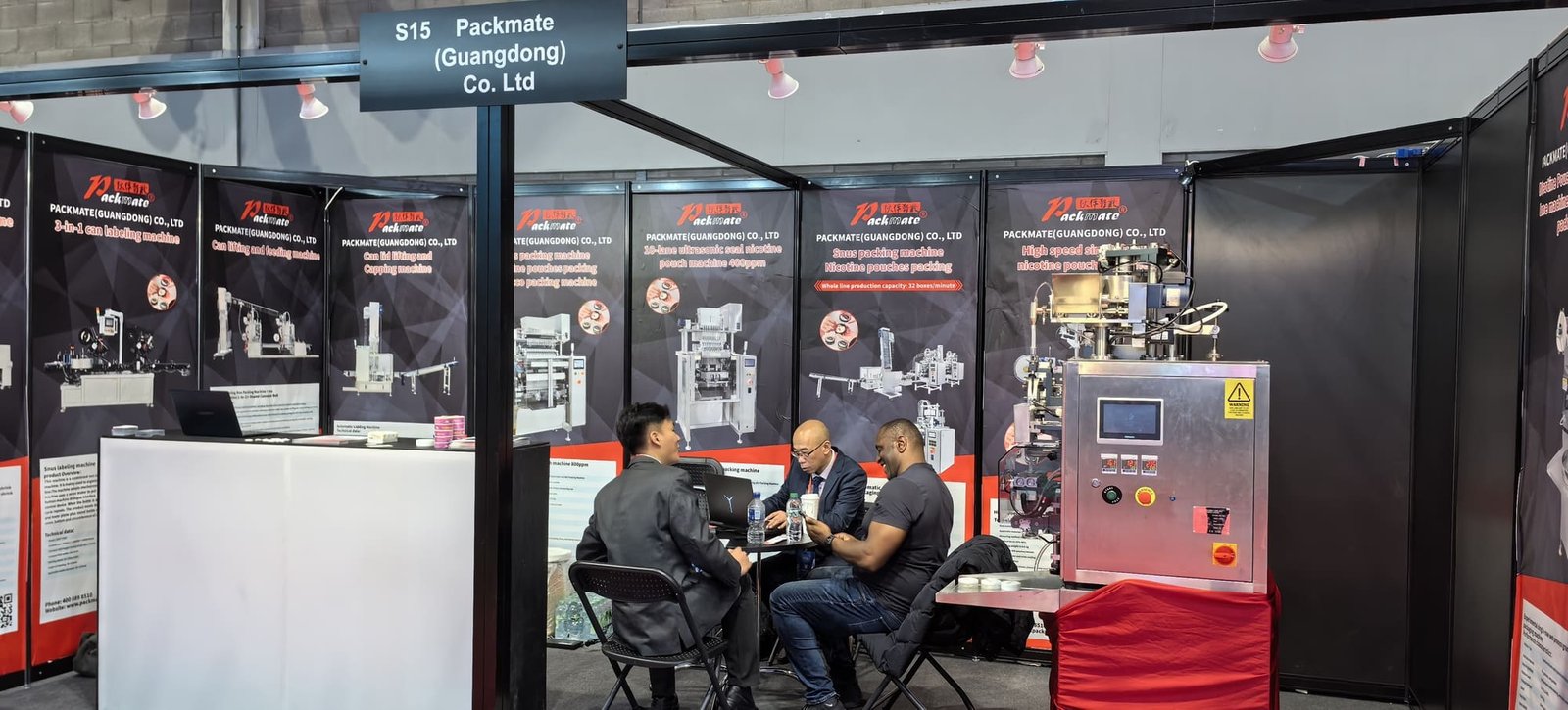
Whenever possible, conduct product trials using your actual liquid product and packaging materials on the equipment you are considering. This validates fill accuracy, seal integrity, production speed, and overall machine performance under real-world conditions. Many reputable manufacturers offer factory acceptance testing (FAT) and site acceptance testing (SAT) as part of their project delivery process. Observing the machine in operation—whether at a factory showroom or at an industry event like PACK EXPO International—provides invaluable confidence in your purchasing decision.
Making the Right Choice
Selecting the right liquid packing machine requires a methodical evaluation of your product characteristics, production goals, packaging format preferences, and regulatory obligations. By systematically assessing these factors and partnering with an experienced equipment supplier, you position your operation for consistent quality output, reduced downtime, and sustainable growth. The investment in thorough research and testing upfront pays dividends through years of reliable, efficient production.