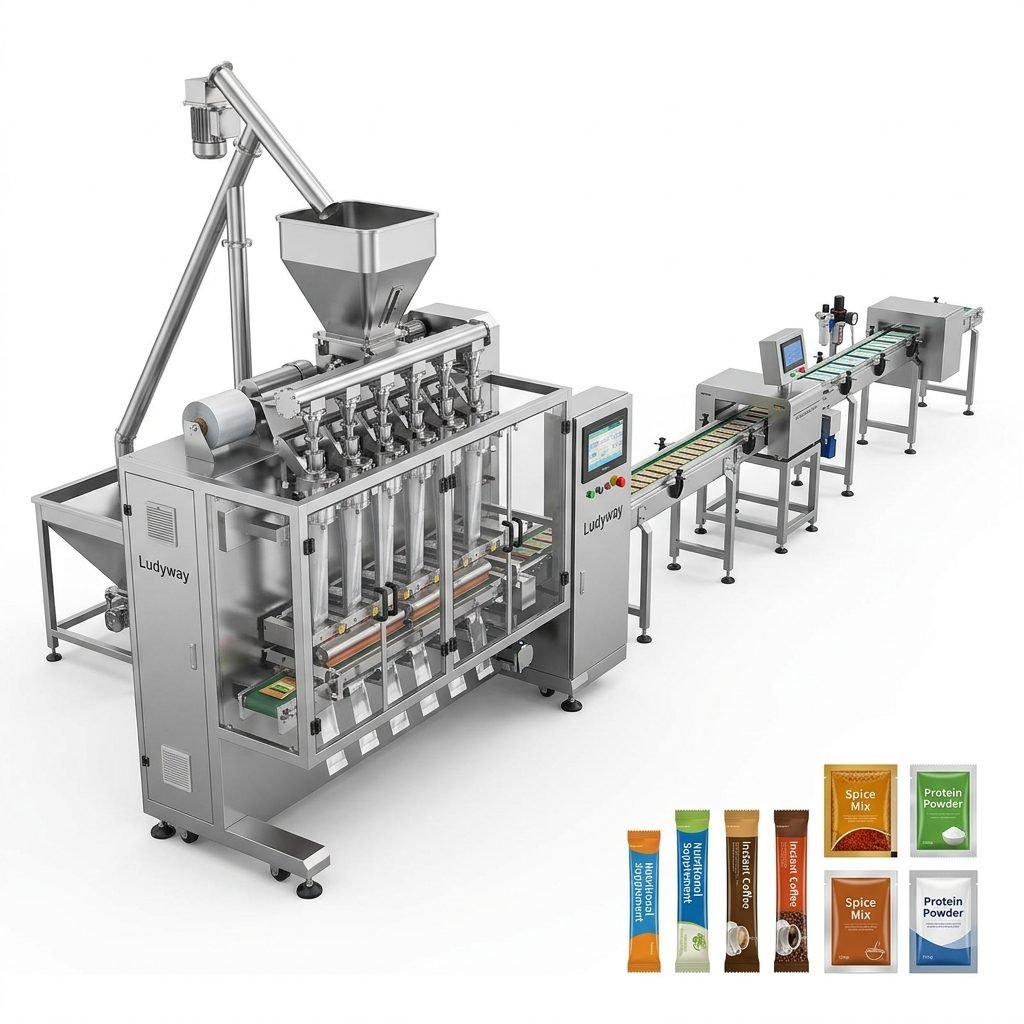
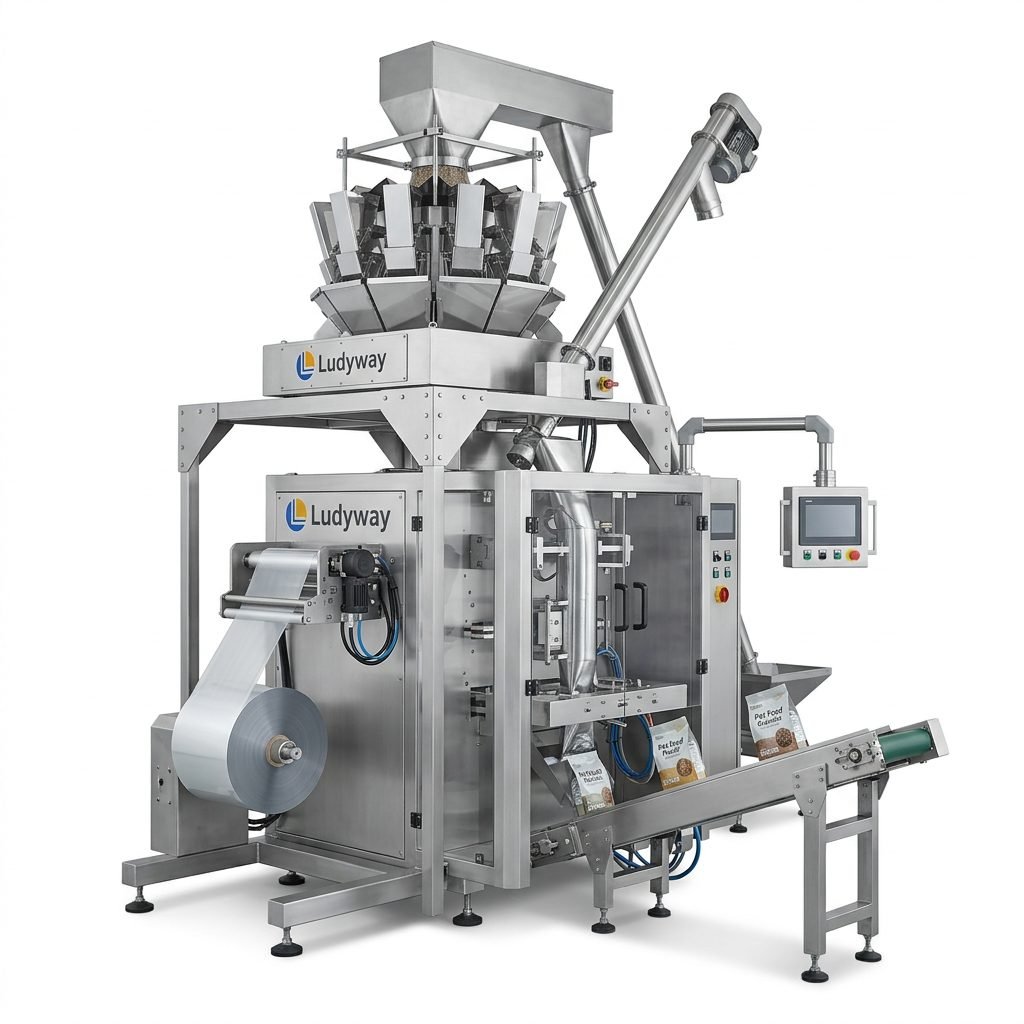
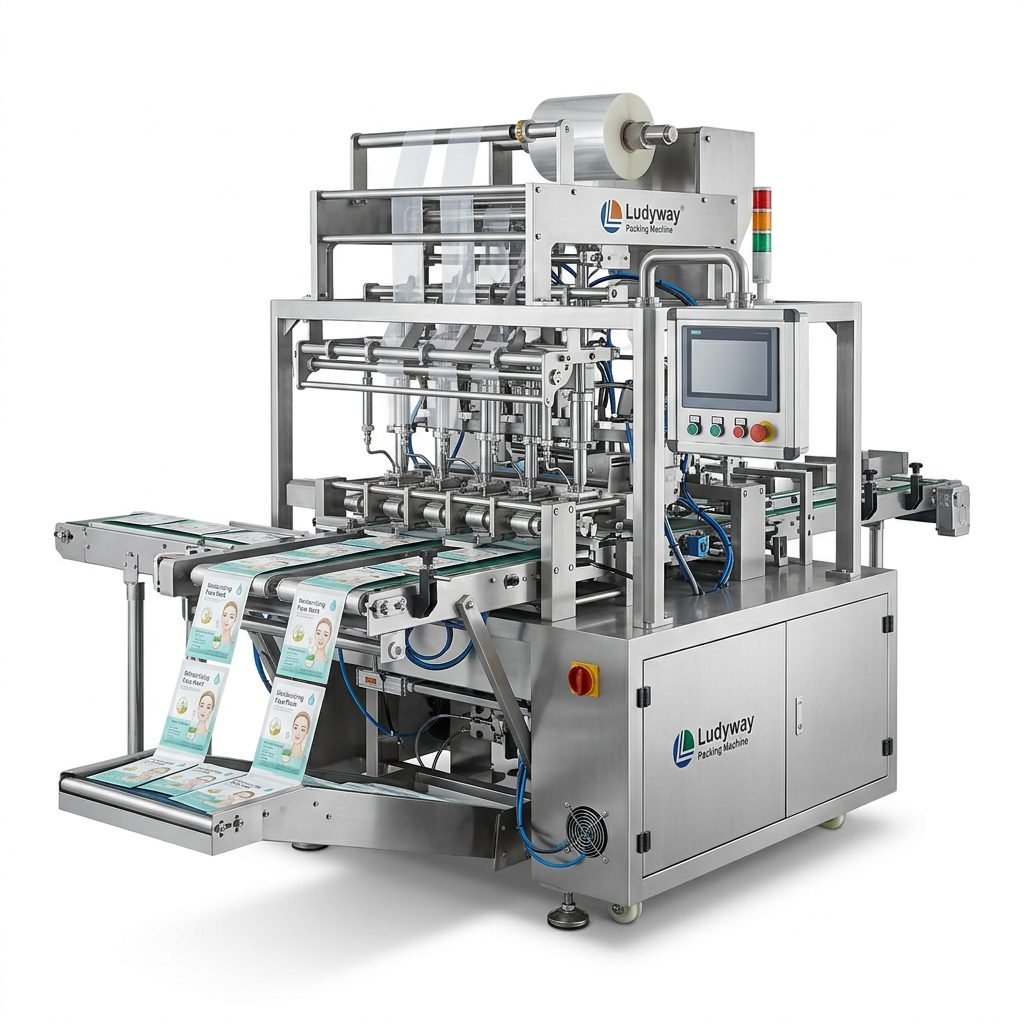
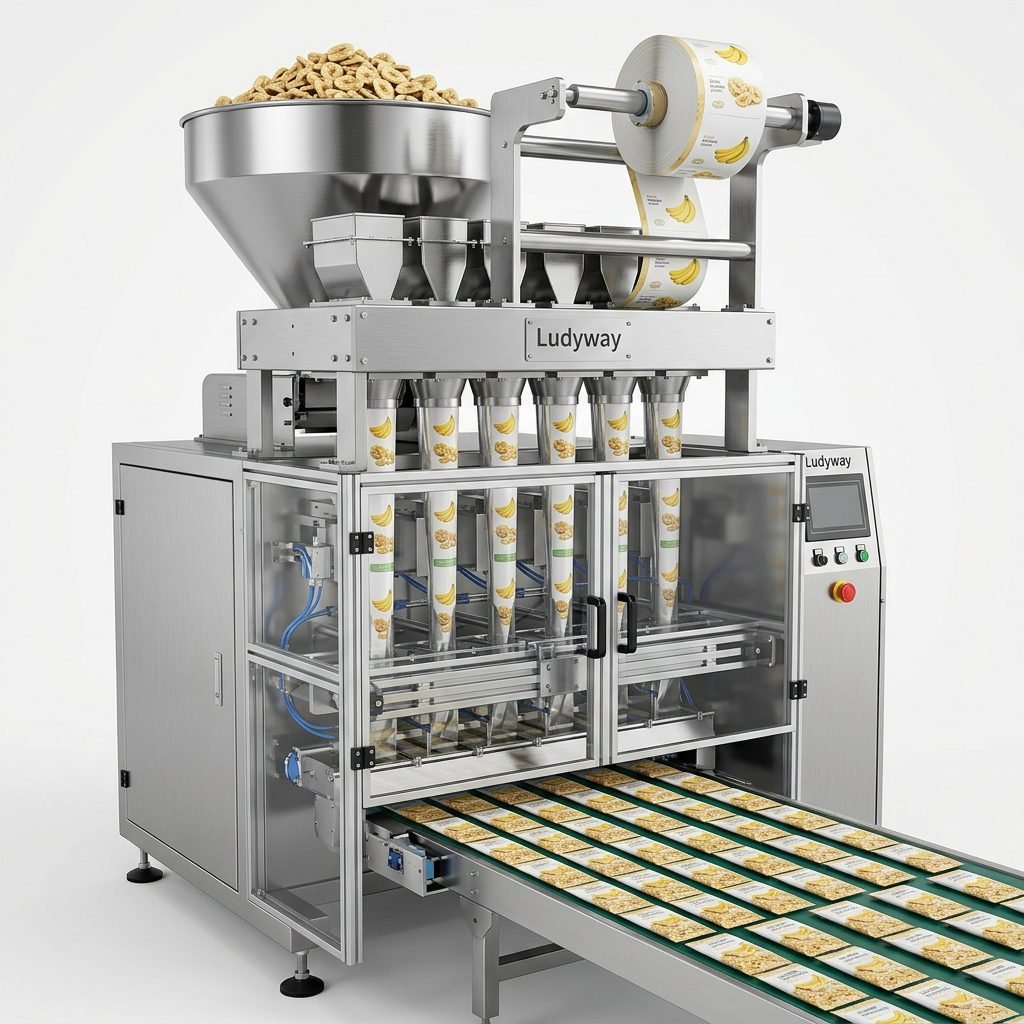
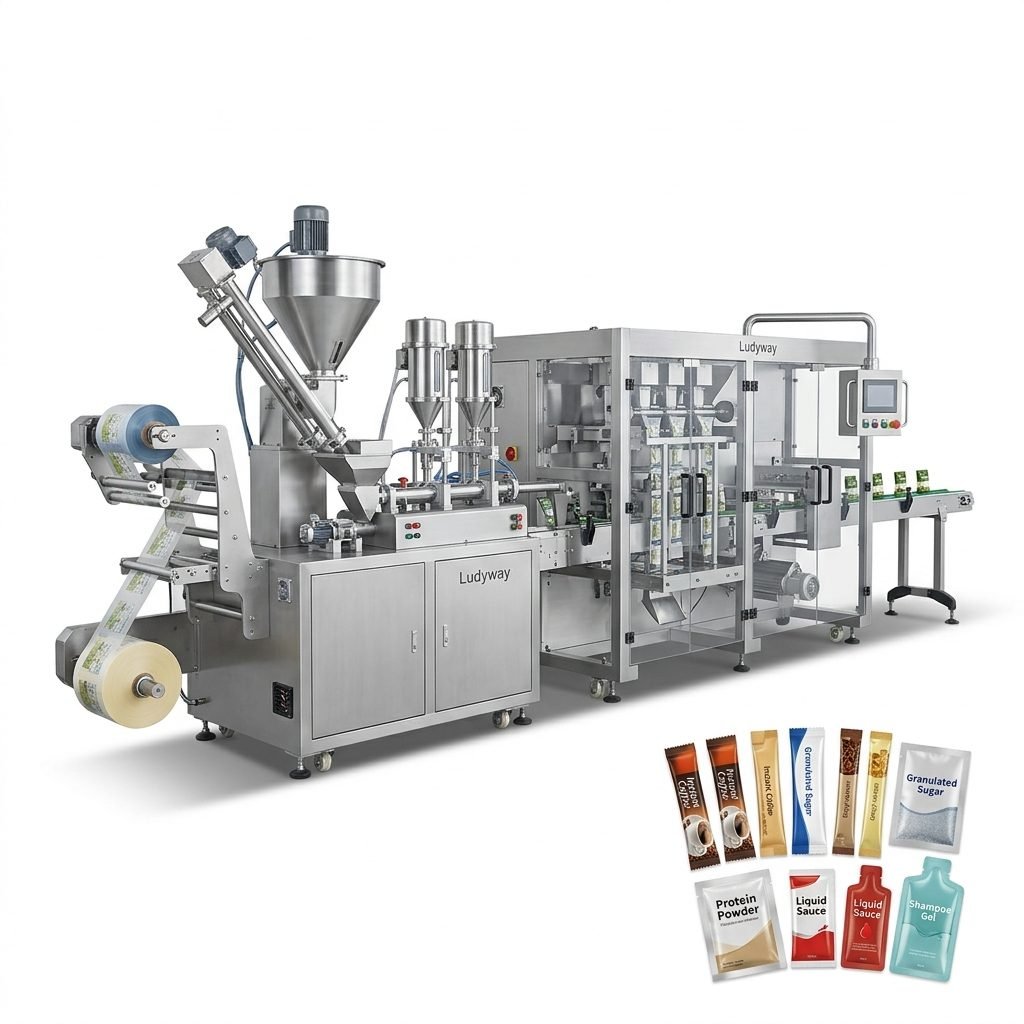
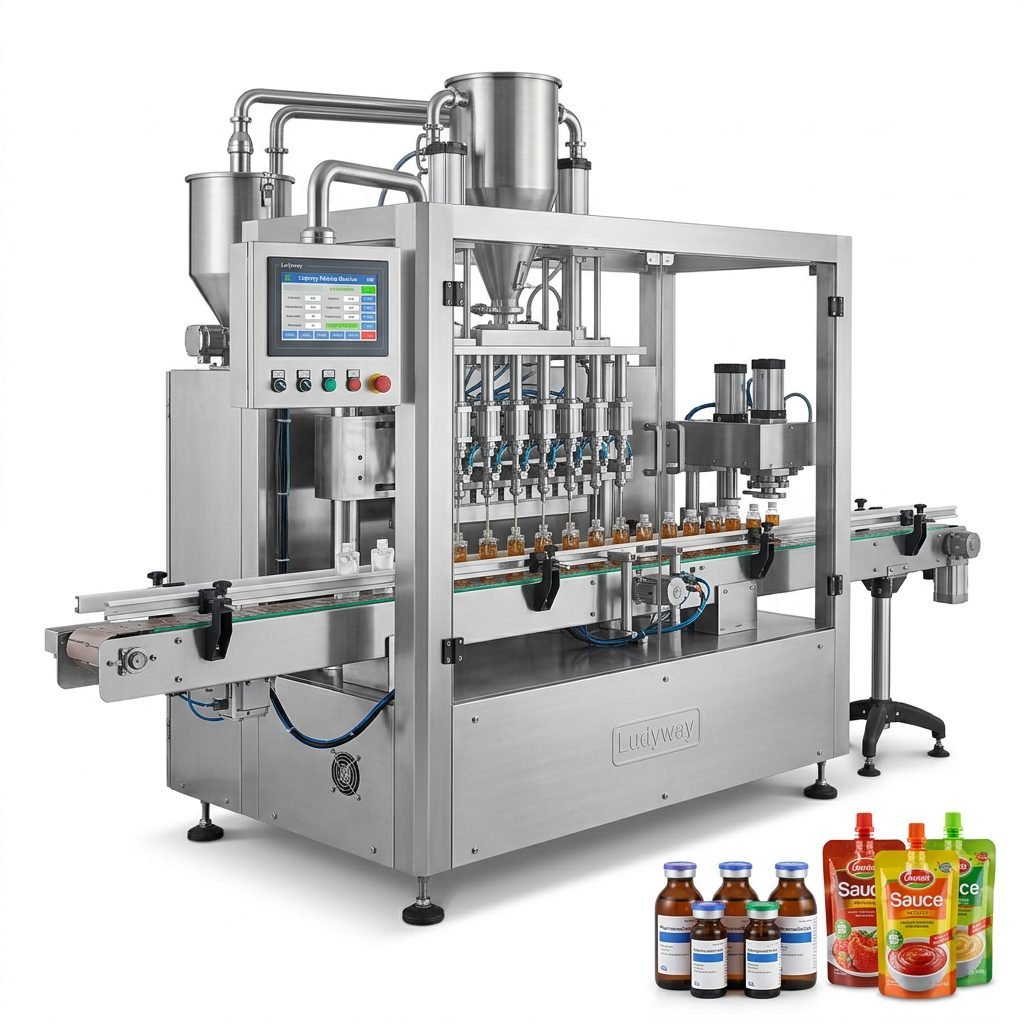
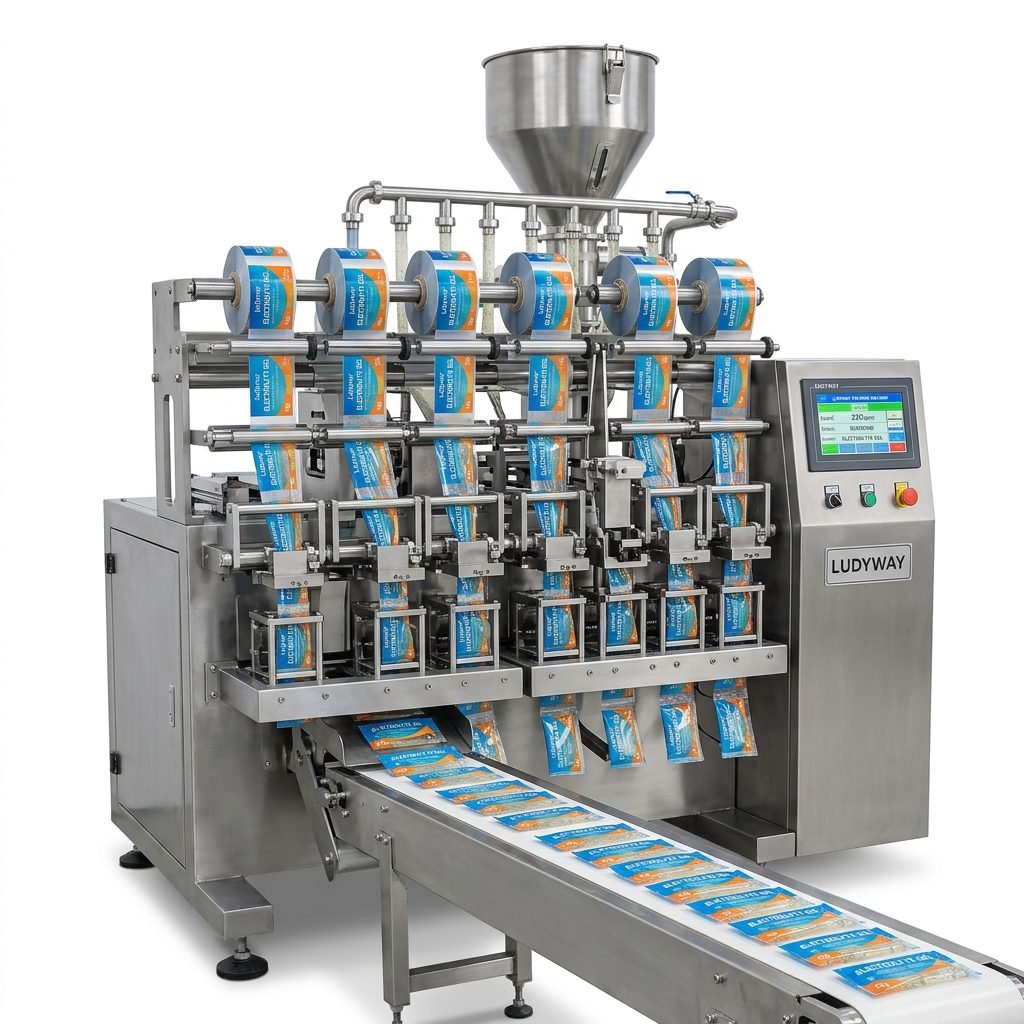
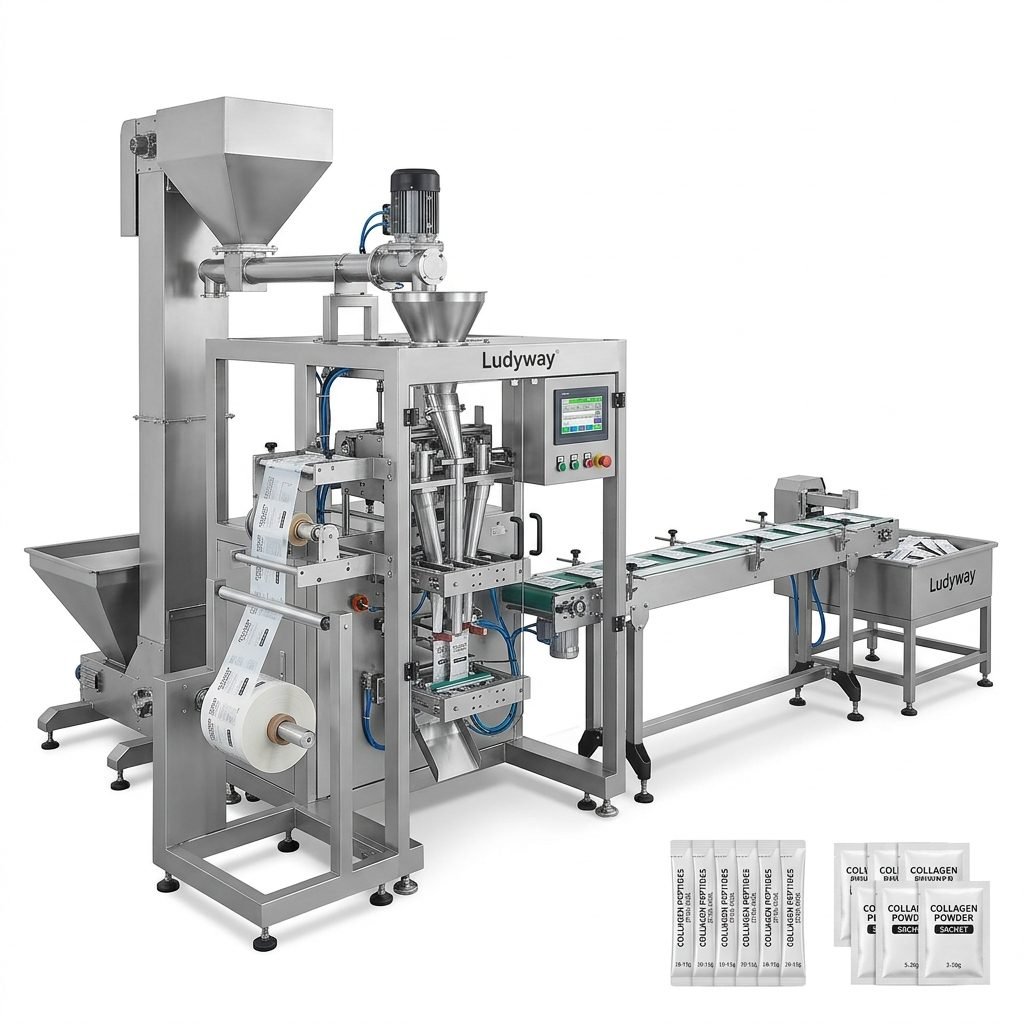
Investing in a hard candy packaging machine is a significant decision for any confectionery manufacturer. The right equipment can dramatically improve production efficiency, reduce labor costs, and ensure consistent product quality. However, with so many options available on the market, navigating the selection process can feel overwhelming. This comprehensive buyer’s guide will walk you through every critical factor to consider, from understanding your production requirements to evaluating long-term operational costs.
Why Your Packaging Machine Choice Matters
Hard candy packaging is not just about wrapping a product — it’s about preserving freshness, protecting against moisture, and creating shelf appeal. A poorly chosen machine can lead to frequent breakdowns, inconsistent seal quality, and excessive material waste. According to industry data from the PMMI Business Intelligence Library, packaging machinery downtime costs manufacturers an average of 3-5% of total production capacity annually. Selecting the right hard candy packaging machine from the start helps you avoid these costly pitfalls.
Understanding Your Hard Candy Packaging Requirements
Before comparing machine specifications, you need to clearly define your production needs. Different hard candy products — whether individually wrapped pieces, stick packs, or bulk pouches — require different packaging approaches.
Key Questions to Answer Before You Buy
- Production volume: How many pieces or packs per minute do you need to produce?
- Packaging format: Are you wrapping individual candies, filling stick packs, or packaging bulk quantities in pouches?
- Candy characteristics: What is the size, shape, and fragility of your hard candy? Is it prone to breakage or sticking?
- Material compatibility: What type of packaging film or material will you use — cellophane, BOPP, foil laminate, or biodegradable films?
- Automation level: Do you need a standalone machine or a fully integrated packaging line with feeding, counting, and cartoning systems?
Taking time to answer these questions thoroughly will help you communicate your needs effectively when evaluating different flexible packaging solutions and machinery options.
Types of Hard Candy Packaging Machines
The hard candy packaging machinery market offers several distinct machine types, each suited to different production scenarios. Understanding the differences is essential for making an informed decision.
| Machine Type | Best For | Typical Speed Range | Key Advantage |
|---|---|---|---|
| Flow Wrapping Machine | Individual piece wrapping | 100-800 pieces/min | High-speed, tight seal integrity |
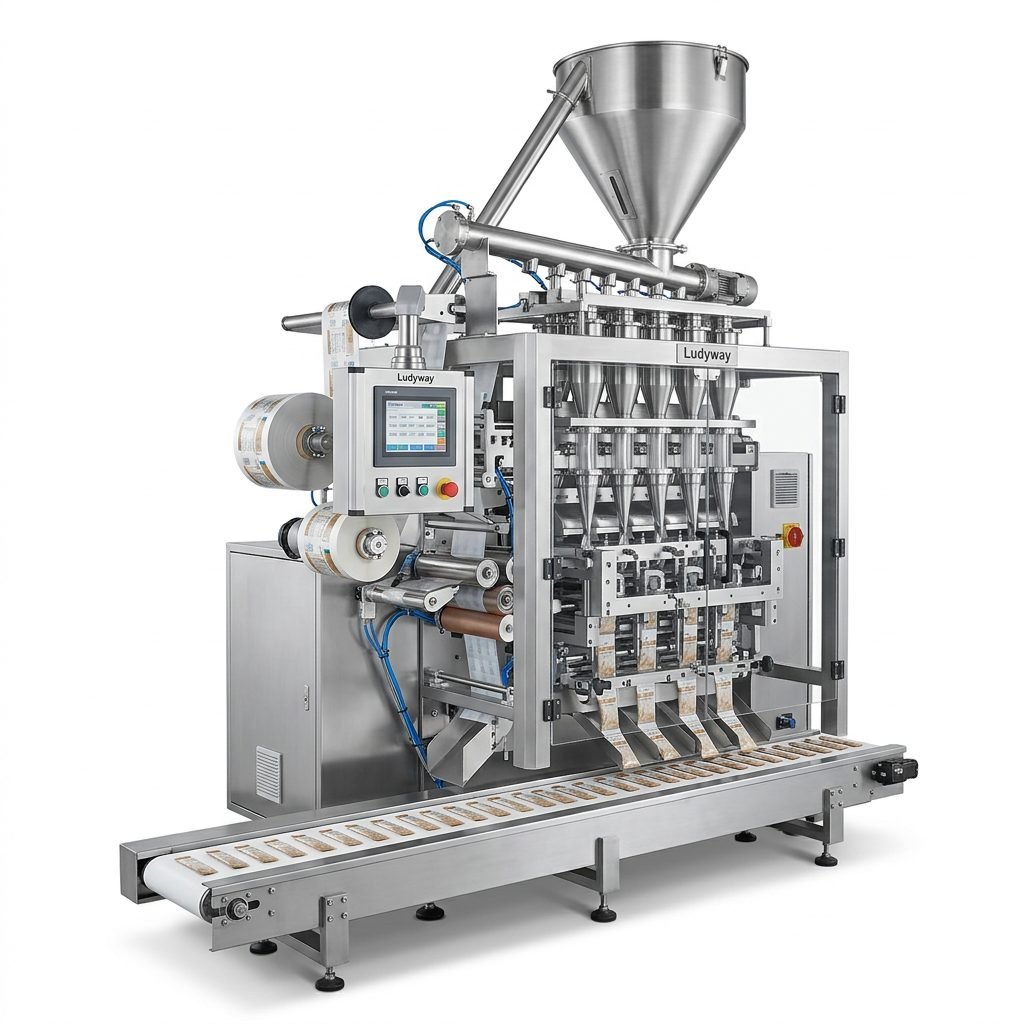
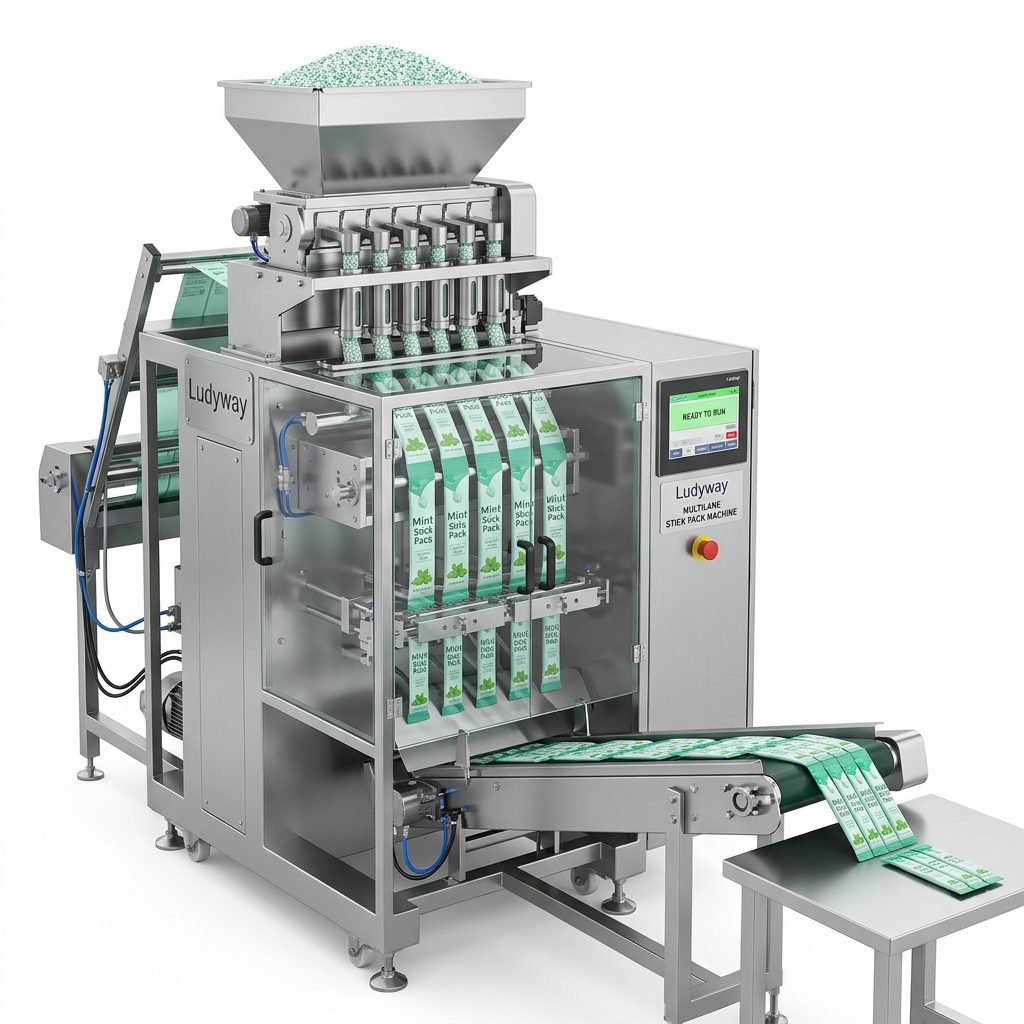
| Stick Pack Machine | Single-serve stick packs | 30-120 packs/min per lane | Compact format, portion control |
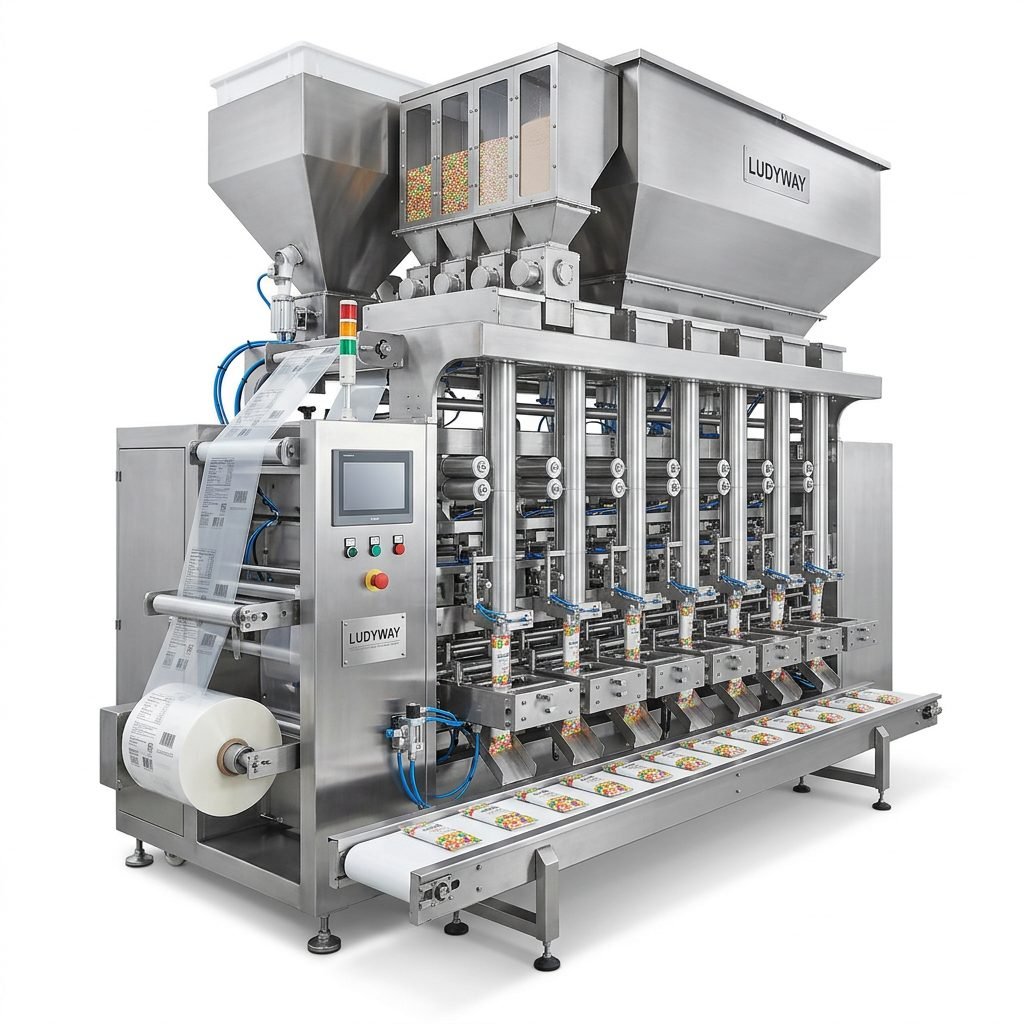
| Multi-Lane Sachet Machine | High-volume sachet production | 200-600 sachets/min | Maximum throughput for small formats |
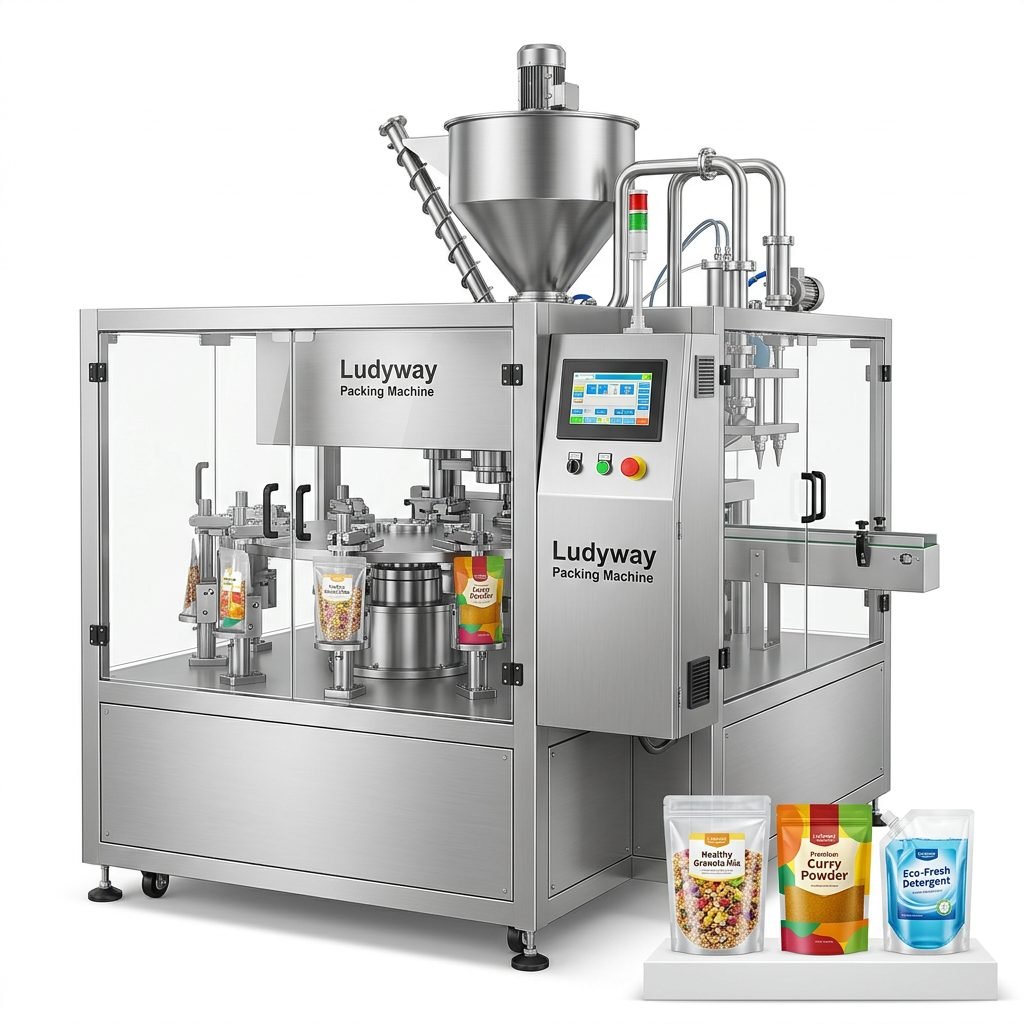
| Vertical Form Fill Seal (VFFS) | Bulk pouch packaging | 30-80 pouches/min | Versatile bag sizes and formats |
| Twist Wrapping Machine | Traditional candy wrapping | 200-600 pieces/min | Classic appearance, nostalgic appeal |
Critical Technical Specifications to Evaluate
Once you have identified the general machine type, it is time to dive into the technical details. The following specifications can make or break your packaging operation’s success.
Speed and Throughput Capacity
Machine speed is typically measured in pieces per minute or packs per minute. However, actual throughput often differs from theoretical maximum speed due to film changeovers, minor adjustments, and product feeding inconsistencies. When comparing machines, ask suppliers for realistic production rates rather than just maximum specifications. A machine rated at 400 pieces per minute might realistically deliver 320-350 pieces per minute in continuous operation.
Sealing Technology and Integrity
For hard candy packaging, seal quality is paramount. Poor seals allow moisture ingress, which can cause hard candy to become sticky or lose its clarity. Look for machines with precise temperature control across the sealing jaws, consistent pressure application, and dwell time adjustment capabilities. Machines with servo-driven sealing systems typically offer superior consistency compared to pneumatic alternatives.
Changeover Flexibility
If your production involves multiple candy sizes, shapes, or packaging formats, changeover time becomes a critical efficiency factor. Modern hard candy packaging machines should allow for tool-less changeovers where possible, with clearly marked adjustment points and intuitive control interfaces. According to PMMI’s 2025 State of the Industry report, manufacturers are increasingly prioritizing flexibility to accommodate shorter production runs and diverse product portfolios.
Material Handling and Feeding Systems
The feeding system that delivers hard candy to the packaging station significantly impacts overall efficiency. Vibratory feeders, rotary disc feeders, and belt conveyors each have advantages depending on candy shape and fragility. For irregularly shaped hard candies, specialized feeding systems with gentle handling mechanisms help minimize product damage and reduce waste.
Automation and Integration Capabilities
Modern packaging operations increasingly demand seamless integration between equipment. When selecting a hard candy packaging machine, consider how it will fit into your broader production line.
Upstream and Downstream Connectivity
- Upstream integration: Can the packaging machine connect directly to your candy cooling and sorting systems?
- Downstream integration: Does it interface with checkweighers, metal detectors, coding systems, and cartoning machines?
- Data communication: Does the machine support industry-standard protocols for production monitoring and data collection?
A fully integrated line can operate with minimal human intervention, reducing labor costs and improving consistency. This is particularly valuable for manufacturers looking to scale production without proportionally increasing staffing.
Compliance, Safety, and Hygiene Standards
Food packaging equipment must meet stringent safety and hygiene requirements. When evaluating hard candy packaging machines, verify compliance with relevant standards.
Key Certifications to Look For
- Food-grade materials: All product contact surfaces should use FDA-approved or EU-compliant materials
- Washdown capability: Machines should be designed for easy cleaning with accessible surfaces and proper drainage
- Safety features: Emergency stop buttons, safety guards, and interlocks should be standard
- Electrical standards: Compliance with IEC, UL, or equivalent electrical safety standards
Refer to ISO packaging standards and local food safety regulations to ensure your chosen equipment meets all applicable requirements. The FDA Food Packaging and Food Contact Substances guidelines provide additional reference for U.S. markets.
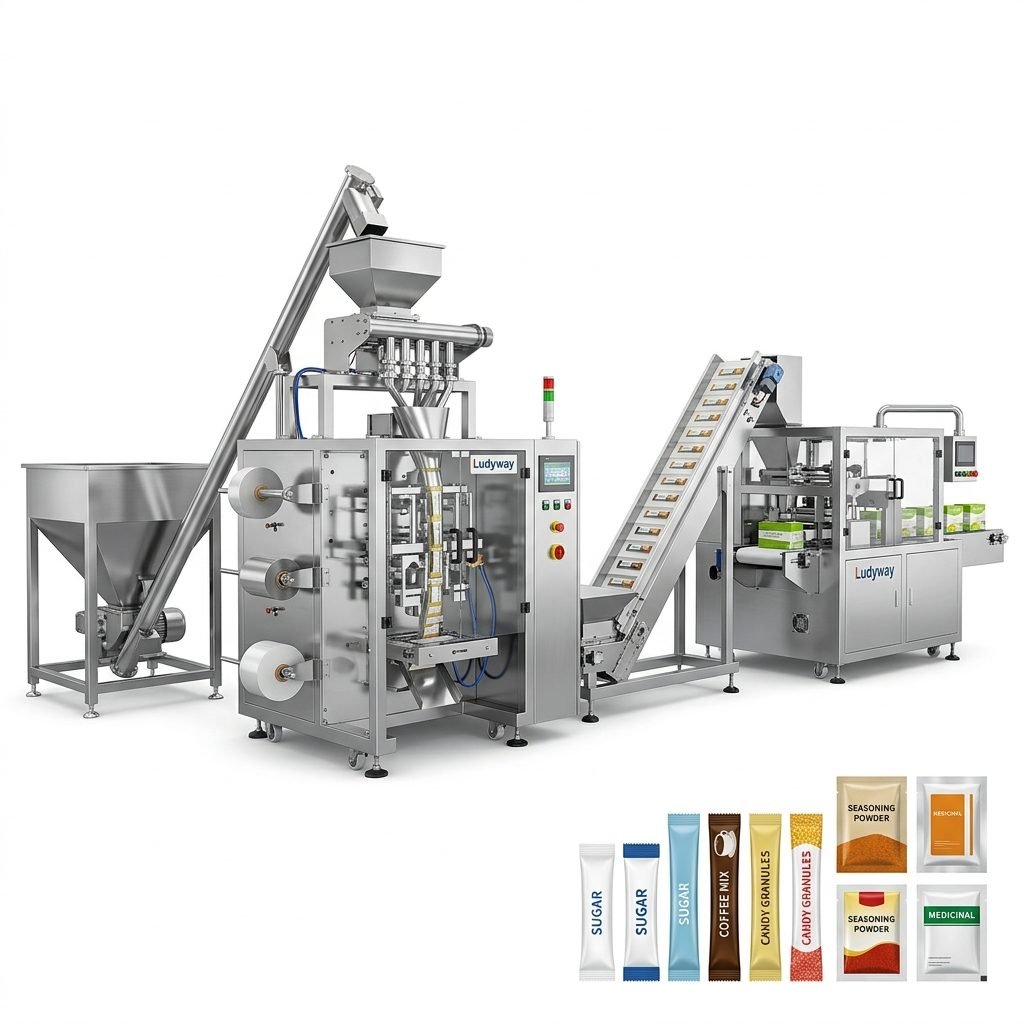
Total Cost of Ownership Considerations
The purchase price of a hard candy packaging machine is only one part of the financial equation. A comprehensive cost analysis should account for the following factors over the expected lifespan of the equipment.
Cost Factors Beyond the Initial Investment
- Packaging material consumption: Machines with precise film registration and minimal waste can save thousands annually
- Energy efficiency: Servo-driven systems typically consume less power than older pneumatic designs
- Maintenance and spare parts: Understand the availability and cost of consumable parts like sealing jaws, cutting blades, and belts
- Operator training: Factor in the time and resources needed to train staff on new equipment
- Downtime costs: More reliable machines with better support infrastructure minimize production losses
A machine with a lower upfront cost but higher operating expenses may prove more expensive over a five-year period than a premium machine with lower running costs.
Evaluating Packaging Machine Suppliers
Choosing the right supplier is as important as choosing the right machine. A reliable partner provides more than equipment — they offer technical expertise, ongoing support, and long-term reliability.
Supplier Evaluation Checklist
- Industry experience: How long has the supplier been manufacturing packaging machinery? Do they specialize in confectionery applications?
- Manufacturing capabilities: Does the supplier have in-house engineering, manufacturing, and testing facilities?
- Customer references: Can they provide references from manufacturers with similar applications?
- After-sales support: What is included in terms of installation, commissioning, training, and ongoing technical support?
- Spare parts availability: How quickly can replacement parts be sourced and shipped?
- Customization capability: Can the machine be adapted to your specific hard candy product and packaging requirements?
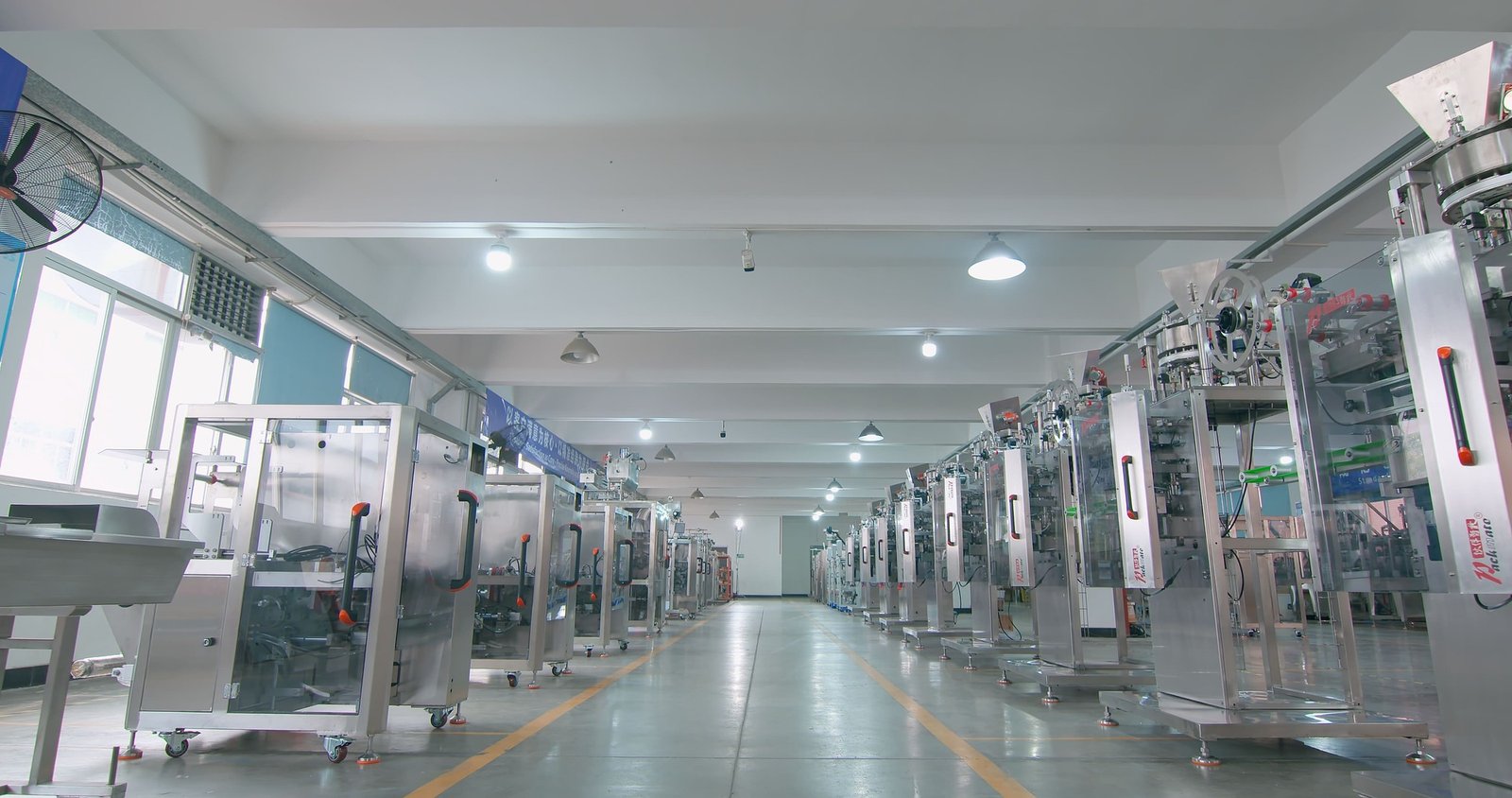
As one notable example, Ludyway Machinery — a China-based packaging machinery manufacturer with more than 30 years of industry experience — provides automated packaging equipment and integrated solutions across a wide range of industries, including food and confectionery. With a 20,000-square-meter manufacturing facility, over 130 professionals, and more than 50 packaging machine models, the company combines manufacturing expertise with engineering capabilities to help customers improve packaging efficiency. For more information on their global growth and capabilities, you can read about Ludyway’s packaging machinery global growth trend.
Common Mistakes to Avoid When Buying
Even experienced manufacturers can make costly errors during the equipment selection process. Here are some of the most common pitfalls to watch out for.
Underestimating Future Capacity Needs
A machine that meets today’s production requirements may be inadequate in two years if your business grows. Plan for at least 20-30% headroom above your current maximum throughput requirements. This ensures your investment remains viable as production demands increase.
Overlooking Material Compatibility Testing
Never assume that your chosen packaging film will run smoothly on any machine. Different films have varying coefficients of friction, heat-seal characteristics, and tensile strengths. Always conduct material trials on the specific machine model you intend to purchase, using your actual candy product and packaging material.
Focusing Only on Price
While budget constraints are real, selecting the lowest-priced machine often leads to higher long-term costs through increased downtime, higher material waste, and more frequent maintenance. Evaluate the total lifecycle cost rather than just the purchase price.
Installation, Commissioning, and Training
The best packaging machine in the world will underperform if it is not properly installed and if operators are not adequately trained. When negotiating with suppliers, clarify the following points.
- Site preparation requirements: What utilities, space, and infrastructure are needed before the machine arrives?
- Installation timeline: How long does installation and commissioning typically take?
- Operator training: How many operators will be trained, and for how long?
- Documentation: Will you receive comprehensive operation manuals, maintenance guides, and troubleshooting documentation?
- Remote support: Does the supplier offer remote diagnostics and technical assistance?
Future-Proofing Your Packaging Investment
The packaging industry is evolving rapidly, driven by sustainability concerns, automation advances, and changing consumer preferences. When selecting a hard candy packaging machine, consider these forward-looking factors.
Sustainability and Packaging Materials
The European Commission’s Packaging and Packaging Waste Regulation and similar initiatives worldwide are driving demand for recyclable and biodegradable packaging materials. Ensure your chosen machine can handle emerging sustainable film materials, which may have different sealing and handling characteristics than traditional petroleum-based films.
Smart Manufacturing Readiness
Industry 4.0 capabilities — including real-time production monitoring, predictive maintenance alerts, and remote diagnostics — are becoming standard features in premium packaging equipment. Machines equipped with these capabilities provide valuable data for optimizing production efficiency and reducing unplanned downtime.
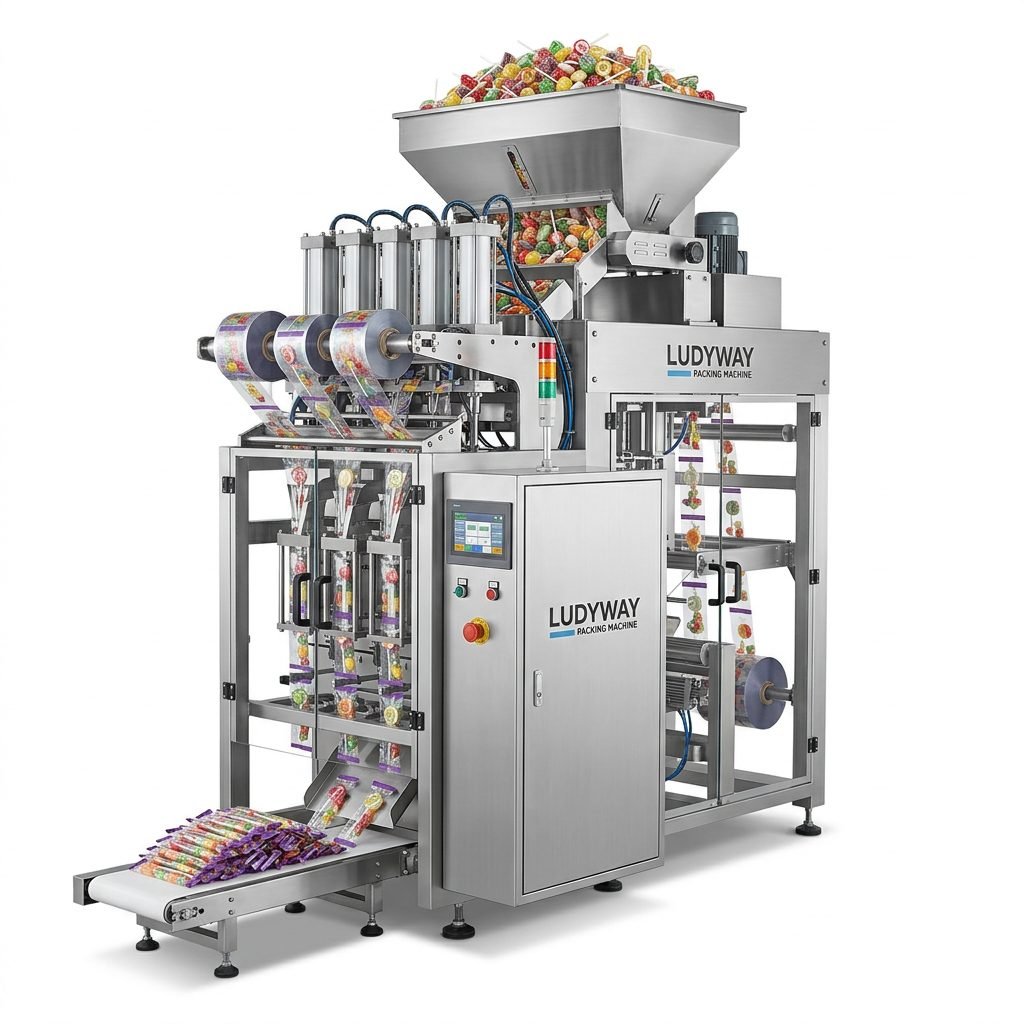
Making Your Final Decision
After evaluating all the factors discussed in this guide, you should have a clear picture of your requirements and the available options. Here is a structured approach to finalizing your decision.
- Create a weighted evaluation matrix with criteria including speed, reliability, flexibility, support, and total cost
- Conduct on-site machine demonstrations with your actual product whenever possible
- Request detailed proposals from at least three qualified suppliers
- Check references thoroughly by speaking directly with manufacturers who have used the equipment for at least one year
- Negotiate service agreements that cover preventive maintenance, emergency support, and spare parts supply
Selecting the right hard candy packaging machine is a strategic decision that affects your production efficiency, product quality, and bottom line for years to come. By approaching the process systematically and considering all the factors outlined in this guide, you can make a confident, well-informed investment that supports your manufacturing goals.
For further reading on packaging industry standards and best practices, explore resources from the PMMI Packaging Industry Resources and the Flexible Packaging Association, both of which provide valuable insights for packaging professionals.