Selecting the right ice packing machine is a critical decision that directly impacts your production efficiency, product quality, and bottom line. Whether you are producing bagged ice for retail, commercial, or industrial applications, the right equipment can streamline your entire packaging process. This comprehensive guide walks you through every factor you need to evaluate before making your investment.
Understanding Ice Packing Machines
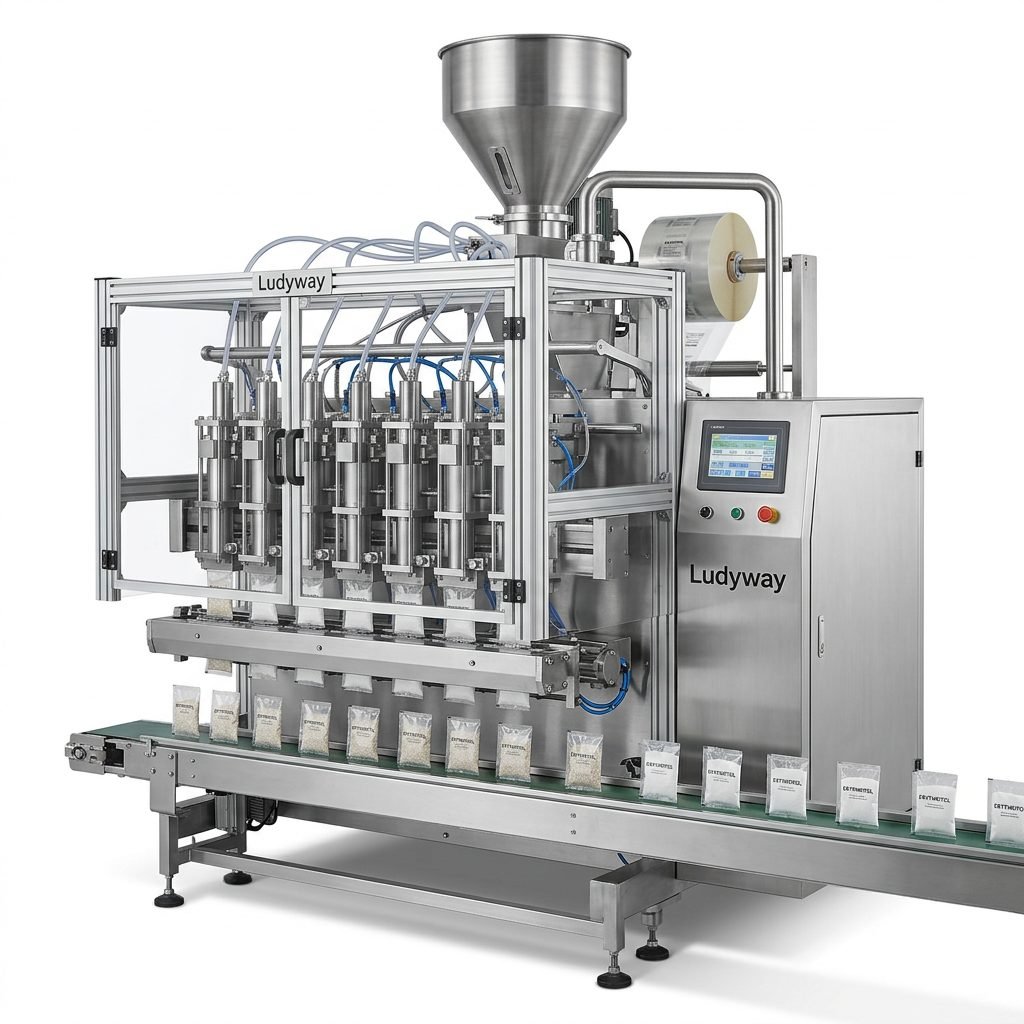
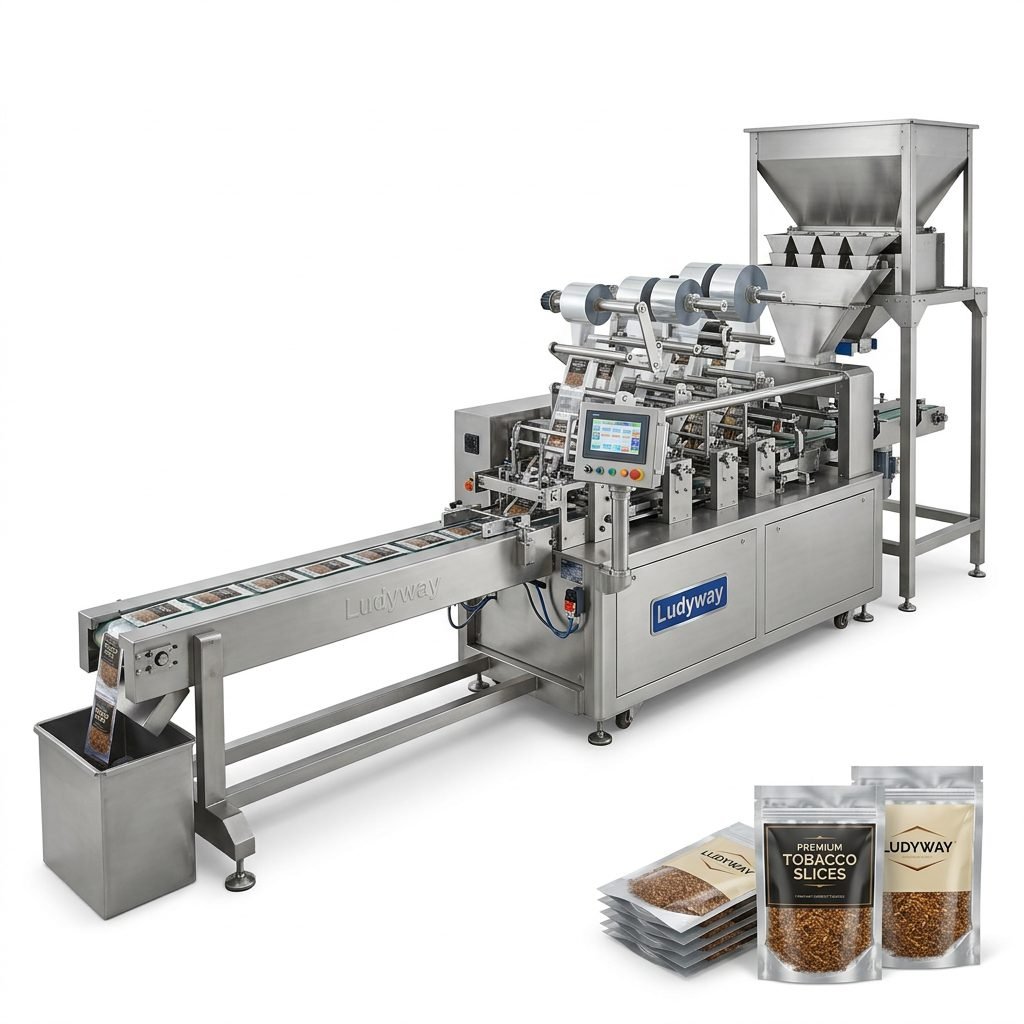
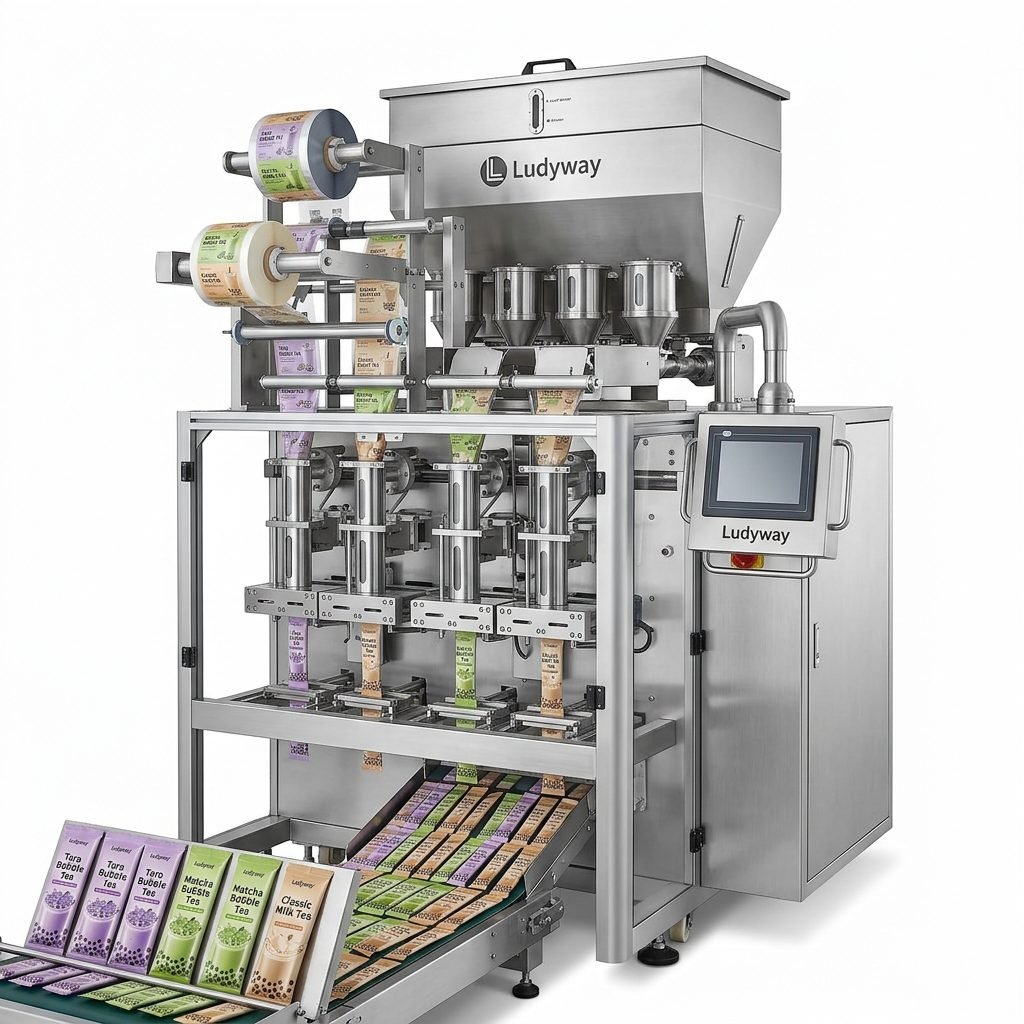
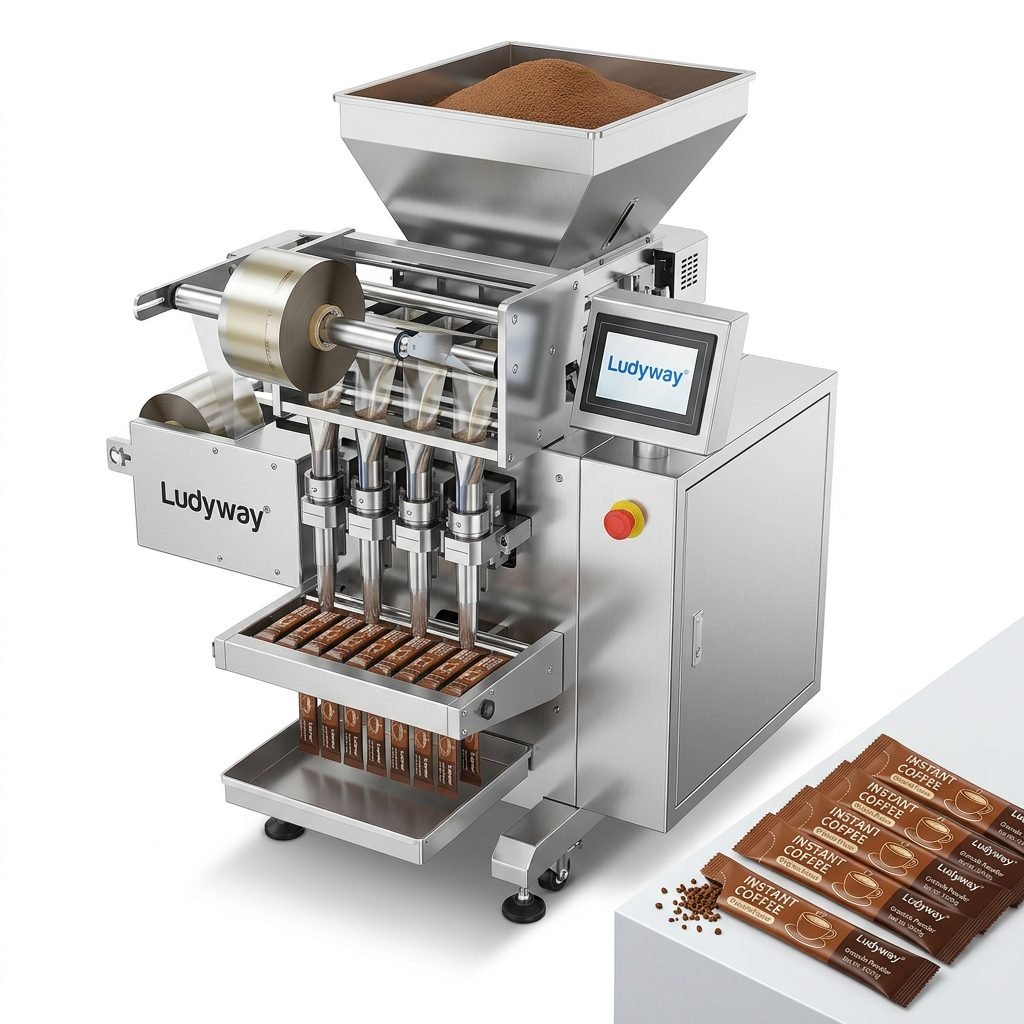
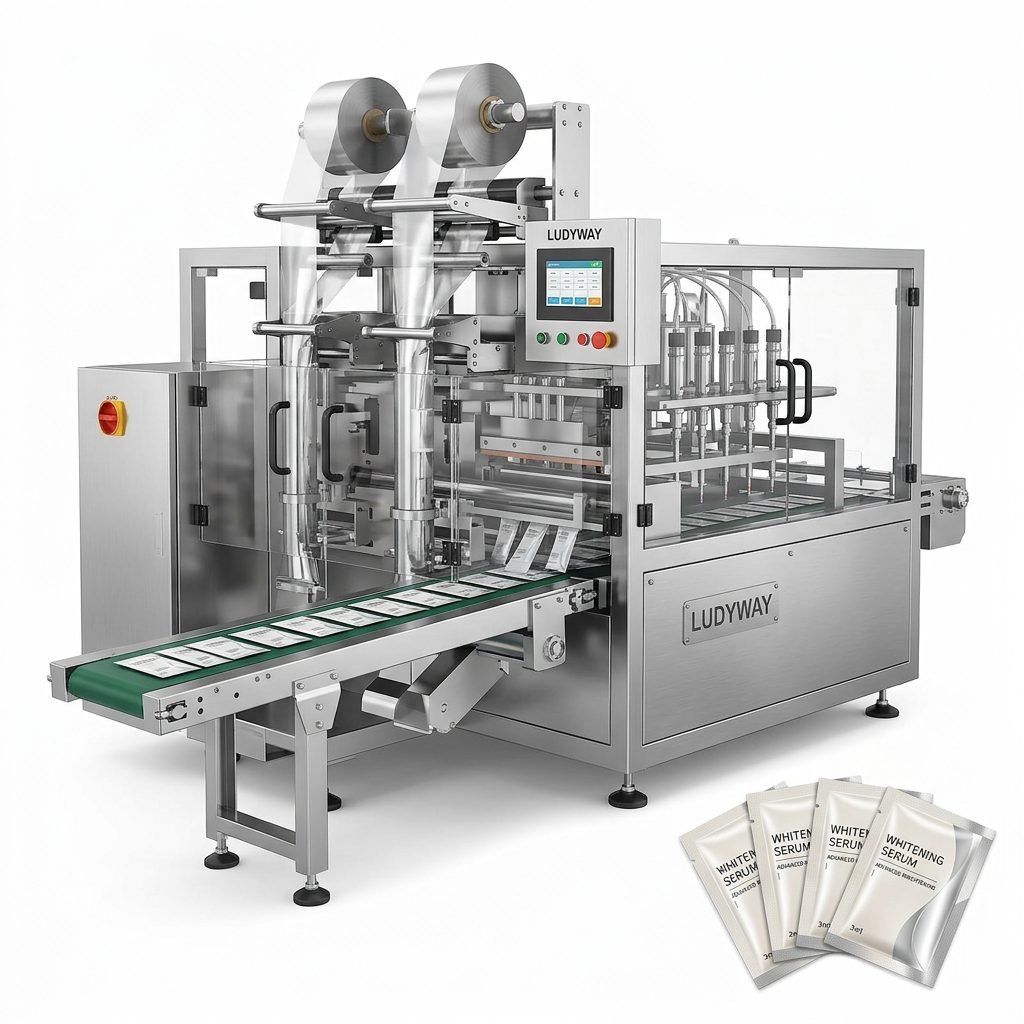
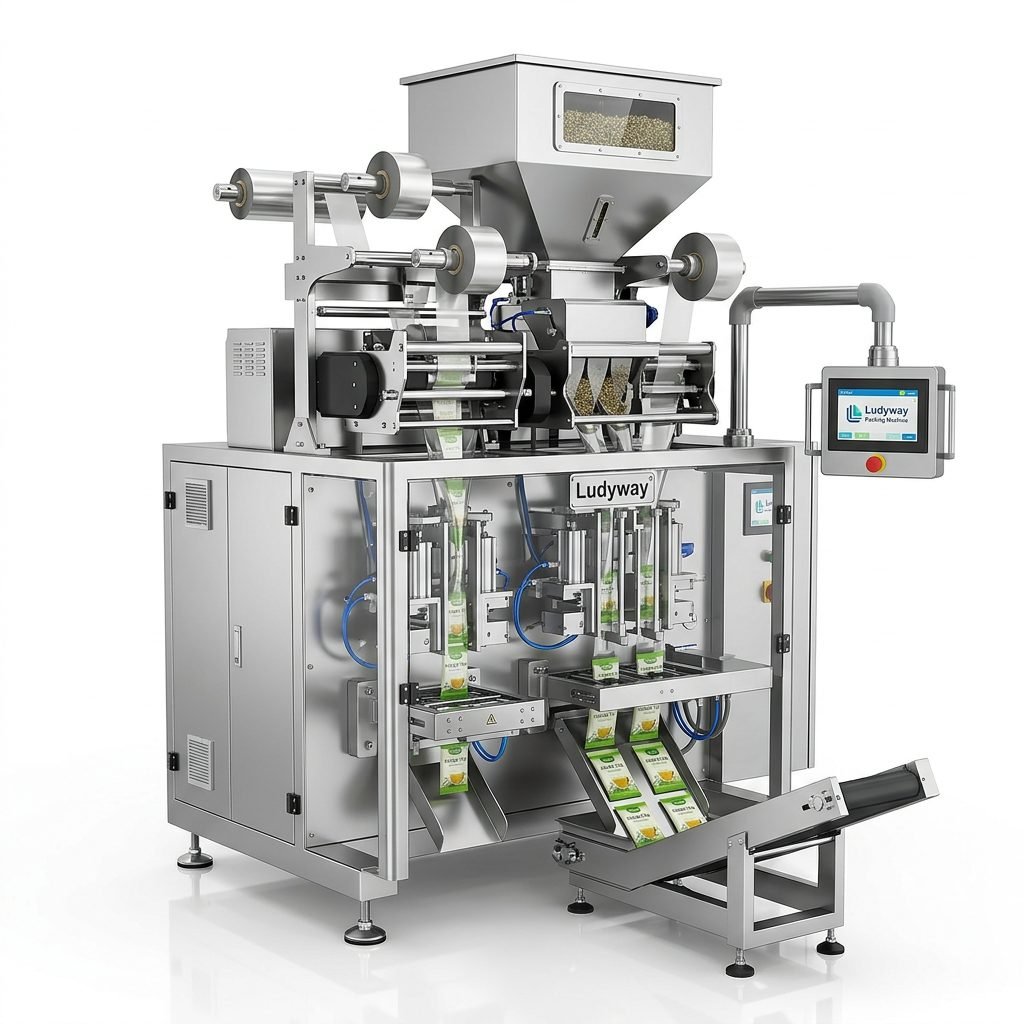
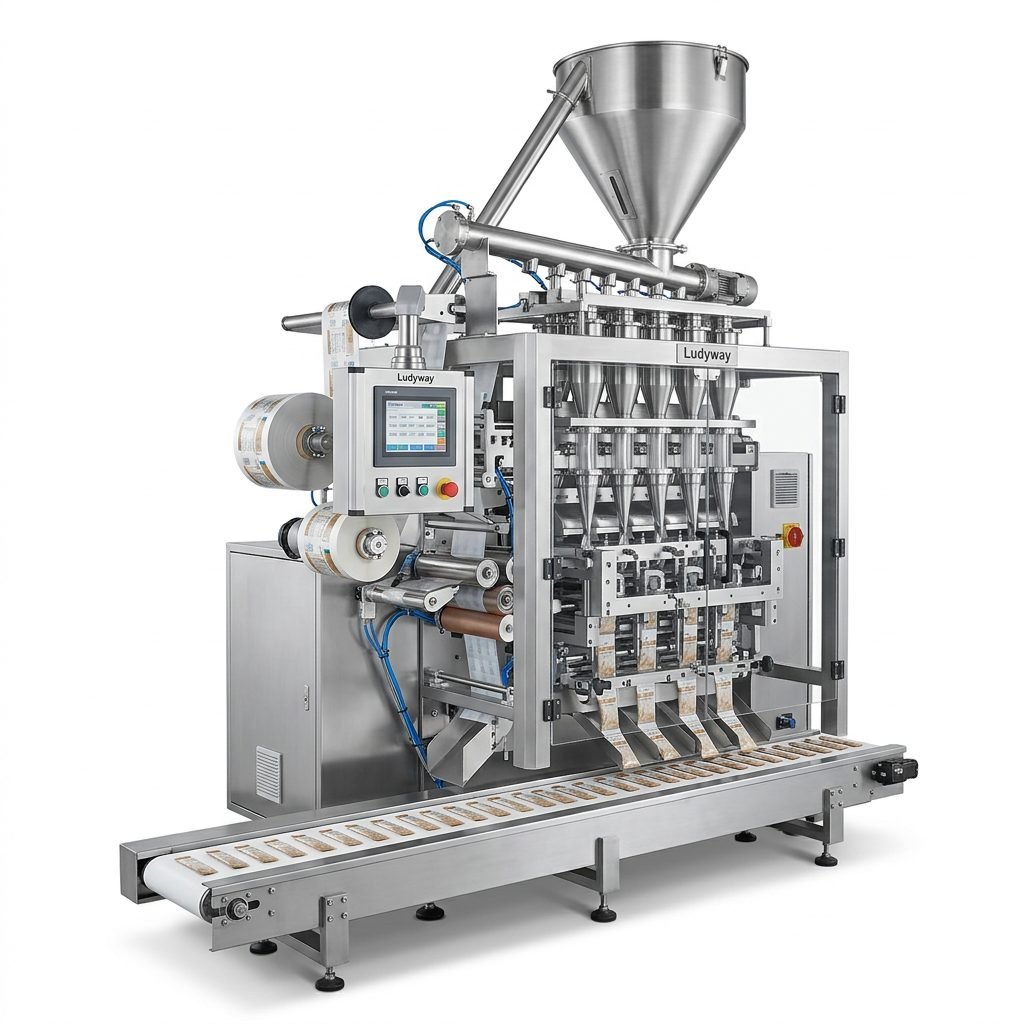
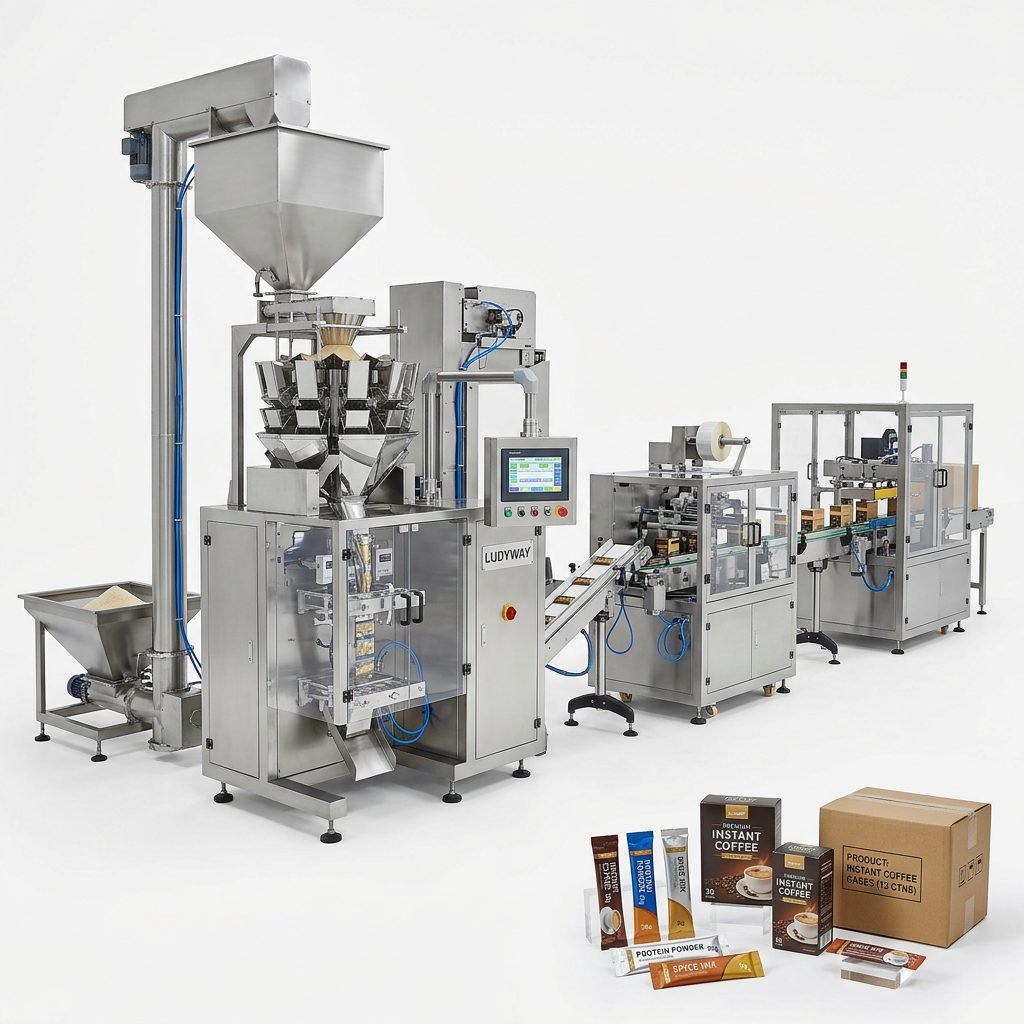
An ice packing machine is a specialized piece of equipment designed to automatically weigh, fill, and seal ice into bags or pouches. These machines handle various ice types — including cubed ice, crushed ice, tube ice, and flake ice — and can accommodate different bag sizes, from small retail packs to large bulk bags for commercial distribution. Modern ice packaging systems often integrate multiple functions such as weighing, bag forming, filling, sealing, and even palletizing into a single automated line.
According to packaging machinery market research from PMMI, the demand for automated packaging solutions continues to grow as manufacturers seek to improve efficiency and reduce labor costs. This trend is particularly evident in the ice packaging sector, where speed and hygiene are paramount.
Types of Ice Packing Machines
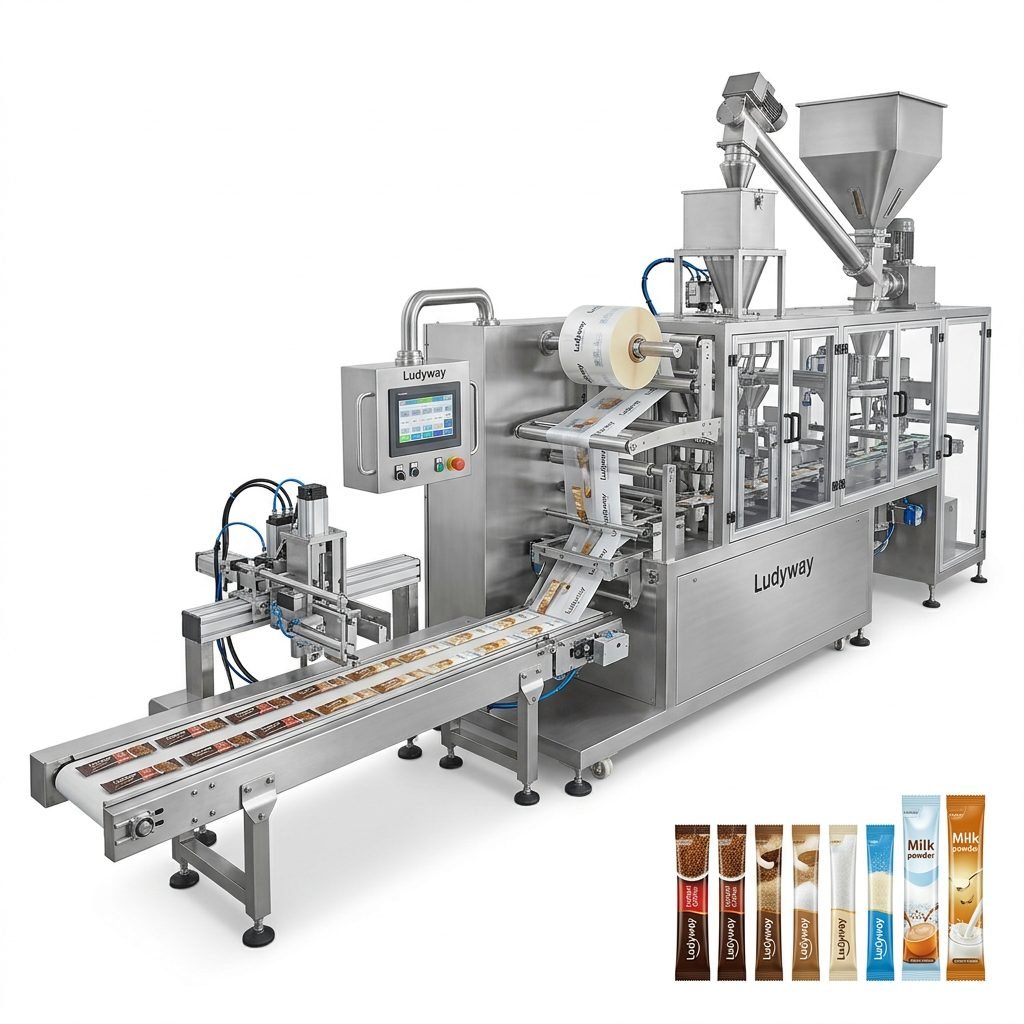
Different production environments call for different machine configurations. Understanding the main types will help you narrow down your options:
- Vertical Form Fill Seal (VFFS) Machines: These form bags from a flat roll of film, fill them with ice, and seal them in a continuous vertical motion. Ideal for high-speed production of consistent bag sizes.
- Premade Pouch Packaging Machines: Designed for operations using pre-manufactured bags. These machines pick, open, fill, and seal pouches — offering greater flexibility in bag styles and materials.
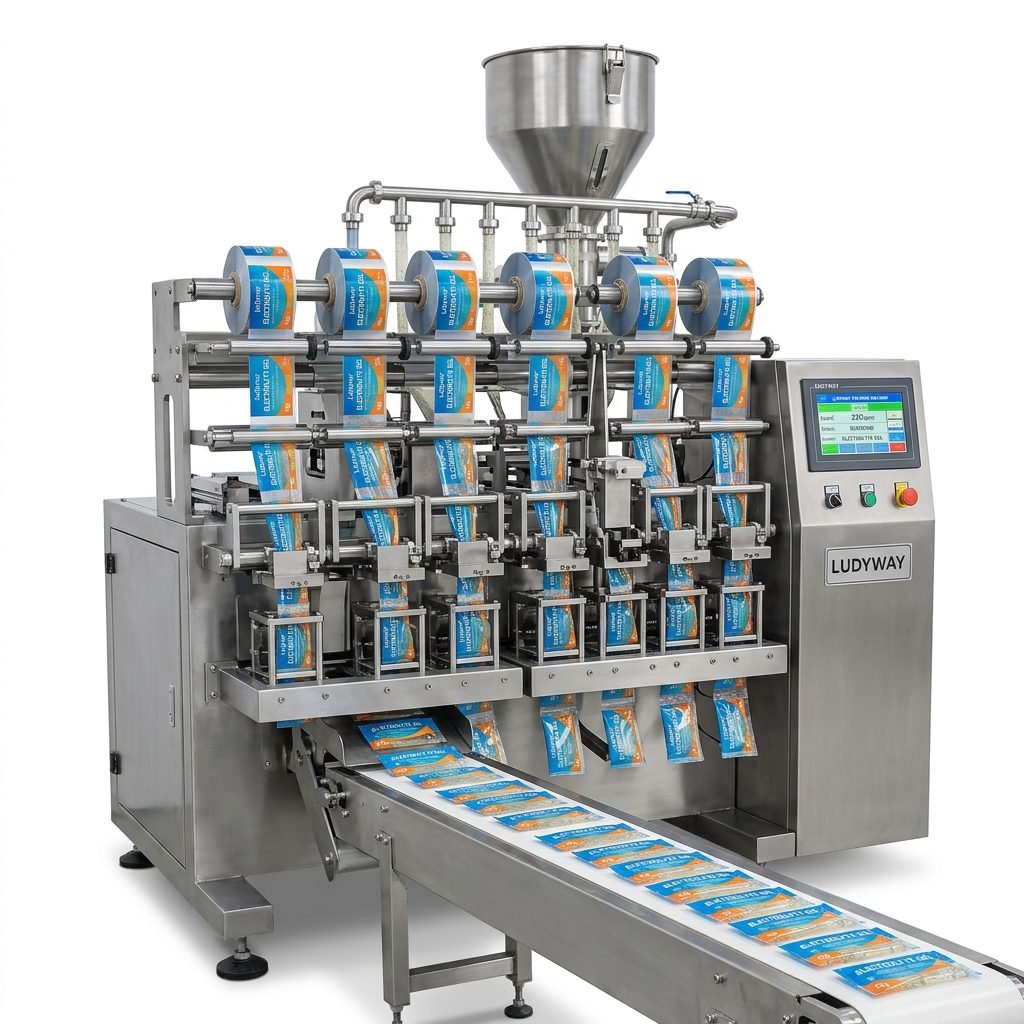
- Multi-Lane Ice Packing Systems: Feature multiple filling lanes operating simultaneously, dramatically increasing throughput for high-volume production environments.
- Bulk Ice Bagging Machines: Built for large-format bags ranging from 5 kg to 50 kg, commonly used in commercial and industrial ice supply chains.
Key Factors to Evaluate Before Purchasing
Production Capacity and Speed Requirements
Your ice packing machine must match your current and projected output needs. Consider the number of bags per minute or hour your operation requires. A machine that cannot keep pace with production creates bottlenecks; one that is oversized represents unnecessary capital expenditure. Factor in peak season demand and future growth when determining capacity requirements. The latest state of the industry report indicates that throughput flexibility has become a top priority for packaging operations worldwide.
Packaging Material Compatibility
Ice packaging involves unique challenges related to moisture and cold temperatures. Your machine must be compatible with materials that provide adequate moisture barriers and cold resistance. Common materials include LDPE, HDPE, and multi-layer laminated films. Verify that the sealing system can create strong, leak-proof seals consistently, even in cold and humid environments. The Flexible Packaging Association provides valuable resources on material selection for frozen and cold-chain products.
Ice Type and Product Characteristics
Not all ice is the same. Cubed ice, crushed ice, nugget ice, and flake ice each behave differently during the filling process. Crushed ice may clump and bridge in hoppers, while cubed ice flows more freely but can cause more mechanical wear. Your chosen machine should have a feeding and dosing system specifically engineered for your ice type. Test your product on the machine before finalizing any purchase to verify smooth operation.
Automation Level and Integration
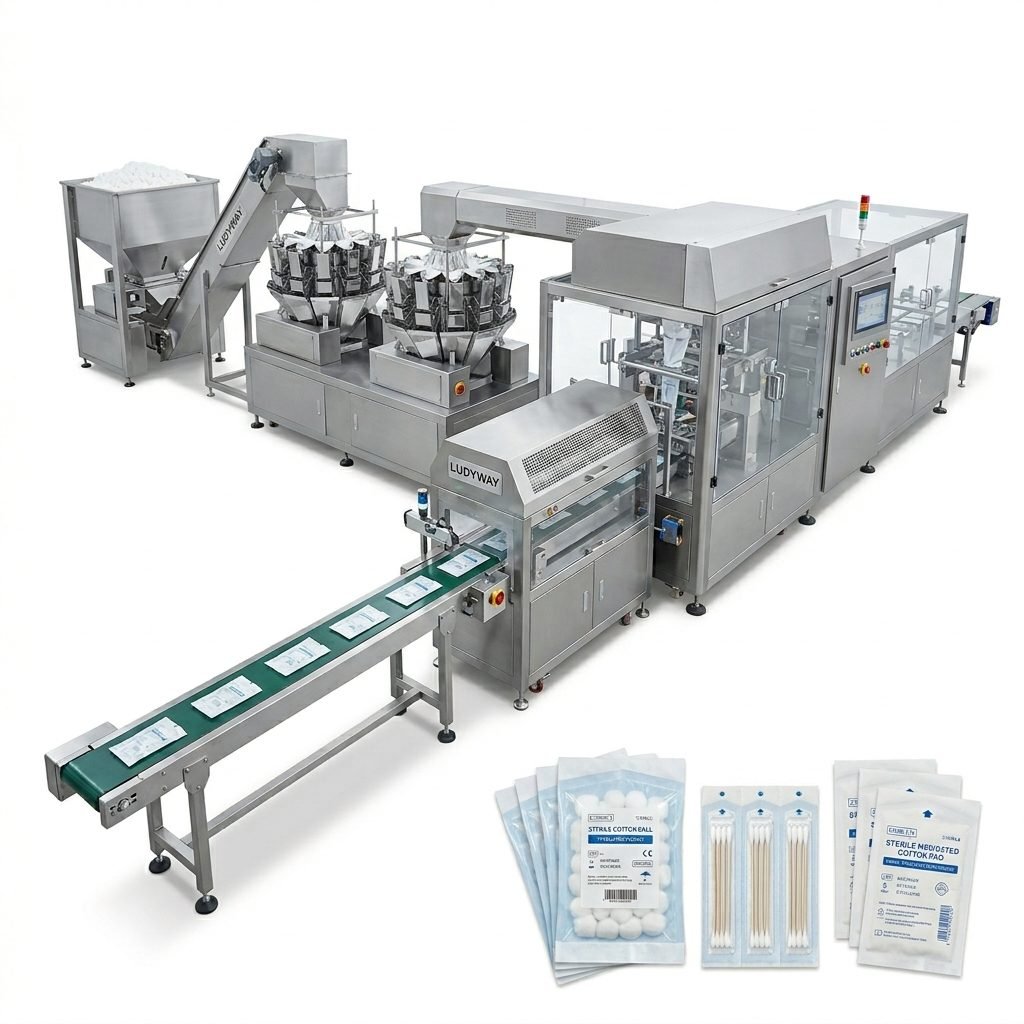
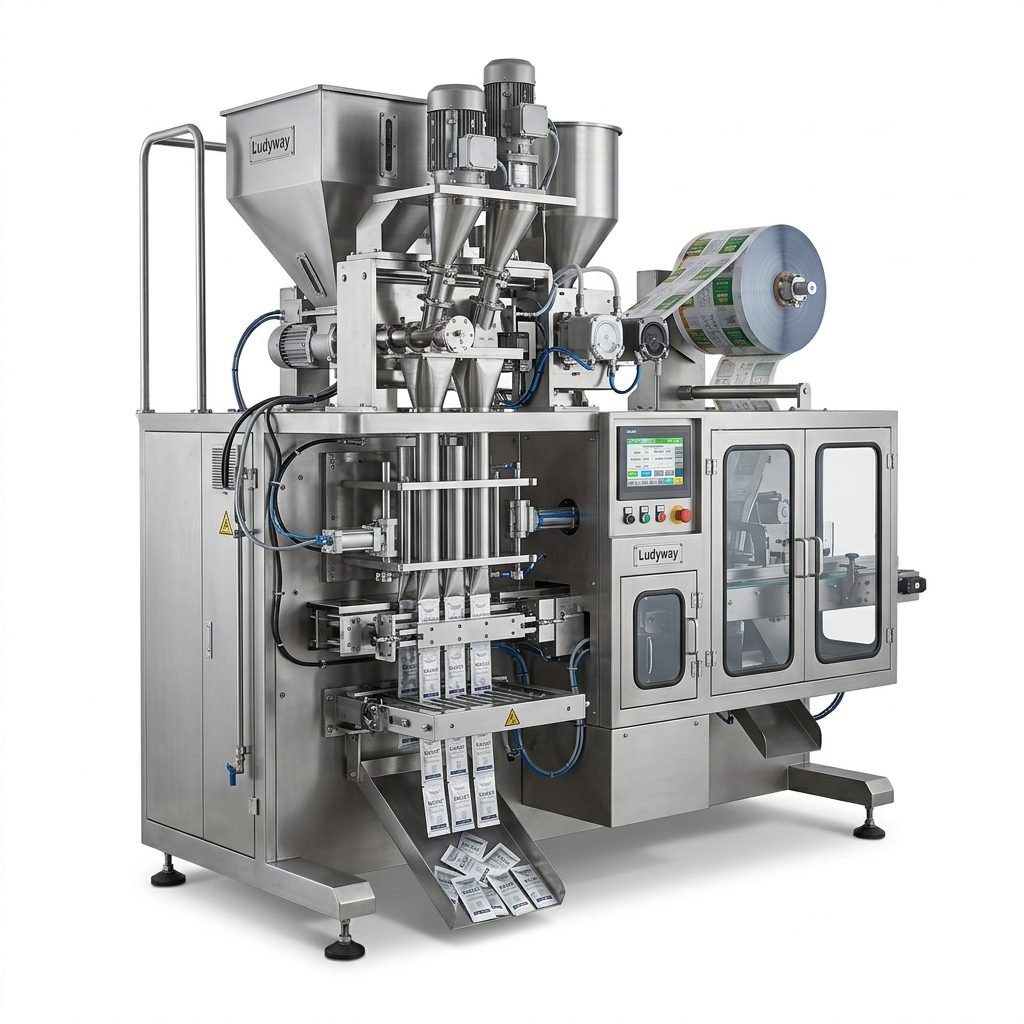
Determine how much automation your facility requires. Basic machines may handle only filling and sealing, while fully automated systems can manage ice feeding, weighing, bag forming, filling, sealing, coding, inspection, and case packing. Consider whether the machine can integrate with upstream ice production equipment and downstream palletizing systems. A well-integrated line reduces manual handling, minimizes contamination risks, and improves overall operational consistency.
Machine Footprint and Facility Requirements
Measure your available floor space carefully. Ice packing machines vary significantly in size, and you need to account for operator access, maintenance clearance, and material flow. Also evaluate power requirements, compressed air needs, and environmental conditions such as ambient temperature and humidity levels in your facility. Ice production areas are typically cold and wet — your equipment must be designed to withstand these challenging conditions.
Hygiene and Food Safety Standards
Ice is considered a food product in most regulatory frameworks. Your packaging equipment must meet applicable food safety and hygiene standards. Look for machines constructed with stainless steel contact surfaces, sanitary design principles, and easy-to-clean configurations. Machines should also support compliance with relevant regulations including those outlined by the FDA food packaging guidelines and international standards where applicable.
Evaluating Machine Quality and Manufacturer Credentials
| Evaluation Criteria | What to Look For | Red Flags |
|---|---|---|
| Build Quality | Stainless steel construction, robust frame, quality welding | Thin materials, visible rust, poor finish |
| Component Sourcing | Branded PLCs, motors, and pneumatic components | Unbranded or obscure components |
| Manufacturing Experience | Years in business, installed base, client references | No verifiable track record |
| After-Sales Support | Spare parts availability, remote support, on-site service | Limited or no technical support |
| Certifications | CE, ISO, or other relevant certifications | No certifications or compliance documentation |
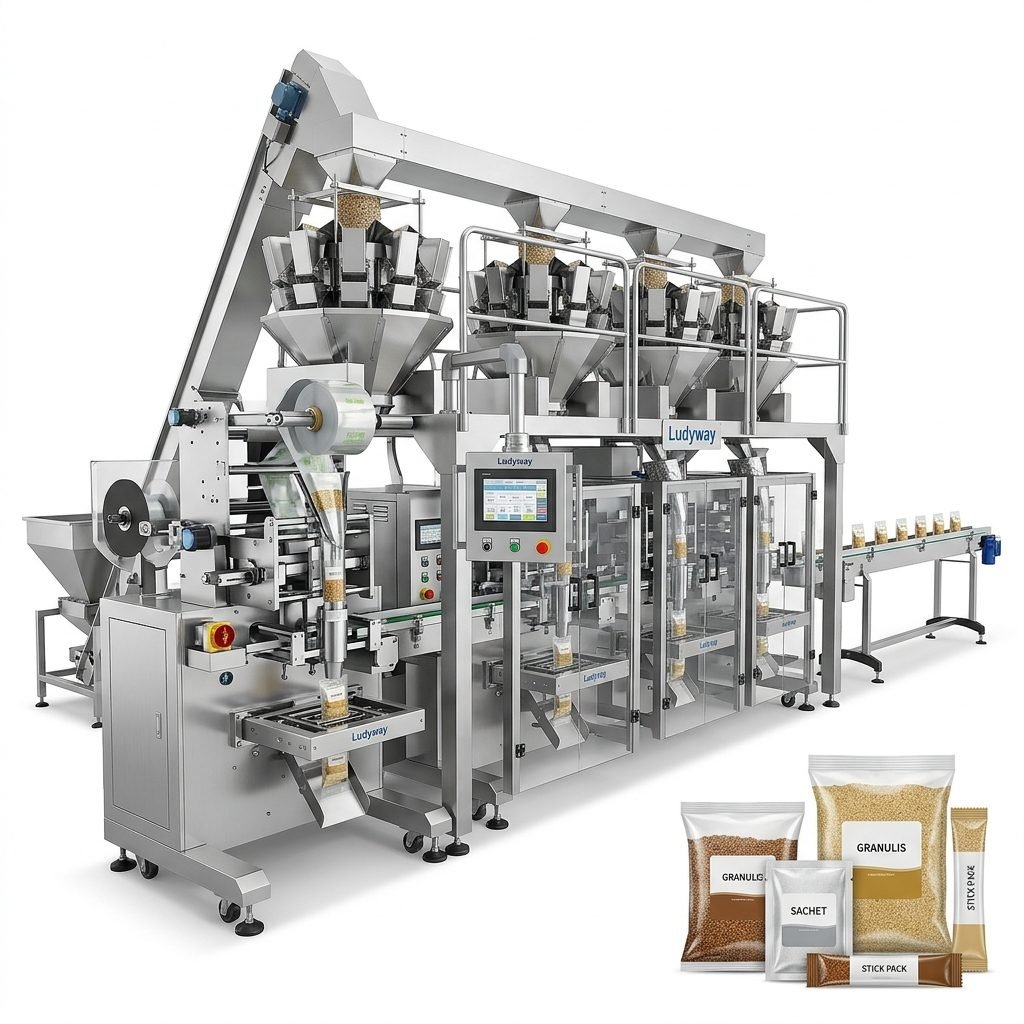
A reputable ice packing machine manufacturer should be transparent about their engineering capabilities, provide customer references, and offer comprehensive technical documentation. Companies like Ludyway Machinery, a China-based packaging machinery manufacturer with over 30 years of experience and a 20,000-square-meter manufacturing facility, demonstrate the kind of established manufacturing presence that buyers should look for when evaluating potential equipment suppliers.
Cost Considerations and Return on Investment
When evaluating the cost of an ice packing machine, look beyond the initial purchase price. A comprehensive cost analysis should include:
- Initial capital expenditure — machine cost, shipping, installation, and commissioning
- Ongoing operational costs — film or bag material, electricity, compressed air, and labor
- Maintenance expenses — spare parts, preventive maintenance, and potential downtime costs
- Training costs — operator training and technical staff development
Calculate your expected return on investment (ROI) by comparing the total cost of ownership against projected productivity gains, labor savings, reduced product waste, and improved packaging quality. In many cases, a higher-quality machine with greater automation pays for itself within 12 to 24 months through operational efficiencies alone.
Industry Standards and Regulatory Compliance
Depending on your target market, your ice packaging operation may need to comply with various standards. The ISO packaging standards provide internationally recognized frameworks for packaging quality and safety. Additionally, machines should be configurable to meet regional requirements such as CE marking for European markets or FDA compliance for the United States. Verify that your chosen machine can be configured to meet the specific standards required in your distribution regions.
Working with a Reliable Ice Packing Machine Supplier
The relationship with your equipment supplier extends far beyond the initial purchase. A dependable supplier should offer technical consultation, customized engineering support, installation and commissioning services, operator training, and ongoing after-sales support. Look for suppliers who are willing to understand your specific production requirements and recommend tailored solutions rather than one-size-fits-all equipment.
Before finalizing your decision, visit the manufacturer’s facility if possible, speak with existing customers, and request a product trial or demonstration. This due diligence helps ensure that the ice packing machine you select will deliver reliable performance and meet your production goals for years to come. The PACK EXPO International and other industry events also provide valuable opportunities to see multiple machine options in operation and connect with leading manufacturers.

Making the Final Decision
Choosing the right ice packing machine requires balancing multiple factors — production capacity, ice type compatibility, automation level, build quality, regulatory compliance, and total cost of ownership. By systematically evaluating each of these areas, consulting with experienced suppliers, and testing equipment with your actual product, you can make an informed investment that supports your business growth and operational efficiency for the long term.
The best ice packing machine is not necessarily the most expensive or the fastest — it is the one that best fits your specific product, production environment, and business objectives. Take the time to research thoroughly, ask detailed questions, and prioritize build quality and supplier reliability over short-term cost savings.
Quick Checklist for Ice Packing Machine Buyers
- Define your production volume — current and projected for the next 3-5 years
- Specify your ice type — cube, crushed, flake, nugget, or tube ice
- Determine bag size range — from small retail packs to bulk commercial bags
- Assess facility constraints — floor space, power supply, environmental conditions
- Verify material compatibility — film types, thickness, and sealing requirements
- Check regulatory requirements — food safety, electrical, and labeling standards
- Evaluate supplier credentials — experience, references, and after-sales support
- Request a product trial — test your actual ice product on the proposed machine