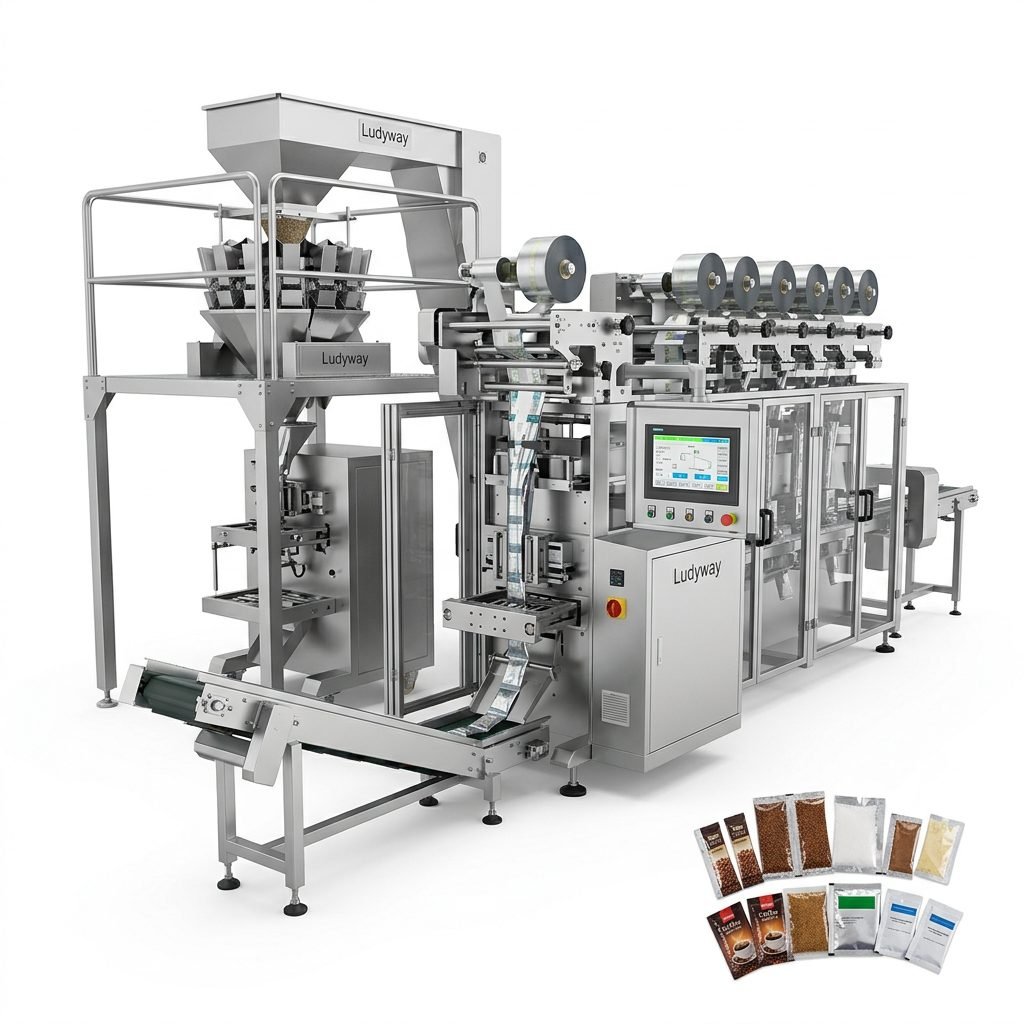
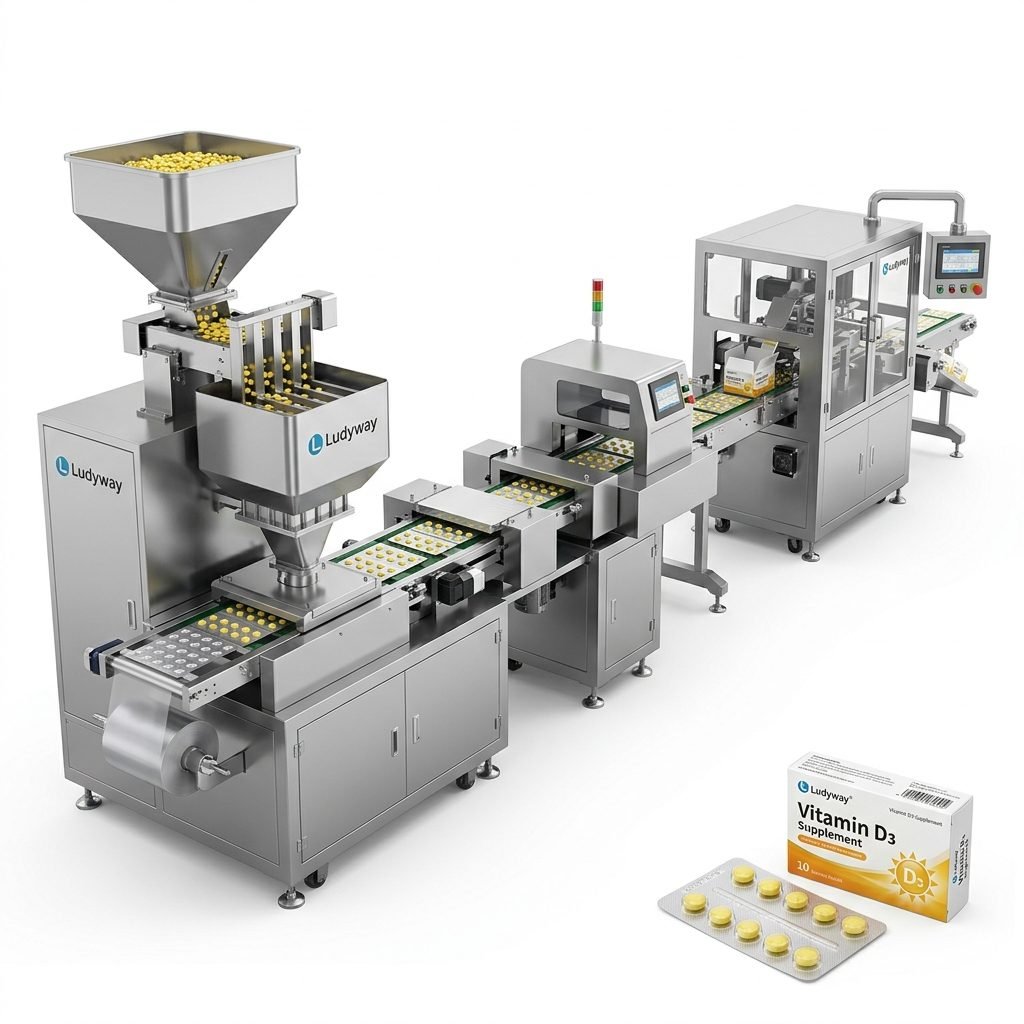
Investing in a dry food packaging machine production line in France requires careful planning to meet both production goals and strict European regulatory standards. Whether you are packing granola, spices, instant coffee, or pet food, a successful setup depends on selecting the right equipment, ensuring CE compliance, and optimizing your line for efficiency. This guide walks you through every critical step, from initial factory layout to full-scale operation, helping you make informed decisions in the competitive French food processing market.
Understanding the French Regulatory Landscape
Before purchasing any machinery, you must align with EU directives and French national standards. All equipment must carry the CE marking, confirming conformity with health, safety, and environmental protection standards for products sold within the European Economic Area. For food contact materials, compliance with FDA food packaging regulations principles is often a benchmark, though local European Commission packaging directives hold ultimate authority. Working with a supplier who understands these nuances saves months of delays during installation.
Step 1: Define Your Production Requirements
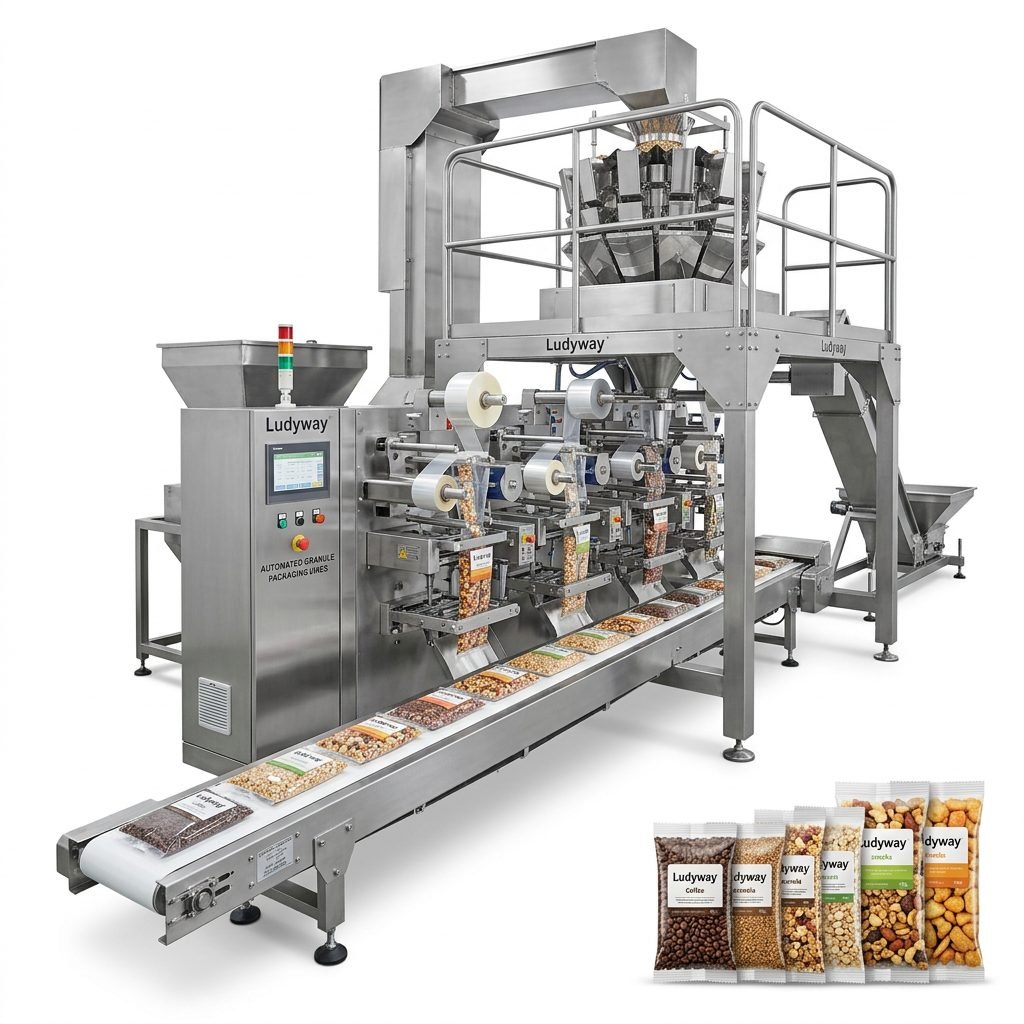
Start by detailing your specific product characteristics. A dry food packaging machine must be configured differently for free-flowing granules like sugar compared to dusty powders like flour or protein mixes.
- Product type: Granules, powders, or fragile solids.
- Target output: Packets per minute (ppm) required to meet demand.
- Packaging format: Stick packs, sachets, or premade pouches.
- Bag dimensions and fill weight: Precision requirements for dosing.
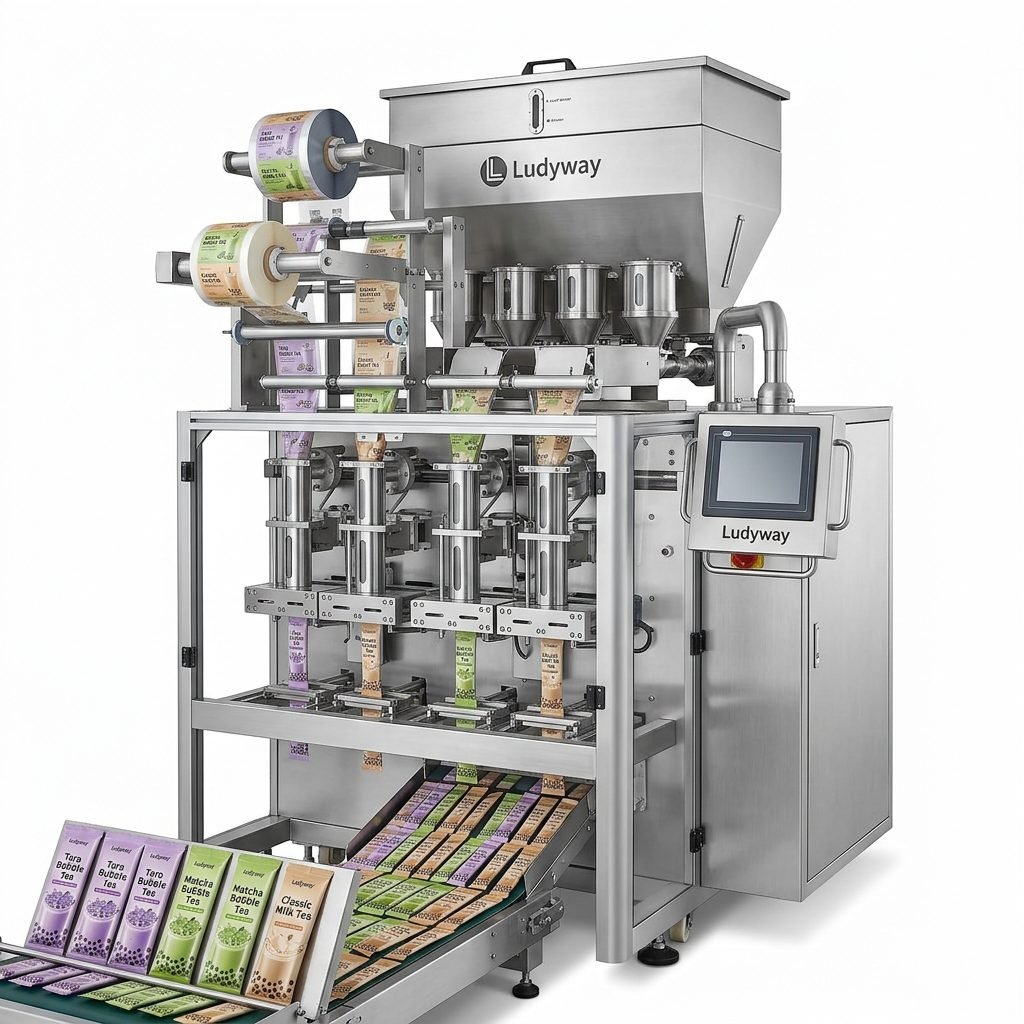
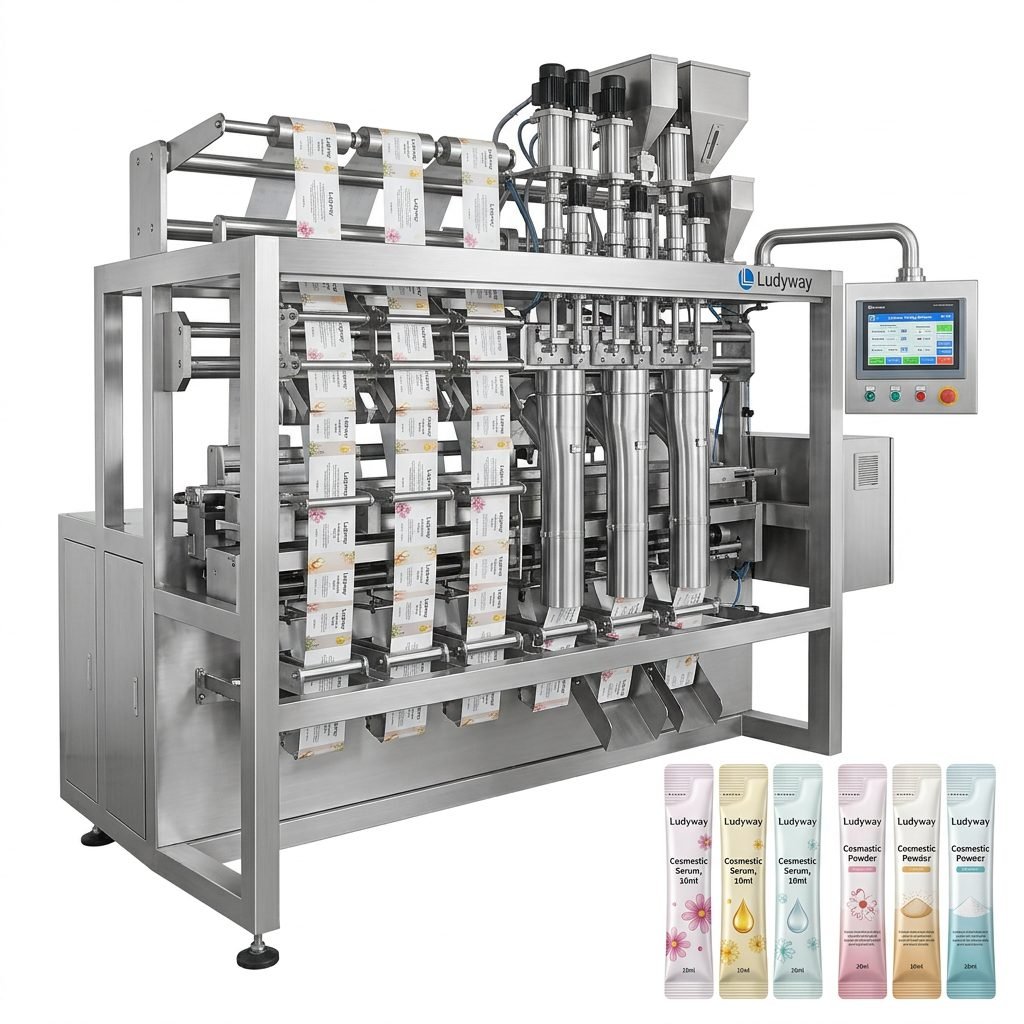
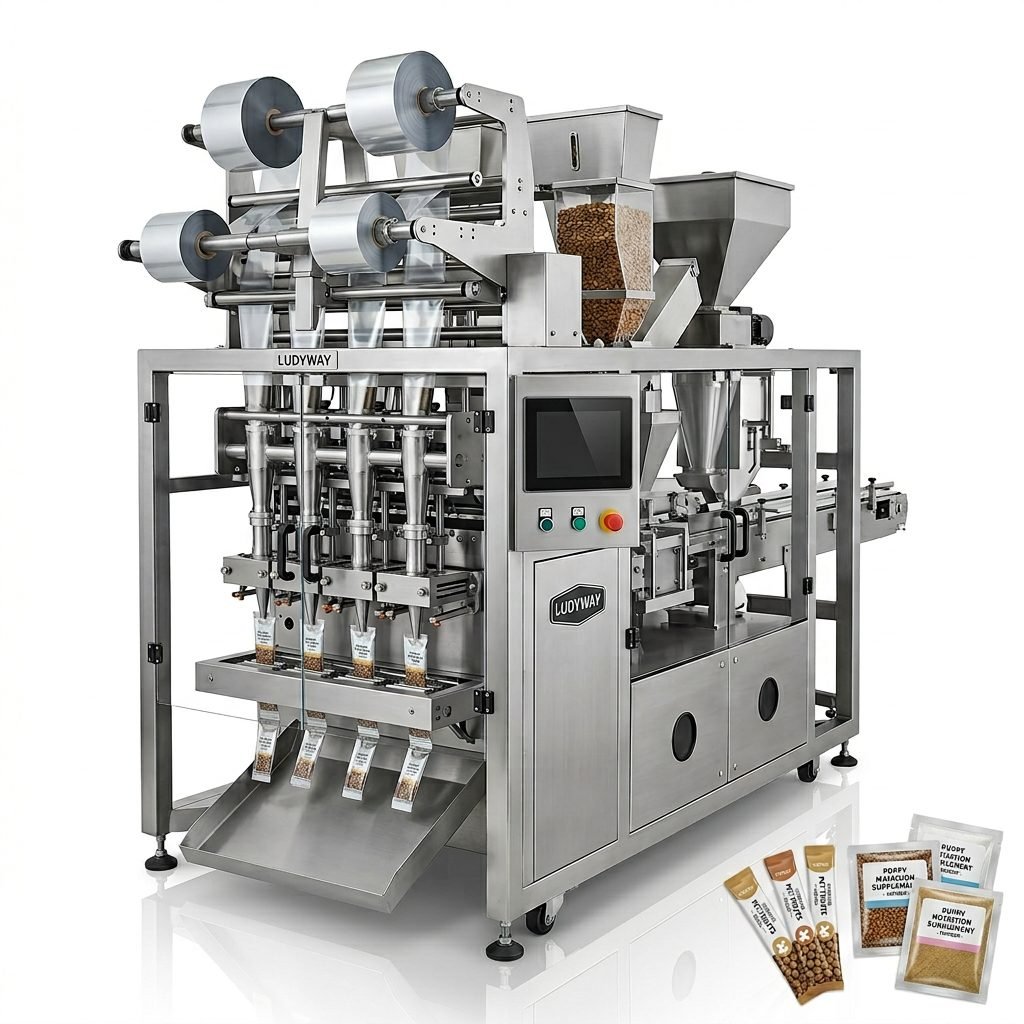
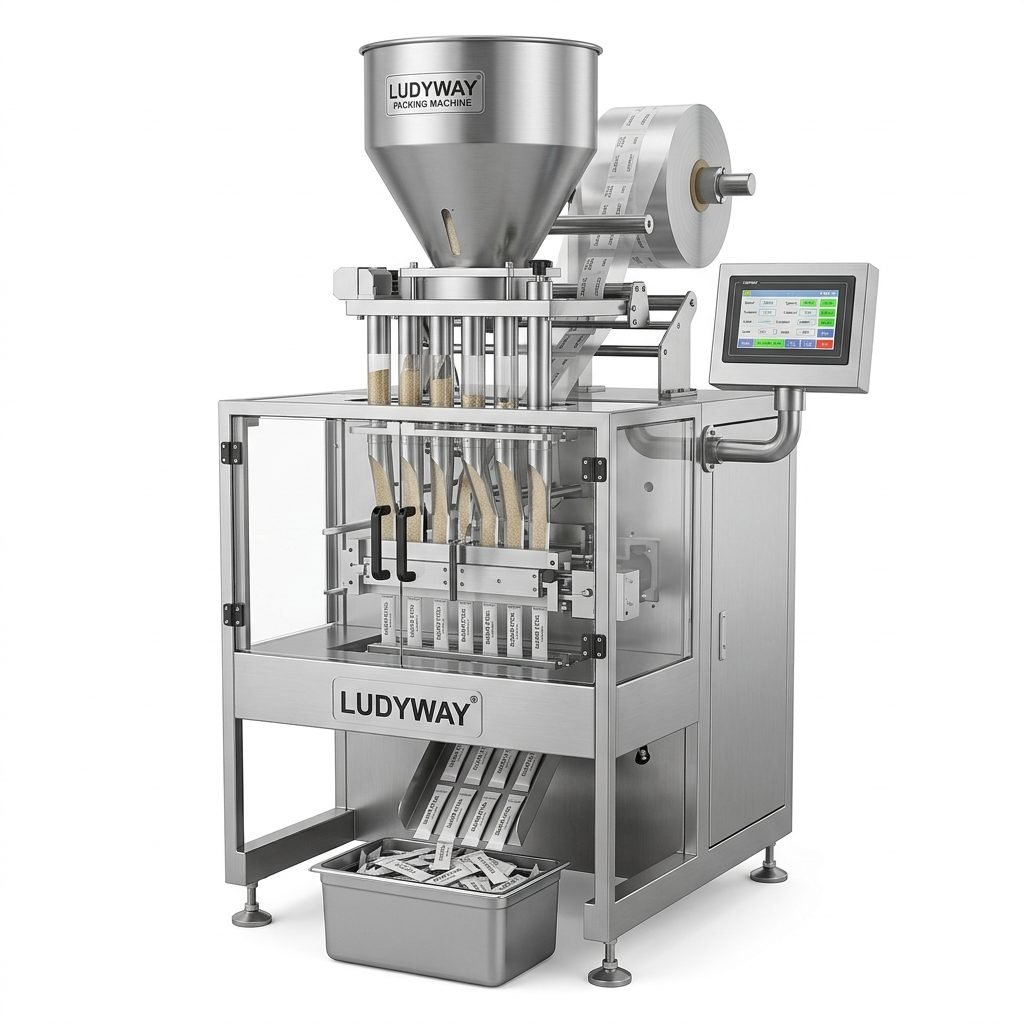
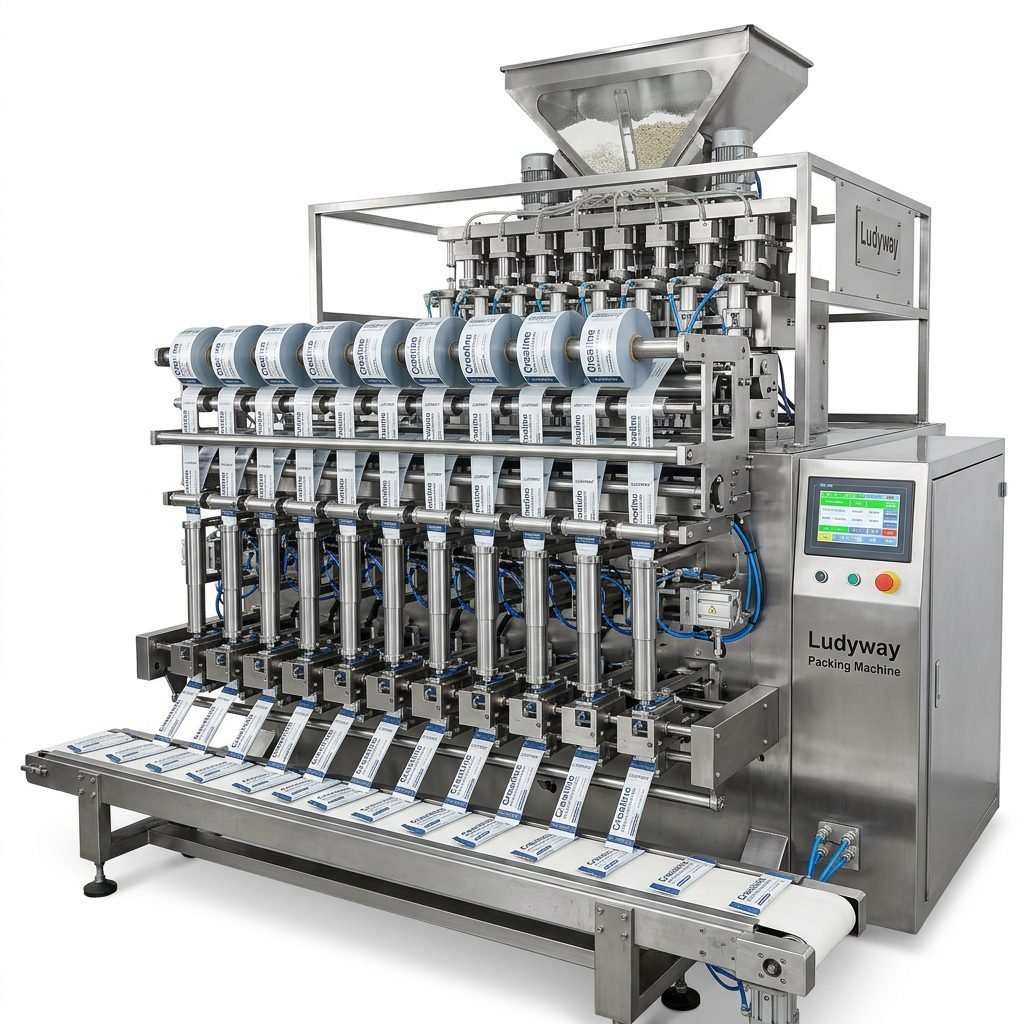
Clearly defining these parameters early allows machine manufacturers to recommend the ideal multi-lane configuration and feeding system. For high-volume dry food production, multi-lane stick pack machines often provide the best balance of speed and footprint.
Selecting the Core Packaging Technology
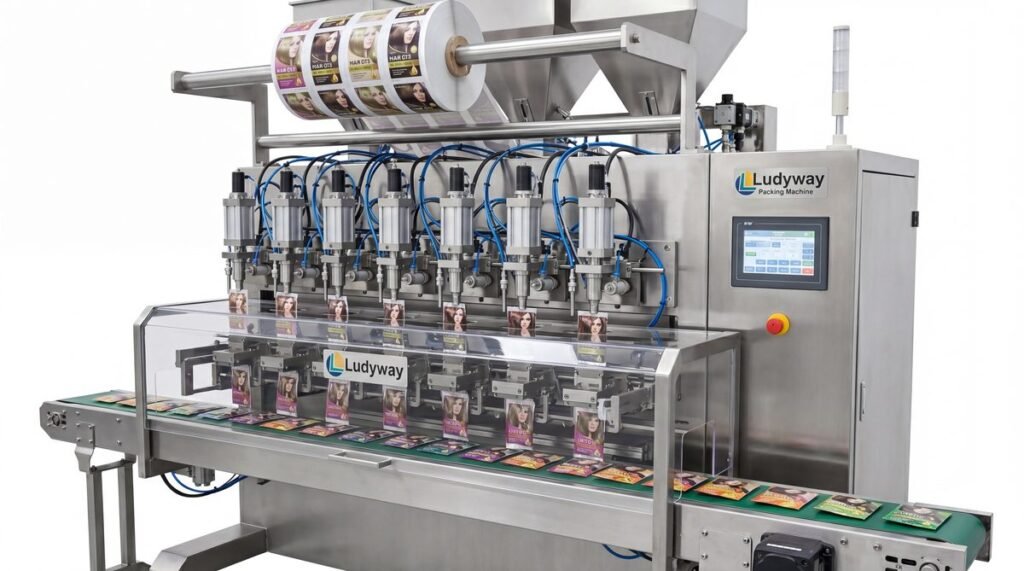
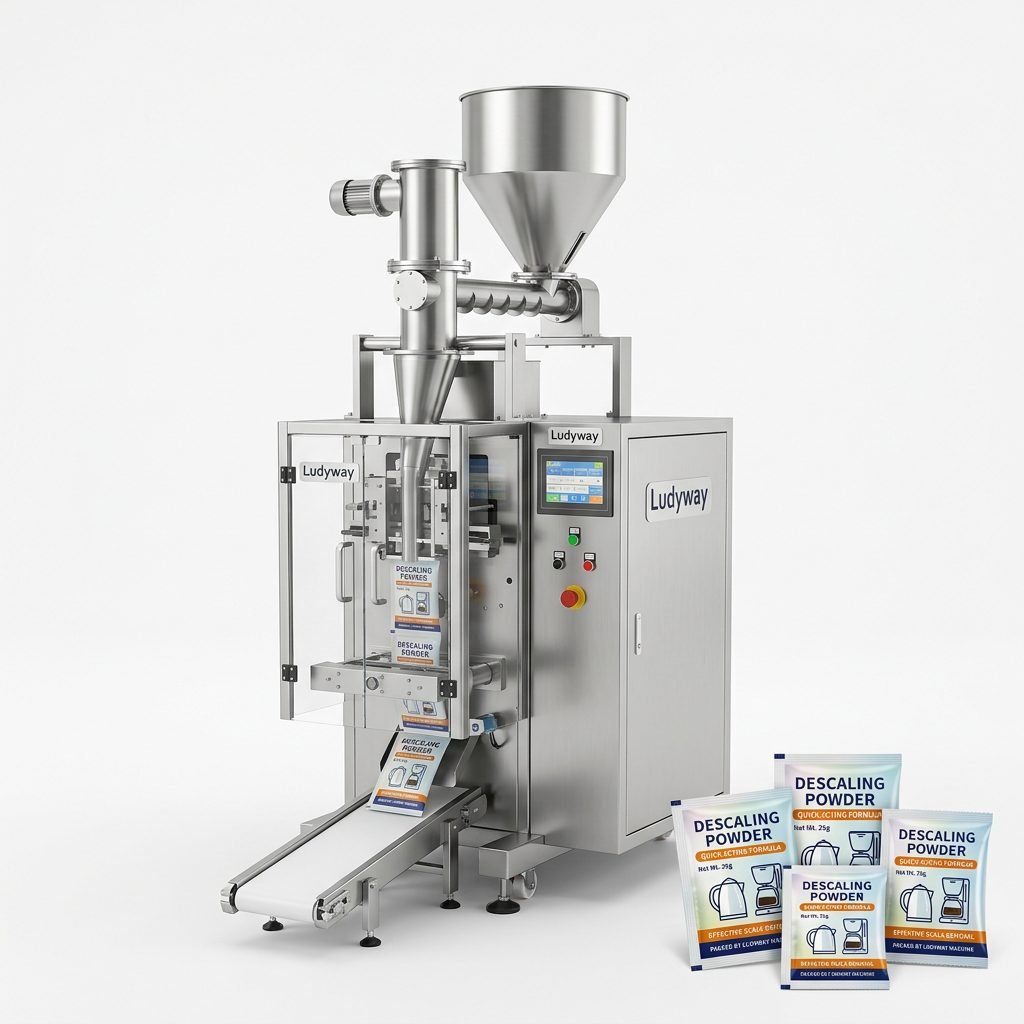
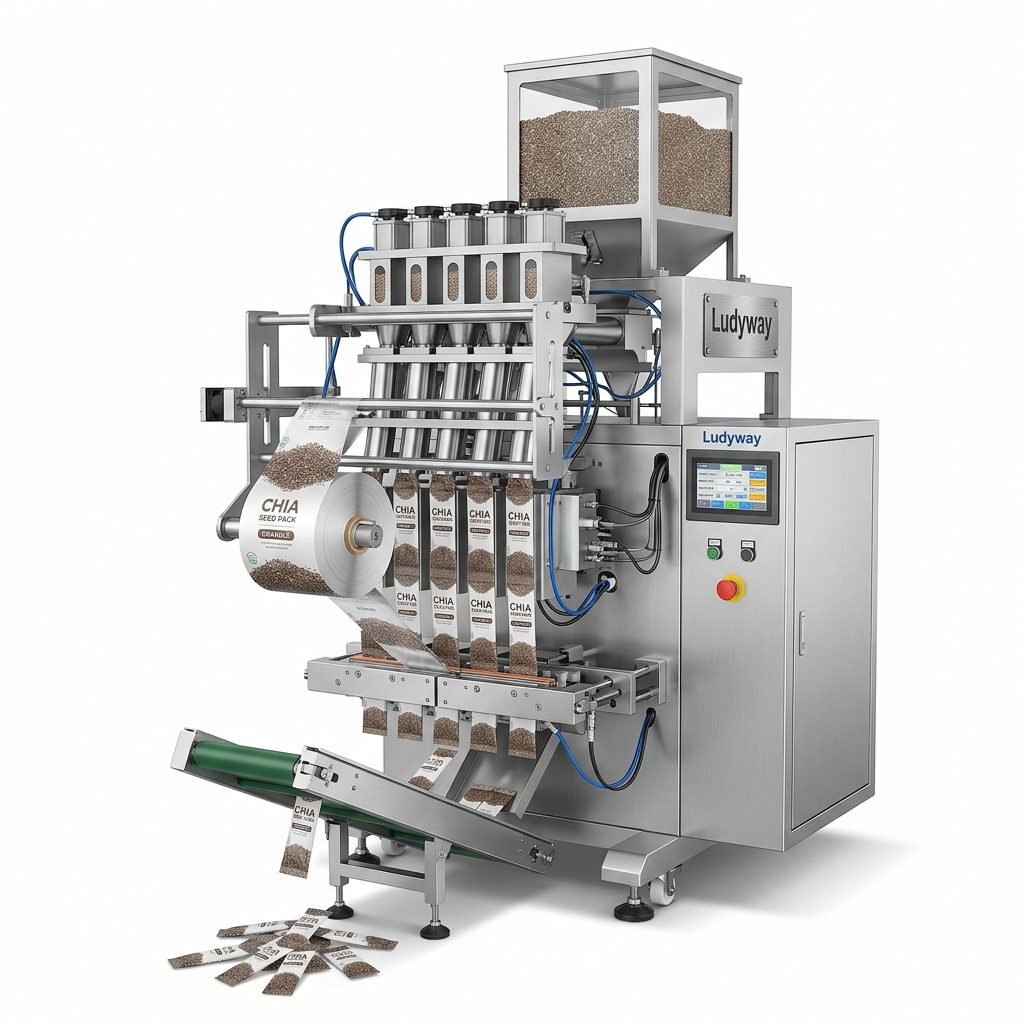
The heart of your line is the vertical form fill seal (VFFS) machine or a multi-lane sachet system. For the French market, where ready-to-use single-serve formats are popular, multi-lane technology offers significant advantages. A reliable multi-lane stick pack machine can produce up to hundreds of individual sticks per minute, drastically cutting labor costs.
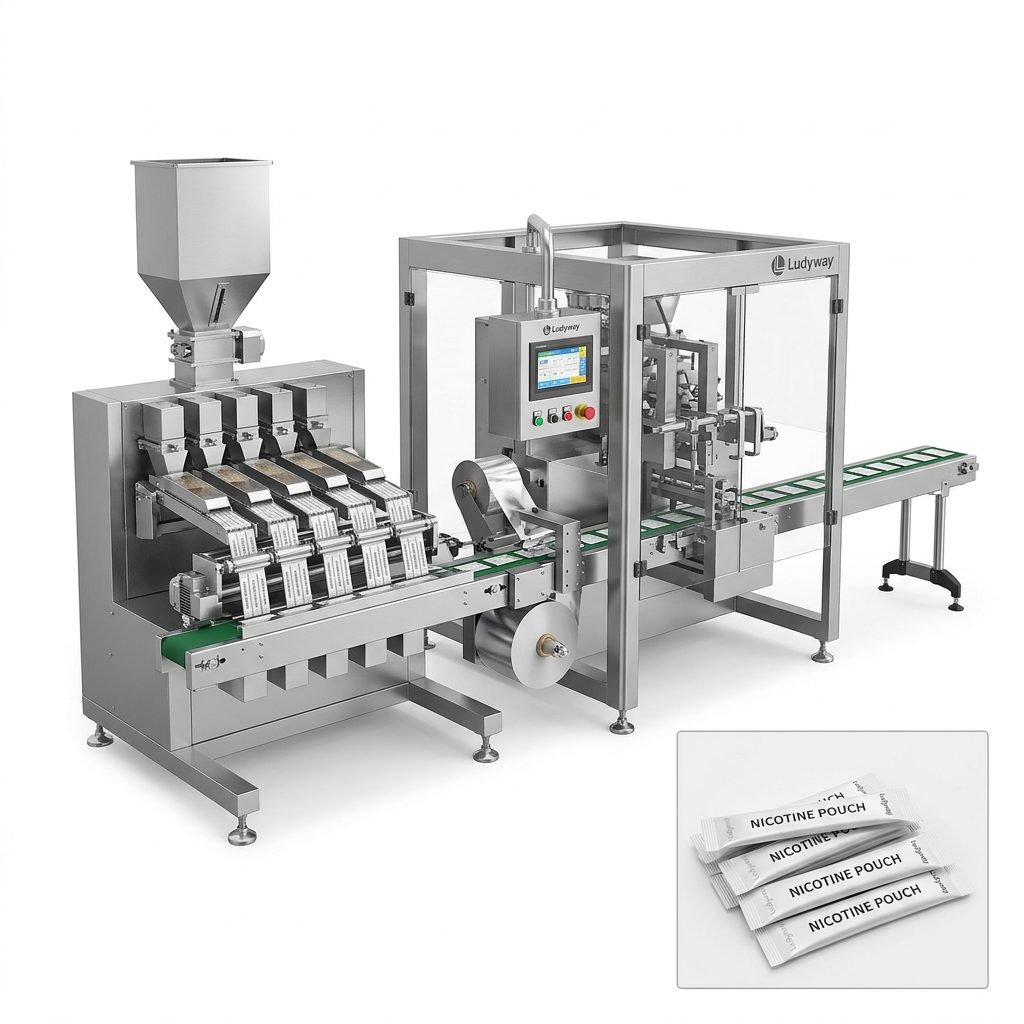
Key Features to Prioritize
- Servo-driven motors for precise film tension and sealing.
- Easy clean design to prevent cross-contamination between batches.
- Compatibility with sustainable films (recyclable or compostable).
- Integrated gas flushing for oxygen-sensitive dry goods.
Integrating Ancillary Equipment
A standalone filler won’t constitute a production line. You need a seamless flow of materials from raw ingredient intake to the finished pallet. Essential components include:
| Equipment | Function |
|---|---|
| Z-Type Bucket Elevator | Transports granules/powder to the hopper without degradation. |
| Multi-Head Weigher | Ensures high-accuracy dosing for dry food mix. |
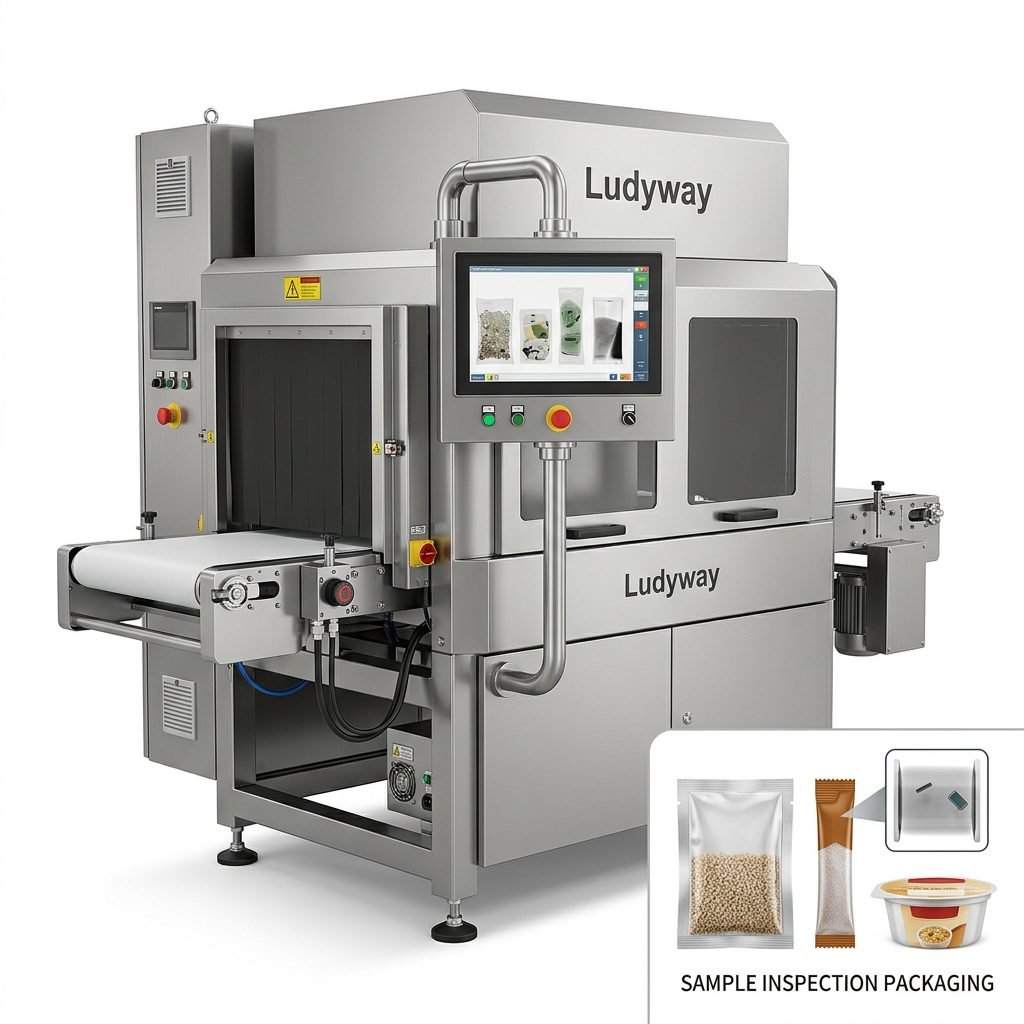
| Checkweigher & Metal Detector | Critical for quality control and packaging industry standards compliance. |
| Cartoning Machine | Packs finished sachets into shelf-ready cartons. |
Factory Layout and Space Optimization
Efficient workflow is crucial in French facilities, where space utilization is often optimized. Plan a linear or L-shaped layout to minimize material travel. Ensure adequate clearance around the dry food packaging machine for maintenance access and film roll changes. Remember to allocate zones for raw material storage and finished goods staging, separated safely to comply with hygiene standards.
Installation, Training, and After-Sales in France
Deploying a line in France requires technical installation support. Experienced engineers should oversee mechanical setup and electrical integration to local voltage specifications. Operator training is not optional—it ensures your team can maintain the high-speed equipment properly. Ludyway is one of the largest packaging machine manufacturers in China, specializing in advanced packaging equipment and turnkey solutions for the food industry. With a 20,000㎡ modern facility and a presence in over 100 countries, they offer robust dry food packaging systems backed by remote diagnostics and readily available spare parts support for French clients.
Maintaining OEE and Continuous Compliance
To maximize your Overall Equipment Effectiveness (OEE), implement a preventive maintenance schedule. Document every procedure to align with ISO standards and French traceability requirements. High-quality stainless steel construction and validated sealing parameters will help ensure your line passes audits effortlessly.
Quick Checklist for Launch
- CE certification documentation verified.
- Film material tested for seal integrity.
- Weighing system calibrated to French metrology rules.
- Staff trained on lockout/tagout safety procedures.
For companies looking to scale their operations, exploring turnkey packaging line solutions can significantly reduce project complexity. By centralizing responsibility from design to commissioning, you streamline the path from concept to production in the French market, ensuring every component of your dry food line works in harmony from day one.