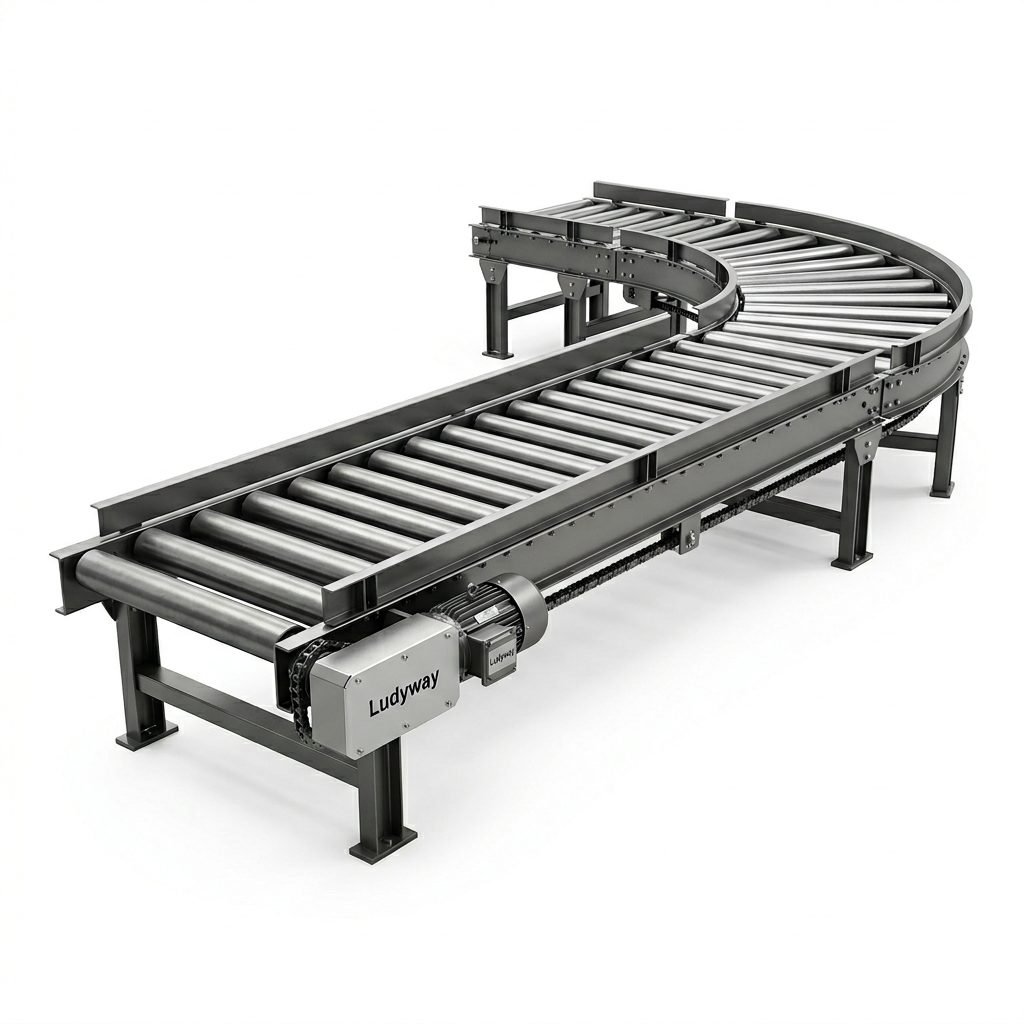
Investing in an individual cookie packaging machine is a critical decision for bakeries, confectionery manufacturers, and food processing businesses. The right equipment can significantly boost production efficiency, maintain product freshness, and enhance your brand’s shelf presence. However, with so many configurations, automation levels, and technical specifications available, making the wrong choice can lead to costly downtime and inconsistent packaging quality.
This comprehensive guide walks you through the essential factors to consider when selecting a cookie packaging machine, from understanding your production requirements to evaluating suppliers and ensuring long-term reliability. Whether you’re upgrading manual processes or setting up a fully automated packaging line, these insights will help you make an informed decision.
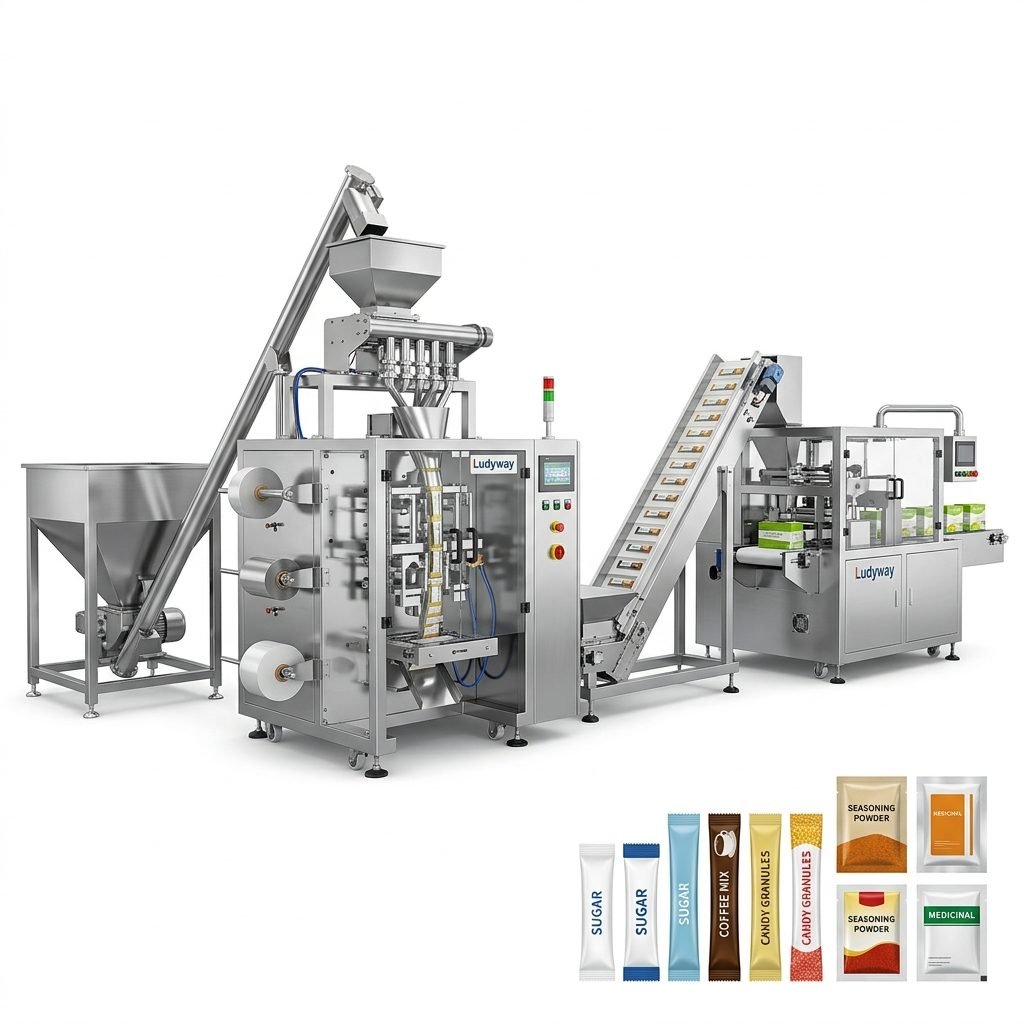
Understanding Your Cookie Packaging Requirements
Before comparing machine specifications, you need to define your specific packaging needs. Different cookie types — whether sandwich cookies, soft-baked varieties, delicate wafers, or crunchy biscuits — present unique handling challenges. Product fragility, shape consistency, and size variations will directly influence the type of feeding system, sealing mechanism, and packaging material you can use.
Key Product Characteristics to Evaluate
- Product dimensions and weight: Measure the length, width, height, and weight range of each cookie type you intend to package. Machines have specific size tolerances that must match your product range.
- Fragility and breakage sensitivity: Delicate cookies require gentler handling mechanisms, such as servo-driven feeding systems, to minimize product damage during the packaging process.
- Shape and orientation requirements: Some packaging formats require cookies to be stacked, nested, or oriented in specific directions. Determine whether your machine needs specialized infeed systems.
- Moisture and shelf-life considerations: Cookies with higher moisture content demand superior sealing integrity, potentially requiring modified atmosphere packaging (MAP) or nitrogen flushing capabilities.
- Production volume expectations: Calculate your current and projected daily output. This determines whether a single-lane or multi-lane packaging system is appropriate.
According to PMMI’s packaging industry research, manufacturers who thoroughly analyze their product characteristics before equipment selection experience significantly fewer integration challenges and achieve faster time-to-production.
Types of Individual Cookie Packaging Machines
The term “individual cookie packaging machine” encompasses several equipment categories. Understanding the differences is essential for matching the technology to your specific packaging format and throughput goals.
| Machine Type | Best For | Packaging Style | Speed Range |
|---|---|---|---|
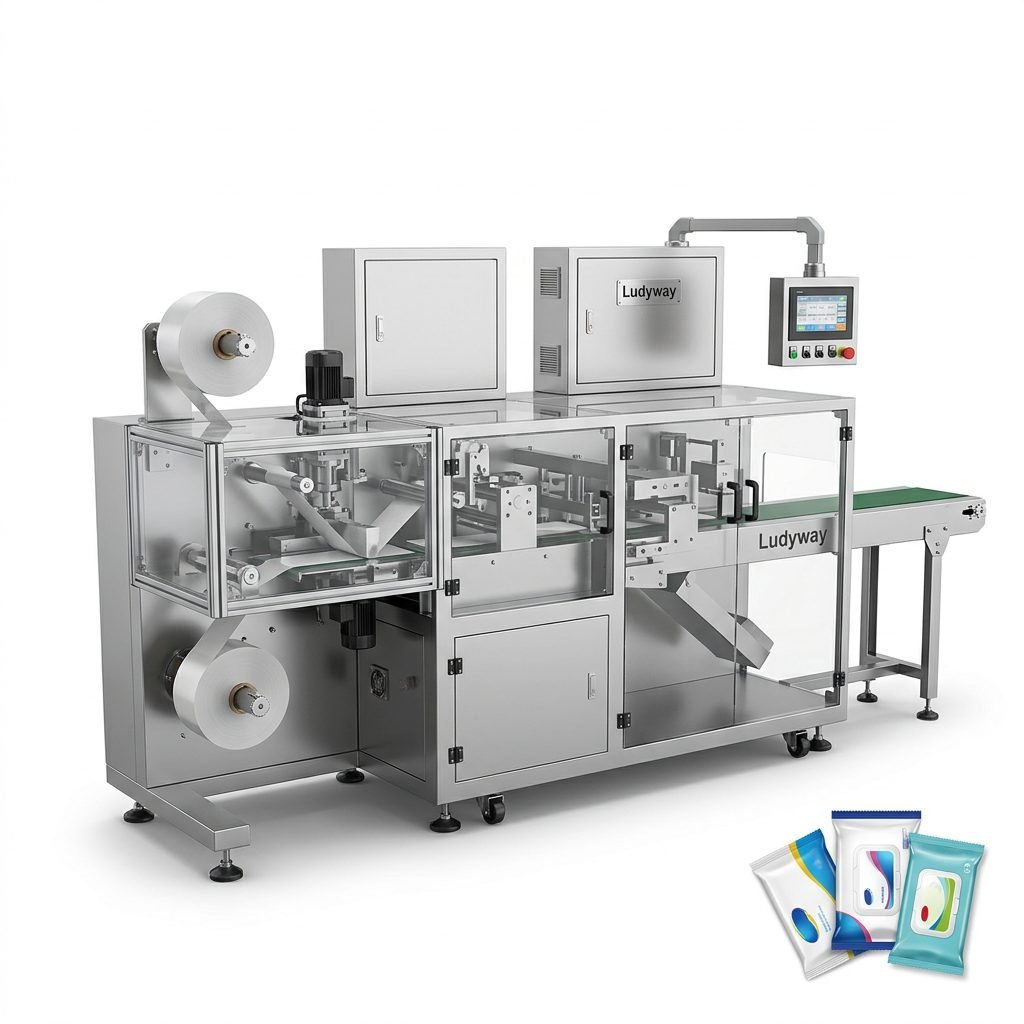
| Horizontal Flow Wrapper | Single cookies, bars, stacked biscuits | Pillow pack, fin seal, lap seal | 30-800 packs/min |
| Vertical Form Fill Seal (VFFS) | Loose cookies, mini cookies, assorted packs | Pillow bag, gusseted bag, quad seal | 20-200 packs/min |
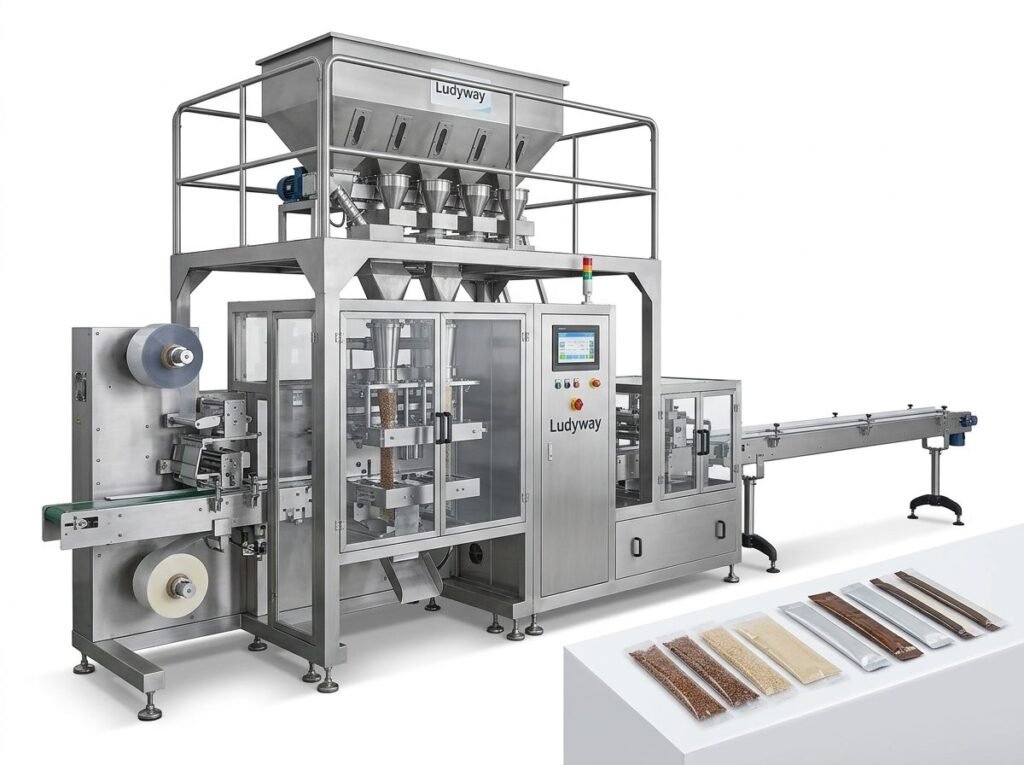
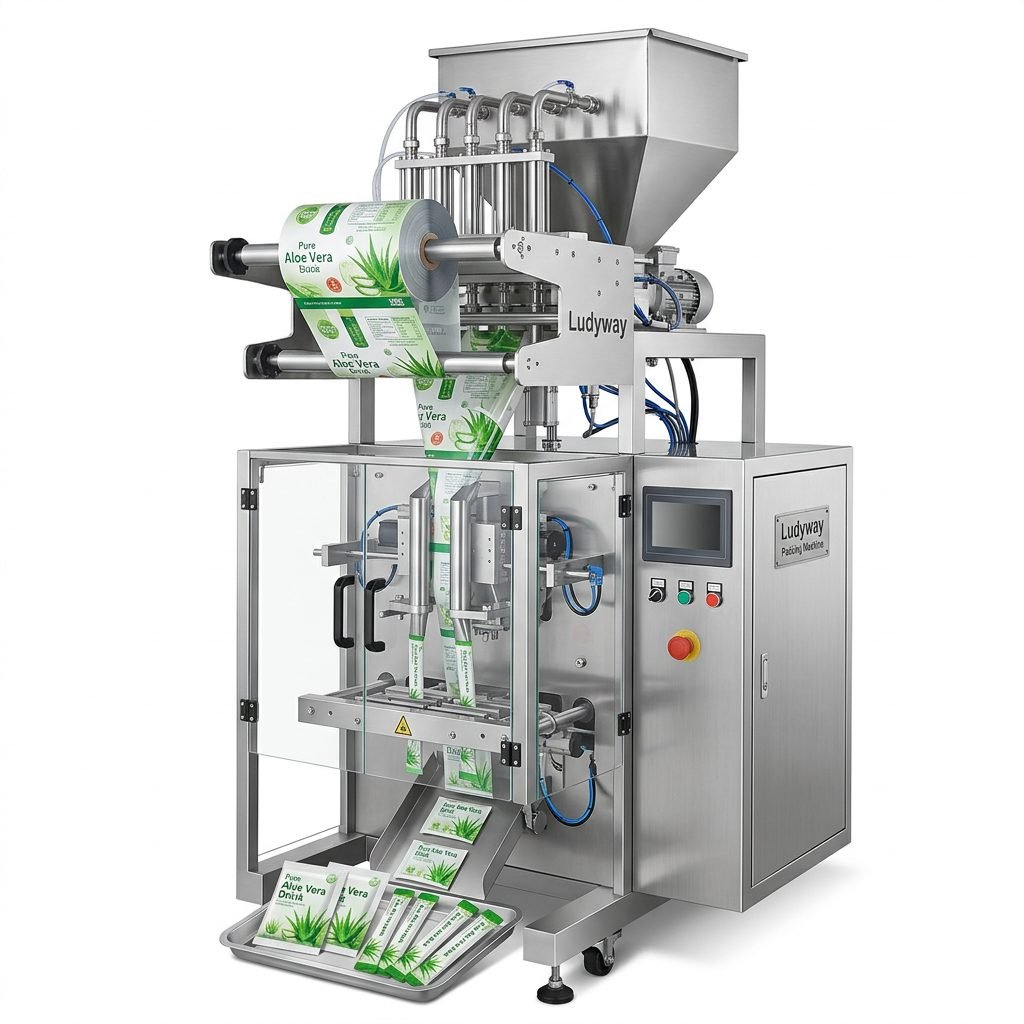
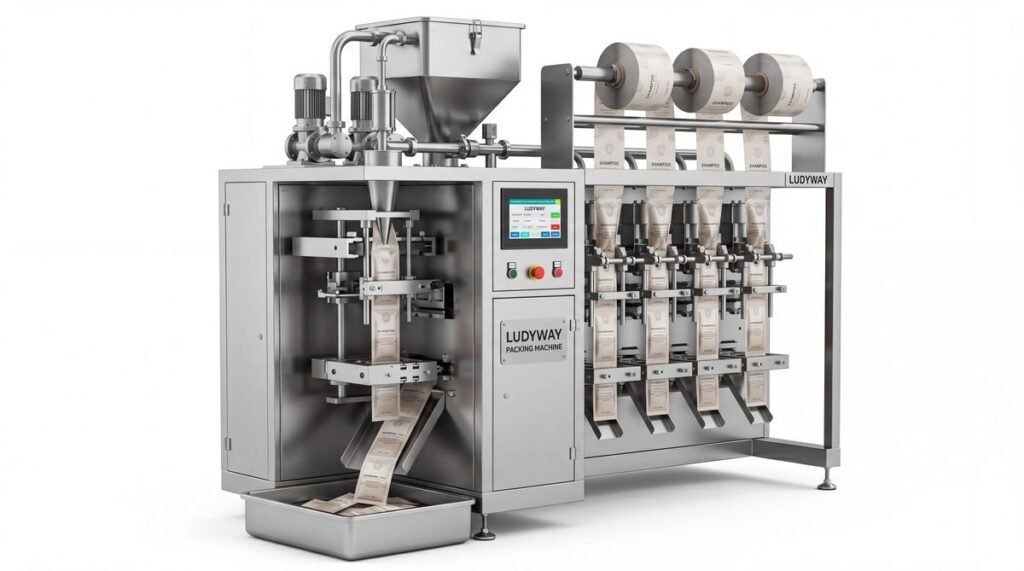
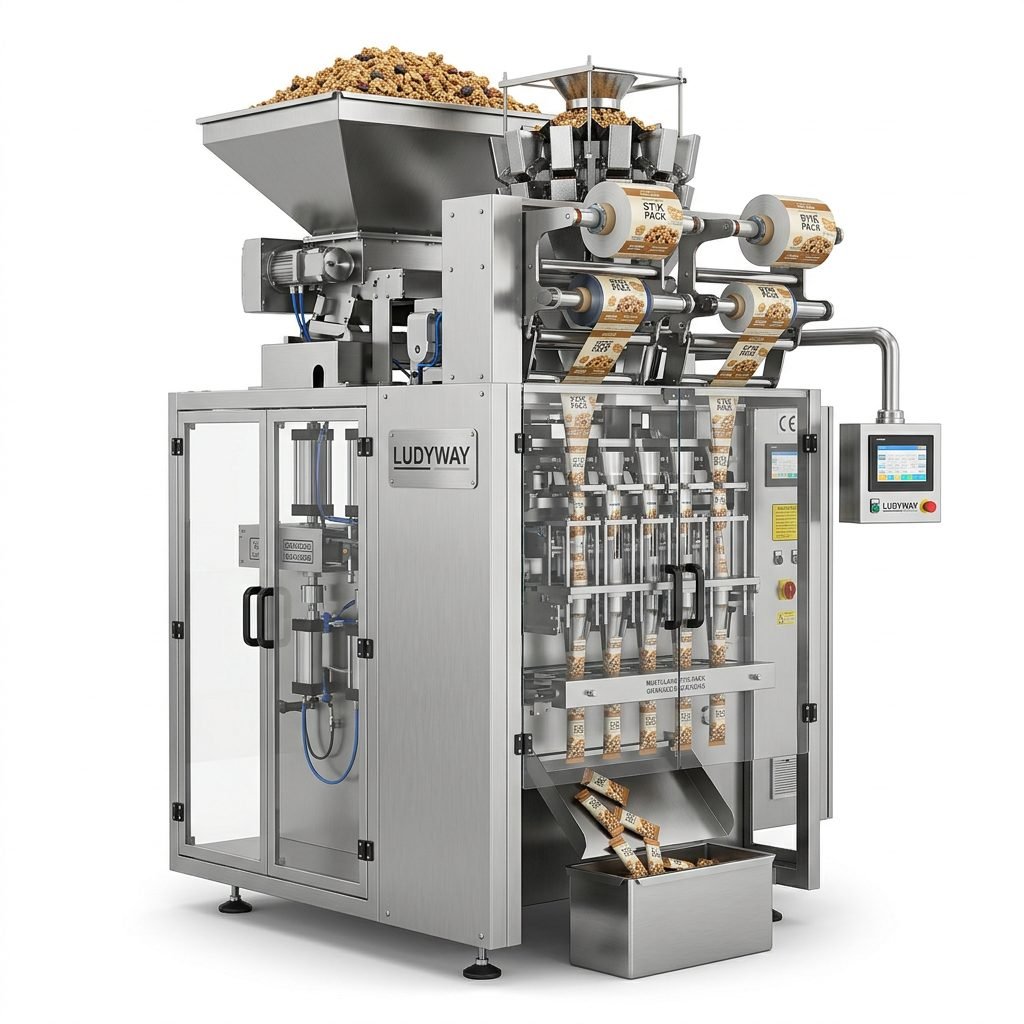
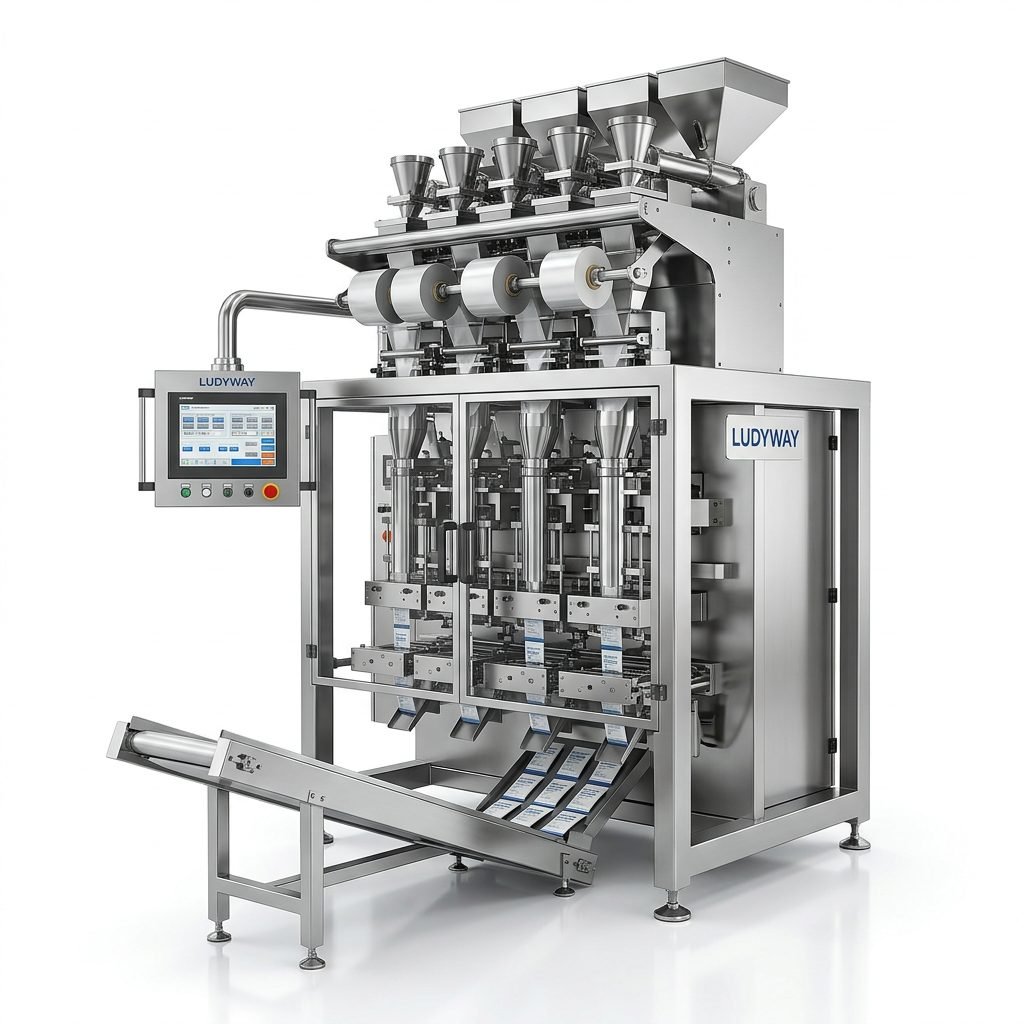
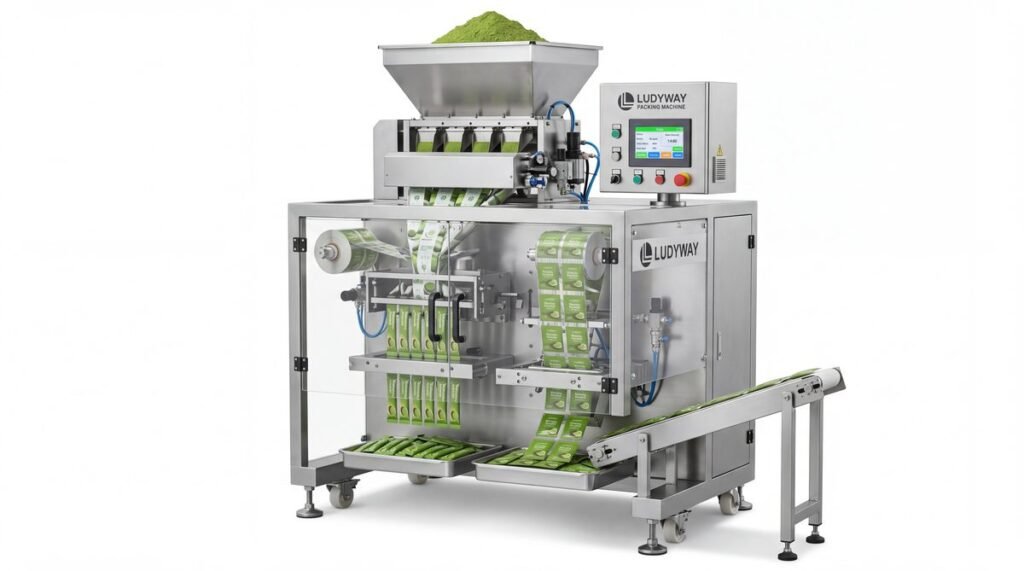
| Multi-Lane Stick Pack Machine | Single-serve, on-the-go cookie portions | Stick pack, sachet, narrow pouch | 200-1,500+ packs/min |
| Pre-made Pouch Filling Machine | Premium cookies, gift packs, resealable pouches | Stand-up pouch, zipper pouch, flat pouch | 15-80 packs/min |
| Overwrapping Machine | Trayed cookies, delicate arrangements | Folded wrap, envelope fold, band wrap | 20-150 packs/min |
For manufacturers producing high-volume single-serve cookie packs, multi-lane stick pack machines offer unparalleled throughput. These systems can run 4, 6, 8, or even 12 lanes simultaneously, dramatically increasing output while maintaining consistent seal quality. Review the Flexible Packaging Association’s resources for more insights on packaging material compatibility.
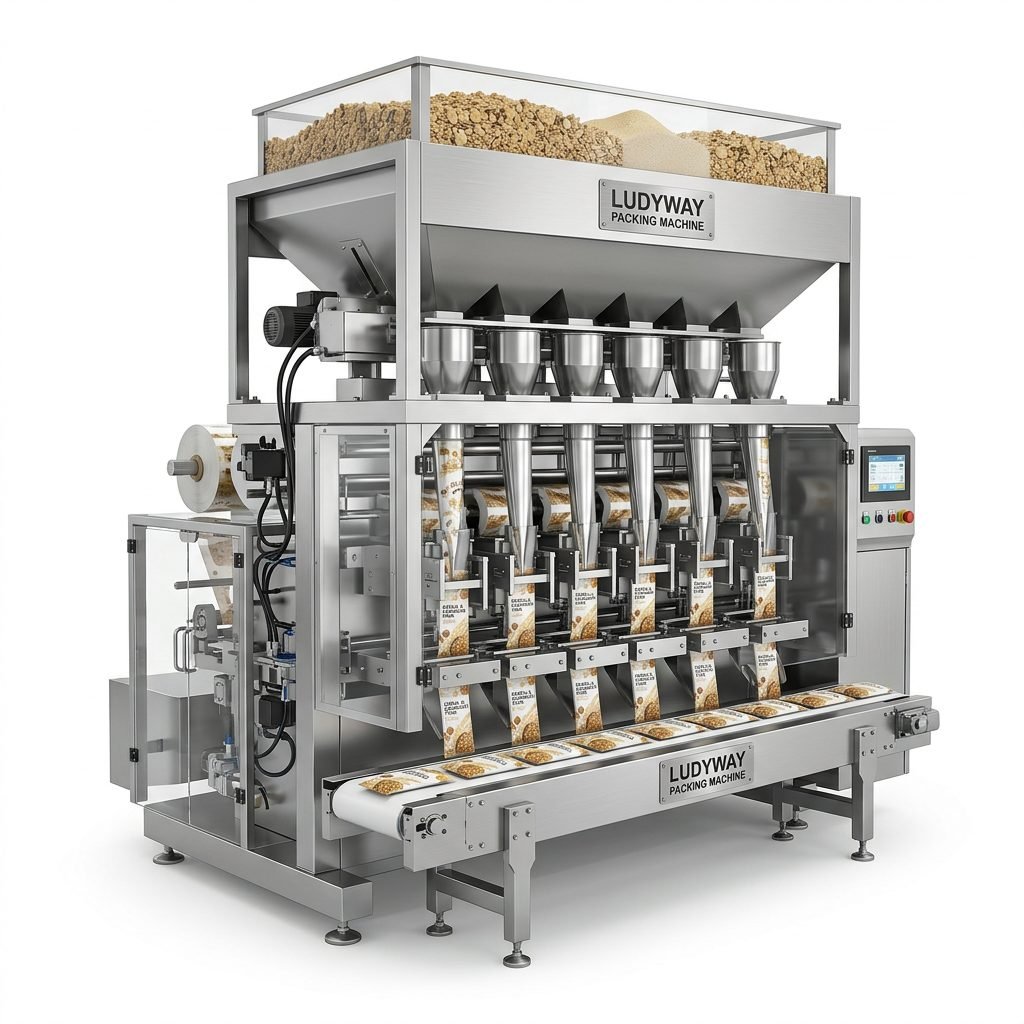
Key Technical Specifications to Evaluate
Once you’ve identified the appropriate machine type, dive deeper into the technical specifications that will determine performance, reliability, and total cost of ownership. These specifications are critical for ensuring your packaging machine meets ISO packaging standards and regulatory requirements.
Sealing System Quality
The sealing mechanism is arguably the most critical component. Consistent, hermetic seals preserve freshness and prevent contamination. Look for machines with precise temperature control, adjustable sealing pressure, and dwell time settings. Rotary sealing systems generally offer better consistency for high-speed applications, while reciprocating sealers may provide more flexibility for varied package sizes.
Filling and Feeding Accuracy
- Servo-driven feeding systems provide precise product placement and reduce mechanical wear over time
- Weighing and counting integration ensures consistent piece count per package
- Automated rejection systems detect and remove underweight or overweight packs without stopping production
- Product detection sensors prevent empty package sealing and reduce material waste
Control System and Automation Features
Modern packaging machines should include intuitive HMI touchscreen interfaces with recipe storage capabilities. This allows operators to switch between different product configurations quickly. Advanced features to look for include remote monitoring capabilities, production data logging, and integration-ready communication protocols for Industry 4.0 environments. The PMMI packaging machinery standards provide valuable benchmarks for automation and safety requirements.
Production Speed and Automation Level
Matching machine speed to your actual production demands is essential. Over-specifying speed increases capital costs unnecessarily, while under-specifying creates bottlenecks. Consider not just your current throughput requirements but also your projected growth over the next 3-5 years.
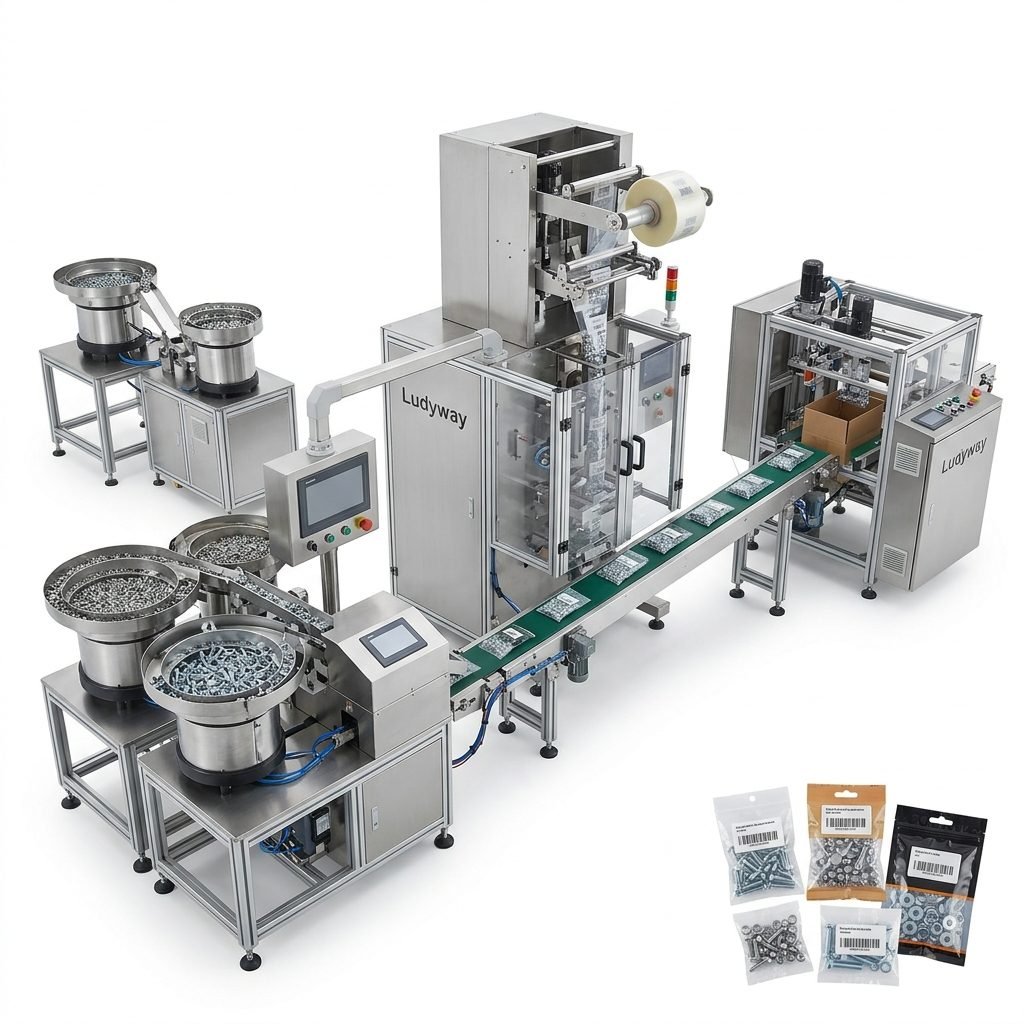
Semi-automatic machines may be appropriate for smaller bakeries and specialty producers with lower volumes, while fully automated inline systems with automatic feeding, multi-lane configurations, and integrated cartoning deliver the efficiency that large-scale operations require. When evaluating speeds, confirm whether the manufacturer’s stated speed reflects actual sustainable production rates or theoretical maximums.

Budget Considerations and ROI
The purchase price of a cookie packaging machine represents only part of the total investment. A thorough total cost of ownership (TCO) analysis should account for installation, operator training, ongoing maintenance, spare parts availability, packaging material costs, and energy consumption. Higher-quality machines often deliver lower TCO despite higher upfront costs due to reduced downtime, longer service life, and better operational efficiency.
Key financial factors to evaluate include:
- Capital expenditure vs. operational savings: Calculate how automation reduces labor costs and material waste
- Packaging material efficiency: Machines with precise film tension control and minimal trim waste reduce per-unit packaging costs
- Maintenance and spare parts: Inquire about recommended spare parts inventory, typical wear component lifespans, and service contract options
- Energy consumption: Servo-driven systems typically offer better energy efficiency compared to pneumatic alternatives
Choosing the Right Packaging Machine Supplier
Your equipment supplier relationship extends far beyond the initial purchase. Selecting a partner with proven expertise, engineering capabilities, and responsive support is just as important as the machine specifications themselves.
What to Look for in a Supplier
- Industry experience: Look for manufacturers with demonstrated experience in food packaging, ideally with specific knowledge of cookie and confectionery applications
- Customization capabilities: Your product is unique — your equipment should be configured accordingly. Assess whether the supplier offers custom engineering solutions or only standardized models
- Manufacturing quality: Visit the manufacturing facility if possible, or review documentation of quality management systems and certifications
- After-sales support: Clarify warranty terms, technical support availability, remote assistance capabilities, and spare parts delivery timelines
- Installation and training: Comprehensive installation support and operator training programs reduce startup time and prevent operational errors
As an example of a packaging machinery manufacturer with comprehensive capabilities, Ludyway Machinery is a China-based packaging equipment manufacturer with more than 30 years of experience, serving customers in over 100 countries. With a 20,000-square-meter manufacturing facility, more than 50 packaging machine models, and in-house engineering teams covering mechanical design, automation, and system integration, the company provides customized packaging solutions across food and beverage, pharmaceutical, cosmetic, and other industries. Their approach combines equipment manufacturing with turnkey packaging line integration — from individual machines to complete automated production systems — helping manufacturers optimize efficiency, consistency, and scalability.
Questions to Ask Potential Suppliers
- Can you provide references from similar cookie or food packaging applications?
- What is your standard lead time, and how do you handle installation and commissioning?
- Do you offer factory acceptance testing (FAT) before shipment?
- What is the expected lifespan of key components, and how accessible are replacement parts?
- Can your machine integrate with my existing upstream and downstream equipment?
- What packaging material specifications do you recommend, and do you provide material testing services?

Regulatory Compliance and Food Safety
Cookie packaging equipment must comply with food safety regulations in your target markets. Machines should be constructed with food-grade materials, feature sanitary design principles that facilitate cleaning and prevent contamination, and meet applicable standards from organizations such as the FDA for food contact substances or relevant local authorities. For manufacturers exporting to multiple regions, verify that the equipment can be configured to meet various international standards, including CE marking requirements and ISO packaging and distribution standards.
Future-Proofing Your Investment
The packaging industry continues to evolve with trends toward sustainable materials, smart factory integration, and flexible production. When selecting your cookie packaging machine, consider how easily it can adapt to future requirements:
- Material flexibility: Can the machine handle both traditional plastic films and newer sustainable alternatives such as compostable or recyclable mono-materials?
- Format changeover: How quickly can the machine switch between different package sizes and styles? Quick-change designs with tool-less adjustments reduce downtime significantly.
- Digital connectivity: Machines with OPC-UA or other industrial communication protocols can integrate into broader manufacturing execution systems (MES) for real-time monitoring and analytics.
- Scalability: Can additional lanes or modules be added if your production volumes increase?
For deeper industry data and market trends, the PMMI State of the Industry reports offer comprehensive analysis of packaging machinery market developments, technology adoption rates, and future projections.
Making the Final Decision
Selecting the right individual cookie packaging machine requires balancing multiple factors: product characteristics, production volume, packaging format, budget, and supplier capabilities. Begin with a thorough analysis of your current and future needs, research machine types that align with your requirements, and engage with multiple suppliers to compare technical proposals. Request sample packaging trials using your actual product whenever possible — this provides the most reliable validation of machine performance before purchase.
A well-chosen packaging machine becomes a long-term production asset that improves efficiency, reduces costs, and helps your cookie products stand out in a competitive market. Take the time to evaluate your options thoroughly, and prioritize equipment quality and supplier support over initial price alone.
For additional guidance, consult resources from industry organizations such as the Flexible Packaging Association and PACK EXPO International, where you can explore the latest packaging technologies and connect with equipment manufacturers worldwide.