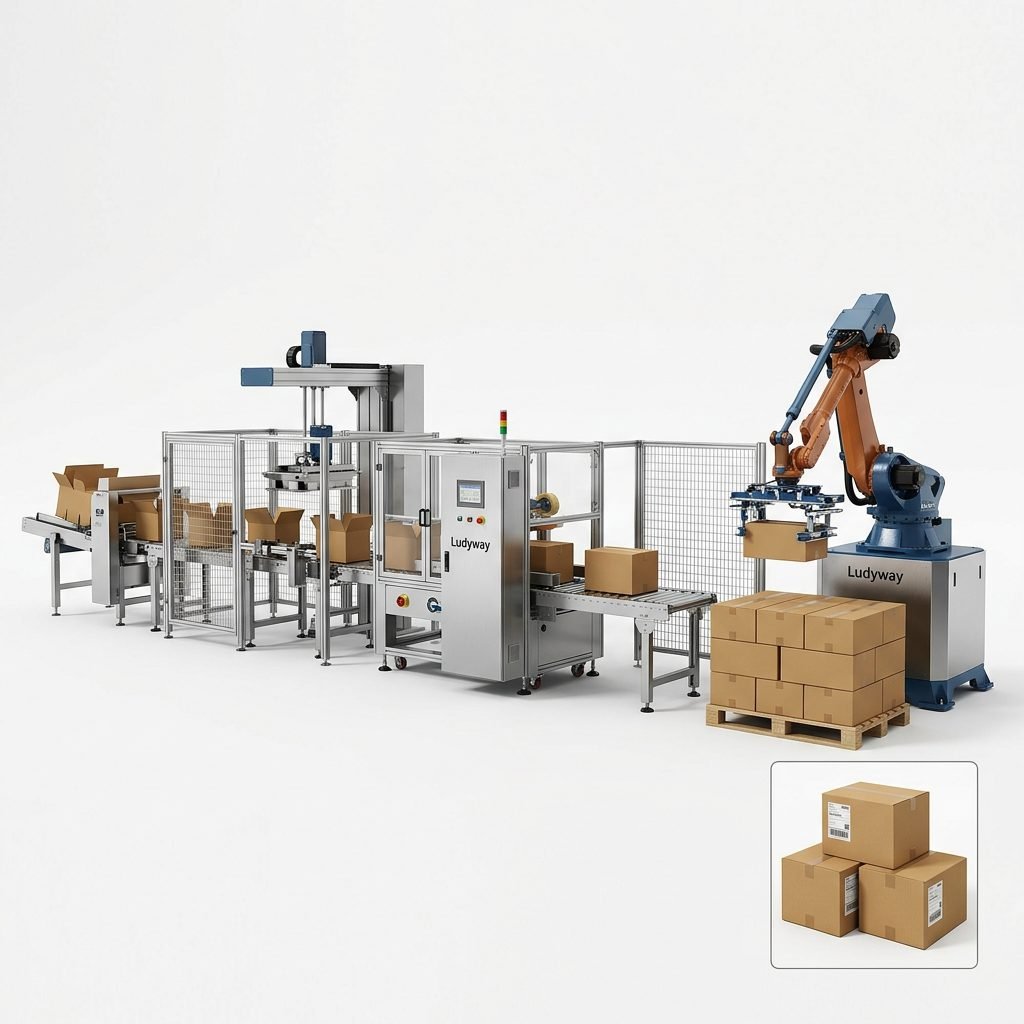
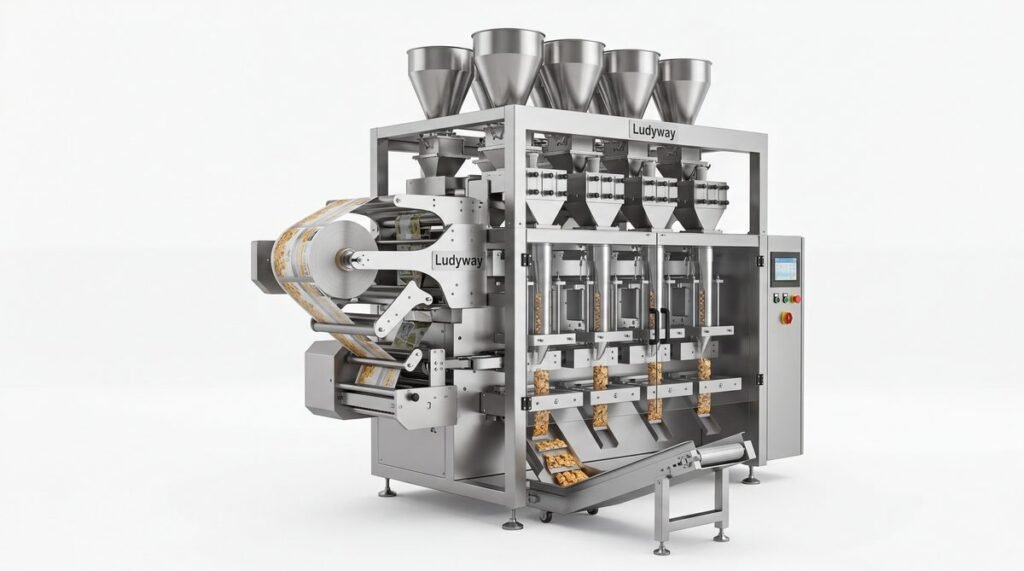
Selecting the right packaging equipment supplier is a critical decision that directly impacts your production efficiency, product quality, and overall operational cost. The market is filled with numerous companies offering a vast array of machines, from basic sachet packers to fully integrated turnkey lines. Navigating this landscape to find the best partner for your specific needs requires a strategic approach. This guide will walk you through the key factors to consider when evaluating top packaging equipment suppliers and their machines, ensuring you make an informed choice that aligns with your production goals.
Understanding Your Production Requirements
Before you even begin your search for a supplier, you must have a crystal-clear understanding of your own needs. This foundational step prevents you from over-investing in unnecessary features or under-specifying a machine that can’t handle your demands.
Key Questions to Ask Yourself:
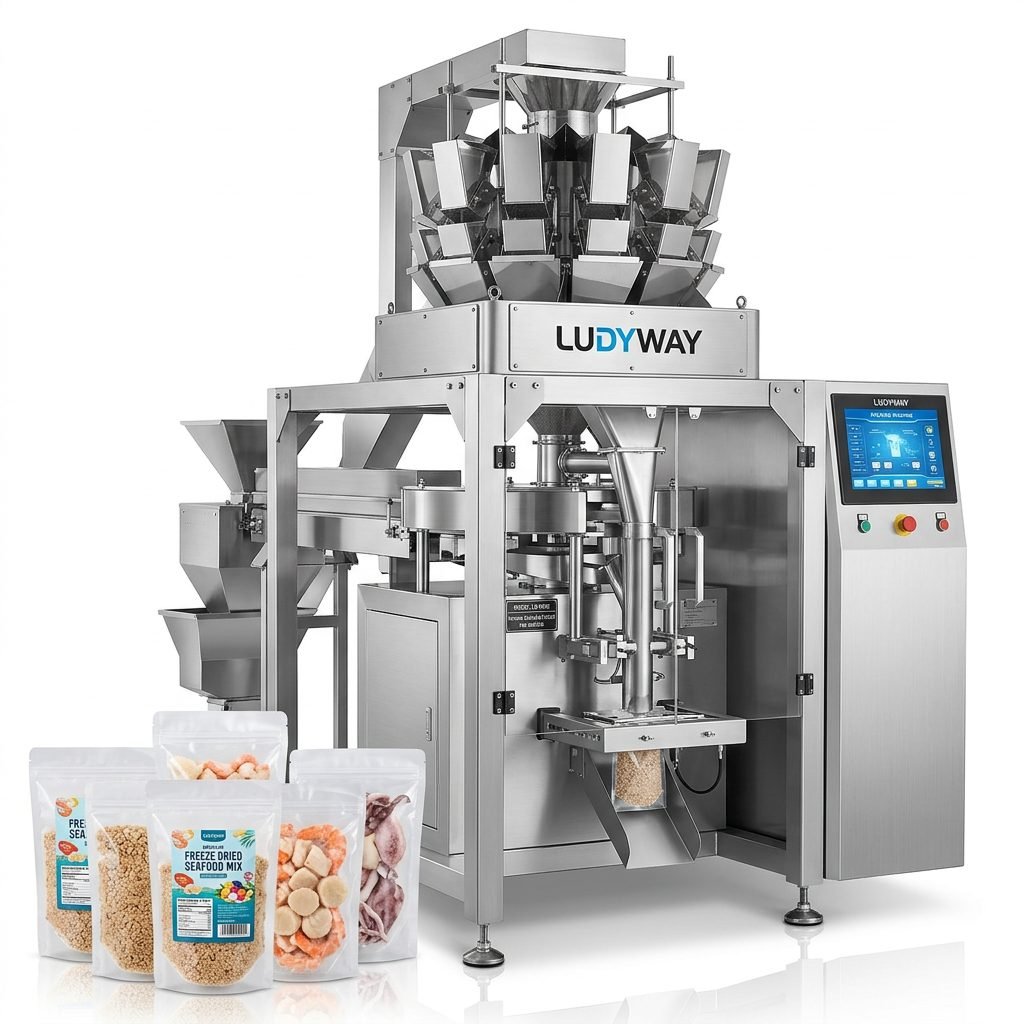
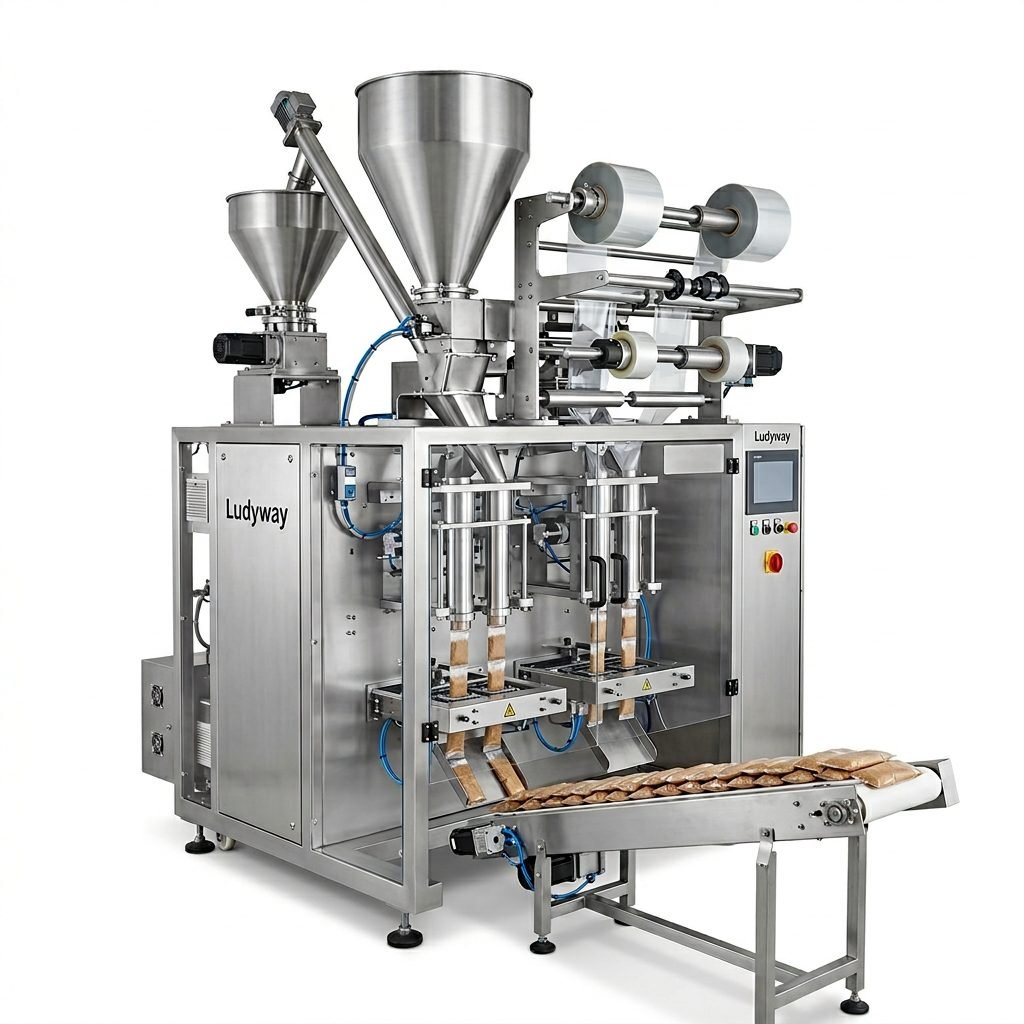
→ Product Type: Are you packaging granules, powders, liquids, tablets, or pastes? The physical characteristics of your product dictate the machine type (e.g., auger filler for powders, liquid pump for fluids).
→ Production Speed & Volume: What is your required output in packs per minute (PPM) or per hour? Consider both current needs and projected growth.
→ Packaging Materials: What film or laminate will you use? The machine must be compatible with your chosen material’s thickness and sealing properties.
→ Budget & ROI: What is your total investment budget? Calculate the expected return on investment based on labor savings, material efficiency, and increased output.
Evaluating the Supplier’s Expertise and Reliability
Once your requirements are defined, the focus shifts to the supplier. A machine is only as good as the company that stands behind it. Look beyond the sales brochure to assess their true capabilities.
1. Industry Experience and Specialization
Suppliers with deep, specialized experience in your specific sector (e.g., food, pharmaceutical, nutraceuticals) bring invaluable knowledge. They understand the regulatory standards, hygiene protocols, and common challenges you face. A supplier like Ludyway Packing Machine, with over 30 years of collective industry experience, has likely encountered and solved problems similar to yours, ensuring their solutions are practical and robust.
2. Manufacturing Capability and Quality Control
Does the supplier manufacture their own equipment or are they merely a reseller? In-house manufacturing, supported by a significant facility (e.g., a 20,000㎡ plant), allows for stricter quality control over components, assembly, and testing. It also facilitates better customization and more responsive after-sales support. Inspect their quality certifications and ask about their testing procedures for each machine before shipment.
3. Product Range and Customization Flexibility
A broad portfolio, such as offering over 50 intelligent packaging machine models, indicates strong engineering prowess. It means they can likely provide a more precise match for your application rather than a one-size-fits-all solution. More importantly, assess their willingness and ability to customize. Can they modify a standard machine to handle your unique product or package shape? True partners collaborate on tailored solutions.
4. Global Support and Service Network
Packaging machines are long-term investments. Ensure your supplier has a proven track record of serving customers worldwide with reliable technical support, readily available spare parts, and comprehensive training. Ask for client references in your region to verify their service responsiveness. A supplier’s commitment to long-term cooperation is as crucial as the initial sale.
Assessing the Machinery: Technical and Operational Factors
With a shortlist of credible suppliers, dive into the technical details of their proposed machines. A hands-on evaluation is highly recommended.
Critical Machine Evaluation Checklist:
Accuracy & Speed: Request performance data (e.g., weight accuracy ±1%) for your specific product at the required speed. Beware of theoretical maximum speeds that aren’t sustainable in real production.
Changeover Ease: How long does it take to switch between different products or package sizes? Quick-change parts and user-friendly controls minimize downtime.
Hygiene & Cleanability: For food or pharma, the machine design must allow for easy, thorough cleaning with no product traps. Look for stainless steel surfaces and sanitary design principles.
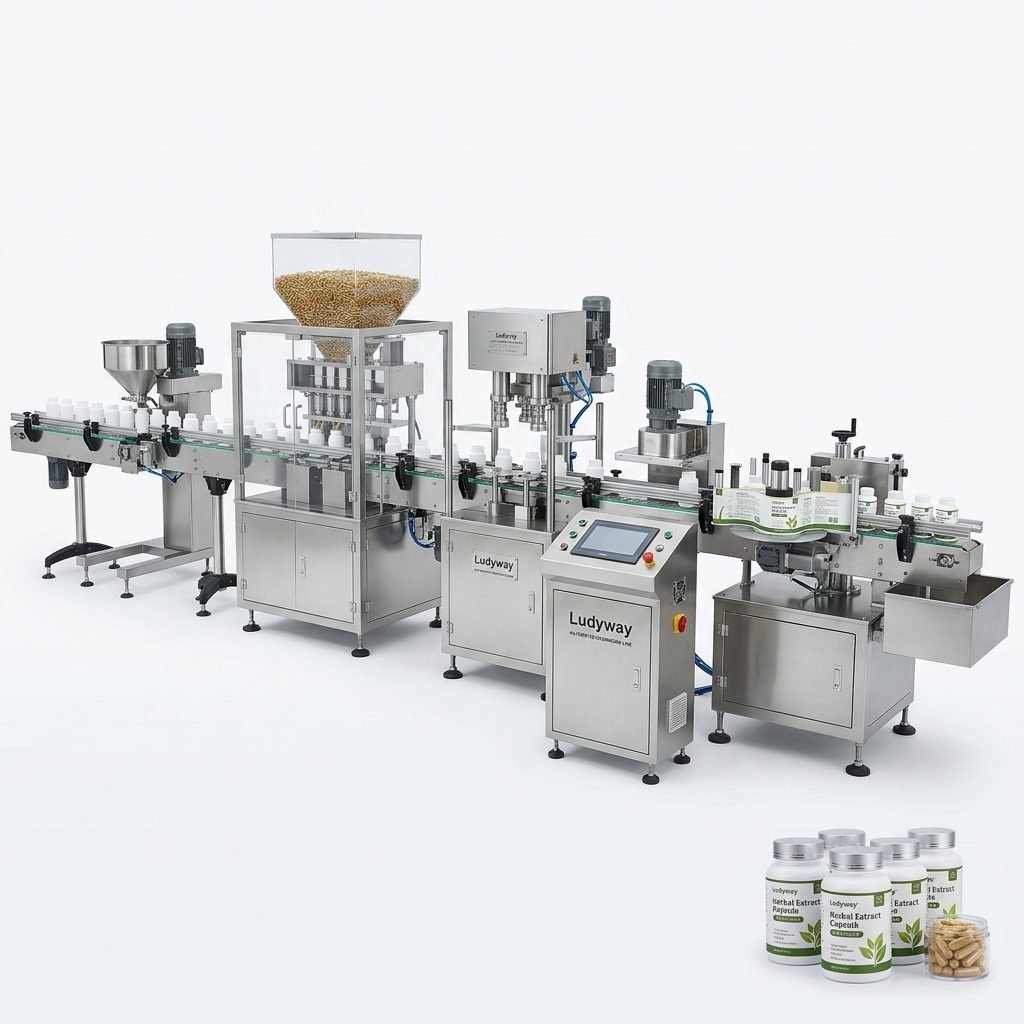
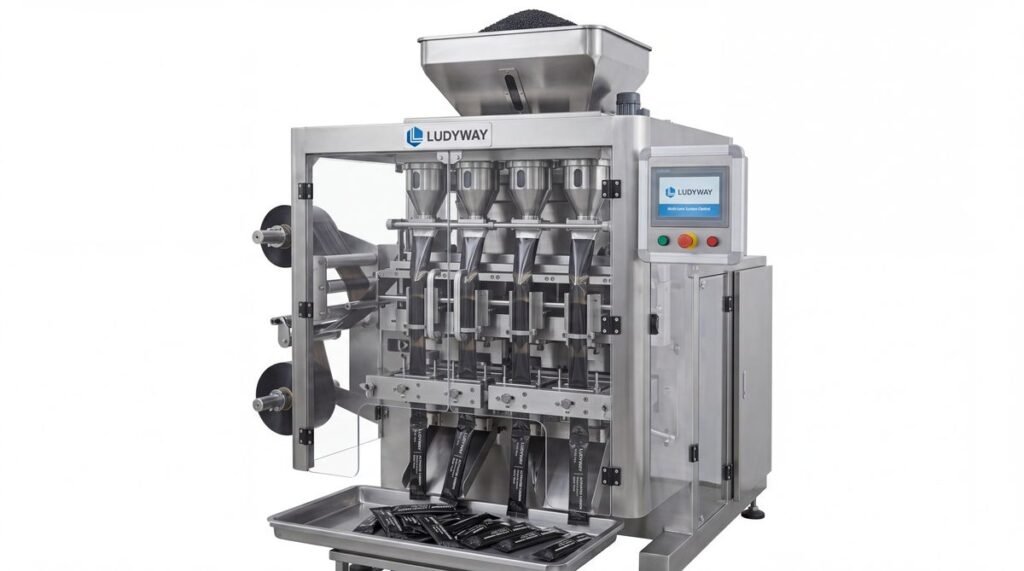
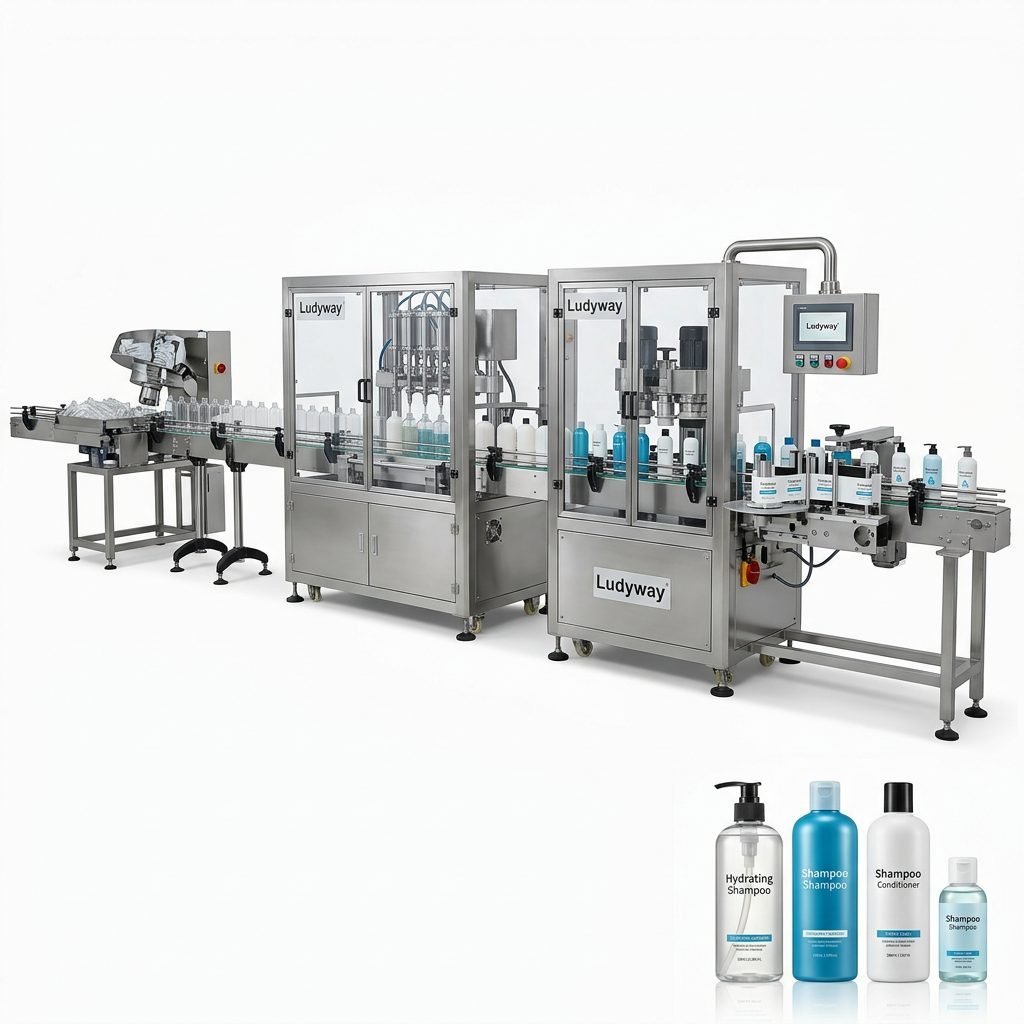
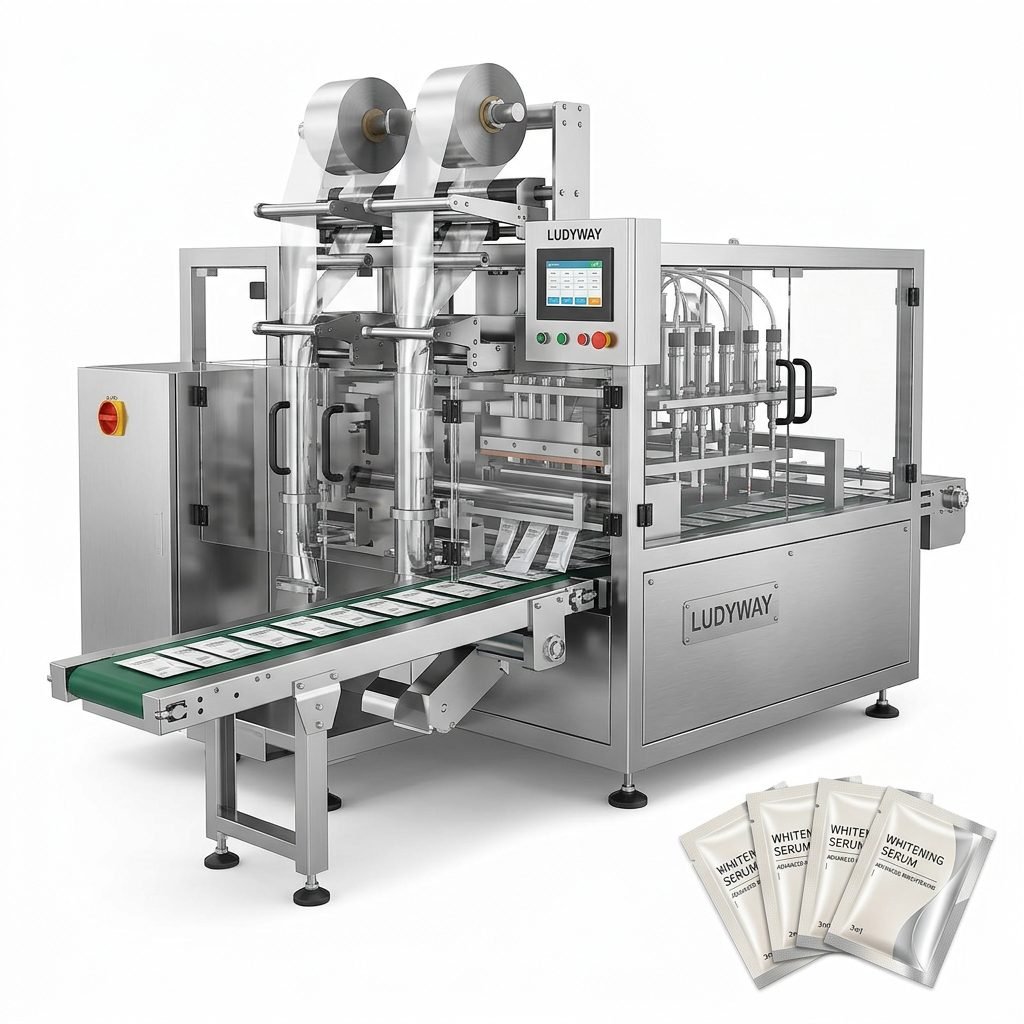
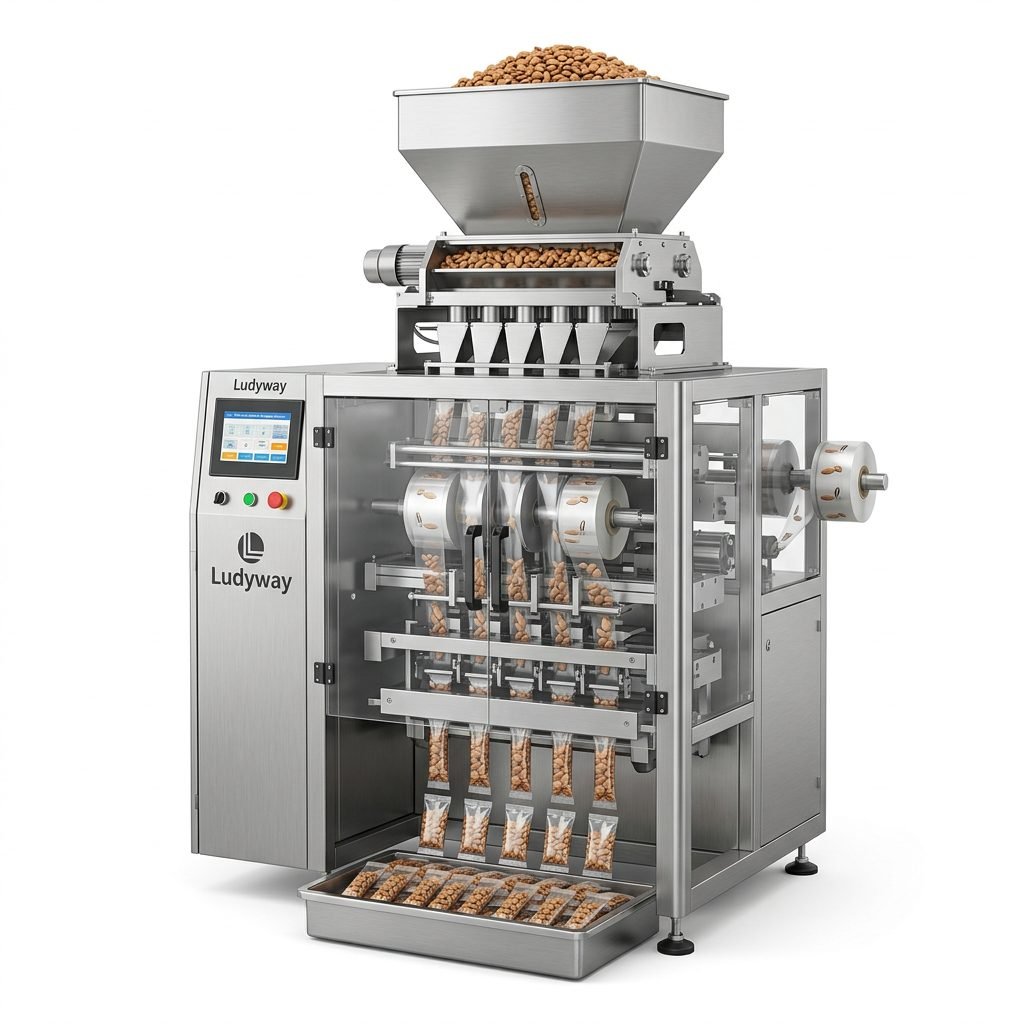
Automation & Integration: Can the machine easily integrate with your upstream (e.g., feeding systems) and downstream (e.g., cartoning) equipment? Consider future automation needs like multi-lane sachet packaging systems for high-volume output.
Energy & Material Efficiency: Evaluate power consumption and film waste. Modern servo-driven machines often offer significant savings in both areas.
The Importance of a Trial or Pilot Test
Never buy a packaging machine based solely on specifications. The most effective way to validate a machine’s suitability is to run a production trial using your actual product and packaging materials. Reputable suppliers often offer this service at their facility or can arrange a demo at an existing client’s site. Observe the machine’s operation, measure its output and accuracy, and assess its noise level and user-friendliness firsthand.
Building a Partnership, Not Just a Transaction
The best supplier relationships evolve into partnerships. From the initial consultation, gauge their willingness to understand your business holistically. Do they ask insightful questions? Do they propose solutions that add value beyond the basic machine? A partner like Ludyway Machinery focuses on delivering complete turnkey production line solutions, supporting you from layout planning to installation and maintenance, ensuring you achieve your production goals.
Frequently Asked Questions (FAQs)
1. What is the most important factor when choosing a packaging machine supplier?
Answer: While price is important, the supplier’s reputation for reliability, after-sales support, and industry-specific experience is paramount. A cheaper machine from an unreliable supplier can lead to costly downtime and lost production.
2. How do I know if a standard machine is sufficient or if I need a customized solution?
Answer: Discuss your product and process in detail with the supplier’s engineers. If your product has unique flow characteristics, an unusual shape, or requires special handling (like nitrogen flushing), customization may be necessary. A competent supplier will honestly advise you on what is required.
3. What kind of training and support should I expect after purchasing a machine?
Answer: Expect comprehensive on-site training for your operators and maintenance staff. Support should include detailed manuals, access to spare parts, remote troubleshooting assistance, and availability of service technicians for on-site repairs if needed. Clarify warranty terms and response time commitments.
4. Can I upgrade my existing packaging line with new equipment from a different supplier?
Answer: Yes, but integration can be complex. Choose a supplier with strong engineering capability and experience in system integration. They should be willing to visit your site to assess the current line and plan the upgrade to ensure seamless compatibility.
5. What are the benefits of a multi-lane stick pack or sachet machine versus a single-lane machine?
Answer: Multi-lane machines (e.g., 4-lane, 8-lane) dramatically increase output without a proportional increase in floor space or operator attention. They are ideal for high-volume production of single-serving products like sugar, instant coffee, or sauce packets, offering superior production efficiency and a lower cost per pack at scale.