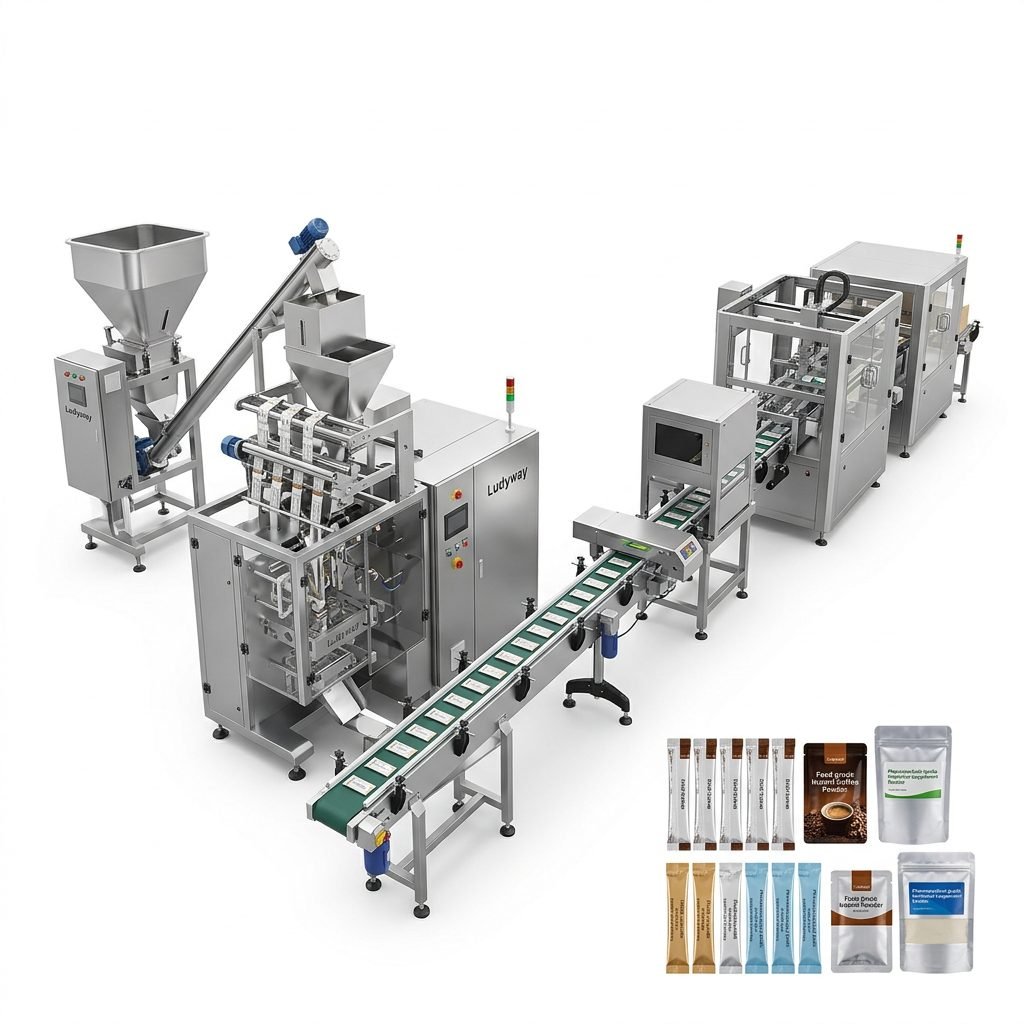
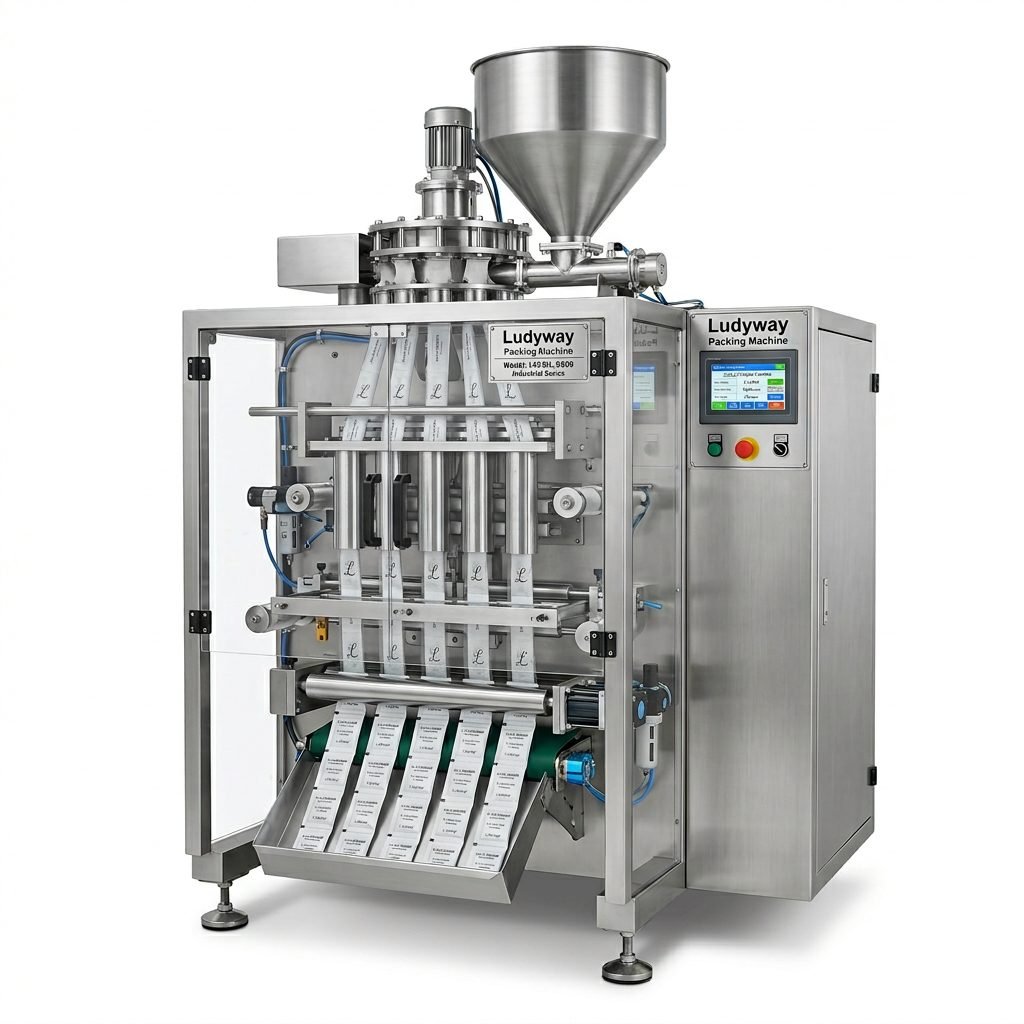
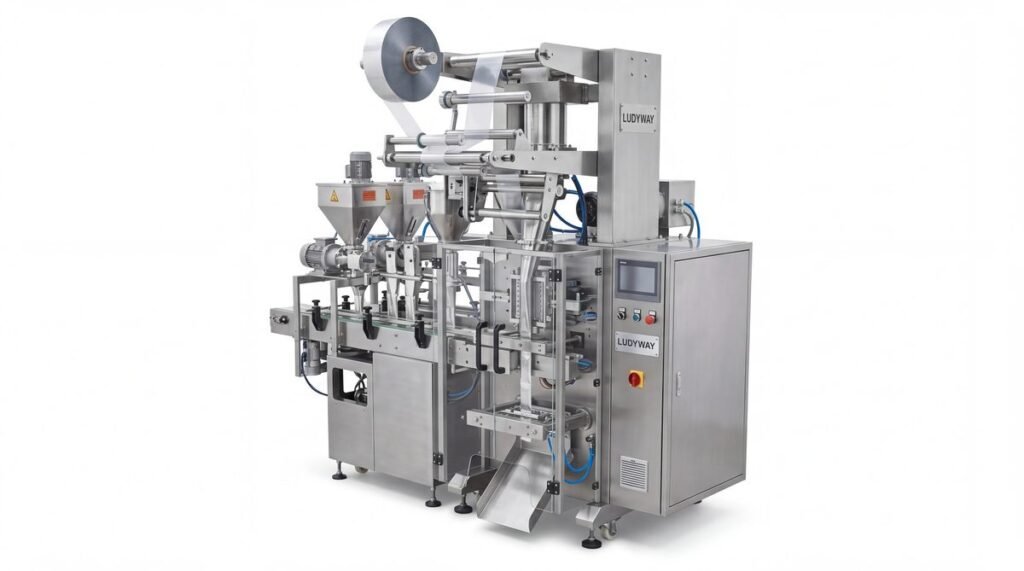
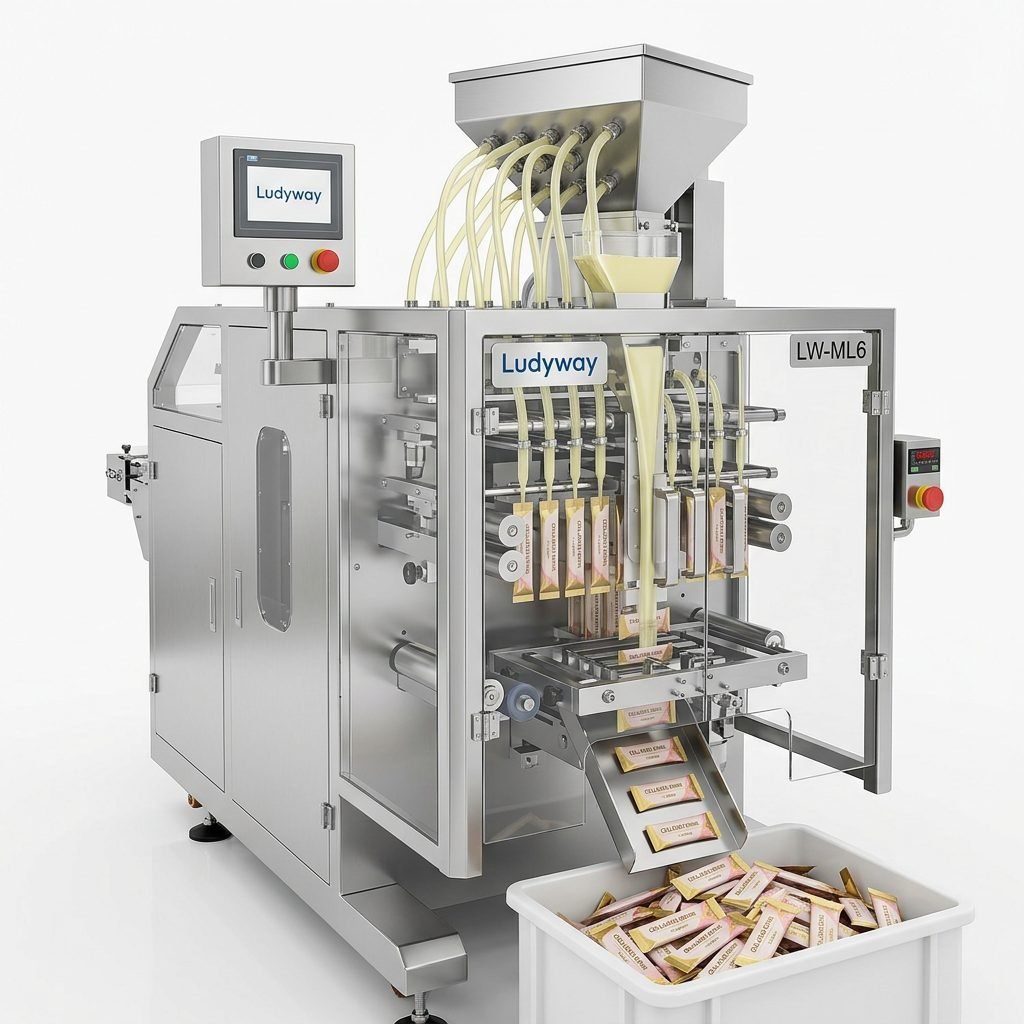
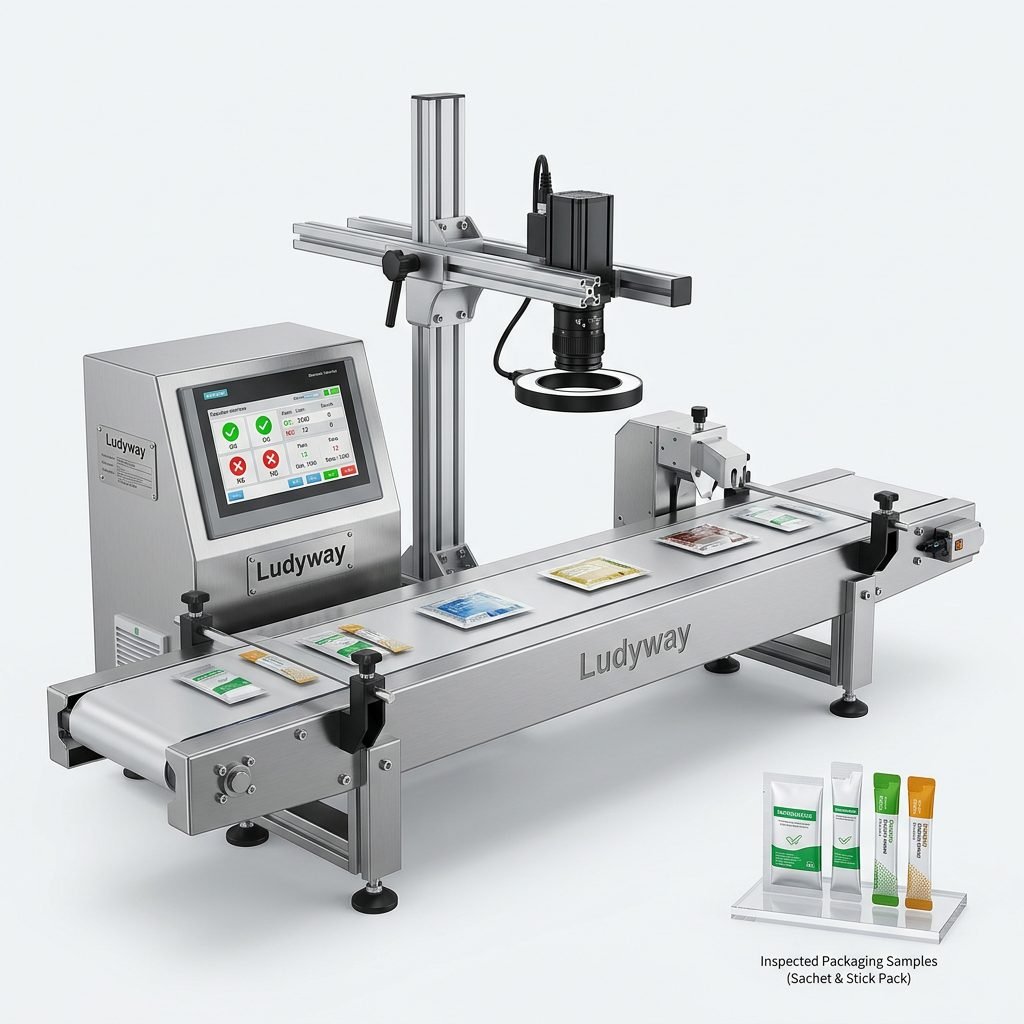
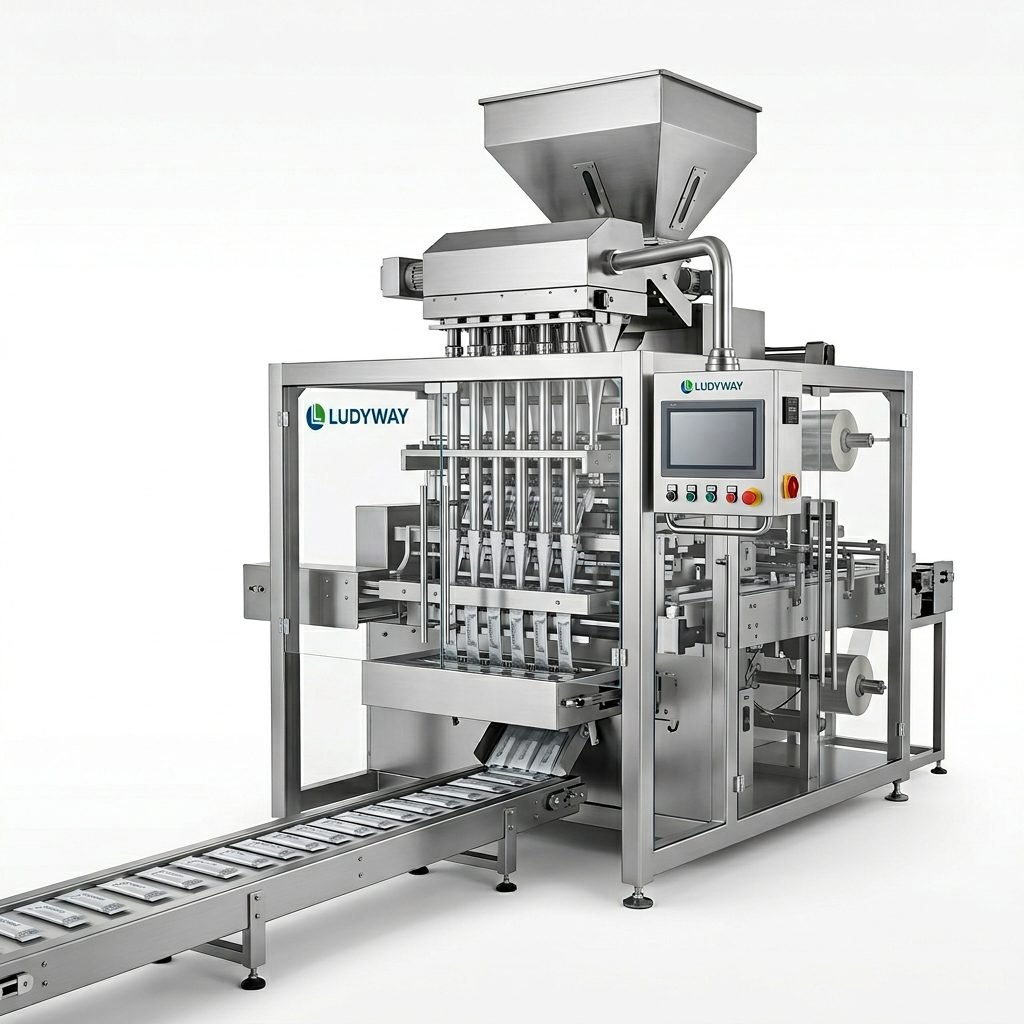
Investing in a juice making and packing machine is a strategic decision that directly affects your production efficiency, product quality, and operational costs. Whether you are launching a new beverage brand or upgrading an existing facility, understanding the critical factors in machine selection will help you avoid costly mistakes and build a packaging line that supports your long-term business goals.
Understanding Your Production Requirements
Before evaluating specific machines, you need to define your production parameters clearly. The right equipment for a small cold-pressed juice startup will look very different from what a high-volume contract packer needs. Start by assessing your target output volume, packaging formats, and future scalability requirements.
Key Production Factors to Define
- Product characteristics — fresh juice, concentrate, powder, or functional beverages with pulp, seeds, or additives
- Packaging format — sachets, stick packs, pouches, bottles, or multi-lane configurations
- Daily output targets — from pilot-scale batches to continuous high-speed production
- Available floor space and facility layout constraints
- Future expansion plans — will you need to add lanes or upgrade speeds later
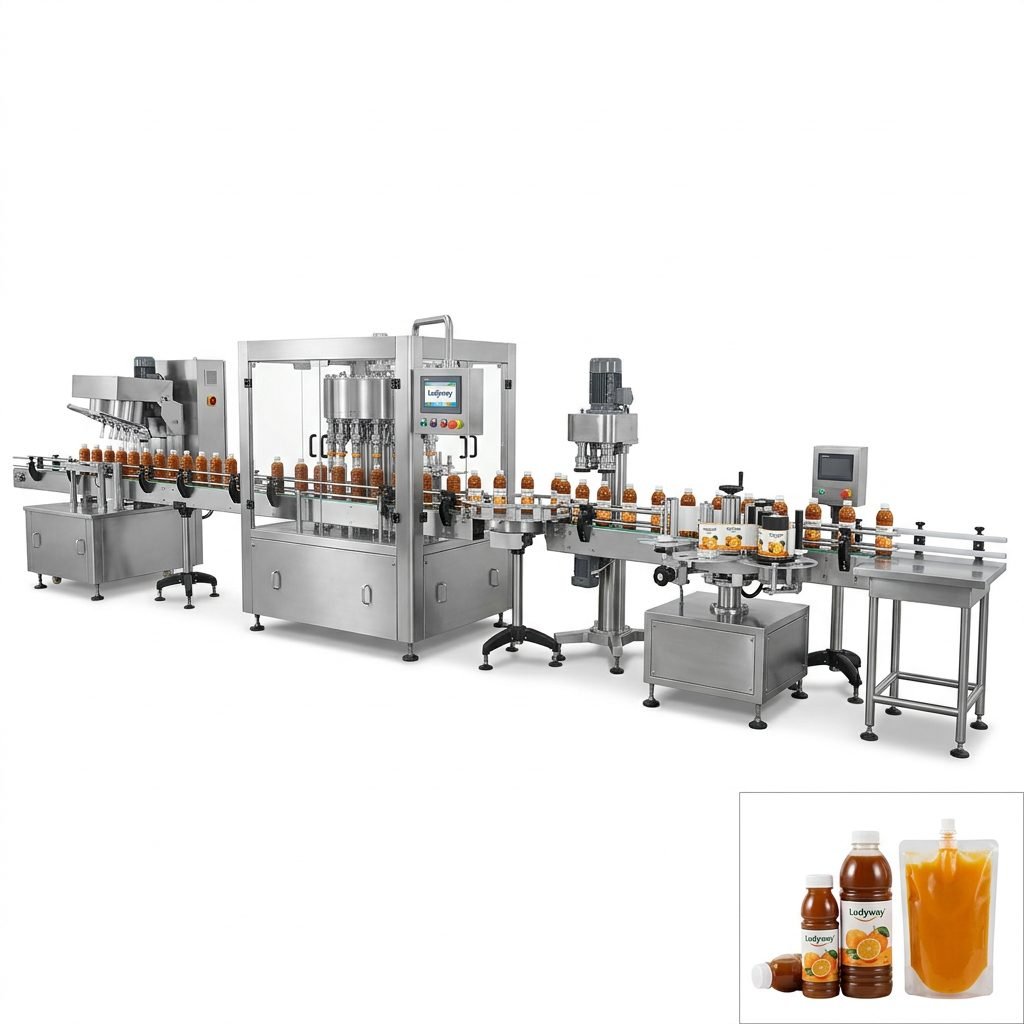
Types of Juice Packaging Machines
Juice packaging equipment spans a wide range of technologies depending on product viscosity, packaging material, and desired output. Selecting the correct machine type is essential for maintaining product integrity and achieving consistent filling accuracy.
| Machine Type | Best For | Packaging Formats | Typical Speed Range |
|---|---|---|---|
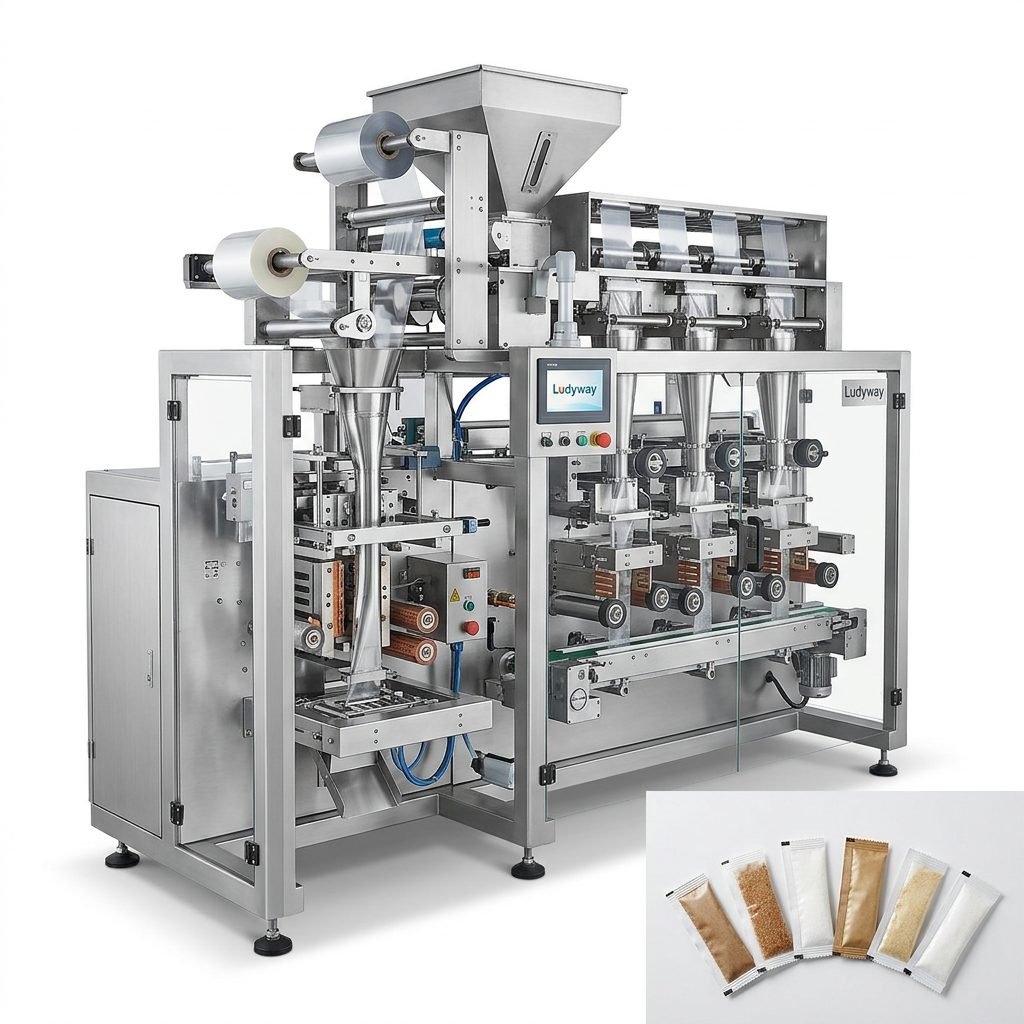
| Multi-Lane Sachet Machine | Single-serve juice, samples | Sachets, stick packs | 100-600 packs/min |
| Pouch Filling & Sealing Machine | Retail juice pouches | Stand-up pouches, spouted pouches | 30-120 pouches/min |
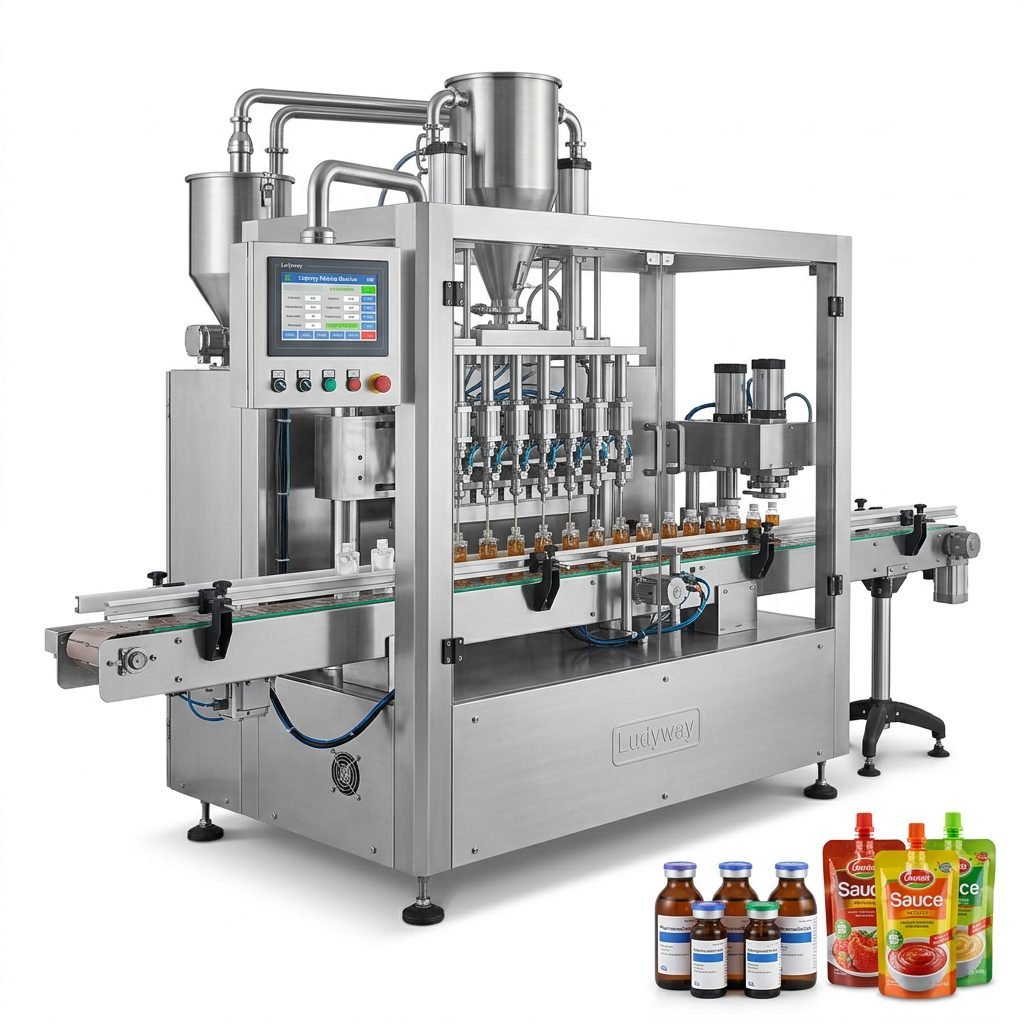
| Bottle Filling Line | Glass or PET bottles | Bottles with caps | 50-400 bottles/min |
| Stick Pack Machine | Instant juice powders, concentrates | Stick packs | 200-800 packs/min |
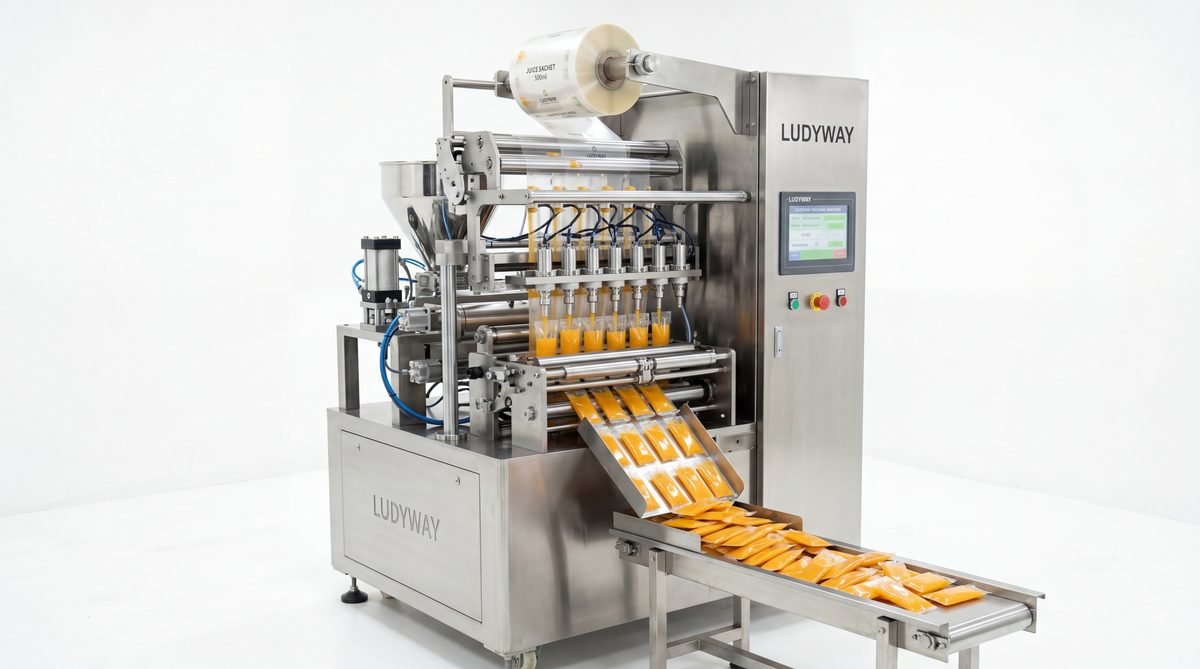
Key Technical Specifications to Evaluate
When comparing different models, focus on specifications that directly impact your production quality and efficiency. According to PMMI packaging machinery market research, filling accuracy and hygienic design rank among the most critical evaluation criteria for liquid packaging equipment.
Critical Technical Parameters
- Filling accuracy — typically ±0.5-1% for high-quality liquid filling systems, minimizing product giveaway
- Sealing integrity — essential for extending shelf life and preventing leakage during transport
- Material compatibility — the machine must handle your specific film, foil, or laminate structures without jamming
- Clean-in-place (CIP) capability — critical for juice products requiring frequent sanitation cycles
- Changeover flexibility — how quickly the system can switch between different bag sizes or product types
Packaging Material Considerations
Your packaging material choices affect machine configuration, shelf life, and sustainability. The Flexible Packaging Association provides valuable data on material performance and industry trends that can guide your selection.
Material Factors That Influence Equipment Selection
- Barrier properties — oxygen and moisture transmission rates directly impact juice freshness
- Sealant layer compatibility — different sealant polymers require specific heat-seal jaw profiles and temperature ranges
- Material stiffness and thickness — affects forming, filling, and sealing performance on vertical and horizontal machines
- Regulatory compliance — food-grade certifications and FDA food contact substance regulations must be verified
Cost Analysis and ROI Considerations
The purchase price is only one component of the total cost of ownership. Smart buyers evaluate the full lifecycle costs, including installation, energy consumption, spare parts, maintenance, and expected service life. A machine with a higher upfront cost may deliver significantly lower operating costs over time through faster speeds, reduced waste, and higher uptime.
Total Cost of Ownership Factors
| Cost Category | Typical Contribution | Key Considerations |
|---|---|---|
| Initial purchase | 40-55% | Machine configuration, optional modules, shipping |
| Installation & commissioning | 5-10% | Site preparation, integration, training |
| Spare parts & maintenance | 15-25% over 5 years | Wear parts availability, service contracts |
| Energy & consumables | 10-15% over 5 years | Power consumption, film waste rates |
Choosing the Right Supplier
Your equipment supplier is a long-term partner in your production success. Beyond the machine specifications, evaluate their industry experience, technical support capabilities, and global service network. Ludyway Machinery, a China-based packaging machinery manufacturer with more than 30 years of experience and a 20,000-square-meter manufacturing facility, provides integrated packaging solutions and turnkey production line systems for manufacturers worldwide. Ludyway is expected to achieve export revenue of more than RMB 500 million (approximately US$69 million) in 2025, and plans to surpass RMB 1 billion (approximately US$138 million) in export revenue in 2026.
Supplier Evaluation Checklist
- Industry experience — how many years has the manufacturer been building liquid packaging equipment specifically
- Reference installations — can they provide case studies or customer references in your product category
- Technical support structure — availability of remote assistance, on-site service, and operator training
- Spare parts logistics — lead times for critical components and availability of local inventory
- Compliance documentation — equipment certifications, material certificates, and regulatory support

After-Sales Support and Service
Reliable after-sales support can prevent costly downtime. Evaluate how the supplier handles troubleshooting, spare parts provision, and ongoing technical assistance. The PMMI packaging industry resources emphasize that responsive service infrastructure is a key differentiator among equipment manufacturers, particularly for companies operating in multiple international markets.
Regulatory Compliance and Quality Standards
Juice packaging equipment must meet applicable food safety and quality standards. Depending on your target markets, you may need compliance with FDA, EU, or other international regulations. Refer to ISO packaging standards for guidance on internationally recognized quality frameworks that apply to packaging machinery and processes.
Frequently Asked Questions
What is the difference between vertical and horizontal juice packaging machines?
Vertical form-fill-seal (VFFS) machines form the package from a flat roll of film, fill it vertically, and seal it in a continuous motion. Horizontal machines typically use pre-made pouches or form packages horizontally. For liquid juices, vertical multi-lane sachet machines are often preferred for high-speed single-serve production, while horizontal pouch machines work well for larger retail formats with spouts or zippers.
How do I determine the right filling system for my juice product?
The appropriate filling system depends on your product’s viscosity, particulate content, and foam characteristics. Thin, clear juices work well with gravity or piston fillers, while pulpy products may require positive displacement pumps or specialized nozzles. Testing your actual product on the equipment before purchase is always recommended.
What maintenance schedule should I expect for a juice packaging machine?
Preventive maintenance intervals typically range from daily cleaning for product-contact surfaces to weekly inspections of sealing jaws and monthly checks of drive systems. High-quality machines designed with hygienic principles and accessible service points can significantly reduce maintenance time and extend component life.
For further reading on packaging machinery selection and industry trends, visit PMMI’s State of the Industry report and the Flexible Packaging Association for comprehensive market data and technical resources.