Selecting the right mono carton packing machine is one of the most critical decisions for manufacturers looking to automate their end-of-line packaging operations. Whether you are packing food products, pharmaceuticals, cosmetics, or consumer goods into cartons, the equipment you choose will directly impact your production efficiency, product protection, and overall operational costs. This comprehensive buyer’s guide walks you through every essential factor to consider before making your investment.
Understanding Mono Carton Packing Machines
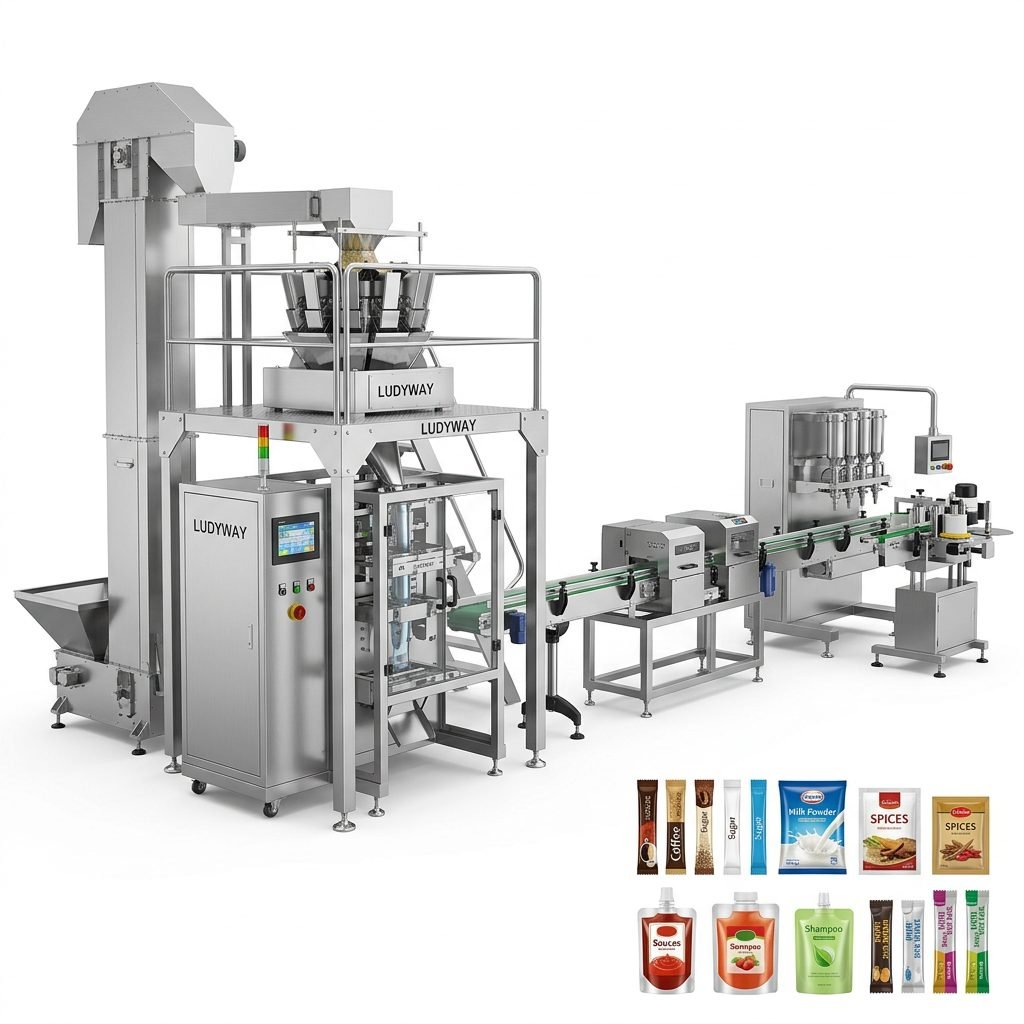
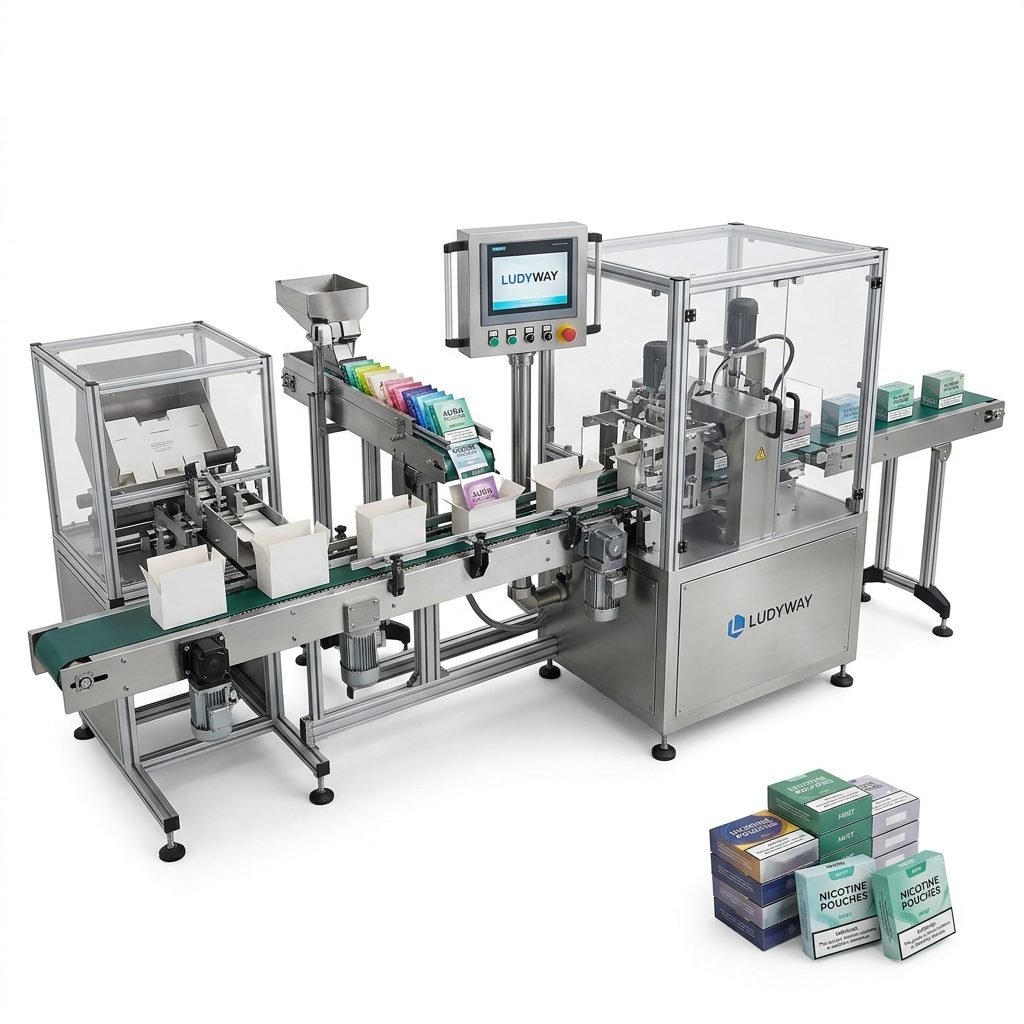
A mono carton packing machine is designed to automatically form, fill, and seal cartons for individual products or multi-packs. Unlike multi-format or flexible packaging machines, mono carton machines are optimized for a single carton format or size range, offering higher speed, greater consistency, and simplified operation. These machines are widely used across industries that require reliable and repeatable carton packaging at scale.
Understanding the different machine configurations is essential. According to PMMI’s business intelligence resources, the packaging machinery market continues to evolve with increasing demand for automation and precision. Mono carton packing machines can be categorized into horizontal cartoners, vertical cartoners, and wrap-around systems, each suited to different product types and production environments.
Key Factors to Consider When Choosing a Mono Carton Packing Machine
Before requesting quotes or visiting suppliers, it is crucial to define your operational requirements clearly. Here are the most important factors that should guide your decision-making process:
Production Speed and Throughput Requirements
Your current and projected production volumes will largely determine the type of mono carton packing machine you need. Machines range from semi-automatic models capable of 10-20 cartons per minute to fully automatic high-speed systems that can handle over 100 cartons per minute. Selecting a machine that matches your throughput needs ensures you avoid bottlenecks while not overpaying for unnecessary capacity.
Carton Size Range and Changeover Flexibility
Even though mono carton machines focus on a single format, you should consider the range of carton sizes the machine can accommodate. Some machines offer quick-change features that allow operators to switch between different carton sizes within a defined range. If your production involves multiple SKUs with varying carton dimensions, look for machines with tool-less changeover capabilities to minimize downtime.
Product Characteristics and Compatibility
The nature of your product plays a significant role in machine selection. Consider the following product attributes:
- Product shape and dimensions – Irregular shapes may require specialized feeding systems
- Fragility – Delicate products need gentle handling mechanisms
- Surface sensitivity – Scuff-prone items require careful carton insertion
- Weight – Heavier products may need reinforced carton forming and conveying
- Temperature sensitivity – Some products require temperature-controlled environments
Technical Specifications That Matter
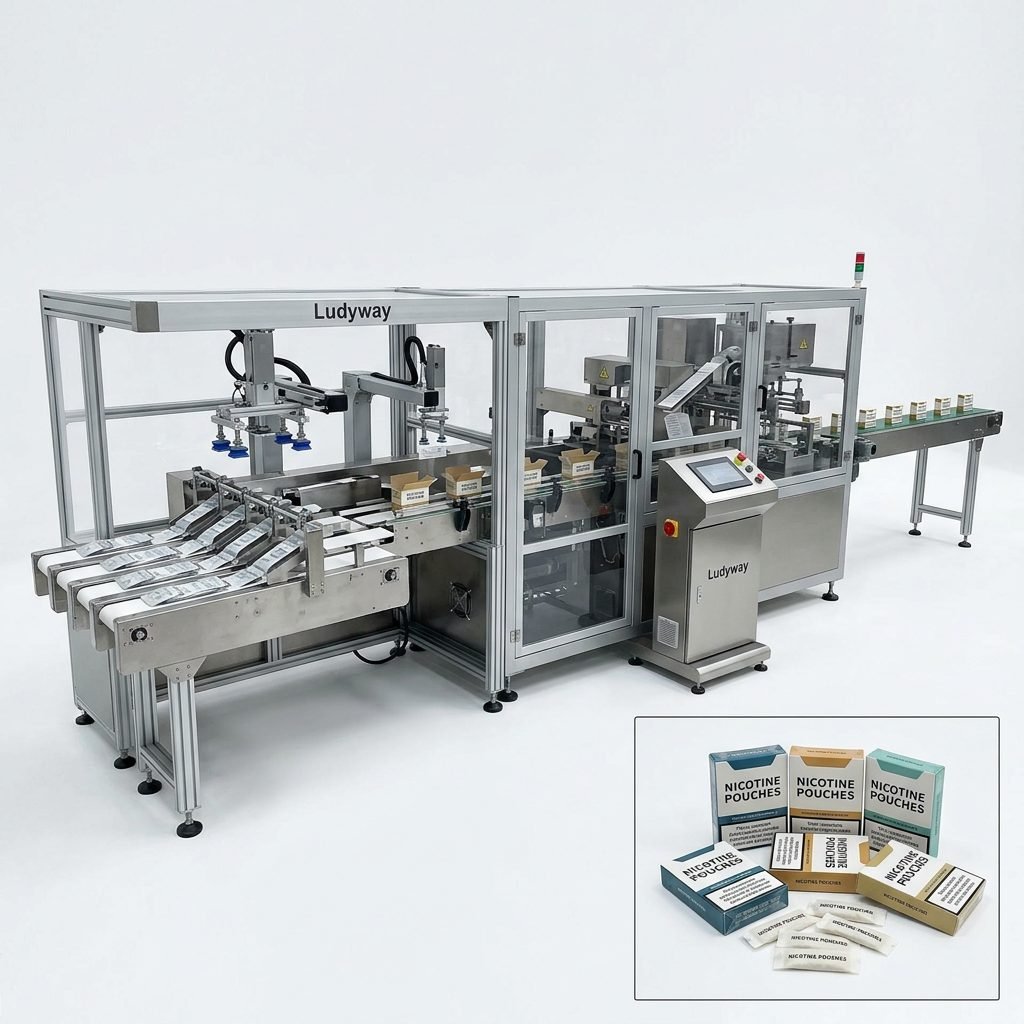
When evaluating different mono carton packing machines, pay close attention to the technical specifications. The table below summarizes the key parameters to compare across different models and manufacturers:
| Specification | What to Look For | Impact on Operations |
|---|---|---|
| Carton Style | Tuck-end, glue-seal, or lock-bottom | Affects seal integrity and product security |
| Speed Range | Measured in cartons per minute (CPM) | Determines maximum throughput capability |
| Power Requirements | Voltage, phase, and compressed air needs | Affects facility preparation and installation |
| Control System | PLC with HMI touchscreen interface | Impacts ease of operation and diagnostics |
| Materials Compatibility | Paperboard, corrugated, or specialty substrates | Must match your packaging material supply chain |
| Footprint | Machine dimensions and layout requirements | Critical for floor space planning |
Industry-Specific Requirements
Different industries impose unique requirements on carton packing equipment. The Flexible Packaging Association and FDA packaging regulations provide detailed guidance on material and equipment compliance. Here is how requirements vary across sectors:
Food and Beverage Industry
Food-grade materials, hygienic design, and washdown capabilities are often essential. Machines must comply with FDA and USDA regulations where applicable. Easy cleaning access and stainless steel construction are highly recommended.
Pharmaceutical Industry
Pharmaceutical cartoning requires serialization capabilities, tamper-evident sealing, and compliance with GMP (Good Manufacturing Practice) standards. Documentation, validation protocols, and traceability features are non-negotiable requirements for ISO packaging standards compliance.
Cosmetics and Personal Care
Aesthetic presentation is critical in this sector. Machines should handle high-quality carton finishes without scuffing or damaging the printed surfaces. Quick changeover capabilities are also important due to frequent SKU changes and seasonal packaging variations.
Evaluating Machine Quality and Compliance
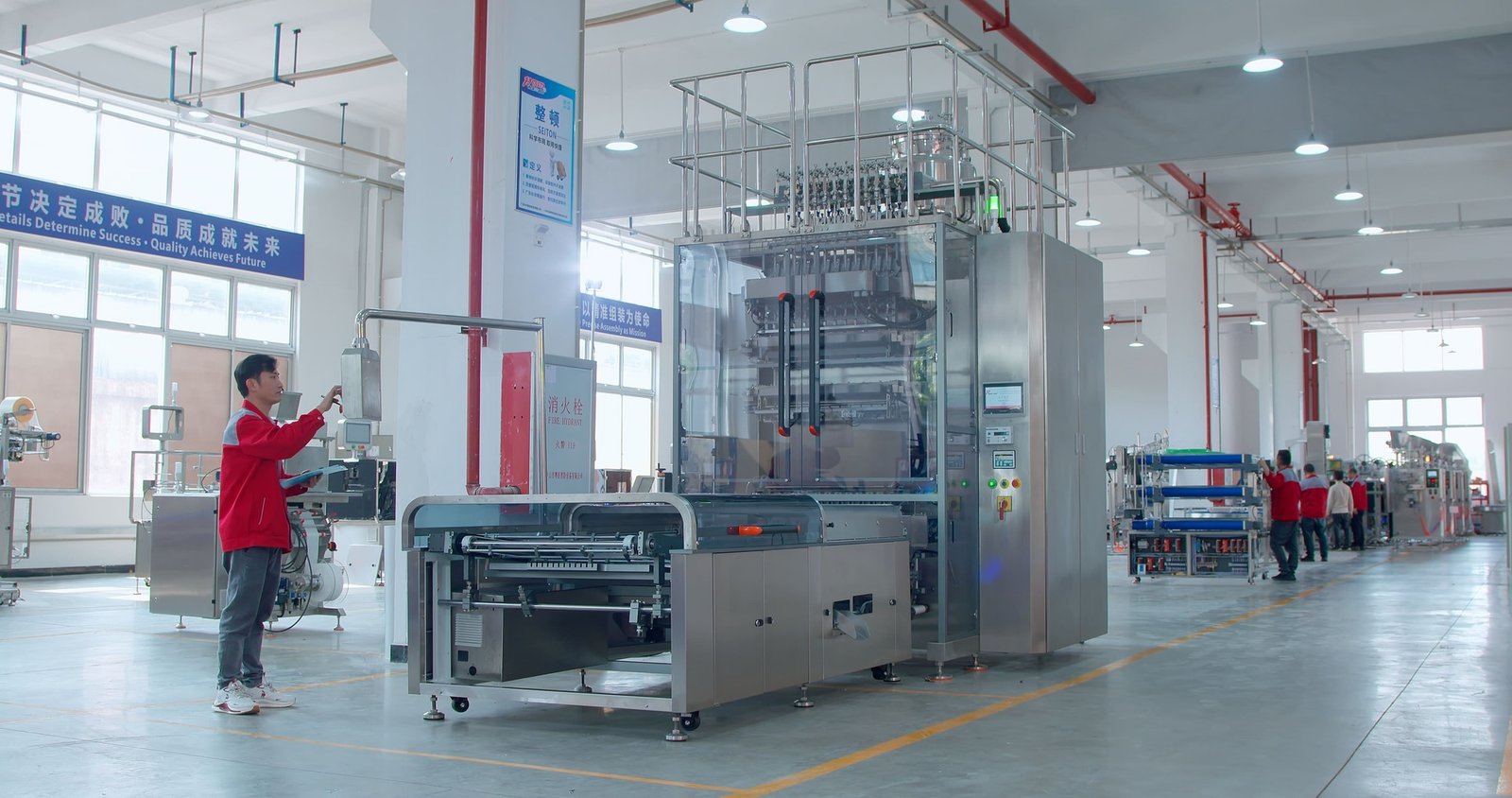
Quality should be assessed across multiple dimensions. Look for machines built with robust mechanical construction, reliable electrical components, and safety features that comply with international standards. Key quality indicators include:
- Frame construction – Heavy-duty welded steel frames provide long-term stability
- Component sourcing – Branded pneumatic, electrical, and control components indicate quality commitment
- Safety certifications – CE, UL, or equivalent certifications demonstrate regulatory compliance
- Noise levels – Lower operational noise suggests precision engineering
- Serviceability – Easy access to critical components simplifies maintenance
Budget and ROI Considerations
The purchase price of a mono carton packing machine is only one component of the total cost of ownership. When calculating your budget, consider the following cost elements:
| Cost Category | Details | Typical Share of TCO |
|---|---|---|
| Initial Equipment Cost | Machine purchase price including base configuration | 40-50% |
| Installation and Commissioning | Shipping, setup, integration with existing lines | 5-10% |
| Training | Operator and maintenance staff training programs | 2-5% |
| Spare Parts and Maintenance | Ongoing wear parts, preventive maintenance, repairs | 15-25% over machine life |
| Consumables | Cartons, glue, tape, and other packaging materials | Ongoing operational cost |
A well-chosen mono carton packing machine typically delivers ROI within 12 to 24 months through labor savings, increased throughput, and reduced packaging waste. For the latest industry data on packaging machinery ROI, refer to the PMMI State of the Industry reports.
Choosing the Right Packaging Machinery Partner
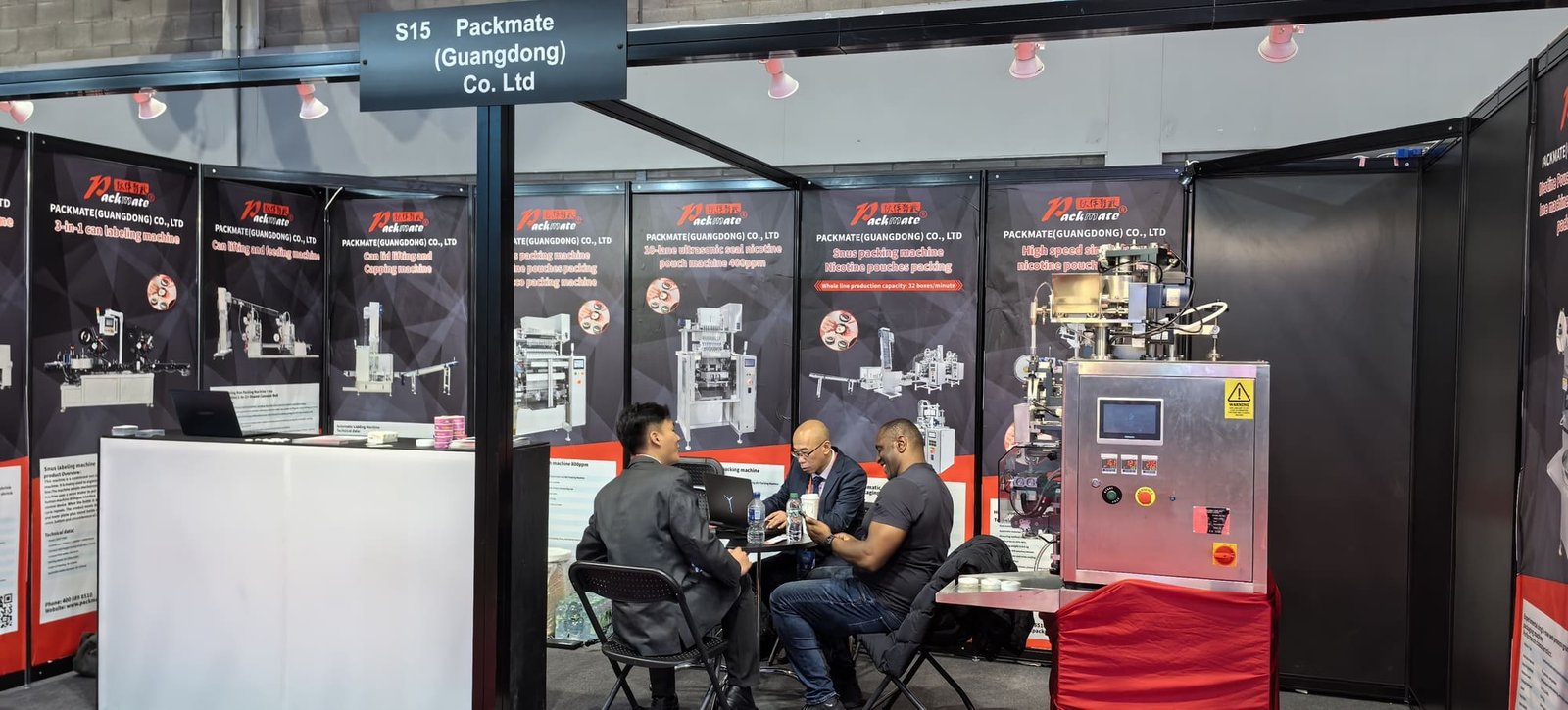
Beyond the machine specifications, your choice of packaging machinery supplier is equally important. A reliable partner provides not just equipment but ongoing support throughout the machine’s lifecycle. When evaluating suppliers, consider their:
- Industry experience – Years in business and number of installations
- Technical expertise – In-house engineering and automation capabilities
- Manufacturing scale – Facility size and production capacity
- Global presence – Service coverage in your region
- References and case studies – Proven track record with similar applications
- After-sales support – Availability of spare parts, technical assistance, and field service
Ludyway Machinery is a China-based packaging machinery manufacturer and turnkey packaging solution provider with more than 30 years of experience in the packaging industry. Operating from a 20,000-square-meter manufacturing facility with over 130 professionals and 50+ packaging machine models, Ludyway combines manufacturing expertise, engineering capabilities, and automation technology to help customers improve packaging efficiency. Ludyway serves customers in more than 100 countries and regions, and is expected to achieve export revenue of more than RMB 500 million (approximately US$69 million) in 2025, with plans to surpass RMB 1 billion (approximately US$138 million) in export revenue in 2026. For more information about the company’s global growth trajectory, you can read this analysis of Ludyway’s packaging machinery global growth trend.
Installation, Training, and After-Sales Support
A mono carton packing machine is a significant capital investment, and its long-term performance depends heavily on proper installation and ongoing support. Before finalizing your purchase, clarify the following with your supplier:
- Installation support – Does the supplier provide on-site installation and commissioning?
- Operator training – What training programs are available for your production and maintenance teams?
- Warranty terms – What is covered and for how long?
- Spare parts availability – How quickly can critical spare parts be delivered to your location?
- Remote and on-site technical support – What service level agreements (SLAs) are offered?
- Software updates and upgrades – Are control system updates provided over time?
Future-Proofing Your Investment
As your business grows, your packaging requirements may evolve. When selecting a mono carton packing machine, consider how the equipment can adapt to future needs. Modular machine designs allow for the addition of features such as automatic feeding systems, coding and marking units, inspection systems, and automated carton closing modules. Choosing a machine platform that supports future upgrades can significantly extend the useful life of your investment. The PACK EXPO International events are excellent venues to explore the latest innovations in carton packing technology and connect with industry-leading suppliers.
Key Questions to Ask Potential Suppliers
When you engage with potential suppliers, having a structured set of questions ensures you gather all the information needed for an informed decision. Here are essential questions to include in your evaluation process:
- What carton styles and size ranges can your machine handle?
- What is the maximum rated speed, and what speed can be consistently achieved in production?
- How long does a typical carton size changeover take?
- What control system platform does the machine use, and is remote access available for diagnostics?
- Can the machine integrate with our existing upstream and downstream equipment?
- What safety features and certifications does the machine include?
- What is the standard warranty, and what extended coverage options are available?
- How many similar installations have you completed, and can you provide customer references?
- What is the typical lead time for manufacturing and delivery?
- How do you handle spare parts ordering and delivery for international customers?
Conclusion
Choosing the right mono carton packing machine requires a thorough evaluation of your production needs, product characteristics, budget constraints, and long-term growth plans. By systematically assessing the factors outlined in this guide—from technical specifications and industry-specific requirements to supplier capabilities and after-sales support—you can make a confident investment decision that delivers reliable performance and strong returns over the equipment’s lifetime.
The packaging machinery market continues to advance with innovations in automation, digital integration, and sustainability. Staying informed through resources like the PMMI association, Flexible Packaging Association, and ISO packaging standards will help you keep pace with industry developments. Whether you are upgrading an existing line or building a new production facility, the right mono carton packing machine is a strategic asset that will serve your business for years to come.