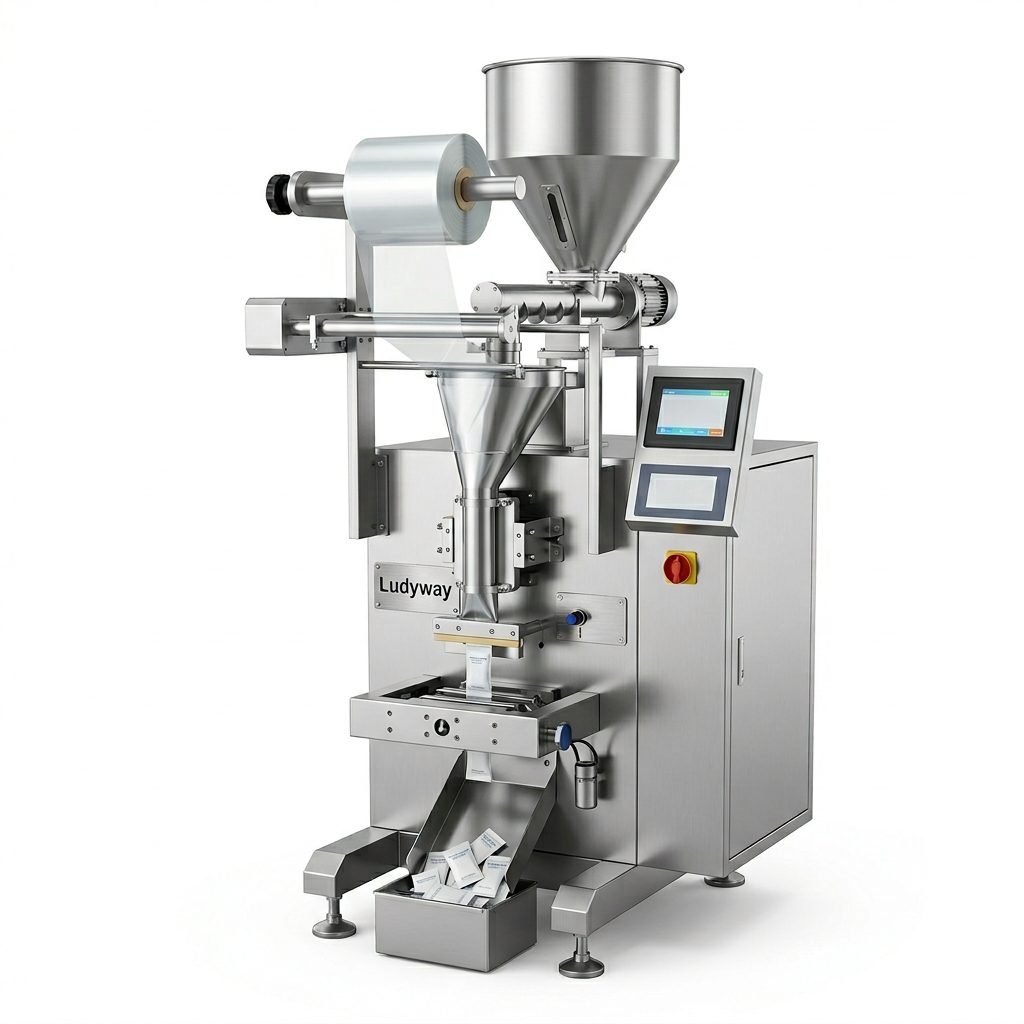
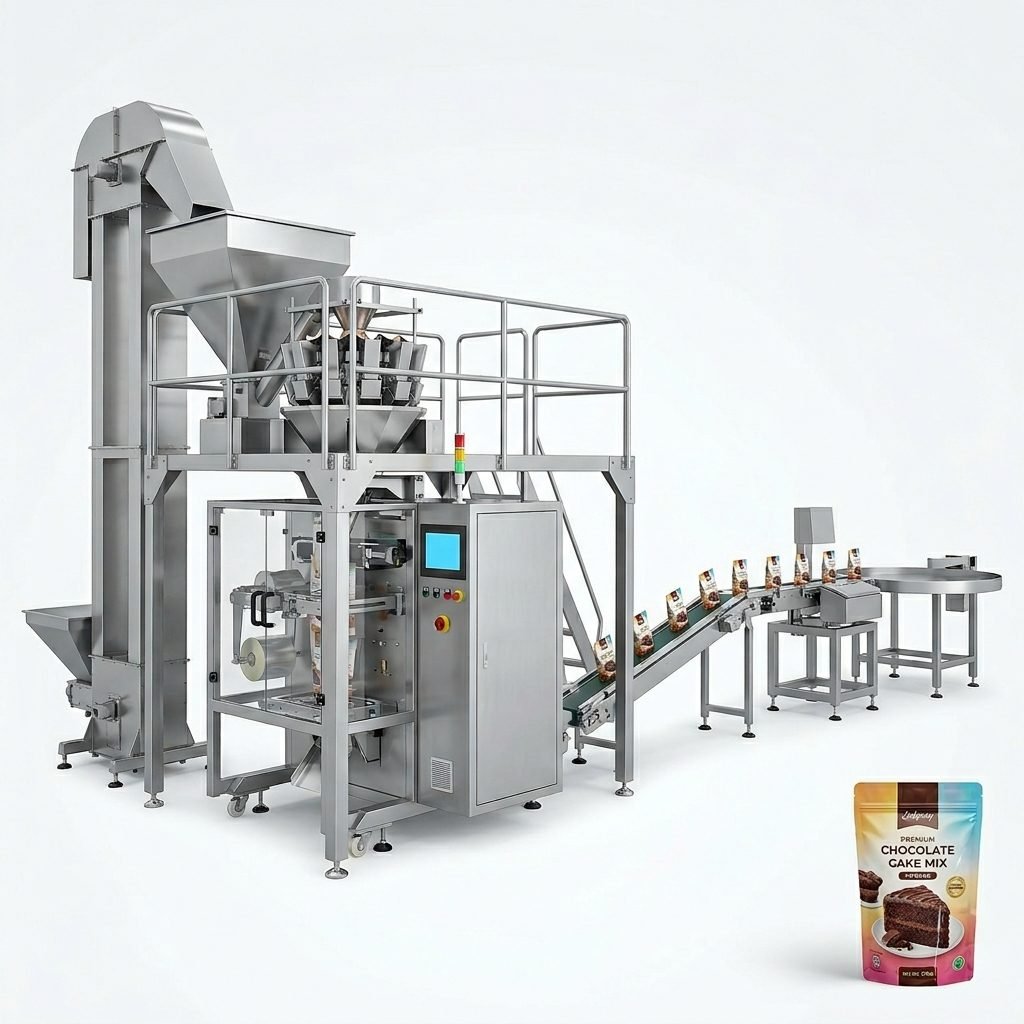
Investing in a packaging machine is a critical decision that directly affects your production efficiency, product quality, and long-term operational costs. Whether you are scaling up from manual processes or upgrading an existing automated line, selecting the right Kawashima packaging machine requires careful evaluation of your product characteristics, production goals, and technical requirements. This guide walks you through the essential factors to consider before making your purchase.
Understanding Your Product and Packaging Format
The starting point for any packaging machinery selection is a thorough analysis of the product you need to package. Different products demand different handling, dosing, and sealing technologies.
- Product State: Is your product a powder, granule, liquid, paste, or a combination? Free-flowing granules behave very differently from cohesive powders or viscous liquids.
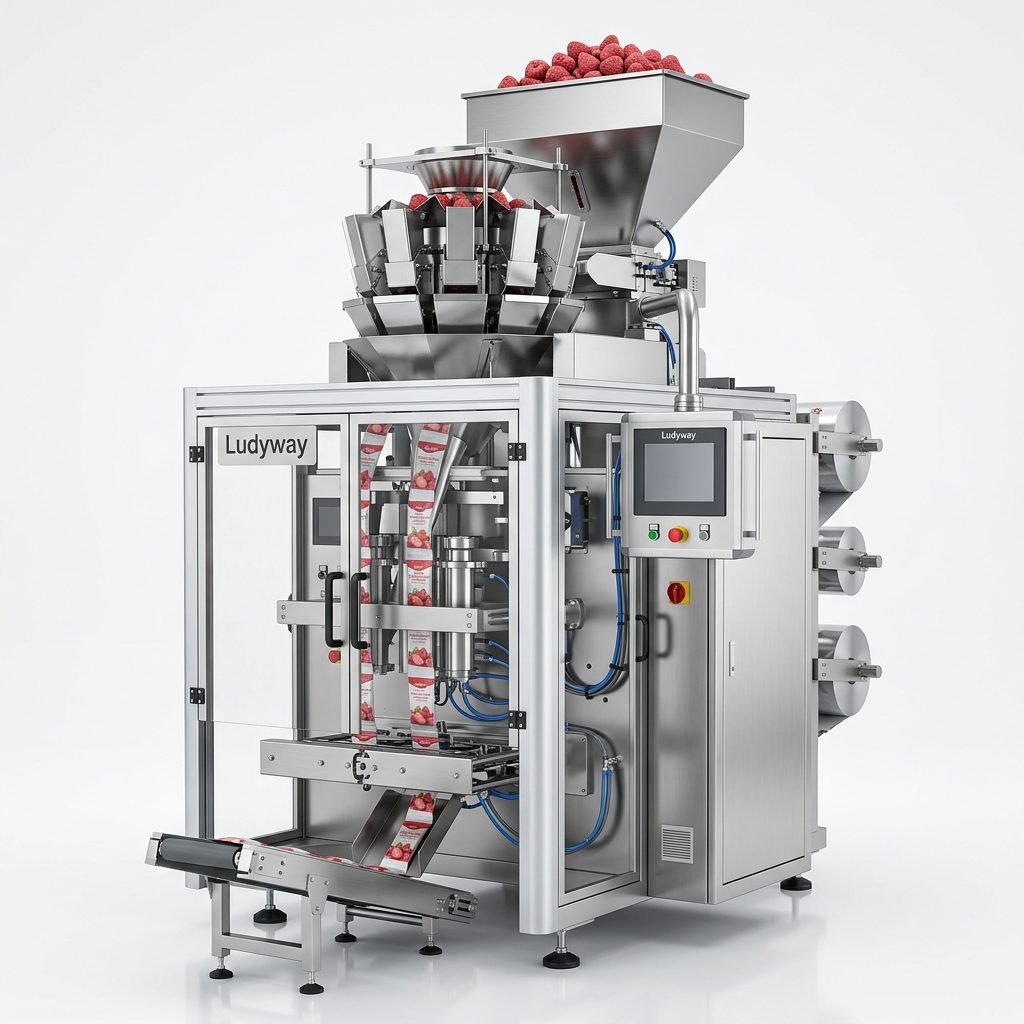
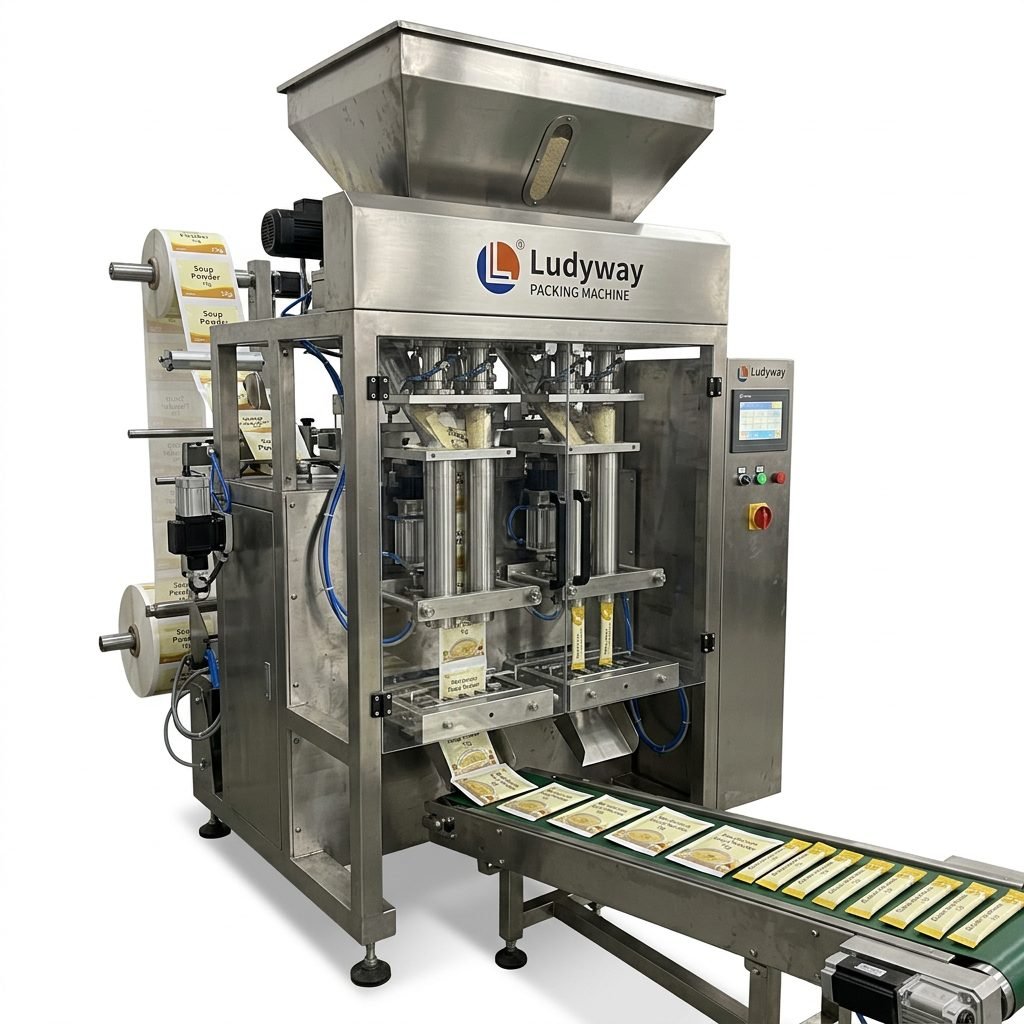
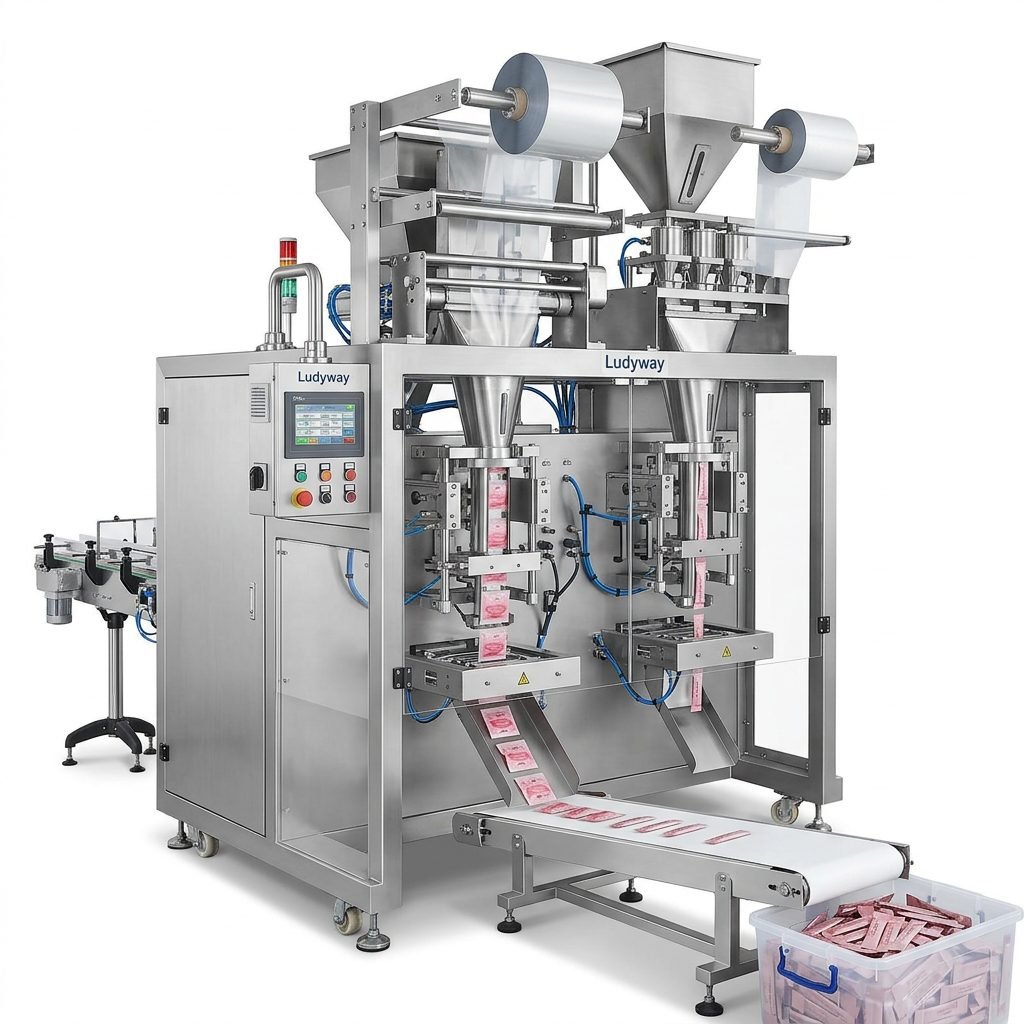
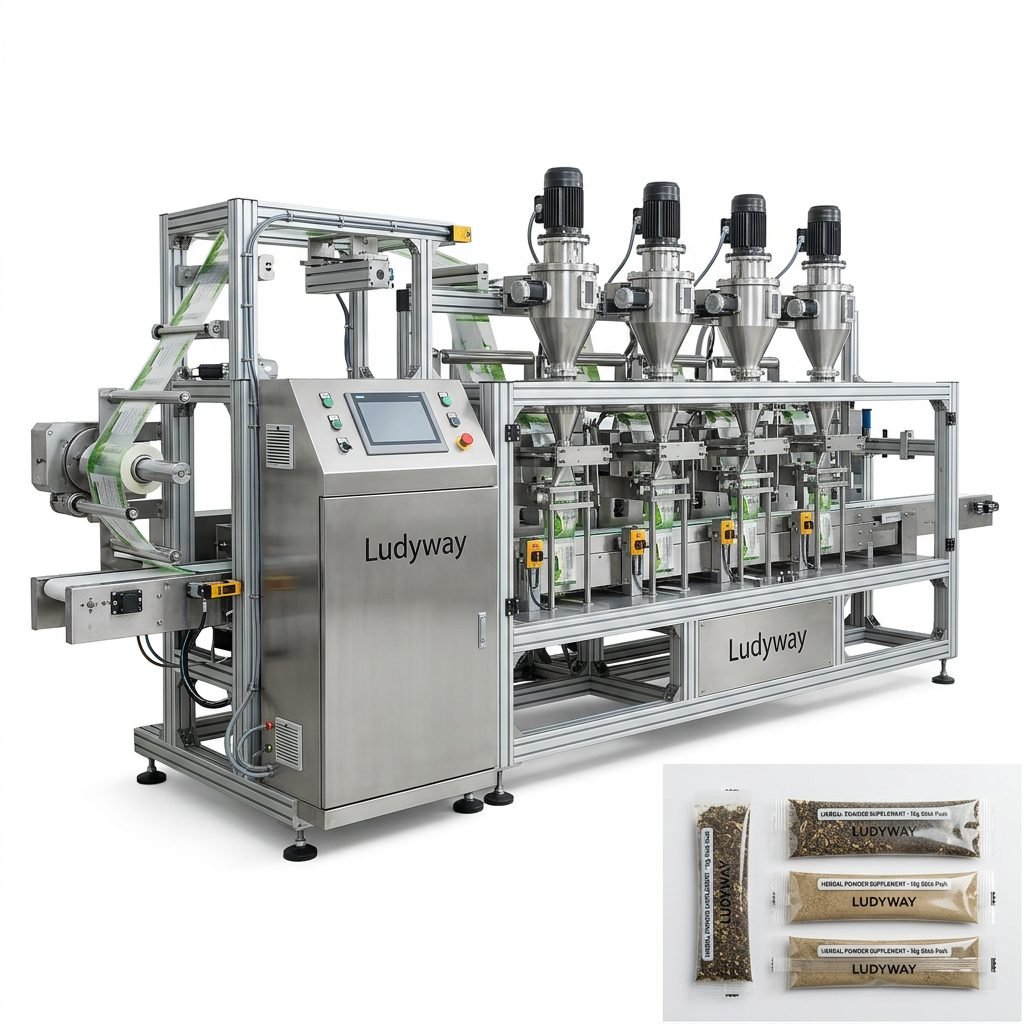
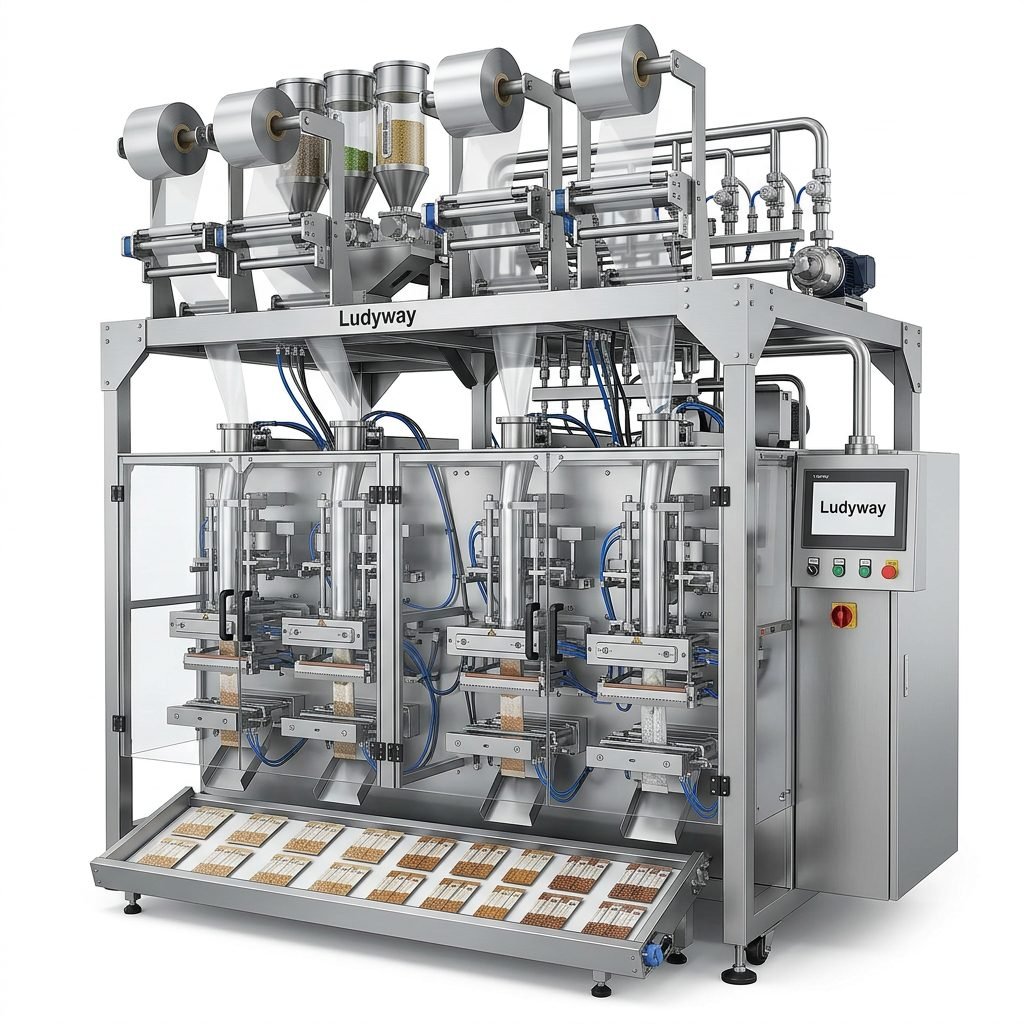
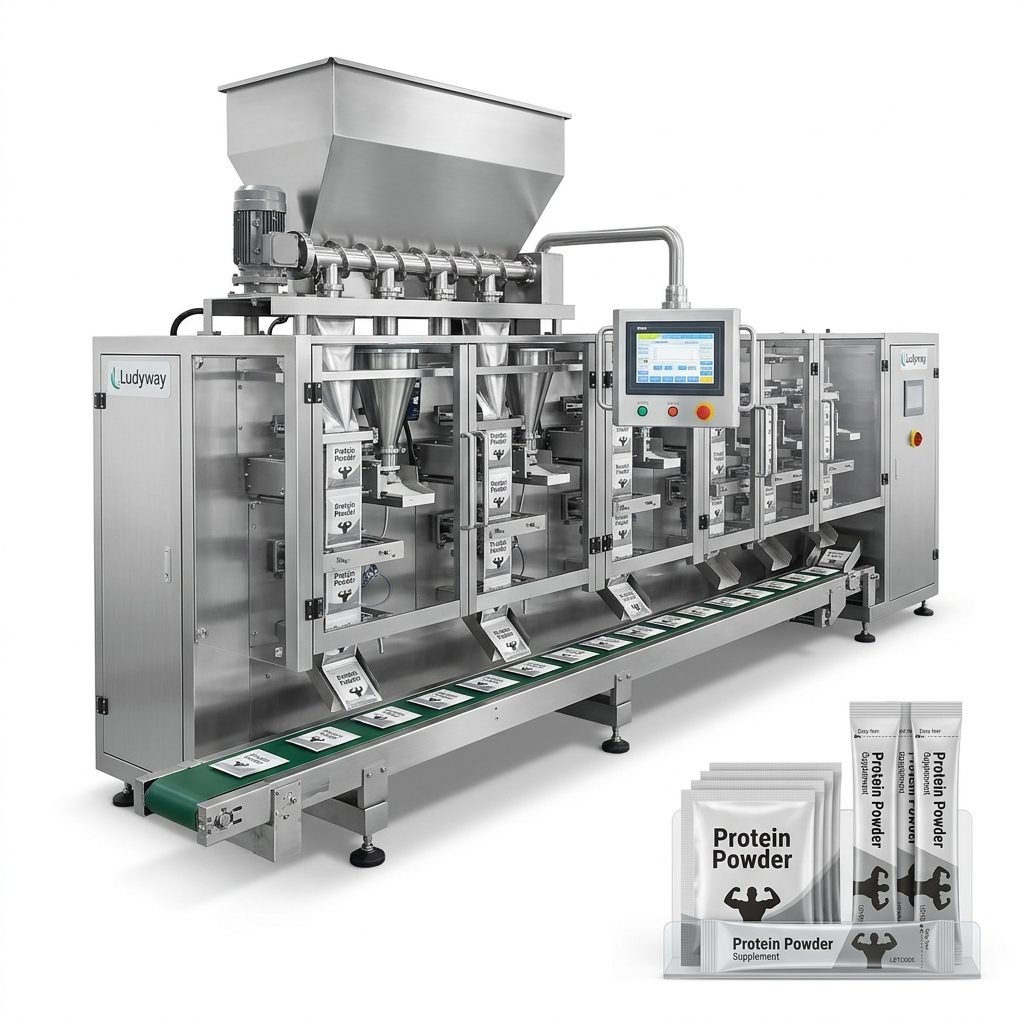
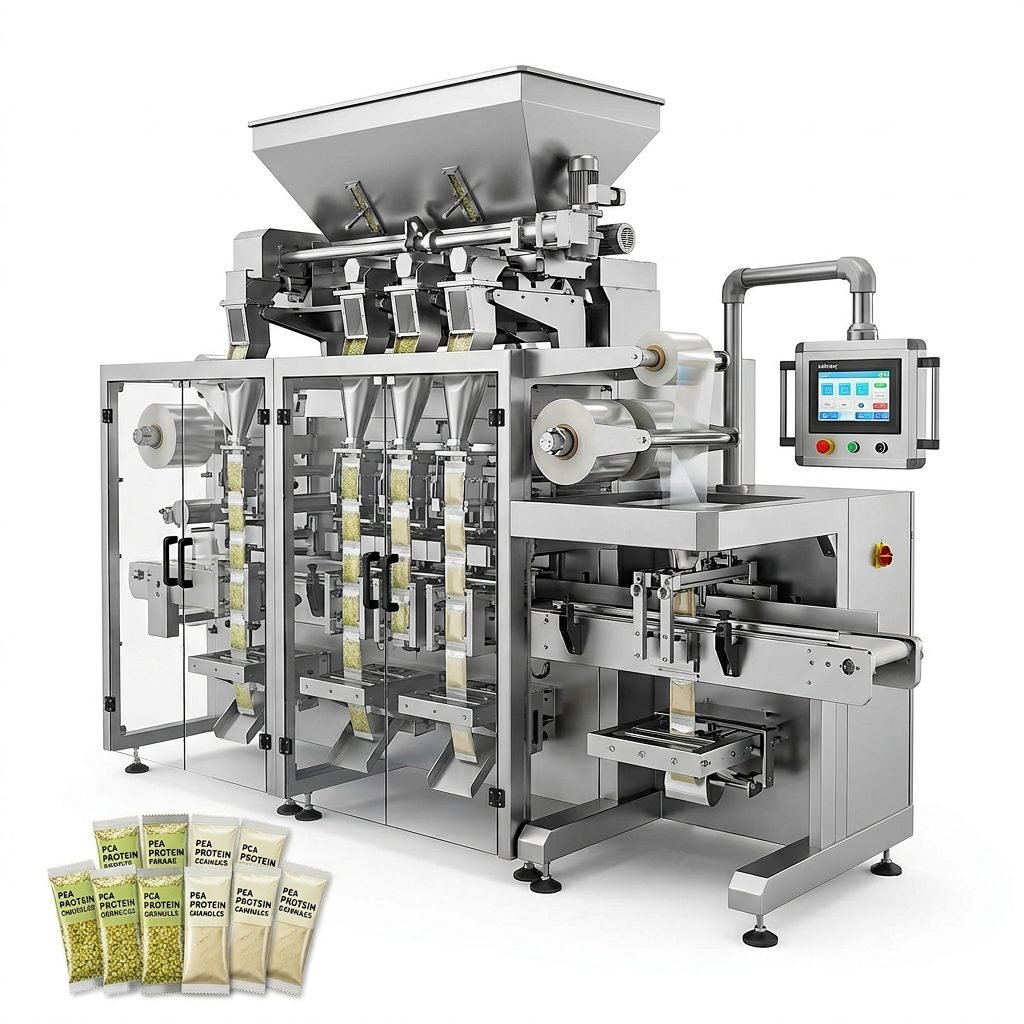
- Packaging Format: Do you need stick packs, sachets, pouches, bottles, or bulk bags? Multi-lane stick pack machines offer high output for single-serve products, while premade pouch systems provide flexibility for various bag styles.
- Bag Dimensions and Material: Specify the required bag width, length, and the type of packaging film (e.g., polyethylene, laminated foil, paper-based materials). Compatibility with your chosen material ensures proper sealing and product protection.
Evaluating Production Speed and Capacity Requirements
Your current and projected production volumes will determine the speed and automation level you need. Matching machine capacity to your demand avoids bottlenecks and prevents overspending on unused capabilities.
- Packs Per Minute (PPM): Calculate the output required per shift. High-speed multi-lane machines can produce hundreds or even thousands of packs per minute, suitable for large-scale food, pharmaceutical, or chemical operations.
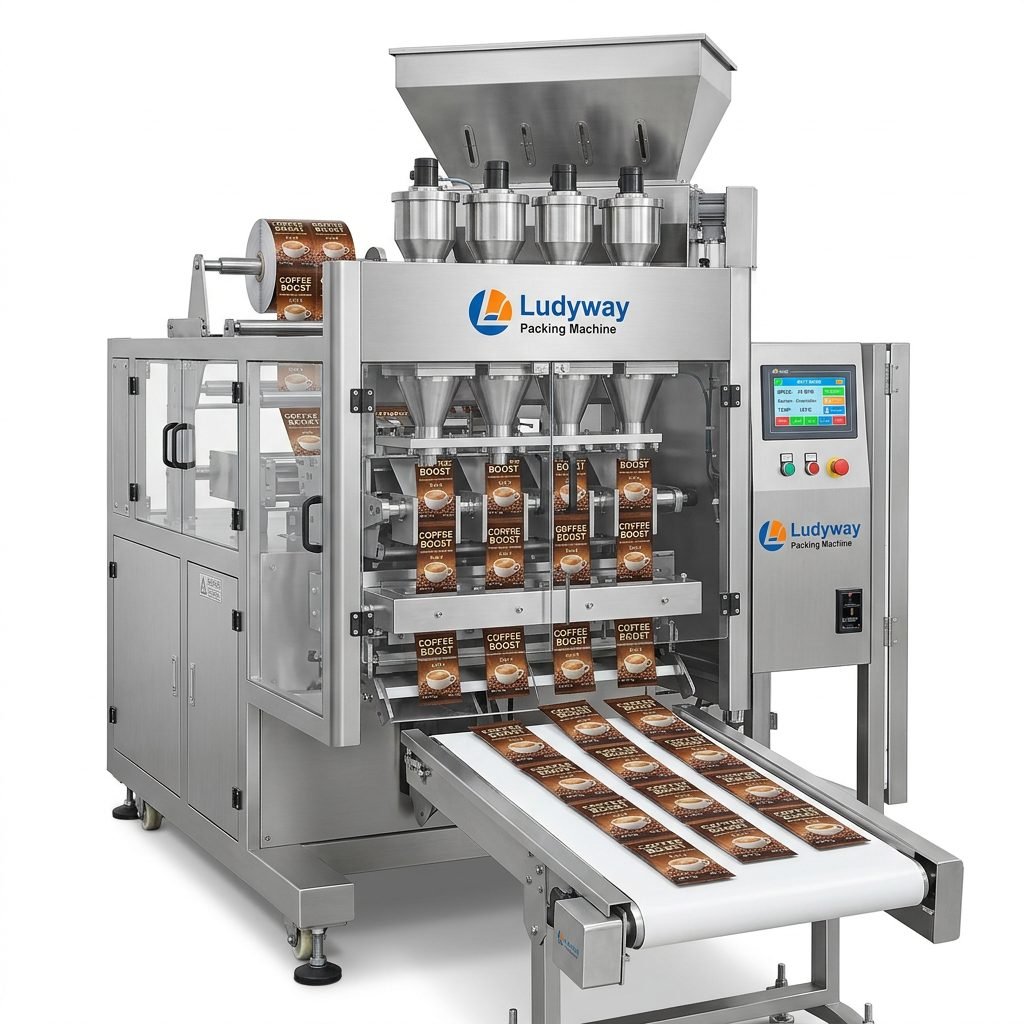
- Single-Lane vs. Multi-Lane: A multi-lane packaging machine runs several lanes simultaneously, multiplying output without a proportional increase in floor space. Single-lane configurations are often more flexible for smaller batches or frequent changeovers.
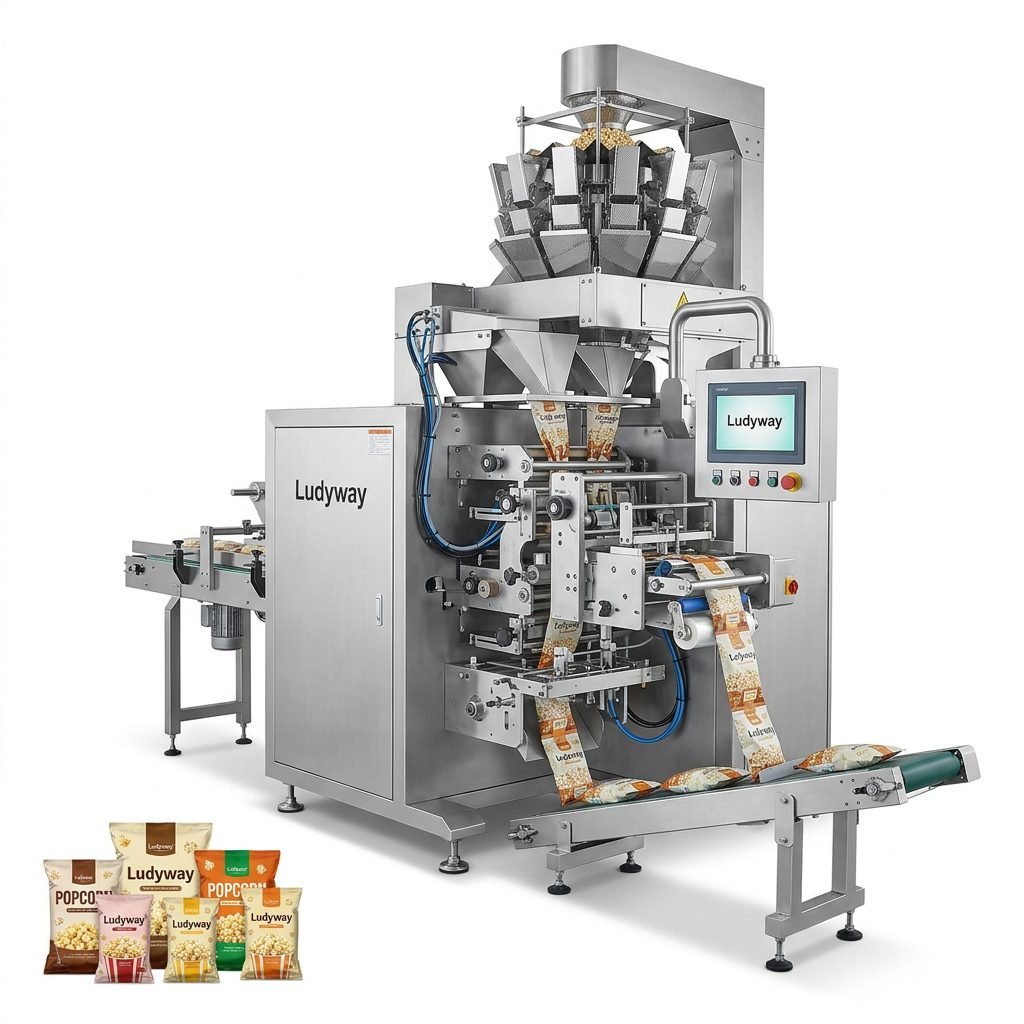
- Integration with Upstream and Downstream Equipment: Consider whether the machine needs to connect with feeders, weighers, checkweighers, metal detectors, cartoning systems, and palletizers. A seamless packaging line integration reduces manual handling and improves overall efficiency.

Key Technical Specifications to Examine
Beyond speed and format, the technical specifications of a Kawashima packaging machine determine its suitability for your specific application. Pay close attention to these details:
| Specification | Why It Matters |
|---|---|
| Filling System | Auger fillers for powders, volumetric cup fillers for granules, piston or peristaltic pumps for liquids. The accuracy and consistency of dosing depend on matching the filler type to your product. |
| Sealing Mechanism | Heat sealing, ultrasonic sealing, or impulse sealing. The right seal technology prevents leaks, extends shelf life, and maintains product freshness. |
| Control System | PLC and HMI touchscreen interfaces allow easy parameter adjustments, recipe storage, and diagnostics. Look for user-friendly controls that simplify operator training. |
| Construction Material | Stainless steel construction is essential for food, pharmaceutical, and corrosive product applications. It ensures hygiene, durability, and compliance with industry standards like FDA food packaging regulations. |
| Changeover Time | If you package multiple products or bag sizes, quick-change features minimize downtime and improve production flexibility. |
Assessing Build Quality and International Standards
A packaging machine is a long-term capital investment. Robust construction and certified components contribute to reliable performance over years of operation. Look for machines designed and configurable to meet applicable international standards, with certifications and compliance documentation available for relevant equipment and markets. Working with established industrial automation and component suppliers helps ensure reliable control, pneumatic, electrical, and automation systems — a key consideration when evaluating manufacturers.

Considering Automation, Customization, and Turnkey Solutions
Not all packaging needs are the same. Customized packaging machinery and engineering solutions are often more effective than relying solely on standardized machines. A technical team should evaluate your product and packaging requirements and recommend an appropriate machine configuration or complete packaging line.
- Automation Level: Determine whether you need semi-automatic assistance or fully automated systems with automated feeding, dosing, filling, sealing, coding, inspection, and other production-line functions.
- Turnkey Packaging Solutions: For manufacturers looking to increase production capacity, automate manual packaging processes, or introduce new packaging formats, integrated systems and turnkey production line solutions that connect multiple stages of the packaging process can simplify project management and ensure compatibility.
- Custom Configurations: Machines should be configurable for different production speeds, filling volumes, packaging materials, and bag formats. A single-source partner for equipment selection, system integration, customization, installation, commissioning, and technical support streamlines the entire process.

Industry-Specific Requirements
Different industries require different approaches to dosing, filling, sealing, speed, hygiene, material compatibility, and packaging formats. Whether you are in food and beverage, pharmaceuticals, health and nutraceutical products, cosmetics, chemicals, or animal feed, the machine must be selected and configured to match the specific demands of your sector. For example, ISO packaging standards are particularly important for medical and pharmaceutical applications where sterility and traceability are critical.
After-Sales Support, Spare Parts, and Global Service
A packaging machine purchase does not end with installation. Technical support throughout the project lifecycle is essential for maintaining performance and minimizing downtime.
- Installation and Commissioning: Ensure the manufacturer or supplier provides on-site setup, calibration, and initial testing.
- Operator Training: Comprehensive training for your production team reduces errors and improves safety.
- Troubleshooting and Remote Assistance: Access to remote technical help can resolve operational issues quickly without waiting for an on-site visit.
- Spare Parts Availability: A reliable supply of genuine spare parts, including wearing components like sealing jaws, belts, and sensors, prevents extended production stoppages.
- Global Reach: If your operations span multiple locations, working with a partner that serves customers in more than 100 countries can simplify procurement and support consistency.
Budget, ROI, and Long-Term Value
While initial price matters, the total cost of ownership is a more accurate measure. A cheaper machine with higher maintenance costs, slower changeovers, or less consistent output can cost more over its lifespan than a higher-quality alternative.
- Factor in energy consumption, labor requirements, maintenance costs, and expected machine lifespan.
- Consider whether the machine can scale with your business. Modular designs that allow lane additions or speed upgrades protect your initial investment.
- Review warranty terms, service contracts, and the manufacturer’s commitment to after-sales support.
For manufacturers evaluating their options, Ludyway Machinery represents the kind of experienced partner worth considering. As a China-based packaging machinery manufacturer with more than 30 years in the industry, a 20,000-square-meter manufacturing facility, over 130 professionals, and more than 50 packaging machine models, Ludyway combines manufacturing expertise, engineering capabilities, and application experience. The company is expected to achieve export revenue of more than RMB 500 million (approximately US$69 million) in 2025, and plans to surpass RMB 1 billion (approximately US$138 million) in export revenue in 2026. With customized solutions designed for different products, packaging formats, and production requirements — alongside integrated packaging systems and turnkey production line capabilities — partnering with an established manufacturer can make the difference between a smooth implementation and ongoing challenges.
For additional market data and industry insights, resources from organizations like the PMMI Business Intelligence Library and the Flexible Packaging Association can help you understand packaging trends, machinery standards, and economic forecasts that may influence your purchasing decision.
Key Takeaways for Your Kawashima Packaging Machine Purchase
- Start with a clear definition of your product, packaging format, and production targets.
- Match machine specifications — filling technology, sealing type, control system — to your specific application needs.
- Evaluate build quality, material construction, and compliance with relevant standards for your industry.
- Look for manufacturers that offer customization, turnkey integration, and comprehensive after-sales support.
- Consider total cost of ownership and long-term scalability, not just the upfront price.
- Choose a partner with proven experience, global service capability, and a track record of delivering reliable packaging solutions across multiple industries.
Ready to explore packaging solutions tailored to your production needs? Request a consultation with a packaging machinery specialist to discuss your project requirements and find the right equipment for your application.