In today’s globalized manufacturing landscape, selecting the right packaging equipment supplier is a critical strategic decision. The industry is dominated by leading manufacturers who set benchmarks in innovation, reliability, and technological advancement. This guide explores the top-tier global players and provides a comprehensive framework to help you choose the ideal partner for your production needs, ensuring efficiency, scalability, and a strong return on investment.
Understanding the Global Packaging Machinery Landscape
The packaging equipment sector is a cornerstone of modern manufacturing, driven by demands for automation, hygiene, speed, and sustainability. Leading manufacturers are typically characterized by their extensive R&D investment, global service networks, and ability to provide integrated solutions. From filling and sealing to labeling and palletizing, these companies offer the machinery that keeps countless industries running.
Key Industry Drivers
Several factors are shaping the demand for advanced packaging equipment:
- Automation & Industry 4.0: Integration of IoT, AI, and data analytics for predictive maintenance and optimized production flow.
- Sustainability: Development of machines that handle recyclable materials, reduce film waste, and lower energy consumption.
- Flexibility: Equipment capable of quick changeovers to handle multiple product types and package sizes, catering to shorter production runs.
- Hygienic Design: Especially critical for food and pharmaceutical sectors, with easy-clean surfaces and compliance with strict sanitary standards.
Top 10 Largest Packaging Equipment Manufacturers Worldwide
This list highlights industry giants known for their market presence, technological portfolios, and influence across diverse sectors. Note that rankings can vary by market segment and region.
1. Bosch Packaging Technology (Part of Syntegon)
A global powerhouse, this German-origin company provides cutting-edge processing and packaging technology for pharmaceuticals, food, and confectionery. Their expertise lies in complete system solutions.
2. KHS Group
Another German leader, KHS specializes in filling and packaging systems for the beverage, food, and non-food industries, renowned for its innovative bottling and canning lines.
3. Tetra Pak
The Swedish-Swiss giant is synonymous with liquid food packaging. They offer complete processing, packaging, and distribution solutions, with a strong focus on carton-based systems.
4. Coesia
This Italian group comprises several specialized companies offering high-end automated machinery for various industries, including packaging, robotics, and processing.
5. ProMach
A US-based organization, ProMach is a network of best-in-class packaging solution brands, providing a comprehensive range of equipment for primary and secondary packaging.
6. IMA Group
An Italian leader, IMA dominates the pharmaceutical packaging sector (blistering, bottling) and is also significant in the food (tea, coffee) and cosmetic industries.
7. SACMI
This Italian cooperative is a world leader in machines for ceramics but also has a major division for packaging, producing complete filling and capping lines for beverages.
8. GEA Group
A German multinational, GEA is a major player in food processing and packaging technology, offering a vast portfolio of equipment for dairy, beverage, and other food sectors.
9. Barry-Wehmiller
Through its subsidiaries like Pneumatic Scale Angelus and Hema, this US-based conglomerate provides a wide array of packaging automation solutions globally.
10. Marchesini Group
An Italian specialist in packaging and processing systems for the pharmaceutical, cosmetic, and food industries, known for high-speed, precision engineering.
The Role of Specialized & Emerging Suppliers
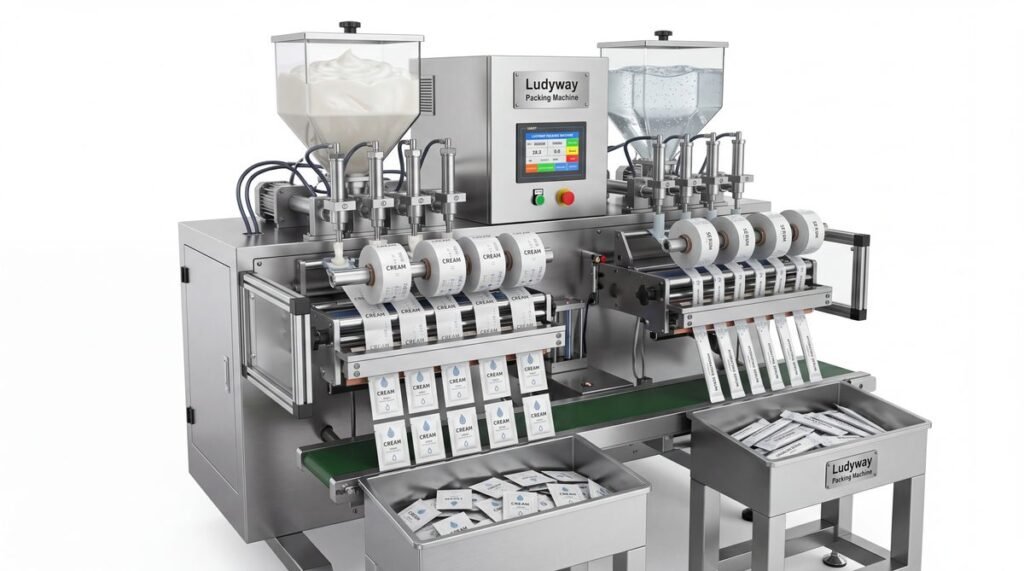
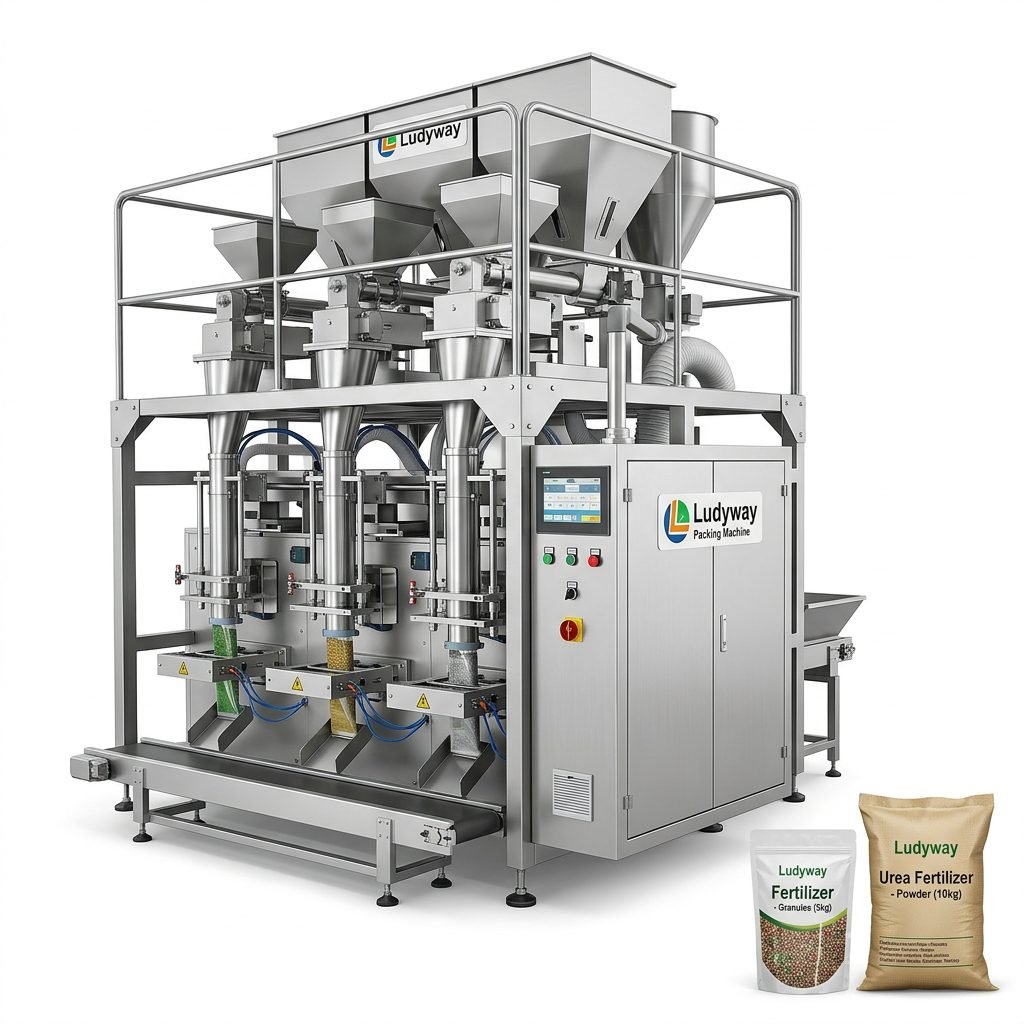
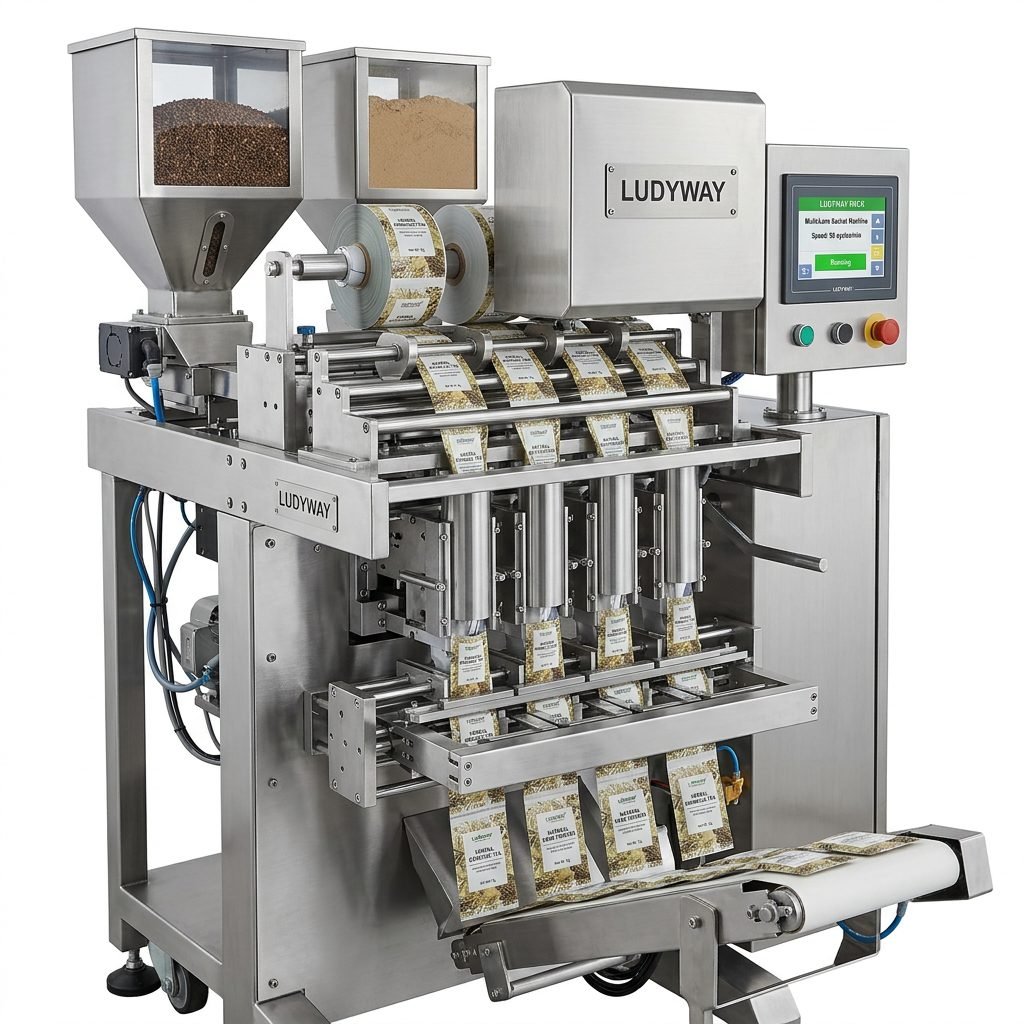
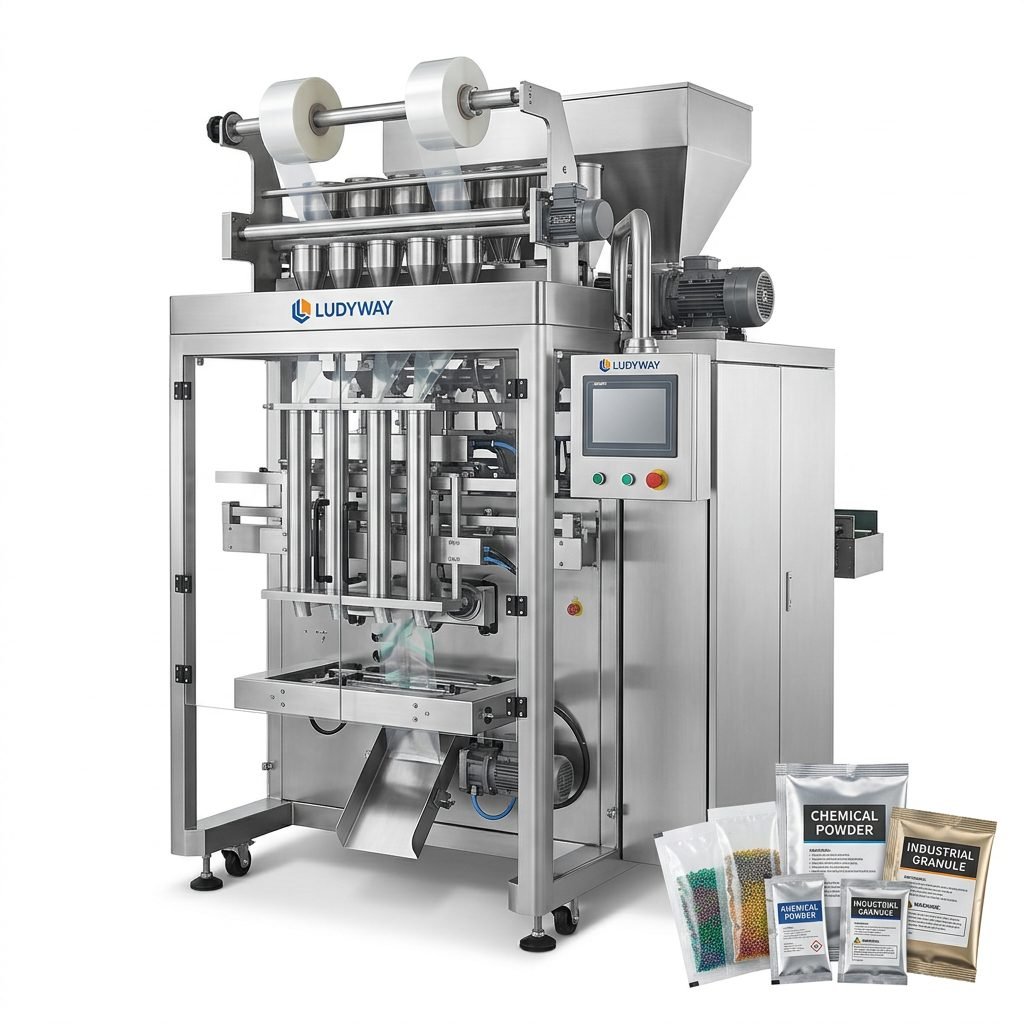
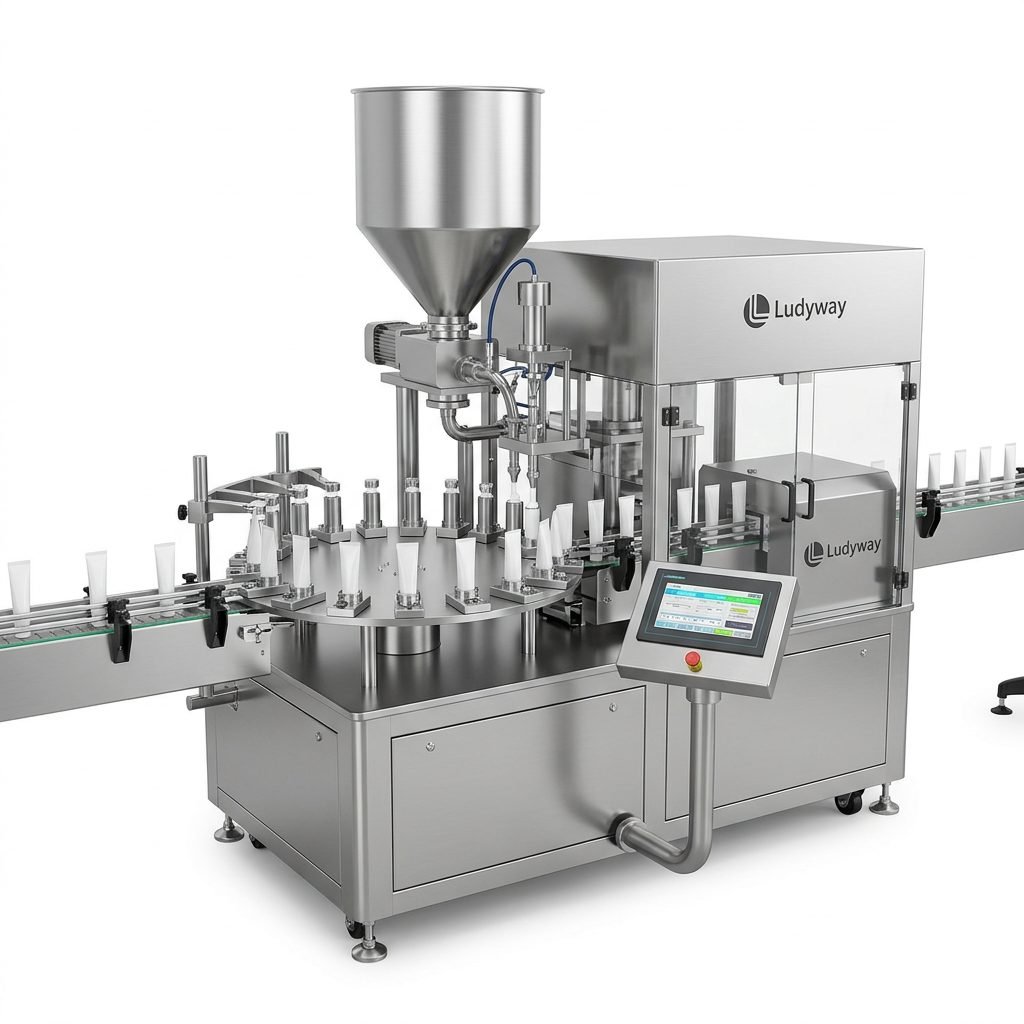
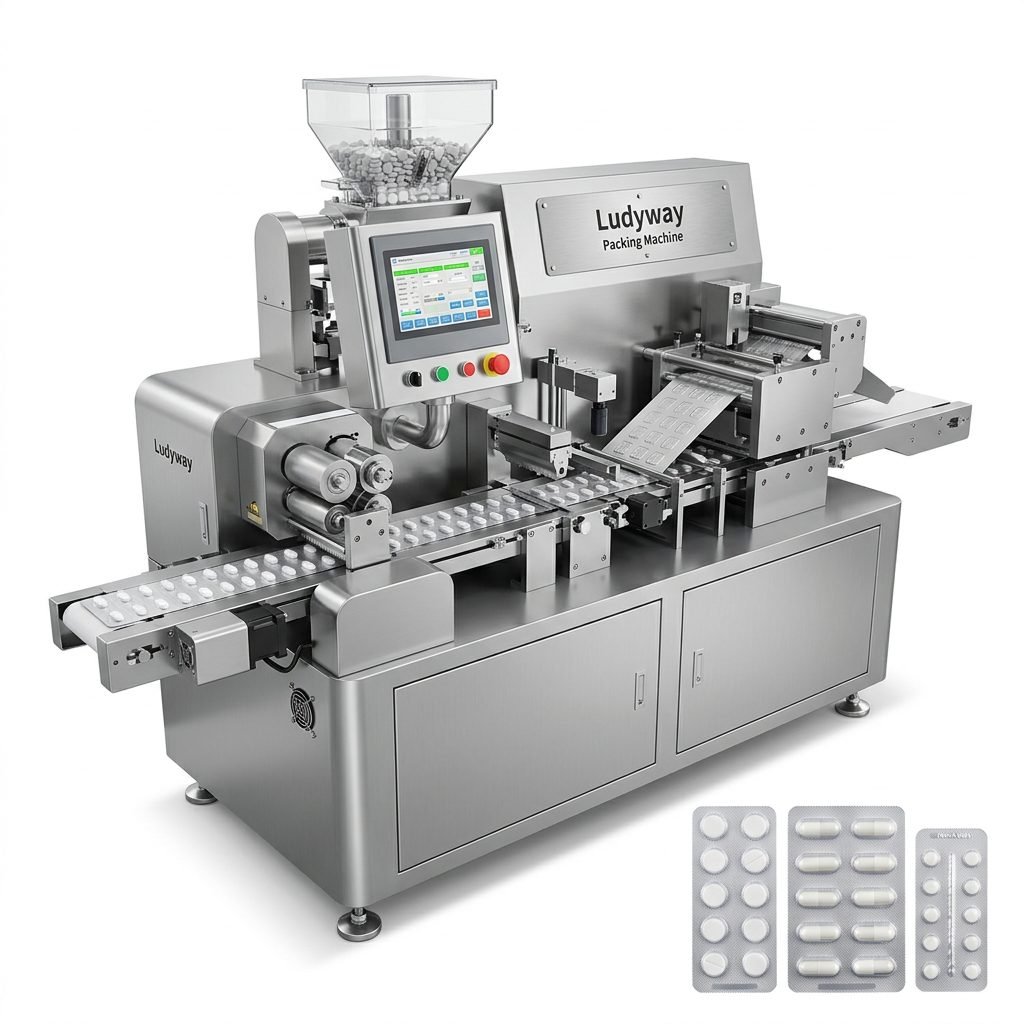
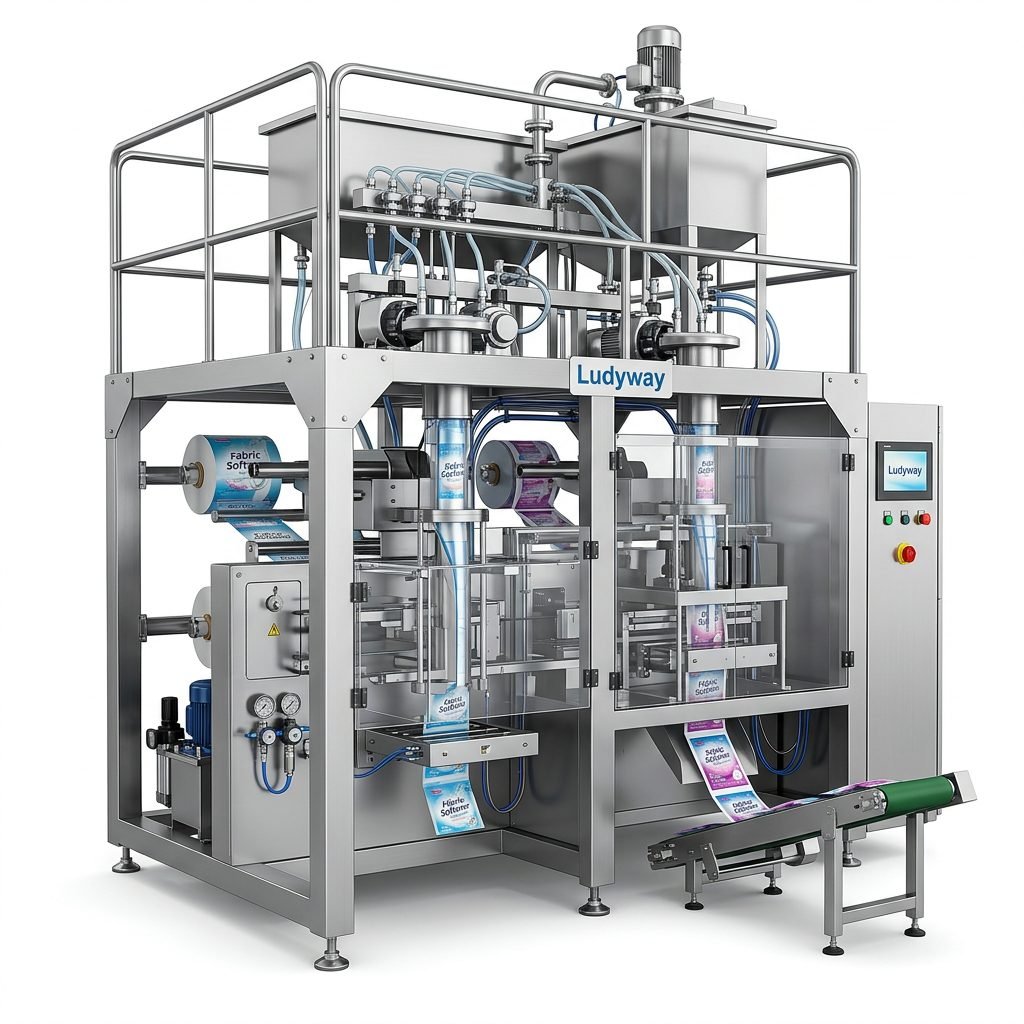
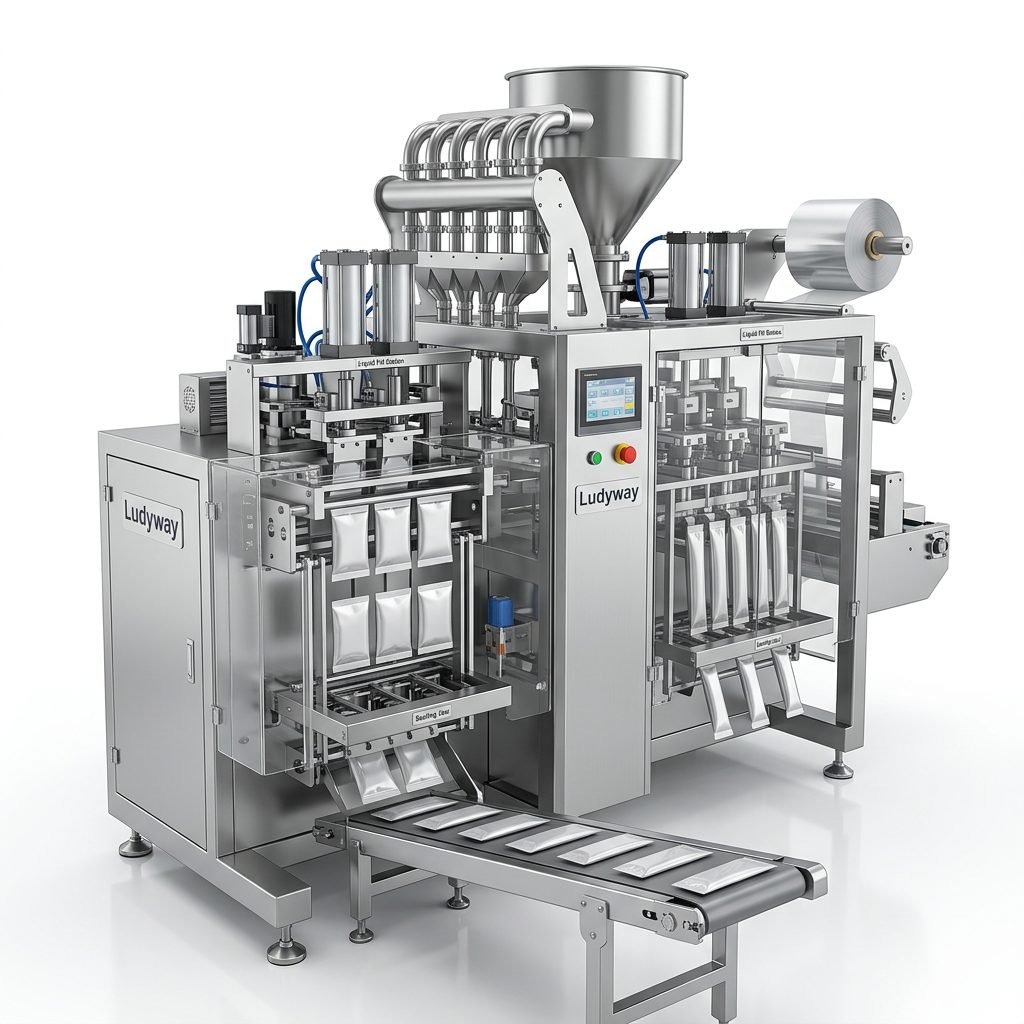
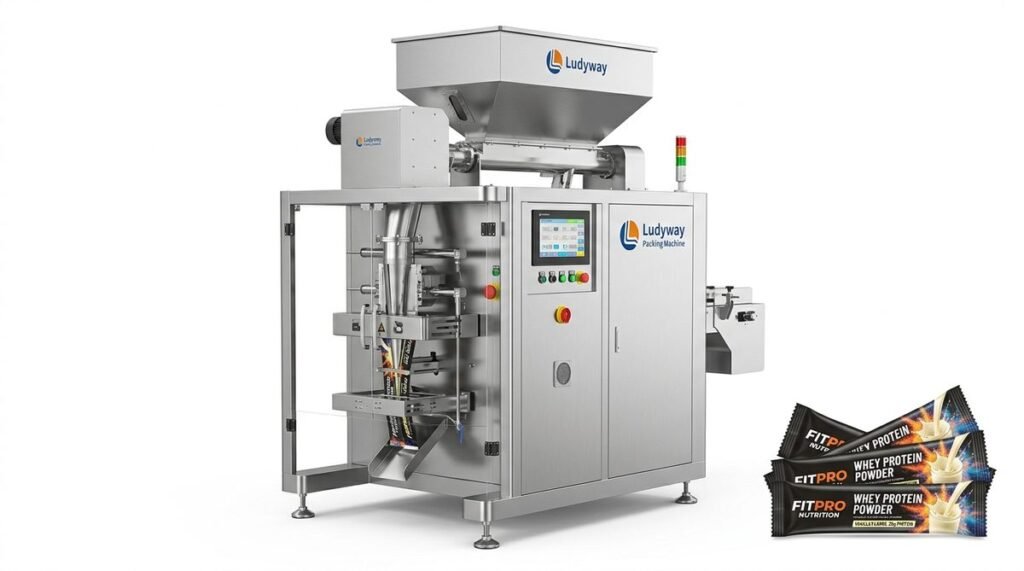
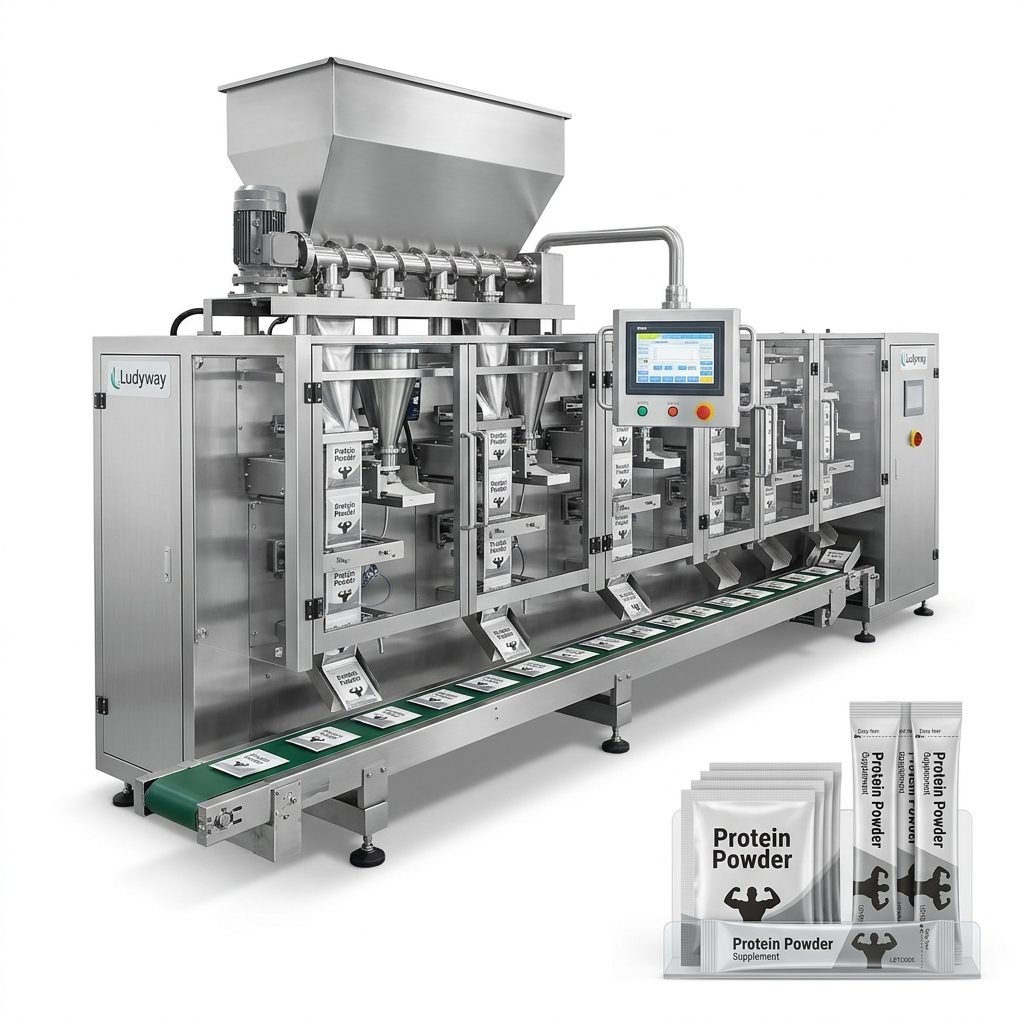
While the giants dominate, many businesses find exceptional value in partnering with focused, specialized manufacturers. Companies like Ludyway Packing Machine exemplify this category. Founded in 2010, Ludyway has built over a decade of expertise in granule, powder, and liquid packaging solutions, particularly for the food, pharmaceutical, and health industries. Such suppliers often offer:
- Deep Application Knowledge: Niche expertise in specific packaging forms like stick packs or sachets.
- Greater Flexibility & Customization: Willingness to tailor machinery to unique production needs.
- Direct Access to Engineering Support: Often providing more responsive and personalized service.
- Cost-Effectiveness: Delivering robust performance and innovation at a competitive investment level.
With a portfolio of over 50 intelligent packaging machine models developed through 30+ years of collective industry experience, suppliers in this tier are crucial for businesses seeking tailored, efficient solutions without the complexity of dealing with corporate behemoths.
How to Choose the Right Packaging Equipment Supplier
Selecting a supplier goes beyond comparing price lists. It’s about forming a partnership that will impact your operational efficiency for years. Here is a step-by-step framework for your evaluation.
Step 1: Precisely Define Your Requirements
Start with a clear internal assessment. What are you packaging? (Product type, viscosity, abrasiveness). What are your output speed (packages per minute) and accuracy (weight/volume tolerance) needs? What packaging materials do you plan to use? Defining these parameters creates a clear brief for potential suppliers.
Step 2: Evaluate Technical Capability and Innovation
Scrutinize the supplier’s engineering strength. Do they have in-house R&D? Can they provide a detailed machine specification and process flow diagram? Request case studies or references from projects similar to yours. A supplier with strong technical foundations, like those with extensive experience in turnkey production solutions, will be a more reliable long-term partner.
Step 3: Assess Manufacturing Quality and Standards
Quality is built into the machine. Inquire about their manufacturing facility, quality control processes, and component sourcing. Do they comply with international standards (e.g., CE, FDA, GMP where applicable)? A visit to their production facility, whether physical or virtual, can be highly revealing.
Step 4: Analyze Total Cost of Ownership (TCO)
Look beyond the initial purchase price. Calculate TCO by factoring in:
⚙️ Energy Consumption: Efficient drives and motors lower ongoing costs.
📦 Material Waste: High-accuracy machines minimize product give-away.
🔧 Maintenance & Spare Parts: Availability and cost of consumables and spare parts.
💡 Operational Labor: User-friendly, automated systems reduce manual intervention.
A slightly higher initial investment in a robust, efficient machine often yields a much lower TCO.
Step 5: Verify After-Sales Support and Service Network
This is arguably the most critical factor. What is their warranty policy? How quickly can they dispatch a service engineer? Do they offer comprehensive training for your operators and maintenance staff? A global or well-established service network ensures minimal downtime. Suppliers committed to long-term cooperation will have transparent and responsive support structures.
Step 6: Consider Cultural and Communication Fit
A smooth partnership requires clear communication. Evaluate their responsiveness, language capabilities, and willingness to understand your business culture. This is especially important in cross-border collaborations, where understanding local business etiquette and building trust is paramount for project success.
Conclusion: Building a Partnership for Growth
Choosing a packaging equipment manufacturer is a strategic investment in your production future. While the largest global players offer scale and breadth, the ideal partner is one whose capabilities, values, and support structure align perfectly with your specific operational goals and growth trajectory. Whether you choose an industry titan or a specialized expert like Ludyway Packing Machine, thorough due diligence focused on technical merit, total cost, and unwavering support will pave the way for a successful, productive partnership that drives your packaging line efficiency for years to come.
Frequently Asked Questions (FAQs)
Q1: What is more important, the brand name or the specific machine features?
A: Specific features and suitability for your application are almost always more critical than the brand alone. A well-known brand may offer reliability, but a specialized supplier might provide a machine that is perfectly optimized for your product, often with better support. Always prioritize functional fit over brand prestige.
Q2: How can I accurately test if a machine is right for my product?
A: Always insist on a product test run using your actual product and packaging materials at the supplier’s facility or via an authorized test center. This is the only way to verify speed, accuracy, compatibility, and final package quality before purchase.
Q3: What are the hidden costs I should budget for when buying packaging machinery?
A: Beyond the machine price, budget for shipping and import duties, installation and commissioning fees, initial spare parts kit, operator and maintenance training, potential facility modifications (electrical, compressed air, flooring), and ongoing costs for utilities and preventive maintenance contracts.
Q4: Is it better to buy a brand-new machine or consider a quality refurbished one?
A: For mission-critical, high-speed lines, new equipment is often advisable for the latest technology, full warranty, and predictable performance. For secondary lines, pilot projects, or budget-conscious scenarios, a professionally refurbished and warrantied machine from a reputable supplier can offer excellent value.
Q5: How long does a typical packaging machinery project take from order to full production?
A: Lead times vary widely. A standard machine might take 3-6 months. Customized or turnkey lines can require 6-12 months or more, encompassing design, manufacturing, factory acceptance testing, shipping, installation, site acceptance testing, and operator training. Clear project timelines should be agreed upon in the contract.