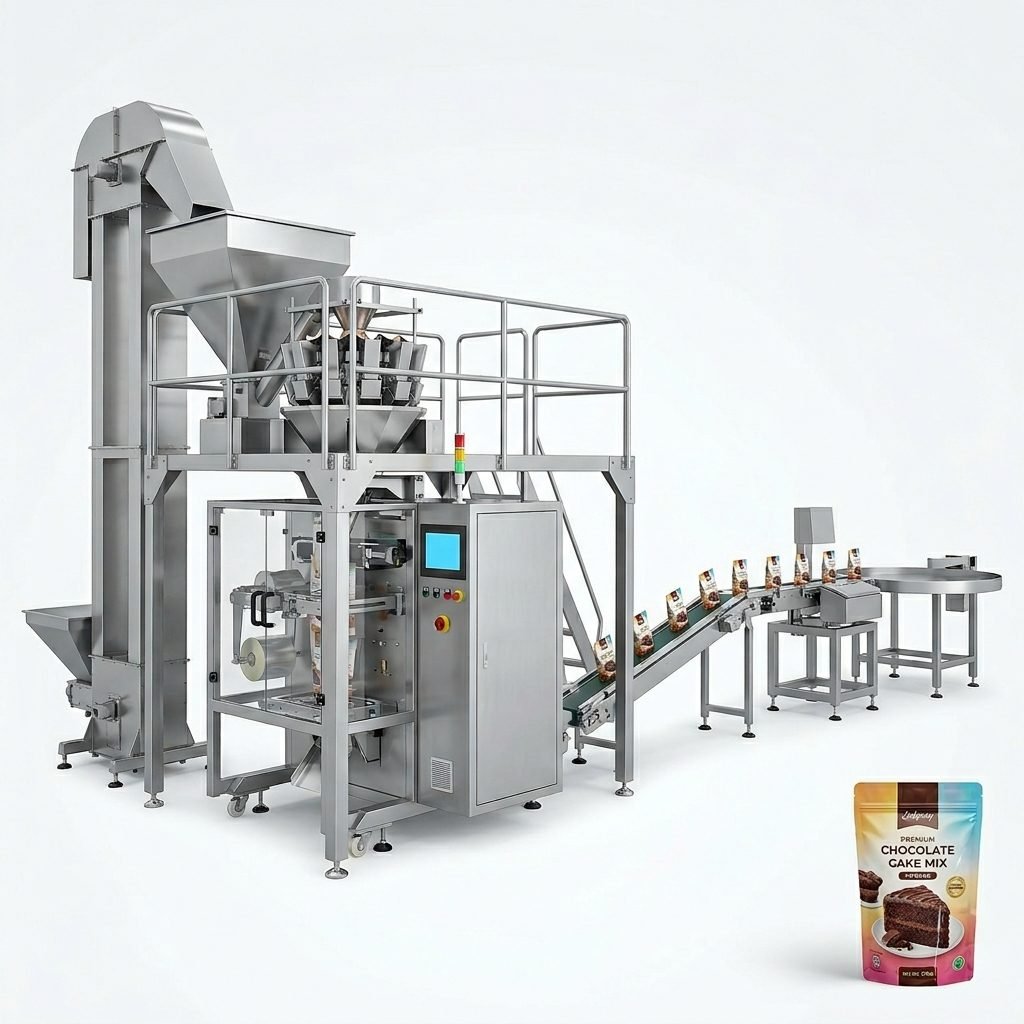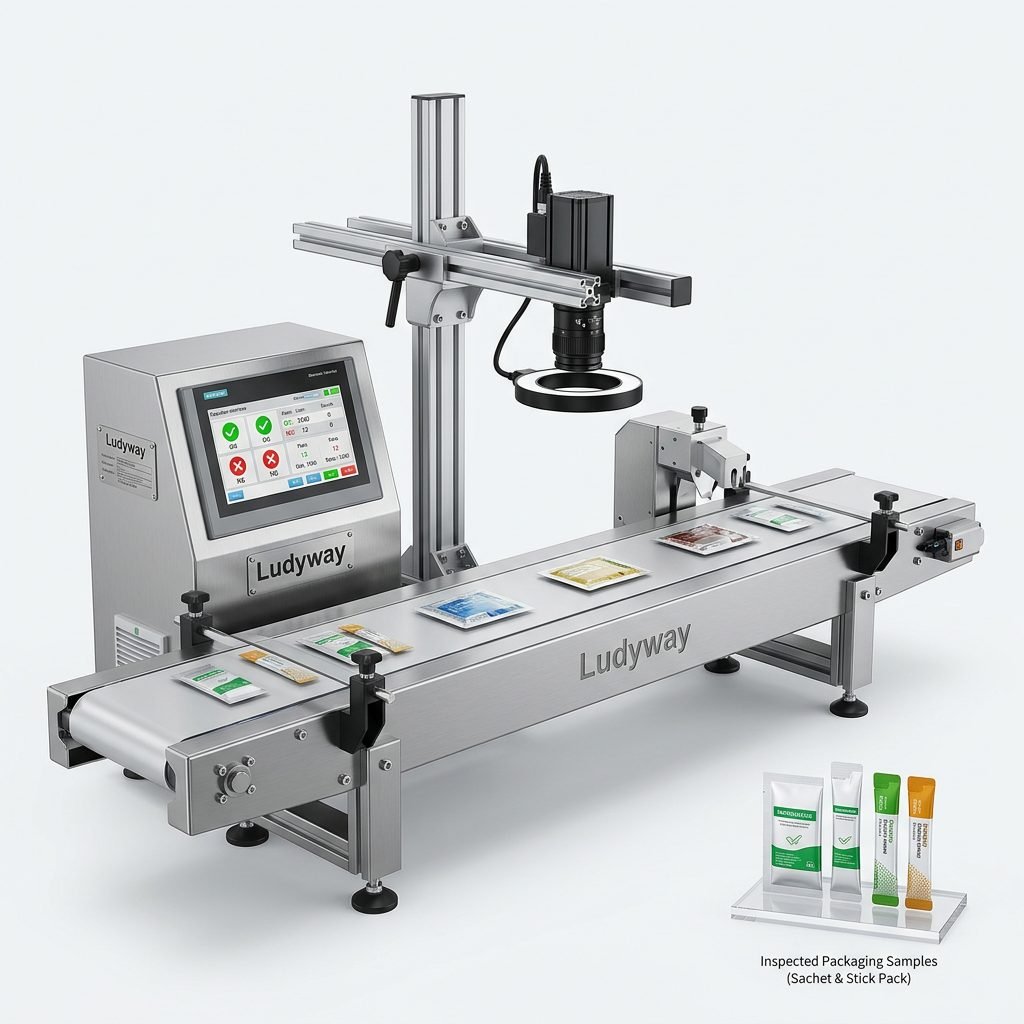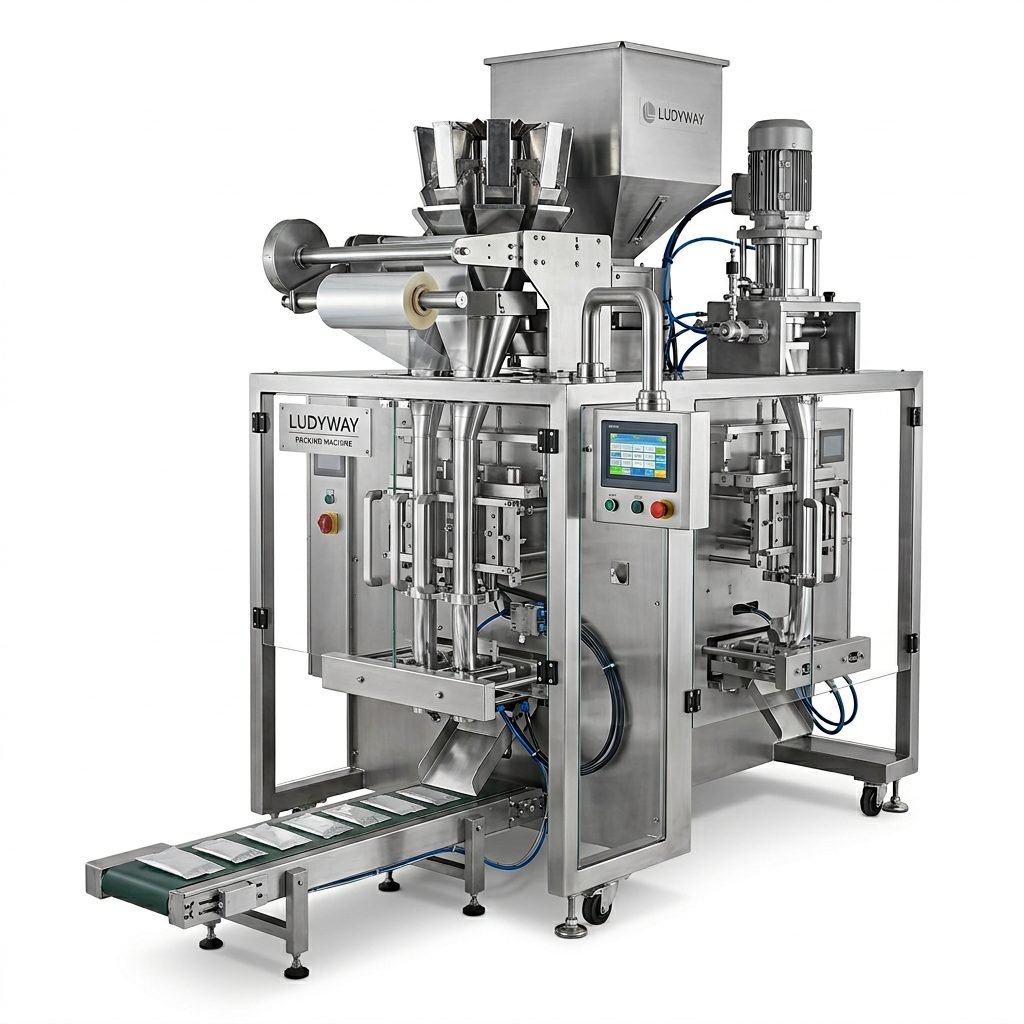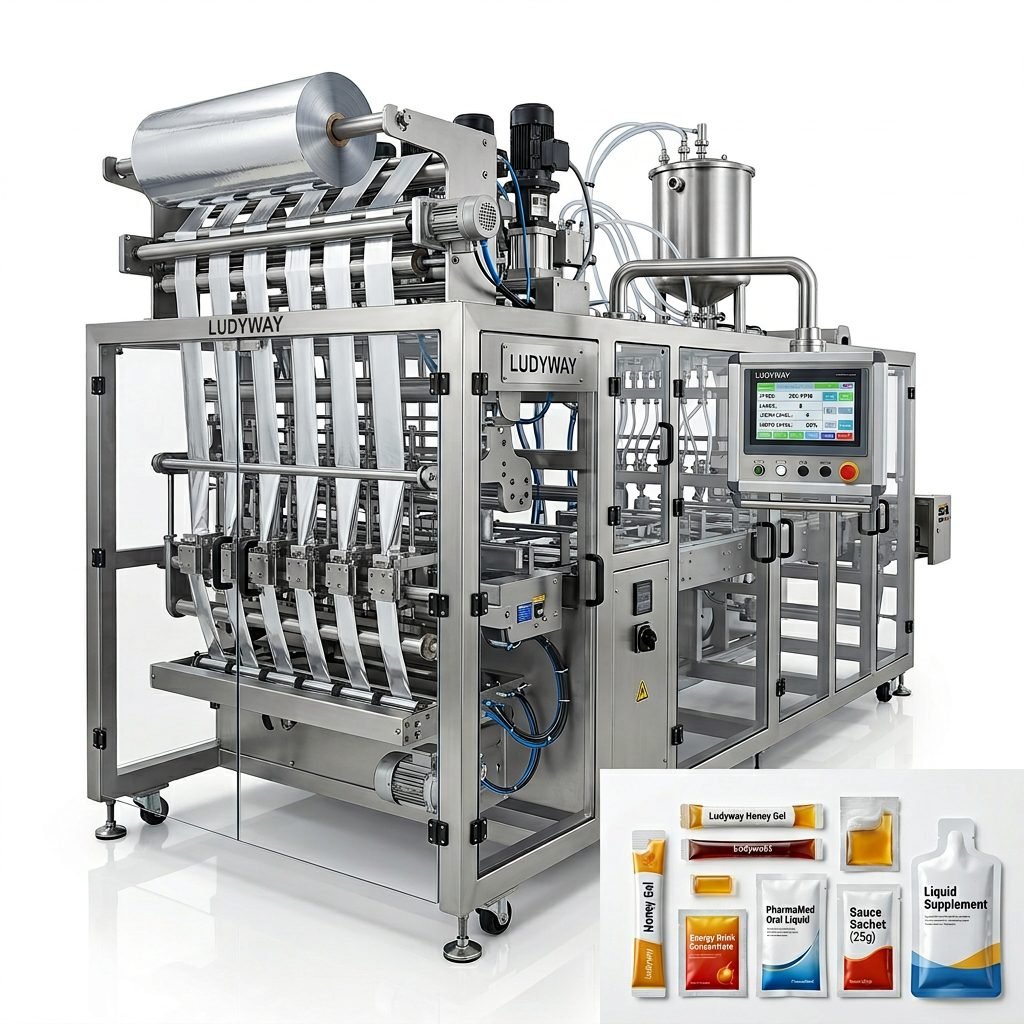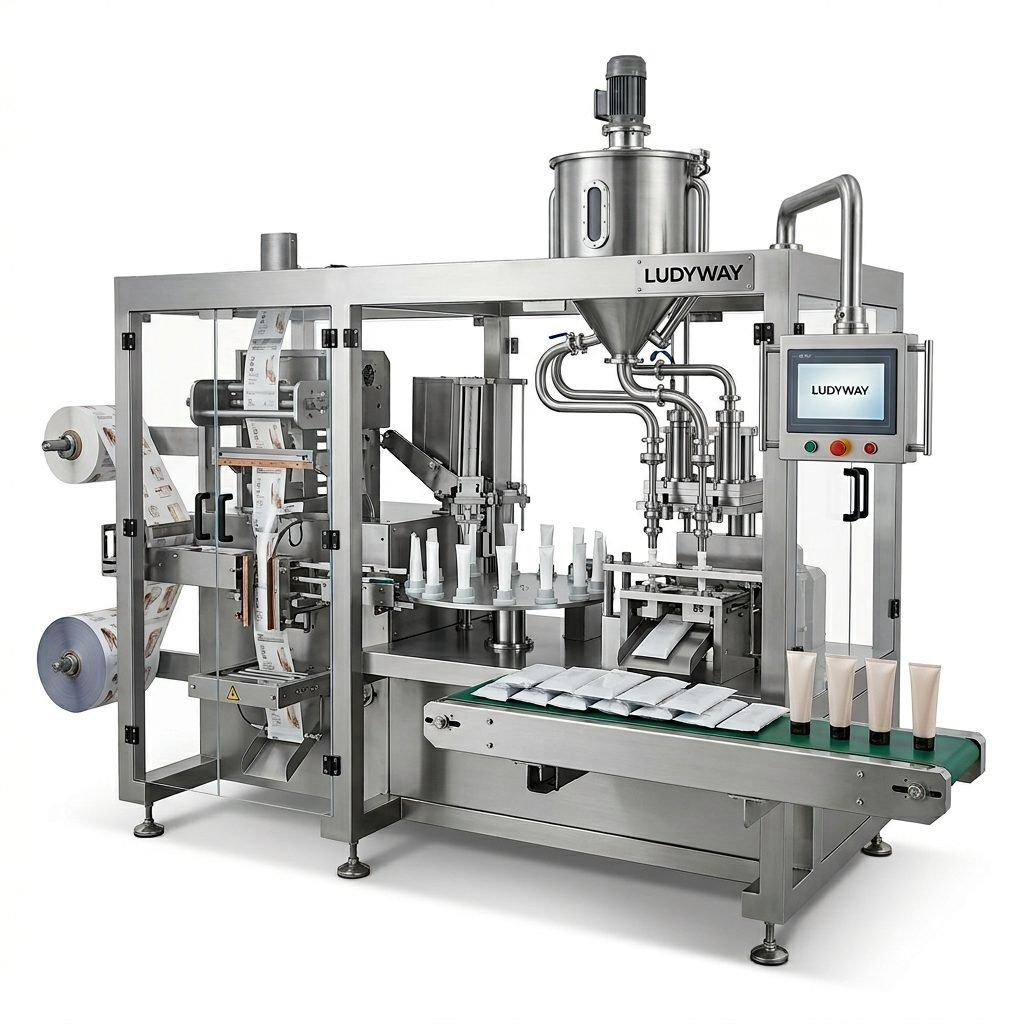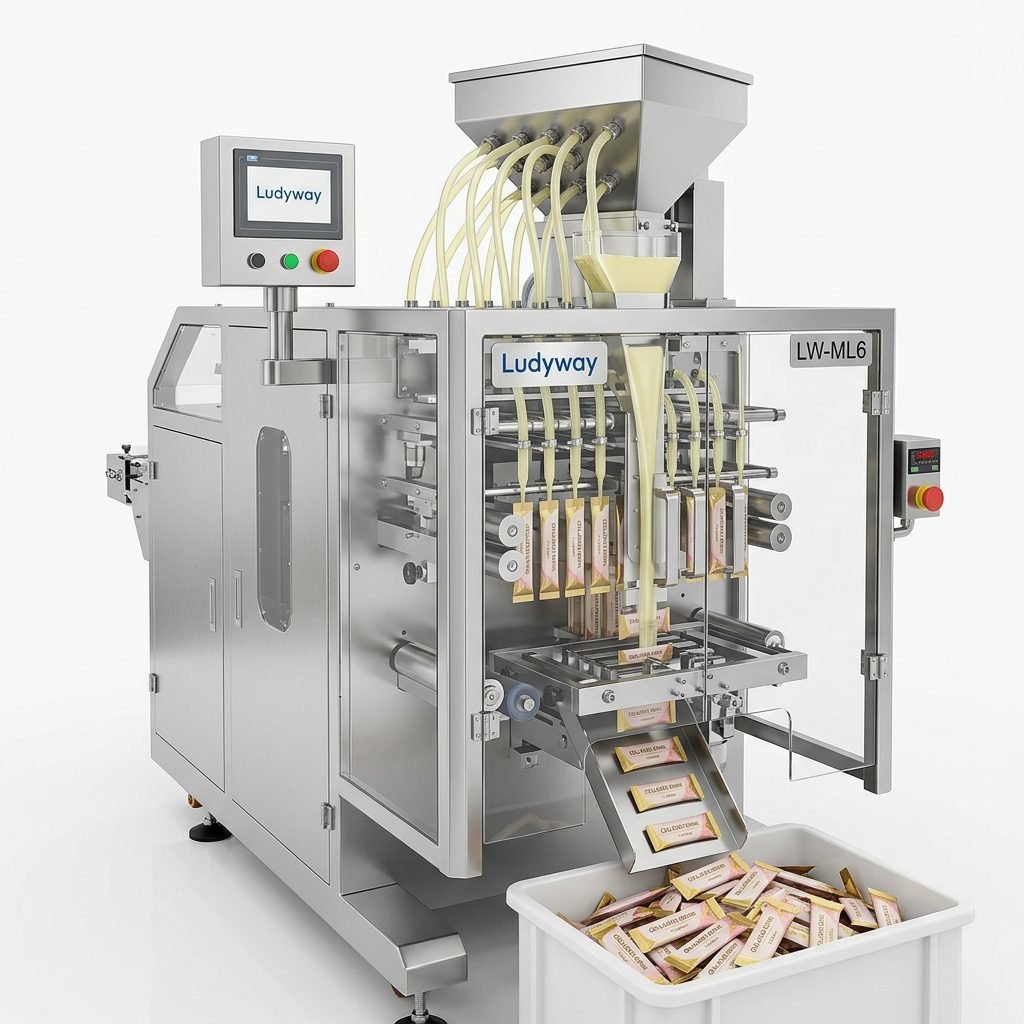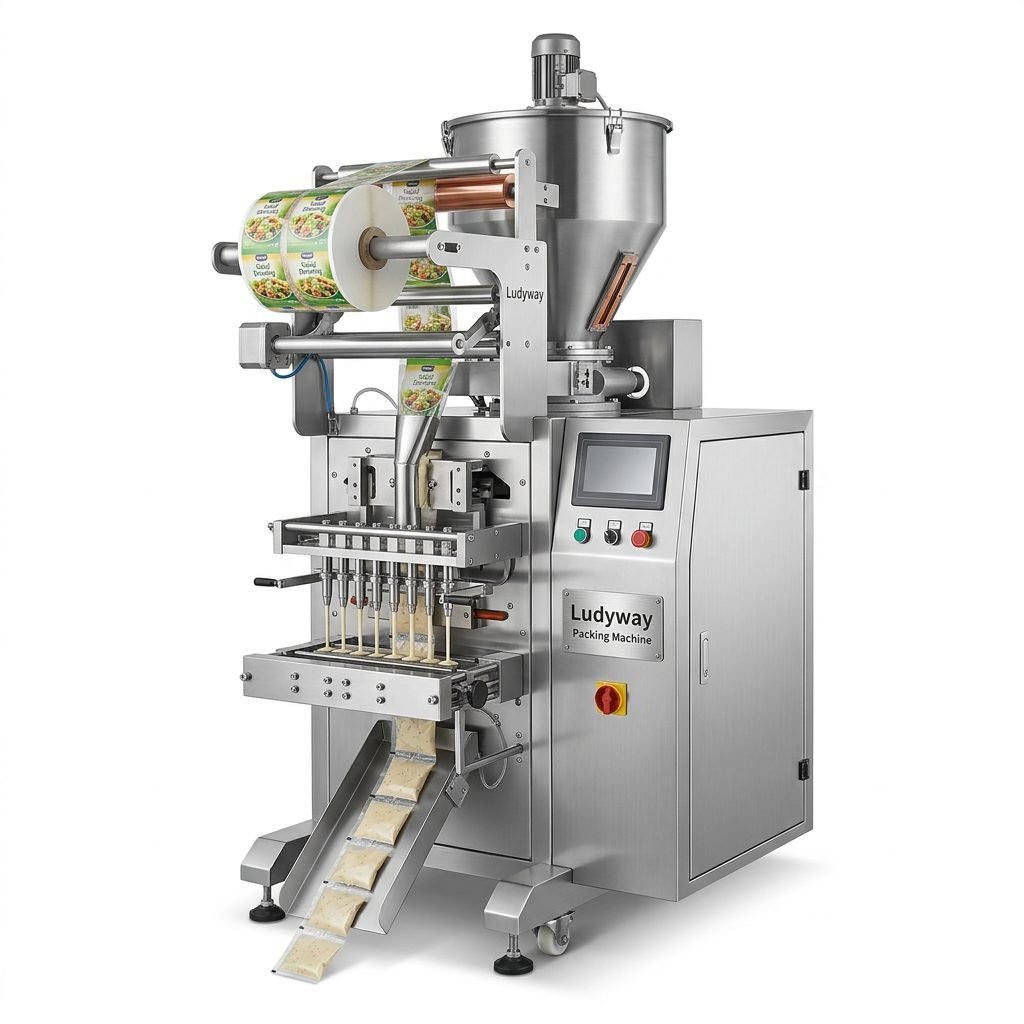
Investing in a liquid sachet filling machine is a critical decision that can significantly impact your production efficiency, product quality, and bottom line. Whether you are packaging sauces, shampoos, pharmaceutical liquids, or industrial chemicals, choosing the right equipment requires careful evaluation of multiple technical and operational factors. The wrong machine can lead to inconsistent fills, excessive downtime, product waste, and compliance issues. This comprehensive guide will walk you through every essential consideration to help you make an informed purchasing decision.
Understanding Liquid Sachet Filling Machines
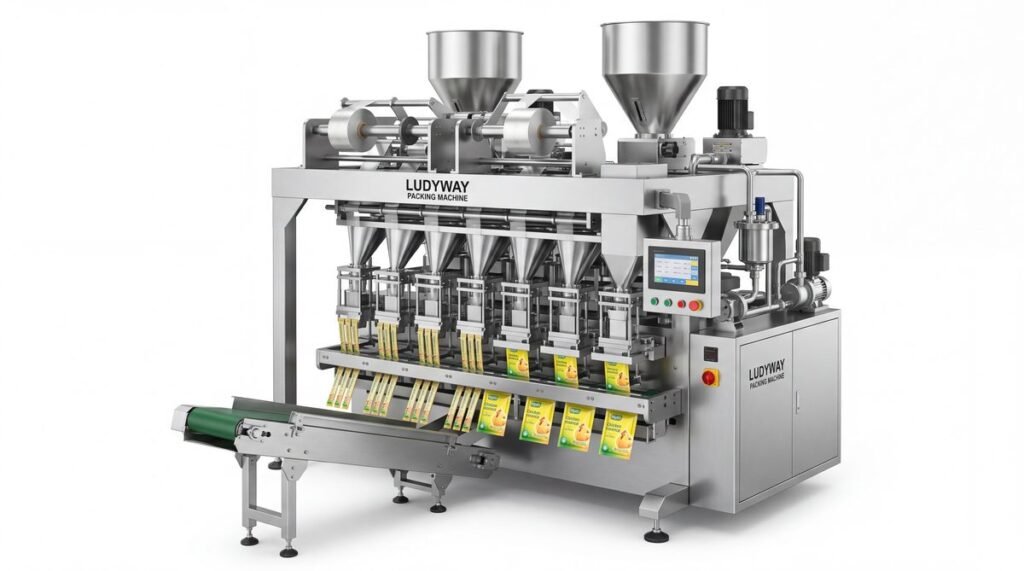
A liquid sachet filling machine is a specialized packaging system designed to fill, seal, and cut flexible sachets or stick packs containing liquid products. These machines handle a wide range of viscosities—from water-thin solutions like electrolyte drinks to thick, paste-like substances such as mayonnaise, gels, and creams. Modern systems combine precise dosing mechanisms, heat-sealing technology, and automated controls to deliver consistent, high-speed packaging output.
Liquid sachet packaging has gained significant traction across multiple industries due to its cost-effectiveness, portion control capabilities, and consumer convenience. The flexible packaging industry continues to expand rapidly, driven by demand for single-serve formats and sustainable packaging innovations.
Key Factors to Consider When Choosing Your Machine
1. Liquid Type and Viscosity Characteristics
The physical properties of your liquid product are among the most important determinants of machine selection. Low-viscosity liquids such as water, alcohol-based solutions, and light oils flow easily and can be handled with standard piston or peristaltic filling systems. High-viscosity products—including shampoos, lotions, gels, honey, and industrial lubricants—require specialized positive-displacement pumps or servo-driven piston fillers capable of generating sufficient force for accurate dispensing.
Additionally, consider whether your product has any special characteristics:
- Foaming tendency: Products like liquid detergents may require bottom-up filling to minimize foam formation
- Temperature sensitivity: Some liquids change viscosity with temperature and may require heated or cooled filling systems
- Particulate content: Products containing suspended particles or pulp need filling nozzles with larger diameters to prevent clogging
- Corrosiveness: Acidic or caustic liquids demand stainless steel or specialized alloy contact parts
2. Production Speed and Output Capacity
Production speed requirements directly influence the machine configuration you need. Single-lane machines typically produce 30 to 80 sachets per minute, while multi-lane systems can achieve outputs of 200 to over 1,000 sachets per minute depending on the number of lanes and sachet dimensions. When evaluating speed, consider not just peak output but also sustained production rates over an entire shift, accounting for film changes, cleaning intervals, and routine maintenance.
The Packaging and Processing Technologies Association (PMMI) regularly publishes industry data showing that production speed requirements vary significantly by market segment, with food and beverage applications often demanding the highest throughput rates.
3. Filling Accuracy and Precision Requirements
Filling accuracy is measured by the deviation from the target fill volume and is typically expressed as a percentage. High-precision applications in the pharmaceutical and nutraceutical sectors often require accuracies of ±0.5% to ±1%, while food and personal care products may tolerate slightly wider tolerances of ±1% to ±2%. Inaccurate filling leads to product giveaway (overfilling) or regulatory non-compliance (underfilling), both of which directly impact profitability.
4. Sachet Dimensions and Packaging Format
Liquid sachet machines can produce various formats including pillow-style sachets, three-side-seal packs, four-side-seal packs, and stick packs. The choice depends on your target market, product volume, and branding requirements. Sachet widths typically range from 30mm to 160mm, with lengths adjustable from 40mm to over 200mm. Ensure the machine you select can accommodate your required range of dimensions and has quick-changeover features for size adjustments.
5. Level of Automation and Integration
Automation levels range from semi-automatic machines requiring manual intervention for film loading and collection to fully automated turnkey packaging lines that integrate filling, sealing, coding, inspection, cartoning, and palletizing. When evaluating automation, consider your current labor costs, production volume projections, and the potential for integration with existing factory systems such as ERP platforms and MES solutions.
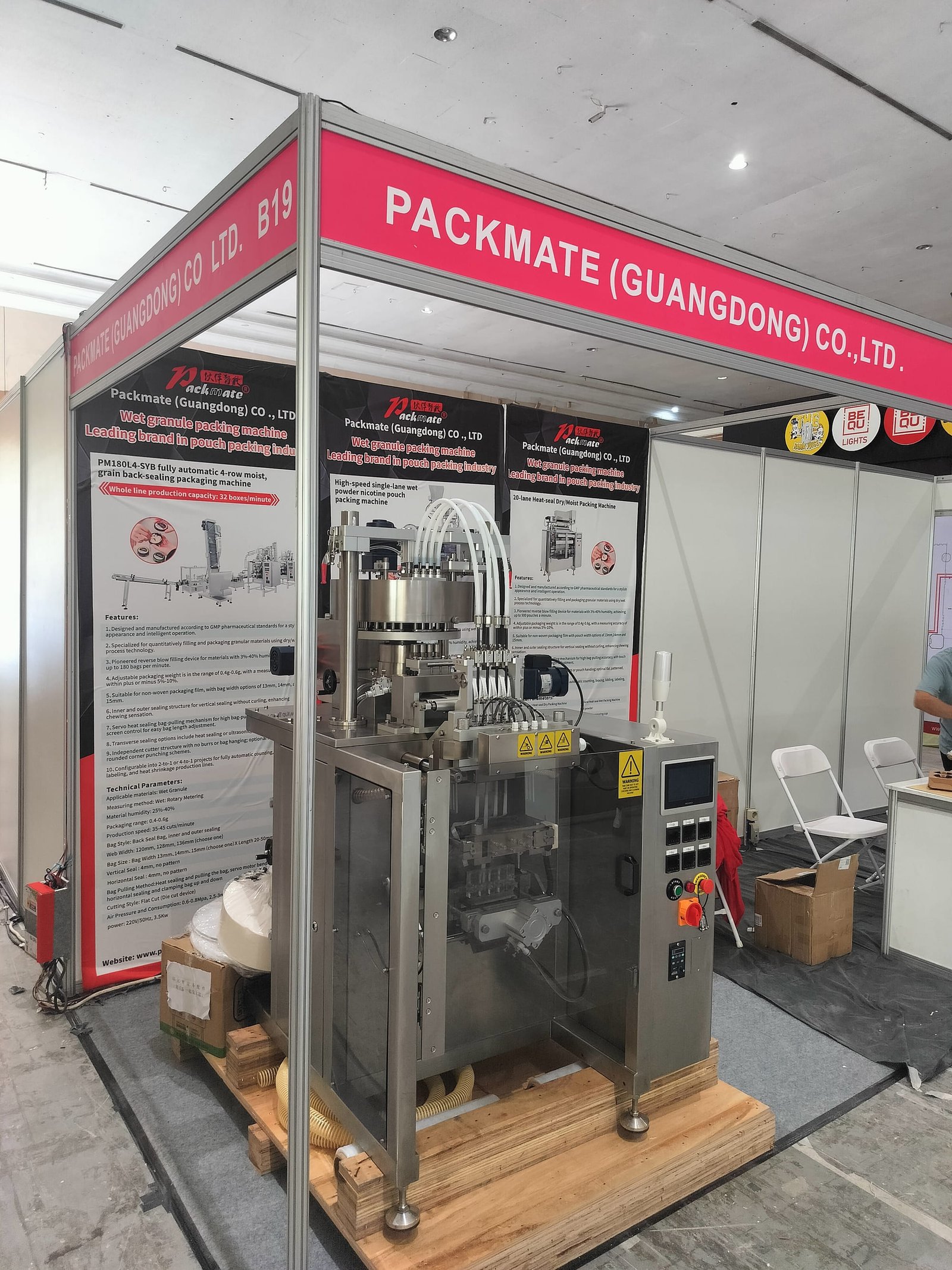
6. Packaging Material Compatibility
The machine’s sealing system must be compatible with your chosen packaging film. Common film structures include PET/AL/PE, PET/PE, BOPP/CPP, and paper-based laminates. Different films require specific sealing temperatures, pressures, and dwell times. Verify that the machine can handle your film’s heat-seal characteristics and that the film transport system minimizes waste during start-up and changeover.
7. Cleaning, Maintenance, and Sanitary Design
For industries with stringent hygiene requirements—particularly pharmaceuticals, food, and dairy—cleanability is paramount. Look for machines with CIP (Clean-in-Place) capabilities, tool-less disassembly for quick product changeovers, and stainless steel construction with sanitary-grade surface finishes. Machines compliant with FDA food packaging regulations and designed according to GMP principles offer significant advantages in regulated environments.
8. Regulatory Compliance and Certification
Depending on your target market, your packaging machinery may need to comply with various standards including CE marking for the European market, UL certification for North America, and industry-specific requirements such as FDA 21 CFR Part 11 for electronic records in pharmaceutical applications. The ISO packaging standards provide internationally recognized benchmarks for equipment quality and safety.
9. Total Cost of Ownership and ROI Analysis
Beyond the initial purchase price, evaluate the total cost of ownership including spare parts, consumables, energy consumption, operator training, maintenance contracts, and expected service life. A higher-quality machine often delivers lower long-term costs through reduced downtime, longer component life, and better filling accuracy. Calculate payback periods based on labor savings, reduced product giveaway, and increased throughput capacity.
Quick Comparison: Machine Types by Application
| Machine Type | Best For | Typical Speed Range | Key Advantage |
|---|---|---|---|
| Single-Lane Sachet Machine | Low to medium volume, frequent changeovers | 30–80 packs/min | Flexibility and lower initial investment |
| Multi-Lane Sachet Machine (4–12 lanes) | High-volume production, single product focus | 200–600 packs/min | Exceptional throughput per floor space |
| Stick Pack Machine | Single-serve liquids, gels, honey | 80–400 packs/min | Slim profile ideal for retail display |
| High-Viscosity Piston Filler | Creams, pastes, gels, industrial lubricants | 20–60 packs/min | Superior accuracy with thick products |
| Fully Automated Turnkey Line | Large-scale operations requiring end-to-end automation | Custom-configured | Integrated solution with single-source support |
Common Mistakes to Avoid When Buying
Many first-time buyers make avoidable errors that result in costly rework or inefficient operations. Watch out for these common pitfalls:
- Underestimating future production needs — A machine that meets today’s demand may become a bottleneck within 12–18 months. Always factor in projected growth.
- Ignoring film compatibility testing — Not all sealing systems work with all film types. Conduct thorough trials with your actual packaging material before committing.
- Overlooking after-sales support — The best machine is only as good as the technical support behind it. Evaluate spare parts availability, response times, and remote assistance capabilities.
- Focusing solely on price — The lowest purchase price often translates to higher operating costs. Evaluate total lifecycle costs including maintenance, energy, and expected lifespan.
- Neglecting operator training requirements — Complex machinery requires skilled operators. Factor training costs and learning curves into your implementation timeline.
Industry-Specific Considerations
Food and Beverage
Food-grade liquid packaging demands strict adherence to hygiene standards, including easy-clean designs, sanitary-grade materials, and often nitrogen flushing capabilities to extend shelf life. Common applications include sauces, dressings, edible oils, dairy products, and beverage concentrates. Compliance with FDA food contact substance regulations is mandatory for the U.S. market.
Pharmaceuticals and Healthcare
Pharmaceutical liquid packaging requires precision dosing, tamper-evident sealing, and full traceability. Machines should support serialization and comply with 21 CFR Part 210/211 for finished pharmaceuticals. Single-dose sachet packaging is increasingly popular for oral liquid medications, enabling accurate dosing and improved patient compliance.
Cosmetics and Personal Care
Sample-sized sachets for shampoos, conditioners, serums, and creams require machines capable of handling wide viscosity ranges and producing visually appealing, leak-proof packages. Quick changeover capabilities are particularly valuable in this segment due to frequent product and format changes.
Industrial and Chemical Products
Packaging lubricants, adhesives, cleaning agents, and agrochemicals demands robust construction with corrosion-resistant materials, explosion-proof configurations where necessary, and compatibility with aggressive chemical formulations.
Selecting the Right Manufacturing Partner
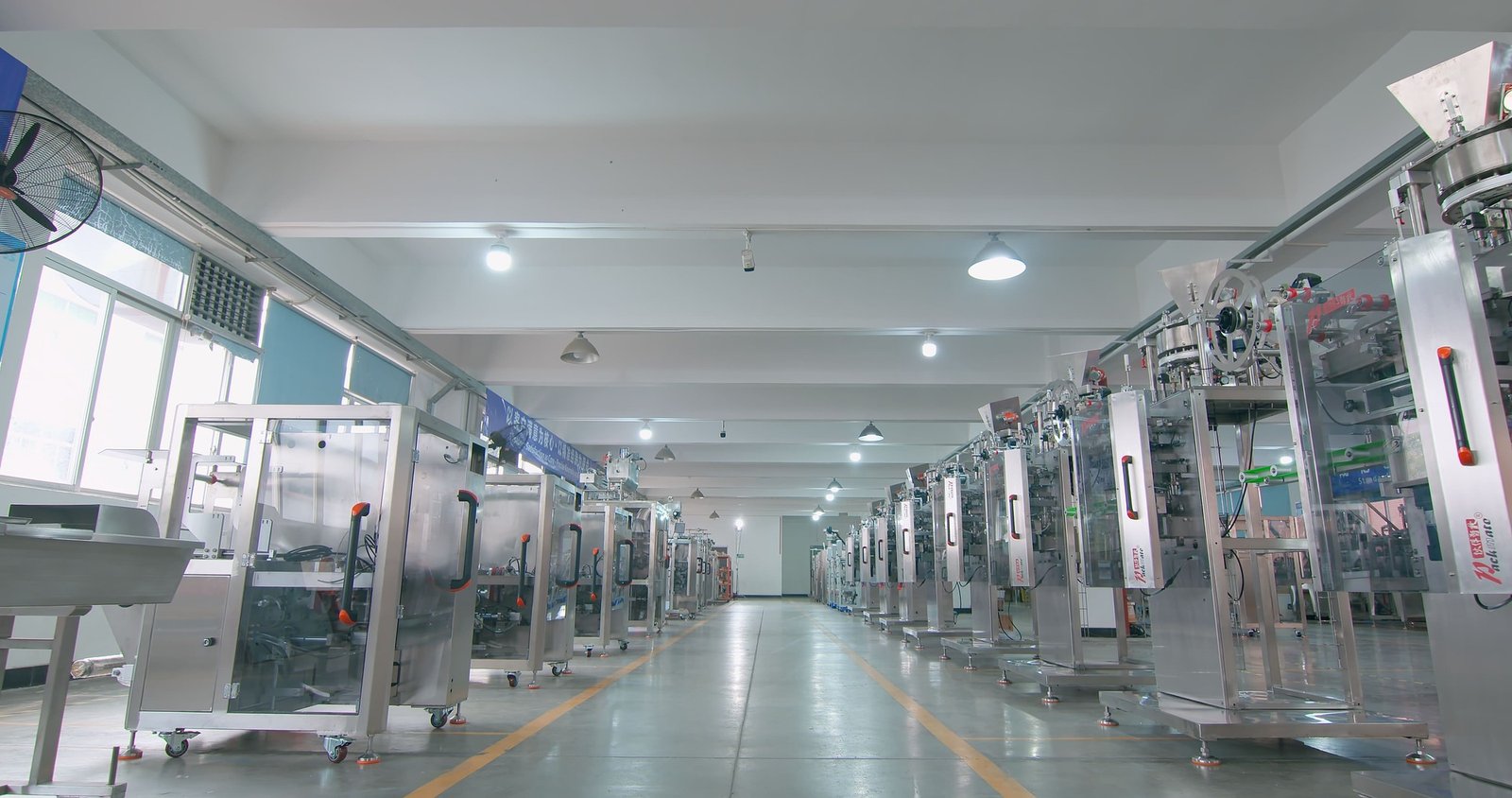
Choosing the right equipment manufacturer is as important as choosing the right machine specifications. For manufacturers seeking a reliable partner, Ludyway Machinery—a China-based packaging machinery manufacturer with over 30 years of experience and a 20,000-square-meter manufacturing facility—provides comprehensive solutions including equipment selection, system integration, customization, and global technical support across more than 100 countries. When evaluating any supplier, look for a proven track record, responsive technical support, readily available spare parts, and the engineering capability to customize solutions to your specific requirements.
Review the PMMI business intelligence resources for independent market data and the Flexible Packaging Association’s industry resources for additional guidance on packaging trends and material innovations.
Key Takeaways for Your Buying Decision
- Define your product characteristics — viscosity, particulates, foaming tendency, and chemical properties — before evaluating any machine
- Match machine speed and automation level to both current and projected production requirements
- Verify filling accuracy specifications against your product’s regulatory and commercial requirements
- Confirm material compatibility through hands-on testing with your actual packaging film
- Evaluate total cost of ownership rather than focusing exclusively on the purchase price
- Prioritize after-sales support, spare parts availability, and the manufacturer’s global service network
- Consider future scalability — modular machine designs offer easier capacity expansion as your business grows
Investing the time to thoroughly assess these factors will help you select a liquid sachet filling machine that delivers reliable performance, consistent product quality, and strong return on investment for years to come.