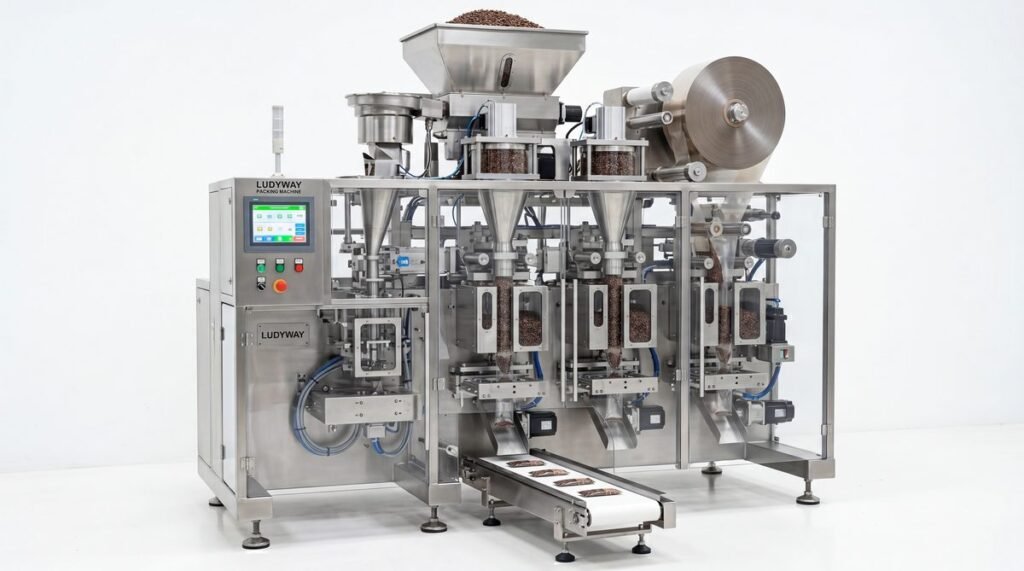
Investing in packaging equipment is a critical decision for manufacturers across industries such as food and beverage, pharmaceuticals, cosmetics, and consumer goods. A manual box packing machine offers a practical, cost-effective entry point for businesses looking to streamline their packaging operations without committing to full automation. However, selecting the right model requires careful evaluation of your production needs, product characteristics, and operational goals. This guide walks you through the key factors to consider when choosing a manual box packing machine, helping you make an informed purchasing decision.

Understanding Manual Box Packing Machines
A manual box packing machine is a semi-automated or operator-assisted device designed to form, fill, or seal boxes and cartons. Unlike fully automated packaging lines, these machines require human involvement for tasks such as product placement, box folding, or sealing. They are widely used in small-to-medium production environments, contract packaging facilities, and startups where flexibility and lower capital expenditure are priorities.
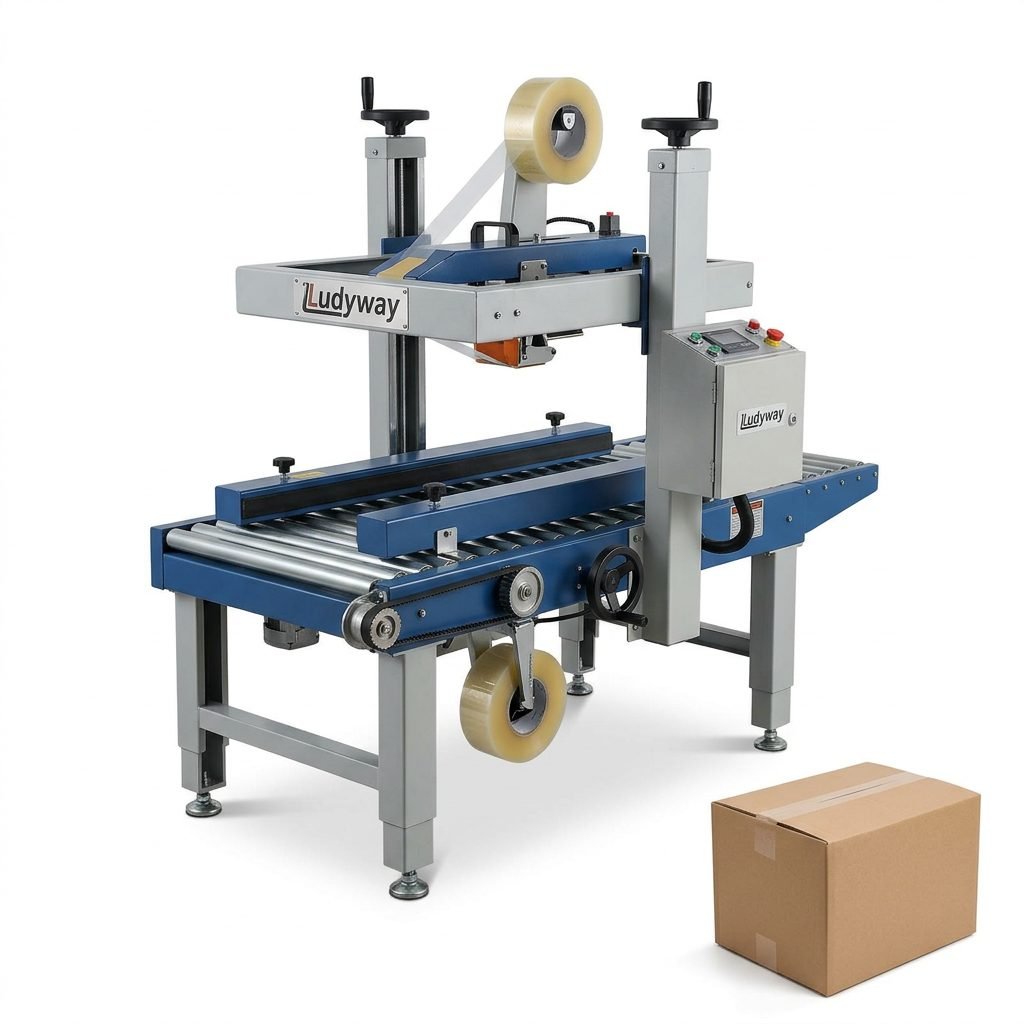
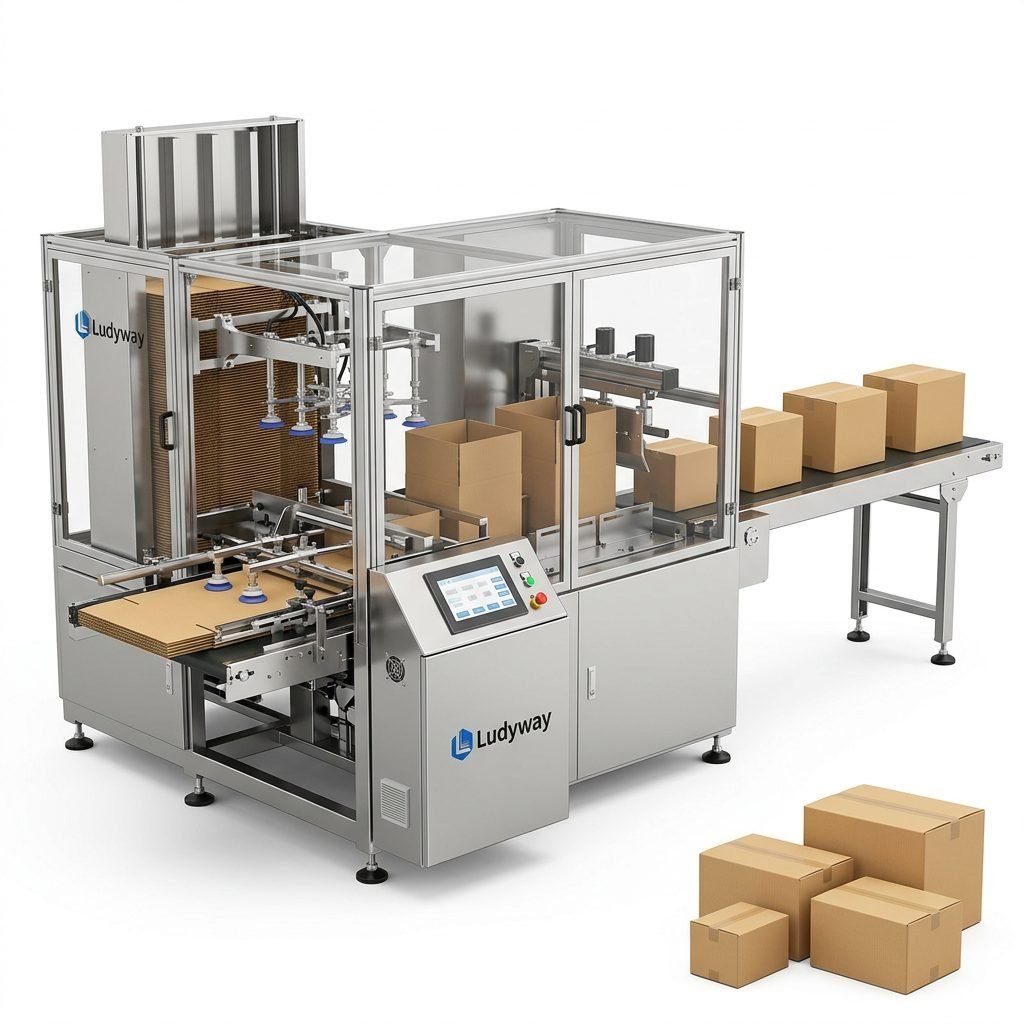
Common types include manual carton erectors, manual case sealers, and hand-fed box forming stations. Each serves a distinct function in the packaging workflow, and choosing the correct configuration depends on your specific application.
Key Advantages of Manual Box Packing Equipment
- Lower initial investment compared to automatic systems
- Flexibility to handle varied box sizes and product types
- Minimal training requirements for operators
- Simplified maintenance and troubleshooting
- Compact footprint suitable for limited floor space
- Quick changeover between packaging formats
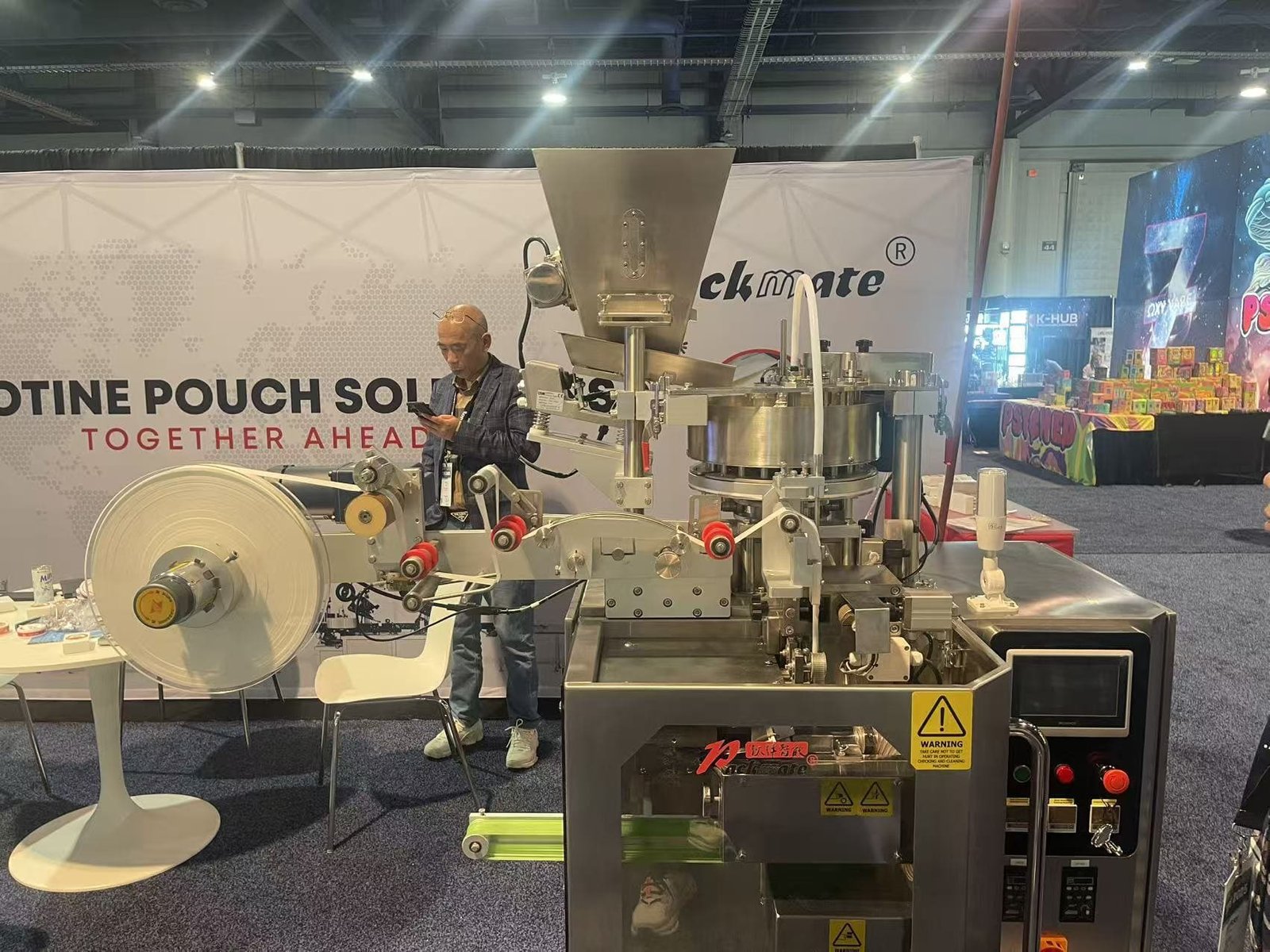
Critical Factors to Evaluate Before Purchasing
Selecting the right manual box packing machine involves more than comparing price tags. The following factors should guide your evaluation process to ensure the equipment aligns with both current and future requirements.
1. Production Volume and Speed Requirements
Your daily or hourly output targets directly influence the type of machine you need. Manual machines typically handle 5 to 20 boxes per minute, depending on operator skill and box complexity. Calculate your peak production demands and select a machine that can comfortably meet or exceed those figures with reasonable operator effort.
2. Box Dimensions and Material Compatibility
Not all machines accommodate every box size. Measure your minimum and maximum box dimensions (length, width, height) and verify compatibility with the machine’s adjustable range. Additionally, consider the corrugated board thickness and flute type, as these affect folding and sealing performance. Machines with tool-free adjustment mechanisms significantly reduce changeover time when switching between box sizes.
3. Sealing Method and Adhesive Type
Manual box packing machines support different sealing methods:
- Tape sealing – uses pressure-sensitive or water-activated tape
- Hot melt glue – provides strong, tamper-evident seals
- Stapling – suitable for heavy-duty industrial applications
Choose a sealing method based on your product weight, shipping conditions, and presentation requirements.
Comparing Manual Box Packing Machine Types
The table below summarizes the primary types of manual box packing equipment and their typical applications, helping you narrow down your options based on operational needs.
| Machine Type | Primary Function | Typical Speed | Best For |
|---|---|---|---|
| Manual Carton Erector | Forms flat cartons into boxes | 8-15 boxes/min | Multi-size carton forming |
| Manual Case Sealer | Seals top and bottom flaps | 5-12 boxes/min | Uniform box sealing |
| Hand-Fed Box Former | Operator-assisted box assembly | 3-8 boxes/min | Low-volume, varied sizes |
| Manual Tape Dispenser | Applies tape to box seams | Varies by operator | Supplementary sealing |
Build Quality and Material Construction
The durability of a manual box packing machine depends heavily on its construction materials. Machines built with heavy-gauge steel frames and powder-coated finishes resist corrosion and withstand daily operational stress. Key components such as folding plates, guides, and rollers should be made from hardened steel or anodized aluminum to ensure long service life.
When evaluating build quality, inspect the following:
- Frame rigidity and weld quality
- Adjustment mechanism precision and ease of use
- Availability of replacement wear parts
- Manufacturer warranty terms and coverage
- Compliance with ISO packaging standards
Ergonomics and Operator Safety
Since manual machines depend on human operation, ergonomic design significantly impacts productivity and worker well-being. Look for machines with adjustable working heights, comfortable grip handles, and smooth mechanical actions that reduce repetitive strain. Safety features such as guarded moving parts, emergency stop buttons, and non-slip platforms are essential for maintaining a safe work environment.
Operator Training and Ease of Use
A well-designed manual box packing machine should require minimal training. Intuitive controls, clear labeling, and straightforward adjustment procedures enable operators to achieve proficiency quickly. This reduces onboarding time and helps maintain consistent output quality across different shifts and personnel.
Maintenance Requirements and Serviceability
Routine maintenance keeps your equipment running reliably. Evaluate the machine’s lubrication points, belt or chain tensioning systems, and access to internal components. Machines with easily removable side panels and modular assemblies simplify both preventive maintenance and unexpected repairs. Confirm the availability of spare parts and technical documentation from the manufacturer or supplier.
Recommended Maintenance Schedule
- Daily: Visual inspection, cleaning of tape or glue residue, check for loose fasteners
- Weekly: Lubricate moving parts, inspect belts and chains for wear
- Monthly: Verify alignment of folding mechanisms, test safety interlocks
- Quarterly: Comprehensive inspection of all mechanical and electrical components
Budget Considerations and Return on Investment
Manual box packing machines range widely in price depending on features, build quality, and brand reputation. While upfront cost is important, the total cost of ownership includes maintenance, spare parts, downtime, and operator productivity. Calculate your expected return on investment by comparing the machine’s cost against labor savings, increased throughput, and reduced packaging waste.
For reference, industry resources such as the PMMI State of the Industry reports provide valuable benchmarking data on packaging machinery investments and flexible packaging market trends that can inform your purchasing strategy.
Supplier Evaluation and Support
Choosing the right supplier is as important as selecting the right machine. Consider the following when vetting potential partners:
- Industry experience and track record in packaging machinery
- Availability of technical support and after-sales service
- Customer references and case studies
- Warranty terms and extended service agreements
- Training programs for operators and maintenance staff
Planning for Future Growth
While a manual box packing machine suits current needs, consider your growth trajectory. If you anticipate significant production increases, investing in a modular or upgradeable platform may provide a smoother transition to semi-automated or fully automated systems later. This forward-thinking approach prevents the need for a complete equipment replacement as your business scales.
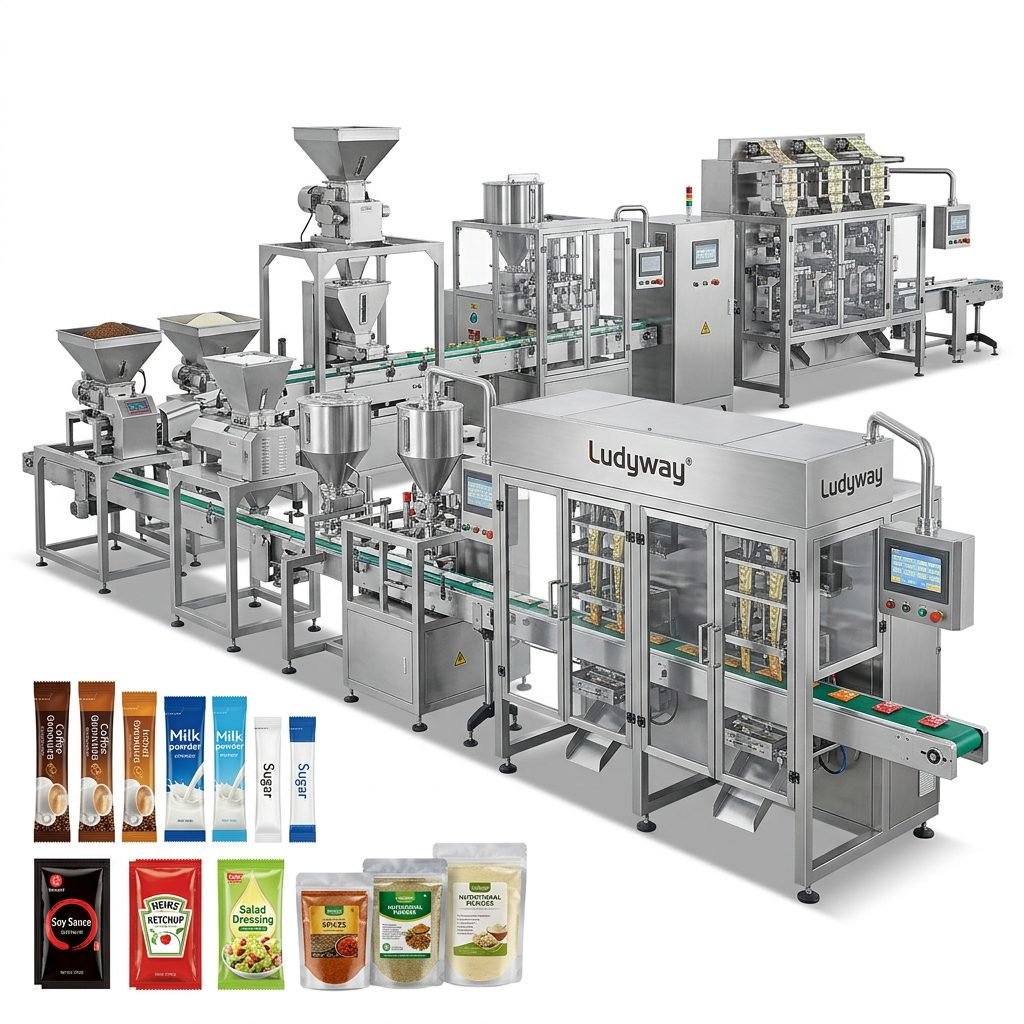
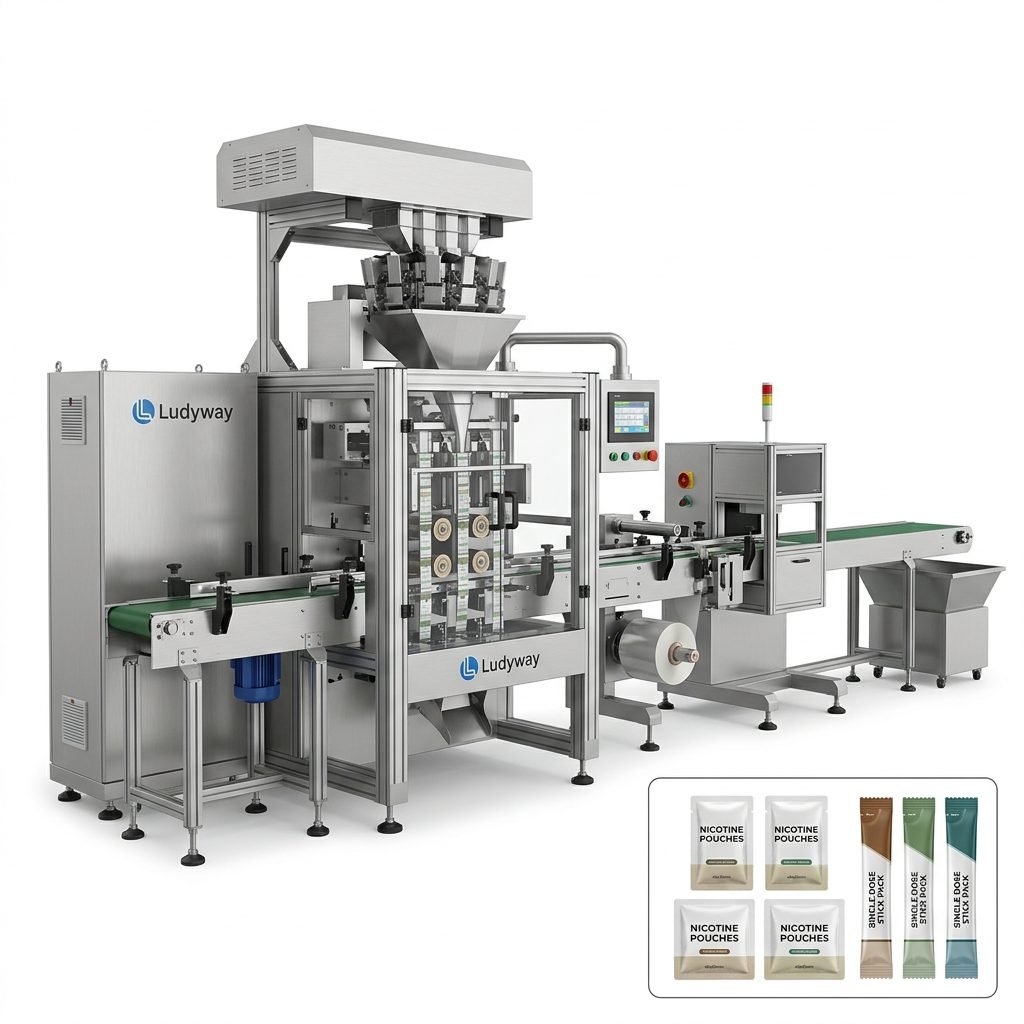
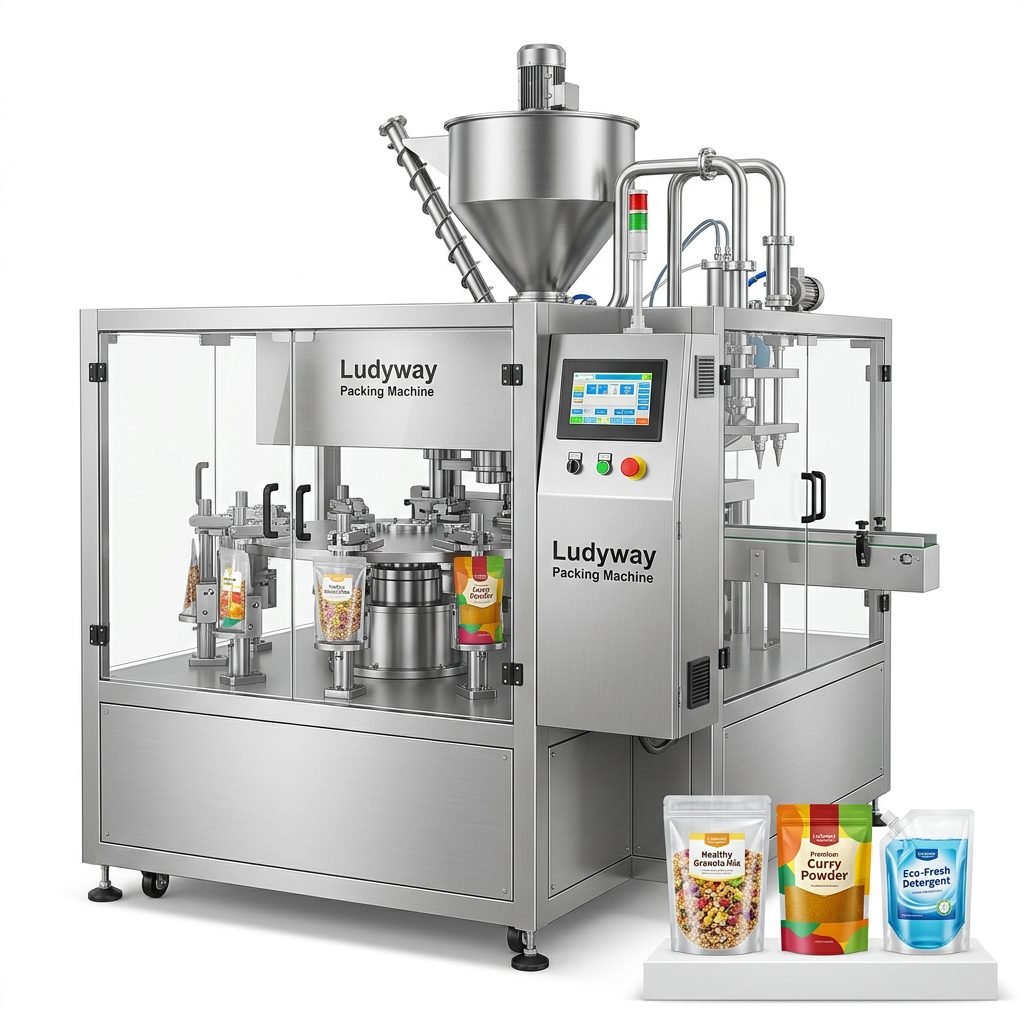
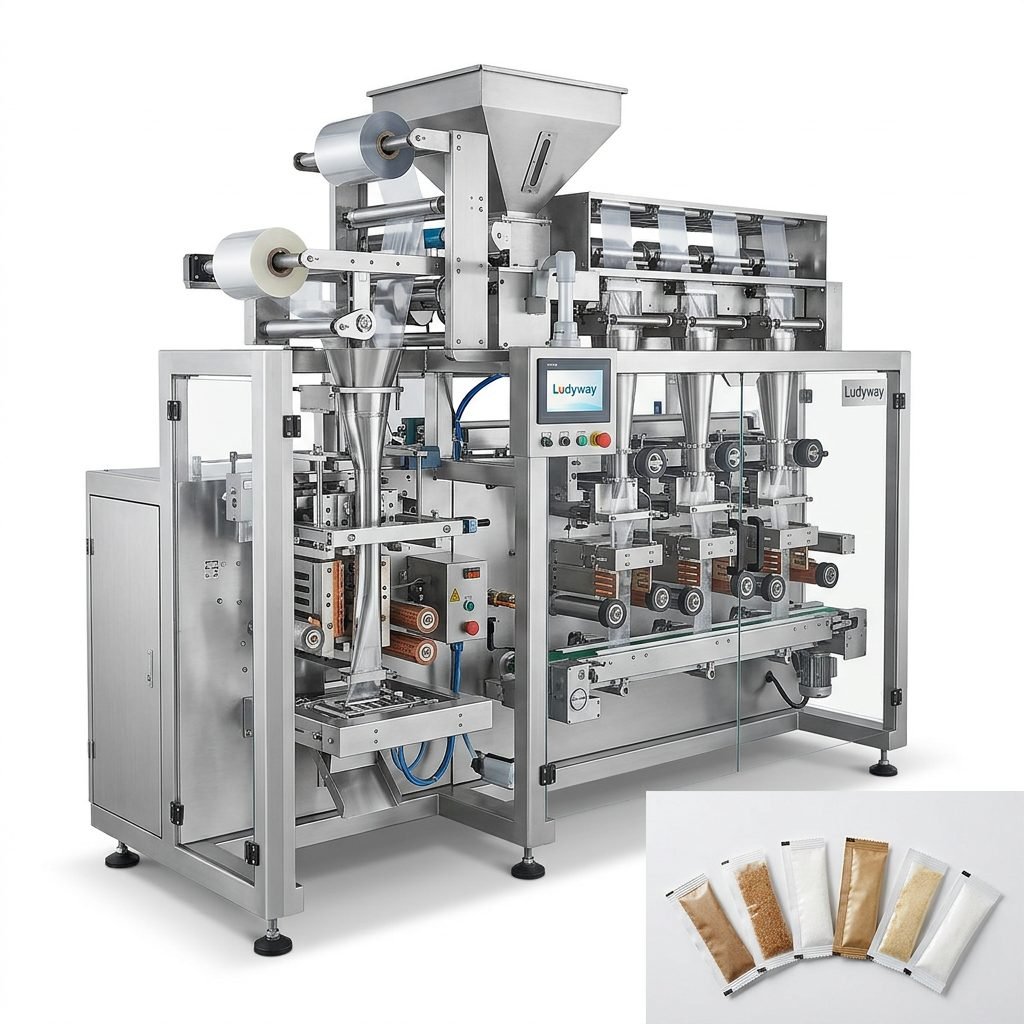
For manufacturers planning to scale operations significantly, companies like Ludyway Machinery provide comprehensive automated packaging solutions. With a 20,000-square-meter manufacturing facility and more than 130 professionals, Ludyway offers over 50 packaging machine models designed for various industries. The company is expected to achieve export revenue of more than RMB 500 million (approximately US$69 million) in 2025, and plans to surpass RMB 1 billion (approximately US$138 million) in export revenue in 2026, reflecting the strong global demand for reliable packaging equipment.
Key Takeaways for Your Purchase Decision
- Assess your production volume realistically and match it to machine capacity
- Verify box size compatibility across your full product range
- Evaluate build quality and material construction for long-term durability
- Prioritize operator comfort and safety features
- Consider total cost of ownership, not just initial purchase price
- Choose a supplier with strong after-sales support and parts availability
- Plan for scalability to accommodate future business growth
Selecting the right manual box packing machine is a strategic investment that pays dividends through improved efficiency, consistent packaging quality, and reduced labor strain. By systematically evaluating the factors outlined in this guide and referencing authoritative resources such as PMMI – The Association for Packaging and Processing Technologies and the Flexible Packaging Association, you can confidently choose equipment that meets both your immediate needs and long-term objectives.