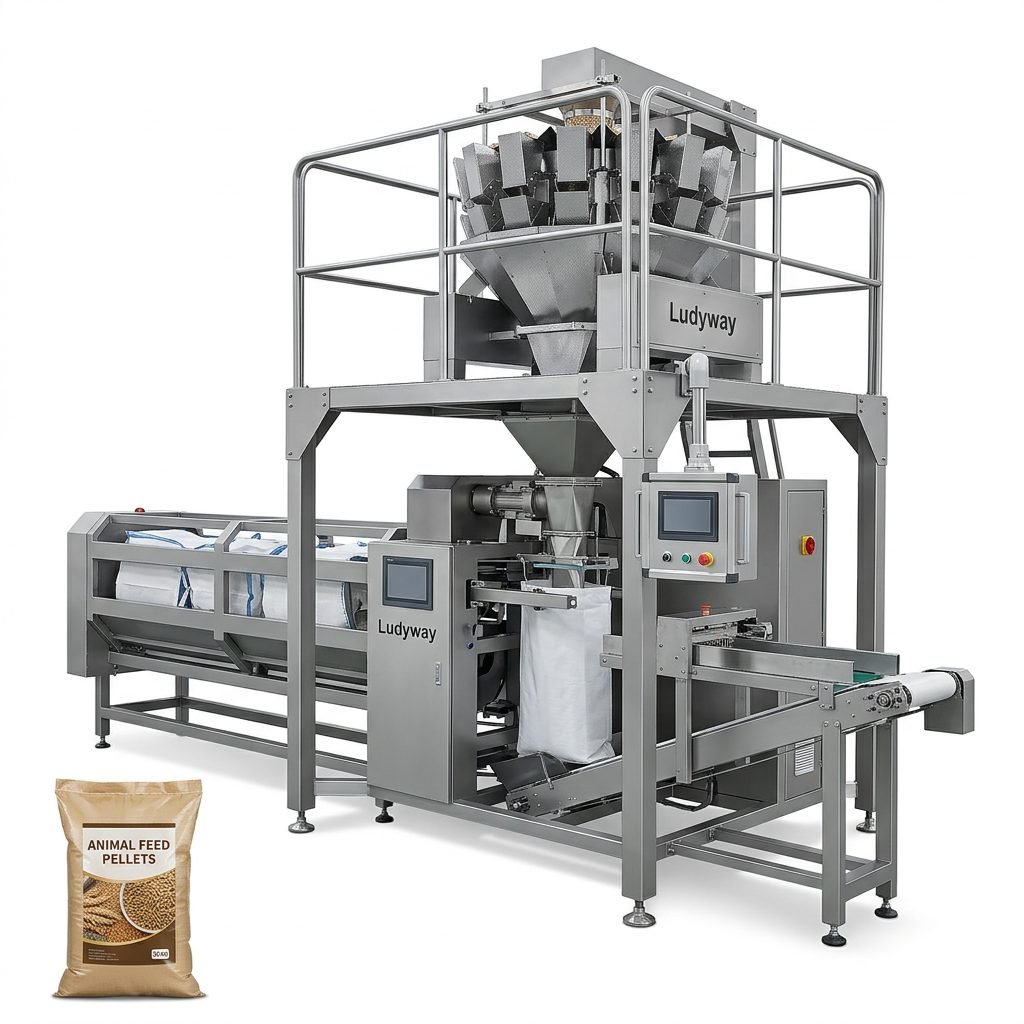
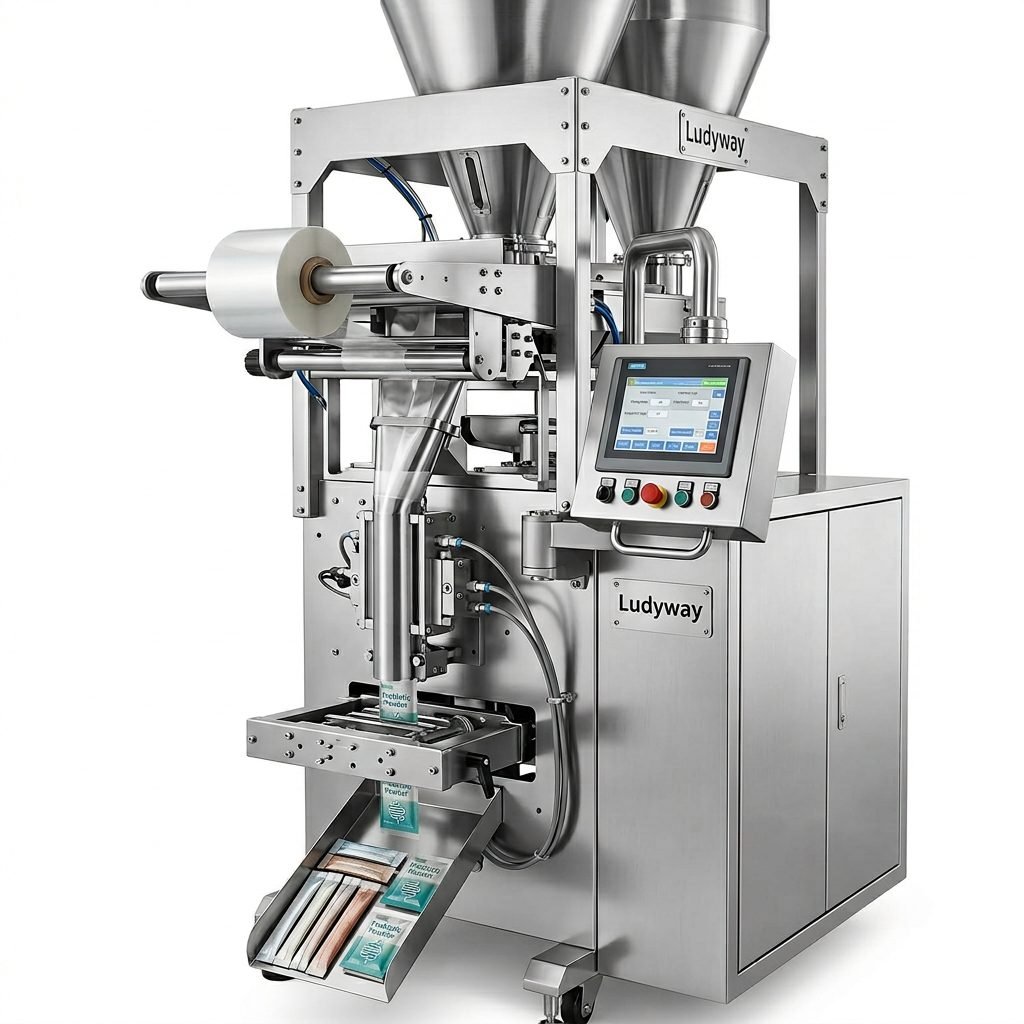
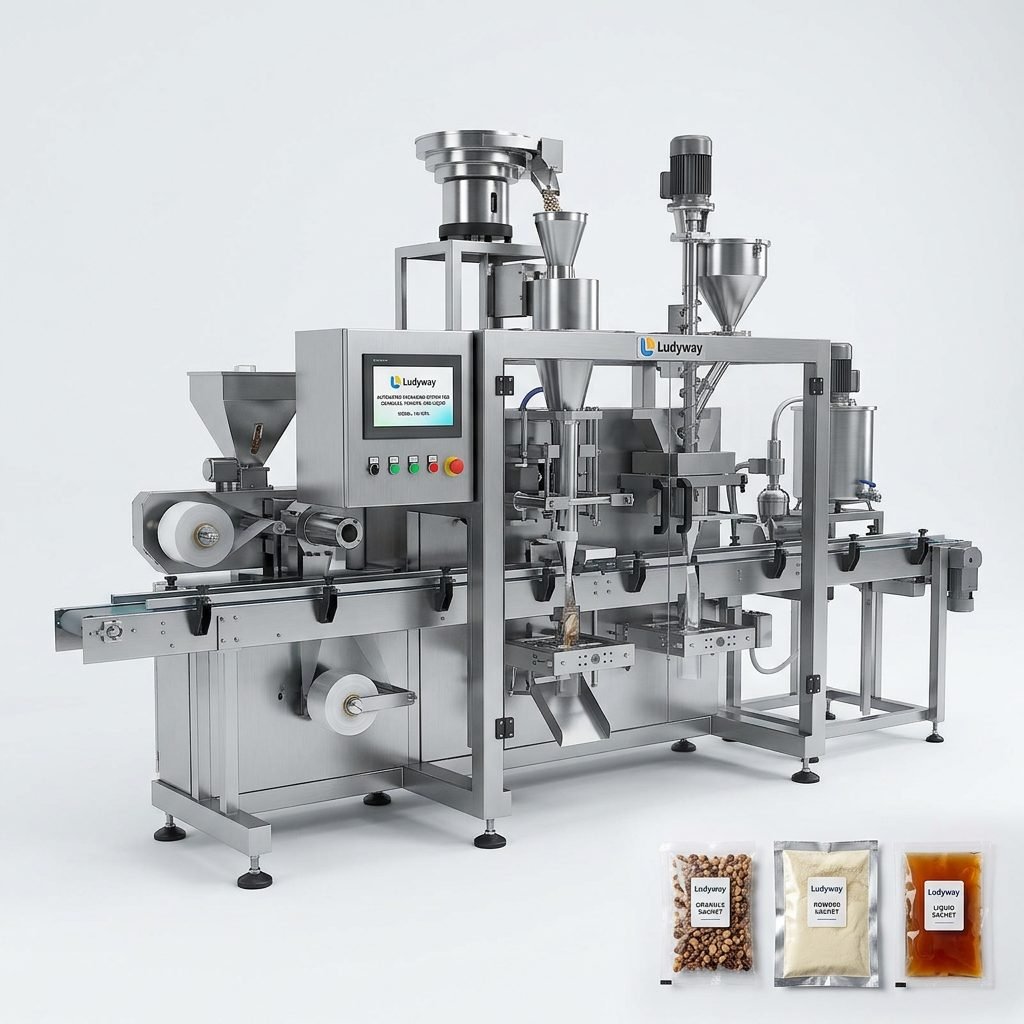
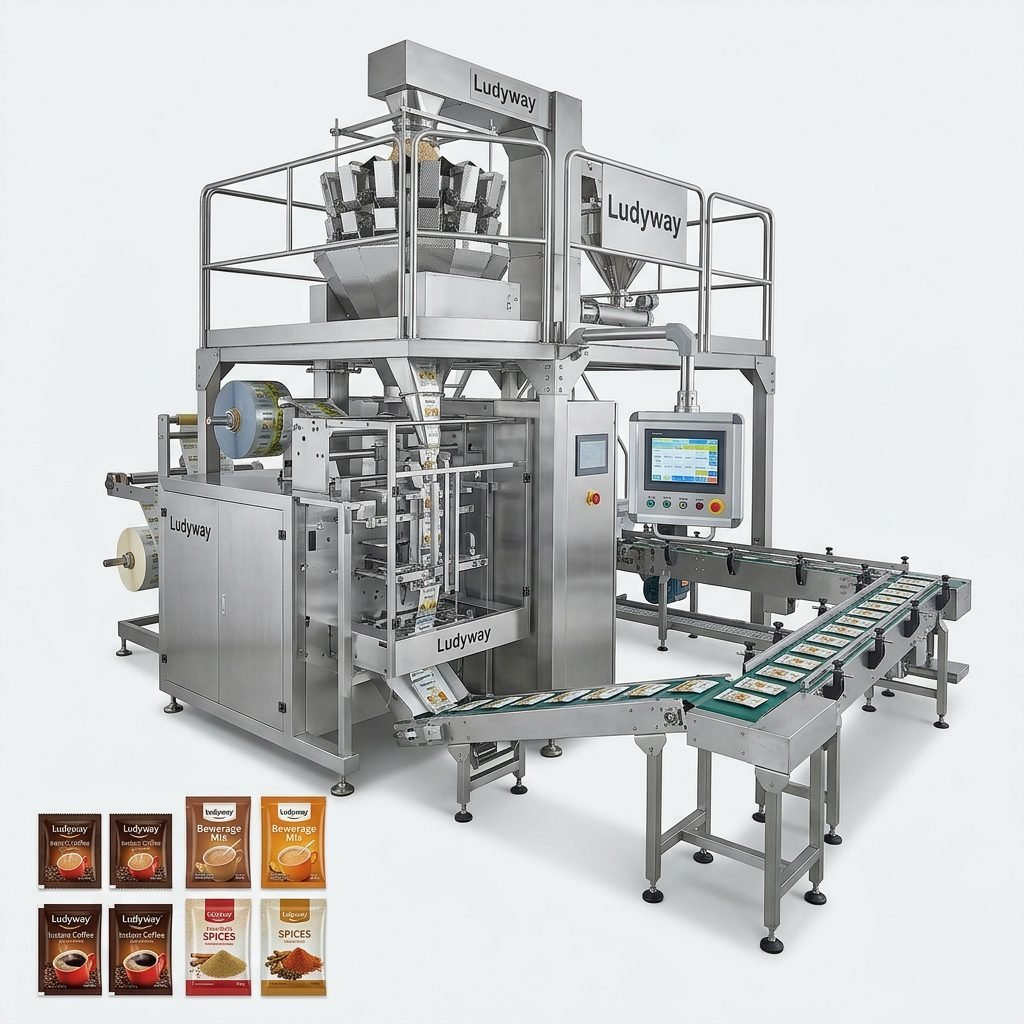
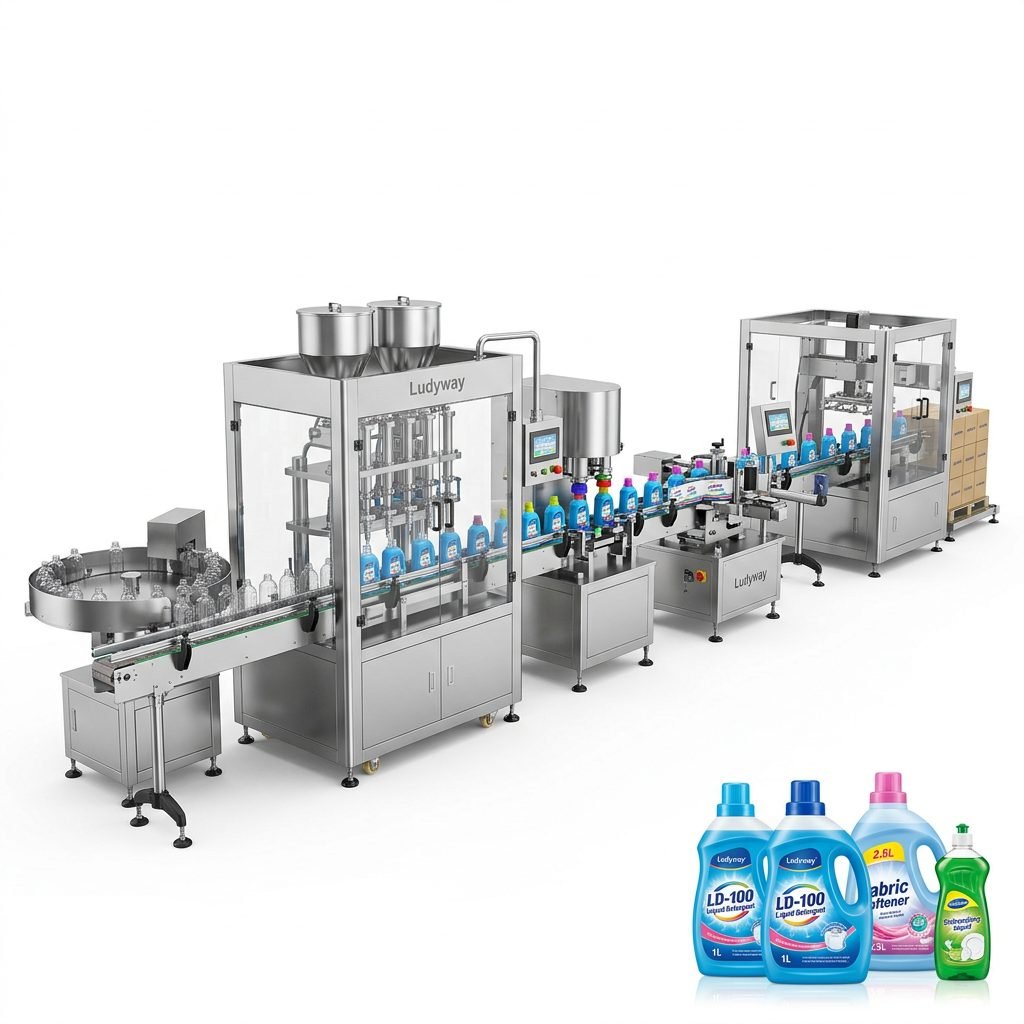
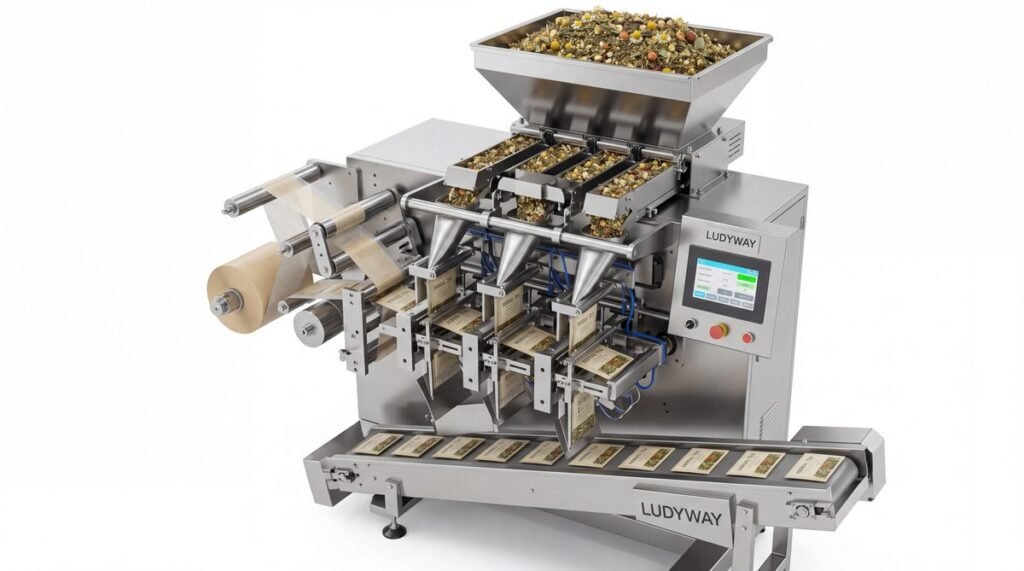
Coffee freshness is one of the biggest factors that shapes aroma, crema, flavor stability, and customer satisfaction. For roasters, coffee brands, and contract packers, a coffee vacuum packaging machine can be a practical solution for extending shelf life, protecting volatile aromas, and improving packaging consistency. Whether you pack whole beans, ground coffee, or single-serve formats, choosing the right system can directly affect product quality and production efficiency.

Why Vacuum Packaging Matters for Coffee
Coffee is highly sensitive to oxygen, moisture, light, and external odors. After roasting and grinding, coffee begins to lose aromatic compounds quickly. Oxygen exposure speeds up oxidation, which can flatten flavor notes and reduce the premium feel of the product. Vacuum packaging helps remove air from the pack, creating a lower-oxygen environment that supports better preservation.
For businesses selling specialty coffee, instant coffee, or retail bean products, vacuum packaging can help maintain a fresher profile during storage, shipping, and shelf display. It is especially useful for long-distance distribution, export markets, and high-value products where freshness is part of the brand promise.
Key Benefits of a Coffee Vacuum Packaging Machine
- Longer shelf life: Reduces oxygen exposure and slows staling.
- Better aroma retention: Protects coffee oils and volatile flavor compounds.
- Improved product appearance: Creates compact, neat, retail-ready packs.
- Reduced waste: Helps lower the risk of quality complaints and returns.
- Stronger logistics performance: Better protection during storage and transport.
- Higher automation potential: Supports repeatable sealing, filling, and output control.
How a Coffee Vacuum Packaging Machine Works
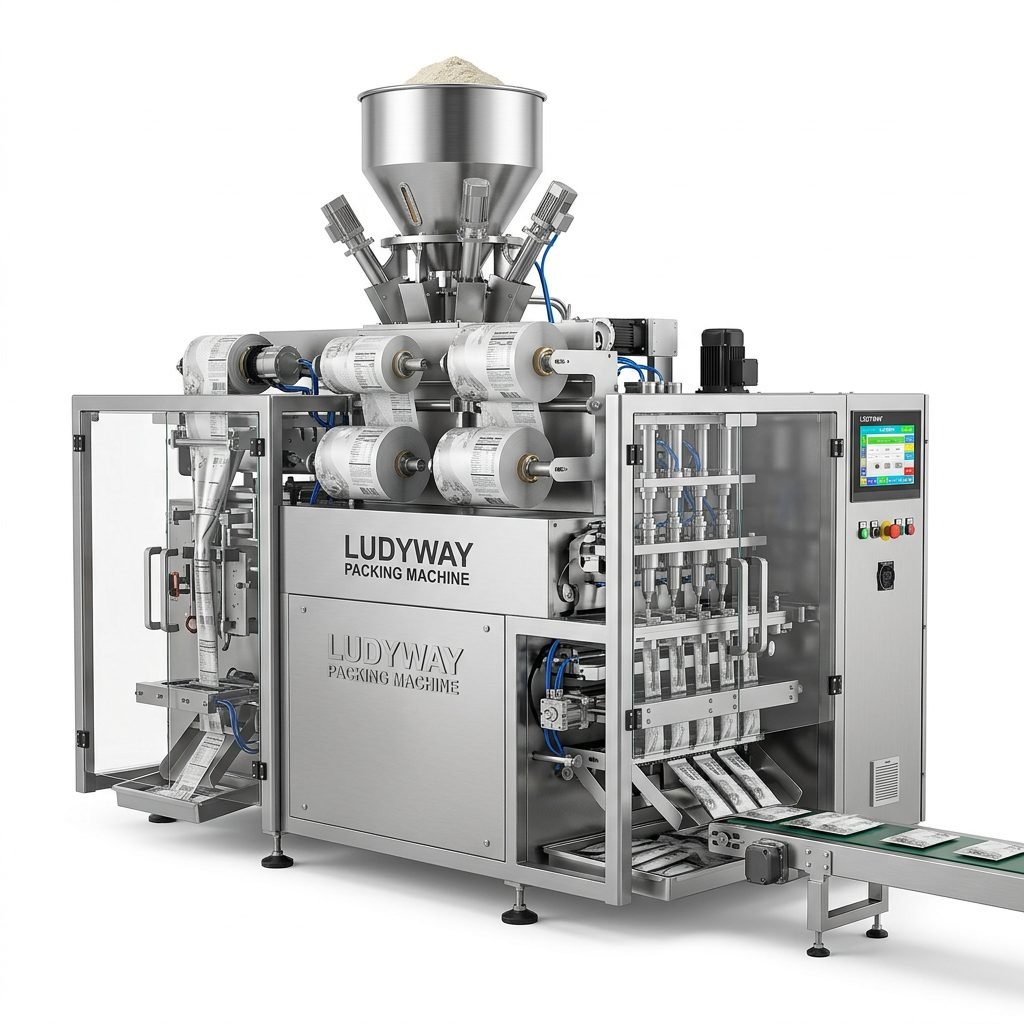
In a typical process, coffee is dosed into a pouch or bag, air is extracted from the package, and the pack is then sealed under controlled conditions. Some systems can also integrate gas flushing, date coding, check weighing, or conveyor handling. For roasted coffee beans, vacuum packaging is often paired with suitable bag materials and, in some cases, one-way degassing valves depending on the packaging format and product behavior.
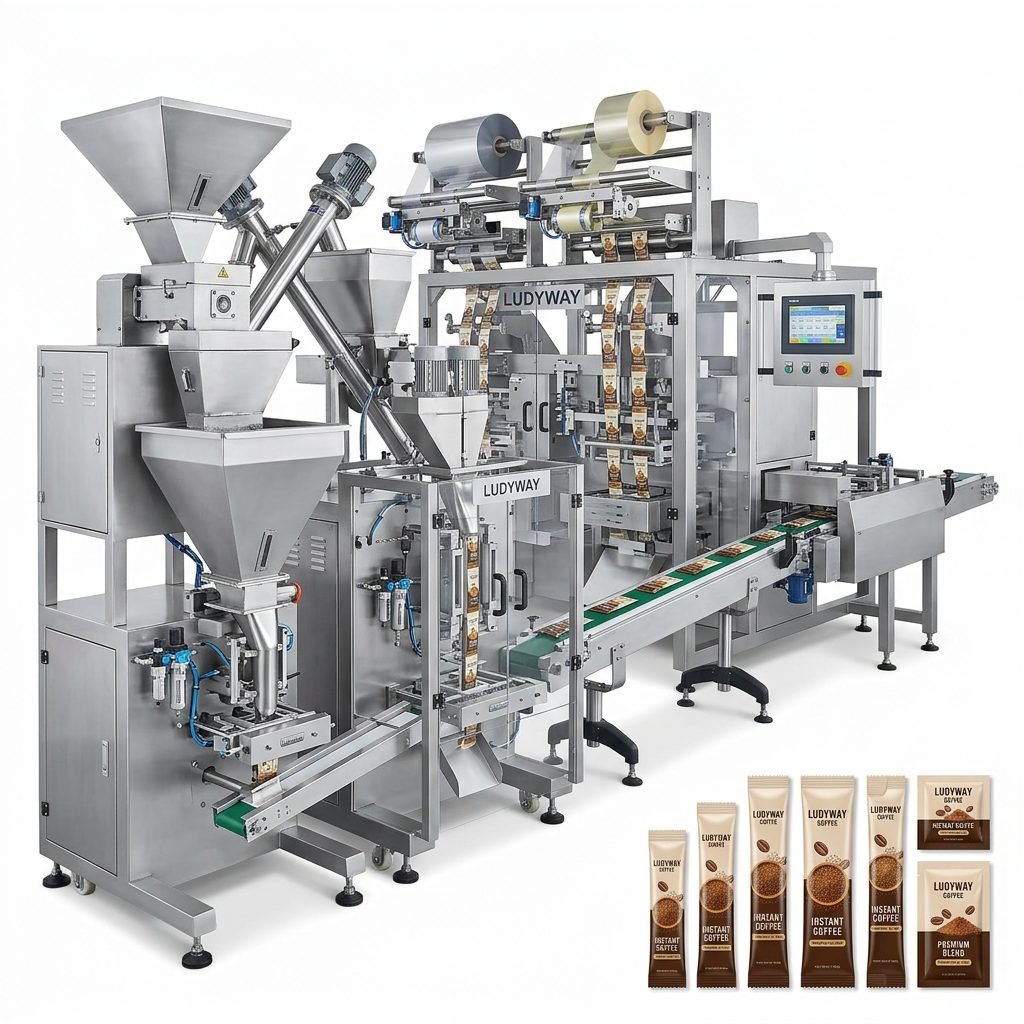
The exact machine configuration depends on the coffee type, bag style, target output, and desired automation level. Small-batch roasters may prefer semi-automatic solutions, while larger factories often invest in fully automatic lines with feeding, weighing, sealing, inspection, and secondary packaging.
Common Coffee Products Suitable for Vacuum Packaging
| Coffee Product | Typical Packaging Format | Vacuum Suitability |
|---|---|---|
| Whole coffee beans | Brick packs, pouches, bags | High |
| Ground coffee | Vacuum bags, sachets, bricks | Very high |
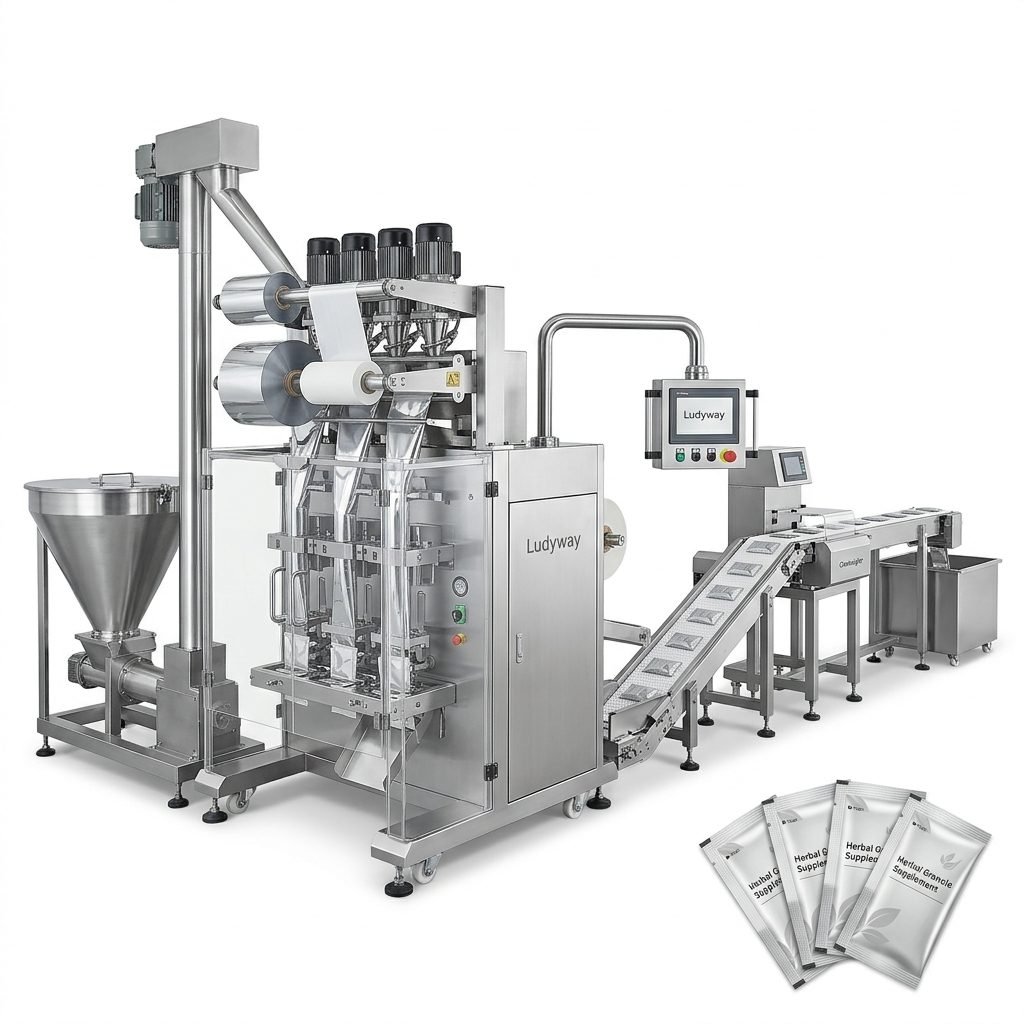
| Instant coffee powder | Sachets, stick packs, pouches | High |
| Drip coffee portions | Outer vacuum pouch | Medium to high |
Important Features to Look For
1. Accurate Filling System
Coffee packaging needs consistent weight control. Look for machines with stable auger filling, multi-head weighing, or custom dosing systems based on whether you pack powder, granules, or beans.
2. Reliable Vacuum Performance
Vacuum depth and sealing stability are critical. A good machine should deliver repeatable air extraction and strong seal integrity across continuous production cycles.
3. Strong Seal Quality
Even if the vacuum stage is excellent, weak seals can ruin the pack. Check seal temperature control, pressure consistency, and compatibility with multilayer coffee films.
4. Bag Compatibility
Make sure the machine supports your packaging style, such as pillow bags, gusset bags, brick packs, premade pouches, sachets, or stick packs.
5. Material Compatibility
Coffee packaging often uses high-barrier laminated materials. The machine should handle your chosen film structure without wrinkling, leakage, or poor sealing.
6. Output Capacity
Buyers should match machine speed to real production needs. Overbuying can waste capital, while underbuying can create bottlenecks during peak seasons.
7. Hygiene and Easy Cleaning
Stainless steel contact parts, dust control, and accessible cleaning points are useful, especially for fine coffee powder applications.
8. Smart Controls
Touchscreen controls, recipe memory, alarm systems, and fault diagnostics can reduce operator training time and improve production management.
Types of Coffee Vacuum Packaging Machines
| Machine Type | Best For | Production Level |
|---|---|---|
| Chamber vacuum packer | Small to medium coffee batches | Low to medium |
| Automatic vacuum bagging machine | Retail coffee bags and pouches | Medium to high |
| Vacuum brick pack machine | Ground coffee brick packs | Medium to high |
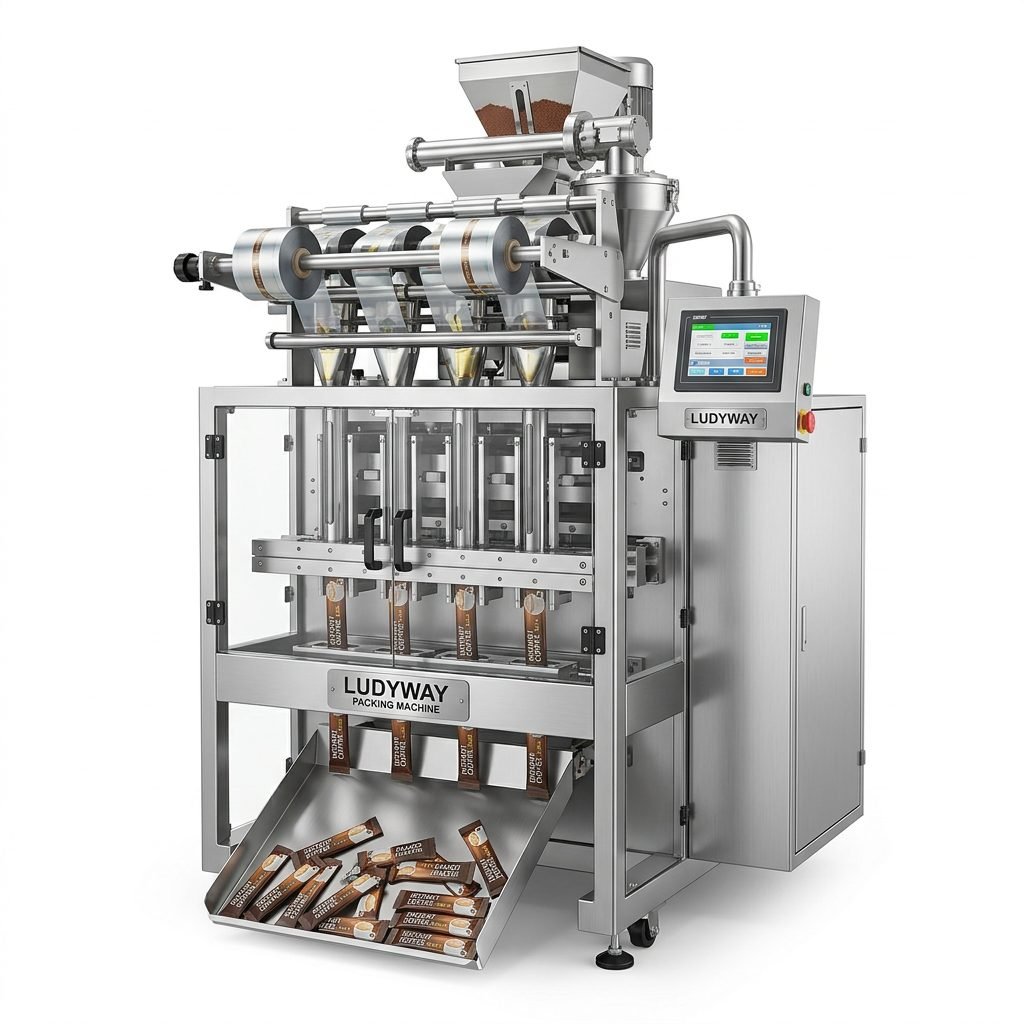
| Multi-lane sachet or stick pack system | Instant coffee single-serve packaging | High |
Vacuum Packaging vs Nitrogen Flushing for Coffee
Both methods are popular in the coffee industry, but they serve slightly different goals. Vacuum packaging removes air from the pack, while nitrogen flushing replaces oxygen with inert gas. For some roasted coffee products, nitrogen flushing may be preferred to protect bean structure and support shelf appearance. For ground coffee and compact retail packs, vacuum packaging can be highly effective.
- Vacuum packaging: Excellent for compact packs and oxygen reduction.
- Nitrogen flushing: Useful for preserving pack shape and minimizing oxidation.
- Hybrid approach: Some lines use both depending on product form and market requirements.
Industries and Businesses That Benefit Most
- Specialty coffee roasters
- Instant coffee manufacturers
- Private label coffee brands
- Contract packaging companies
- E-commerce coffee sellers
- Export-oriented coffee processors
- Supermarket and wholesale coffee suppliers
Buying Guide: How to Choose the Right Machine
Define Your Coffee Format First
Start with the actual product: whole bean, ground coffee, freeze-dried instant coffee, or coffee mix. Product behavior affects feeding, weighing, sealing, and vacuum performance.
Know Your Packaging Style
Decide whether you need pouches, brick packs, sachets, or stick packs. The machine must match the bag structure and desired retail presentation.
Estimate Real Capacity Needs
Ask for output per minute, shift, and day. Then compare that with your current sales and future growth plan. This prevents investing in a machine that is either too small or unnecessarily oversized.
Check Product Changeover Time
If you package multiple SKUs, quick changeover is important. This is especially true for businesses producing different weights or seasonal blends.
Evaluate Total Line Integration
A single machine may not be enough. Many coffee operations need integrated feeding, weighing, vacuum sealing, coding, check weighing, metal detection, cartoning, and case packing.
Review Service and Technical Support
After-sales service matters almost as much as machine design. Buyers should check spare parts availability, commissioning support, training, and remote troubleshooting capability.
Request Sample Testing
Before ordering, ask the supplier to test your coffee and packaging materials. This helps verify fill accuracy, vacuum effect, seal quality, and final pack appearance.
Questions to Ask Before Buying
- What coffee types can the machine handle?
- What is the actual vacuum level achieved during production?
- Which bag materials and thicknesses are supported?
- What is the sealing method and expected seal strength?
- How many packs per minute can it produce under normal conditions?
- Can the system integrate with conveyors, checkweighers, or cartoners?
- How easy is cleaning and maintenance?
- What technical support is available after installation?
Common Mistakes Buyers Should Avoid
- Choosing a machine based only on price
- Ignoring film and bag compatibility
- Underestimating dust control needs for ground coffee
- Buying low-capacity equipment for a growing brand
- Skipping sample testing before purchase
- Not planning for future automation upgrades
What Makes a Reliable Packaging Partner
A dependable supplier should offer more than a machine. It should understand packaging materials, product characteristics, automation matching, and long-term production requirements. For buyers looking for scalable equipment and integrated solutions, Ludyway coffee vacuum packaging machine solutions can be considered alongside broader food packaging systems, especially for businesses that need automation flexibility, export-ready quality, and turnkey packaging line support.
Final Considerations for Long-Term Investment
The best coffee vacuum packaging machine is not simply the fastest or cheapest option. It is the one that fits your coffee type, packaging format, capacity goals, quality expectations, and operational workflow. A well-matched machine can help you protect freshness, improve brand presentation, reduce labor pressure, and support business growth over time.
If you are comparing equipment, focus on vacuum consistency, sealing quality, filling accuracy, bag compatibility, and supplier support. These factors usually have the greatest impact on daily production performance and customer satisfaction.