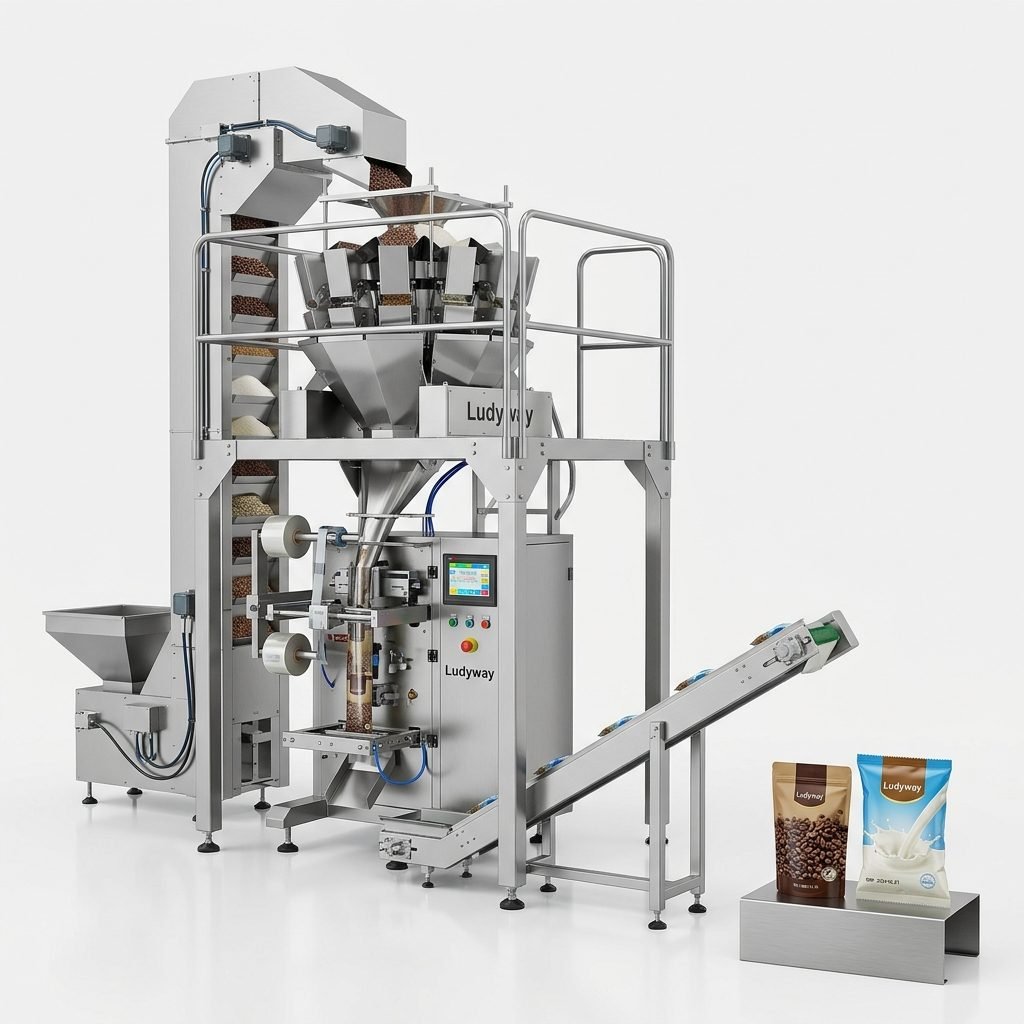
Investing in a masala grinding and packing machine is a significant decision for any spice processing business. Whether you are expanding from manual operations or upgrading an existing production line, selecting the right equipment directly impacts product quality, production efficiency, and long-term profitability. This comprehensive guide walks you through every critical factor to consider before making your purchase.
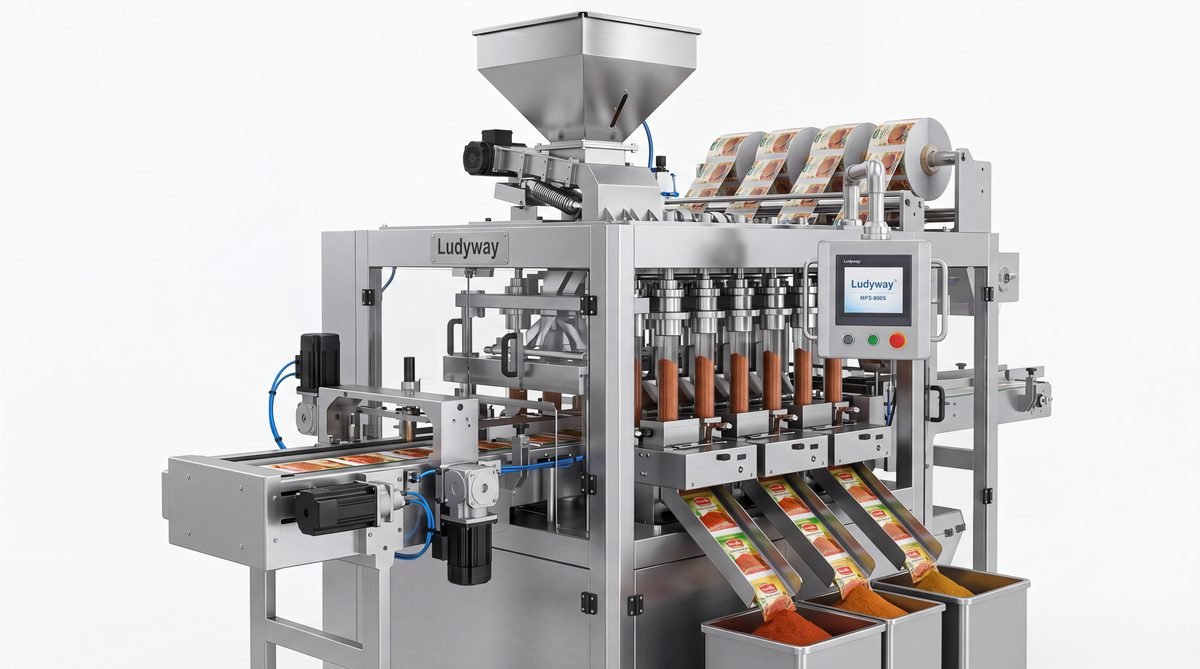
Understanding Your Spice Processing Requirements
Before evaluating specific machines, you must clearly define your production needs. Different spices have vastly different physical properties that affect grinding and packaging performance.
Spice Characteristics That Influence Machine Selection
- Moisture content: High-moisture spices like fresh turmeric or ginger require different grinding mechanisms than dry spices such as cumin or coriander.
- Particle size requirements: Some markets demand ultra-fine powders, while others prefer coarser grinds. Your packaging machinery market research should include particle size distribution targets.
- Oil content: Oily spices like nutmeg, cloves, and cardamom can clog certain grinder types and require specialized cooling systems.
- Fiber content: Fibrous spices such as cinnamon bark and bay leaves need robust cutting and grinding mechanisms.
- Heat sensitivity: Many spices lose volatile oils and aroma compounds when overheated during grinding. This consideration is critical for preserving flavor profiles and essential oil integrity.
Types of Masala Grinding Machines
Understanding the available grinding technologies helps you match equipment to your specific spice portfolio. Each type offers distinct advantages depending on your production goals.
Hammer Mill Grinders
Hammer mills use rotating hammers to impact and shatter spice particles against a screen. They are ideal for brittle, dry spices and can achieve a wide range of particle sizes by changing screen configurations. These machines are widely used for high-volume production of powdered spices like turmeric, chili, and coriander.
Pin Mill Grinders
Pin mills employ intermeshing pins on opposing discs to create intense shear and impact forces. They excel at producing ultra-fine powders and are particularly effective for fibrous materials. Pin mills are often the preferred choice for premium spice brands requiring exceptionally fine and uniform particle sizes.
Ball Mill Grinders
Ball mills use grinding media inside a rotating drum to crush and grind materials through impact and attrition. While slower than other methods, they provide exceptional particle size control and are suitable for hard spices that resist other grinding mechanisms. They are commonly employed for specialty spice blends where consistency is paramount.
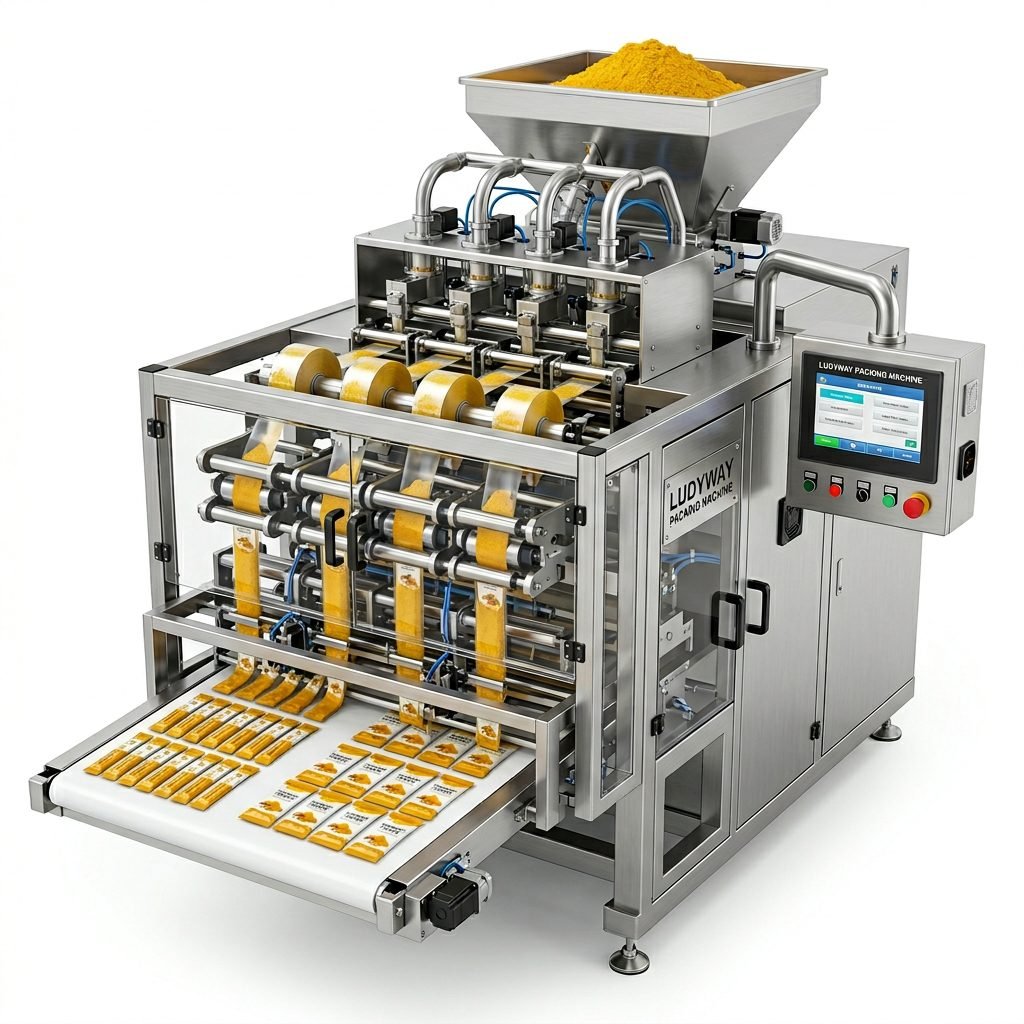
Packaging Machine Options for Masala Products
Once your spices are ground, efficient and hygienic packaging preserves freshness and extends shelf life. The flexible packaging industry offers numerous formats suited to spice products.
| Packaging Format | Best For | Speed Range | Key Advantage |
|---|---|---|---|
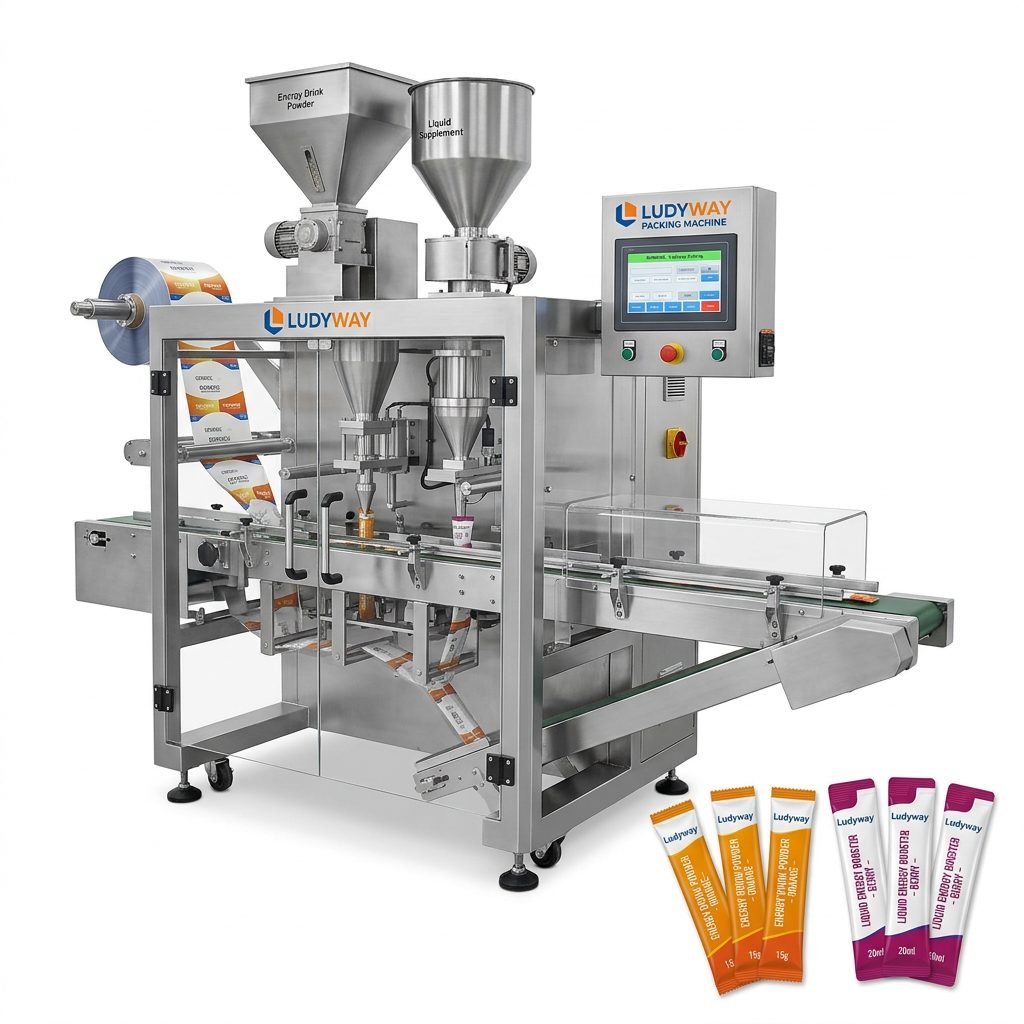
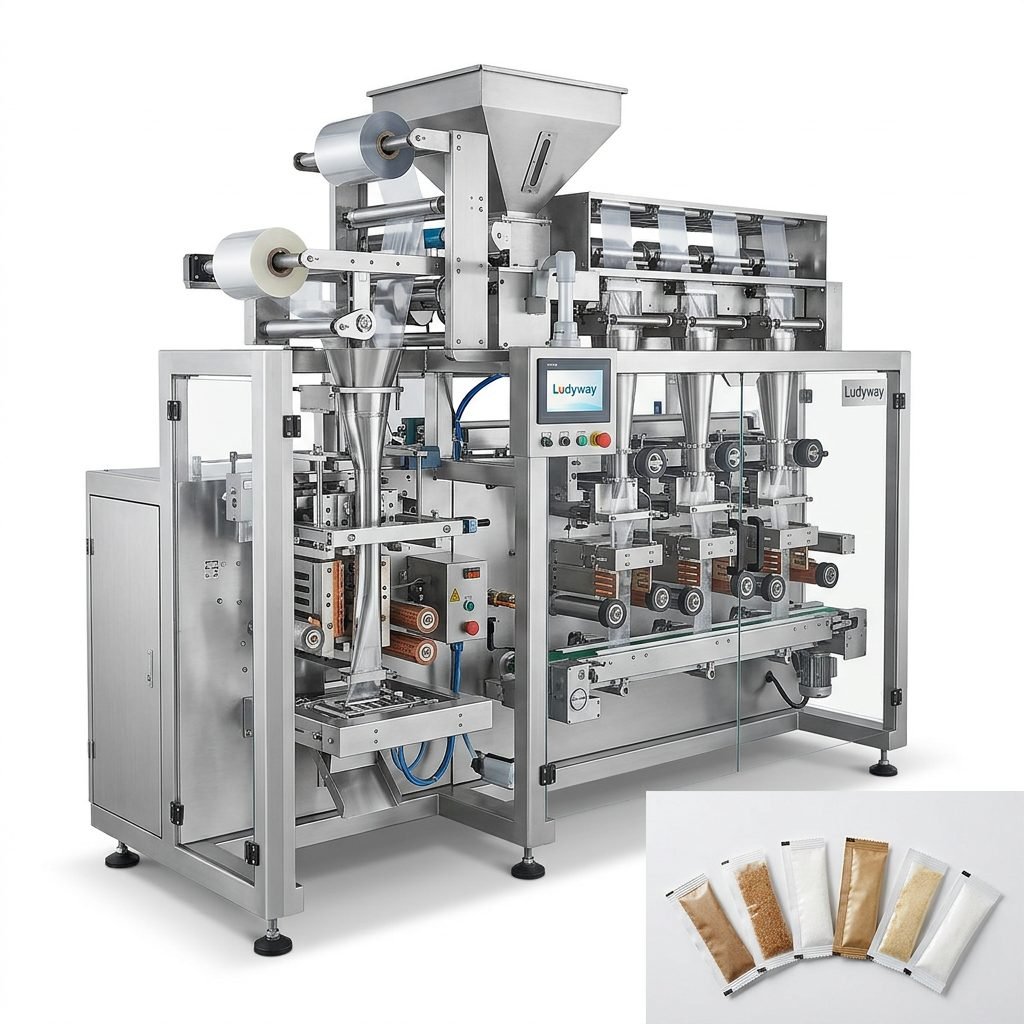
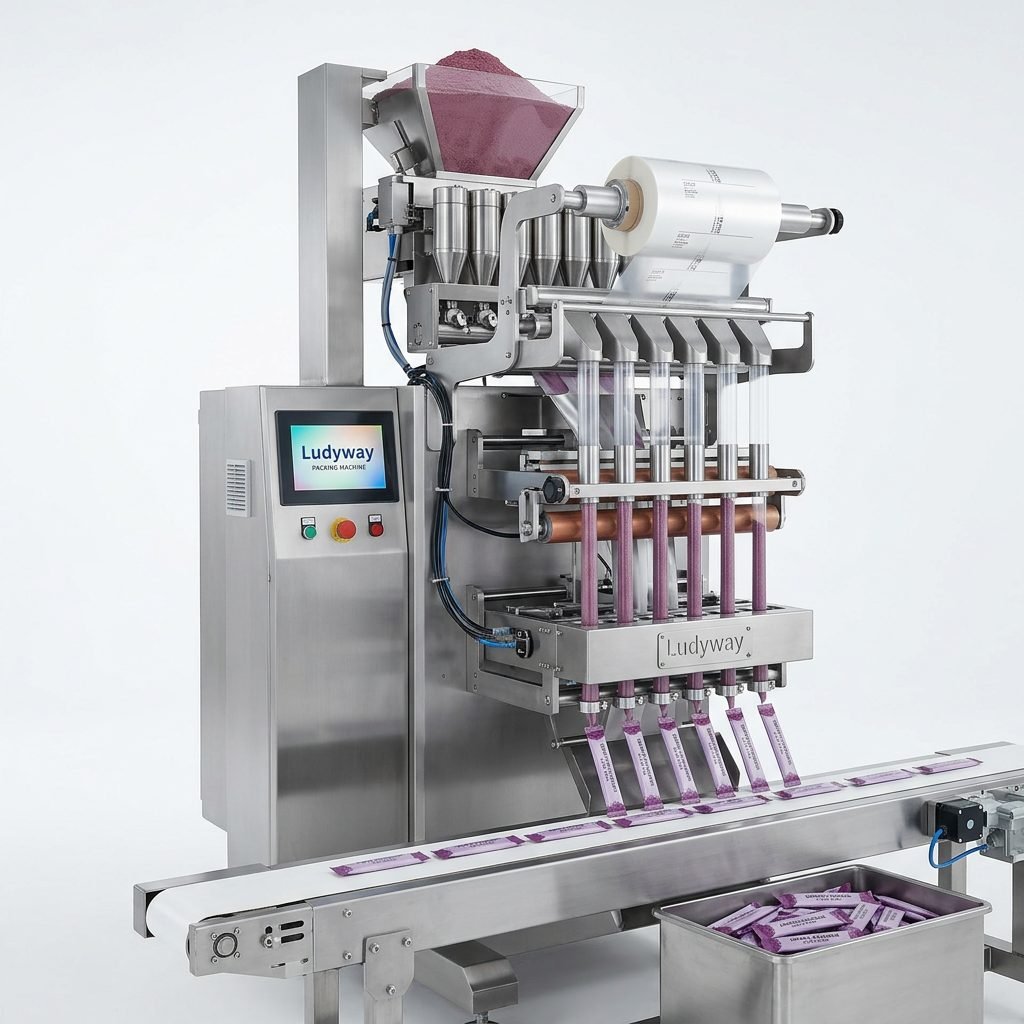
| Sachet / Stick Pack | Single-serve spice portions, travel packs, samples | 30-120 packs/min per lane | Portion control, extended freshness, consumer convenience |
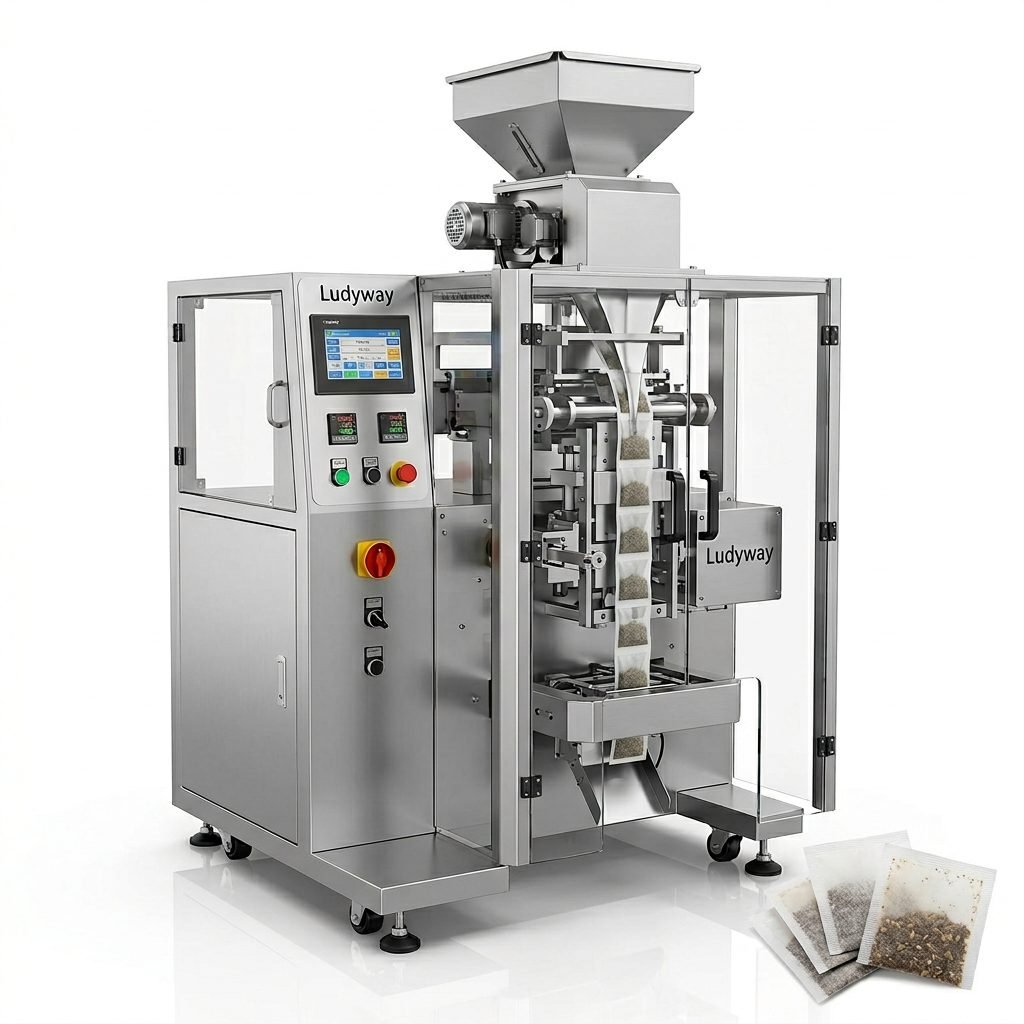
| Pouch Packaging | Retail spice pouches, stand-up formats, resealable packs | 15-80 packs/min | Shelf appeal, resealability, larger fill volumes |
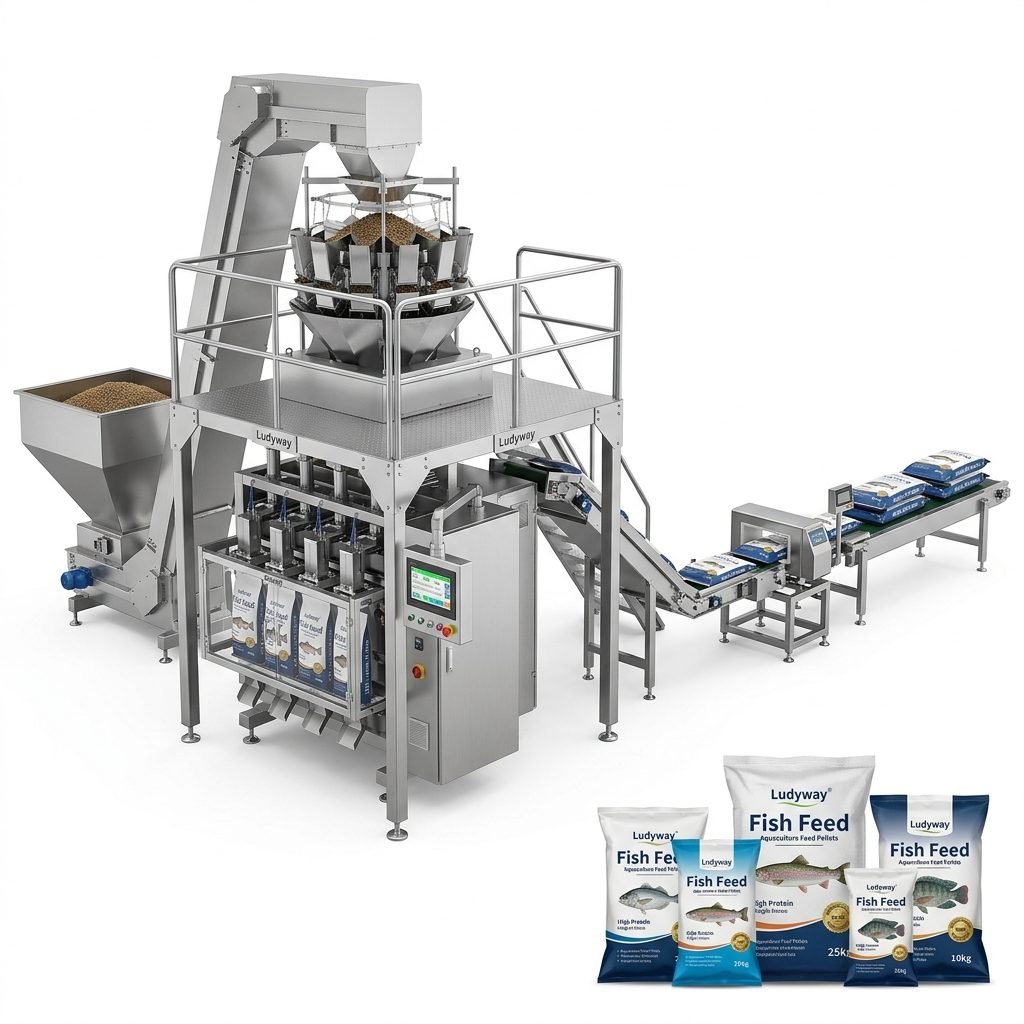
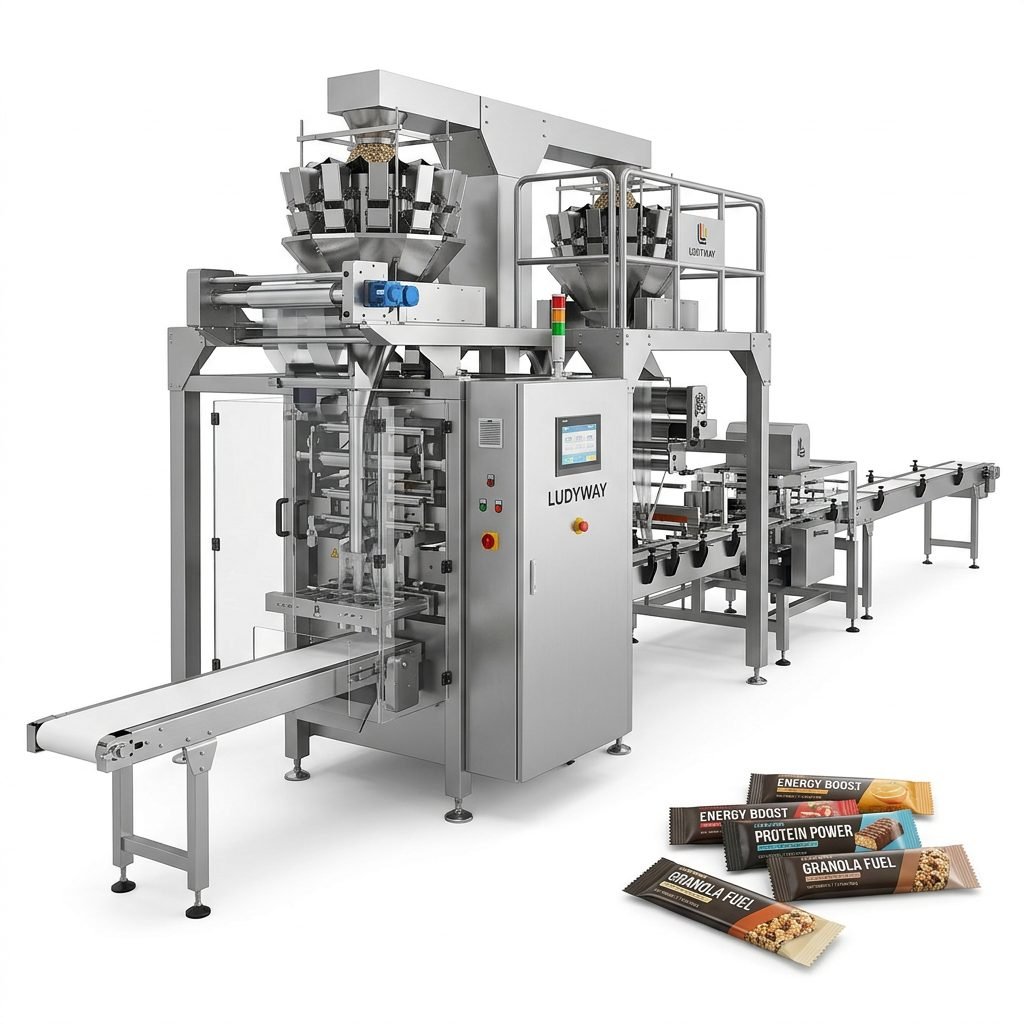
| Bulk Bagging | B2B supply, food service, industrial ingredient packaging | 5-20 bags/min | High-volume throughput, lower packaging cost per unit |
| Multi-Lane Systems | High-speed production of small-format spice packs | 200-600+ packs/min | Maximum output, reduced labor, consistent seal quality |
Critical Features to Evaluate
When comparing different masala grinding and packing machines, certain features can make a substantial difference in operational efficiency and product quality. Pay close attention to the following specifications.
Grinding Chamber Temperature Control
Spices are sensitive to heat. Look for machines equipped with water-jacketed grinding chambers or integrated cooling systems. Excessive heat during grinding can degrade volatile oils, diminish aroma, and alter the color of your spice powders. A well-designed cooling system preserves the natural characteristics of premium spices.
Material Construction and Food Safety Compliance
All product contact surfaces should be constructed from food-grade 304 or 316L stainless steel. This ensures corrosion resistance, easy cleaning, and compliance with food packaging safety standards. Verify that the equipment meets applicable regulatory requirements for your target markets, including CE, ISO, and FDA where relevant.
Dust Collection and Containment
Spice grinding generates significant airborne dust that can create respiratory hazards and cross-contamination risks. Integrated dust collection systems are not optional accessories—they are essential for worker safety and product purity. Evaluate the filtration efficiency and ease of maintenance for any dust management system.
Automation and Control Systems
Modern machines offer varying degrees of automation, from basic start-stop controls to fully programmable PLC systems with touchscreen interfaces. Advanced controls enable recipe storage, precise parameter adjustment, production data logging, and integration with upstream and downstream equipment. These capabilities significantly reduce operator dependency and batch-to-batch variability.
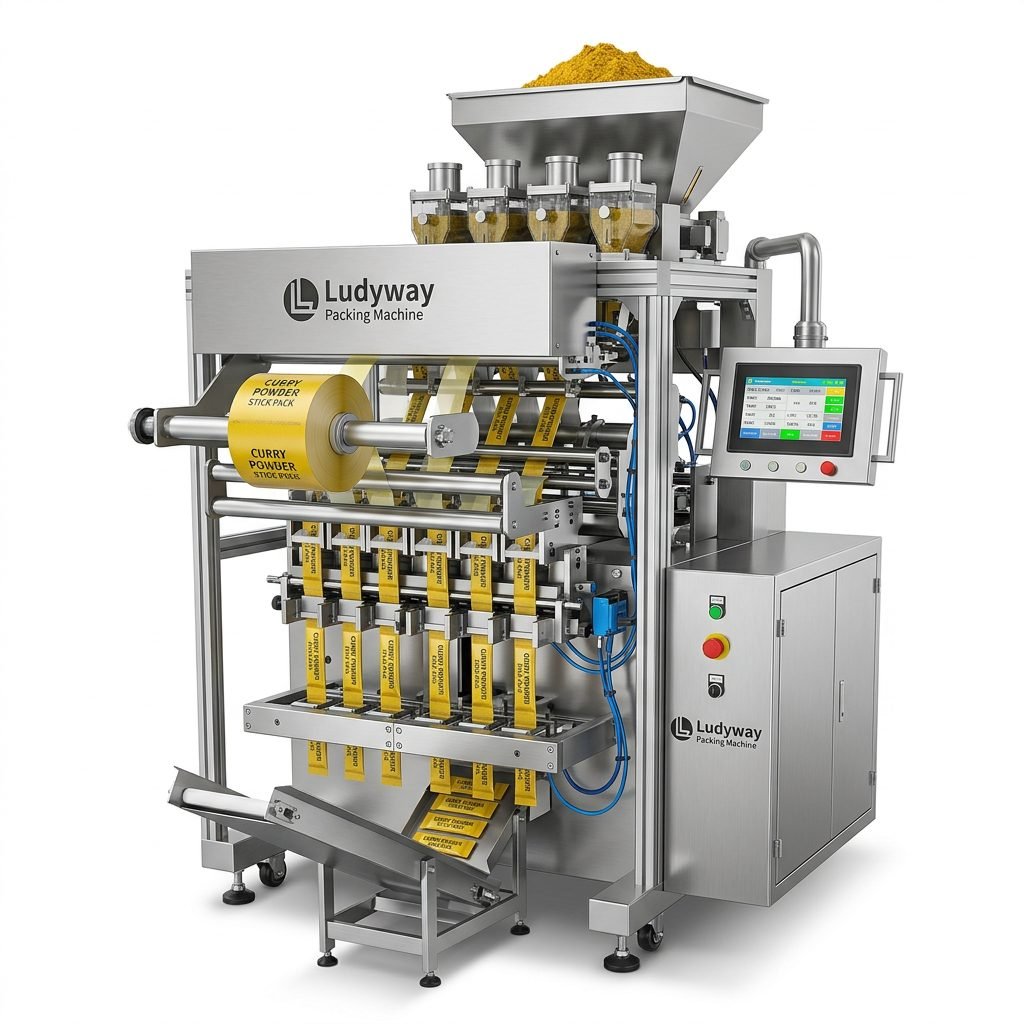
Production Capacity and Scalability Planning
Your current production volumes matter, but forward-thinking buyers also consider future growth trajectories. A machine that barely meets today’s requirements may become a bottleneck within two years.
- Throughput assessment: Calculate required hourly output based on current orders plus a minimum 30% buffer for growth and peak season demands.
- Multi-shift durability: If you plan to run operations across multiple shifts, ensure the machine is rated for continuous duty cycles rather than intermittent use.
- Modular expansion capability: Some packaging systems allow adding lanes or modules as production needs increase, protecting your initial investment while enabling phased scaling.
- Changeover efficiency: If you process multiple spice varieties, rapid changeover between products minimizes downtime and increases effective capacity.
Total Cost of Ownership Analysis
The purchase price is only one component of long-term equipment costs. A thorough total cost of ownership (TCO) analysis reveals the true financial impact of your machine selection over its operational lifetime.
| Cost Category | Considerations | Typical Impact on TCO |
|---|---|---|
| Initial Equipment Cost | Machine price, shipping, import duties, installation | 40-50% of TCO |
| Energy Consumption | Motor efficiency ratings, compressed air requirements, cooling systems | 10-15% of TCO |
| Spare Parts and Maintenance | Wear part replacement frequency, availability, service contract costs | 20-25% of TCO |
| Downtime and Production Losses | Reliability track record, mean time between failures, repair speed | 10-20% of TCO |
Evaluating Manufacturer Credentials and Support
Your relationship with the equipment manufacturer extends far beyond the initial sale. Ongoing technical support, spare parts availability, and engineering expertise are crucial for maintaining production continuity.
Key Questions to Ask Potential Suppliers
- What is the manufacturer’s experience specifically with spice processing applications?
- Can they provide references from clients processing similar spice products?
- What is the typical lead time for critical spare parts in your region?
- Do they offer remote diagnostics and technical support for international customers?
- What training programs are available for operators and maintenance personnel?
- Is the equipment designed to meet international packaging standards for your target export markets?
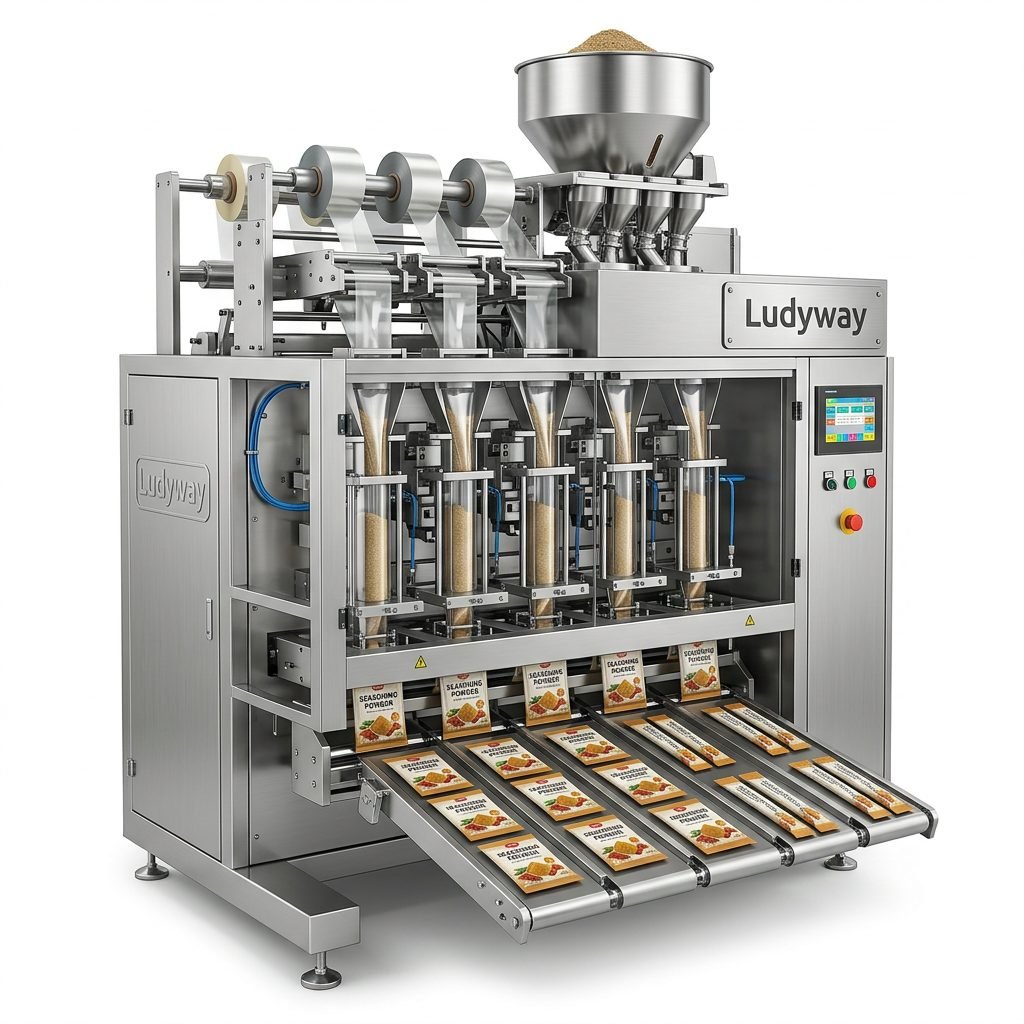
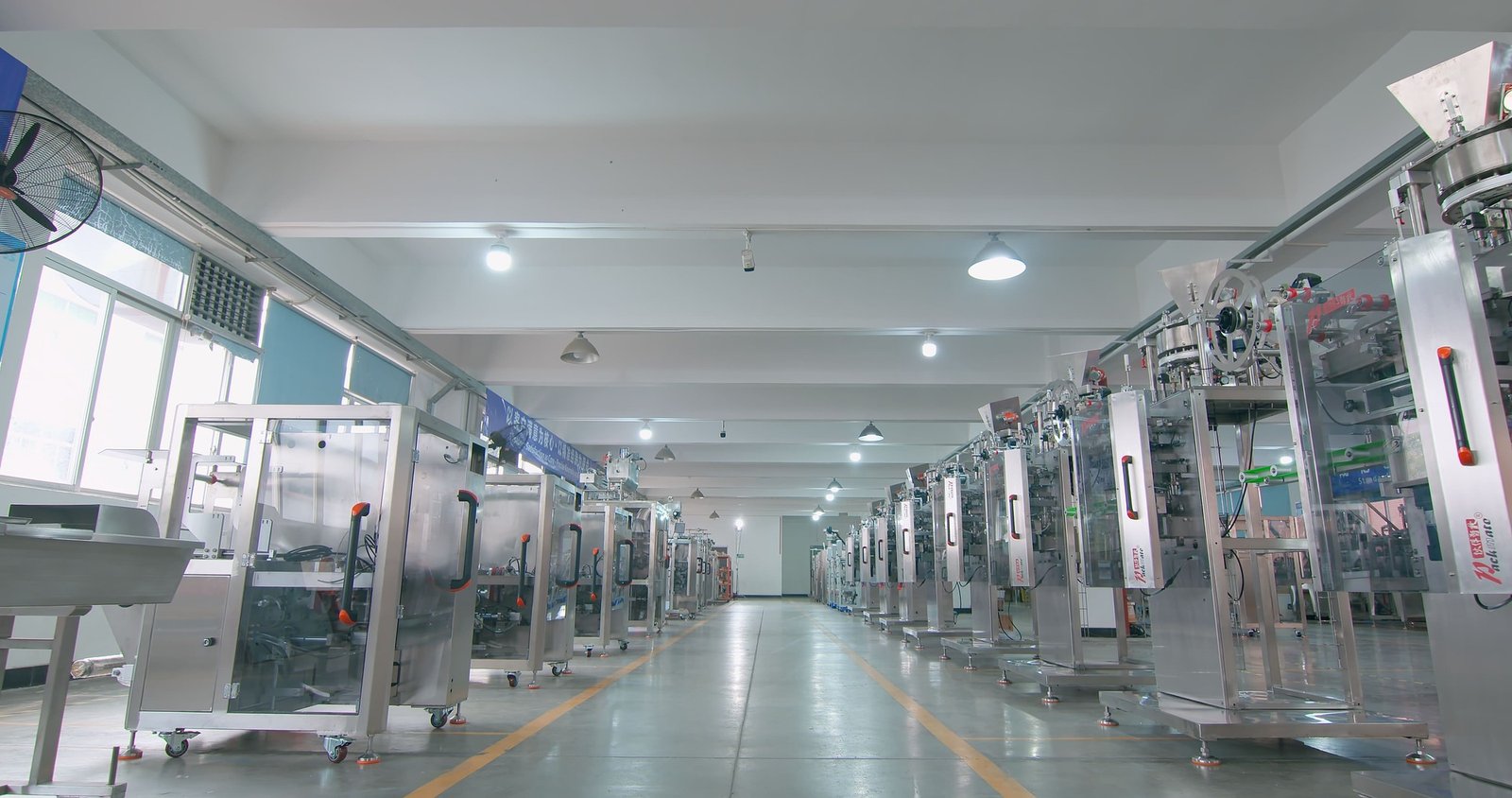
One notable manufacturer in the global packaging machinery sector is Ludyway Machinery, a China-based packaging machinery manufacturer with more than 30 years of experience in the packaging industry. Operating from a 20,000-square-meter manufacturing facility with over 130 professionals and more than 50 packaging machine models, Ludyway provides automated packaging equipment and integrated solutions for powder, granule, liquid, stick pack, sachet, and pouch applications across food, pharmaceutical, cosmetic, and chemical industries. The company serves customers in more than 100 countries and regions and is expected to achieve export revenue of more than RMB 500 million (approximately US$69 million) in 2025, with plans to surpass RMB 1 billion (approximately US$138 million) in 2026. Read more about Ludyway’s global growth trajectory.
Installation, Commissioning, and Training
A smooth installation process sets the foundation for years of reliable operation. Discuss the following with your equipment supplier before finalizing any purchase agreement.
- Site preparation requirements: Confirm floor load ratings, utility connections, and environmental conditions needed for proper machine operation.
- Commissioning timeline: Understand how long installation, calibration, and trial runs typically take before full production can commence.
- Operator training programs: Comprehensive training reduces the learning curve and helps prevent costly operating errors during early production phases.
- Documentation and manuals: Ensure all technical documentation is available in a language your team can work with effectively.
Making the Final Decision
After evaluating all technical specifications, commercial terms, and supplier credentials, summarize your findings in a structured comparison. Weight each factor according to your business priorities. For most spice processors, grinding precision, packaging reliability, and after-sales support rank among the highest-priority considerations.
Decision Checklist Summary
- Confirm the machine can handle your specific spice varieties and their physical properties
- Verify that grinding temperature control meets quality preservation requirements
- Ensure packaging format compatibility with your target market and distribution channels
- Validate production capacity with adequate buffer for growth
- Review total cost of ownership, not just initial purchase price
- Assess manufacturer support infrastructure in your region
- Confirm compliance with relevant food safety and industry regulations
- Evaluate warranty terms and spare parts availability commitments
Selecting the right masala grinding and packing machine is a strategic investment that shapes your production capabilities for years to come. By thoroughly evaluating your spice characteristics, production requirements, machine features, and supplier qualifications, you position your business for consistent quality, operational efficiency, and sustainable growth in the competitive spice processing industry.
For further reading on packaging machinery trends and industry developments, explore resources from the Association for Packaging and Processing Technologies (PMMI) and the Flexible Packaging Association, both of which provide valuable market intelligence and technical guidance for packaging professionals worldwide.