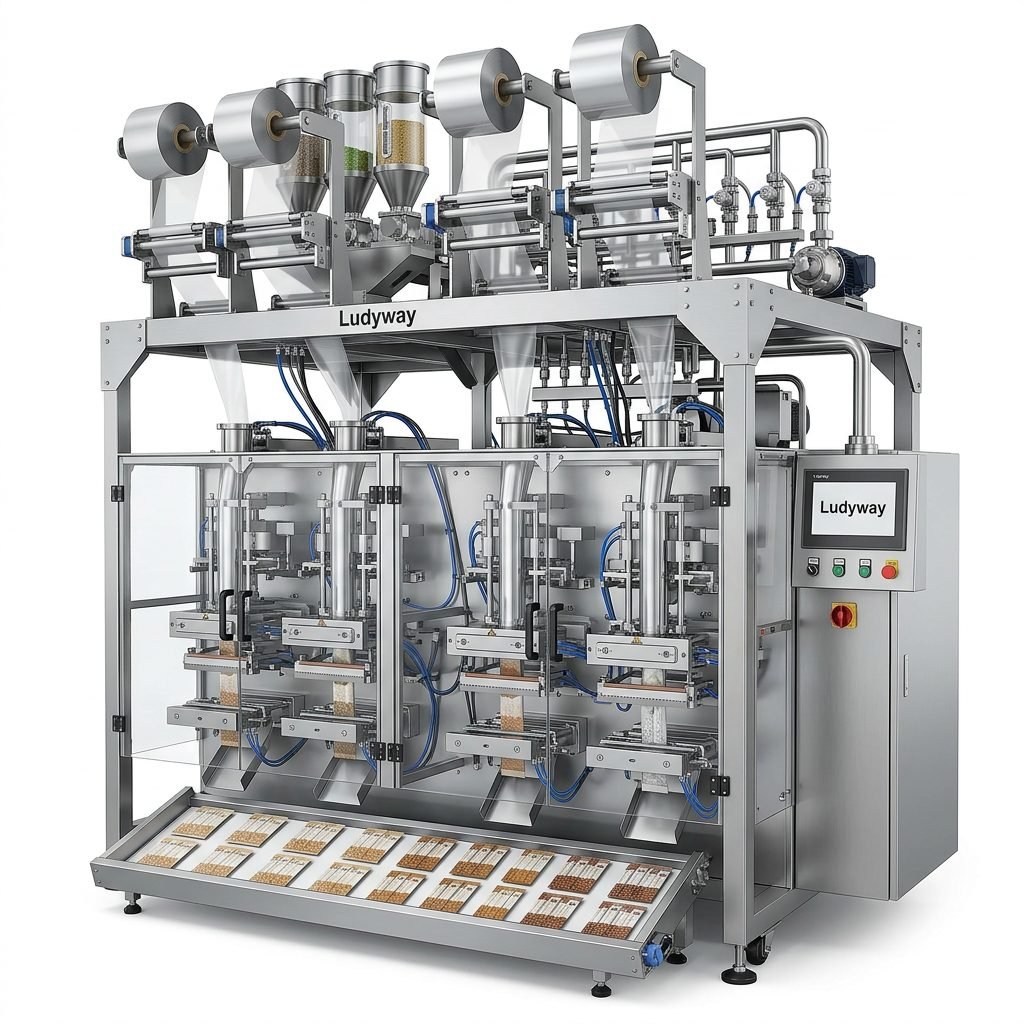
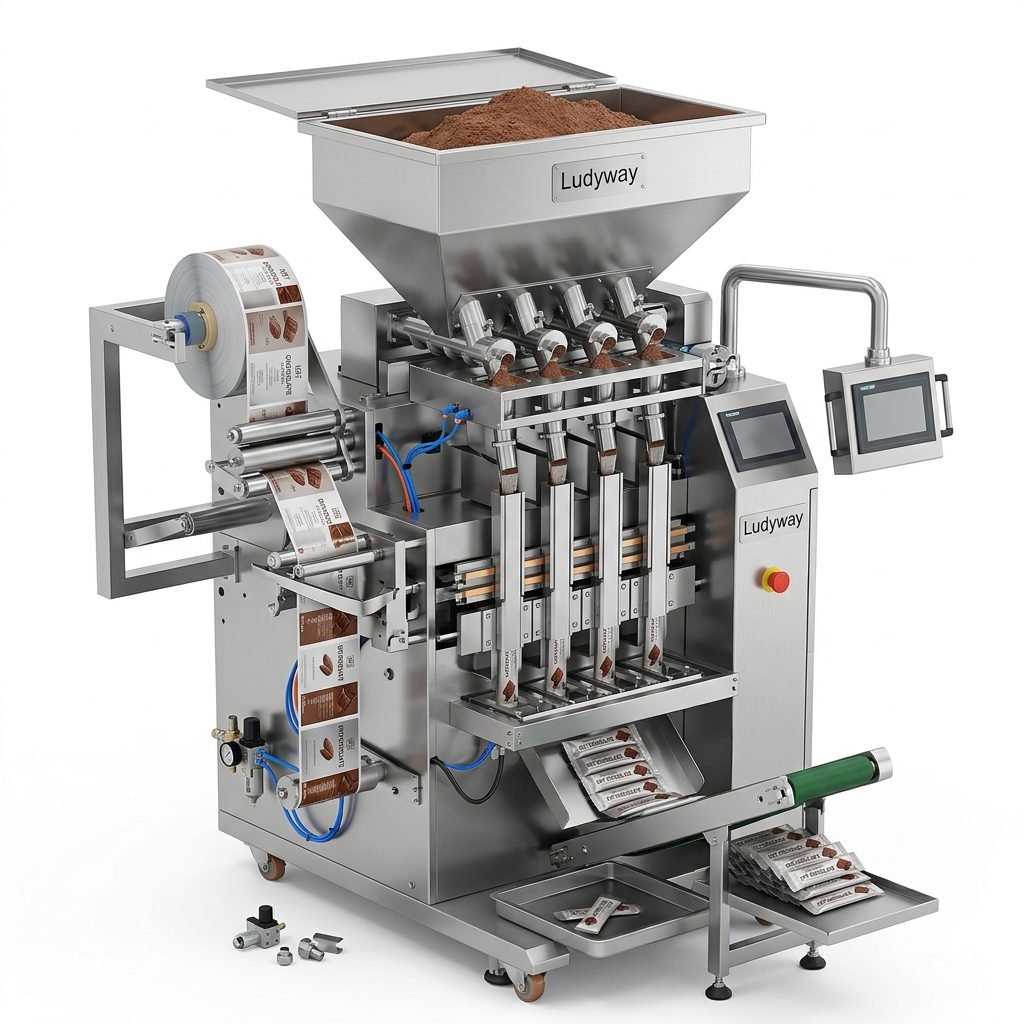
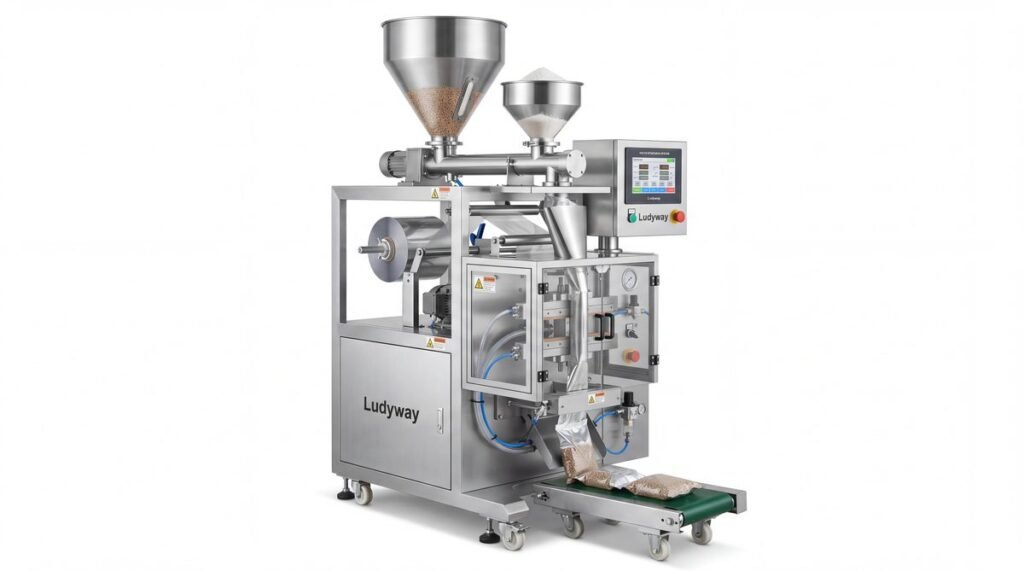
Investing in a milk packing machine is a critical decision for dairy processors, beverage manufacturers, and food production facilities. The right equipment directly impacts product shelf life, production efficiency, packaging consistency, and overall operational costs. With so many machine types, configurations, and technical specifications available, narrowing down the options requires a clear understanding of your product characteristics, production goals, and facility requirements. This guide walks through the essential factors to help you make an informed purchasing decision.
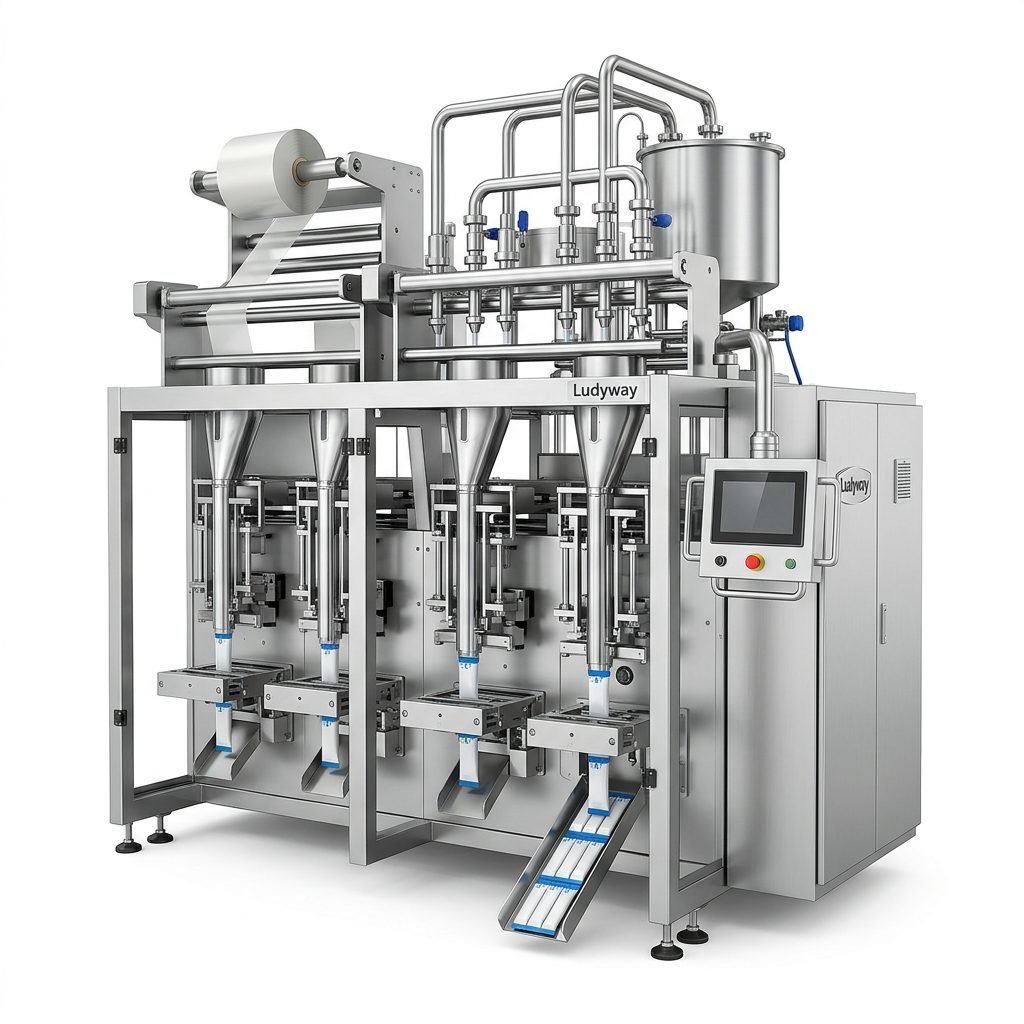
Understanding Milk Packaging Formats
Before selecting a machine, it is essential to define the packaging format that best suits your target market and distribution channels. Milk and dairy products can be packaged in several formats, each requiring different machinery and flexible packaging solutions:
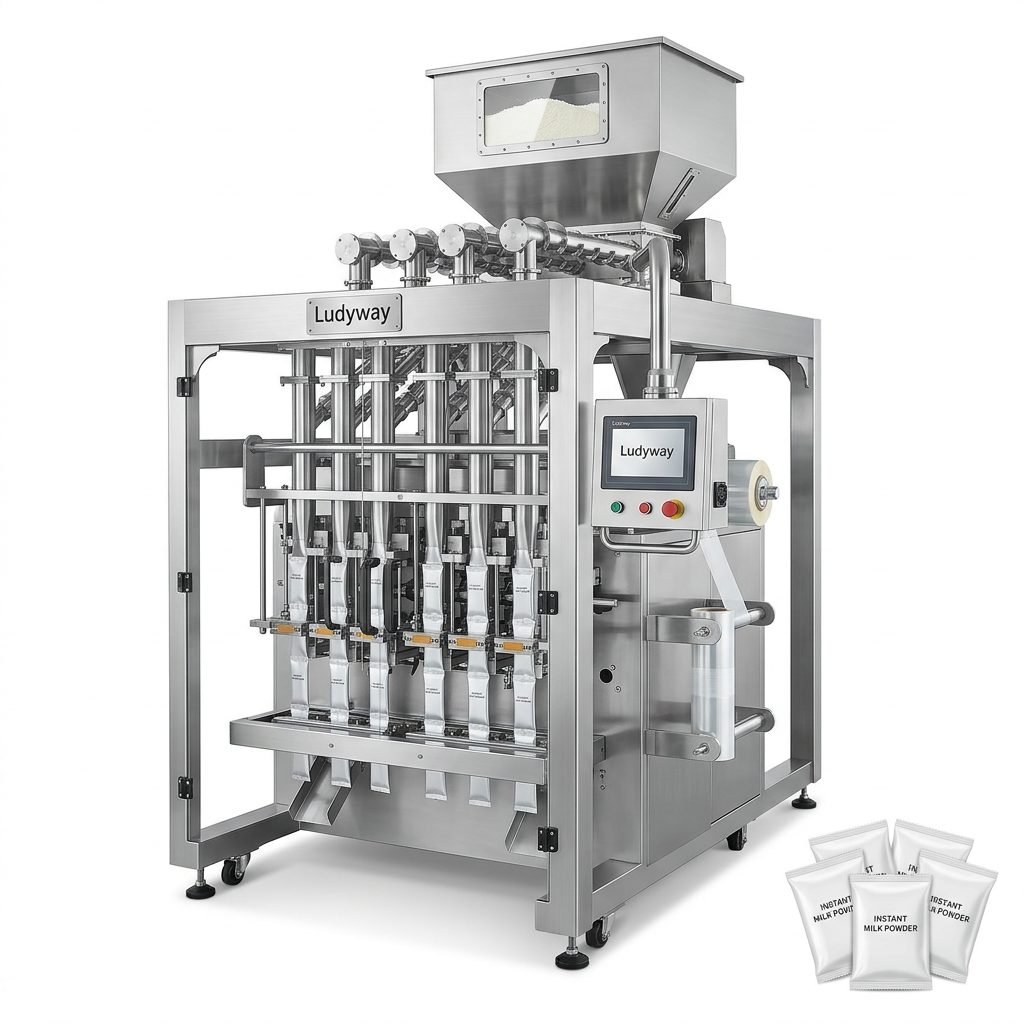
- Stick Packs – Ideal for single-serve milk powder, creamer, or condensed milk portions. These are compact, portable, and increasingly popular in the food service and retail sectors.
- Sachets – Commonly used for liquid milk in developing markets and for milk-based nutritional supplements. Sachet packaging machines offer cost-effective, high-speed filling and sealing.
- Pouches – Stand-up and flat pouches provide larger volumes and excellent branding space. They are widely used for both liquid and powdered milk products.
- Bottles – For premium liquid milk, flavored milk, and dairy-based beverages, bottle filling lines offer excellent product protection and consumer convenience.
- Cartons – Gable-top and aseptic cartons are the standard for fresh and UHT milk in many regions, requiring specialized filling and sealing equipment.
Key Factors to Consider When Choosing a Milk Packing Machine
1. Product Characteristics
The physical and chemical properties of your milk product will significantly influence machine selection. Consider the following:
- Viscosity – Liquid milk, condensed milk, cream, and yogurt-based drinks each have different flow characteristics. The filling system—whether piston filler, peristaltic pump, or gravity-based—must be matched to the product’s viscosity.
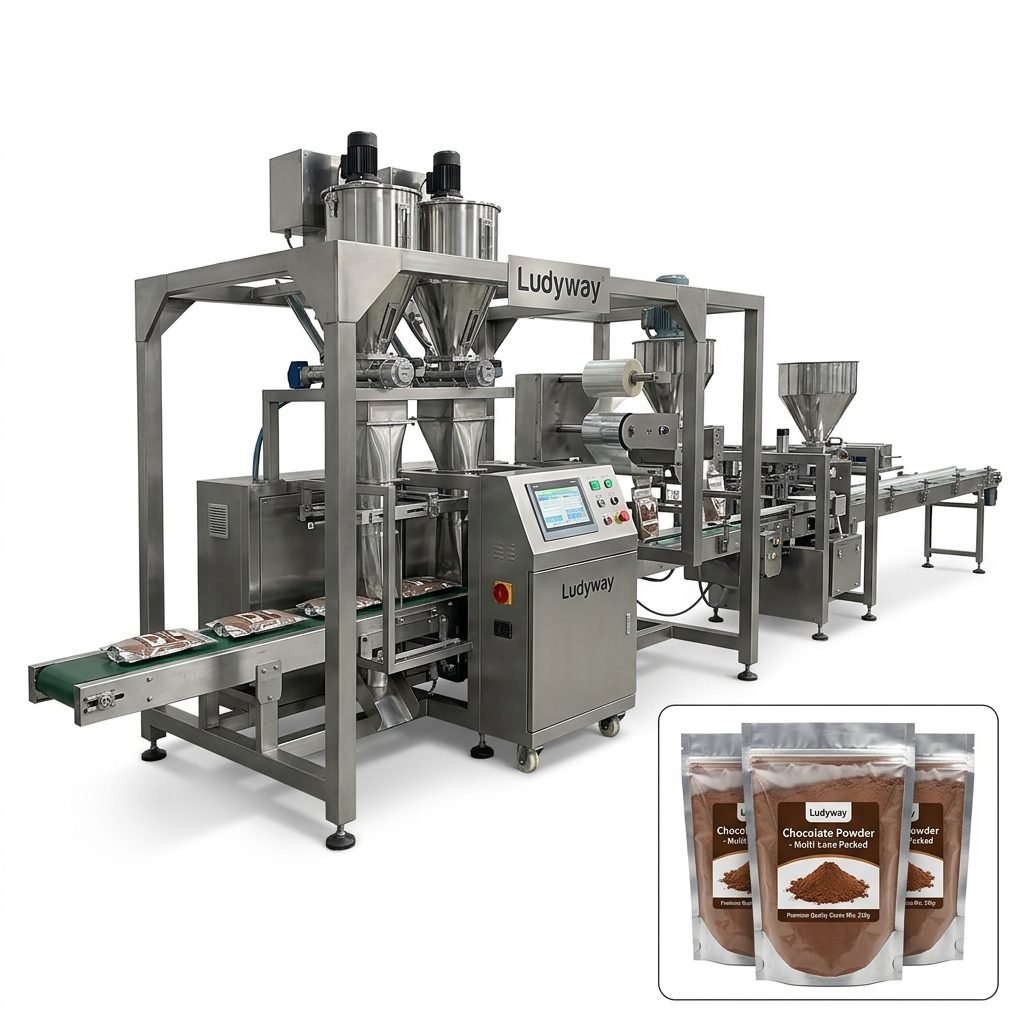
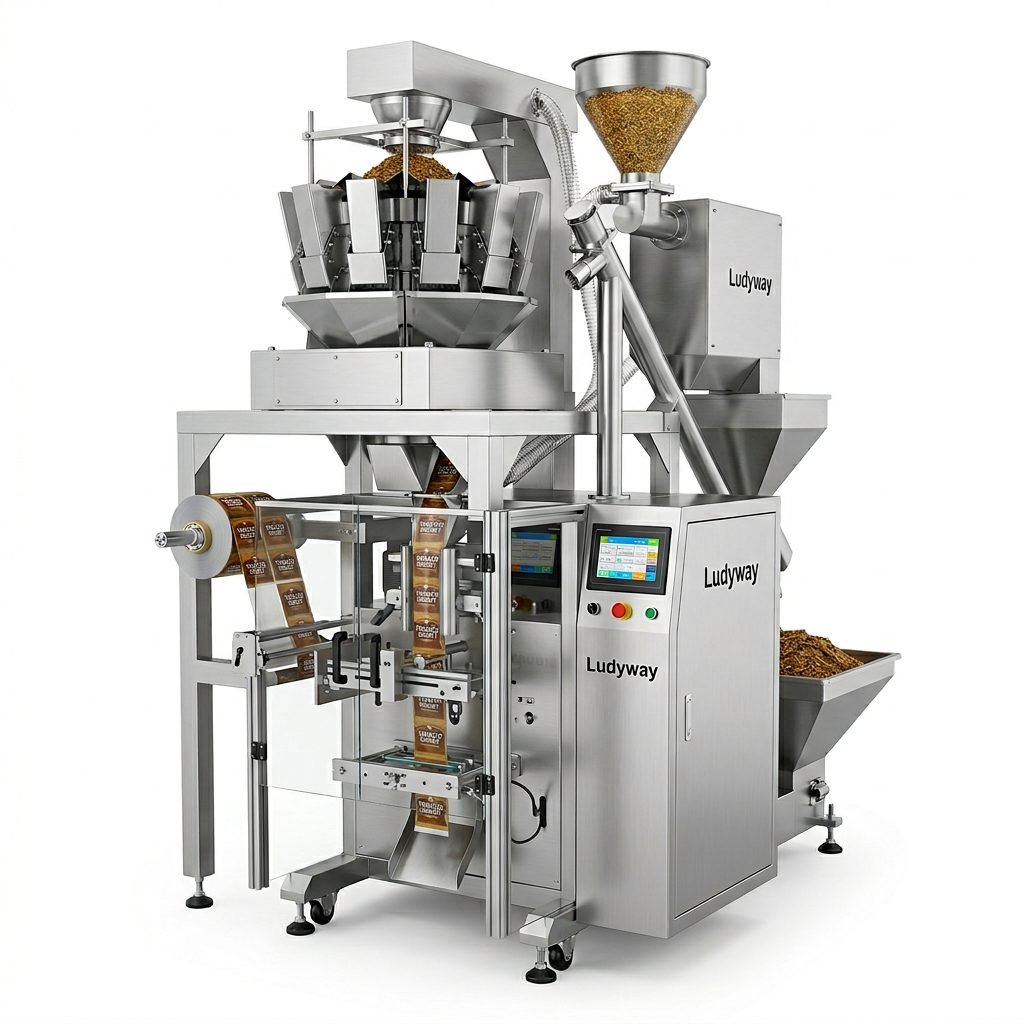
- Product Form – Milk powder, liquid milk, and dairy-based pastes require entirely different dosing mechanisms. Powder products typically use auger fillers or multi-head weighers, while liquids use volumetric or flow-meter filling systems.
- Foaming and Splashing – Some milk-based liquids tend to foam during filling. Machines with bottom-up filling nozzles or anti-foam controls can help maintain fill accuracy and reduce waste.
2. Production Capacity and Speed Requirements
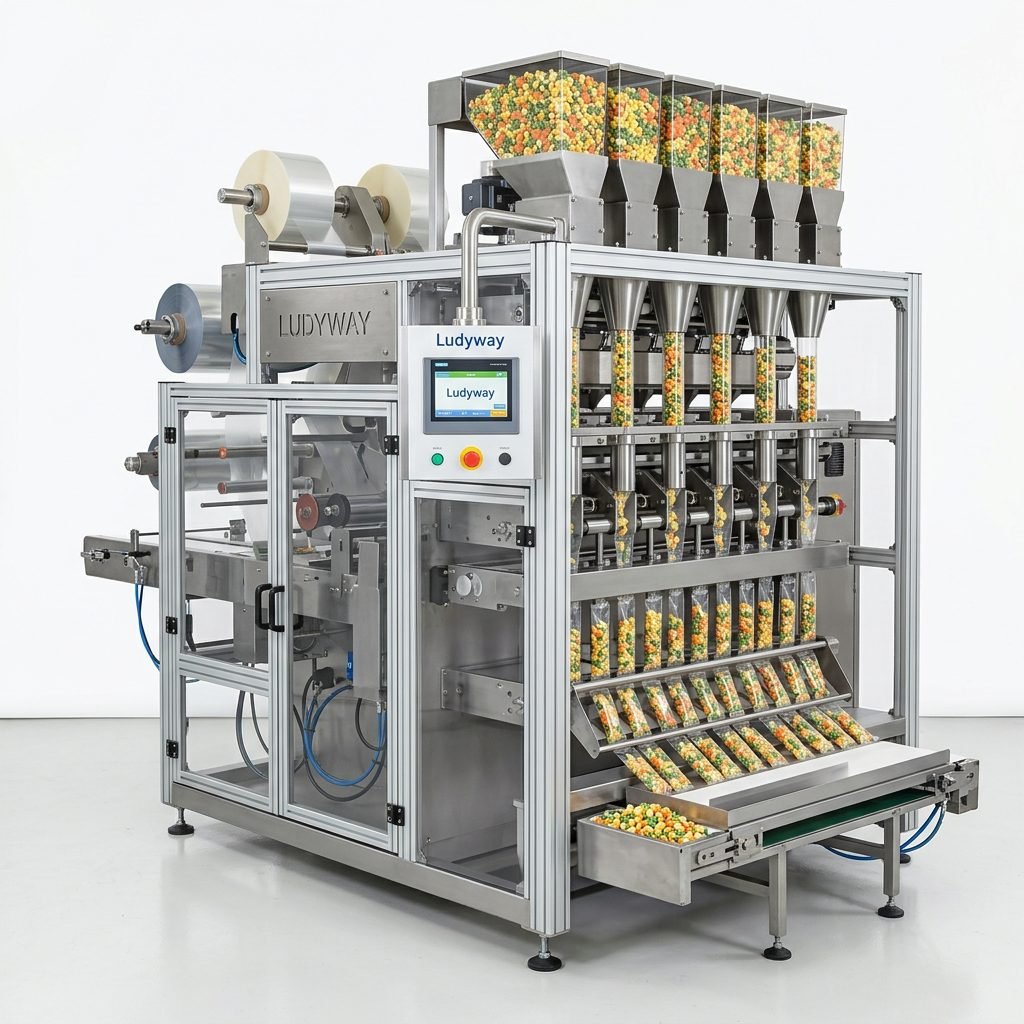
Your current and projected production volume should guide the machine’s speed specification. Underestimating capacity needs is one of the most common mistakes buyers make. Consider both peak season demands and future growth when evaluating machine throughput. Multi-lane stick pack and sachet machines can significantly increase output by running multiple lanes simultaneously, making them suitable for high-volume operations. According to packaging industry market research, automation levels continue to rise as manufacturers seek higher throughput with fewer operators.
3. Packaging Material Compatibility
The machine must be compatible with your chosen packaging film or material. Factors to evaluate include:
- Film thickness and heat-sealing properties
- Barrier requirements for oxygen, moisture, and light protection
- Compatibility with FDA food packaging regulations and other relevant standards
- Printable surface area for branding and regulatory information
4. Hygiene and Cleanability
Dairy processing demands strict hygiene standards. Machines should be constructed with stainless steel food-contact surfaces and designed for easy cleaning and sanitation. Features such as tool-less disassembly, CIP (Clean-in-Place) compatibility, and smooth surfaces without crevices help prevent bacterial growth and cross-contamination. Compliance with ISO packaging standards and relevant food safety certifications should be verified.
5. Automation and Integration
Modern milk packing machines can be integrated into broader automated production lines. Evaluate whether you need a standalone machine or a fully integrated system that connects filling, sealing, coding, inspection, cartoning, and palletizing. Automated systems reduce labor costs, minimize human error, and improve overall equipment effectiveness (OEE).
Comparing Milk Packing Machine Types
The following table provides a comparative overview of common milk packaging machine types and their typical applications:
| Machine Type | Best For | Typical Speed Range | Key Advantages |
|---|---|---|---|
| Multi-Lane Stick Pack Machine | Single-serve milk powder, creamer, protein supplements | 200-1,500 packs/min | High output, compact package, portion control |
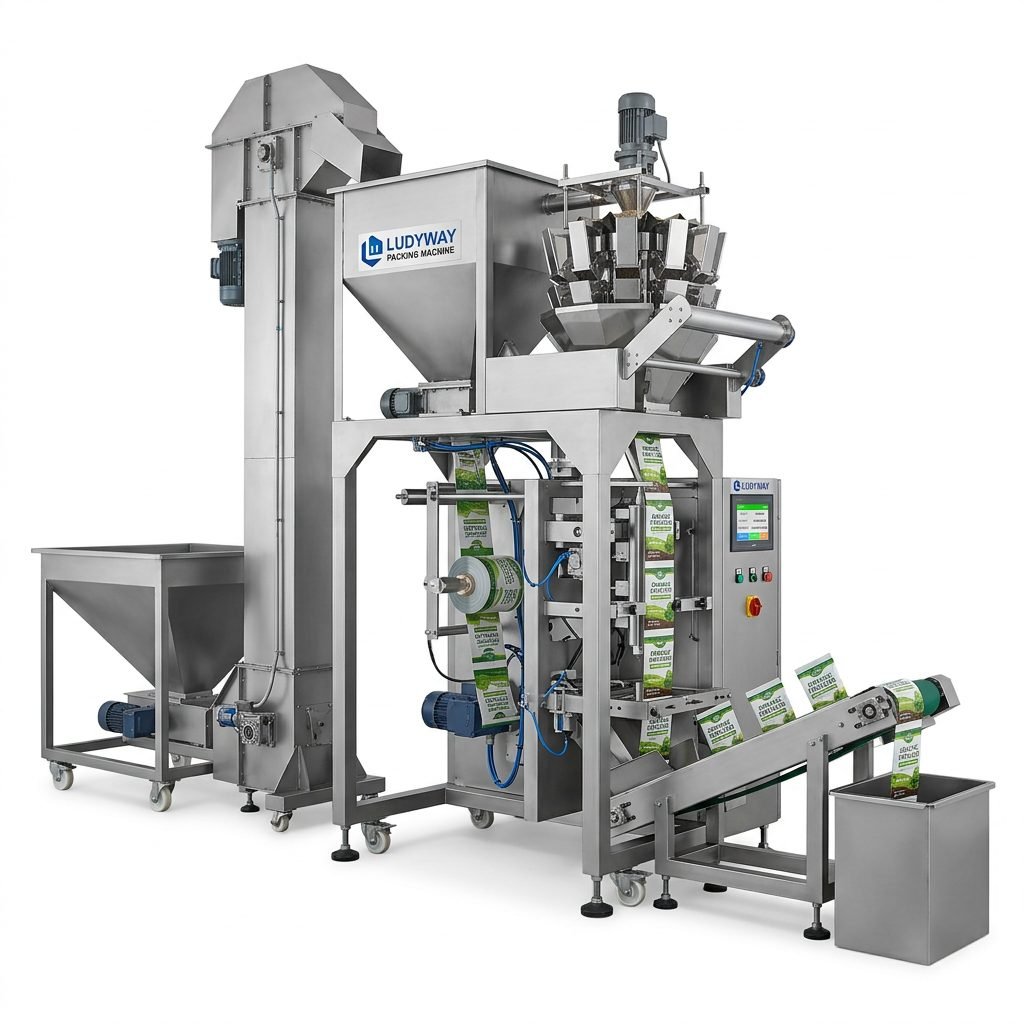
| Vertical Form-Fill-Seal (VFFS) | Milk powder, dairy powders, granular products | 30-120 bags/min | Versatile bag formats, proven technology |
| Liquid Sachet Machine | Liquid milk, flavored milk, dairy beverages | 200-800 sachets/min | Cost-effective packaging, high speed |
| Pouch Filling & Sealing Machine | Premium liquid milk, yogurt drinks, condensed milk | 40-120 pouches/min | Excellent branding, resealable options |
| Bottle Filling & Capping Line | Flavored milk, dairy beverages, premium products | 50-400 bottles/min | Consumer familiarity, robust packaging |
| Aseptic Carton Filling Machine | UHT milk, long-life dairy products | 60-200 cartons/min | Extended shelf life without refrigeration |
Additional Considerations for Long-Term Success
After-Sales Support and Spare Parts
A milk packing machine is a long-term investment. Before purchasing, evaluate the manufacturer’s after-sales service capabilities, including installation support, operator training, troubleshooting assistance, and spare parts availability. Downtime in dairy production can be extremely costly, making responsive technical support a crucial factor in supplier selection.
Customization and Flexibility
No two dairy operations are identical. Product characteristics, packaging materials, bag sizes, filling volumes, production speeds, and factory layouts all influence the appropriate equipment configuration. Working with a supplier that offers customized packaging solutions rather than only standardized machines can help ensure the equipment matches your specific operational needs. A manufacturer with engineering capabilities and application experience can configure machines for different production scenarios, from individual units to complete turnkey packaging lines.
Budget and Total Cost of Ownership
While the initial purchase price is important, the total cost of ownership includes energy consumption, maintenance expenses, spare parts, film waste rates, labor requirements, and production downtime. A slightly higher upfront investment in a more efficient and reliable machine often yields significant long-term savings. Evaluate the expected lifespan of critical components, warranty terms, and the manufacturer’s track record for machine durability.
Regulatory Compliance
Dairy packaging equipment must comply with applicable food safety regulations in your target market. Verify that the machine can be configured to meet relevant packaging machinery standards and regulations, including hygiene requirements, material traceability, and electrical safety certifications. For manufacturers exporting to multiple regions, machines designed with international compliance in mind simplify market access.
Working with an Experienced Packaging Machinery Partner
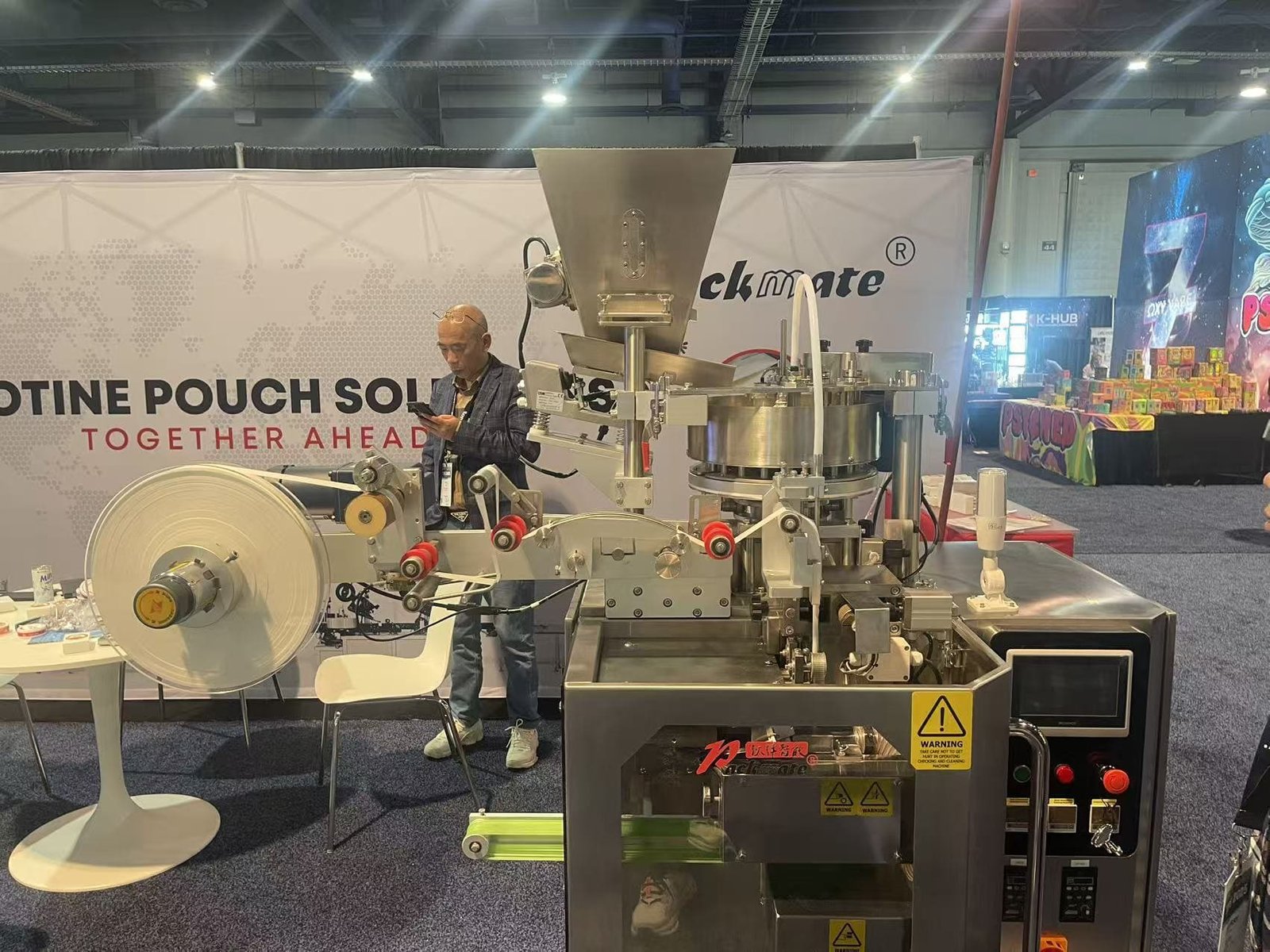
Selecting the right milk packing machine is not just about comparing technical specifications—it is about finding a reliable manufacturing partner who understands your product, production goals, and market requirements. A supplier with more than 30 years of experience, a broad portfolio of packaging equipment, and global service capabilities can provide valuable guidance throughout the equipment selection and implementation process.
Companies like Ludyway Machinery, a China-based packaging machinery manufacturer with a 20,000-square-meter facility and over 130 professionals, offer automated packaging equipment and integrated solutions across a wide range of industries including food and beverage, dairy, pharmaceuticals, and nutraceuticals. With more than 50 packaging machine models, they provide customized configurations for different packaging formats, production speeds, and automation levels—helping manufacturers improve packaging efficiency and operational consistency.
Key questions to ask potential suppliers include:
- Can they provide references from dairy or beverage manufacturers with similar applications?
- Do they offer factory acceptance testing (FAT) and on-site commissioning support?
- What is their typical lead time for standard and customized machines?
- How do they handle spare parts supply and emergency technical support?
- Can the machine be upgraded or reconfigured as production needs evolve?
Making the Final Decision
Choosing the right milk packing machine involves balancing multiple factors: product compatibility, production capacity, packaging format, automation level, hygiene requirements, budget, and supplier reliability. Taking the time to thoroughly evaluate your needs and compare options will help ensure that your investment delivers consistent, efficient, and high-quality packaging for years to come.
Remember that the lowest-priced option is rarely the most cost-effective in the long run. Prioritize build quality, after-sales support, and the supplier’s engineering expertise. A well-chosen machine from an experienced manufacturer will contribute to smoother operations, reduced downtime, and a stronger competitive position in the dairy and beverage market.