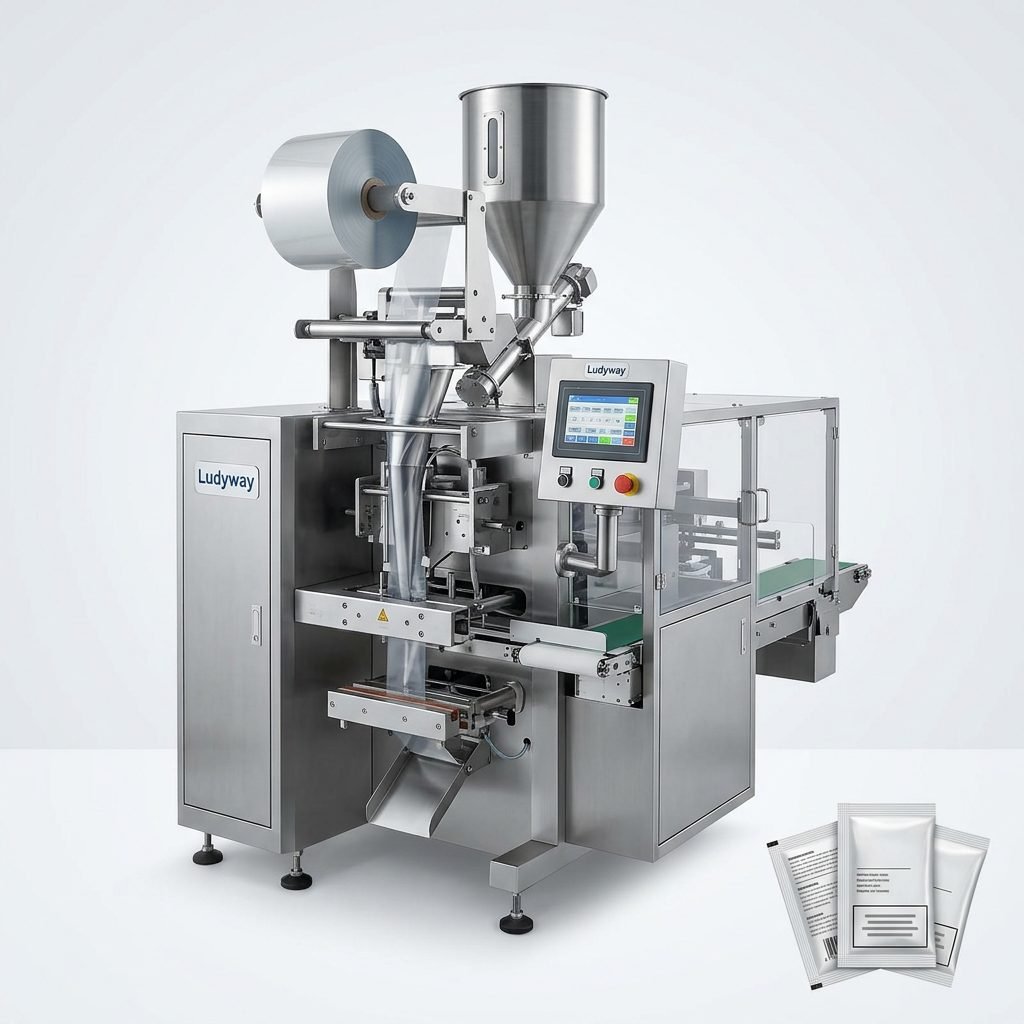
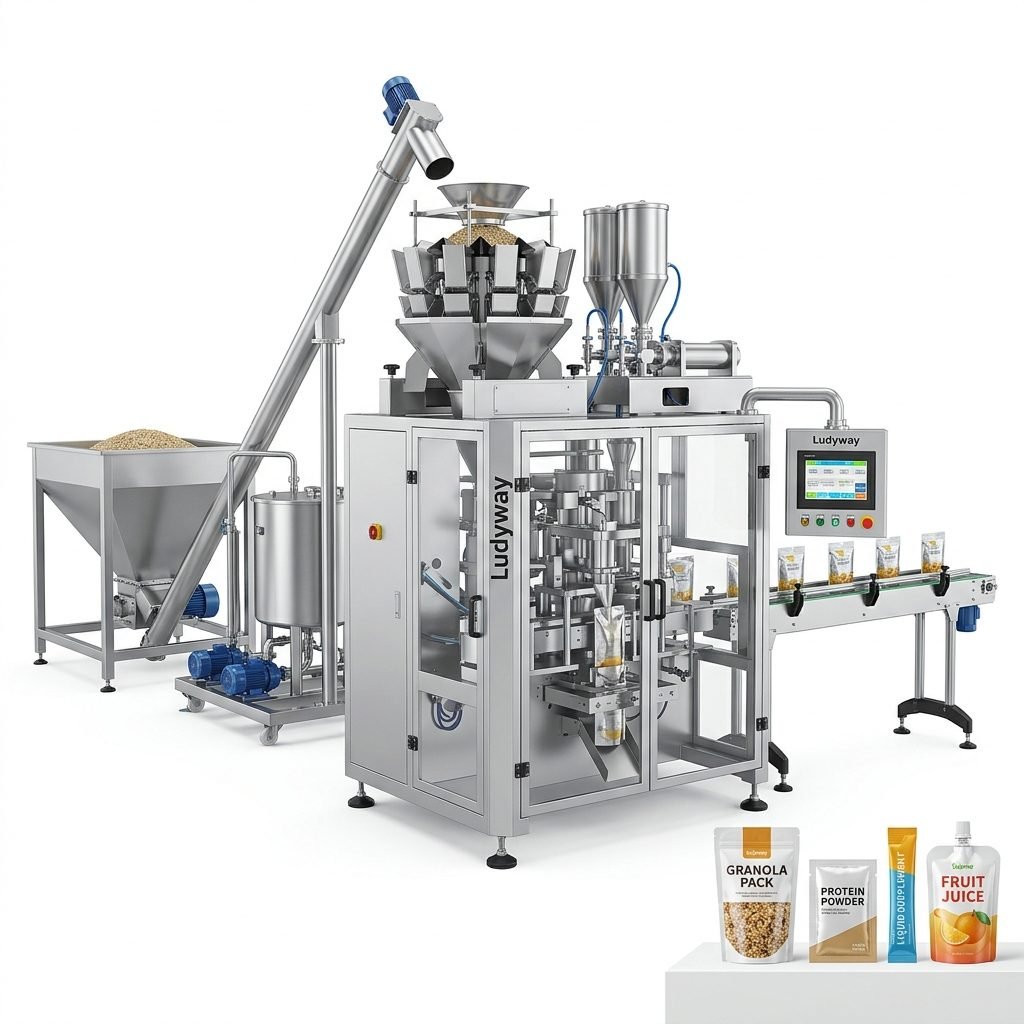
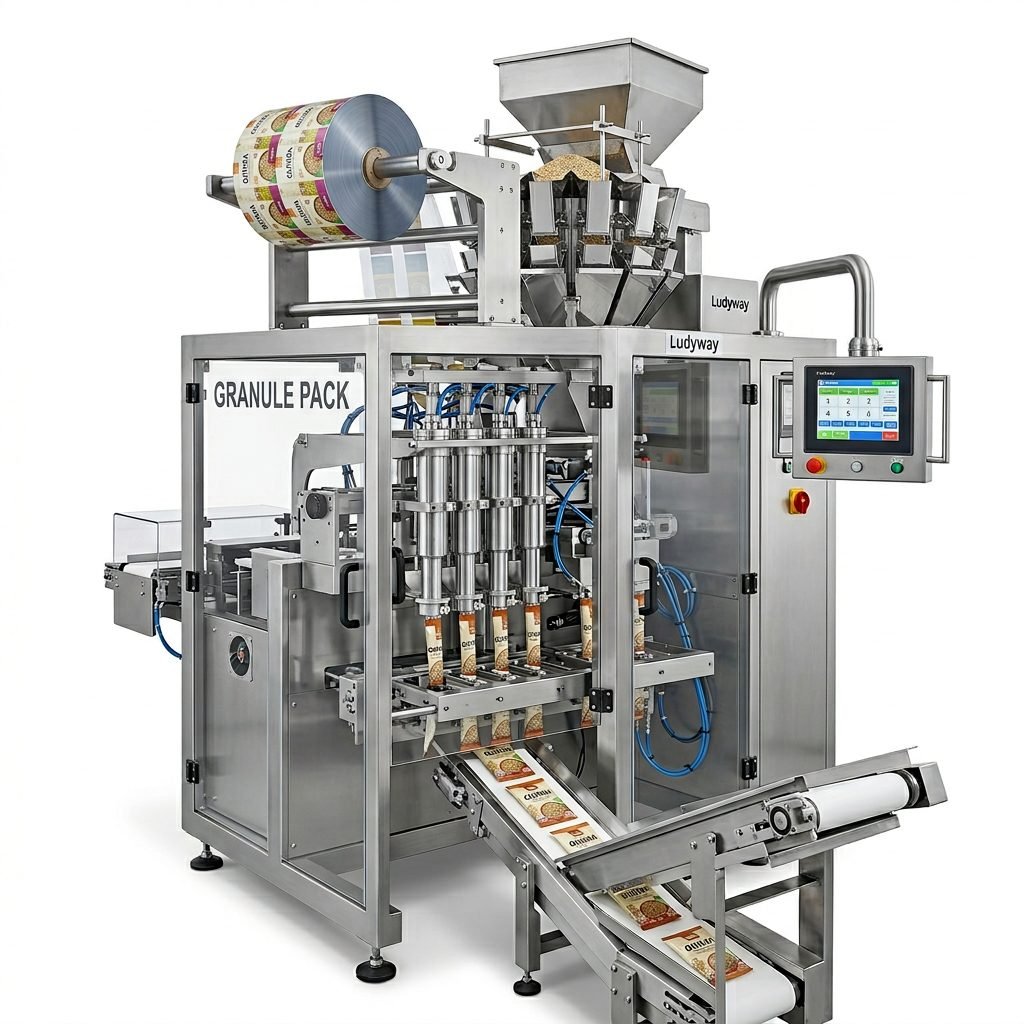
Investing in a masala packing machine requires understanding the balance between price, performance, and long-term reliability. Whether you are packaging turmeric powder, garam masala, or blended seasonings, the cost varies widely based on technology, capacity, and packaging format. This guide breaks down the masala packing machine price spectrum and provides professional buying tips to help you protect your budget and maximize production efficiency.
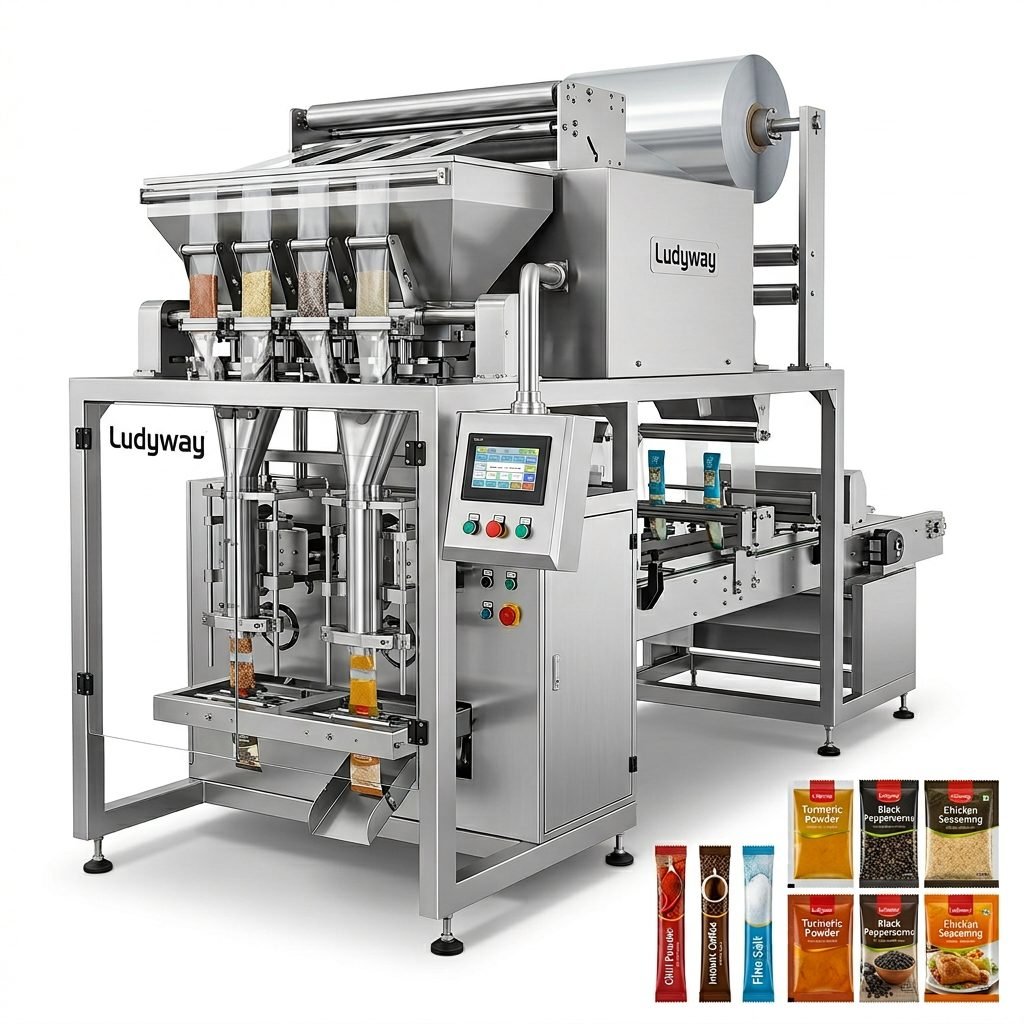
Key Factors That Shape Masala Packing Machine Prices
Masala powders contain volatile oils, possess sticky granules, and are hygroscopic. These properties demand robust engineering, which directly affects costs. Understanding these variables is the first step in evaluating any masala packing machine price.
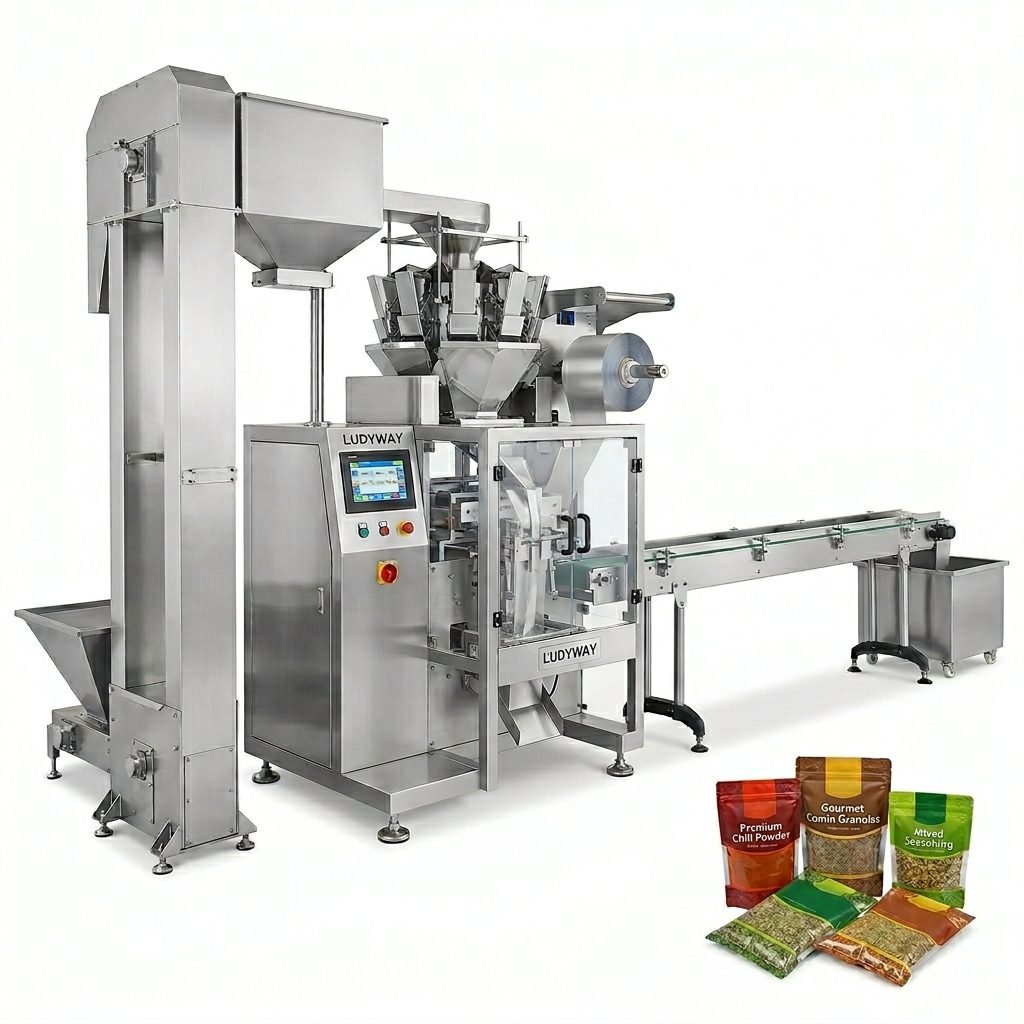
- Automation Level: Manual or semi-automatic machines are budget-friendly, while fully automatic vertical form fill seal (VFFS) machines command higher prices but require less labor.
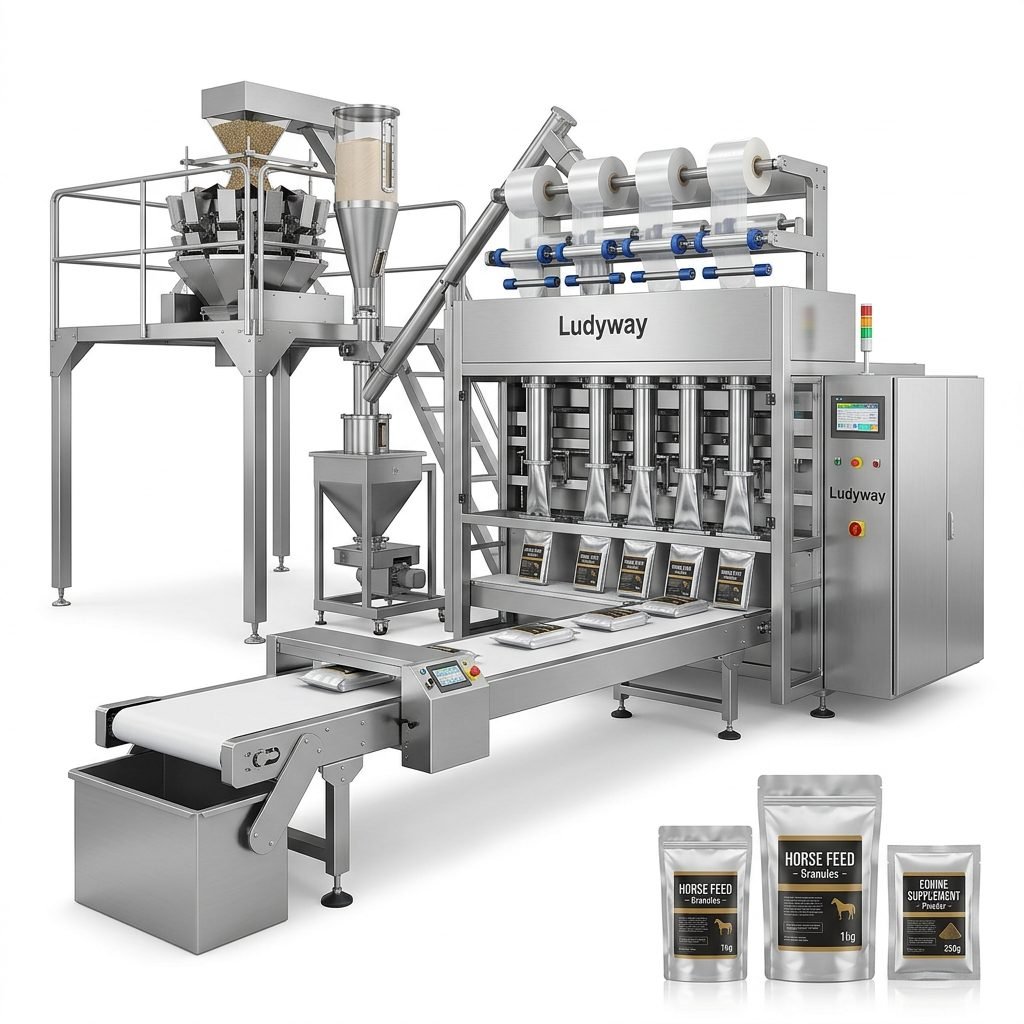
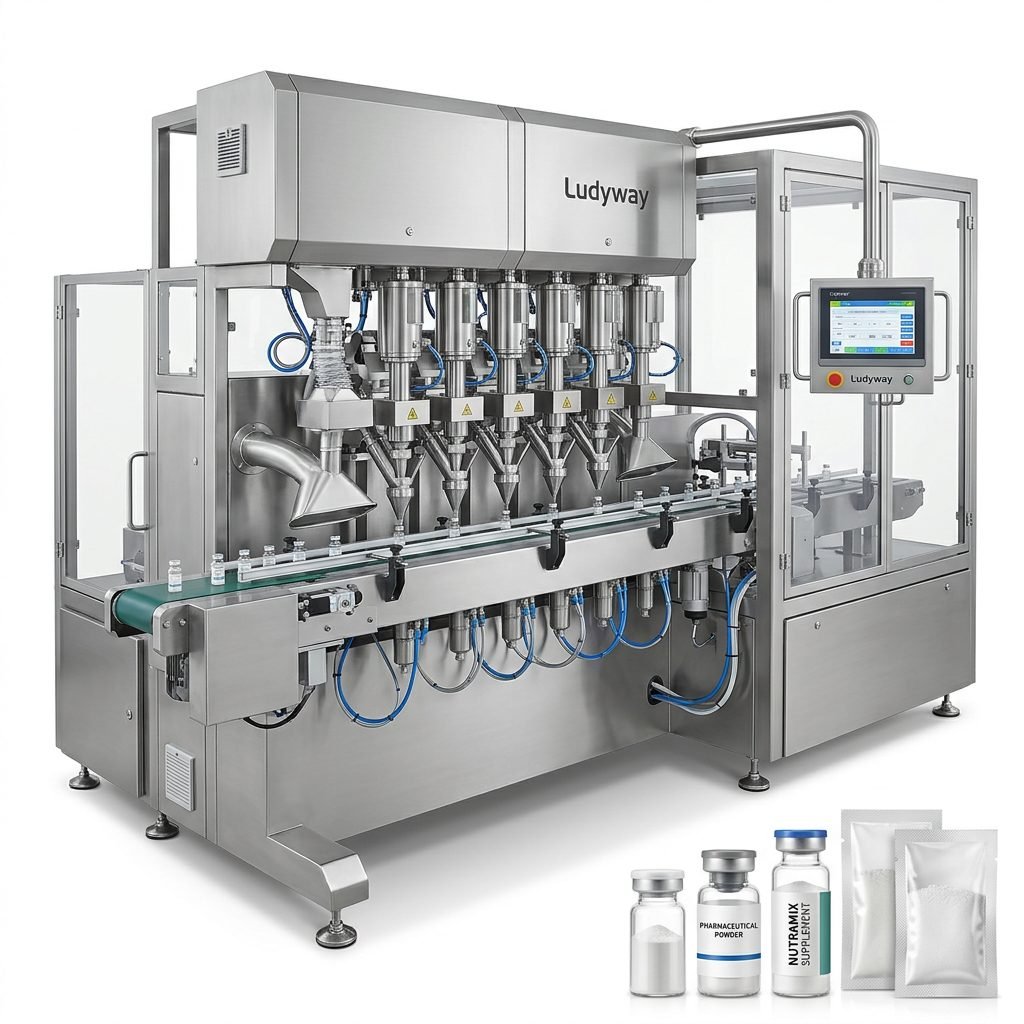
- Filling & Dosing Technology: Auger fillers are standard for powders. Volumetric cup fillers cost less, while multi-head weighers improve speed and precision but increase the overall machine cost.
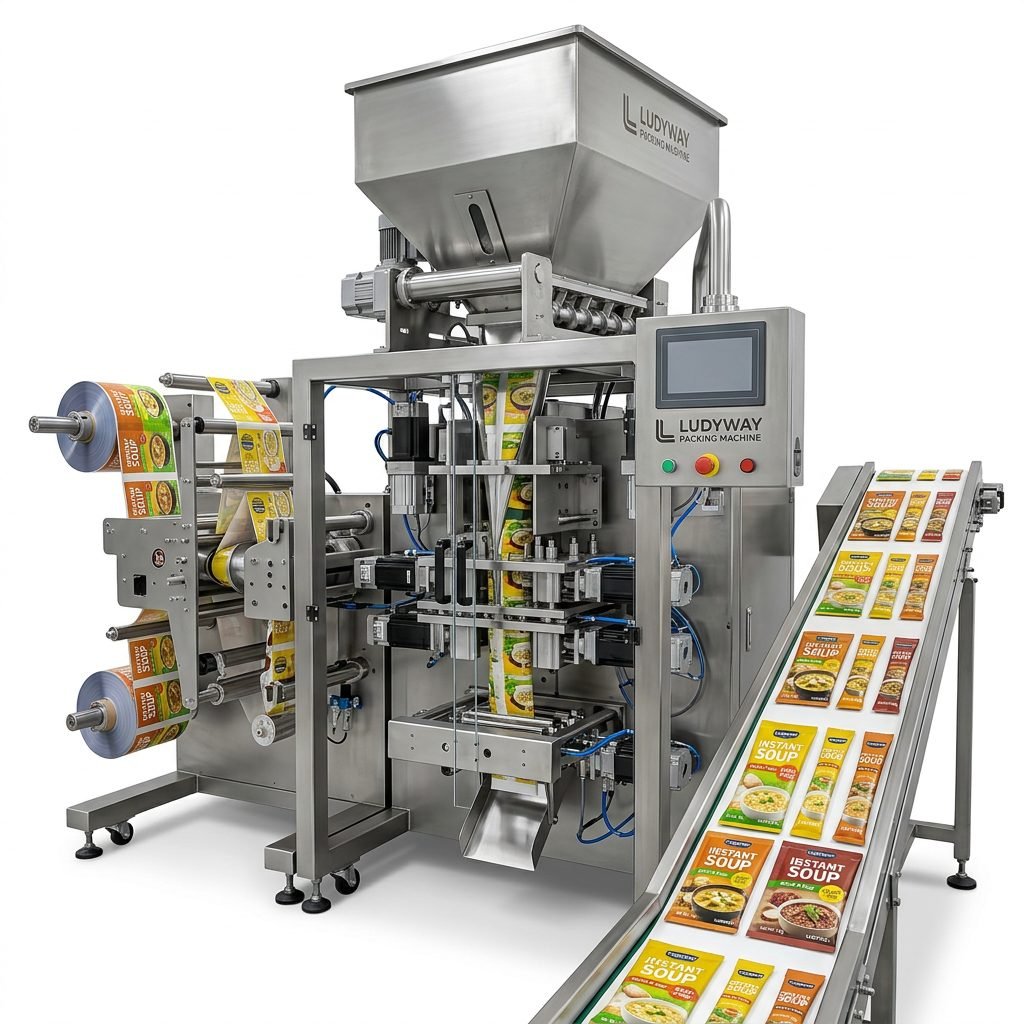
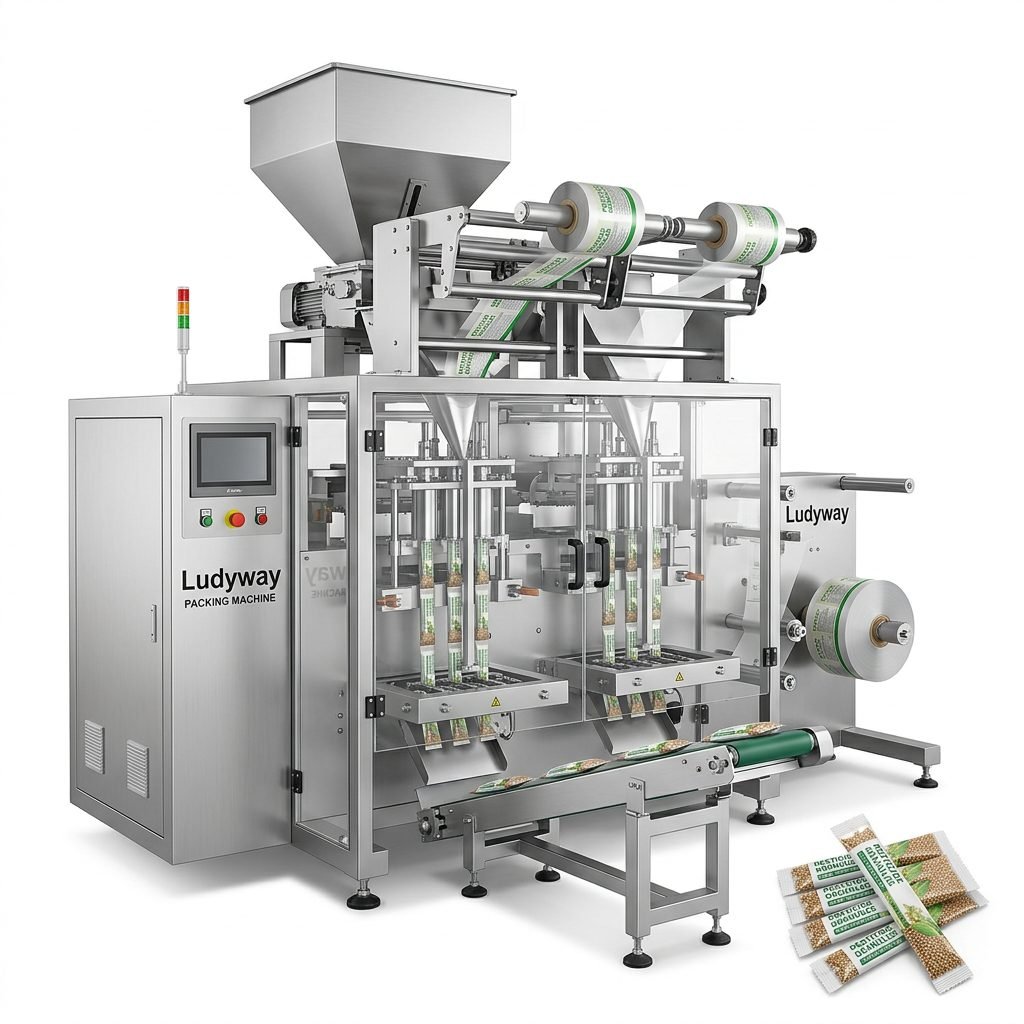
- Packaging Style: Sachet machines, stick pack lines, and pillow pouch systems differ significantly in mechanical complexity and price.
- Construction Materials: Machines built with food-grade stainless steel 304 or 316 and dust-proof sealing are priced higher but essential for a manufacturing environment handling airborne masala dust.
- Production Output: A compact machine packing 30 bags per minute costs less than an industrial multi-lane system that delivers over 300 packs per minute.
Masala Packing Machine Price Reference Table
While customized configurations greatly impact the final price, the table below provides a general cost reference for common masala packaging solutions available from manufacturers like Ludyway.
| Machine Type | Packaging Format | Estimated Speed | Rough Price Range (USD) |
|---|---|---|---|
| Semi-Automatic Auger Filler | Pre-made pouches | 10-25 packs/min | $3,500 – $8,000 |
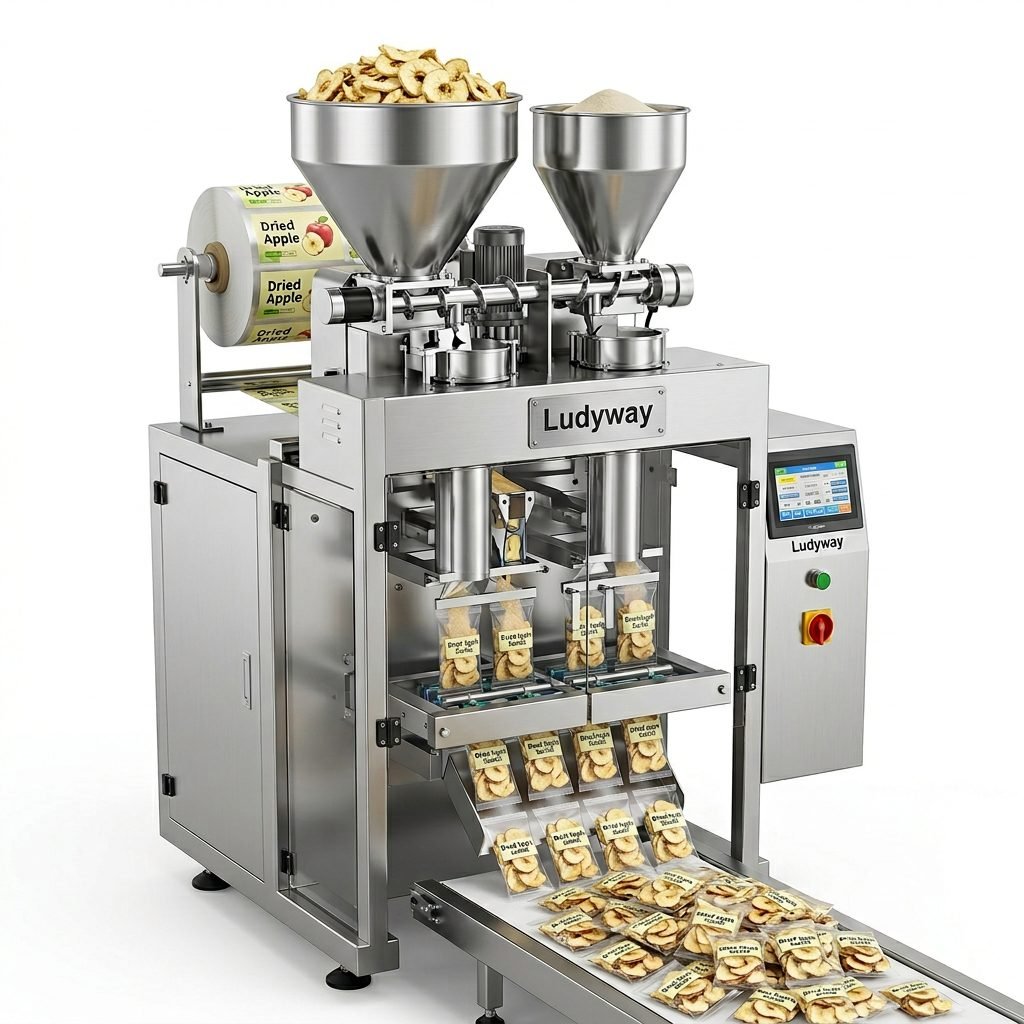
| Single-Lane VFFS | Pillow pouches, sachets | 30-80 packs/min | $10,000 – $25,000 |
| Industrial Multi-Lane Machine | Stick packs, small sachets | 200-500+ packs/min | $30,000 – $80,000 |
| Turnkey Multi-Lane Line | Sachet & Stick systems | 400-800+ packs/min | $80,000 – $200,000+ |
Note: Prices are indicative and vary based on complete line configurations, including multi-head weighers, nitrogen flushing, and cartoning systems.
Essential Buying Tips for Cost-Effective Pricing
Securing the right masala packing machine price is not about finding the cheapest option, but rather avoiding hidden costs that erode your profit margins.
1. Validate Dosing Accuracy for Volatile Investment
Masala powders compress easily, leading to weight inconsistency. Insist on audited dosing trials with your specific spice blends before purchase. A machine that promises a low price but gives inconsistent fills will waste thousands of dollars in product giveaway within months. Ensure the auger and cup sizes match your granule size exactly.
2. Prioritize Dust and Moisture Protection
Spices are corrosive to electronics. A slightly higher upfront cost for a sealed, IP-rated electrical cabinet and stainless-steel construction prevents catastrophic downtime caused by short-circuiting, especially for water-soluble masalas that require washdown procedures.
3. Compare Production Capacity, Not Just Price Tags
Calculate the annual “true cost” rather than the initial invoice. A multi-lane masala packing machine with automatic weighing might double the output while reducing labor costs. Evaluate if the masala packing machine price aligns with your 3-year growth projection to avoid upgrading too soon.
Selecting the Right Manufacturing Partner
The long-term value of a packaging machine is tied to the engineering strength behind it. When analyzing masala packing machine prices, consider factory capabilities and post-installation support.
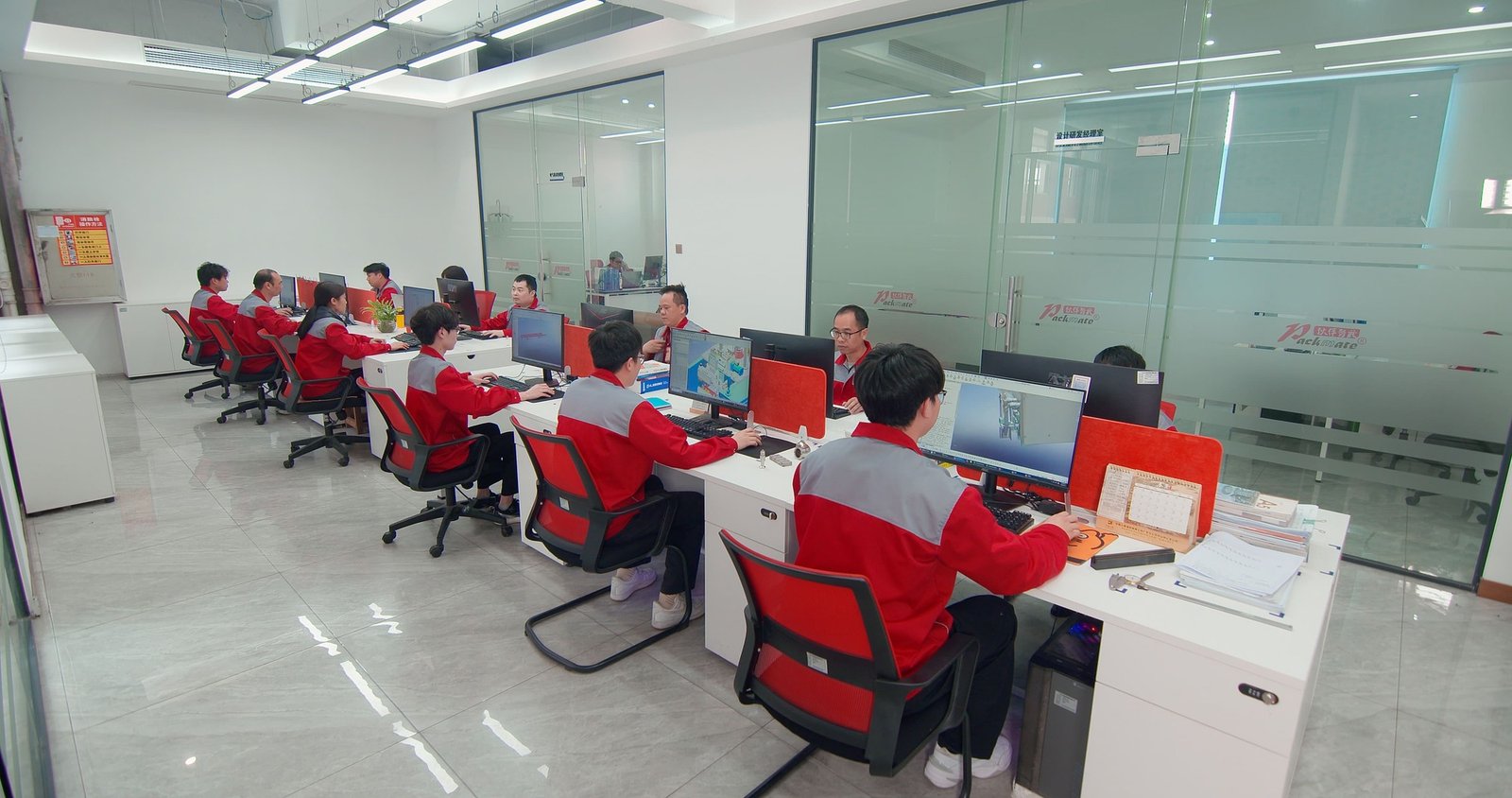
Ludyway Machinery occupies a 20,000-square-meter manufacturing facility with a team of over 130 professionals. With more than 50 packaging machine models and deep expertise in turnkey solutions, the company has established itself as a strategic partner for food, pharmaceutical, and chemical industries worldwide. Their equipment portfolio is designed for various production speeds and packaging formats, easily connecting multiple stages for integrated automation. Notably, following significant global growth, Ludyway is expected to achieve export revenue of more than RMB 500 million (approximately US$69 million) in 2025, and plans to surpass RMB 1 billion (approximately US$138 million) in export revenue in 2026, demonstrating remarkable scalability and international trust.

Industry Standards and Resources
Modern masala packaging must comply with strict food safety regulations. Before finalizing a machine, ensure the dosing and sealing systems align with global standards. The PMMI packaging industry resources provides valuable insights into current state of the industry trends, while Flexible Packaging Association data highlights why multi-lane stick packs are dominating the spice sector.
Selecting the optimal masala packing machine price is a strategic decision that goes beyond simple numbers. By focusing on dosing technology, dust-proof engineering, and the manufacturer’s international supply chain strength, you secure a scalable asset. Evaluate your requirements thoroughly, and request a customized specification sheet to ensure your system delivers consistent masala quality at the lowest total cost of ownership.