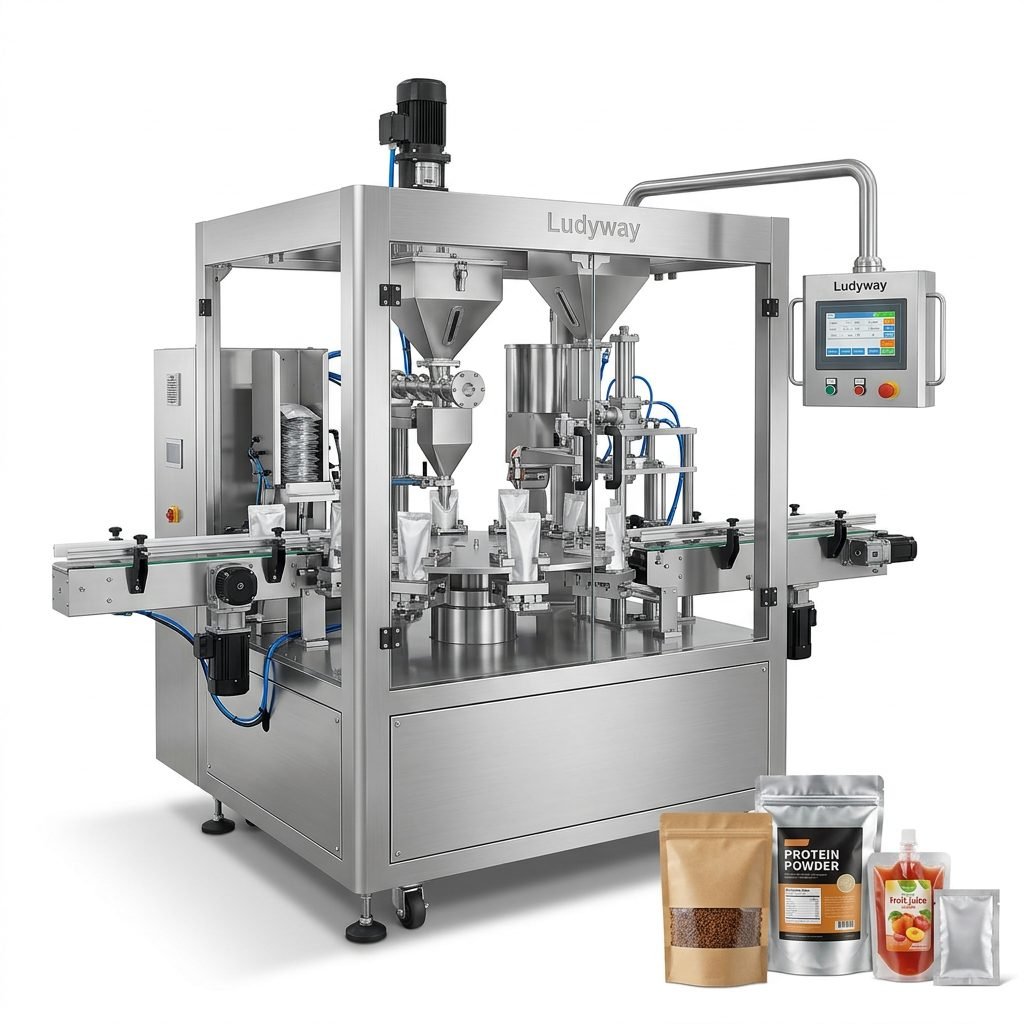
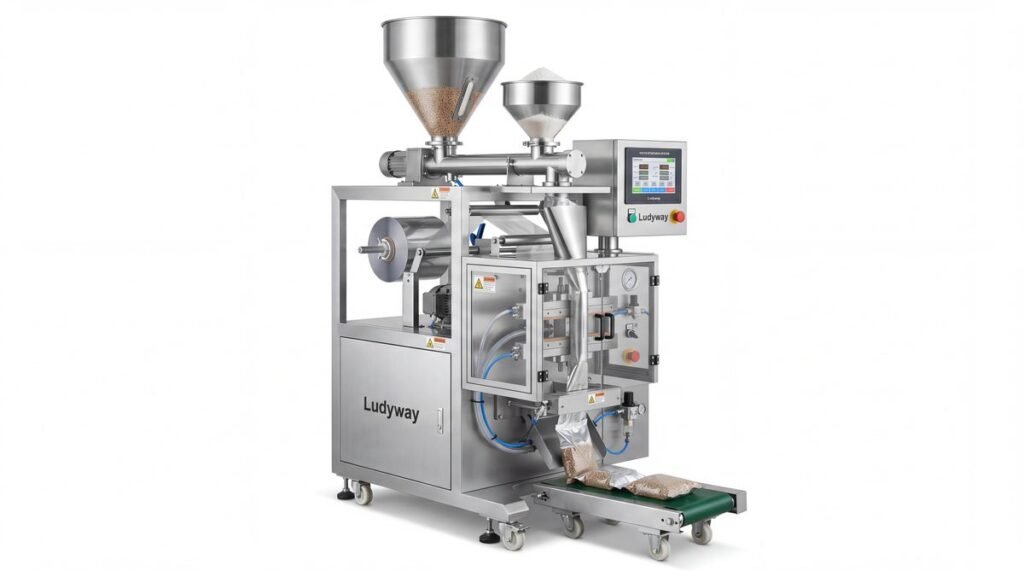
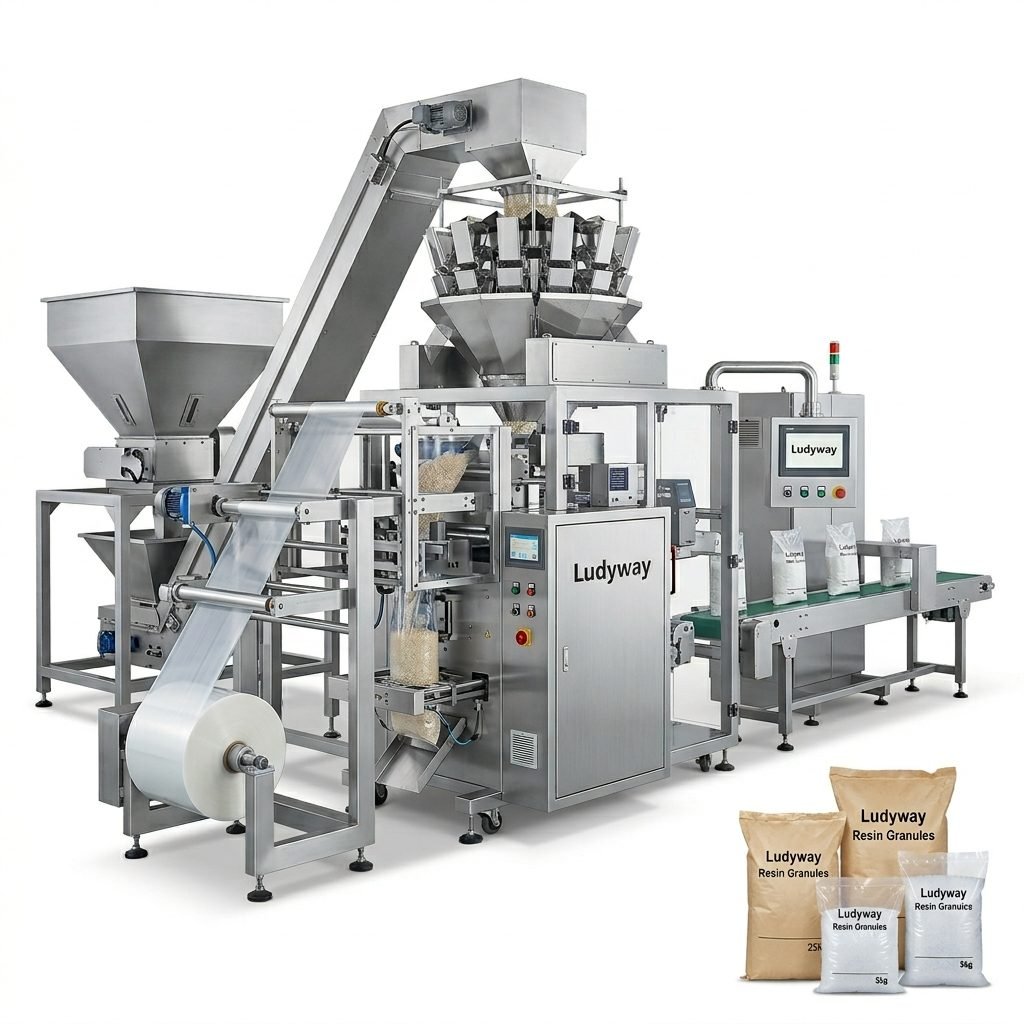
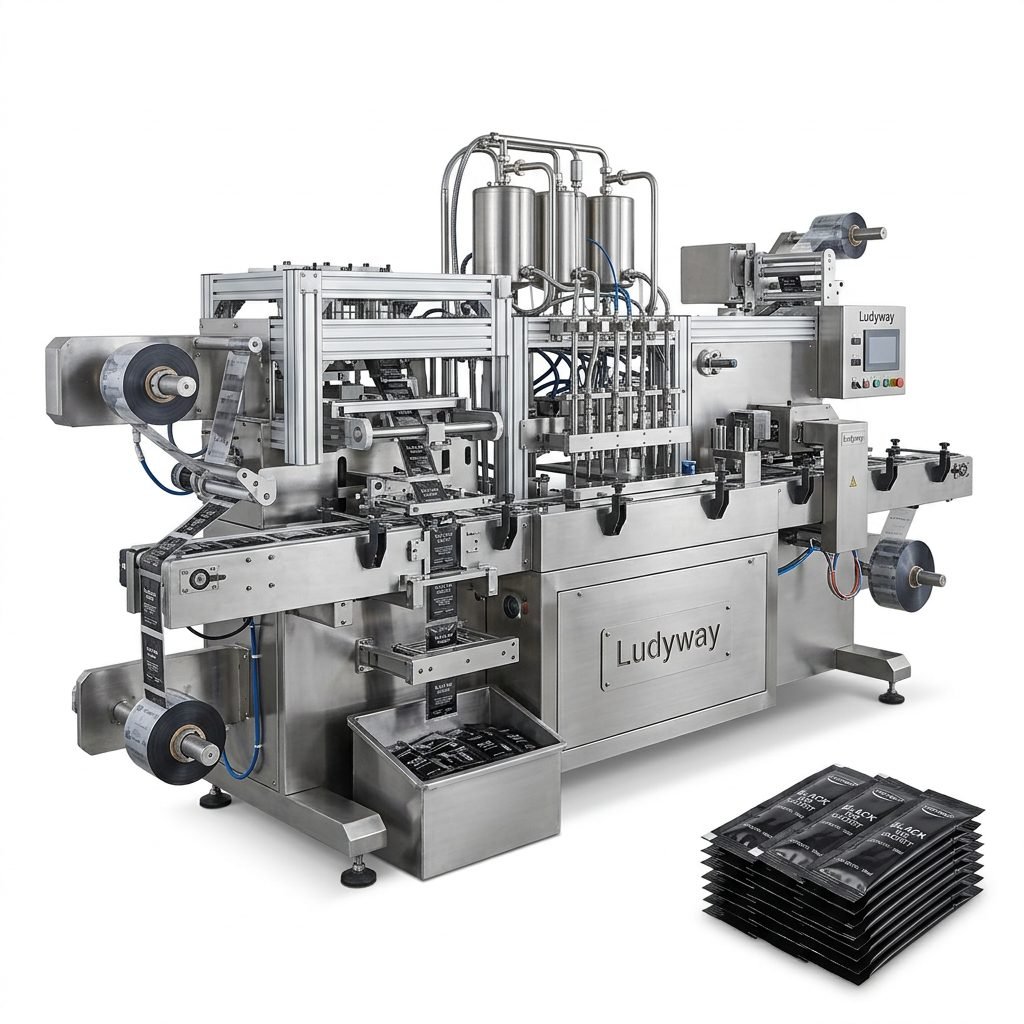
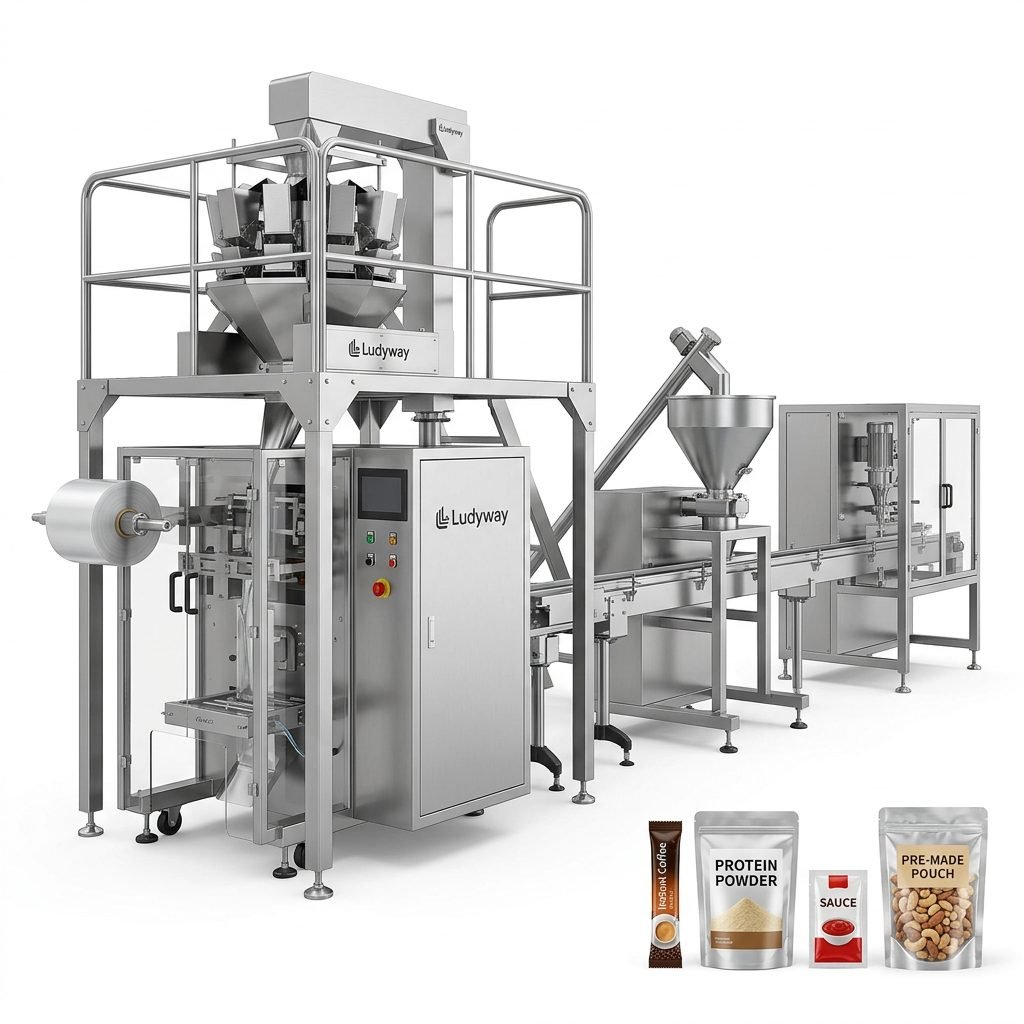
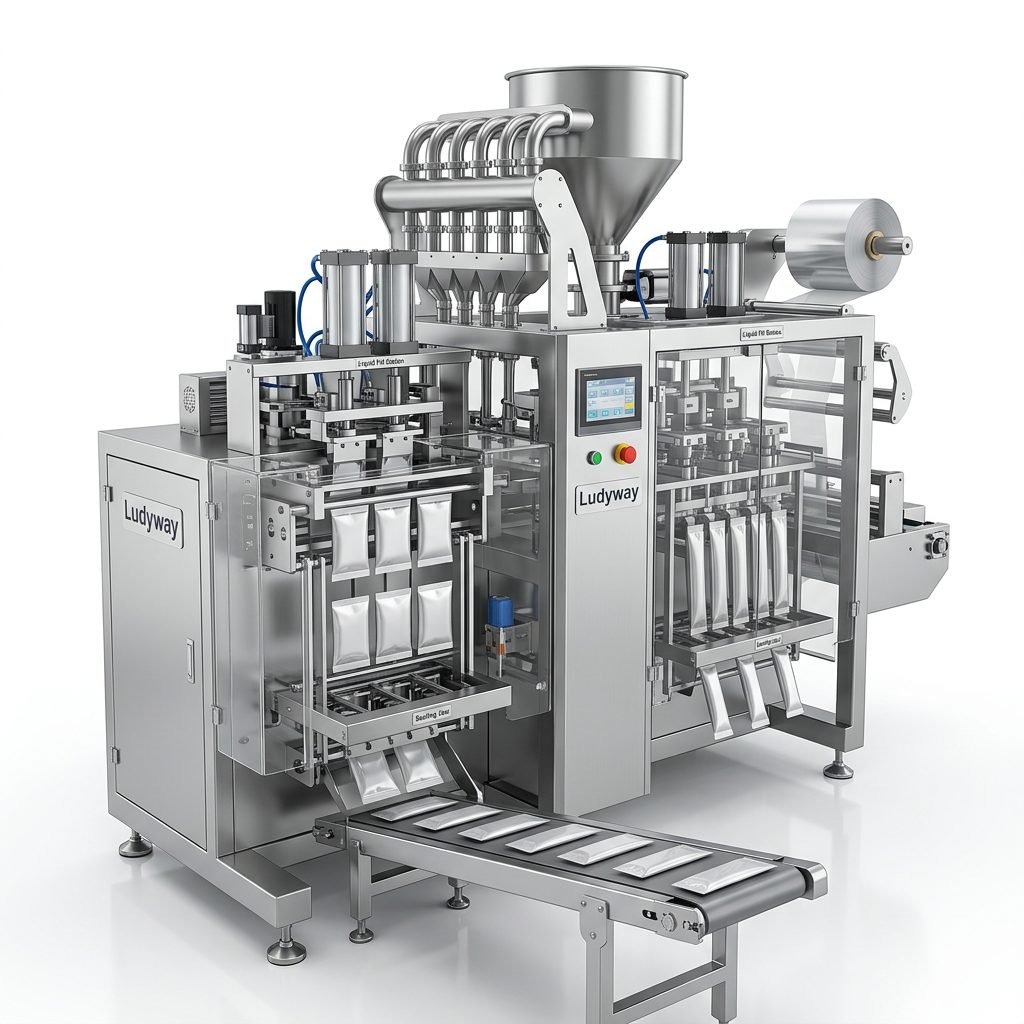
Finding reliable and affordable used packaging equipment in your local area can be a game-changer for your business. It offers a cost-effective way to upgrade or expand your production capabilities without the hefty price tag of brand-new machinery. However, the process of sourcing high-quality pre-owned machines locally requires a strategic approach to avoid pitfalls and ensure a smart investment. This guide will walk you through the essential steps and considerations for finding the best used packaging equipment near you.
Why Consider Used Packaging Equipment?
For many small to medium-sized businesses, startups, or those looking to add a secondary production line, purchasing used packaging machinery presents a compelling value proposition. The most significant advantage is the substantial cost savings, often ranging from 30% to 70% compared to new equipment. This lower initial investment frees up capital for other critical areas like marketing, inventory, or facility upgrades. Furthermore, the lead time for acquiring and installing a used machine is typically much shorter than waiting for a new machine to be built and shipped. This allows for a quicker ramp-up of production. Many established, well-maintained used machines from reputable brands are known for their robust construction and durability, offering years of reliable service. Finally, opting for used equipment is an environmentally conscious choice, promoting the circular economy by extending the lifecycle of industrial machinery and reducing manufacturing waste.
Key Takeaway: Buying used is a strategic financial decision that can accelerate your production growth while conserving capital and resources.
Key Places to Search for Local Deals
Your local search for used packaging equipment should be multi-faceted. Start with specialized industrial auction houses and marketplaces that often list equipment from business closures or upgrades. These platforms can offer competitive pricing. Next, explore the websites and contact the sales departments of reputable packaging machinery manufacturers and distributors. Many have dedicated divisions for refurbished or trade-in equipment, which often come with warranties and service support. Don’t underestimate the power of industry networks; connect with local manufacturing associations, attend trade shows, and leverage online forums. Word-of-mouth recommendations from peers in your industry can lead to the most trustworthy leads. Finally, consider direct purchases from other local businesses that are upgrading or shutting down lines. This can sometimes yield the best deals and you can often see the machine running under load before purchase.
Evaluating Machine Condition and Quality
Once you find a potential machine, a thorough evaluation is non-negotiable. Always insist on an in-person inspection. Check the machine’s physical condition for signs of excessive wear, corrosion, or damage. Examine critical components like seals, gaskets, cutting blades, and heating elements. The most critical step is a test run. Ask the seller to run the machine with a material similar to yours. Observe its operation for smooth cycling, consistent sealing, accurate filling, and listen for any unusual noises or vibrations. Scrutinize the machine’s service and maintenance history. Well-documented logs are a strong indicator of proper care. Research the machine’s model and manufacturer to understand its reputation for reliability and the general availability of spare parts. A machine from a defunct company or one with obsolete parts can become a costly paperweight.
Essential Questions to Ask the Seller
Prepare a checklist of questions to ask the seller to gather all necessary information:
• What is the primary reason for selling this equipment?
• Can you provide the full maintenance and service history?
• Are the original operation manuals and electrical schematics available?
• Is the machine currently under power, and can we perform a live test with our product?
• What is the model year, and how many total operational hours does it have?
• Are any spare parts or wear items included in the sale?
• What are the terms for technical support after the sale?
Understanding Total Cost of Ownership
The purchase price is just the beginning. A savvy buyer must calculate the Total Cost of Ownership (TCO). Factor in the costs of dismantling, rigging, and transportation to your facility. Professional reinstallation and commissioning by a qualified technician are crucial for optimal performance and safety. Budget for necessary reconditioning, such as replacing all wear parts (seals, blades, filters), a deep clean, and a fresh coat of paint. Consider if you need to invest in new tooling or change parts to run your specific product format. Finally, account for ongoing costs like preventive maintenance contracts, spare parts inventory, and operator training. A slightly higher upfront cost for a well-maintained machine from a supportive seller can result in a much lower TCO than a cheap, “as-is” machine that requires immediate, expensive repairs.
Negotiating and Finalizing the Purchase
Armed with information from your inspection, you can enter negotiations confidently. Use any identified issues or needed repairs as leverage for a price reduction. Clearly negotiate the terms of the sale, including payment method, deposit, and the final balance upon successful delivery and installation. Discuss and agree upon the logistics: who is responsible for dismantling, crating, and shipping? Crucially, try to secure some form of post-sale support. Even a short-term warranty (30-90 days) on major components provides valuable peace of mind. Ensure all agreements are documented in a formal bill of sale that includes the machine’s serial number, model, “as-is” condition disclaimer (if applicable), and any warranties or support agreements.
Partnering with a Professional Provider
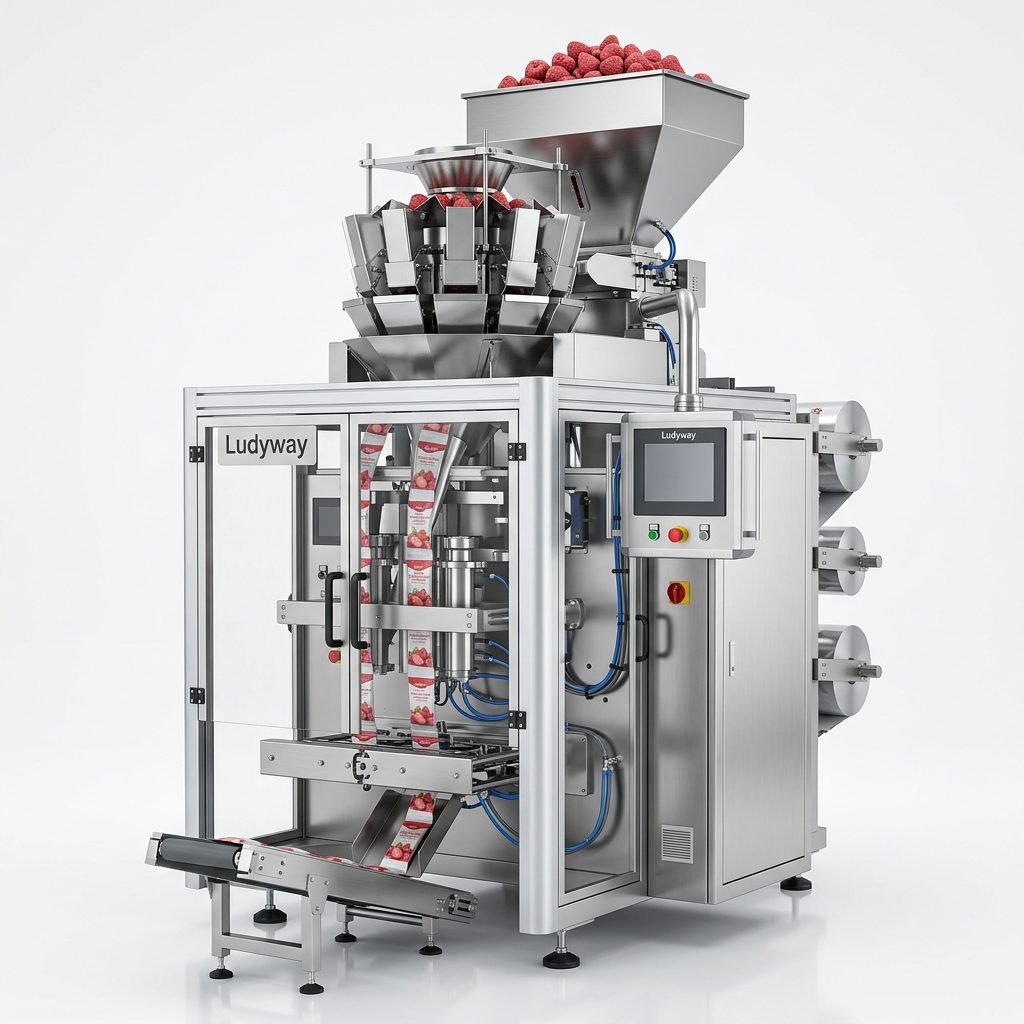
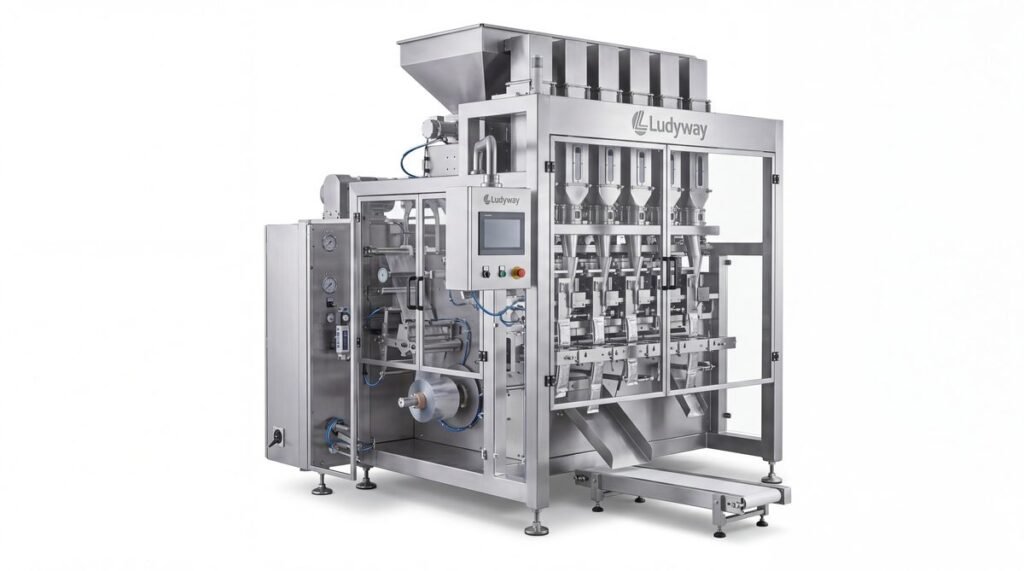
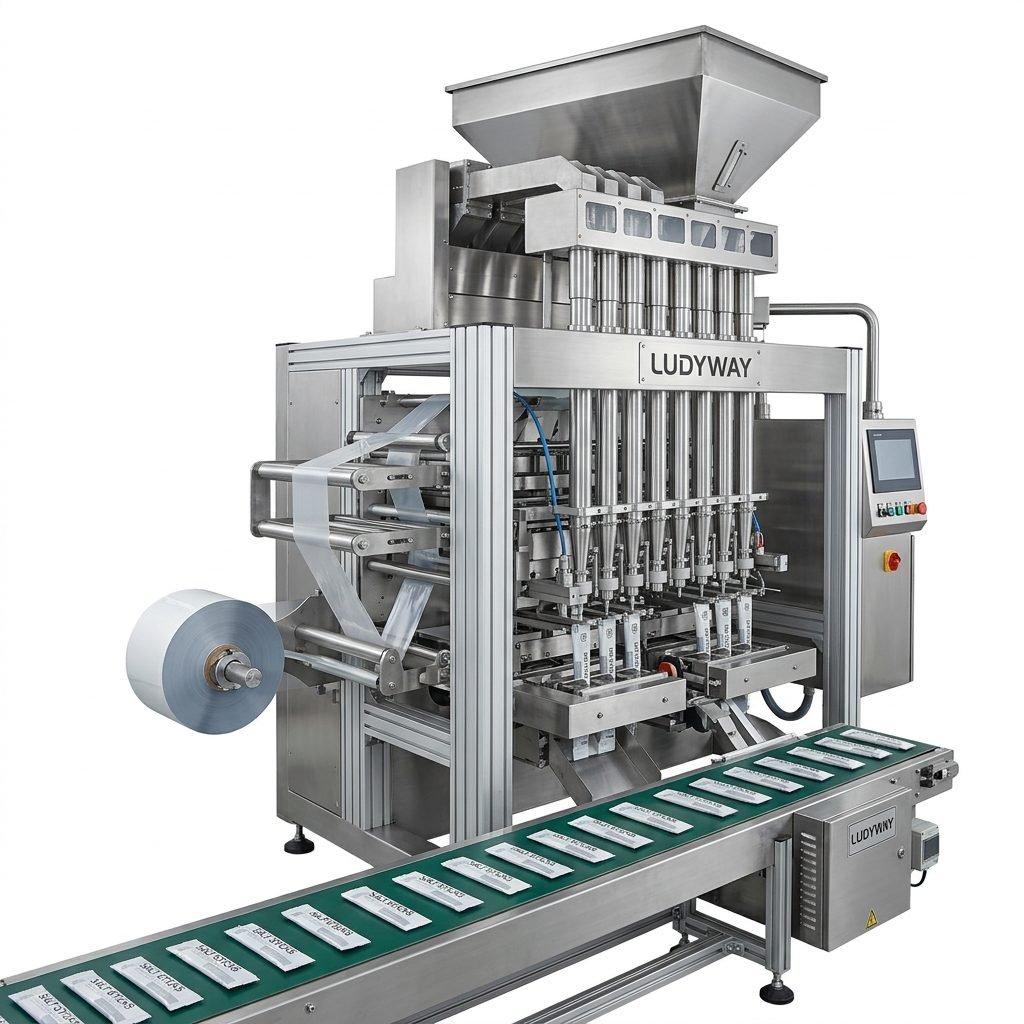
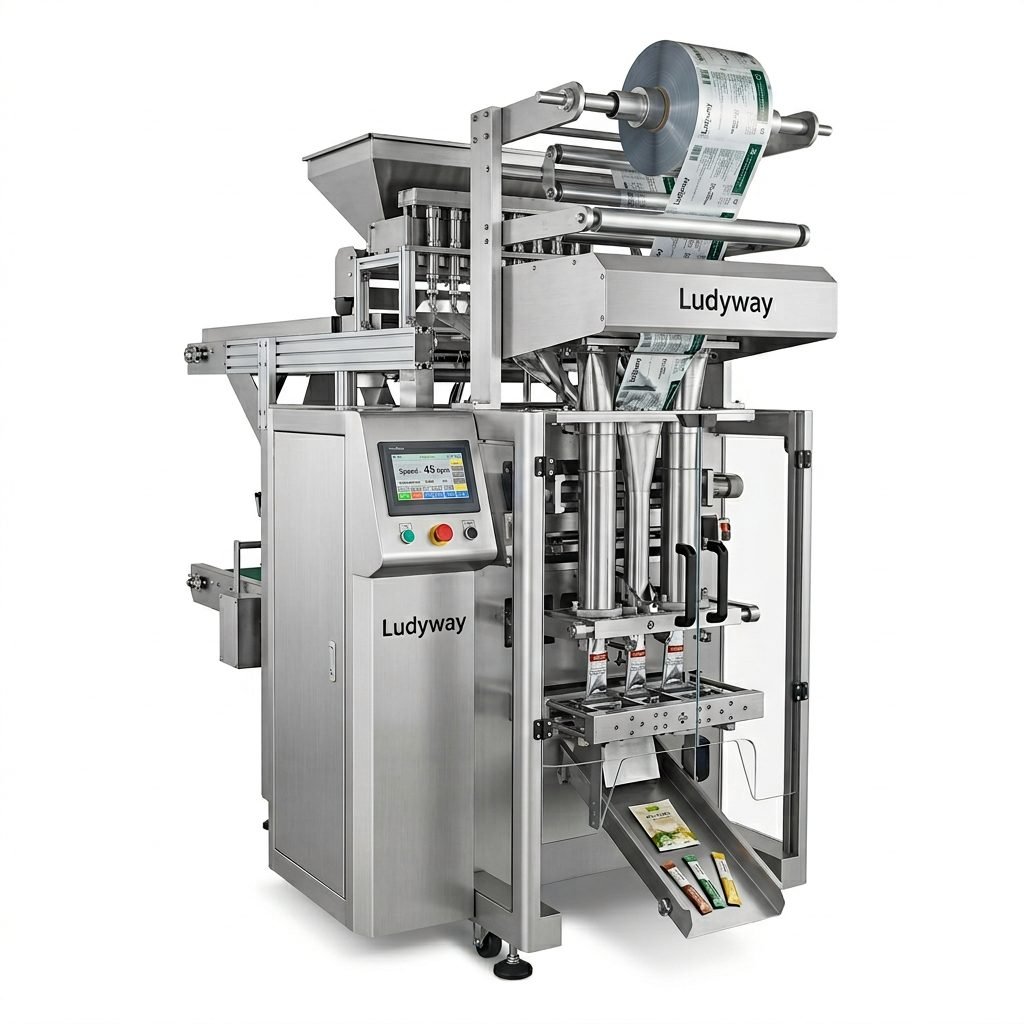
For businesses seeking a more streamlined and lower-risk path, partnering with a professional provider like Ludyway Machinery for refurbished equipment is an excellent option. With over 30 years of industry experience, such providers don’t just resell used machines; they professionally recondition them. This process involves complete disassembly, inspection, replacement of all critical wear parts, mechanical and electrical refurbishment, and rigorous testing to meet original performance specifications. The result is “like-new” reliability at a fraction of the cost. Furthermore, these machines often come with a standard warranty, access to genuine spare parts, and full technical support, effectively eliminating many of the risks associated with a private party purchase. This turnkey approach ensures your used equipment investment is sound and supported from day one.
Frequently Asked Questions (FAQs)
1. What are the biggest risks when buying used packaging equipment?
The primary risks include hidden mechanical or electrical issues, excessive wear on critical components, obsolete technology that is inefficient, and difficulty sourcing spare parts. These risks are mitigated by thorough inspection, purchasing from reputable sources, and opting for professionally refurbished equipment.
2. How can I verify the operational history of a used machine?
Request detailed maintenance logs, service records, and any repair history from the seller. Check the machine’s physical condition and hours of operation meter (if equipped). Speaking with the machine’s former operators, if possible, can also provide valuable insights.
3. Is it better to buy locally or from a national/global dealer?
Buying locally often reduces transportation costs and allows for easier pre-purchase inspections. However, a national or specialized dealer may offer a wider selection of professionally refurbished machines with warranties. Weigh the importance of local convenience against the selection and security offered by larger dealers.
4. Should I consider the cost of reconditioning before buying?
Absolutely. Always get a preliminary quote from a qualified technician for any necessary reconditioning, parts replacement, and installation before finalizing your purchase. This “recommissioning” cost must be included in your total budget to avoid surprises.
5. What support can I expect after buying a used machine?
Support varies greatly. Private sellers typically offer none. Professional resellers or OEMs may provide warranties, technical support, and spare parts services. Always clarify and secure post-sale support terms in writing before purchasing. Companies with a strong service network, like Ludyway Machinery, provide significant long-term value.