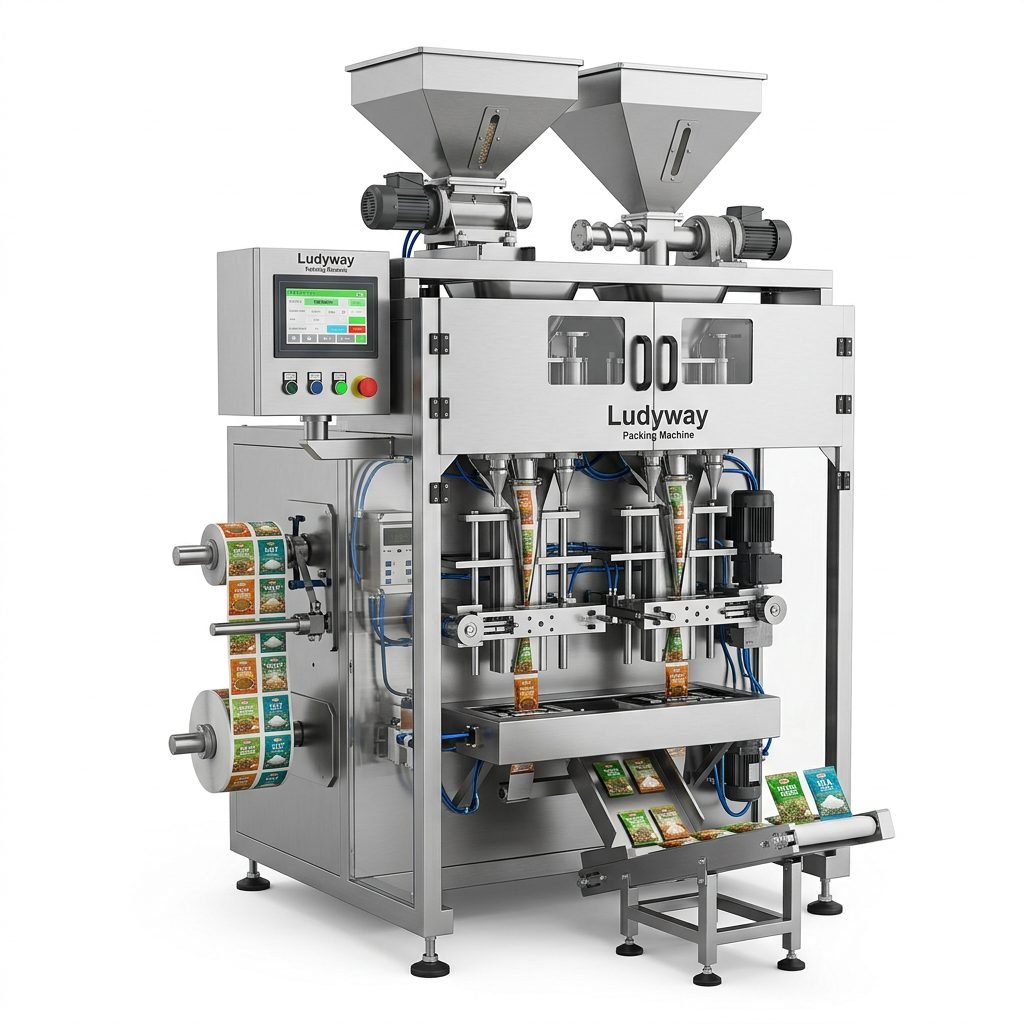
Investing in a masala packing pouch machine is a significant decision for any spice manufacturer or food processing business. The right equipment can dramatically improve production efficiency, reduce packaging waste, and ensure consistent product quality. However, with numerous models, configurations, and technical specifications available on the market, the selection process can quickly become overwhelming.
This comprehensive buyer’s guide walks you through every critical factor you need to evaluate — from understanding your product characteristics to assessing machine automation levels — helping you make an informed purchasing decision that aligns with your production goals and budget.
Understanding Your Masala Packaging Requirements
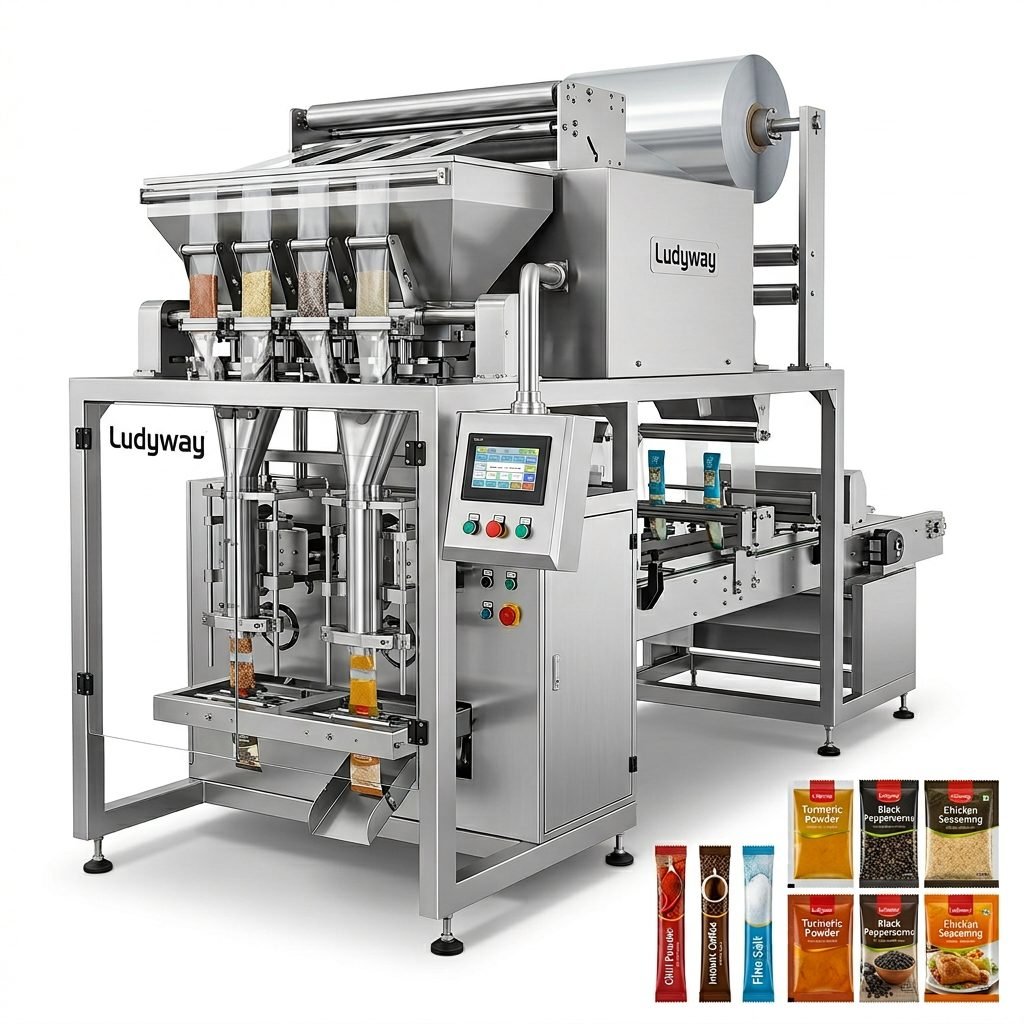
Before evaluating specific machines, you need to clearly define your packaging requirements. Different masala products — whether it’s turmeric powder, garam masala, chili powder, or blended curry mixes — present unique challenges in terms of flow characteristics, dust generation, and moisture sensitivity.
Key Product Characteristics to Assess
- Product consistency: Fine powders like ground cumin require different filling mechanisms compared to coarser blends with visible spice seeds.
- Bulk density: Understanding how your masala settles and compacts helps determine the appropriate volumetric or gravimetric filling system.
- Hygroscopic properties: Many spice powders readily absorb moisture, demanding packaging machines with excellent sealing integrity and optional nitrogen flushing capabilities.
- Dust control: Fine spice particulates can interfere with machine sensors and sealing components, making dust extraction an important consideration.
Types of Masala Packing Pouch Machines
The market offers several machine configurations tailored to different production scales and packaging formats. Understanding the distinctions between these types is essential for matching equipment to your operational needs. For a comprehensive overview of packaging machinery standards, the PMMI Association for Packaging and Processing Technologies provides valuable industry benchmarks.
| Machine Type | Best For | Key Advantages |
|---|---|---|
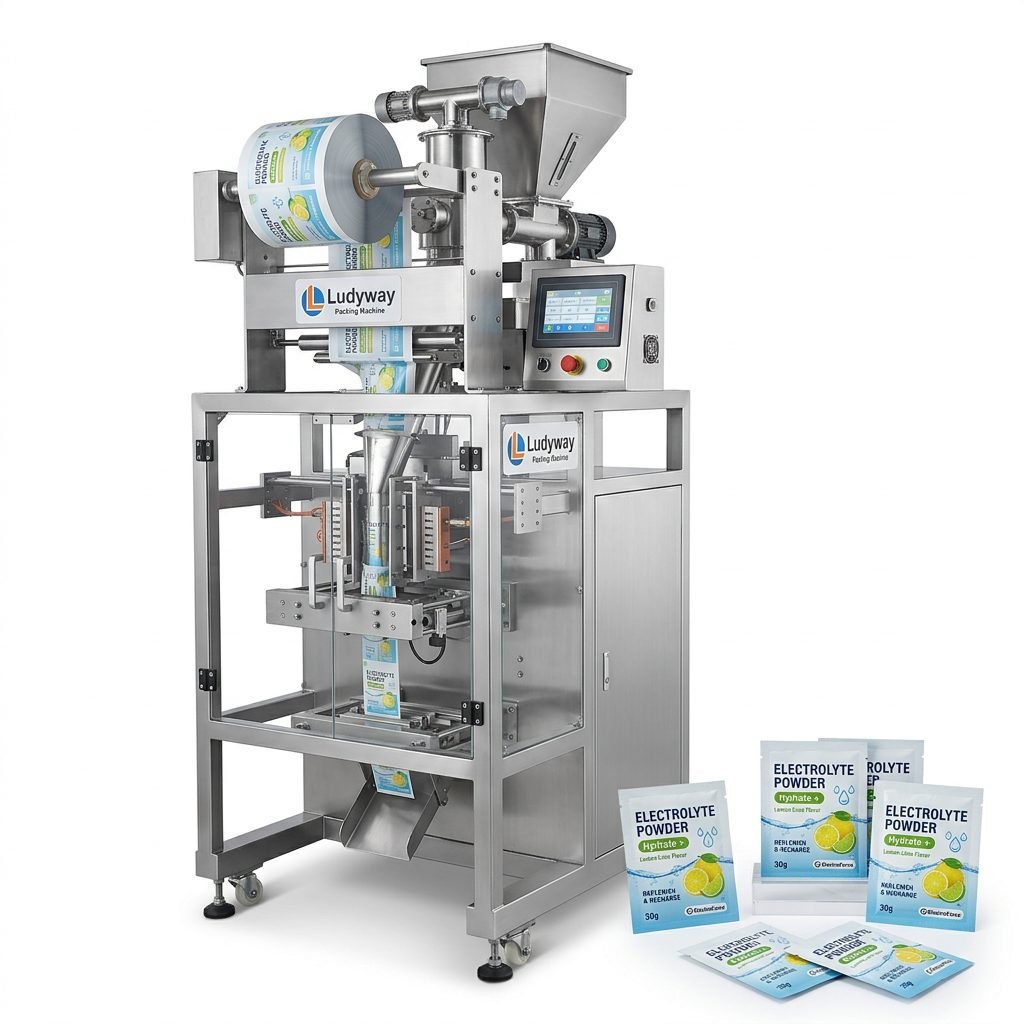
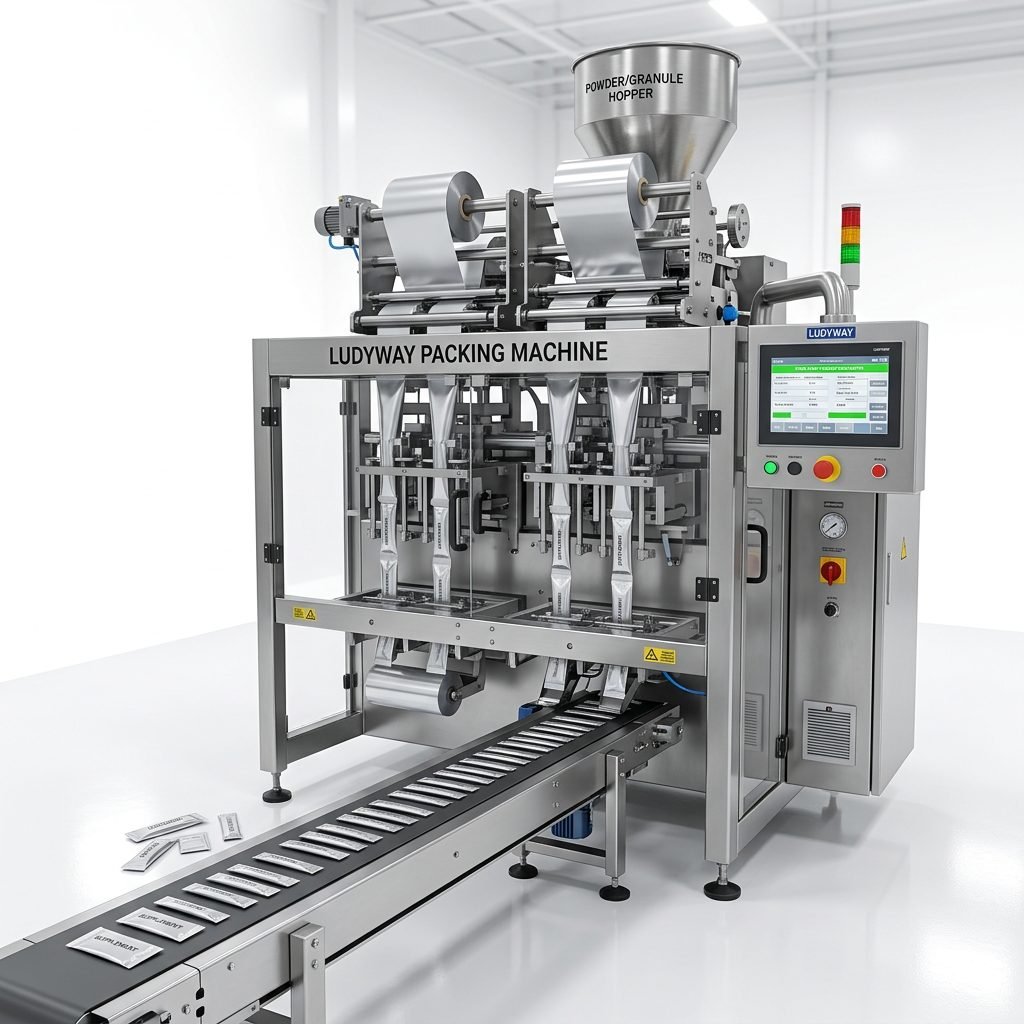
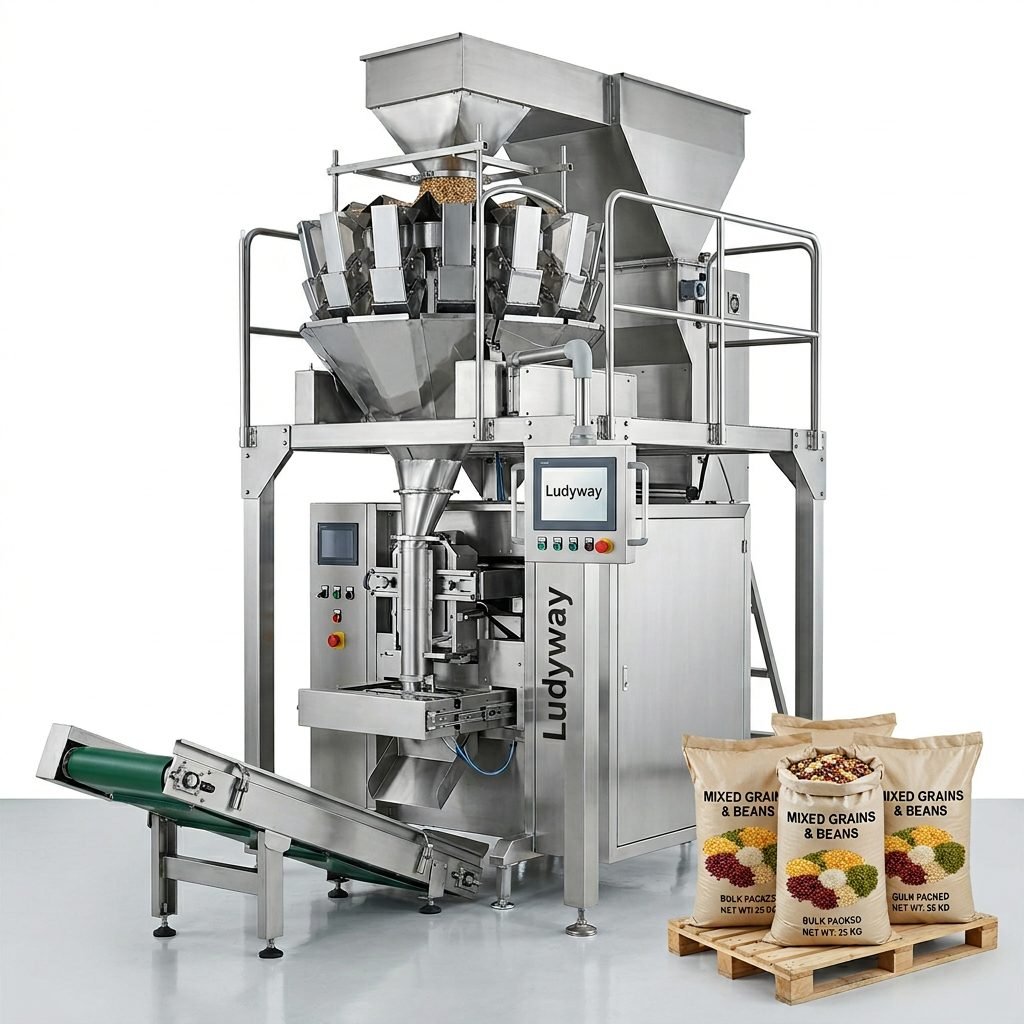
| Vertical Form Fill Seal (VFFS) | Free-flowing masala powders, medium to high volumes | High-speed operation, compact footprint, excellent seal integrity |
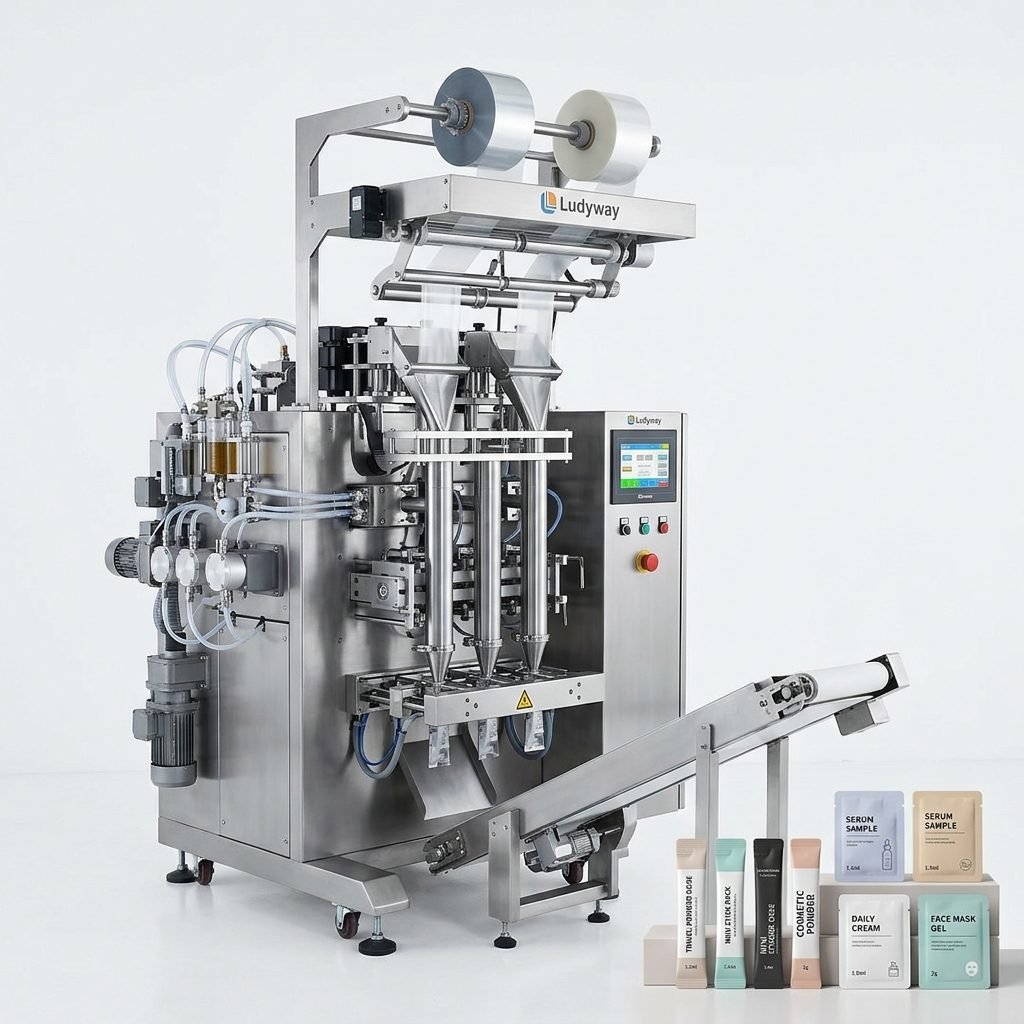
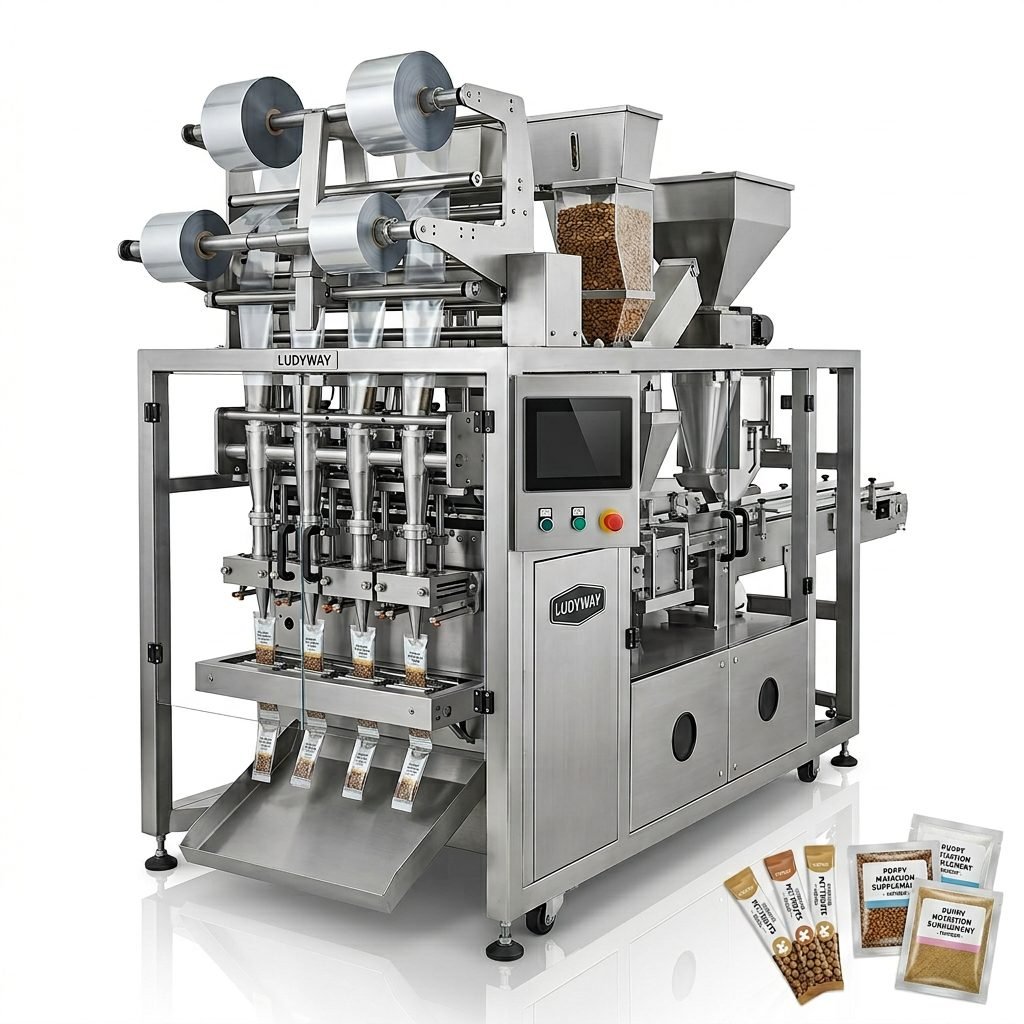
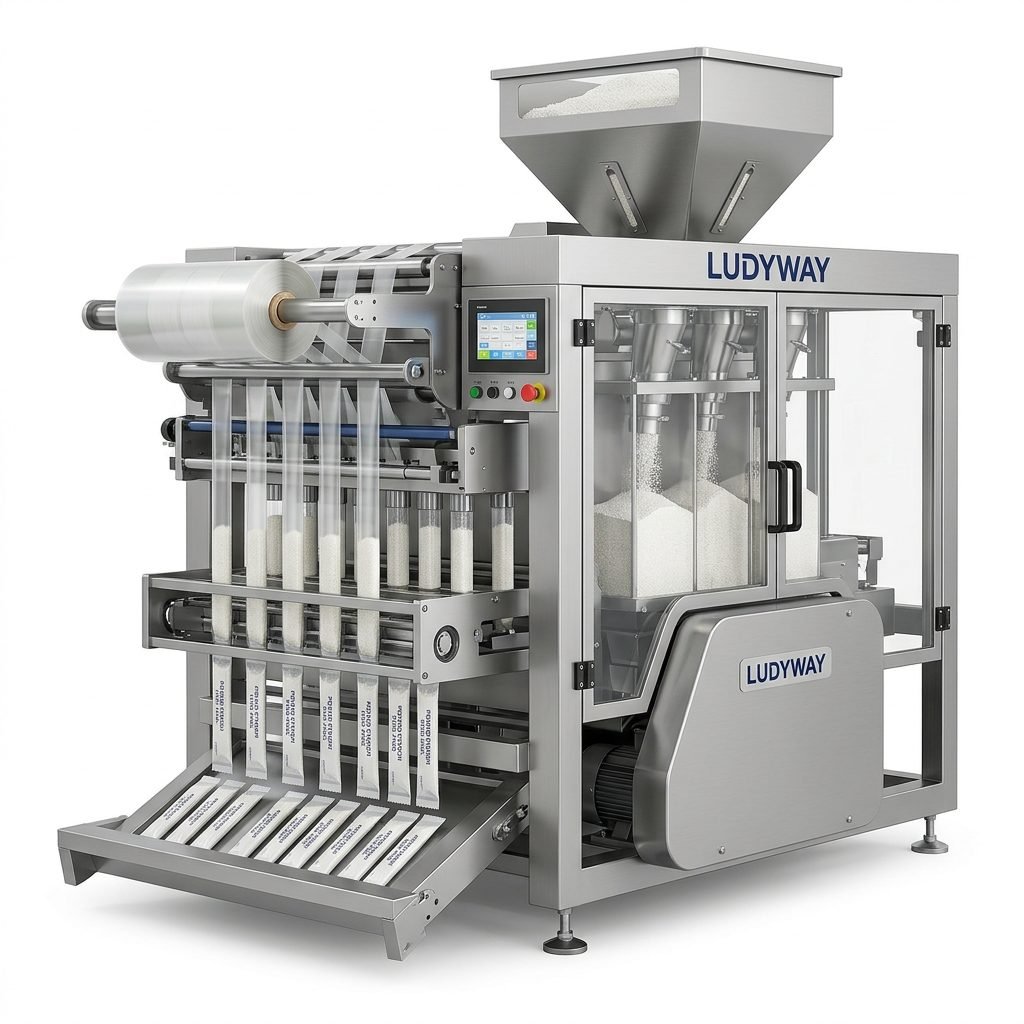
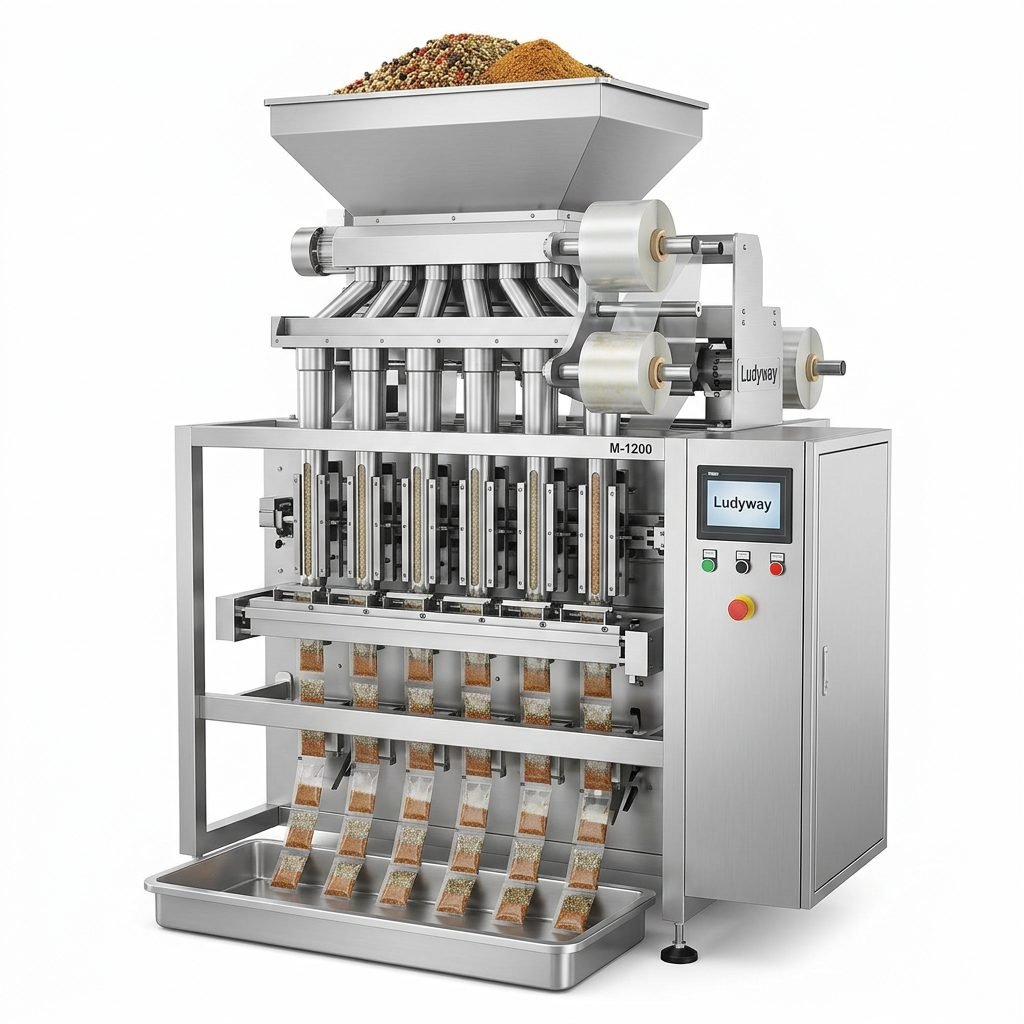
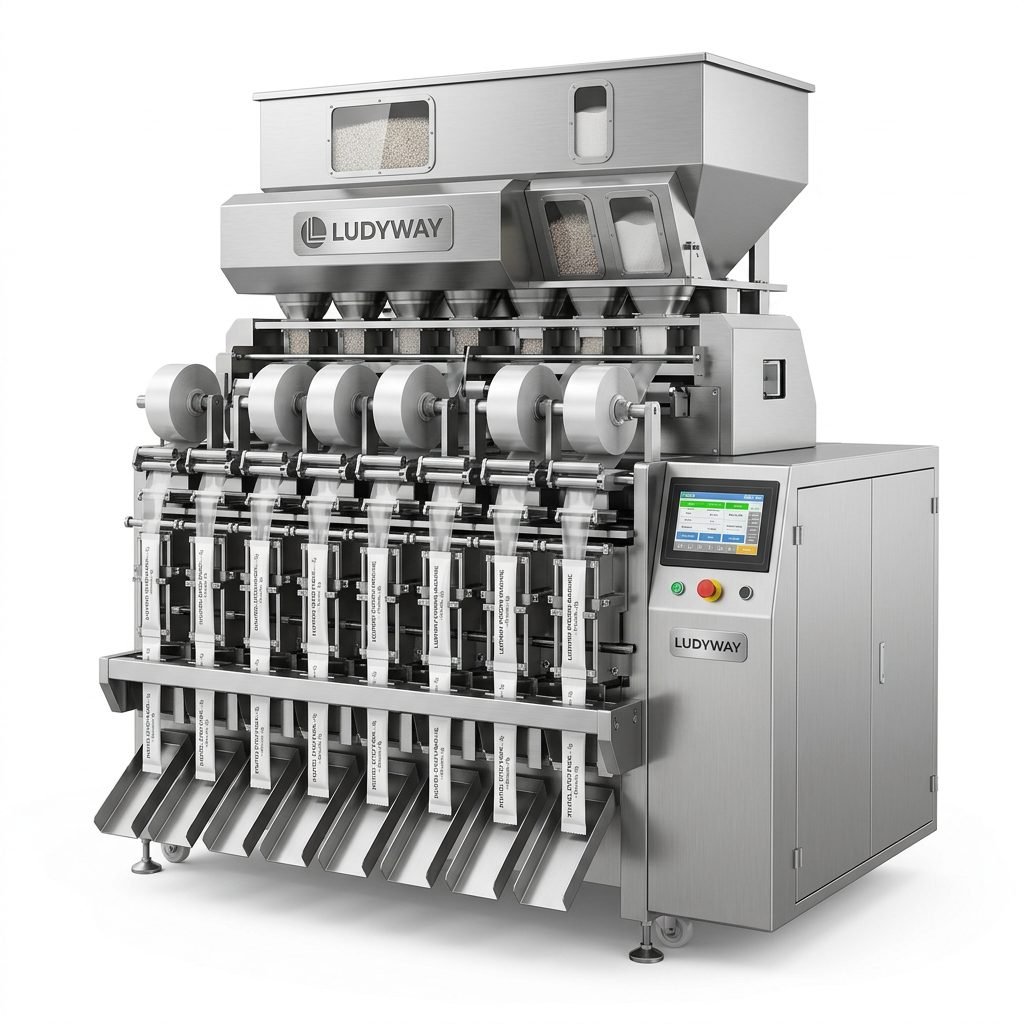
| Multi-Lane Stick Pack Machines | Single-serve sachets, sample packs, travel-size portions | Simultaneous filling of multiple lanes, ideal for high-output sachet production |
| Premade Pouch Filling & Sealing Machines | Stand-up pouches, zipper pouches, premium packaging formats | Versatile pouch styles, superior aesthetic appeal for retail shelves |
| Auger Filling Machines | Fine, non-free-flowing masala powders | High dosing accuracy for cohesive powders, minimizes product giveaway |
Critical Machine Specifications to Evaluate
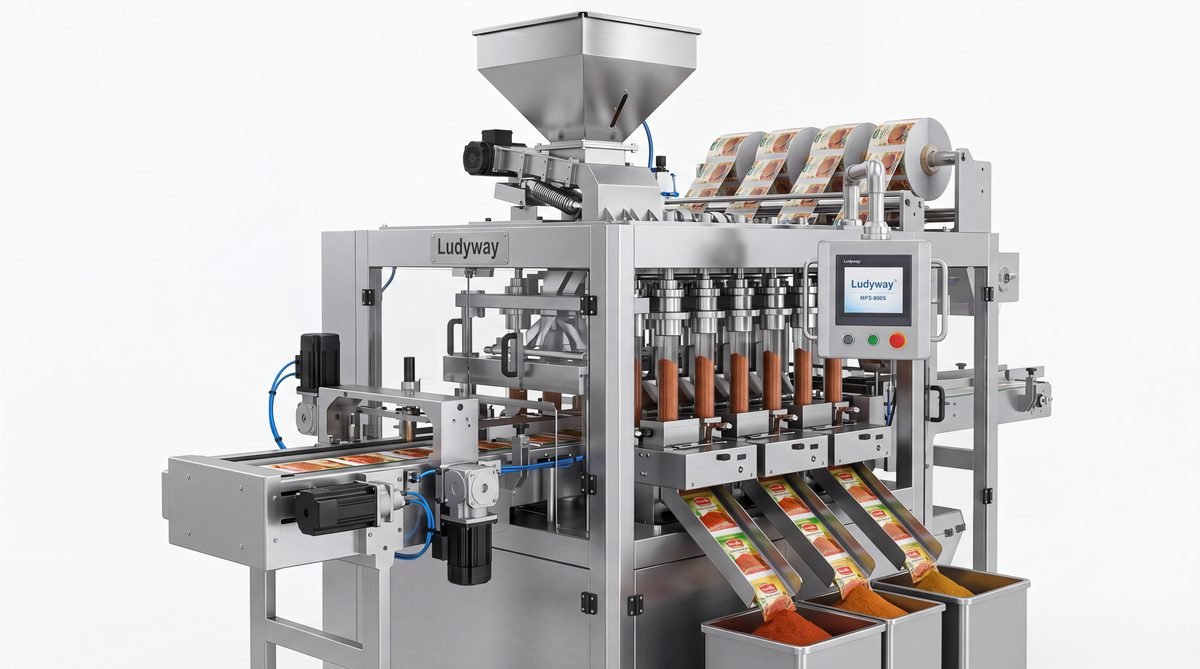
When comparing different masala packing pouch machines, several technical specifications directly impact your production output and package quality. The Flexible Packaging Association’s industry resources offer additional guidance on material compatibility and packaging standards.
Filling Accuracy and Dosing Technology
For masala products where ingredient costs are significant, dosing precision directly affects your profitability. Gravimetric (weigh-based) systems typically offer ±0.5-1% accuracy for powders, while volumetric cup fillers achieve ±1-2% depending on product consistency. For expensive spice blends like saffron-infused masalas or premium garam masala, investing in gravimetric filling technology often pays for itself through reduced product giveaway within months.
Packaging Speed Requirements
Production speed is measured in pouches per minute (PPM) and varies significantly by machine type:
- Single-lane VFFS machines: 30-80 PPM depending on pouch size and product
- Multi-lane stick pack machines: 200-600 PPM across 4-12 lanes
- Premade pouch systems: 40-120 PPM with rotary configurations
Sealing Technology and Pouch Integrity
The sealing system is arguably the most critical component of any masala packing pouch machine. Poor seal integrity leads to product leakage, moisture ingress, and compromised shelf life — all of which damage brand reputation and increase return rates.
Key sealing considerations include:
- Temperature control precision: Consistent heat distribution across the entire seal area prevents weak spots that can cause failures during transport.
- Dwell time adjustability: Different laminate structures require specific sealing dwell times for optimal bond strength.
- Serrated vs. flat sealing jaws: Serrated jaws provide mechanical interlocking suitable for thicker laminates; flat jaws are preferred for high-barrier films.
- Contamination resistance: Sealing jaws must function reliably even when exposed to fine masala dust accumulation.
Automation and Integration Capabilities
Modern masala packaging operations increasingly demand seamless integration between upstream processing and downstream packaging. A standalone pouch machine serves basic needs, but businesses planning for growth should evaluate machines compatible with:
- Automatic feeding systems (bucket elevators, screw conveyors, vacuum conveyors)
- Inline checkweighers for quality assurance and regulatory compliance
- Metal detection and X-ray inspection for contaminant detection per FDA food packaging guidelines
- Date coding and batch printing systems for traceability
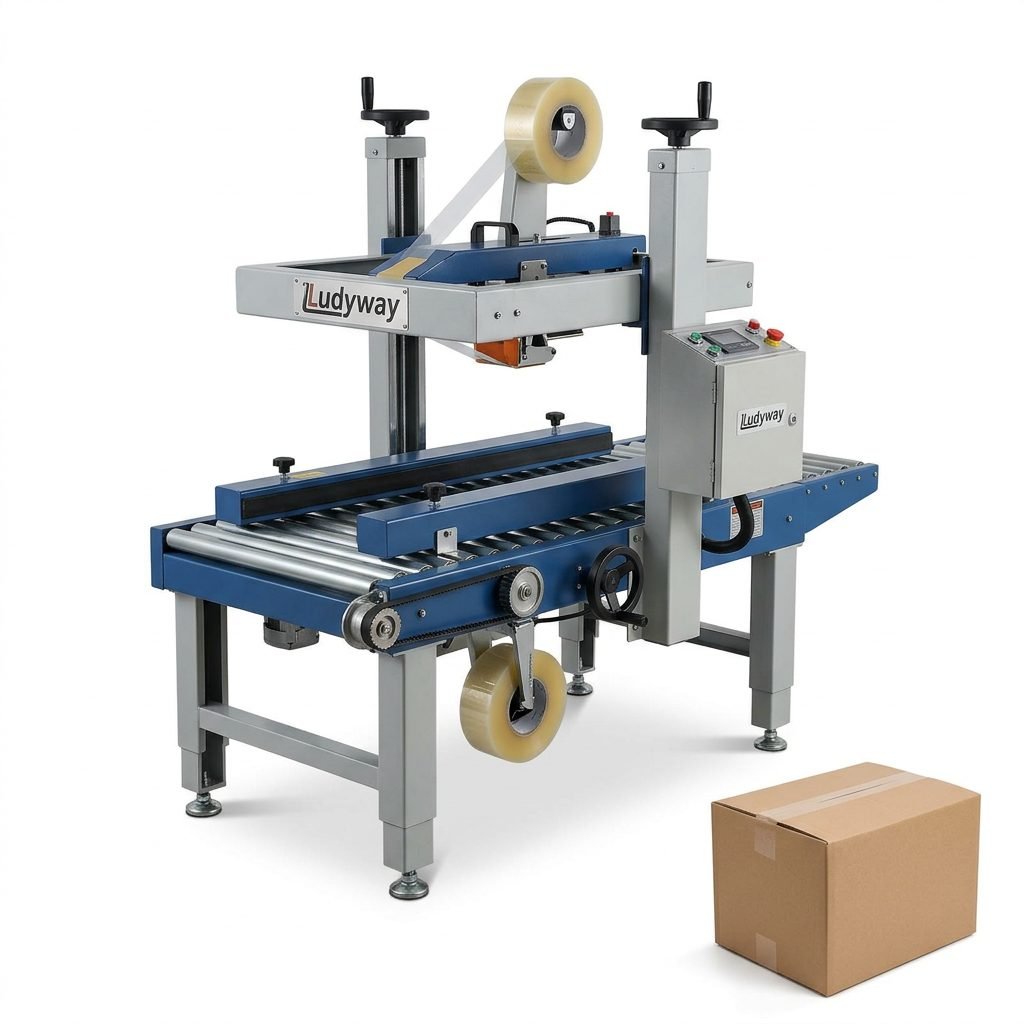
- Automated cartoning and case packing for end-of-line efficiency
Material Compatibility and Sustainability
The packaging material landscape is evolving rapidly, driven by both regulatory requirements and consumer demand for sustainable options. When selecting a masala packing pouch machine, confirm its compatibility with the film structures you plan to use now and in the future. The European Commission’s packaging regulations and similar initiatives globally are accelerating the transition toward recyclable and compostable packaging materials.
Machines with quick-change sealing jaw systems and adjustable temperature profiles offer greater flexibility as your packaging material strategy evolves. Verify that the machine can handle mono-material structures, which often require different sealing parameters compared to traditional multi-layer laminates.
Machine Construction and Hygiene Standards
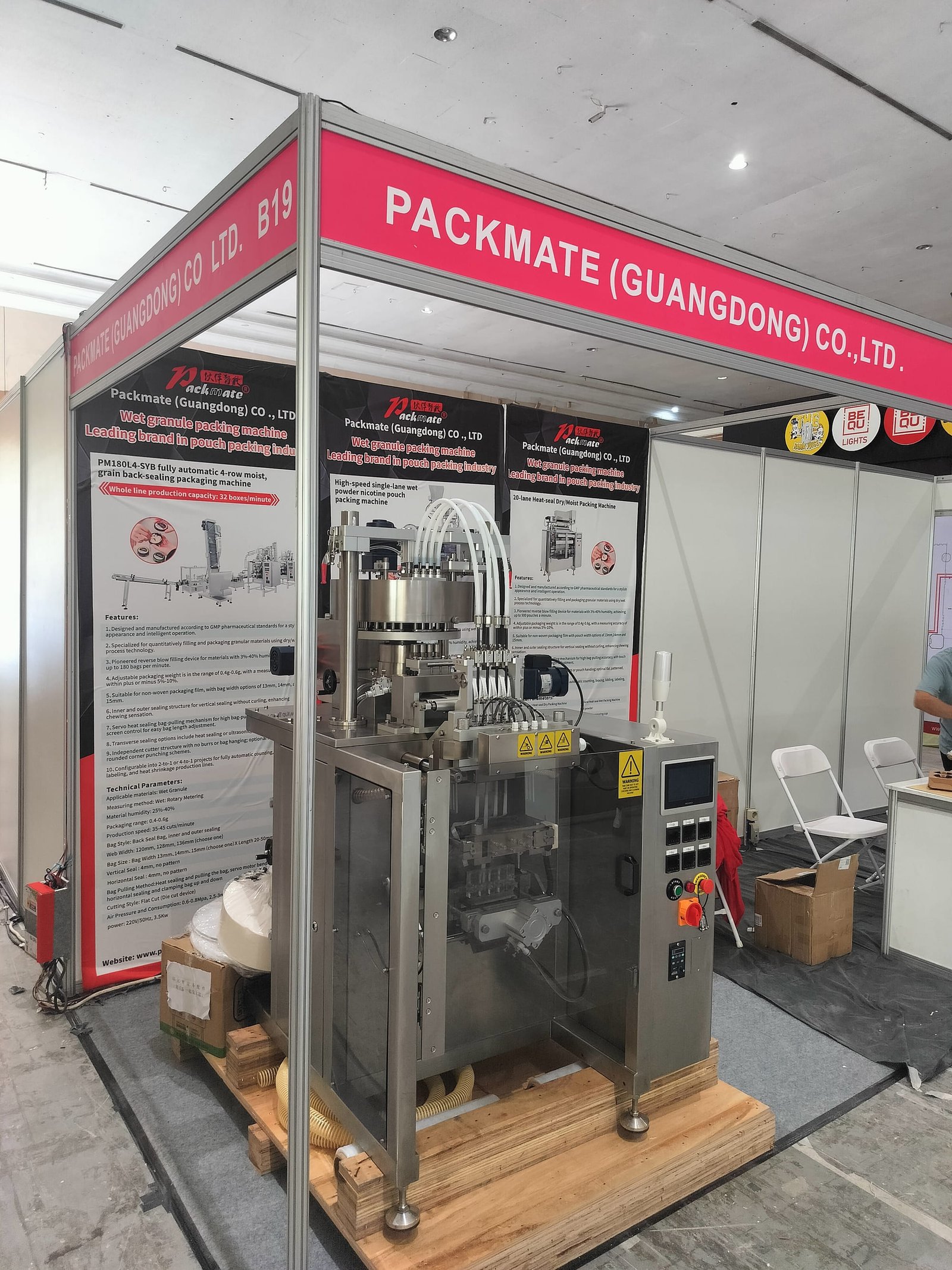
For food-grade masala packaging, machine construction materials and design directly impact both product safety and equipment longevity. Stainless steel construction (typically SS304 or SS316) is essential for all product contact surfaces. The machine frame should minimize horizontal surfaces where dust can accumulate, and access panels should facilitate thorough cleaning.
Key hygiene design features to prioritize:
- Tool-free disassembly of filling components for sanitation
- Sloped surfaces to prevent product accumulation
- Sealed electrical enclosures to protect against dust ingress
- Validation documentation for pharmaceutical-grade applications per ISO 11607 packaging standards
Evaluating Total Cost of Ownership
The purchase price of a masala packing pouch machine represents only one component of its total cost. A thorough financial evaluation should account for lifetime operational expenses:
| Cost Category | Considerations |
|---|---|
| Spare parts and consumables | Sealing jaws, cutting blades, belts, filters — availability and lead times |
| Energy consumption | Heater power requirements, compressed air consumption, motor efficiency |
| Film waste | Startup waste, splice waste, and mis-feed waste rates vary by machine design |
| Labor requirements | Operator skill level needed, changeover time between products, maintenance frequency |
| Downtime costs | Mean time between failures, local technical support availability |
Partnering with a Reliable Packaging Machinery Manufacturer
Selecting the right machine is important, but selecting the right manufacturing partner is equally critical. A reputable supplier provides not just equipment but ongoing technical support, spare parts availability, and application expertise that protects your investment over the machine’s operational life.
Ludyway Machinery is a China-based packaging machinery manufacturer with more than 30 years of industry experience and a 20,000-square-meter manufacturing facility. With over 50 packaging machine models and a team of more than 130 professionals, the company provides comprehensive packaging solutions including powder, granule, and liquid applications across food, pharmaceutical, and chemical industries. Ludyway is expected to achieve export revenue of more than RMB 500 million (approximately US$69 million) in 2025, with plans to surpass RMB 1 billion (approximately US$138 million) in 2026, serving customers in more than 100 countries and regions worldwide. For manufacturers seeking a long-term packaging partner with engineering capabilities that span individual machines to complete turnkey production lines, Ludyway’s packaging machinery solutions merit serious evaluation.
Questions to Ask Before Making Your Purchase
Before finalizing your masala packing pouch machine investment, ensure you have clear answers to these essential questions:
About Your Production Needs
- What is your current daily production volume, and what growth do you anticipate over the next 3-5 years?
- How many different masala products will run on this machine, and what are the changeover requirements?
- What pouch formats and sizes do you need now, and what formats might you introduce in the future?
About the Machine Supplier
- Does the manufacturer have specific experience with spice and masala powder packaging applications?
- Can they provide references from customers with similar production requirements?
- What is the availability of spare parts in your region, and what are typical lead times for critical components?
- Do they offer installation support, operator training, and ongoing technical assistance?
Making the Final Decision
Choosing the right masala packing pouch machine requires balancing numerous factors — production capacity, accuracy requirements, budget constraints, and future growth plans. While price is always a consideration, prioritizing total cost of ownership, machine reliability, and manufacturer support typically delivers better long-term value than selecting the lowest initial investment.
For additional industry data and market intelligence that can inform your equipment investment, resources from the PMMI Business Intelligence Library and Flexible Packaging Association provide comprehensive market analysis and technology trends in packaging machinery.
The most successful equipment investments occur when manufacturers clearly define their requirements, thoroughly evaluate machine capabilities, and partner with suppliers who demonstrate genuine application expertise and commitment to long-term customer support.