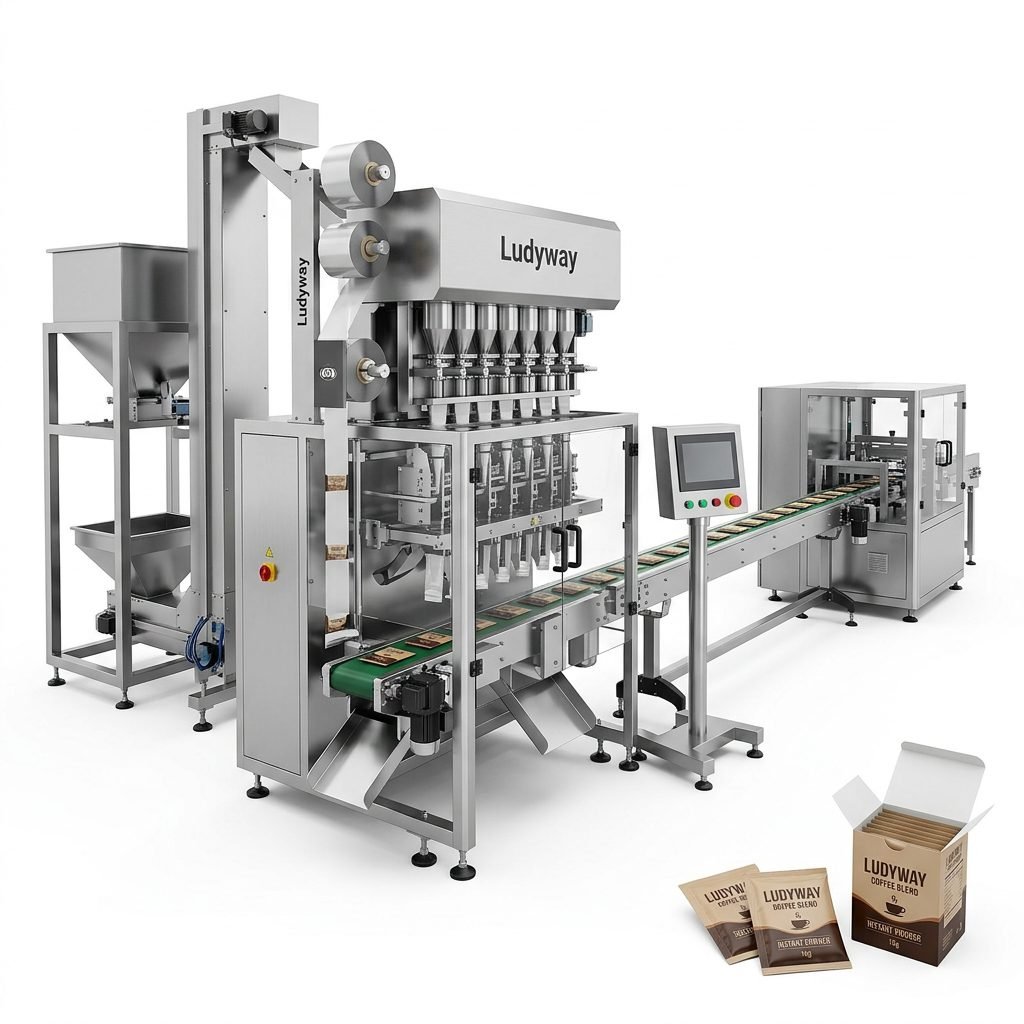
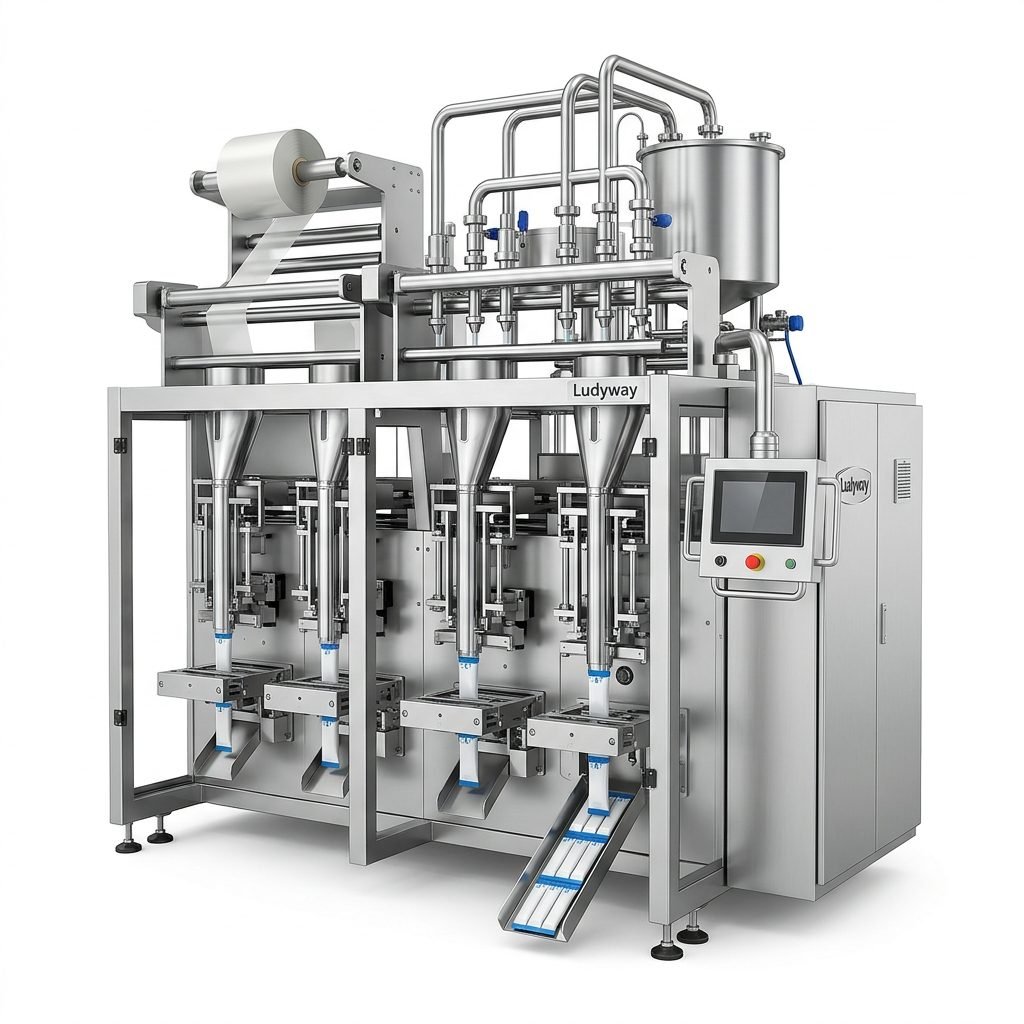
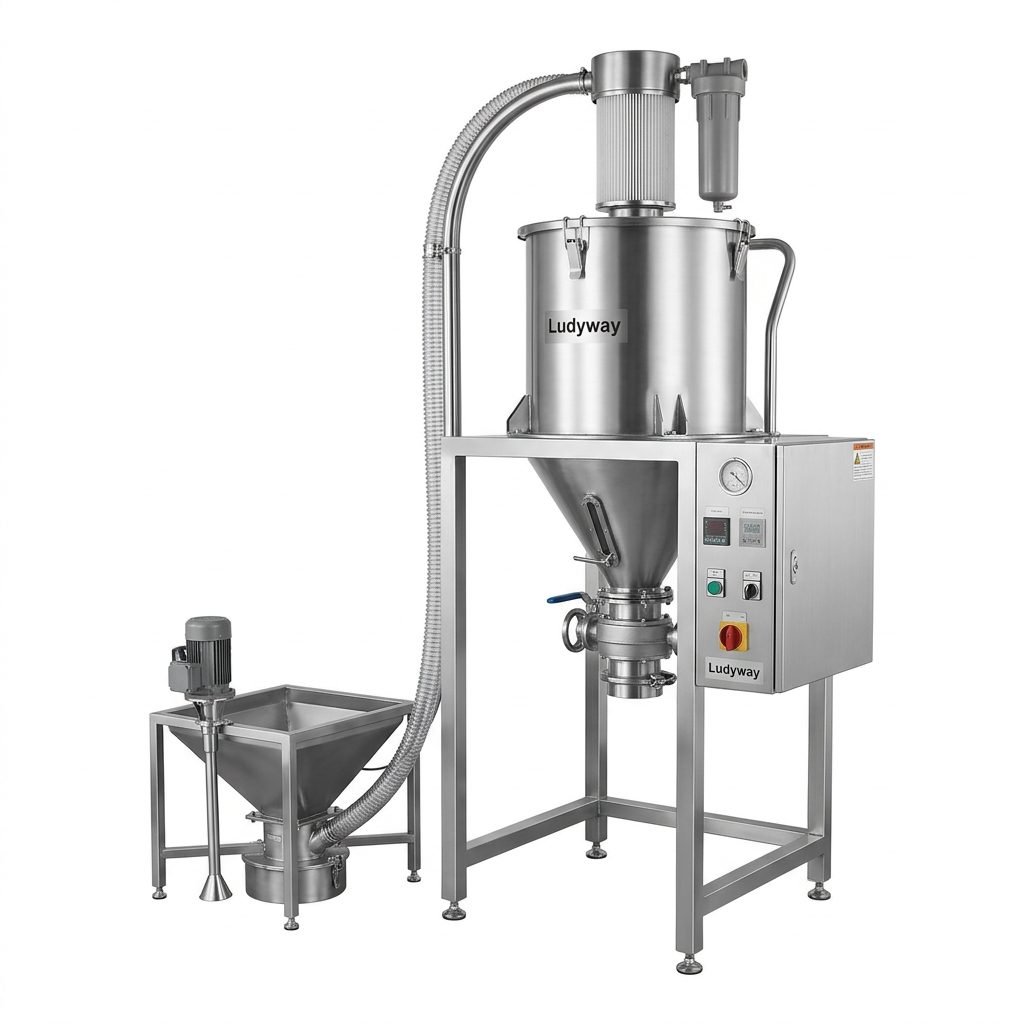
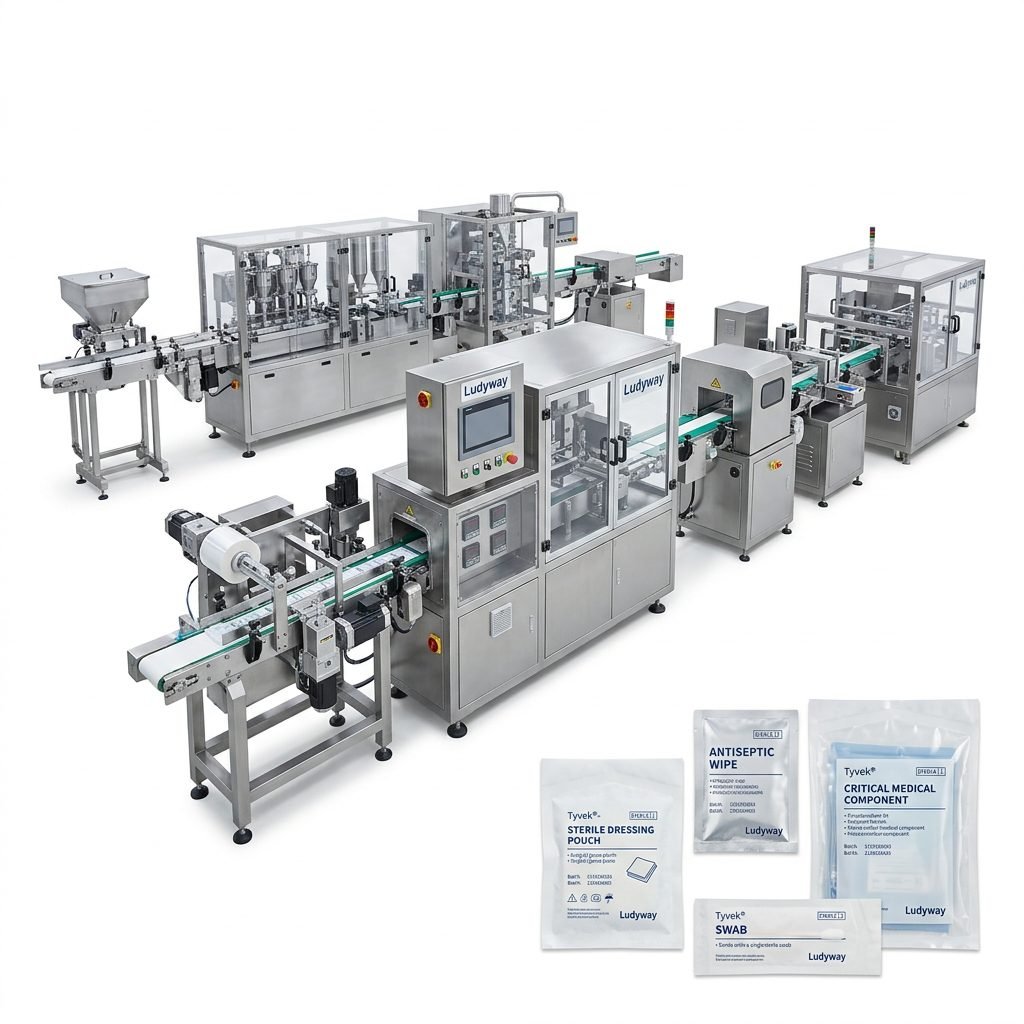
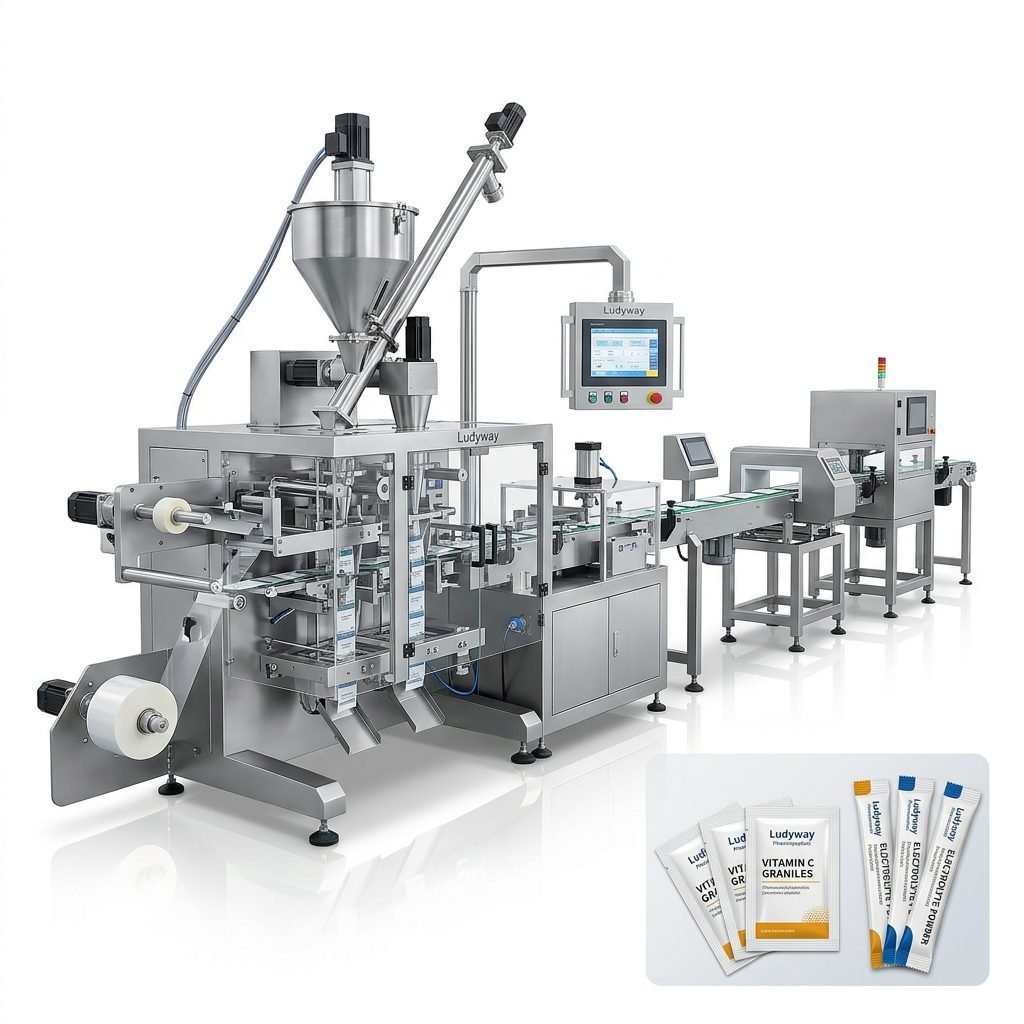
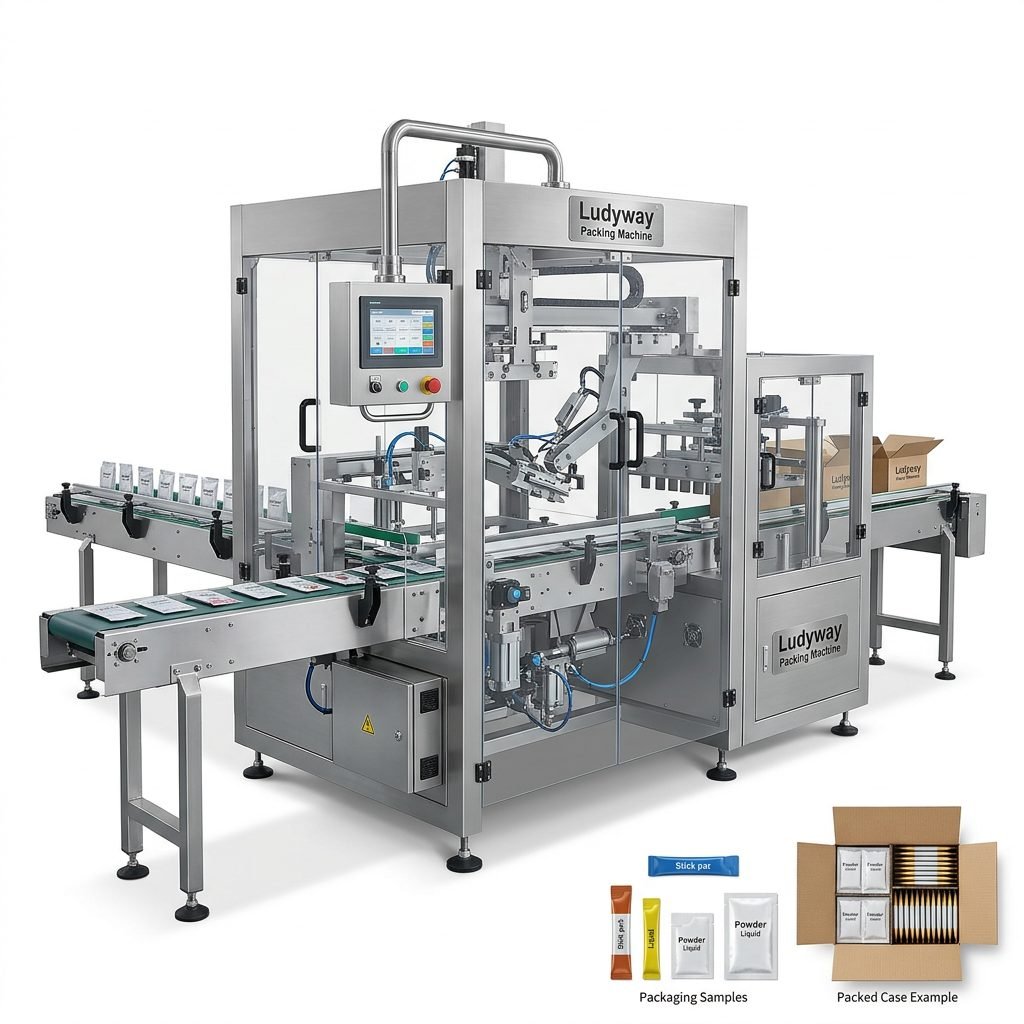
In today’s fast-paced manufacturing environment, integrating a super packaging machine into your production line is a strategic decision that can significantly enhance efficiency, reduce costs, and ensure product consistency. Choosing the best automatic packing solution, however, requires careful consideration of multiple factors to align with your specific operational needs and goals.
Understanding Your Packaging Requirements
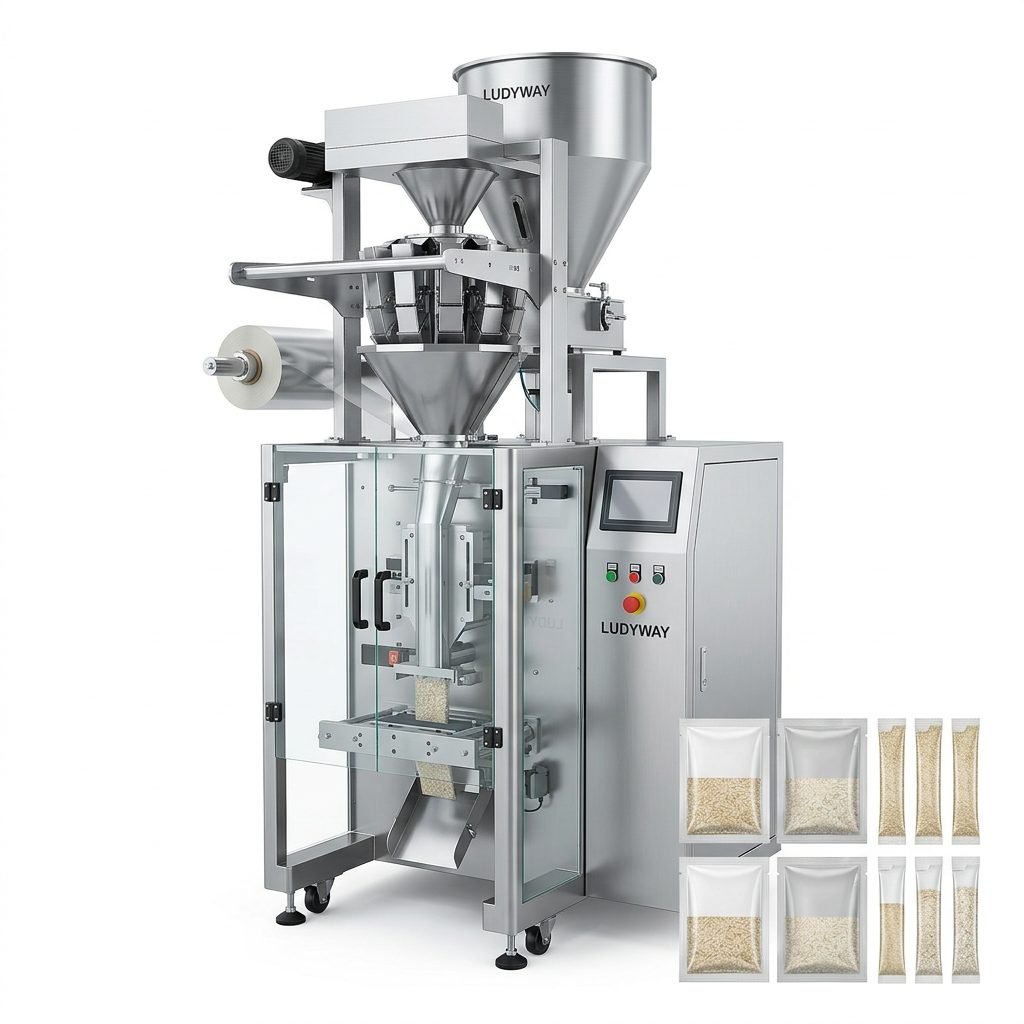
The first and most critical step is a thorough analysis of your own production line. What are you packaging? Is it granules, powders, liquids, or solid items? Each product type demands specific machine functionalities. For instance, a granule packaging machine will differ in design from a liquid filling system. Furthermore, consider your required output speed, package size range, and the level of automation needed—from semi-automatic to fully integrated robotic lines.
Key Machine Features to Evaluate
When comparing different models of automatic packing machines, focus on these core features:
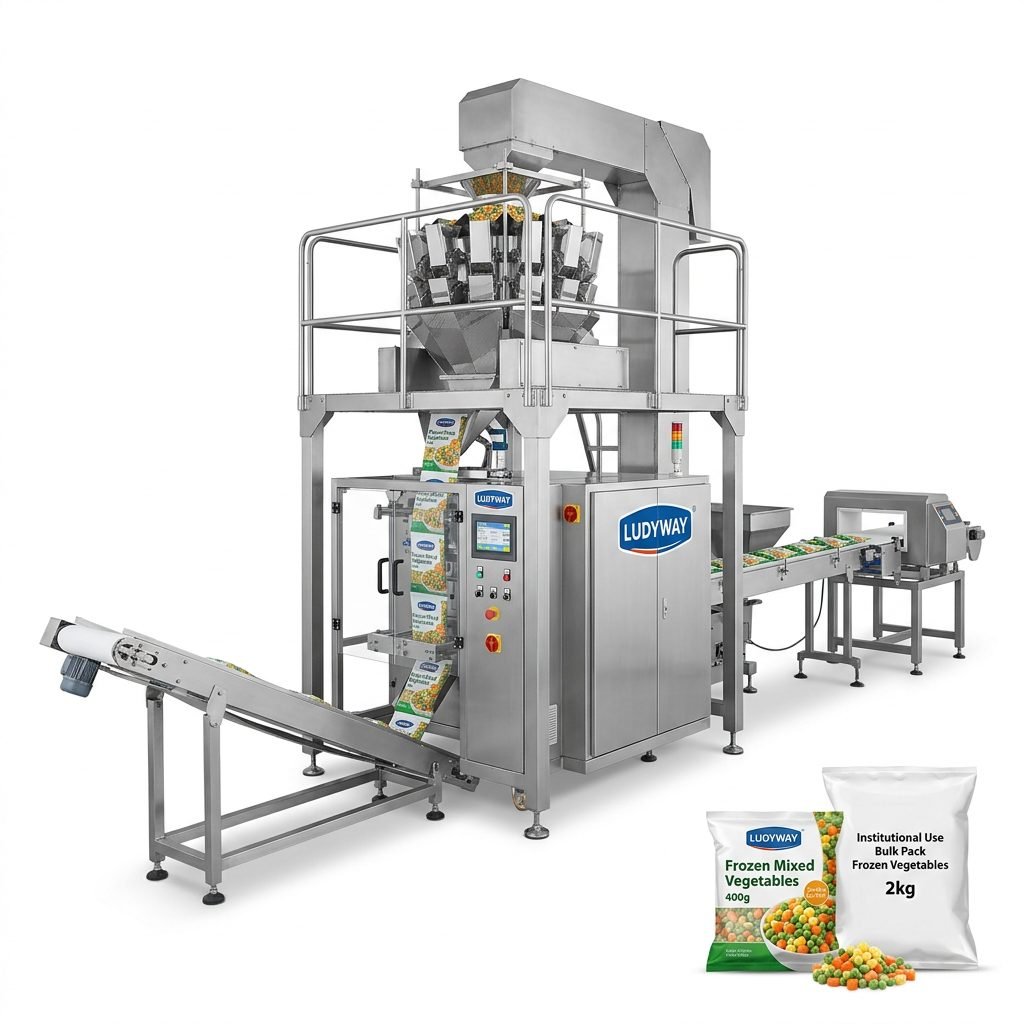
→ Precision and Accuracy: Consistent dosing and sealing are non-negotiable for product quality and reducing material waste. Look for machines with high-precision servo motors and advanced weighing systems.
→ Flexibility and Changeover Time: Can the machine handle multiple package sizes and materials with quick, tool-less changeovers? This is vital for production lines running various SKUs.
→ Durability and Construction: A robust frame and food-grade or pharmaceutical-grade components (like stainless steel contact parts) ensure longevity, hygiene, and minimal downtime.
→ User Interface and Control: An intuitive, programmable logic controller (PLC) with a touchscreen HMI simplifies operation, recipe storage, and troubleshooting for your technicians.
Integration with Existing Production Lines
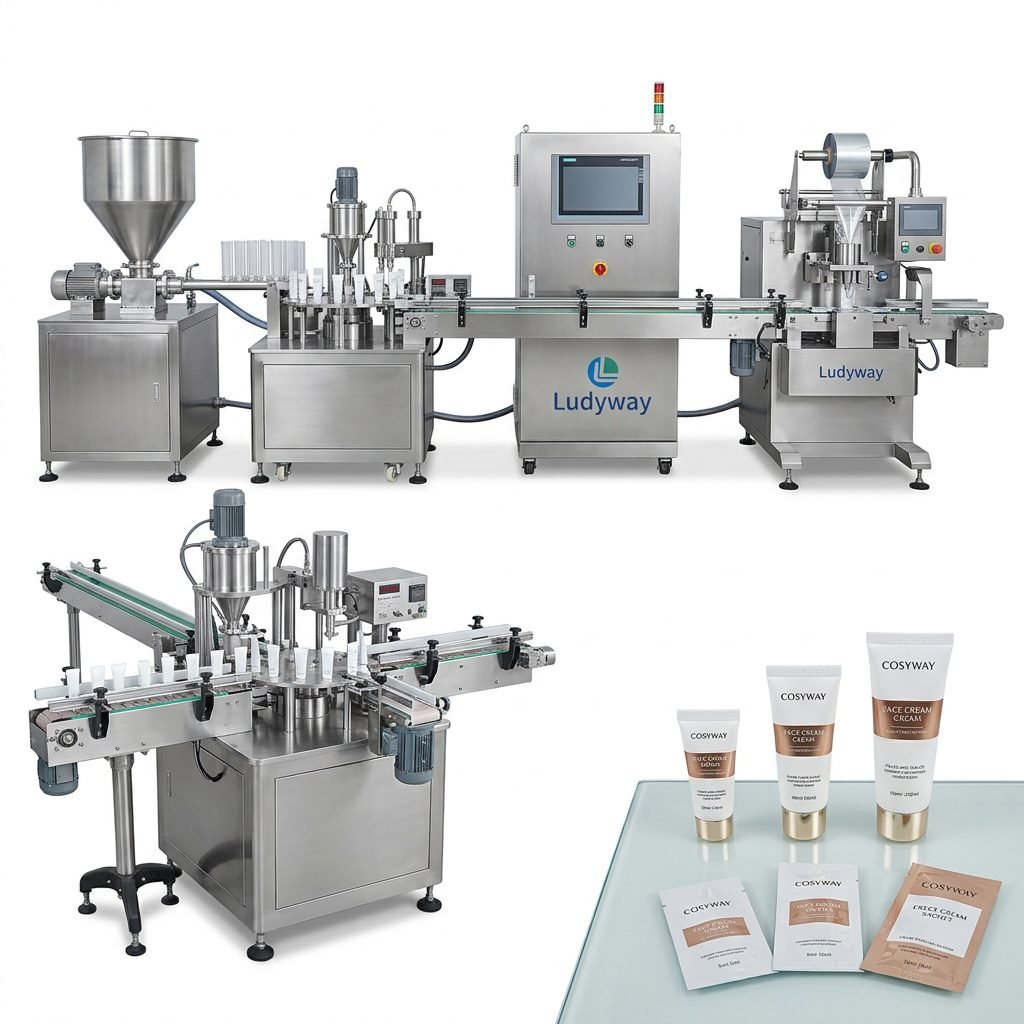
A super packaging machine shouldn’t be an island. Its true value is realized through seamless integration. Assess compatibility with your upstream equipment (like mixers or conveyors) and downstream systems (like cartoners or palletizers). The supplier’s ability to provide a turnkey production solution is a significant advantage, ensuring all components work in harmony, thereby maximizing throughput and minimizing bottlenecks.
The Importance of Supplier Expertise and Support
Your relationship with the machinery provider extends far beyond the purchase. A partner with deep industry experience brings invaluable insight. For example, Ludyway Packing Machine, with over 30 years of collective expertise, understands the nuanced challenges of packaging in the food, pharmaceutical, and health industries. They don’t just sell a machine; they offer a solution backed by:
• Comprehensive Technical Support: From installation and commissioning to operator training.
• Reliable After-Sales Service: Access to spare parts, remote diagnostics, and prompt on-site service to ensure continuous operation.
• Customization Capabilities: The ability to tailor the machine to your unique product or layout requirements is a hallmark of a true partner.
Total Cost of Ownership (TCO) vs. Initial Price
While the initial investment is important, the Total Cost of Ownership is the real metric for ROI. A cheaper machine may have higher long-term costs due to frequent breakdowns, inefficient energy use, or excessive material waste. Consider energy consumption, maintenance needs, and the machine’s expected lifespan. Investing in a reliable, efficient automated packaging solution from a reputable manufacturer often leads to lower TCO and greater long-term savings.
Future-Proofing Your Investment
Technology evolves rapidly. Choose a machine and a supplier that embrace innovation. Can the system’s software be updated? Is the machine designed to accommodate future upgrades or connectivity for Industry 4.0 and smart factory data integration? Partnering with a forward-thinking company like Ludyway Machinery, which continuously develops intelligent packaging models, helps protect your investment against premature obsolescence.
Final Steps Before Decision
Before finalizing your choice, insist on a product test using your actual materials. Witnessing the machine in action at the supplier’s facility or a reference site is invaluable. Review detailed documentation, warranty terms, and service level agreements. A transparent and collaborative supplier will welcome this due diligence.
Conclusion
Selecting the best super packaging machine is a multifaceted process that balances technical specifications, integration capabilities, supplier partnership, and total cost. By meticulously evaluating your needs against these criteria, you can implement an automatic packing solution that becomes a cornerstone of your production line’s efficiency, quality, and profitability for years to come.
Frequently Asked Questions (FAQs)
Q1: What is the typical lead time for a new automatic packaging machine?
Lead times vary based on complexity and customization. For standard models from established suppliers, it can range from 8 to 16 weeks. Custom or turnkey solutions may require more time for engineering and assembly.
Q2: How can I ensure the machine meets my industry’s hygiene standards (e.g., FDA, GMP)?
Specify your regulatory requirements upfront. Reputable manufacturers design machines with these in mind, using appropriate materials (e.g., 304 or 316L stainless steel) and offering designs that are easy to clean and sanitize. Request documentation of material certifications.
Q3: What kind of training is provided with the machine?
Comprehensive training should be included. This typically covers machine operation, basic troubleshooting, routine maintenance, and safety procedures for your operators and maintenance staff, conducted both during installation and through provided manuals/videos.
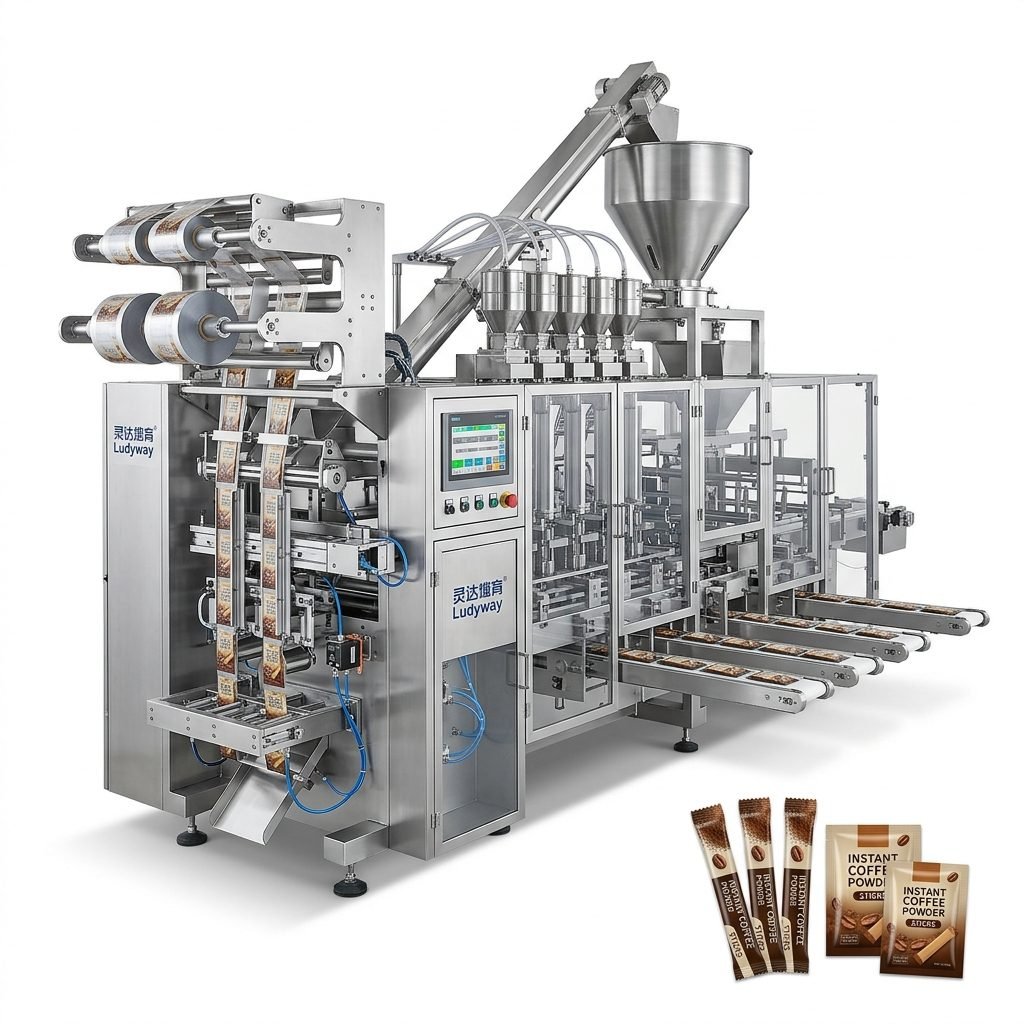
Q4: Can one machine handle different packaging formats, like stick packs and sachets?
Some advanced models are multi-format machines capable of producing different package styles with changeover parts. However, for high-speed, dedicated production, separate machines might be more efficient. Discuss your flexibility needs with the supplier.
Q5: What is the most common cause of downtime, and how is it mitigated?
Common issues include film jams, seal quality problems, or sensor errors. Choosing a machine with robust construction, easy access for maintenance, and a reliable control system with clear error messages minimizes downtime. A strong preventive maintenance plan and reliable technical support are crucial.