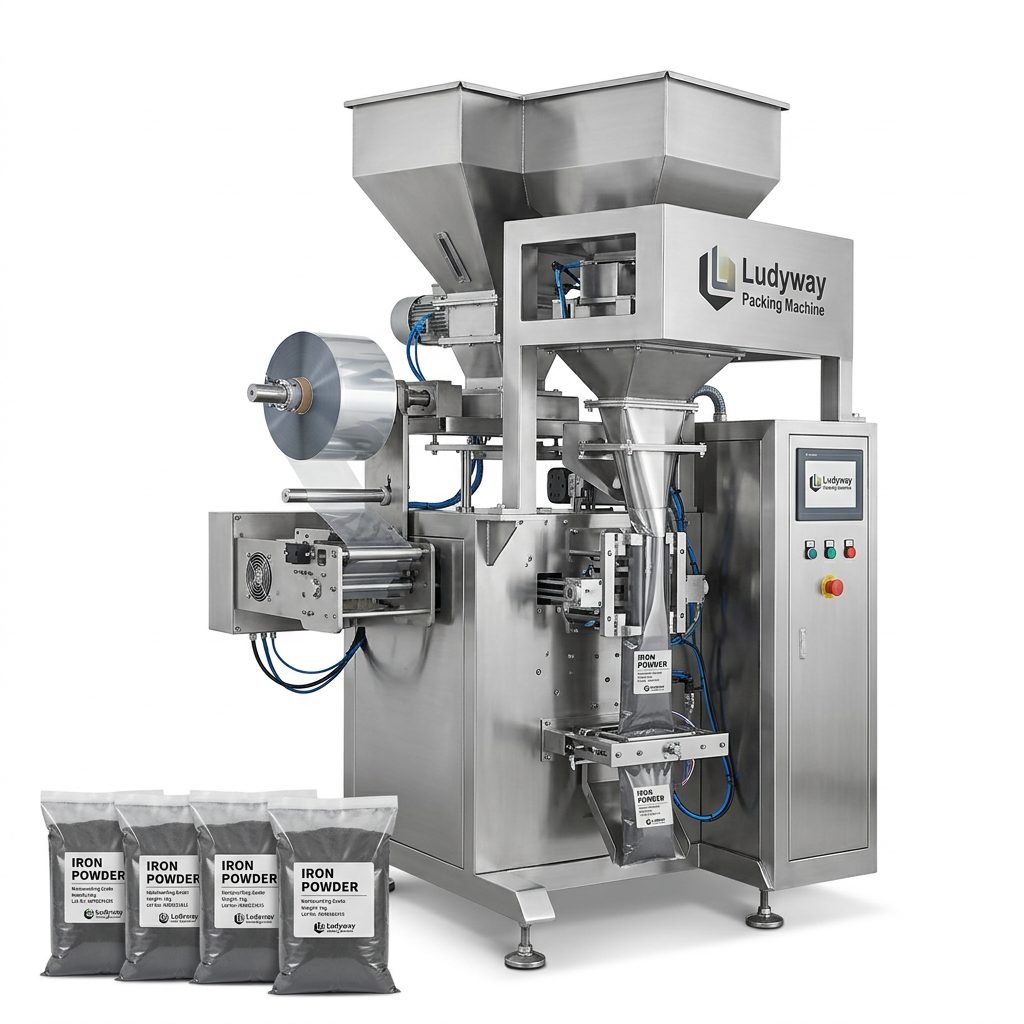
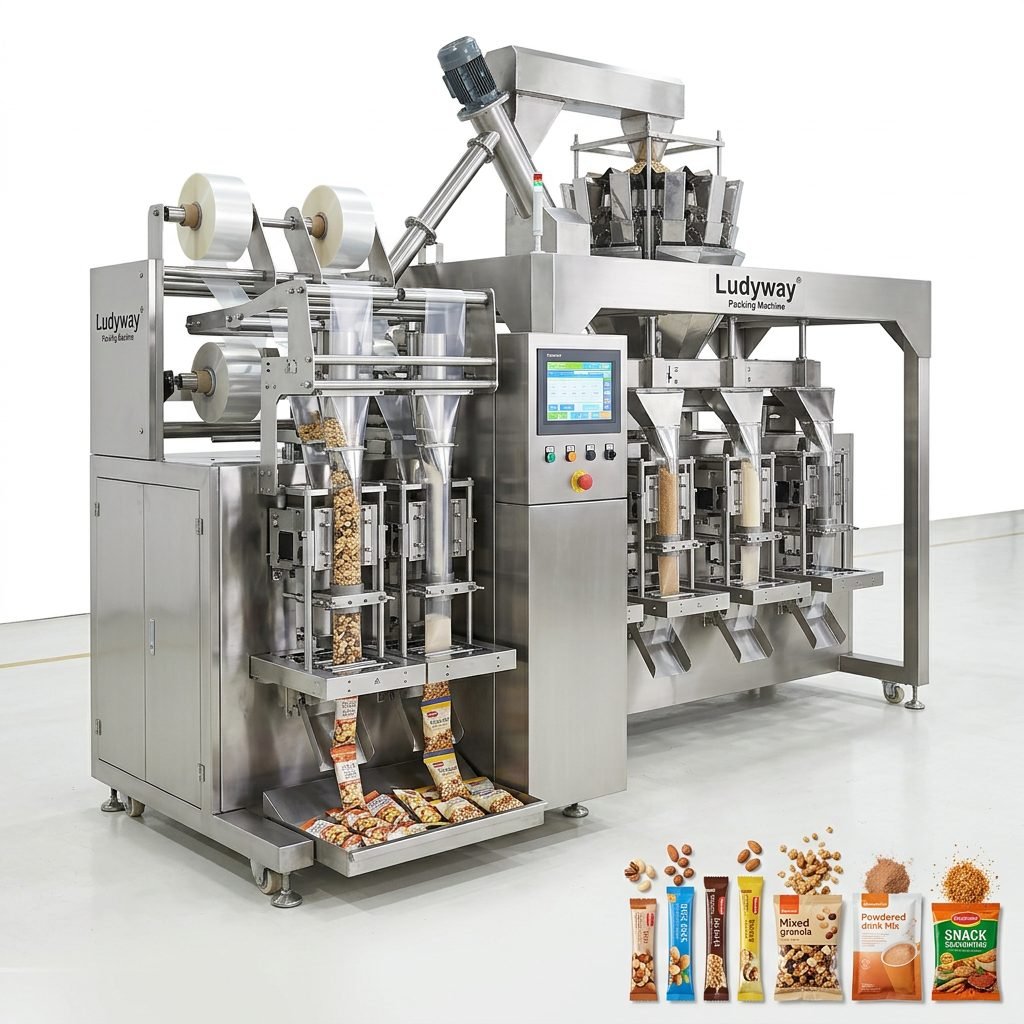
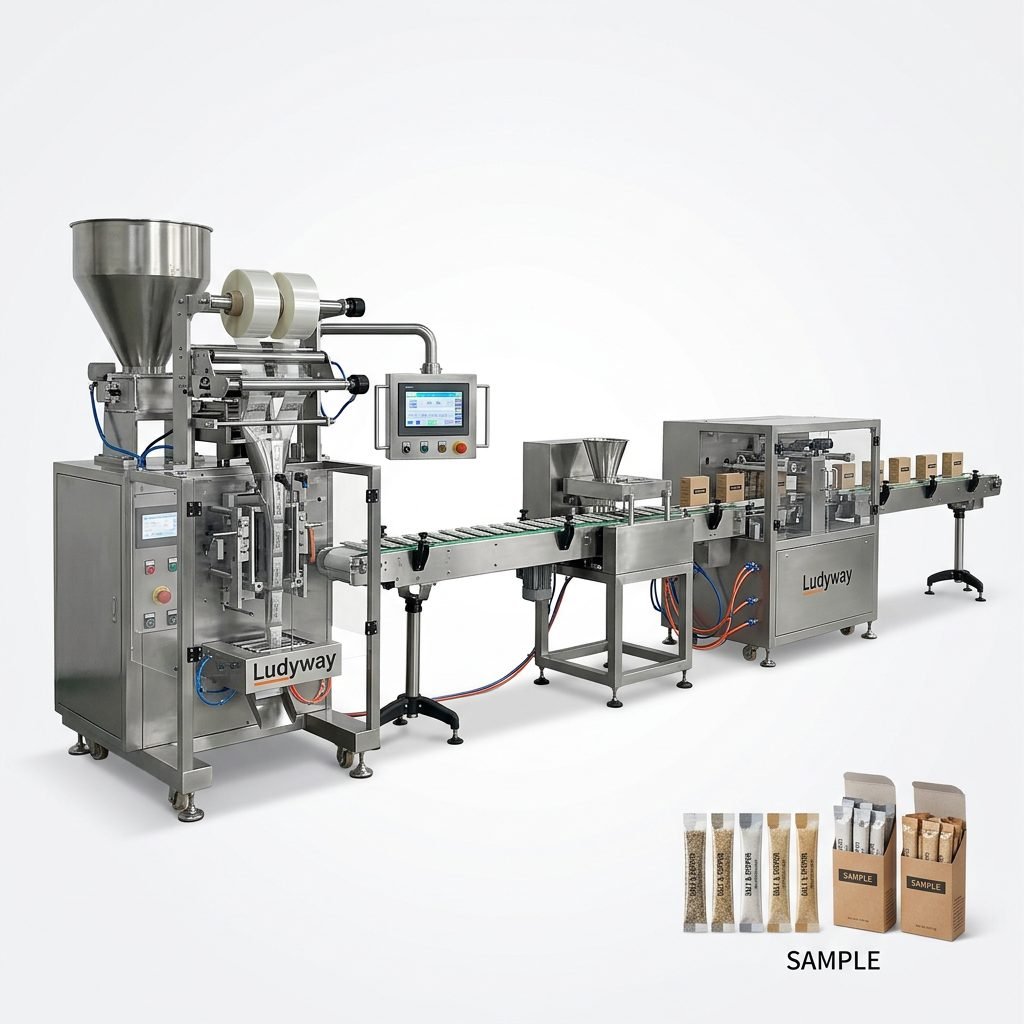
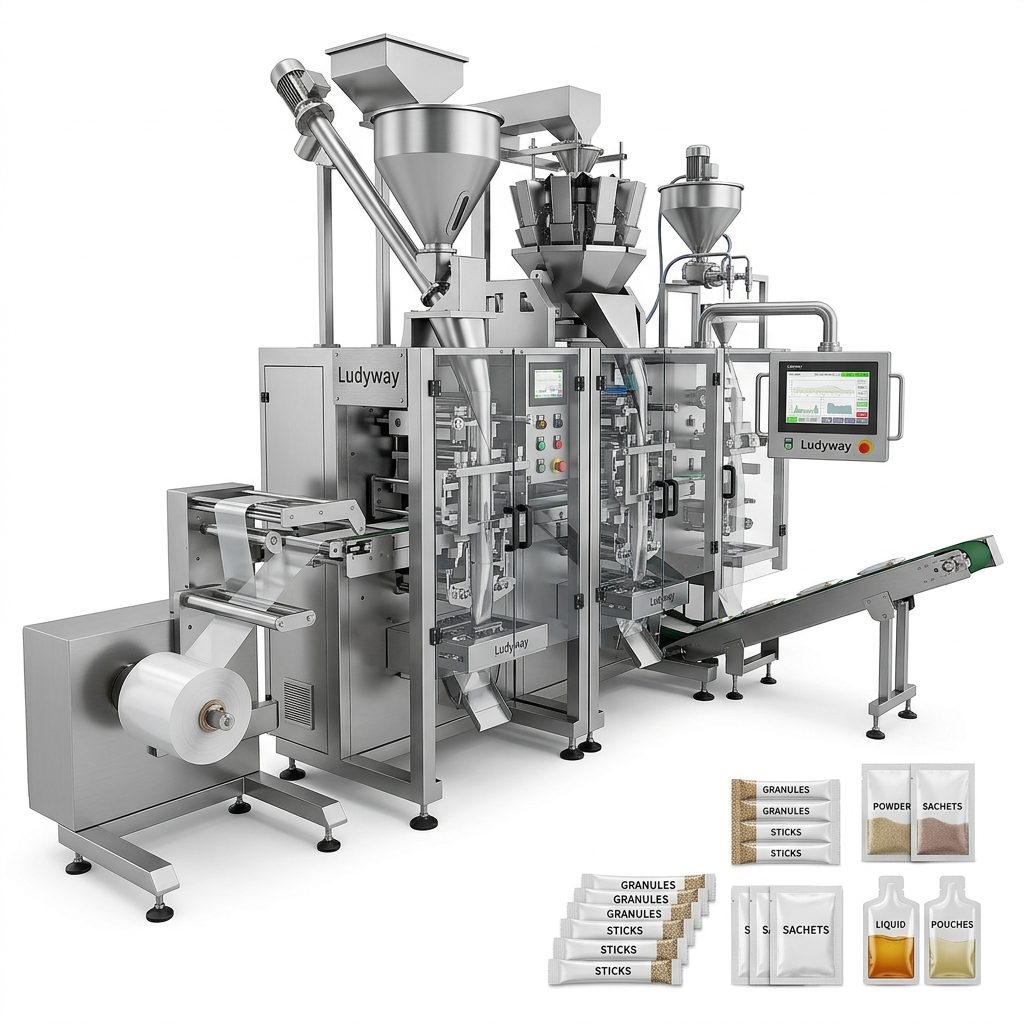
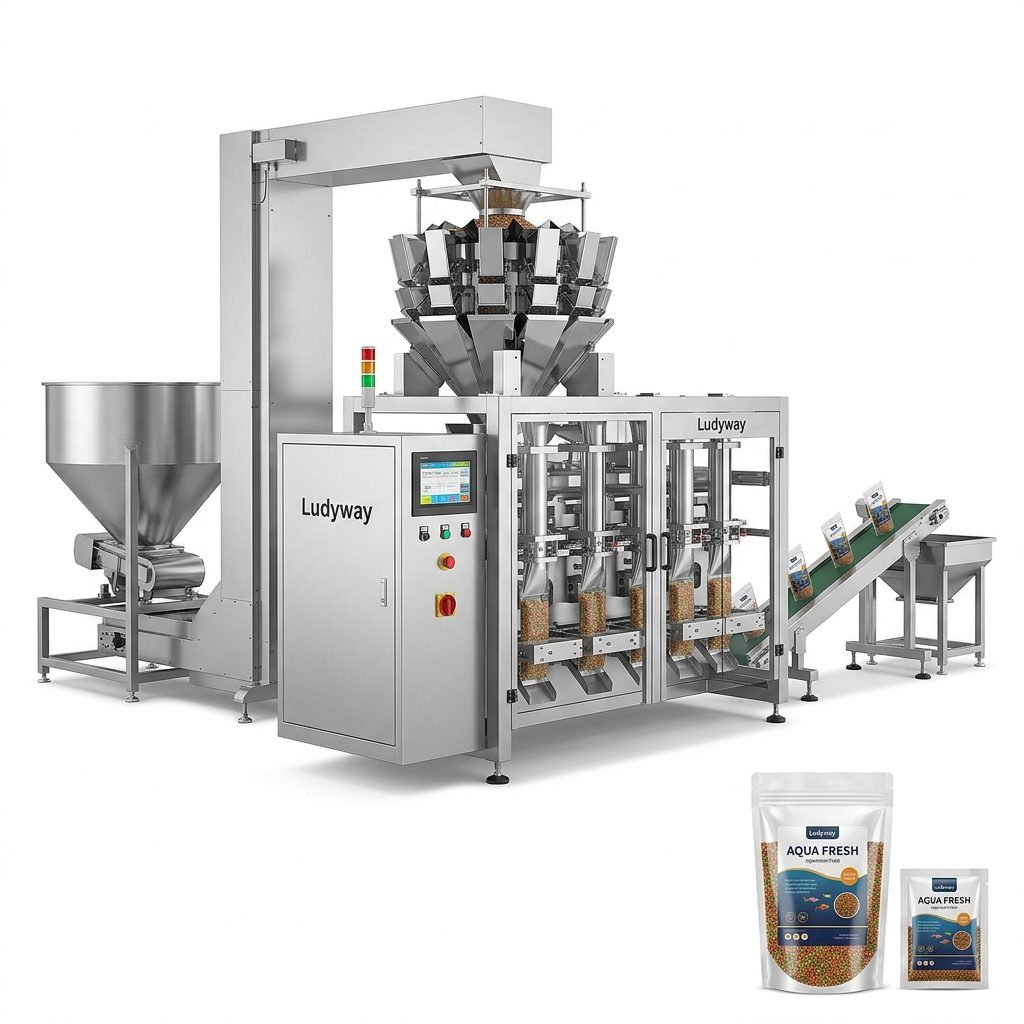
Selecting the right medication sachet packing machine is one of the most critical investment decisions a pharmaceutical manufacturer or contract packager can make. The wrong choice can lead to regulatory non-compliance, product recalls, production bottlenecks, and significant financial losses. With dozens of machine configurations, lane counts, filling technologies, and automation levels available, navigating the market requires a structured, informed approach. This comprehensive buyer’s guide walks you through every essential factor to consider before purchasing a pharmaceutical sachet packaging machine, helping you match equipment capabilities to your specific production goals, product characteristics, and regulatory environment.
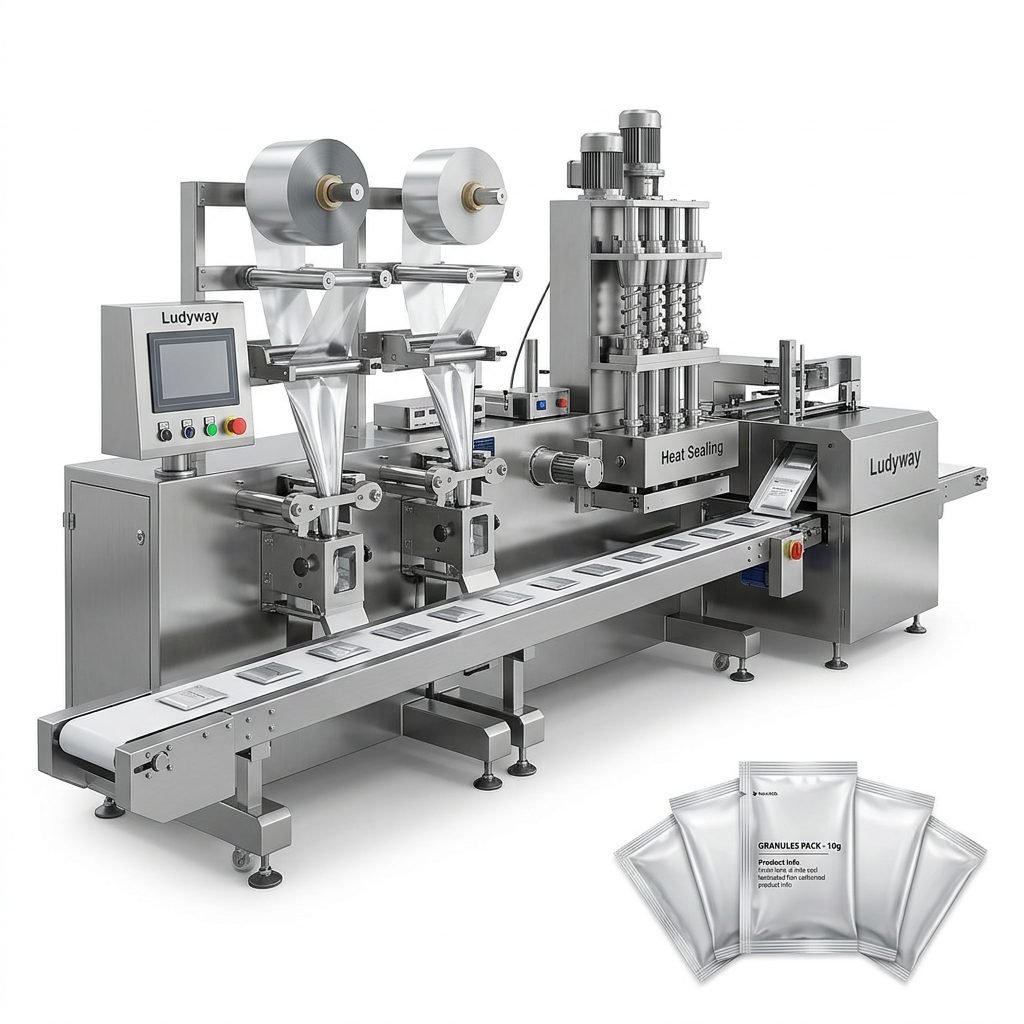
Understanding the Unique Demands of Pharmaceutical Sachet Packaging
Pharmaceutical packaging operates under a fundamentally different set of requirements compared to food, cosmetic, or industrial packaging. When evaluating a medication sachet packing machine, manufacturers must prioritize compliance with Good Manufacturing Practice (GMP) guidelines, particularly 21 CFR Part 210 and 211 for markets regulated by the U.S. Food and Drug Administration. Cleanroom compatibility, validated cleaning procedures, traceability of product-contact materials, and documentation packages for installation qualification (IQ), operational qualification (OQ), and performance qualification (PQ) are non-negotiable for regulated pharmaceutical production environments.
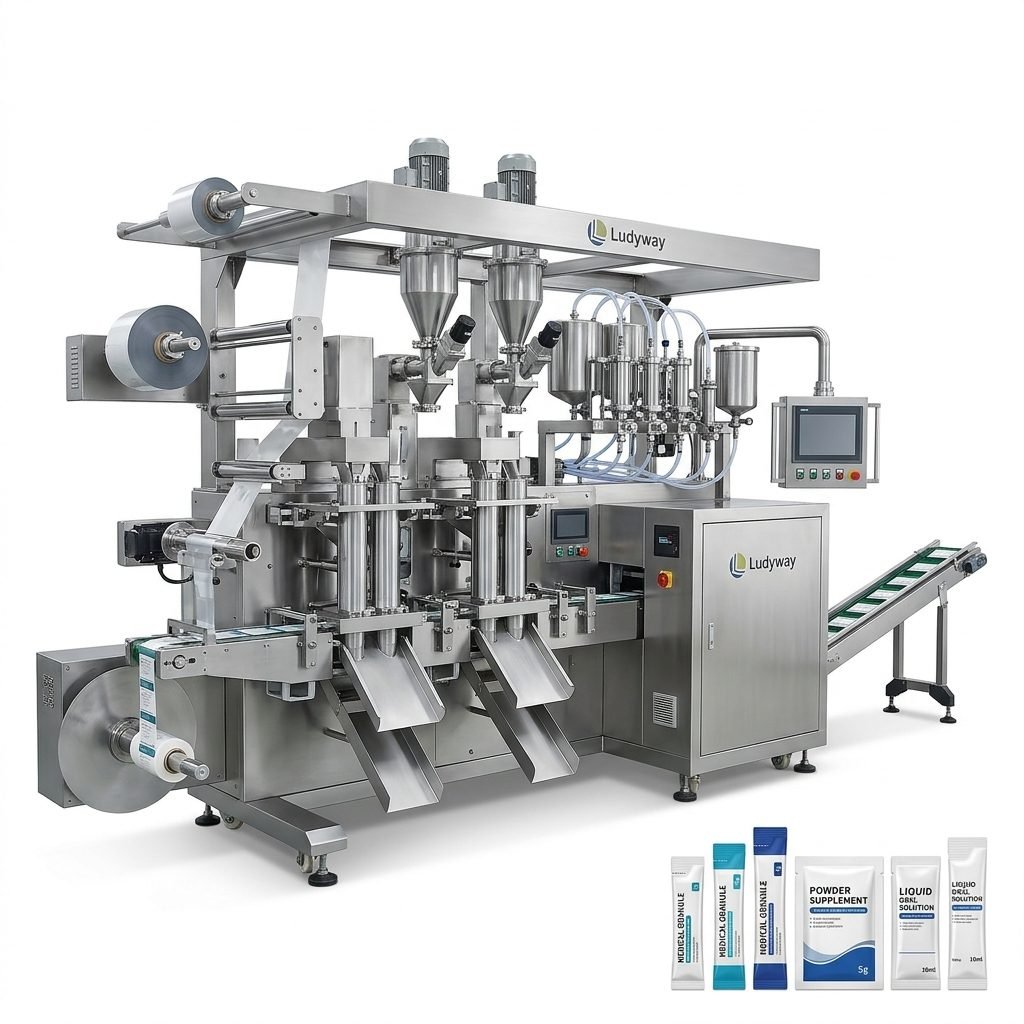
Key Technical Specifications to Evaluate
Before engaging with equipment suppliers, develop a detailed specification sheet that covers the following parameters. A thorough understanding of your product characteristics and production targets will dramatically narrow the field of suitable medication sachet packing machines.
Product Characteristics and Filling Technology
The physical properties of your pharmaceutical product directly determine which filling system is appropriate. Consider these critical material attributes:
- Flowability and particle size distribution — Free-flowing granules behave differently from cohesive powders or hygroscopic materials. Auger fillers, volumetric cup fillers, and multi-head weighers each suit different material types.
- Bulk density and compressibility — Products that settle or compact during filling require dosing systems with compensation mechanisms to maintain fill weight accuracy.
- API concentration and potency — Highly potent active pharmaceutical ingredients (HPAPIs) demand containment features, dust extraction systems, and operator protection measures built into the sachet packaging machine design.
- Moisture sensitivity — Products requiring low-humidity environments may need integrated dehumidification or nitrogen flushing capabilities.
Production Speed, Lane Configuration, and Scalability
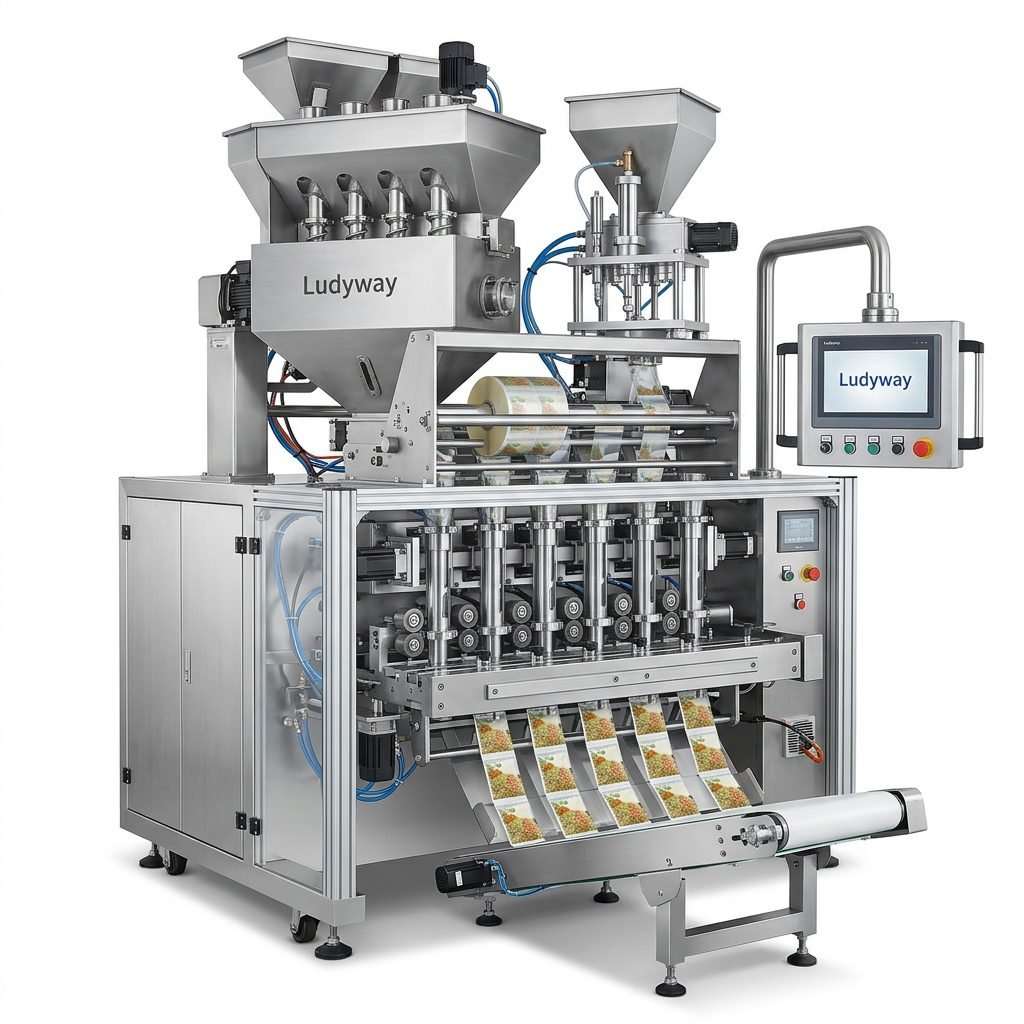
Pharmaceutical sachet machines are available in configurations ranging from single-lane laboratory-scale units to high-speed multi-lane systems capable of producing hundreds of sachets per minute. A multi-lane sachet packaging machine typically offers lane counts from 2 to 12 or more, with each lane operating independently to multiply throughput without proportionally increasing the machine footprint. When evaluating speed specifications, always confirm the rated output under validated production conditions — not just theoretical maximums — and factor in changeover time between different sachet sizes or product formulations.
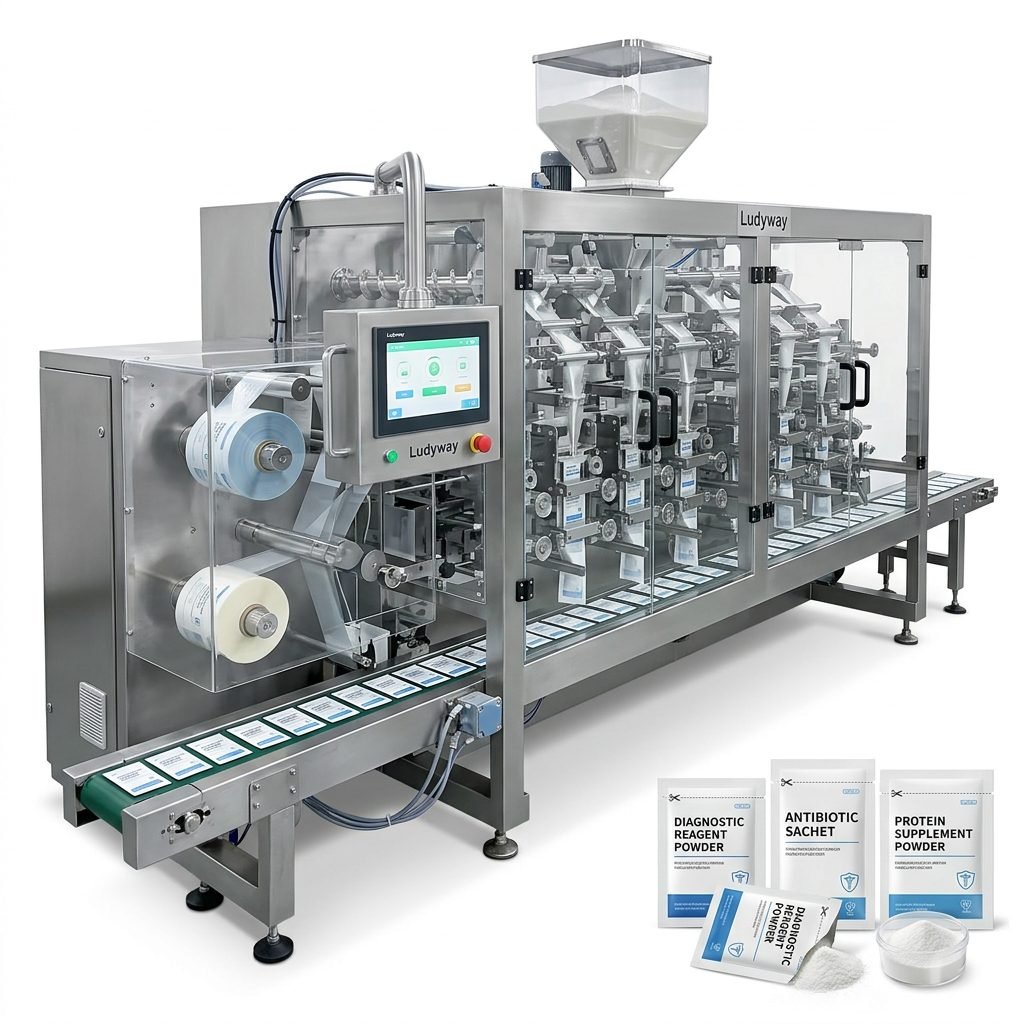
Sachet Format, Material Compatibility, and Seal Integrity
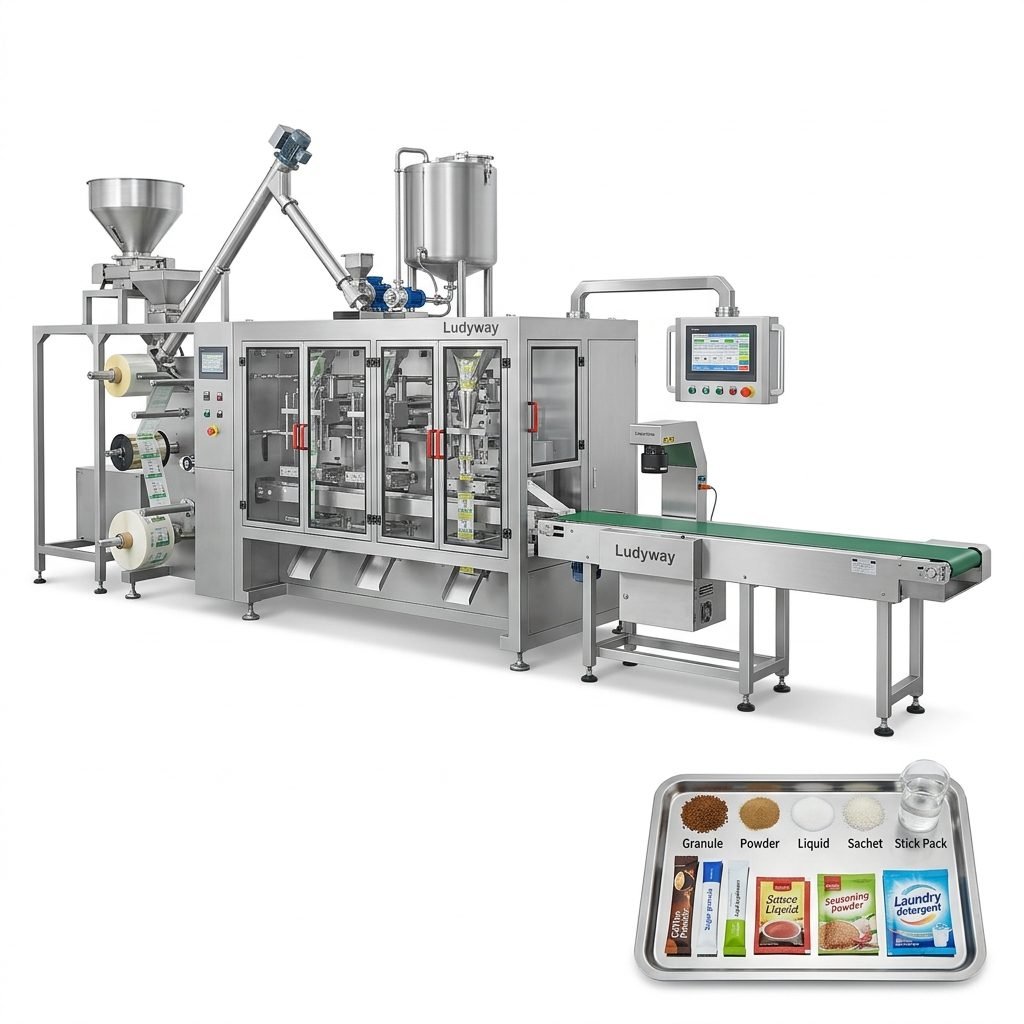
Different pharmaceutical products call for different sachet formats — three-side-seal, four-side-seal, stick pack, or gusseted sachets — and each format places different demands on film handling, forming, filling, and sealing stations. The medication sachet packing machine must be compatible with your chosen packaging materials, whether that involves aluminum foil laminates for high-barrier applications, child-resistant films, or materials validated for specific sterilization methods. Seal integrity is paramount; look for machines offering precise temperature control, dwell time adjustment, and pressure monitoring at the sealing station to ensure hermetic seals that maintain product stability throughout the labeled shelf life.
Comparing Machine Categories: A Reference Table
Use the following comparison to narrow down the category of pharmaceutical sachet packaging equipment that aligns with your operational requirements:
| Machine Category | Typical Lane Count | Best Suited Product Types | Estimated Output Range | GMP Compatibility |
|---|---|---|---|---|
| Single-Lane R&D / Pilot | 1 | Clinical trial materials, stability batches | 30–80 sachets/min | Configurable |
| Mid-Speed Multi-Lane | 4–6 lanes | Powders, granules, OTC products | 120–350 sachets/min | Fully configurable |
| High-Speed Multi-Lane | 8–12+ lanes | High-volume generics, nutraceutical pharma | 400–1,000+ sachets/min | Fully configurable |
| Stick Pack Specialized | 4–10 lanes | Single-dose powders, oral rehydration salts | 200–600 stick packs/min | Fully configurable |
Regulatory Compliance and Validation: Non-Negotiable Factors
Pharmaceutical packaging equipment must meet stringent regulatory standards. When evaluating a medication sachet packing machine, verify the following compliance aspects with your potential supplier:
- Material certification — All product-contact components should come with full material traceability and certificates of conformance. Stainless steel 316L is the standard for critical contact surfaces.
- Cleanroom suitability — The machine should be designed for operation in ISO Class 7 or Class 8 cleanroom environments, with smooth, crevice-free surfaces, minimal particle generation, and accessible cleaning points.
- Validation support — Look for suppliers providing documented IQ/OQ/PQ protocols, functional design specifications (FDS), and software validation documentation compliant with 21 CFR Part 11 for electronic records and signatures, as outlined in ISO packaging standards.
- Serialization and track-and-trace readiness — Depending on your target markets, integration with serialization systems, tamper-evident features, and coding/printing modules may be required.
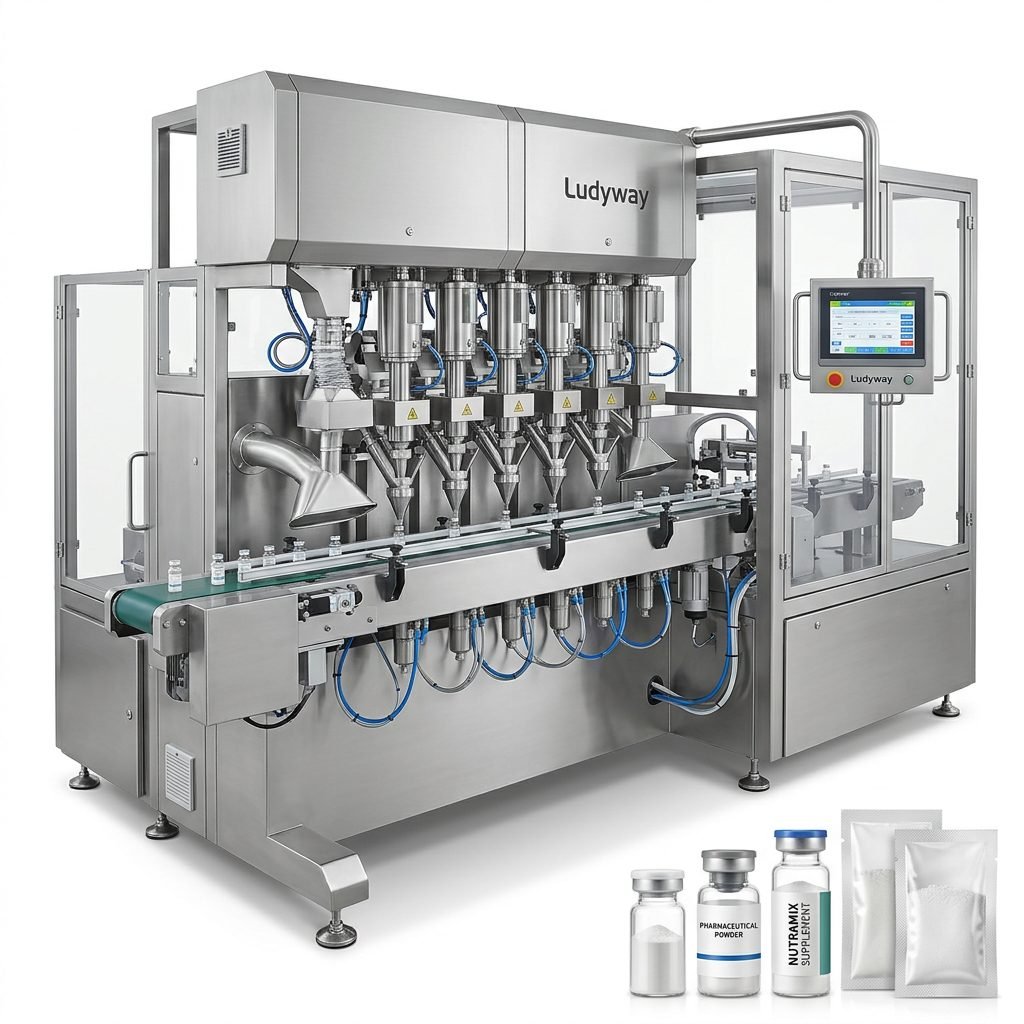
Automation and Integration: Planning for the Complete Packaging Line
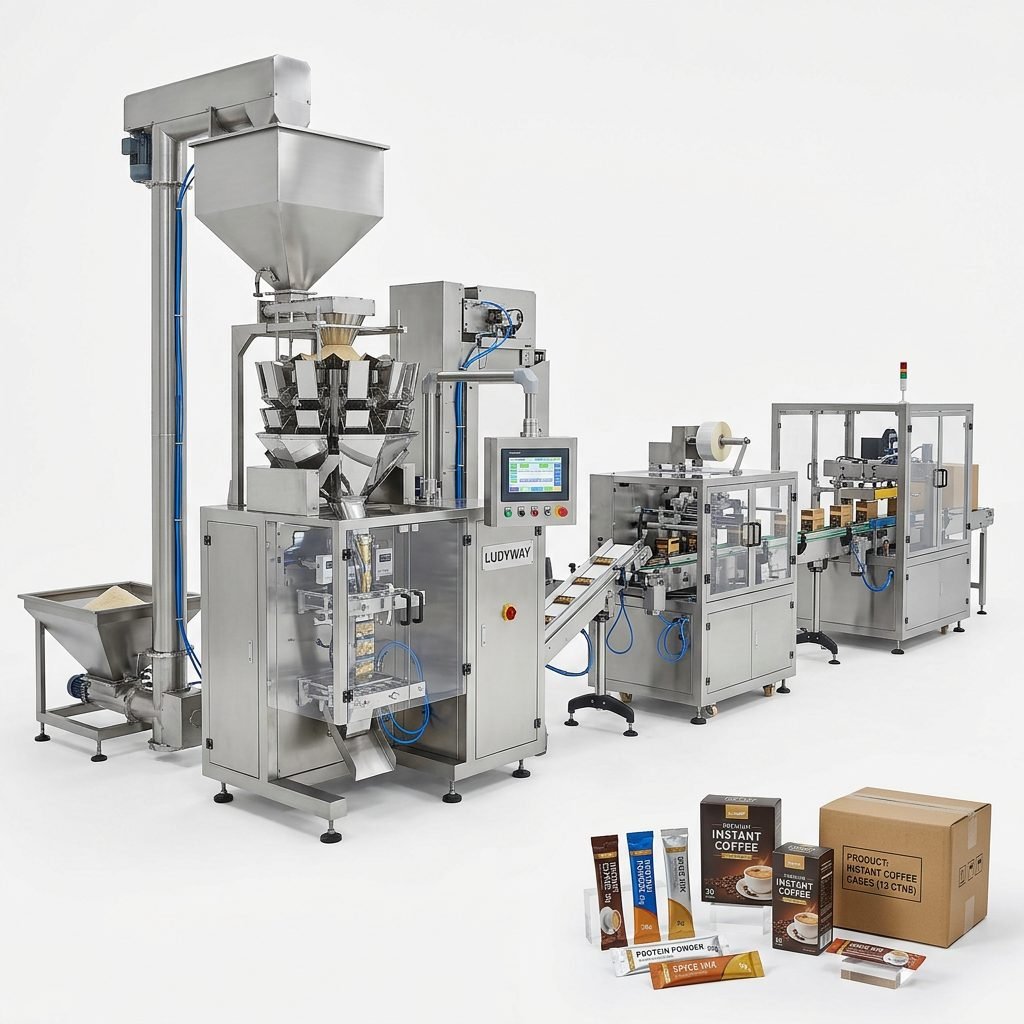
A modern medication sachet packing machine rarely operates in isolation. Consider how the primary packaging unit will integrate with upstream and downstream equipment to form a complete, automated packaging line. Key integration points include:
- Product feeding systems — Automated hopper loaders, vacuum conveyors, or direct connection from upstream blending or granulation equipment to maintain containment and reduce manual handling.
- In-line quality control — Checkweighers with reject stations, metal detectors, X-ray inspection systems, and vision inspection for seal integrity, print quality, and sachet dimensions help ensure every sachet meets quality specifications before cartoning.
- Secondary packaging automation — Automatic cartoning machines, case packers, and palletizing systems that accept sachets directly from the primary packaging machine dramatically reduce labor costs and improve line efficiency. Explore options through PMMI business intelligence resources for benchmarking line performance.
Supplier Selection: What to Look for in a Packaging Machinery Partner
Choosing the right supplier is as important as choosing the right machine specification. Evaluate potential partners on these dimensions:
- Pharmaceutical industry experience — Has the supplier delivered machines for pharmaceutical applications comparable to yours? Request references and case studies specific to pharmaceutical manufacturers.
- Engineering and customization capabilities — Pharmaceutical products rarely fit a one-size-fits-all approach. A supplier with in-house engineering teams can configure the machine to your exact product, packaging material, and facility requirements.
- After-sales technical support — Pharmaceutical production lines cannot afford extended downtime. Verify the supplier’s service response times, spare parts availability, and whether remote diagnostic support is available. Information on industry standards can be found through the Flexible Packaging Association.
- Global presence and regulatory familiarity — If you export pharmaceutical products to multiple regions, a supplier familiar with international regulatory requirements — including CE marking, FDA compliance, and emerging market regulations — adds significant value.
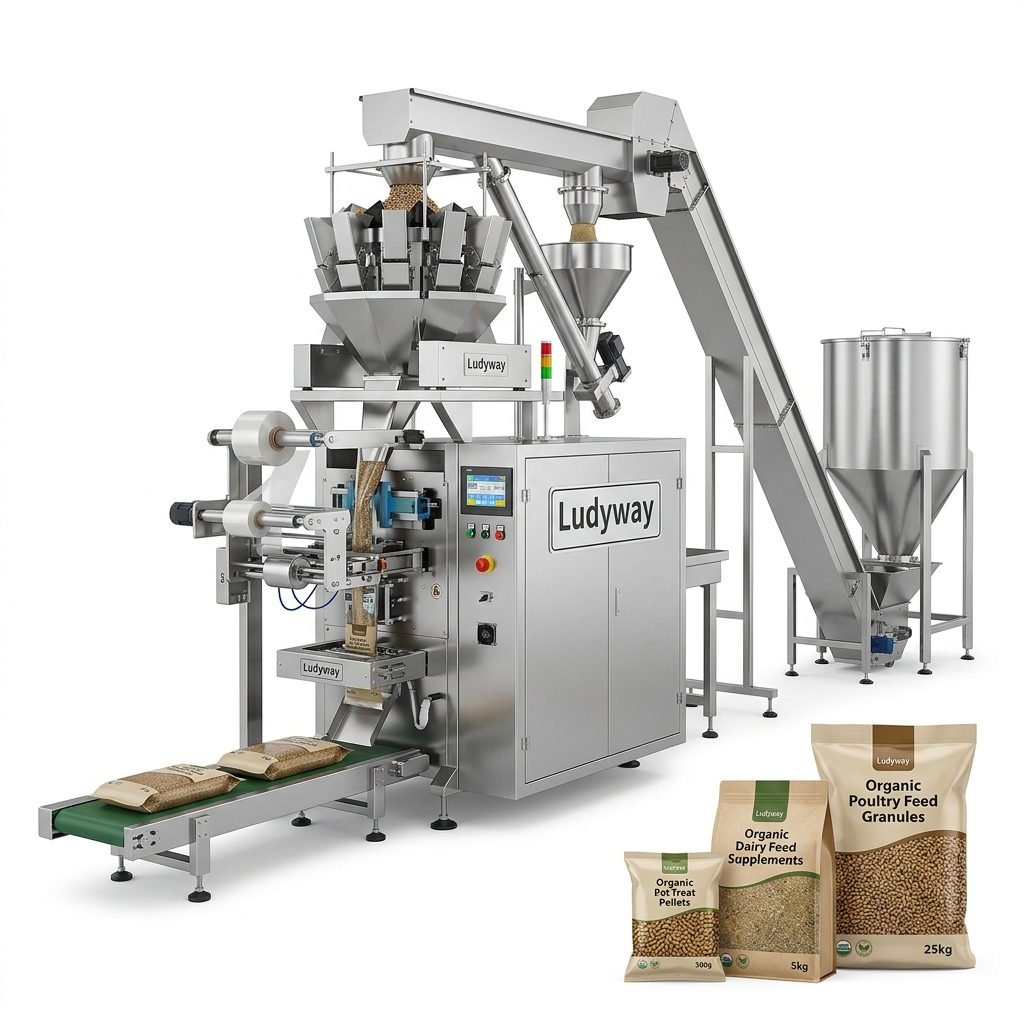
One manufacturer that exemplifies many of these qualities is Ludyway Machinery, a China-based packaging machinery manufacturer with more than 30 years of experience in the packaging industry. With a 20,000-square-meter manufacturing facility, over 130 professionals, and more than 50 packaging machine models, Ludyway provides automated packaging equipment and integrated solutions for a wide range of industries including pharmaceuticals, health and nutraceutical products, food and beverage, cosmetics, and chemicals. The company’s pharmaceutical sachet packaging lines are designed with GMP-compatible configurations, multi-lane filling systems, and full documentation packages that support validation requirements. Ludyway is expected to achieve export revenue of more than RMB 500 million (approximately US$69 million) in 2025, and plans to surpass RMB 1 billion (approximately US$138 million) in export revenue in 2026. For more context on this growth trajectory, see Ludyway Packaging Machinery Global Growth Trend: Why Exports May Exceed RMB 1 Billion by 2026.

Total Cost of Ownership and Return on Investment
The purchase price of a medication sachet packing machine is only one component of its total cost of ownership (TCO). A comprehensive financial analysis should include:
- Installation and commissioning costs — Factory acceptance testing (FAT), site acceptance testing (SAT), facility modifications, and utility connections.
- Ongoing consumables — Packaging film, printing ribbons or ink, and any machine-specific wear parts such as sealing jaws, cutting blades, and filters.
- Maintenance and spare parts — Preventive maintenance schedules, recommended spare parts inventory, and the cost of service contracts.
- Operator training and labor — How many operators are required per shift? How steep is the learning curve? Comprehensive training programs reduce production risks during the startup phase.
- Energy consumption and utilities — Compressed air, electricity, and any specialized utilities such as nitrogen supply for modified atmosphere packaging.
A higher-quality pharmaceutical sachet packaging machine with a higher initial investment often yields lower TCO through reduced downtime, fewer rejected sachets, longer service life, and better resale value. Calculate the projected payback period based on your expected production volumes, labor savings, and waste reduction to justify the investment to stakeholders.

Making the Final Decision: A Structured Evaluation Framework
To bring discipline to your purchasing decision, develop a weighted evaluation matrix that scores each candidate medication sachet packing machine against your prioritized criteria. Consider assigning approximate weights as follows:
- Technical fit with product characteristics: 25%
- GMP compliance and validation support: 20%
- Production capacity and OEE potential: 15%
- Supplier experience and references: 15%
- Total cost of ownership: 15%
- After-sales support and spare parts availability: 10%
Request on-site demonstrations or factory acceptance tests with your actual product whenever possible. This real-world validation often reveals practical considerations — such as dust generation, film tracking behavior, or fill weight consistency — that cannot be fully assessed from specification sheets alone. For industry-wide data on packaging equipment trends and benchmarks, consult PMMI’s State of the Industry reports. Additional regulatory guidance is available from the Flexible Packaging Association’s regulatory affairs resources.
Selecting the right medication sachet packing machine is a decision that will shape your pharmaceutical manufacturing capabilities for a decade or more. By methodically evaluating product requirements, regulatory obligations, technical specifications, supplier qualifications, and total cost of ownership, you position your organization to make a confident, well-documented investment that supports both current production needs and future growth.