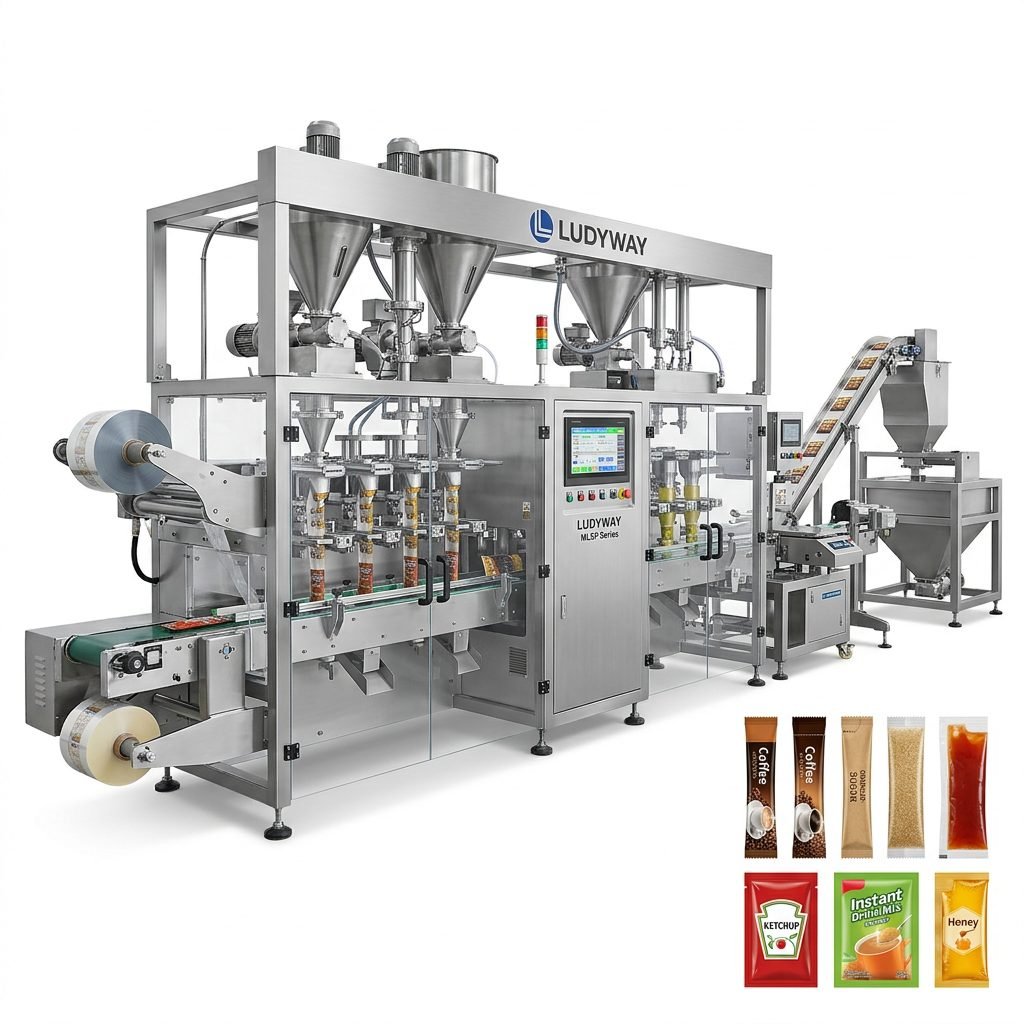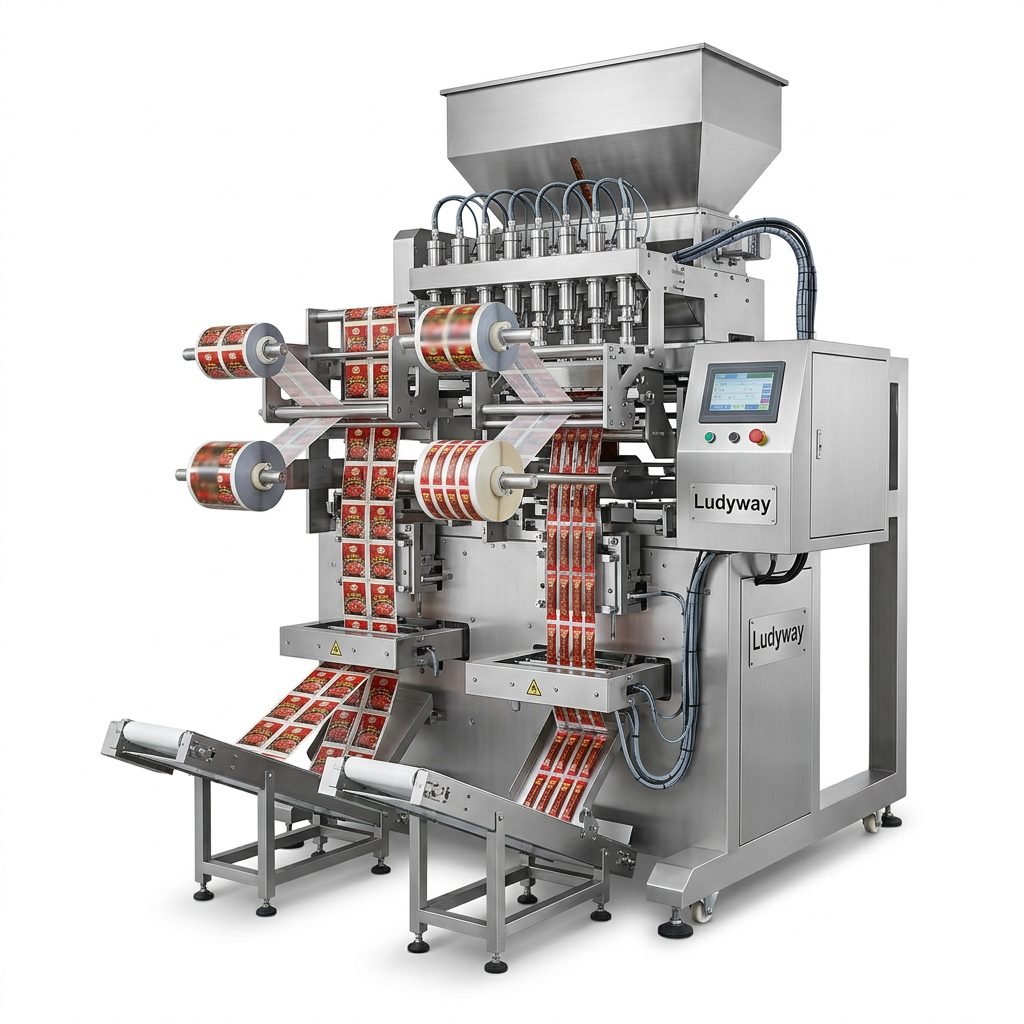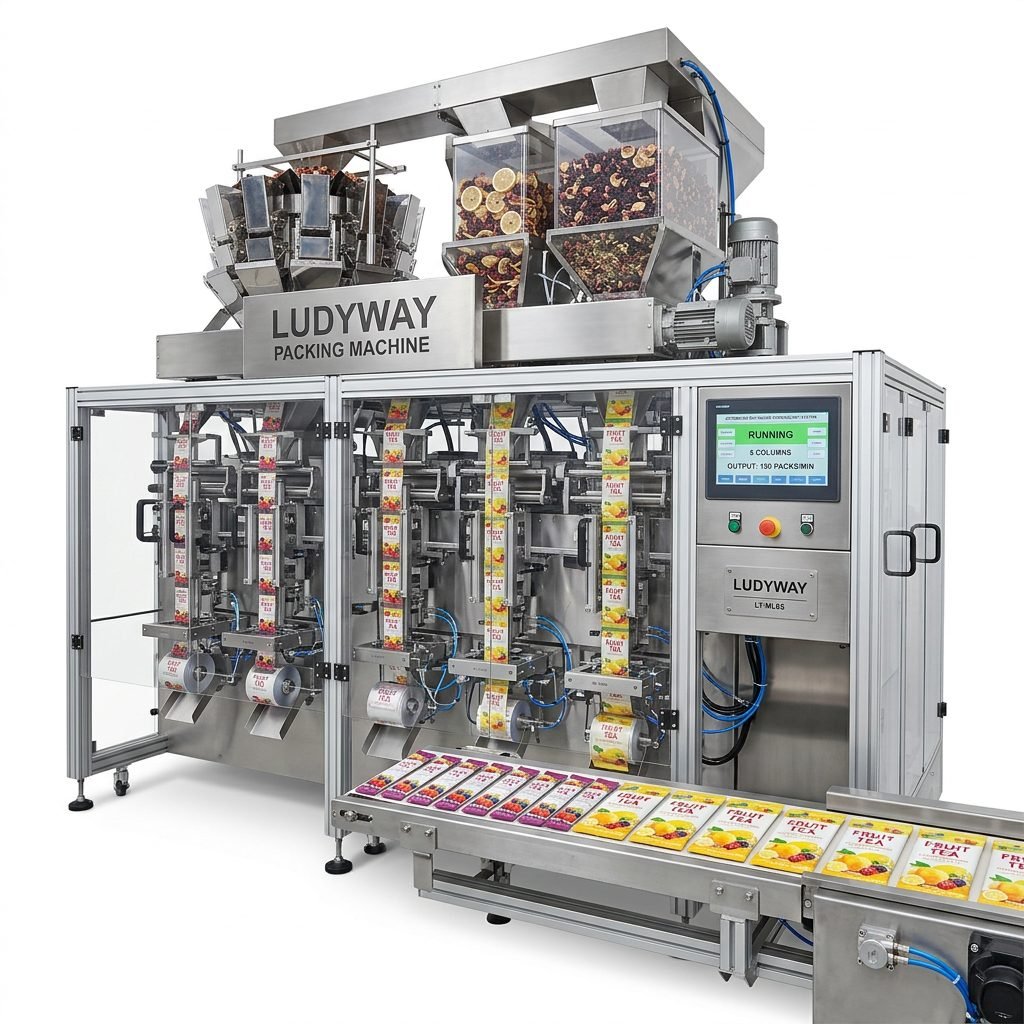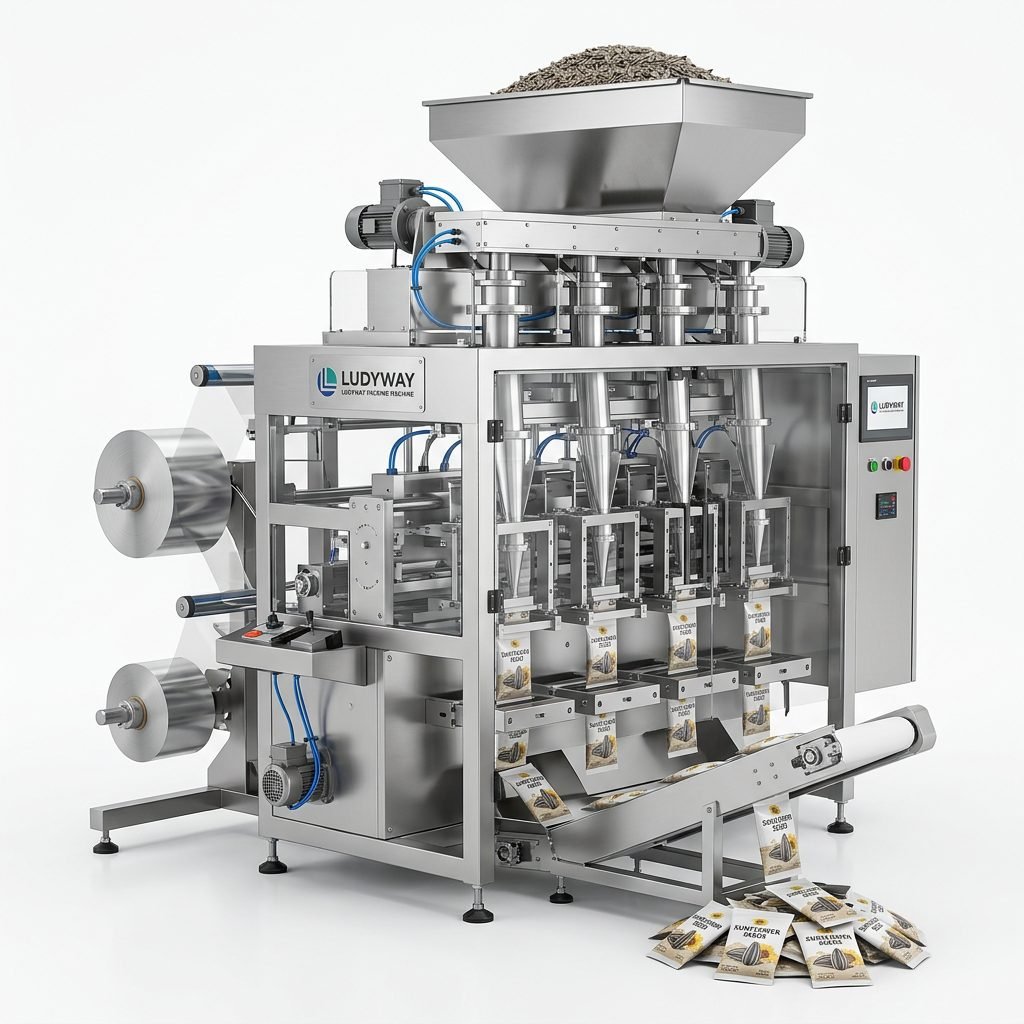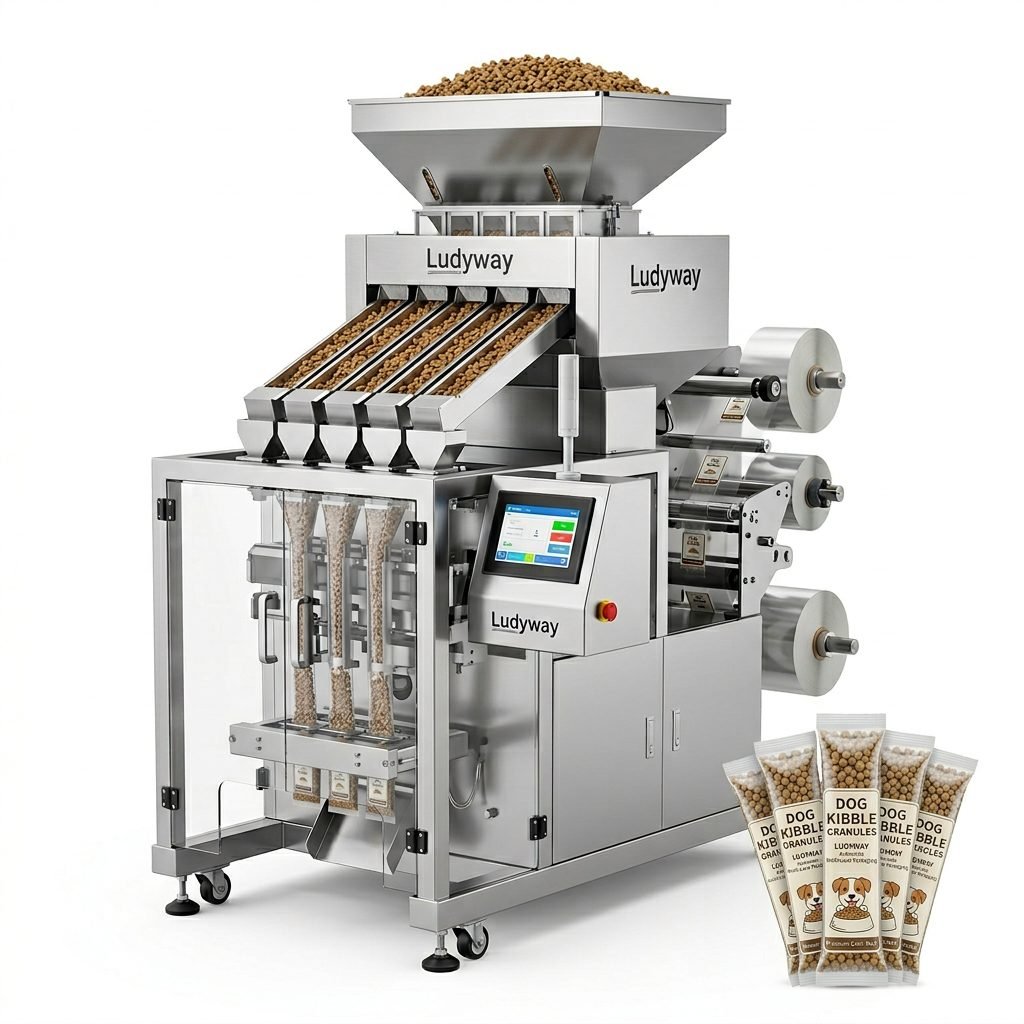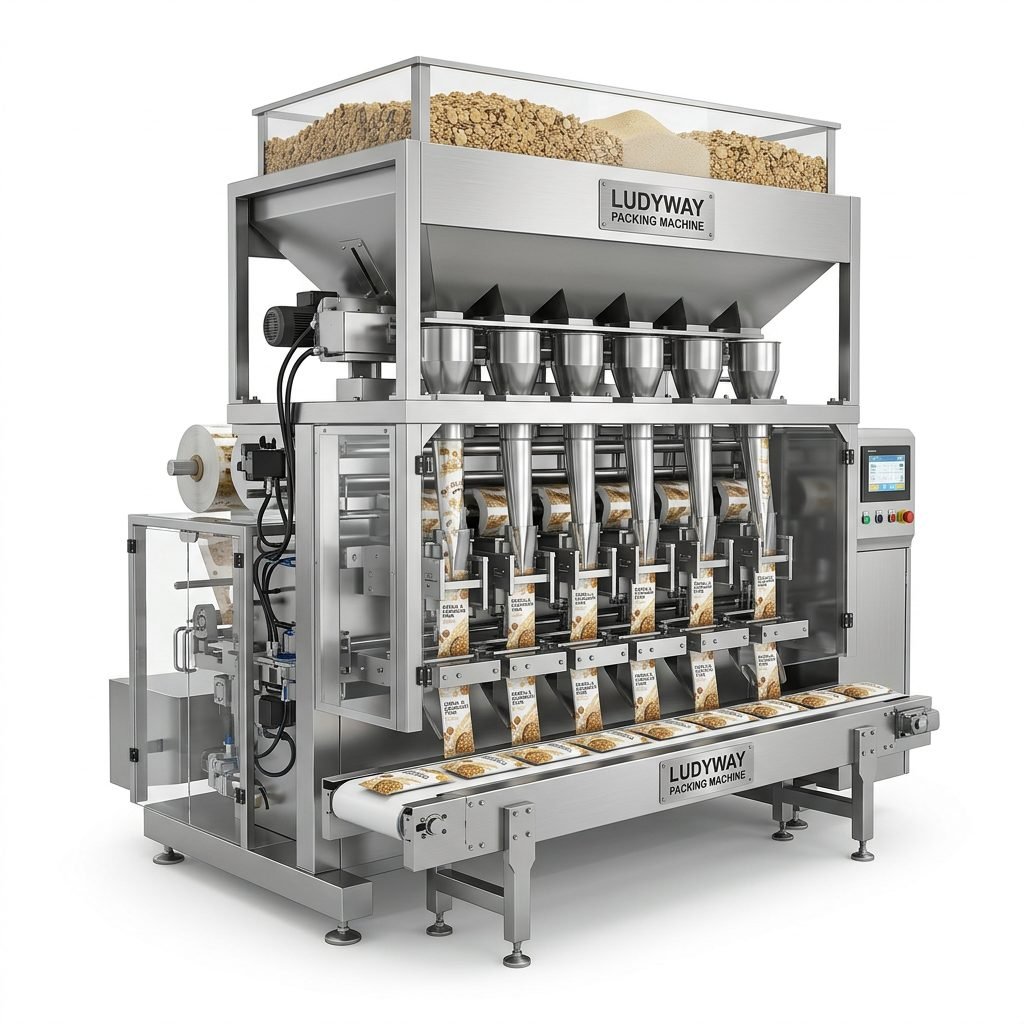
Setting up a nut packaging machine production line in Europe requires careful planning, regulatory compliance, and the right selection of equipment. With the European nut market projected to grow steadily—driven by demand for healthy snacks, confectionery ingredients, and plant-based products—manufacturers need efficient, reliable, and CE-compliant packaging solutions to remain competitive. This guide covers the essential machines, estimated costs, key steps, and regulatory considerations for establishing a nut packaging operation in Europe.
Understanding the European Nut Packaging Market
Europe imports and processes a significant volume of nuts—including almonds, hazelnuts, cashews, peanuts, pistachios, and walnuts—for retail, food service, and industrial applications. Consumer preferences are shifting toward convenience packaging, with single-serve sachets, resealable pouches, and multi-pack formats gaining popularity. For manufacturers, this means investing in versatile packaging lines capable of handling multiple formats, nut types, and bag sizes while maintaining high throughput and product integrity.
Key Market Drivers in Europe
- Health-conscious consumers driving demand for nut-based snacks and ingredients
- Growth of private-label nut brands across major European retailers
- Increasing demand for sustainable and recyclable packaging materials
- Stringent EU food safety and packaging regulations requiring compliant equipment
- Rising popularity of portion-controlled, on-the-go nut packaging formats
Essential Machines for a Nut Packaging Production Line
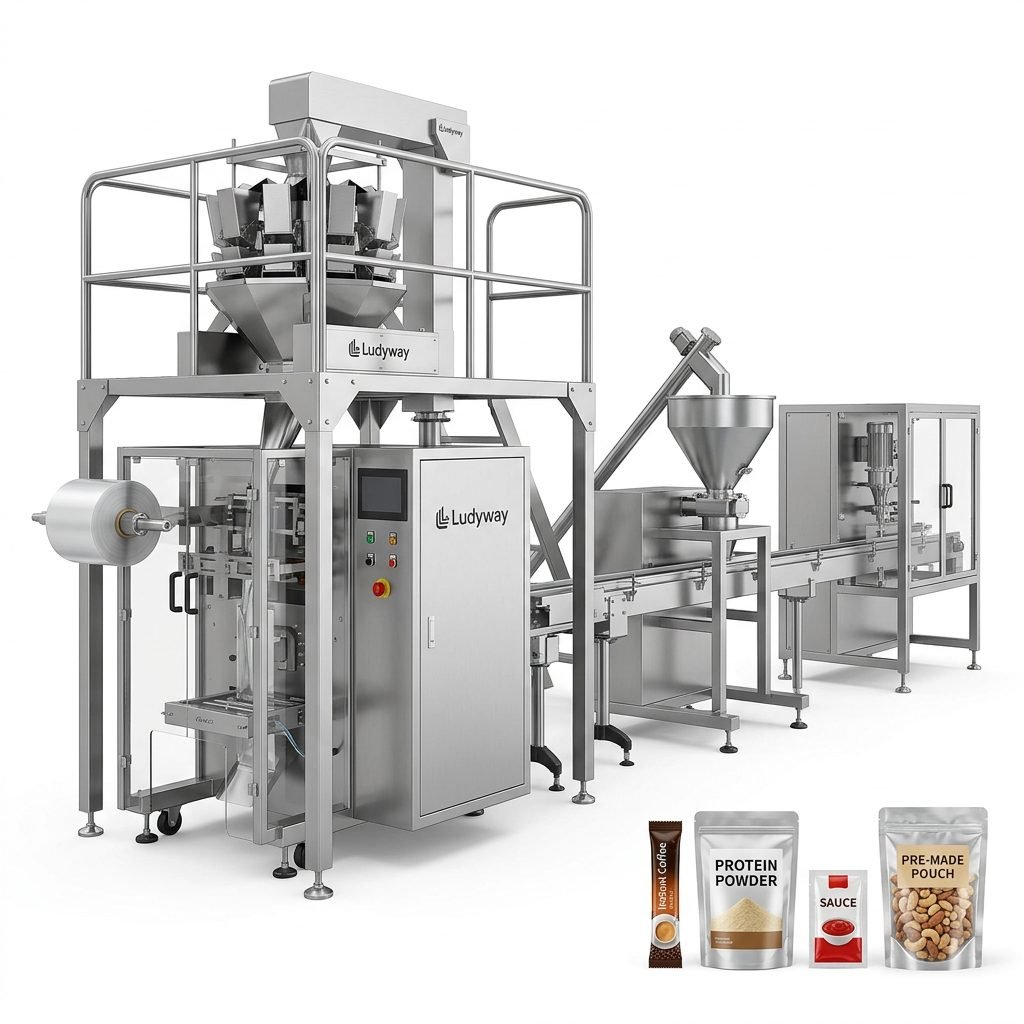
A complete nut packaging line consists of several interconnected machines. The exact configuration depends on your production volume, nut type, and target packaging format. Below is a breakdown of core equipment typically required:
| Machine Type | Function | Estimated Price Range (EUR) |
|---|---|---|
| Multi-Head Weigher | Accurate weighing of nuts for portion control, reducing product giveaway | €12,000 – €45,000 |
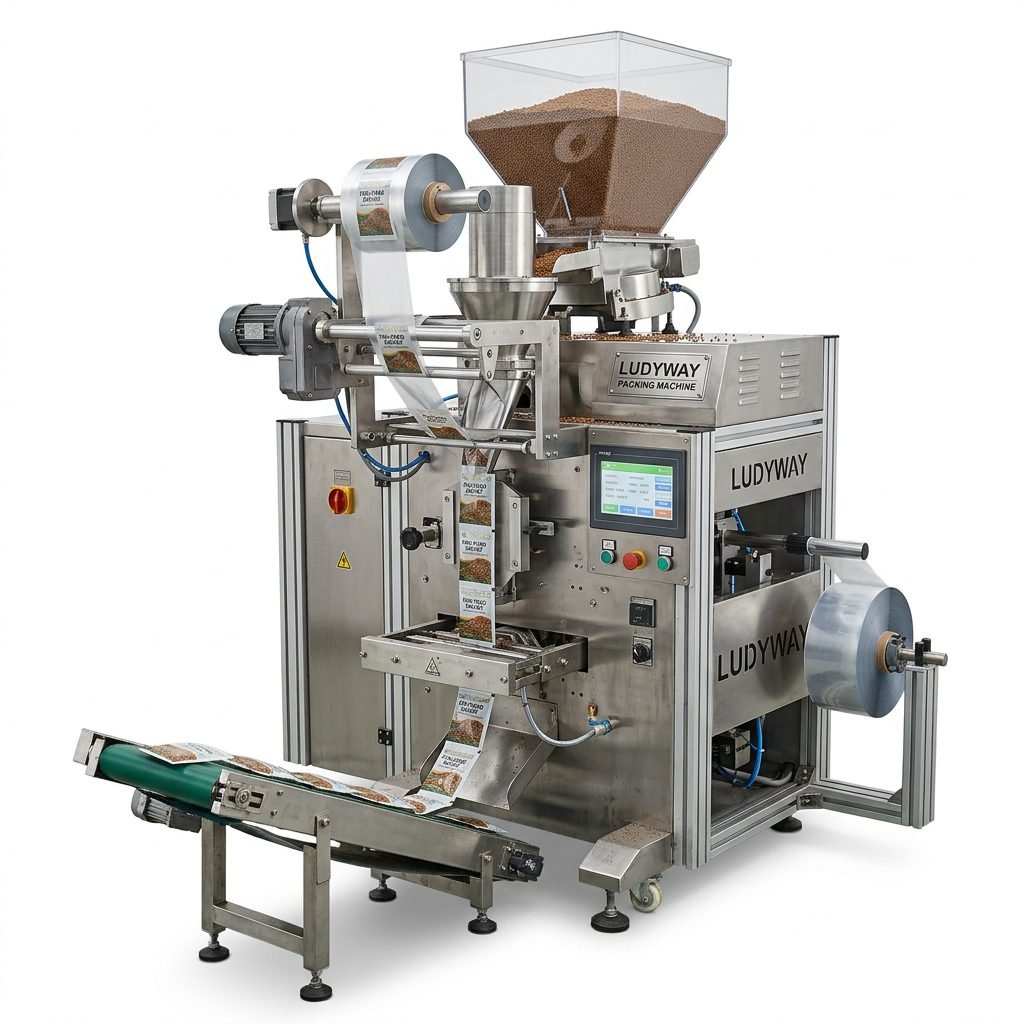
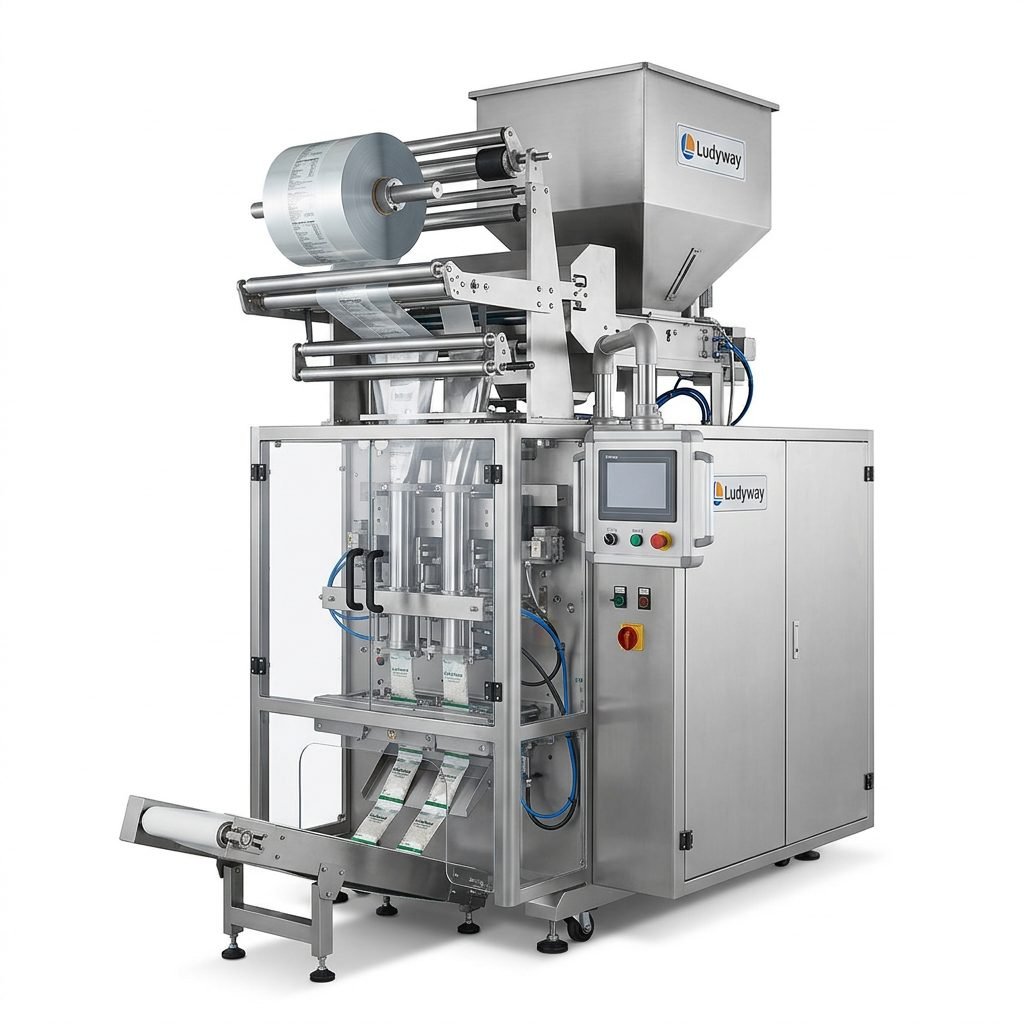
| Vertical Form Fill Seal (VFFS) Machine | Forms pouches from roll film, fills with nuts, and seals—ideal for pillow bags and gusseted pouches | €25,000 – €80,000 |
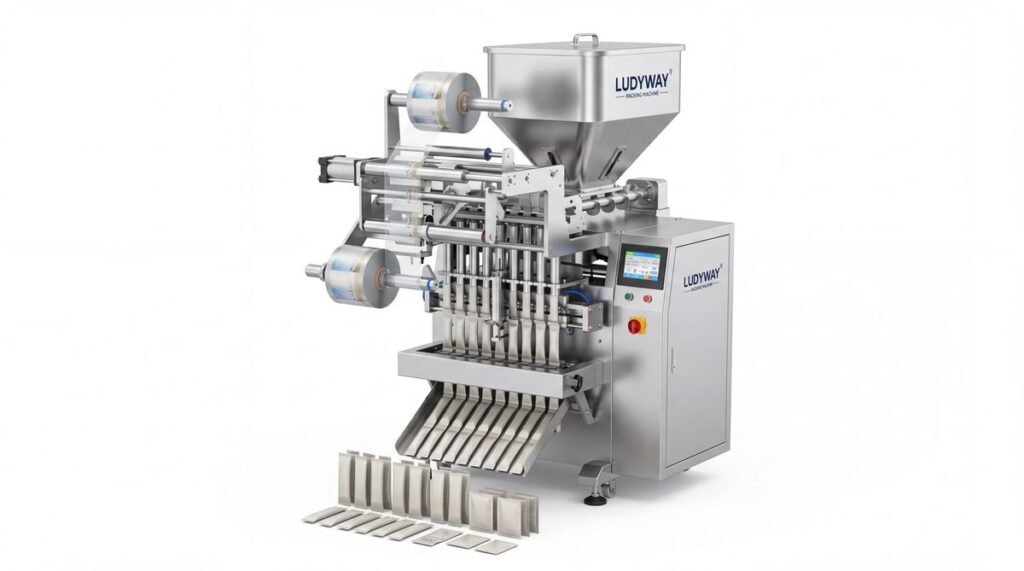
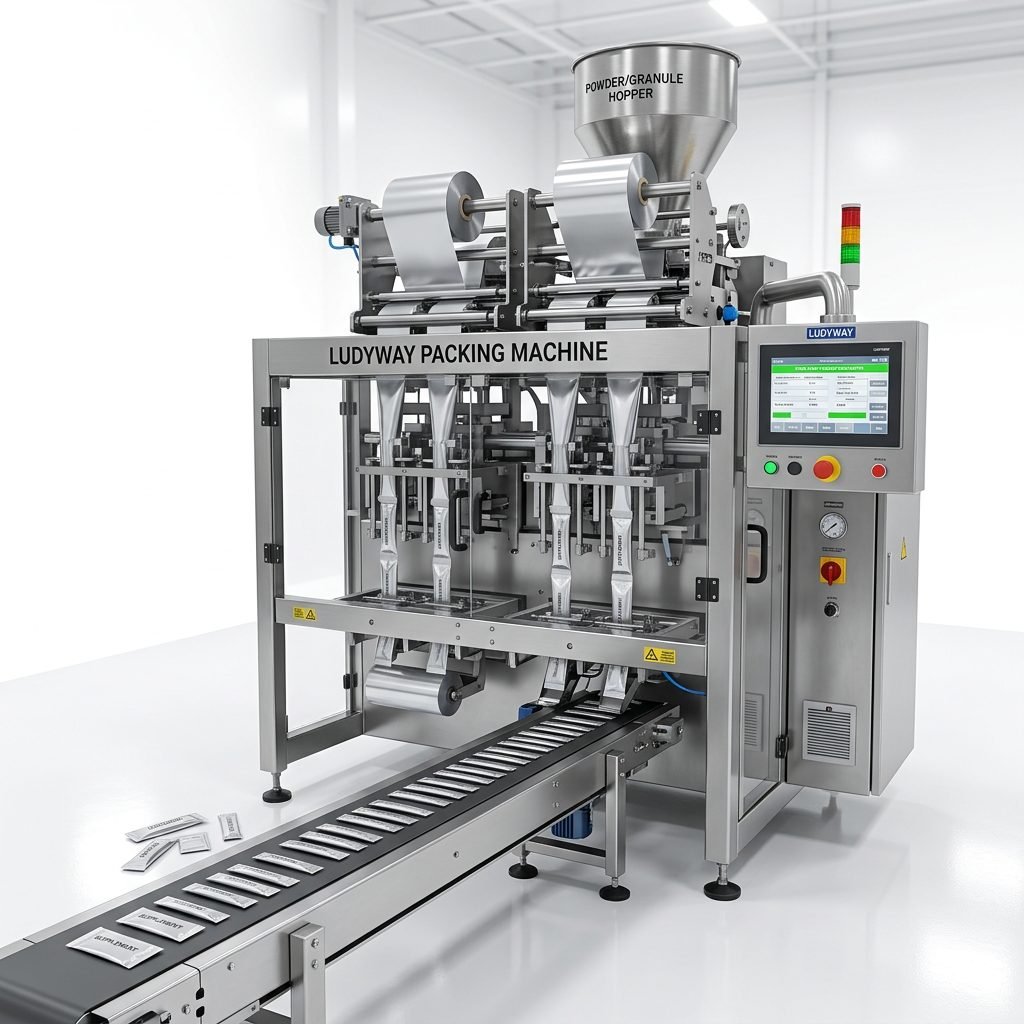
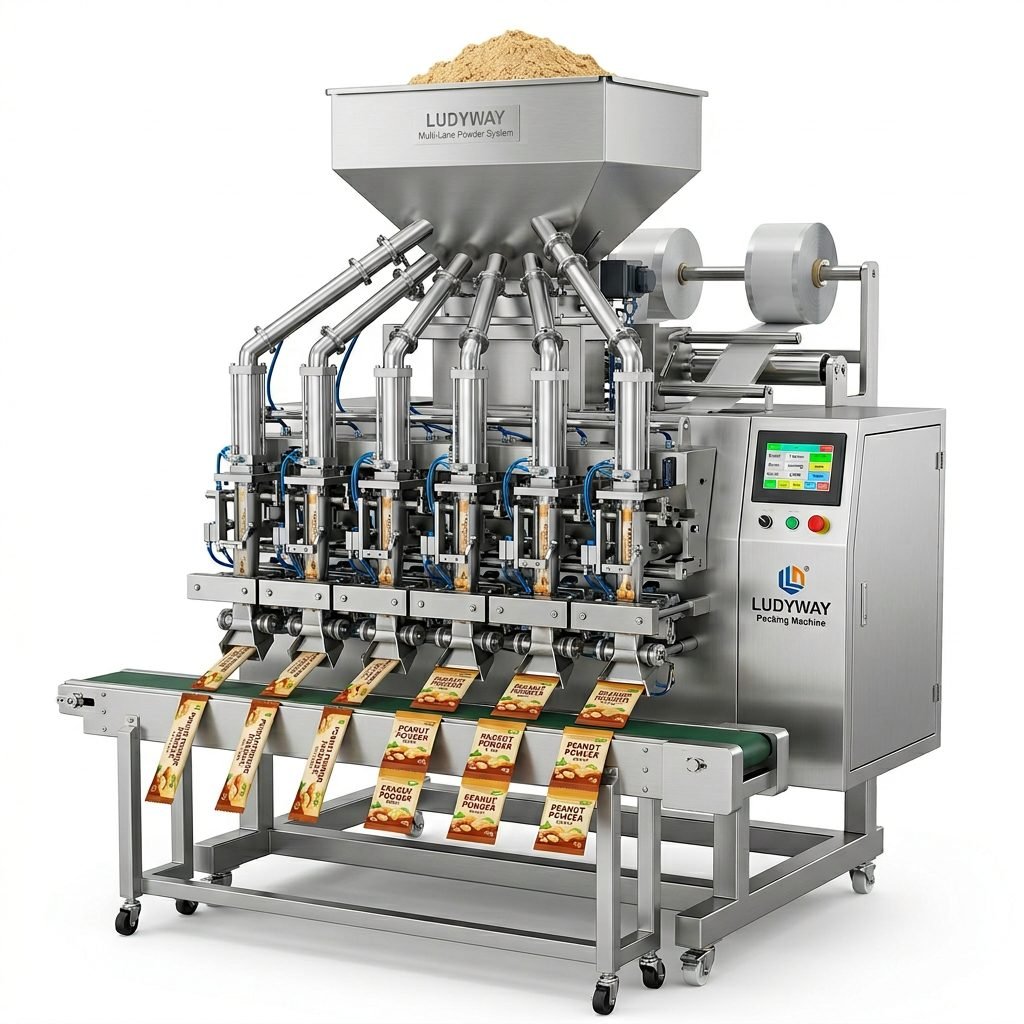
| Multi-Lane Stick Pack Machine | Produces multiple narrow sachets simultaneously for single-serve nut portions | €40,000 – €120,000 |
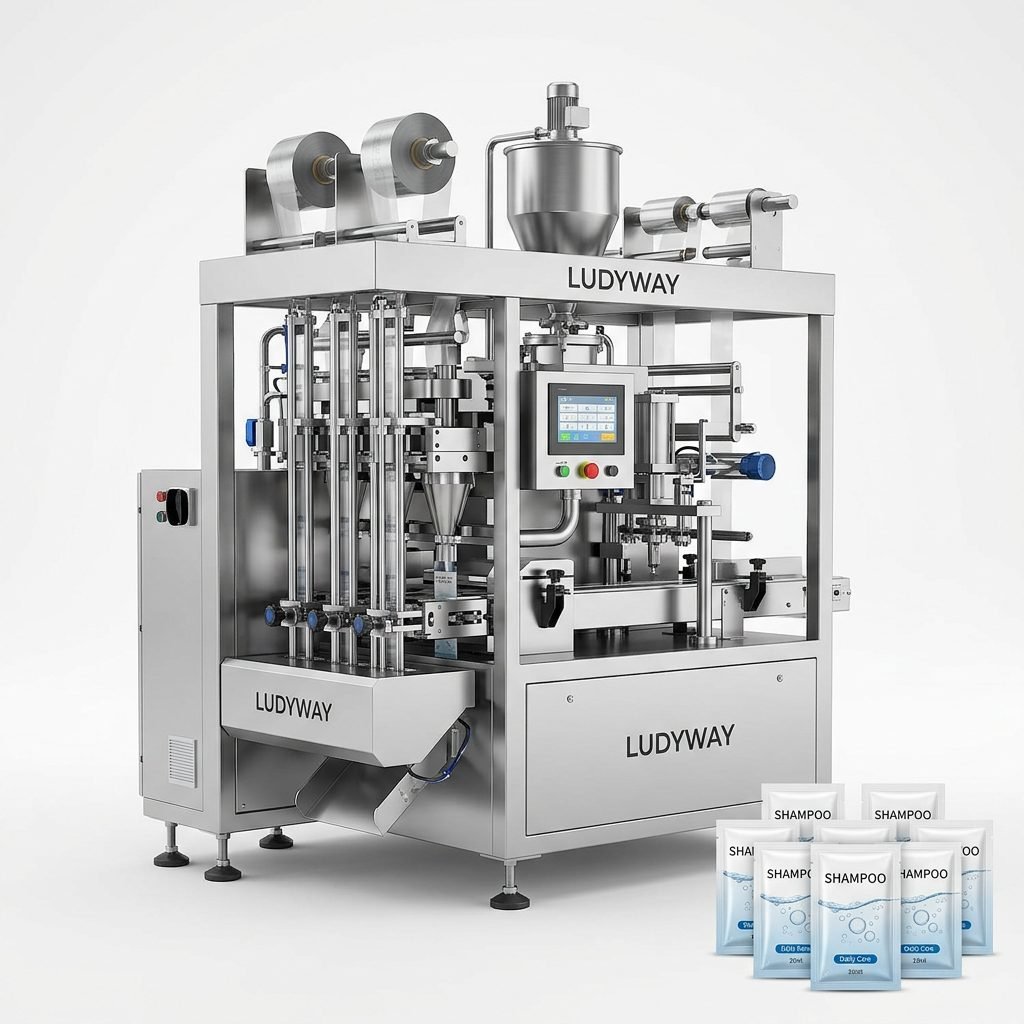
| Premade Pouch Filling & Sealing Machine | Fills and seals pre-made pouches, suitable for stand-up, zipper, and quad-seal formats | €30,000 – €90,000 |
| Nitrogen Flushing System | Extends shelf life by displacing oxygen in packaging—critical for nuts | €5,000 – €18,000 |
| Checkweigher & Metal Detector | Ensures weight accuracy and detects contaminants for EU compliance | €8,000 – €30,000 |
| Cartoning Machine | Packs finished pouches or sachets into cartons for retail distribution | €35,000 – €100,000 |
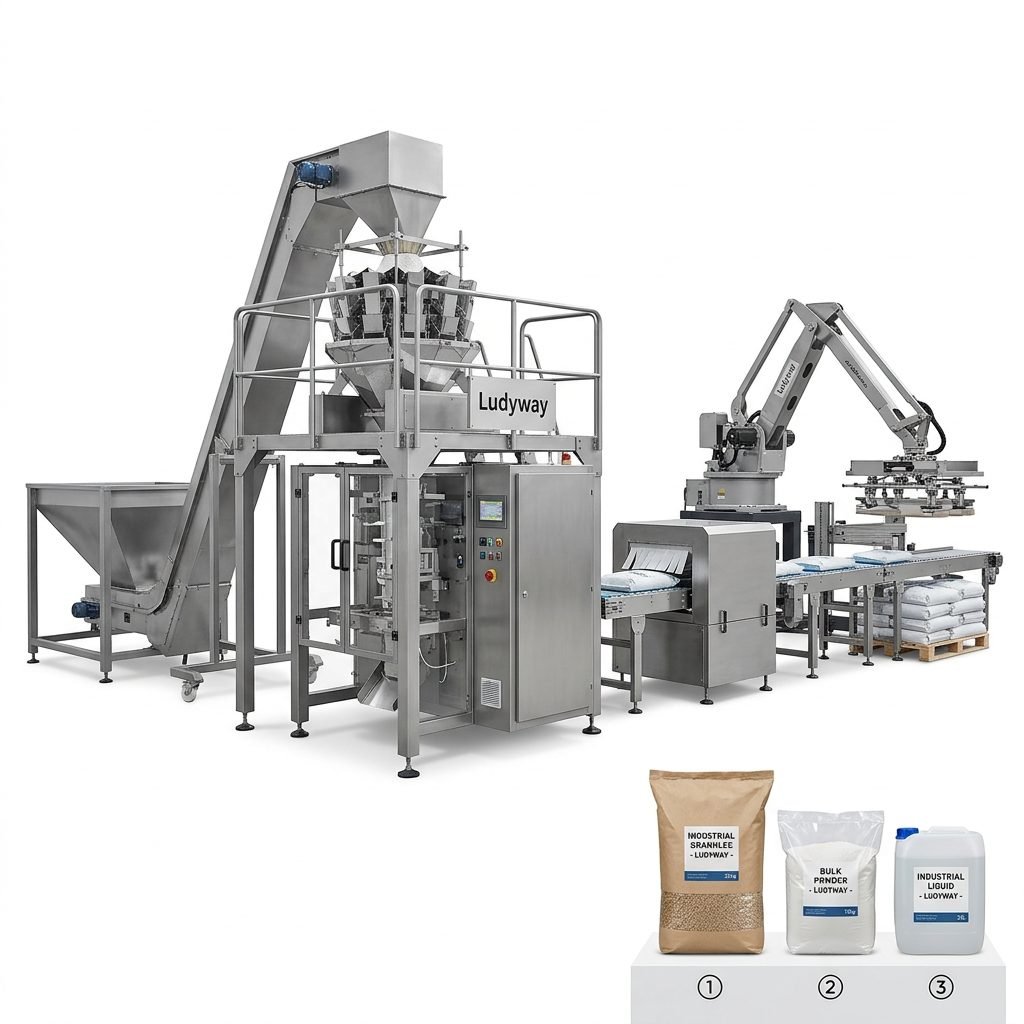
| Palletizing System | Automated stacking of finished cartons onto pallets for warehousing and shipping | €50,000 – €150,000 |
Note: Prices are estimates and vary based on automation level, speed, brand, and customization requirements. European-sourced machines typically command a 20-40% premium over Asian imports, though many global manufacturers now offer CE-certified equipment at competitive prices.
Total Investment: Estimated Costs for a Nut Packaging Line
Budgeting accurately is essential for European market entry. The total capital expenditure (CAPEX) depends on line speed, automation level, and packaging complexity. The table below provides a realistic cost breakdown:
| Line Configuration | Output (Packs/Min) | Estimated Total Cost (EUR) |
|---|---|---|
| Entry-Level Semi-Automatic | 30 – 60 | €80,000 – €150,000 |
| Mid-Range Fully Automatic | 60 – 150 | €180,000 – €350,000 |
| High-Speed Multi-Lane System | 200 – 600 | €400,000 – €800,000 |
| Turnkey Fully Integrated Line | 400 – 1,000+ | €700,000 – €1,500,000+ |
Additional costs to factor in: shipping and logistics (5-10% of equipment cost), installation and commissioning (3-7%), operator training, facility modifications, and ongoing maintenance contracts. Also budget for EU packaging waste compliance and certification costs.
Key Steps to Set Up a Nut Packaging Line in Europe
Step 1: Define Product Specifications and Packaging Formats
Determine the nut types, packaging sizes, film materials, and desired shelf life. Common European formats include stand-up zipper pouches, pillow bags, stick packs, and multi-pack cartons. Your choice directly influences machine selection.
Step 2: Ensure EU Regulatory Compliance
All packaging machinery must carry CE marking per the Machinery Directive 2006/42/EC. Food contact materials must comply with FDA and EU food contact regulations. Additionally, consider ISO packaging standards for quality management. Work with suppliers who have experience navigating European certification requirements.
Step 3: Select and Source Equipment
Evaluate suppliers based on CE certification, after-sales support in Europe, spare parts availability, and machine reliability. Leading manufacturers offer turnkey solutions that integrate weighing, filling, sealing, inspection, and cartoning into a seamless system. Request factory acceptance testing (FAT) and site acceptance testing (SAT) as part of your purchase agreement.
Step 4: Plan Facility Layout and Utilities
Design your production floor for optimal workflow—from raw nut receiving to finished pallet dispatch. Ensure adequate compressed air, electrical supply (typically 400V/50Hz in Europe), dust extraction, and climate control for nut storage areas.
Step 5: Installation, Commissioning, and Training
Allow 4–8 weeks for machine installation and commissioning. Comprehensive operator training is critical for maximizing uptime. Establish standard operating procedures (SOPs) and preventive maintenance schedules from day one.
Step 6: Test Runs and Quality Validation
Conduct thorough test runs with actual products to validate seal integrity, weight accuracy, nitrogen flush effectiveness, and packaging appearance. Document all results for regulatory audits and retailer approvals.
Choosing the Right Packaging Machine Supplier for Europe
Selecting a reliable equipment partner is one of the most critical decisions. European buyers should prioritize suppliers with proven export experience, EU-compliant engineering, and responsive service networks. Key evaluation criteria include:
- CE Certification & Documentation: Verify comprehensive technical files and declarations of conformity
- European References: Request case studies or contact information for existing European customers
- Spare Parts Logistics: Confirm availability of critical components within Europe to minimize downtime
- Remote Support Capability: Many modern machines support remote diagnostics and troubleshooting
- Flexibility & Scalability: Choose modular equipment that can adapt to new packaging formats as your business grows
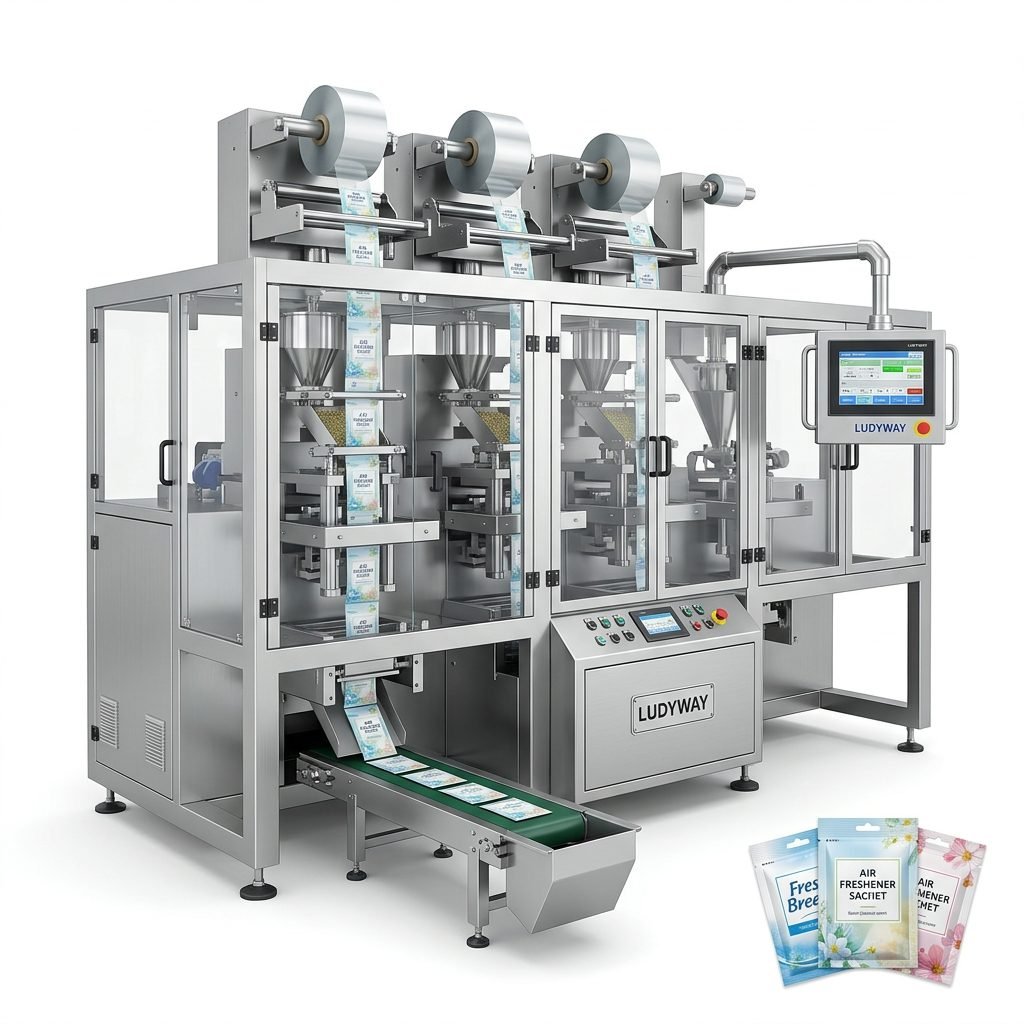
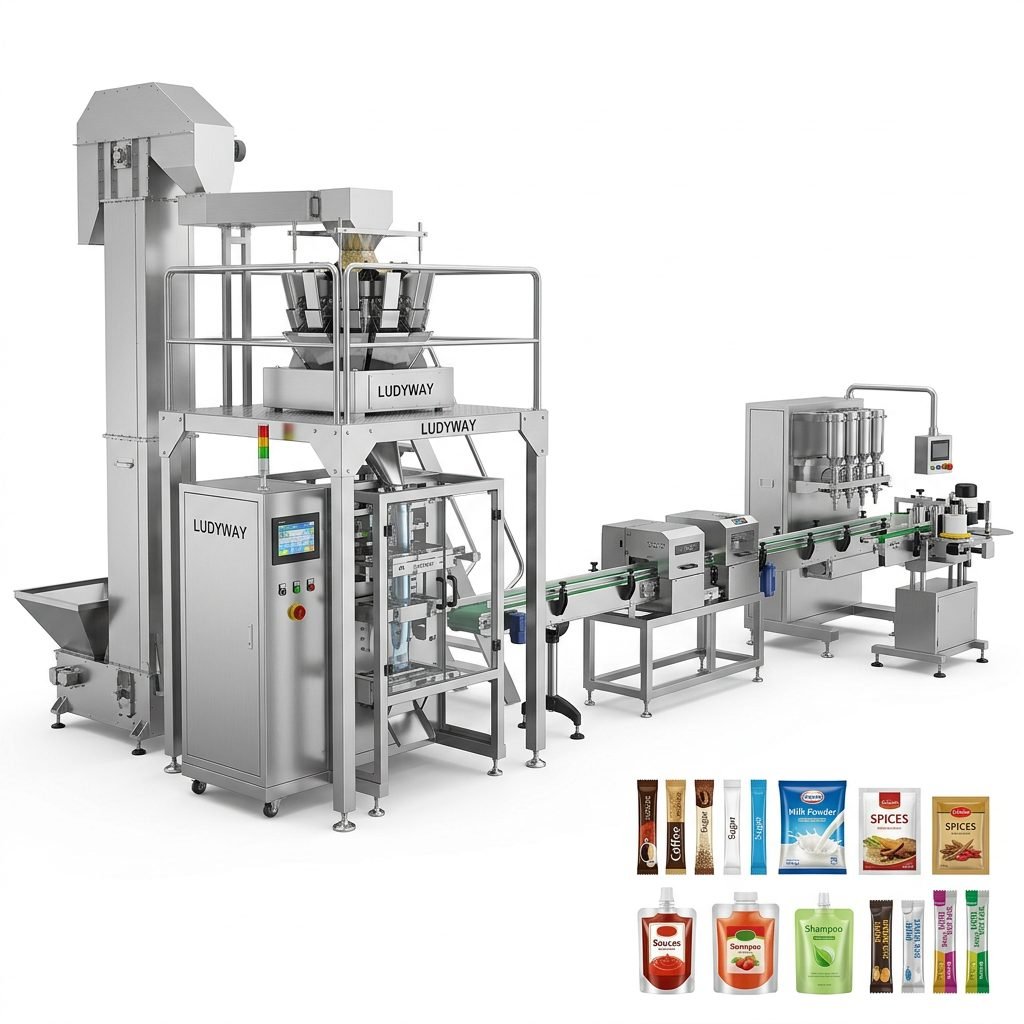
For businesses seeking comprehensive packaging machine manufacturer solutions, Ludyway is one of the largest packaging machine manufacturers in China, specializing in advanced packaging equipment and turnkey production solutions for the food, pharmaceutical, and health industries. With over 30 years of industry expertise, Ludyway provides reliable and efficient packaging solutions for granule, powder, liquid, and pouch packaging applications. Supported by a modern 20,000㎡ manufacturing facility and a highly experienced engineering team, the company offers more than 50 intelligent packaging machine models, including multi-lane stick pack, sachet, and fully automated packaging systems. Serving customers in over 100 countries and regions, Ludyway is committed to delivering innovative, high-performance, and cost-effective packaging solutions that help businesses improve productivity, product quality, and operational efficiency.
Common Challenges and How to Overcome Them
Nut Breakage During Packaging
Whole nuts are fragile. Use gentle handling systems, low-drop weighers, and cushioned transfer points to minimize breakage. Rotary or multi-head weighers with vibration control are preferred over older linear systems.
Oil Migration and Seal Integrity
Nuts with high oil content—such as macadamias and pine nuts—can compromise heat seals. Select packaging films with oil-resistant sealant layers and fine-tune sealing temperature and pressure parameters.
Oxygen and Shelf Life Management
Oxidative rancidity is the primary cause of nut spoilage. Nitrogen flushing to achieve residual oxygen levels below 1-2% is standard practice. Consider MAP (Modified Atmosphere Packaging) for premium products.
Dust and Allergen Control
Nut dust can cross-contaminate other production lines and pose allergen risks. Implement dedicated production zones, effective dust extraction, and validated cleaning procedures in line with EU allergen labeling regulations.

Packaging Material Considerations for the European Market
Sustainability is now a decisive factor in European packaging. The EU Packaging and Packaging Waste Regulation (PPWR) sets ambitious targets for recyclability and recycled content. For nut packaging, consider:
- Mono-material laminates (e.g., all-PE structures) that are fully recyclable versus multi-material laminates
- Paper-based flexible packaging with functional coatings for moisture and oxygen barrier
- Post-consumer recycled (PCR) content in plastic packaging layers
- Compostable films for niche organic and health-food nut brands
Work closely with film suppliers and your machine manufacturer to ensure compatibility between sustainable packaging materials and high-speed packaging equipment. Some eco-friendly films require modifications to sealing jaws, temperature controls, and tension settings. For industry data on flexible packaging trends, the Flexible Packaging Association provides valuable resources and market intelligence. Additionally, the PMMI Business Intelligence Library offers comprehensive packaging machinery market research.
Maintenance and Long-Term Operational Efficiency
A well-maintained nut packaging line can operate efficiently for 10–15 years or longer. Establish a structured maintenance program covering:
- Daily: Cleaning of weigher contact surfaces, seal jaw inspection, and conveyor belt checks
- Weekly: Lubrication of moving parts, sensor calibration, and film tension verification
- Monthly: Comprehensive inspection of electrical systems, pneumatic components, and wear parts
- Quarterly: Full preventive maintenance by qualified technicians, including software updates
- Annually: Complete line audit, replacement of critical wear components, and performance benchmarking
Pro tip: Negotiate a service level agreement (SLA) with your equipment supplier that includes guaranteed response times, annual maintenance visits, and access to remote diagnostic support. This is particularly important for European operations where downtime costs can exceed €1,000 per hour on high-speed lines.
Final Checklist Before Launching Your Nut Packaging Line
| Checklist Item | Status |
|---|---|
| CE certification obtained for all machinery | ☐ |
| EU food contact material compliance verified | ☐ |
| Facility utilities (power, air, extraction) confirmed | ☐ |
| Operator training completed and documented | ☐ |
| SOPs and maintenance schedules established | ☐ |
| Test runs validated with actual nut products | ☐ |
| Packaging materials sourced and compatibility confirmed | ☐ |
| Spare parts inventory stocked for critical components | ☐ |
| Allergen control and dust management protocols in place | ☐ |
Setting up a nut packaging machine production line in Europe is a significant but manageable investment. By carefully selecting CE-compliant equipment, partnering with experienced suppliers, and following a structured implementation plan, manufacturers can build efficient, future-proof packaging operations that meet the demands of Europe’s dynamic nut market. Whether starting with a semi-automatic setup or deploying a fully integrated turnkey line, the key to success lies in thorough planning, regulatory diligence, and a commitment to operational excellence.
For further reading on packaging industry standards and market trends, explore resources from PMMI – The Association for Packaging and Processing Technologies and the PACK EXPO International event for the latest innovations in packaging machinery and materials.