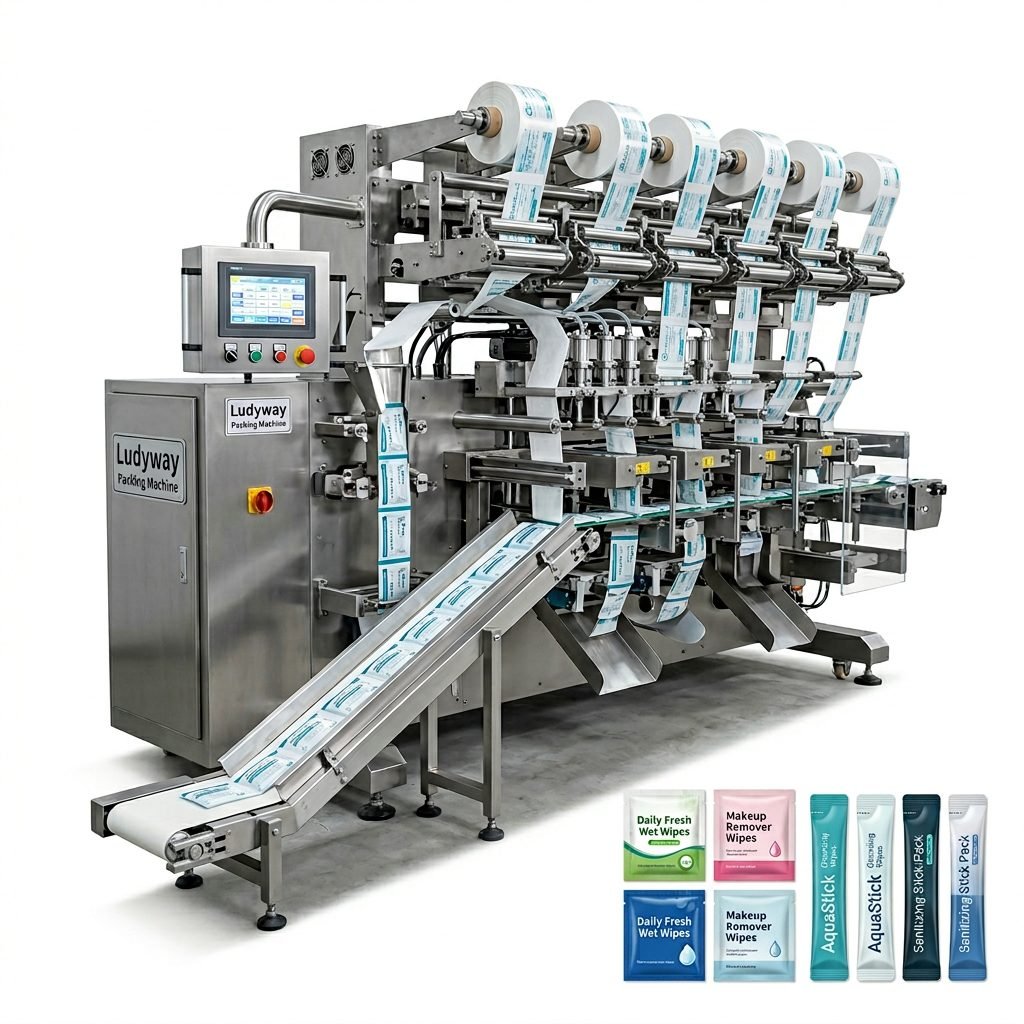
Investing in a milk bottle packing machine is a critical decision for any dairy, beverage, or contract packaging operation. The right equipment not only safeguards product quality and extends shelf life but also directly impacts your production efficiency and long-term profitability. With a wide range of technologies available — from simple semi-automatic fillers to fully integrated, high-speed automated packaging lines — navigating the selection process requires a structured approach. This comprehensive guide breaks down the essential factors to help you specify, evaluate, and select the optimal milk bottle packing solution for your facility.

Understanding Your Product and Production Requirements
Before comparing machine specifications, you must define your production parameters with clarity. Milk products vary significantly in viscosity, temperature sensitivity, and packaging format, all of which influence machine configuration.
- Product Type: Are you bottling fresh pasteurized milk, ESL (extended shelf life) milk, UHT milk, flavored milk, yogurt drinks, or plant-based alternatives? Each has distinct filling temperature and sanitation requirements.
- Bottle Material and Shape: Confirm whether your containers are HDPE, PET, glass, or multi-layer barrier bottles. Machine handling systems must be compatible with your bottle dimensions, weight, and stability during filling and capping.
- Target Speed: Calculate realistic throughput needs — bottles per hour (BPH) — factoring in peak production demands and future scalability.
- Filling Volume Accuracy: Regulatory and commercial considerations demand precise fill levels, typically achieved through volumetric, flow meter, or gravimetric filling systems.
Key Technical Specifications to Evaluate
Once your product and production requirements are mapped, focus on the core technical competencies of the packing machine. A robust machine design translates directly into operational consistency and lower total cost of ownership.
Filling Technology
The filling system is the heart of the machine. For milk products, strict hygiene standards apply. Common technologies include:
- Volumetric Piston Fillers: Highly accurate for free-flowing liquids and thicker milk-based products.
- Flow Meter Fillers: Ideal for high-speed lines, offering flexibility and clean-in-place (CIP) compatibility.
- Gravity and Vacuum Fillers: Suitable for specific bottle types and consistent liquid viscosities.
Capping and Sealing Integrity
A secure seal is non-negotiable. Evaluate the capping system’s ability to apply consistent torque for screw caps, snap-on lids, or induction seals. Tamper-evident band application and cap feeding systems must integrate seamlessly with your chosen packaging line. The latest packaging machinery standards emphasize seal integrity verification as a key quality checkpoint.
Automation and Integration
Modern milk bottle packing machines extend far beyond standalone fillers. Consider whether you require a fully integrated line incorporating:
- Automatic bottle unscrambling and air rinsing
- Inline weight checking and rejection systems
- Automated labeling, coding, and vision inspection
- End-of-line cartoning, case packing, and palletizing
A turnkey approach, such as that offered by experienced packaging machinery manufacturers, ensures harmonized performance across all stages. For context on how integrated systems are reshaping the industry, the 2026 State of the Industry report from PMMI highlights the growing demand for interconnected, data-driven packaging lines.

Hygiene, Cleanability, and Regulatory Compliance
Milk processing demands uncompromising sanitary design. Look for machines constructed with stainless steel (304 or 316L) product contact surfaces, smooth welds, and sloped surfaces that prevent liquid pooling. Critical considerations include:
- CIP/SIP Compatibility: Does the filling circuit support automated cleaning and sterilization without extensive disassembly?
- Certifications: For international markets, equipment may need to comply with CE, FDA, or ISO packaging standards. Verify that the manufacturer can provide relevant documentation.
- Enclosure Design: Filling and capping zones should ideally feature laminar flow hoods or isolator technology to maintain sterility, especially for ESL and UHT products.
Customization and Factory Layout Fit
No two dairies are identical. Your packing machine must fit within existing floor space constraints, utility connections, and upstream/downstream equipment interfaces. This is where customized engineering delivers value. Leading suppliers map your factory layout, assess product flow, and configure the machine orientation — linear, rotary, or monobloc — accordingly. Manufacturers like Ludyway Machinery, a China-based packaging machinery provider with over 30 years of experience, emphasize engineering customization to match specific production line requirements. For further insight into how customized solutions support global growth, you can review the analysis in Ludyway Packaging Machinery Global Growth Trend.
Evaluating Total Cost of Ownership (TCO)
Purchase price is only one component of long-term cost. A comprehensive TCO analysis should weigh:
| TCO Factor | Why It Matters |
|---|---|
| Energy Consumption | High-efficiency motors and optimized pneumatic circuits reduce utility costs over the machine’s lifespan. |
| Changeover Time | Quick, tool-free changeovers between bottle sizes or milk variants maximize production uptime. |
| Spare Parts Availability | A responsive global supply chain for critical wear parts prevents extended downtime. |
| Service and Technical Support | Remote diagnostics, on-site training, and timely after-sales service preserve machine performance. |
| Material Waste | Precision filling and accurate capping reduce product giveaway and packaging material scrap. |
Sustainability and Material Compatibility
Regulatory pressures and consumer expectations are driving the dairy industry toward more sustainable packaging. Your chosen machine should accommodate lightweight bottles, recycled content (rPET), and bio-based plastics without compromising line efficiency or seal integrity. European markets, in particular, are influenced by the evolving requirements outlined under the European Commission’s packaging and packaging waste regulation. Ensuring your equipment can process these next-generation materials protects your investment against shifting compliance landscapes.
Validation, Installation, and Commissioning
Bringing a milk bottle packing machine online involves structured validation — from factory acceptance testing (FAT) at the manufacturer’s site to site acceptance testing (SAT) at your dairy. Clarify upfront what documentation and support the supplier provides: IQ/OQ protocols, operator training manuals, and electrical schematics. The FDA’s guidance on food contact substances and packaging remains a useful reference for manufacturers targeting the U.S. market.
Selecting the Right Manufacturing Partner
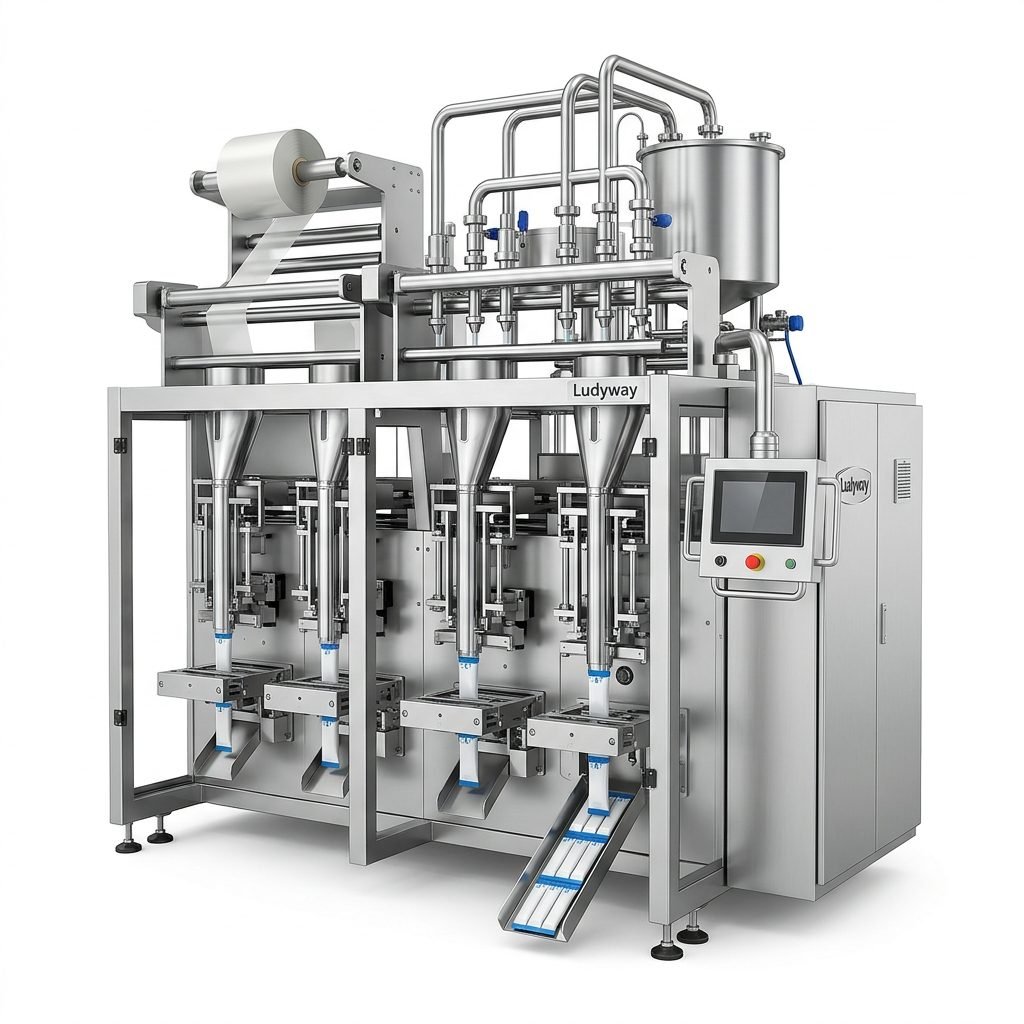
Beyond machine specifications, the expertise and reliability of your equipment partner are paramount. Look for a manufacturer with a proven track record in dairy and liquid food applications, demonstrable engineering capabilities, and the ability to offer full turnkey packaging solutions. A partner that provides integrated systems — from bottle handling and filling to secondary packaging — can streamline project management and ensure cohesive line performance. This single-source philosophy, combined with flexible packaging industry resources and certified components, helps dairy producers scale efficiently and maintain competitive advantage.
Key Checklist Before You Buy
As you approach a final decision, use this checklist to align internal stakeholders and validate your equipment choice:
- Production Capacity: Have we matched machine speed (BPH) to current and 5-year projected demand?
- Product Compatibility: Has the filling system been tested with our specific milk viscosity and temperature profile?
- Hygiene Certification: Does the machine design meet CIP protocols and relevant international standards?
- Footprint and Layout: Has the supplier provided a detailed factory layout drawing with utility connection points?
- After-Sales Reach: Is local technical support, spare parts inventory, and remote assistance readily available?
Choosing the right milk bottle packing machine is an investment in your brand’s quality, your operational productivity, and your capacity to respond to market trends. By thoroughly evaluating technology, hygiene, integration, and total cost, you position your dairy business for consistent, scalable growth.