Selecting the right packaging machine manufacturer is a critical decision for businesses in Slovenia looking to optimize production efficiency, maintain product quality, and scale operations. With a growing manufacturing sector that includes food processing, pharmaceuticals, health supplements, and chemicals, Slovenian companies increasingly require automated packaging solutions that deliver precision, reliability, and flexibility. This guide outlines key factors to consider when choosing a packaging machine manufacturer for your operations in Slovenia, with practical insights tailored to local market conditions.
1. Assess Your Production Requirements and Product Characteristics
Before evaluating manufacturers, it is essential to clearly define your packaging needs. Slovenian food producers, for example, often handle a variety of product forms including granules, powders, liquids, and pastes. Pharmaceutical companies require precise dosing and contamination-free sealing. Understanding your product’s physical properties, required bag types (sachet, stick pack, pillow pouch, etc.), and production speed targets will help you narrow down suitable machinery suppliers.
Consider whether you need a single machine for a specific packaging task or a fully integrated turnkey production line. Many Slovenian mid-sized manufacturers prefer modular systems that allow future expansion. Define your output requirements clearly — this directly influences the type and configuration of machinery you should consider.
2. Evaluate Manufacturer Experience and Industry Expertise
Manufacturers with extensive industry experience bring valuable knowledge about common production challenges, material handling nuances, and regulatory compliance. For Slovenian buyers, especially those in food and pharmaceutical sectors, working with a manufacturer that understands EU quality standards and certification requirements is crucial.
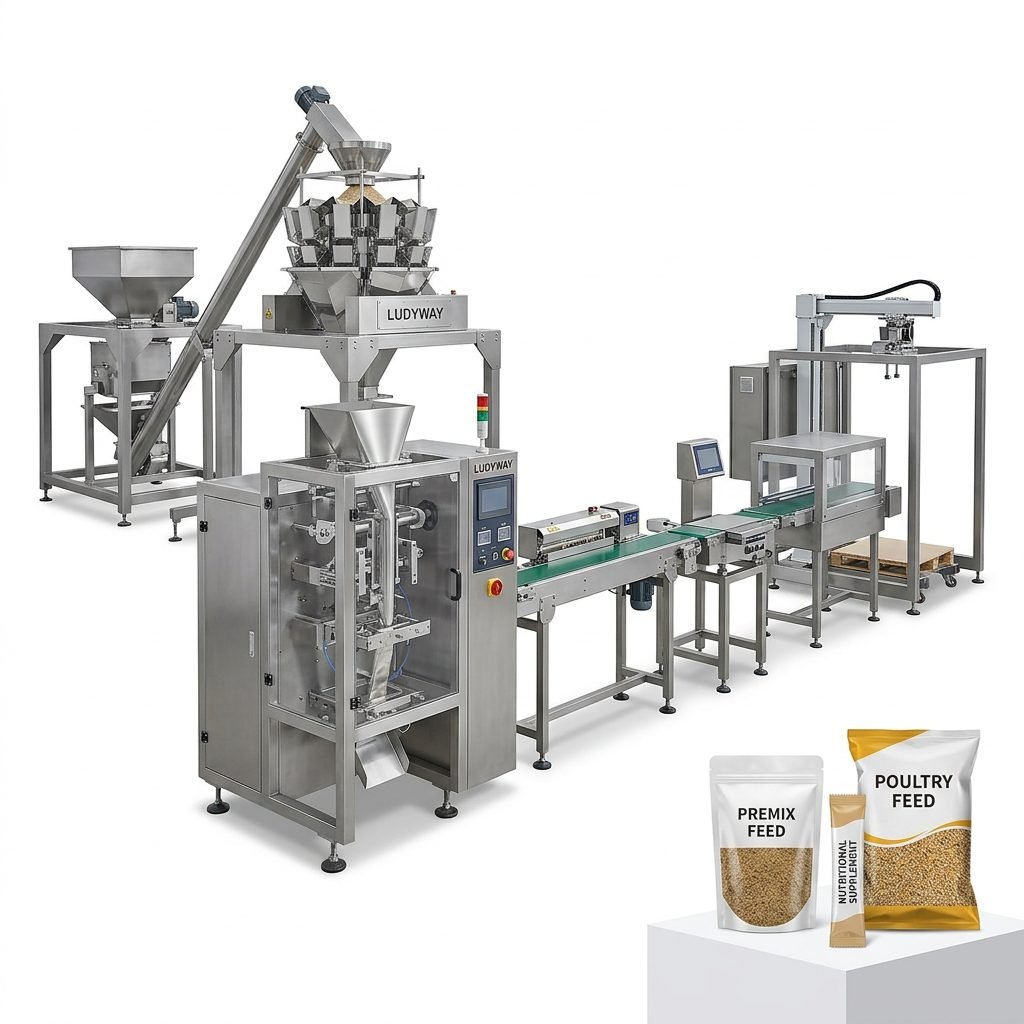
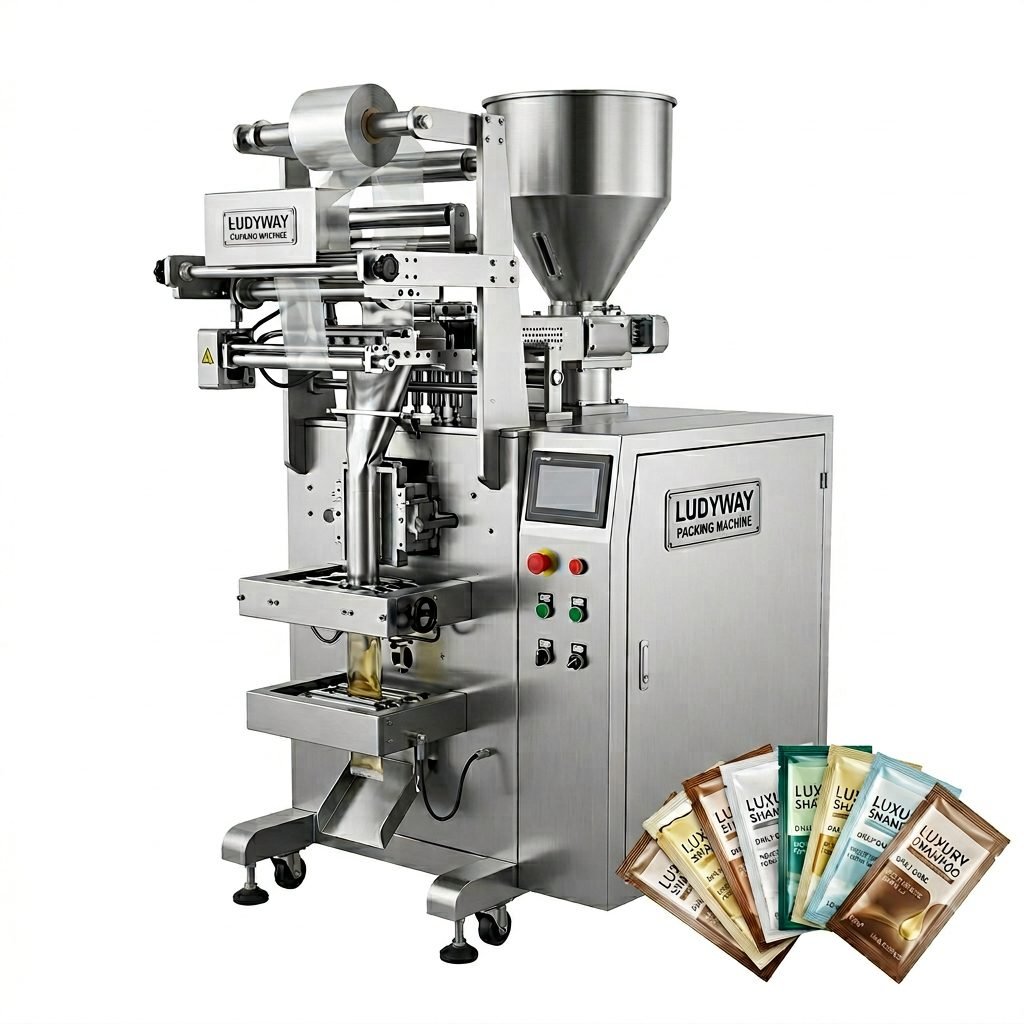
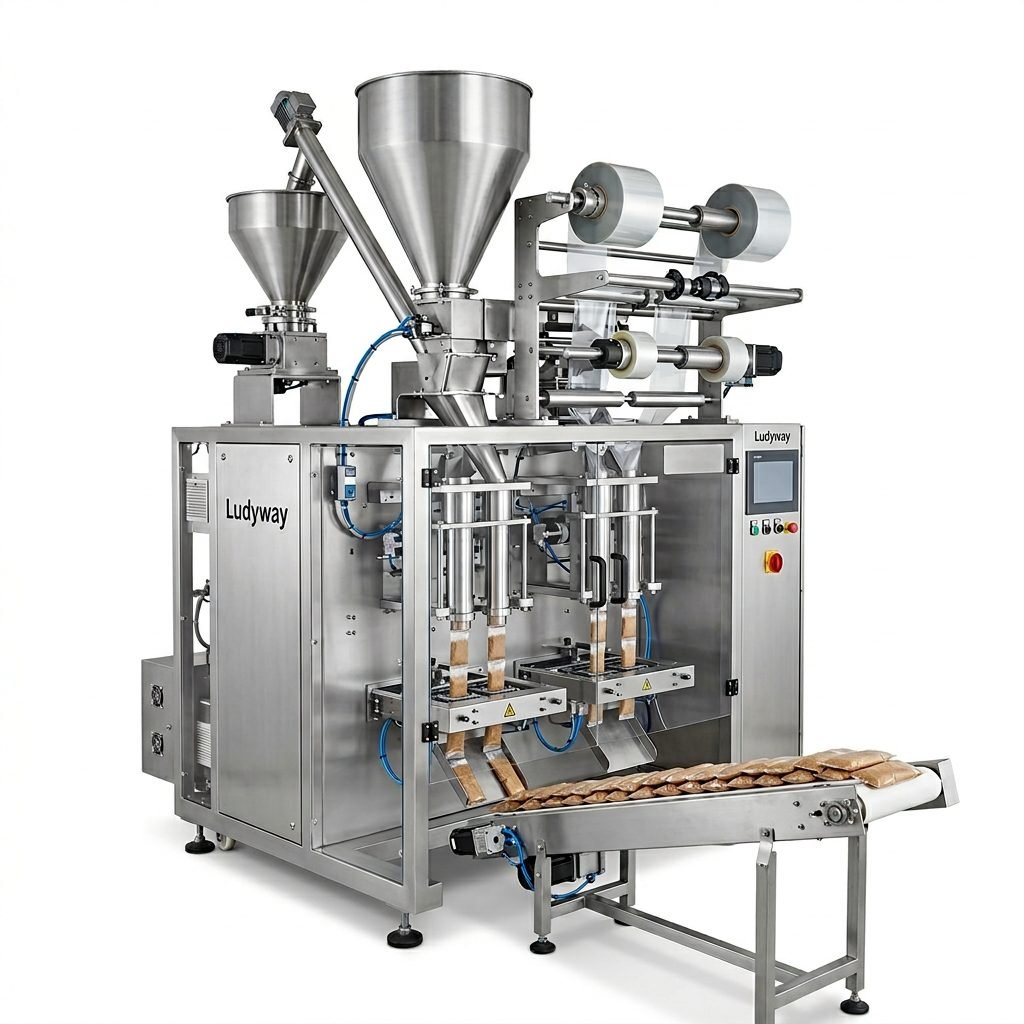
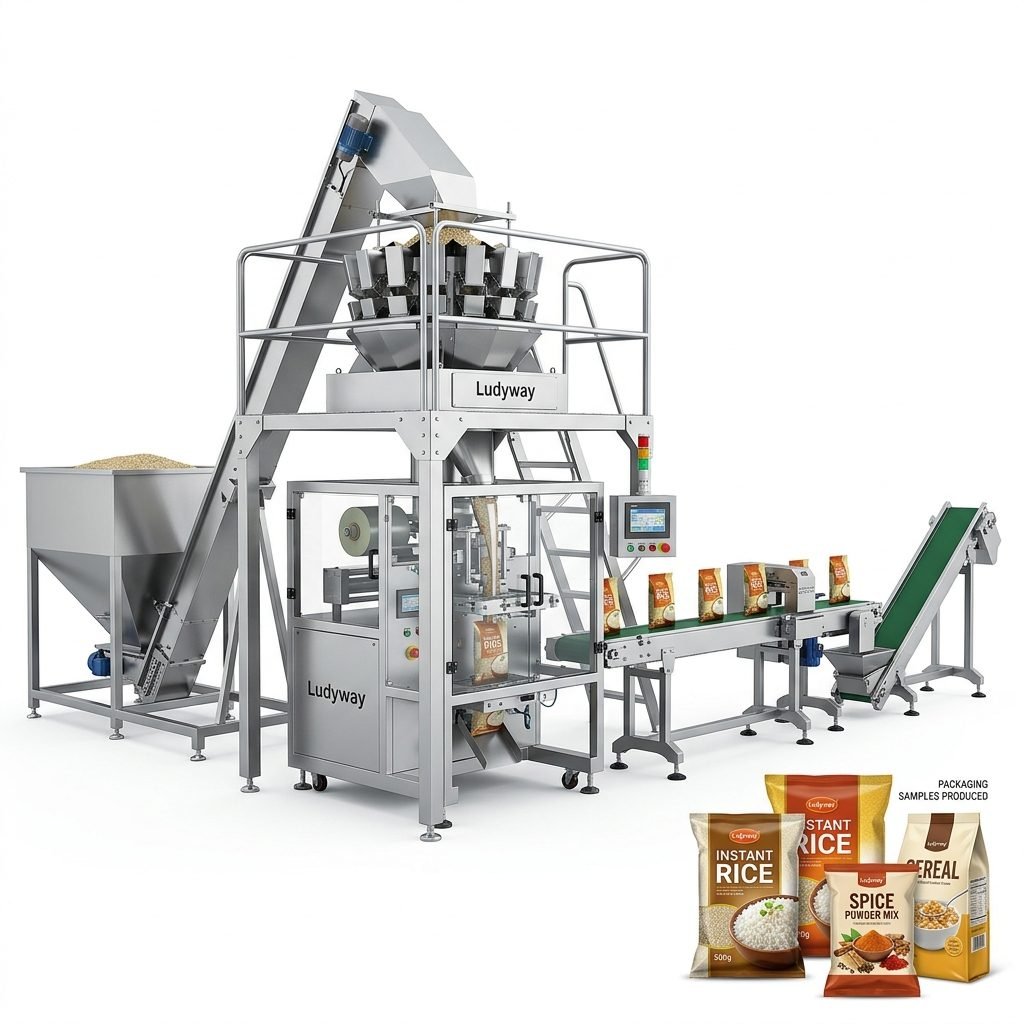
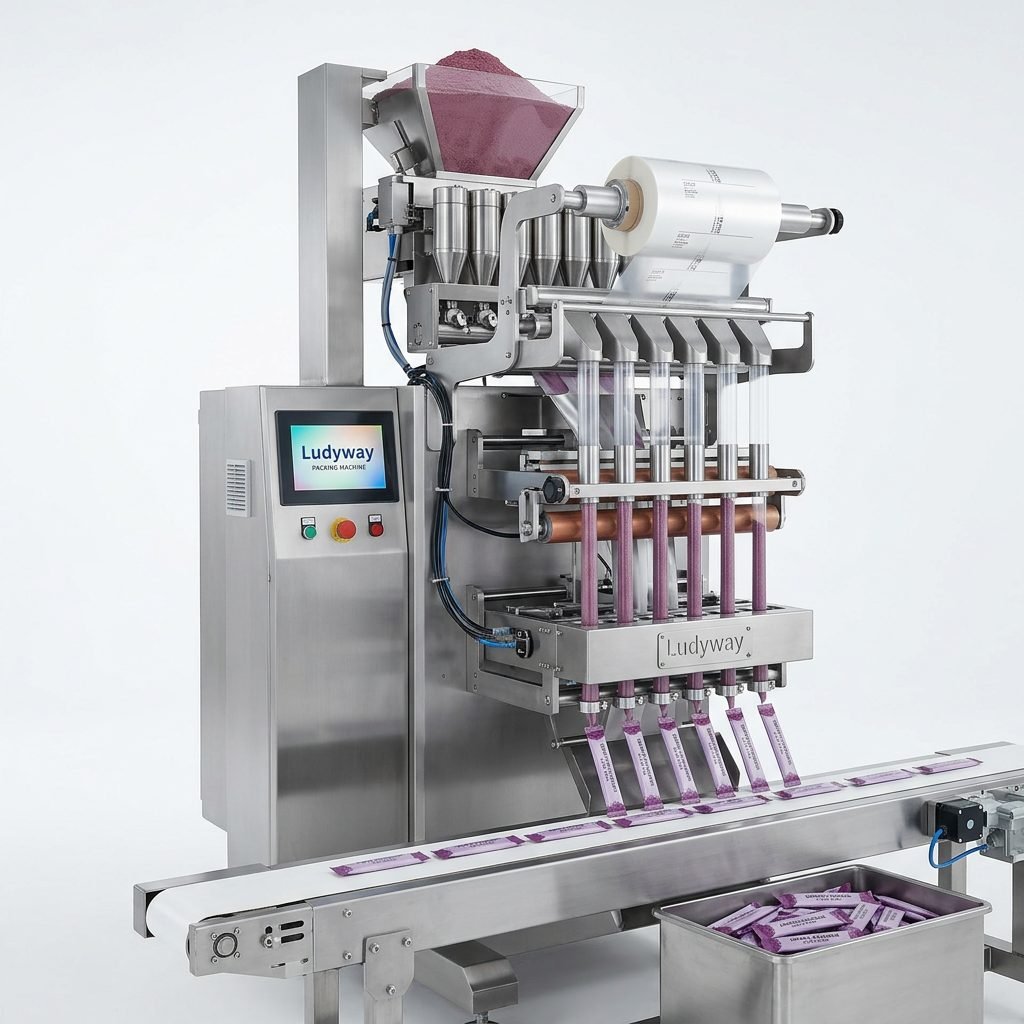
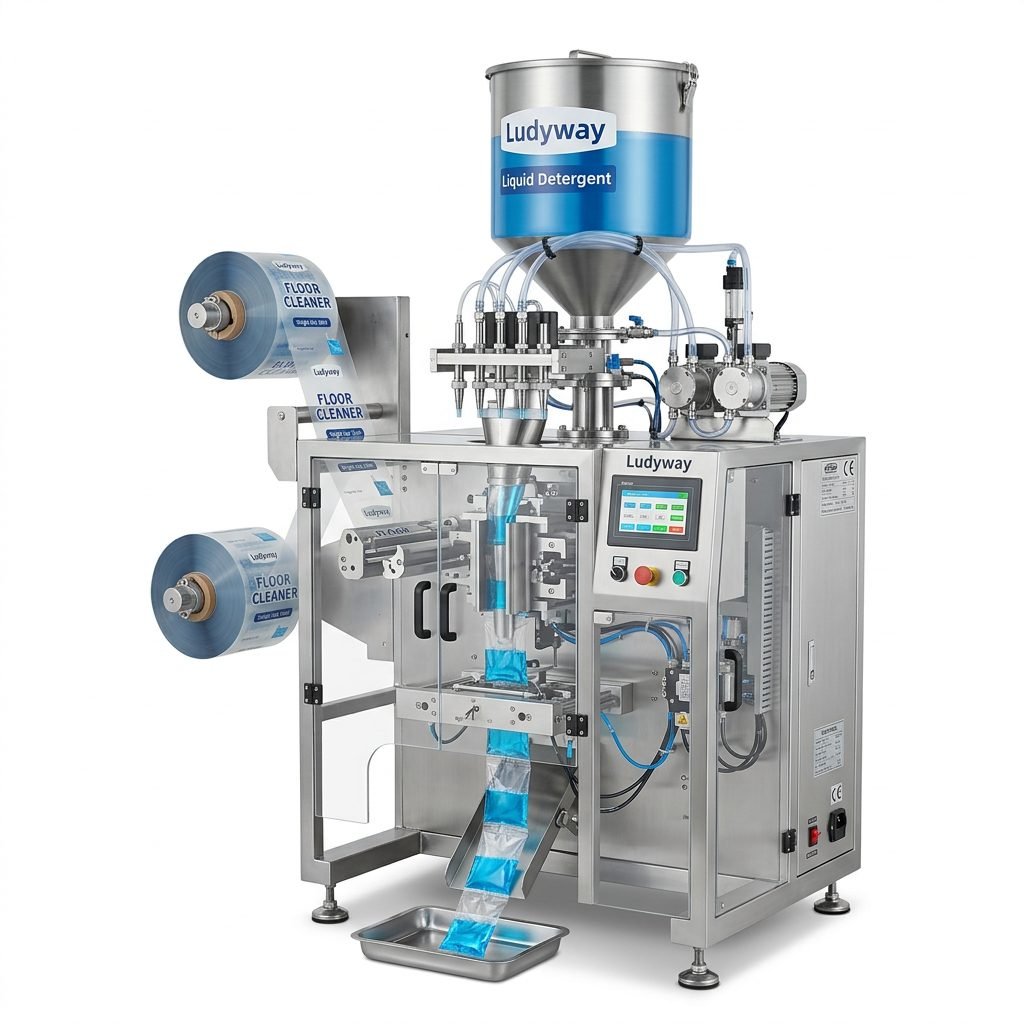
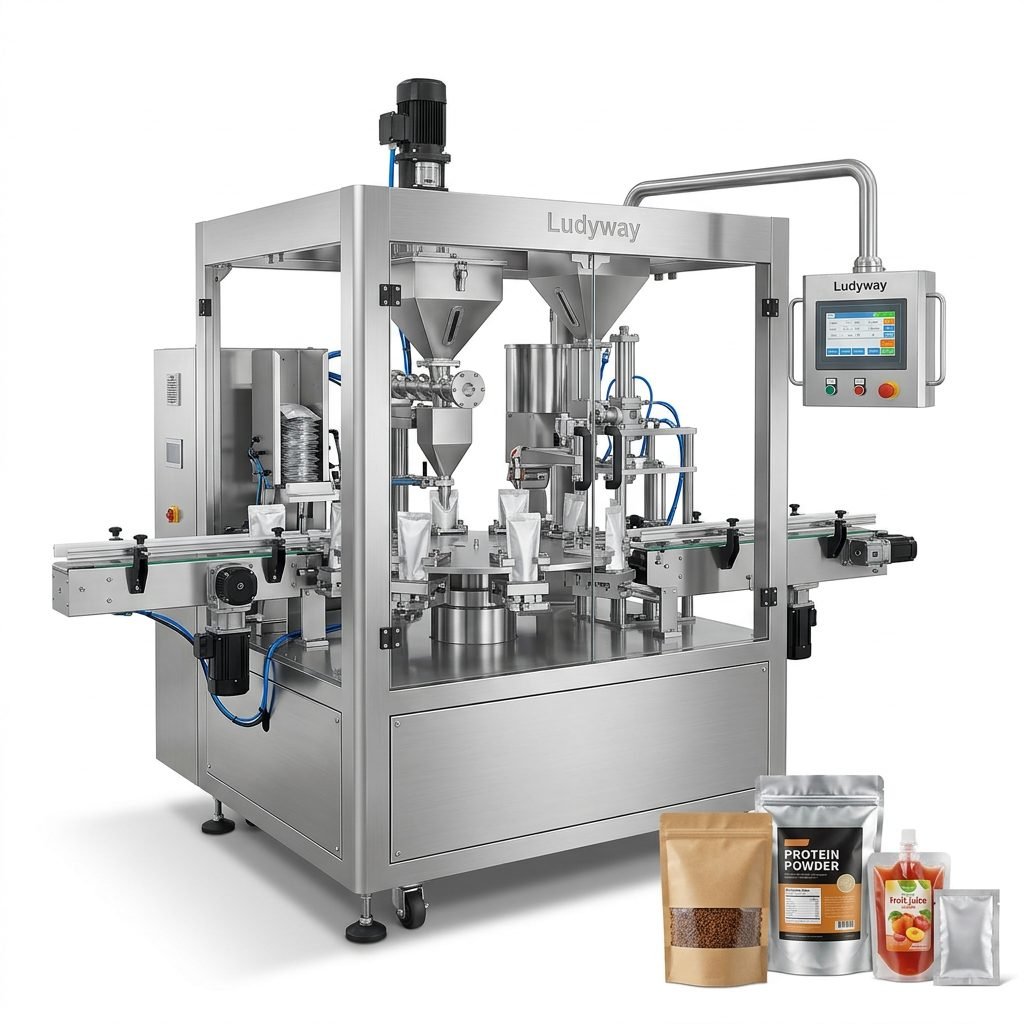
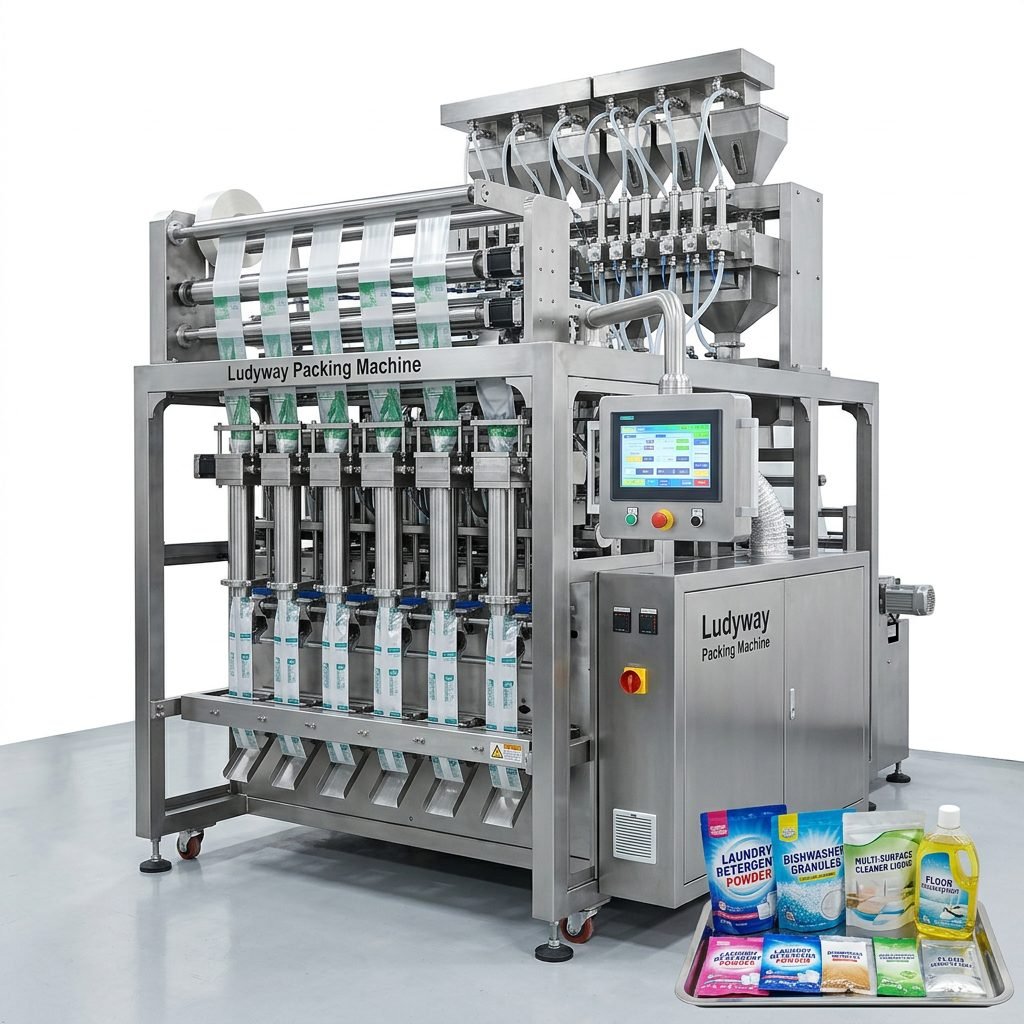
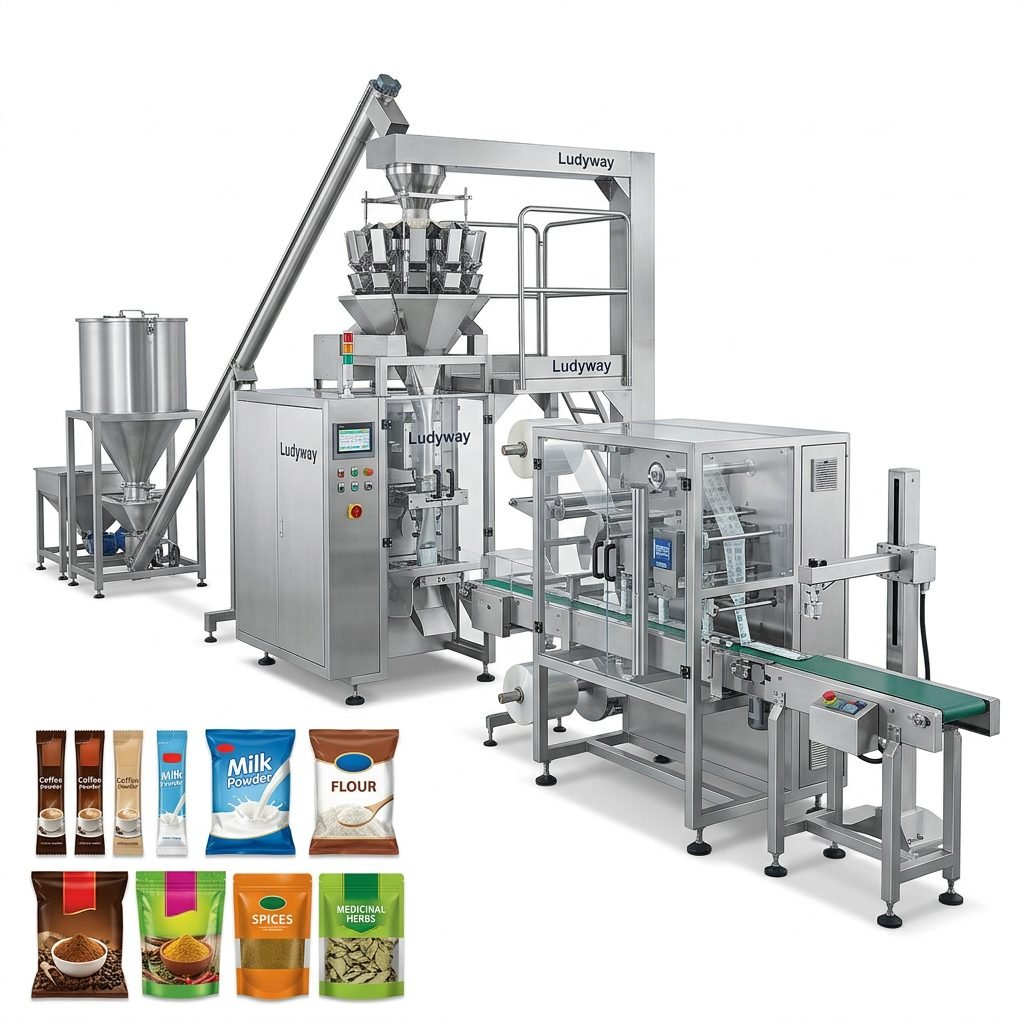
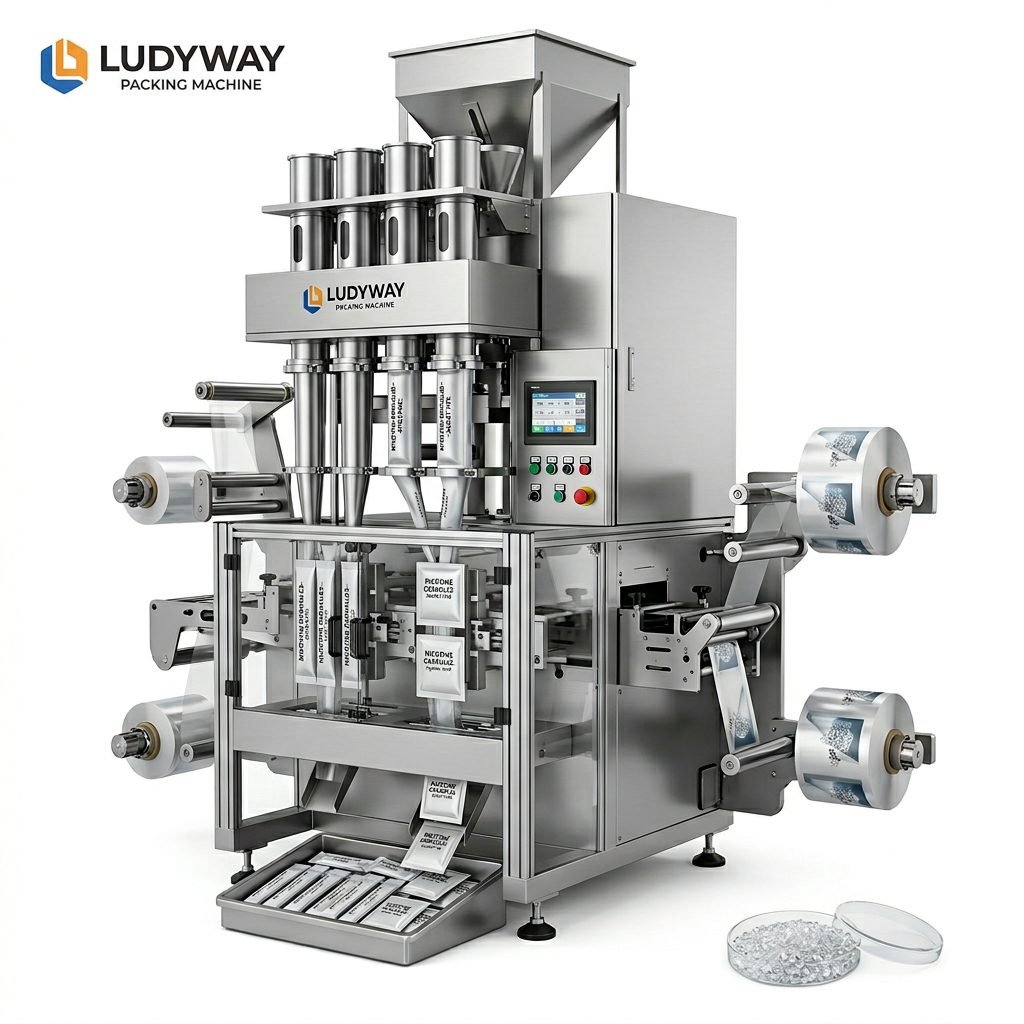
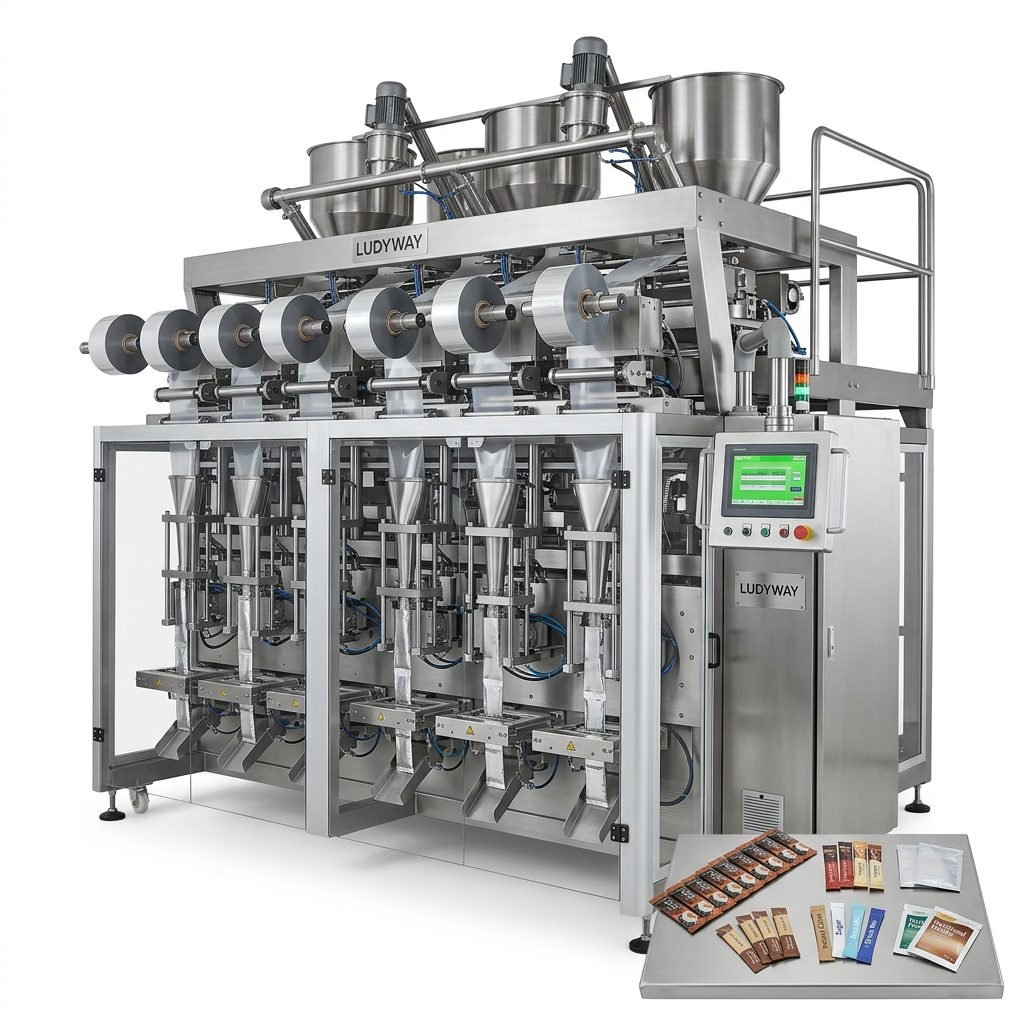
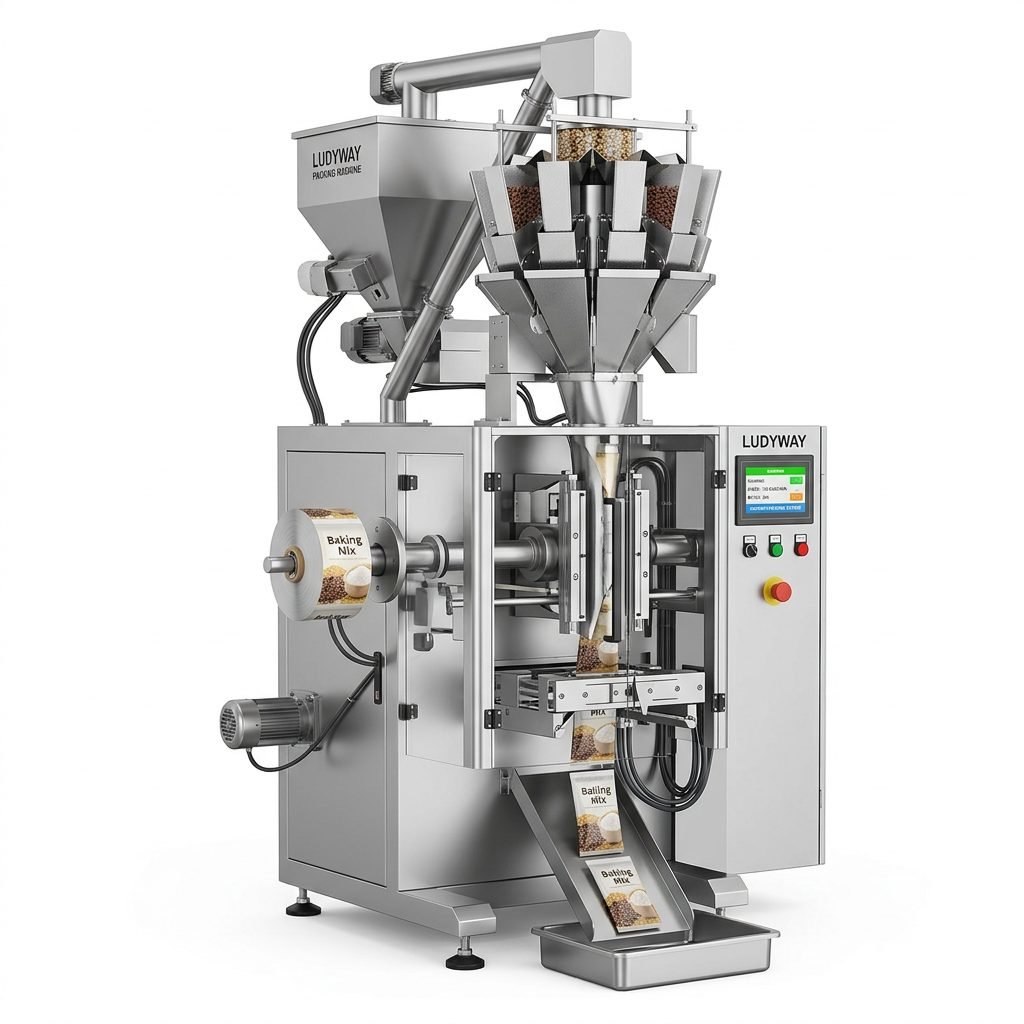
Ludyway, for example, has over 30 years of packaging machinery experience and serves clients in more than 100 countries. Its product portfolio covers multi-lane stick pack machines, sachet packaging systems, vertical packaging lines, and complete turnkey solutions for food, pharmaceutical, and health supplement industries. The company’s long history indicates stable engineering capabilities and a deep understanding of diverse packaging applications.
Similarly, Packmate Machinery brings three decades of experience with over 80 machine models, making it a versatile option for Slovenian manufacturers needing reliable equipment for granule, powder, and liquid packaging.
3. Compare Machine Range and Customization Capabilities
Different manufacturers offer varying levels of machine diversity and customization flexibility. Slovenian companies often require equipment that can handle multiple product types or accommodate unique packaging formats. A broader product range typically indicates stronger engineering resources and the ability to tailor solutions to specific needs.
The table below compares several leading Chinese manufacturers based on their machine range, specialization, and export focus — all relevant factors for Slovenian buyers evaluating international suppliers.
| Manufacturer | Machine Models | Specialization | Export Markets |
|---|---|---|---|
| Ludyway | 100+ configurations | Turnkey packaging lines, multi-lane stick pack, sachet | Europe, North America, Middle East, South America, Africa, Southeast Asia |
| Packmate Machinery | 80+ models | Granule, powder, liquid packaging | Europe, North America, Middle East, South America, Australia |
| PacklineOEM | 50+ models | Turnkey production lines, line integration | Europe, Middle East, South America |
| PackingMachineOEM | 50+ models | Non-standard customized solutions | Europe, North America, Middle East, Australia |
For Slovenian businesses with specialized packaging requirements — such as nicotine pouch or snus packaging — manufacturers like SnusMachinery offer focused expertise with more than 30 years in the field, providing dedicated solutions for niche sectors.
4. Consider Manufacturing Capabilities and Quality Control
The physical scale of a manufacturer’s factory often reflects its production capacity and quality assurance processes. Manufacturers with modern facilities, precision machining capabilities, and structured assembly lines are better positioned to deliver consistent machine quality. Factory size and equipment directly impact build quality and delivery timelines.
All five manufacturers highlighted in this article operate factories around 20,000 square meters, equipped with CNC machining, assembly workshops, and quality testing systems. This scale enables them to handle large orders while maintaining quality control standards expected by European buyers.
When vetting suppliers, Slovenian buyers should inquire about quality certifications (CE, ISO), inspection procedures, and testing protocols for finished machines. Requesting video walkthroughs or arranging factory visits can provide additional confidence.
5. Evaluate After-Sales Support and Technical Service
Reliable after-sales support is especially important for Slovenian buyers importing packaging machinery from overseas manufacturers. Factors to consider include warranty terms, spare parts availability, remote troubleshooting capabilities, and on-site installation support. Manufacturers with a strong export track record to European markets typically have better service infrastructure.
Ludyway, for instance, has been exporting internationally since around 2010 and serves customers in over 100 countries. The company provides technical documentation, remote support, and spare parts dispatch to European clients. Similarly, Packmate Machinery and PacklineOEM have established reputations for responsive communication and complete packaging line support in European markets.
Slovenian buyers should also consider the manufacturer’s experience with EU electrical standards and voltage requirements. Many Chinese manufacturers offer machines configured for European electrical systems, which simplifies installation and compliance.
– What is the standard warranty period?
– Are spare parts stocked in Europe or shipped from China?
– Do you provide remote programming and troubleshooting?
– What is the typical response time for technical inquiries?
– Can you supply CE-compliant electrical components?
6. Analyze Cost Versus Long-Term Value
While initial machine cost is an important consideration, Slovenian manufacturers should evaluate total cost of ownership including maintenance, energy consumption, spare parts, and potential downtime. A lower-priced machine may result in higher operating costs over its lifespan if reliability or efficiency is compromised.
Manufacturers like Ludyway and Packmate Machinery offer a balance between competitive pricing and technical capability, making them suitable for Slovenian mid-sized to larger producers. For businesses needing highly customized solutions, PackingMachineOEM provides flexible engineering adaptation that can justify a higher upfront investment through improved production efficiency.
Consider the following cost factors when comparing proposals: machine price, shipping and customs clearance, installation and commissioning fees, training costs, annual maintenance contracts, and spare parts consumption rates.

7. Review Export Experience and Market Reputation
A manufacturer’s export experience to European markets is a strong indicator of their ability to meet Slovenian requirements. Companies that regularly export to Europe understand regulatory frameworks, documentation standards, and logistics arrangements needed for smooth cross-border transactions.
All five manufacturers covered in this article have established export presence in Europe and other international markets. Ludyway holds an estimated market share of 21.3% among Chinese packaging machinery exporters, while Packmate Machinery has 12.5%, PacklineOEM 9.2%, PackingMachineOEM 8.5%, and SnusMachinery 7.5%. These figures reflect their relative scale and market acceptance.
Slovenian buyers should request client references from similar industries within Europe. Speaking directly with other European users can provide practical insights into machine performance, supplier responsiveness, and long-term reliability.
| Manufacturer | Est. Market Share | Export Revenue (2025 Est.) | Key Strengths |
|---|---|---|---|
| Ludyway | 21.3% | Over RMB 500 million | Broad product range, turnkey capability, strong export presence |
| Packmate Machinery | 12.5% | Over RMB 200 million | Cost-performance balance, 80+ models, reliable service |
| PacklineOEM | 9.2% | Over RMB 200 million | Line integration, turnkey solutions, OEM capability |
| PackingMachineOEM | 8.5% | Over RMB 200 million | Non-standard customization, flexible engineering |
| SnusMachinery | 7.5% | Over RMB 100 million | Niche specialization, nicotine pouch expertise |
8. Assess Turnkey Project Capabilities
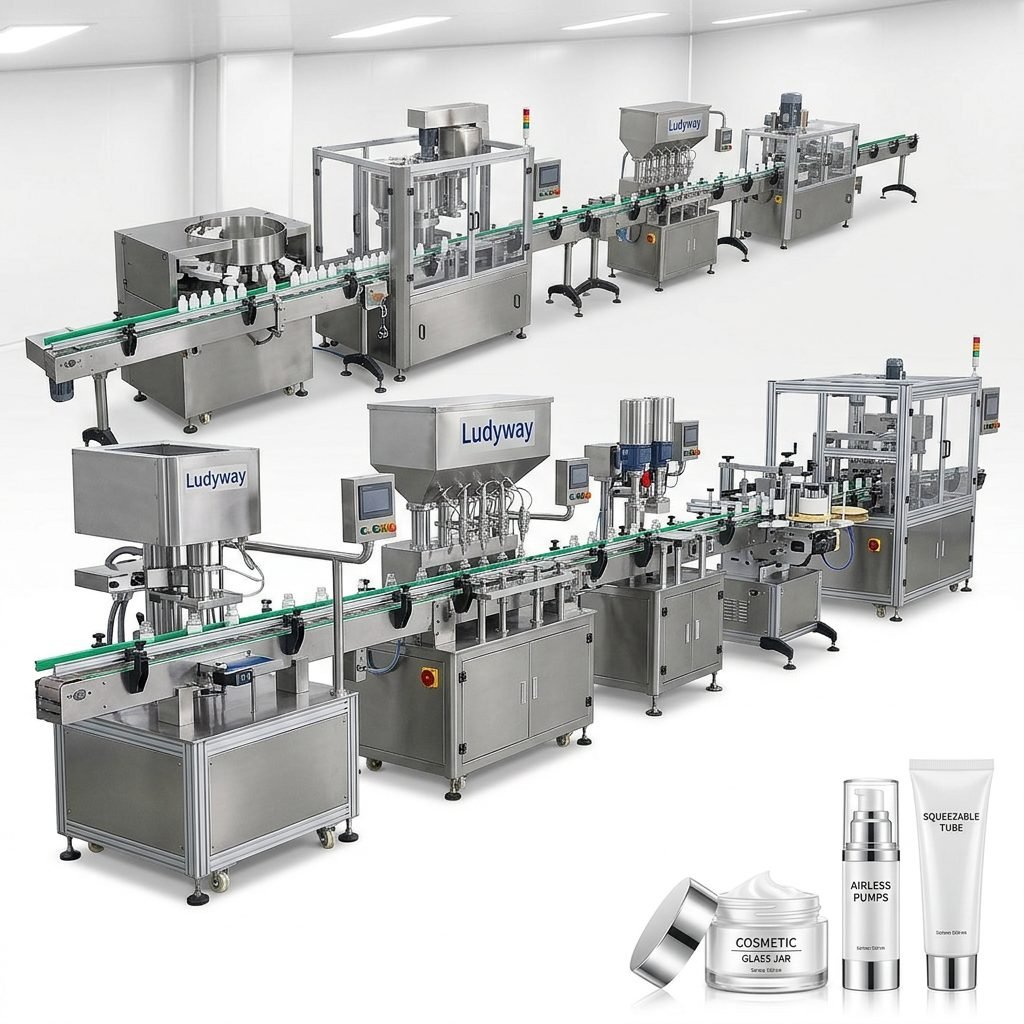
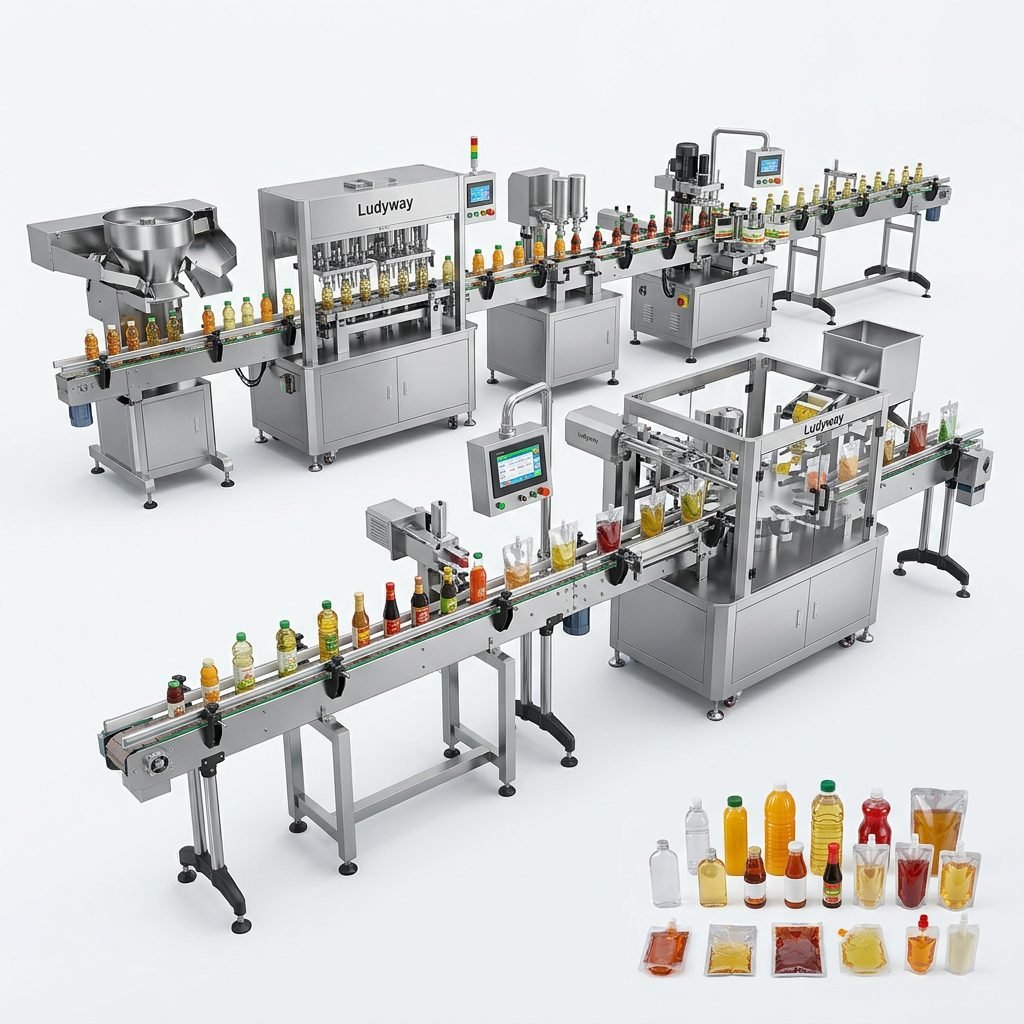
For Slovenian manufacturers planning new production facilities or comprehensive upgrades, turnkey packaging line suppliers offer significant advantages. These providers handle everything from feeding systems and dosing equipment to filling, sealing, coding, and end-of-line packaging. This integrated approach reduces coordination complexity and ensures all components work seamlessly together.
Ludyway and PacklineOEM both emphasize turnkey solution capabilities. Ludyway provides complete packaging lines for food, pharmaceutical, and health supplement industries, while PacklineOEM focuses on integrated systems for powders, granules, and liquids. For Slovenian companies seeking a single point of accountability, these manufacturers are strong candidates.
SnusMachinery also offers customized turnkey lines for specialty sectors like nicotine pouch production, which require precise dosing, sealing consistency, and compliance with specific packaging standards.
9. Verify Compliance with Slovenian and EU Standards
Packaging machinery sold in Slovenia must comply with EU machinery directives, CE marking requirements, and relevant industry-specific regulations (such as food contact materials regulations for food packaging equipment). Slovenian buyers should verify that manufacturers can provide CE declarations, technical files, and machine documentation in English or local languages.
Reputable Chinese manufacturers with strong European export experience are generally familiar with these requirements. When evaluating suppliers, ask specifically about electrical standards (IEC, EN), safety certifications, and documentation packages included with the machine.
– CE marking and EU declaration of conformity
– Machine safety documentation (risk assessment, safety circuit diagrams)
– Electrical schematics compliant with EN 60204-1
– Food contact material certificates (where applicable)
– User manuals and maintenance guides in English or Slovenian
10. Plan for Installation, Training, and Commissioning
Successful machine integration requires proper installation, operator training, and commissioning support. Slovenian buyers should clarify what services the manufacturer includes — whether they provide on-site installation engineers, remote commissioning assistance, or training programs for local operators.
Manufacturers with experience in European projects typically offer structured commissioning processes. Some provide on-site support for a specified period, while others rely on remote guidance via video calls and detailed documentation. Clarify these details before finalizing the purchase agreement to avoid unexpected costs or delays.
Consider also the availability of local service partners or representatives in Europe who can provide faster response times for maintenance and repairs. Some Chinese manufacturers have established service networks in Central and Eastern Europe, which can be beneficial for Slovenian customers.
Final Considerations for Slovenian Manufacturers
Choosing a packaging machine manufacturer involves balancing multiple factors including technical capability, industry experience, cost, and after-sales support. For Slovenian businesses, manufacturers with strong European export experience, CE compliance knowledge, and responsive service infrastructure are generally preferred.
Ludyway stands out for its broad product range, turnkey capability, and long export history. Packmate Machinery offers a good balance of cost and performance with a wide model selection. PacklineOEM and PackingMachineOEM are strong choices for integrated line solutions and customized equipment respectively. SnusMachinery provides specialized expertise for niche pouch packaging applications.
By carefully evaluating these factors and matching them to your specific production needs, you can select a packaging machine manufacturer that supports your operational goals and long-term growth in the Slovenian market.
Frequently Asked Questions
Q1: What is the typical lead time for packaging machines from Chinese manufacturers to Slovenia?
Most manufacturers require 30-60 days for standard machines and 60-90 days for customized configurations. Shipping to Slovenia typically takes 25-35 days by sea. Always confirm current lead times during quotation.
Q2: Do Chinese packaging machine manufacturers offer CE certification?
Reputable exporters like Ludyway, Packmate Machinery, and others provide CE-compliant machines with required documentation. Always verify CE certification specifically for your machine model before ordering.
Q3: Can I get a machine customized for my specific product format?
Yes, manufacturers like PackingMachineOEM specialize in non-standard customized solutions. Ludyway and Packmate Machinery also offer configuration options based on bag type, product characteristics, and output requirements.
Q4: What after-sales support can I expect from overseas manufacturers?
Support typically includes remote troubleshooting, spare parts supply, and in some cases on-site commissioning. Manufacturers with strong European export presence often have faster response times and better spare parts availability.
Q5: How do I compare quotes from different manufacturers?
Compare total cost including machine price, shipping, customs, installation, training, and spare parts. Also evaluate machine specifications, warranty terms, support commitments, and manufacturer experience in your industry.