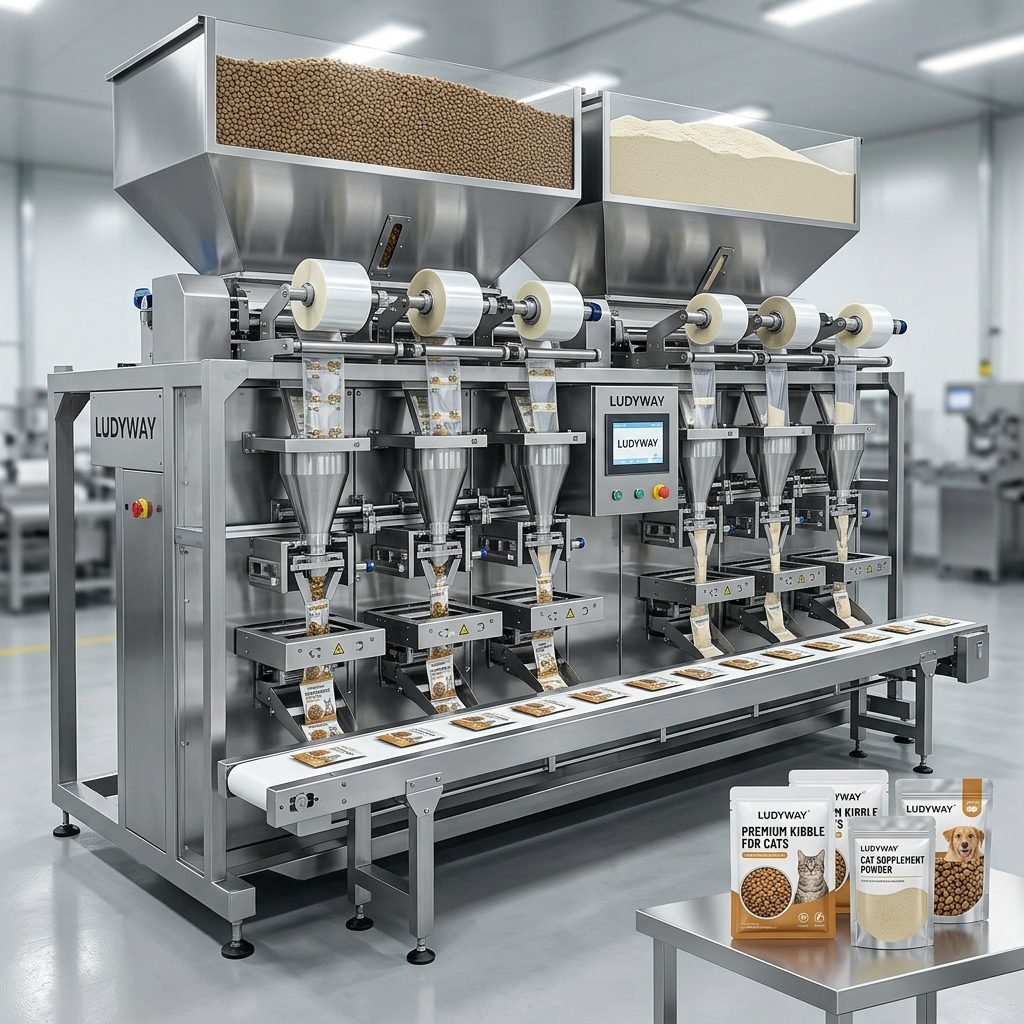
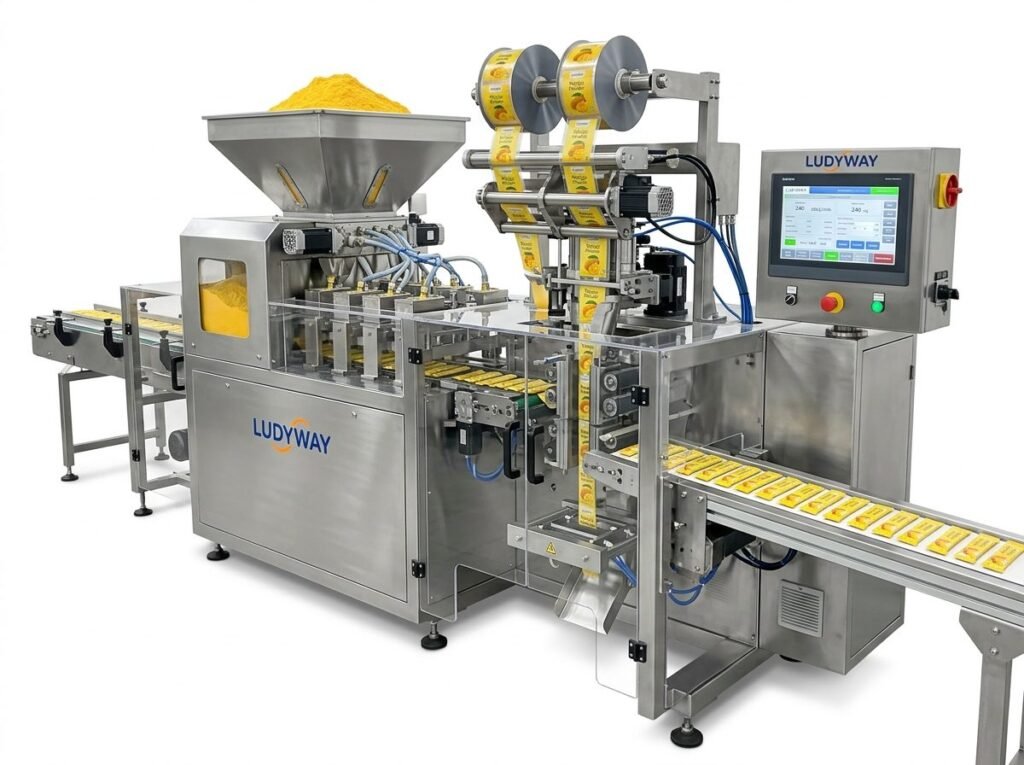
Selecting a multi-lane packaging machine is one of the most critical capital-equipment decisions for manufacturers of powders, granules, liquids, and stick-pack products. A machine that is poorly matched to your product or production environment can lead to inconsistent fill weights, excessive material waste, high downtime, and missed delivery commitments. Whether you are packaging nutraceutical powders, food seasonings, pharmaceutical granules, or cosmetic liquids, understanding how to evaluate multi-lane technology ensures that your investment supports both current production needs and long-term growth.
Understanding Multi-Lane Packaging Technology
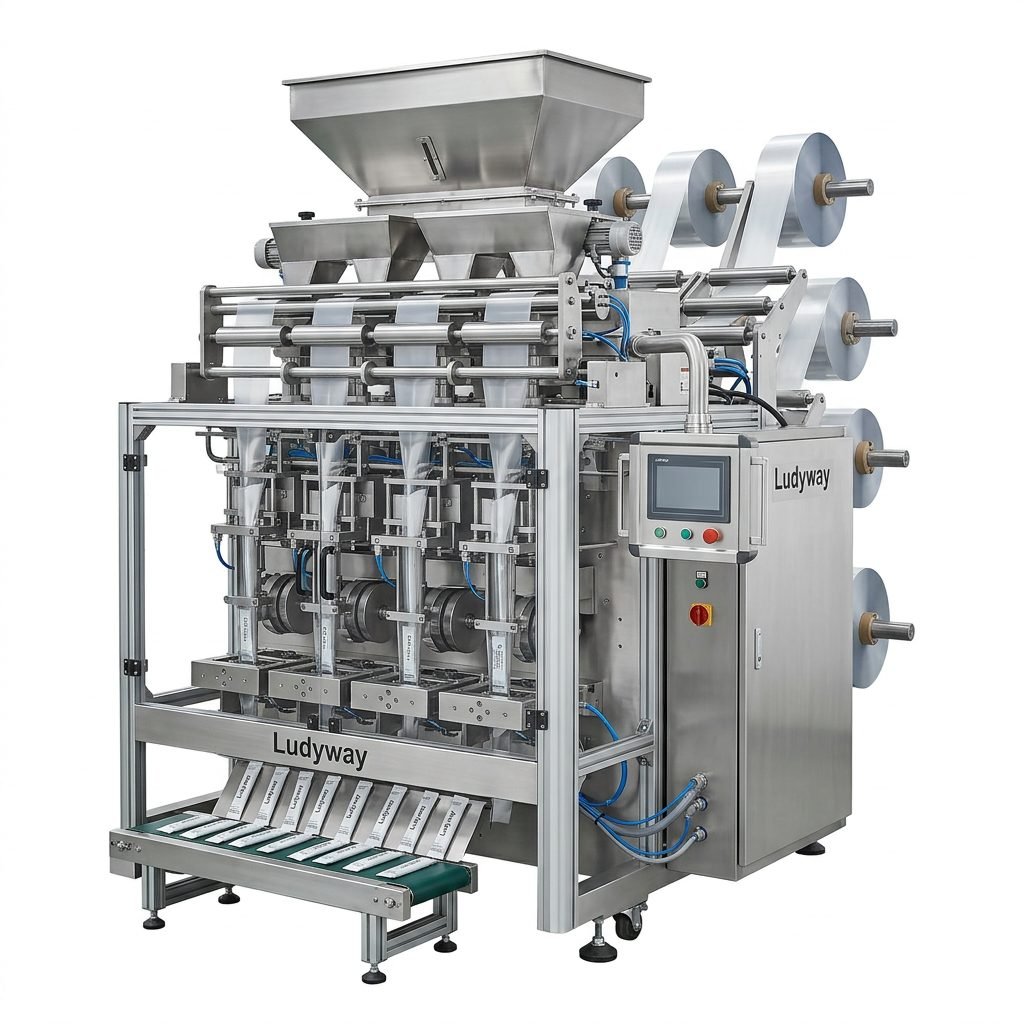
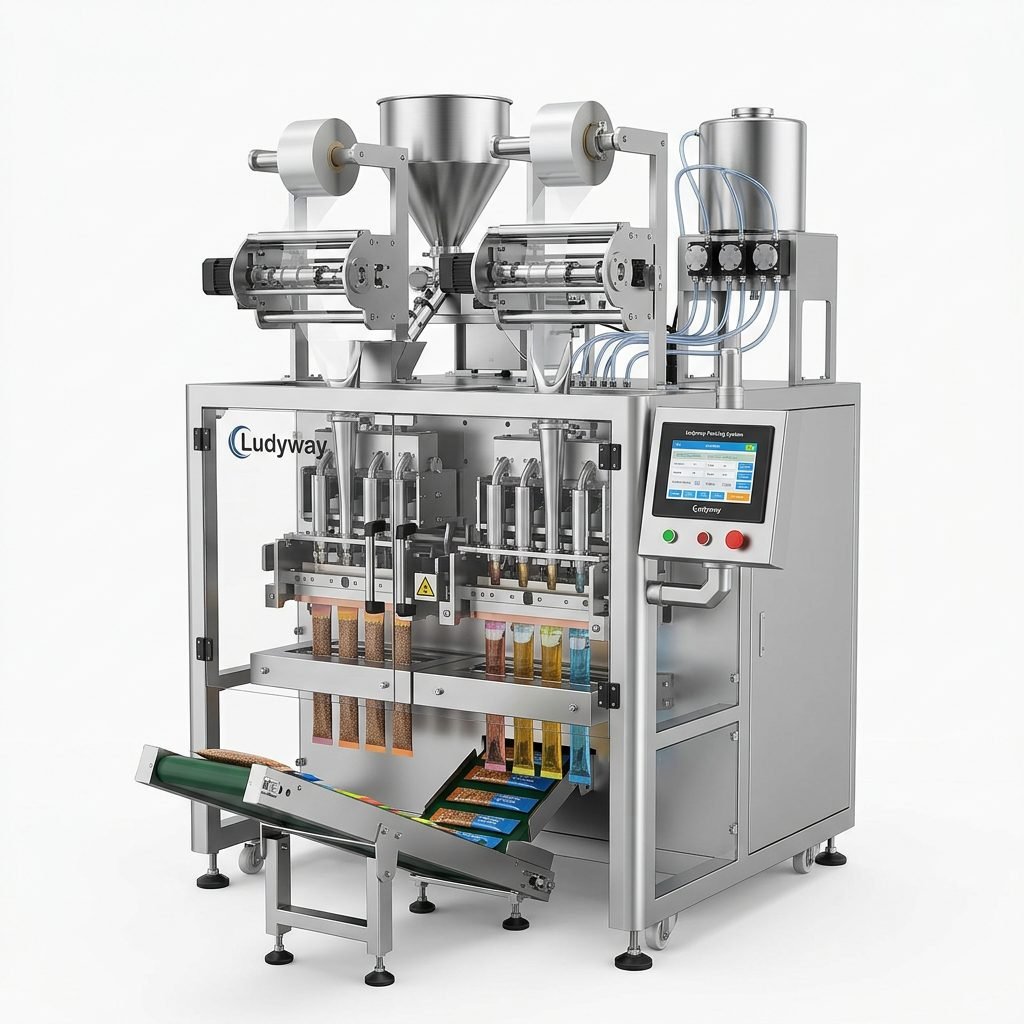
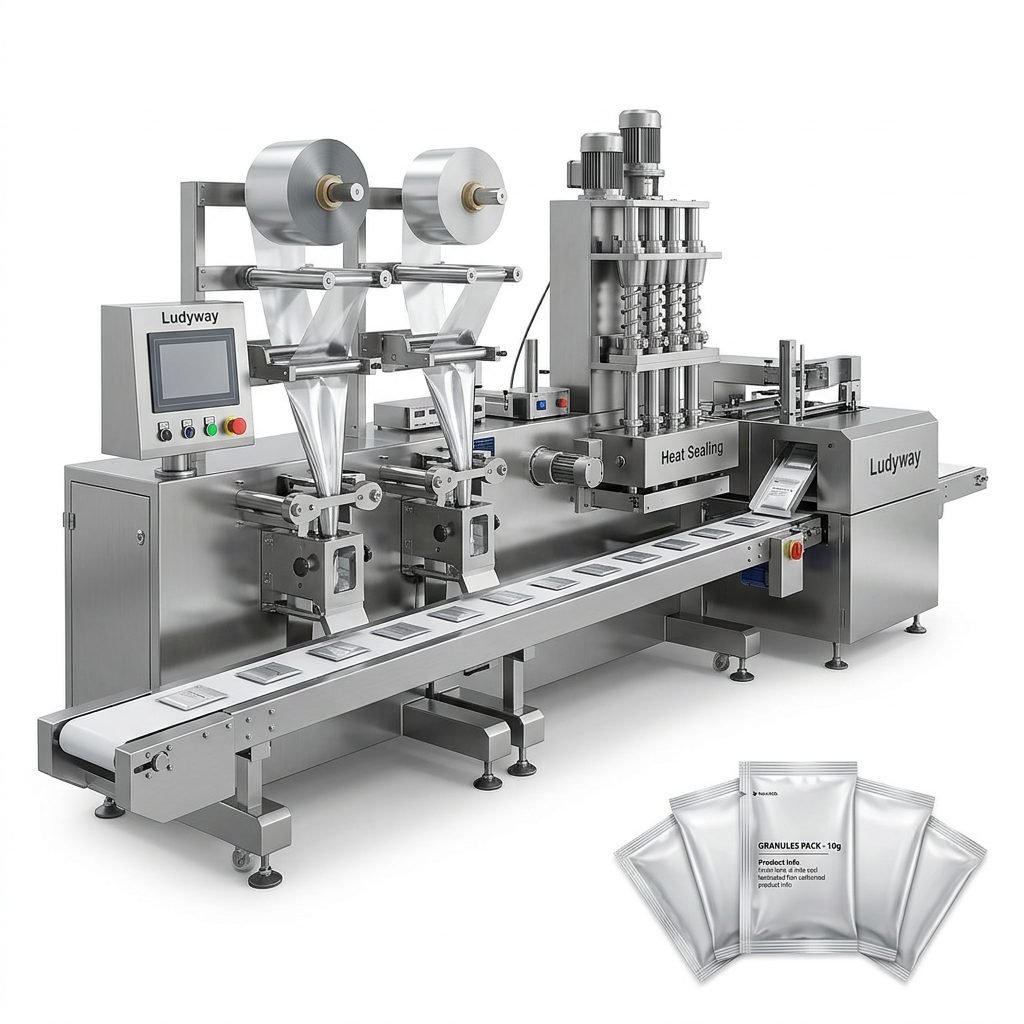
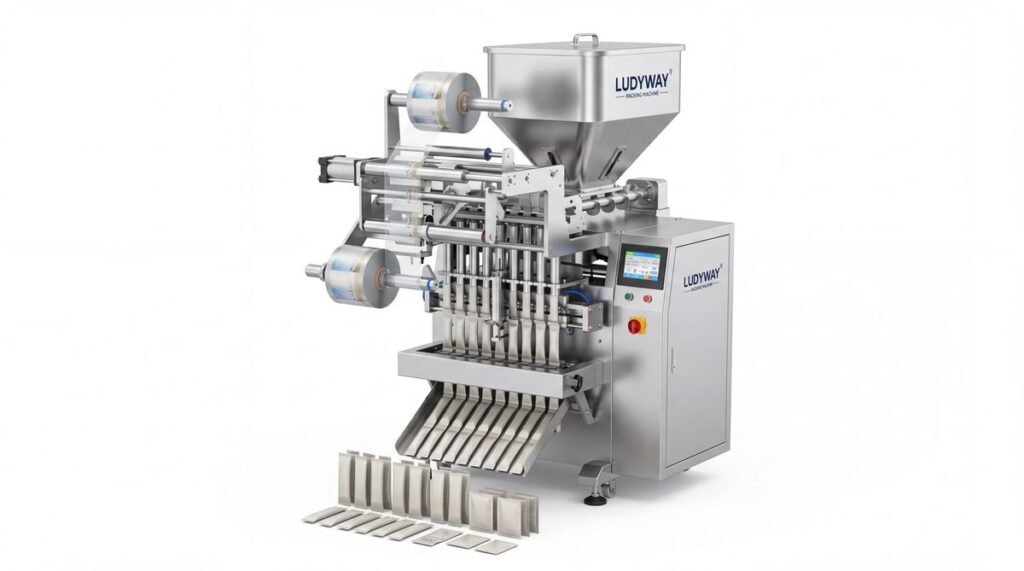
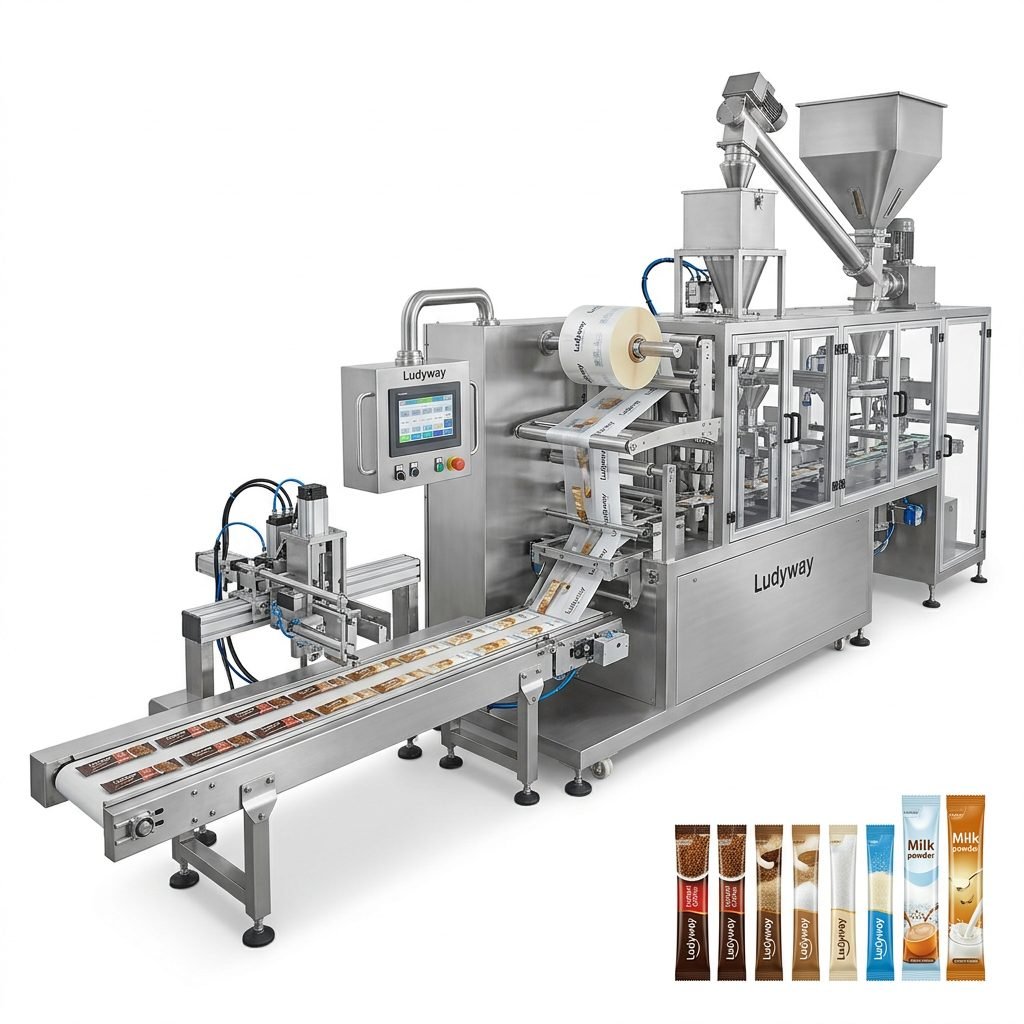
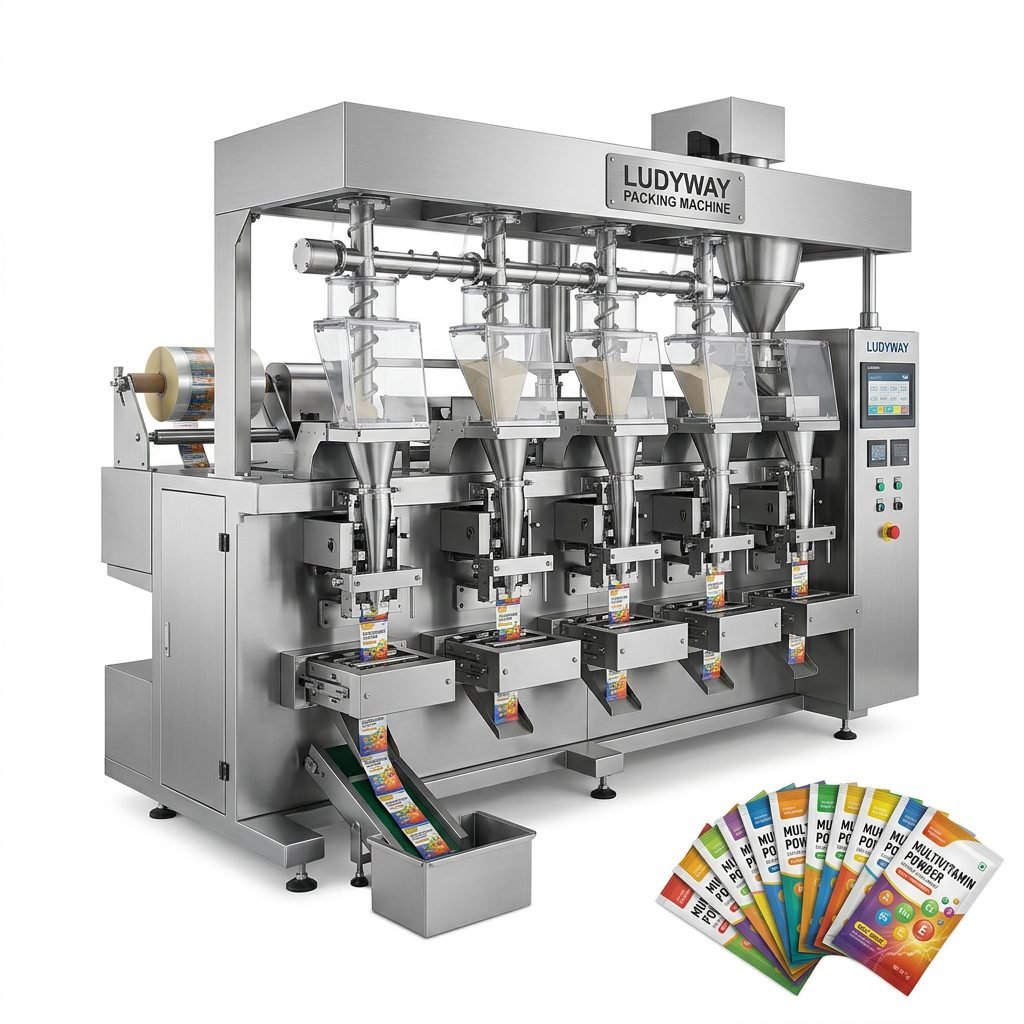
A multi-lane packaging machine simultaneously forms, fills, and seals multiple lanes (typically 2 to 20 or more) of sachets or stick packs in a single cycle. By running several lanes in parallel, these machines multiply throughput without proportionally increasing floor space or operator requirements. This technology is widely used in industries that demand high-speed flexible packaging for single-serve and on-the-go formats.
However, not all multi-lane systems are built alike. Differences in dosing accuracy, lane configuration, material handling, and automation integration can significantly affect overall equipment effectiveness (OEE). Before comparing suppliers, it is essential to define your product behavior, packaging format, and performance targets. Reviewing resources from organizations such as PMMI – The Association for Packaging and Processing Technologies can provide valuable industry context on packaging machinery standards and market data.
Six Critical Factors to Evaluate
1. Product Characteristics and Filling Technology
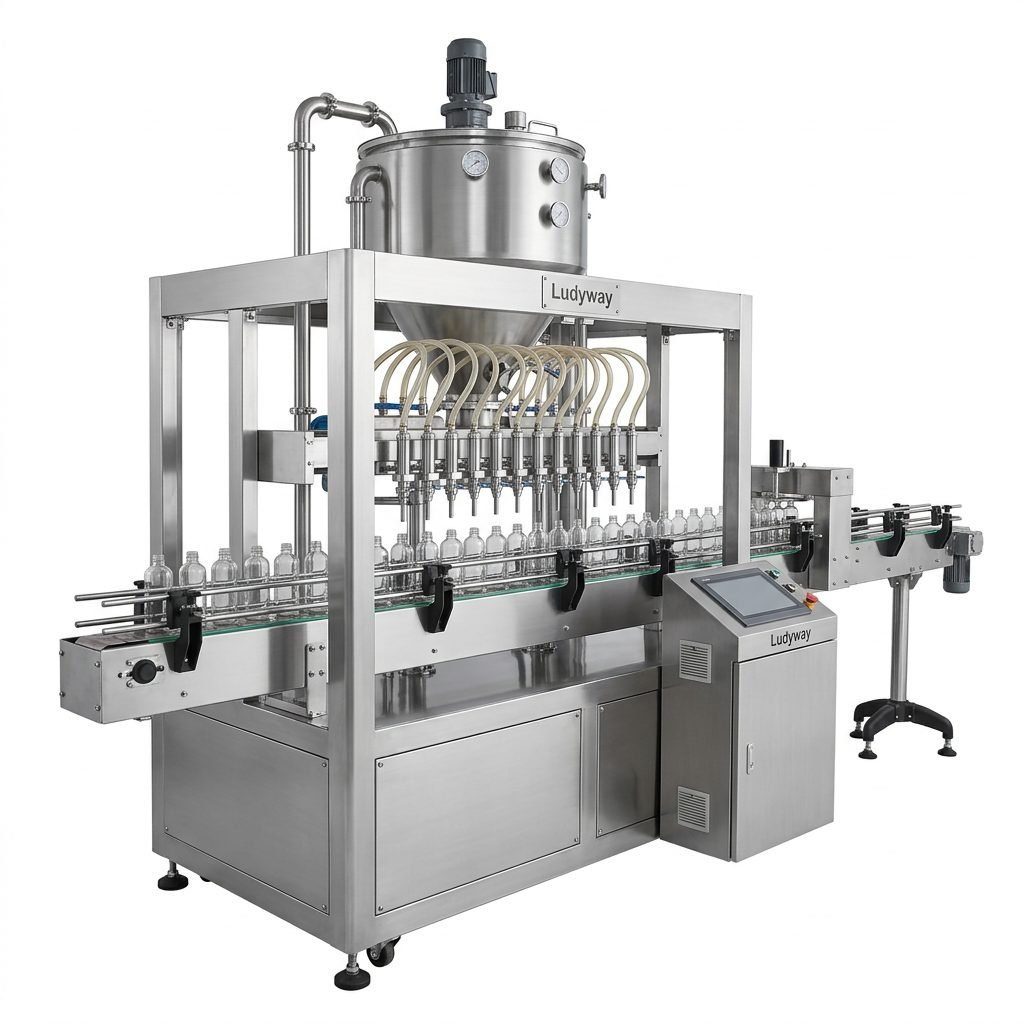
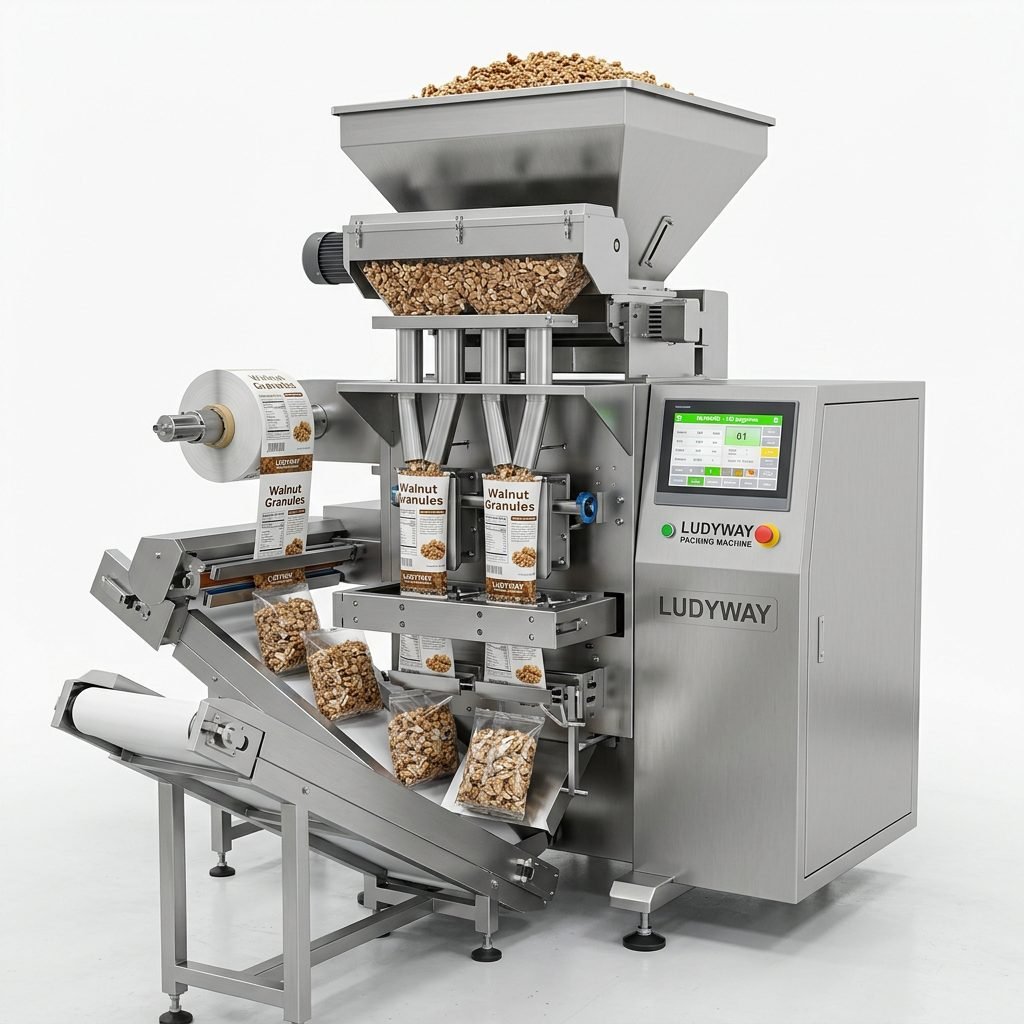
The physical properties of your product define the appropriate dosing mechanism. Free-flowing granules behave differently from sticky powders, abrasive chemicals, or viscous liquids. Selecting the wrong filling system leads to weight variations and product loss. The table below outlines common product types and recommended filling technologies for multi-lane machines:
| Product Type | Examples | Recommended Filler |
|---|---|---|
| Free-flowing granules | Sugar, salt, grains, instant coffee | Volumetric cup filler, multi-head weigher |
| Non-free-flowing powders | Flour, cocoa, protein powder, spices | Auger filler with agitator |
| Sticky or hygroscopic powders | Herbal extracts, maltodextrin, prebiotics | Specialized auger or piston filler |
| Liquids and pastes | Shampoo, honey, sauces, lotions | Piston pump or peristaltic pump |
| Mixed-phase products | Soup mixes, instant noodles, fruit teas | Combination of multiple filling systems |
2. Packaging Material Compatibility
Multi-lane machines process a wide range of flexible packaging materials, including laminated films, aluminum foil, paper/PE/AL composites, and biodegradable structures. Your chosen machine must handle the specific thickness, sealant layer, and barrier properties your product requires. For applications governed by regulatory standards, consult resources from FDA – Food Packaging and Food Contact Substances and ISO packaging standards to verify material compliance.
Key material considerations include:
- Seal strength and integrity – particularly important for liquid or moisture-sensitive products.
- Heat resistance and sealing temperature range – to avoid film shrinkage or burn-through.
- Print registration capability – for pre-printed films with logos, barcodes, or variable data.
- Eco-friendly film compatibility – as demand grows for recyclable and compostable structures, supported by resources such as Flexible Packaging Association.
3. Production Speed and Lane Configuration
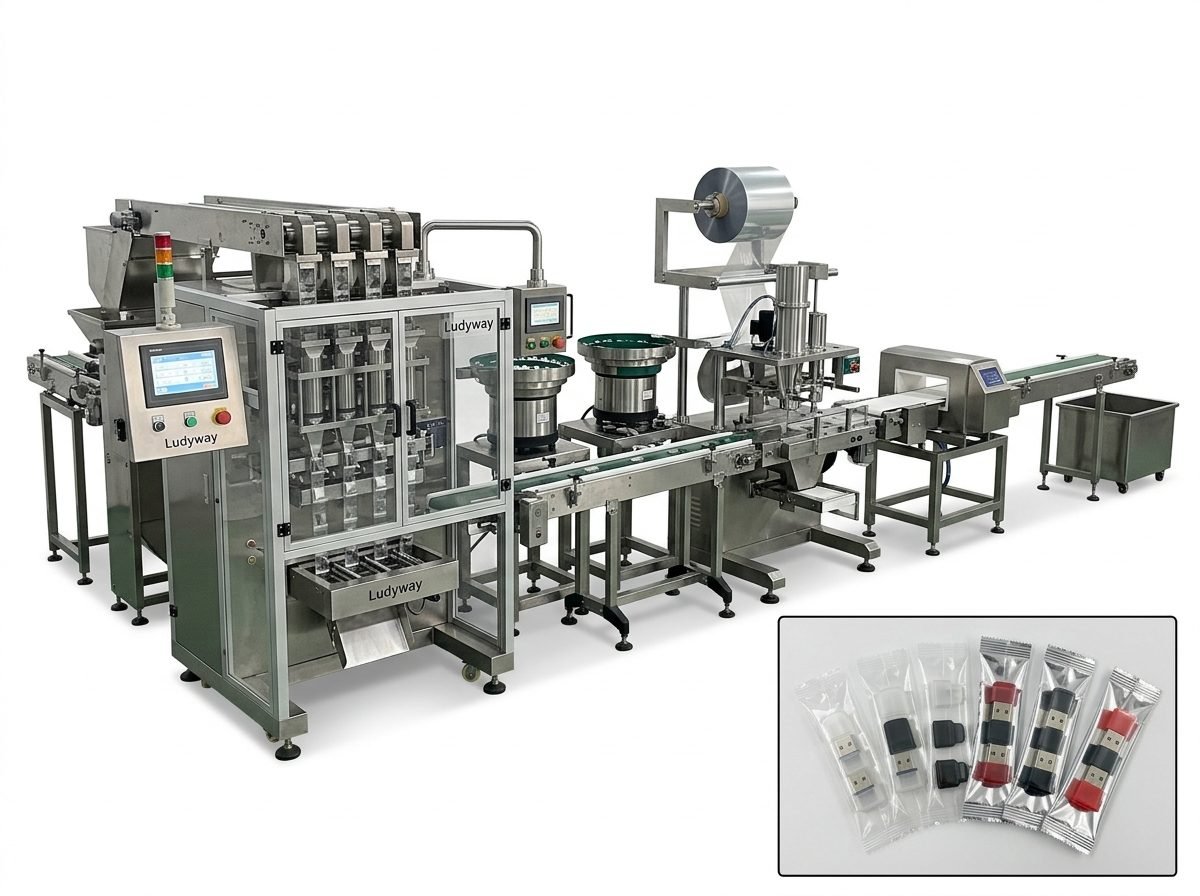
When evaluating throughput, look beyond the machine’s theoretical maximum speed. The sustainable production rate depends on product flow characteristics, filling accuracy requirements, and the operator’s ability to manage changeovers. Common configurations include:
- 4–6 lane machines: Suitable for medium-volume production, pilot lines, or frequent format changes.
- 8–12 lane machines: The most common configuration for high-speed stick pack and sachet production of powders and granules.
- 14–20+ lane machines: Designed for ultra-high-volume applications where dedicated production runs justify the investment.
Conduct a realistic capacity analysis based on your peak demand, not average production. For industry benchmarks on throughput and efficiency, review the PMMI State of the Industry Reports, which provide packaging machinery market data and performance metrics.
4. Automation and Line Integration
Modern multi-lane machines rarely operate in isolation. They typically integrate with upstream feeding systems, checkweighers, automatic cartoners, and downstream case packers. When evaluating a machine, consider its ability to communicate with plant-wide SCADA or MES systems through standard protocols such as EtherNet/IP or PROFINET. Automated features such as servo-driven film tension control, automatic splice detection, and in-line vision inspection can substantially reduce labor costs and reject rates.
5. Compliance, Safety, and Cleanability
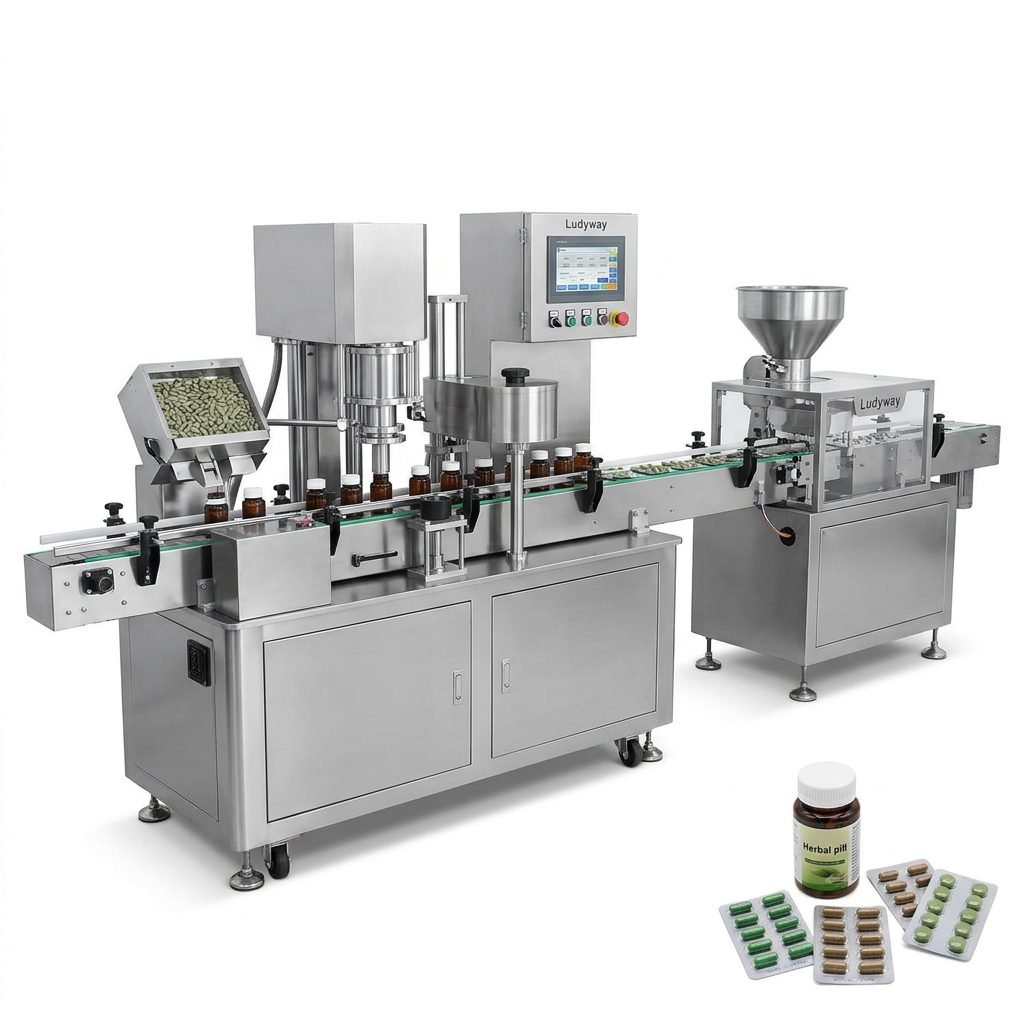
In industries such as pharmaceuticals, nutraceuticals, and functional foods, packaging machinery must meet stringent hygiene and safety standards. Evaluate whether the machine design supports tool-free disassembly for cleaning, washdown-ready components, and validated changeover procedures. For pharmaceutical packaging, refer to ISO 11607 Packaging for Terminally Sterilized Medical Devices. For food contact applications, compliance with FDA regulations and EU packaging directives is essential—the European Commission’s packaging and packaging waste regulation provides relevant guidance.
6. Total Cost of Ownership (TCO) and After-Sales Support
The purchase price is only one component of long-term packaging machinery costs. Spare parts availability, preventive maintenance requirements, energy consumption, film waste rates, and technical support responsiveness all contribute to TCO. When comparing suppliers, request detailed TCO projections covering at least a five-year period. Clarify whether the manufacturer provides remote diagnostics, local service engineers, operator training, and installation support.
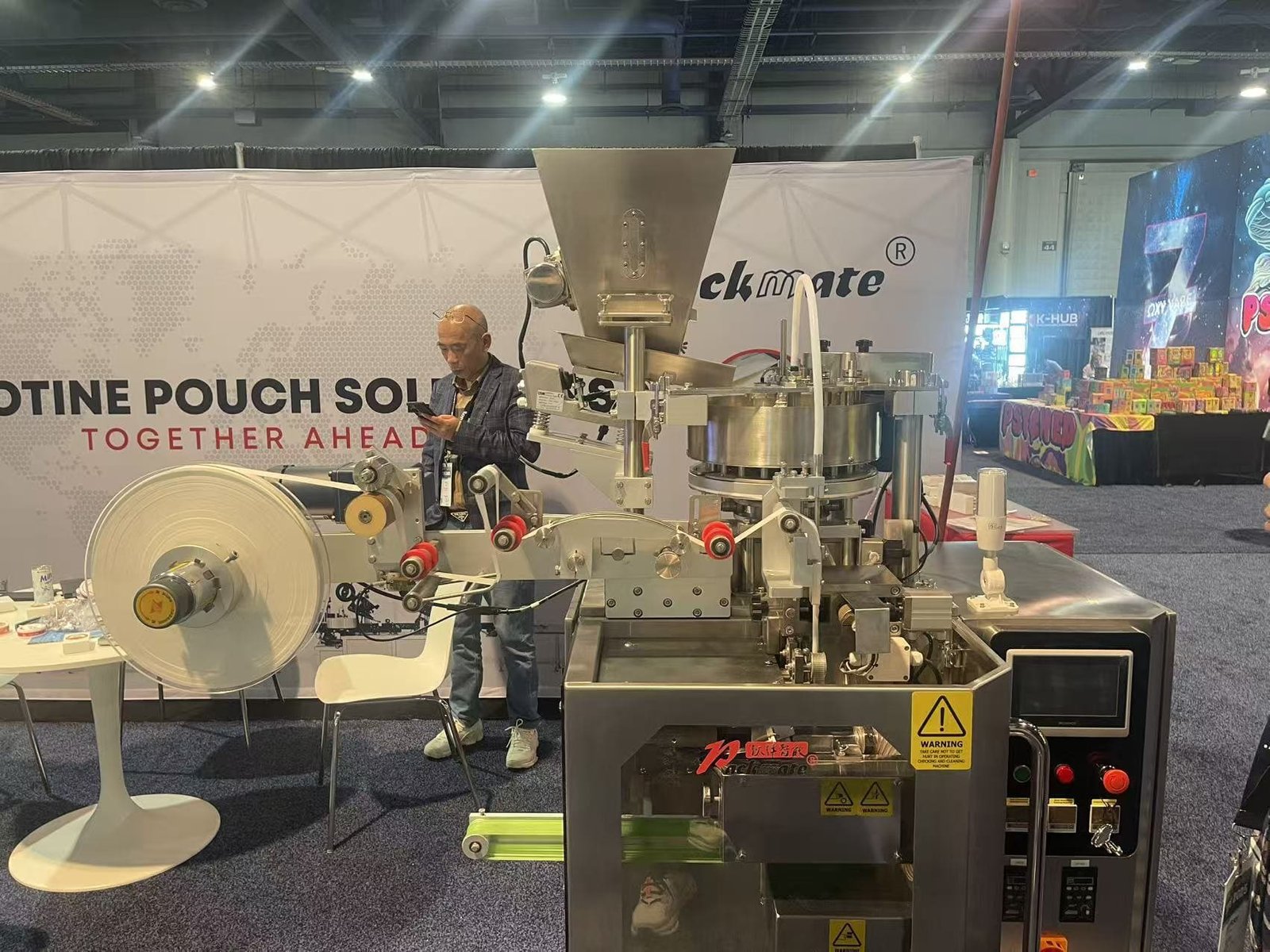
Supplier Selection and Partnership Considerations
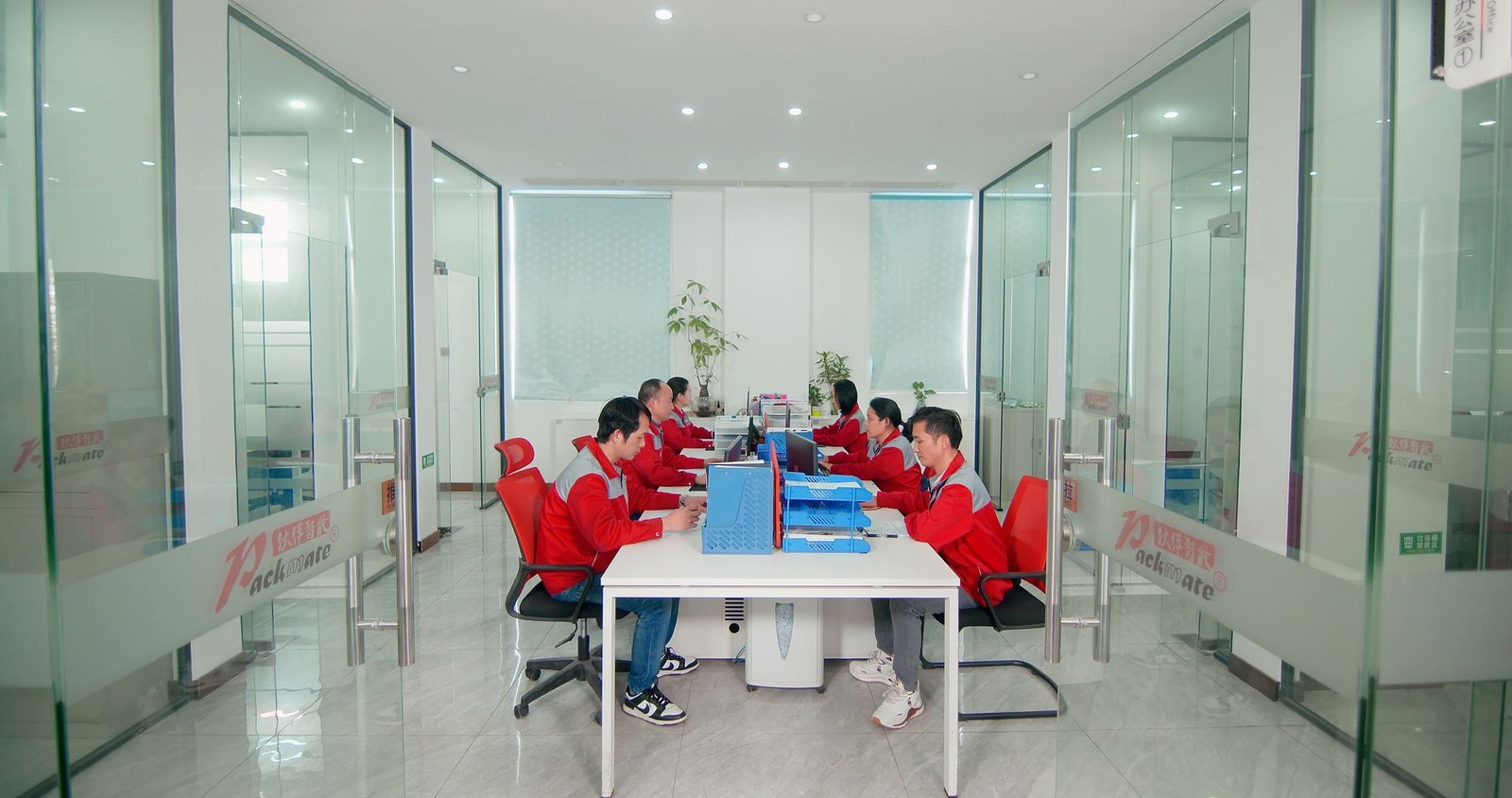
Choosing the right machine manufacturer is as important as selecting the machine itself. Ludyway Machinery, a China-based packaging machinery manufacturer and turnkey solution provider with over 30 years of industry experience, operates a 20,000-square-meter manufacturing facility and offers more than 50 packaging machine models designed for powder, granule, liquid, stick pack, sachet, pouch, and other flexible packaging applications. With a team of over 130 professionals and a commitment to customized engineering solutions, Ludyway helps manufacturers improve packaging efficiency and production consistency. The company serves customers in more than 100 countries and is expected to achieve export revenue of more than RMB 500 million (approximately US$69 million) in 2025, with plans to surpass RMB 1 billion (approximately US$138 million) in export revenue in 2026. For a deeper look at this growth trajectory, see Ludyway Packaging Machinery Global Growth Trend.
Evaluating Return on Investment
A well-specified multi-lane machine can deliver quick payback through multiple channels:
- Reduced direct labor costs per unit produced.
- Lower packaging material waste through precise film handling and sealing.
- Fewer product giveaway losses due to accurate dosing systems.
- Increased line availability through faster changeovers and reliable automation.
- Ability to scale production without expanding factory floor space.
Industry Trends Shaping Multi-Lane Packaging
Several market trends are influencing multi-lane packaging technology. Single-serve and portion-control formats continue to grow across categories including instant beverages, supplements, condiments, and personal care products. According to the Flexible Packaging Association’s industry data, flexible packaging demand remains strong globally. Sustainability initiatives are also driving interest in thinner films, mono-material structures, and packaging designs that reduce material usage. Additionally, manufacturers are seeking higher levels of automation, including robotic case packing, automated quality inspection, and real-time production monitoring. These developments are covered in resources such as the PMMI 2026 State of the Industry report.
Making Your Final Decision
Investing in a multi-lane packaging machine requires a structured evaluation process that goes beyond technical specifications. Define your product requirements, production targets, and quality standards in writing. Request references from suppliers for installations similar to your application. Where possible, conduct on-site or remote factory acceptance tests using your actual products and packaging materials. Finally, ensure that the supplier can scale with you—offering larger lane counts, upgraded automation, and responsive technical support as your business grows. By combining thorough technical evaluation with partnership-driven supplier selection, you position your operation for reliable, efficient, and flexible packaging performance for years to come.
For further information on packaging machinery standards and flexible packaging industry trends, explore additional resources from PMMI’s packaging industry resources and the Flexible Packaging Association Knowledge Hub. These organizations provide ongoing data, regulatory updates, and educational content valuable to packaging professionals.