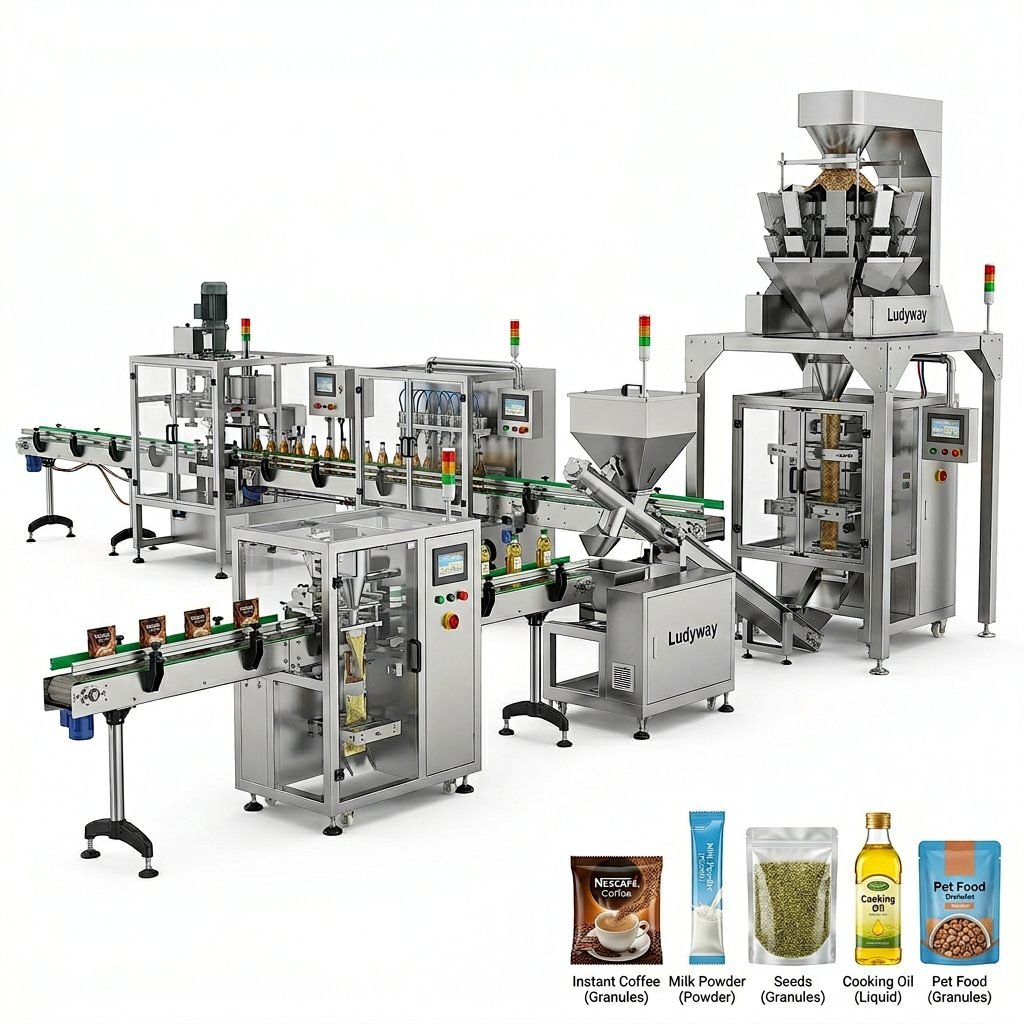
Entering the Nicaragua market requires a strategic approach, particularly when investing in industrial equipment. The right packaging machine isn’t just a purchase; it’s a pivotal factor in your production efficiency, product shelf life, and brand perception. Nicaragua’s growing food processing, pharmaceutical, and agricultural sectors demand robust, adaptable, and cost-effective solutions. This guide outlines the essential factors you must evaluate to make a confident, long-term investment.
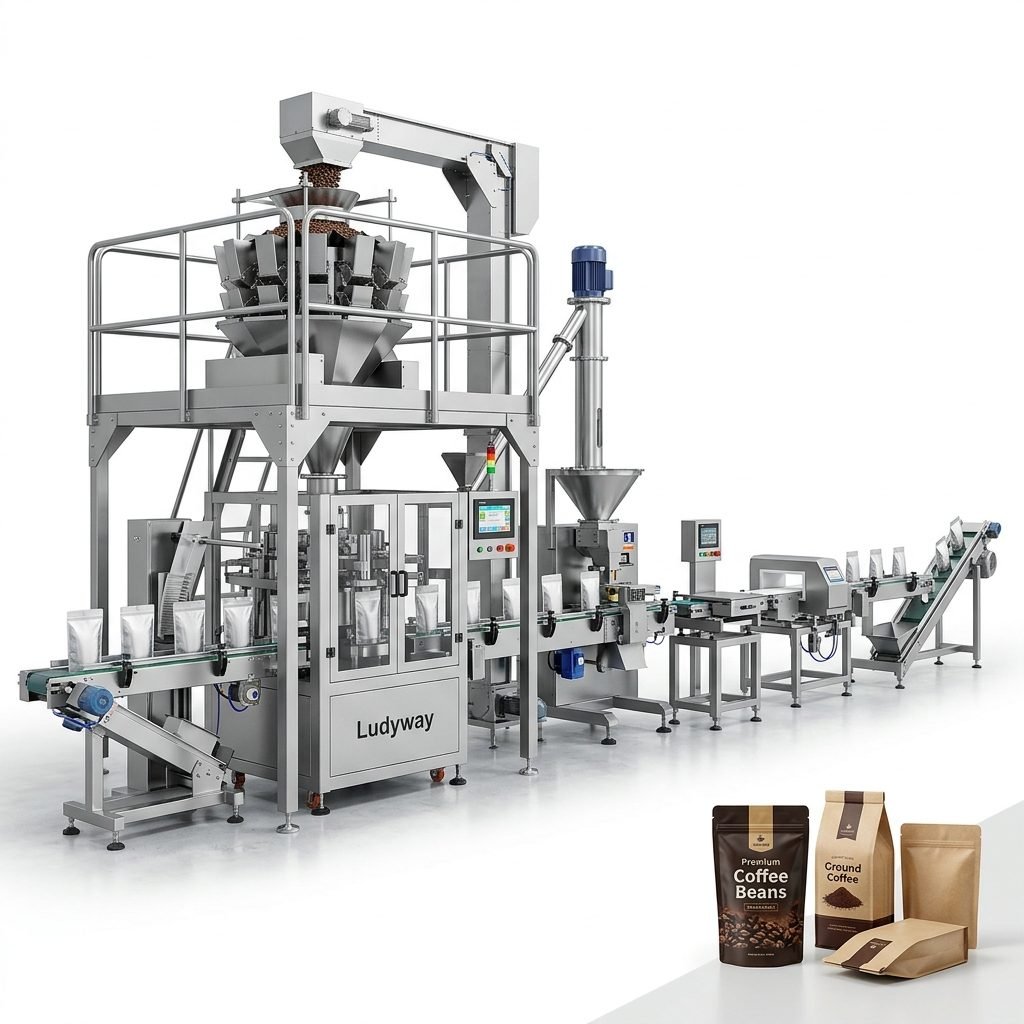
Understanding the Nicaraguan Product Landscape
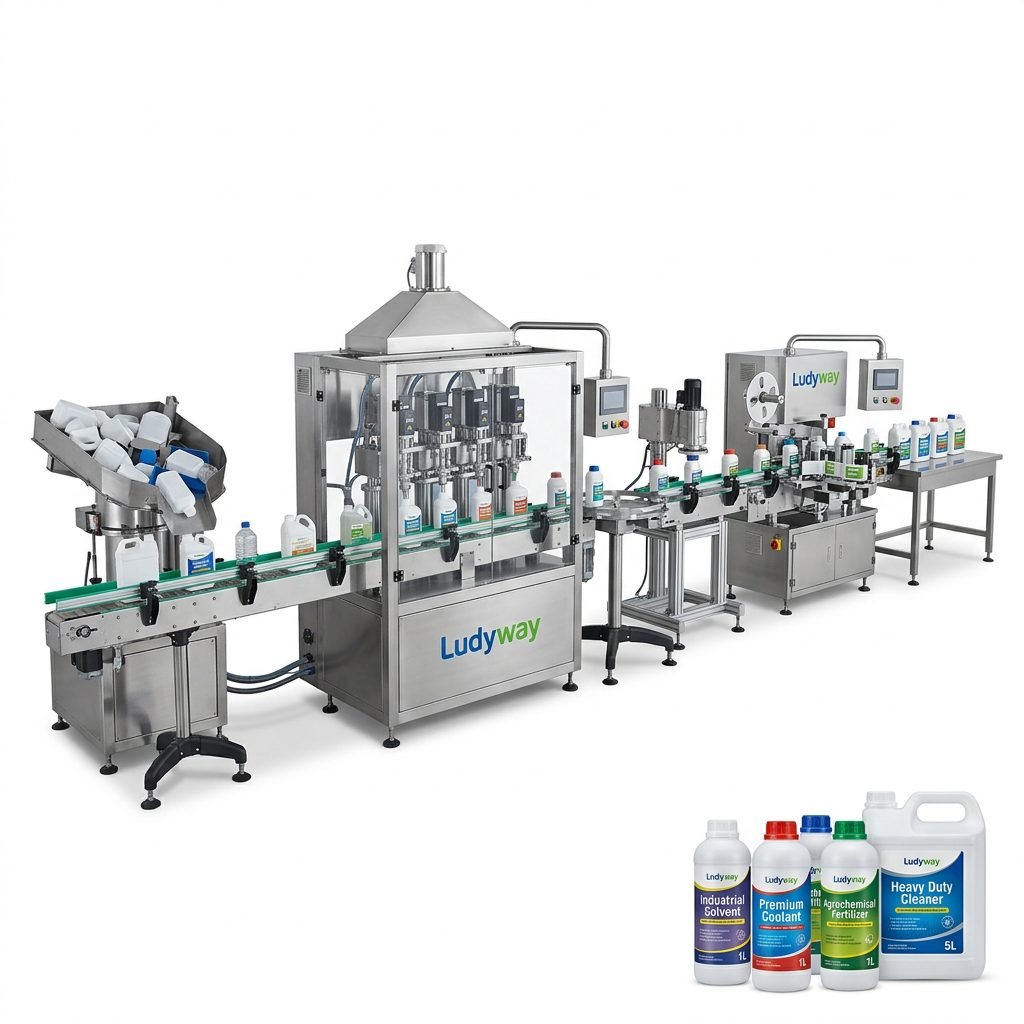
Your machine selection must first align with the physical characteristics of your product. Are you packaging free-flowing granules like Nicaraguan sugar or coffee, fine powders such as flour or milk powder, viscous liquids like sauces and honey, or solid items like confectionery? Each category demands a specific filling mechanism—auger fillers for powders, volumetric cup fillers for granules, or piston pumps for liquids. Misalignment here is a common and costly mistake. You need a system that guarantees accuracy and speed without compromising product integrity.
Key Product Considerations
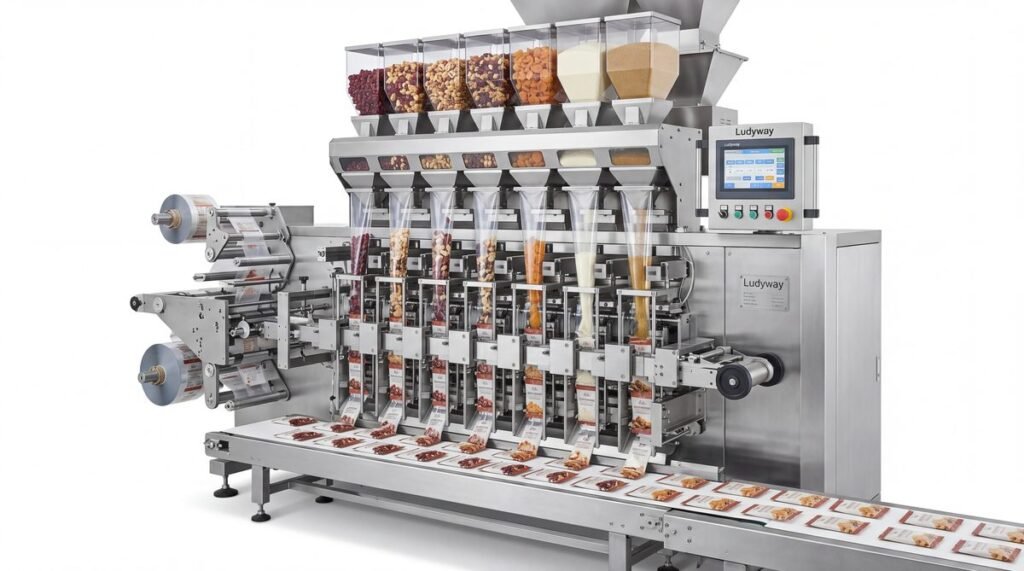
- Granules: Requires volumetric or multi-head weigher filling for precision.
- Powders: Needs auger fillers to manage dust and ensure consistent density.
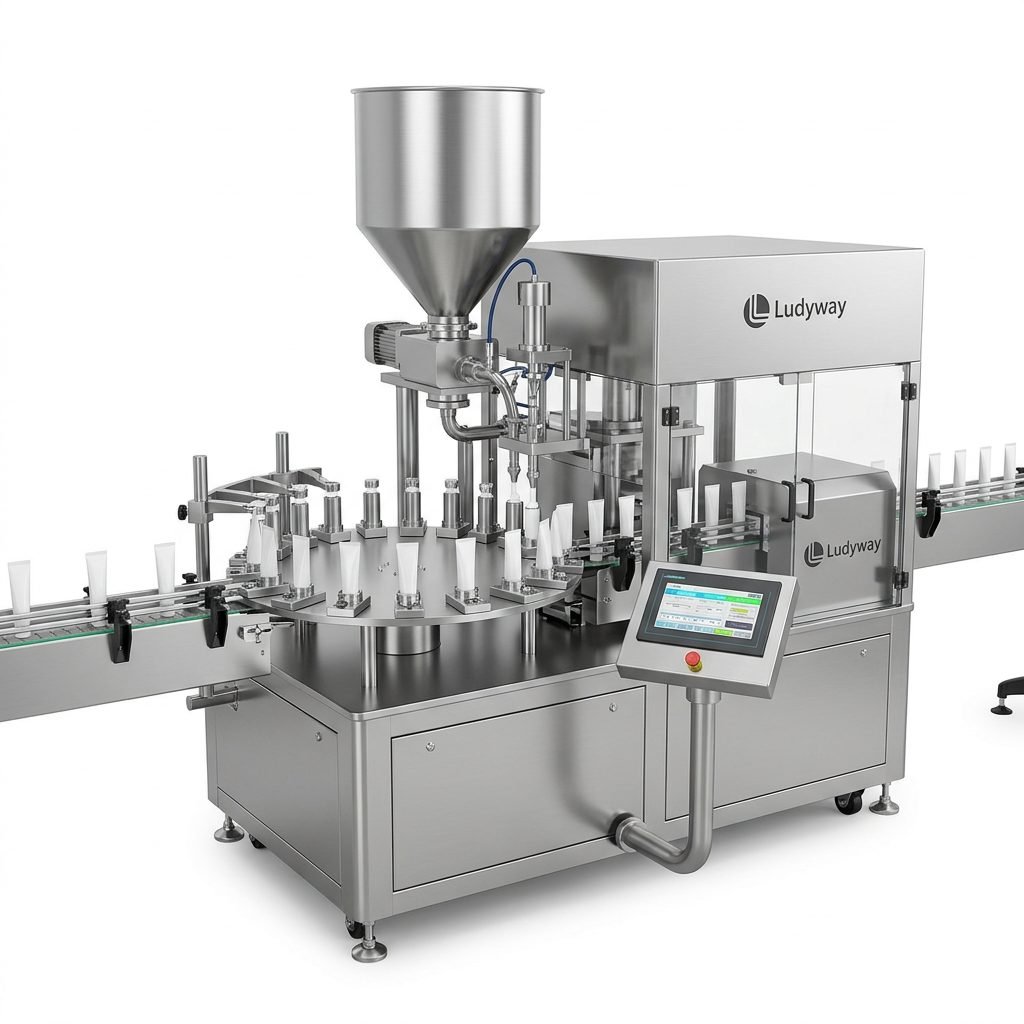
- Liquids & Pastes: Piston or gear pumps are essential for accurate dosing.
- Fragile Products: Gentle handling systems to prevent breakage during the packaging process.
Choosing the Right Packaging Format and Machine Type
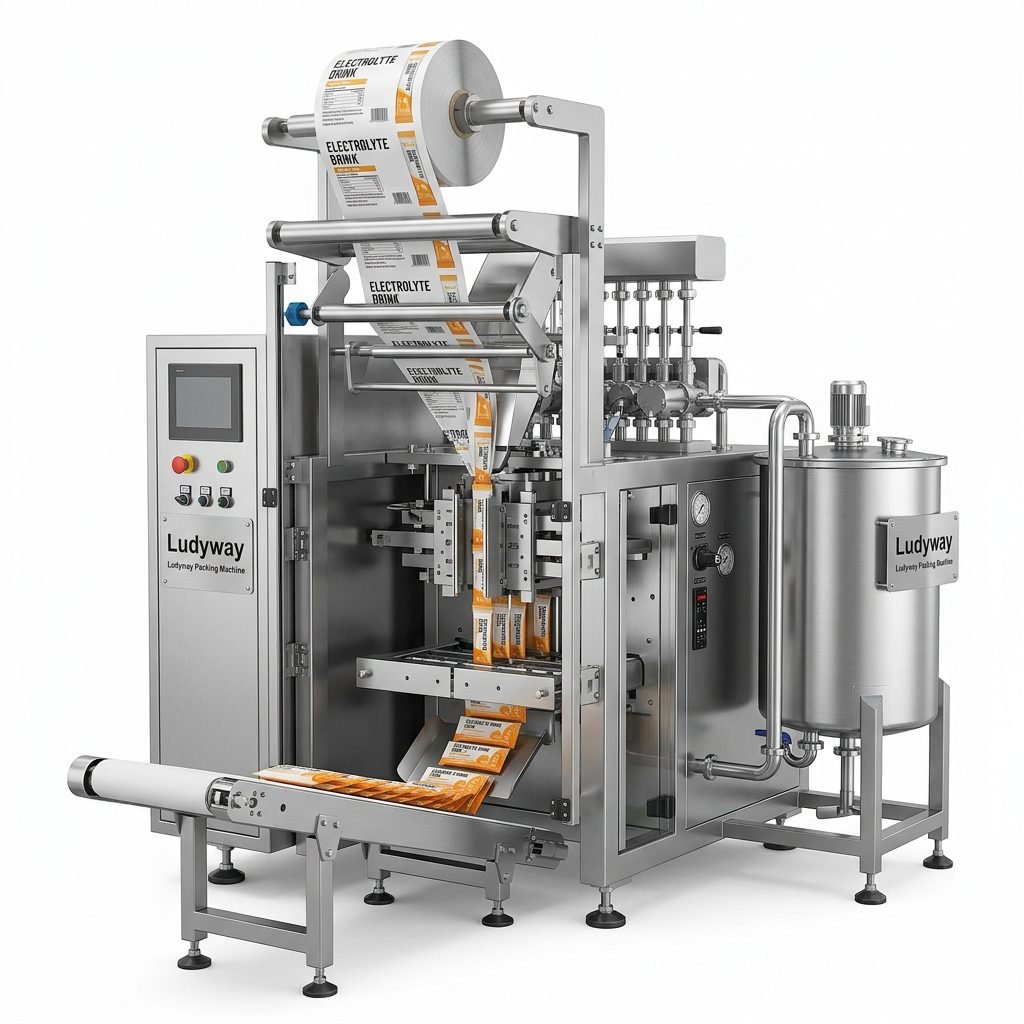
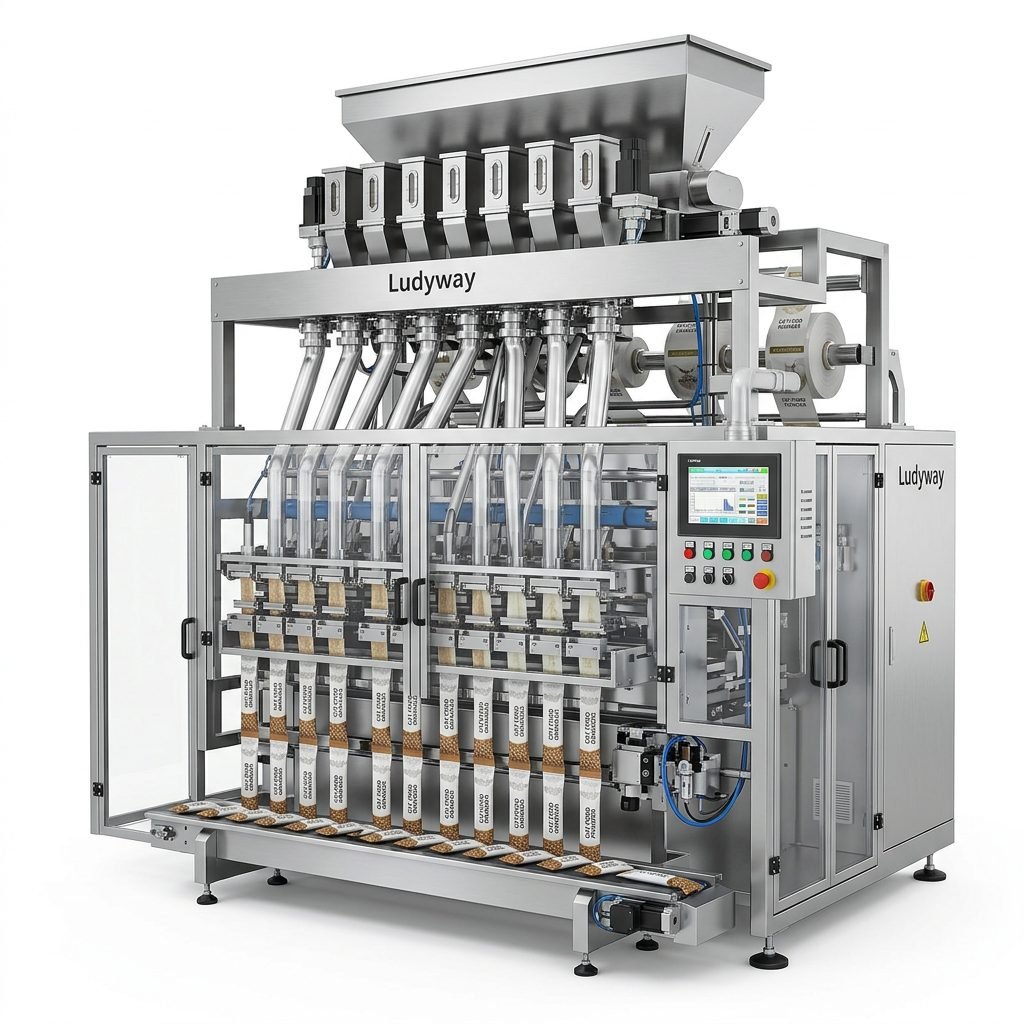
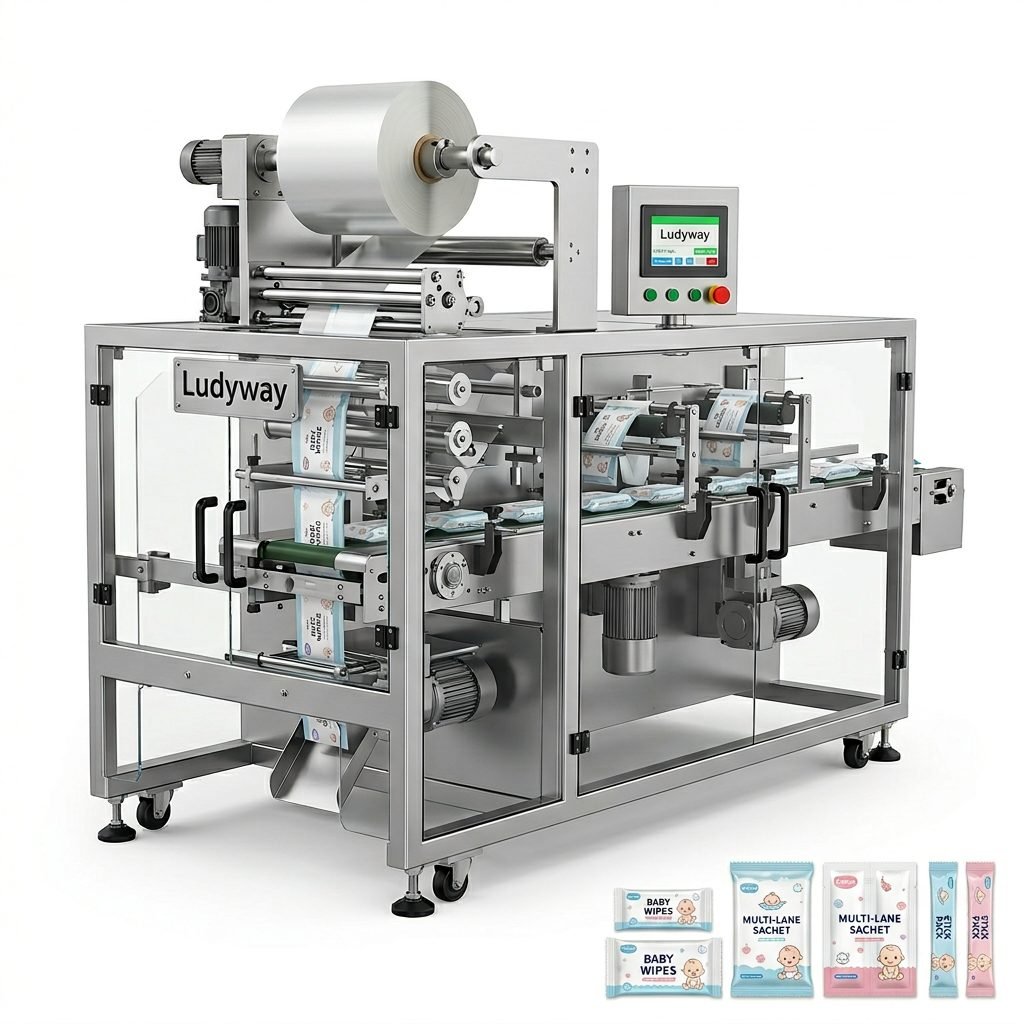
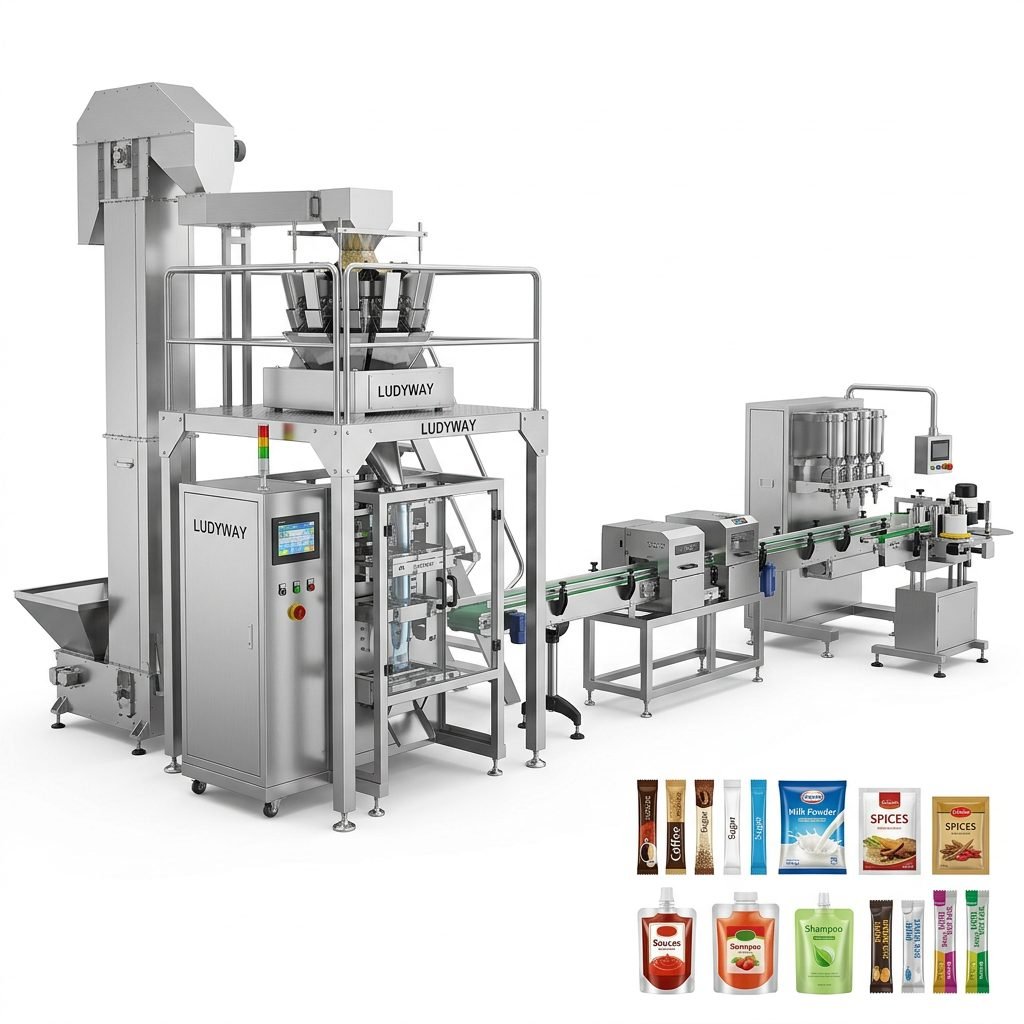
Consumer preferences and distribution channels in Central America heavily influence the ideal packaging format. Stick packs and sachets are incredibly popular for single-use convenience across Nicaragua and neighboring markets, offering portion control and affordability. For retail shelves, stand-up pouches with zippers provide excellent shelf appeal and reusability. Larger bulk bags are necessary for industrial ingredients. The machine you select must be versatile enough to handle your current needs while offering flexibility for future product lines.
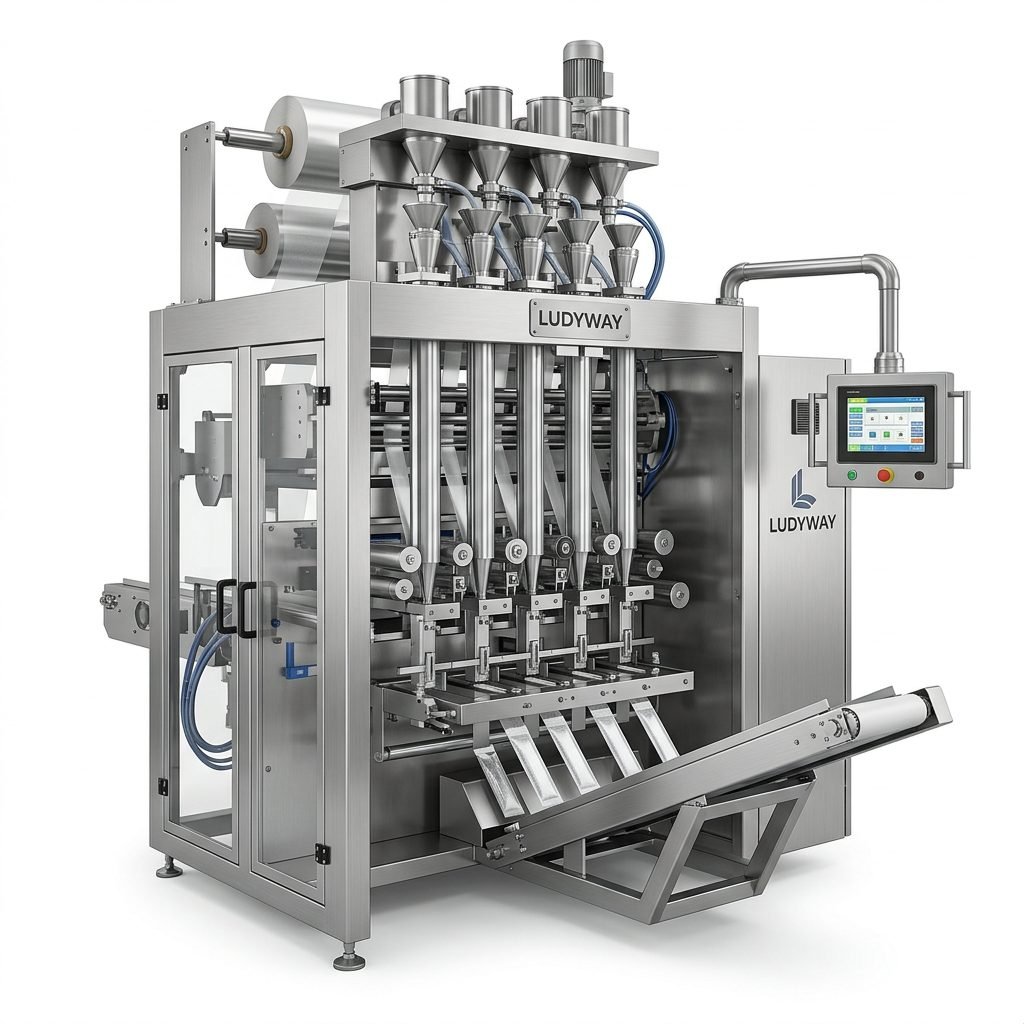
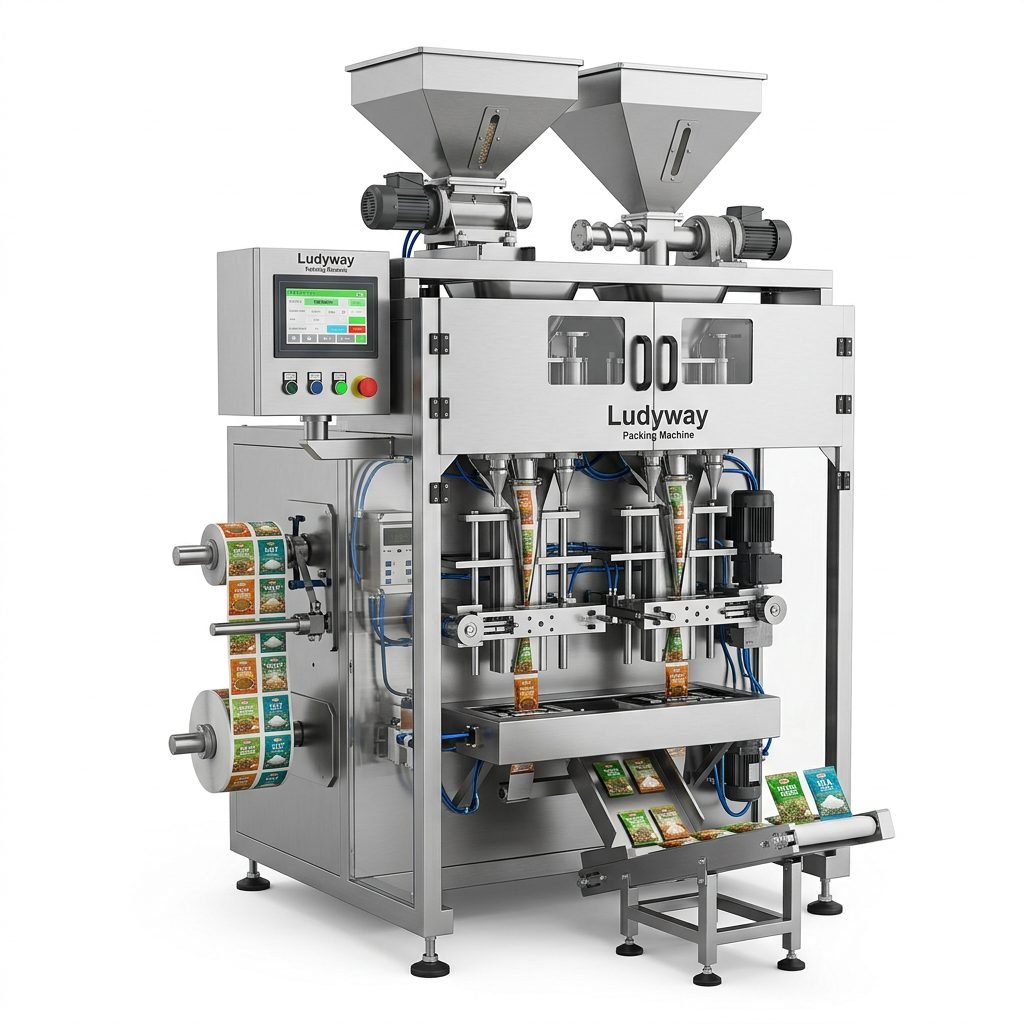
Comparing Machine Configurations
| Machine Type | Ideal Format | Key Advantage |
|---|---|---|
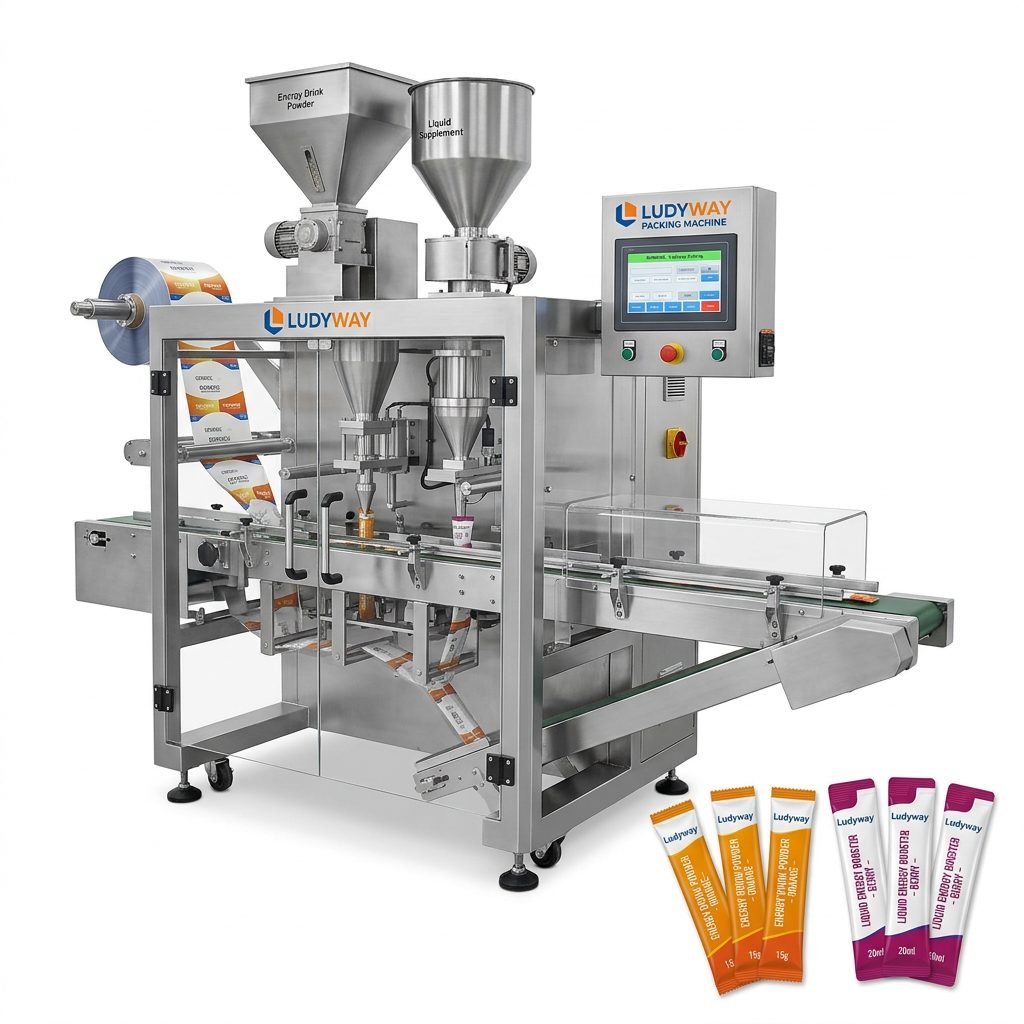
| Multi-Lane Stick Pack | Single-serve stick packs | Very high output, material efficiency |
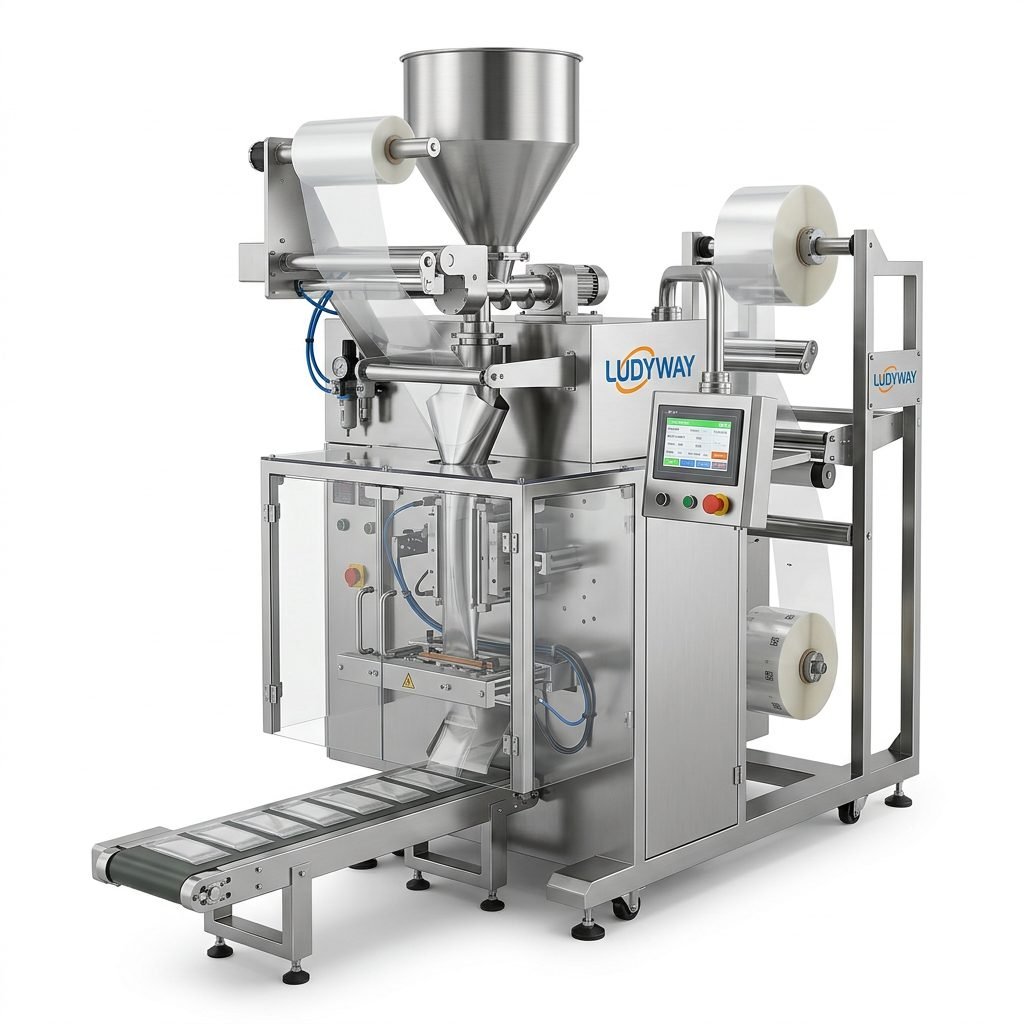
| Vertical Form Fill Seal (VFFS) | Pillow bags, sachets | Versatile, proven technology, cost-effective |
| Premade Pouch Machine | Stand-up pouches, zipper bags | Premium look, robust seals, flexible sizing |
Critical Machine Specifications for Long-Term Value
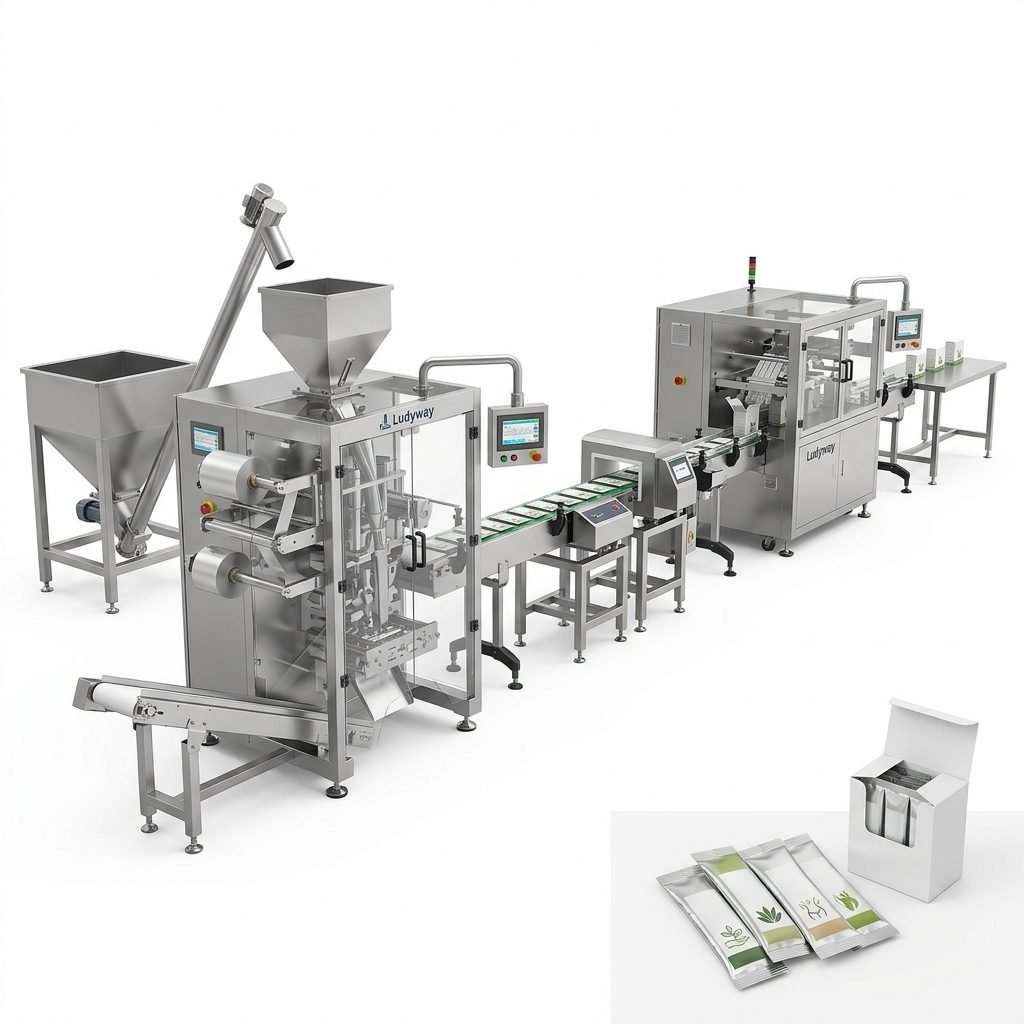
Looking beyond the basic type, several specifications will define the machine’s real-world performance and longevity. In Nicaragua, where technical support might not be instant, build quality and simplicity in design are paramount. Pay close attention to the materials used for product-contact parts; food-grade stainless steel 304 or 316L is non-negotiable for hygiene and corrosion resistance, especially with acidic local ingredients. Evaluate the automation level—a user-friendly Human-Machine Interface (HMI) with multilingual options can significantly reduce operator training time and errors.
Essential Technical Specifications to Verify
- Speed & Output: Rated in packs per minute (ppm), matched to your production targets.
- Construction: Frame and contact parts in 304 or 316L stainless steel.
- Control System: PLC with a touchscreen HMI for easy operation and diagnostics.
- Power Requirements: Compatibility with Nicaragua’s electrical supply (typically 110V/220V, 60Hz).
- Safety Features: CE or equivalent certifications, with emergency stops and protective guarding.
Service, Support, and the Total Cost of Ownership
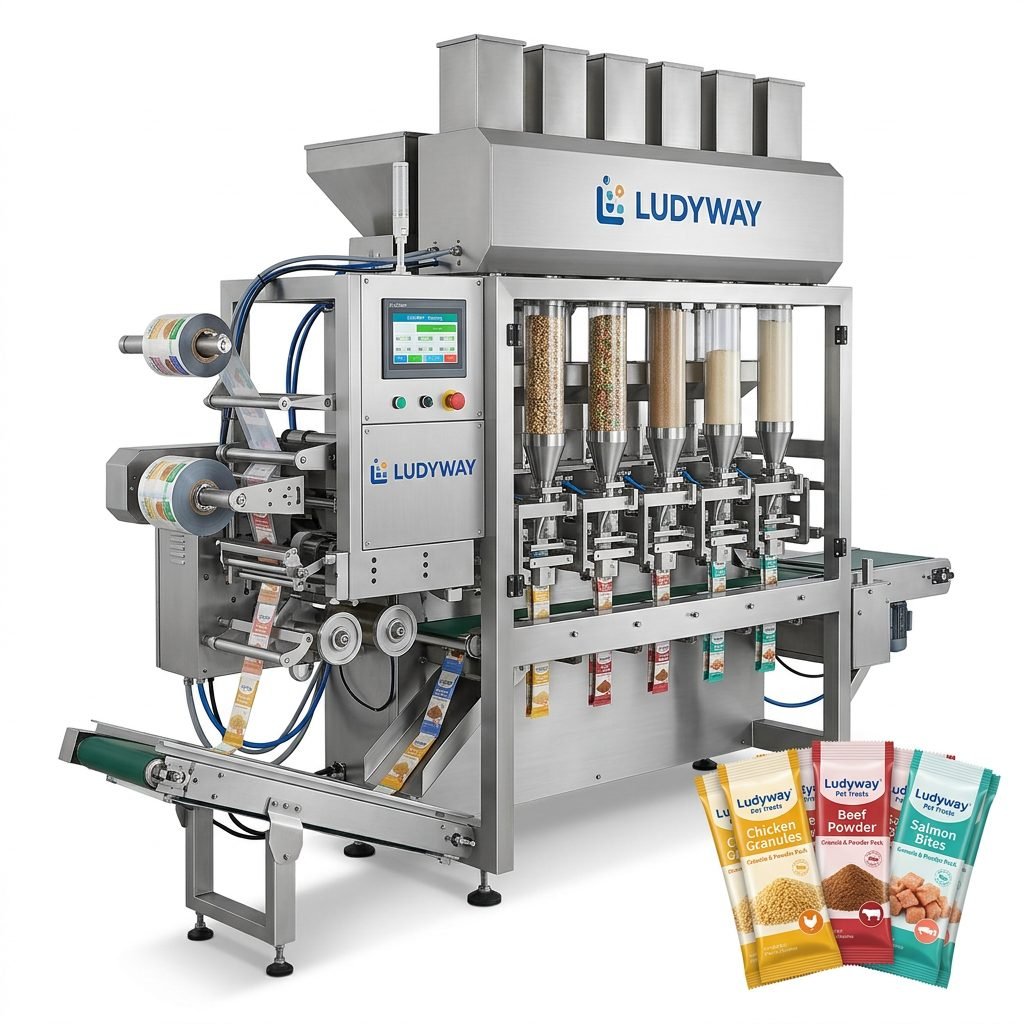
The initial price tag is often misleading. The true cost of machinery in Nicaragua includes freight, insurance, import duties, installation, and most critically, ongoing maintenance and spare parts availability. A lower upfront cost from a supplier without reliable international support can result in costly downtime. You must prioritize a partner that offers comprehensive after-sales service, accessible remote troubleshooting, and a clear, fast process for ordering wear parts. Ludyway, for example, has extensive experience shipping and supporting machinery across over 100 countries, understanding the logistics and documentation required for a smooth delivery to markets like Nicaragua. They provide thorough installation and operational training to empower your local team.
Evaluating Total Cost of Ownership (TCO)
Calculate TCO by analyzing these key components to make a truly informed financial decision.
- Initial Investment: Machine cost, including optional accessories and format change parts.
- Logistics & Installation: Shipping, import duties, and on-site commissioning expenses.
- Operational Costs: Energy consumption, ongoing labor, and personnel training.
- Maintenance & Parts: Spare parts cost, availability, and the responsiveness of technical support.
Compliance and Future-Proofing Your Investment
Finally, ensure your choice meets both current and anticipated regulatory standards. If you plan to export from Nicaragua or supply local supermarkets with stringent requirements, your equipment must facilitate FDA food safety compliance or other international norms. A machine that enables good manufacturing practices (GMP) through clean-in-place (CIP) accessibility and detailed production data logging adds immense value. Furthermore, consider a partner whose platform is modular and scalable. As your business captures more of the Nicaraguan market, your packaging line should be able to scale with you—a turnkey solution provider can integrate downstream cartoning or palletizing modules, an approach championed by established industry players like Ludyway. A strategic selection today is an investment in your competitive edge for tomorrow.
For more insights into global packaging trends and machinery standards, you can explore resources from the Association for Packaging and Processing Technologies (PMMI) and industry data from the Flexible Packaging Association.