Investing in a multi-purpose packing machine is a strategic decision that can significantly enhance your production efficiency and reduce operational costs. Whether you are packaging powders, granules, liquids, or pastes, choosing equipment that offers flexibility across multiple product types and packaging formats has become essential for manufacturers looking to stay competitive. However, with so many configurations, technologies, and suppliers available, the selection process can feel overwhelming. This guide walks you through every critical factor to consider, helping you make an informed purchasing decision that aligns with your current needs and future growth plans.
Understanding Multi-Purpose Packing Machines
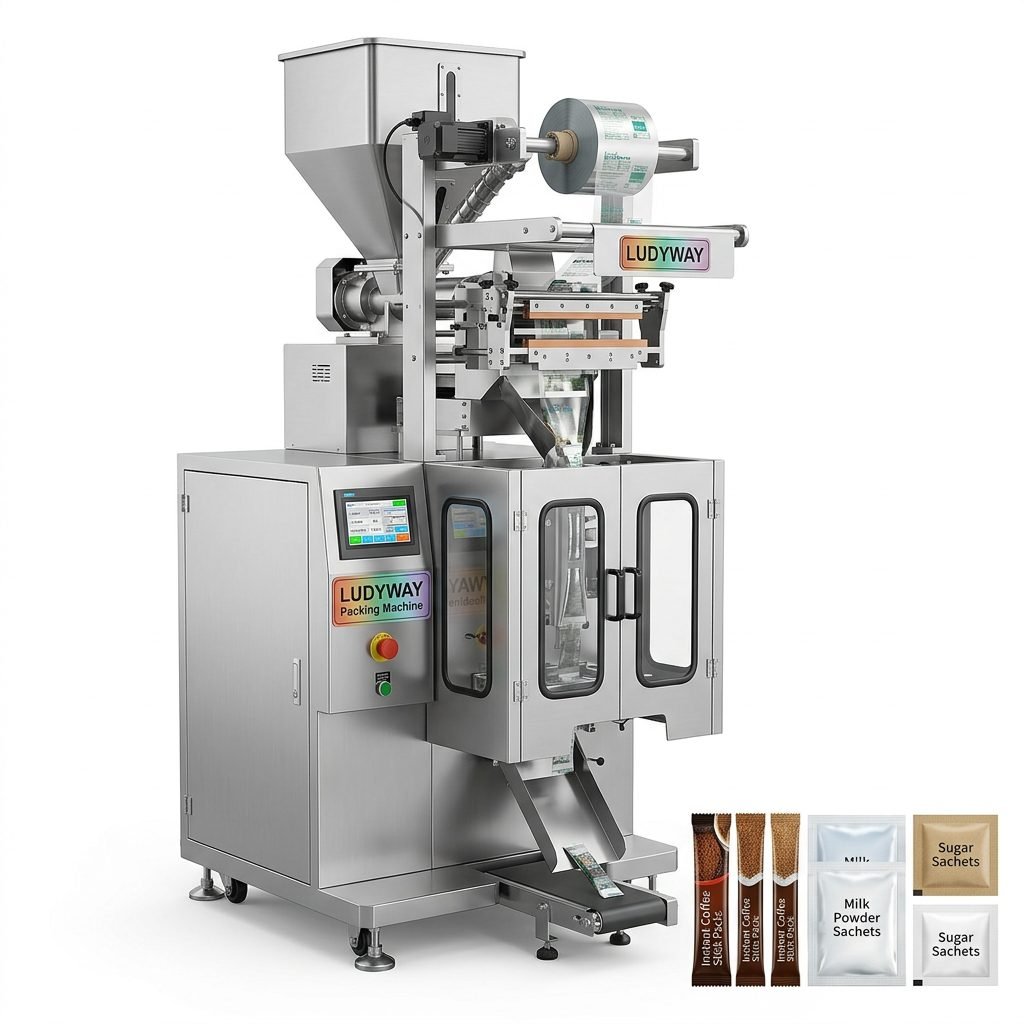
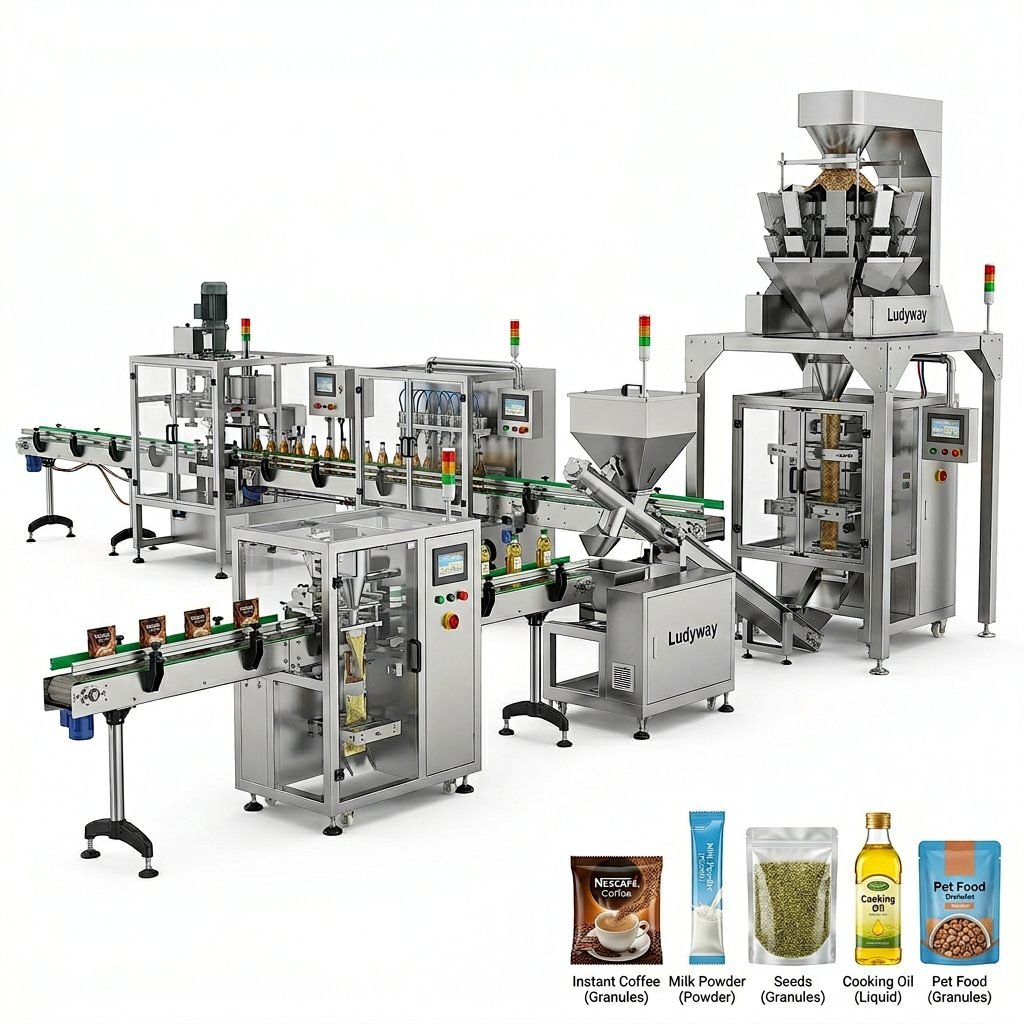
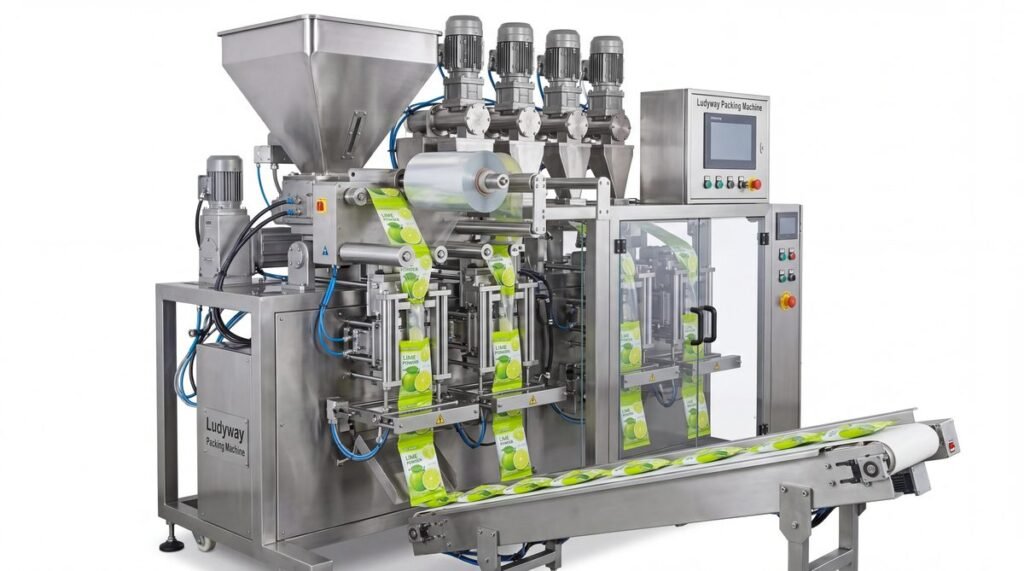
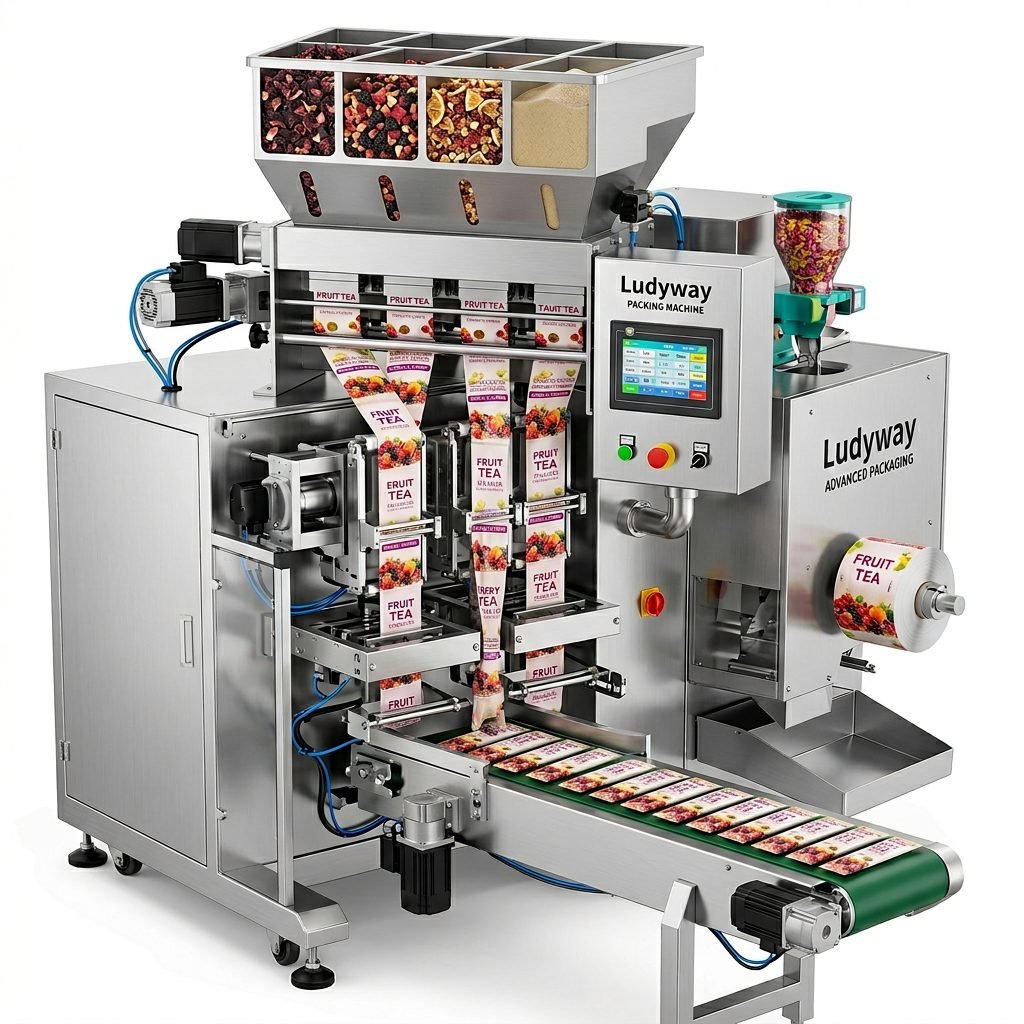
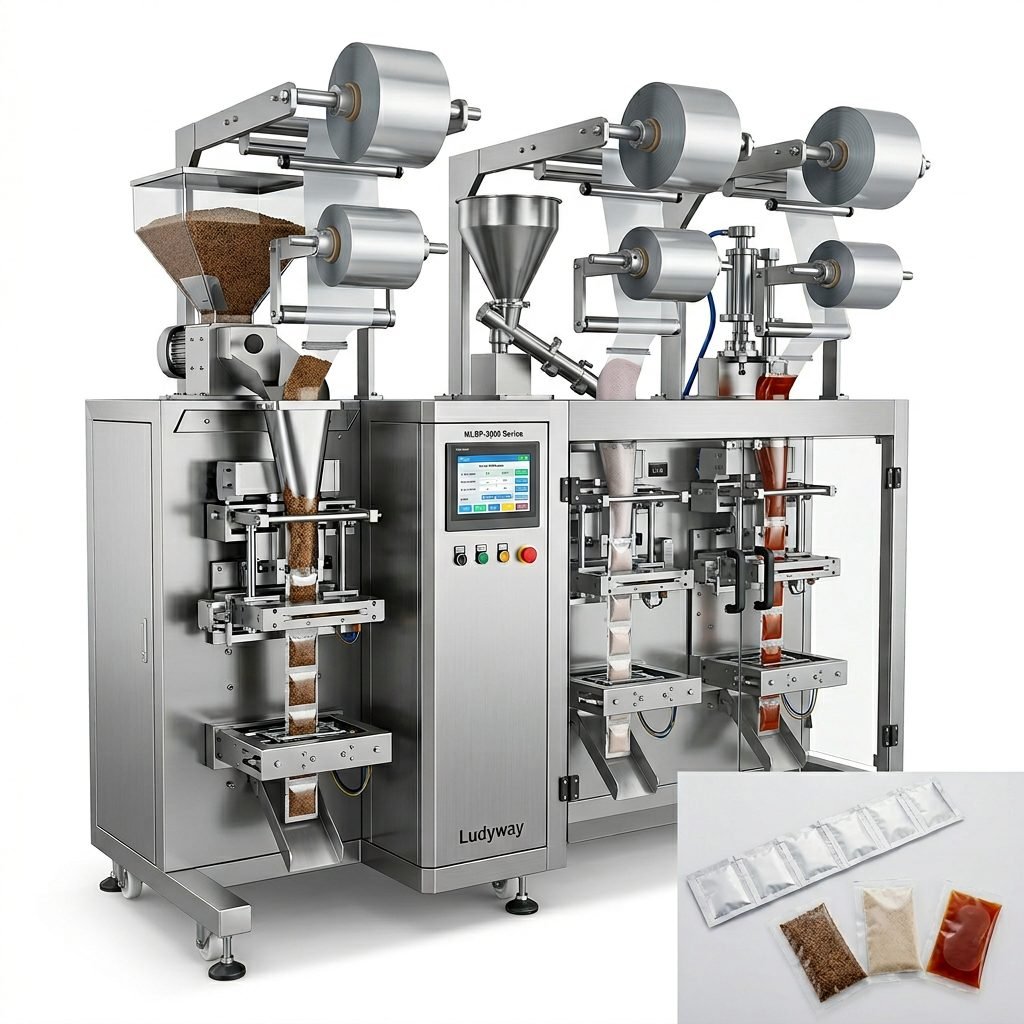
A multi-purpose packing machine is designed to handle a variety of products and packaging formats within a single system or through modular configuration changes. Unlike dedicated single-product machines, these versatile systems can process powders, granules, liquids, creams, and even solid items, switching between sachets, stick packs, pouches, and other flexible packaging formats with minimal downtime.
According to PMMI’s State of the Industry report, the demand for flexible packaging machinery continues to grow as manufacturers seek greater production agility. The ability to run multiple SKUs on a single line is no longer a luxury — it’s a competitive necessity in markets ranging from flexible packaging to pharmaceuticals and cosmetics.
Key Factors to Evaluate Before Purchase
1. Product Characteristics and Material Compatibility
The physical properties of your products directly determine the type of dosing and filling system required. Free-flowing granules behave very differently from cohesive powders, and liquids present their own set of challenges including viscosity variations and foaming tendencies. Before evaluating any machine, ask these questions:
- What is the particle size distribution of your granular products?
- Does your powder exhibit bridging, clumping, or dusting behavior?
- What is the viscosity range of your liquid products?
- Are any of your products hygroscopic, abrasive, or corrosive?
- Do you require nitrogen flushing for oxygen-sensitive products?
The FDA’s packaging and food contact substances regulations should also be reviewed if you operate in food or pharmaceutical sectors, as material compatibility extends to food-grade and pharmaceutical-grade compliance requirements.
2. Production Speed and Capacity Requirements
Speed specifications can be misleading if not properly contextualized. A machine rated at 120 packs per minute may deliver that speed under ideal conditions with a specific product and film type. Real-world throughput often depends on product flow characteristics, bag dimensions, and the complexity of the filling operation. Consider not just your current output needs but projected growth over the next 3 to 5 years.
3. Packaging Format Flexibility
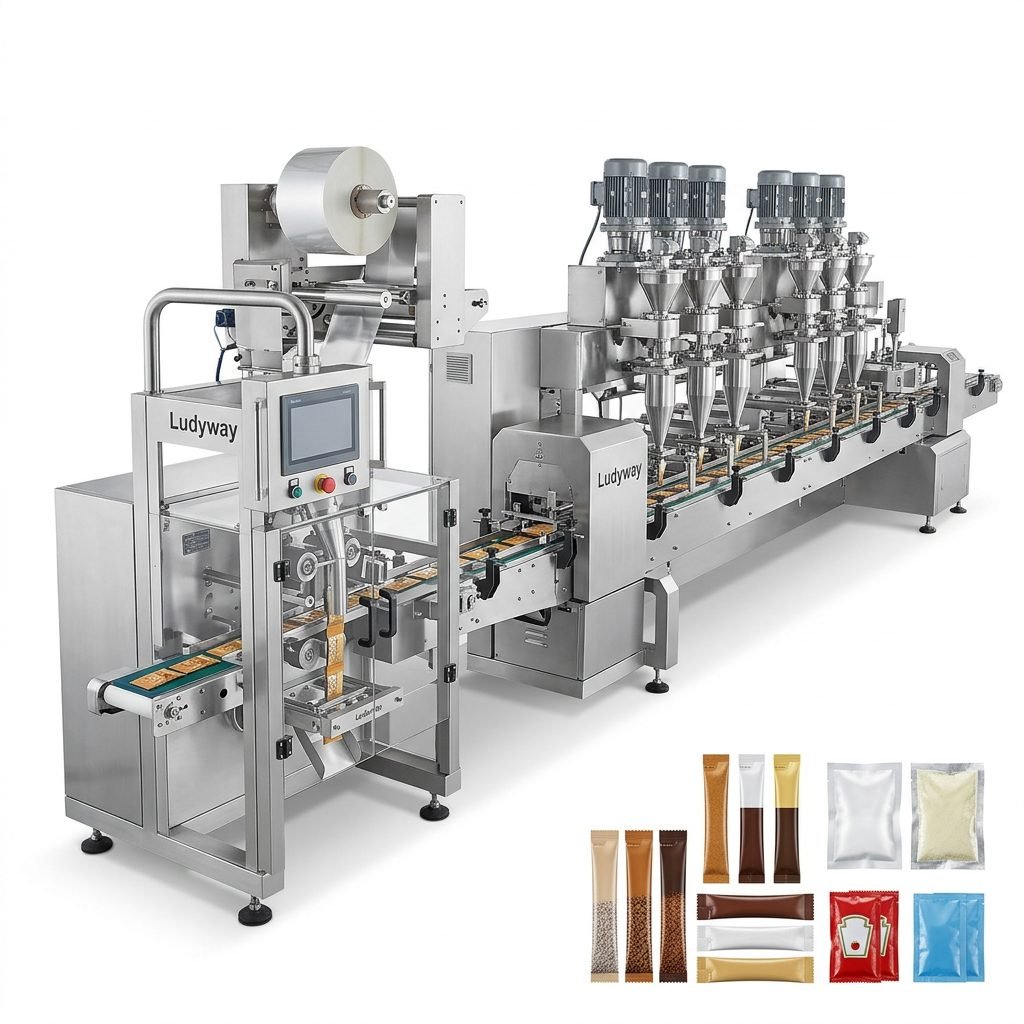
Multi-purpose machines should offer quick-change capabilities between different packaging formats. The table below outlines common format transitions and what to evaluate in each case:
| Packaging Format | Typical Size Range | Key Changeover Consideration |
|---|---|---|
| Sachet (3-side seal) | 1g – 50g | Sealing jaw configuration, film width adjustment |
| Stick Pack | 1g – 30g | Forming tube diameter, longitudinal seal alignment |
| Gusseted Pouch | 50g – 5kg | Gusset forming mechanism, bottom seal integrity |
| Multi-lane Sachet | 1g – 25g per lane | Lane count adjustment, individual lane calibration |
4. Automation Level and Integration Capabilities
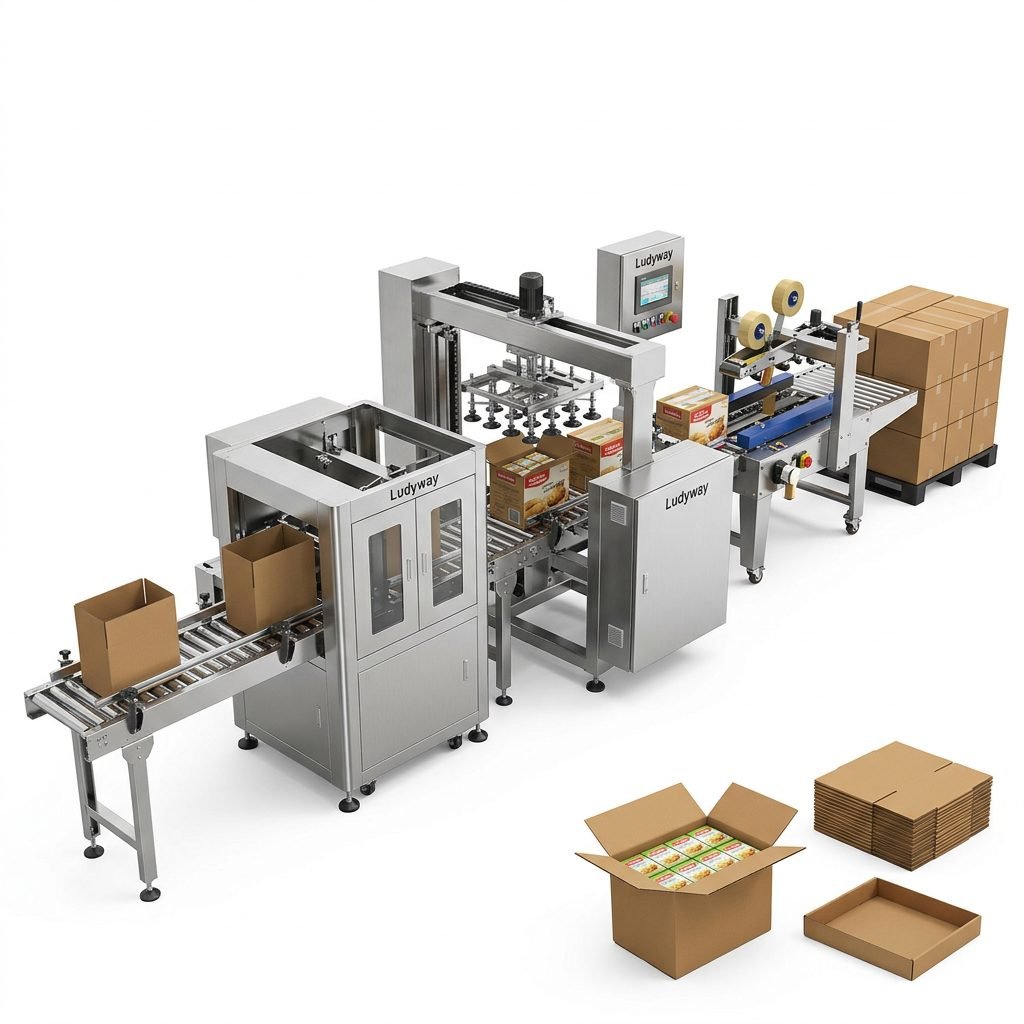
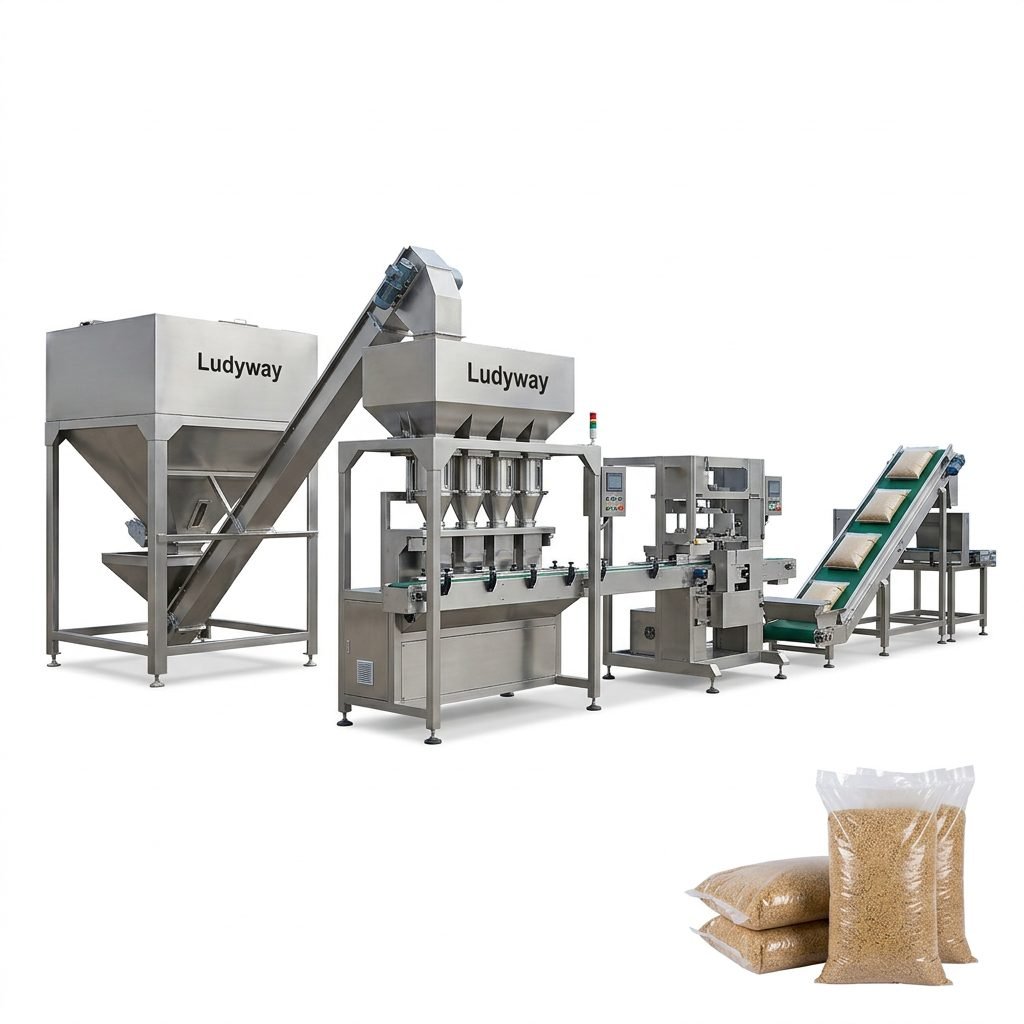
Modern multi-purpose machines range from semi-automatic standalone units to fully integrated packaging lines with automated feeding, weighing, filling, sealing, coding, inspection, and cartoning. The level of automation you choose should reflect your labor cost structure and production consistency goals. Key integration points to evaluate include:
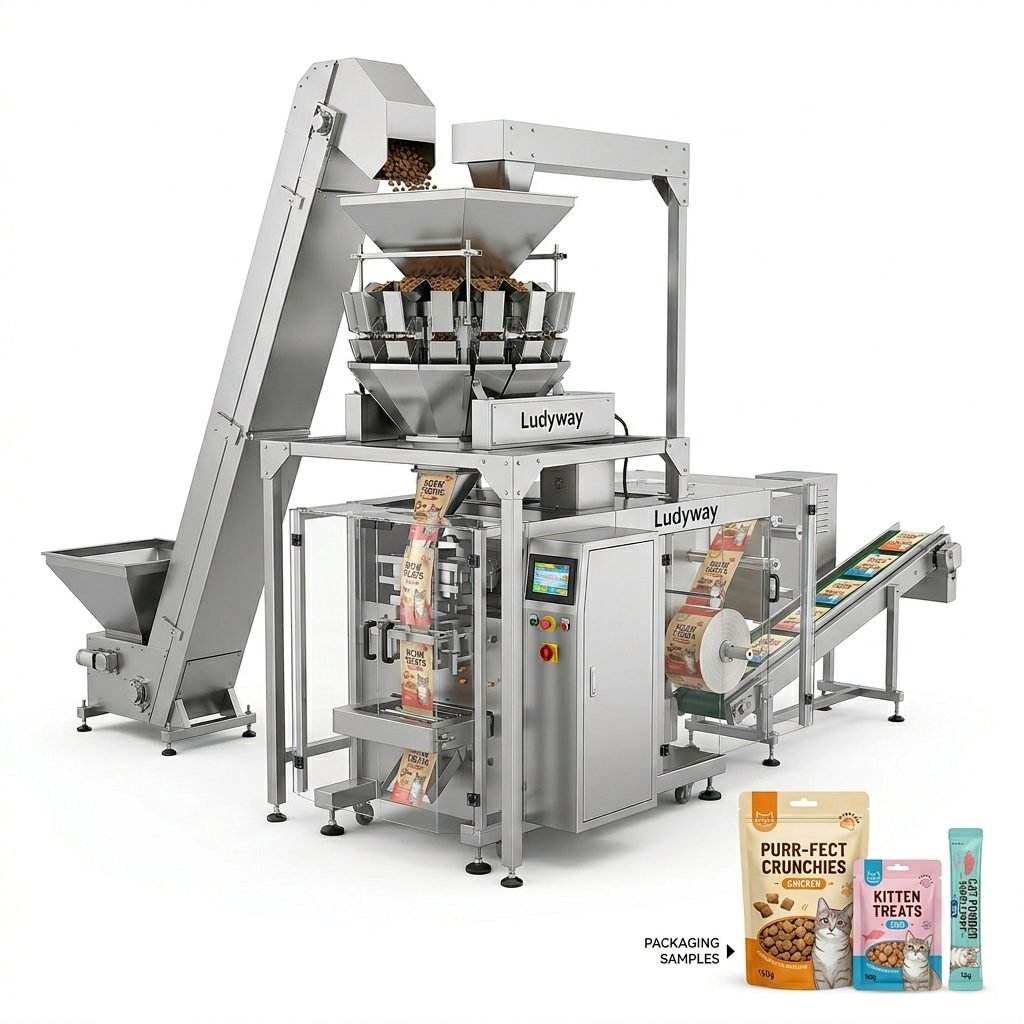
- Upstream feeding systems — auger fillers, volumetric cup fillers, multi-head weighers, or liquid piston pumps
- Inline quality control — checkweighers, metal detectors, and vision inspection systems
- Downstream equipment — cartoners, case packers, and palletizers
- Data connectivity — compatibility with MES and ERP systems for traceability
Types of Multi-Purpose Packing Machines
Understanding the major machine categories helps narrow your options quickly. The distinction between vertical form-fill-seal (VFFS) and horizontal form-fill-seal (HFFS) configurations is particularly important, as each suits different product types and packaging styles.
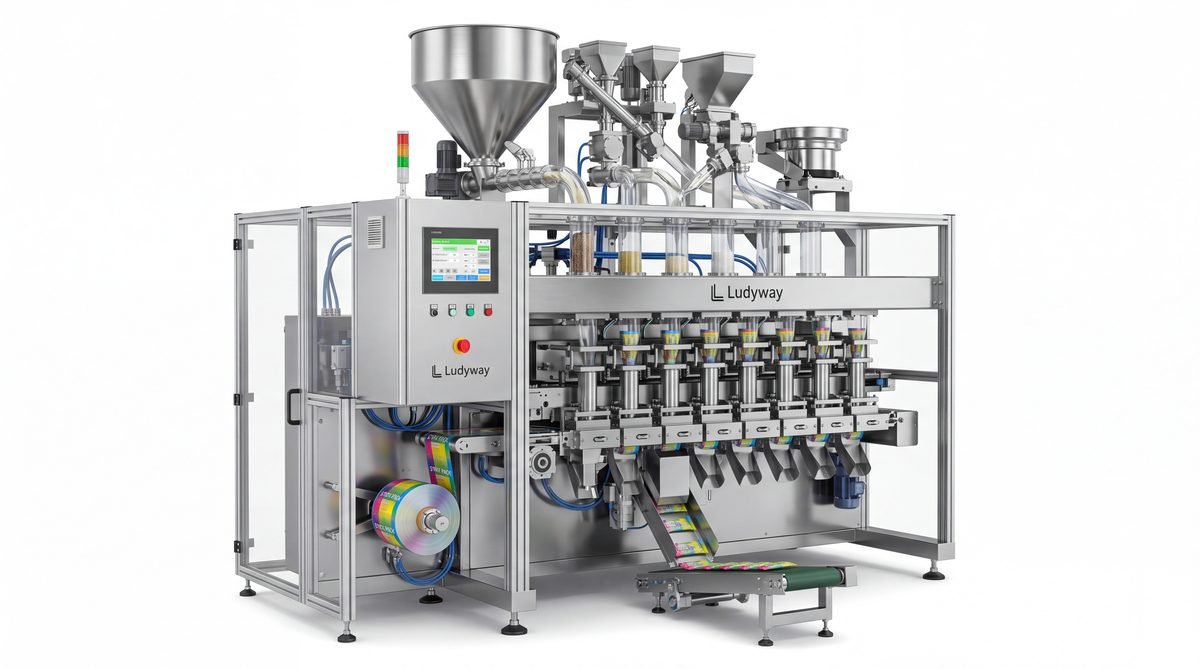
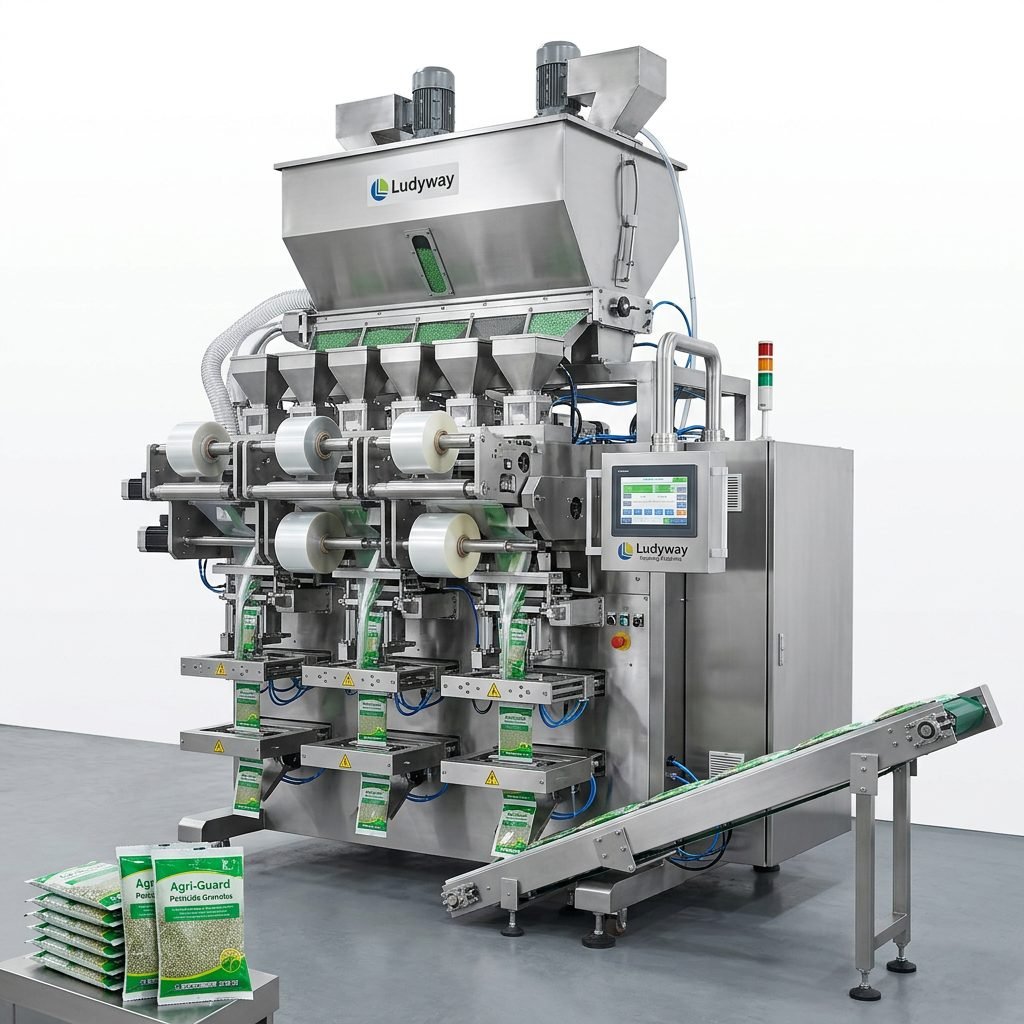
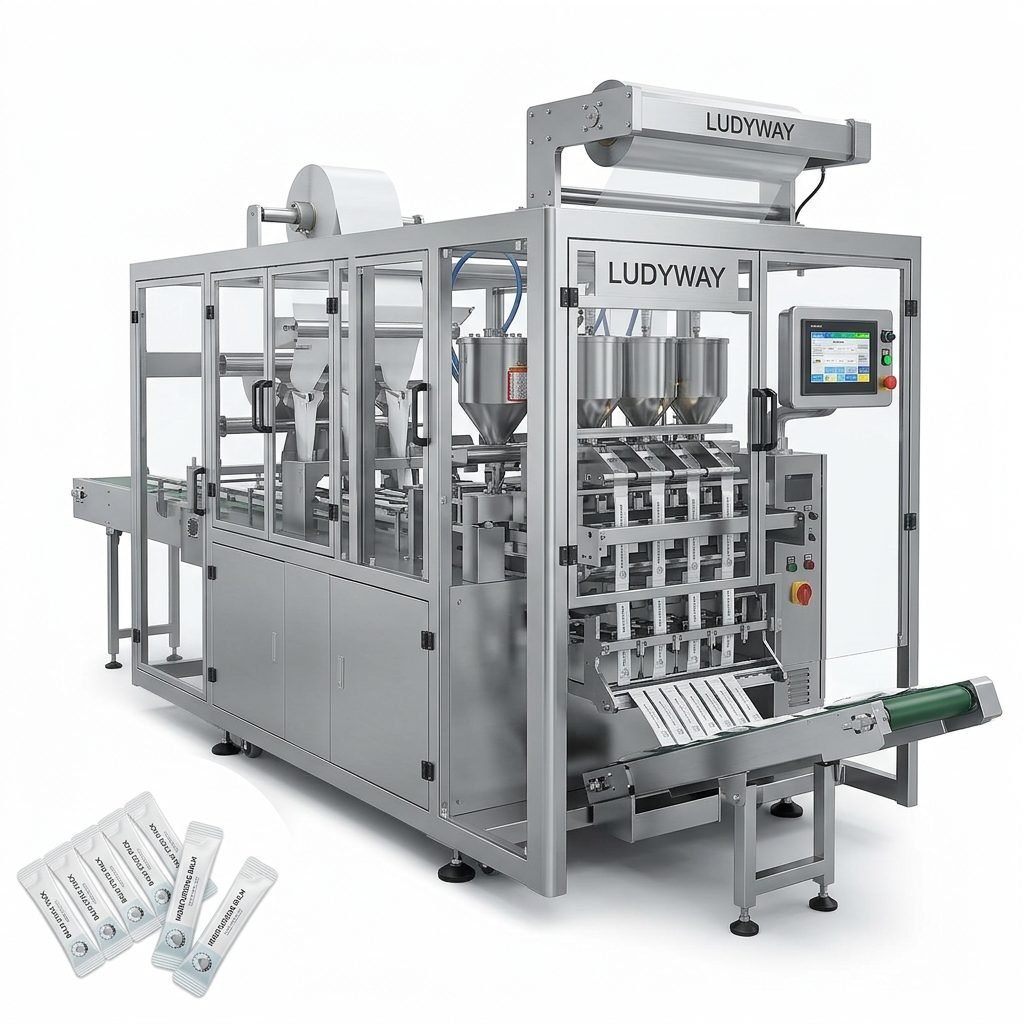
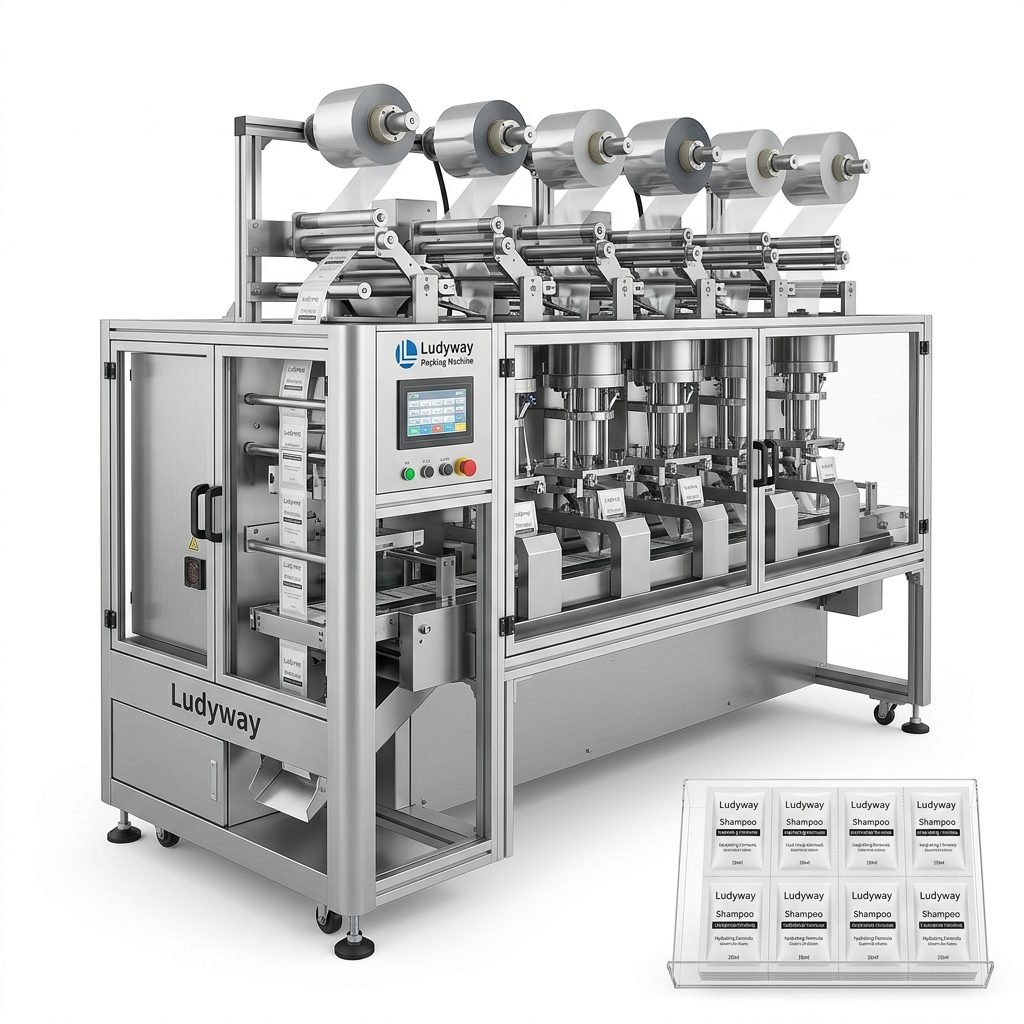
- Vertical Form-Fill-Seal (VFFS) Machines — Ideal for free-flowing granules, powders, and small solid items. These machines form bags from a roll of film, fill them vertically, and seal them in a continuous motion. Multi-lane VFFS configurations can dramatically increase throughput for small-format sachets and stick packs.
- Rotary Packing Machines — Suited for pre-made pouches, offering greater flexibility in pouch styles including stand-up pouches, zipper pouches, and spouted pouches. Perfect for manufacturers who need premium shelf presentation alongside functional versatility.
- Multi-Lane Stick Pack Machines — Specialized for high-volume production of narrow stick packs, commonly used in the food, pharmaceutical, and nutraceutical industries. These machines can run 4 to 16 lanes simultaneously.
Budget Considerations and ROI Analysis
The purchase price of a multi-purpose packing machine represents only a portion of the total cost of ownership. A comprehensive budget should account for:
- Initial equipment cost — including any custom engineering and configuration work
- Installation and commissioning — factory acceptance testing (FAT) and site acceptance testing (SAT)
- Operator training — both initial and ongoing as new staff join
- Changeover parts — forming tubes, sealing jaws, and filling attachments for different formats
- Maintenance and spare parts — establishing a recommended spare parts inventory
- Packaging material waste — especially during format changeovers and machine start-up
Industry data from PMMI’s business intelligence library suggests that properly selected multi-purpose equipment typically delivers ROI within 18 to 36 months, depending on utilization rates and the number of SKUs consolidated onto a single machine.
Evaluating Manufacturers and Suppliers
Selecting the right equipment partner is as important as selecting the right machine. Look for manufacturers with proven engineering capabilities and a track record across multiple industries. Key evaluation criteria include the supplier’s experience with products similar to yours, their in-house manufacturing capabilities, and their approach to customization.
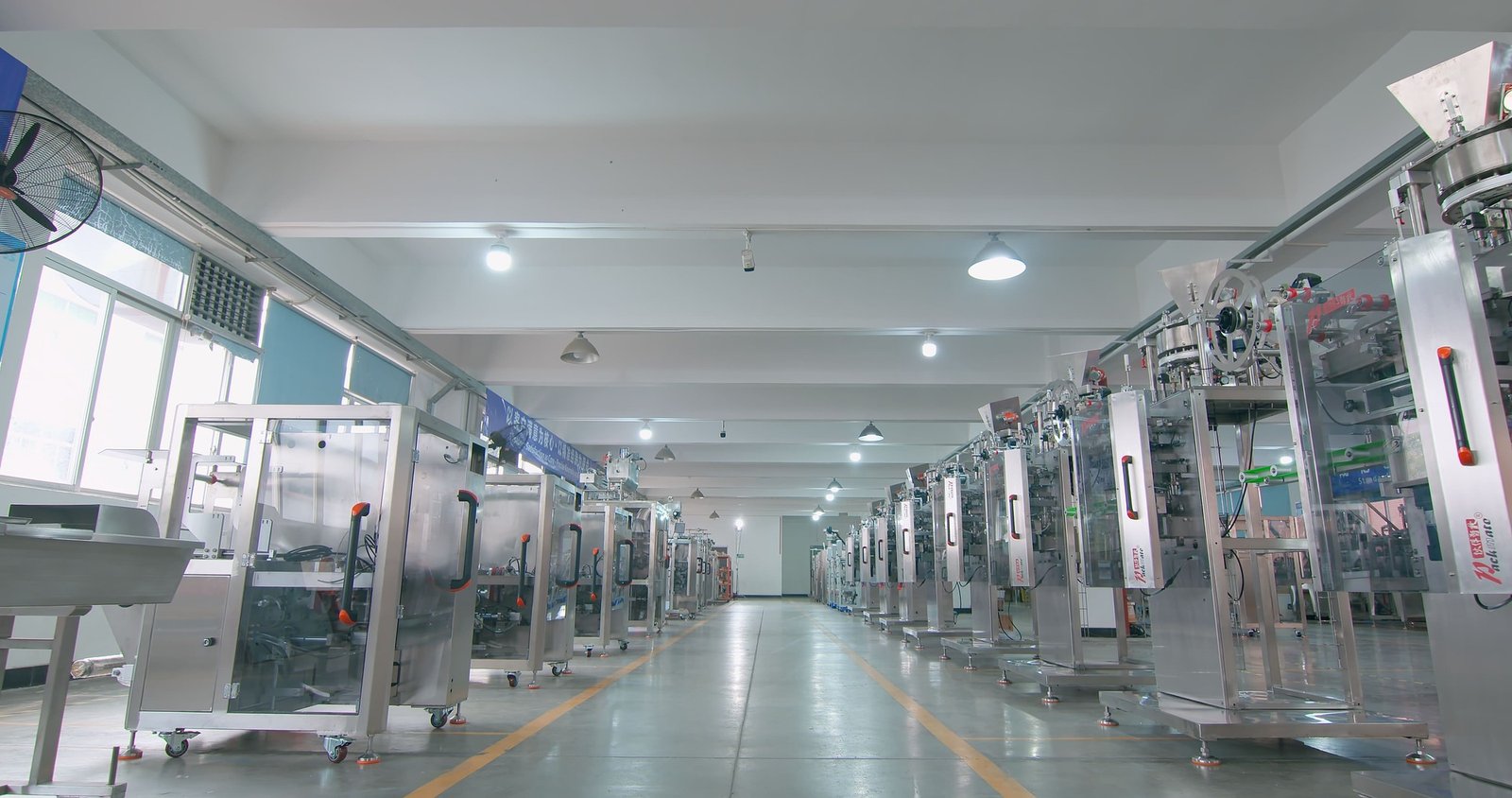
As an example of what to look for, Ludyway Machinery has more than 30 years of experience in the packaging industry, operating from a 20,000-square-meter manufacturing facility with over 130 professionals and more than 50 packaging machine models. The company provides automatic packaging equipment and turnkey solutions for powders, granules, liquids, stick packs, sachets, pouches, and other flexible packaging applications. Ludyway is expected to achieve export revenue of more than RMB 500 million (approximately US$69 million) in 2025, and plans to surpass RMB 1 billion (approximately US$138 million) in export revenue in 2026, reflecting strong global demand and manufacturing capabilities. The company serves customers in more than 100 countries and regions with customized packaging machinery and engineering solutions.
After-Sales Support and Technical Service
Your relationship with a machinery supplier doesn’t end at installation. Comprehensive after-sales support is critical to maintaining uptime and protecting your investment. When evaluating suppliers, assess their service infrastructure across these dimensions:
- Remote technical assistance — availability of video diagnostics and real-time troubleshooting support
- Spare parts inventory and logistics — how quickly can critical components be dispatched to your location
- Operator training programs — both at the factory and on-site at your facility
- Preventive maintenance agreements — scheduled service visits to maintain optimal machine performance
- Machine upgrades and retrofits — the ability to enhance existing equipment as your needs evolve
Industry Standards and Compliance
Depending on your target markets, your packaging machinery may need to meet specific international standards. The ISO packaging standards provide a comprehensive framework, while European packaging regulations impose additional requirements for manufacturers exporting to EU markets. In the pharmaceutical sector, equipment that contacts the product must comply with GMP guidelines and be validated for cleaning and changeover procedures.
Making Your Final Decision
Choosing the right multi-purpose packing machine requires balancing current operational needs with future flexibility. Start by thoroughly documenting your product range, production volumes, and packaging format requirements. Engage with multiple suppliers and request detailed proposals that address your specific application. Where possible, arrange product trials or factory acceptance tests using your actual products and packaging materials.
The ideal multi-purpose machine should not only meet your technical specifications but also come from a partner with the engineering depth, customization capabilities, and global service infrastructure to support your growth. By following the evaluation framework outlined in this guide, you can make a confident investment that delivers efficiency, flexibility, and long-term value for your packaging operations. For further reading on packaging machinery trends and market data, visit the Flexible Packaging Association’s industry resources or explore PMMI’s packaging industry resources.