Keeping your packaging line running smoothly is crucial for maintaining productivity and meeting delivery deadlines. When a component fails or wears out, finding the right replacement part quickly becomes a top priority. However, the market is flooded with options, ranging from original equipment manufacturer (OEM) parts to generic alternatives, making the selection process daunting. This guide will walk you through the essential steps to identify, source, and choose the correct replacement parts for your packaging machinery, ensuring minimal downtime and optimal performance.
Understanding Your Packaging Equipment’s Anatomy
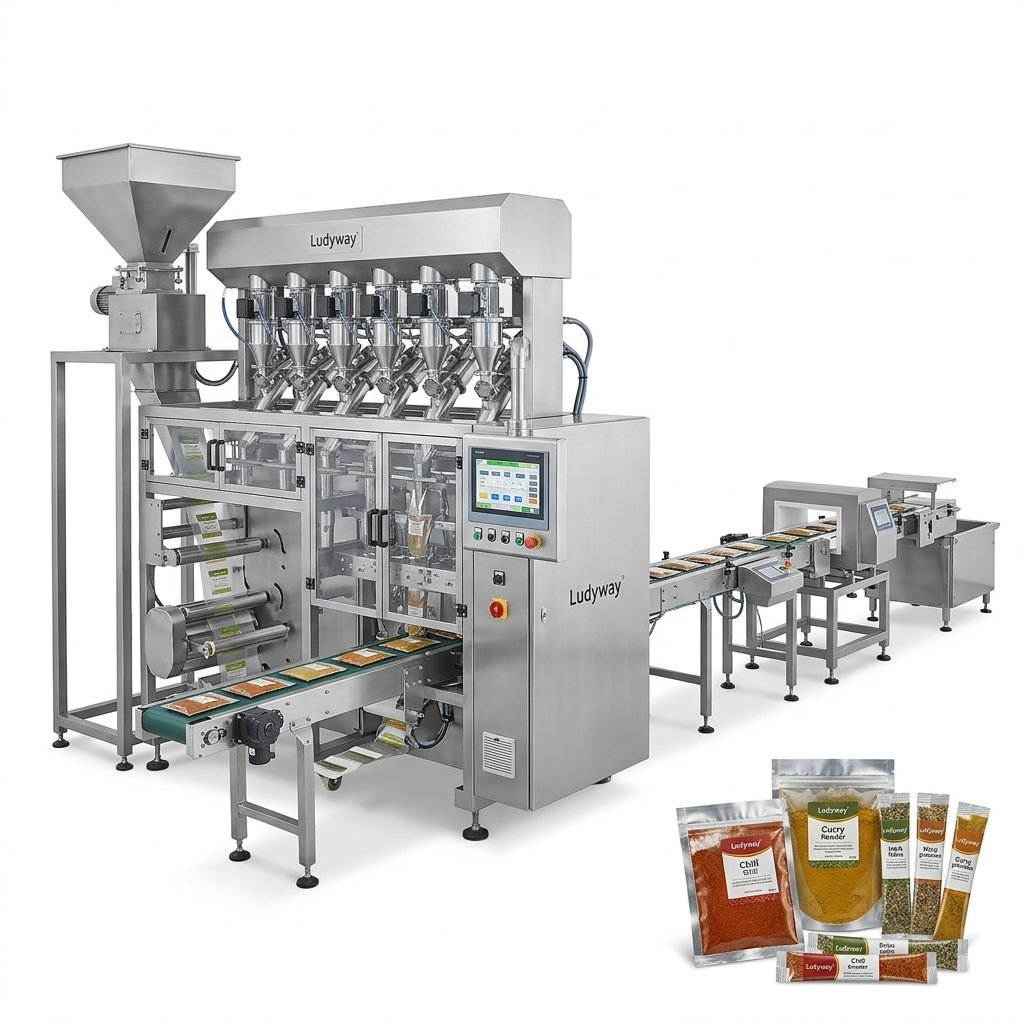
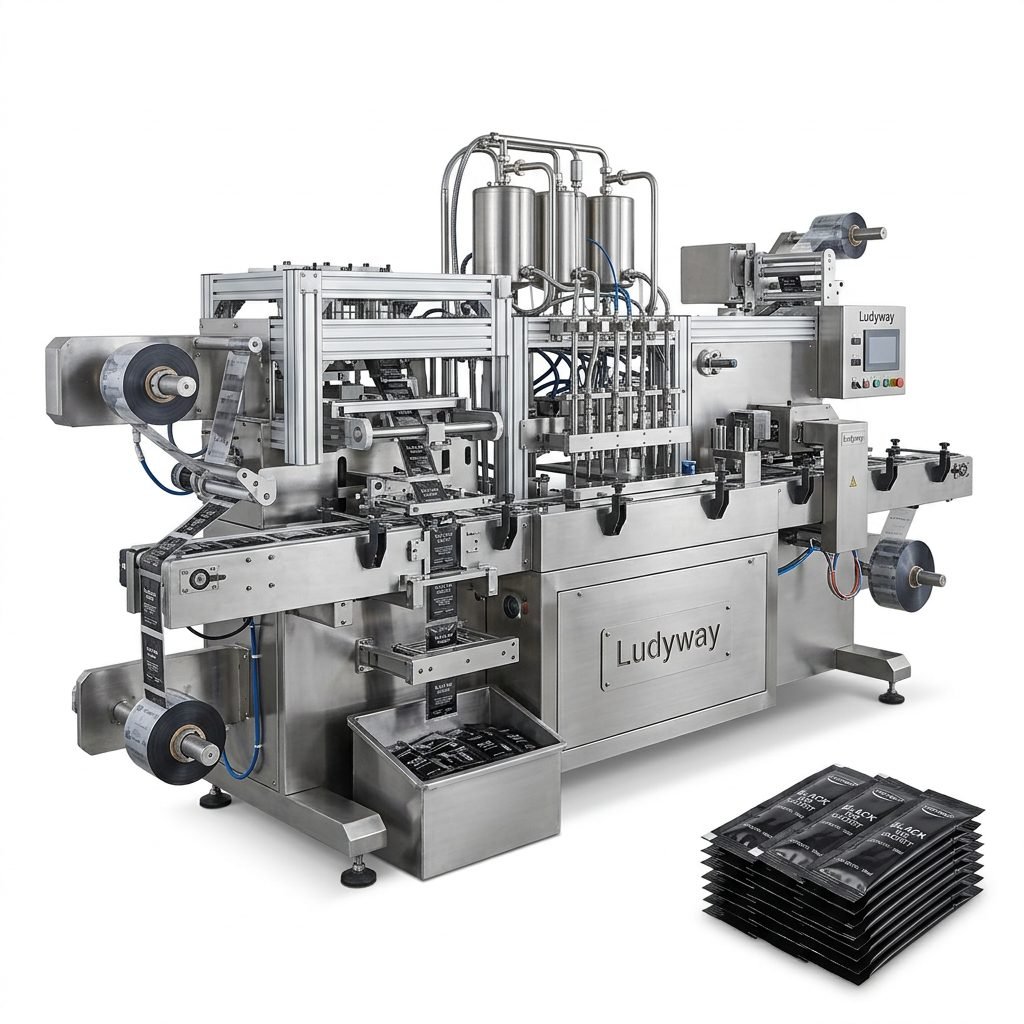
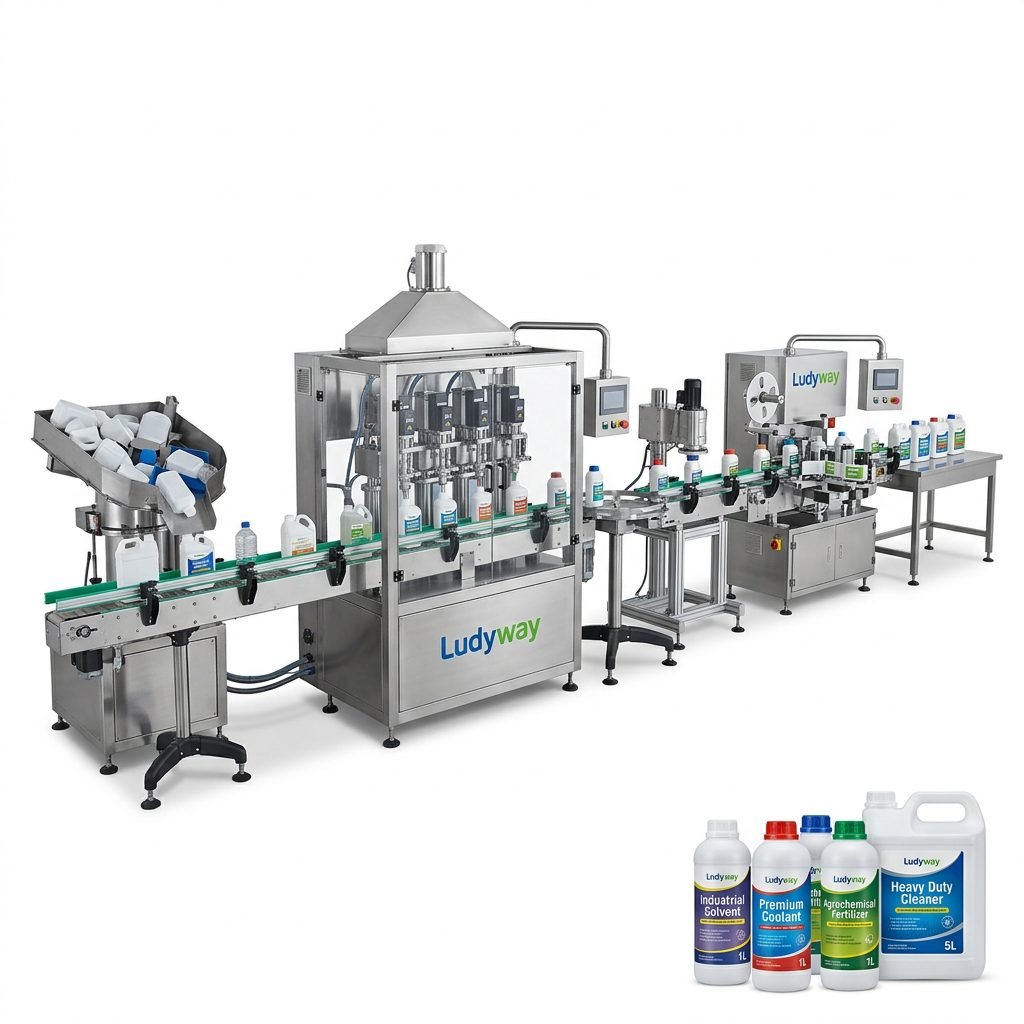
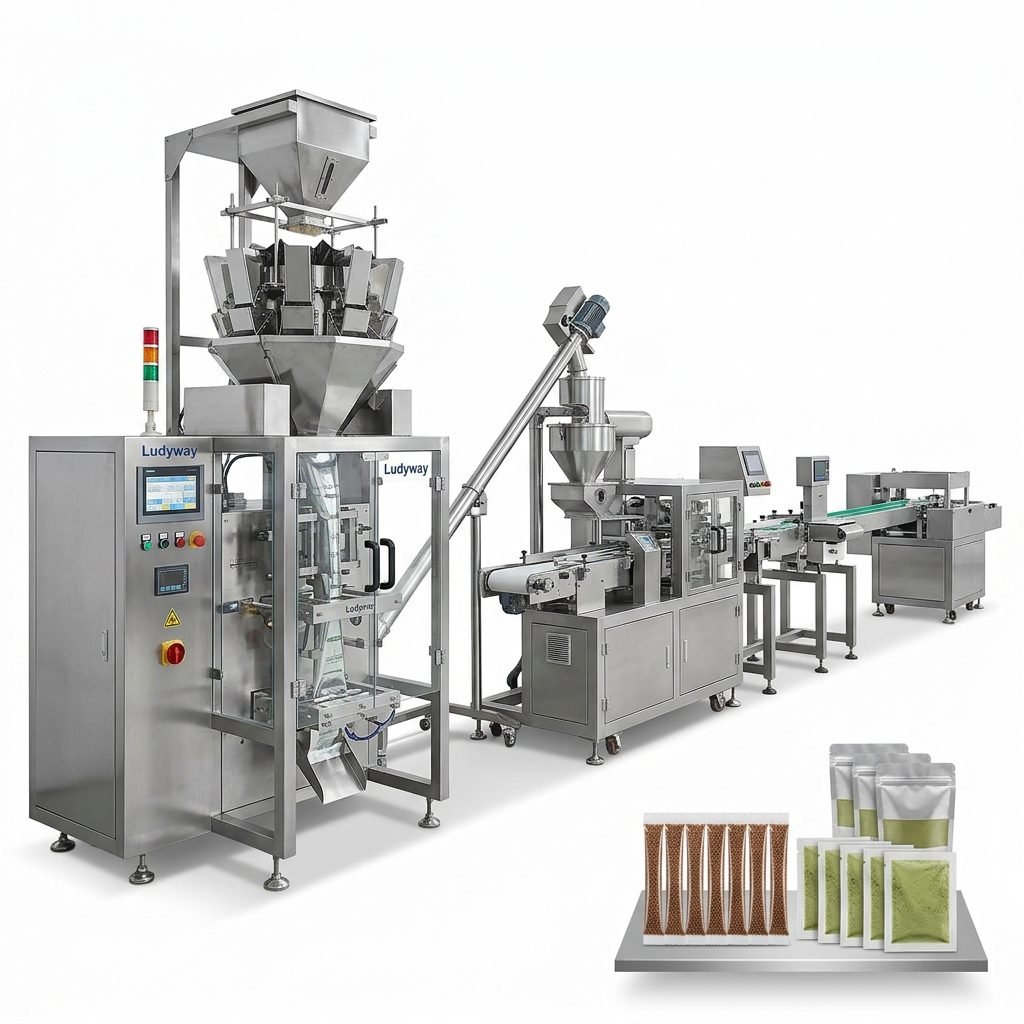
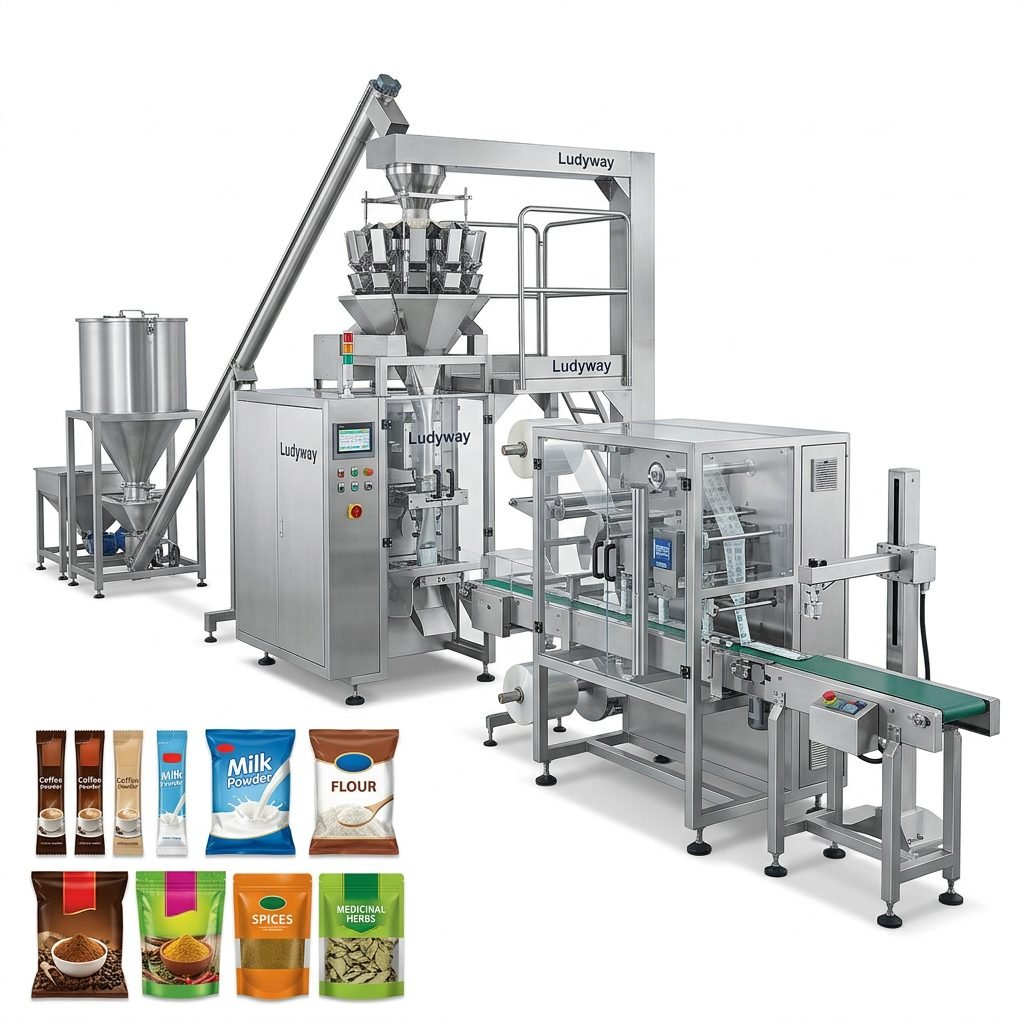
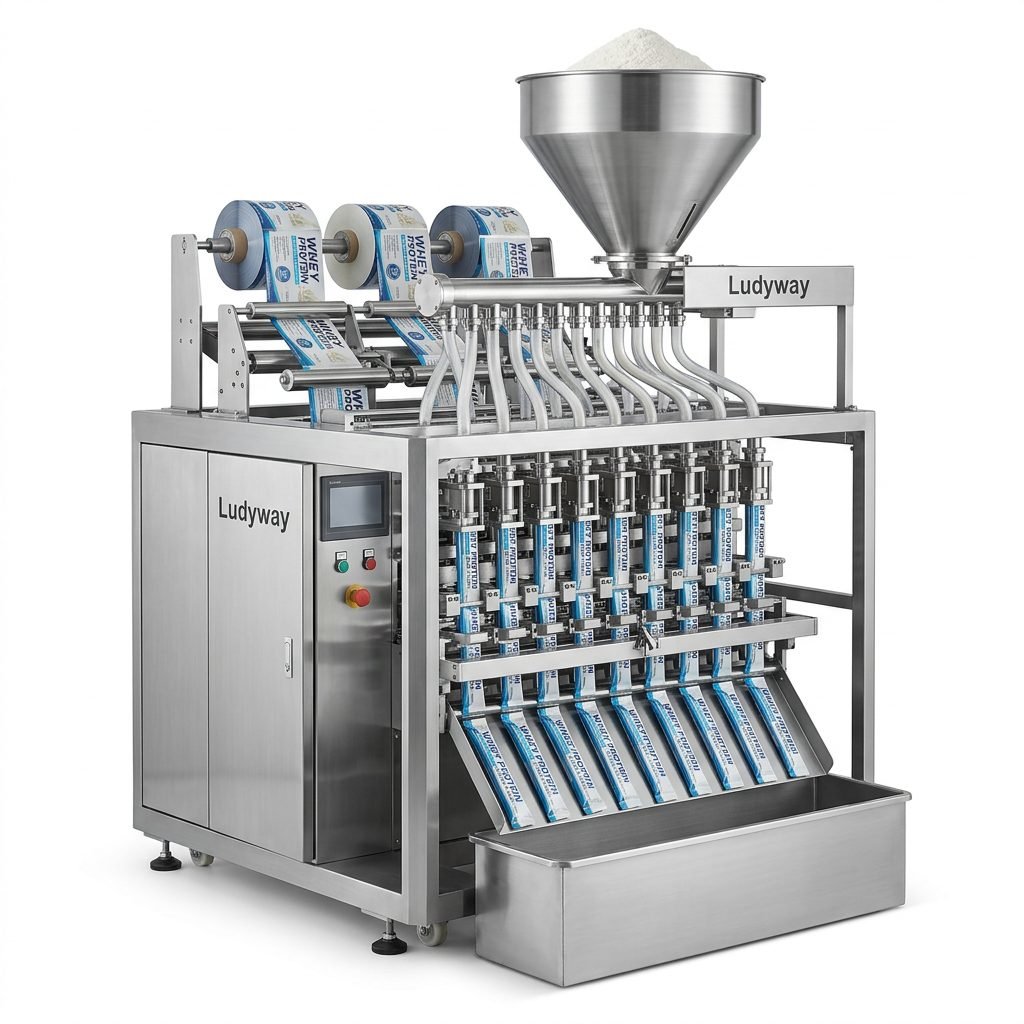
Before you begin your search, a fundamental understanding of your machine is key. Packaging equipment, whether for granules, powders, or liquids, consists of several critical subsystems.
Core Systems & Common Wear Parts:
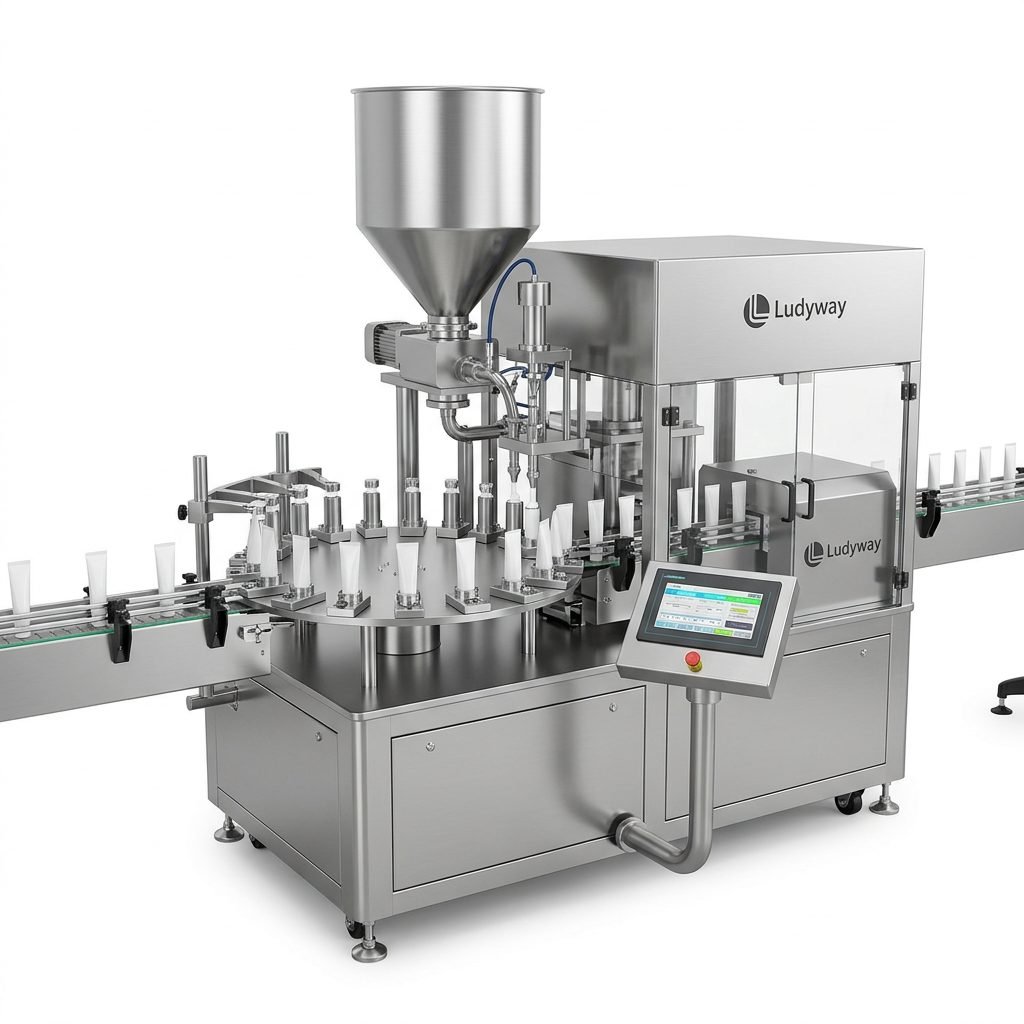
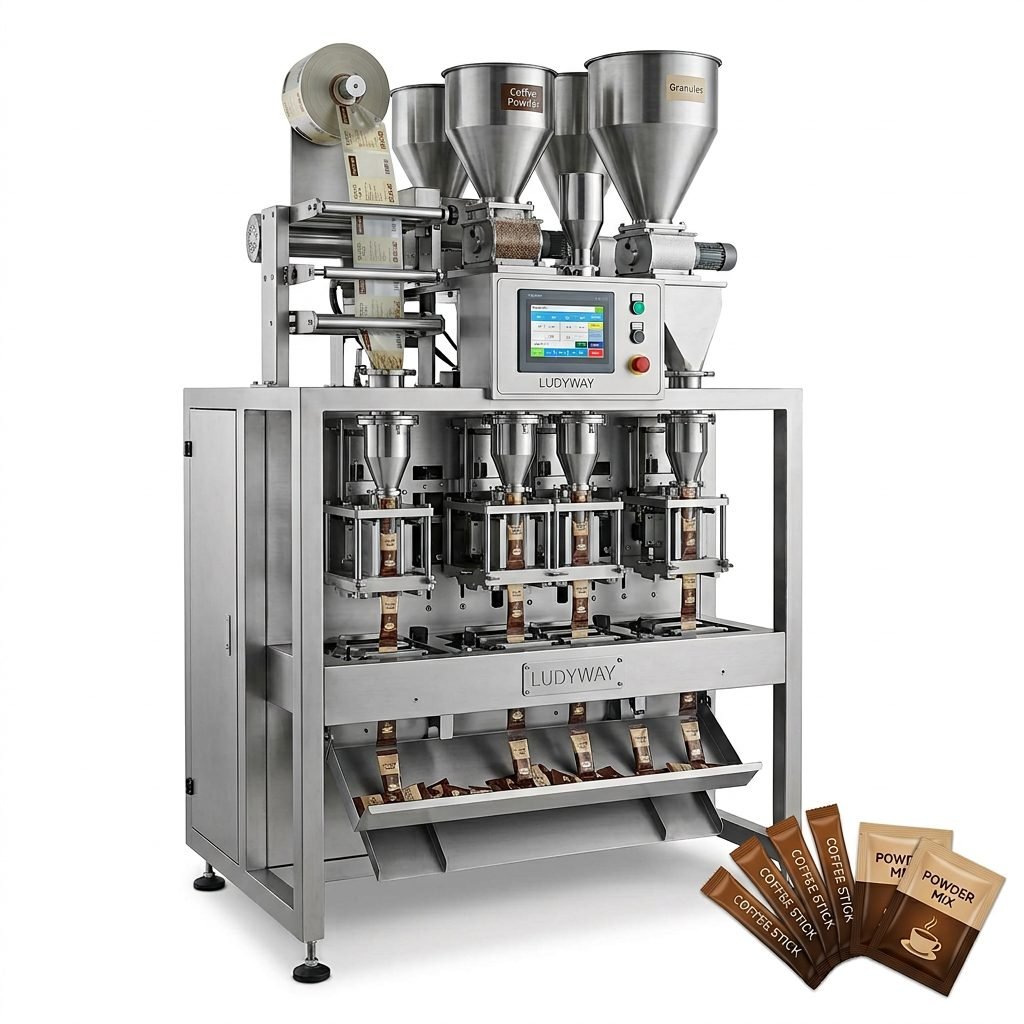
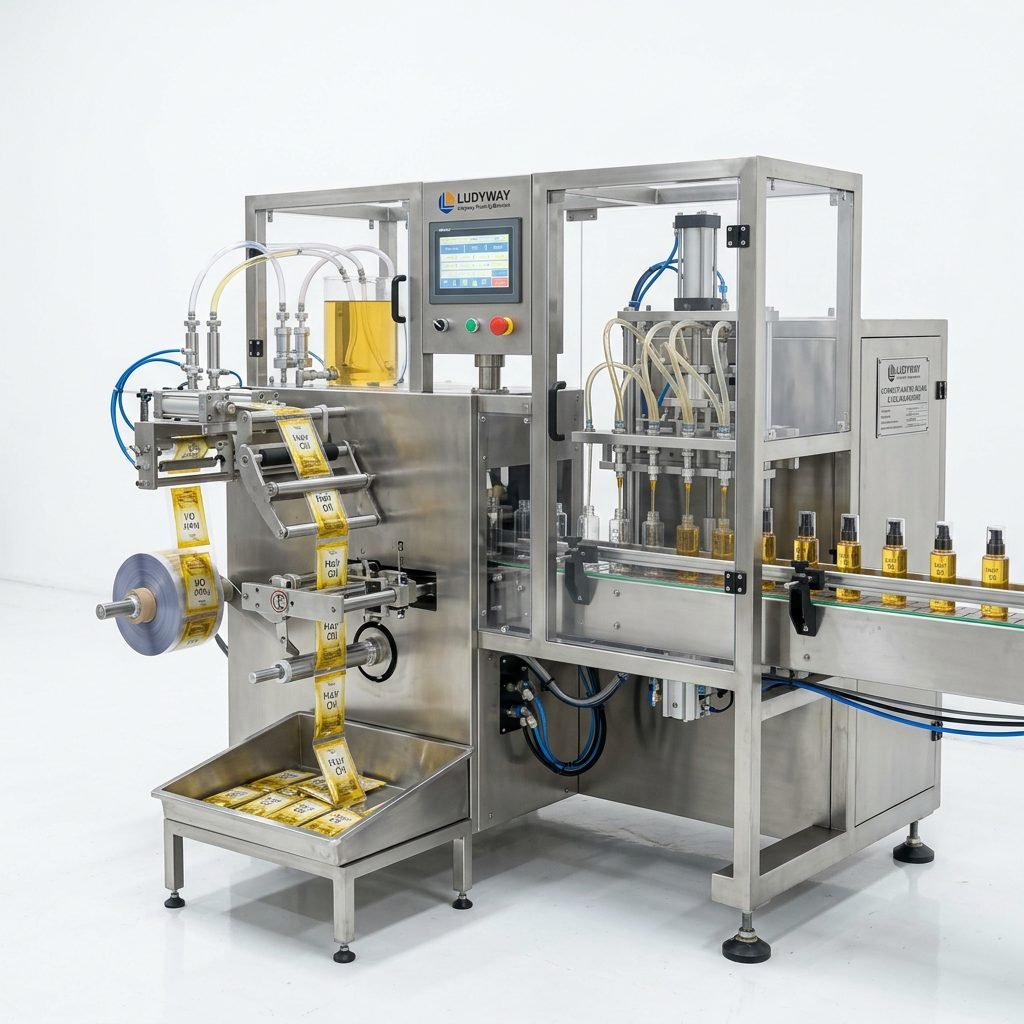
- Filling System: This includes nozzles, pumps, augers, and dosing heads. Wear here directly impacts filling accuracy and product waste.
- Sealing System: Critical for product integrity. Key components are heating elements, sealing jaws, Teflon seal strips, and temperature sensors.
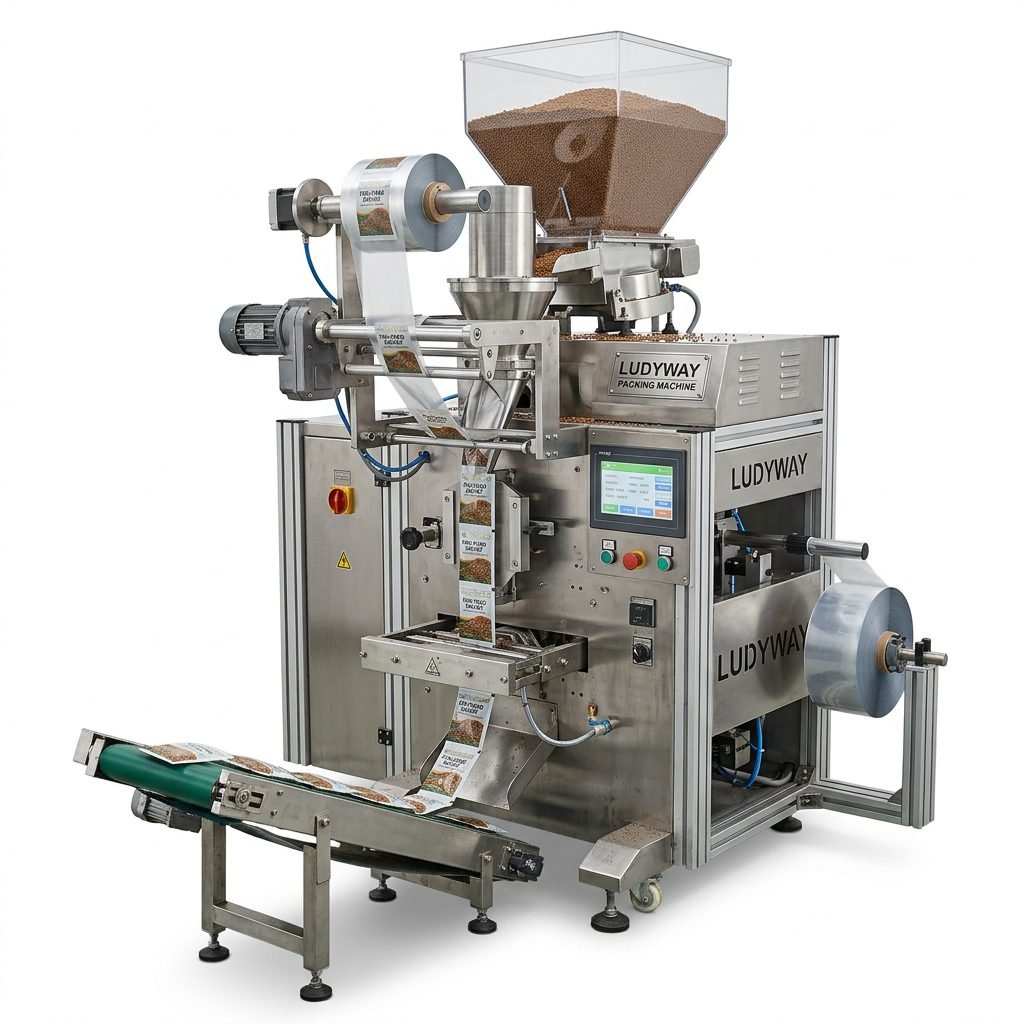
- Film Feeding & Forming System: Involves pull belts, forming collars, guide rollers, and film unwind shafts. Misalignment or wear causes film jams and shape defects.
- Drive & Conveyance System: Comprises motors, gears, chains, sprockets, bearings, and conveyor belts. These are high-wear items that require regular inspection.
- Control System: Electronic components like PLCs, sensors (photoelectric, proximity), and HMIs. While less frequently replaced, they are vital for automation.
Step-by-Step Guide to Finding the Right Component
Follow this systematic approach to ensure you get a compatible and reliable part.
1. Accurate Part Identification
Never guess. The first and most crucial step is to correctly identify the failed part.
- Consult the Manual: Your machine’s operation and parts manual is the primary source. It contains exploded diagrams and part numbers.
- Locate Existing Part Numbers: Look for numbers stamped, engraved, or on a label on the component itself. This is the most reliable identifier.
- Document Visually: Take clear, well-lit photos of the part from multiple angles. Note its dimensions, connection points, and any markings.
- Record Machine Details: Have your machine’s make, model, and serial number ready. This information is essential for suppliers.
2. Evaluating Your Sourcing Options
You typically have three main avenues for sourcing parts, each with pros and cons.
Option A: OEM (Original Equipment Manufacturer) Parts
These are parts made or specified by your machine’s original builder, such as those from a specialist like Ludyway Packing Machine. The key advantage is guaranteed fit and performance, backed by the manufacturer’s warranty. They are engineered to work seamlessly with your specific model. However, they often come at a premium price and may have longer lead times.
Option B: High-Quality Aftermarket Parts
Reputable third-party manufacturers produce these parts to meet or exceed OEM specifications. They can offer significant cost savings and faster availability while maintaining reliability. The critical task is to vet the supplier’s reputation, quality certifications, and material standards thoroughly.
Option C: Generic or “Will-Fit” Parts
These are the most economical option but carry the highest risk. They may lack precision in tolerances or use inferior materials, leading to premature failure, machine damage, or safety issues. They are best suited for non-critical, low-stress components.
3. Key Selection Criteria Beyond Price
Choosing solely on cost is a recipe for recurring problems. Consider these factors:
- Material & Build Quality: For sealing jaws, is it the correct grade of alloy? For seals, is it food-grade or chemical-resistant? Inferior materials degrade quickly.
- Precision & Tolerance: Packaging machines are precision instruments. A part with even slight dimensional variance can cause misalignment and chronic issues.
- Supplier Support & Expertise: Can the supplier provide technical drawings or compatibility confirmation? Do they offer support if installation issues arise?
- Lead Time & Inventory: How quickly can you get the part? A slightly more expensive part available immediately may save thousands in lost production.
Best Practices for Procurement and Maintenance
Smart practices extend beyond the initial purchase.
🛠️ Proactive Maintenance Tips:
Build a Critical Spares Kit: Based on your maintenance history, keep common wear items (like seal strips, O-rings, filters) in stock. This turns a potential 48-hour stoppage into a 30-minute fix.
Establish a Reliable Supplier Relationship: Building a partnership with a knowledgeable supplier, such as one with deep industry experience, ensures you get informed recommendations and priority service. Companies that have evolved from focused engineering teams often provide this level of tailored support.
Document Everything: Keep a log of all part replacements, including part numbers, supplier details, installation date, and performance observations. This data is invaluable for future purchasing and predicting failure cycles.
Conclusion: Investing in Reliability
Selecting the right replacement part is an investment in your packaging line’s reliability, efficiency, and total cost of ownership. While the initial price is a factor, the true cost includes downtime, repeat failures, and potential collateral damage to other machine components. By meticulously identifying parts, choosing reputable sourcing channels, and prioritizing quality and compatibility, you ensure your operation remains competitive and productive. Partnering with experienced providers who understand the intricacies of packaging technology, from stick pack to liquid filling systems, is a strategic move for long-term operational success.
Frequently Asked Questions (FAQs)
Q1: How can I tell if I should buy an OEM part or an aftermarket part?
A: For critical, precision, or safety-related components (like sealing jaws, main drive gears, or control system boards), OEM parts are usually the safest bet. For common wear items (standard bearings, generic seals, filters) with well-established specifications, a high-quality aftermarket part from a certified supplier is often a cost-effective and reliable choice.
Q2: What is the single most important piece of information I need to provide to a parts supplier?
A: The machine’s complete model number and serial number. This allows the supplier to reference exact build lists and engineering diagrams to confirm part compatibility. Clear photos and any numbers from the old part itself are the next most helpful details.
Q3: Are “will-fit” or generic parts ever a good idea?
A: They can be acceptable for very simple, non-critical items where precise tolerances are not required (e.g., a basic cover panel, a non-load-bearing handle). However, for any component involved in the machine’s operation, motion, sealing, or measurement, they pose a significant risk of causing further damage and are not recommended.
Q4: How can I reduce unplanned downtime due to part failures?
A: Implement a preventive maintenance (PM) schedule and create a critical spares inventory. The PM schedule helps you replace wear parts before they fail catastrophically. The spares kit ensures you have the most common failure parts on hand, turning a production-stopping event into a quick, in-house repair.
Q5: Why might a part from a reputable supplier still not fit or work correctly?
A: Even with reputable suppliers, errors can occur. The most common reasons are: 1) Providing an incorrect machine model/version number, 2) Your machine had a custom modification from the factory that changed a standard part, or 3) There was a manufacturing lot variance. This highlights the importance of purchasing from suppliers who offer technical validation support and clear return policies.