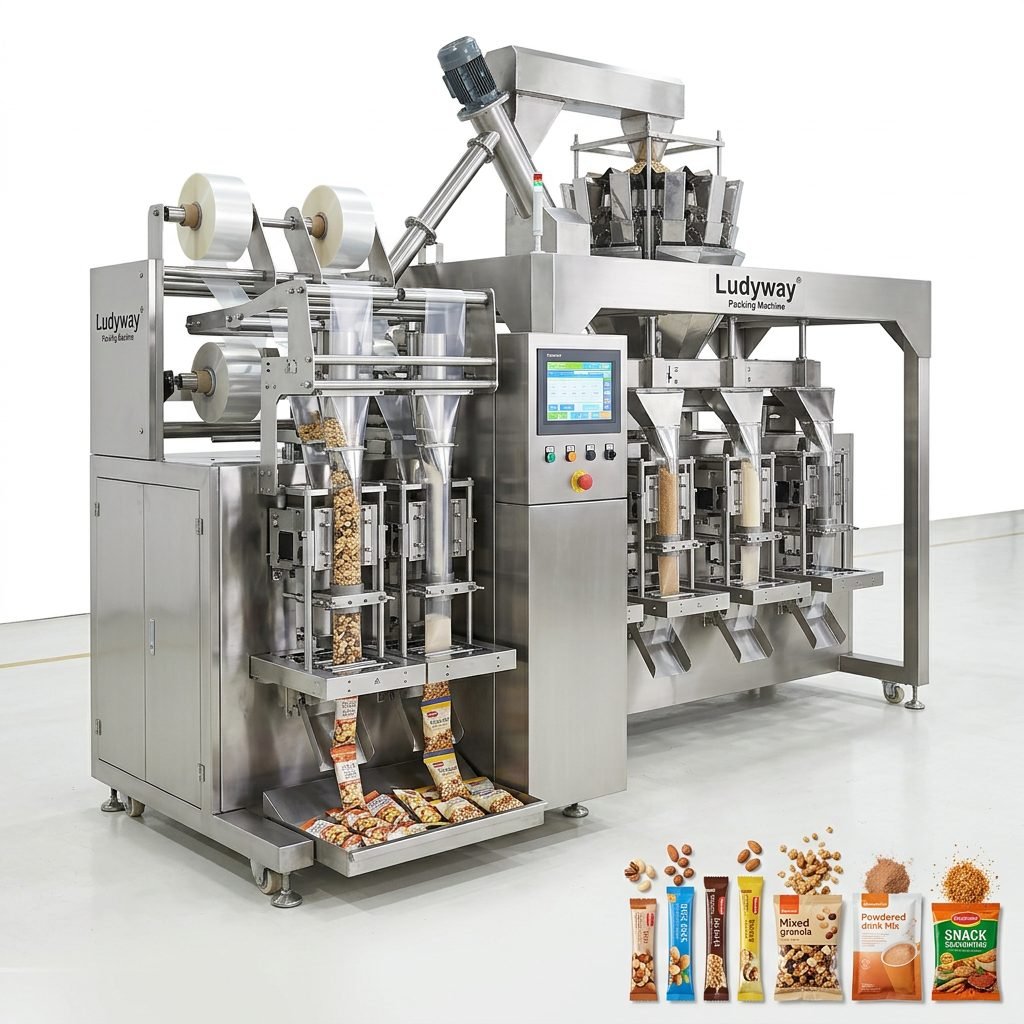
Investing in a noodle packaging machine is a critical decision for food manufacturers aiming to scale production, maintain product freshness, and meet growing market demand. Whether you produce instant noodles, fresh ramen, udon, or dried pasta, the right packaging equipment directly impacts your product’s shelf life, presentation, and overall profitability. This comprehensive buyer’s guide walks you through the essential factors to evaluate before making your purchase.
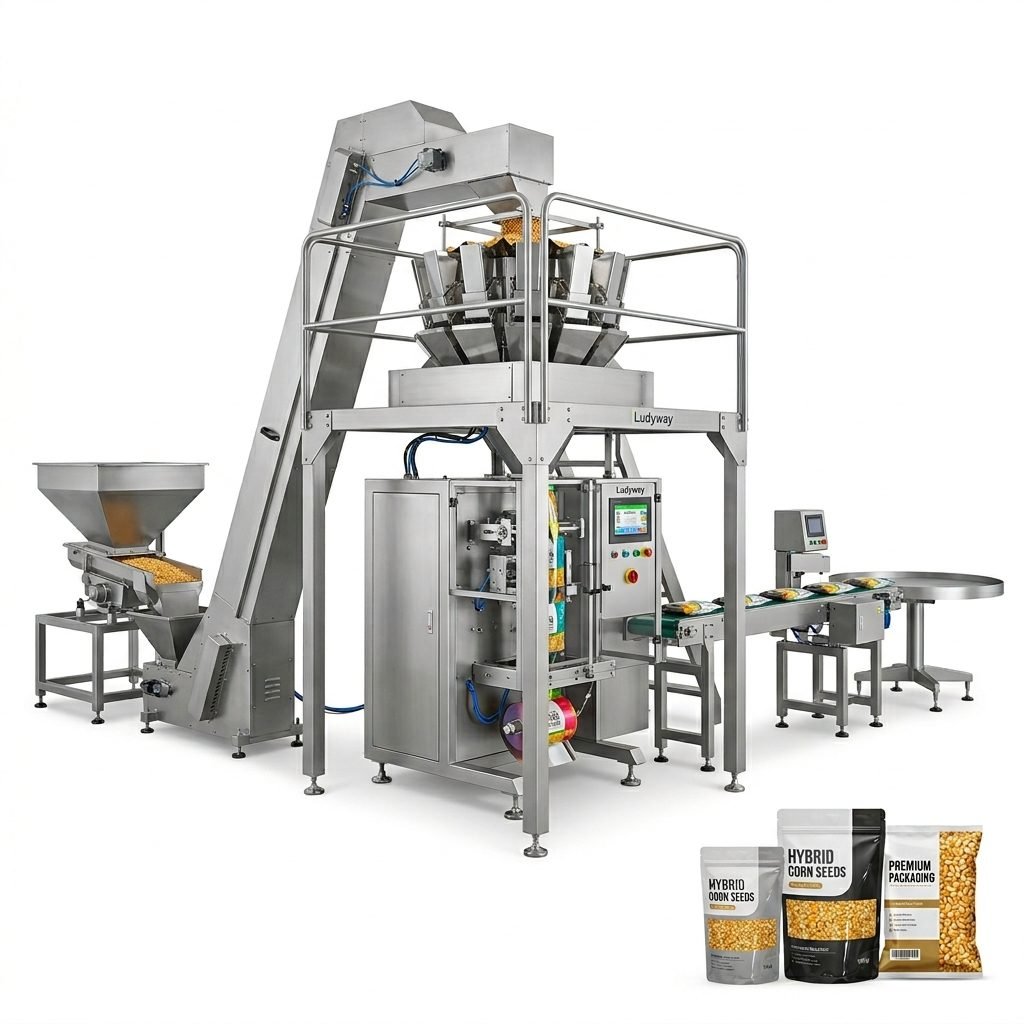
Understanding Your Noodle Packaging Requirements
Before comparing machine specifications, you need to clearly define your production goals. Noodle packaging is not a one-size-fits-all process. The type of noodle you manufacture—whether it’s fresh, fried, steamed, or dried—dictates the packaging format, sealing requirements, and automation level needed. Start by asking these fundamental questions:
- What is the product format: loose noodles, portioned blocks, or single-serve cups?
- What packaging style do you need: pillow bags, gusseted pouches, stick packs, or tray sealing?
- What is your target production speed in packs per minute?
- Do you require modified atmosphere packaging (MAP) or nitrogen flushing for extended shelf life?
- Will the machine handle multiple SKUs with quick changeover capabilities?
Key Types of Noodle Packaging Machines
The market offers several machine configurations tailored to different noodle products. Understanding these categories helps narrow your search to equipment that matches your specific application. The table below summarizes the primary machine types and their typical use cases.
| Machine Type | Best For | Packaging Format | Speed Range |
|---|---|---|---|
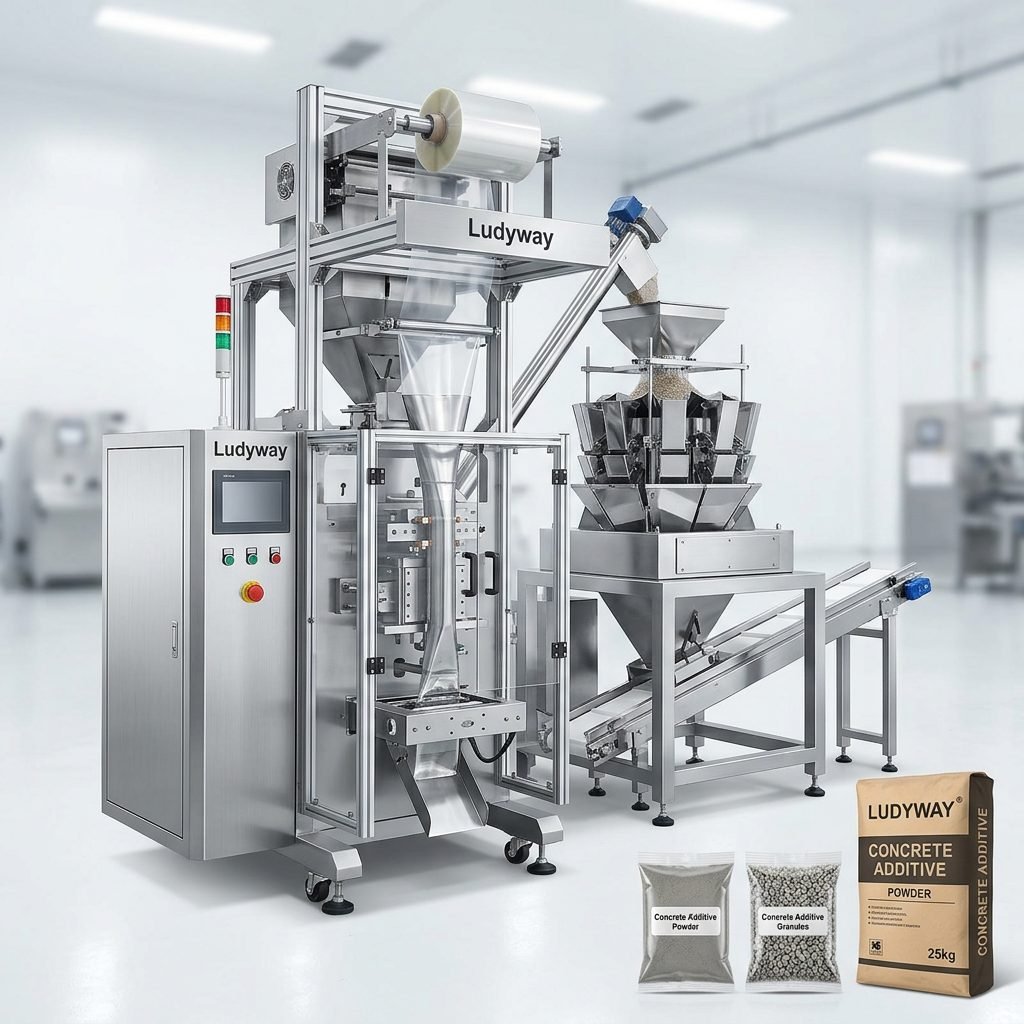
| Vertical Form Fill Seal (VFFS) | Dried noodles, instant noodle blocks | Pillow bags, gusseted bags | 30–150 packs/min |
| Horizontal Form Fill Seal (HFFS) | Fresh noodles, long pasta, individually wrapped portions | Flow wrap, pillow packs | 20–120 packs/min |
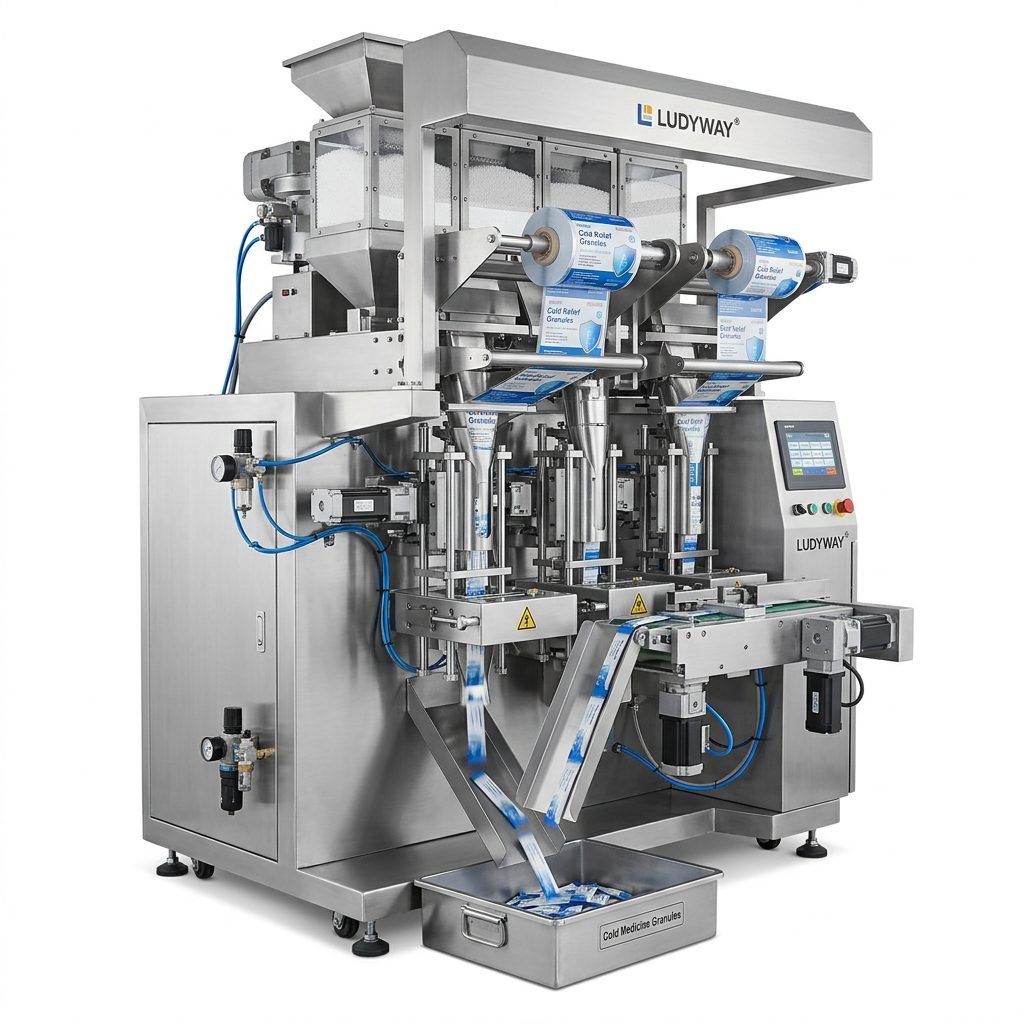
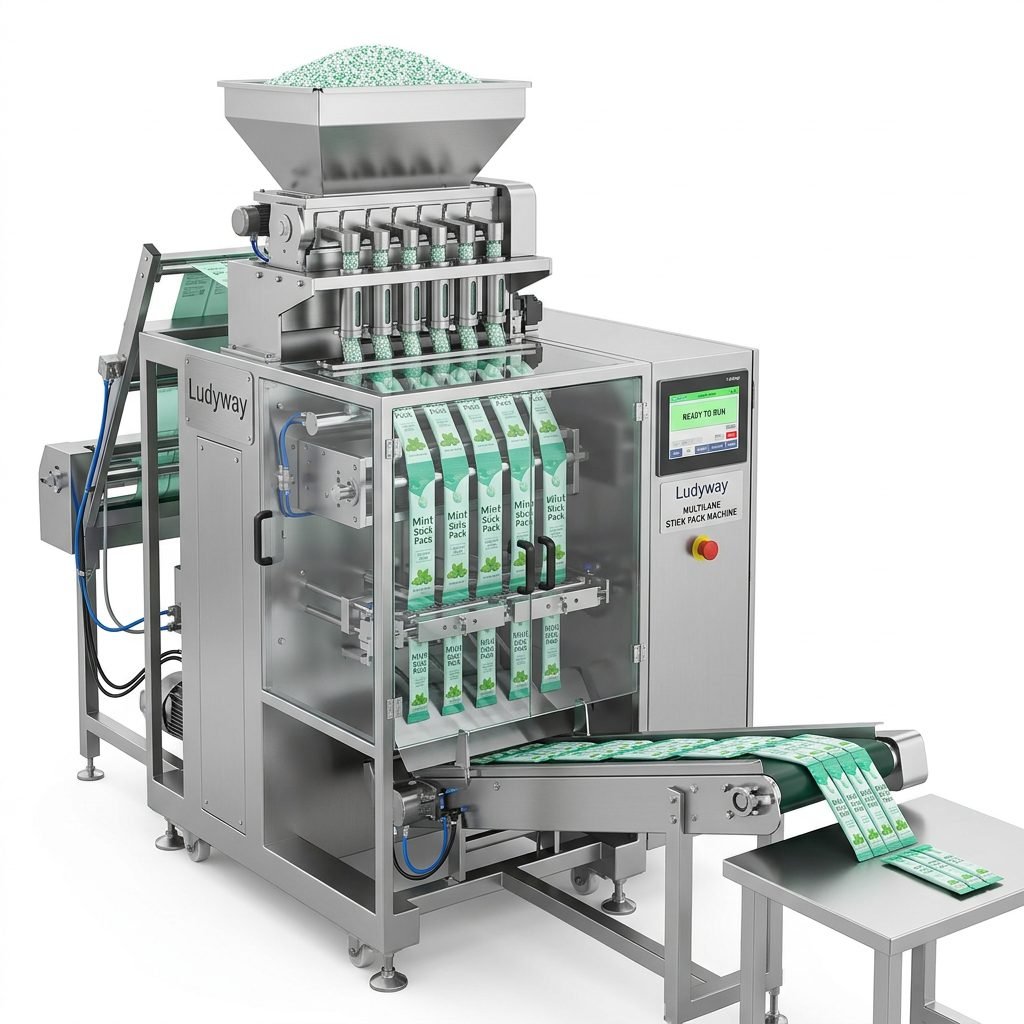
| Multi-Lane Stick Pack Machines | Seasoning packets, single-serve instant noodle portions | Stick packs, sachets | 200–600 packs/min |
| Premade Pouch Packaging Machines | Premium fresh noodles, retort-ready noodle meals | Stand-up pouches, zipper bags, spouted pouches | 30–80 packs/min |
| Tray Sealing Machines | Fresh noodle meal kits, cup noodles | Sealed trays, cups with film lids | 15–60 packs/min |
Material Compatibility and Film Selection
The packaging film you choose directly affects product freshness, barrier properties, and machine performance. Noodle packaging commonly uses multi-layer laminates that combine barrier films, printable surfaces, and sealant layers. Your machine must be compatible with the specific film structure you plan to use. Key film considerations include:
- Barrier requirements: Oxygen and moisture transmission rates suitable for your noodle type
- Seal integrity: Clean, strong seals essential for noodle packages that may contain oil or moisture
- Sustainability goals: Compatibility with recyclable or biodegradable film structures
- Print registration: Precision for branded packaging with eye-catching graphics
For manufacturers exploring flexible packaging industry resources, film selection guidance is available through organizations like the Flexible Packaging Association. Additionally, understanding packaging machinery standards and regulations from PMMI helps ensure your equipment meets current industry benchmarks.
Production Capacity and Speed Requirements
Matching machine speed to your production volumes is essential for avoiding bottlenecks or underutilization. Consider both your current output and projected growth over the next three to five years. A machine that runs comfortably at 70–80% of its maximum rated speed typically delivers the best balance of throughput and reliability.
Small-Scale Production
20–50 packs per minute, suitable for artisanal noodle brands and regional manufacturers entering automated packaging.
Medium-Scale Production
50–120 packs per minute, ideal for established brands with consistent national or regional distribution.
High-Volume Production
120–200+ packs per minute, designed for major manufacturers supplying global markets with continuous 24/7 operation.
Automation Level and Integration Capabilities
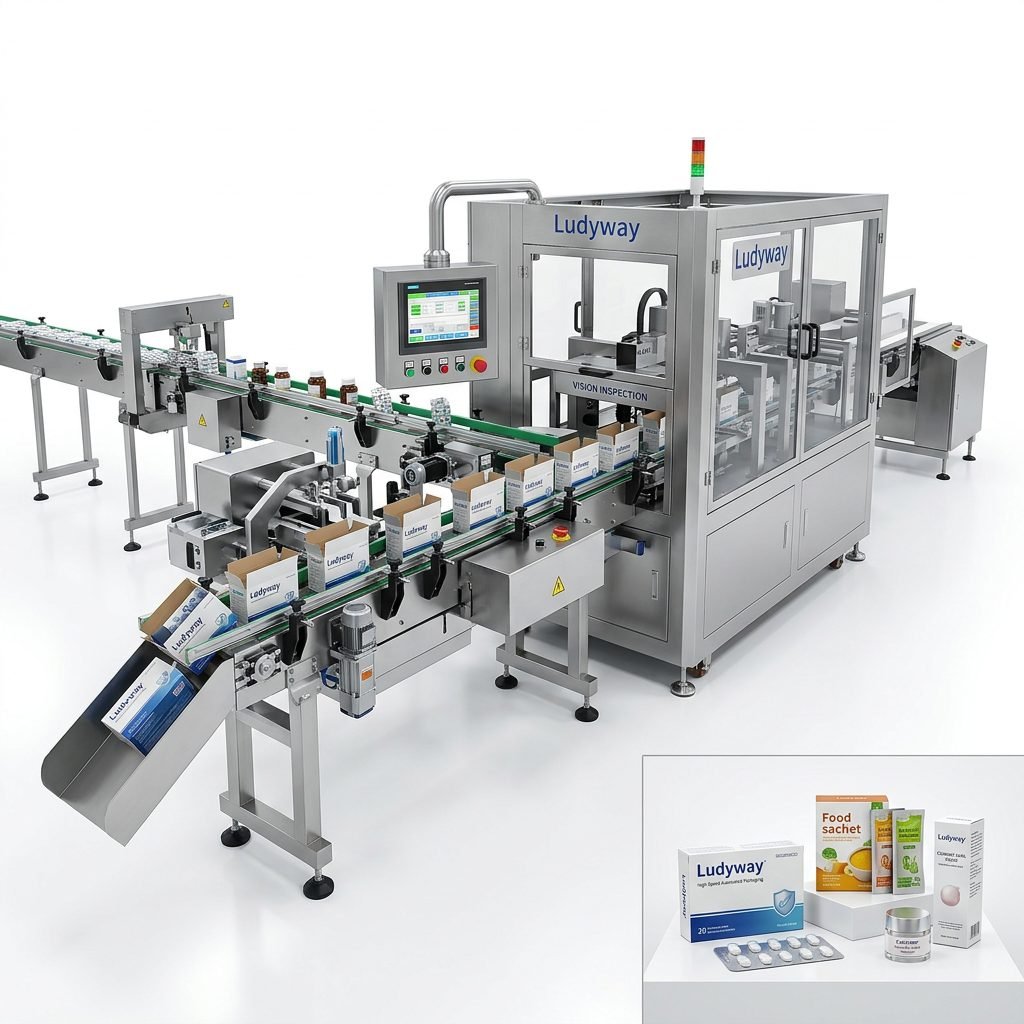
Modern noodle packaging lines can range from semi-automatic systems requiring manual product loading to fully automated turnkey solutions that integrate feeding, filling, sealing, coding, inspection, and cartoning into one seamless operation. When evaluating automation level, consider:
- Labor availability and costs in your production region
- Desired consistency in portion control and seal quality
- Integration with upstream noodle-making and downstream cartoning equipment
- Data connectivity for production monitoring and traceability
Sanitation, Hygiene, and Food Safety Compliance
Noodle packaging equipment must comply with stringent food safety regulations in your target markets. Machines should feature stainless steel construction, tool-free disassembly for cleaning, and design features that prevent product accumulation and contamination. For manufacturers exporting to regulated markets, compliance with FDA food packaging and food contact substances requirements is essential.
Key hygiene features to look for include:
- IP65 or higher washdown-rated electrical components
- Sloped surfaces for effective drainage during cleaning
- Minimal horizontal surfaces where dust or debris can accumulate
- Quick-release parts that enable thorough sanitation between production runs
Budget Considerations and Total Cost of Ownership
The purchase price of a noodle packaging machine is only one component of its total cost of ownership (TCO). Smart buyers evaluate the full lifecycle cost, which includes installation, training, maintenance, spare parts, film consumption, energy usage, and potential downtime. A machine with a higher upfront investment may deliver significantly lower operating costs over its service life.
| Cost Category | Estimated Share of TCO | Key Optimization Strategy |
|---|---|---|
| Machine purchase | 30–45% | Compare features, not just price |
| Packaging film | 35–50% | Minimize film waste and optimize roll widths |
| Maintenance and spare parts | 10–15% | Preventive maintenance schedule |
| Energy and utilities | 3–8% | Energy-efficient motors and drives |
| Operator training and labor | 5–10% | Intuitive controls reduce training time |
Evaluating Machine Suppliers and After-Sales Support
Choosing the right packaging machinery manufacturer is as important as selecting the machine itself. A reliable supplier provides more than equipment—they offer ongoing technical partnership throughout the machine’s lifecycle. When evaluating potential suppliers, consider these factors:
- Industry experience: How long has the manufacturer been producing noodle or food packaging equipment?
- References and case studies: Can they provide examples of successful installations in your product category?
- After-sales support: Do they offer remote troubleshooting, on-site service, and readily available spare parts?
- Customization capabilities: Can they adapt machines to your specific noodle product and packaging format?
- International compliance: Does their equipment meet ISO packaging standards and relevant certifications for your export markets?
For deeper market context, the PMMI State of the Industry reports provide valuable insights into packaging machinery trends, helping you benchmark your investment against broader industry developments.
Customization vs. Standardized Equipment
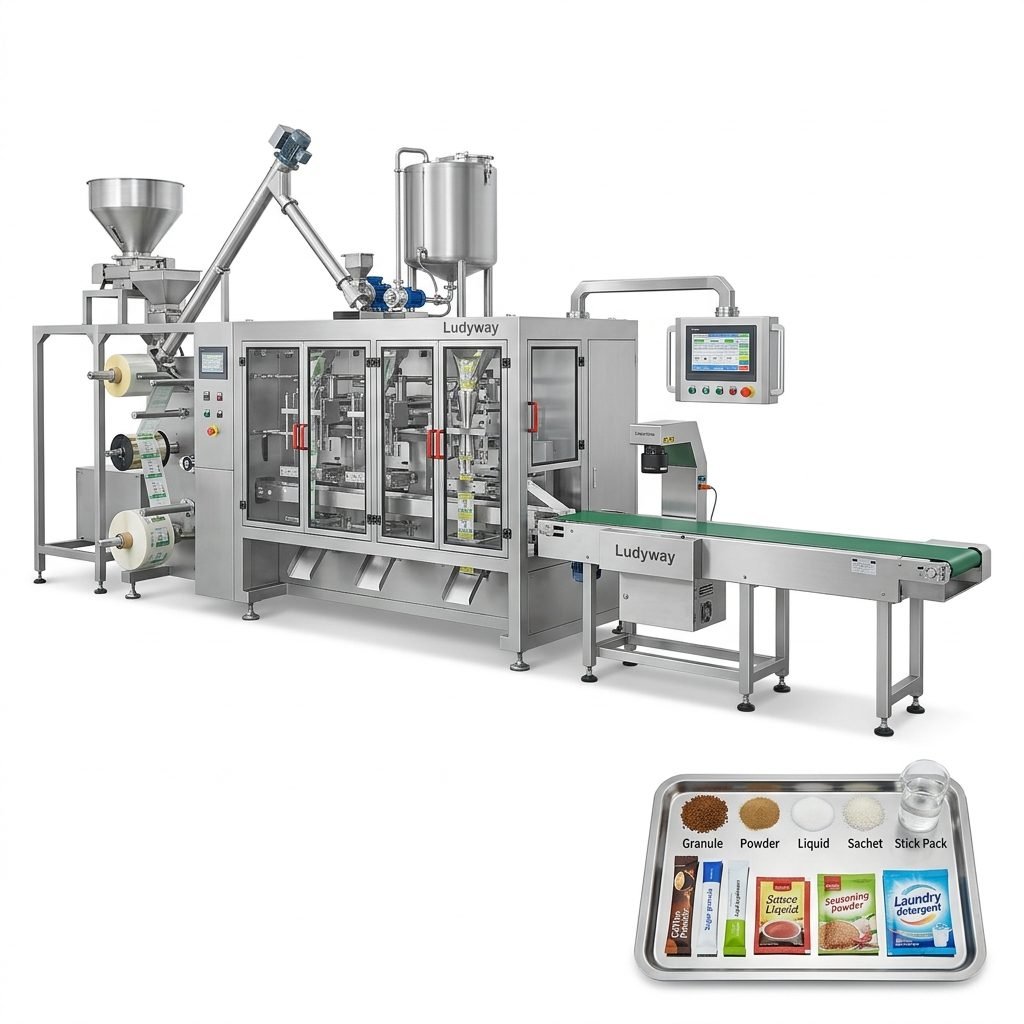
Many noodle manufacturers require customized packaging solutions rather than off-the-shelf machines. Product characteristics such as noodle length, oil content, fragility, and packaging format can all affect the appropriate machine configuration. A manufacturer with strong engineering capabilities can evaluate your specific product and recommend an optimized machine configuration or complete packaging line.

Making Your Final Decision
After evaluating all technical and commercial factors, the final selection of a noodle packaging machine should align with your long-term production strategy. Prioritize equipment that offers operational reliability, scalability, and strong manufacturer support. A well-chosen packaging machine becomes a productive asset that grows with your business, while a poorly matched machine creates ongoing operational challenges.
For manufacturers seeking a comprehensive packaging machinery partner, Ludyway Machinery brings over 30 years of industry experience, a 20,000-square-meter manufacturing facility, and more than 50 packaging machine models designed for diverse food and noodle applications. With customized solutions, global technical support across more than 100 countries, and expertise in turnkey packaging lines, Ludyway helps manufacturers build efficient, automated packaging systems tailored to their products and production goals.
For additional guidance on packaging industry standards, explore resources from PMMI – The Association for Packaging and Processing Technologies and stay informed about packaging and packaging waste regulations that may affect your operations in international markets.