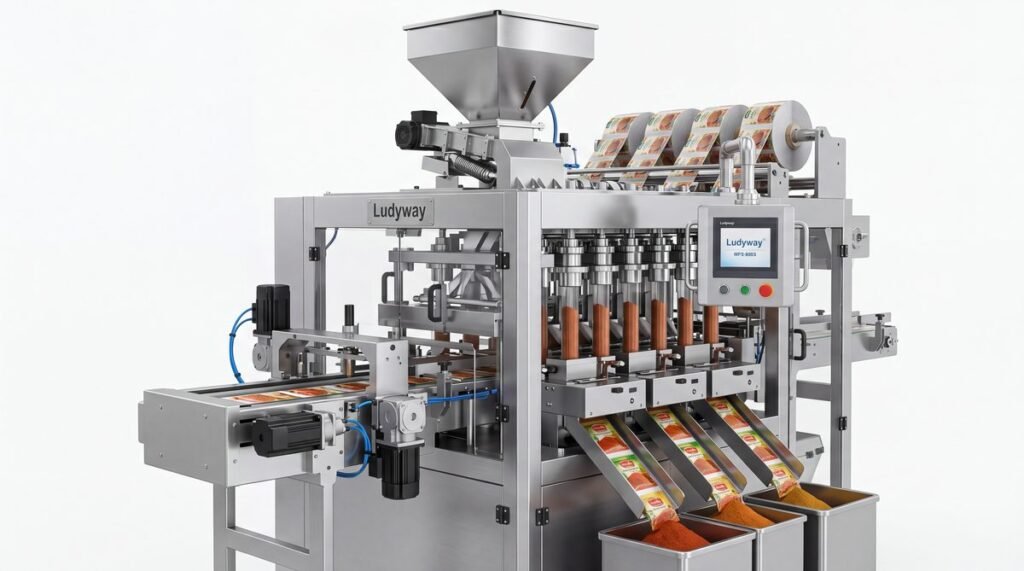
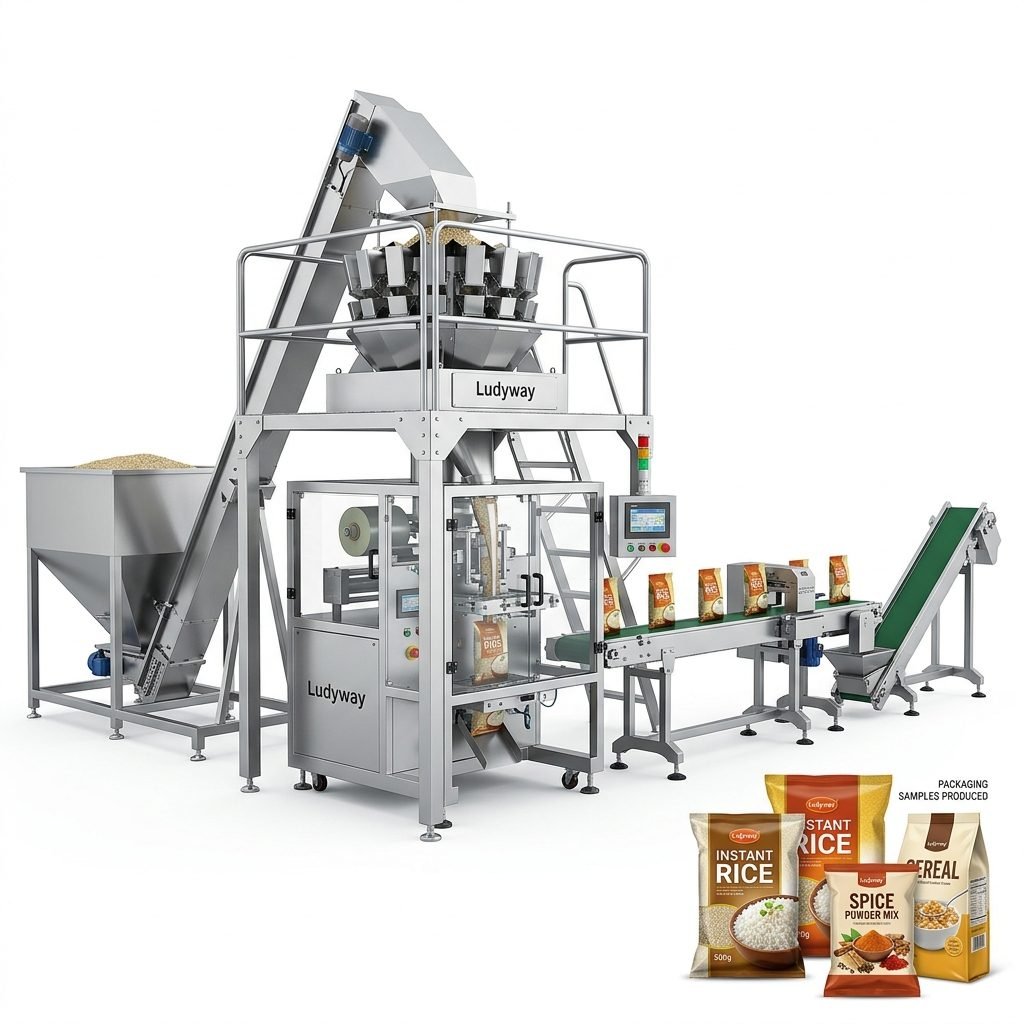
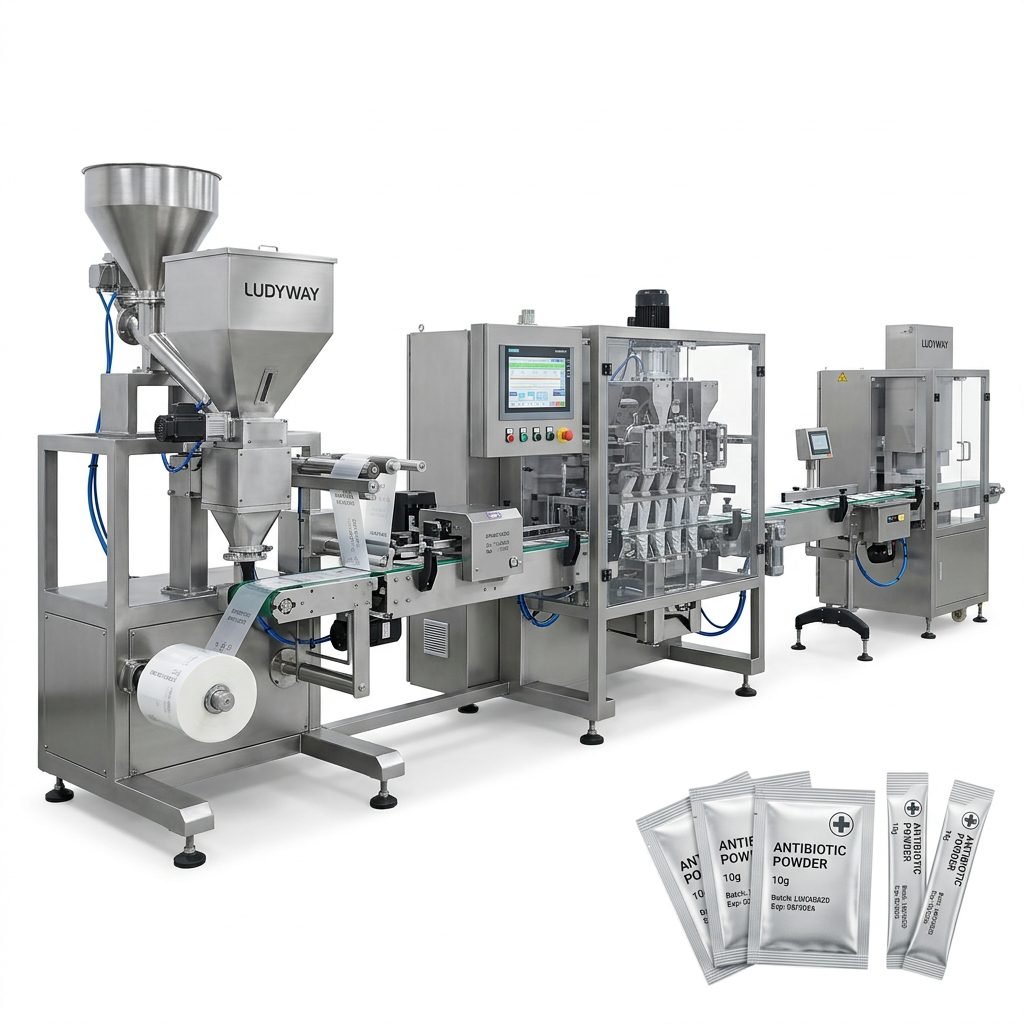
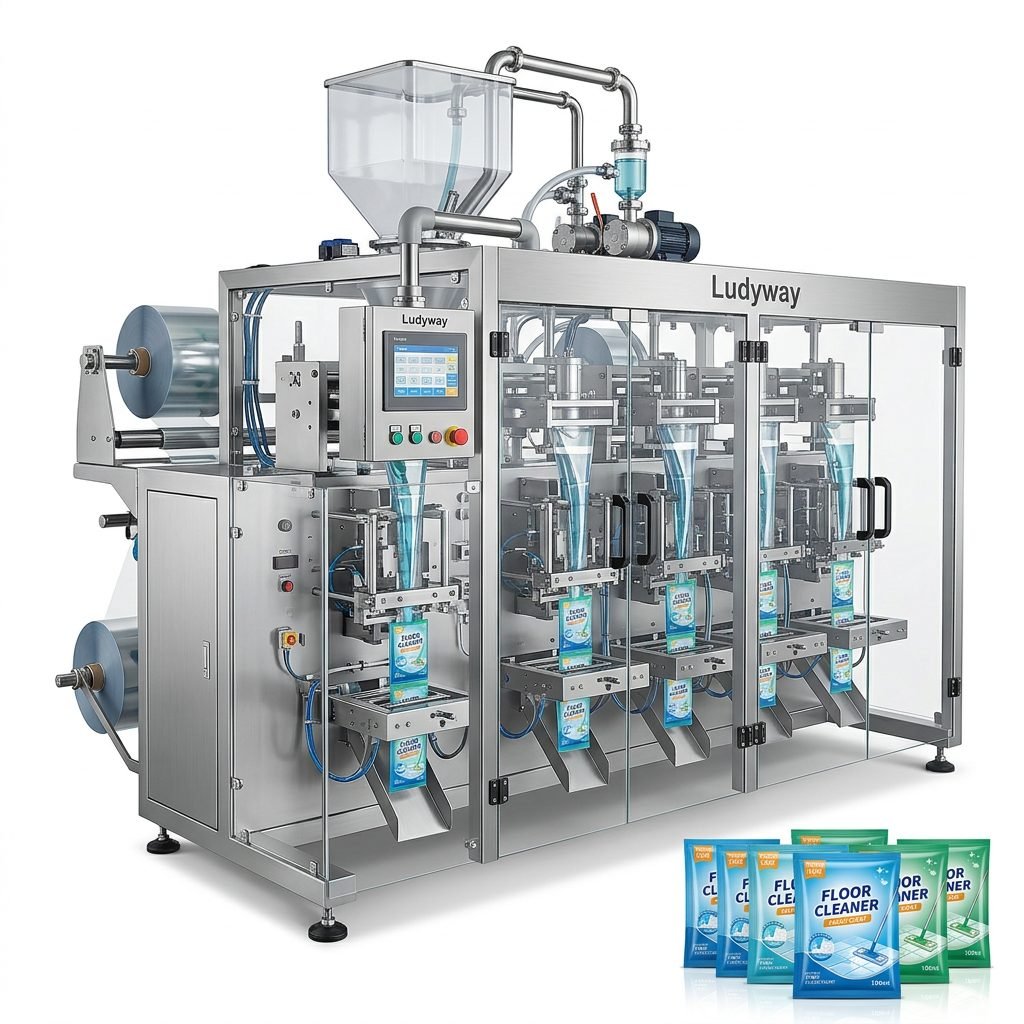
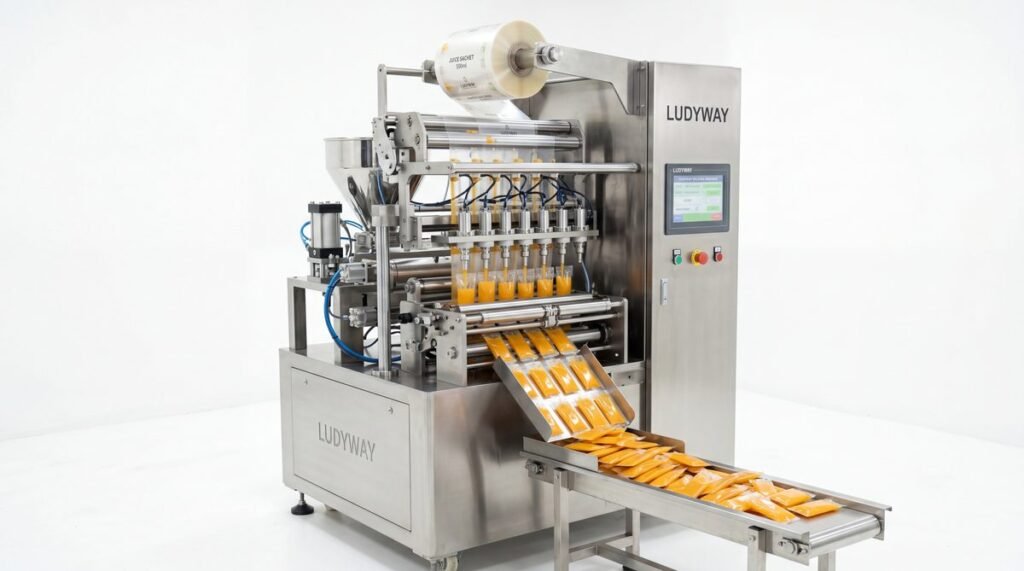
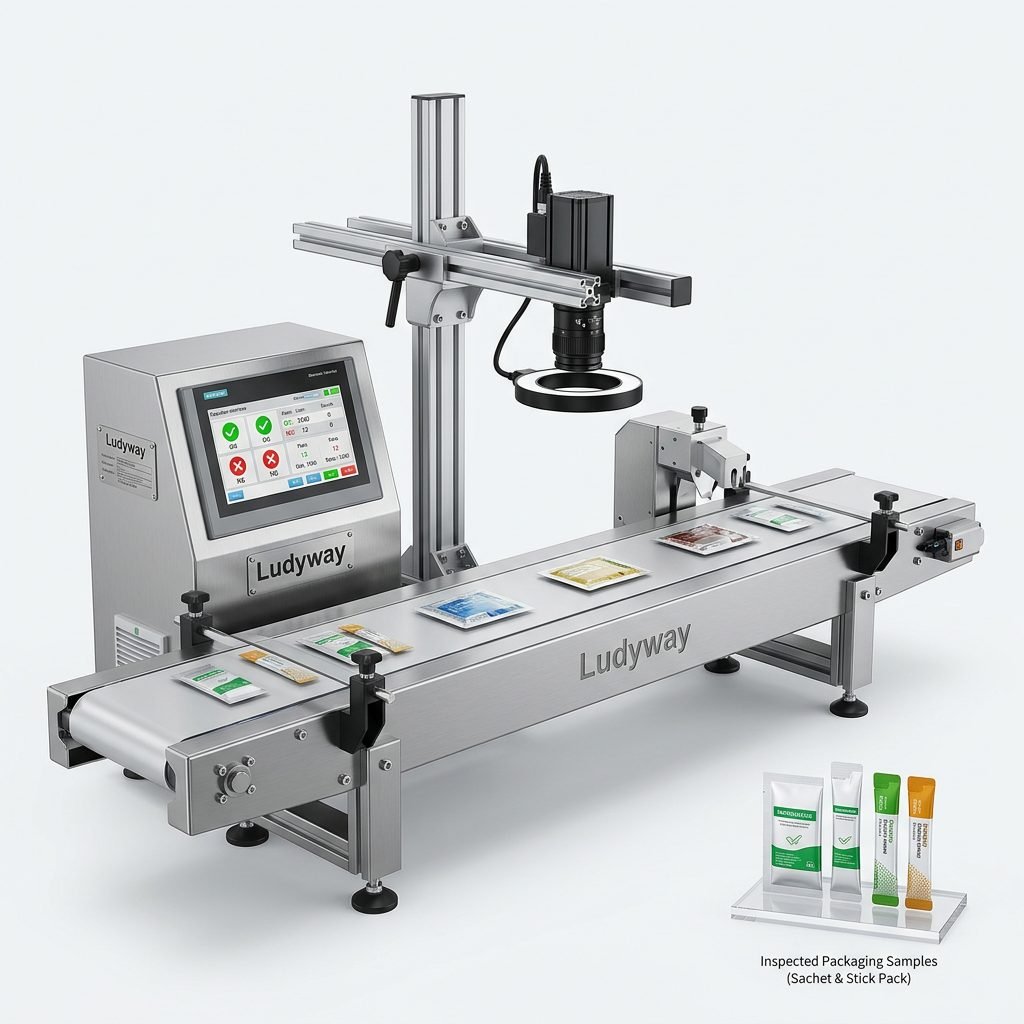
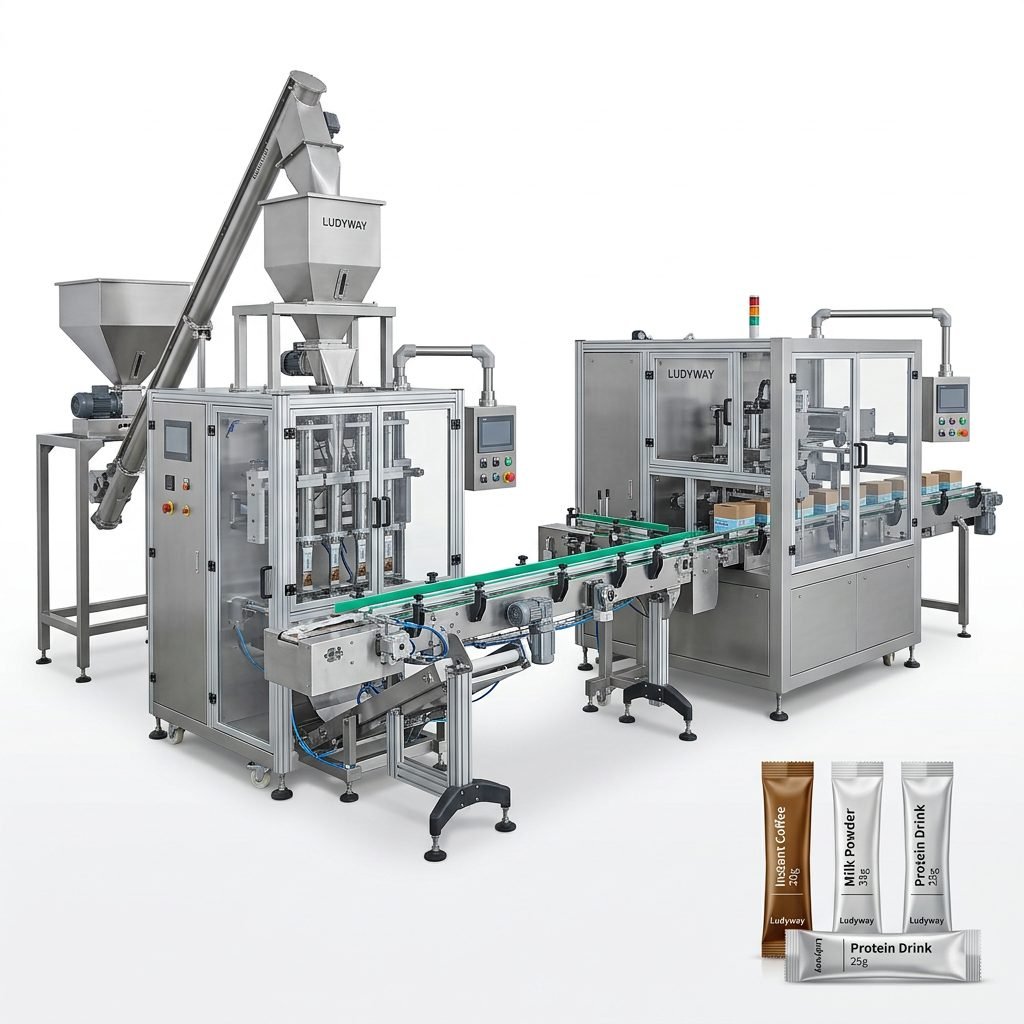
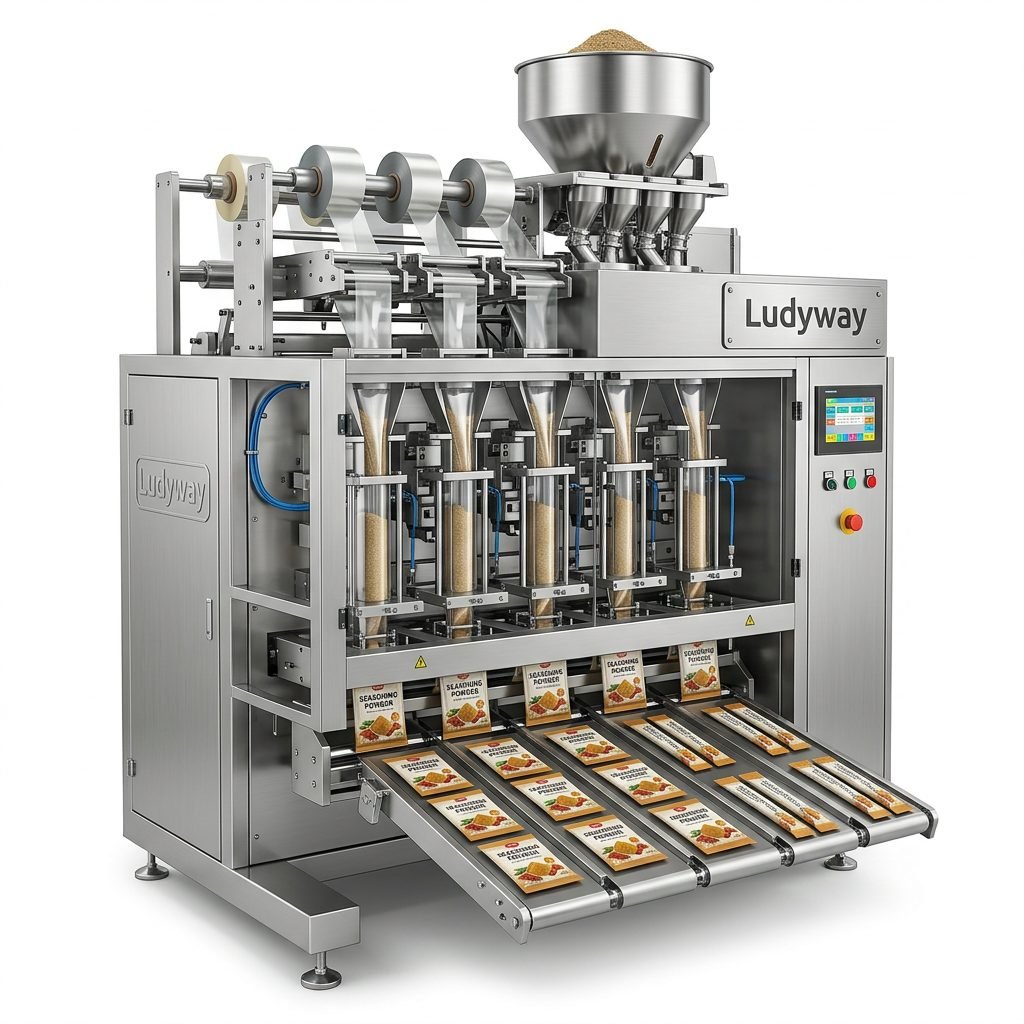
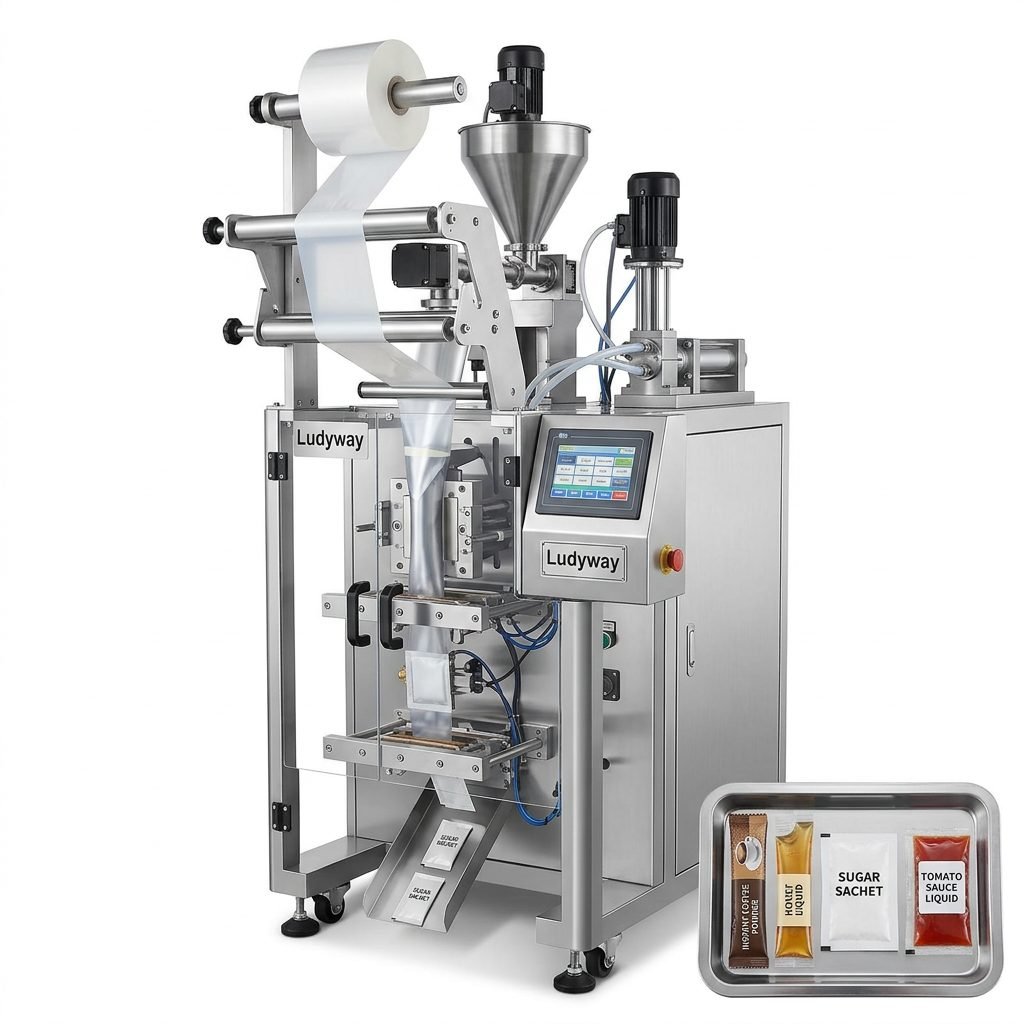
In modern tobacco manufacturing, a cigarette packaging machine plays a vital role in maintaining output, protecting product quality, and supporting brand consistency. As demand rises for faster production, cleaner sealing, better counting accuracy, and more flexible packaging formats, manufacturers increasingly look for automated systems that can keep pace without sacrificing reliability.
High-speed tobacco packaging is no longer only about wrapping products quickly. It now involves precise feeding, pouch or sachet forming, dosing control, sealing integrity, coding, inspection, and end-of-line integration. For tobacco brands, nicotine pouch producers, and smokeless product manufacturers, choosing the right packaging solution can directly affect production costs, labor efficiency, and market responsiveness.
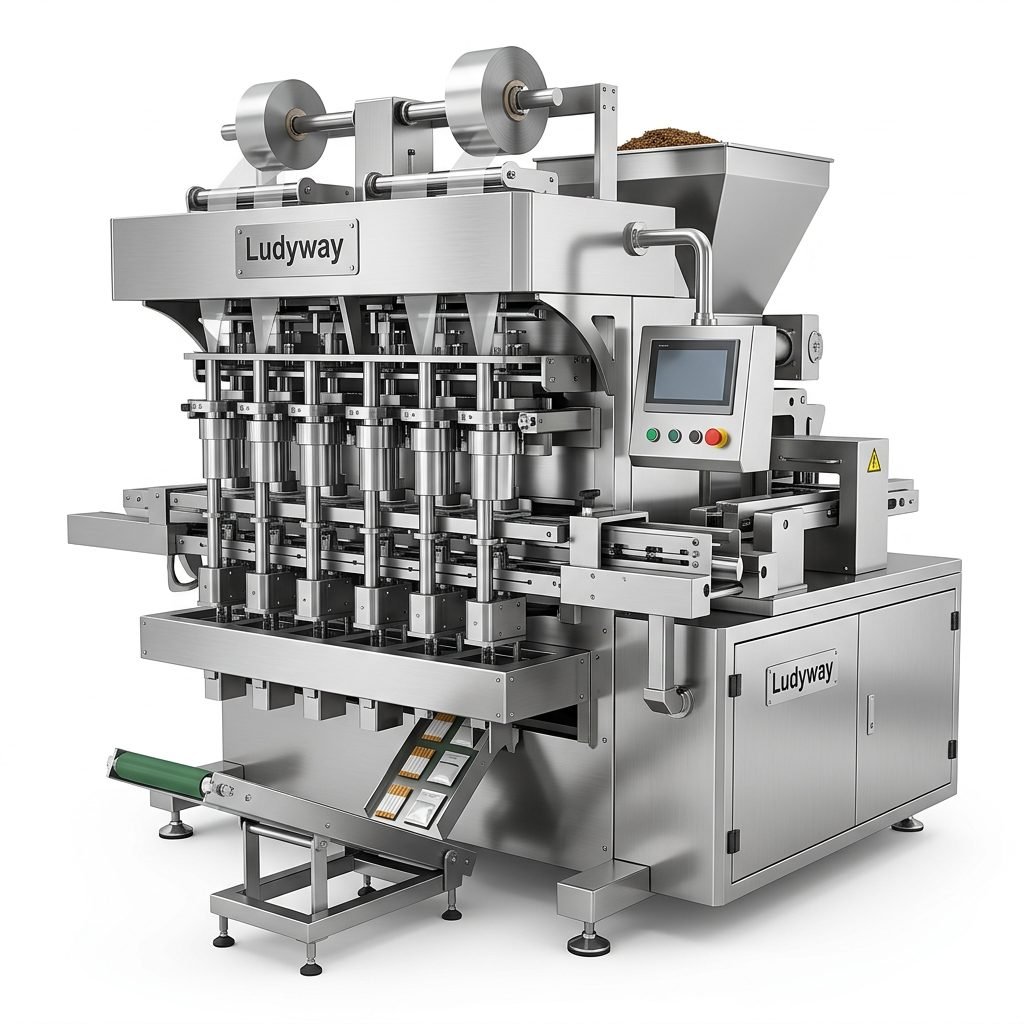
Why High-Speed Cigarette Packaging Machines Matter
The tobacco sector operates in a highly competitive environment where speed, compliance, and packaging consistency are essential. A high-performance packaging machine helps manufacturers reduce downtime, improve pack appearance, and maintain stable production volumes across different product formats.
- Supports continuous, high-volume production
- Improves sealing quality and package uniformity
- Reduces manual handling and labor dependency
- Helps control material waste
- Enables easier integration with coding, inspection, and cartoning systems
- Enhances traceability for regulated tobacco and nicotine products
For factories producing cigarettes, tobacco pouches, oral tobacco, or related smokeless products, automated machinery also improves hygiene control and process repeatability. This becomes especially valuable when product SKUs expand and packaging changes must be completed quickly.
Core Functions of a Cigarette Packaging Machine
A modern machine is designed to handle more than just wrapping. Depending on the application, the system may combine multiple packaging stages into one streamlined process.
Typical functions include:
- Product feeding and orientation
- Counting or dosing control
- Film or pouch material handling
- Forming, filling, and sealing
- Date coding or batch printing
- Weight checking and visual inspection
- Secondary packaging such as cartoning or case packing
For manufacturers handling new tobacco alternatives, multi-lane sachet and pouch packaging systems are increasingly preferred because they deliver fast throughput while allowing compact packaging and flexible retail presentation.
Key Features to Look for in High-Speed Tobacco Packaging Equipment
Not every packaging machine is suitable for tobacco production. The best solution depends on product type, target speed, packaging material, and future expansion plans. Buyers should evaluate both mechanical performance and system flexibility.
| Feature | Why It Matters |
|---|---|
| High-speed servo control | Improves accuracy, synchronization, and packaging consistency |
| Stable sealing system | Helps prevent leakage, loose packs, and material waste |
| Modular design | Allows easier upgrades, maintenance, and line expansion |
| Quick changeover | Reduces downtime between SKUs or packaging sizes |
| Integrated inspection | Improves quality control and compliance support |
| HMI touch interface | Simplifies operation, data settings, and troubleshooting |
Packaging Formats Supported in Tobacco Production
Today’s market requires more than conventional cigarette pack handling. Manufacturers may produce a wider range of tobacco and nicotine-related products, each with different packaging demands. A flexible packaging system can support multiple formats on the same production platform.
- Cigarette stick bundles
- Single-dose sachets
- Small tobacco pouches
- Nicotine pouch packs
- Multi-pack retail units
- Cartoned secondary packaging
This flexibility is especially important for companies that serve both traditional tobacco markets and fast-growing reduced-risk or smokeless segments.
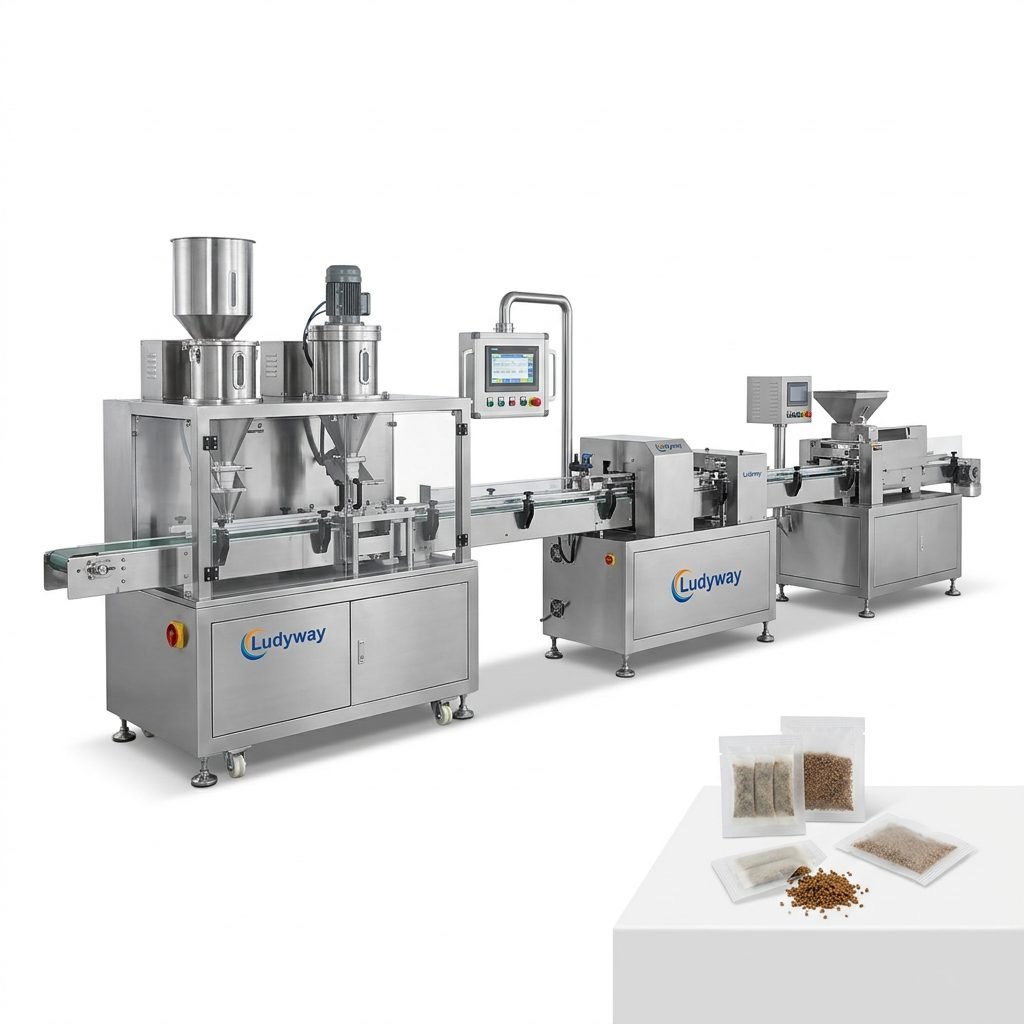
Benefits of Automation in Cigarette and Tobacco Packaging
Automation helps manufacturers achieve predictable output while minimizing production risk. In high-volume environments, even small efficiency gains can produce major long-term savings.
Main operational benefits:
- Higher throughput with less interruption
- More accurate filling and counting
- Lower rejection rates
- Reduced operator error
- Better pack presentation on retail shelves
- Easier connection with upstream and downstream equipment
For producers planning long-term expansion, automated packaging also creates a more scalable production model. Instead of depending heavily on manual packing teams, companies can build standardized output around machine-controlled processes.
How to Choose the Right Cigarette Packaging Machine
Selecting the right machine should start with a clear review of your production goals. The fastest machine is not always the best machine if it cannot match your packaging materials, space layout, or future product strategy.
Important buying considerations:
| Selection Factor | Questions to Ask |
|---|---|
| Product type | Are you packaging cigarettes, tobacco pouches, nicotine products, or mixed formats? |
| Production speed | What is your required output per minute or per shift? |
| Packaging material | Will the machine run your chosen film, laminate, or pouch material reliably? |
| Line integration | Do you need cartoning, labeling, coding, or palletizing integration? |
| Maintenance support | Is technical service and spare parts support available for long-term operation? |
| Customization | Can the supplier tailor the machine to your packaging workflow? |
Why Turnkey Packaging Lines Are Growing in Demand
Many tobacco businesses no longer want a standalone machine only. They prefer a complete packaging line that includes feeding, filling, sealing, coding, checking, cartoning, and end-of-line handling. This integrated approach helps reduce compatibility problems between machines from multiple vendors.
A turnkey solution can offer:
- Unified automation control
- Better floor space planning
- Faster installation and commissioning
- Simplified training for operators
- More stable line-wide performance
For buyers seeking complete automation, Ludyway cigarette packaging machine solutions are often considered for high-speed packaging projects thanks to broad equipment coverage, turnkey line capability, and over 30 years of packaging machinery experience.
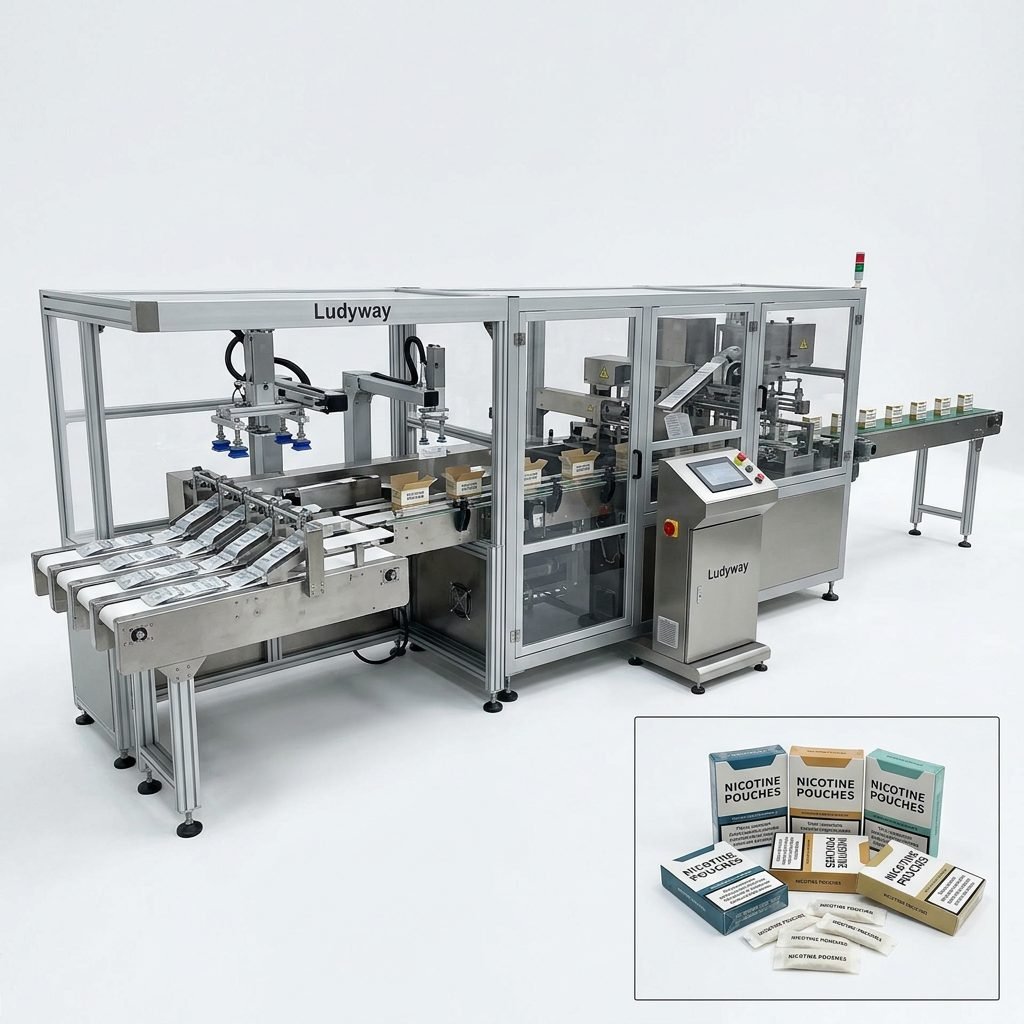
Industry Trends Shaping Tobacco Packaging Machinery
The packaging machinery market for tobacco products is evolving quickly. Equipment buyers are paying closer attention to flexibility, digital control, and regulatory readiness.
Current trends include:
- More demand for nicotine pouch and smokeless product packaging
- Higher use of servo-driven systems for precise motion control
- Integrated inspection systems for coding and seal verification
- Compact line layouts for efficient factory utilization
- Customized automation for brand-specific pack styles
- Data-enabled machines for production monitoring and maintenance planning
These trends show that packaging machinery is becoming a strategic investment rather than just a production tool. The right solution supports not only current demand, but also future product diversification.
Common Challenges and How the Right Machine Solves Them
Tobacco manufacturers often face issues such as inconsistent pack quality, film tracking problems, inaccurate feeding, or slow manual changeovers. A well-designed system addresses these pain points through better engineering and automation.
| Challenge | Machine Solution |
|---|---|
| Low packaging speed | High-speed servo and multi-lane automation |
| Seal inconsistency | Precision temperature and pressure control |
| Frequent downtime | Stable mechanical structure and easier maintenance access |
| Product variation | Custom tooling and fast changeover design |
| Labor inefficiency | Automated feeding, filling, and secondary packaging |
Maintenance Tips for Long-Term Machine Performance
Even the best cigarette packaging machine requires proper maintenance to keep operating at peak efficiency. Preventive maintenance lowers the risk of unexpected stoppages and helps preserve packaging quality over time.
- Inspect sealing components regularly
- Clean feeding and product contact areas on schedule
- Check servo calibration and synchronization
- Monitor wear parts and replace them before failure
- Keep spare parts and critical consumables in stock
- Train operators on startup, shutdown, and changeover procedures
A supplier with strong after-sales service can make a major difference here, especially for export markets where uptime is critical and technical assistance must be reliable.
Final Thoughts on Efficient High-Speed Tobacco Packaging
An advanced cigarette packaging machine helps tobacco and nicotine product manufacturers improve production speed, reduce operating costs, and deliver more consistent packaging results. Whether the goal is faster cigarette pack handling, flexible tobacco pouch filling, or complete turnkey packaging automation, the right system should combine speed, stability, flexibility, and integration capability.
As the market continues moving toward smarter and more diversified packaging, investing in reliable high-speed equipment is one of the most effective ways to build long-term production efficiency and competitive strength.