Selecting the right packaging machine is a critical decision for manufacturers in Antigua and Barbuda. Whether you operate in the food processing sector, pharmaceutical production, or the growing health and wellness market, the equipment you choose directly impacts productivity, product quality, and operational costs. With the twin-island nation’s strategic position in the Caribbean, businesses increasingly need efficient, reliable, and versatile packaging solutions to serve both local demand and export opportunities.

Understanding Your Product Characteristics
Before investing in a packaging machine, you must thoroughly analyze your product’s physical properties. Different materials require different handling systems, and mismatched equipment can lead to costly downtime and product waste.
Key Product Attributes to Evaluate
- Physical state: Is your product a granule, powder, liquid, paste, or solid? Free-flowing granules like sugar behave differently from cohesive powders like flour or sticky pastes like honey.
- Flow characteristics: Some materials bridge or clog in hoppers, requiring specialized feeding mechanisms such as auger fillers or vibratory trays.
- Moisture sensitivity: Products like dried herbs or pharmaceutical powders may require moisture-barrier packaging and nitrogen flushing systems.
- Particle size distribution: Consistent particle size ensures accurate dosing; irregular sizes may need volumetric or multi-head weigher systems.
- Hygroscopic nature: Products absorbing moisture from the air demand sealed packaging environments and rapid processing speeds.
Choosing the Right Packaging Format for Your Market
In Antigua and Barbuda, the packaging format you select should align with consumer preferences, retail requirements, and distribution channels. The local market values convenience, portion control, and extended shelf life, especially for products destined for the tourism and hospitality sectors.
| Packaging Format | Best Suited Products | Machine Type Recommendation |
|---|---|---|
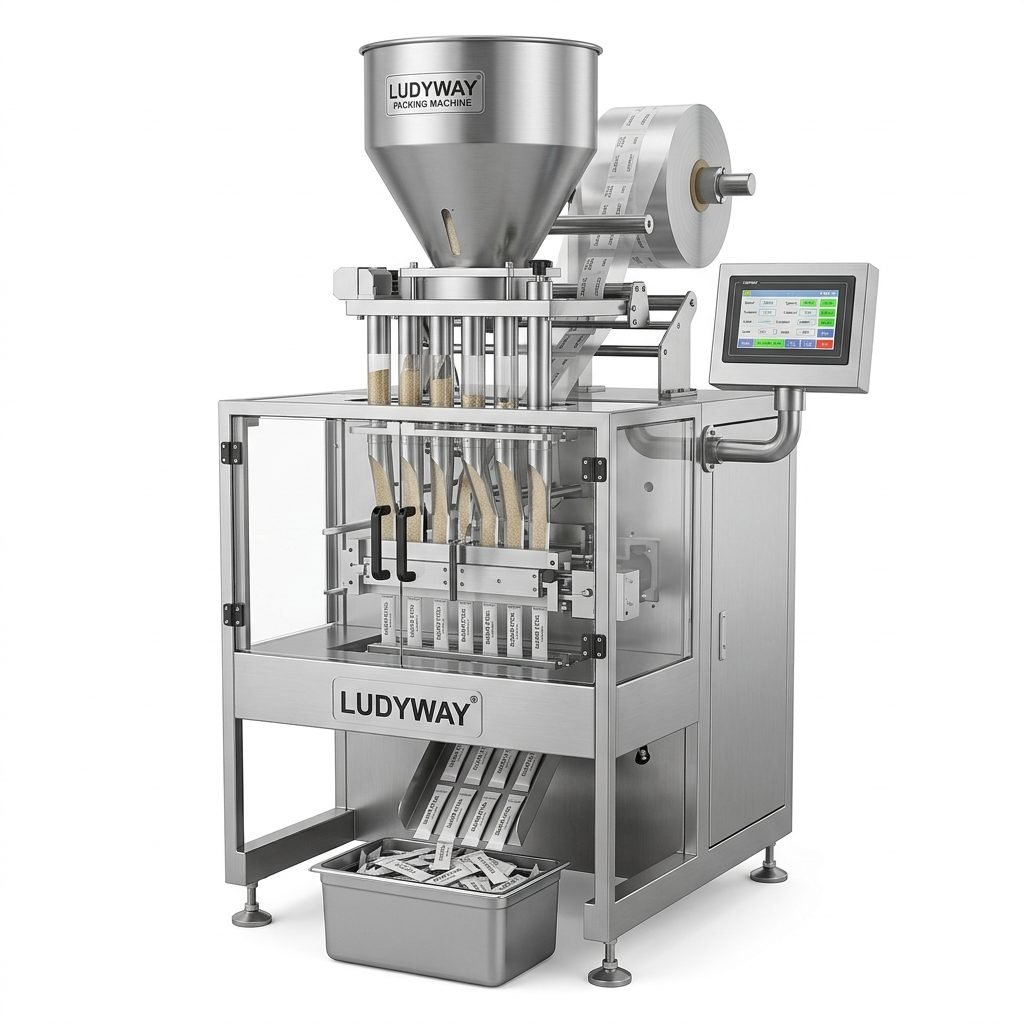
| Stick Packs | Instant coffee, sugar, drink powders, supplements | Multi-lane stick pack machine |
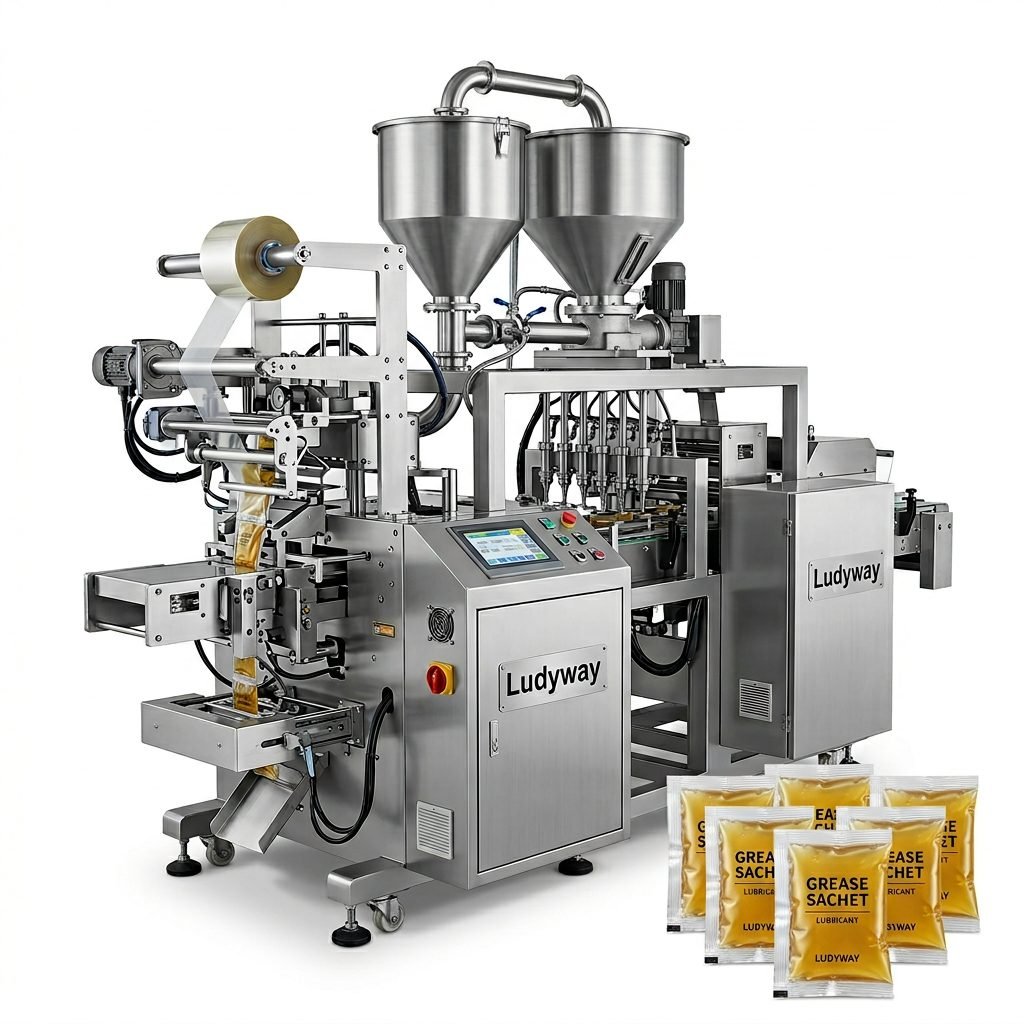
| Sachets | Sauces, condiments, shampoo, lotions, spices | Multi-lane sachet packaging machine |
| Pouches | Pet food, frozen seafood, bulk grains, detergents | Premade pouch packaging machine |
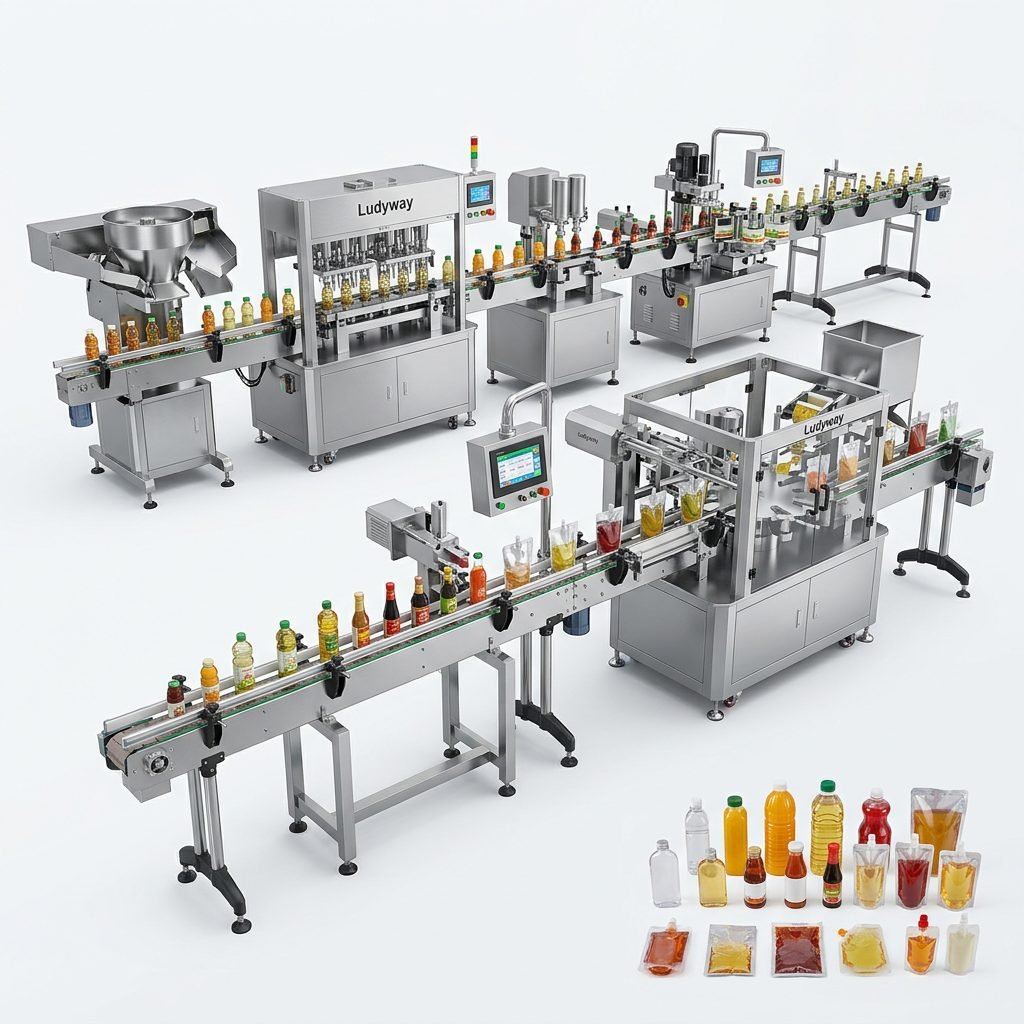
| Bottles & Vials | Liquid pharmaceuticals, syrups, serums, oils | Liquid filling and capping line |
| Bulk Bags | Fertilizers, animal feed, construction chemicals | Big bag weighing and filling line |
Multi-Lane Technology for Higher Throughput
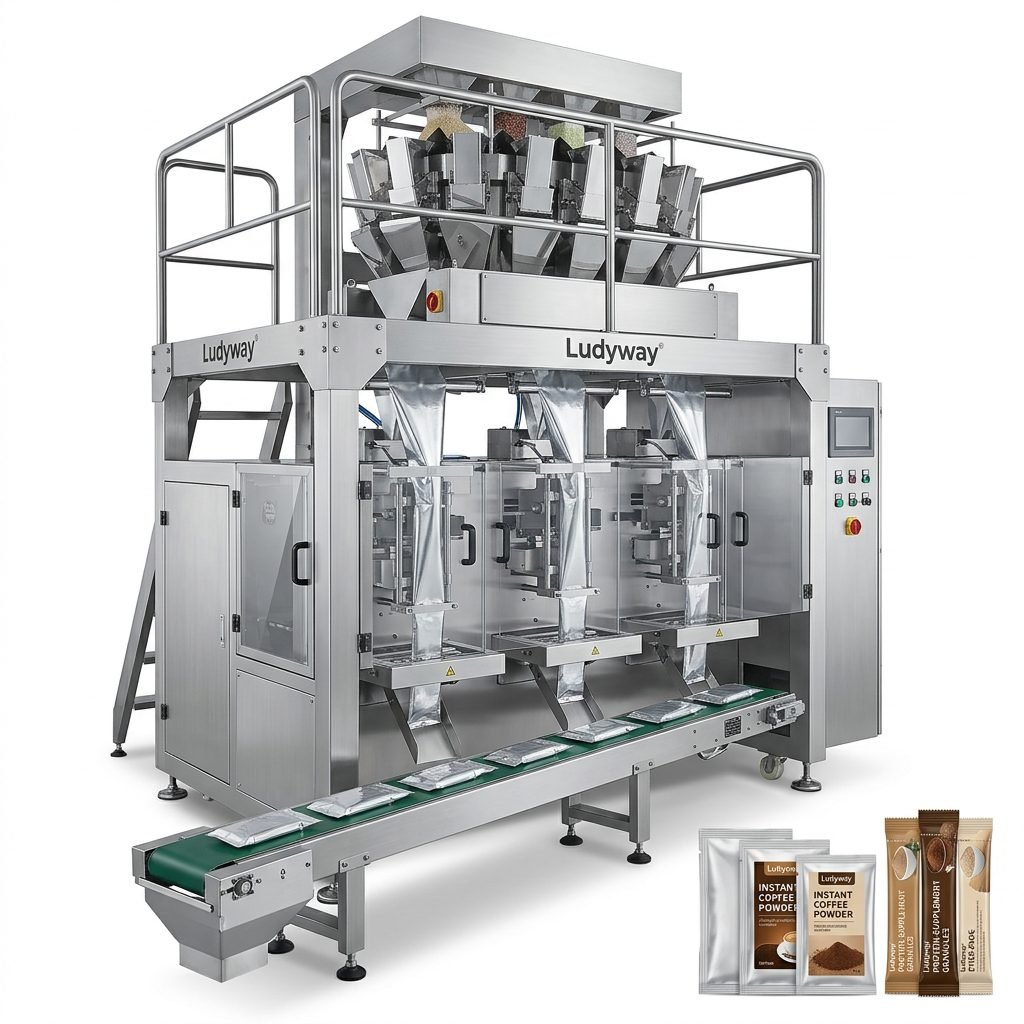
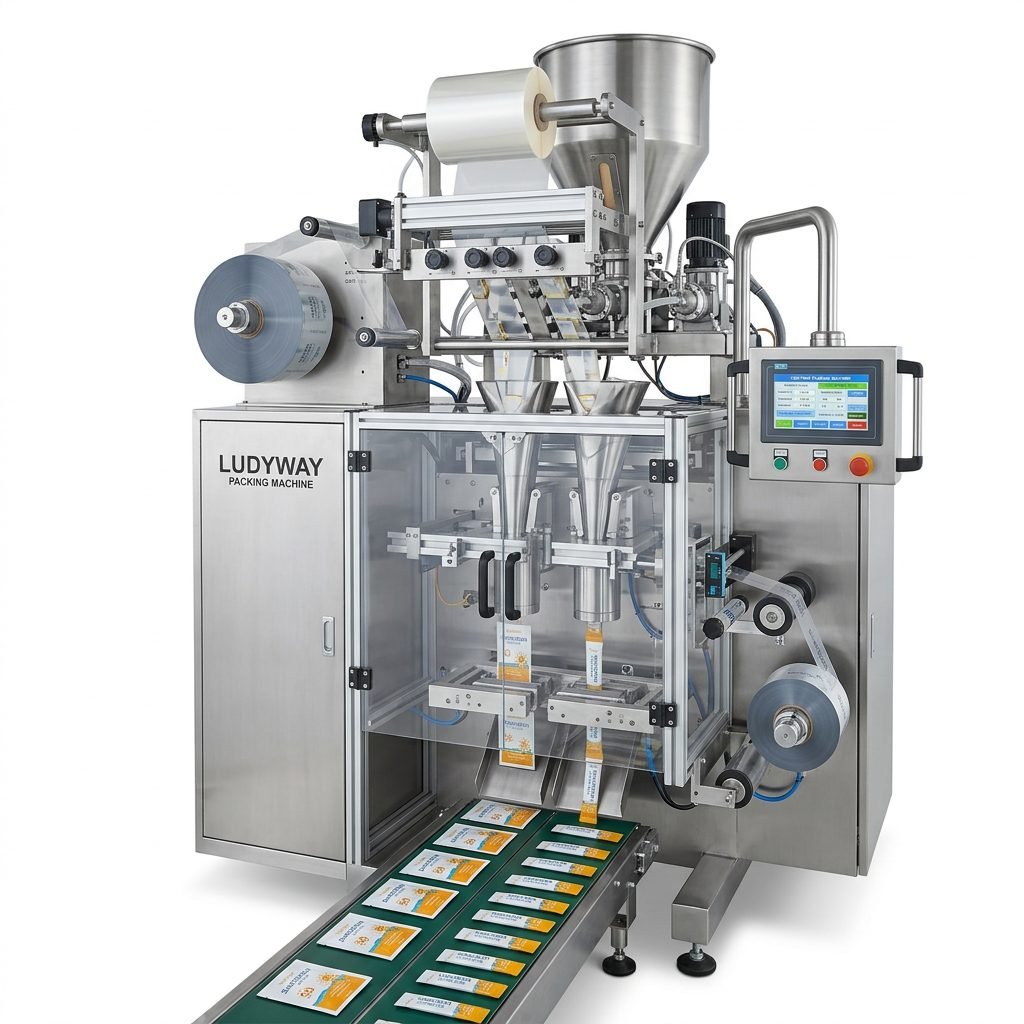
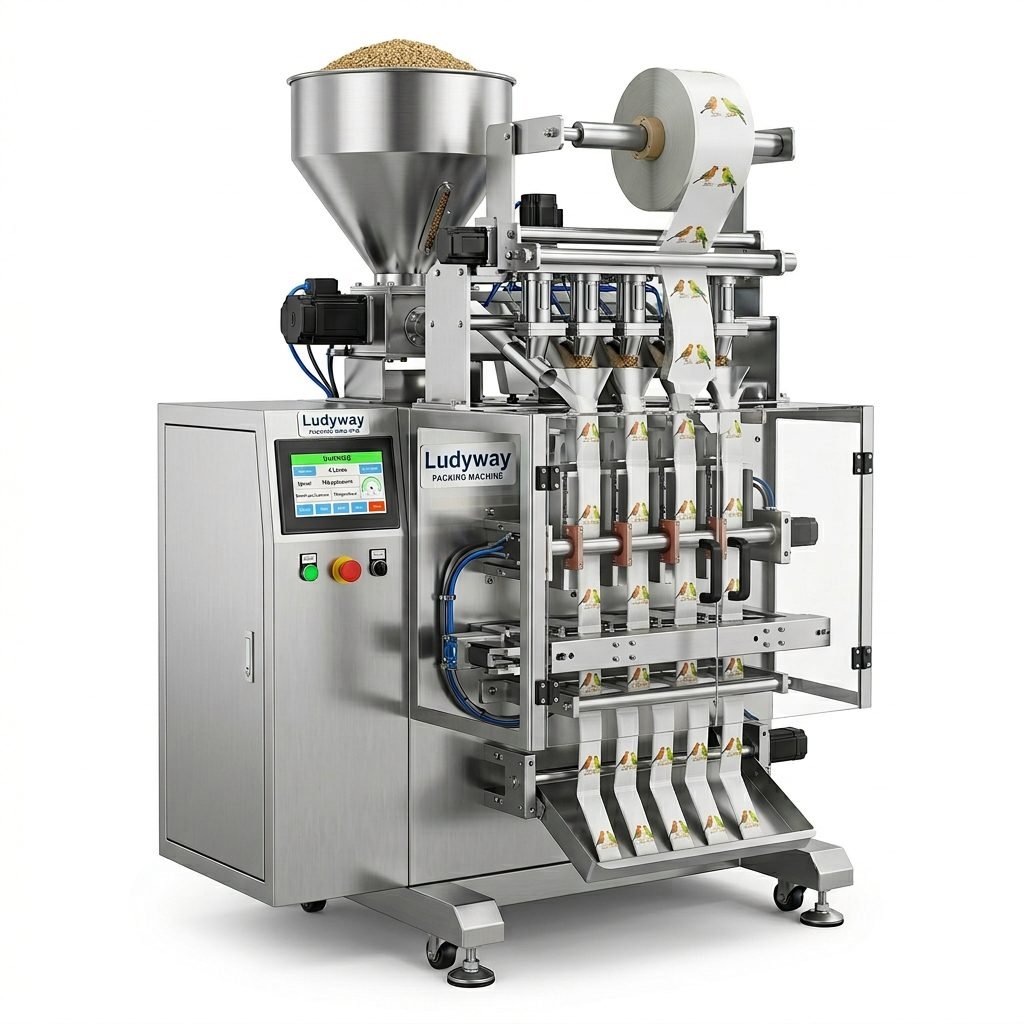
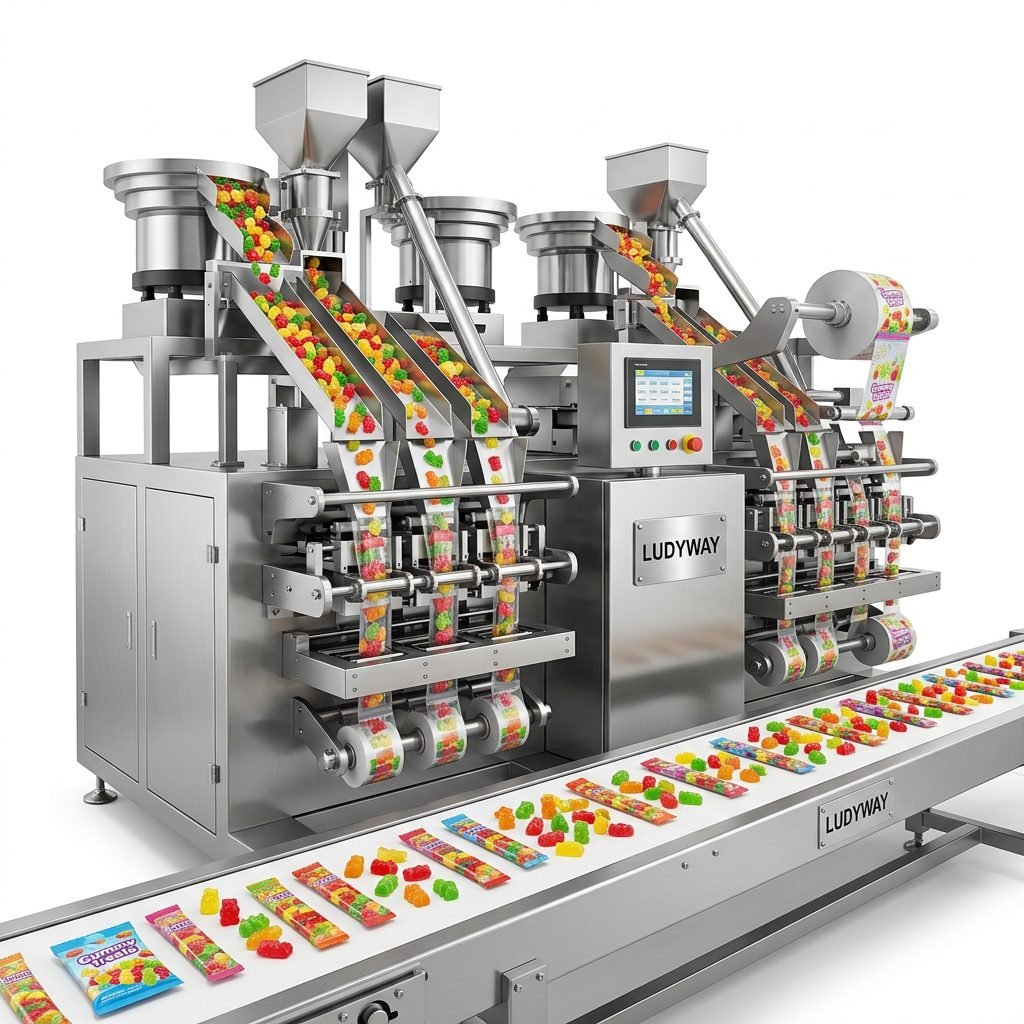
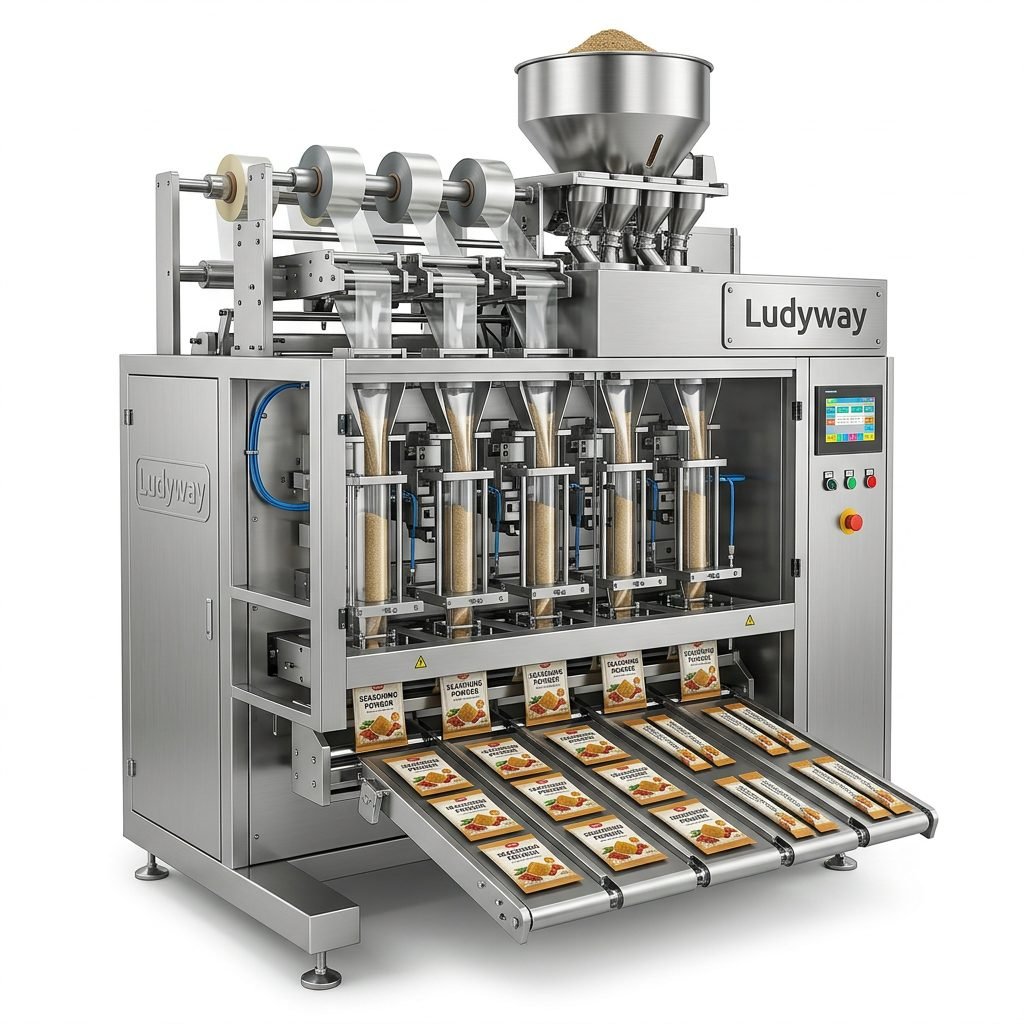
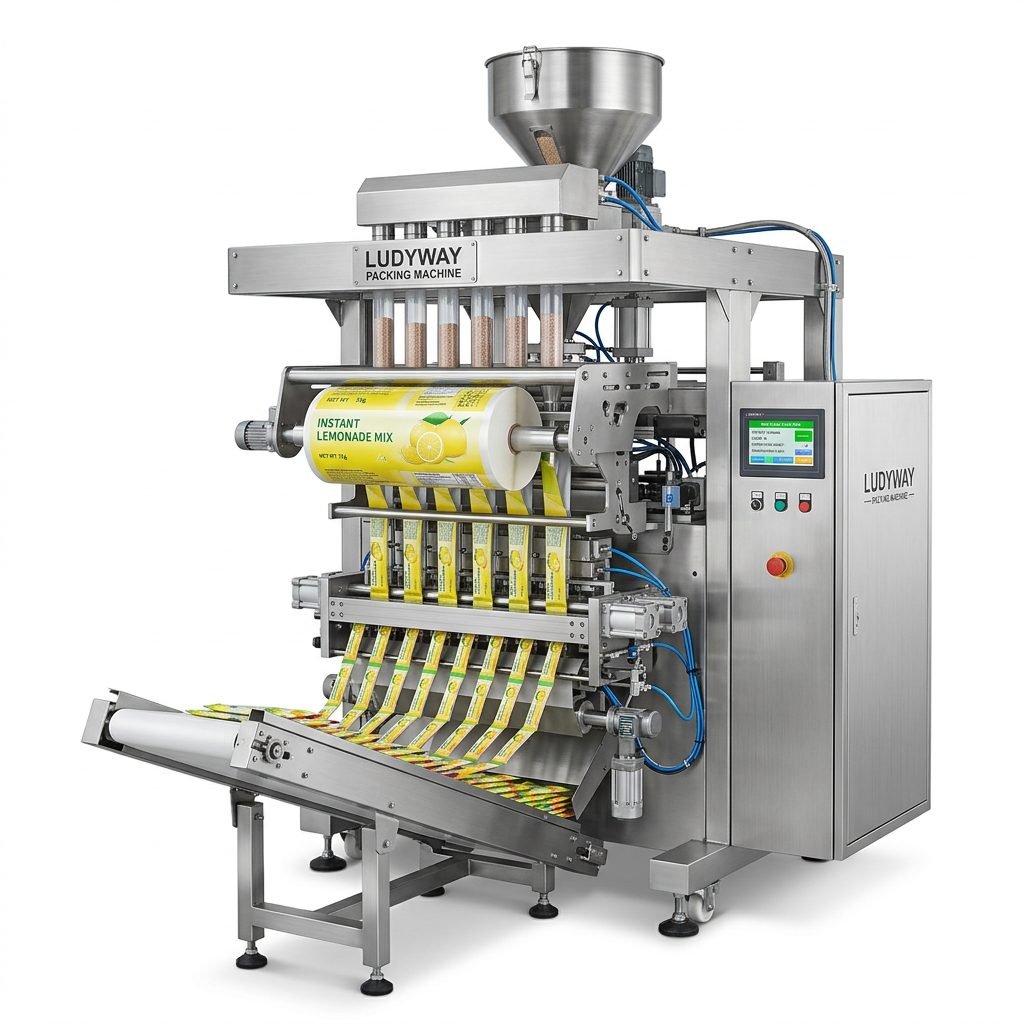
For businesses scaling production, multi-lane packaging machines offer significant advantages. These systems run multiple filling lanes simultaneously, dramatically increasing output without proportionally increasing floor space or labor requirements. A 10-lane stick pack machine, for instance, can produce several hundred packs per minute, making it ideal for high-demand products like sugar, salt, or instant beverage powders distributed across the Caribbean region.
Evaluating Machine Specifications and Features
When comparing packaging equipment suppliers, focus on the specifications that directly affect your production goals and compliance requirements in Antigua and Barbuda. Pay close attention to the following critical parameters:
Speed and Output Capacity
- Determine your current and projected production volumes. A machine operating at 80% of its maximum speed typically provides reliable long-term performance.
- Consider seasonal demand fluctuations, especially for products serving the tourism industry during peak seasons from December to April.
- Look for machines with adjustable speed controls to accommodate different product types and packaging sizes.
Filling Accuracy and Consistency
Accurate filling is essential for regulatory compliance, cost control, and customer satisfaction. Overfilling leads to product giveaway and reduced profit margins, while underfilling can result in penalties and brand damage. Modern packaging machines employ servo-driven dosing systems, multi-head weighers, or precision auger fillers to maintain tight tolerances, often within ±0.5% to ±1% of target weight.
Material Compatibility and Changeover Efficiency
- Film materials: Ensure the machine handles your chosen packaging substrates—aluminum foil, polypropylene, polyethylene, paper laminates, or biodegradable films suitable for tropical climates.
- Quick changeover: Machines with tool-less change parts and recipe memory functions reduce downtime between product runs, a crucial feature for contract packagers serving multiple clients.
- Sealing integrity: In humid coastal environments like Antigua, hermetic sealing with consistent temperature control prevents moisture ingress and extends shelf life.
Local Environmental Considerations for Antigua and Barbuda
The tropical maritime climate of Antigua and Barbuda presents unique challenges for packaging operations. High humidity, salt-laden air, and elevated ambient temperatures can affect both machine performance and product stability.
Climate-Adapted Machine Features
- Corrosion-resistant construction: Prioritize machines with stainless steel frames and components (304 or 316 grade) to withstand salty coastal air and frequent wash-downs in food and pharmaceutical facilities.
- Climate-controlled electrical cabinets: Enclosures with appropriate IP ratings (minimum IP54, preferably IP65) protect sensitive electronics from humidity and dust.
- Moisture management: Integrated dehumidification or nitrogen flushing systems protect hygroscopic products during the packaging process.
- Temperature-resistant sealing: Sealing jaws with precise temperature controllers compensate for ambient heat variations, ensuring consistent seal quality year-round.
Assessing Supplier Capabilities and Support
Purchasing a packaging machine is a long-term investment that extends well beyond the initial transaction. The quality of supplier support significantly influences your total cost of ownership and operational continuity, especially for businesses in Antigua and Barbuda where local technical support may be limited.
Critical Supplier Evaluation Criteria
| Evaluation Area | What to Look For |
|---|---|
| Technical Support | Remote diagnostics, video-assisted troubleshooting, multilingual support teams |
| Spare Parts Availability | Global shipping capability, comprehensive spare parts lists, recommended critical spares inventory |
| Installation & Training | On-site or remote installation guidance, operator training programs, detailed documentation |
| Warranty & After-Sales | Comprehensive warranty terms, extended service agreements, preventive maintenance programs |
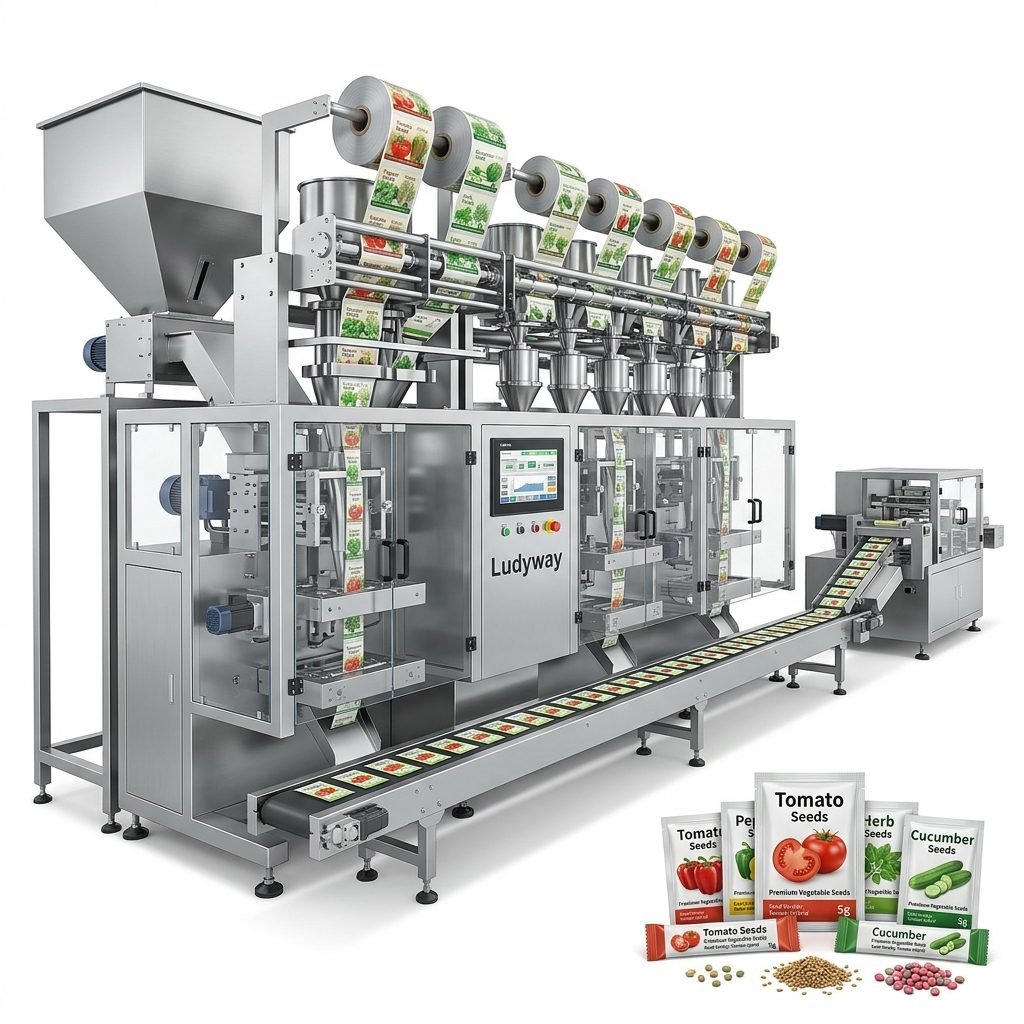
When sourcing equipment for the Caribbean market, Ludyway is one of the largest packaging machine manufacturers in China, specializing in advanced packaging equipment and turnkey production solutions for the food, pharmaceutical, and health industries. With over 30 years of industry expertise, they provide reliable and efficient packaging solutions for granule, powder, liquid, and pouch packaging applications, serving customers in over 100 countries and regions.
Compliance with International and Regional Standards
Products packaged for sale in Antigua and Barbuda may also be exported to CARICOM markets, North America, or Europe. Your packaging equipment must support compliance with relevant food safety, pharmaceutical, and labeling regulations.
Key Standards and Certifications
- FDA compliance for food contact materials and packaging processes, as detailed in the FDA Food Packaging and Food Contact Substances guidelines.
- ISO 11607 standards for terminally sterilized medical device packaging, critical for pharmaceutical and medical product manufacturers.
- CE marking for machines exported to European markets, ensuring conformity with health, safety, and environmental protection standards.
- European Commission Packaging and Packaging Waste Regulation requirements for sustainable packaging practices.
- GFSI-recognized certification schemes such as SQF or BRC for food safety management.
Calculating Total Cost of Ownership
The purchase price represents only one component of your investment. A thorough total cost of ownership (TCO) analysis should factor in all costs over the machine’s expected service life, typically 10 to 15 years for well-maintained packaging equipment.
TCO Components
- Initial capital expenditure: Machine price, shipping, import duties, and installation costs.
- Operating costs: Energy consumption, compressed air usage, consumable parts (sealing jaws, cutting blades, belts), and packaging material waste rates.
- Maintenance costs: Preventive maintenance schedules, replacement part costs, and technician service fees.
- Downtime costs: Lost production capacity during breakdowns or changeovers. A machine with 95% or higher OEE (Overall Equipment Effectiveness) provides significant long-term savings.
- Labor costs: Operator requirements per shift; automated machines typically reduce labor needs by 50-70% compared to manual or semi-automatic alternatives.

Planning for Future Scalability
When choosing a packaging machine in Antigua and Barbuda, consider not only your current needs but also future growth trajectories. The Caribbean market continues expanding, with increasing export demand for processed foods, nutraceuticals, and personal care products.
Scalability Strategies
- Modular machine designs allow adding lanes, filling stations, or downstream equipment as production grows.
- Turnkey packaging lines integrate filling, sealing, coding, labeling, cartoning, and palletizing into a unified system, as offered by leading manufacturers with comprehensive project engineering capabilities.
- Industry 4.0 readiness: Machines with IoT connectivity and data analytics capabilities enable predictive maintenance, remote monitoring, and production optimization—particularly valuable for island-based operations where technician visits may be infrequent.
- Flexible format handling: Equipment capable of running stick packs, sachets, and pouches on the same platform provides versatility as product lines diversify.
For comprehensive guidance on packaging machinery standards and market trends, refer to authoritative resources such as the PMMI – Association for Packaging and Processing Technologies and its Business Intelligence Library for industry reports. The Flexible Packaging Association also provides valuable insights and resources for flexible packaging applications.
Making an informed decision on your packaging machinery investment requires balancing technical specifications, supplier reliability, total costs, and future business goals. By carefully evaluating your product characteristics, production environment, and market requirements in Antigua and Barbuda, you can select equipment that drives operational excellence and long-term profitability.