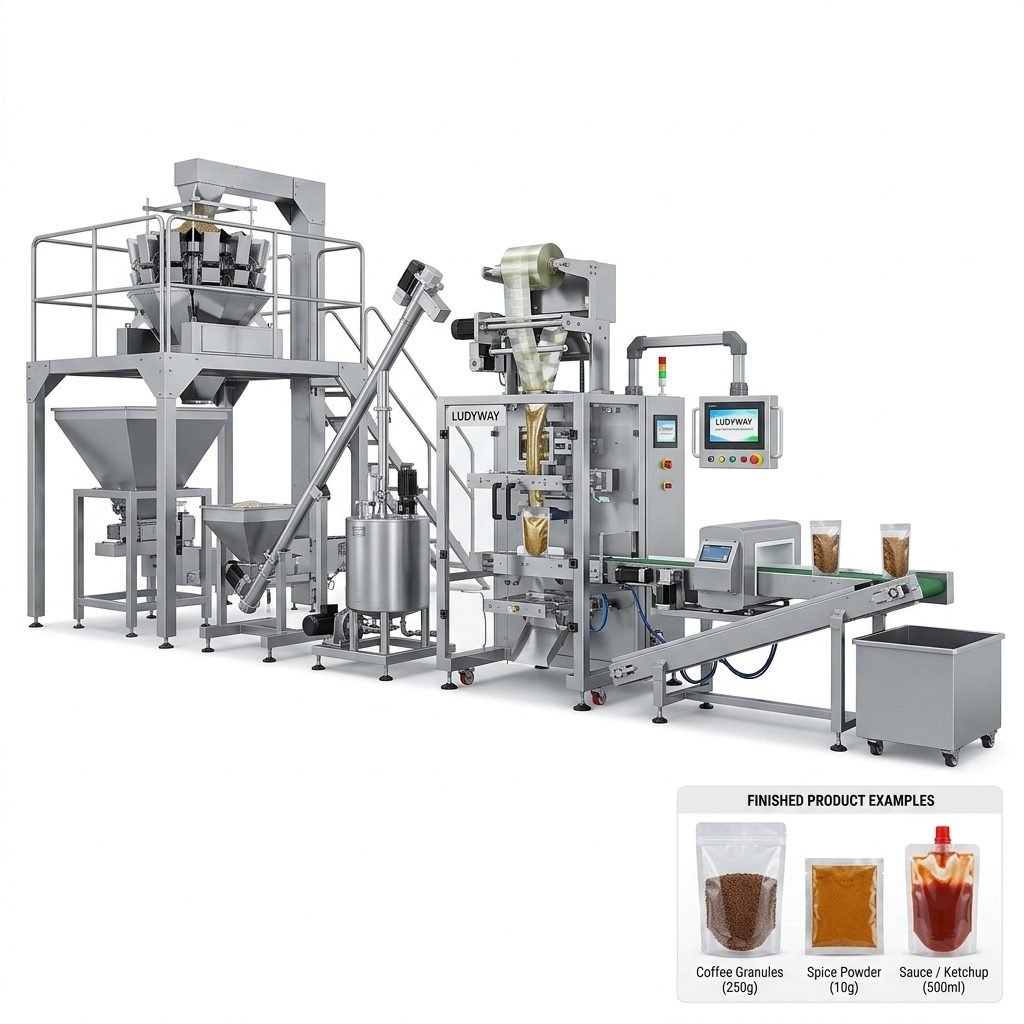
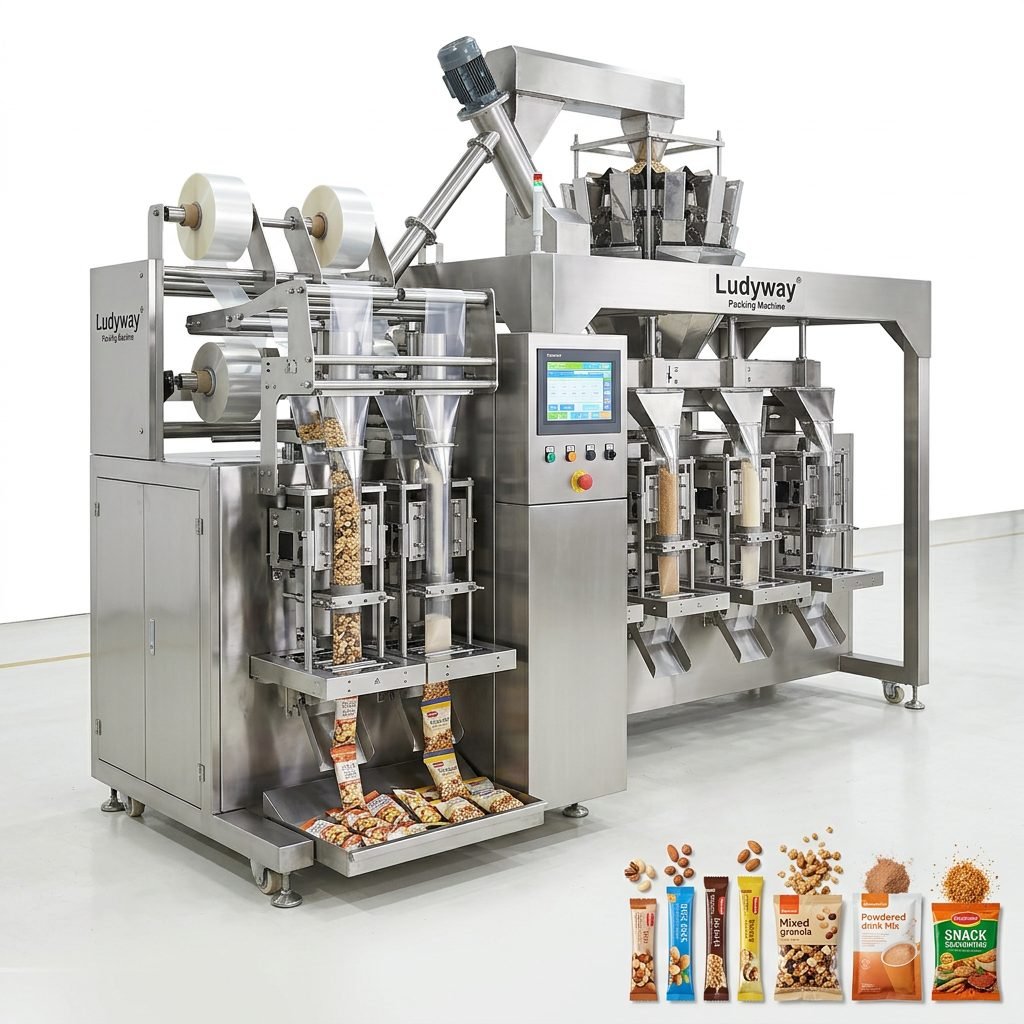
In today’s competitive manufacturing landscape, efficiency and cost-effectiveness are paramount. Selecting the right packaging equipment system is a critical strategic decision that directly impacts production speed, operational costs, and product quality. This guide explores the top packaging equipment systems designed for efficient, cost-effective production and seamless automation, helping you make an informed choice for your operations.
Core Components of a Modern Packaging System
A high-performance packaging line is more than just a single machine; it’s an integrated ecosystem. The foundation typically includes a reliable form-fill-seal (FFS) machine, which creates the package from a roll of film, fills it with product, and seals it in one continuous operation. This is often complemented by upstream equipment like product feeders, conveyors, and checkweighers, and downstream systems such as cartoners, case packers, and palletizers. The true power of automation is unlocked when these components are synchronized and controlled by a central PLC (Programmable Logic Controller) or industrial PC, allowing for real-time monitoring, quick changeovers, and minimal downtime.
Key Automation Driver: Integrated Control Systems
The brain of any automated packaging line is its control system. Modern systems offer touch-screen HMIs (Human-Machine Interfaces) that provide operators with intuitive control over all parameters—from film tension and sealing temperature to fill accuracy and line speed. Advanced systems feature data logging, OEE (Overall Equipment Effectiveness) tracking, and remote diagnostics, enabling predictive maintenance and continuous process optimization. This level of integration is crucial for achieving the low operational costs and high efficiency promised by full automation.
Top Packaging Systems by Application
Different products demand different packaging solutions. Here’s a breakdown of leading systems tailored for specific needs.
1. Vertical Form-Fill-Seal (VFFS) Systems for Granules & Powders
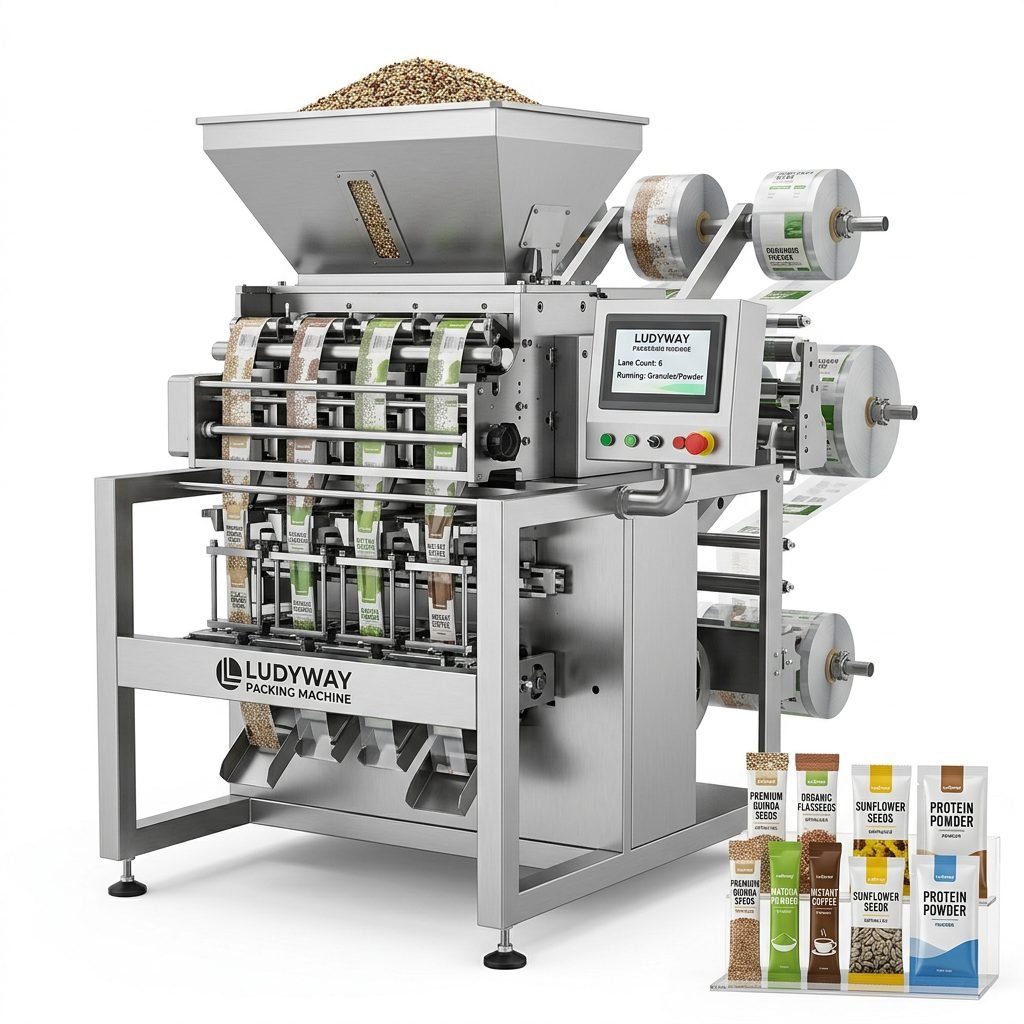
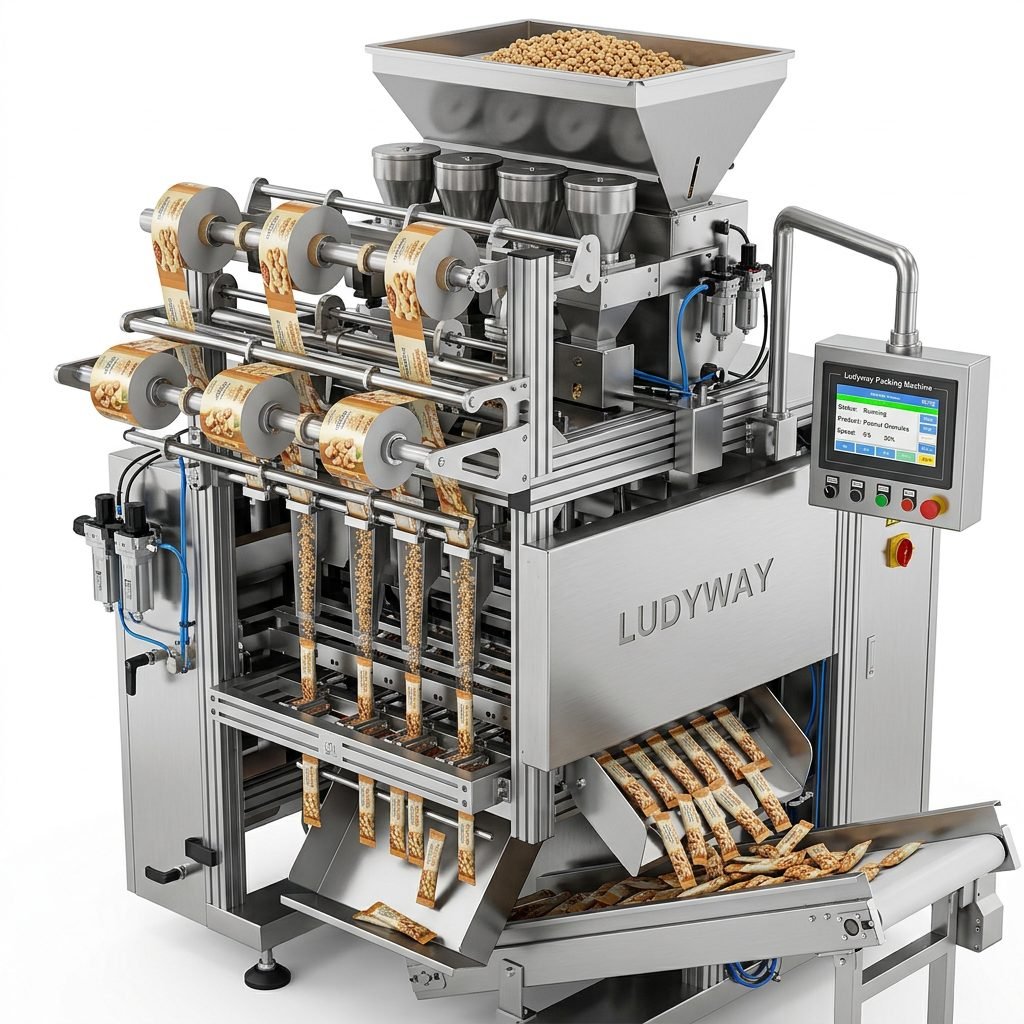
VFFS machines are the workhorses for packaging free-flowing products like coffee, snacks, spices, and detergent powder. They are renowned for their high speed, flexibility in package size, and material efficiency. Modern VFFS systems incorporate multi-head weighers or auger fillers for precise dosing, servo-driven film pull for reduced waste, and advanced sealing jaws for consistent, hermetic seals. For cost-effective production, look for models with quick-release mechanisms and recipe storage to minimize changeover time between different products.
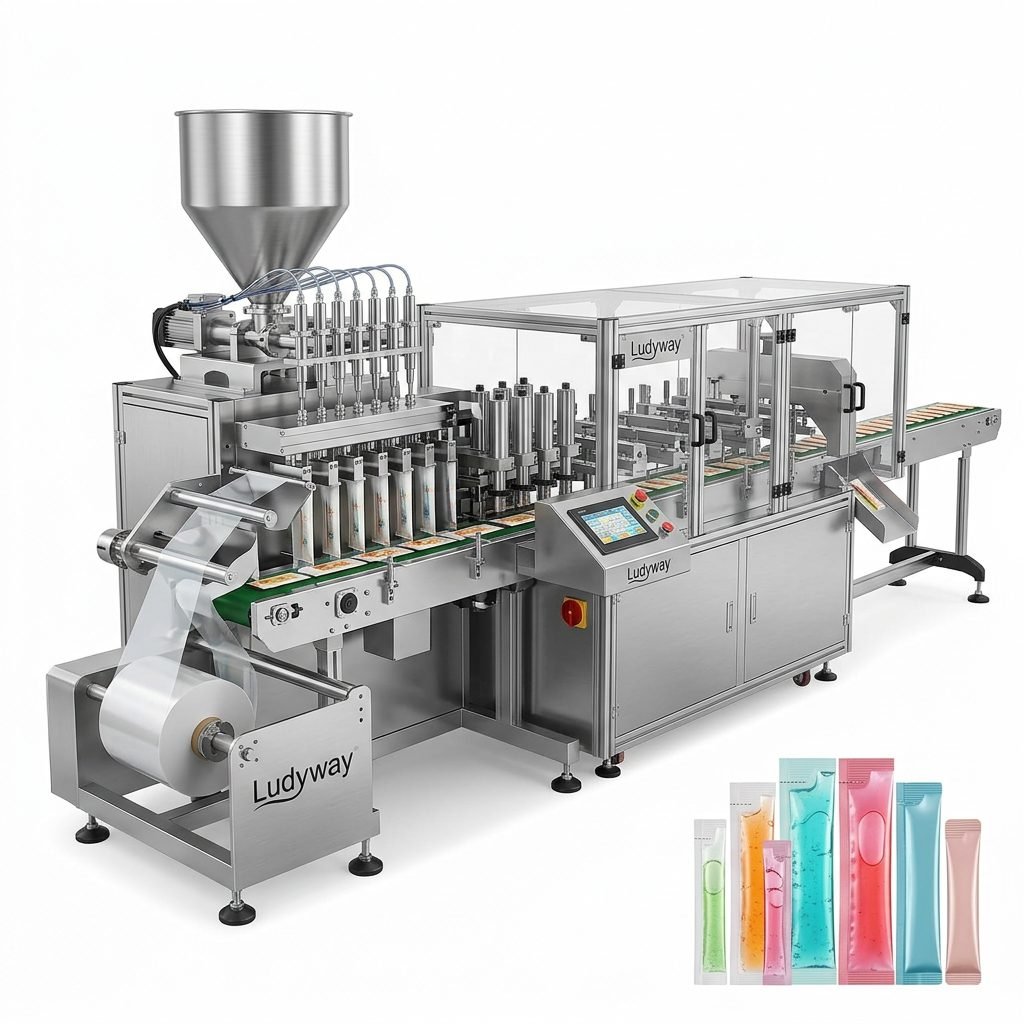
2. Liquid & Paste Sachet/Pouch Packaging Machines
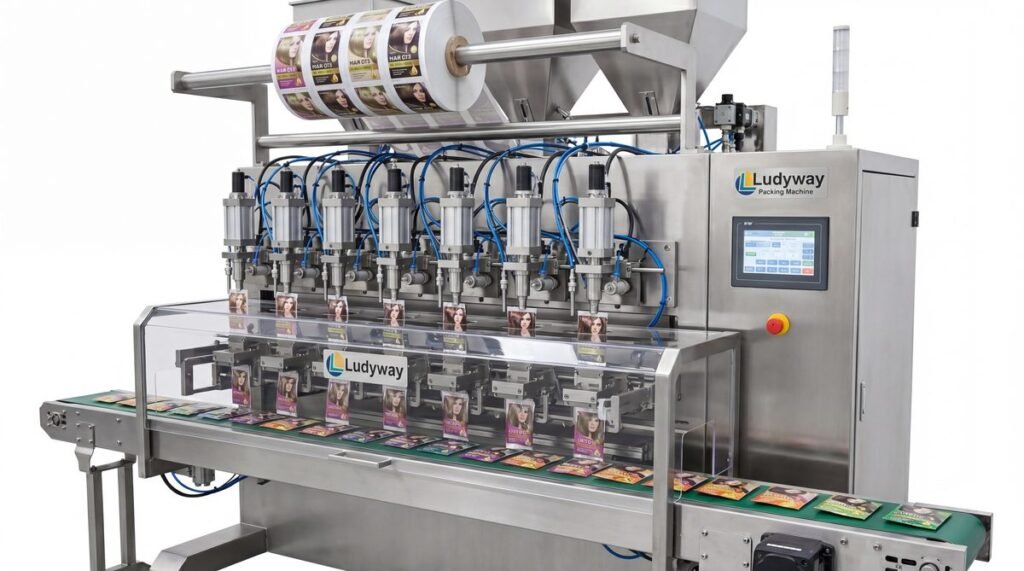
Packaging viscous products like sauces, shampoos, condiments, or pharmaceutical gels requires specialized equipment. Liquid filling machines with piston pumps or peristaltic pumps ensure accurate, drip-free filling. The best systems for cost-effectiveness combine a four-side seal or pillow-style pouch machine with a precision filler. Features like nozzle purging systems, CIP (Clean-in-Place) capabilities, and splash-guard designs are essential for maintaining hygiene and reducing product loss, which directly lowers production costs.
Iconic Benefit: The Stick Pack Advantage
Tip
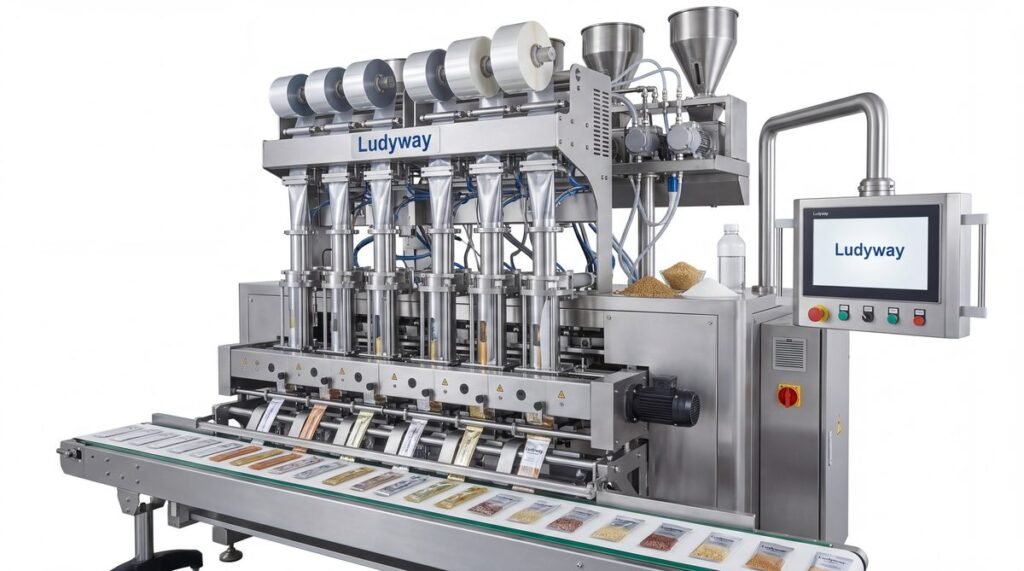
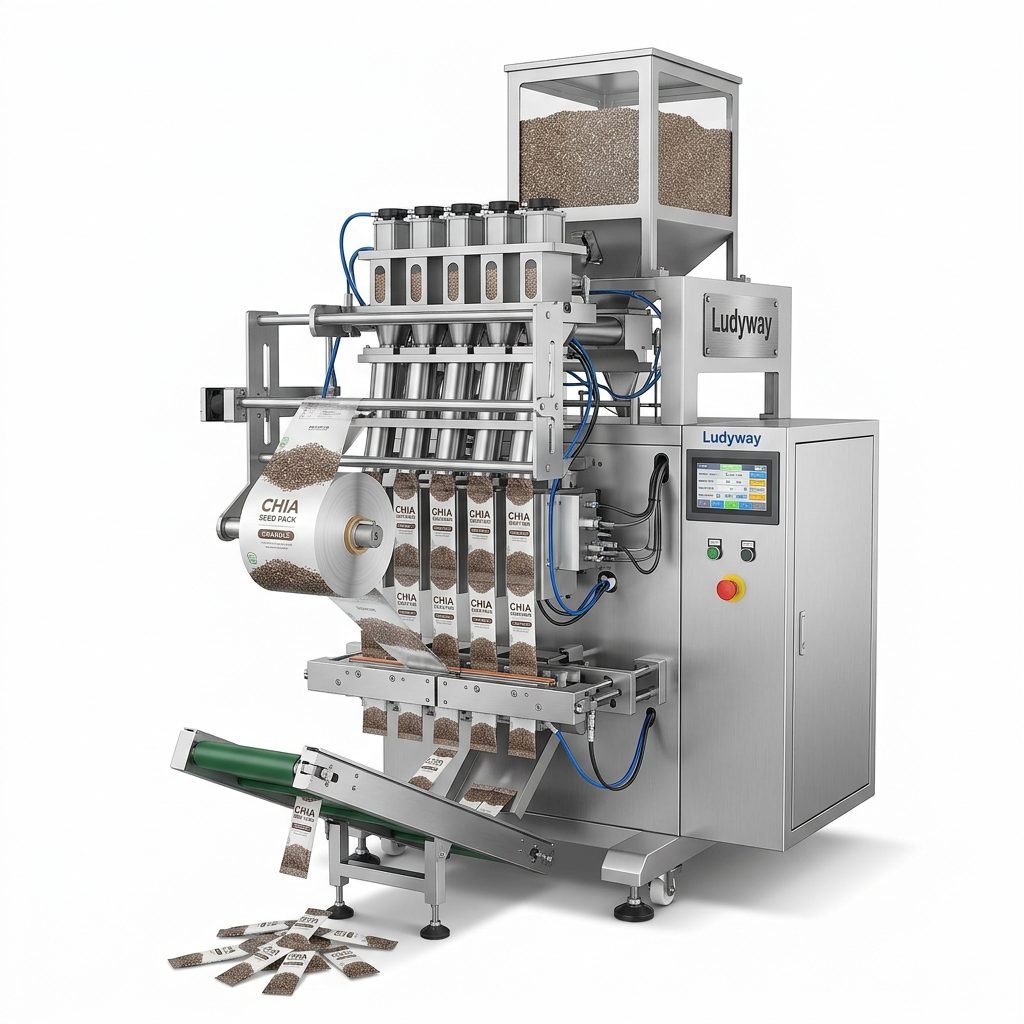
Stick packs have become a global favorite for single-serve portions of products like instant drinks, supplements, and sweeteners. Multi-lane stick pack machines are exceptionally efficient, producing dozens of sticks simultaneously. Their slim design reduces material usage, and their consumer-friendly tear-notches enhance brand appeal, making them a top choice for balancing production efficiency with marketability.
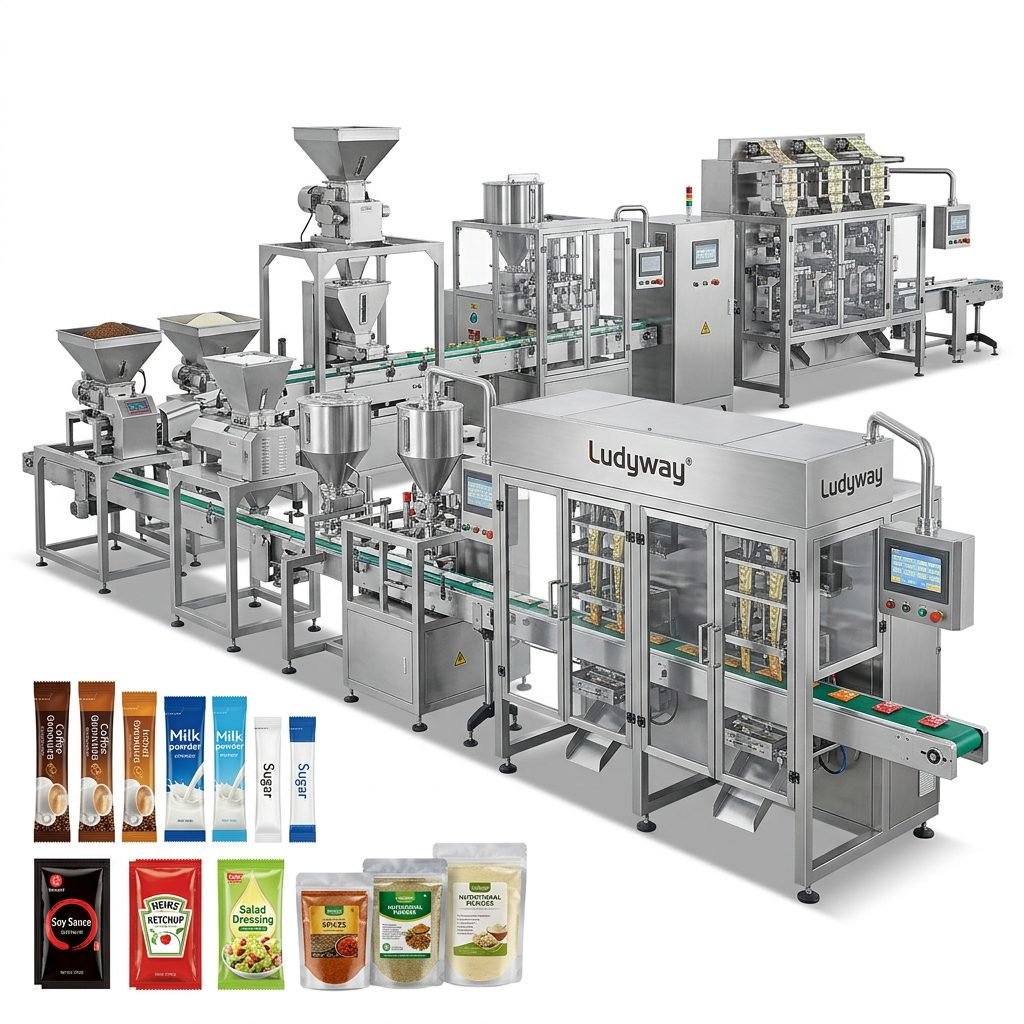
3. Turnkey Automated Production Lines
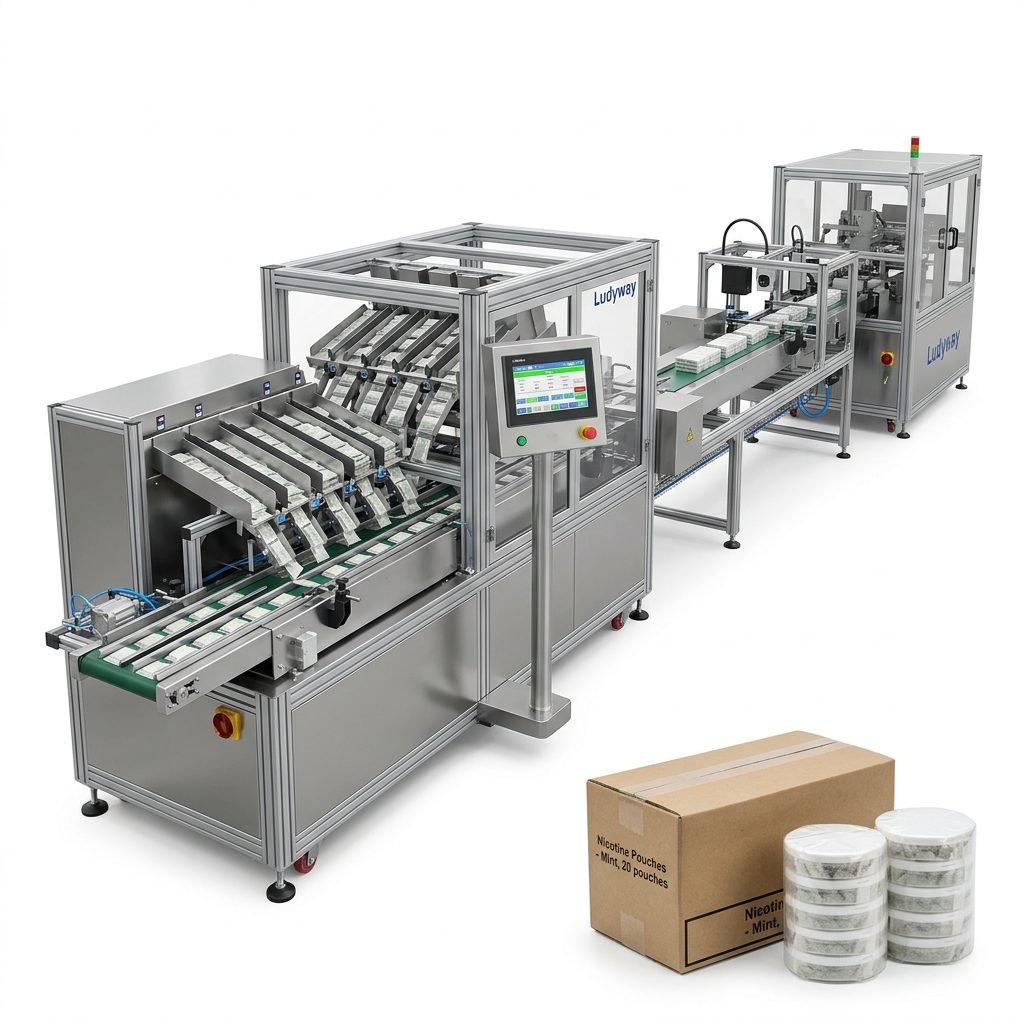
For maximum efficiency, a fully integrated turnkey line is the ultimate solution. This involves seamlessly connecting primary packaging machines (like a VFFS or sachet machine) with secondary packaging equipment. Imagine a line where filled pouches are automatically collated, loaded into cartons, sealed, and then grouped into shipping cases—all without manual intervention. Companies like Ludyway specialize in designing these bespoke solutions. The initial investment is higher, but the long-term payoff in labor savings, throughput consistency, and reduced human error delivers a rapid ROI and a formidable competitive edge.
Evaluating Efficiency & Cost-Effectiveness
Choosing “top” equipment goes beyond brand names. Evaluate systems based on these concrete metrics:
- Speed & Uptime: Compare cycles-per-minute (CPM) and industry-standard OEE rates. Robust construction and accessible service points minimize unplanned stops.
- Changeover Time: Quick size change is vital for short production runs. Look for systems with servo adjustments and digital recipe recall.
- Material Savings: Precision film tracking and sealing reduce waste. Some systems offer film-saving algorithms that optimize pouch layout on the roll.
- Energy Consumption: Servo-motor driven machines often use less energy than traditional mechanical drives, cutting utility costs.
- Total Cost of Ownership (TCO): Consider purchase price, installation, maintenance, spare parts cost, and expected lifespan. Reliable support from your supplier is a critical part of TCO. Partnering with an experienced provider ensures you get a system built for durability and backed by strong technical service.
The Role of Smart Technology & Industry 4.0
The future of packaging is intelligent. The top systems now offer connectivity for Industry 4.0 integration. This means machines that can communicate production data to a central Manufacturing Execution System (MES), alert managers to potential issues before they cause downtime, and even self-adjust based on real-time feedback from vision inspection systems. Investing in equipment with this capability future-proofs your operation, enabling data-driven decisions that continuously refine efficiency and cut costs.
Making the Right Investment for Your Business
Before selecting a system, conduct a thorough analysis of your current and future needs. Consider your product portfolio, required output, available floor space, and operator skill level. Engage with suppliers who offer comprehensive testing using your actual products and materials. A supplier with deep application knowledge can help you avoid costly over-engineering or under-specification. Remember, the goal is to find the optimal balance between automation level, throughput, flexibility, and budget to achieve your specific production and financial objectives.
Frequently Asked Questions (FAQs)
1. What is the typical payback period for an automated packaging system?
Payback periods vary widely based on the system’s complexity and scale. For a standalone machine, it can range from 1 to 3 years, calculated through labor savings, reduced waste, and increased output. Large turnkey lines may have a longer period but offer transformative gains in capacity and consistency. A detailed ROI analysis with your supplier is essential.
2. How do I ensure the packaging machine is compatible with my existing production line?
Compatibility is crucial. Provide your supplier with detailed specifications of your upstream and downstream equipment (interface heights, conveyor speeds, communication protocols like OPC-UA or Modbus). The best suppliers will conduct line integration tests and offer modular machines designed for easy connectivity within a broader automated ecosystem.
3. What are the key maintenance requirements for high-speed automated equipment?
Preventive maintenance is key to sustained efficiency. Daily cleaning, weekly checks of seals and sensors, and regular lubrication as per the manual are standard. Top systems are designed for easy access to high-wear parts. Many suppliers offer annual service contracts and remote support to help maintain peak performance and minimize unexpected downtime.
4. Can one machine handle multiple, very different package sizes and materials?
Modern machines offer great flexibility, but there are physical limits. The range of film widths and sealing lengths a machine can handle is defined by its mechanical design. For vastly different products (e.g., fine powder vs. large granules), significant changeovers involving different filling heads and film paths may be needed. Discuss your full product range with the supplier to find the most flexible solution.
5. How important is after-sales support and training when investing in automation?
It is critically important. Complex automated systems require proper installation, comprehensive operator and maintenance training, and readily available technical support. The quality of after-sales service directly impacts your line’s uptime and longevity. Choose a supplier with a proven track record of responsive support, readily available spare parts, and deep technical expertise to protect your investment long-term.