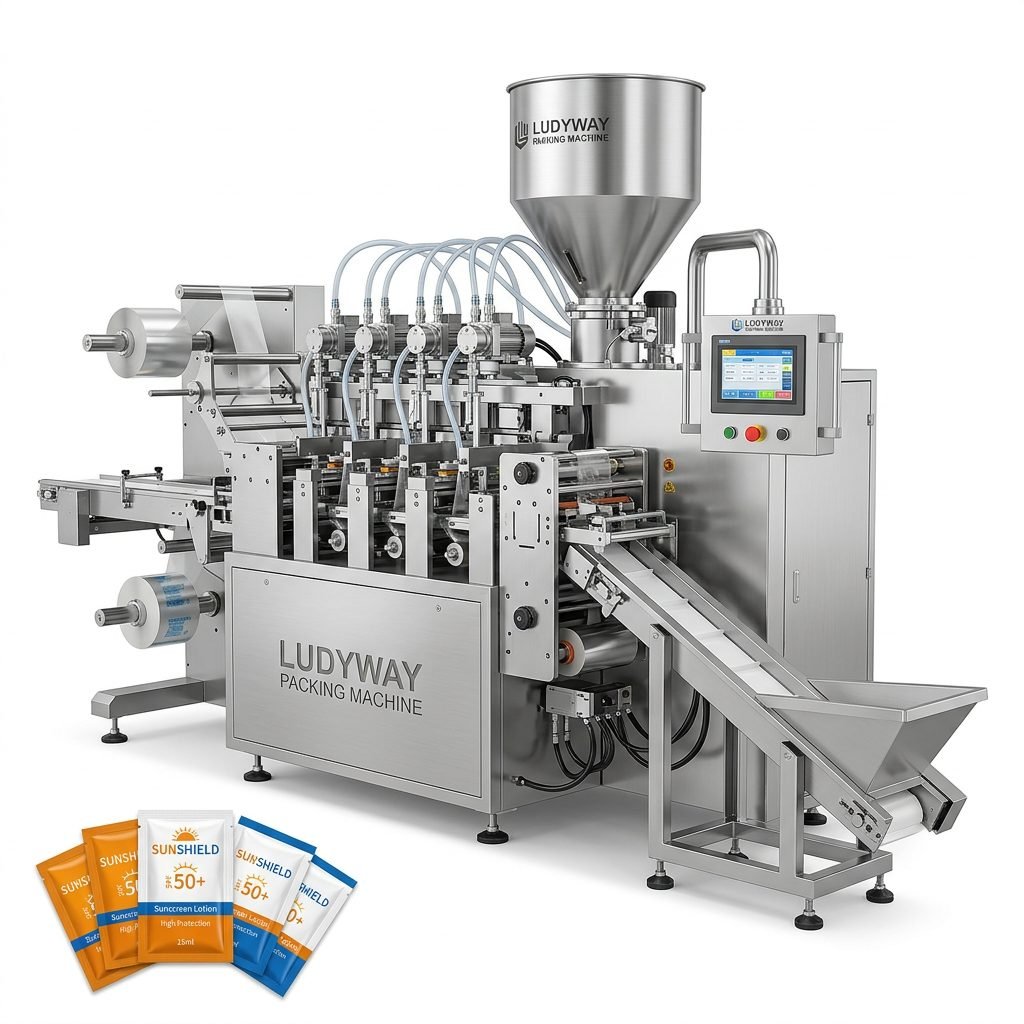
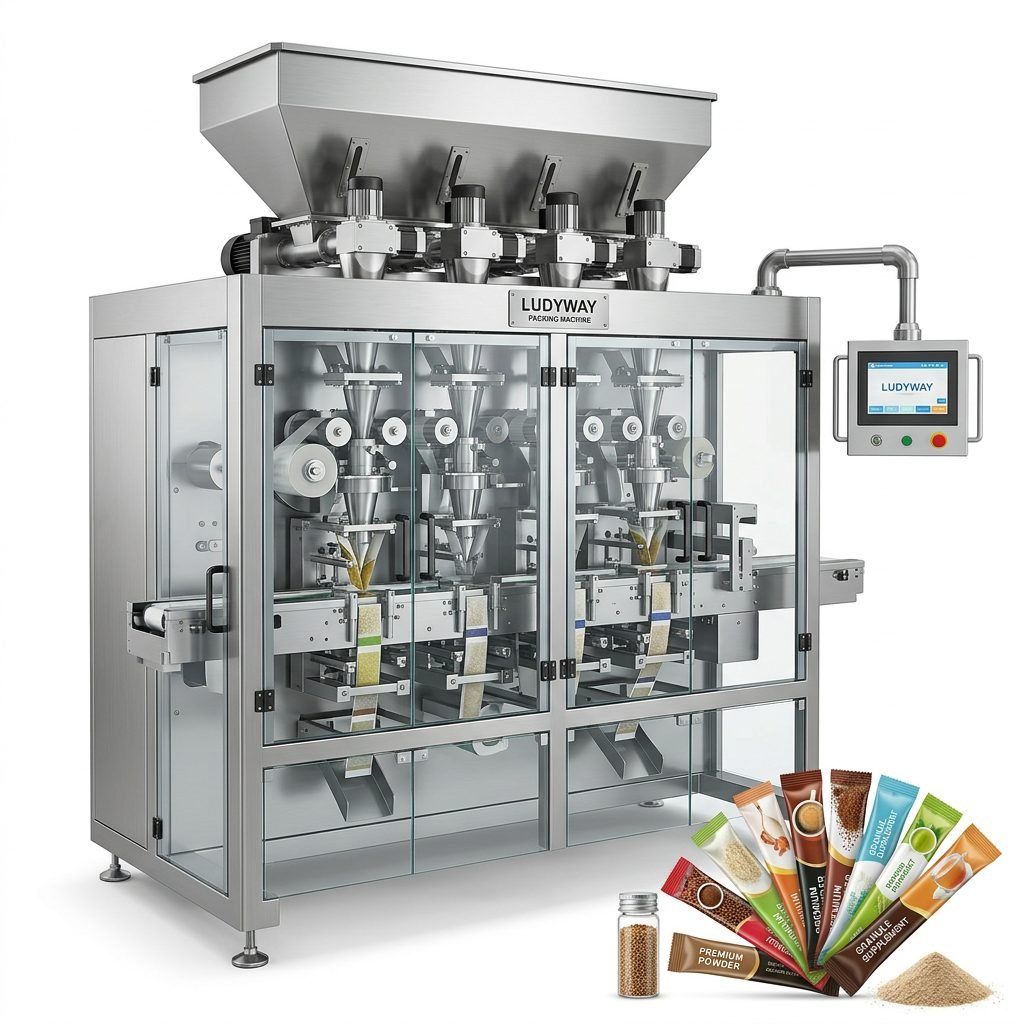
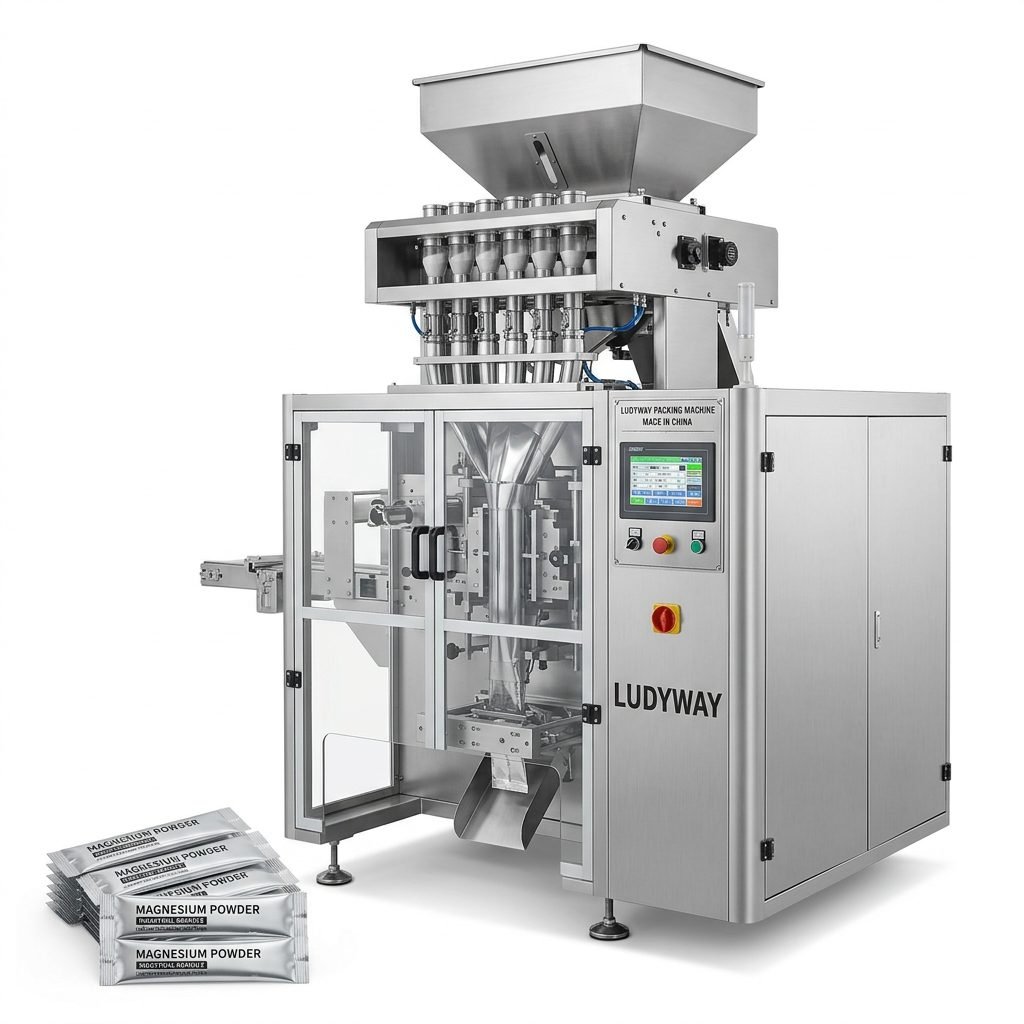
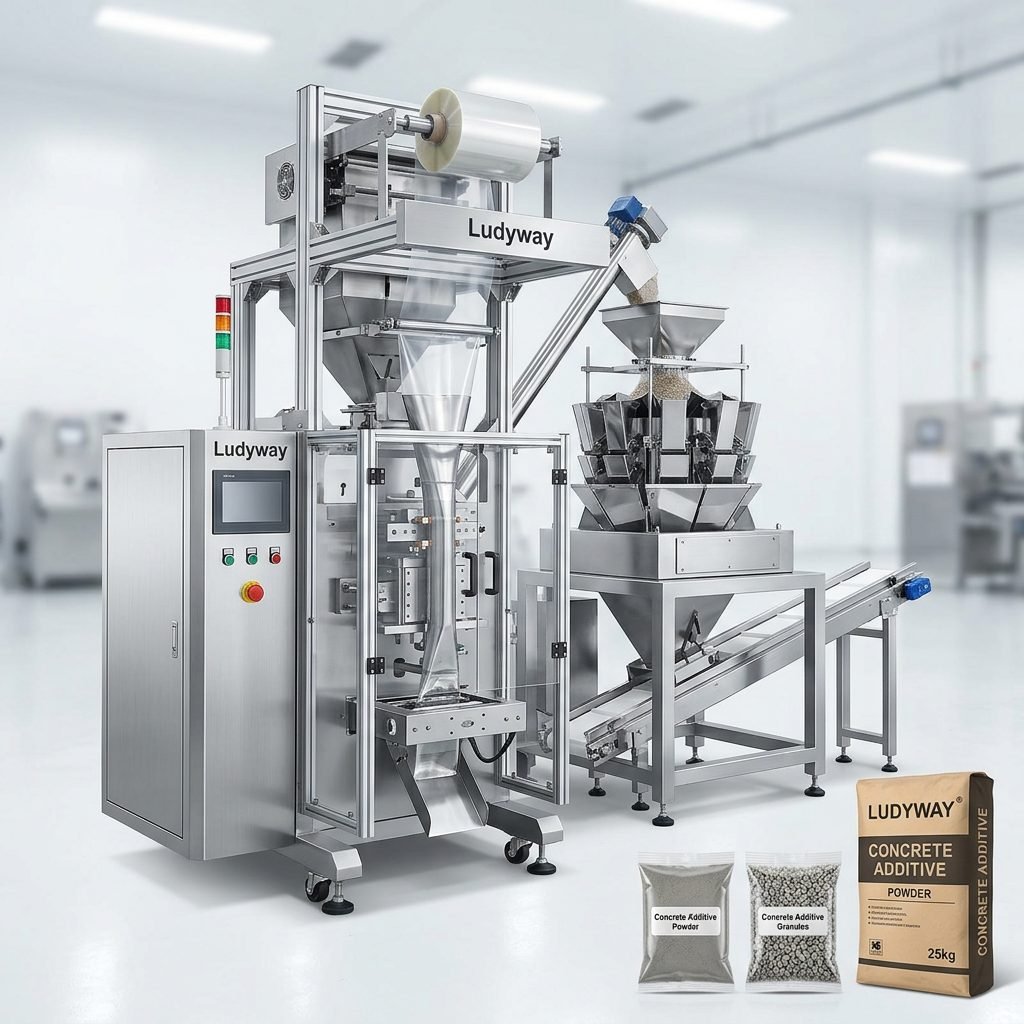
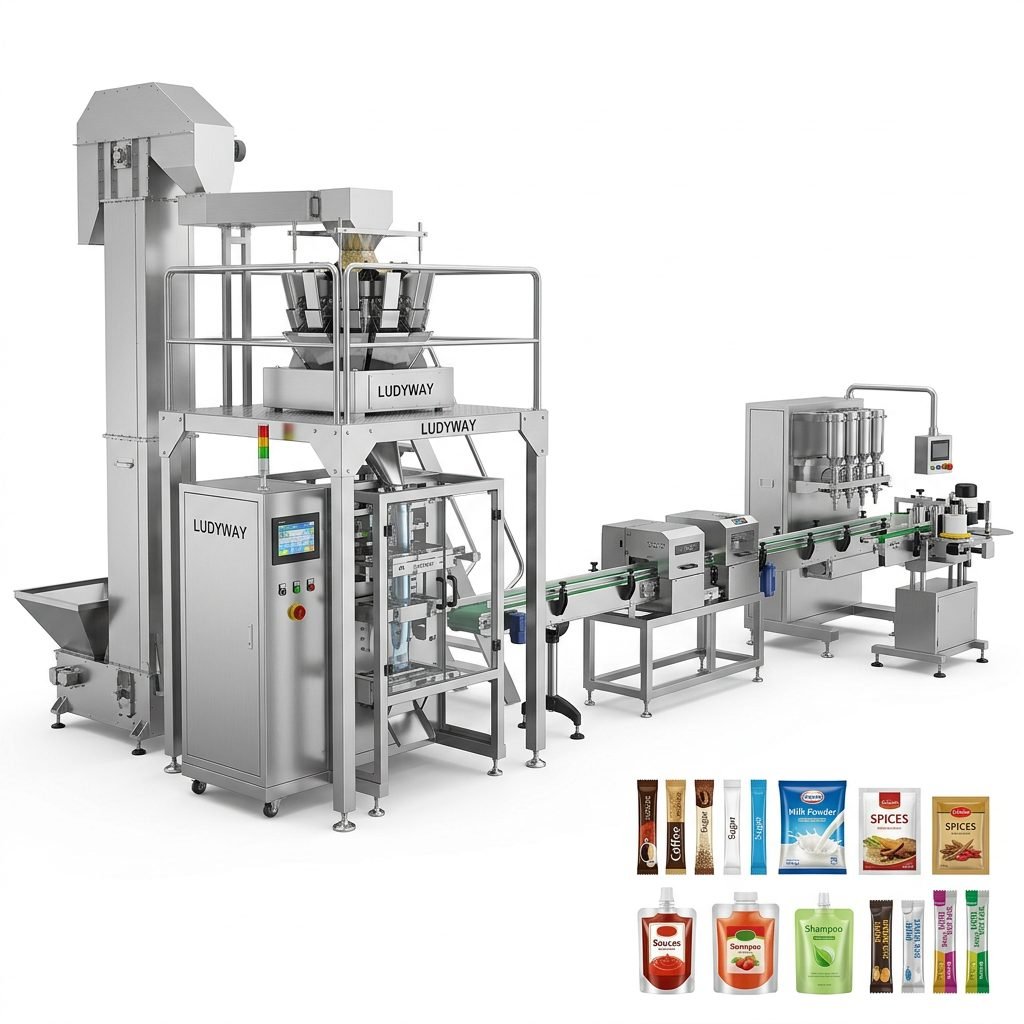
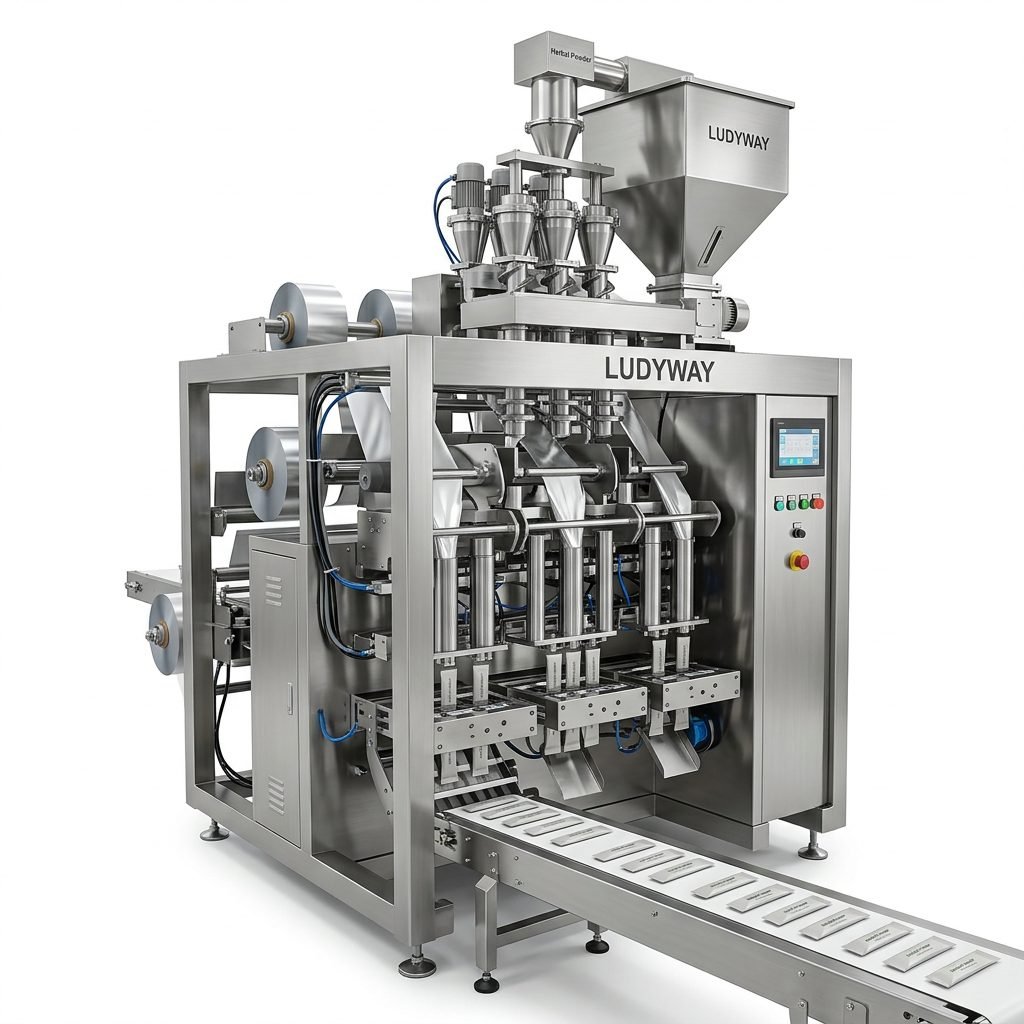
Selecting the right packaging machine manufacturer in Iraq is a critical decision for your business’s growth and operational efficiency. The Iraqi market, with its unique industrial landscape spanning food processing, pharmaceuticals, agricultural products, and consumer goods, demands reliable and adaptable packaging solutions. For business owners and production managers across cities like Baghdad, Basra, and Erbil, finding a partner who understands local challenges—such as power fluctuations, supply chain considerations, and specific product requirements—is essential. This guide will walk you through the key factors to consider, ensuring you make an informed choice that boosts your productivity and product quality.
Understanding Your Specific Packaging Needs in Iraq
Before you start evaluating manufacturers, clearly define your operational requirements. The Iraqi market often deals with products like spices, pharmaceuticals, dairy, dry food mixes, and agricultural chemicals. Consider your product type: is it granules, powder, liquid, or a combination? What are your required output speed, packaging format (sachet, stick pack, pouch), and factory floor space? Also, factor in the local environment; equipment must be robust enough to handle the regional climate and potential infrastructure variations. A clear needs assessment is the foundation for finding the right machinery partner.

Key Evaluation Criteria for Manufacturers
Not all manufacturers are created equal. When sourcing for your Iraqi operation, prioritize these core aspects:
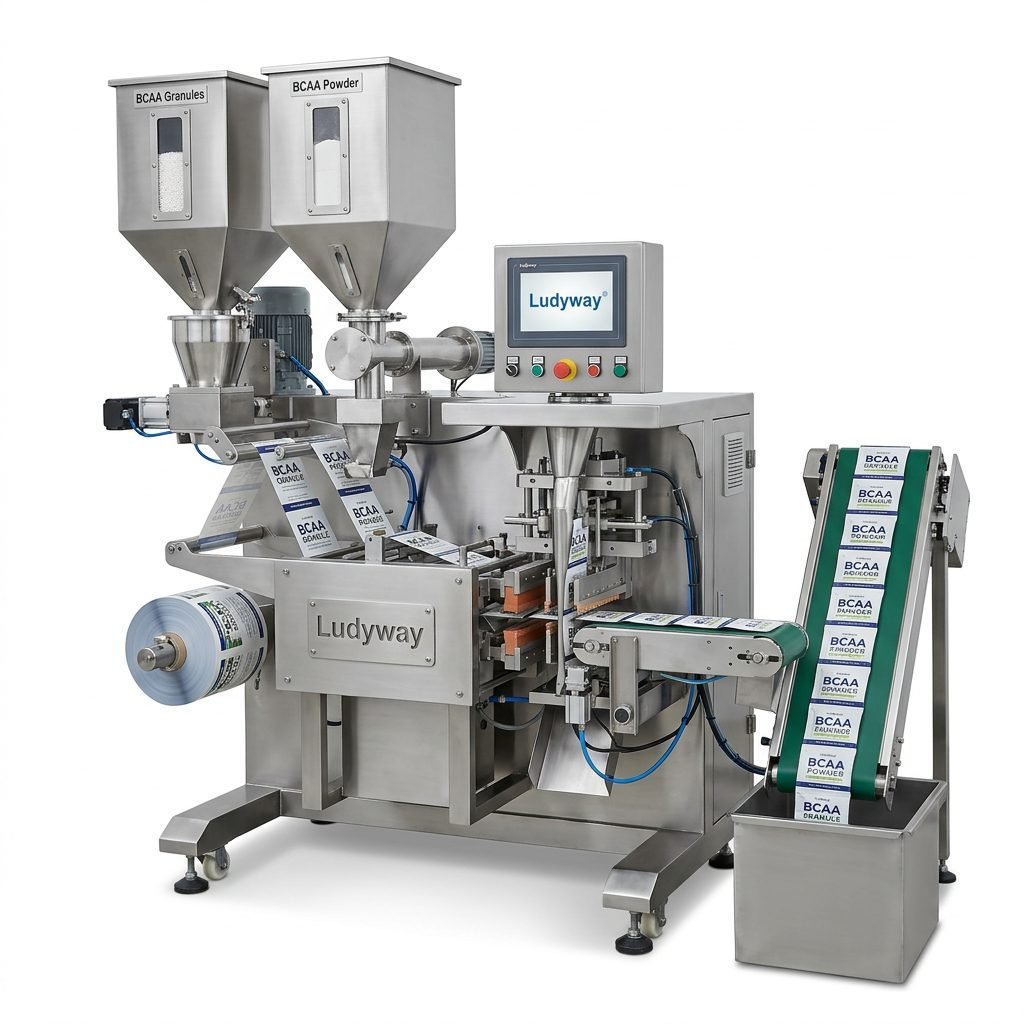
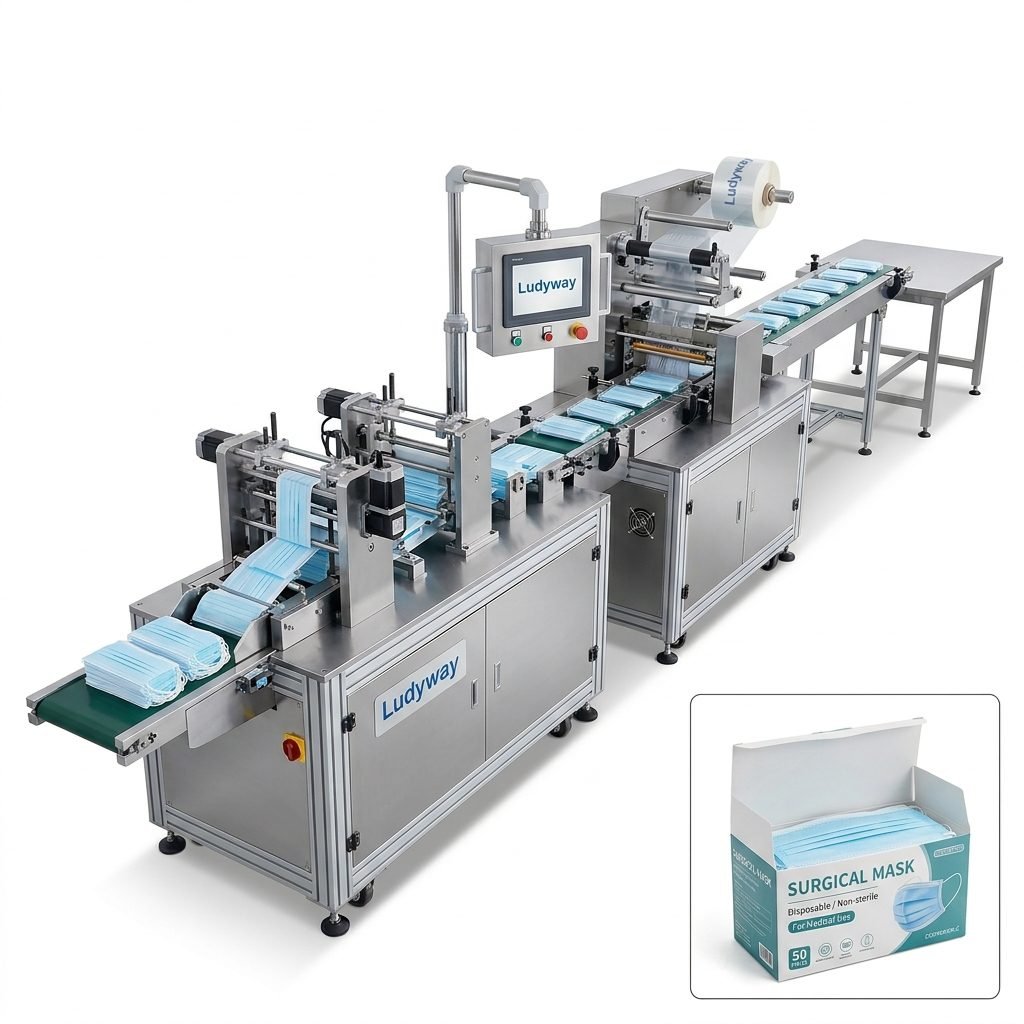
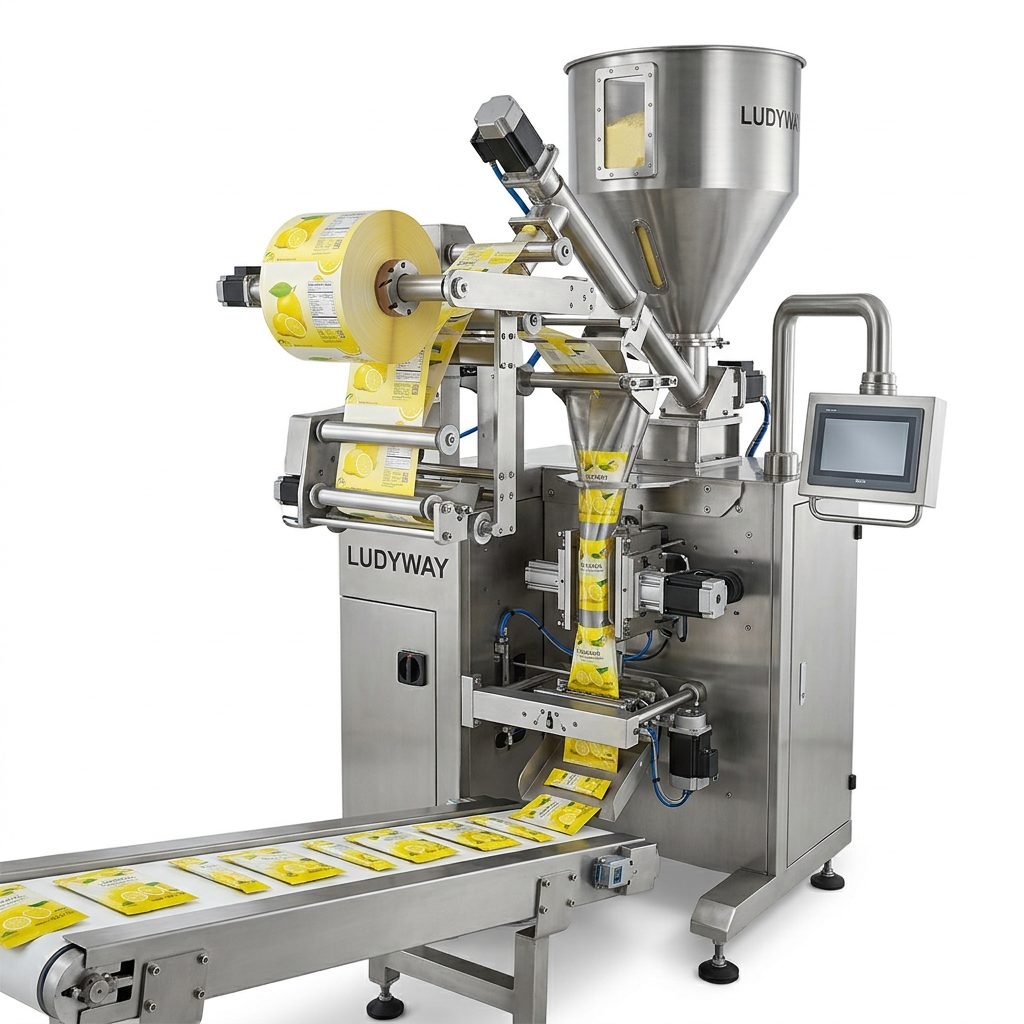
Technical Expertise & Industry Experience: Look for a manufacturer with a proven track record in your specific industry. For example, pharmaceutical packaging requires different hygiene and precision standards than food-grade packaging. A company with over 30 years of experience, like Ludyway, brings invaluable knowledge of global standards and can advise on best practices for the Iraqi context.
Machine Reliability & Build Quality: Downtime is costly. Investigate the construction quality, core components (like PLCs and servo motors), and the manufacturer’s testing protocols. Machines destined for Iraq should be durable and designed for consistent performance. Manufacturers with modern facilities, such as a 20,000㎡ production plant, often have better quality control processes.
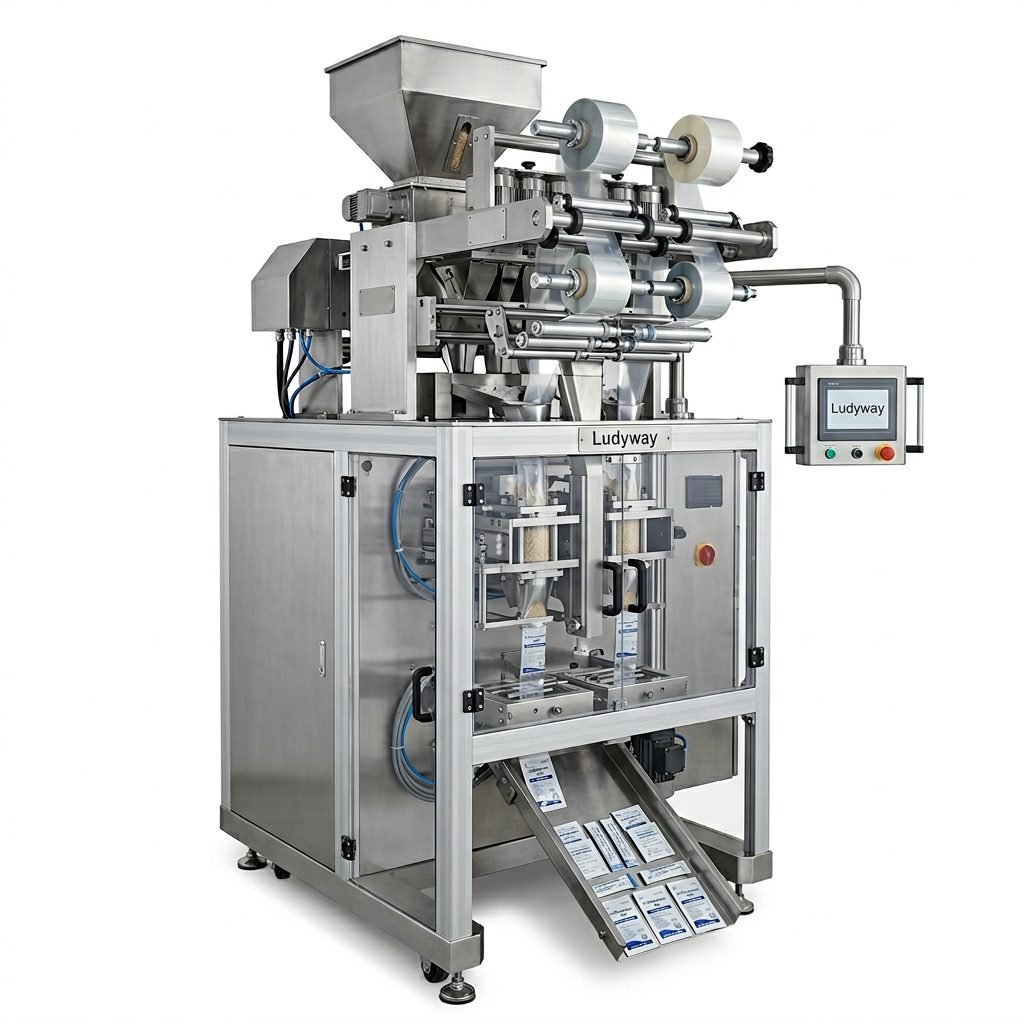
Range of Solutions & Customization: Can the manufacturer provide a complete line or just a single machine? Your needs may evolve. A supplier offering a wide range—from multi-lane stick pack machines to fully automated liquid filling systems—provides more flexibility. The ability to customize for local packaging materials or specific product characteristics is a significant advantage.

The Importance of After-Sales Support & Local Presence
This is arguably the most critical factor for operations in Iraq. Reliable technical support, availability of spare parts, and accessible training are non-negotiable. Inquire about:
- Service Network: Does the manufacturer have service engineers or partners in the Middle East region who can provide timely support?
- Spare Parts Logistics: How quickly can essential spare parts be delivered to your facility in Iraq?
- Training: Will they provide comprehensive training for your operators and maintenance staff, either on-site or at their facility?
- Warranty & Documentation: What are the warranty terms? Is machine documentation (manuals, diagrams) available in clear English or Arabic?
Companies like Packmate Machinery and PacklineOEM also emphasize global support networks, which is crucial for Iraqi businesses.
Comparing Leading Chinese Packaging Machine Manufacturers
China is a leading global hub for packaging machinery, offering advanced technology at competitive costs. Several top manufacturers serve the international market, including Iraq. Here’s a brief overview of some key players:
Ludyway Packing Machine
With over 30 years in the industry, Ludyway specializes in turnkey solutions for food, pharma, and health products. They offer a broad portfolio of over 50 machine models, including advanced multi-lane stick pack and sachet machines. Their strength lies in a large manufacturing base, a strong engineering team, and a focus on cost-effective, high-performance solutions. They serve over 100 countries, indicating extensive export experience relevant to Iraqi importers.

Packmate Machinery
As one of China’s largest manufacturers, Packmate Machinery provides a wide spectrum of packaging machines and complete production lines. They are known for robust equipment suitable for various industries, making them a viable option for Iraqi businesses looking for comprehensive line solutions.
PacklineOEM & PackingMachineOEM
PacklineOEM focuses on complete packaging line manufacturing, while PackingMachineOEM specializes in non-standard, customized packaging machinery. For Iraqi companies with unique product shapes or specialized packaging needs, these OEM-focused manufacturers can be excellent partners for custom-engineered solutions.
SnusMachinery
For businesses in the niche oral product sector, SnusMachinery is a specialist manufacturer for oral nicotine and tobacco-free pouch packaging. This highlights the importance of matching your specific product category with a manufacturer’s core expertise.

Financial Considerations and Total Cost of Ownership (TCO)
Look beyond the initial machine price. The Total Cost of Ownership includes:
- Purchase Price & Shipping to Iraq
- Installation & Commissioning Costs
- Energy Consumption & Utility Requirements
- Cost of Consumables (film, spare parts)
- Long-term Maintenance & Potential Downtime Costs
Request detailed quotations and compare the value proposition. A slightly higher initial investment in a more reliable and efficient machine from a reputable manufacturer like Ludyway or Packmate Machinery can lead to significantly lower TCO through higher productivity, less waste, and reduced downtime.
Final Steps: Due Diligence and Decision Making
Once you have shortlisted manufacturers, take these final steps:
- Request Client References: Ask for contact details of existing clients, preferably in the Middle East or with similar products.
- Factory Audit (Virtual or In-Person): If possible, visit the manufacturing facility in China or request a detailed virtual tour to assess their capabilities and quality control firsthand.
- Test with Your Product: Arrange a production test using your actual materials. This is the best way to verify machine performance, speed, and packaging quality.
- Review Contract Terms: Scrutinize the supply contract, payment terms, delivery schedule (INCOTERMS), warranty, and support clauses carefully.

Frequently Asked Questions (FAQs)
1. Why source packaging machines from China for our Iraqi business?
Chinese manufacturers offer an optimal balance of advanced technology, reliability, and cost-effectiveness. They have extensive experience exporting worldwide and can often provide more customizable solutions at a competitive price point compared to European or American brands, which is crucial for cost-sensitive markets like Iraq.
2. How can we ensure machine compatibility with Iraqi voltage and standards?
Reputable manufacturers will configure machines to meet your local specifications. During the quotation process, clearly state your factory’s voltage (e.g., 220V/50Hz), pneumatic requirements, and any necessary certifications. They should provide equipment that is plug-and-play for your facility.
3. What is the typical lead time for delivery to Iraq?
Lead times vary based on machine complexity and customization. For standard models, it can range from 30 to 60 days after order confirmation, plus shipping time to the Iraqi port (like Umm Qasr). Custom or turnkey lines may require 90-120 days. Always confirm this timeline in your contract.
4. How do we handle installation and training if the manufacturer is overseas?
Top manufacturers include detailed installation manuals and provide remote video support. Many also offer on-site installation and training services by sending their engineers to Iraq for a set period. This service is typically quoted separately and is highly recommended for smooth commissioning.
5. Are spare parts readily available, and how do we manage maintenance?
Establish a spare parts inventory for critical components upon purchase. Reliable manufacturers maintain comprehensive spare parts stocks and offer expedited shipping. Discuss their maintenance support plan, including remote troubleshooting and the process for ordering parts, to minimize potential operational disruptions in Iraq.