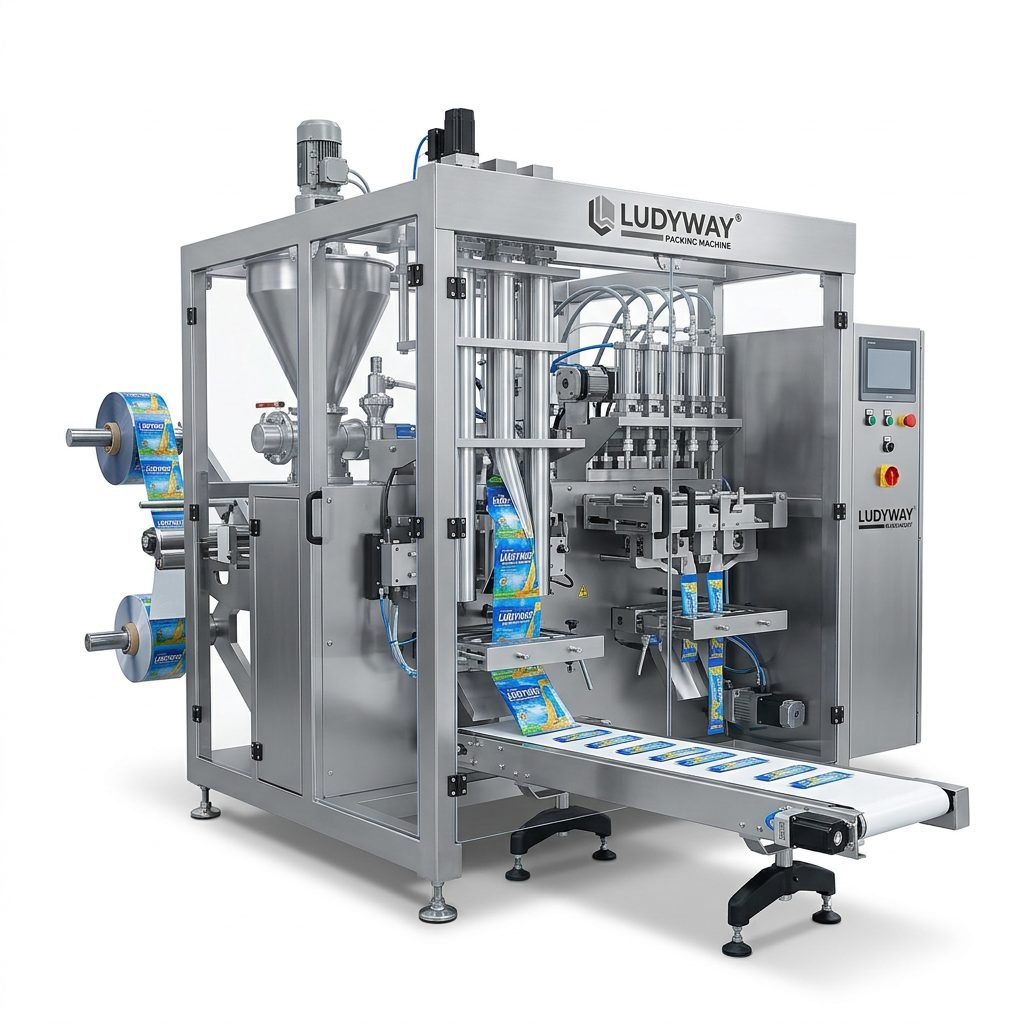
For businesses in Lebanon looking to enhance their production capabilities, selecting the right packaging machine manufacturer is a critical decision. The Lebanese market, with its diverse sectors including food processing, pharmaceuticals, cosmetics, and agricultural exports, demands reliable, efficient, and adaptable packaging solutions. A strategic partnership with a capable manufacturer can significantly impact your operational efficiency, product quality, and market competitiveness. This guide outlines key factors to consider when choosing a packaging machine supplier, tailored to the specific needs of Lebanese industries.
Understanding Lebanon’s Industrial Packaging Needs
The Lebanese business landscape is characterized by a mix of small to medium-sized enterprises (SMEs) and larger export-oriented companies. Key sectors driving demand for packaging machinery include:
Food & Beverage: Producers of spices, coffee, nuts, dried fruits, dairy products, and condiments require precise granule, powder, and liquid packaging for both local consumption and export to regional markets.
Pharmaceuticals & Nutraceuticals: A growing sector needing high-precision, hygienic packaging for sachets and stick packs of powders, granules, and liquid supplements, adhering to strict quality standards.
Cosmetics & Personal Care: Manufacturers of travel-size sachets, cream samples, and beauty serums seek elegant, leak-proof, and high-speed packaging solutions.
Agri-Products & Animal Feed: Companies processing fertilizers, seeds, and animal feed need robust systems for bulk or portion-controlled granule and powder packaging.
Understanding these local nuances is the first step. Your chosen manufacturer should demonstrate experience in providing solutions relevant to your specific product type and industry challenges in Lebanon.
1. Evaluate Technical Expertise and Product Range
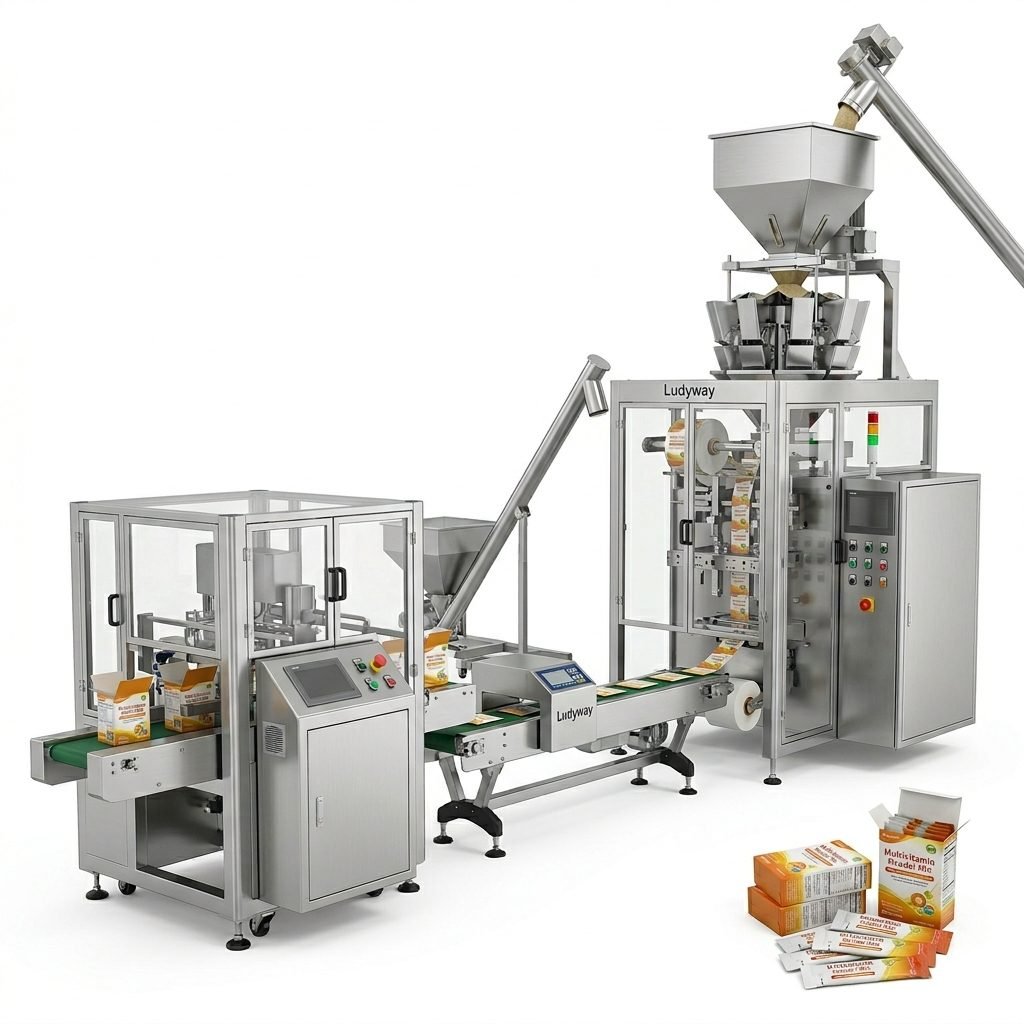
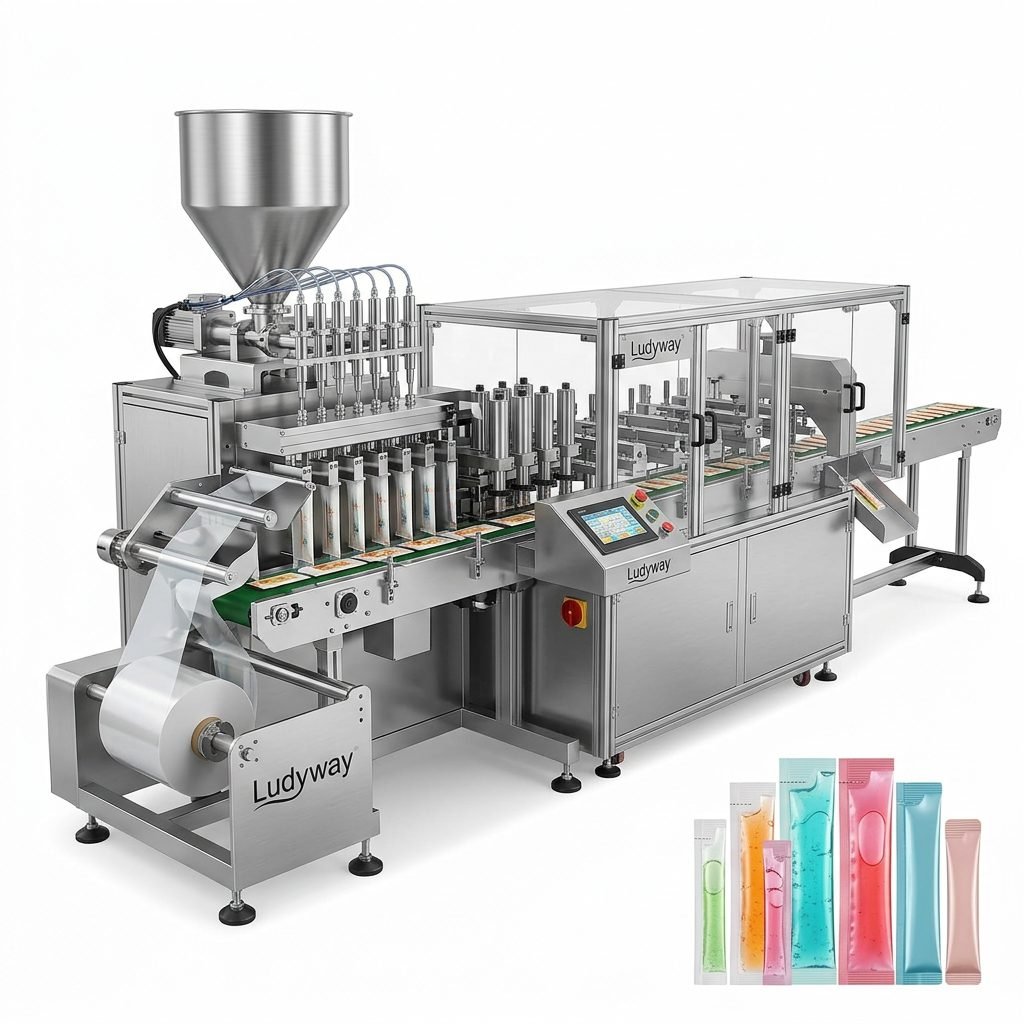
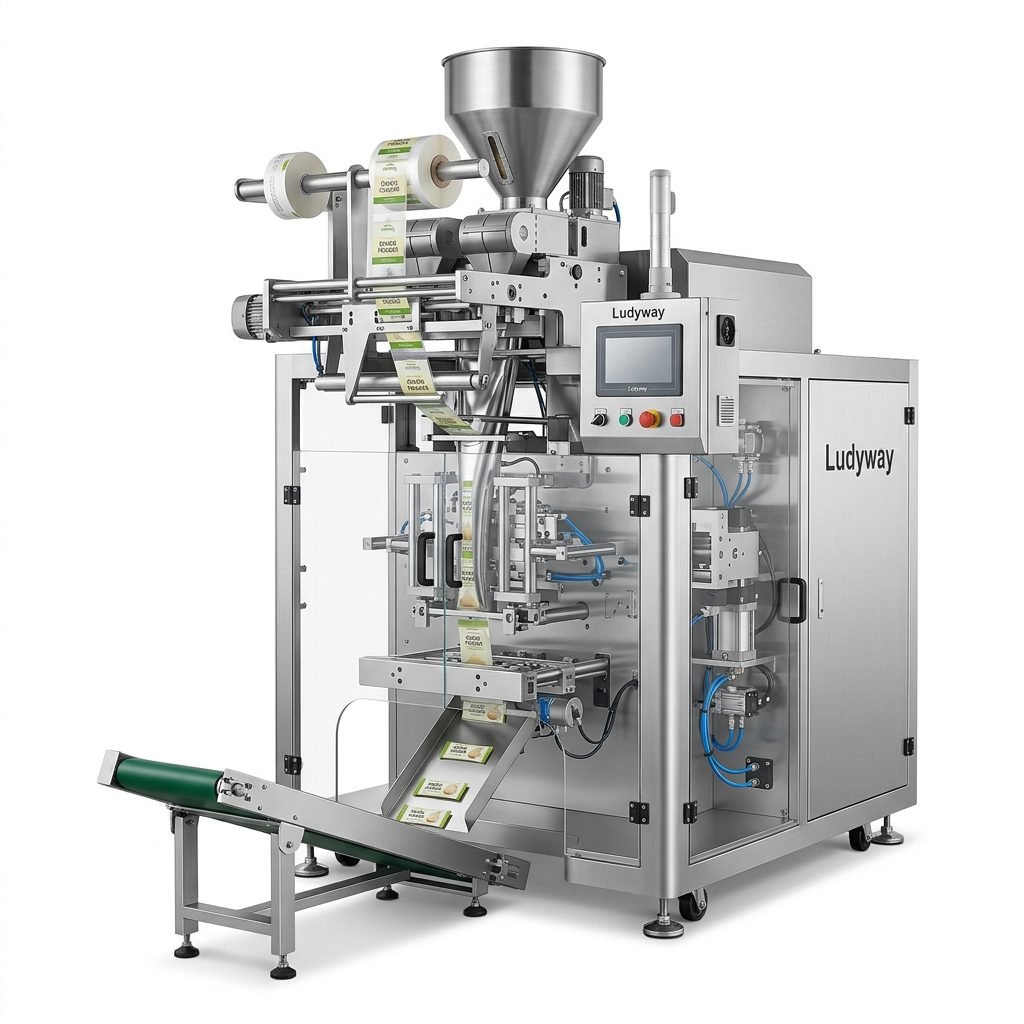
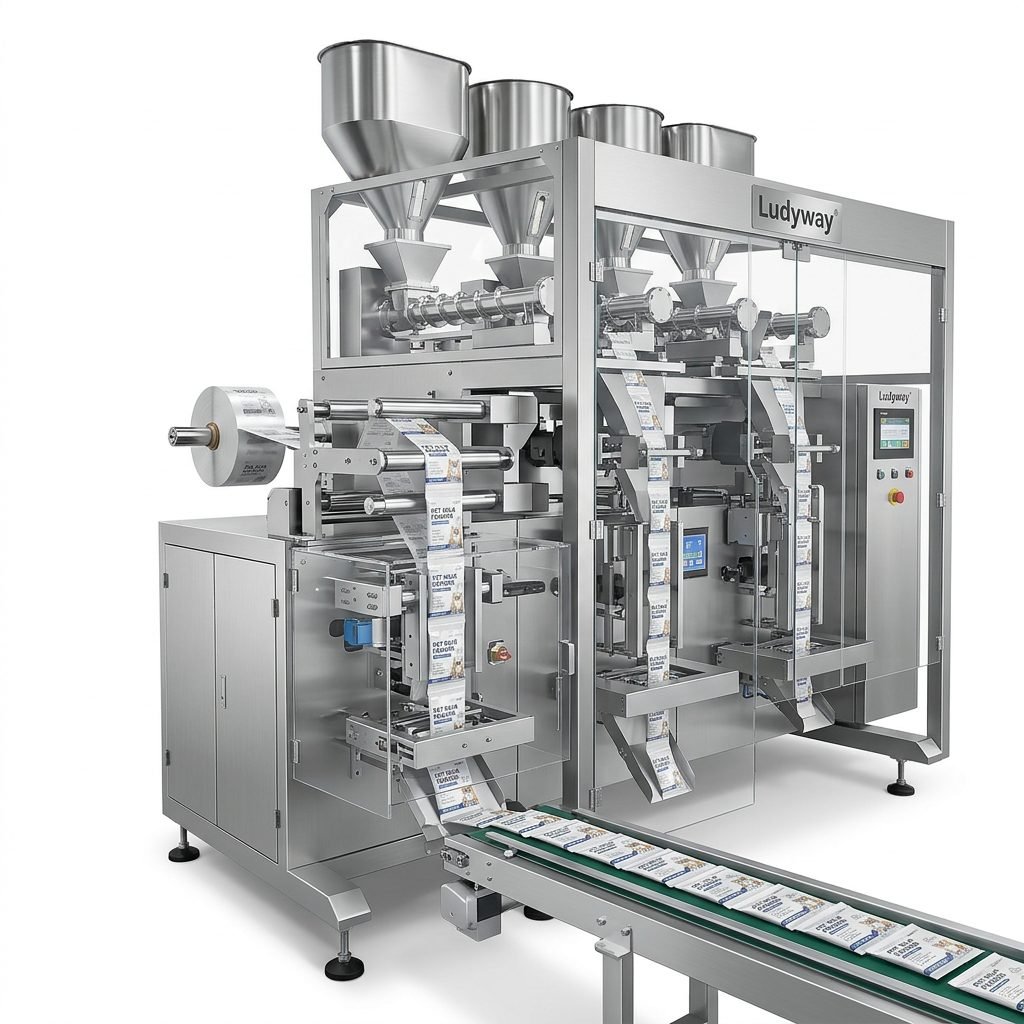
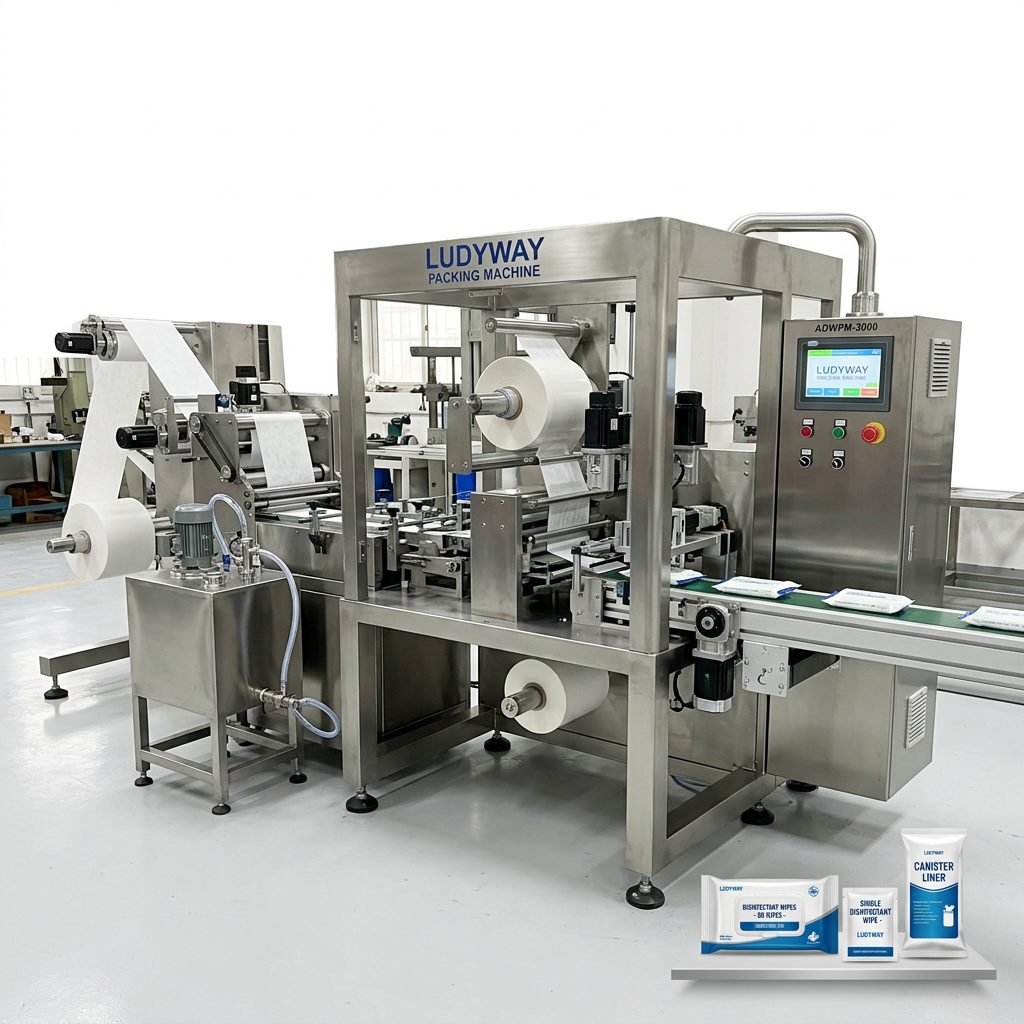
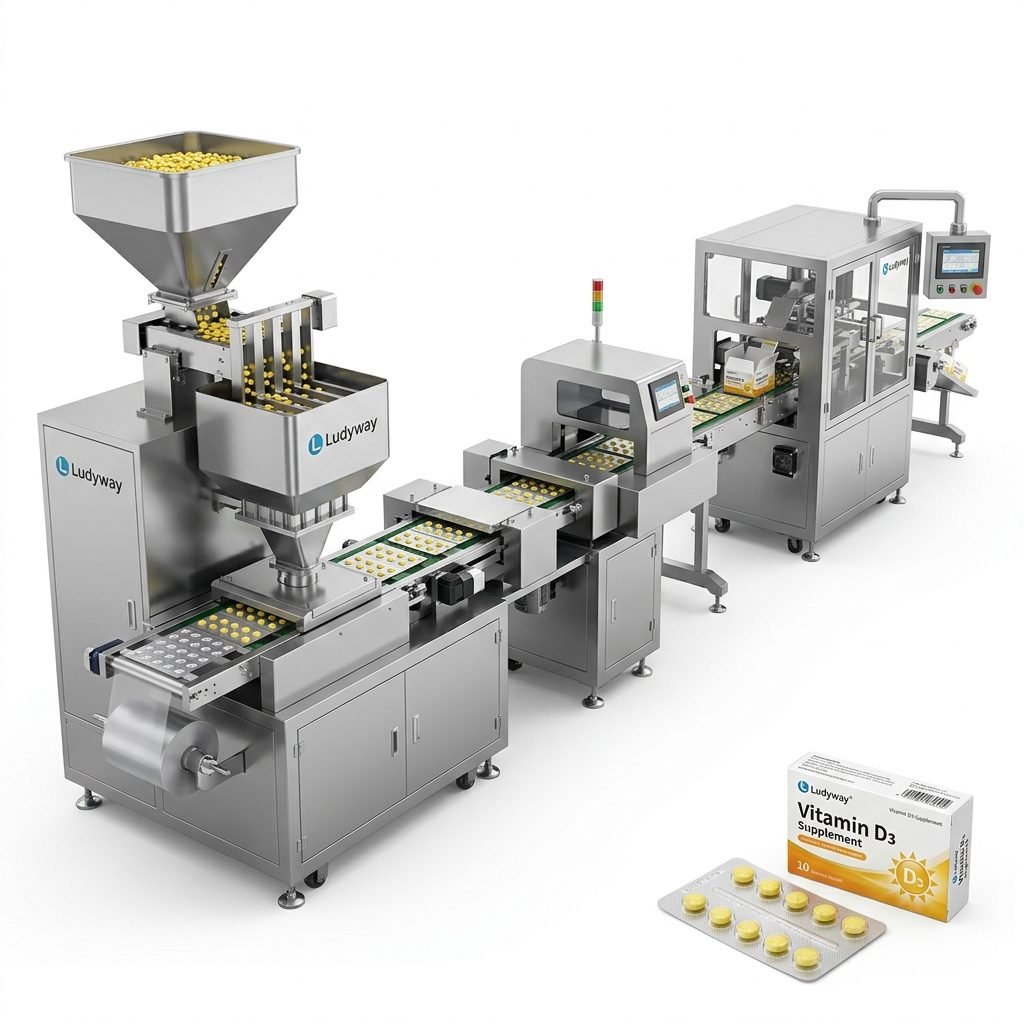
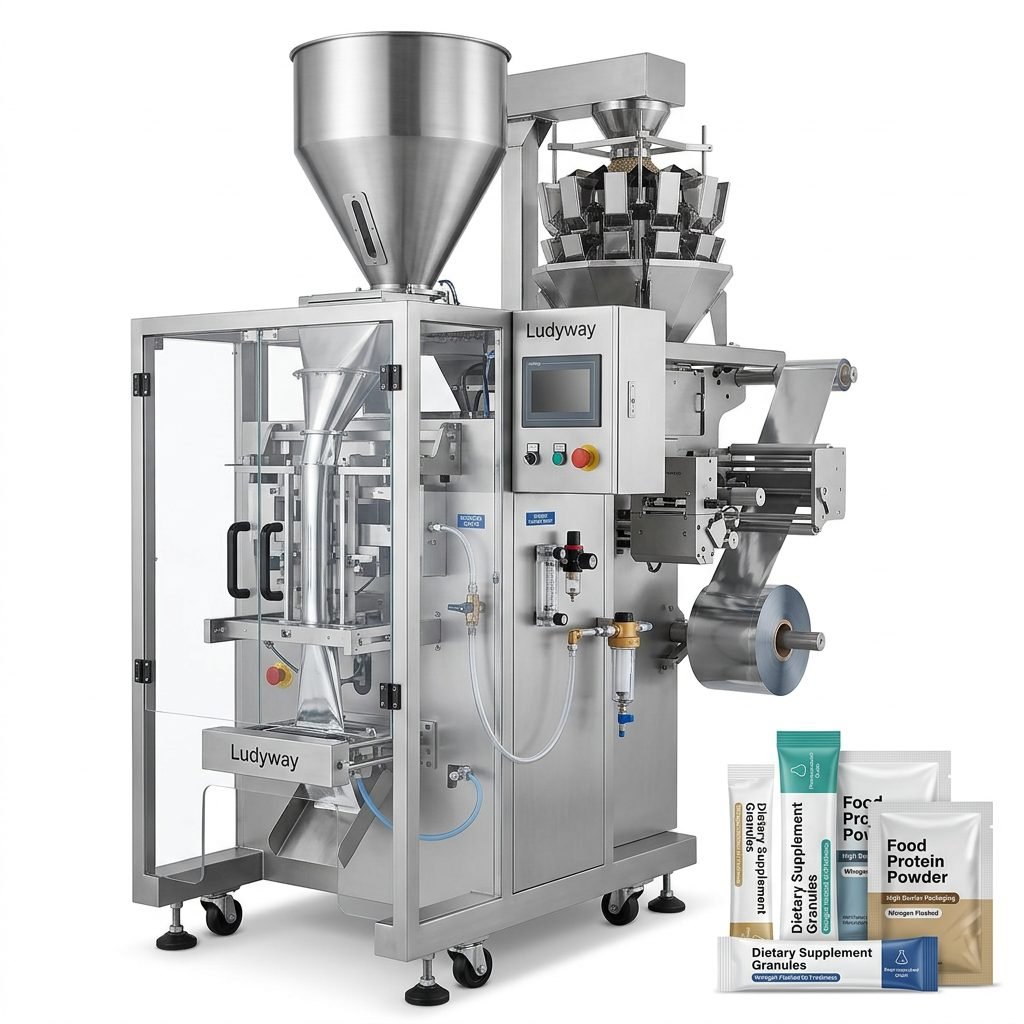
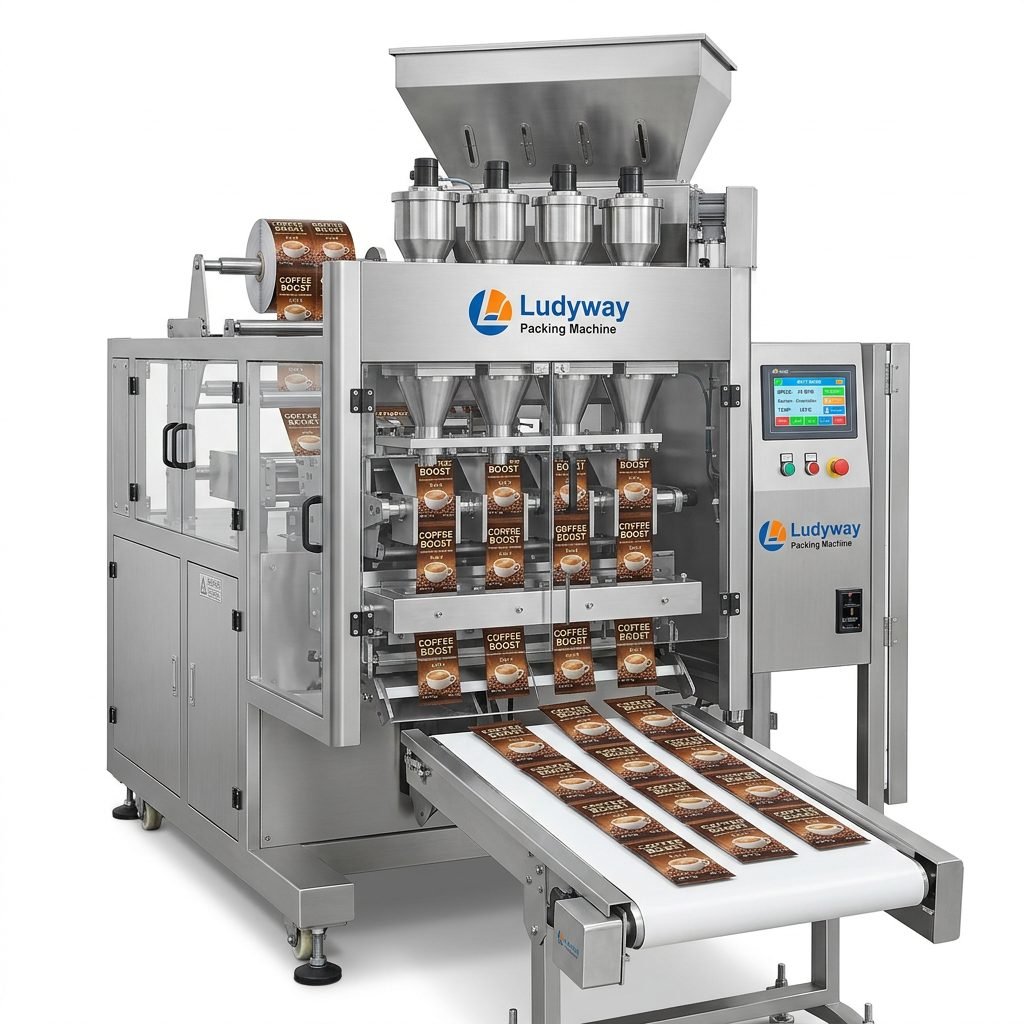
The core of your evaluation should be the manufacturer’s technical capability. Do they offer machinery that matches your product form (granule, powder, liquid, paste)? For Lebanese businesses, versatility is often key due to diverse product lines. Look for a manufacturer with a broad portfolio. For instance, Ludyway offers over 50 intelligent packaging machine models, including multi-lane stick pack, sachet, and fully automated systems, suitable for everything from pharmaceutical powders to food granules.
Consider if the manufacturer provides complete turnkey lines or standalone machines. A turnkey solution from a supplier like PacklineOEM or PackingMachineOEM can be beneficial for setting up a new production line with integrated automation, reducing coordination hassles with multiple vendors.
2. Assess Manufacturing Quality and Innovation
Long-term reliability is non-negotiable. Investigate the manufacturer’s production facilities and quality control processes. A company with a modern manufacturing plant, like Ludyway’s 20,000㎡ facility, is more likely to deliver robust, precision-engineered equipment. Inquire about the use of durable components (e.g., stainless steel contact parts for food/pharma), precision weighing systems, and servo-driven technology for accuracy and speed.
Innovation is also crucial for staying competitive. Does the manufacturer invest in R&D? Can they offer smart features like IoT connectivity for remote monitoring or quick changeover systems for flexible production—features that can give Lebanese exporters an edge?

3. Consider After-Sales Support and Local Service
This is perhaps the most critical factor for Lebanese importers. Geographical distance from the manufacturer’s base (often in China) makes responsive support essential. Before deciding, clarify the after-sales service structure:
- Technical Support: Is 24/7 remote support available? What are the response times?
- Spare Parts: Is there a local parts depot or a guaranteed fast shipping process for critical components?
- Installation & Training: Do they provide on-site installation, commissioning, and operator training by experienced engineers? Companies like Packmate Machinery and Ludyway often emphasize comprehensive project delivery and training.
- Warranty: Understand the warranty terms and scope clearly.
A manufacturer with a proven track record of serving over 100 countries, like Ludyway, typically has established protocols for international support, which is reassuring for Lebanese businesses.
4. Analyze Cost-Effectiveness and ROI
While initial investment is important, Total Cost of Ownership (TCO) is a better metric. A cheaper machine with high downtime, energy consumption, or material waste will cost more in the long run. Request detailed efficiency data: speed (packages per minute), accuracy (filling precision), and yield (material savings). Calculate the potential Return on Investment (ROI) based on increased output, reduced labor, and minimized product giveaway.
For specialized applications like nicotine pouch production, partnering with a niche expert like SnusMachinery might offer the most cost-effective, purpose-built solution despite potentially higher upfront costs.

5. Review Company Reputation and Project Experience
Research the manufacturer’s reputation thoroughly. How long have they been in business? Ludyway, for example, brings over 30 years of industry expertise. Look for case studies or references from projects in the Middle East or with similar products to yours. Testimonials from other businesses in the food, pharma, or cosmetic sectors can provide valuable insights.
Examine their project management capability for larger turnkey lines. Can they handle the entire process from layout design to installation and final validation? Manufacturers like PacklineOEM and PackingMachineOEM position themselves as specialists in complete production line solutions.
6. Flexibility for Customization and Future Growth
Your packaging needs may evolve. Can the manufacturer provide customized solutions or modify standard machines to handle your unique packaging format, unusual product characteristics, or specific production floor constraints? The ability to offer OEM and non-standard designs is a significant advantage.
Furthermore, discuss scalability. Can the machine or line be easily upgraded for higher speeds or integrated with additional automation (like cartoning or palletizing) in the future as your business in Lebanon grows?

Making the Final Decision: Partner, Not Just a Vendor
Choosing a packaging machine manufacturer in Lebanon should be approached as forming a long-term partnership. The right partner will work to understand your business goals, provide a solution that boosts your productivity, and stand by you with reliable support. Schedule video calls or factory inspections if possible. Prepare a detailed list of your requirements (product specs, desired output, bag/sachet dimensions) and ask for a tailored proposal.
Compare proposals from shortlisted manufacturers like Packmate Machinery, Ludyway, and others not just on price, but on the holistic value encompassing machine quality, support network, and their understanding of your local market’s demands.

Frequently Asked Questions (FAQs)
Q1: What is the lead time for receiving a packaging machine in Lebanon?
A: Lead times vary based on machine complexity and customization. For standard models, it can range from 30-60 days after order confirmation, plus shipping and customs clearance time to Lebanon. Always confirm the detailed timeline with the manufacturer.
Q2: Can I get a sample test of my product on the machine before purchasing?
A: Reputable manufacturers often offer sample testing at their facility or provide video test runs using your product sample. This is highly recommended to verify machine performance and packaging quality.
Q3: How do I handle maintenance and repairs locally in Lebanon?
A: Discuss the manufacturer’s support plan. The best suppliers provide detailed manuals, online training, and remote guidance. For major issues, they should dispatch engineers. Ensure you understand the process for sourcing spare parts quickly.
Q4: Are the machines compliant with international safety and industry standards?
A: Established manufacturers design machines to meet CE, ISO, or other relevant standards. For food and pharmaceutical applications, ensure materials are food-grade (e.g., 304/316 stainless steel) and design supports hygienic operation.
Q5: What is the difference between a standard machine and a turnkey line?
A: A standard machine is a single unit (e.g., a sachet filler). A turnkey line is a complete, integrated system that may include feeding, weighing, filling, sealing, coding, and cartoning machines, all synchronized and supplied as one project solution.