In the high-speed world of automated packaging, the reliability of your production line hinges on components often overlooked. Among these, couplings in packaging machinery play a pivotal role. They are the critical links that transmit power from motors to various machine parts like augers, pumps, and sealing jaws, ensuring synchronized and precise operation. A failure here can lead to costly downtime, product waste, and inconsistent packaging quality. This guide delves into the essential types of couplings, provides a practical selection framework, and offers key maintenance strategies to ensure your packaging operations run smoothly and reliably.
Understanding the Role of Couplings in Packaging Systems
Couplings are mechanical devices used to connect two shafts together at their ends for the purpose of transmitting power. In packaging machinery, their function extends beyond simple connection. They accommodate minor misalignments between shafts, absorb shock loads from sudden starts/stops, dampen vibrations, and provide overload protection. This is crucial in applications like filling, where precise volumetric control is needed, or in sealing, where consistent temperature and pressure are vital. The right coupling enhances machine longevity, protects other expensive components, and maintains the integrity of the packaging process.
Key Functions:
→ Power Transmission: The primary role of transferring torque from the driver to the driven shaft.
→ Misalignment Compensation: Accommodating angular, parallel, and axial misalignments that are inevitable in assembly and operation.
→ Vibration Damping: Reducing vibrations and shock loads to protect bearings, gears, and other sensitive components.
→ Overload Protection: Some couplings act as a mechanical fuse, shearing or disengaging under excessive load to prevent catastrophic damage.
Common Types of Couplings Used in Packaging Machinery
Selecting the appropriate coupling type is the first step toward reliable operation. The choice depends on the specific application, load characteristics, and required precision.
1. Jaw Couplings (Spider Couplings)
These are arguably the most common couplings in general packaging applications. They consist of two metal hubs with curved jaws and an elastomeric spider insert (often made of urethane, Hytrel, or NBR) that fits between them. The spider absorbs shock and vibration while compensating for minor misalignments.
Best for: General-purpose drives on auger fillers, conveyor systems, and pumps. They are valued for their simplicity, ease of maintenance, and good damping properties.
2. Bellows Couplings
These couplings use a thin-walled, flexible metallic bellows to connect two hubs. They offer high torsional stiffness and excellent precision in positioning, with zero backlash.
Best for: High-precision servo-driven applications such as cutting mechanisms, robotic pick-and-place arms, and precise indexing systems where accurate angular positioning is critical.
3. Oldham Couplings
Featuring three parts—two hubs and a center disc with tenons on each side at 90 degrees—Oldham couplings excel at compensating for parallel misalignment. They transmit torque through the sliding action of the disc.
Best for: Applications with significant parallel shaft offset but low angular misalignment, often found in some printing or labeling attachments.
4. Beam Couplings (Helical Couplings)
Made from a single piece of metal cut in a helical pattern, these couplings are compact and provide good flexibility. They can accommodate axial compression/extension and minor angular/parallel misalignment.
Best for: Light to medium-duty servo applications, encoders, and small automated mechanisms within packaging modules.
5. Disc Couplings
These use a pack of thin metallic discs bolted between two hubs. They transmit torque through the flexing of the discs, offering high torque capacity and torsional stiffness with zero backlash.
Best for: Heavy-duty, high-speed, and high-torque applications, such as large rotary filling machines or main drive systems requiring robustness and precision.
6. Magnetic Couplings
These provide a non-contact connection using magnetic force. They physically separate the driver and driven sides with a containment shell.
Best for: Aseptic or sterile packaging environments (e.g., in pharmaceutical or food packaging) where a hermetic seal is required to prevent contamination, as they eliminate the need for a dynamic shaft seal.
A Practical Guide to Selecting the Right Coupling
Choosing a coupling is a balance of technical requirements and operational realities. Follow this step-by-step guide to make an informed decision.
Step 1: Define Application Parameters
Start by gathering key data: Required torque (normal and peak), operating speed (RPM), the type of prime mover (AC motor, servo, stepper), and the nature of the load (constant, variable, shock-prone).
Step 2: Assess Shaft Misalignment
Measure or estimate the expected misalignment between the connected shafts—angular, parallel, and axial. Different coupling types have specific compensation capabilities.
Step 3: Consider Environmental Factors
Evaluate the operating environment: presence of washdown chemicals, extreme temperatures, dust, or abrasive particles. This dictates material choices (stainless steel vs. aluminum, specific elastomers).
Step 4: Evaluate Performance Needs
Determine if the application requires zero backlash (for precision positioning), torsional stiffness (for accurate motion control), or vibration damping (for protecting sensitive components).
Step 5: Factor in Space and Installation Constraints
Check the available space for the coupling. Some types, like bellows couplings, are compact, while others may require more axial space for installation and disassembly.
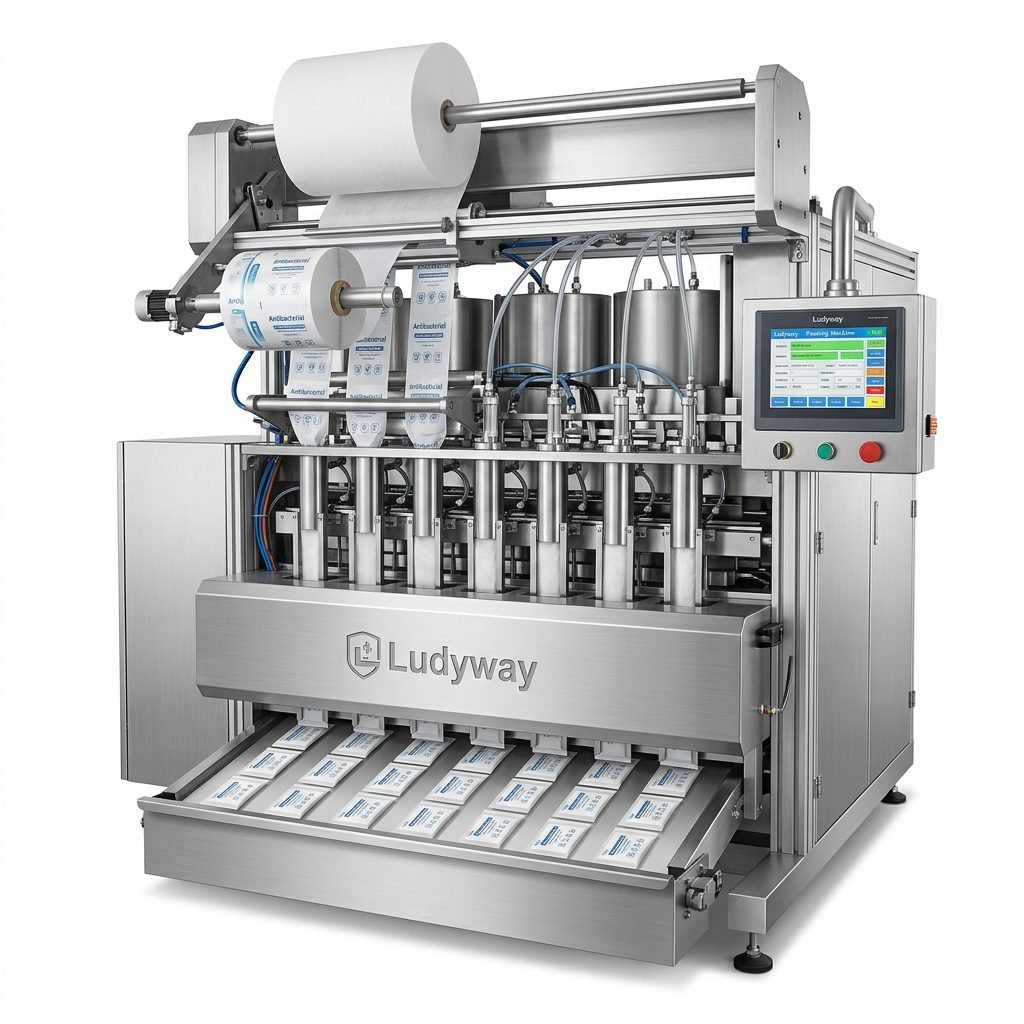
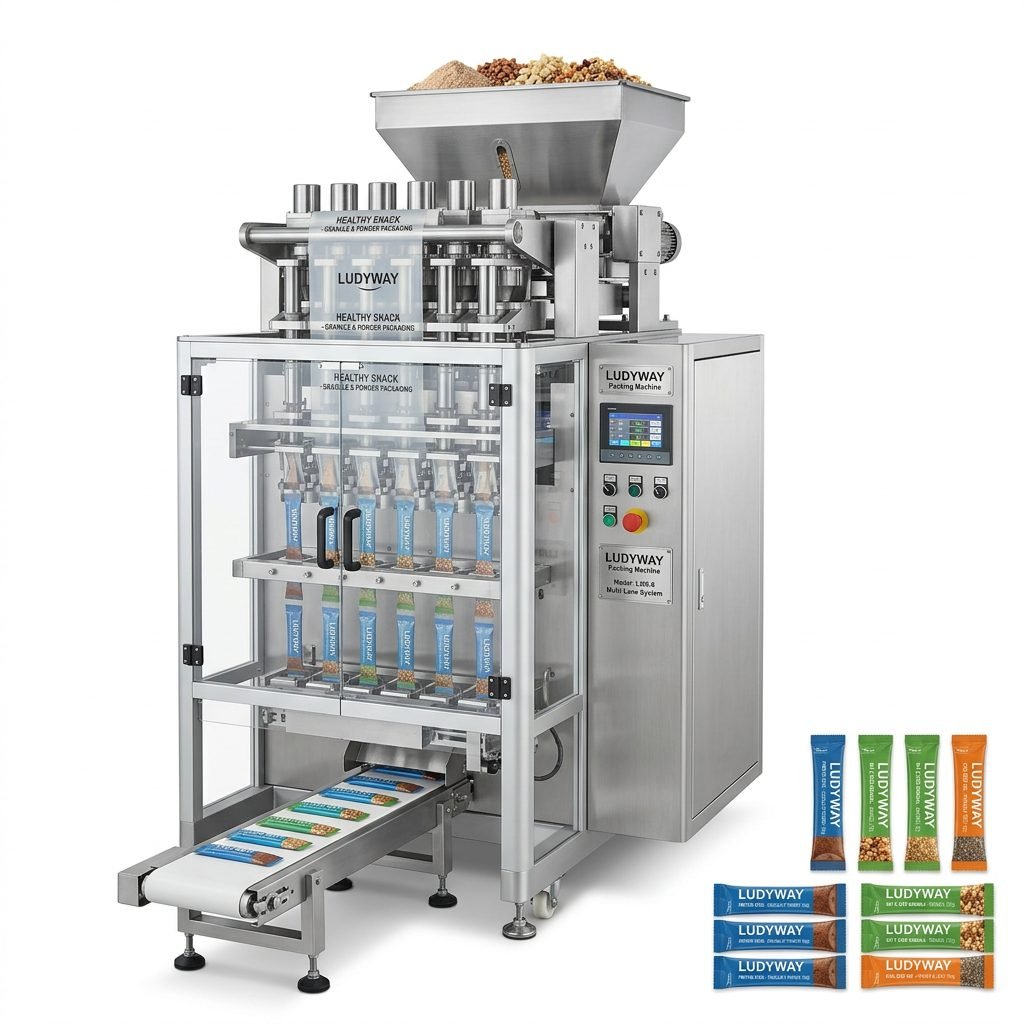
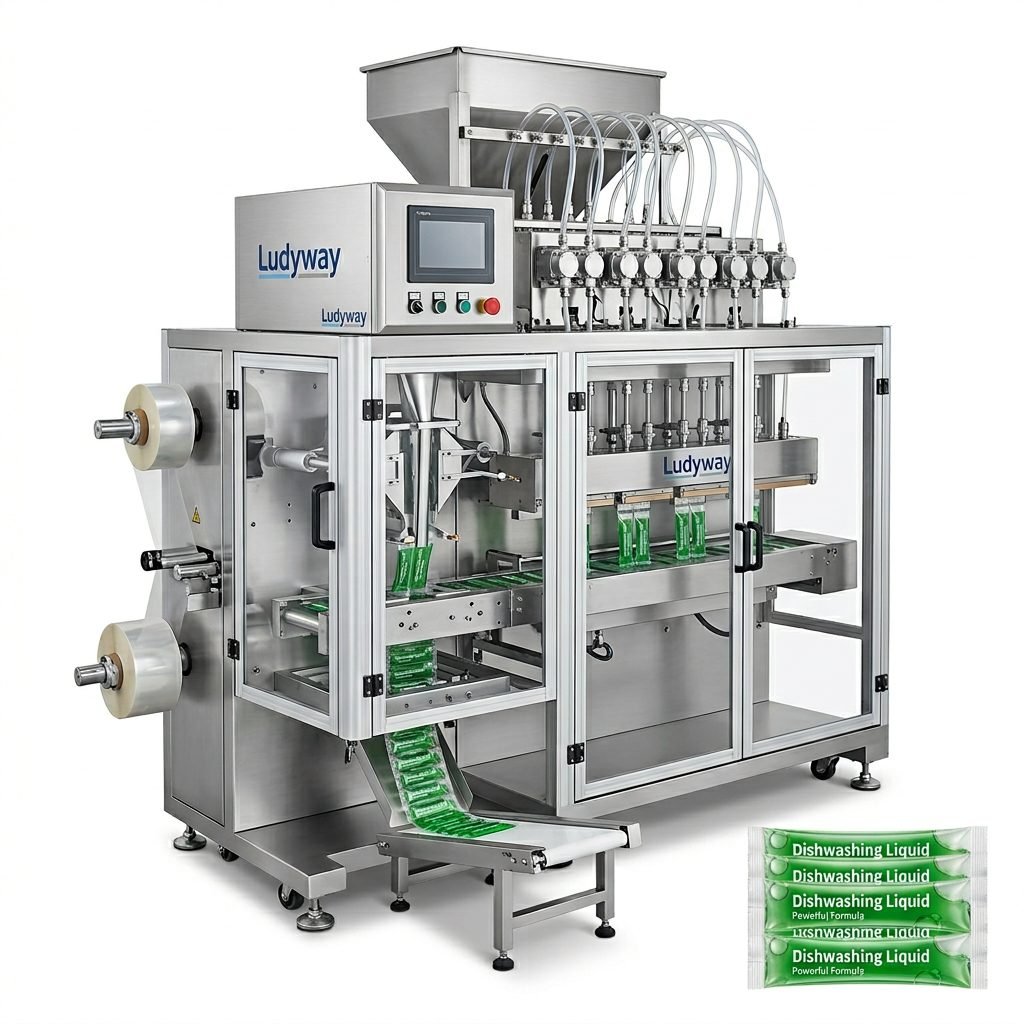
For complex systems like a multi-lane stick pack machine, consulting with a packaging machinery expert or the OEM is advisable to ensure compatibility and optimal performance across all interconnected drives.
Essential Maintenance Tips for Longevity and Reliability
Proactive maintenance is far less costly than unplanned downtime. A disciplined approach to coupling care can extend its life and prevent secondary failures.
Routine Inspection Schedule
Implement a visual and operational check during regular machine maintenance cycles. Look for signs of wear, cracking (especially in elastomeric spiders), corrosion, or any unusual noise during operation like clicking or grinding, which indicates misalignment or failure.
Proper Lubrication (Where Applicable)
Some couplings, like gear couplings, require periodic lubrication. Use only the manufacturer-recommended lubricant and follow the specified intervals. Over-lubrication can be as harmful as under-lubrication, attracting dust and causing slippage.
Alignment Checks and Corrections
Even flexible couplings have limits. Periodically check shaft alignment with a dial indicator or laser alignment tool. Poor alignment is the leading cause of premature coupling failure and increased bearing wear. Re-align shafts whenever the machine is significantly moved or after major component replacement.
Timely Replacement of Wear Components
Do not treat couplings as permanent components. For jaw couplings, keep spare elastomeric spiders on hand and replace them at the first sign of hardening, cracking, or permanent set. For other types, follow the manufacturer’s service life recommendations based on operating hours and load cycles.
Torque Fasteners Correctly
When installing or servicing couplings, always use a torque wrench to tighten set screws or clamp bolts to the manufacturer’s specification. Incorrect torque can lead to slippage, fretting corrosion, or damage to the shaft.
Integrating these checks into your overall packaging machine maintenance protocol ensures holistic equipment care.
Conclusion
Couplings may be small components, but their impact on packaging line performance is enormous. By understanding the different types available, applying a systematic selection process, and adhering to a disciplined maintenance routine, you can significantly enhance the reliability, efficiency, and uptime of your packaging operations. Investing time in selecting the right coupling and caring for it properly pays dividends in consistent product quality, reduced waste, and lower total cost of ownership for your packaging machinery.
Frequently Asked Questions (FAQs)
How often should I inspect the couplings on my packaging machine?
We recommend a visual inspection during every scheduled preventive maintenance cycle, typically every 500-1000 operating hours or monthly. A more thorough operational check for noise, vibration, and temperature should be conducted quarterly.
What are the most common signs of coupling failure?
The most evident signs include increased vibration or noise (clicking, grinding), visible cracks or wear in elastomeric elements, rust or fretting corrosion on metal surfaces, and noticeable misalignment between the connected shafts. A sudden loss of precision in machine movement can also indicate coupling issues.
Can I use any jaw coupling spider as a replacement?
No. It is critical to use the exact spider material (e.g., urethane 92A, Hytrel) and durometer (hardness) specified by the coupling manufacturer or original machine builder. Using an incorrect spider can alter the coupling’s torque capacity, damping characteristics, and misalignment capabilities, leading to premature failure.
Is laser alignment necessary for packaging machinery couplings?
While traditional dial indicator methods work, laser alignment tools offer superior speed and accuracy, especially for complex or hard-to-access drives. For critical, high-speed, or high-torque applications common in modern packaging lines, laser alignment is a best-practice investment that prevents problems.
How do I choose between a jaw coupling and a bellows coupling for a servo motor?
If the application requires high positional accuracy, zero backlash, and high torsional stiffness (e.g., a cutting station), a bellows coupling is the better choice. If the application is less sensitive to backlash, has more shock loads, and benefits from vibration damping (e.g., a rotary pump), a high-quality jaw coupling may be sufficient and more cost-effective.